1/5
Building facades and vertical shade
For decades, architects and government officials have recognized the importance of energy-efficient buildings, especially since the 1970s energy crisis. Buildings, including their construction, materials, and associated infrastructure, contribute up to 40 percent of global carbon emissions, making energy efficiency a critical concern. This understanding is foundational in North American architecture schools and has been emphasized by European institutions for even longer. The "Passive House Design" approach, pioneered by German architects, considers a building's entire interconnected system, focusing on its integration with the site, climate, and social support. This philosophy extends beyond residential structures to all building types. A more recent evolution, the "Net Zero Design" approach, also led by German designers, takes this further by requiring buildings to be highly efficient, use minimal energy, and replace all the energy they consume, potentially even contributing excess energy back to the local power grid.
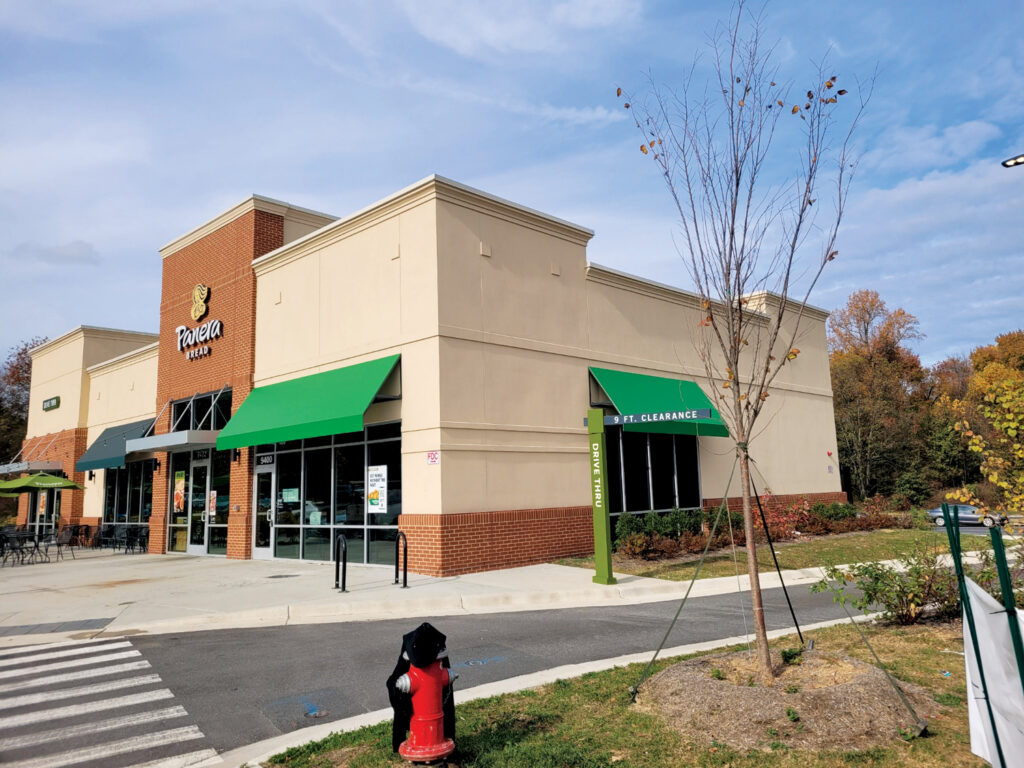
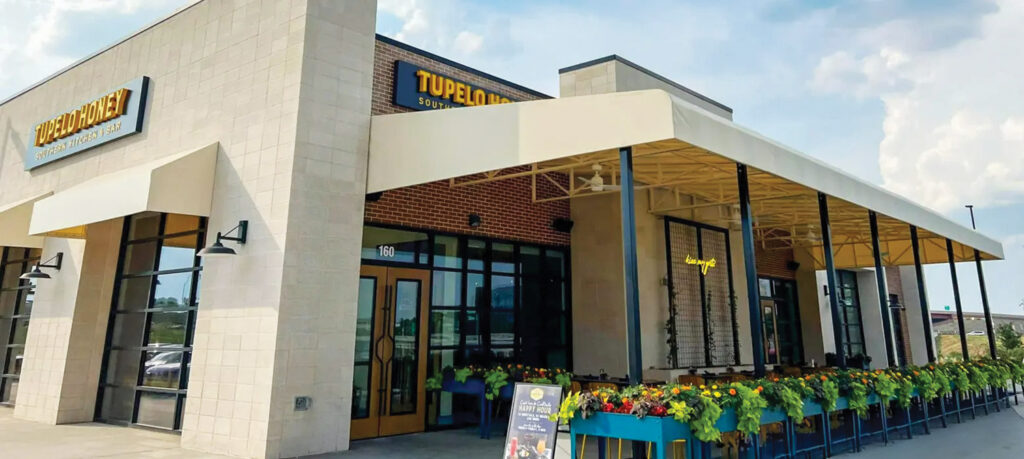
Europe, with its advanced energy design and construction history, has developed numerous innovative building cladding systems that contribute to energy efficiency. These systems often incorporate specialty fabrics in intelligent ways, such as vertical shade systems, retractable awnings, and entire building wraps. Industry experts, including Steve Fredrickson from Serge Ferrari North America, note that Europe is significantly ahead of North America in this area due to a lack of air conditioning standardization in European homes and retail, creating a greater need for heat barrier solutions. Additionally, European building codes are more adaptable to new energy-reducing products and developments. In contrast, existing North American building codes and the time required for their amendment make widespread adoption of fabric shade systems more challenging.
Architect Samuel Armijos observes that while European markets showcase many examples of vertical fabric systems, such projects are scarce in the U.S. This lack of visible examples hinders broader acceptance and design incorporation. Architect Nicholas Goldsmith, however, notes a growing recognition among North American designers that exterior shading, particularly in specific regional climates, offers advantages over other cladding systems, such as being lightweight, efficient, and cost-effective. Mike Squizzato of Stobag North America Corp. highlights that Europeans prioritize shade for cooling due to higher electricity costs, whereas North Americans typically rely on air conditioning. He believes that as electricity costs rise and climate concerns grow, North American markets will rapidly adopt shading solutions, with awnings and vertical shading providing natural air-conditioned environments and potentially saving over 50 percent on electricity bills.
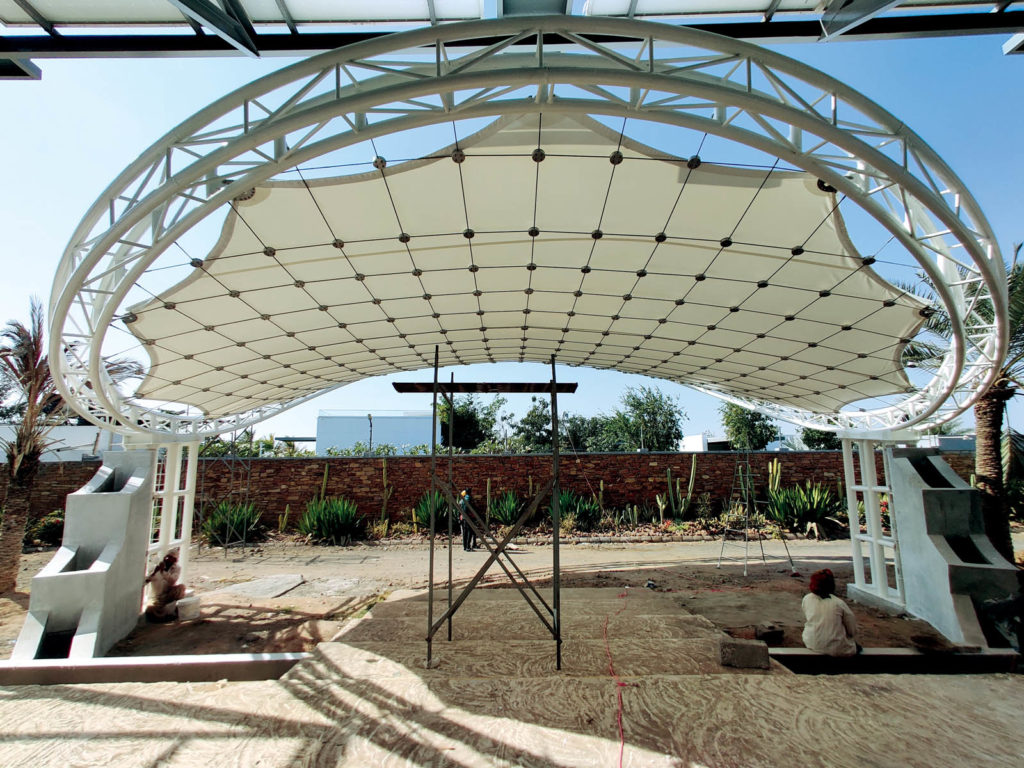
Paul Snustead, director of facades at Structurflex, acknowledges Europe's lead but points to Structurflex's efforts to advance fabric facade architecture in the U.S. Tensile facades, also known as textile, fabric, or flexible facades, offer an innovative, long-lasting, and cost-effective alternative to traditional metal mesh screens, often costing about 50 percent less. These systems act as a 'second skin' for buildings, providing screening and shading, which can contribute to reduced energy consumption and LEED certification.
Despite the clear benefits, the adoption of fabric-based shading systems in North America faces challenges. Traditional cladding materials remain strong competitors. Armijos notes a decline in leads for shade jobs, with parking garages being the primary market, but even there, fabric competes with pre-fabricated concrete and metal mesh systems. He suggests a major global event might be needed to spur a push toward textile facades. Andrew Trowbridge of Ronstan International observes a shift away from stainless steel cables in fabric structures towards greening systems and perforated aluminum panels for shade and facade coverage.
Conversely, Fredrickson sees growth in both static and retractable vertical shading options across North America. Snustead describes an exponential expansion in the fabric facade architecture market, particularly for tensile fabric meshes, membranes, and foils, initially driven by parking garage screening requirements. Structurflex has seen an 800 percent increase in facade projects annually, with fabric facades becoming a significant part of their operations. Squizzato predicts that as temperatures rise, North Americans will increasingly seek cost-effective cooling solutions beyond air conditioning, leading to buildings with more colorful awnings and widespread vertical shading, eventually mirroring European practices within 15 years.
For companies looking to enter or expand in this market, experts emphasize the need for knowledge, education, and accessibility of information. The ideal company size varies by region and market, but success hinges on having the right products and expertise. Fredrickson warns against using cheap, unproven products, which can harm the market's reputation. Snustead highlights the versatility of tensile facades, which can span large distances with less structural support and use materials that are often 100% recyclable with long lifespans. Squizzato points out that many existing businesses, from awning companies to landscape architects, can leverage sun shade protection to expand their services, provided they have appropriate insurance, training, and competent staff. The overall outlook for vertical fabric shading remains positive, with continued growth anticipated, especially as architects and contractors become more familiar with the medium's innovation and economic advantages.
#BuildingFacades #VerticalShading #EnergyEfficiency #FabricArchitecture #SustainableDesign #ArchitecturalTextiles #NetZeroDesign #ClimateControl #ConstructionInnovation #BuildingFacades #VerticalShading #EnergyEfficiency #FabricArchitecture #SustainableDesign #ArchitecturalTextiles #NetZeroDesign #ClimateControl #ConstructionInnovation
0 ความคิดเห็นรวม
 ยังไม่มีความคิดเห็น
คุณอาจจะชอบอีกด้วย

Facade Systems
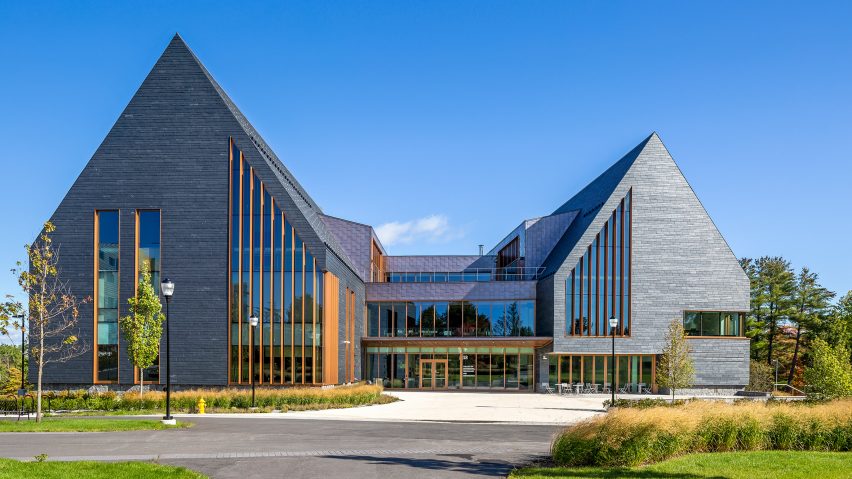
Cupa Pizarras slate-cladding system Cupaclad offers modern siding options
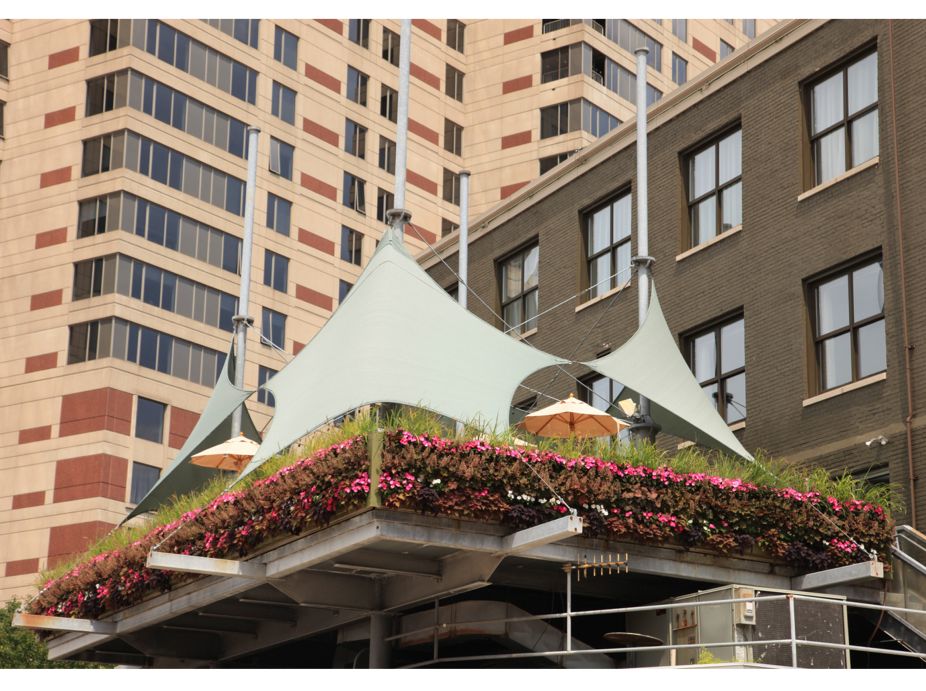
The B.O.B. Sky Patio

Decorative and architectural ceiling solutions
In the frame: windows and skylights with a different perspective

10 homes that make clever use of lightwells to bring daylight in
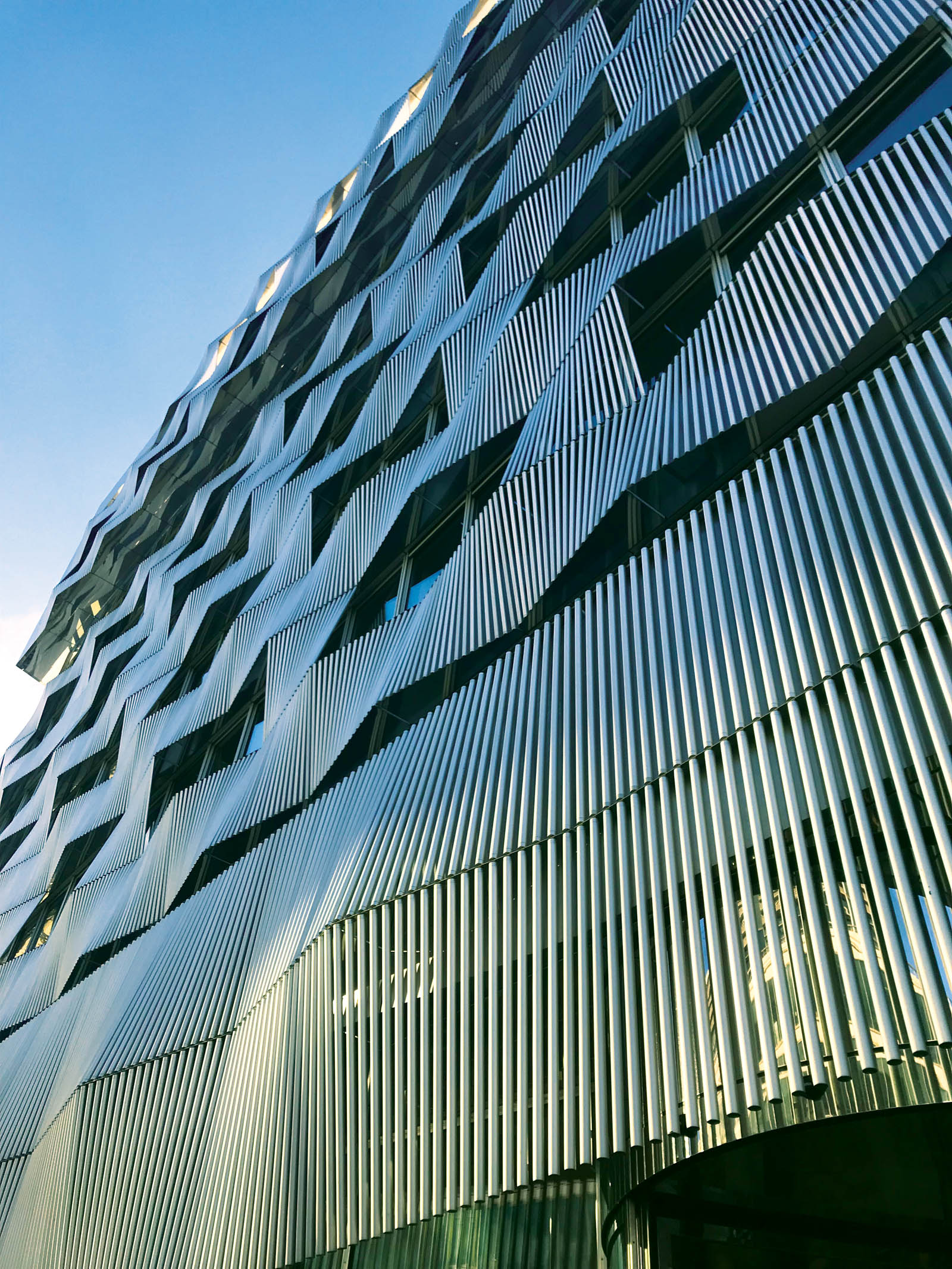
Advanced shade control in the Be Open building
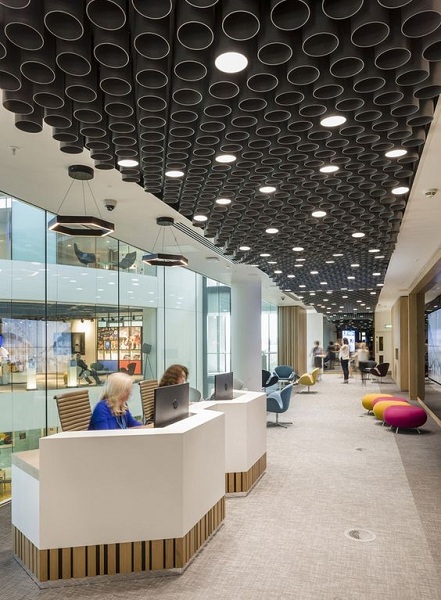
10 Modern Ceiling Design Ideas for Shops in 2025

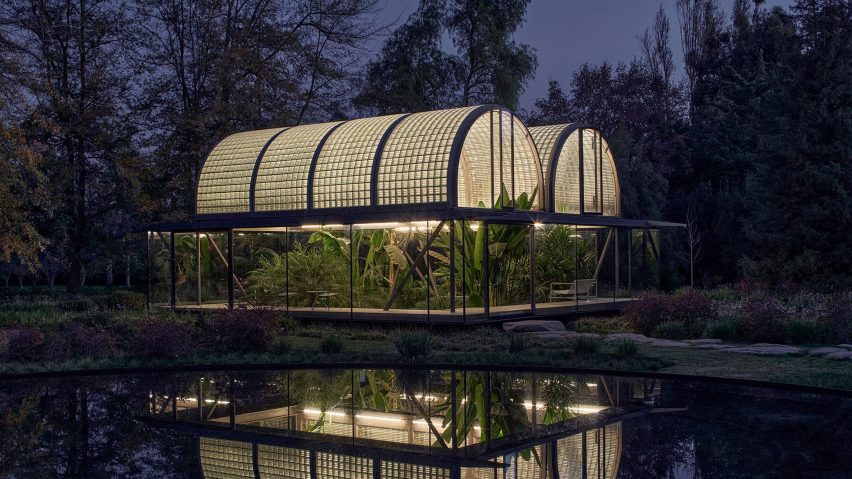
Eight buildings bejewelled with glass bricks and blocks
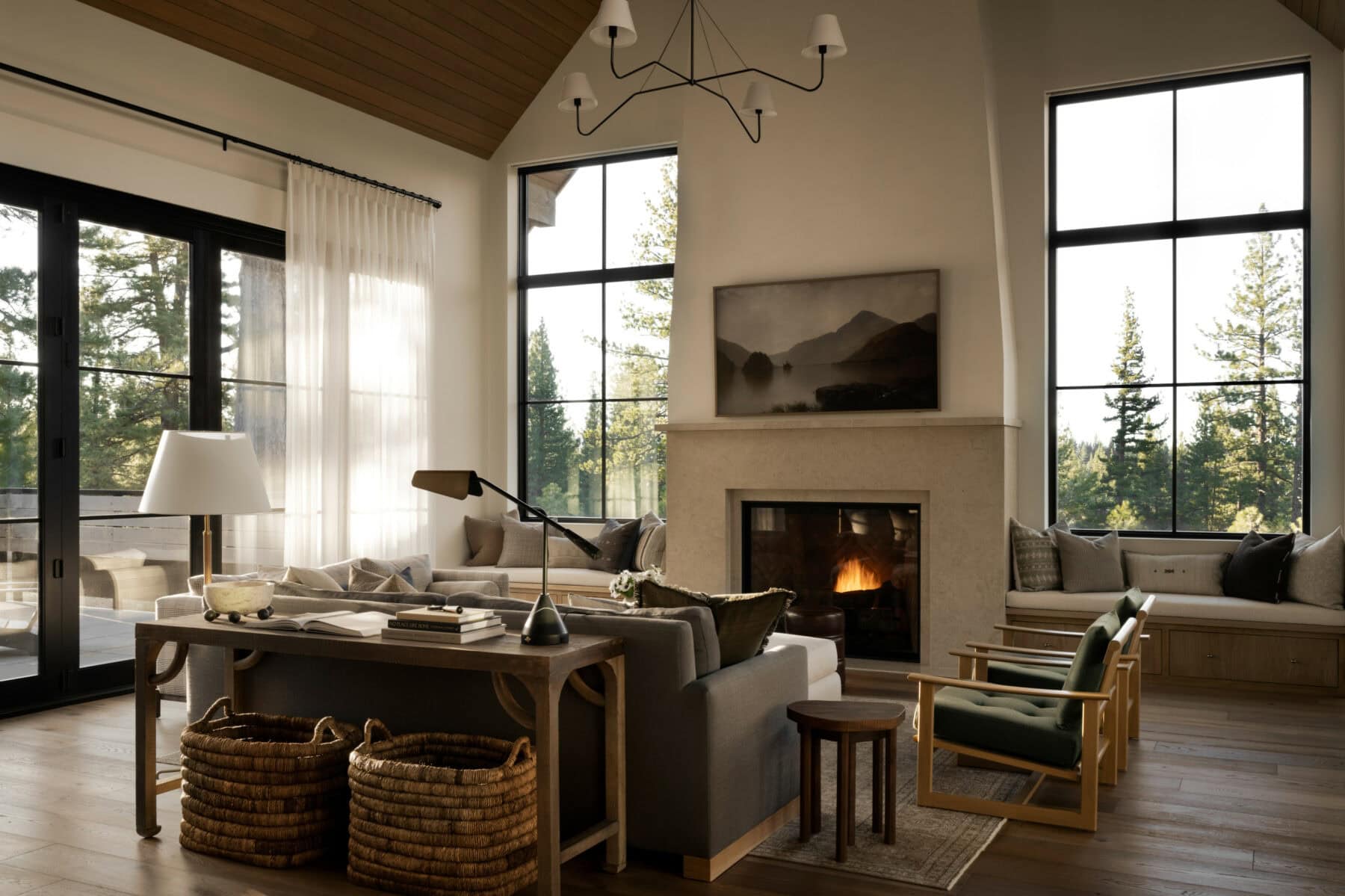
Soaring Ceilings & Wrapped Windows
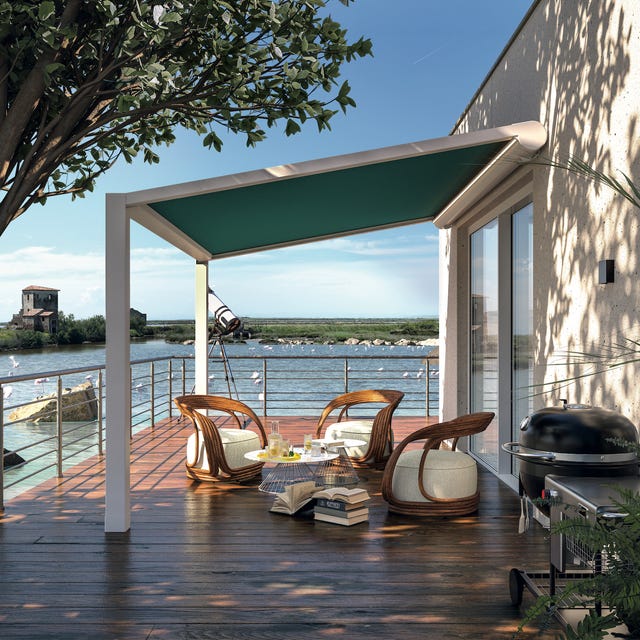
Interiors conquer the outdoors thanks to designer pergolas

Dezeen's top 10 staircases of 2021
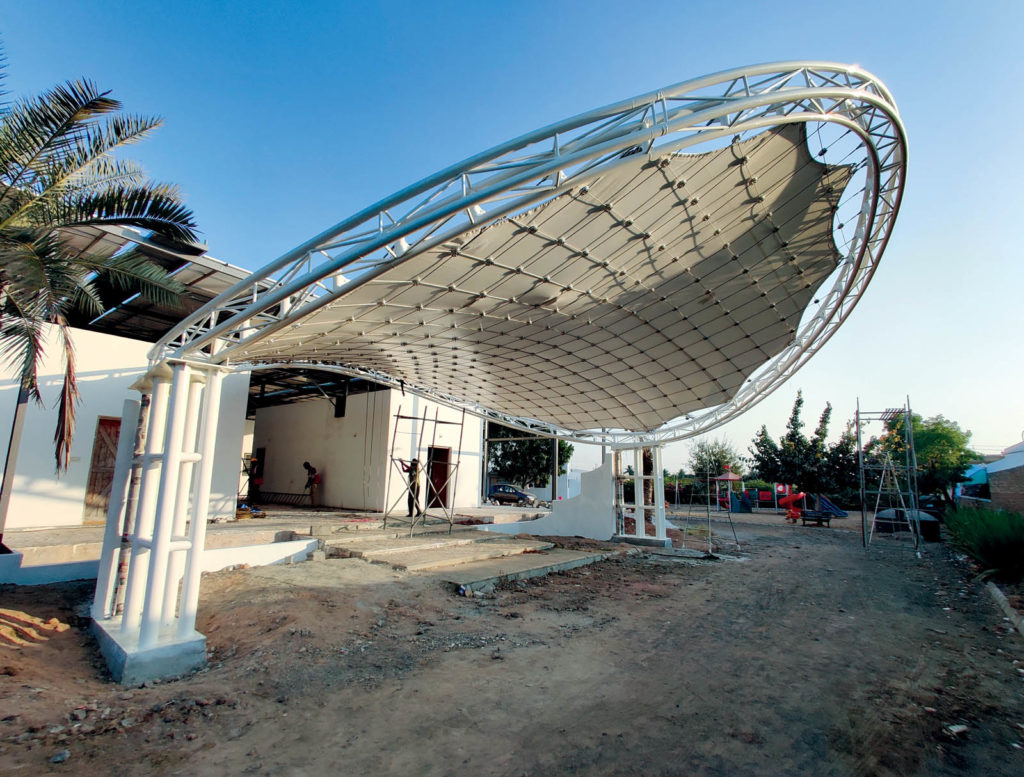
Portico shade structure opens up new possibilities
H&G Top 50 Rooms 2018: outdoor rooms

Ten living rooms that use floor-to-ceiling glazing to bring the outdoors in
Balcony Design for Urban Living: A Comprehensive Guide

How to See a Structural Column as an 'Oh-Wow' Moment, Rather Than an Obstacle

Fabric awnings vs. metal
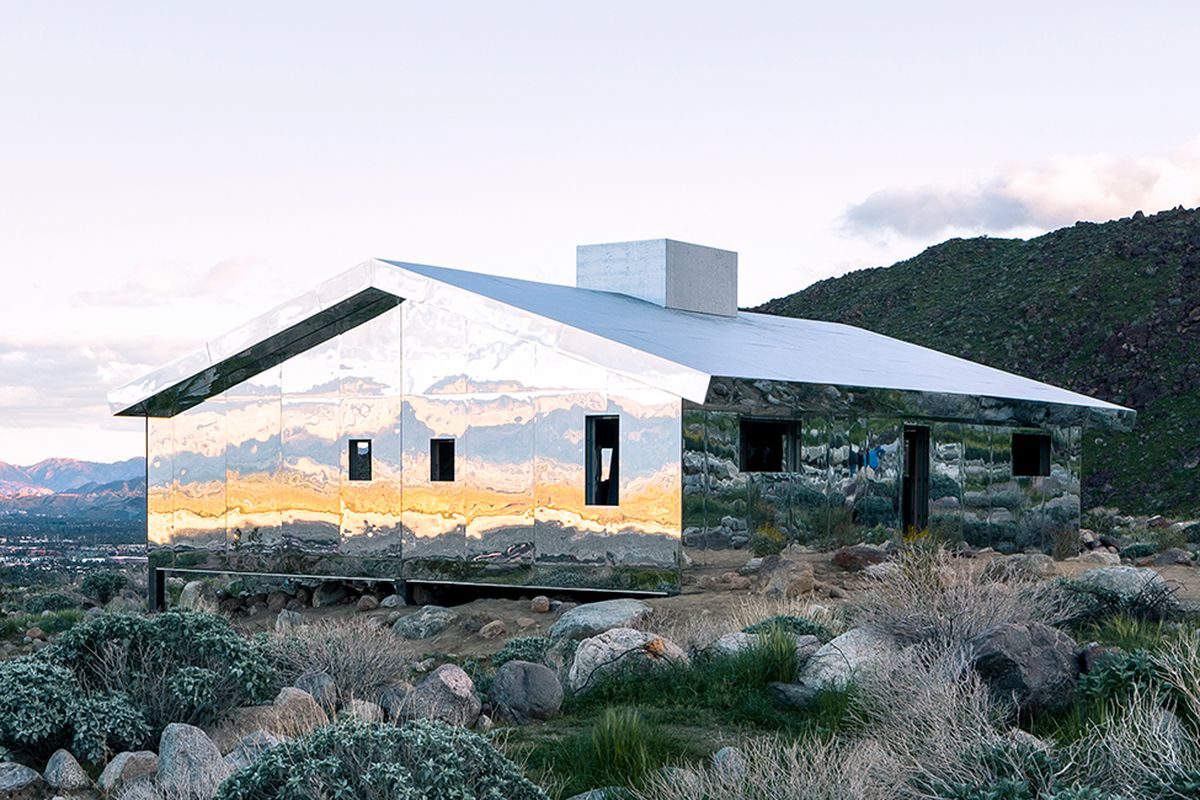
6 stunning examples of mirrored architecture
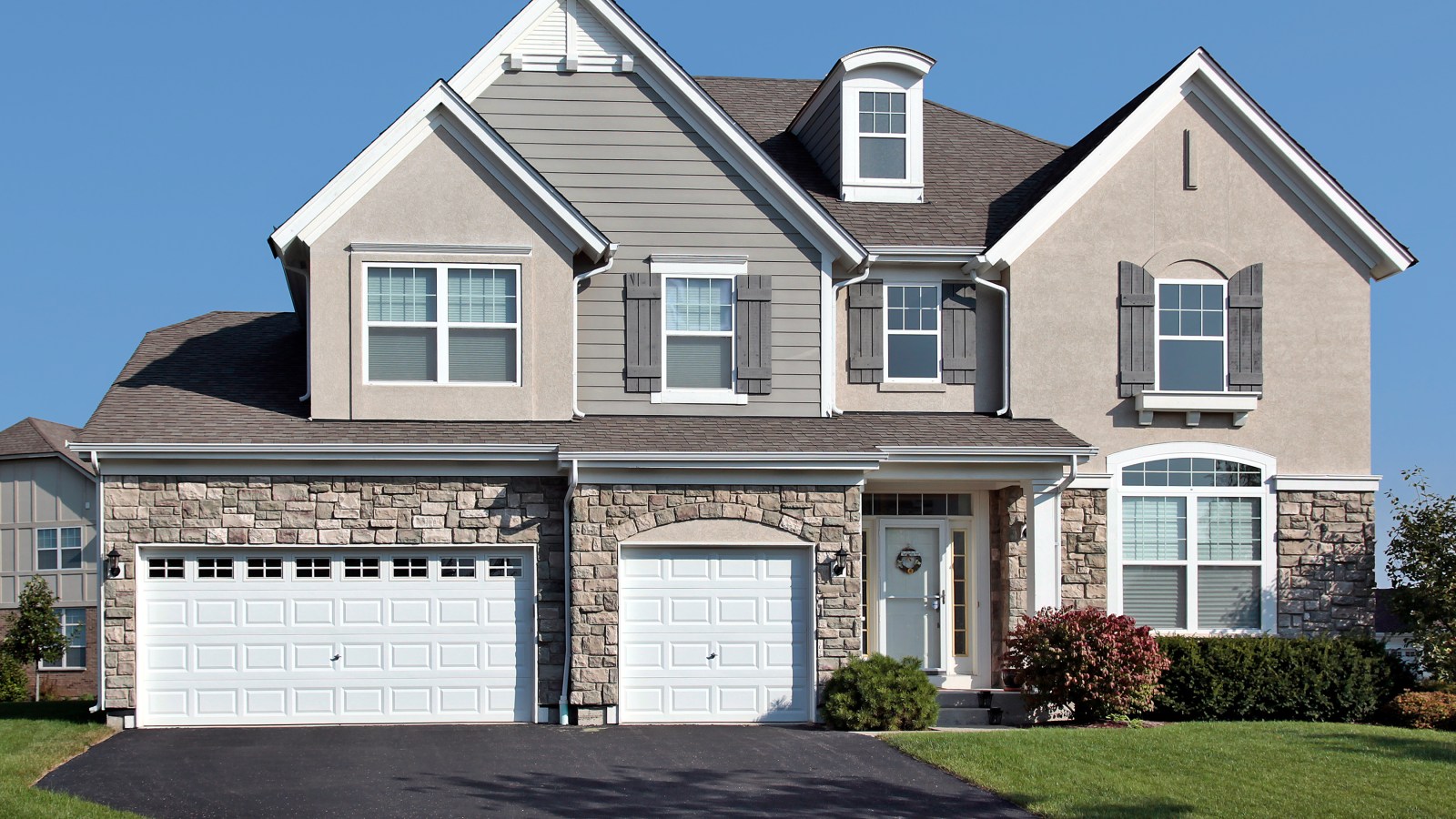
Discover 5 stunning options to use instead of brick facades