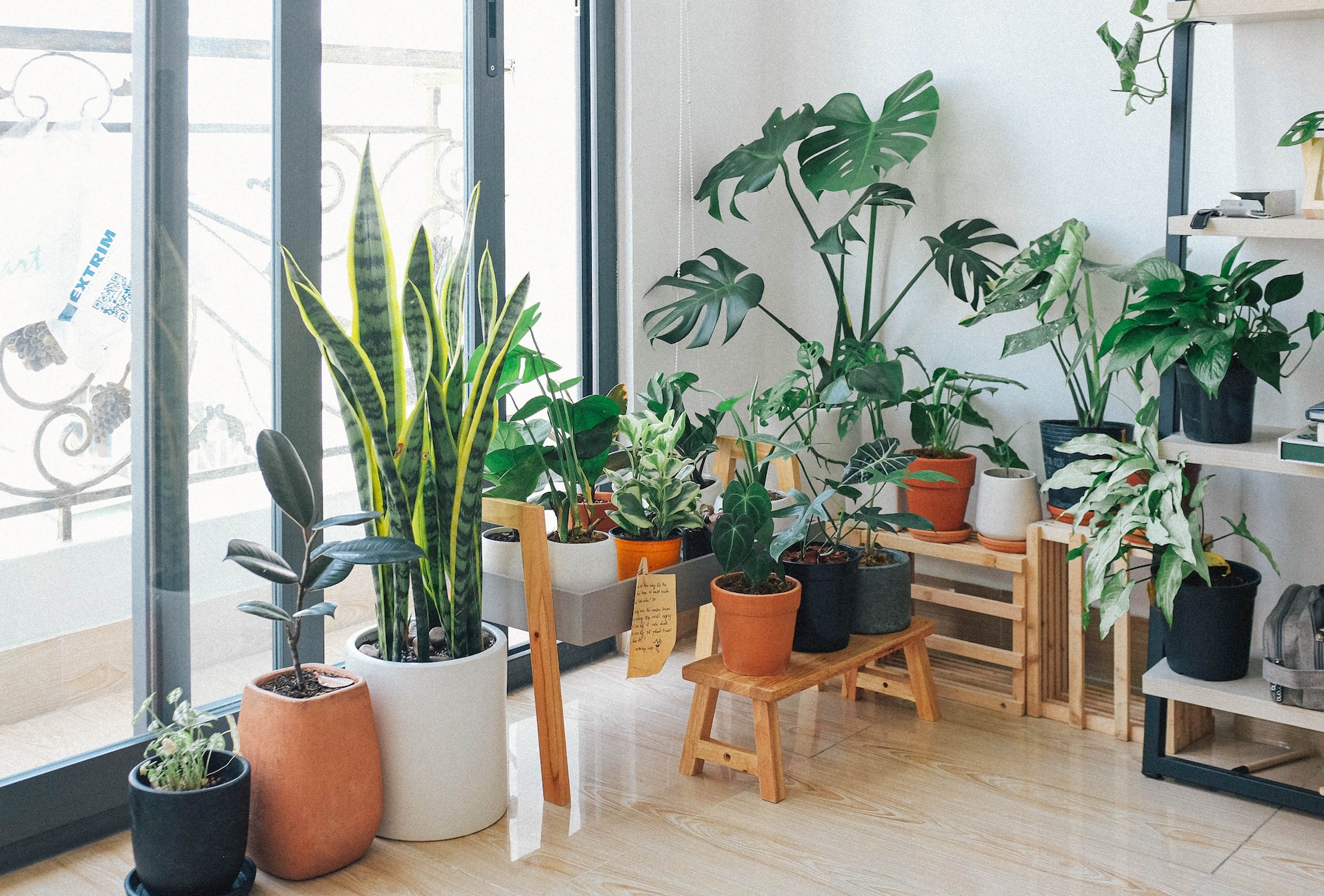
1/5
8 Incredible Indoor Garden Ideas
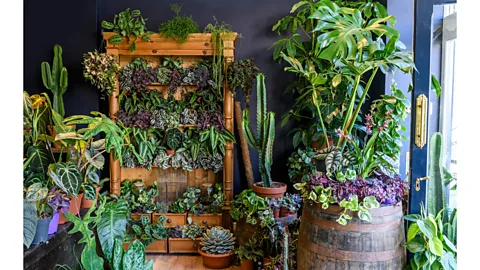
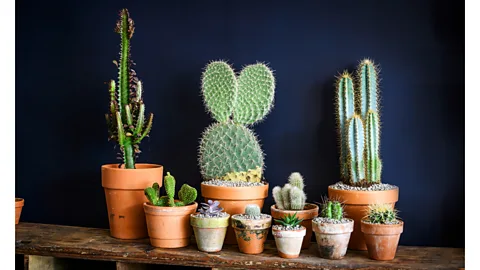
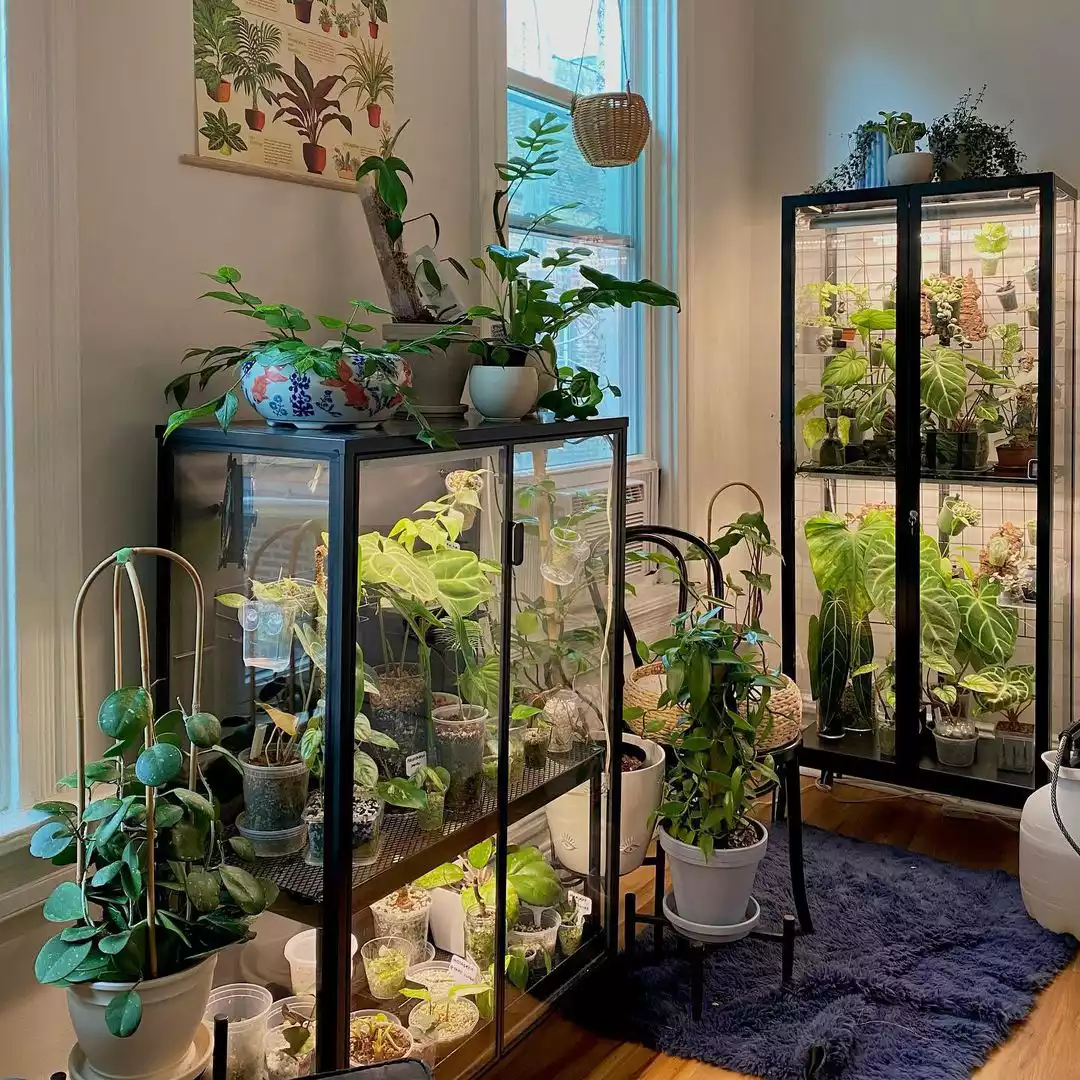
Cultivating plants indoors offers a way to incorporate natural elements into living spaces, particularly for individuals with limited area or natural light. This guide outlines eight creative approaches to indoor gardening, each offering distinct advantages and considerations.
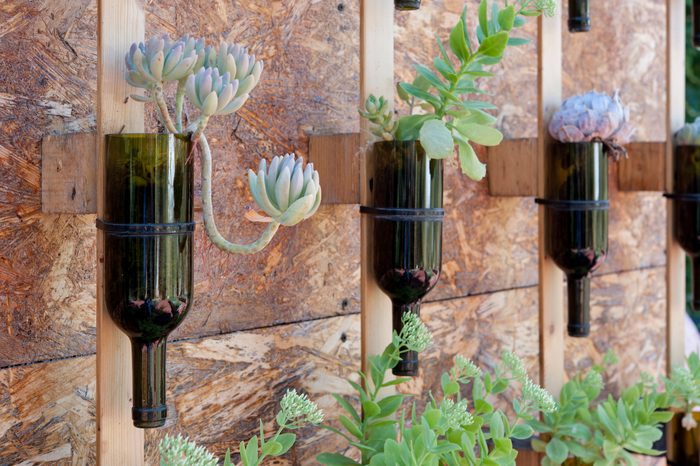
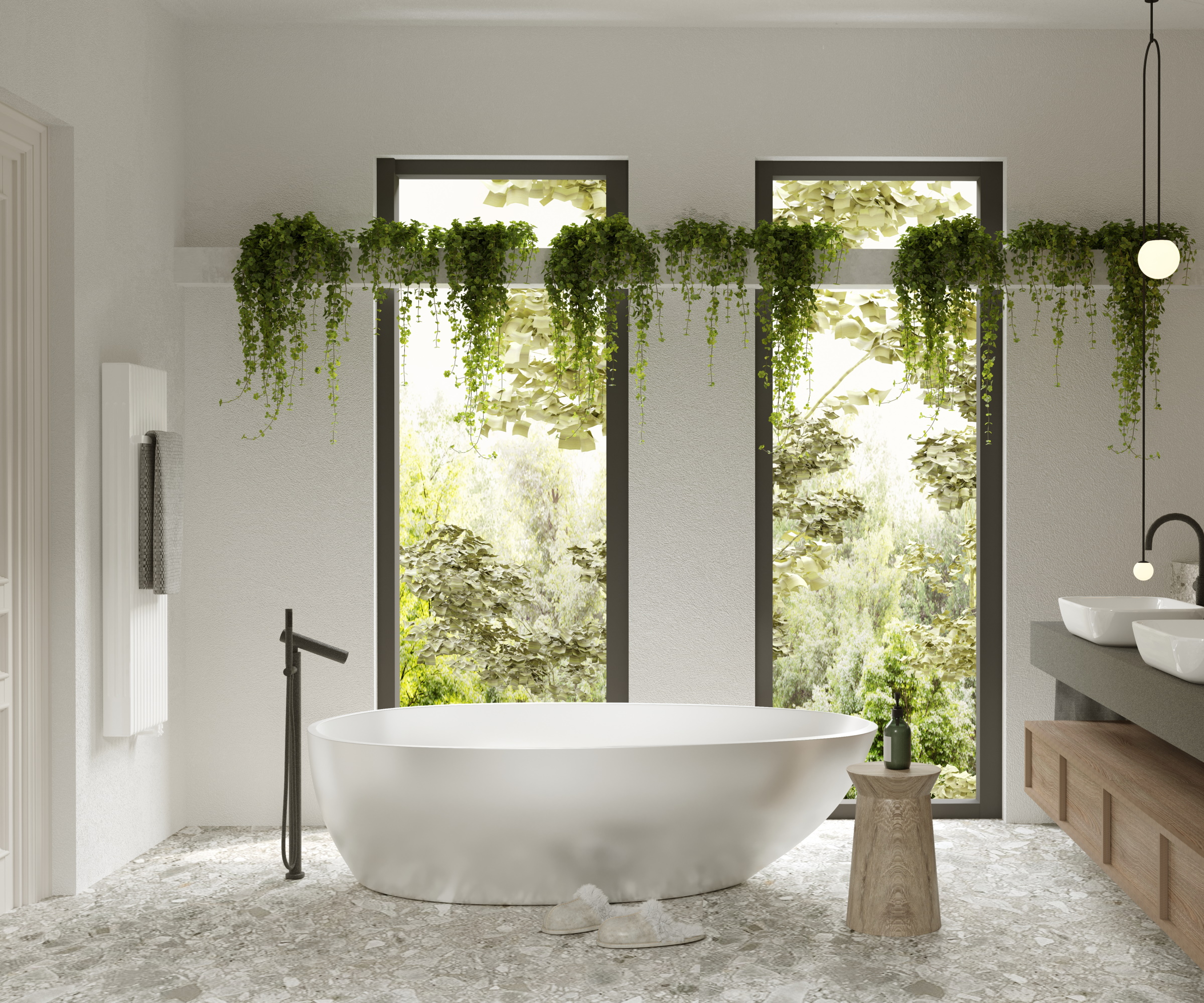
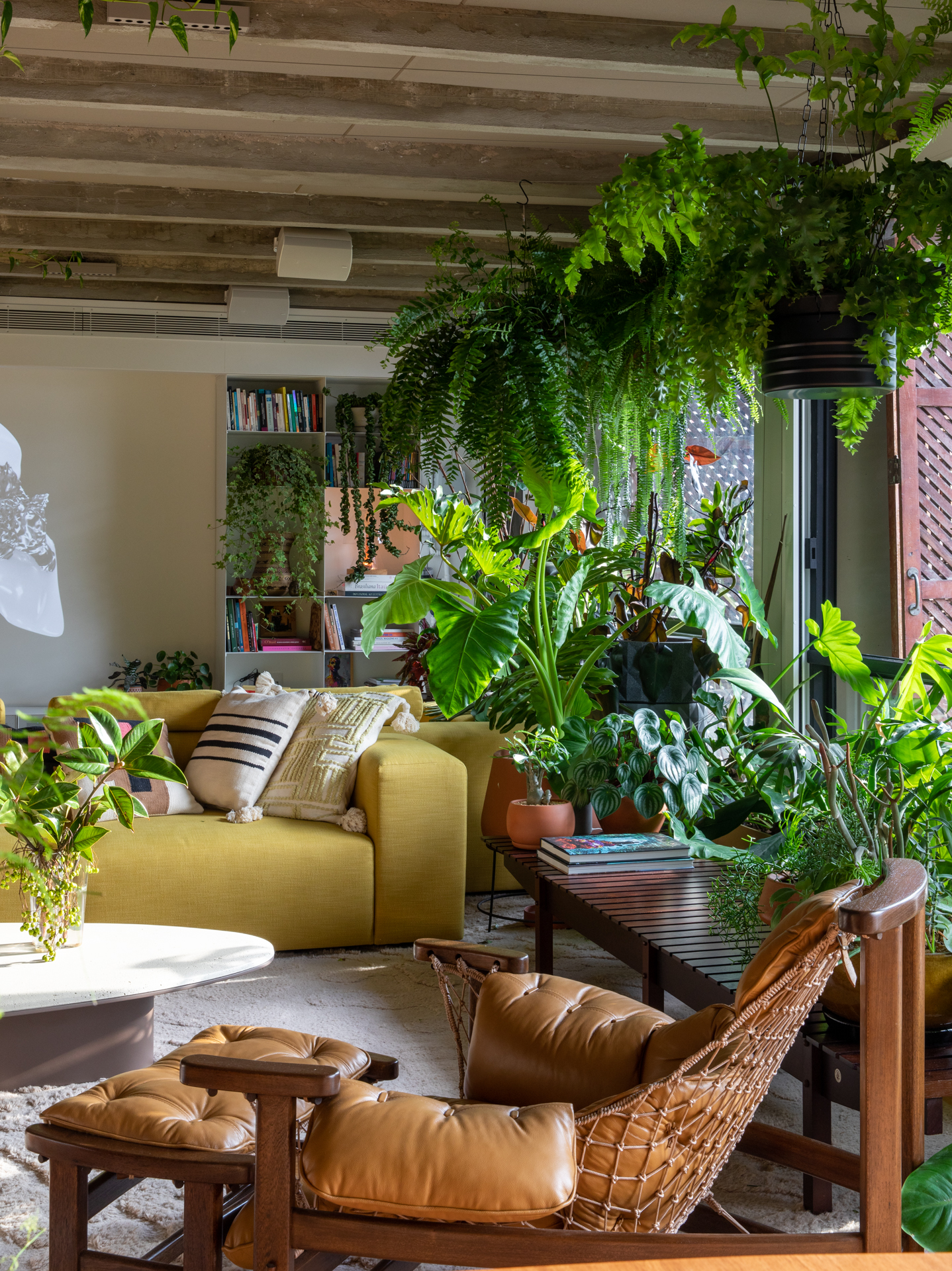
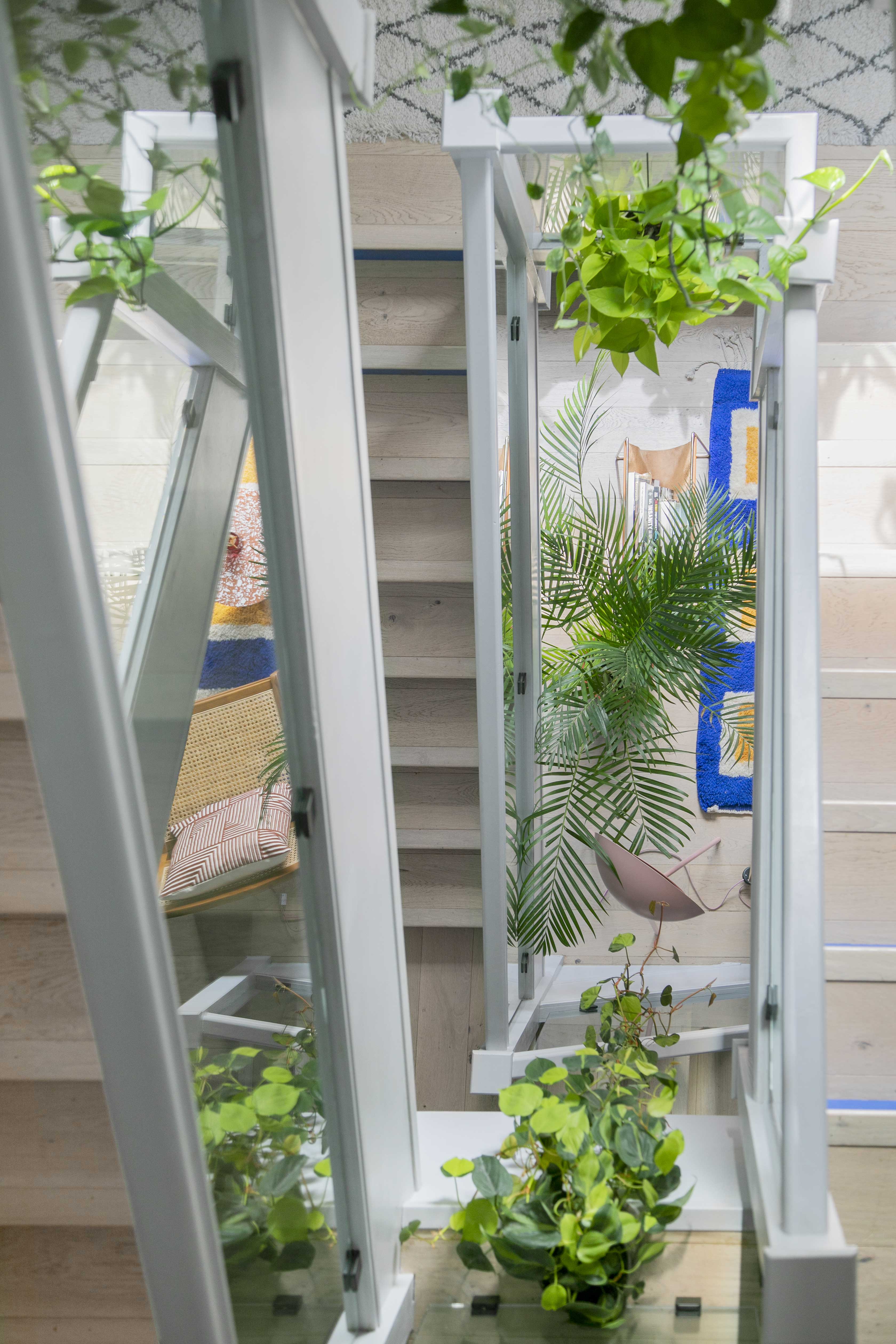
Hanging gardens are an effective solution for space-constrained environments. These can be created using various containers like baskets, pots, or repurposed bottles, filled with potting soil and selected plants. Proper drainage is crucial, and placing these gardens near a window ensures adequate natural light; otherwise, artificial lighting can supplement.
Aquarium gardens provide a unique and low-maintenance option for integrating greenery. These setups can enhance air quality and offer a natural food source for fish. Key considerations include selecting a location with ample sunlight, choosing suitable aquatic plants such as water sprite or Java fern, and preparing the tank with fresh water and a substrate like gravel or sand, ensuring sufficient spacing for plant growth.
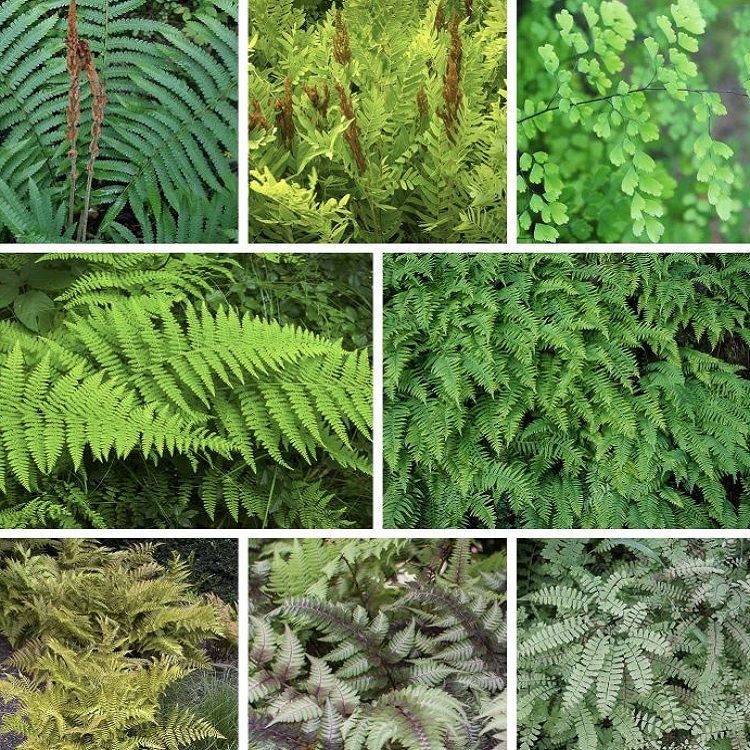
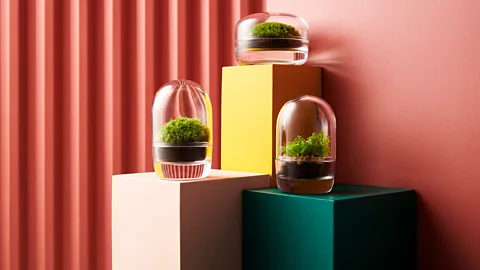
Terrariums are self-contained ecosystems, simple to maintain and customizable in size and shape. The construction involves layering gravel or sand for drainage, activated charcoal for cleanliness, and potting soil before adding plants. Ferns, spider plants, and even Venus flytraps are suitable options, each with specific humidity and light requirements.
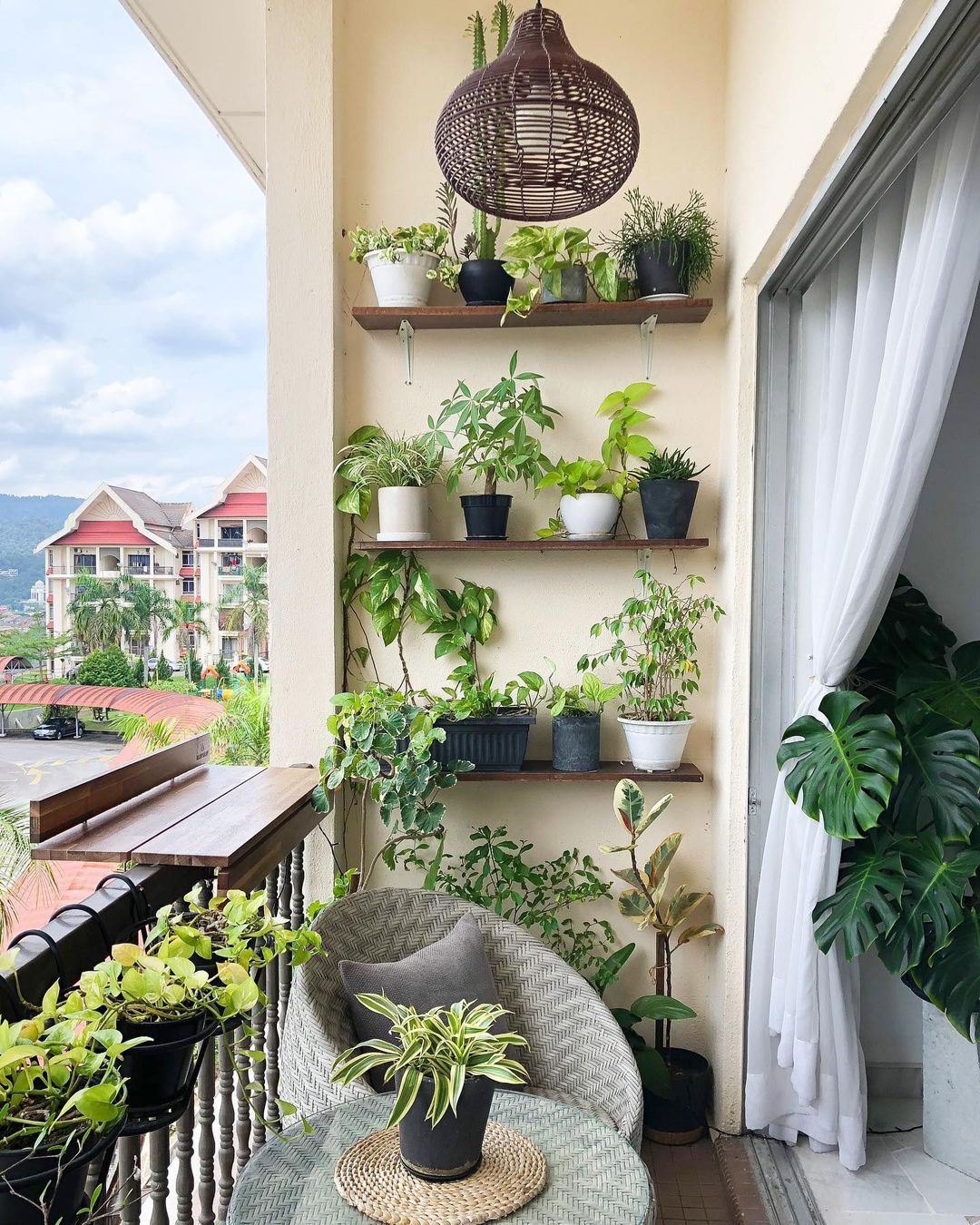
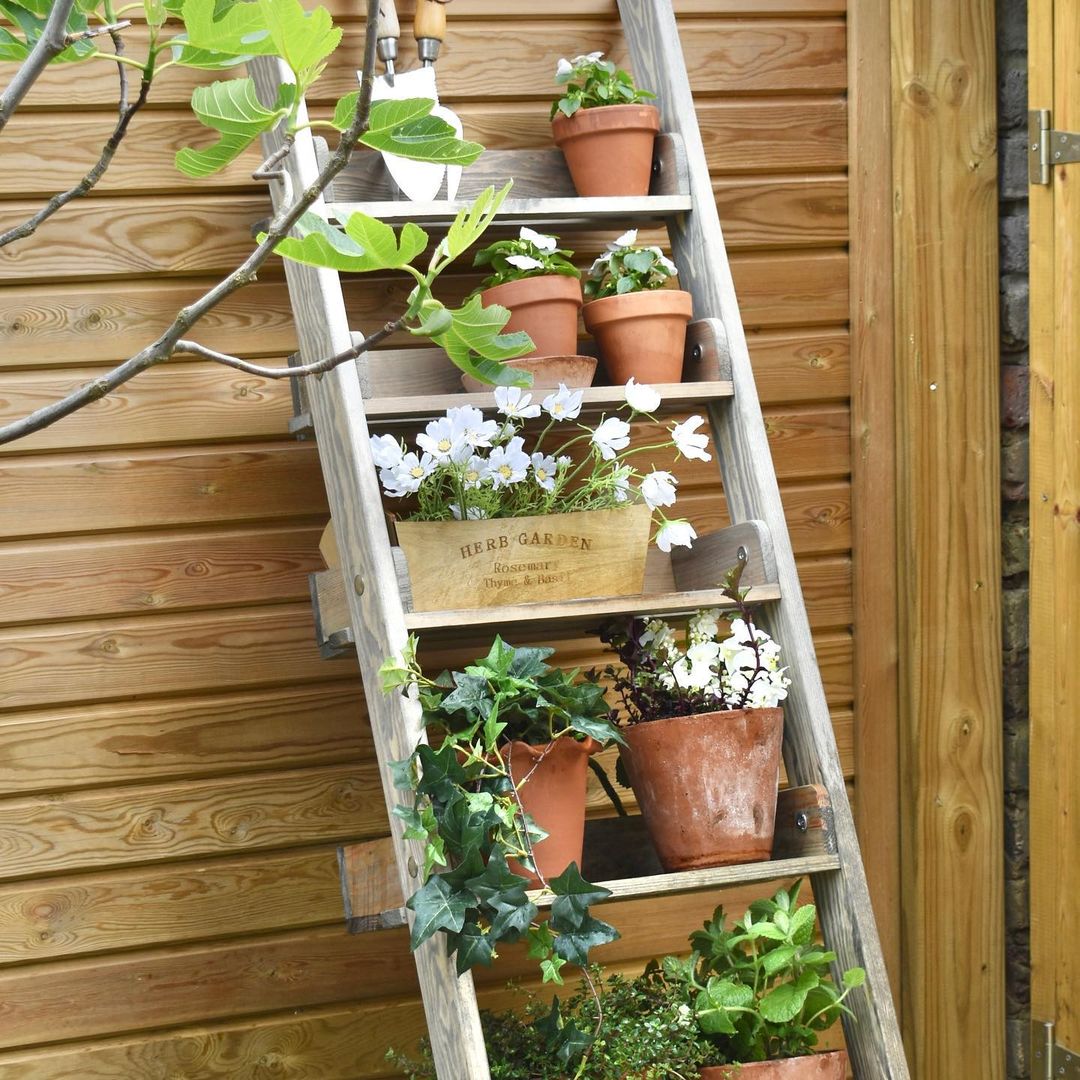
Wall-mounted gardens offer versatility, allowing customization for various spaces, from small balconies to large patios. These gardens can host a diverse range of plants, including herbs like basil and rosemary, flowers such as sunflowers and petunias, and vegetables like tomatoes and peppers.
Pallet gardens present an economical method for vertical gardening, ideal for limited floor space. This involves preparing a sturdy pallet by sanding and optionally painting it, then affixing it to a wall and filling each slat with soil for planting. While pallets promote recycling, challenges include sourcing suitable pallets and being mindful of potential chemical leaching from treated wood.
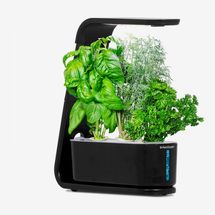
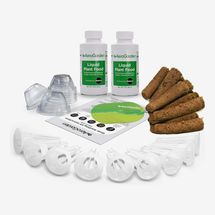
Hydroponics offers a soilless gardening method where plant roots are suspended in nutrient-enriched water. This technique conserves water and space, and reduces pest and disease risks. It is particularly well-suited for urban environments. However, it requires careful monitoring of oxygen supply to the roots and nutrient levels in the water.
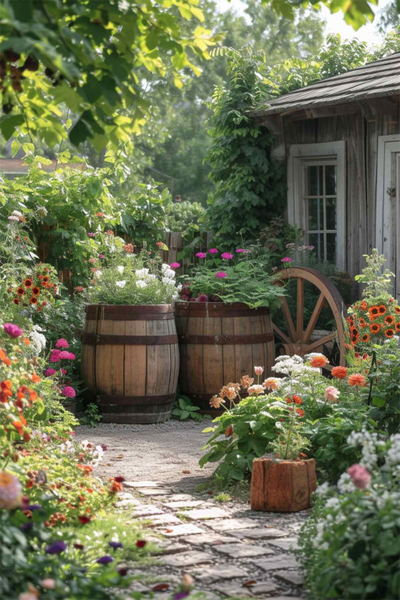
Utilizing recycled materials is an eco-friendly and budget-conscious approach to indoor gardening. Old tires, boxes, barrels, or even shoes can be repurposed as planters, provided they have drainage holes. Vertical gardening can be achieved with old bookshelves, while plastic bottles can serve as mini-greenhouses. Eggshells and coffee grounds can be integrated into potting soil as natural fertilizers.
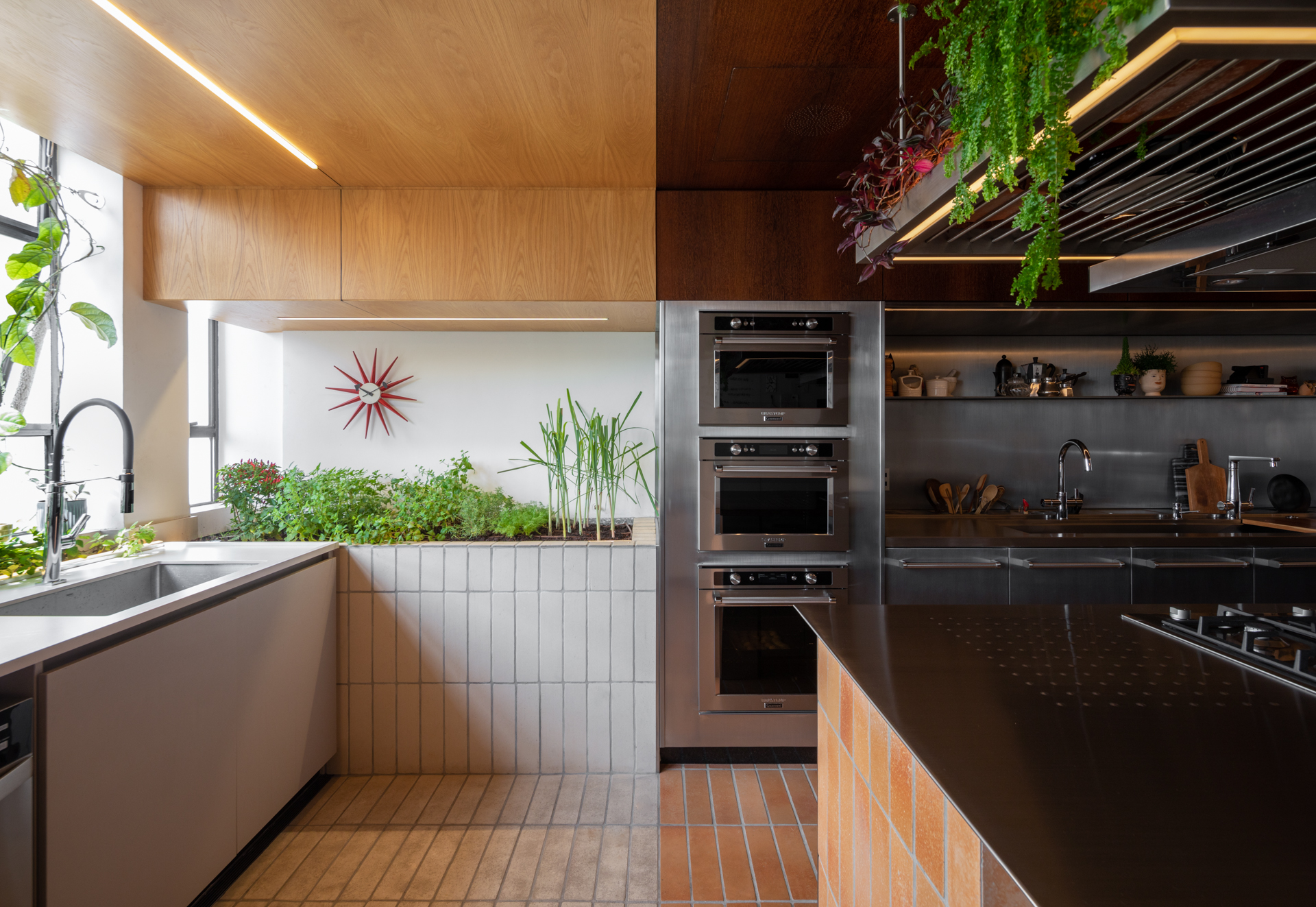
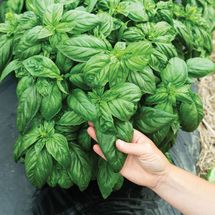
Finally, cultivating herbs on a windowsill provides an accessible way to introduce greenery and fresh ingredients into the home. Basil, chives, cilantro, parsley, oregano, rosemary, sage, and thyme are suitable choices. These require a sunny spot and well-draining soil, with consistent watering and allowing the soil to dry between applications. Indoor gardening encourages creativity and experimentation, offering numerous possibilities to enhance living spaces with plant life.
#IndoorGardening #GreenLiving #SustainableHome #DIYGarden #ContainerGardening #VerticalGarden #Hydroponics #RecycledMaterials #HomeDecor #IndoorGardening #GreenLiving #SustainableHome #DIYGarden #ContainerGardening #VerticalGarden #Hydroponics #RecycledMaterials #HomeDecor
0 ความคิดเห็นรวม
 ยังไม่มีความคิดเห็น
คุณอาจจะชอบอีกด้วย
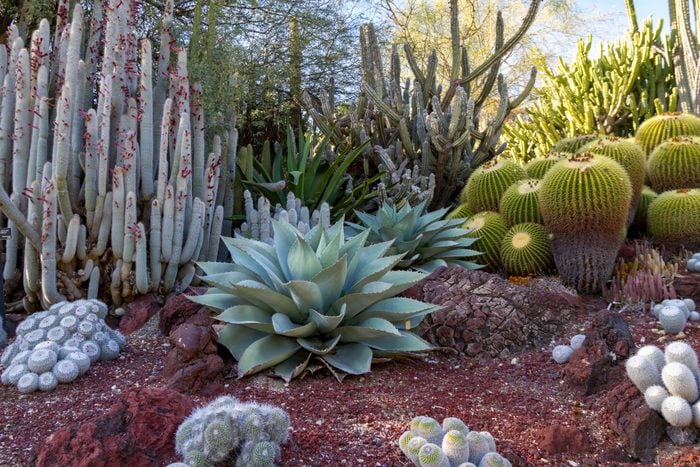
18 Unique and Unusual Gardens To Consider

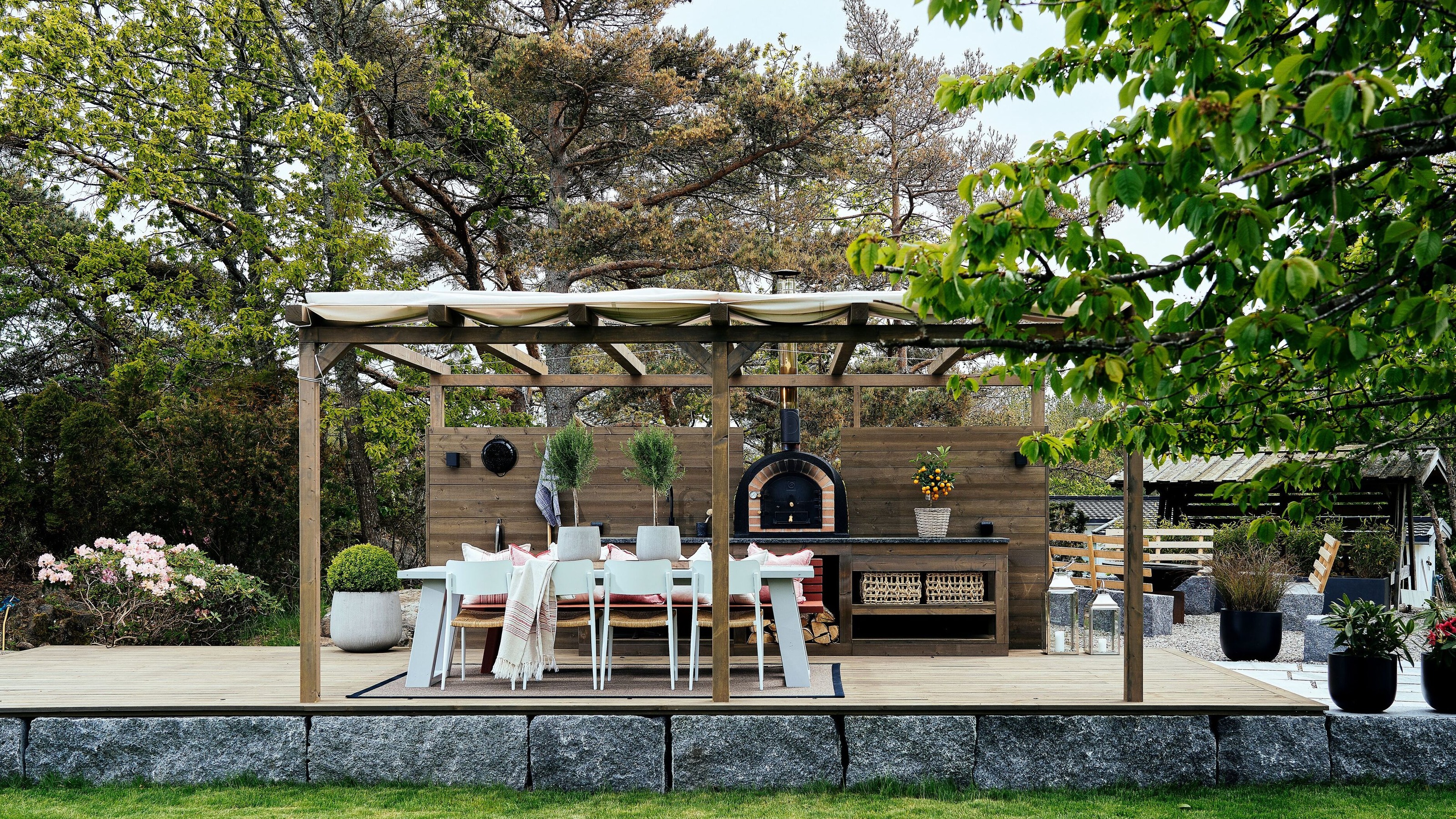
Modern Garden Ideas — 38 Transformative Ways to Rejuvenate Your Outdoor Space

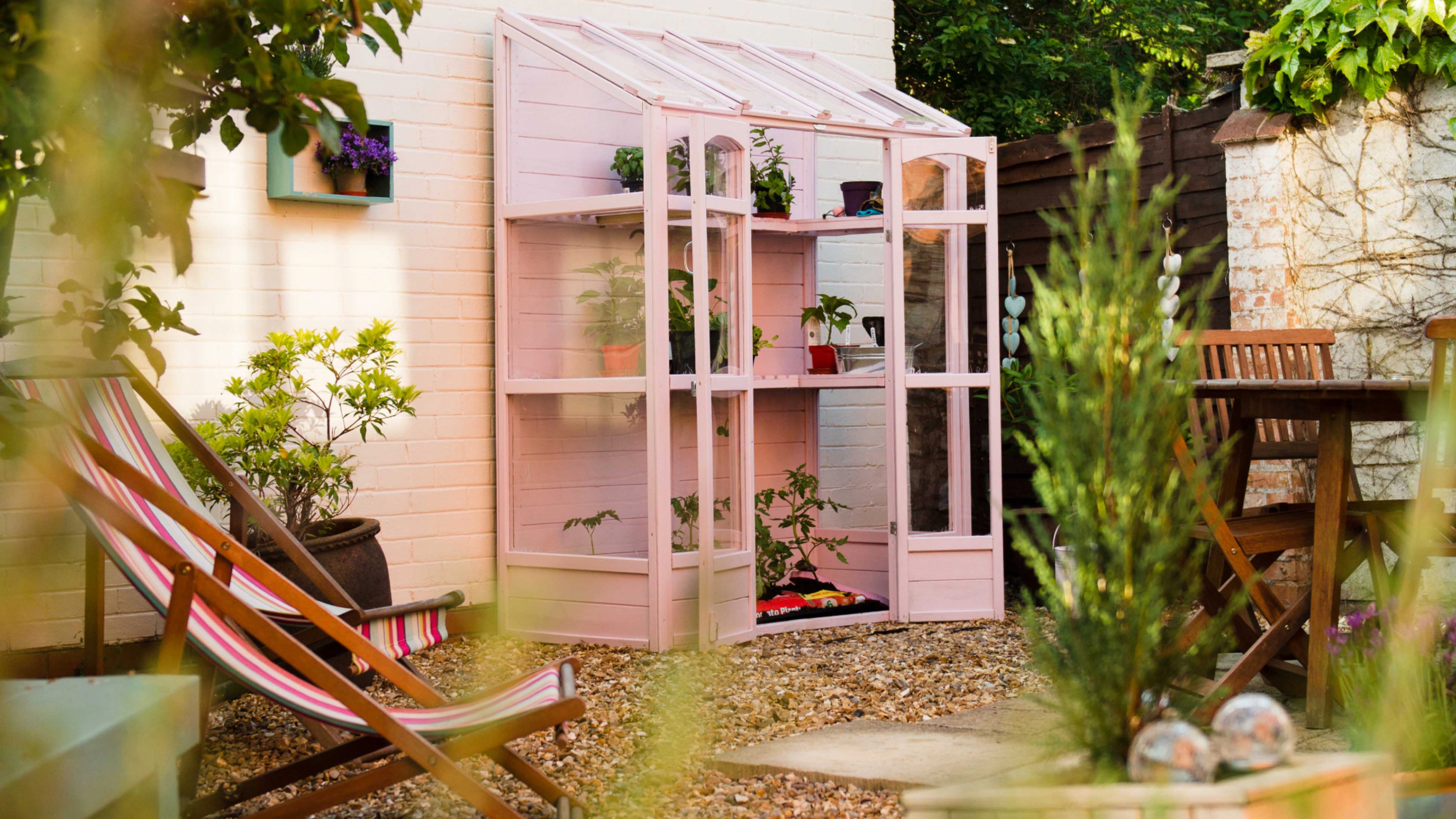
28 Garden storage ideas – innovative solutions from mini-greenhouses to vintage boxes
Courtyard garden ideas –11 ways transform an enclosed space
18 Genius Garden Landscaping Ideas From the AD Archive
20 Beautiful Garden Design Ideas for Home In 2024
Garden Design Ideas, 2024
The Very Best Indoor-Garden Kits
Indoor garden ideas: 9 ways to create a plant-filled haven

38 Clever Herb Garden Ideas for Indoor or Outdoor Spaces

10 creative apartment garden ideas for your balcony or tiny patio

9 inner-city garden ideas to inspire

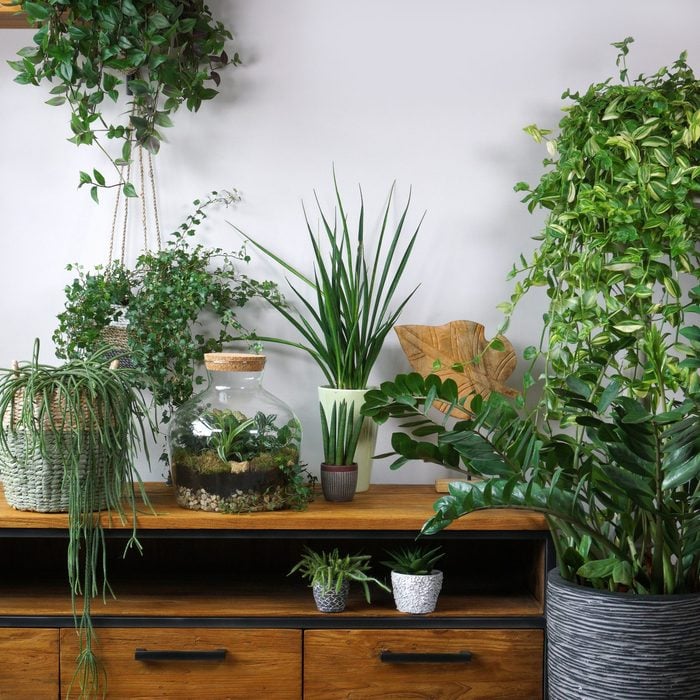
7 Indoor Garden Ideas To Elevate Your Home
Start Planning Your Ideal Garden with These Garden Plans and Ideas
21 garden room ideas for year-round fun, entertainment and practicality
12 Garden Room Ideas That Will Elevate Your Outdoor Space and Bring You Extra Room to Unwind

19 simple garden ideas for every style, size and budget
Indoor Garden Ideas —14 Ways To Live Amongst Greenery That Will Make Your Life Better
Eight ways indoor plants can improve your home

20 DIY Indoor Greenhouse Ideas to Create Your Own Plant Oasis