1/5
You’re 3 Steps Away from Your Most Organized Kitchen Cabinets Yet
This blog post outlines a comprehensive three-phase approach to organizing kitchen cabinets, drawing insights from four expert organizers: Amy Suddleson, Jen Robin, Ann Dooley, and Shira Gill. The methodology is broken down into decluttering, mapping, and styling, providing practical steps and expert advice for each stage.
The initial phase, decluttering, begins with preparation. Amy Suddleson suggests dividing the kitchen into smaller sections and allocating dedicated time slots, typically one and a half to three hours per section. She advises having essential supplies on hand, such as garbage bags for trash and donations, a laundry basket for items to be relocated, and cleaning supplies for wiping down surfaces. Jen Robin emphasizes starting the decluttering process by removing all items from drawers and cabinets and clearing a large surface like a dining table or countertop for sorting. Ann Dooley recommends grouping items by their original location (uppers, base cupboards, drawers) to maintain a systematic approach. Shira Gill introduces a critical purging step, encouraging individuals to ask clarifying questions about their cooking habits, baking frequency, and usage of utensils and dinnerware to determine what truly needs to be kept. She also advises identifying and eliminating duplicates, suggesting a practical number of essential items, such as eight to ten dinnerware pieces per category, and either donating or storing surplus items.
The second phase, mapping, focuses on planning the layout. Suddleson recommends taking “before” photos to track progress and then considering personal logistics, such as dominant hand usage and frequency of item access. She suggests using Post-it Notes as placeholders to test different arrangements before finalizing. Key guidelines for this phase include grouping by zone and type. Jen Robin identifies five kitchen zones: consumable, non-consumable, cleaning, preparation, and cooking, recommending that frequently used items be kept within easy reach. Ann Dooley suggests grouping items by material, like glassware on one shelf and ceramic on another, and considering item weight, with heavier items placed on lower shelves. Suddleson also highlights the “golden triangle” theory, which positions the sink, fridge, and stove to form an efficient work triangle.
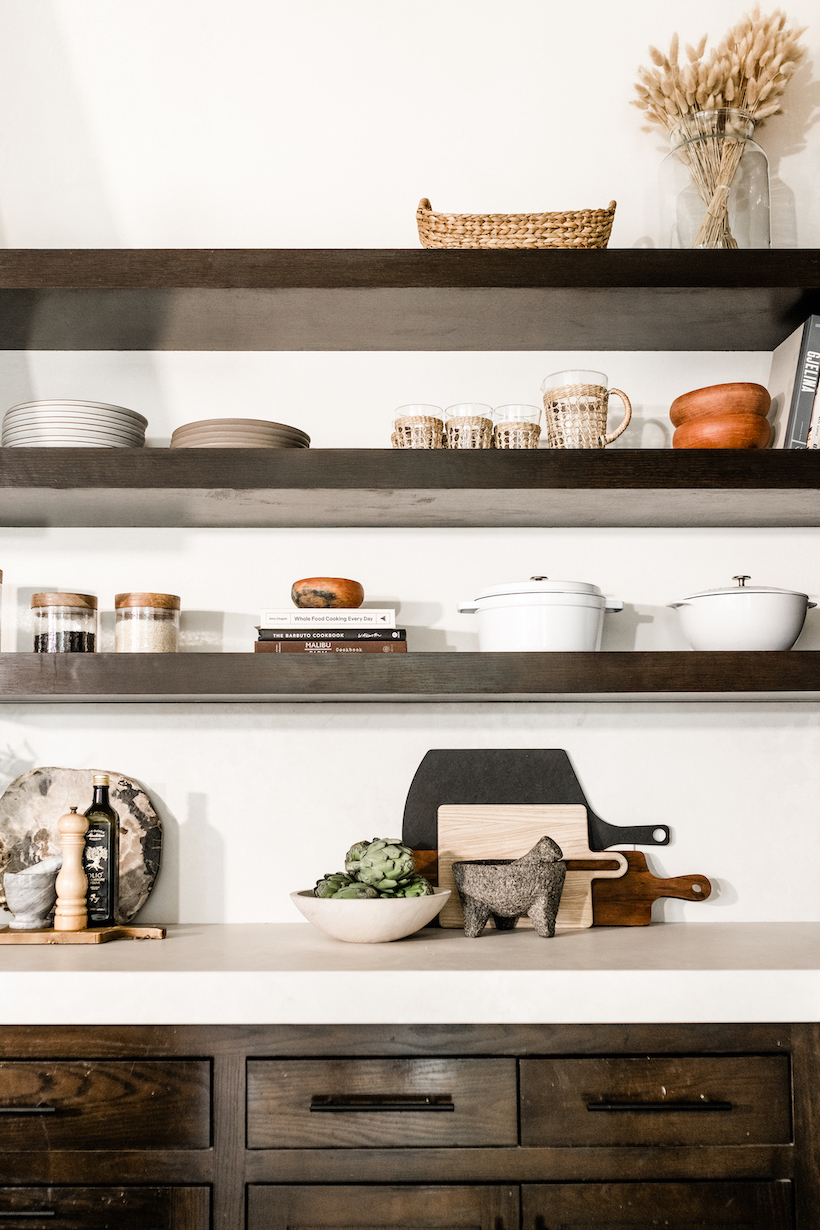
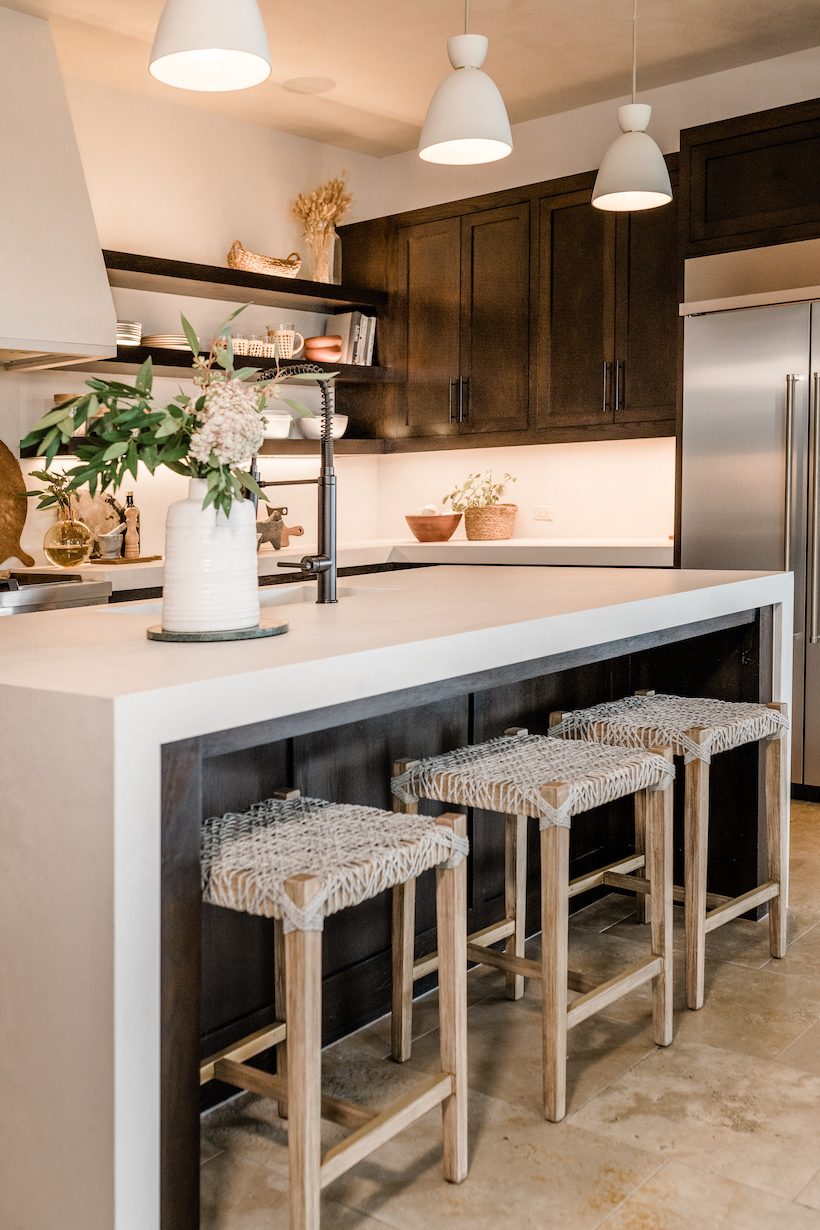
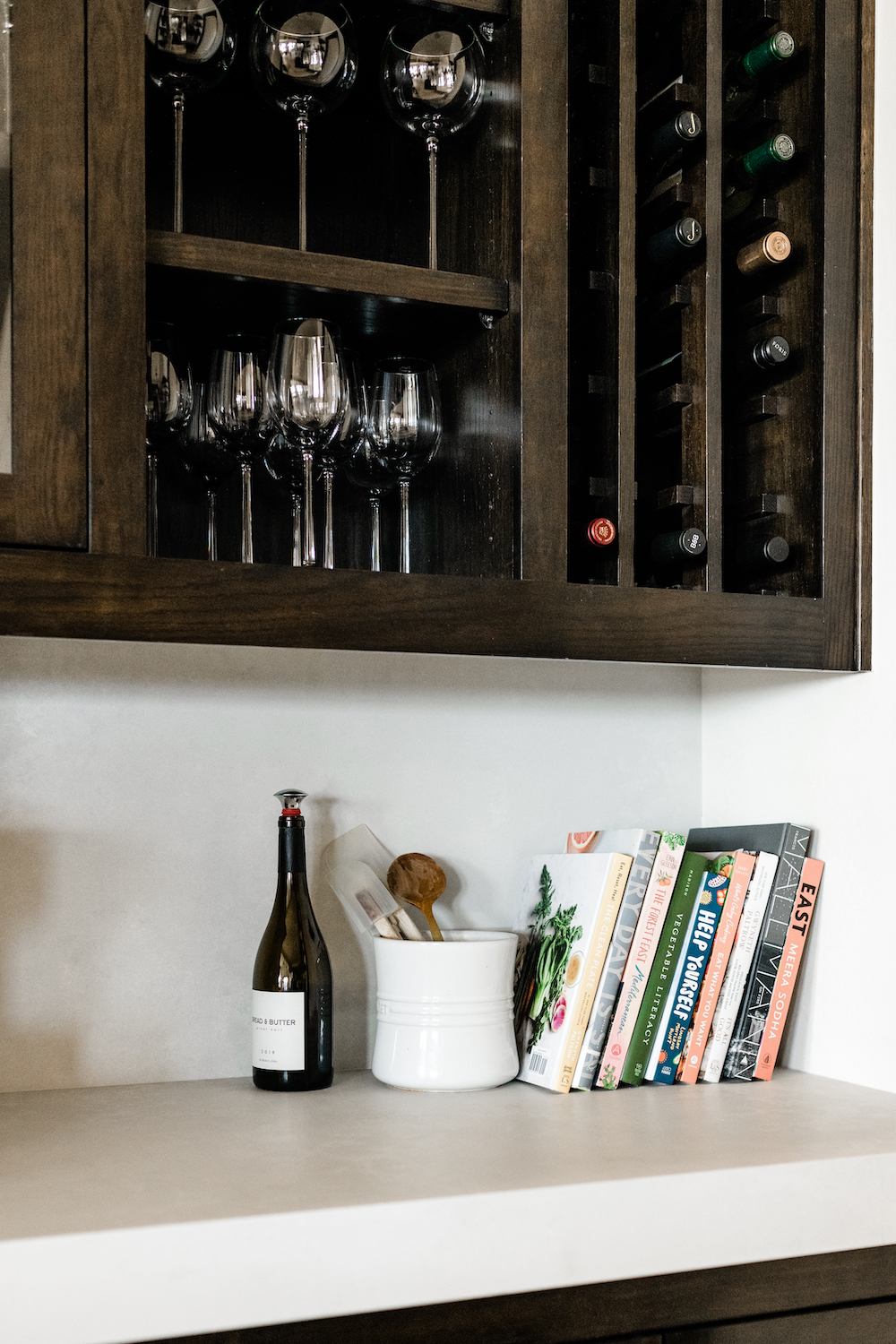
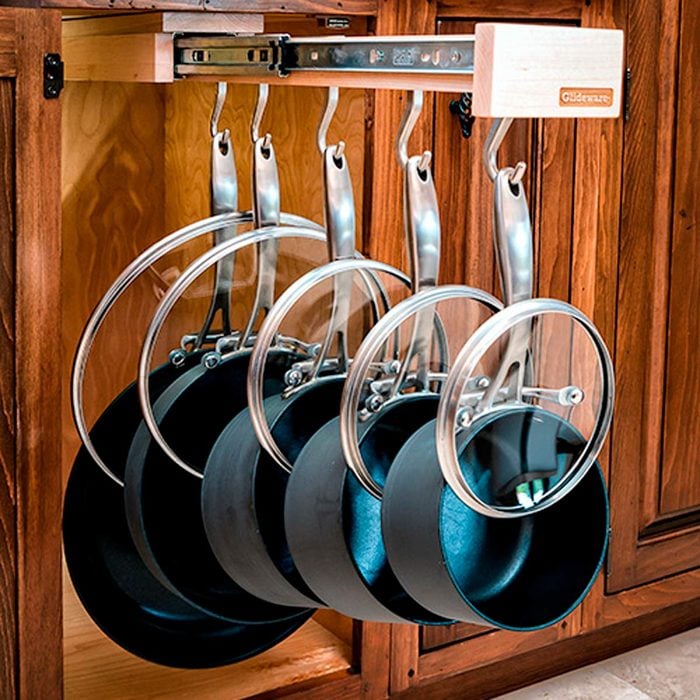
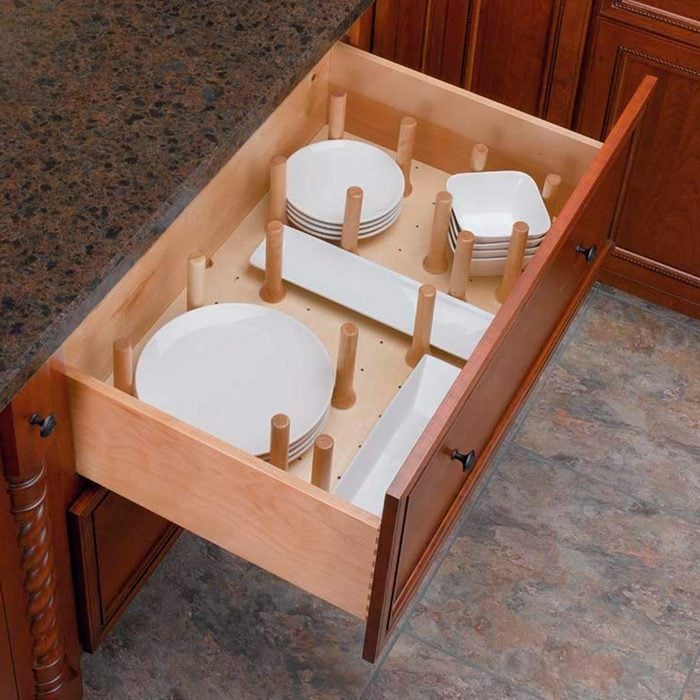
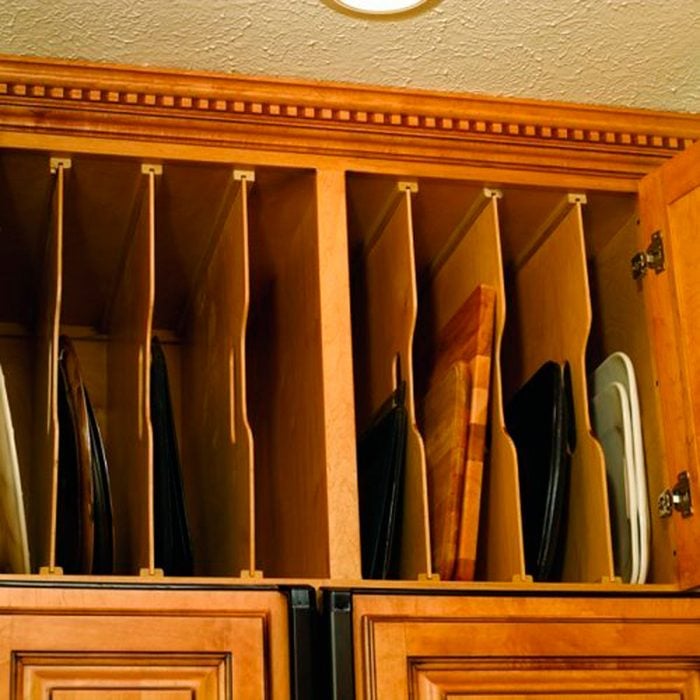
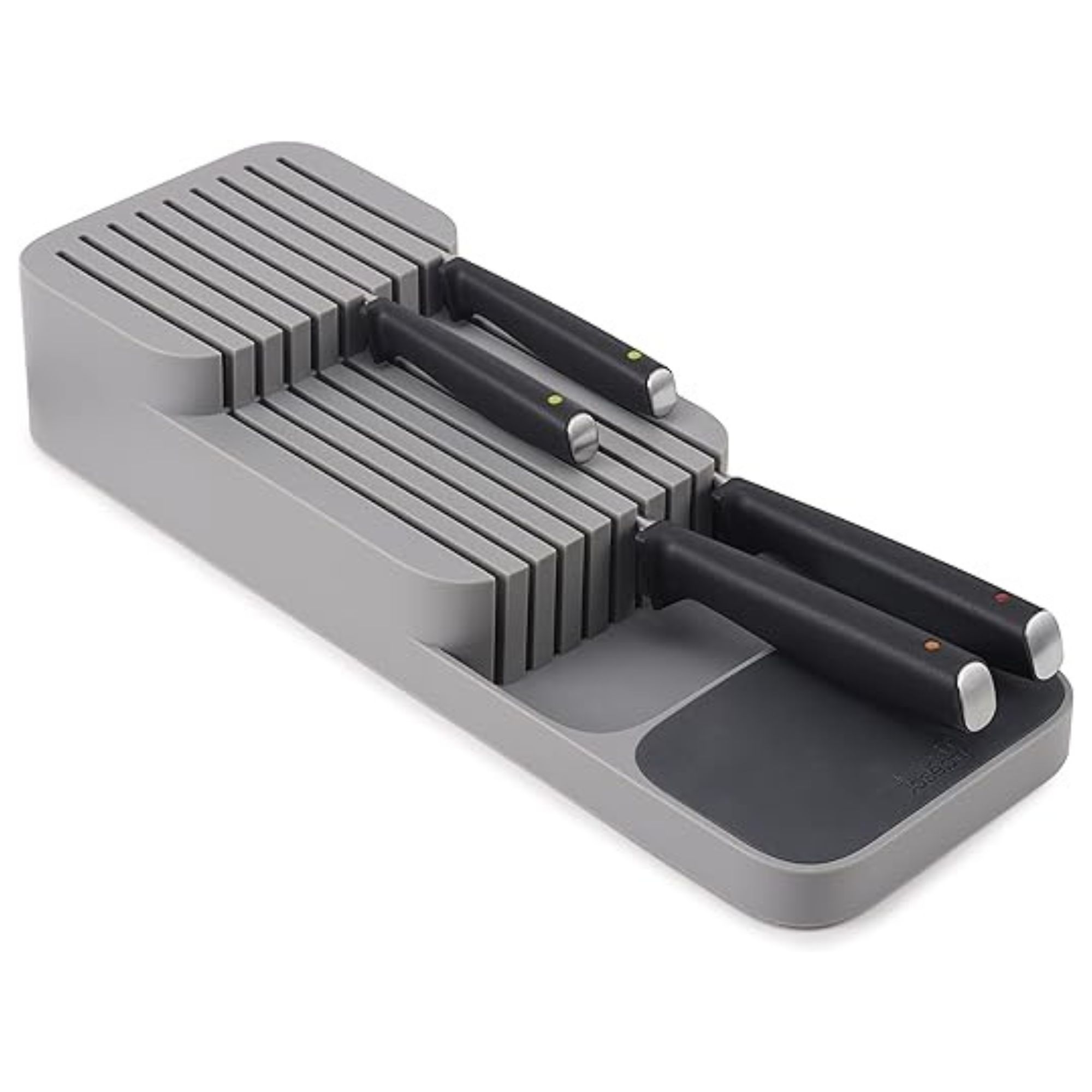
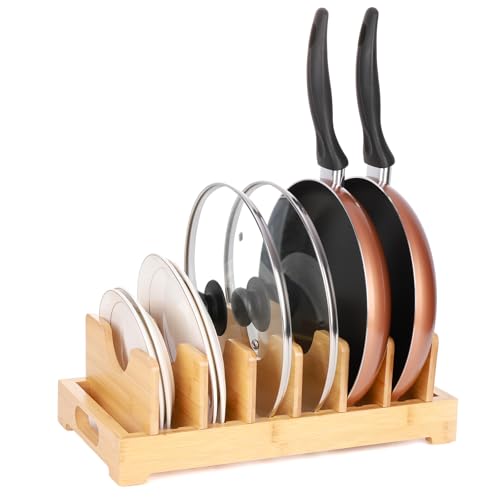
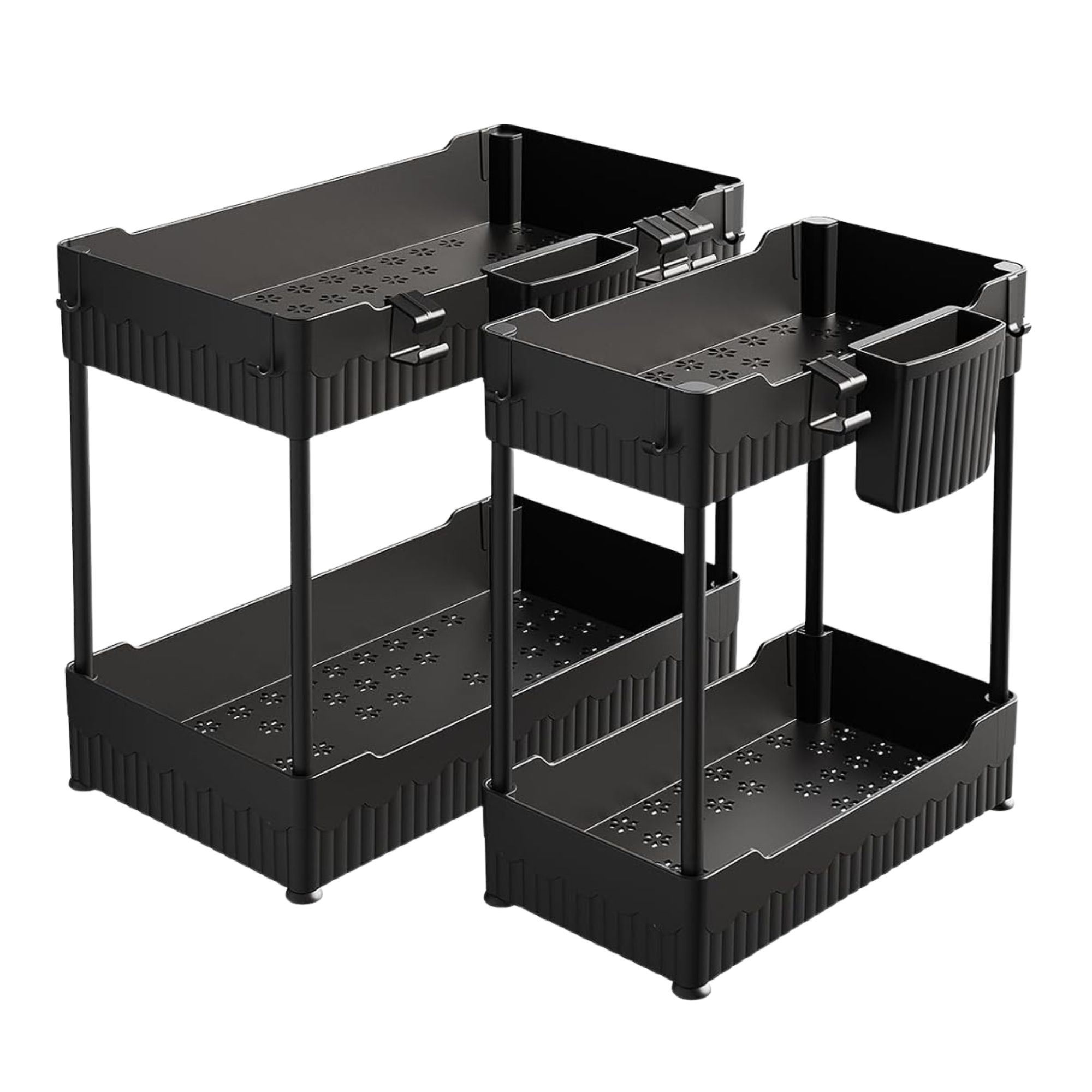
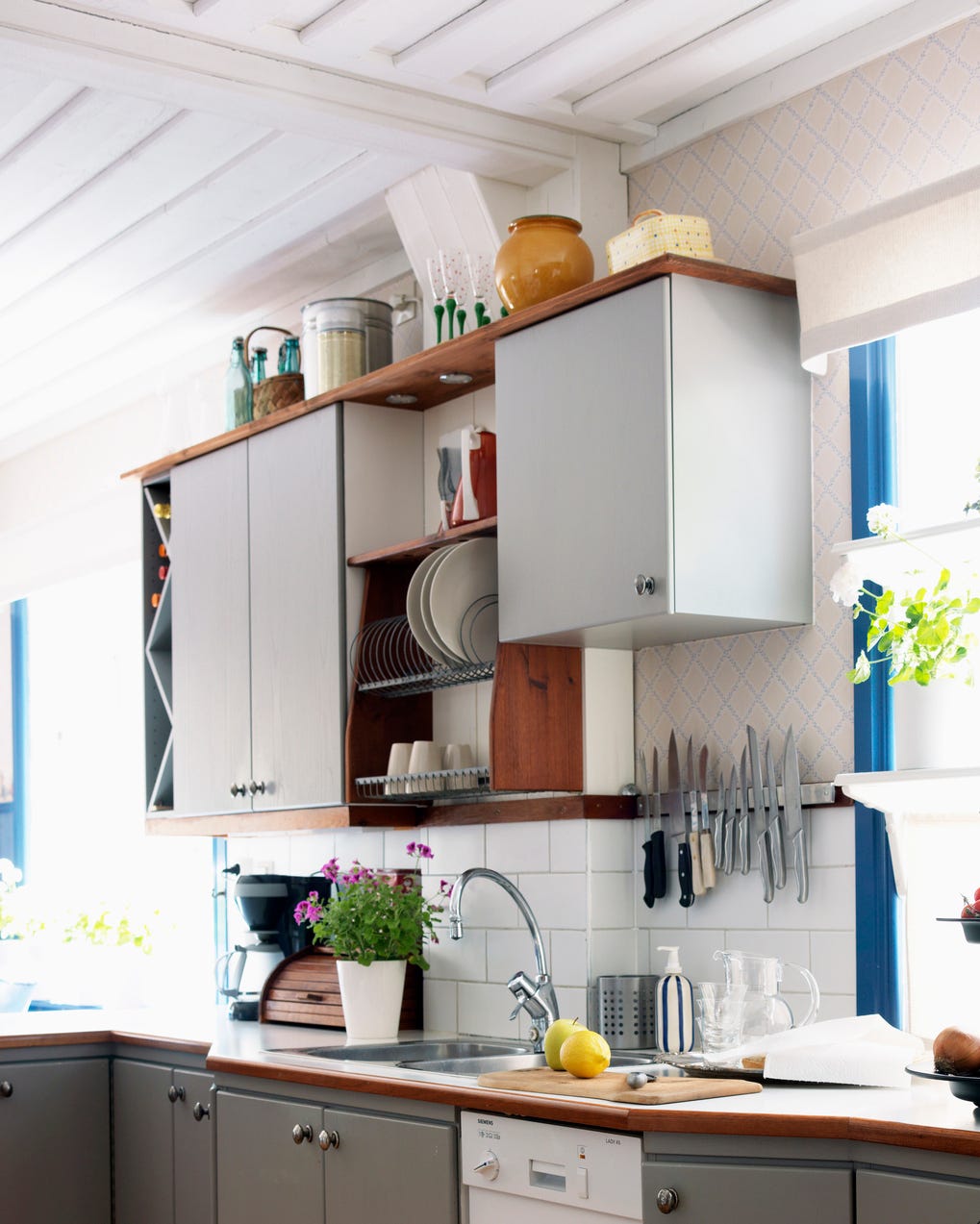
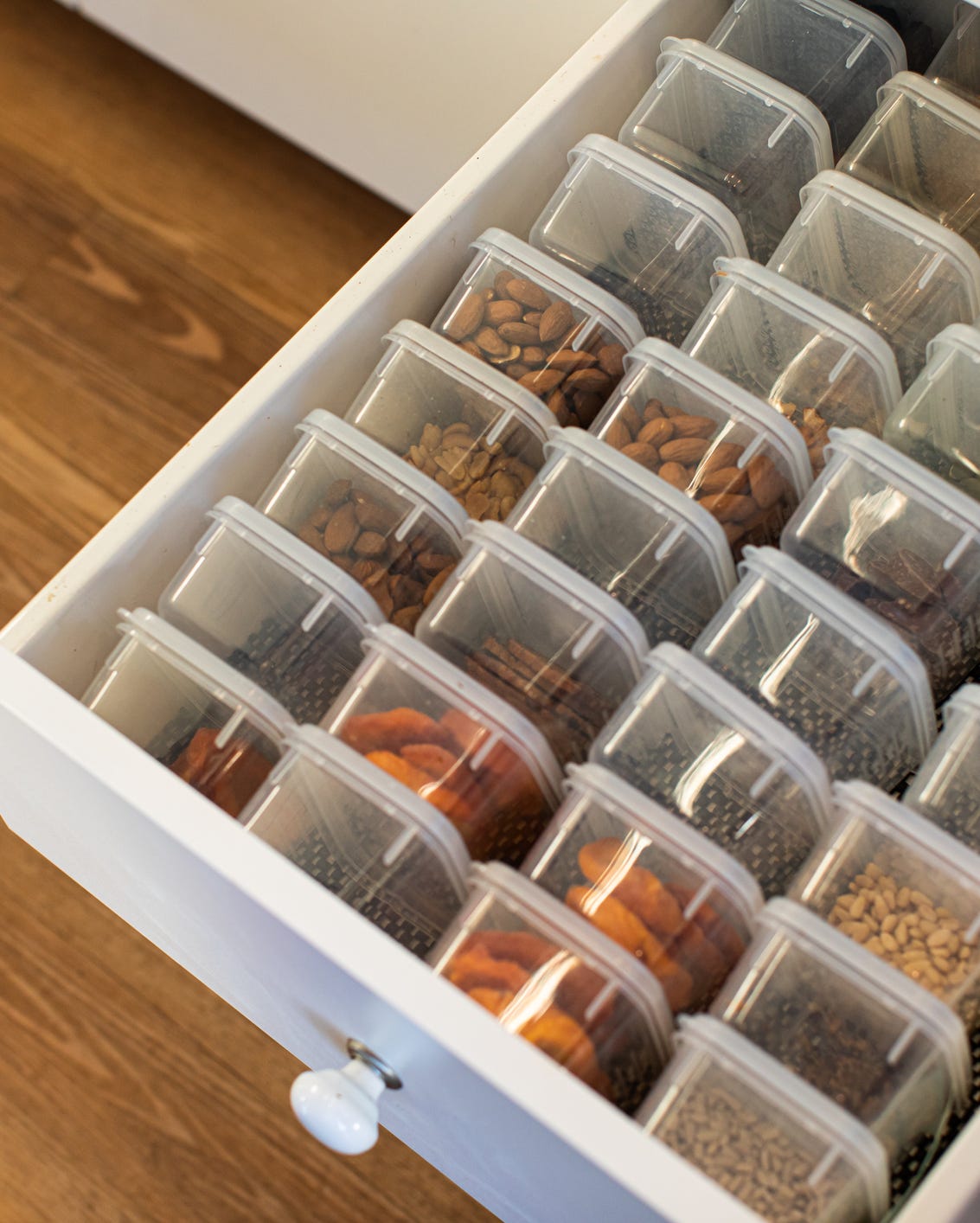
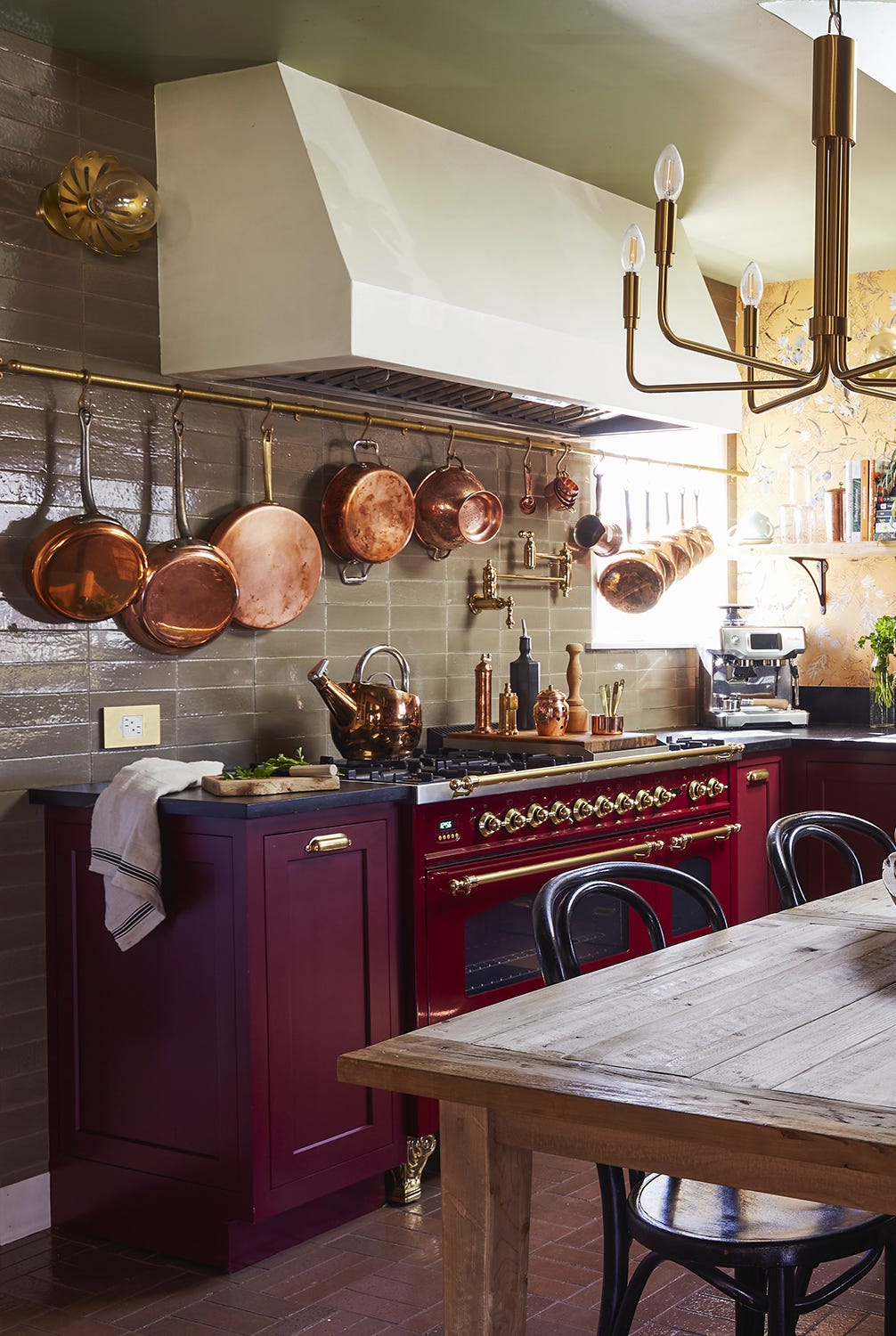
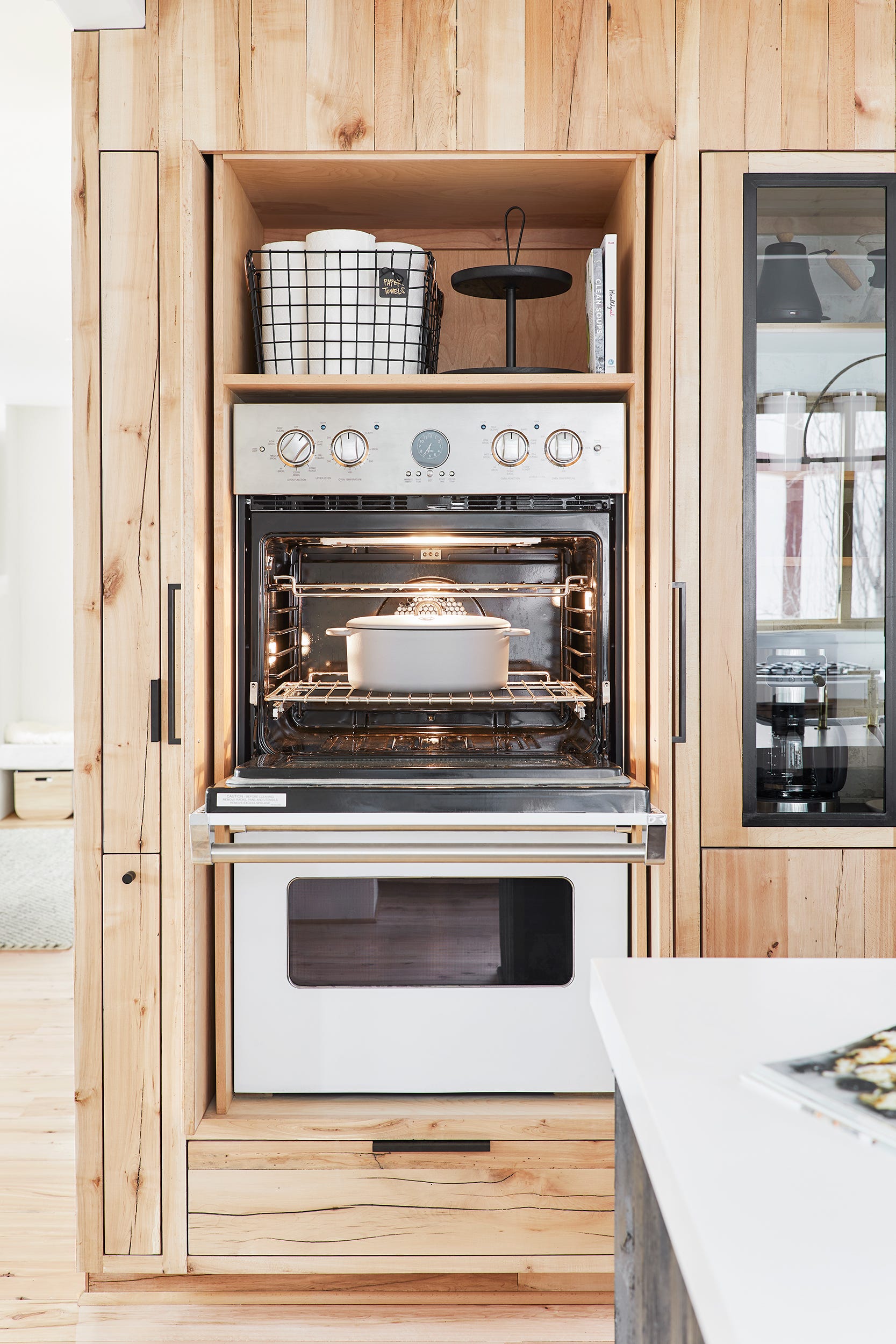
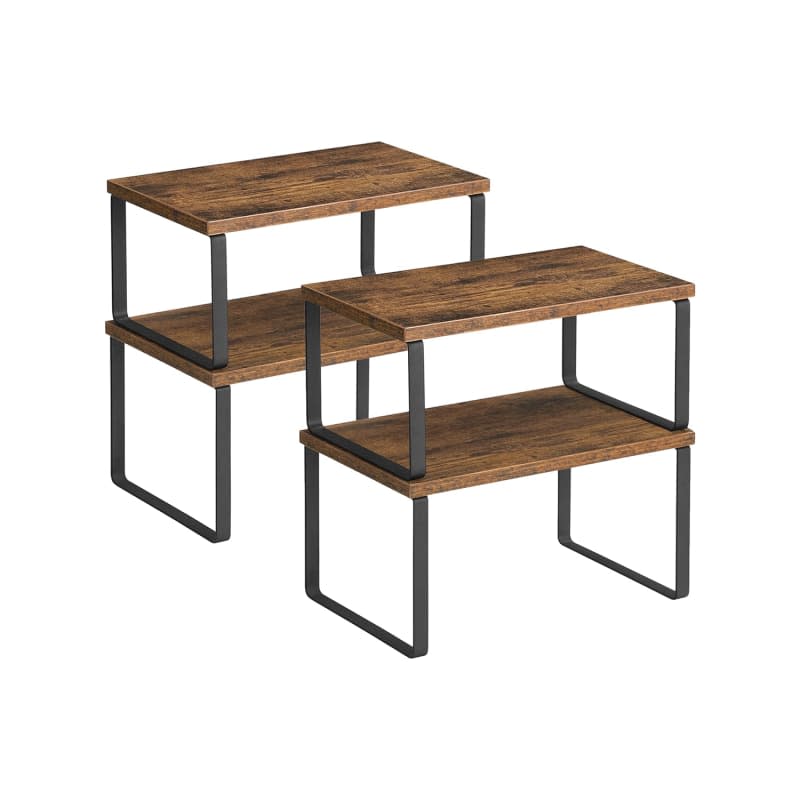
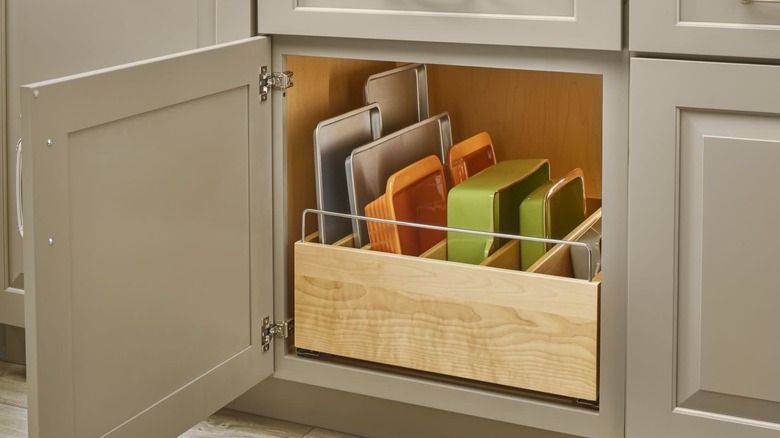
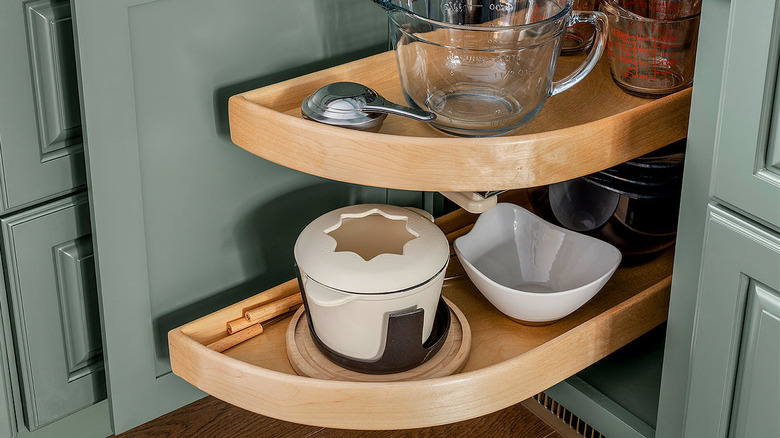
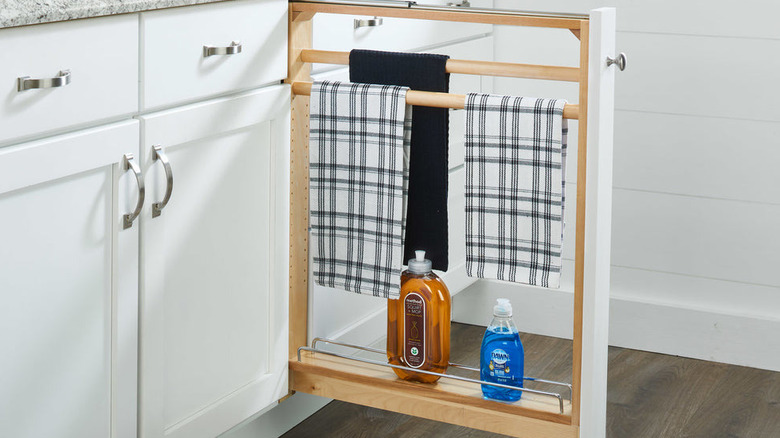
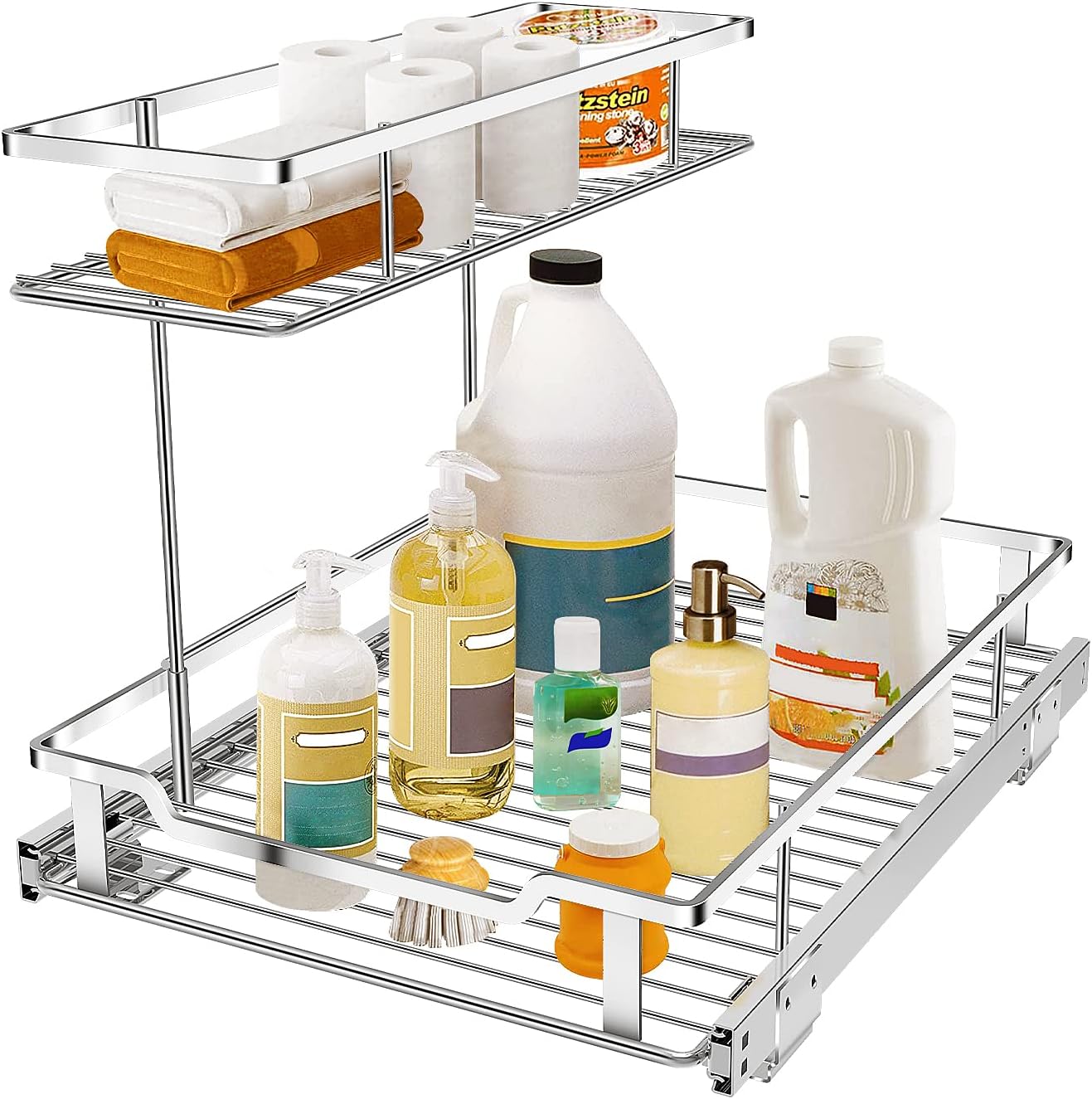
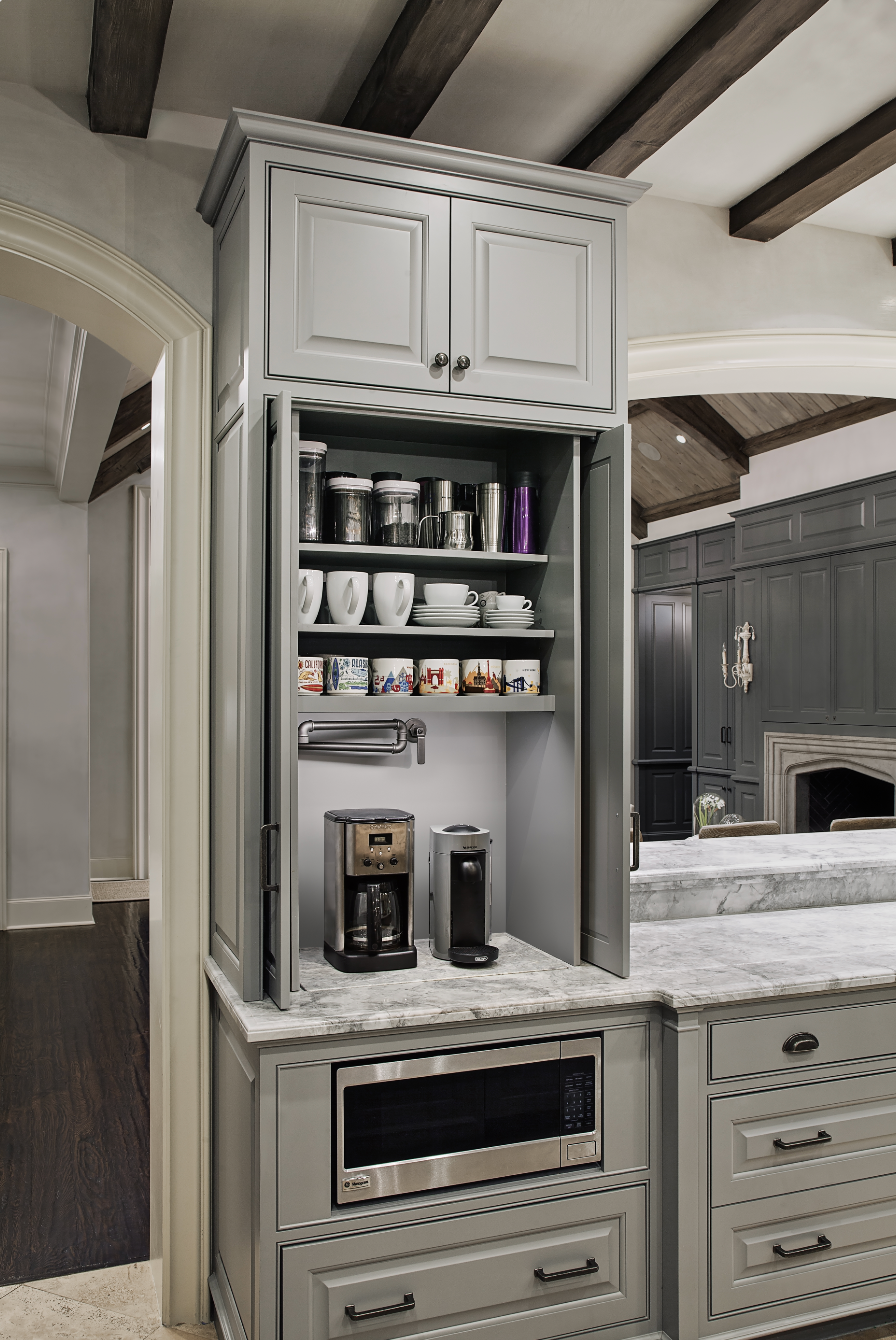
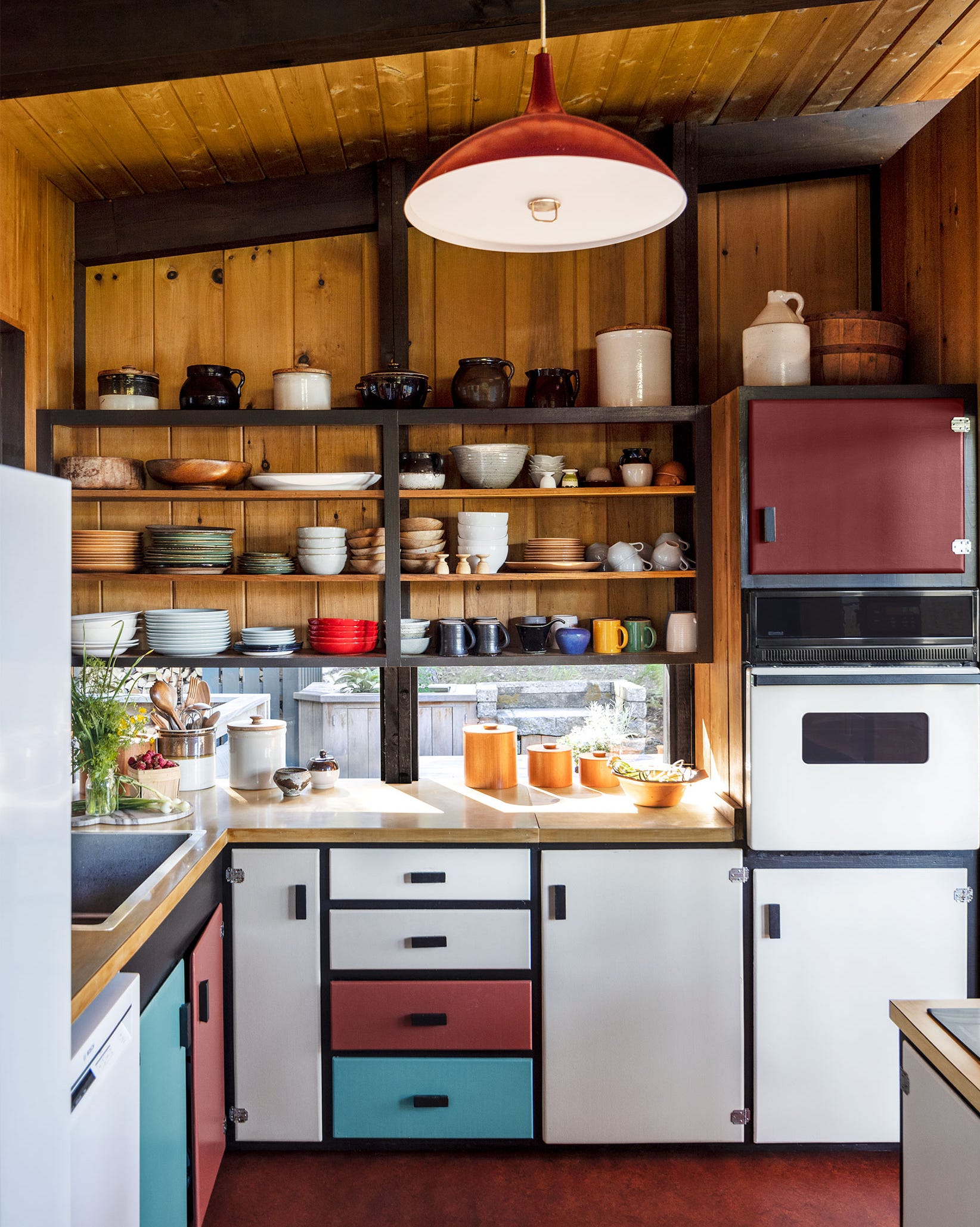
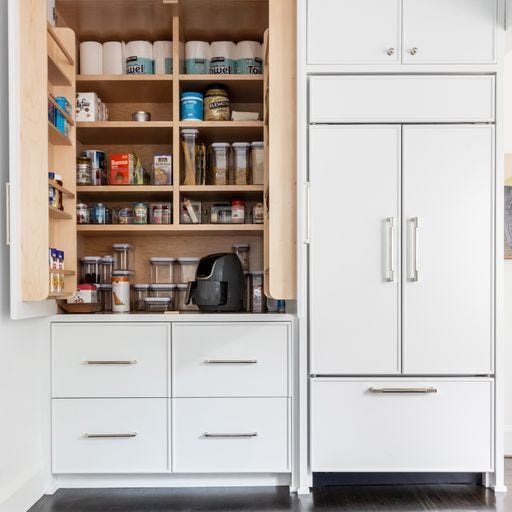
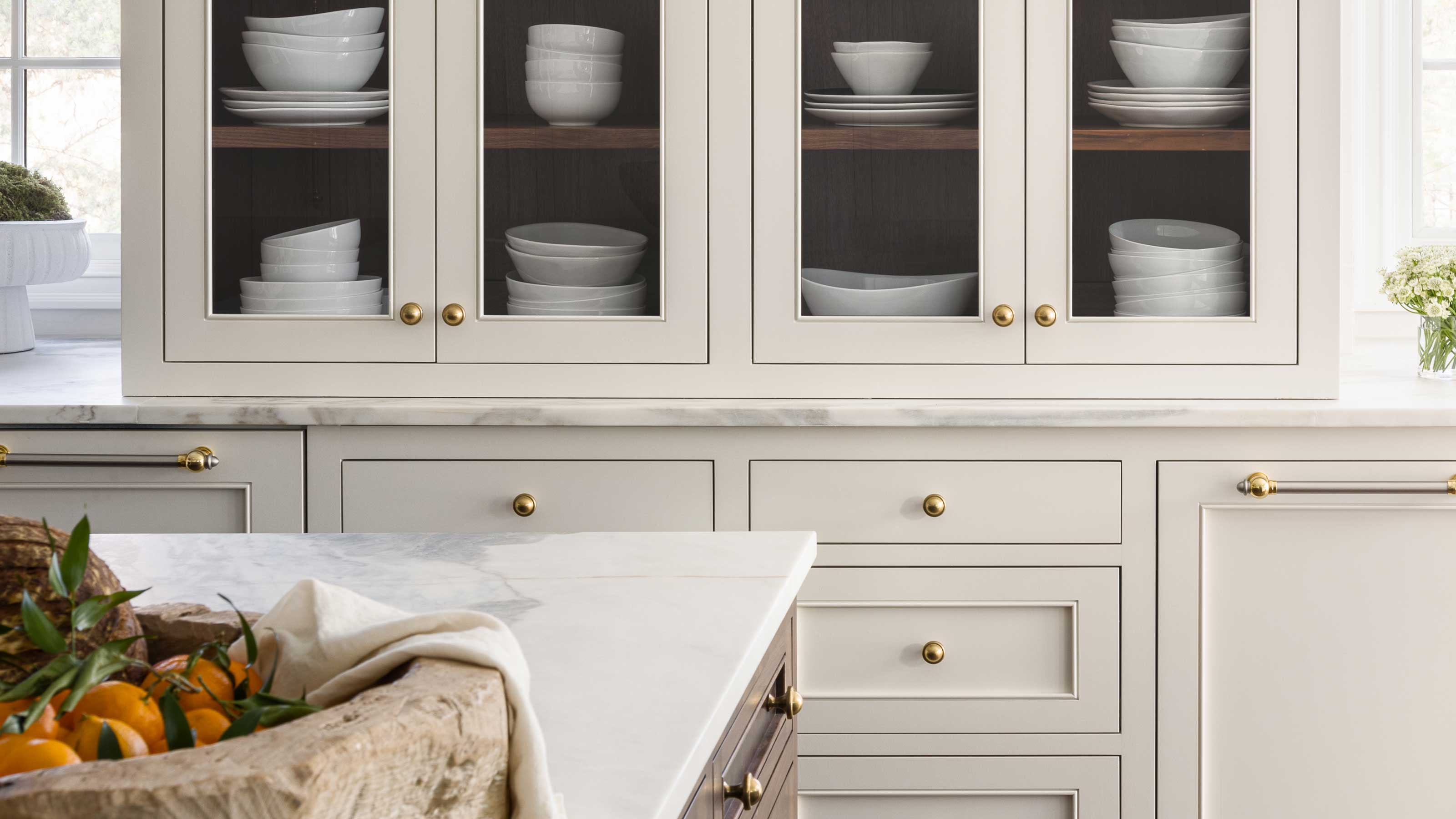
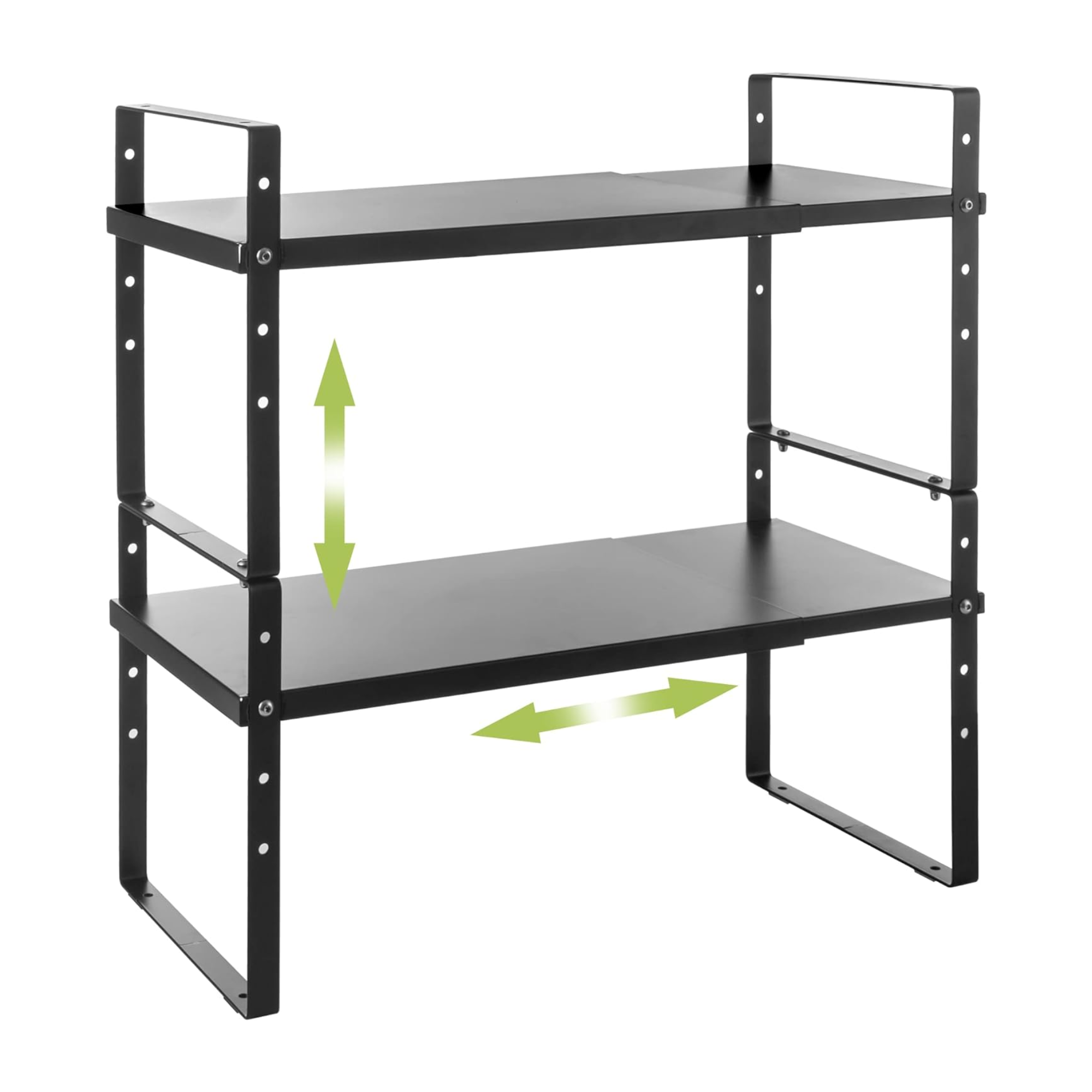
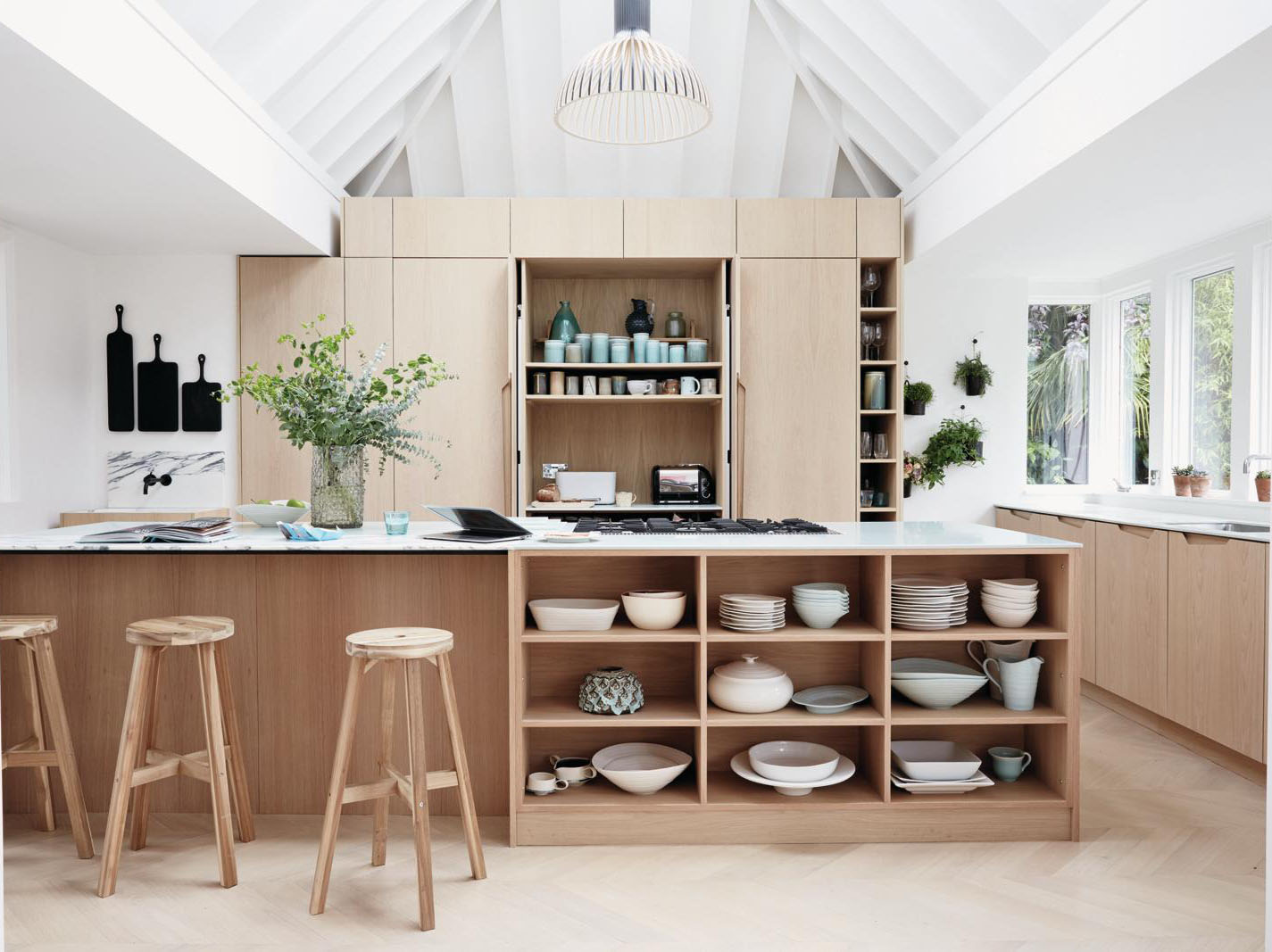
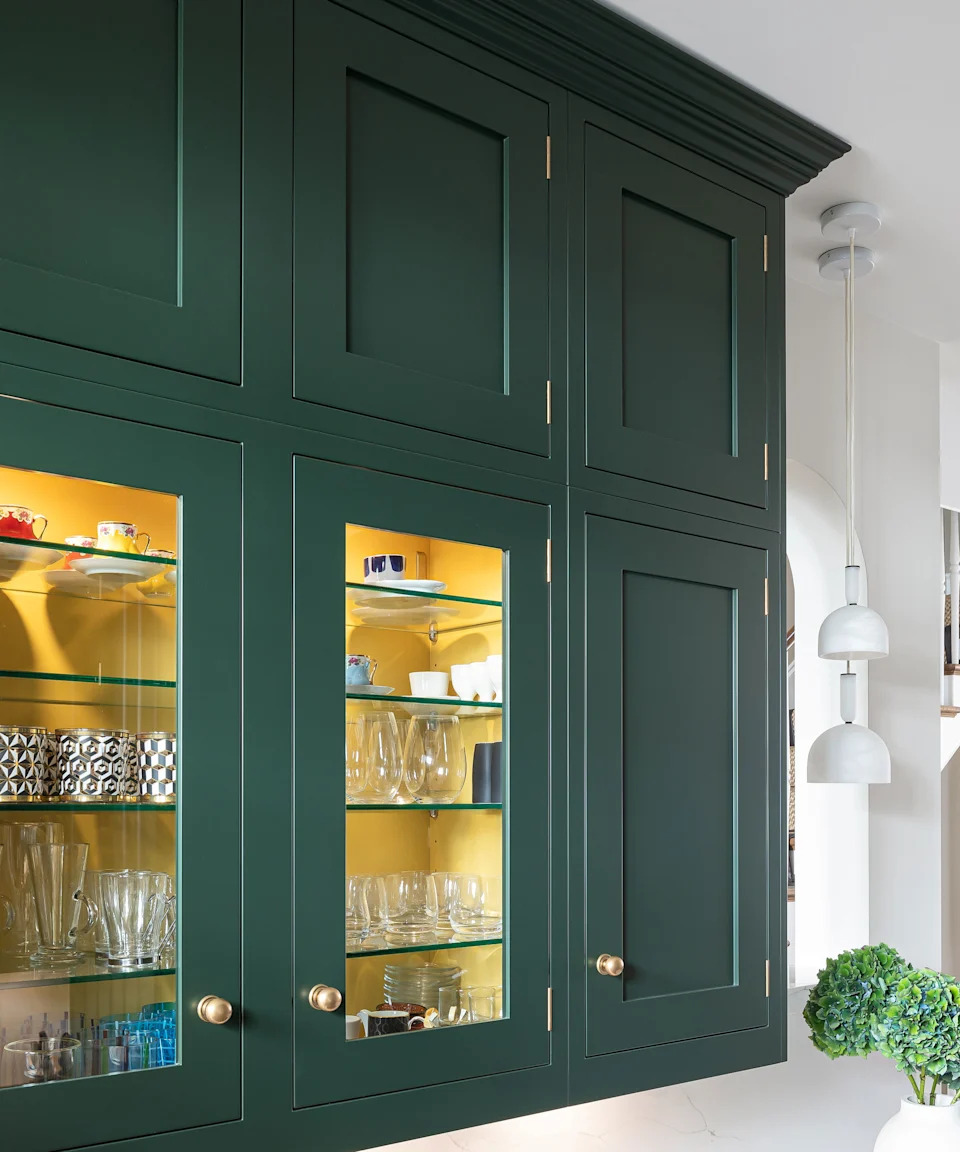
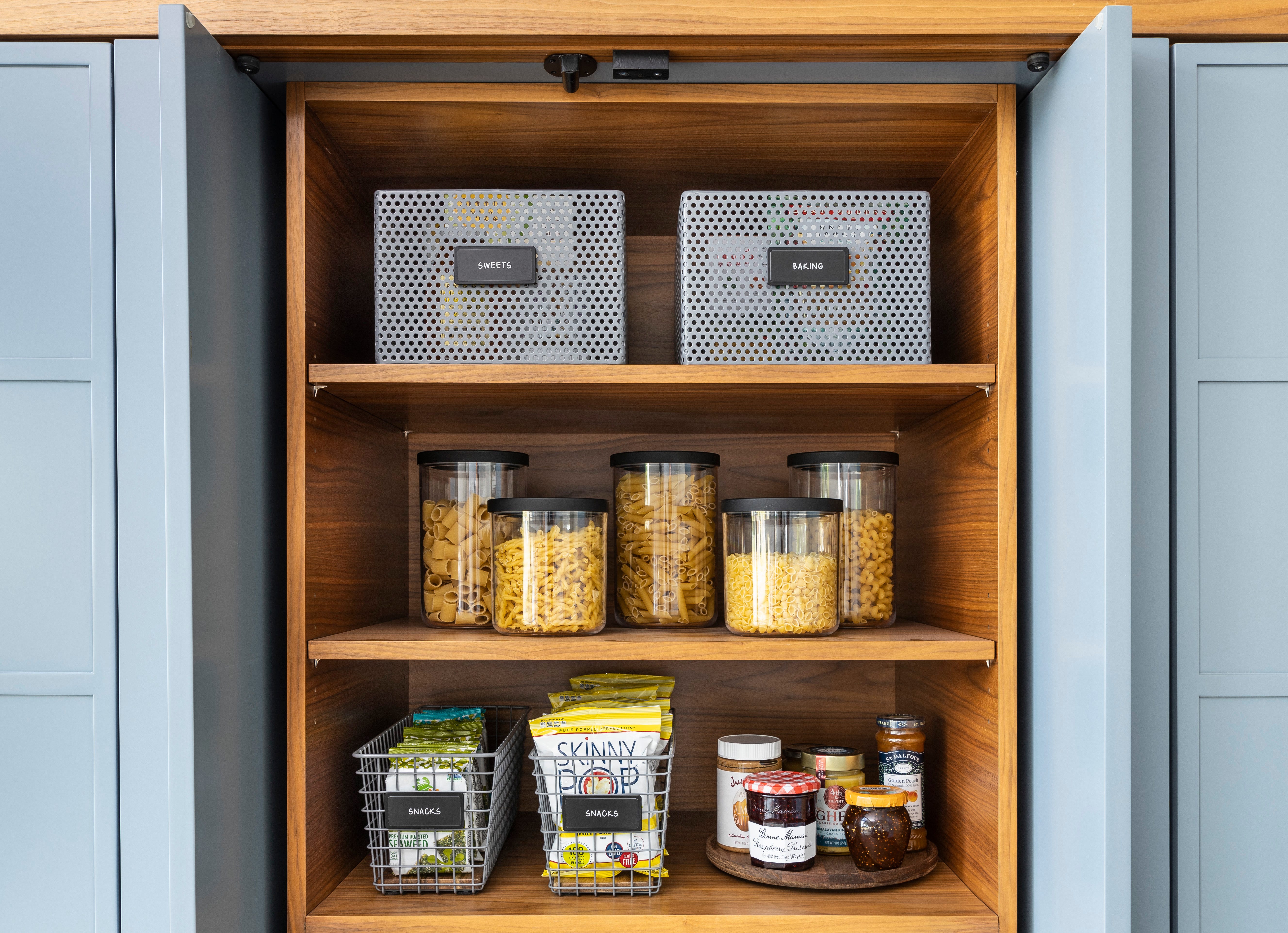
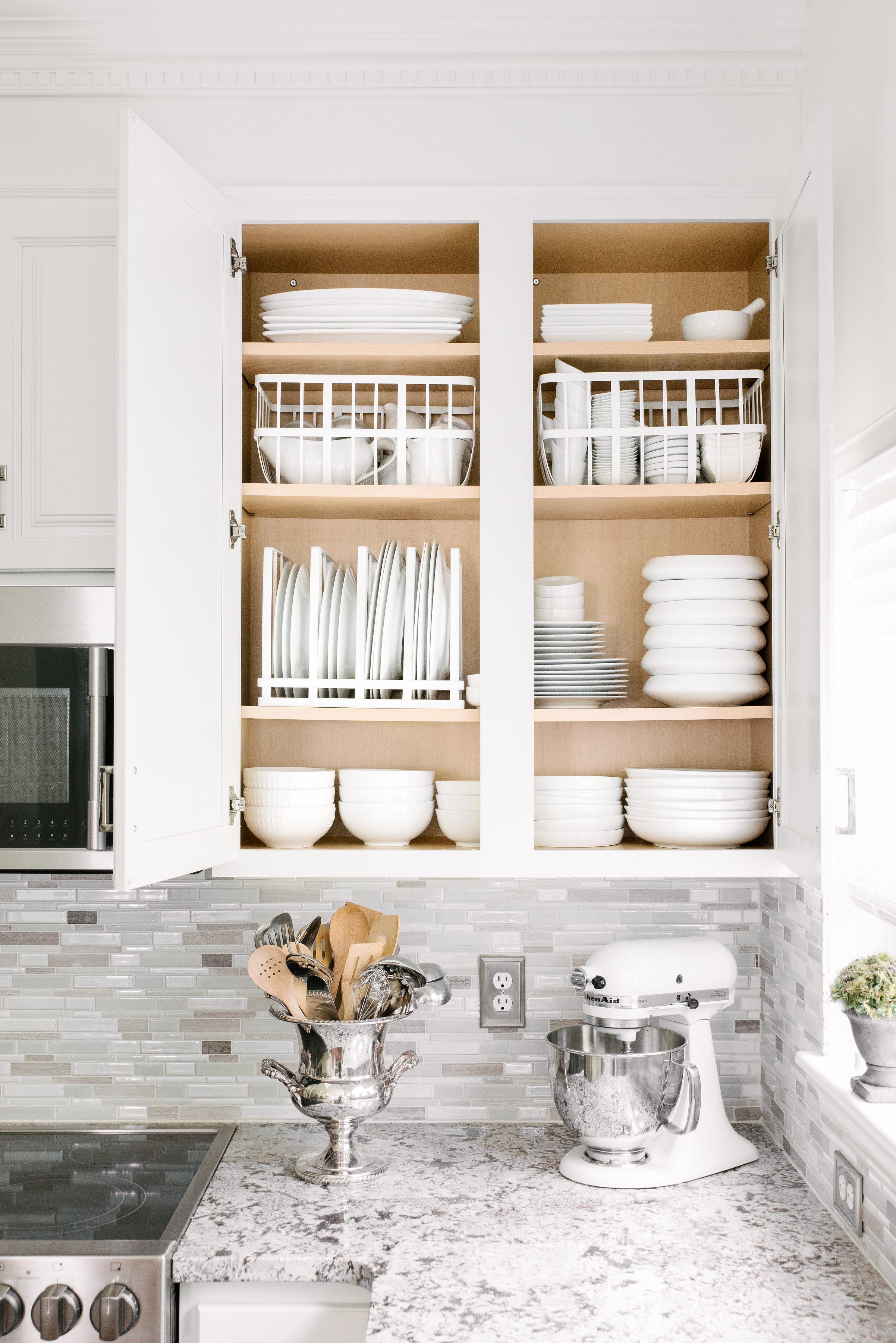
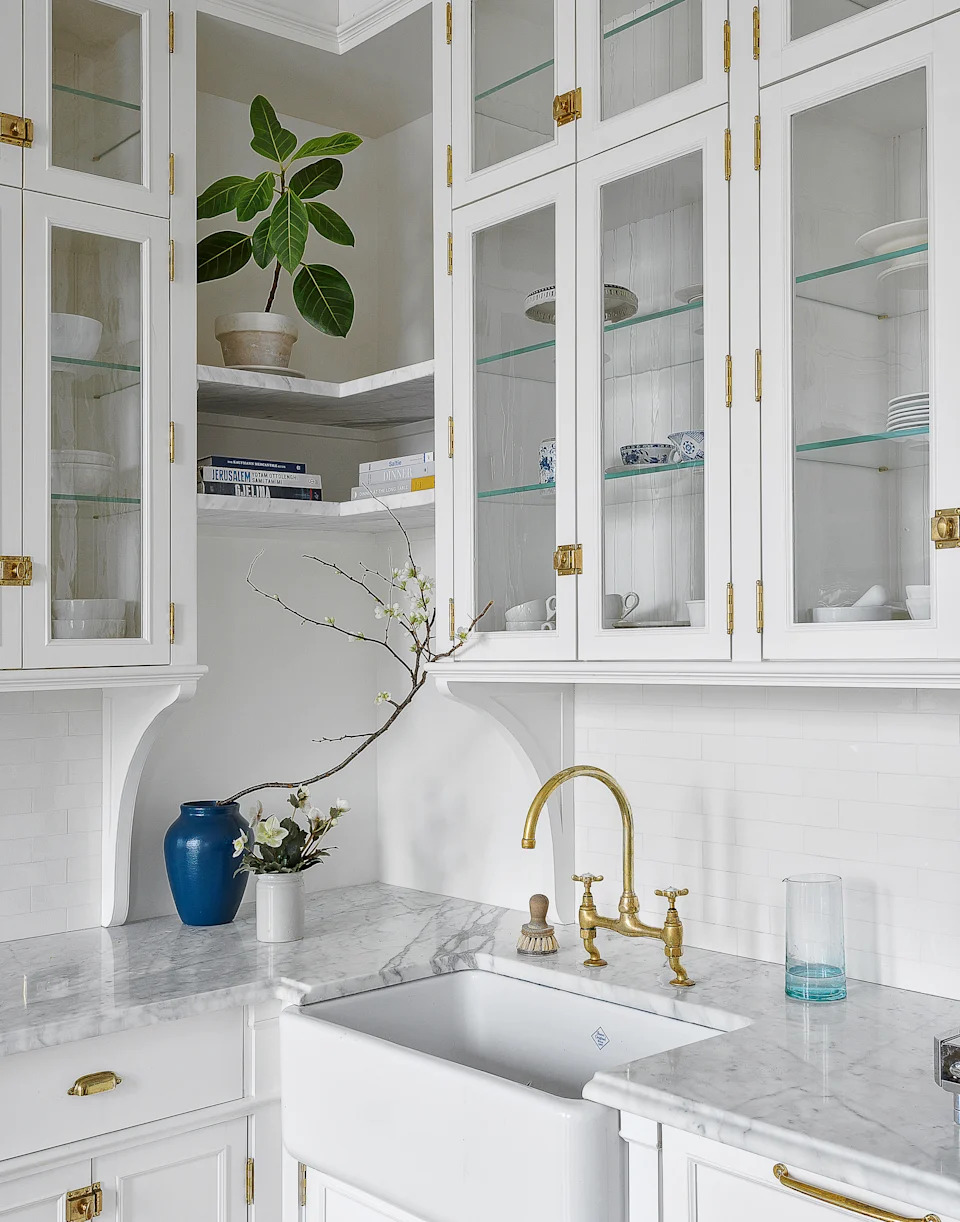
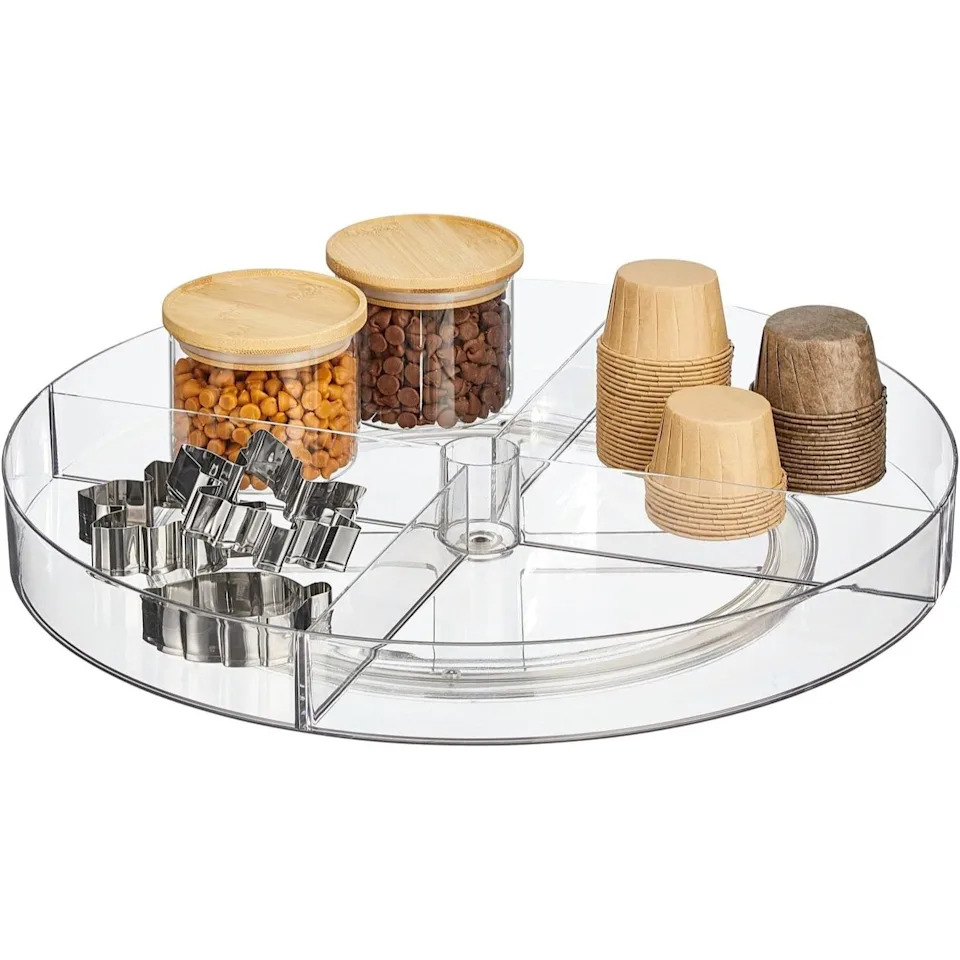
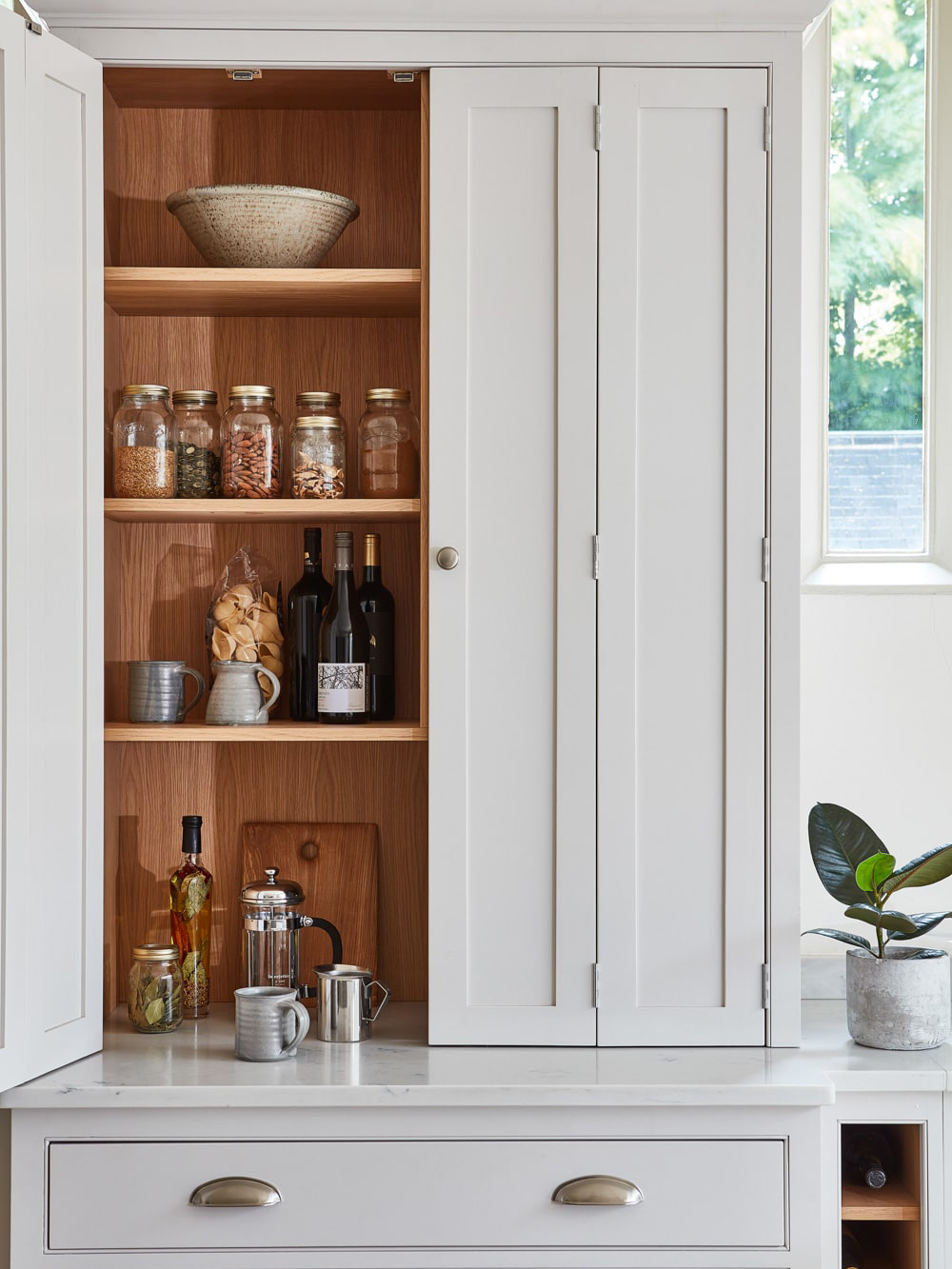
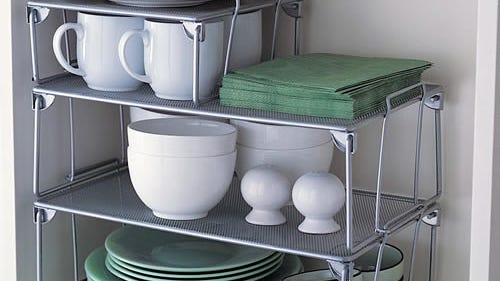
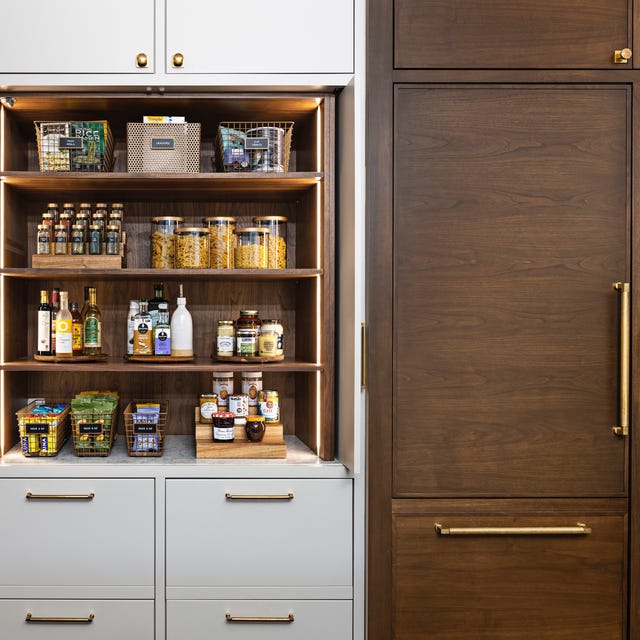
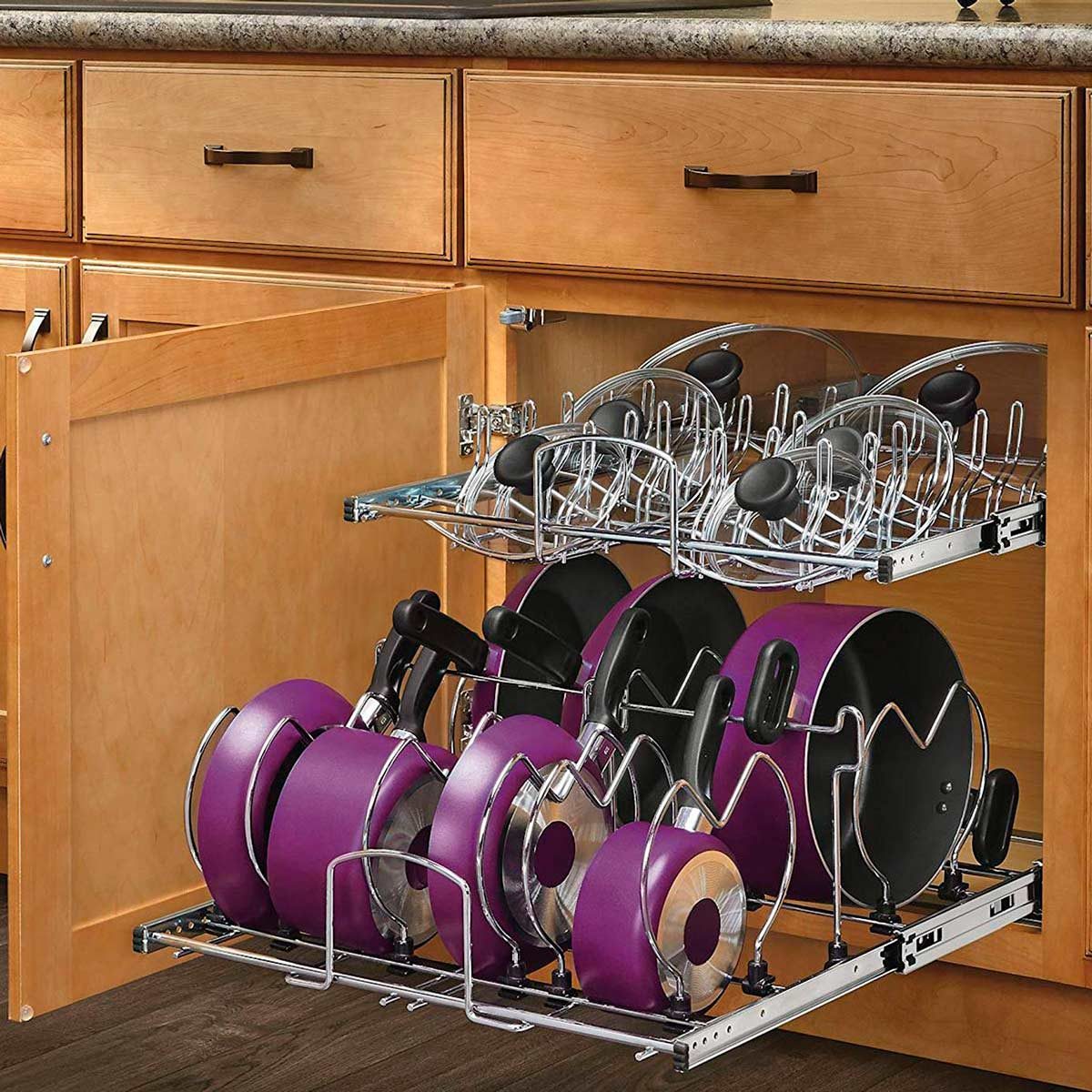
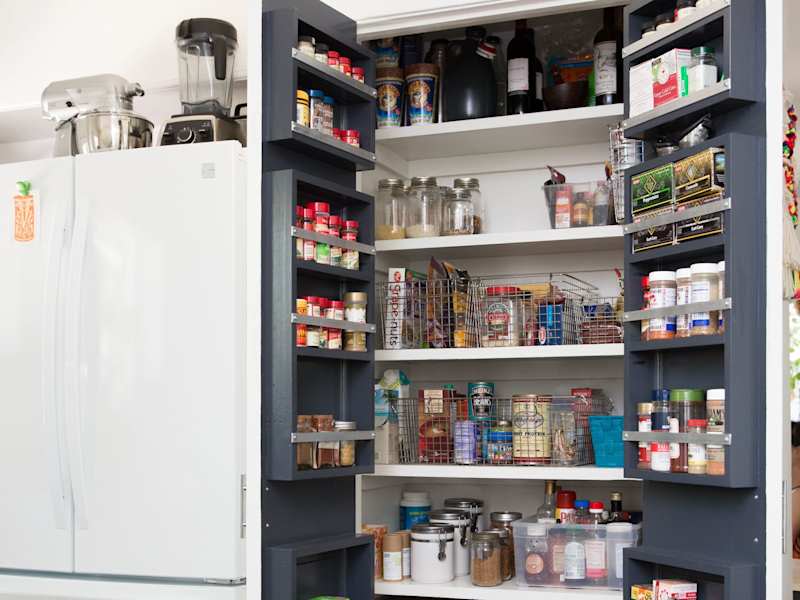
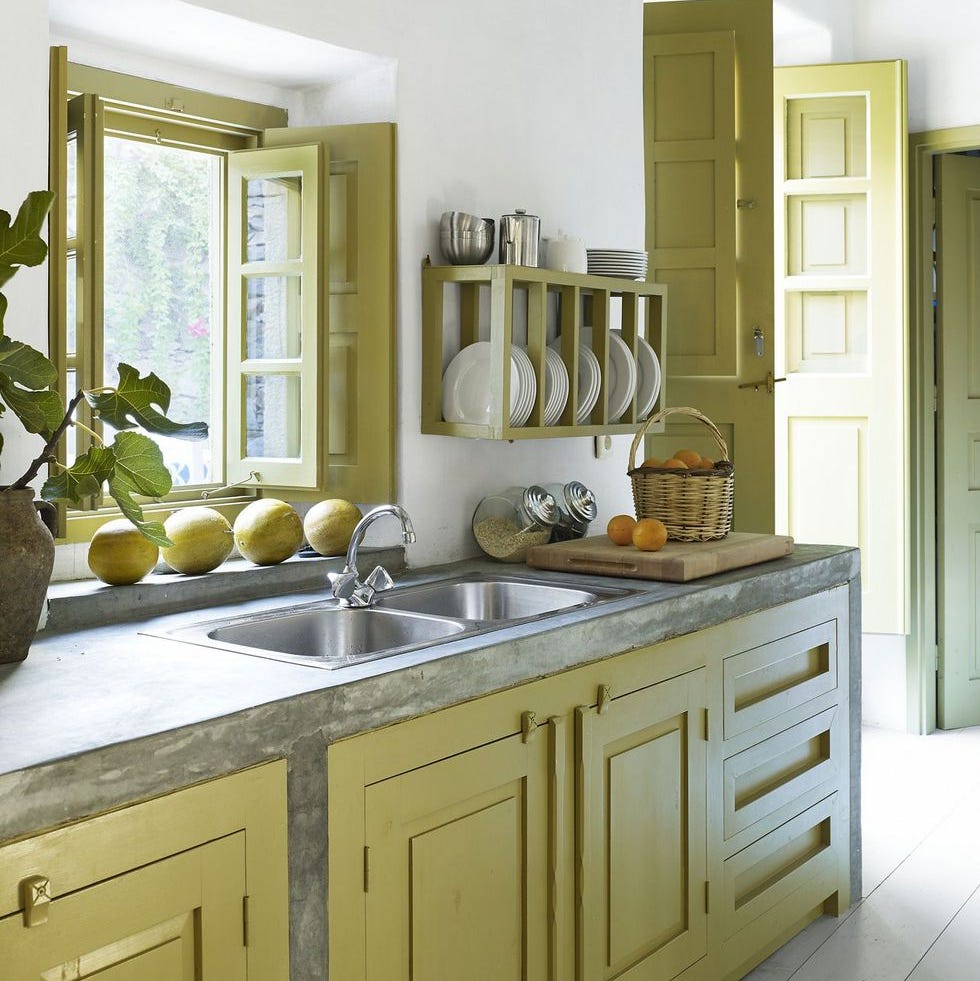
The final phase, styling, involves optimizing space and enhancing aesthetics. To address dead space, Robin and Dooley recommend using risers for items like spices and plates, especially in tall cupboards. Gill suggests using turntables for deep cabinets to organize smaller objects and appliance parts. For larger items such as pots, pans, and baking sheets, vertical storage in lower cabinets is advised, with expandable organizers being a useful tool. Plate racks are recommended for organizing dinnerware, particularly for open shelving, with Gill suggesting uniform sets for a visually appealing display. Decanting dried goods into airtight, uniform containers, such as glass jars, helps eliminate bulky packaging and allows for easy monitoring of contents. Suddleson also suggests moving frequently used staples into decorative canisters on counters for quick access. Lastly, Gill encourages making the space aesthetically pleasing with potted plants, fresh flowers, art, or decorative objects, especially for those adopting a doorless cabinet look, transforming storage into a display opportunity.
#KitchenOrganization #CabinetStorage #HomeOrganization #DeclutteringTips #KitchenDesign #SpaceOptimization #HomeImprovement #OrganizationalHacks #InteriorDesign #KitchenOrganization #CabinetStorage #HomeOrganization #DeclutteringTips #KitchenDesign #SpaceOptimization #HomeImprovement #OrganizationalHacks #InteriorDesign
0 ความคิดเห็นรวม
 ยังไม่มีความคิดเห็น
คุณอาจจะชอบอีกด้วย
3 simple steps to organised kitchen cupboards

25 Smart Ways to Organize Your Kitchen Cabinets

Professional organizers use low kitchen cabinets to store these items – it'll make your storage so much more convenient

Keep Your Kitchen Cabinets Organized With These 21 Tips From Experts
Finally, An Expert Guide on How to Organize Your Kitchen Cabinets

This Organization Hack Will Make Your Kitchen Cabinets Feel Like They're Twice the Size

9 Things You Should Get Rid of in Your Kitchen Cabinets Right Now — An Expert Explains Why

Decluttering Experts Share Their Best Kitchen Cabinet Organization Ideas

15 Kitchen Cabinet Organizers That Will Change Your Life

The $11 Cabinet Organizer That (Instantly!) Transforms Your Kitchen Cabinets
13 Awe-Worthy Kitchen Cabinet Organization Ideas

This Genius "Hidden" Kitchen Storage Is the Perfect Swap for Your Unorganized Junk Drawer
How to Organize Your Kitchen Cabinets | Wirecutter
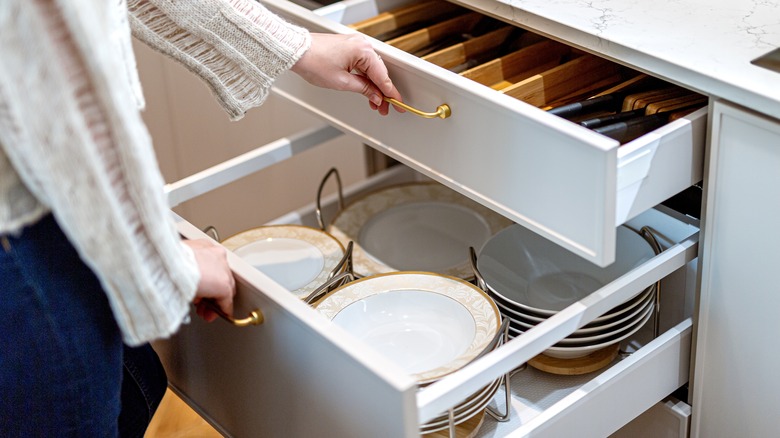
14 Kitchen Cabinet Organizers That Will Make Storage A Breeze
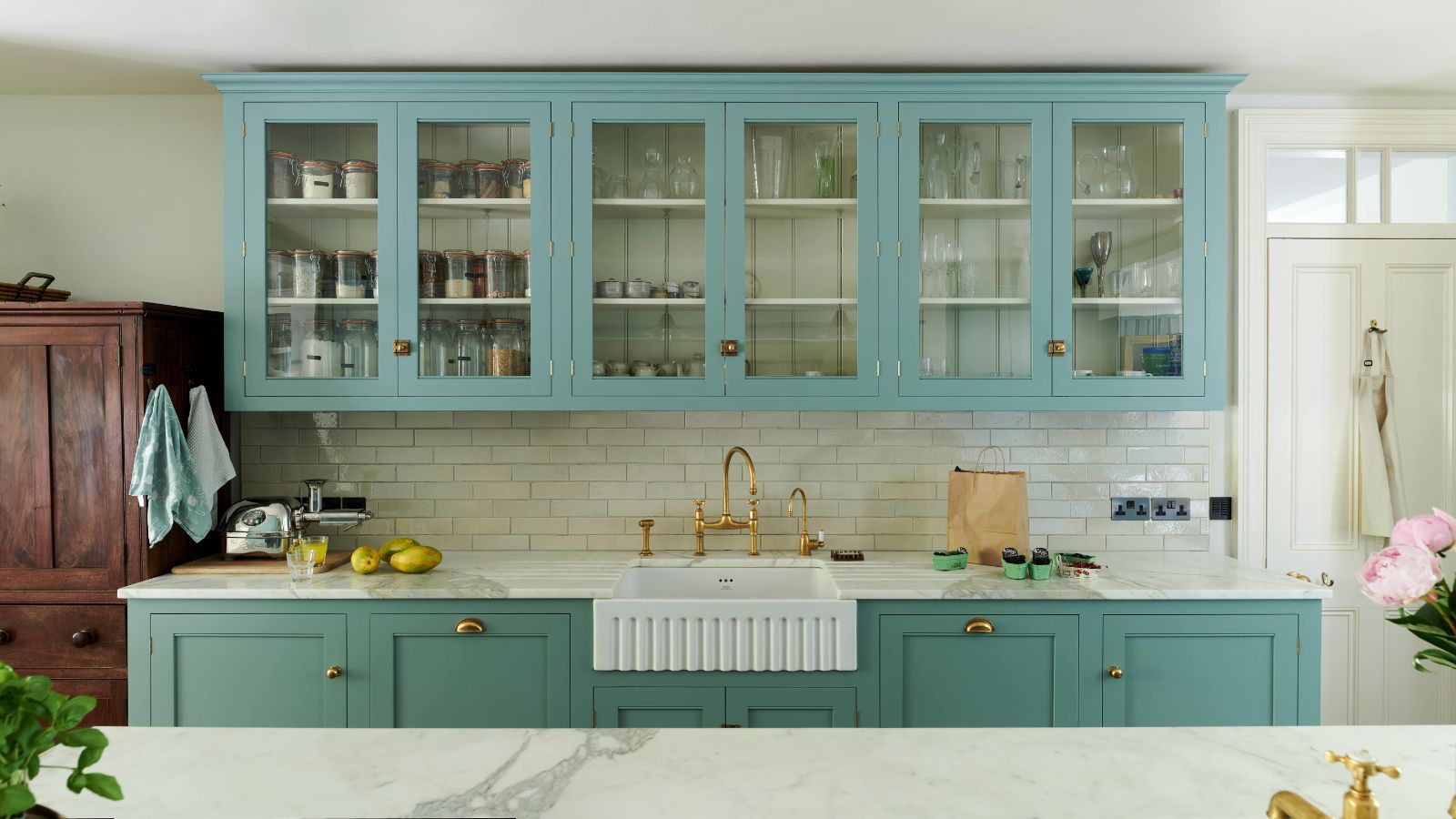
How to Make Your Kitchen Cabinets More Functional — 7 Expert Tips to Optimize Your Storage for Everyday Efficiency
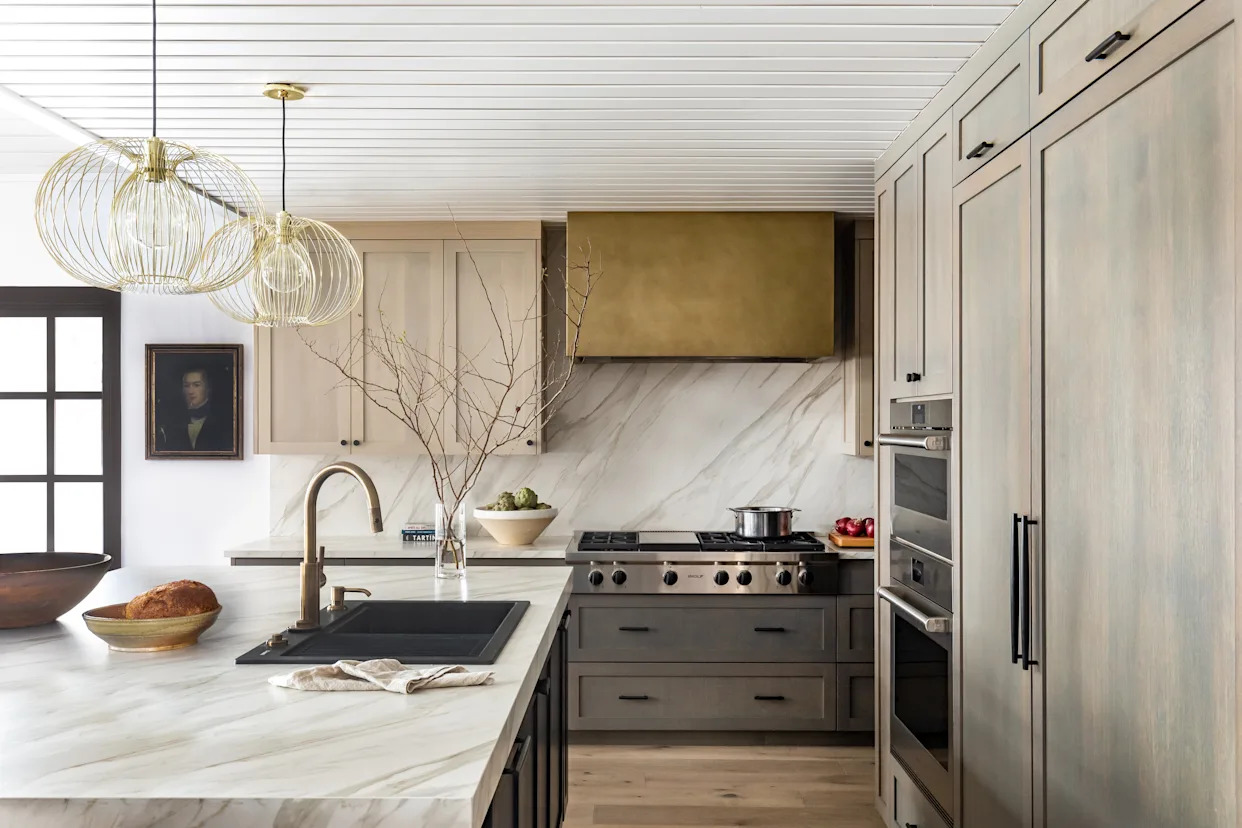
5 ways to make high kitchen cabinets more reachable that professional organizers swear by
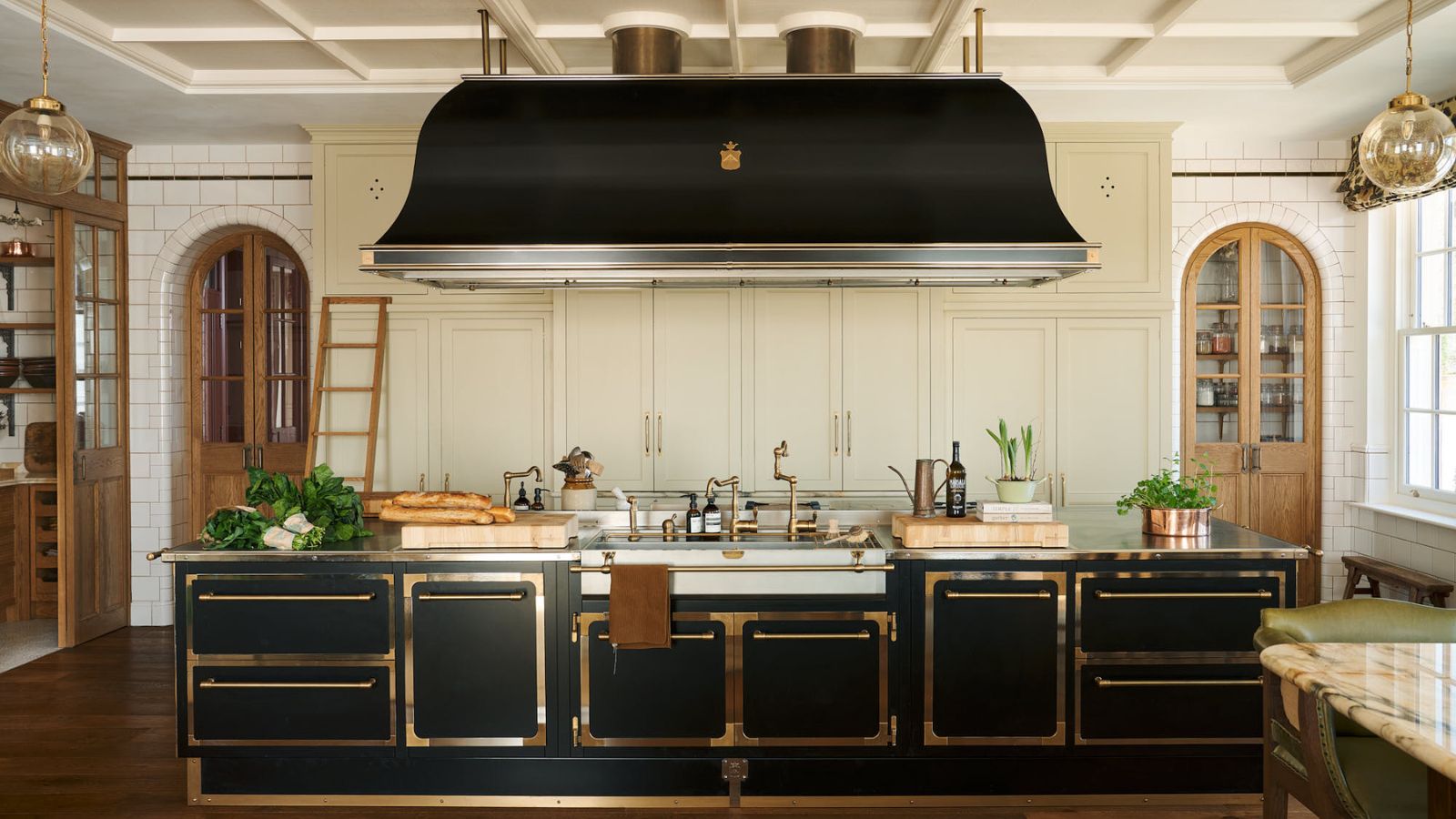
I'm spending my $50 Amazon birthday gift card on 4 kitchen cabinet essentials to instantly tidy up the chaos
Transform Your Kitchen with the Best Cabinet Hardware

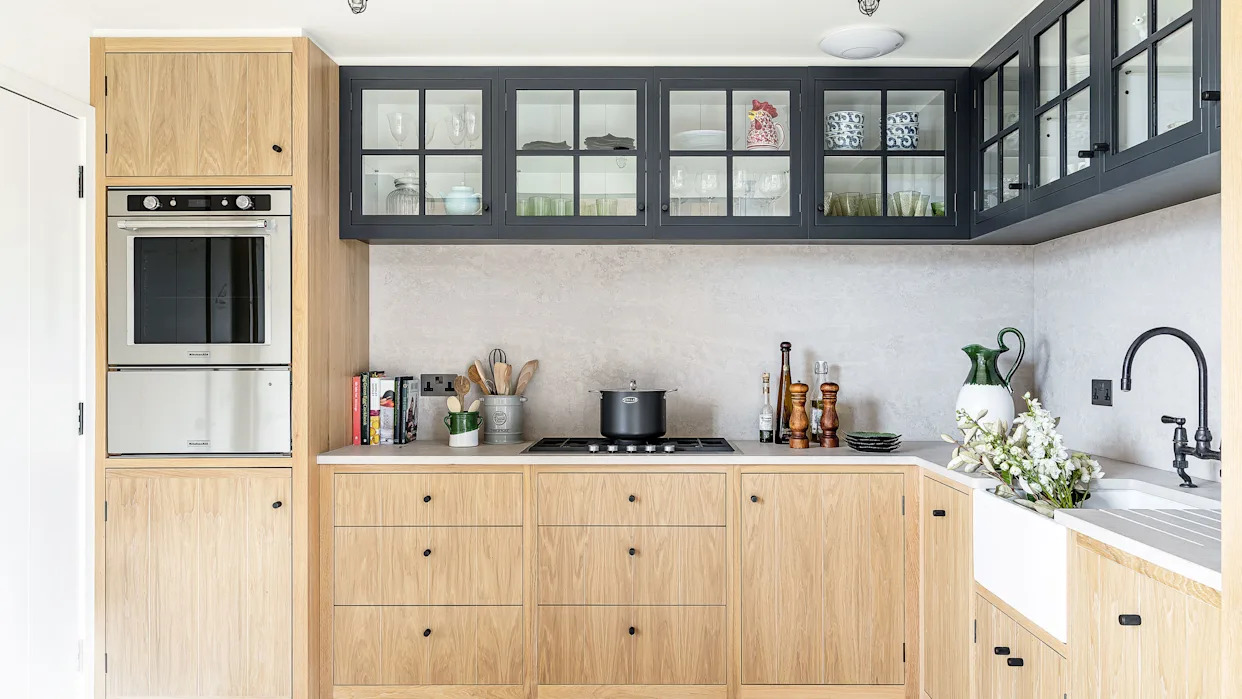
What to put in high kitchen cabinets –according to professional organizers and designers
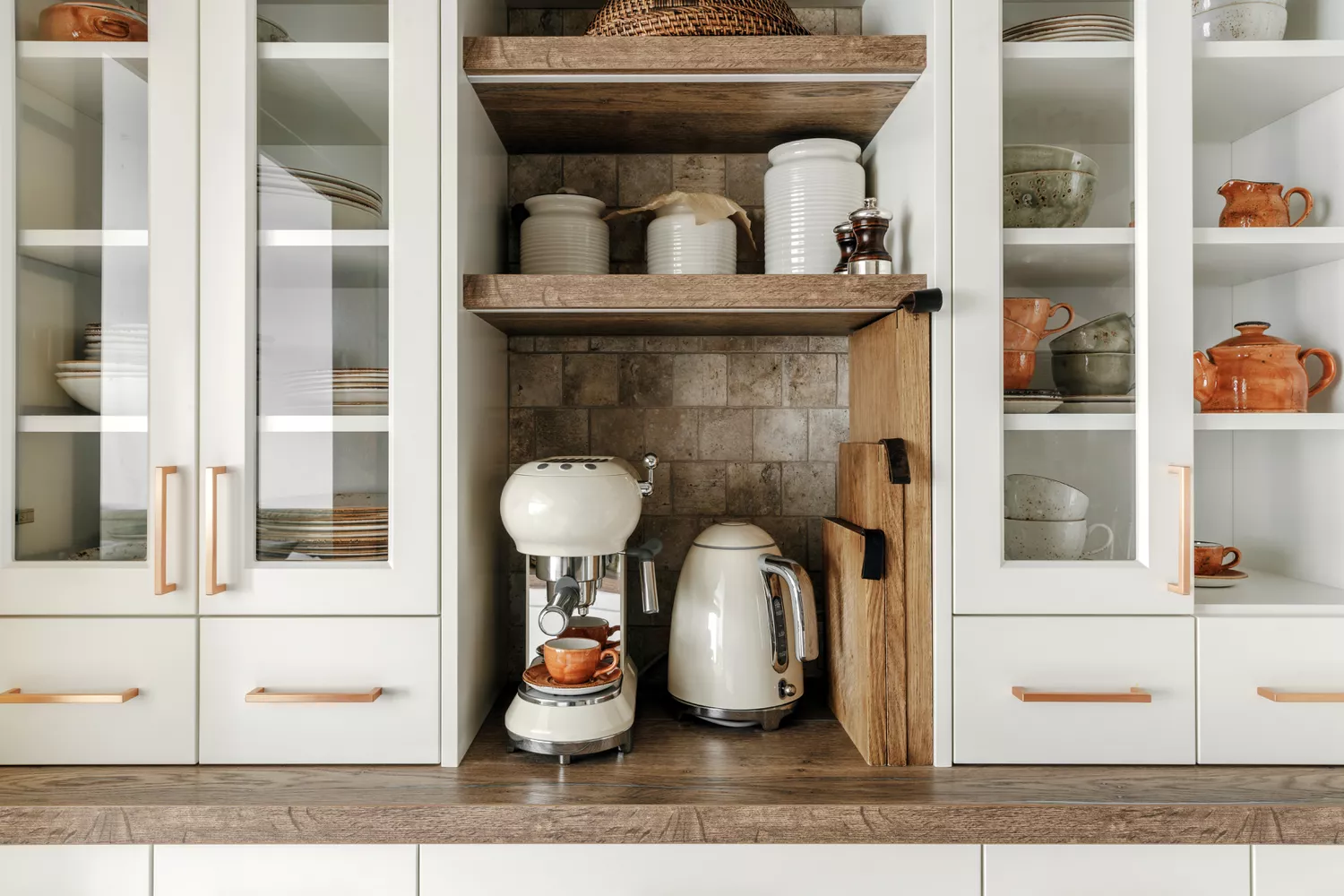
How to Organize Your Kitchen Cabinets—and Keep Them Organized—According to Pros