1/2
The Commercial Zen of Muji
Muji, the Japanese lifestyle brand known as Mujirushi Ryohin or “no-brand quality goods,” opened an 11,000-square-foot flagship store on Fifth Avenue in December 2015. This expansion highlights the brand's growth from its 1980 inception as a generic line for Seiyu Supermarket Group, initially offering forty products. Today, Muji is a two-billion-dollar independent company, providing over seven thousand items, from furniture to snacks.
The company maintains low prices by focusing on efficient processing and packaging, such as using unbleached paper products and industrial materials like the discarded ends of pasta for its U-Shaped Spaghetti. Muji’s 2015 year-end report characterized this period as a “jump” phase, marked by global expansion and domestic efficiency. With over seven hundred stores worldwide, including thirteen in the U.S., Muji plans to increase its global presence to 888 stores, with significant growth projected in China where seventy-two new stores are anticipated.
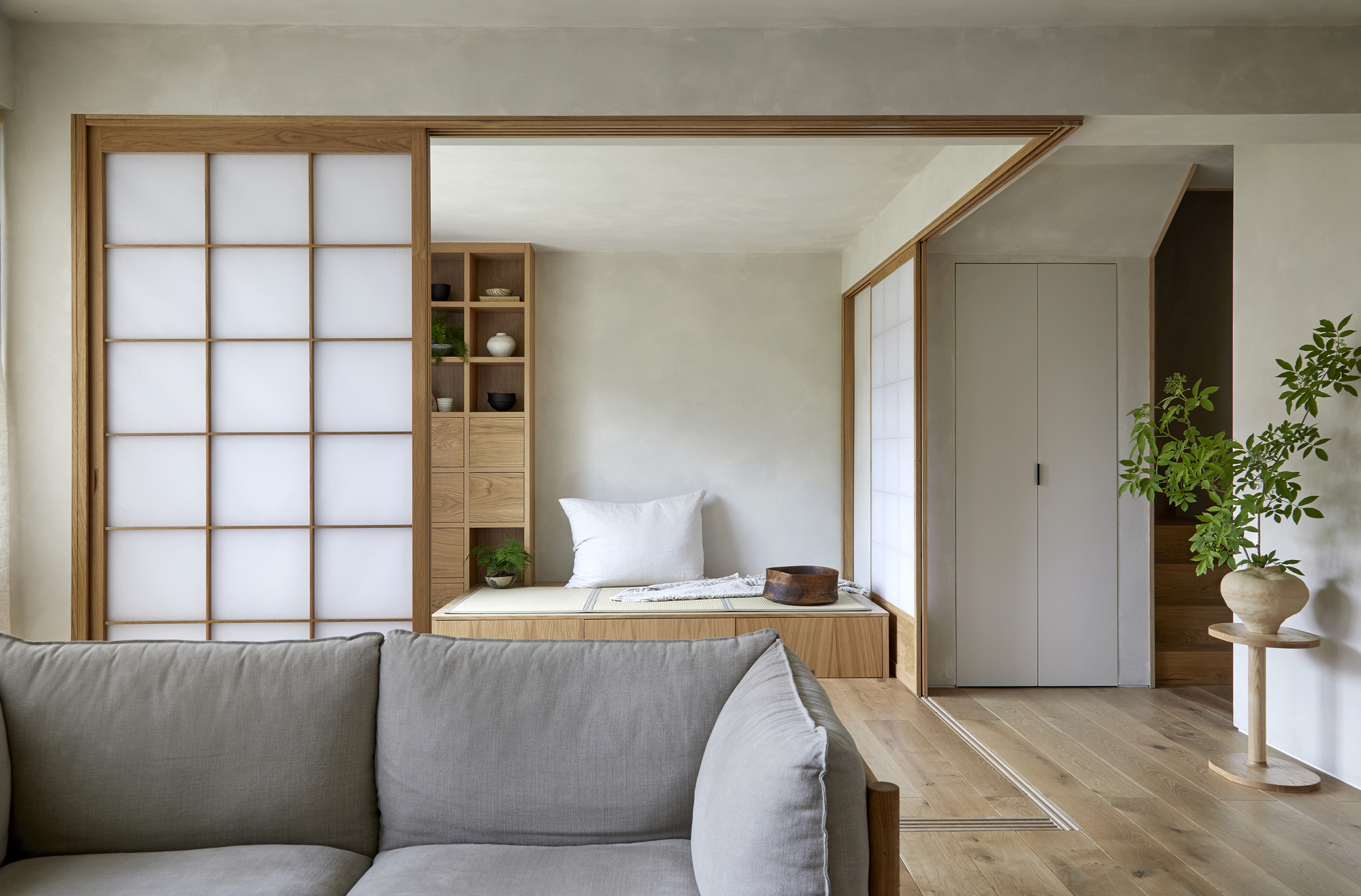
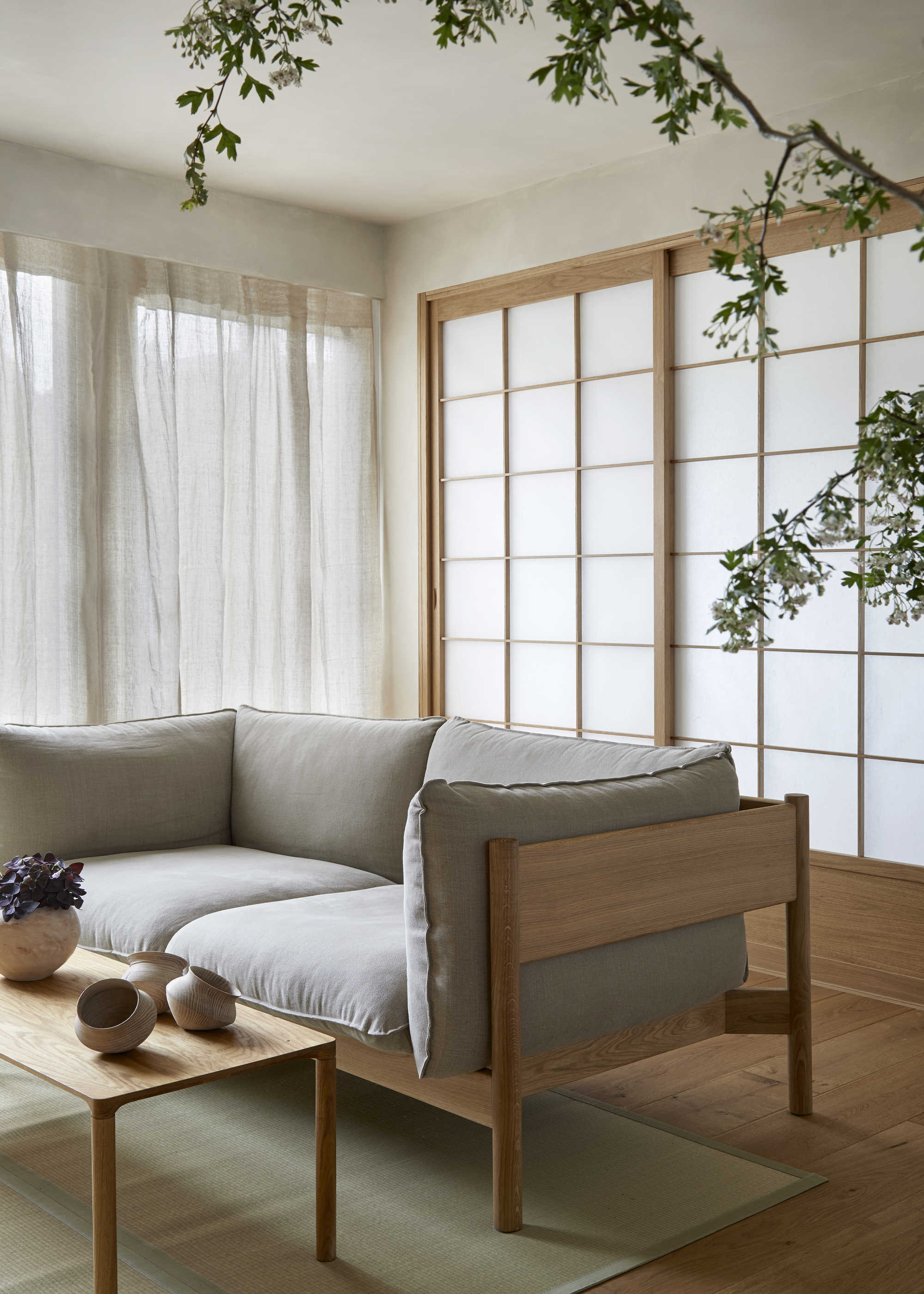
Muji’s design philosophy leverages the aesthetic outcomes of its cost-cutting measures, contrasting its plain-looking goods with what it describes as “over-embellished products” in the market. The brand's aesthetic embraces simplicity and utility, aligning with contemporary trends like the KonMari tidying craze. This represents a shift towards a 'post-cool, normcore' Japan, a curated vision of Japanese culture embodying serenity, neatness, and propriety.
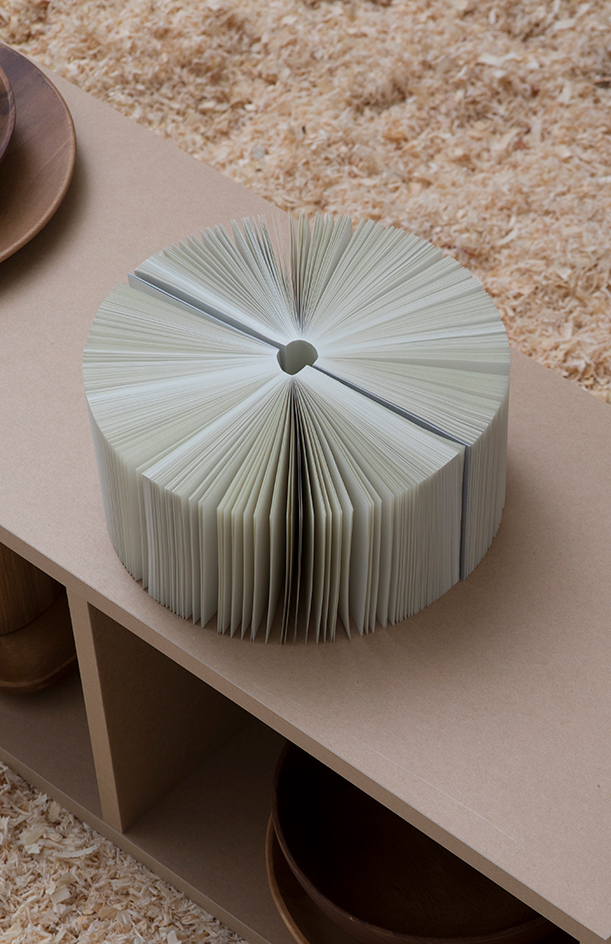
The company’s products, while seemingly basic, are the result of sophisticated and premeditated design. Muji aims to create essential products in their most necessary forms, producing staples like stationery, kitchenware, and storage options in generic colors, patterns, and materials. Industrial designer Naoto Fukasawa's collaboration with Muji on kitchen appliances exemplifies this approach, with compact, all-white items featuring “a square shape tinged with mellow roundness,” a concept Fukasawa terms “super normal design.”
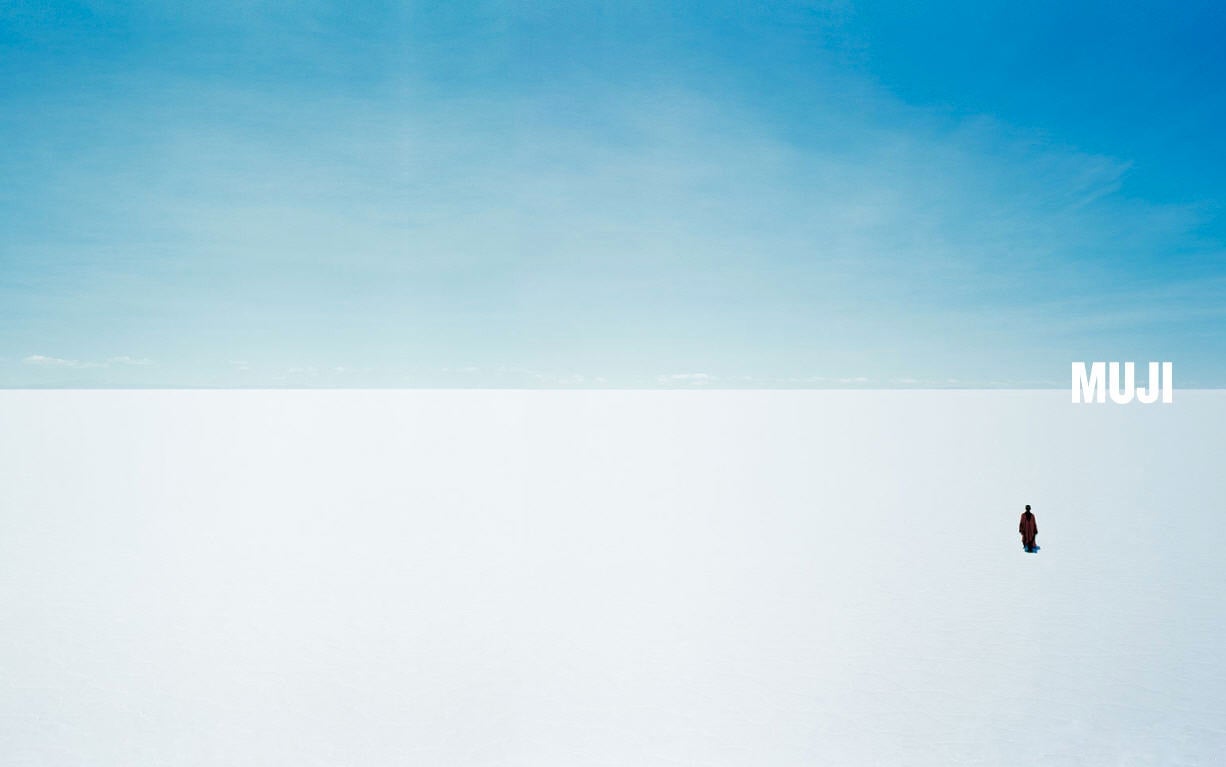
Muji also offers customization options, allowing customers to personalize notebooks with stamps or embroider cloth goods. Its clothing line features standard wardrobe items in natural earth tones, emphasizing “genuine color.” The brand communicates its principles through statements and its seasonal catalogue, “The Why of Muji,” suggesting a spiritual dimension to its philosophy of life without excessive branding. Advertising campaigns depict a peaceful existence devoid of logos and bright colors, promoting an image of tranquility and freedom from distraction.
While Muji largely avoids attributing products to individual designers, its original framework was developed by graphic designer Ikko Tanaka, an architect, and creative consultant Kazuko Koike. Kenya Hara, who took over Tanaka’s role in 2001, is credited with revitalizing the brand by refocusing on design. The brand's philosophy, often described as minimalist or even Zen, is articulated as being rational and free of agenda, focusing on “perfectly functional products.” Naoto Fukasawa explains this as striving for “just right,” implying a comfortable and pleasing exactness.
Muji's pursuit of simple, well-designed everyday items is documented in “Found Muji,” a catalog and concept store that features objects from around the world that have inspired Muji products. An example is the ninety-degree heel sock, adopted after discovering a Czech grandmother's handmade version. The company's financial success is evident in its 2015 revenue increase of eighteen percent to $2.14 billion and a fourteen percent profit increase to $196 million. Muji aims for “perpetual growth” and to establish a “global brand” by 2020, based on the principle that simplicity can be more appealing than luxury. This growth strategy, termed “massive minimalism through perpetual growth,” is a commercialization of a fantasy of Zen purity, as described by science-fiction writer William Gibson, offering a vision of an idealized, minimalist lifestyle.
#Muji #JapaneseDesign #Minimalism #HomeGoods #RetailExpansion #LifestyleBrand #ProductDesign #GlobalGrowth #CommercialZen #Muji #JapaneseDesign #Minimalism #HomeGoods #RetailExpansion #LifestyleBrand #ProductDesign #GlobalGrowth #CommercialZen
 ยังไม่มีความคิดเห็น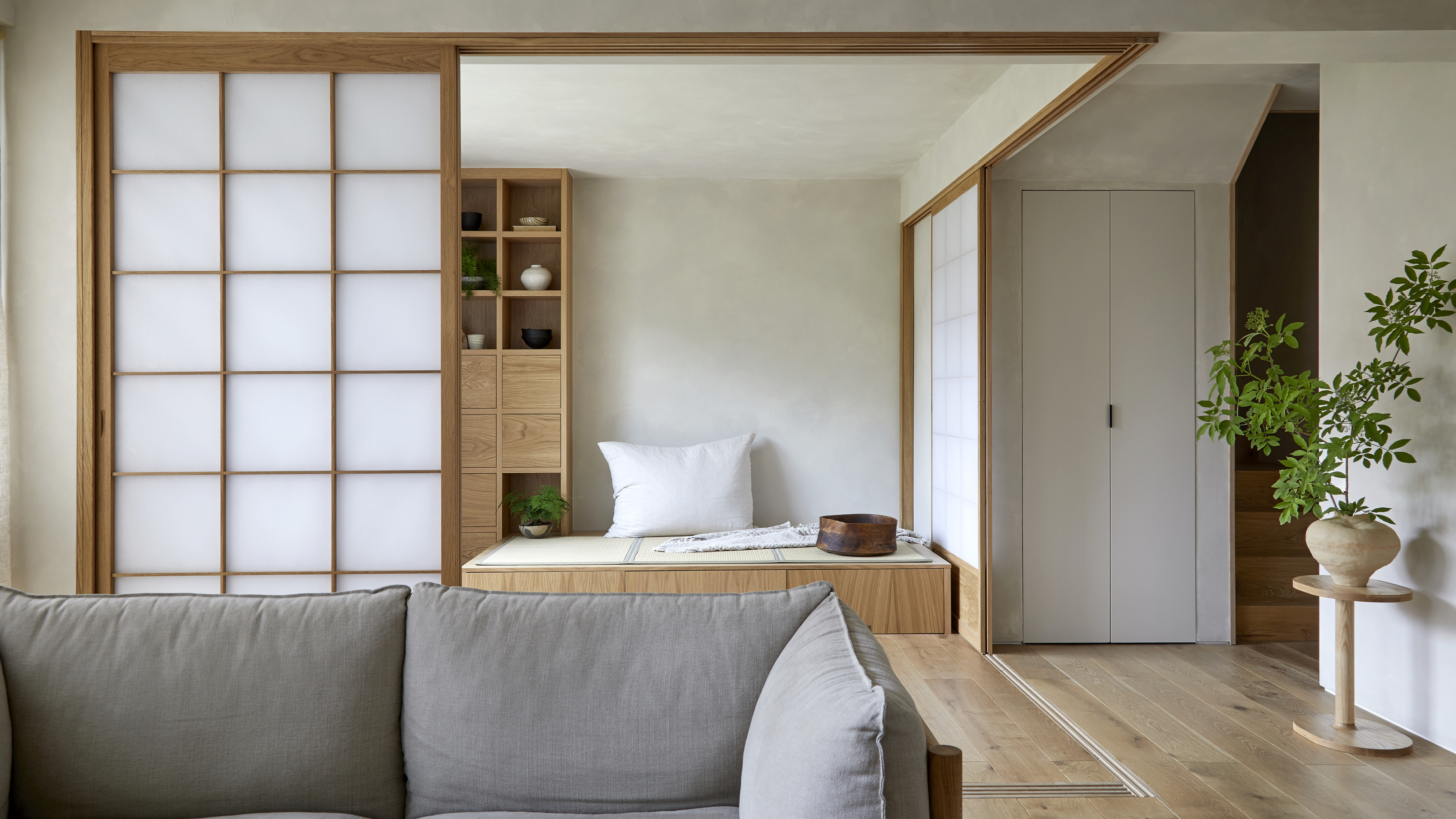
Muji Living Room Ideas — 5 Ways to Harness the Calming Qualities of This Japanese Design Style


Yinka Ilori Gains Momentum With Commercial Textiles + Wallcoverings
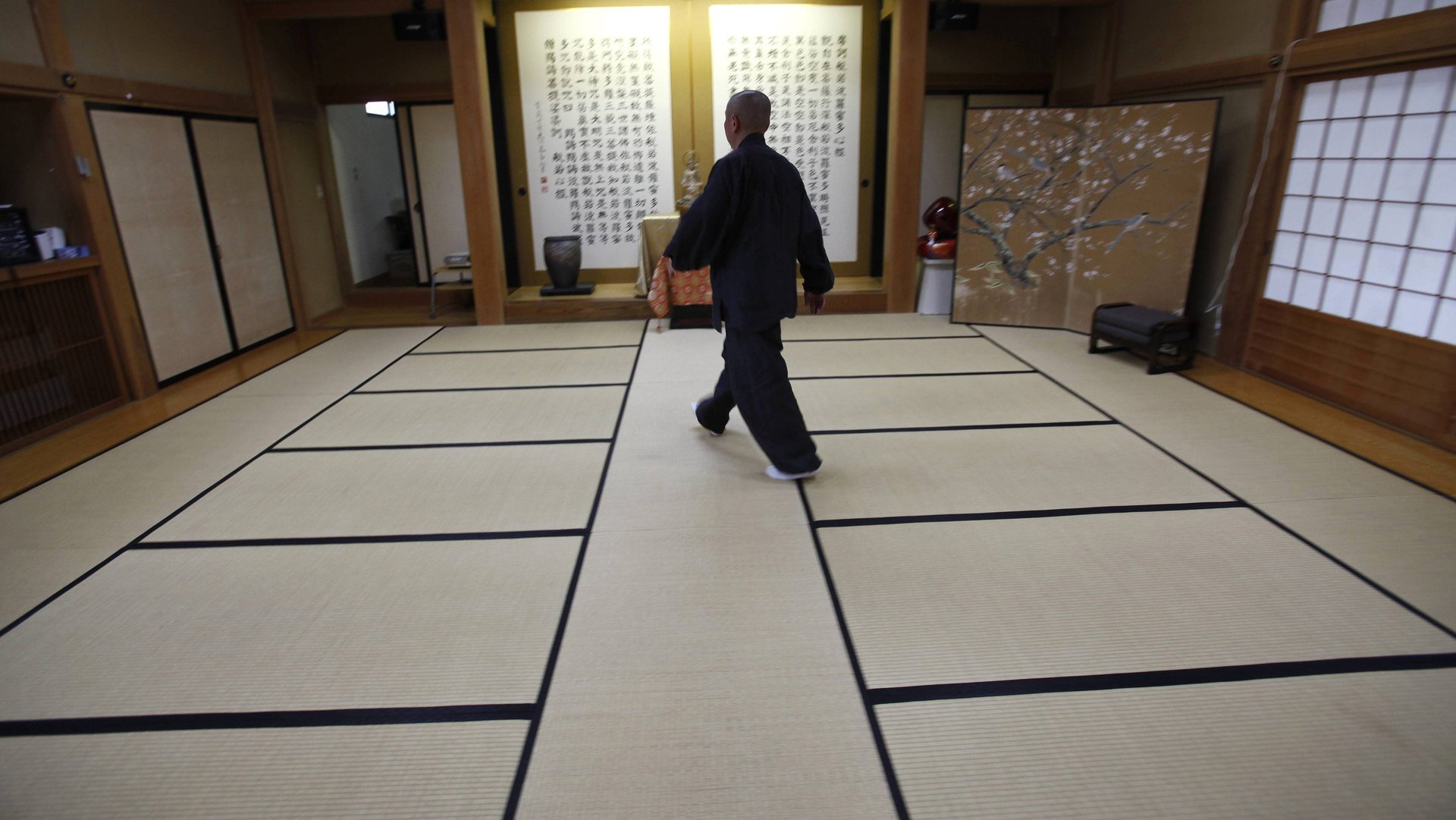
Emptiness—not minimalism—is the path to creativity, explains MUJI’s design philosopher
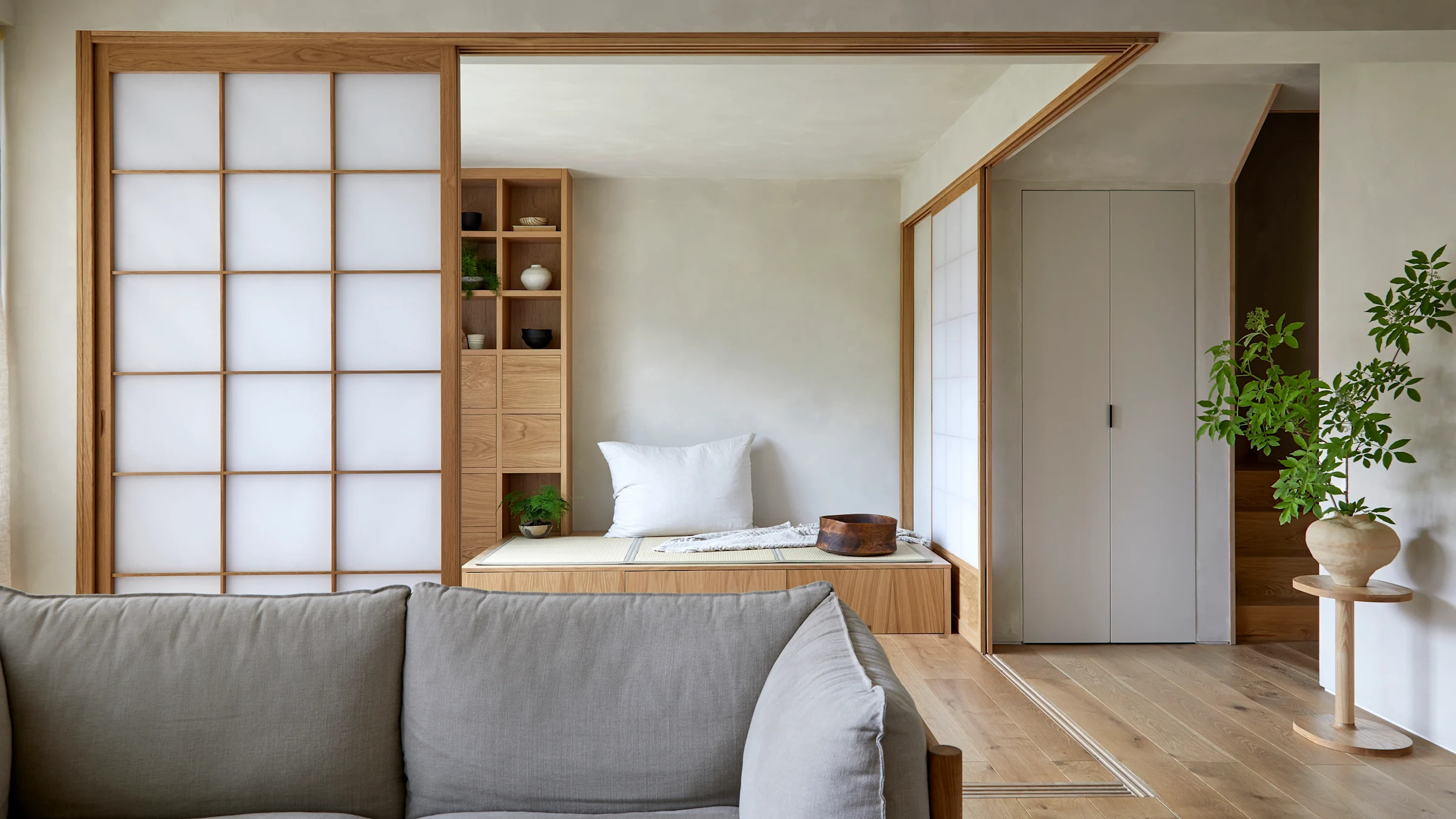
Muji Living Room Ideas — 5 Ways to Harness the Calming Qualities of This Japanese Design Style
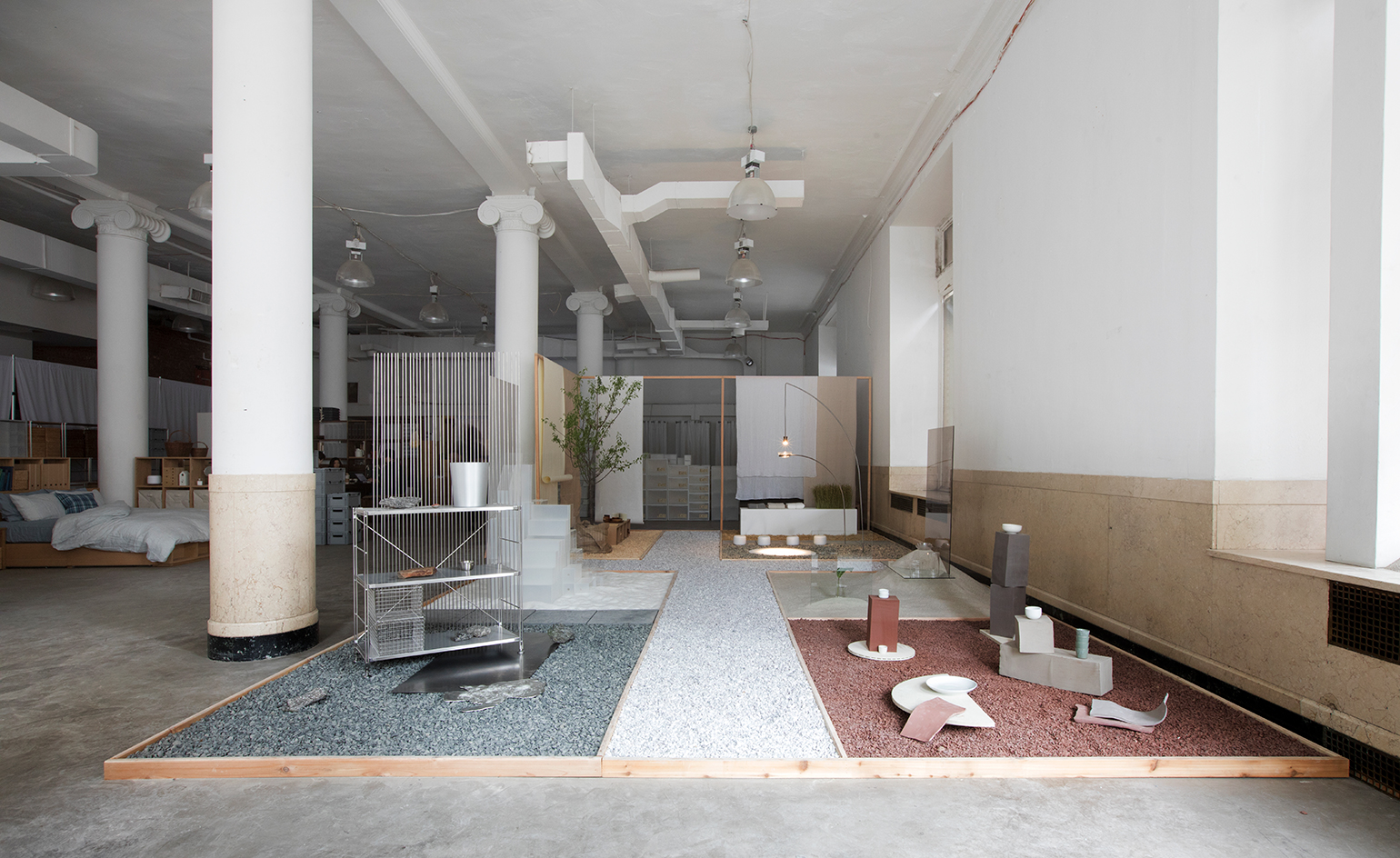
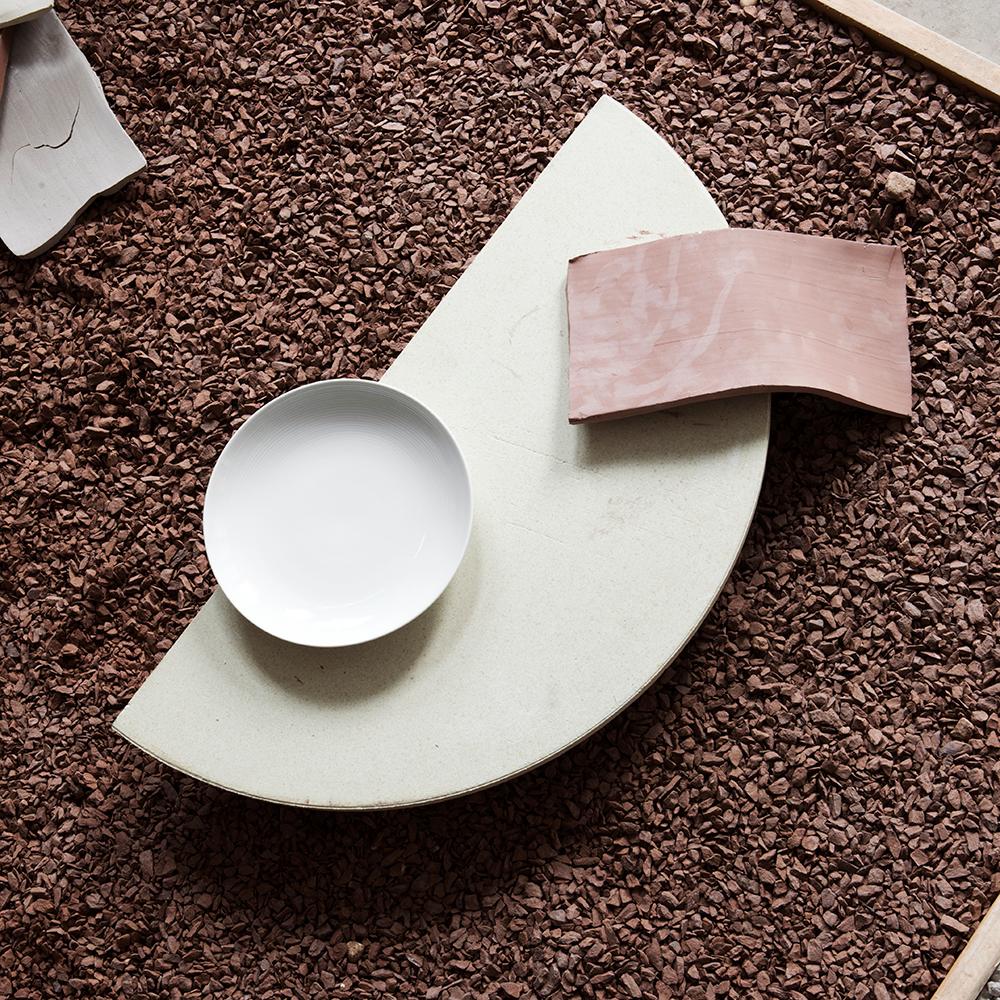
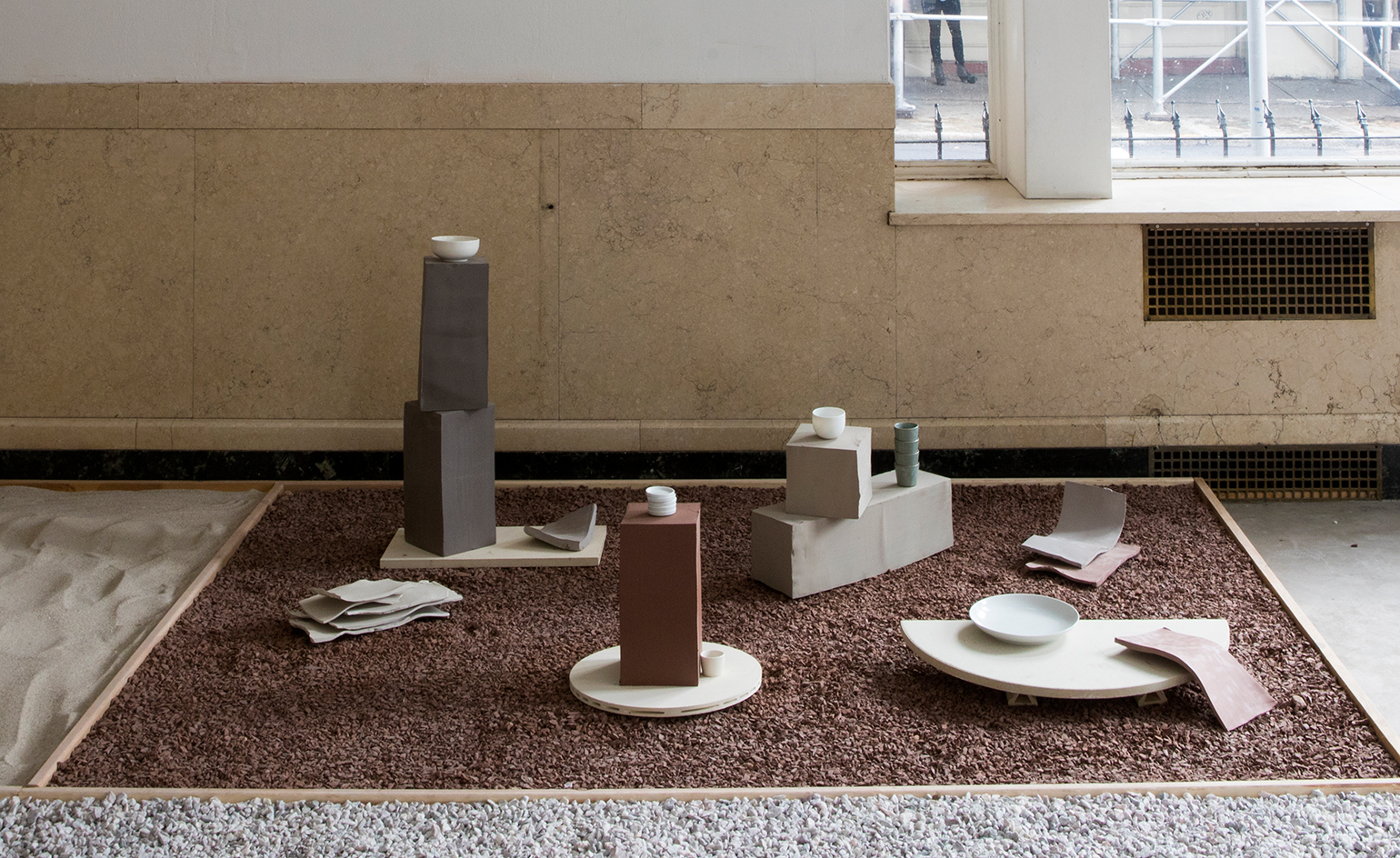
Muji explores the art of minimalism in Japanese rock garden installation in New York
Matsuhisa’s Zen Palate

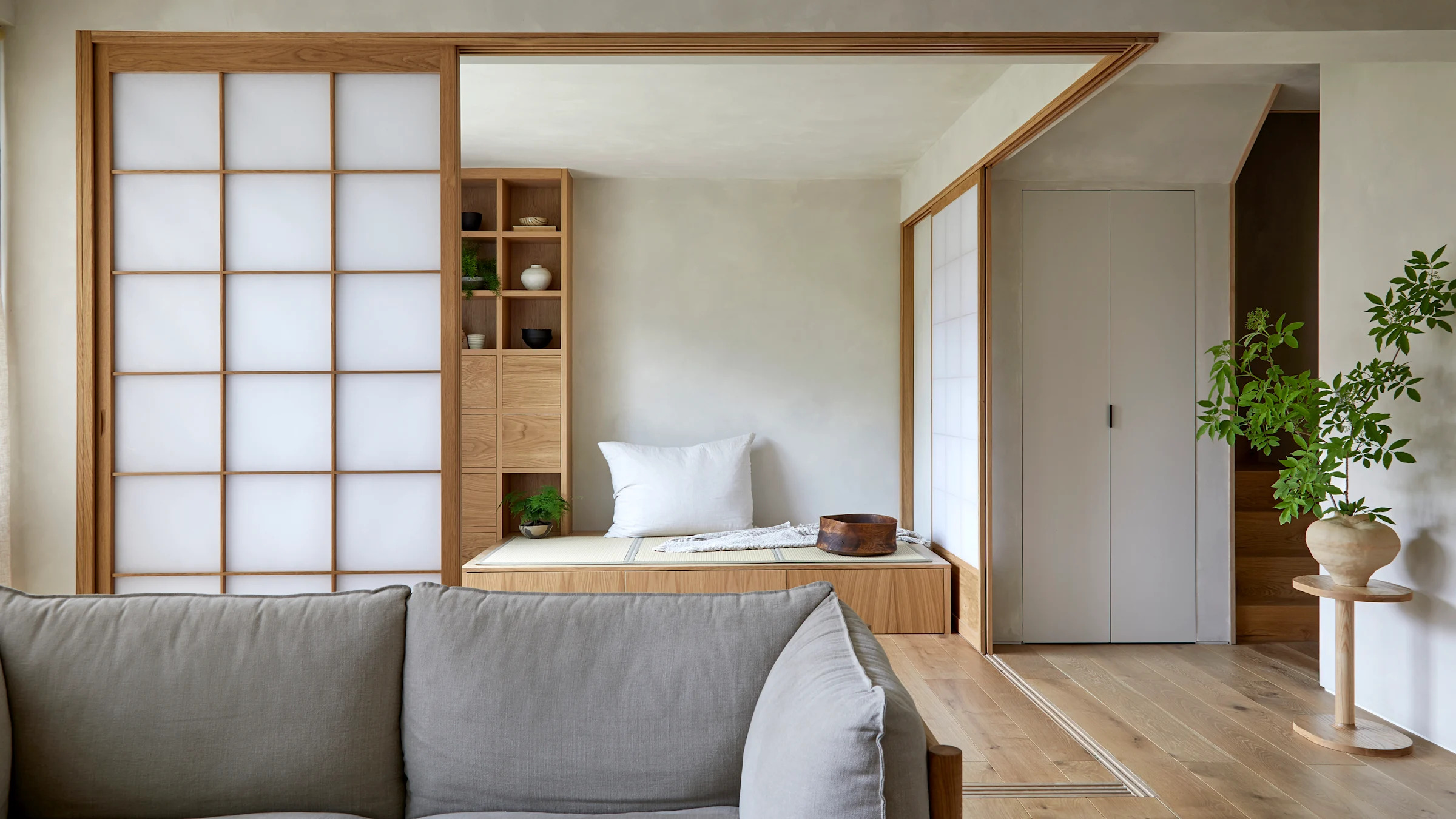
Muji Living Room Ideas — 5 Ways to Harness the Calming Qualities of This Japanese Design Style


25 Bestselling Print-On-Demand Products (2026)