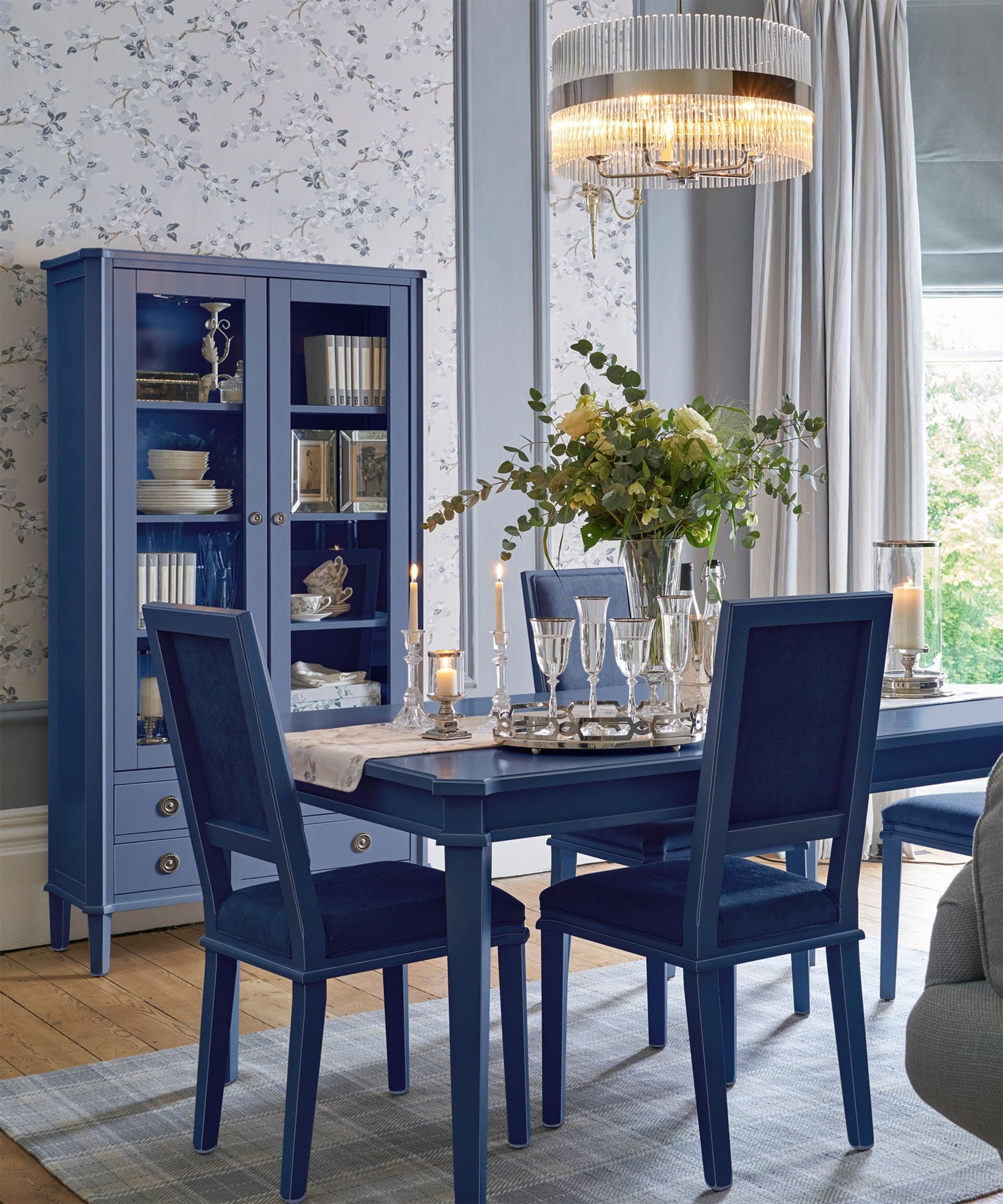
1/11
Rustic dining room ideas – 15 authentic dining space looks
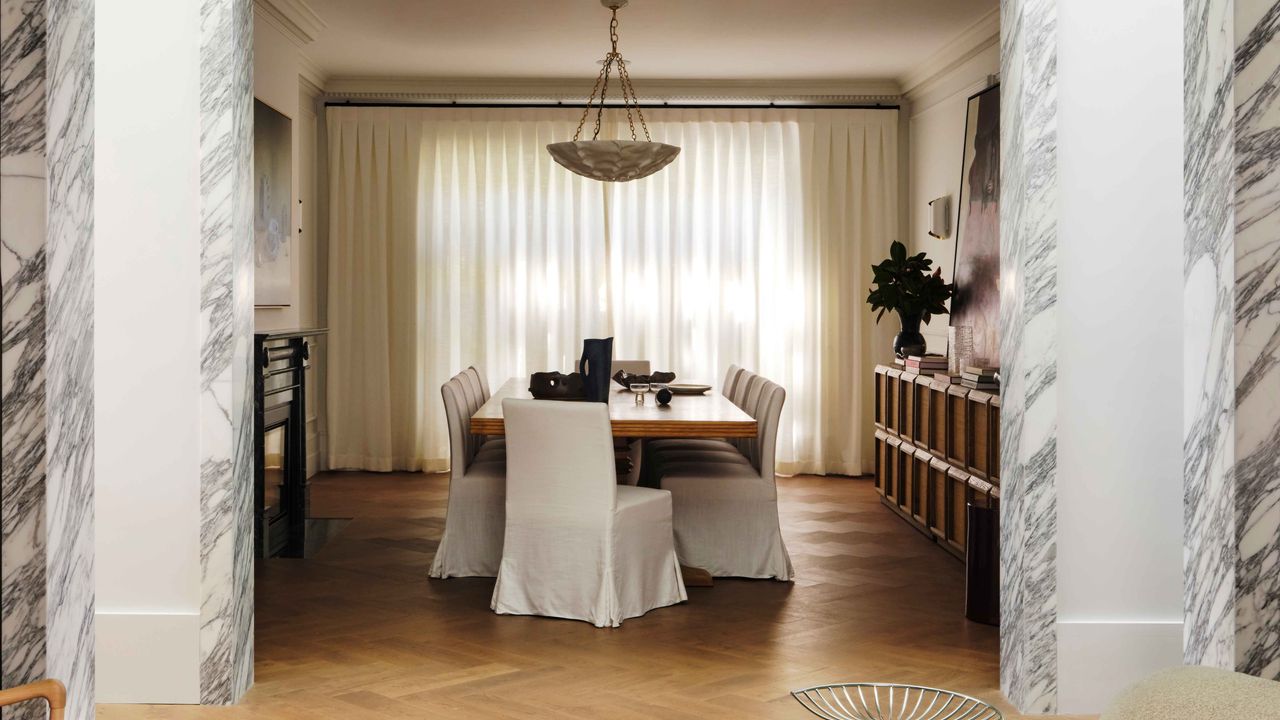
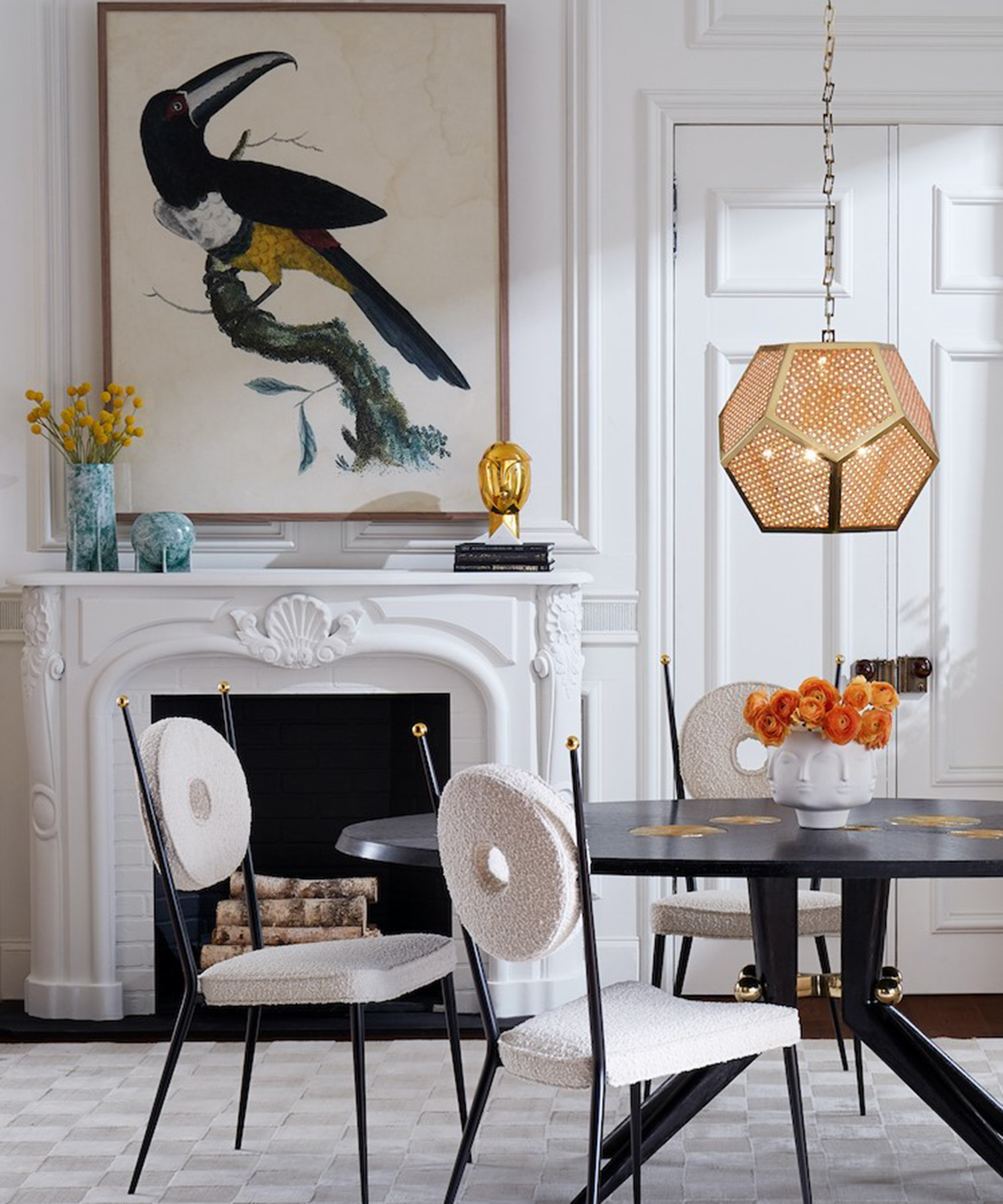
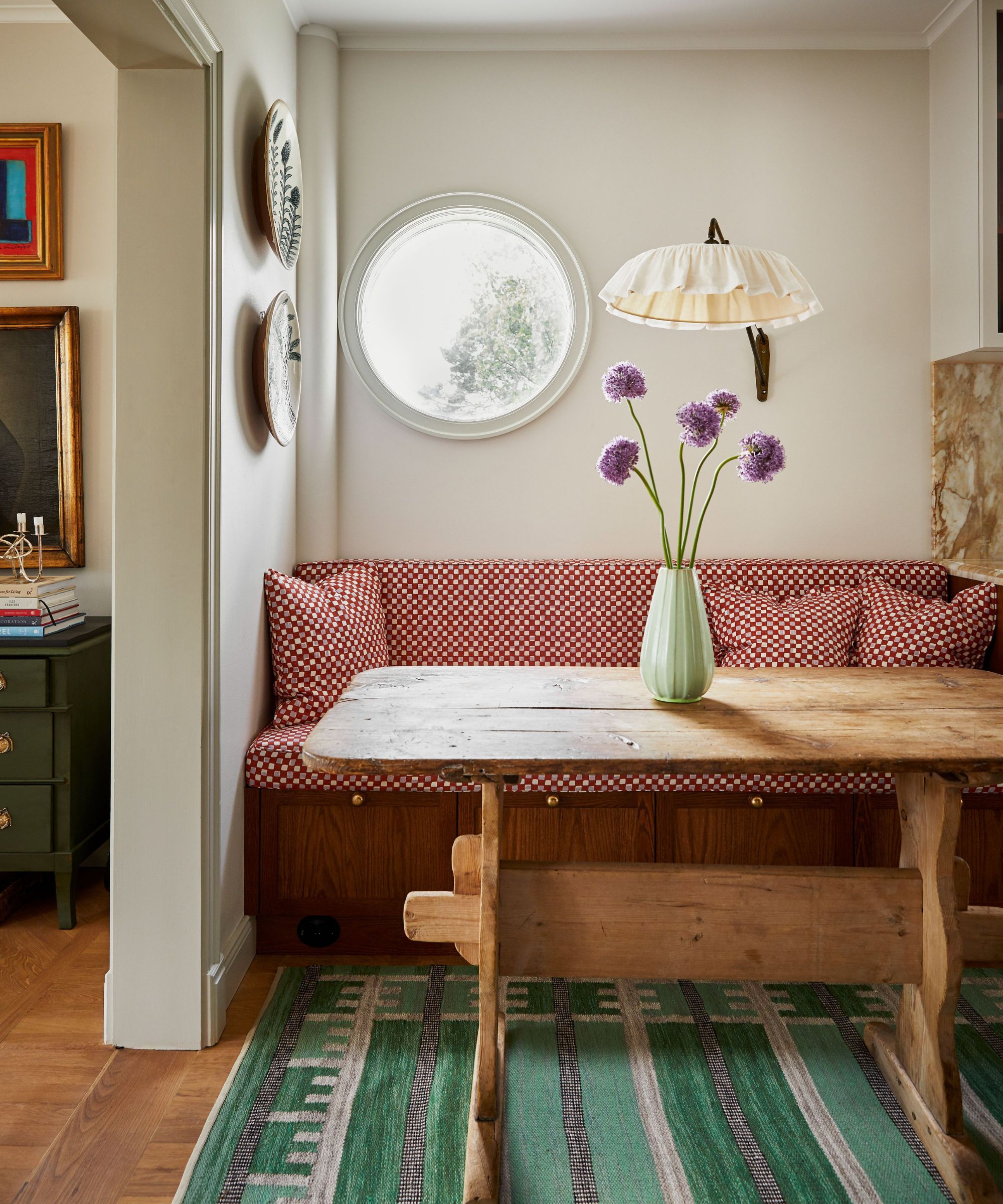
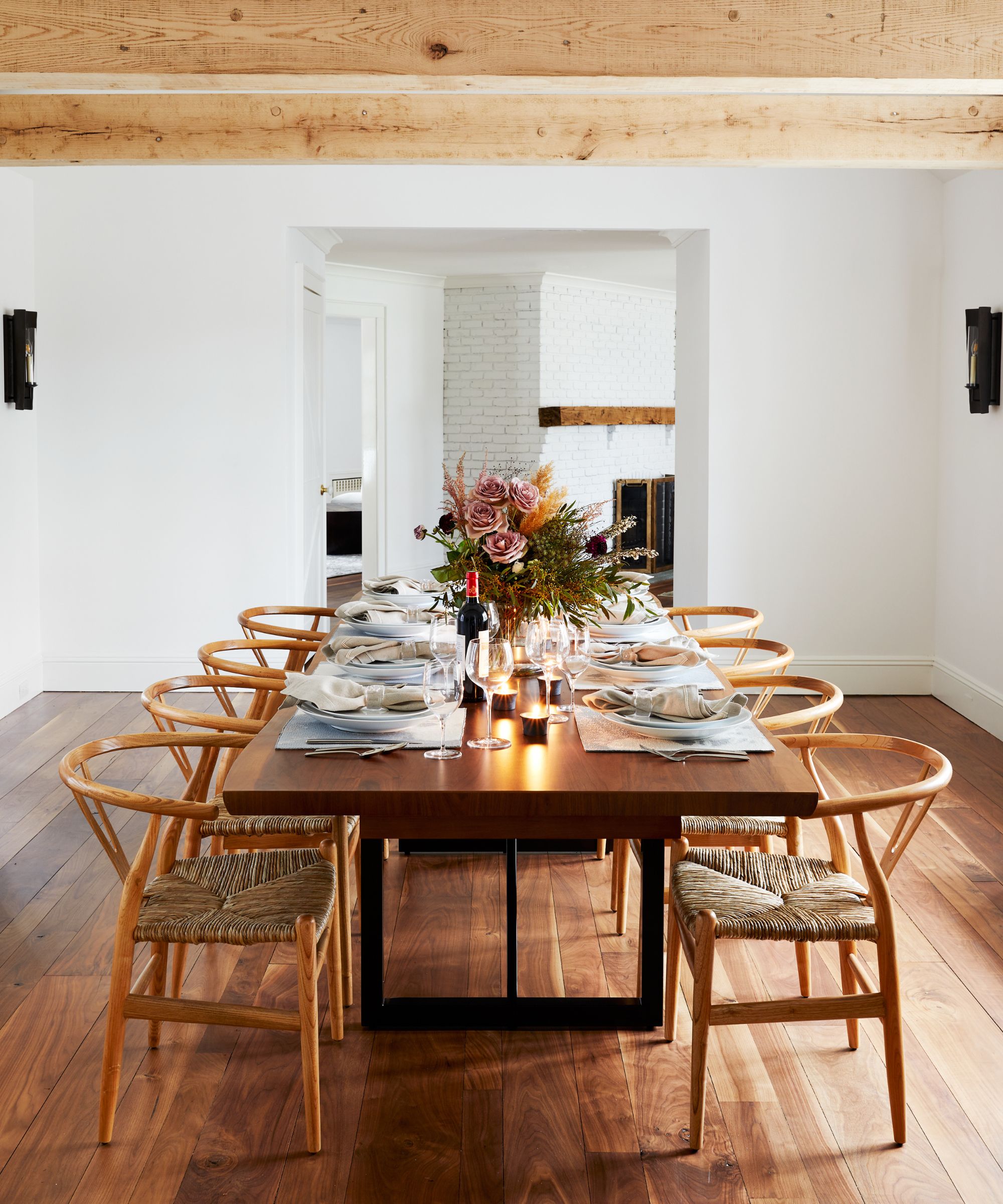
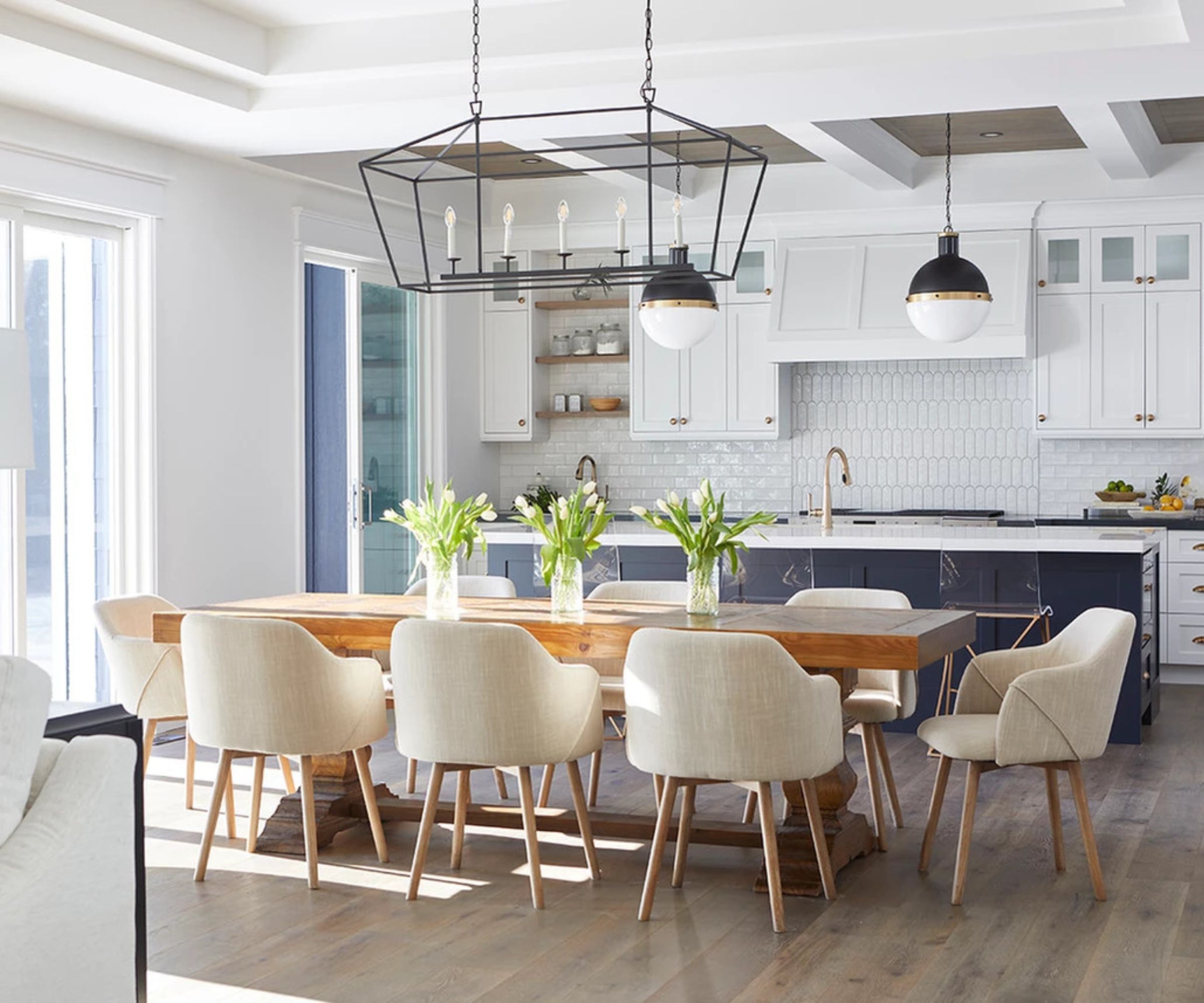
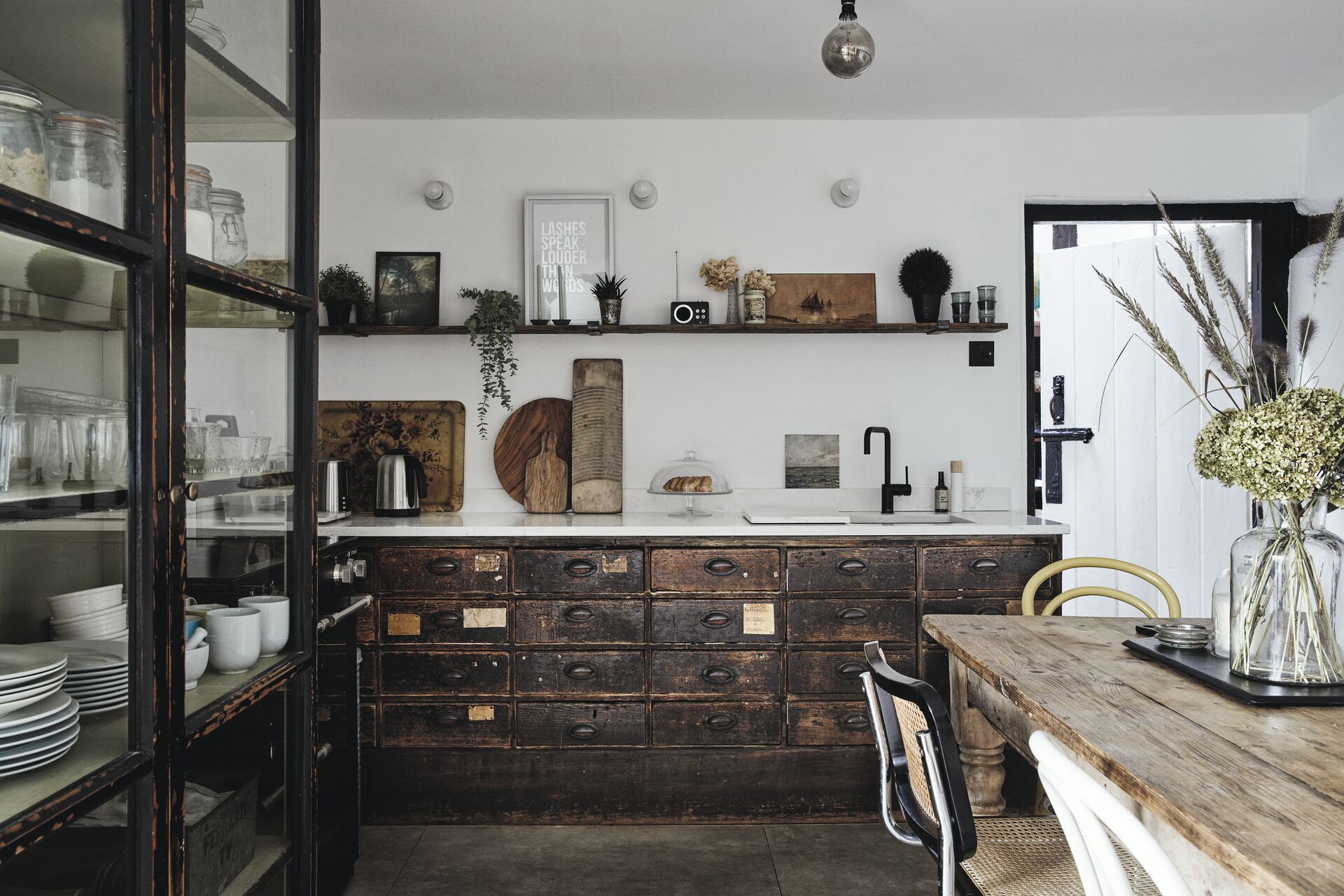
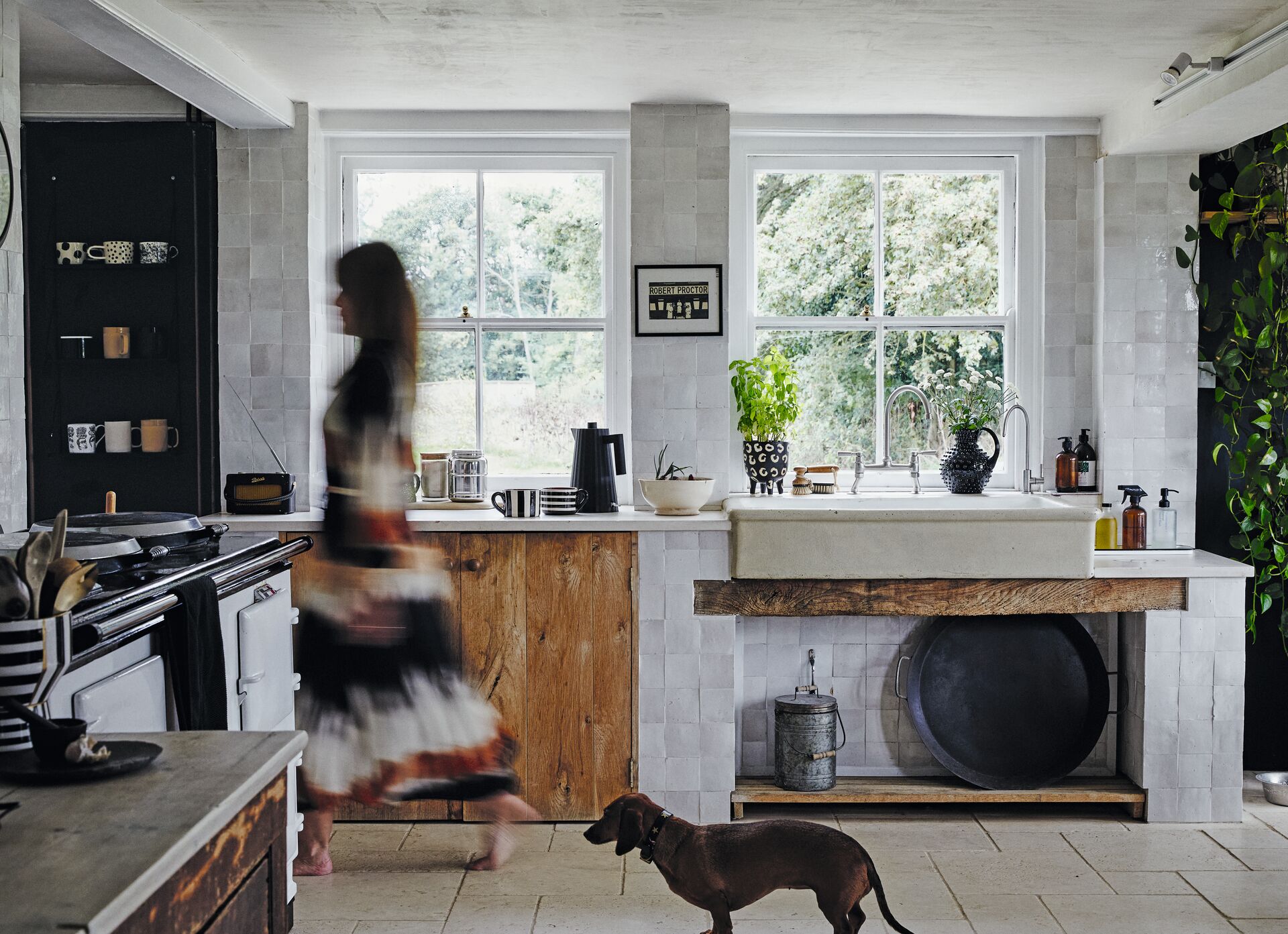
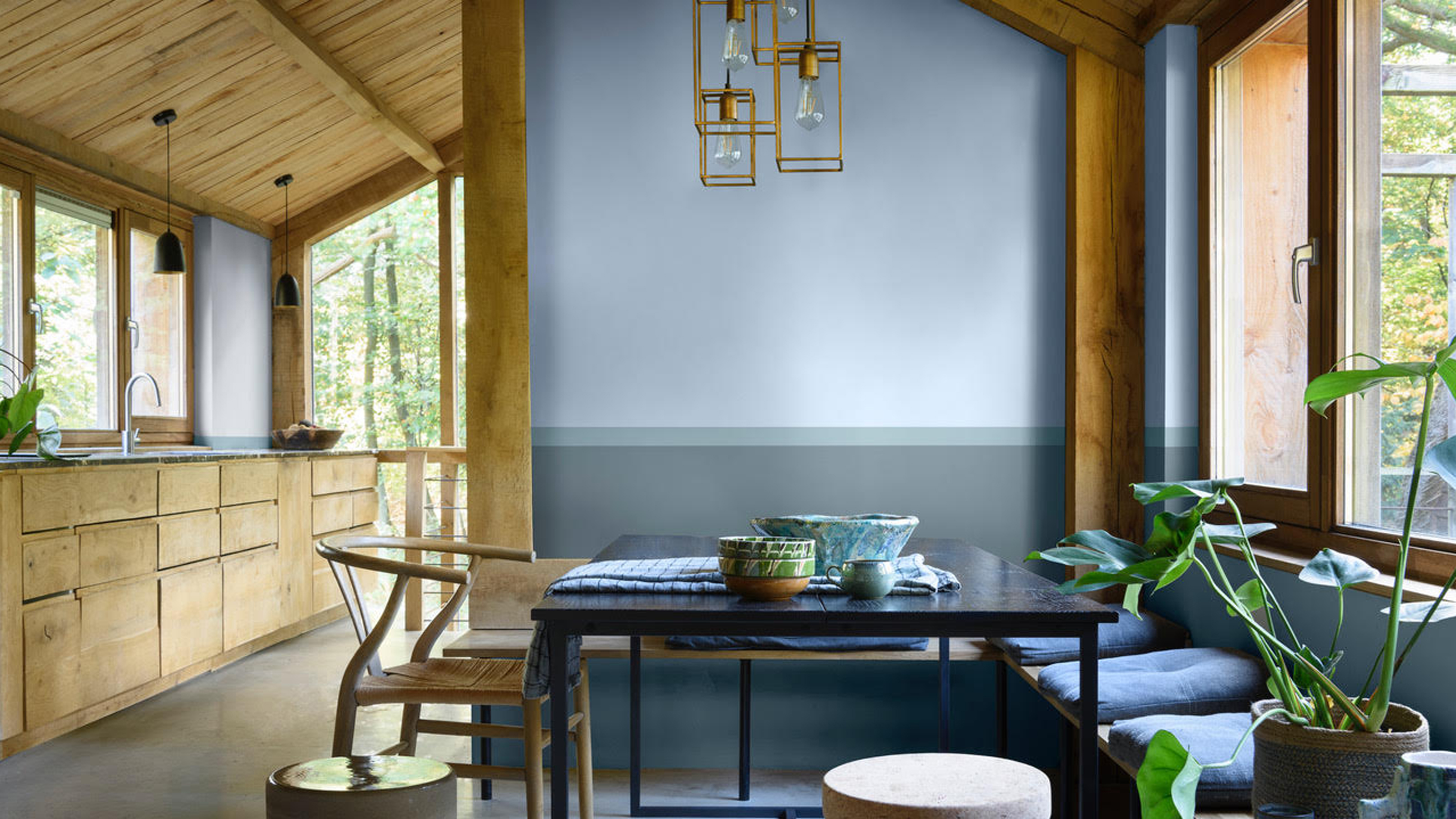
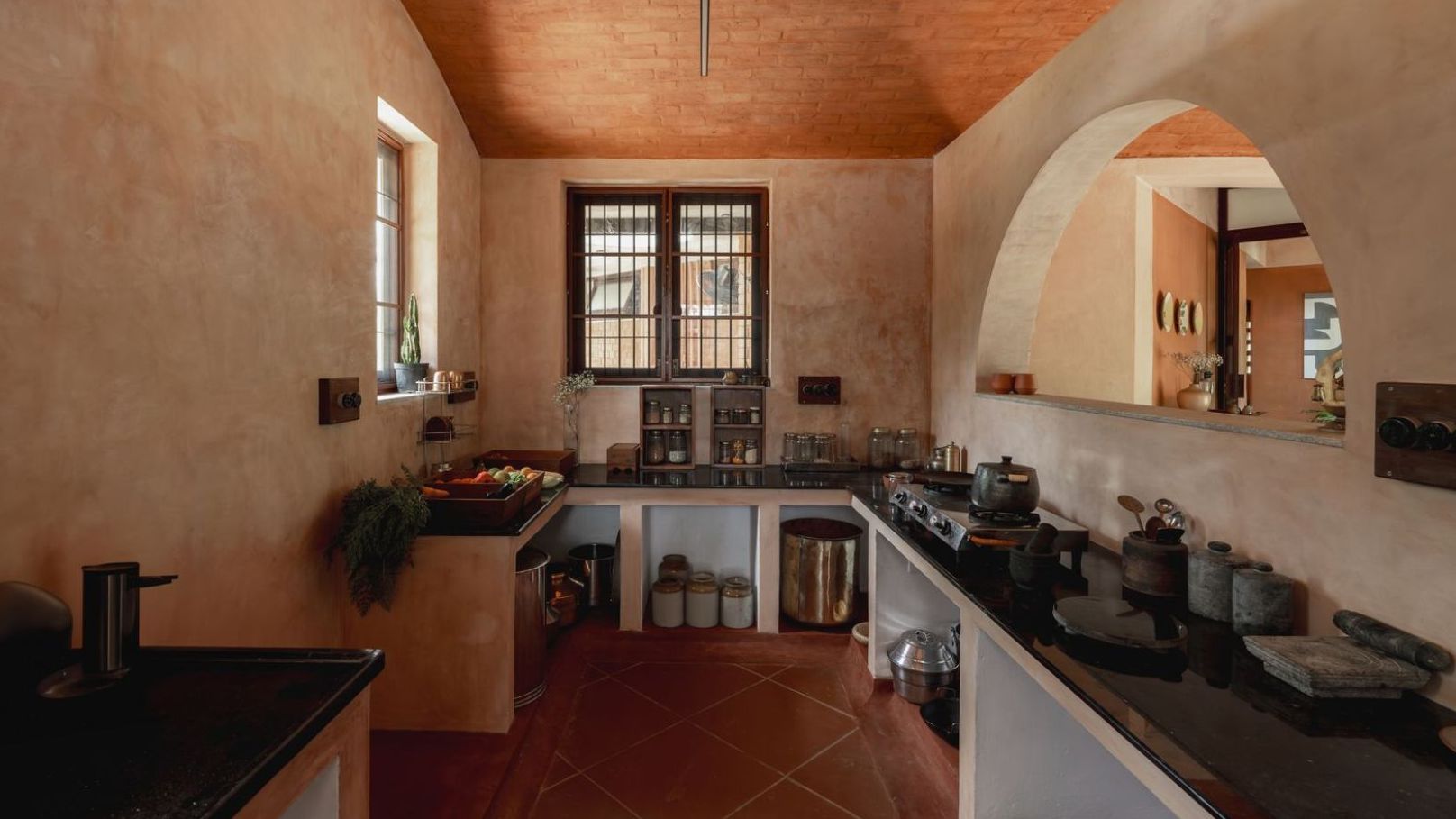
The creation of a rustic dining room involves layering textures, incorporating natural elements, and utilizing pieces with character. The aesthetic prioritizes raw reclaimed wood, slubby linens, antique furnishings, distressed finishes, and handcrafted accessories. Sarah Fishburne, director of trend and design at The Home Depot, highlights that rustic dining rooms aim for an inviting, rich, simple, and cozy appeal, resulting in a welcoming ambiance.
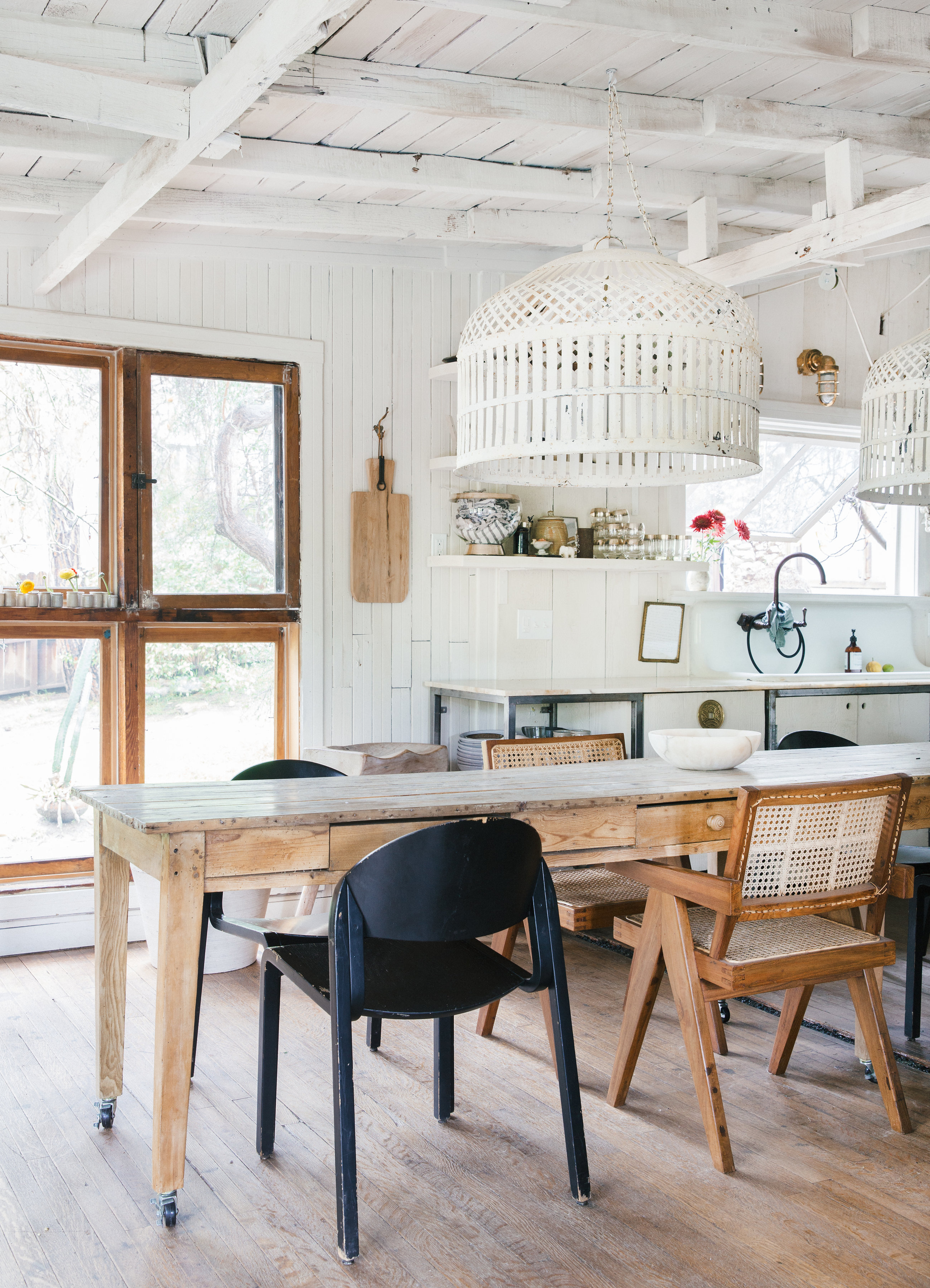
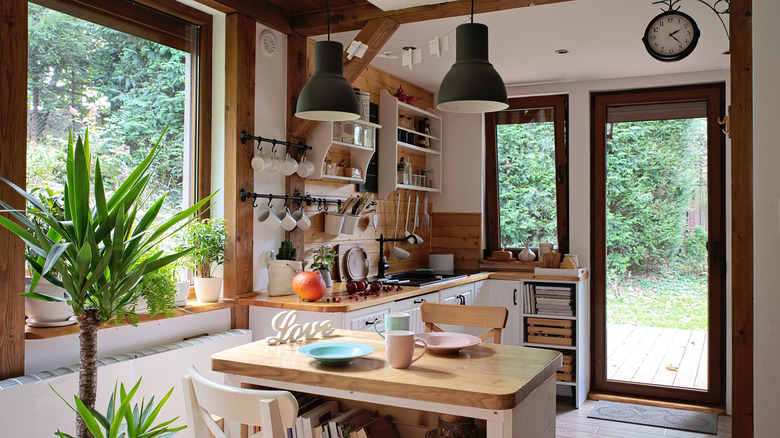
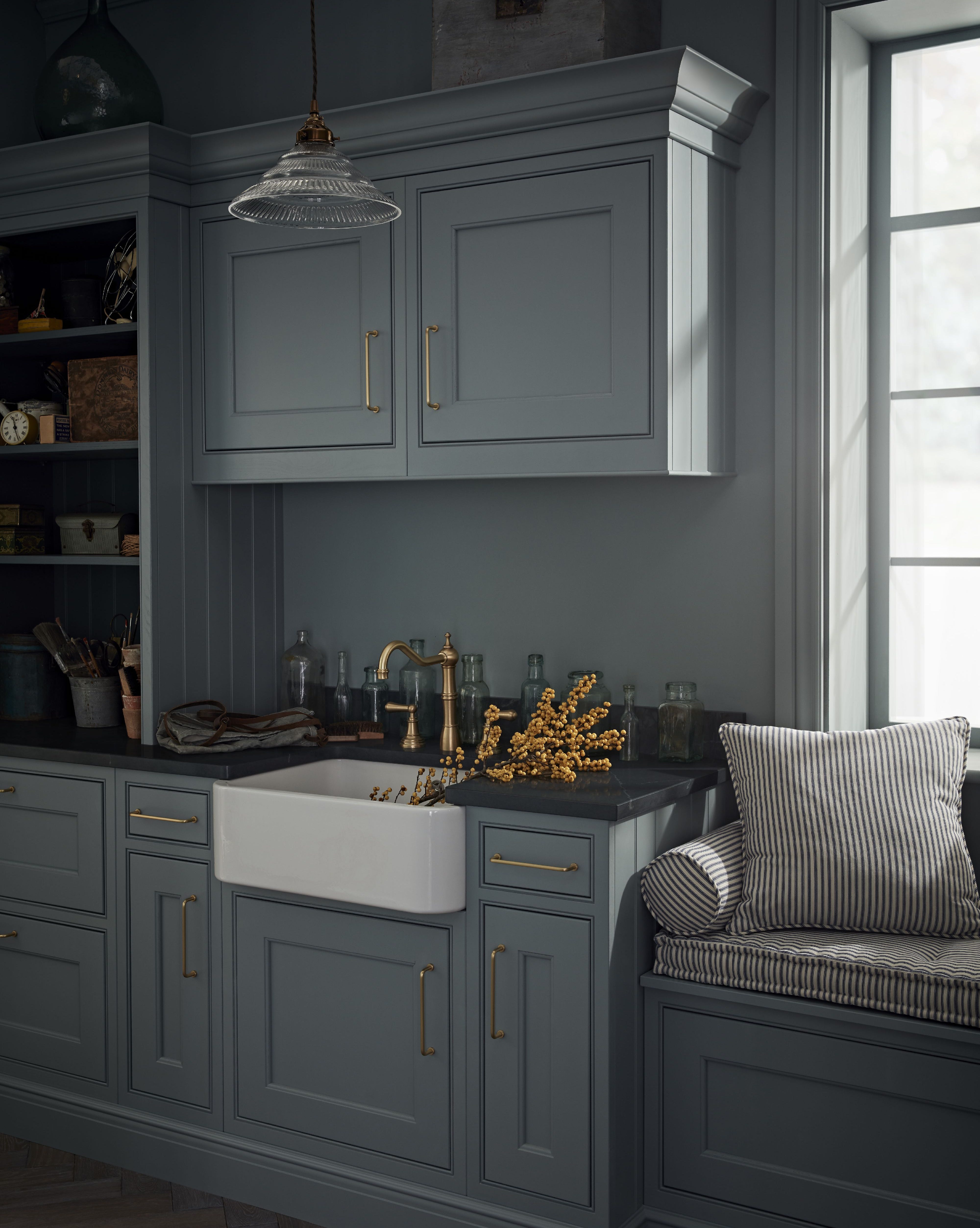
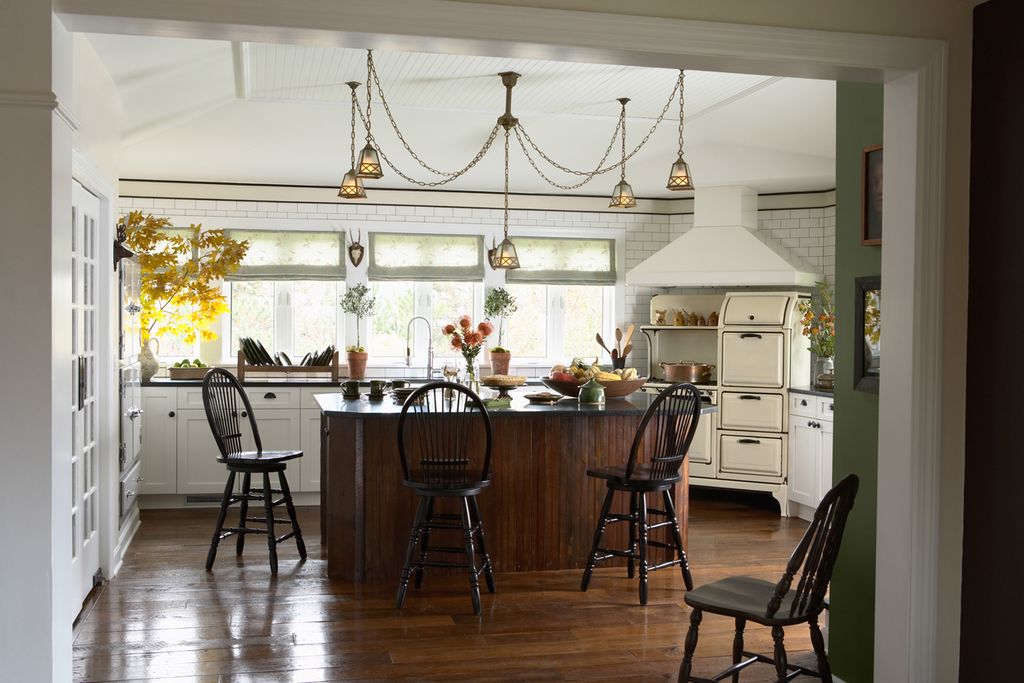
To achieve this look, several key strategies are employed. Maximizing natural elements like weathered wood, bare floorboards, log piles, and glass is crucial for adding textural interest. Mixing and matching furniture, such as chairs, contributes to a unique, individual feel. Statement lighting, particularly pendants, can personalize the space without compromising space, with options like hand-painted antler collections adding a sophisticated and natural element to rustic country kitchens and dining rooms.
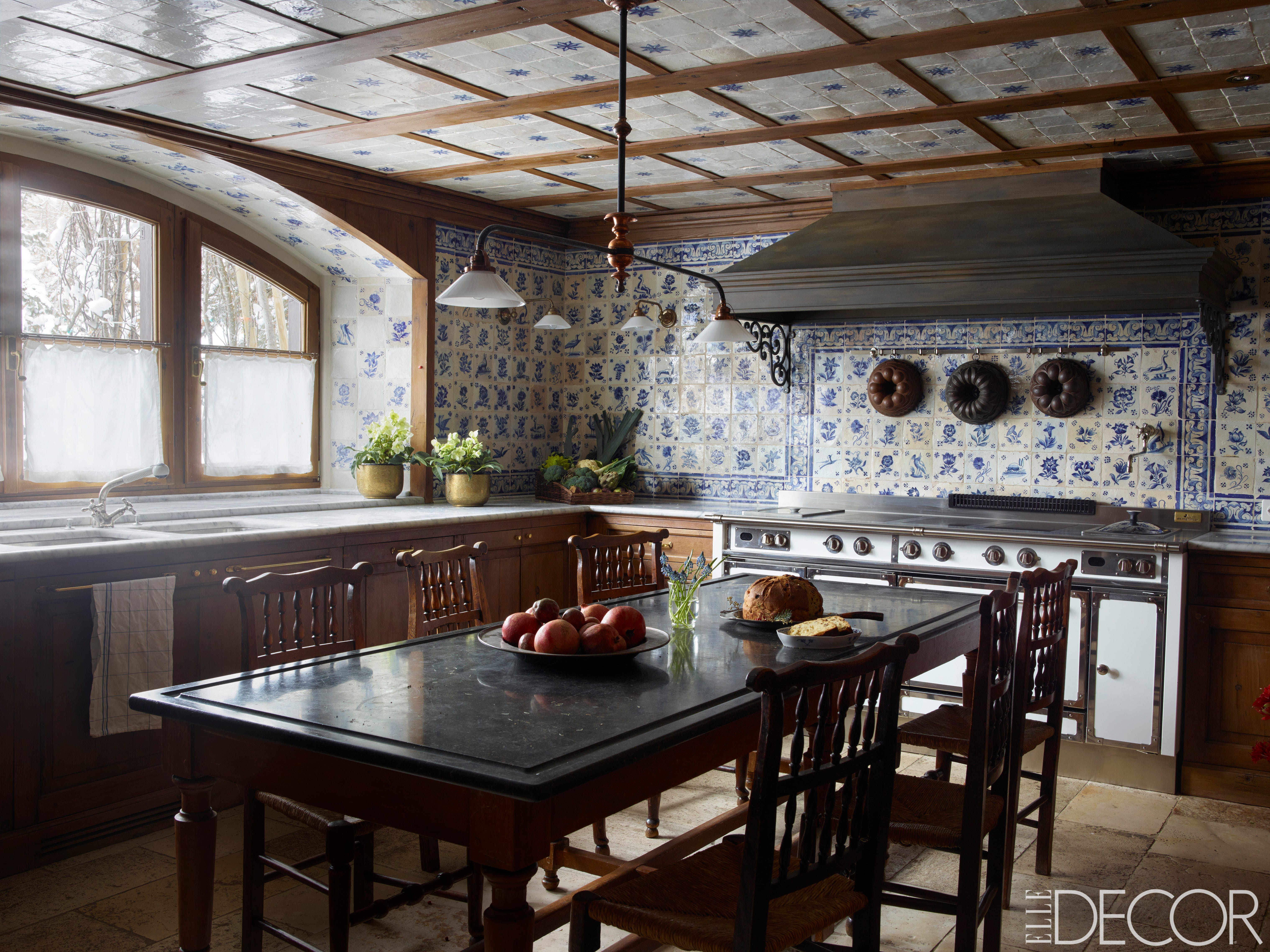
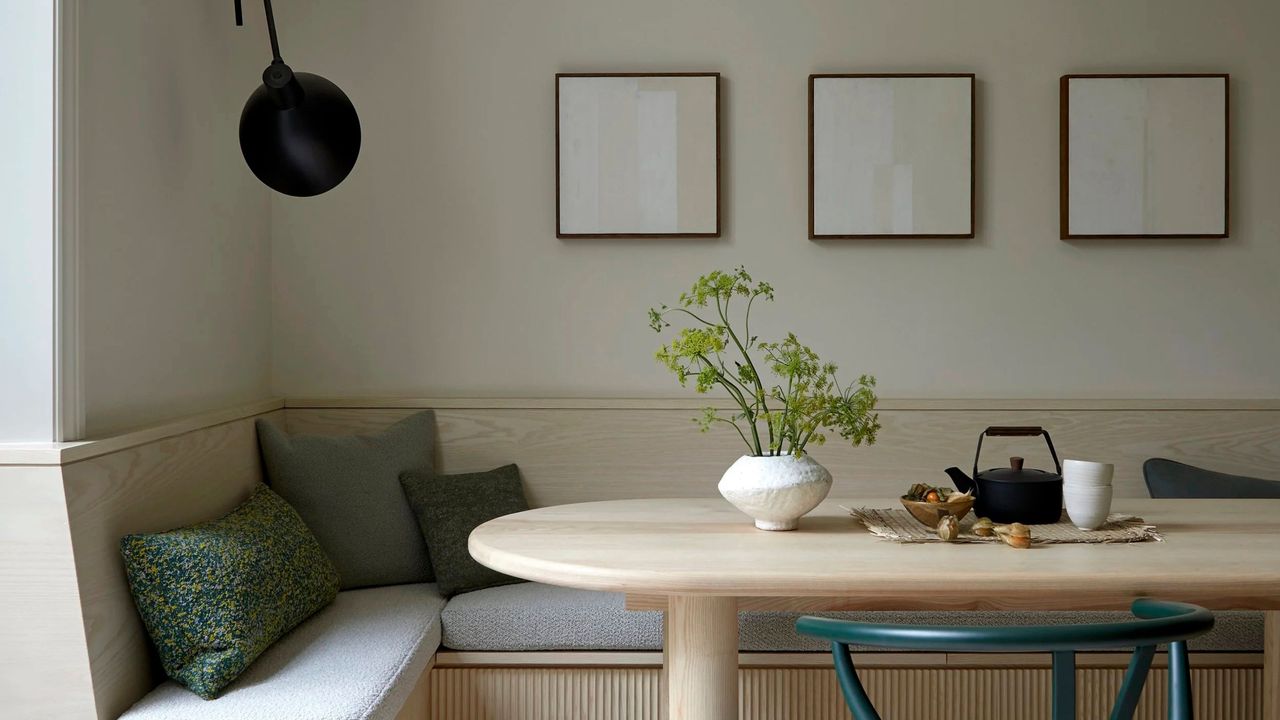
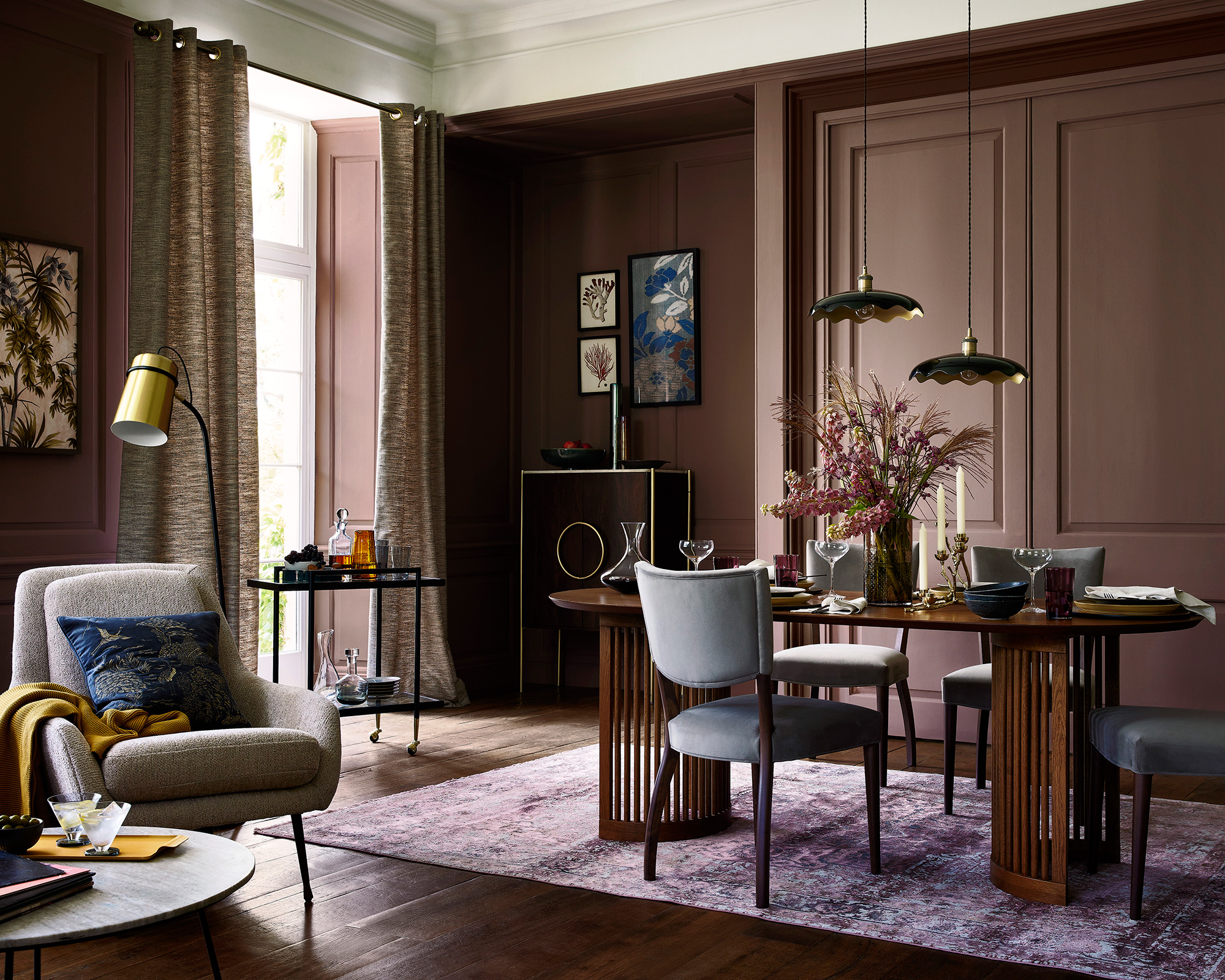
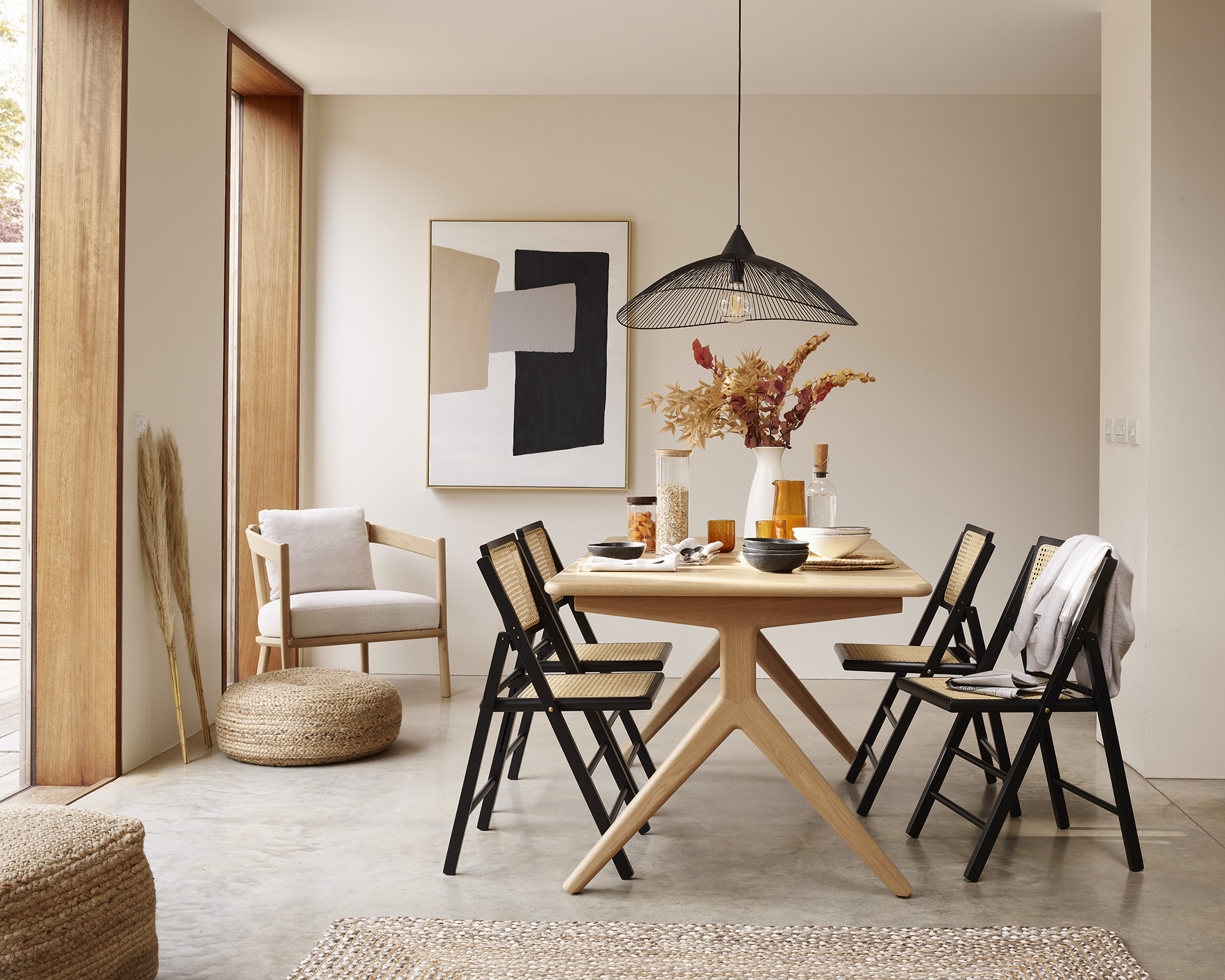
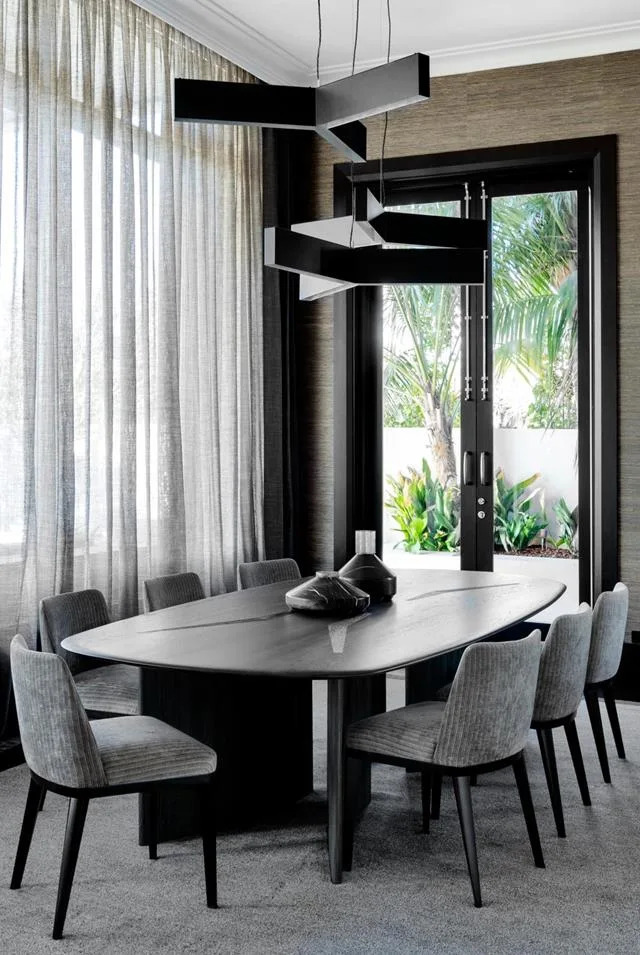
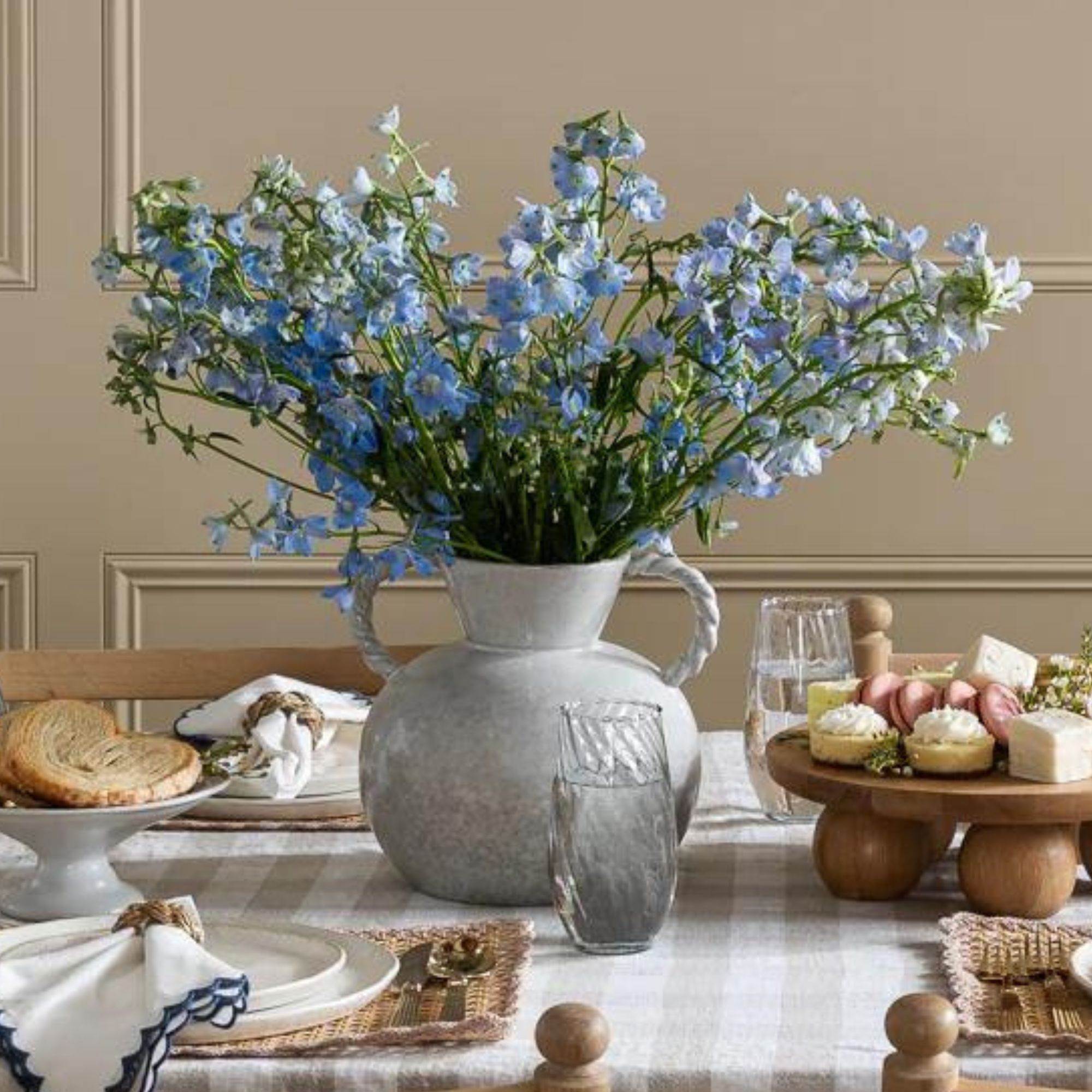
The modern rustic trend offers a fresh, streamlined alternative for those who find classic rustic too traditional. This style retains tactile elements while introducing contemporary accents, such as black for a punchy feel. Earthenware in natural, neutral tones with hints of blue complements this approach. Drapes and blinds play a significant role in completing the rustic aesthetic; botanical prints depicting nature, earthy designs, and woodland animal motifs are preferred over plain options.
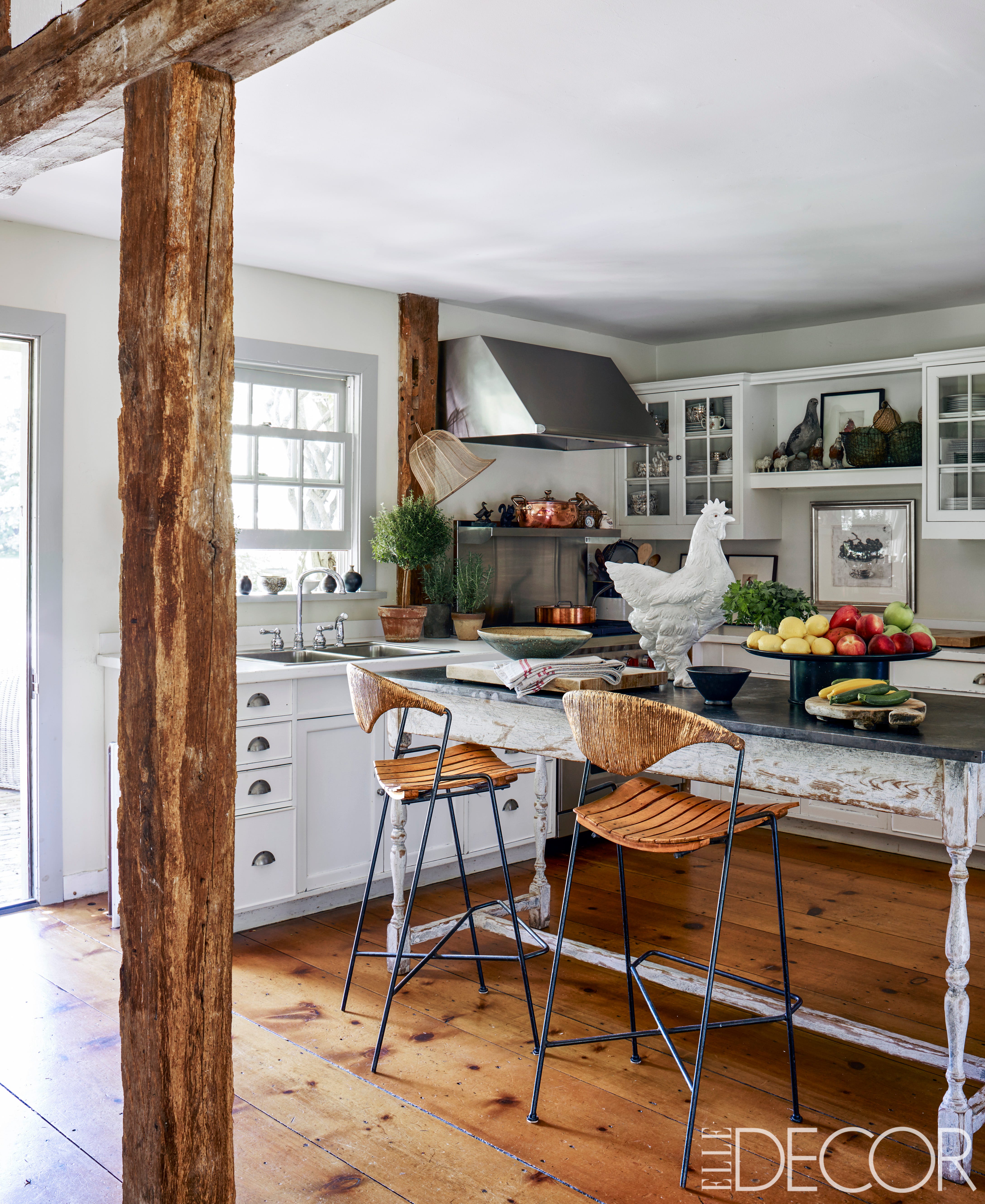
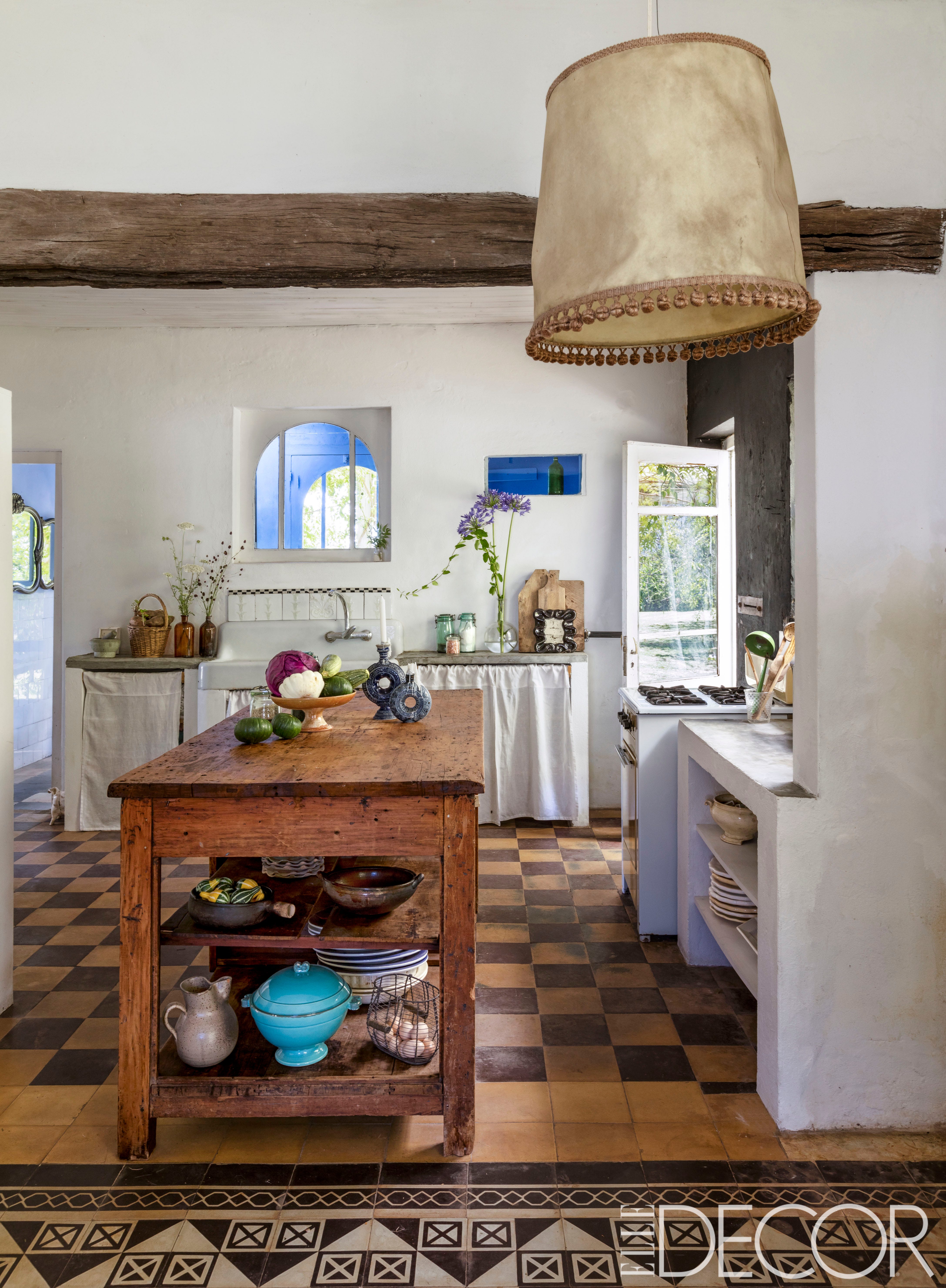
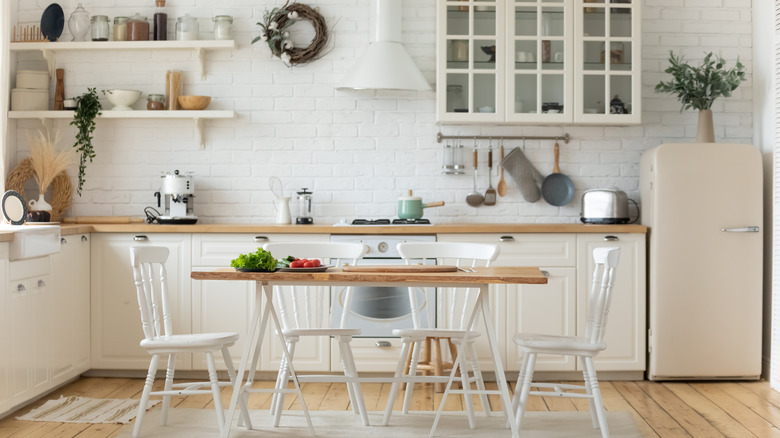
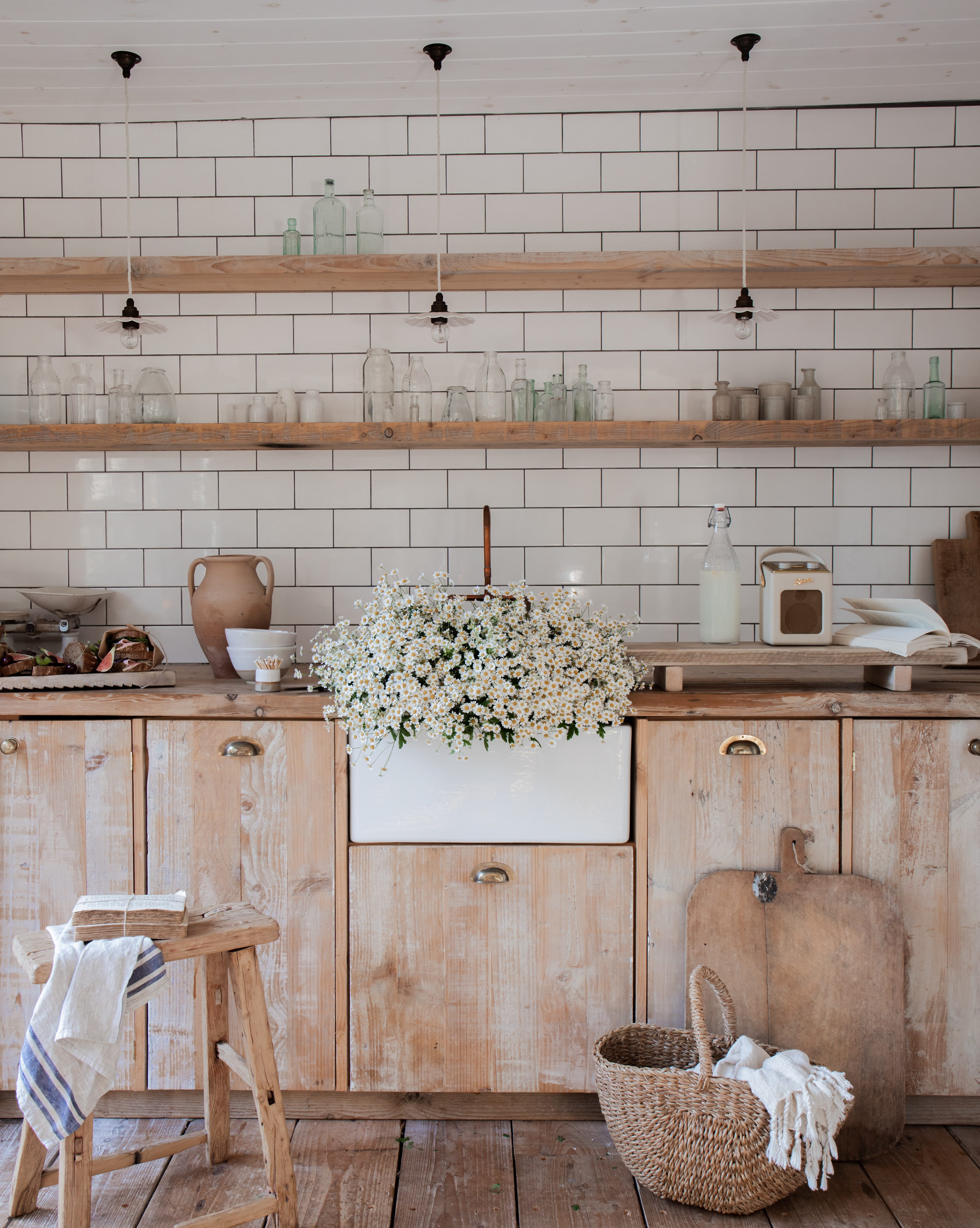
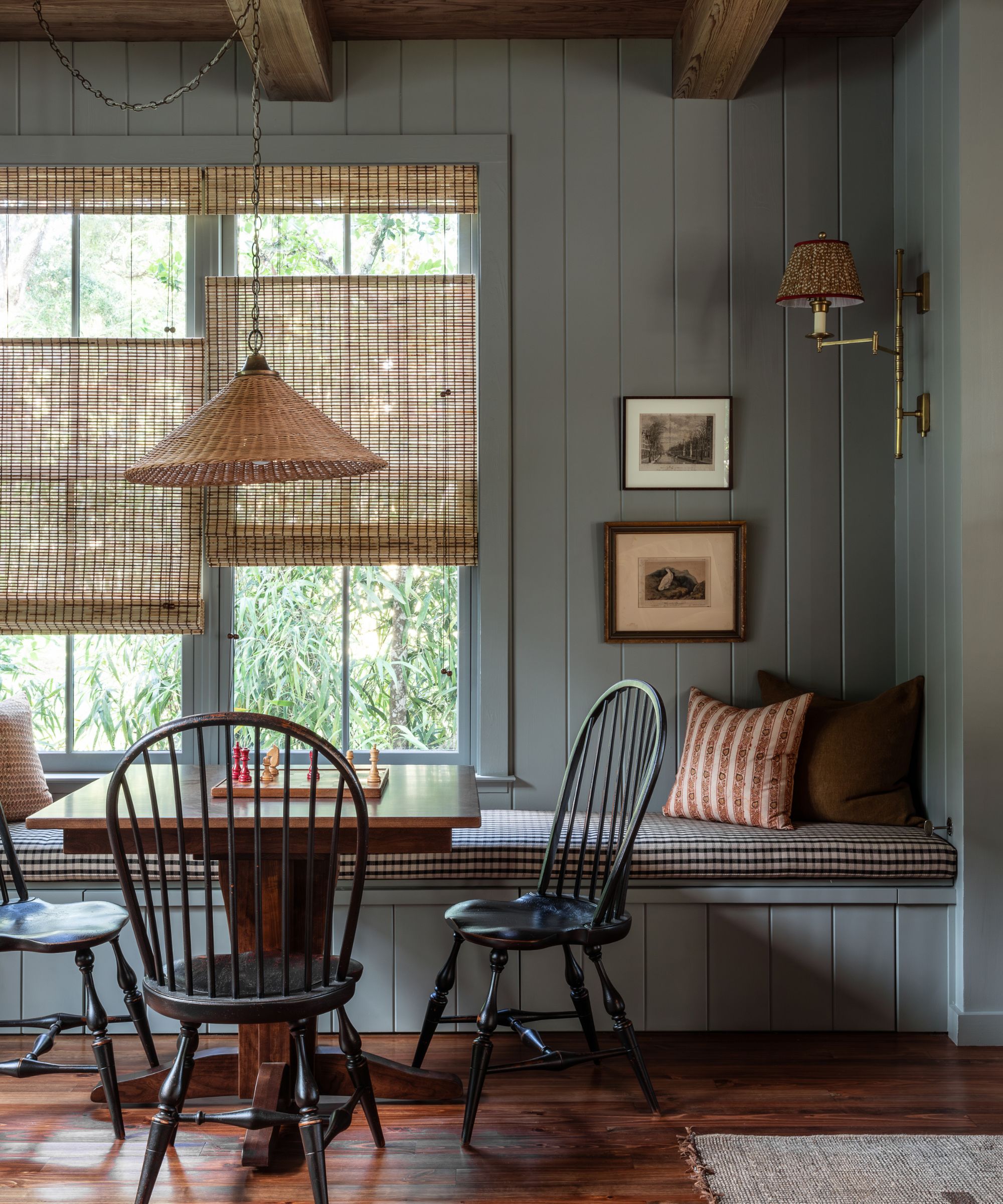
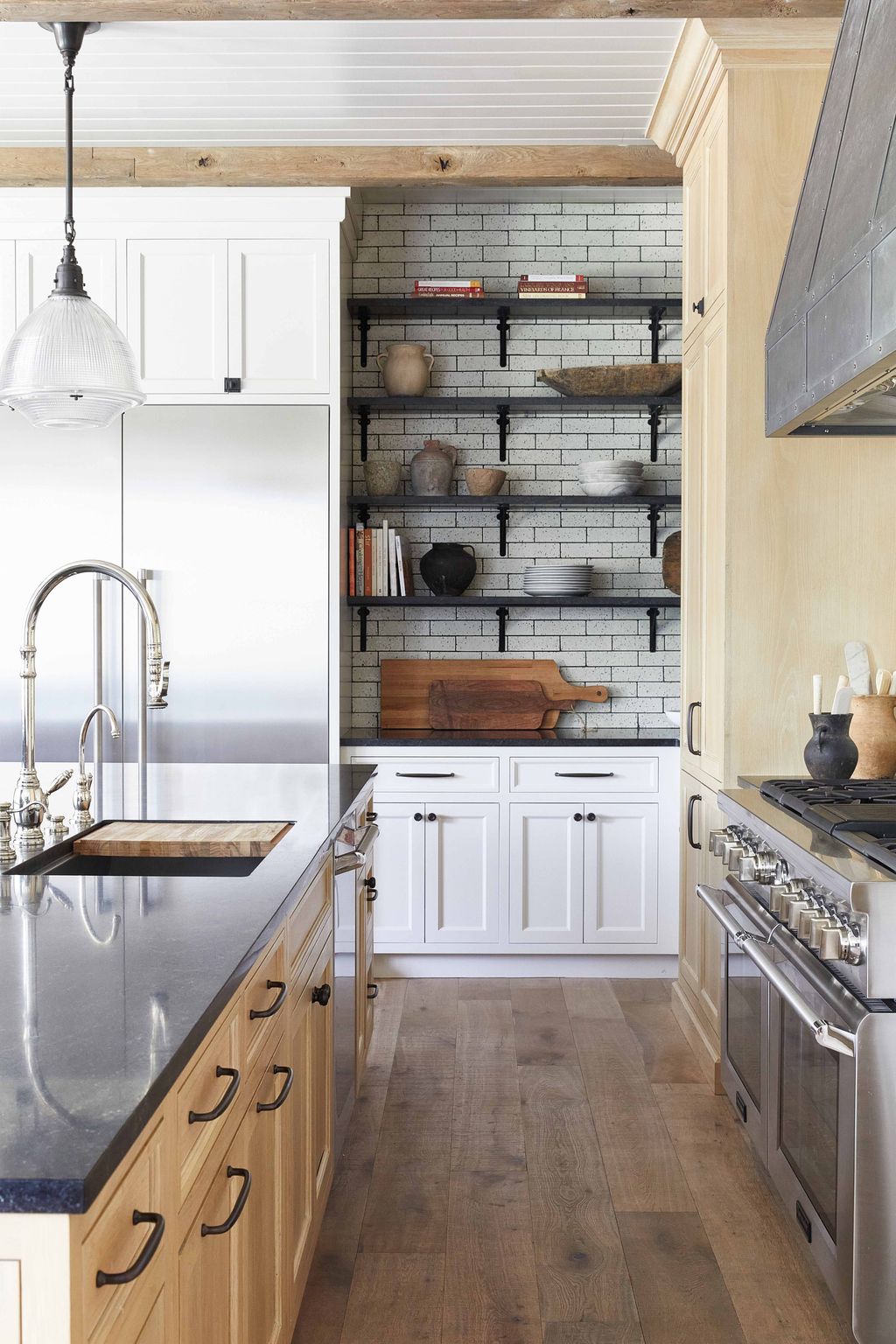
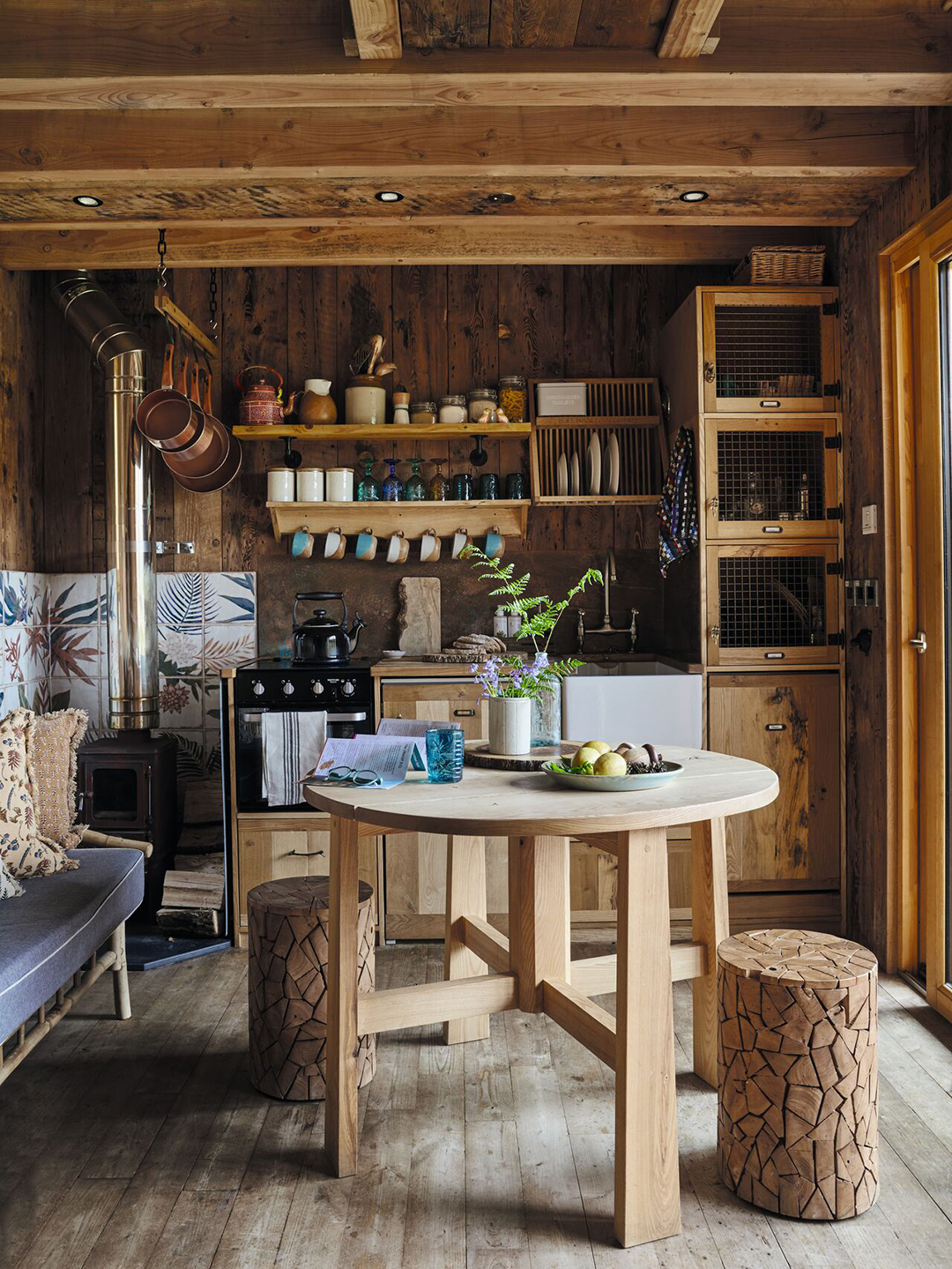
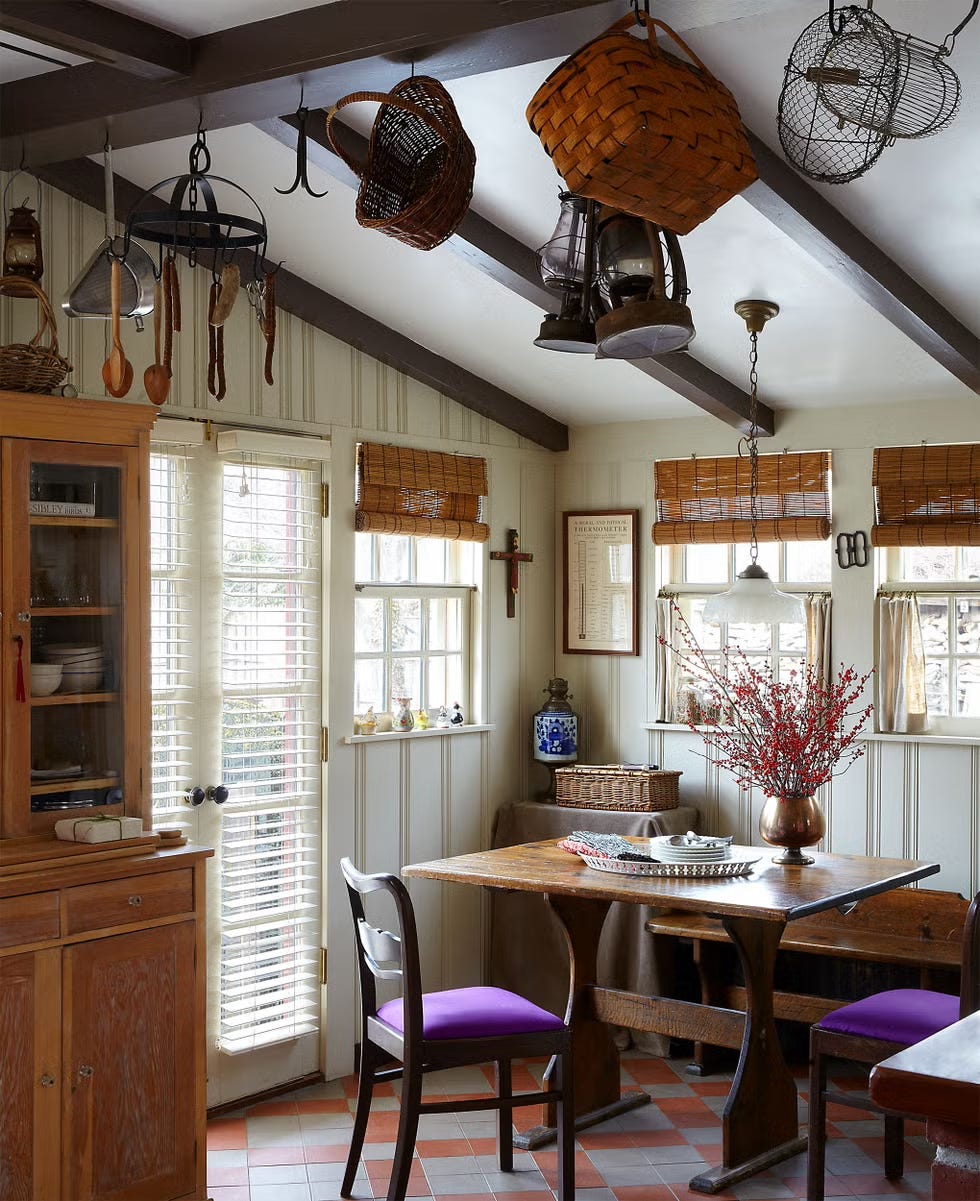
For a cottage-style rustic look, sharing spaces like kitchen-diners can be enhanced with ditsy prints, playful stripes, lace tablecloths, fringed lighting, wooden beams, and white-painted cabinetry and floors. Exposed beams and walls, or their simulated equivalents like wallpaper, instantly contribute to a tactile, rustic feel. Neutral color schemes, featuring white, grey, and stone, serve as a canvas for rustic accessories like baskets, earthenware jugs, wooden-framed mirrors, coir rugs, and bamboo boxes. Open shelving for tableware also adds a decorative and practical element. Creating a rustic table from reclaimed wood planks, paired with wooden bar stools and ribbed glass lights, provides a truly authentic touch.
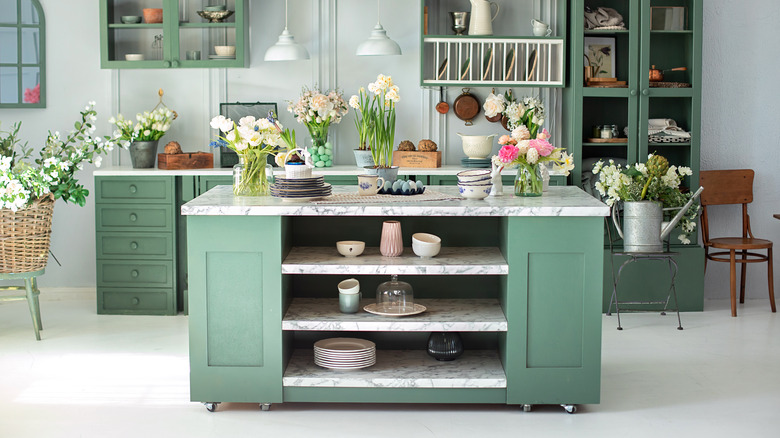
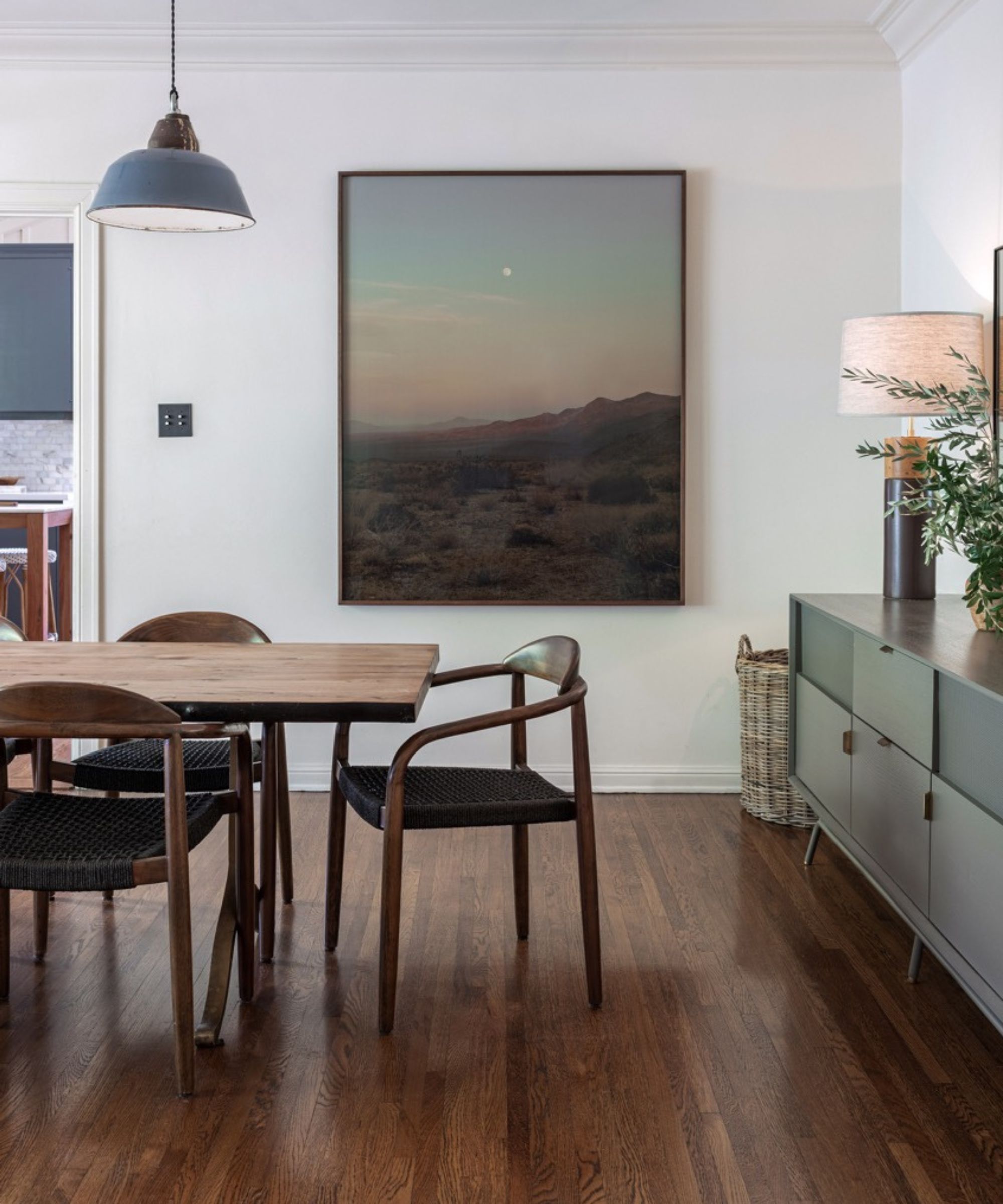
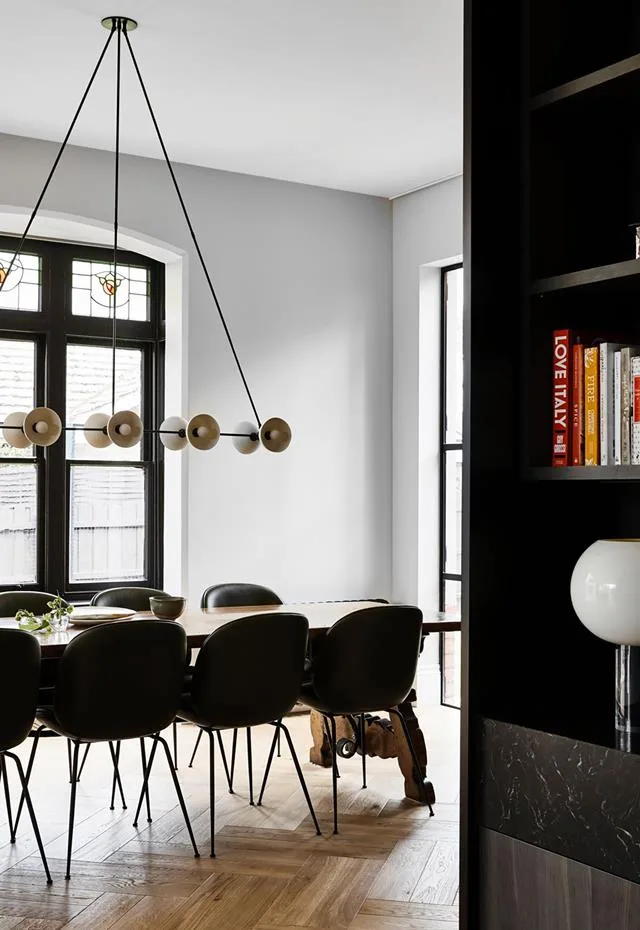
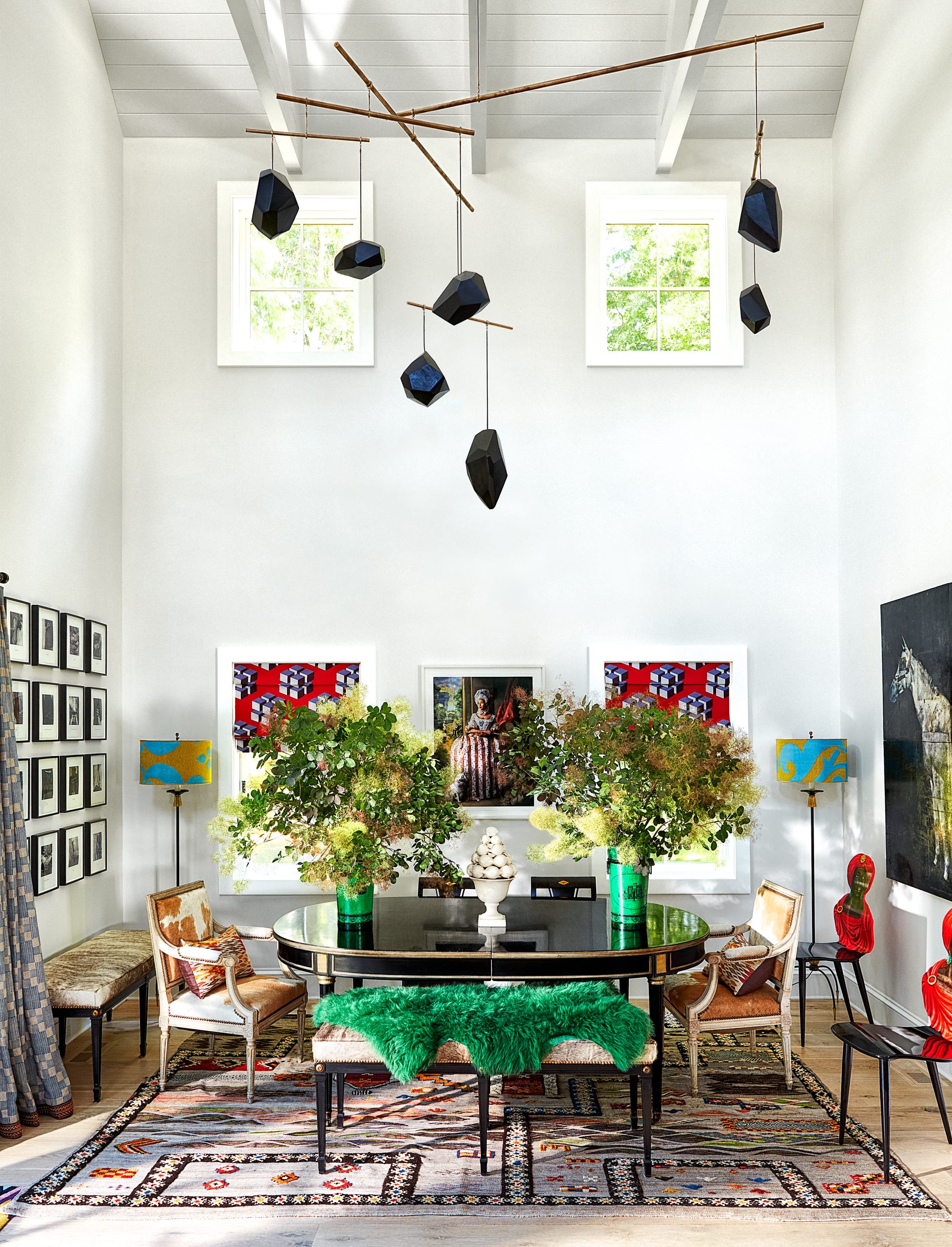
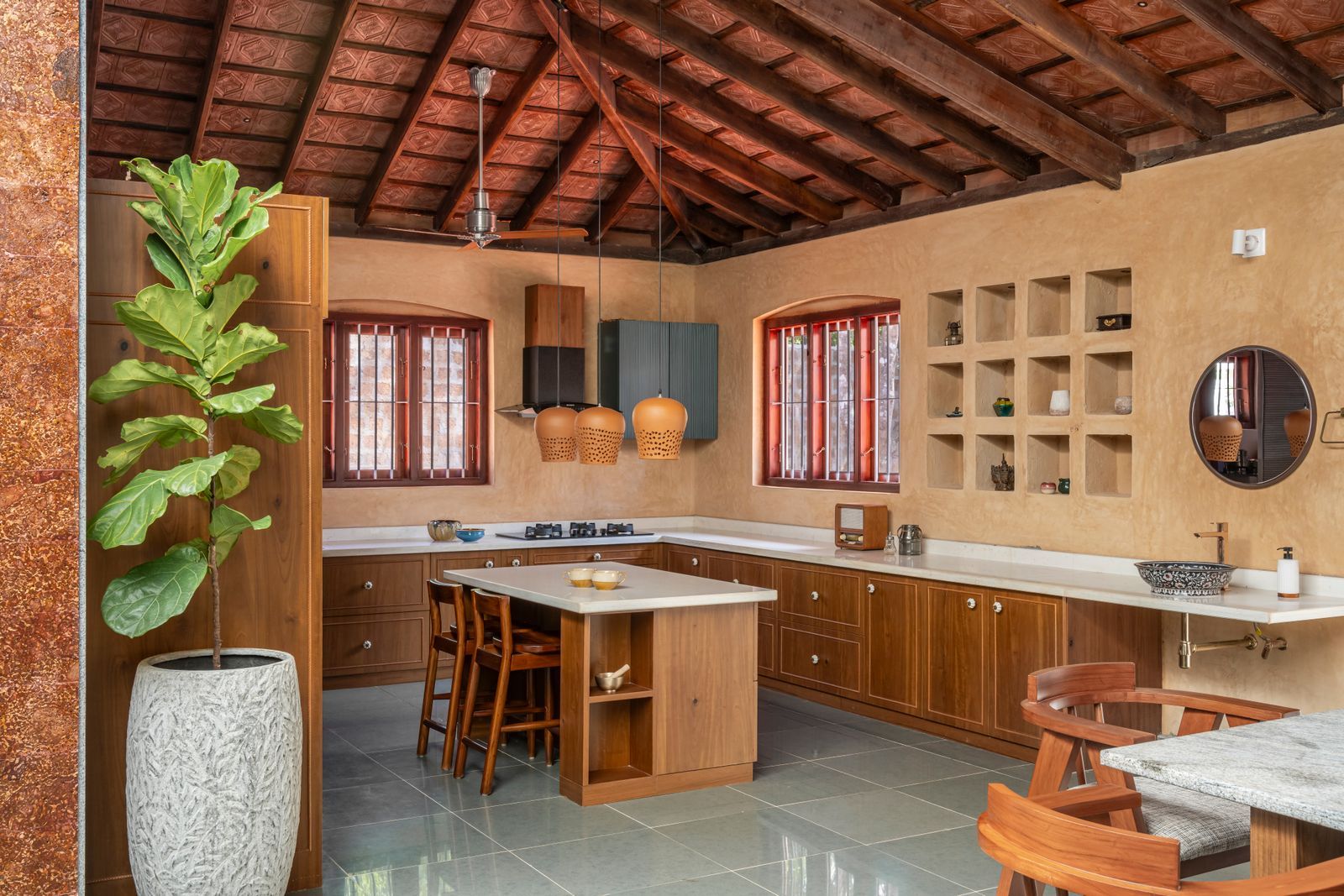
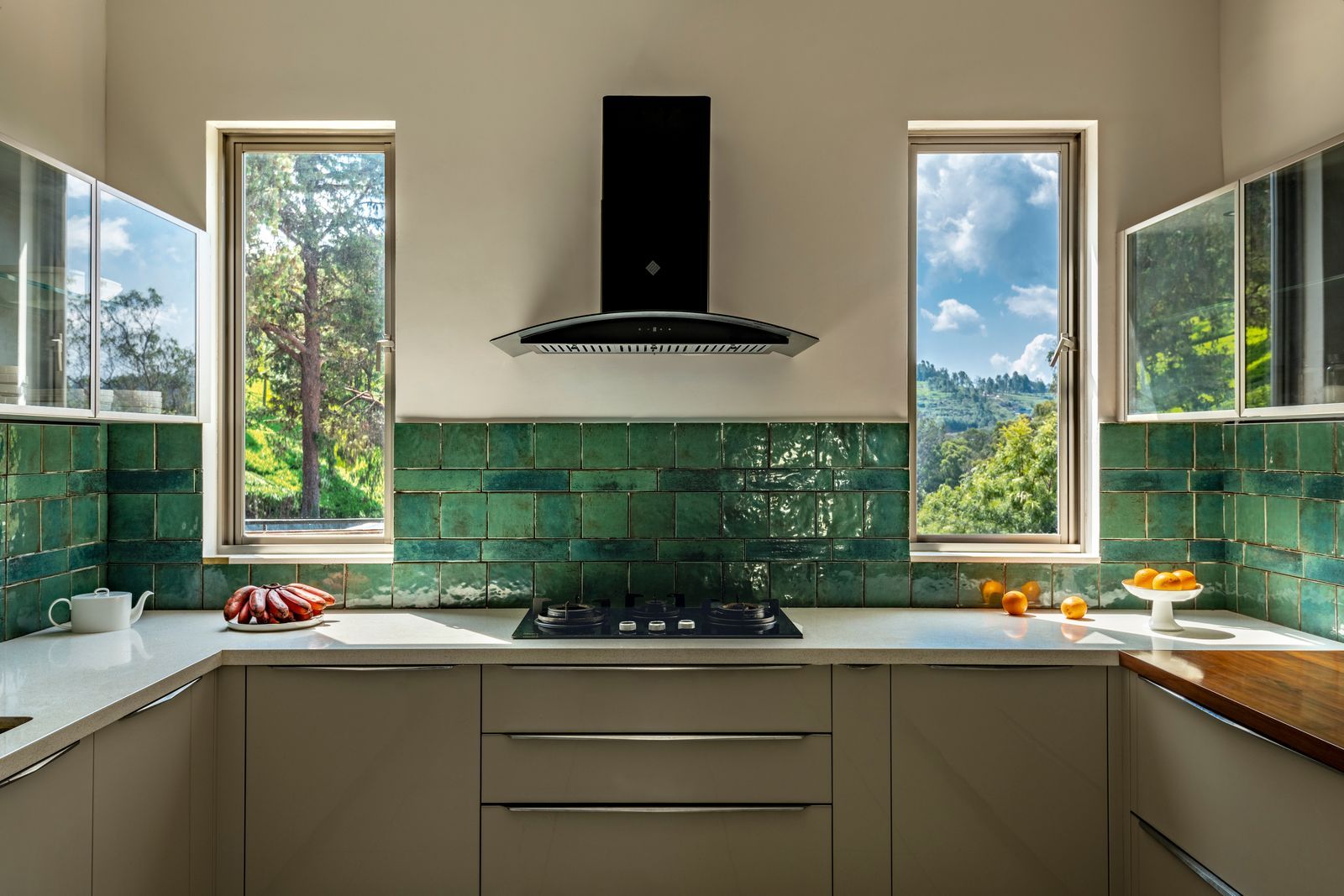
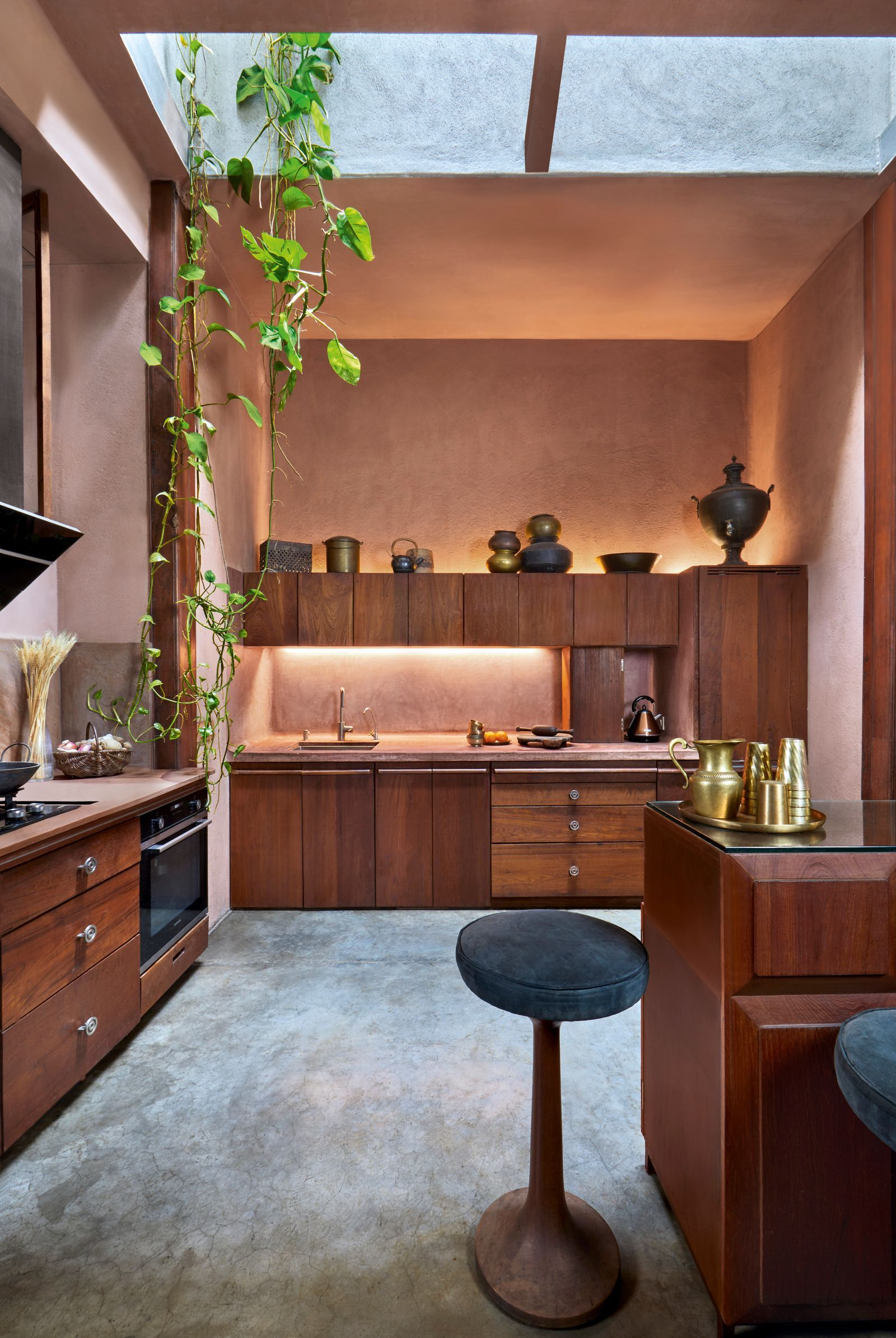
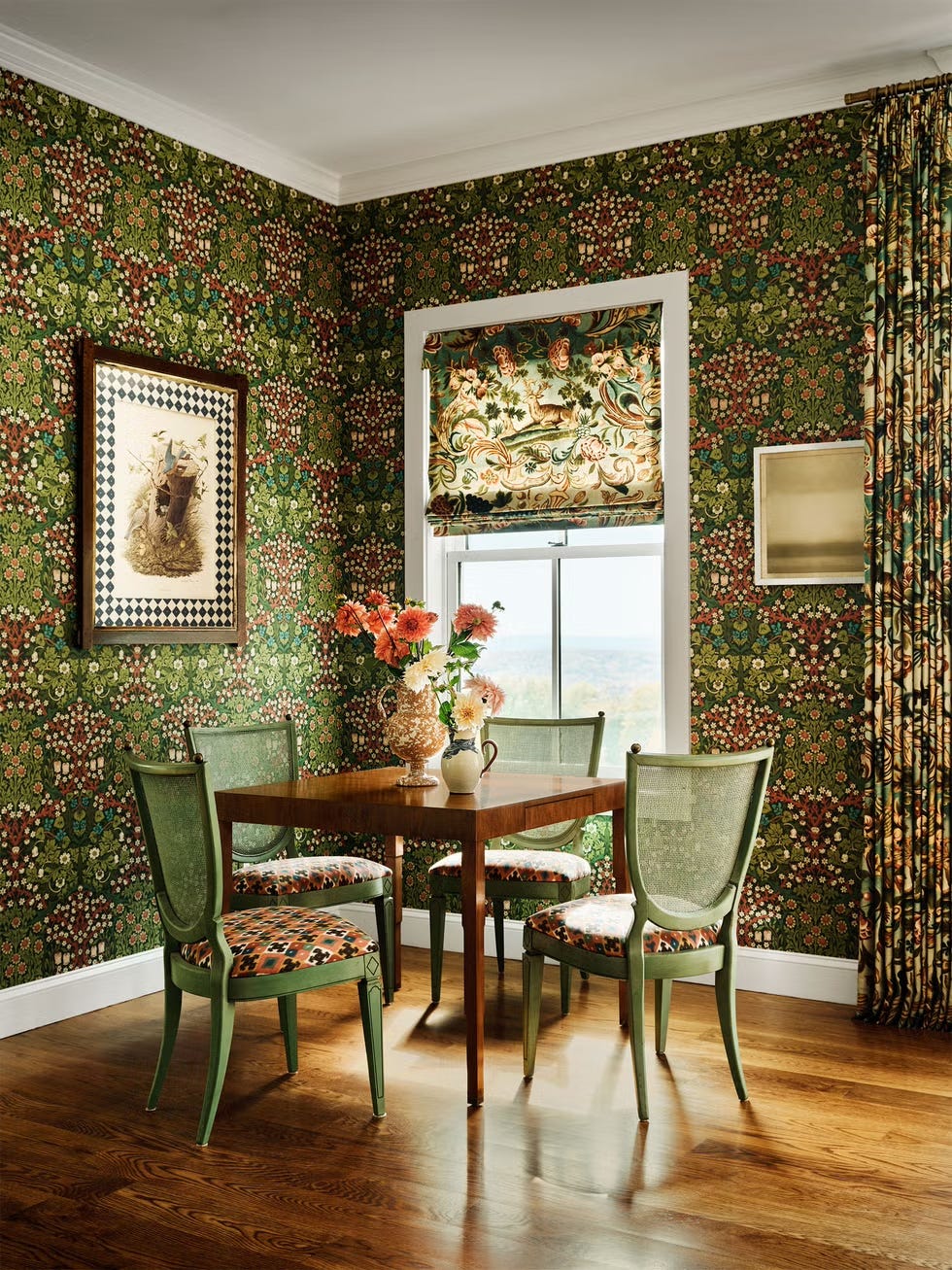
While traditional rustic palettes often lean towards stone, rust, plaster, and ochre, incorporating a bright green can work effectively with mid-toned wood and rattan, maintaining the rustic essence. Natural architectural features like beams significantly enhance character. Shutters, alongside a mix of old and new furniture pieces like Eames chairs and thrift store finds, add charm and character. Incorporating abundant wood through beams, chairs, stools, and cabinetry is fundamental to the rustic feel. Contrasting dark wooden flooring with pale walls creates a light and airy feel, with textured artwork providing a warm finishing touch. Finally, wallpaper featuring botanical illustrations, wildlife, or animals can serve as a focal point, enriching the rustic dining room while keeping other elements simple.
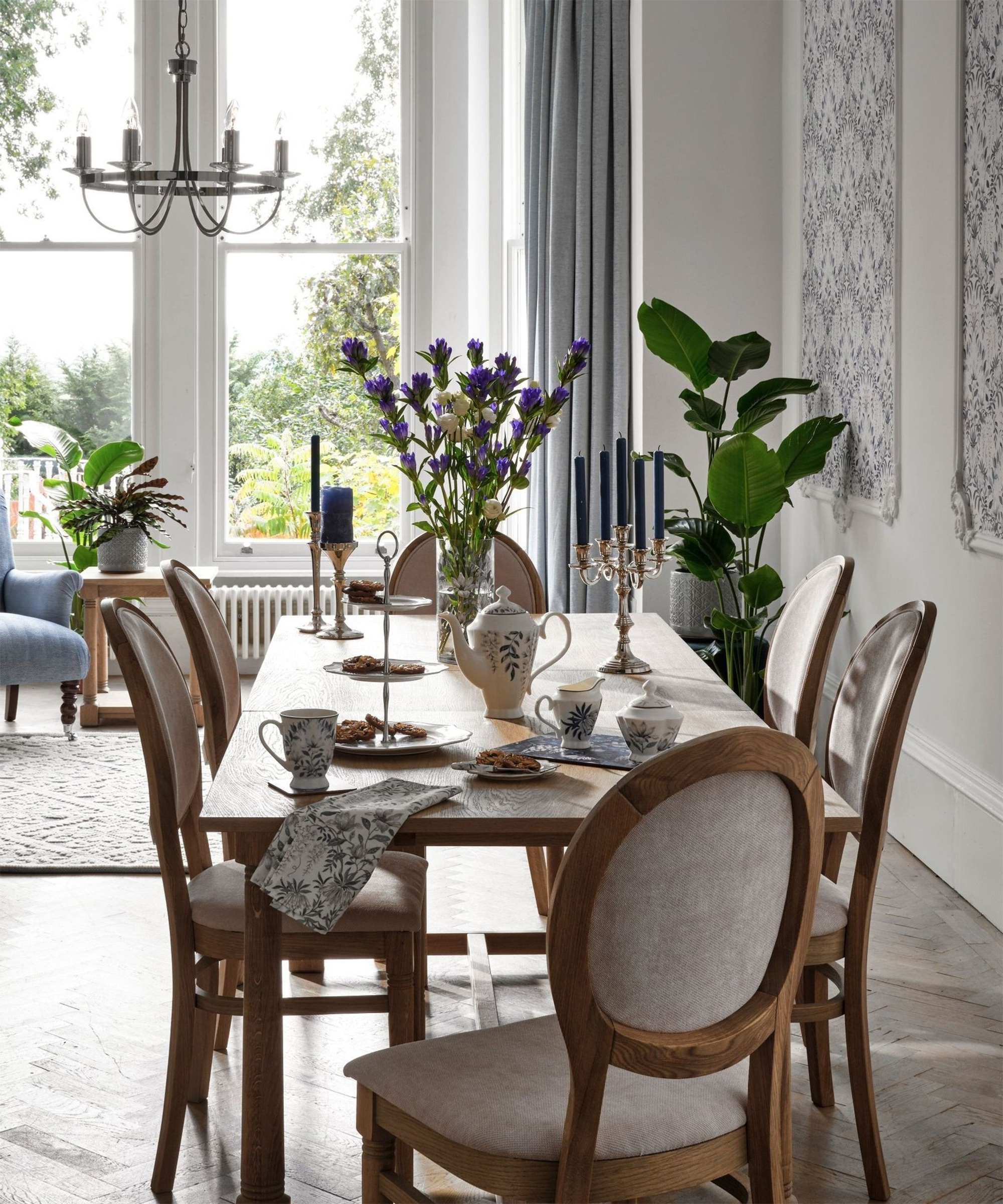
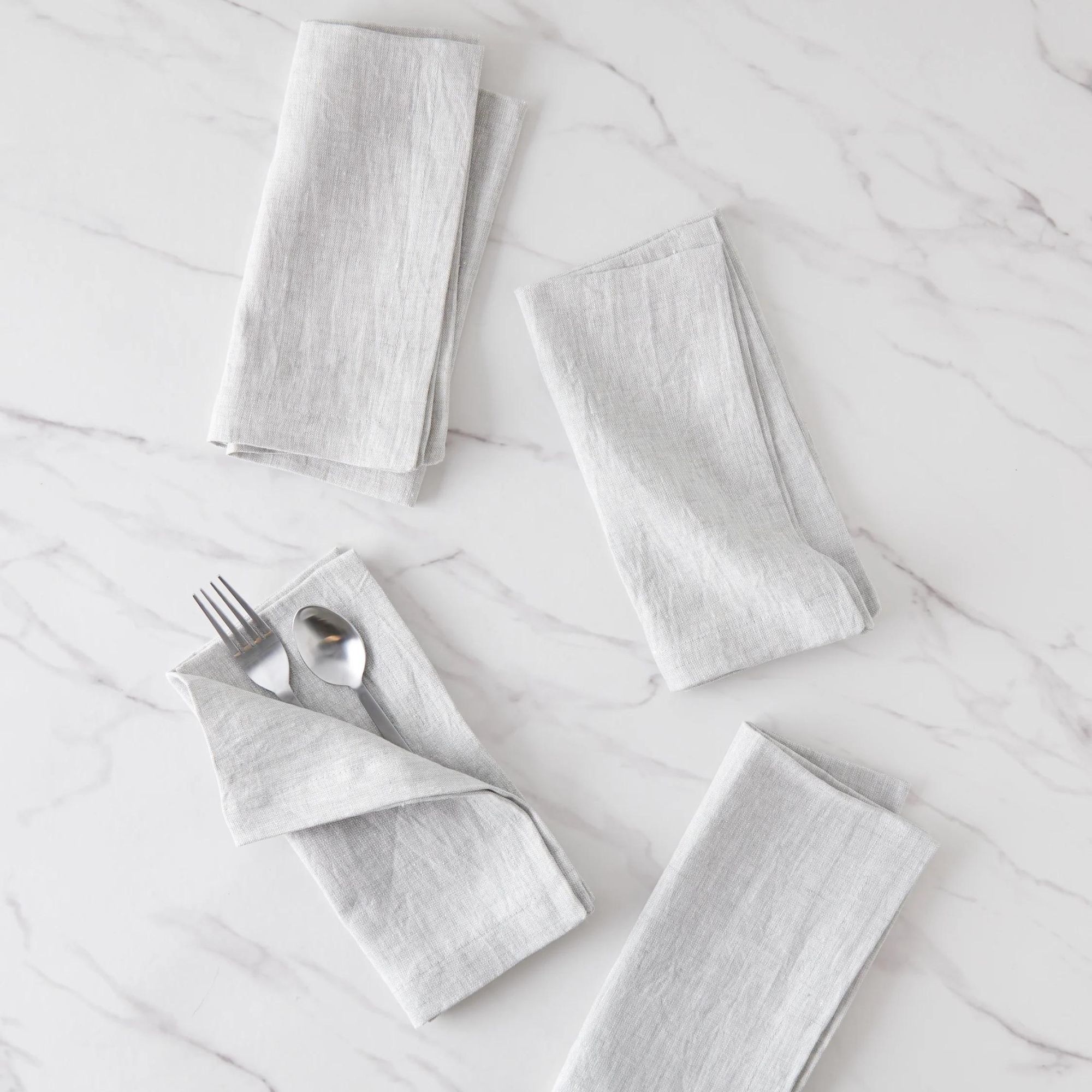
To make a dining table appear rustic, texture is paramount. Linens, textured cottons, and muslin can be layered. Linen napkins with wooden holders, artisan-made ceramics, embossed glassware, and handcrafted candles further contribute to the look. The best colors for a rustic dining table mirror a fall color scheme, including rich shades of ochre, rust, dark reds, turmeric, mustard, creamy off-whites, grey, and stone. These natural colors, inspired by seasonal changes, are recommended by experts like Sarah Fishburne, who advises using elements found in nature as a starting point for selecting pieces and colors.
#RusticDiningRoom #InteriorDesign #HomeDecor #NaturalElements #TexturalDesign #ModernRustic #DiningRoomIdeas #HomeStyling #FurnitureSelection #RusticDiningRoom #InteriorDesign #HomeDecor #NaturalElements #TexturalDesign #ModernRustic #DiningRoomIdeas #HomeStyling #FurnitureSelection
0 ความคิดเห็นรวม
 ยังไม่มีความคิดเห็น
คุณอาจจะชอบอีกด้วย
25 Kitchens That Make The Case For Rustic Style

16 fabulous modern dining room ideas for a contemporary feel

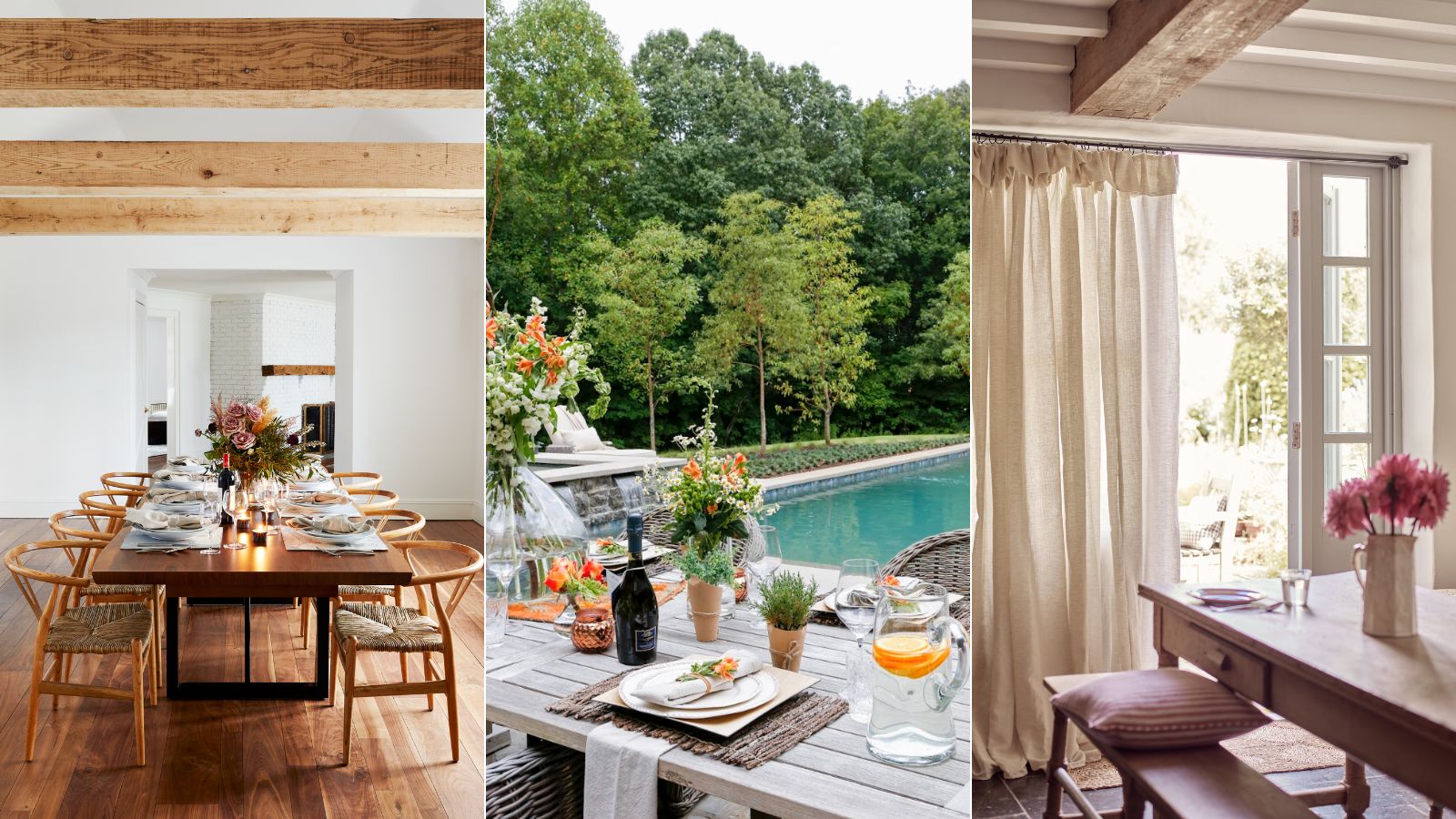
5 farmhouse kitchen table decor ideas that will add rustic charm to any style of space

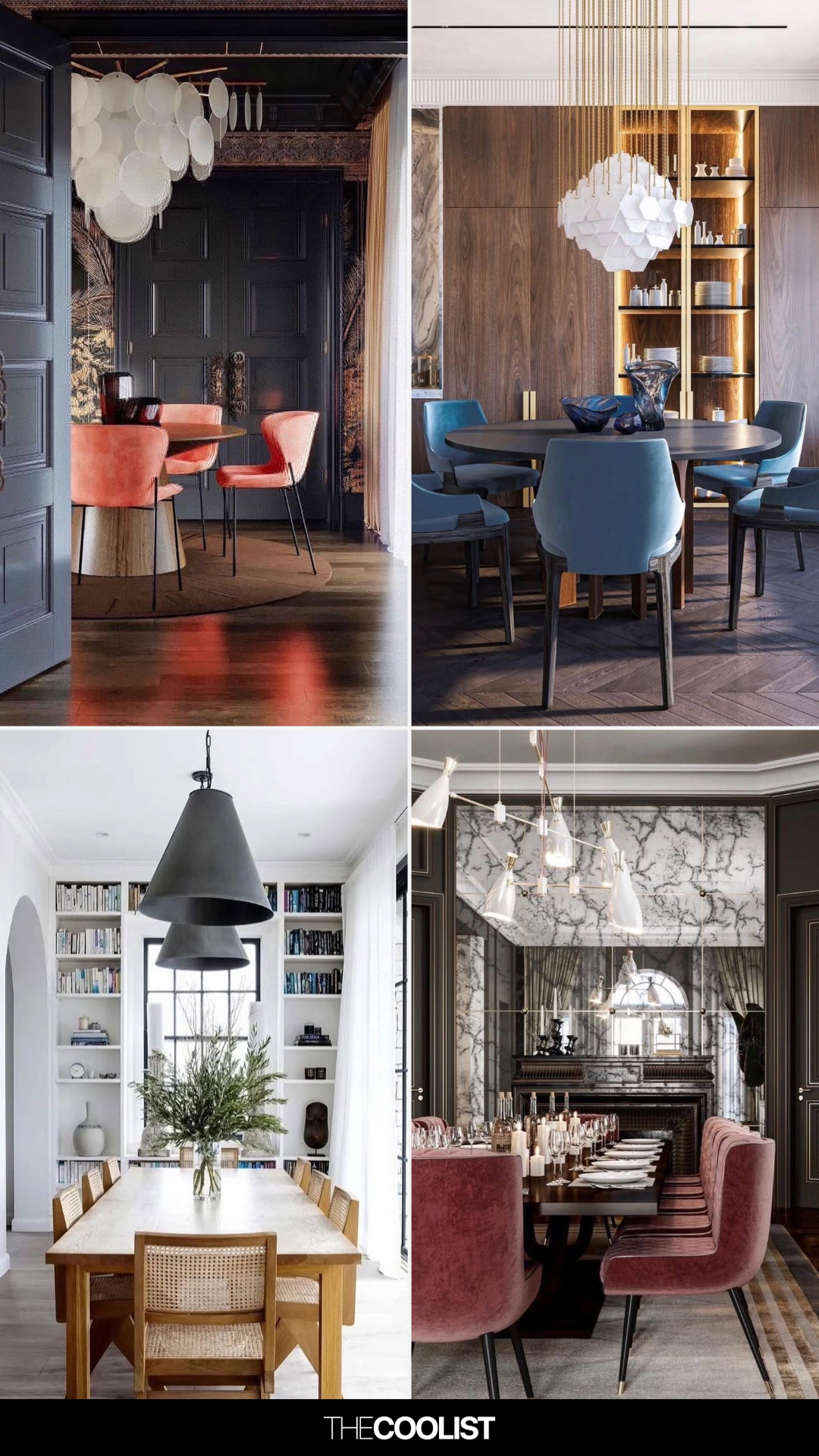
23 Shockingly Chic Dining Room Decor Ideas That Look 100x More Expensive Than They Are
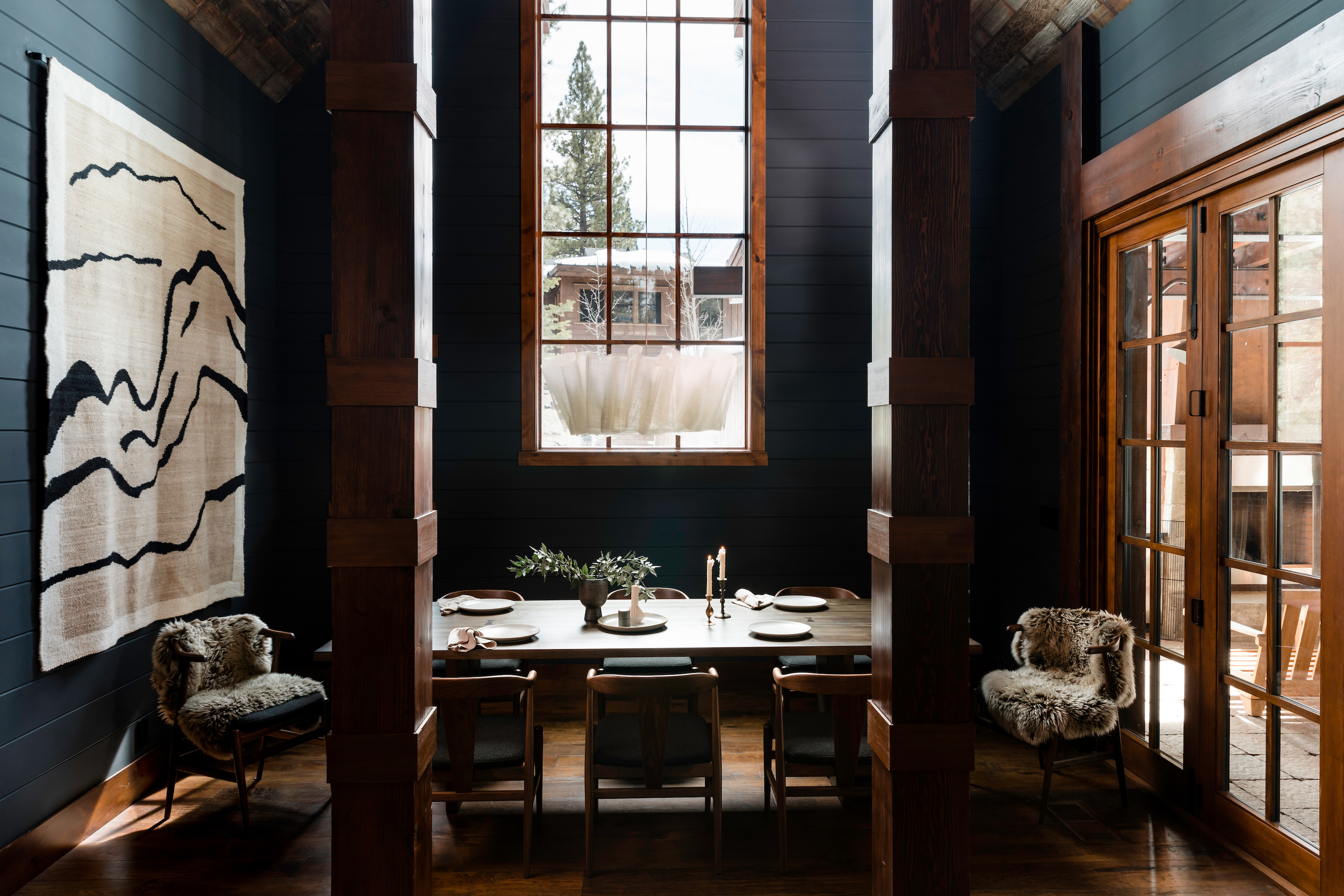
Modern farmhouse dining rooms - 10 ways designers create relaxed and welcoming spaces

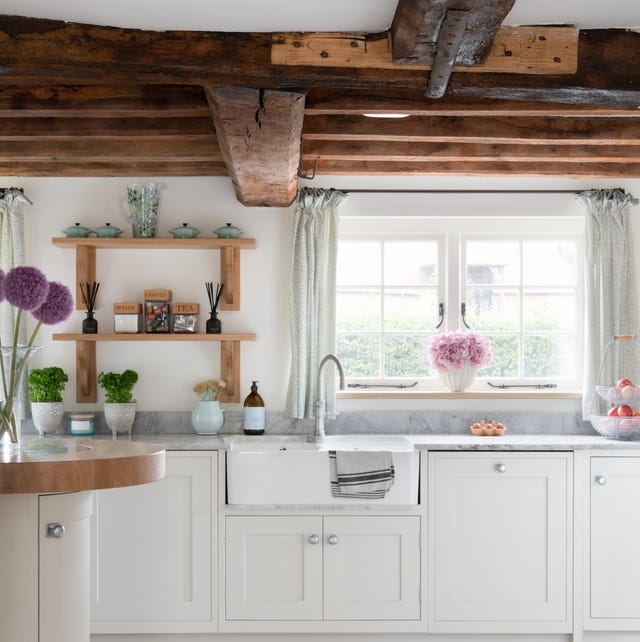
13 rustic kitchen ideas to add some countryside charm to your home

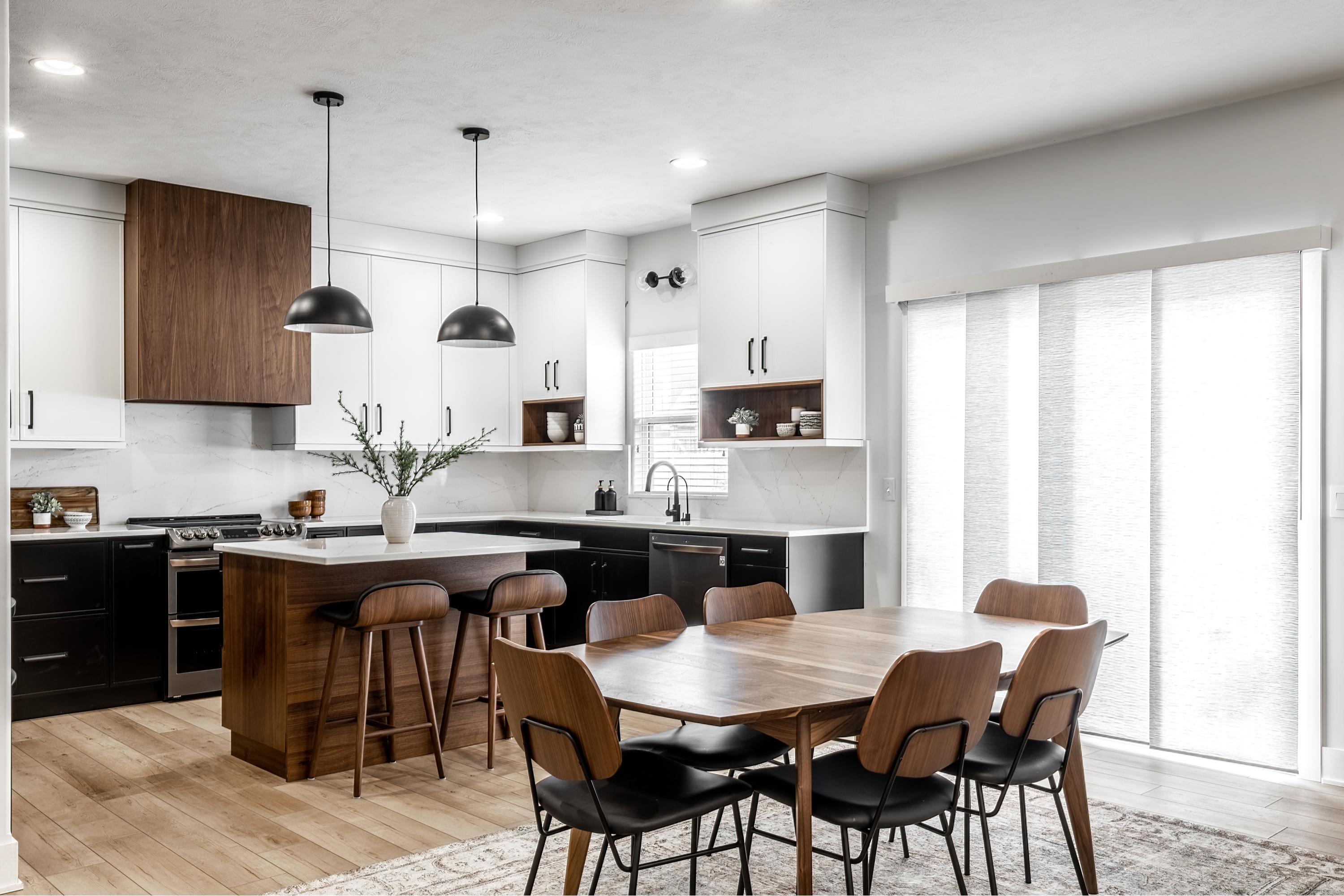
Dining Room: Tips and Decorative Inspirations

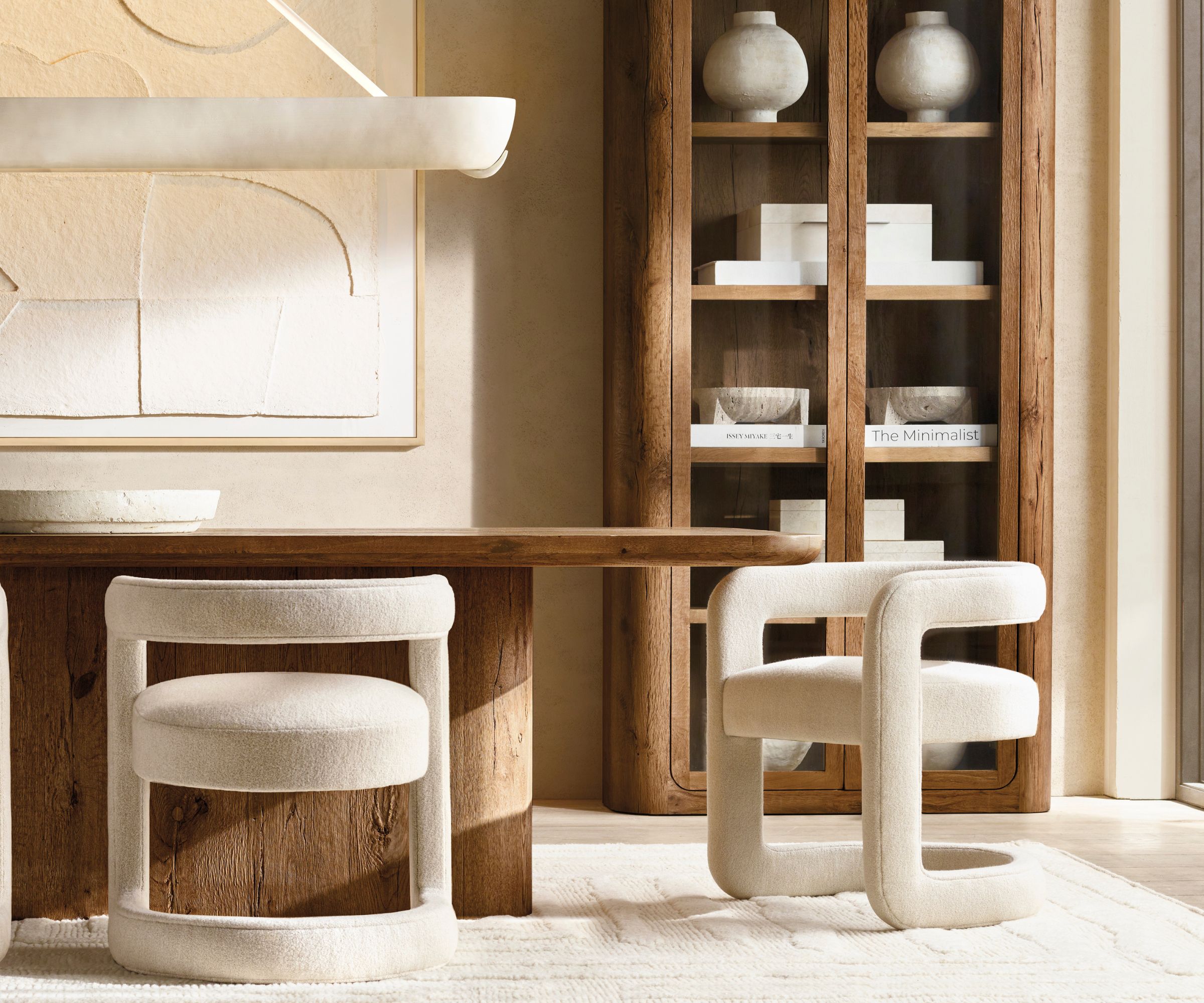
RH dining room ideas – 10 ways to recreate a designer space
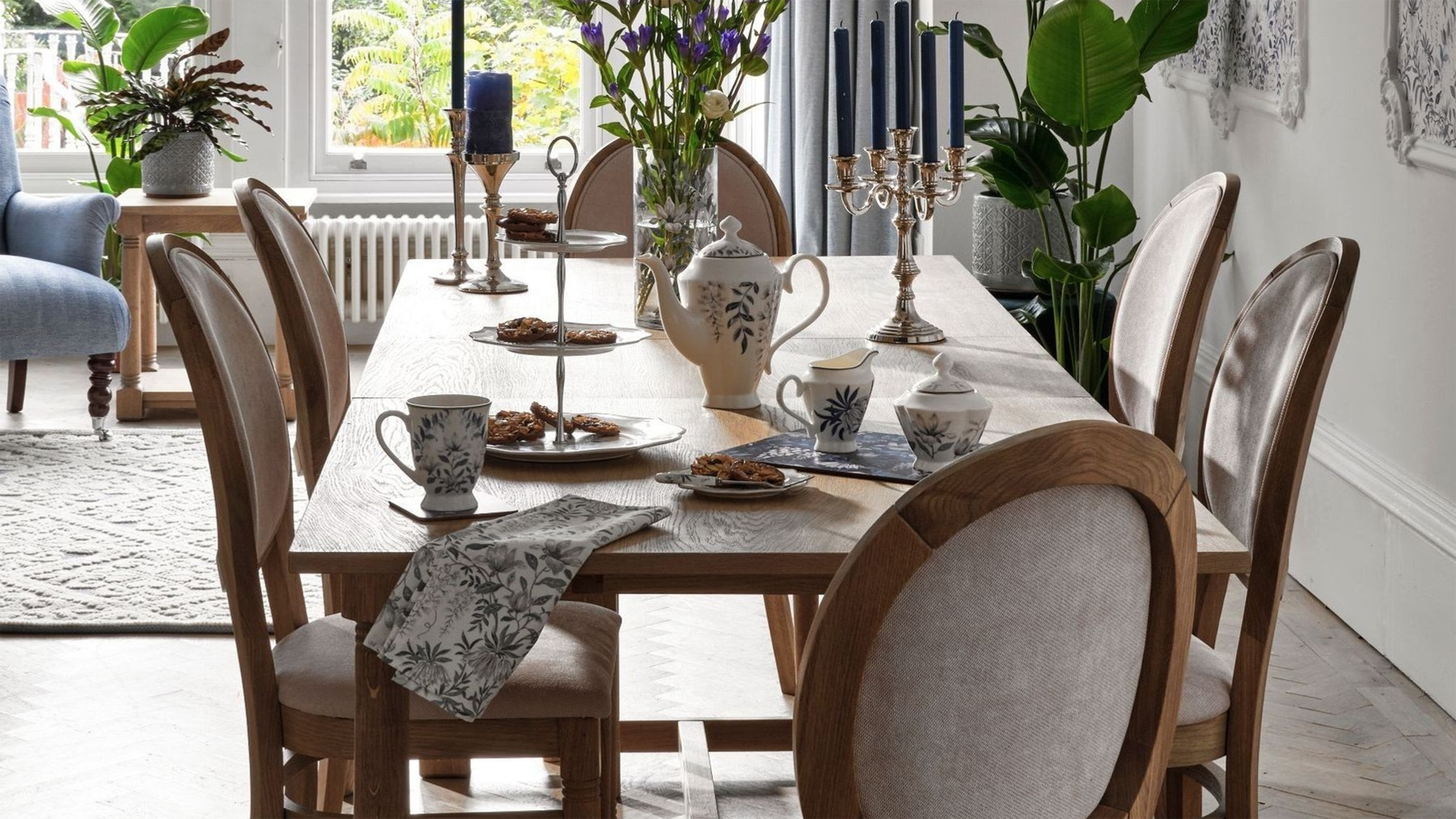
Traditional dining room ideas — 38 ways to create an elegant and classic look
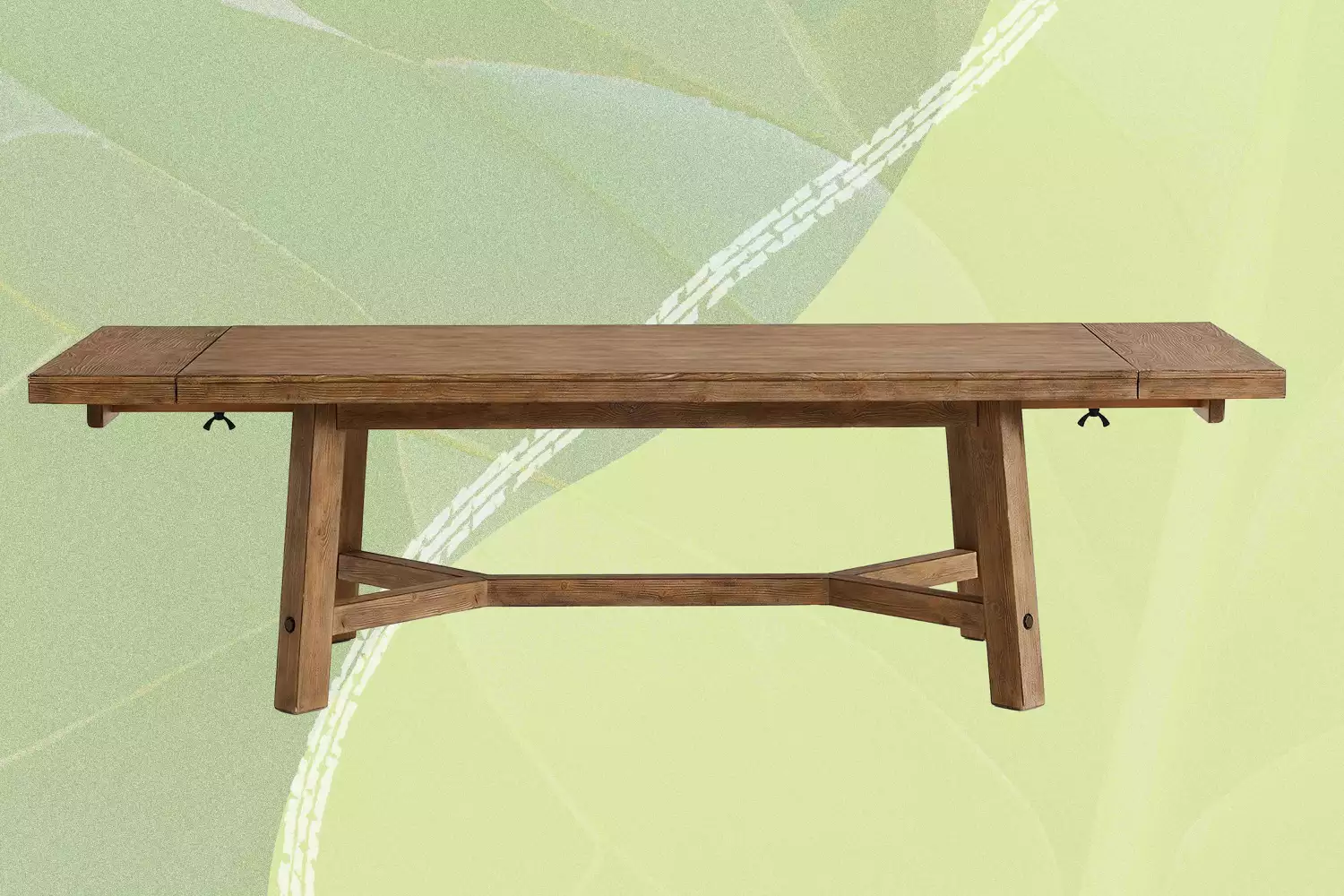
Make One of These Farmhouse Tables the Heart of Your Home

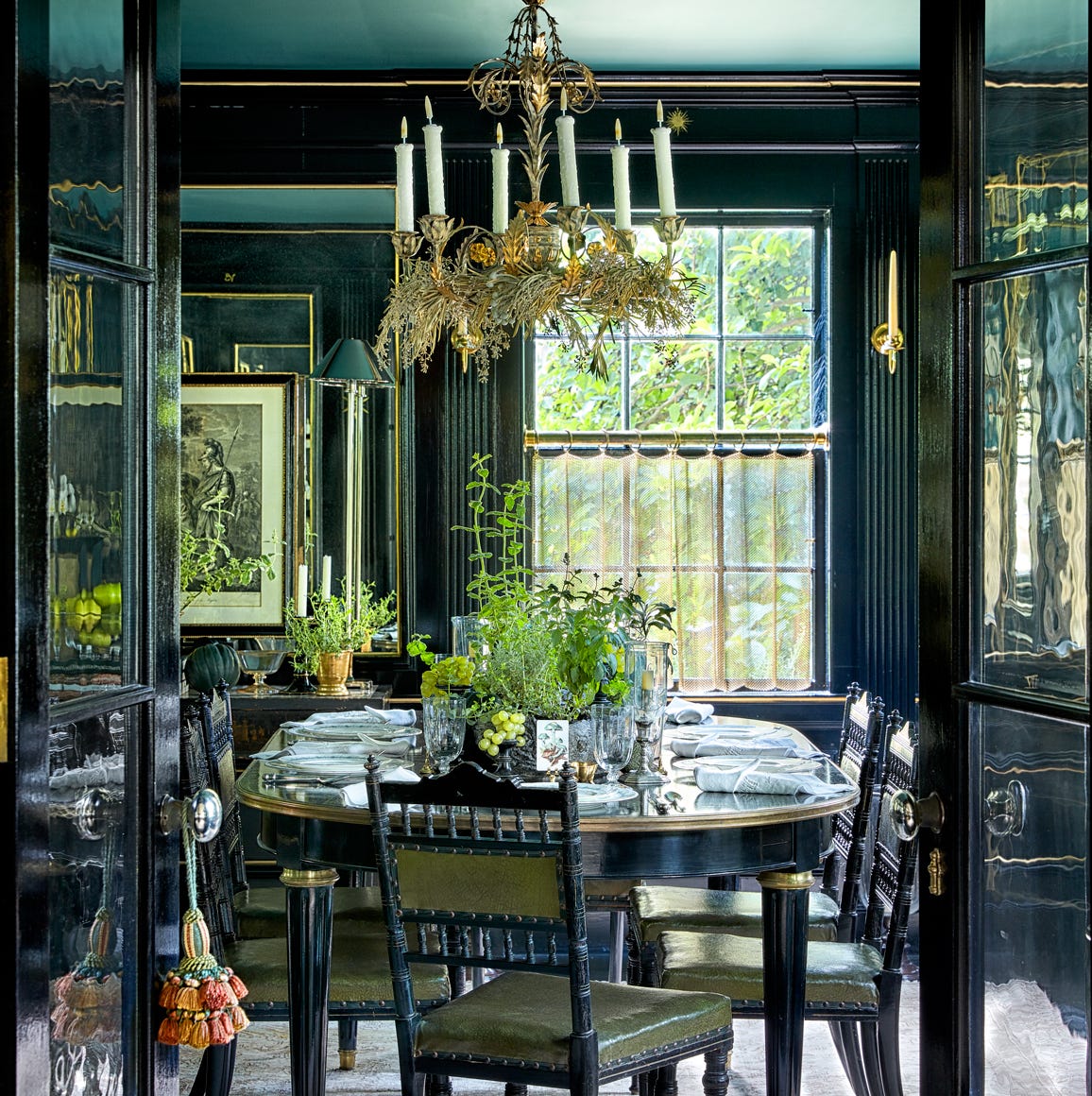
We Know You Miss Dinner Parties. Here’s Some Inspiration to Tide You Over
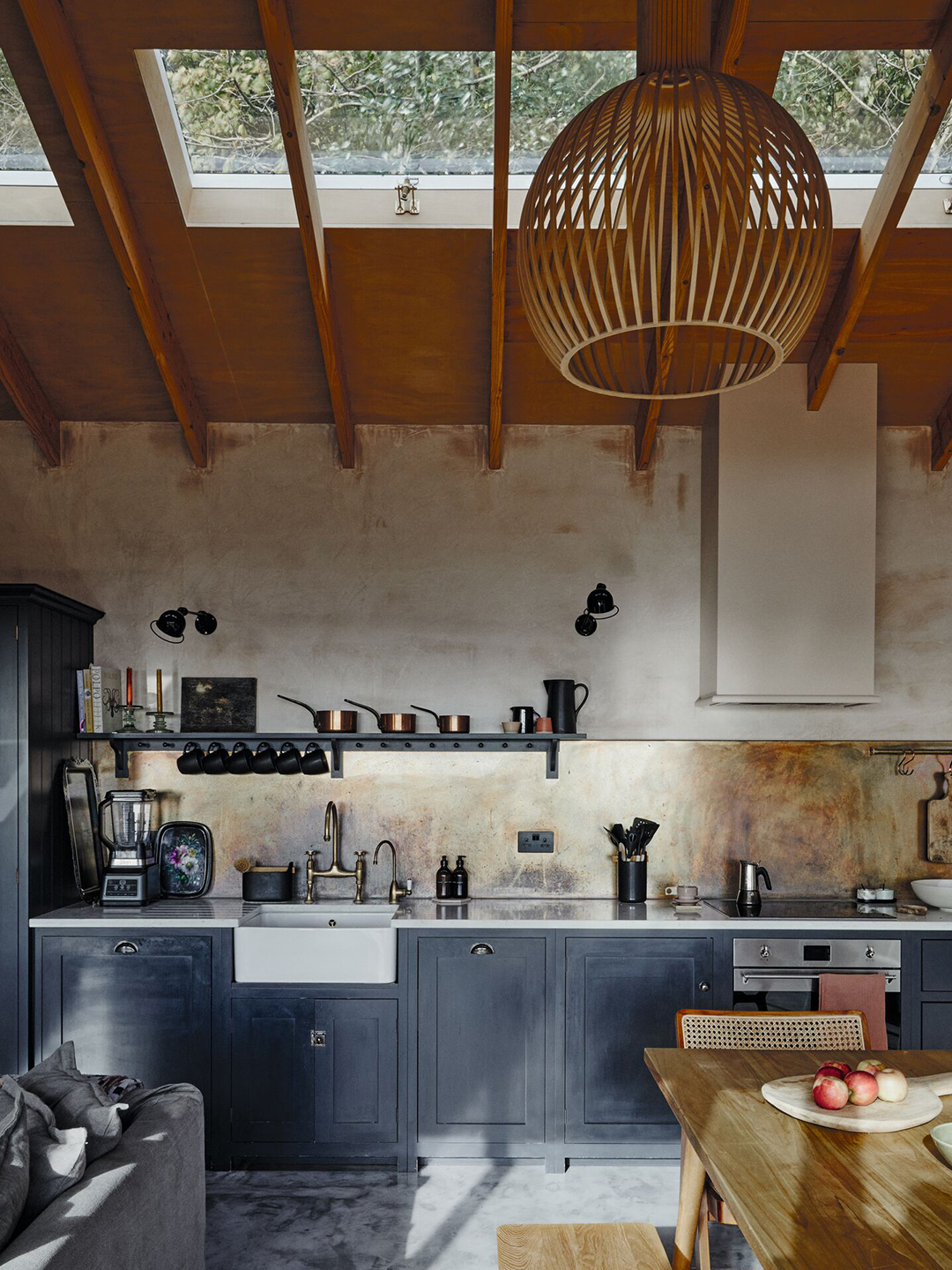
10 Rustic Kitchens From Abroad—And Not a Single Subway Tile Present

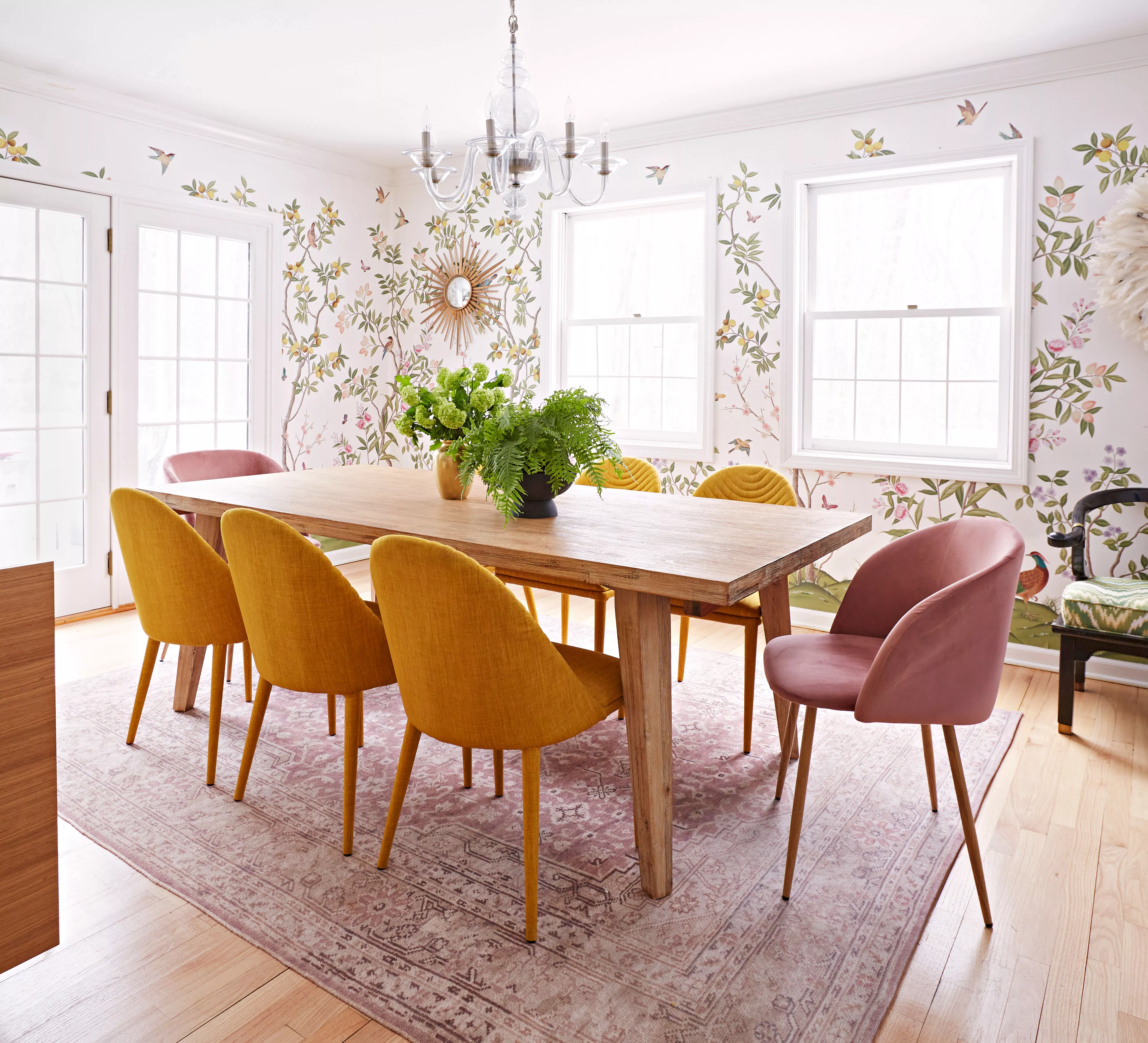
35 Formal Dining Room Ideas That Deliver Drama and Elegance

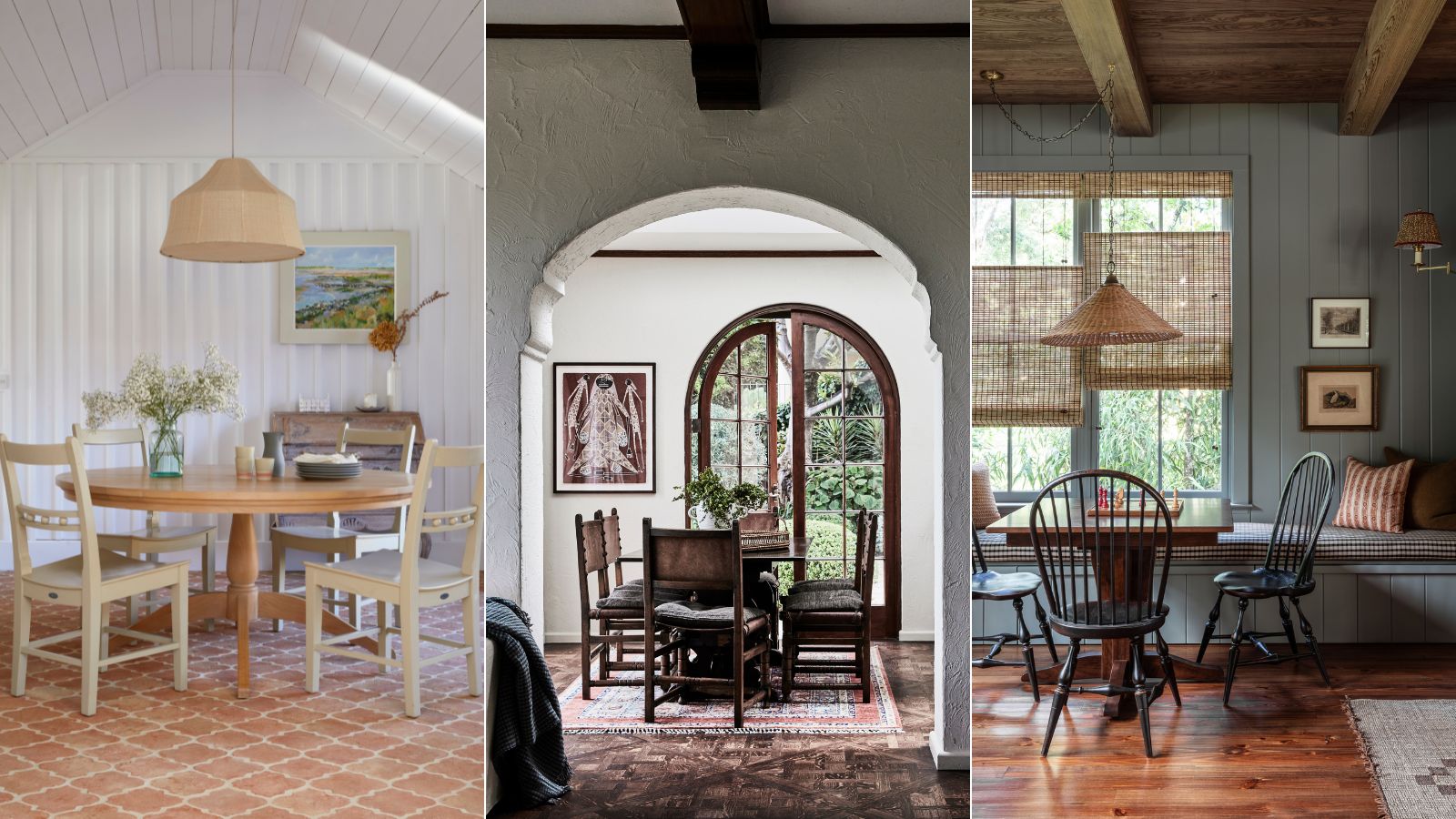
9 modern farmhouse dining room ideas that are warm and welcoming
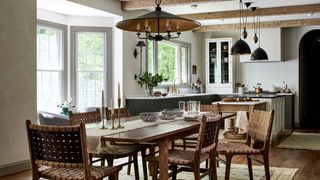
35 Soulful Rustic Kitchen Ideas You’ll Want to Copy

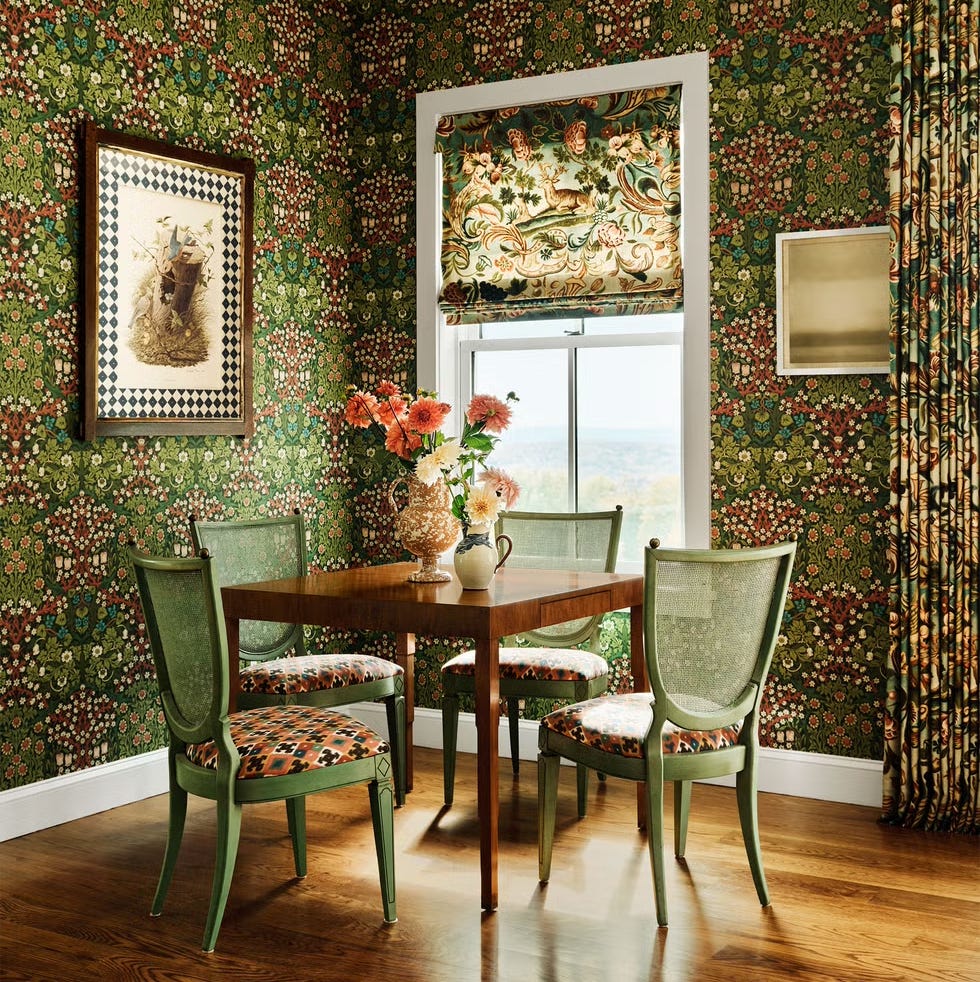
20 Dining Room Ideas for Small Spaces
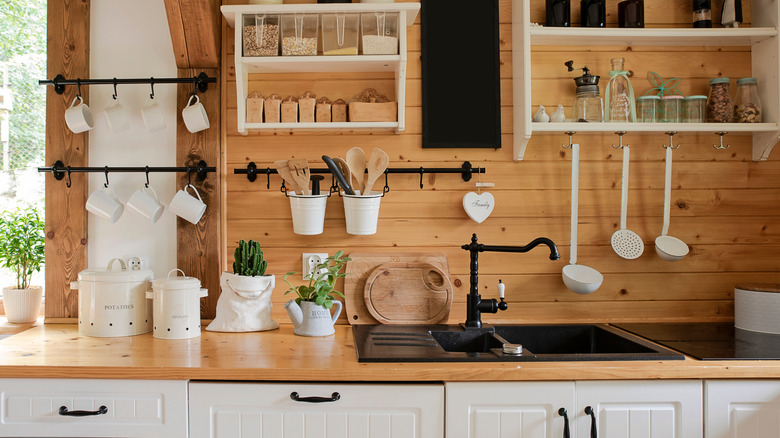
25 Rustic Kitchens That Are Warm And Inviting
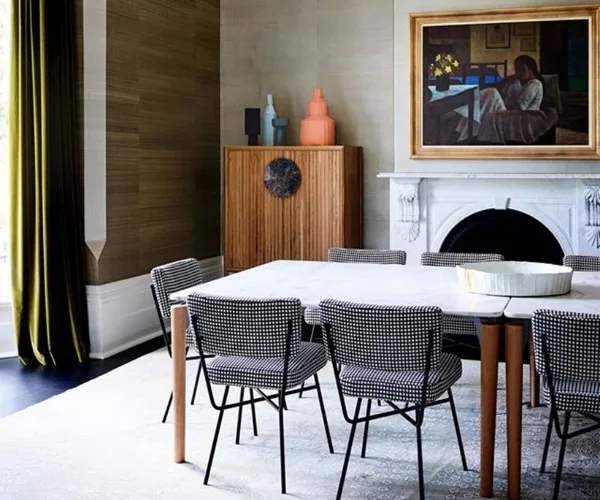
10 fabulous formal dining rooms

5 rustic kitchens to inspire your next home makeover

24 Dining Room Decor Ideas That Help You Create a Space You Actually Want to Eat In