1/2
I ditched my TV stand for this standing desk and I’m not going back
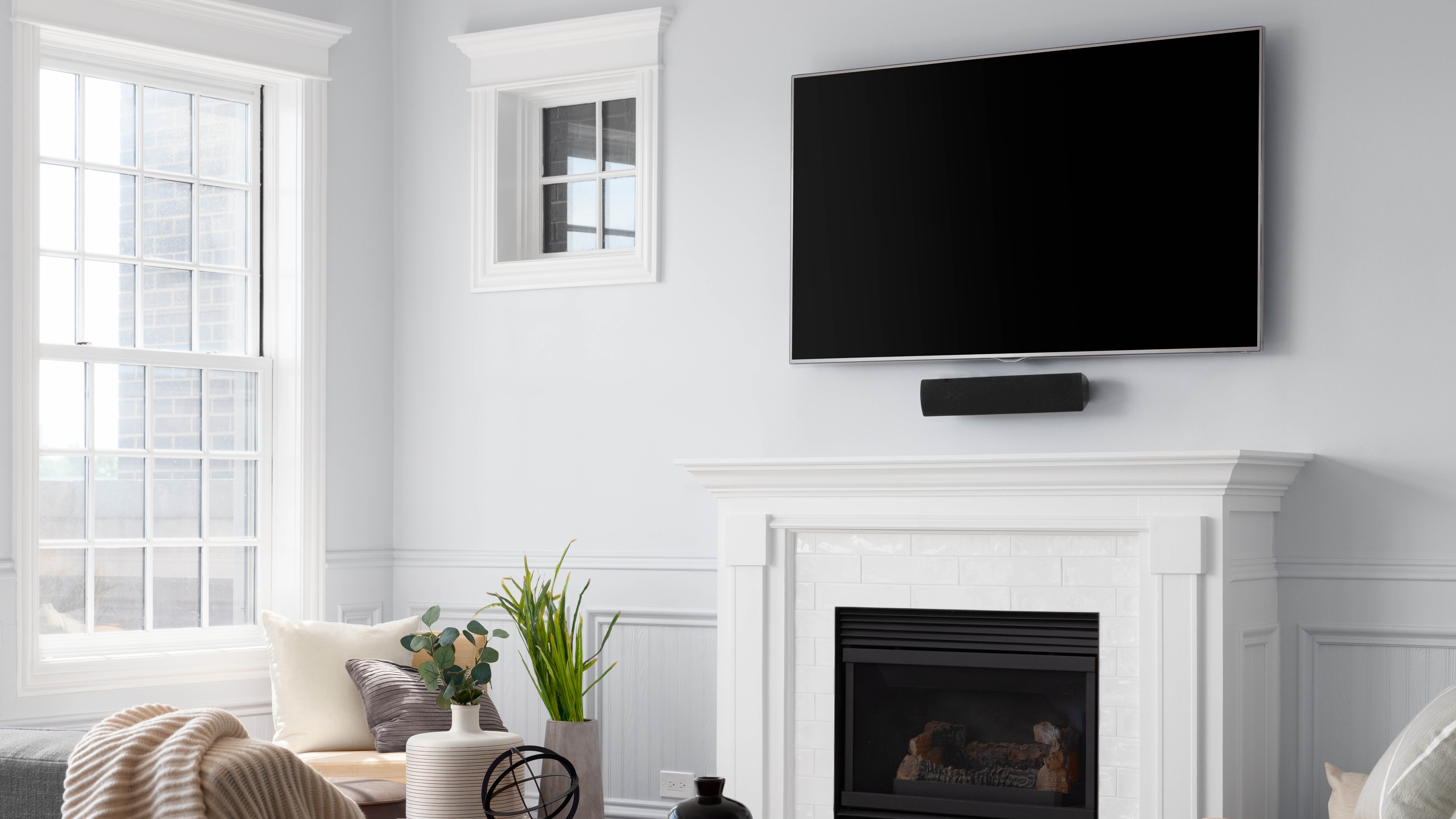
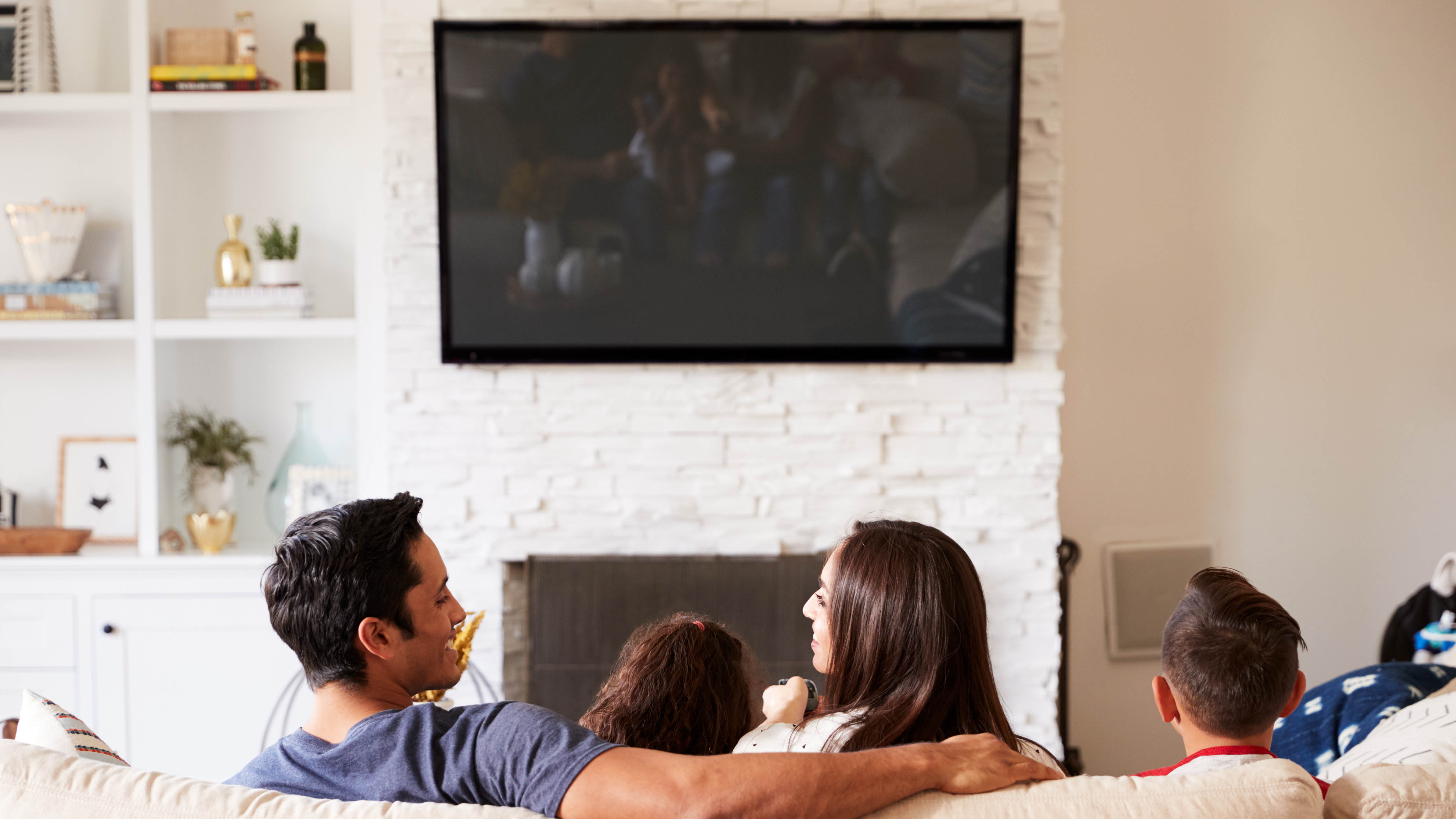
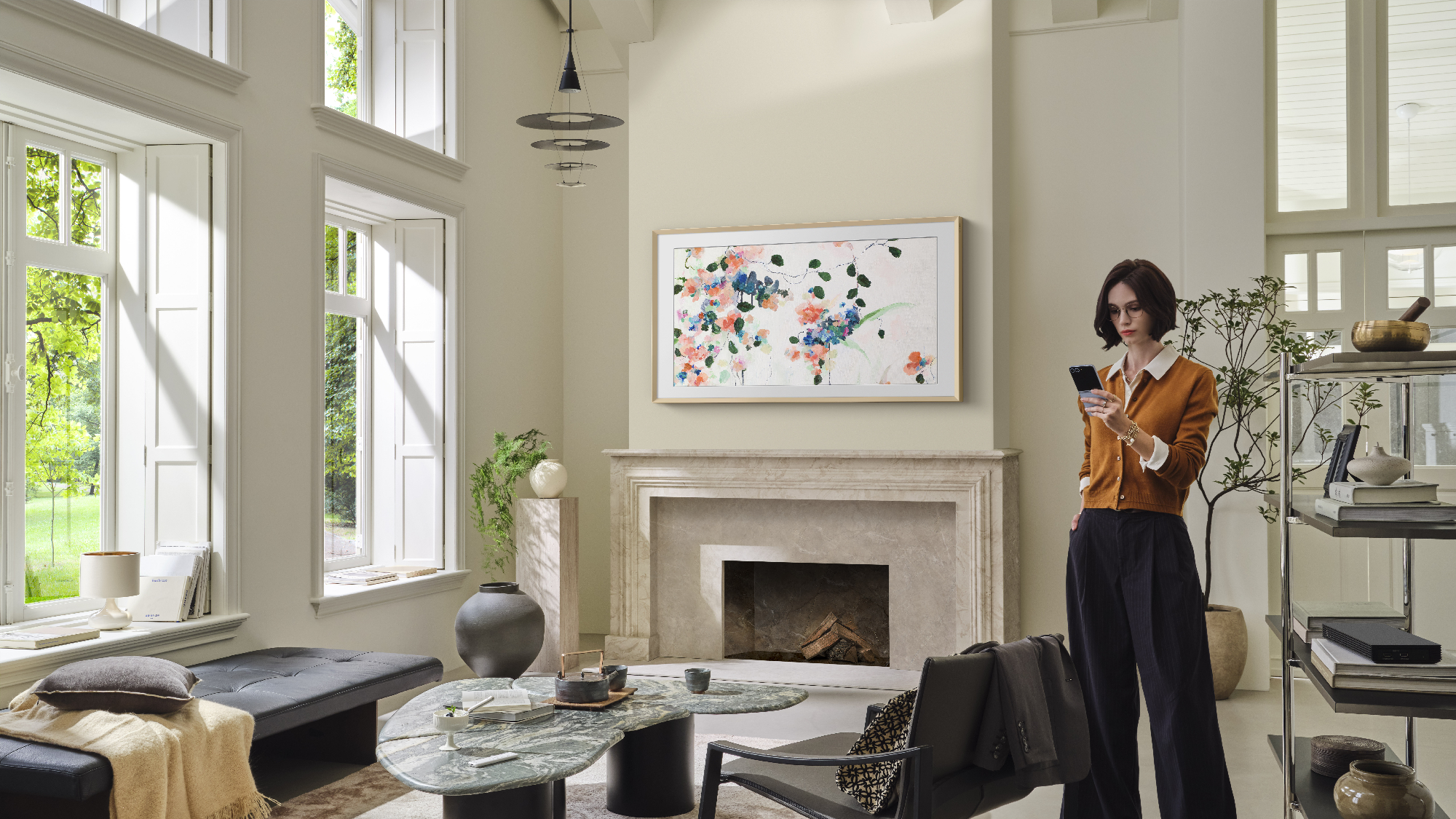
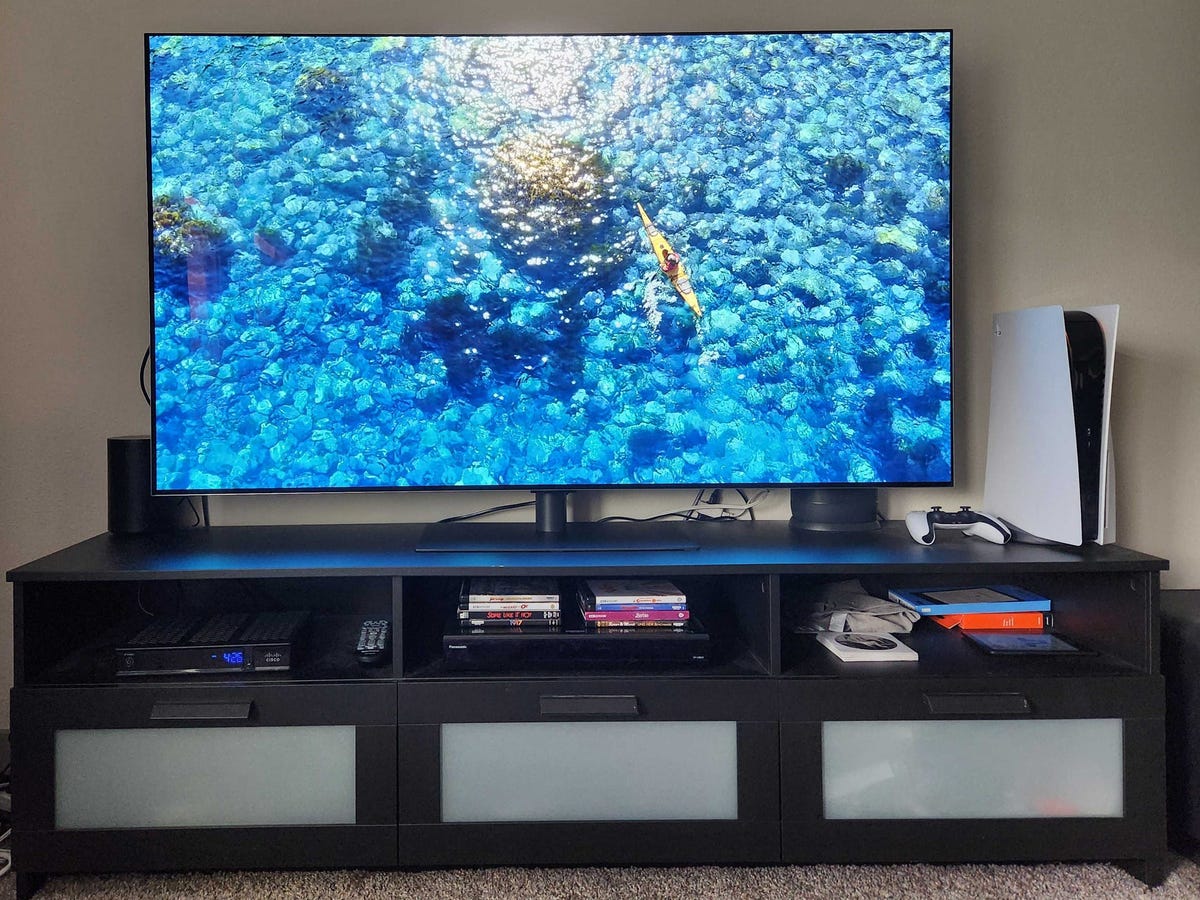
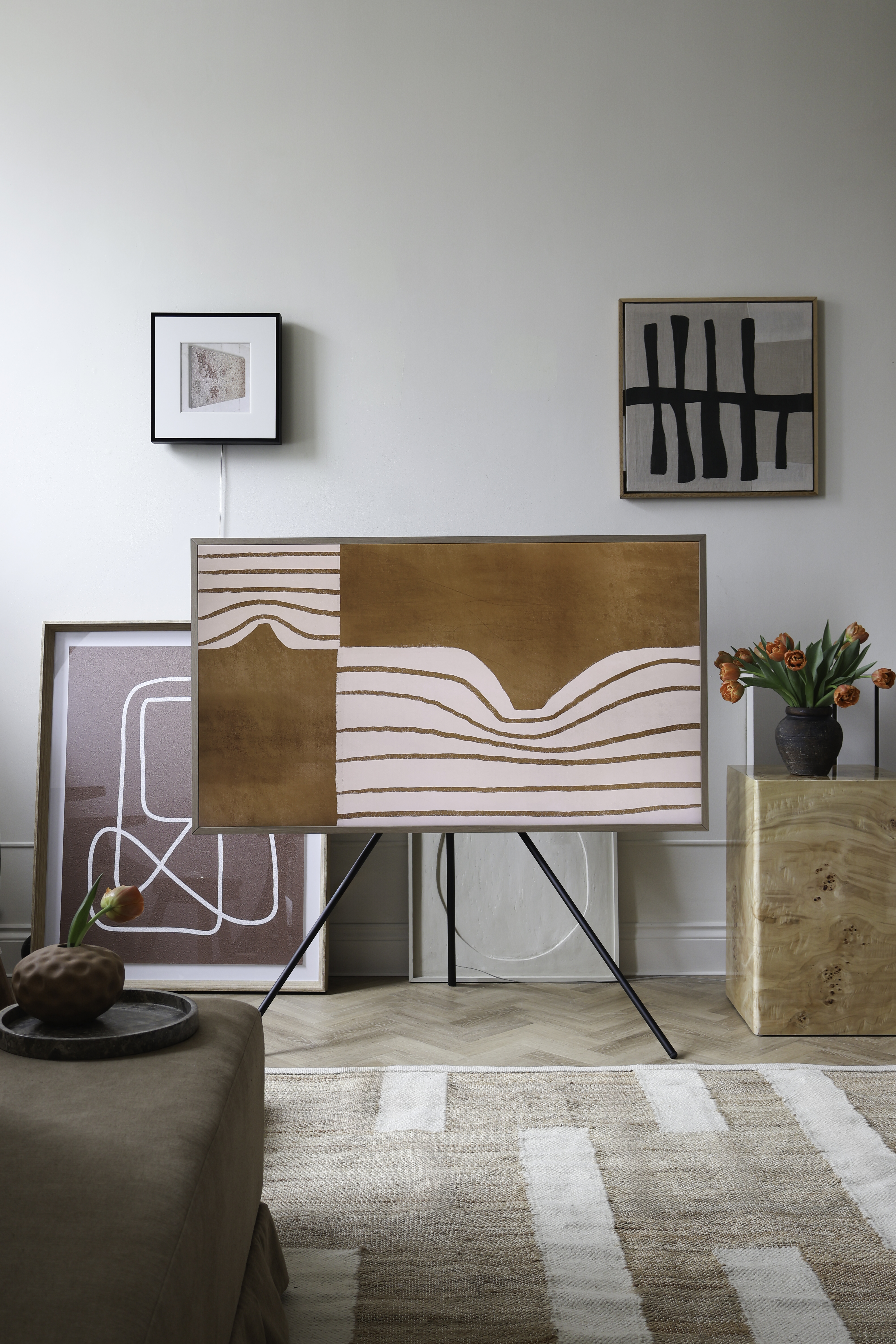
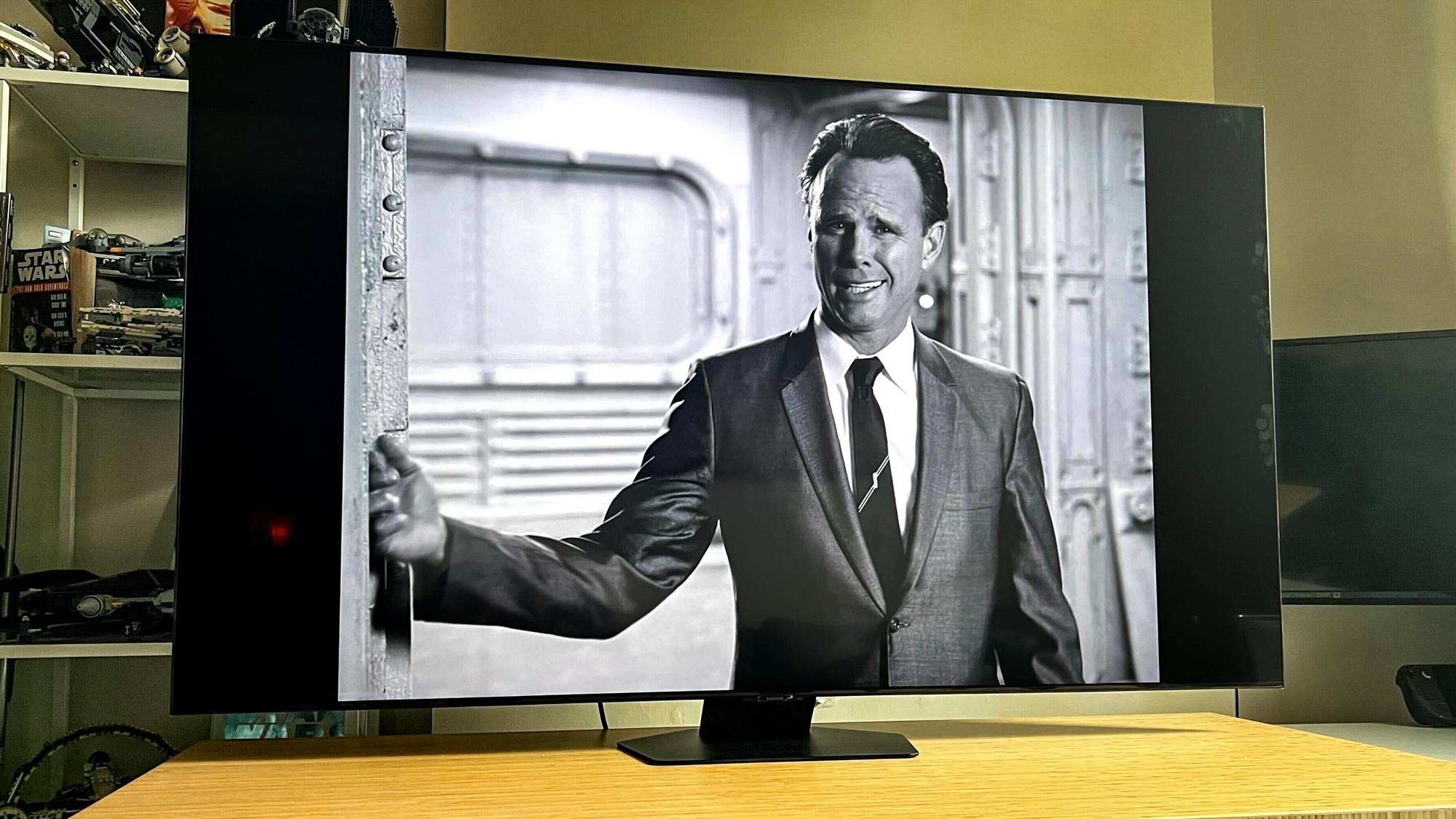
The author shares their experience of replacing a traditional TV stand with a standing desk, specifically the FlexiSpot E7, to enhance their home entertainment setup. The article begins by highlighting common dilemmas faced when positioning a TV, such as the trade-offs between wall-mounting for space-saving versus using an entertainment center which can lead to glare and improper viewing angles. The author's solution, a height-adjustable standing desk, is presented as a novel approach to these challenges.
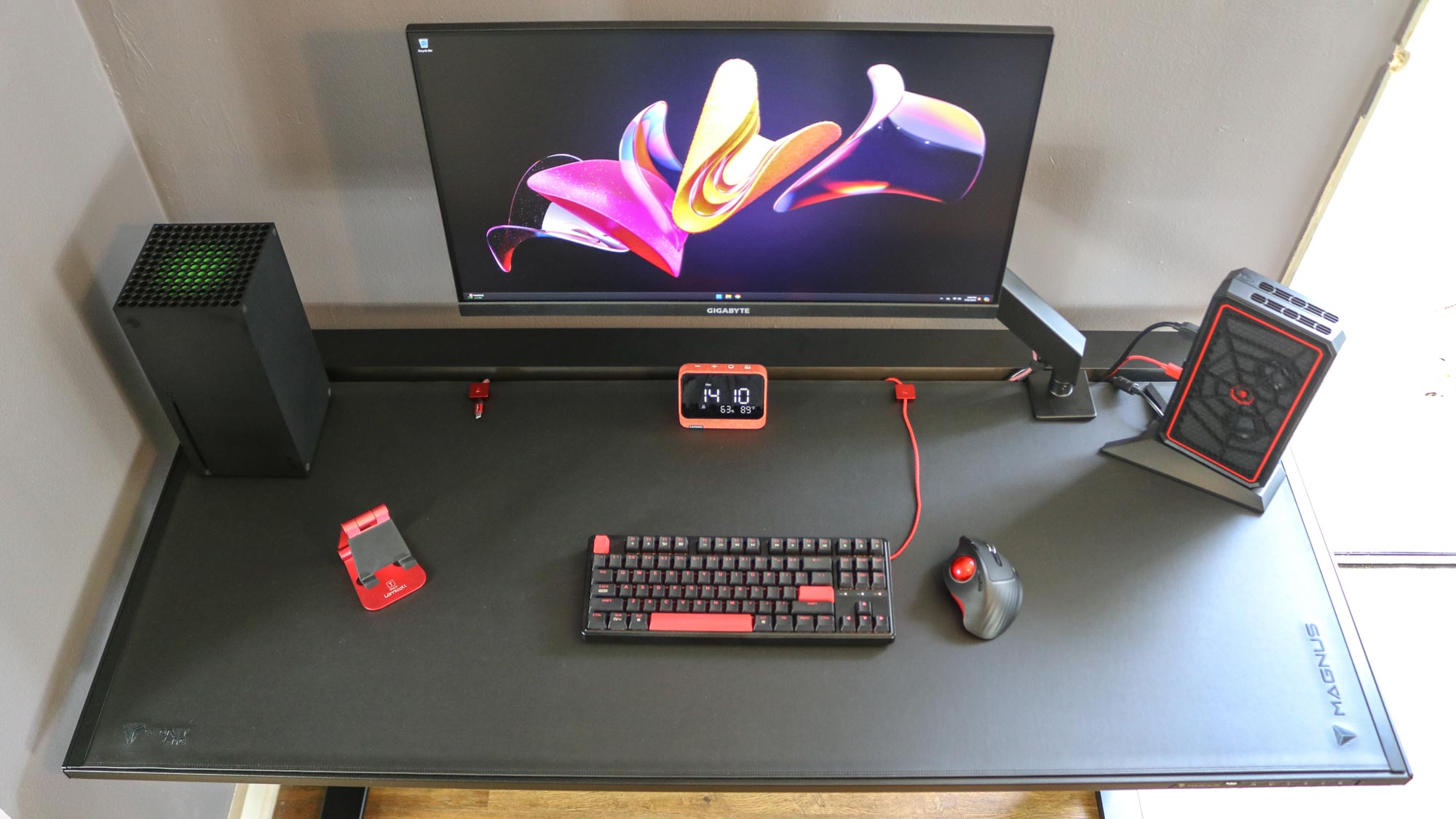
The FlexiSpot E7, featuring a 60x30-inch bamboo desktop, is identified as a suitable replacement due to its expansive surface area capable of accommodating various TV sizes, including larger models up to 85 inches, and even ultra-short throw (UST) projectors. A significant advantage noted is the improved flexibility in adjusting the TV's height and angle. This adjustability allows for optimal eye-level viewing in different scenarios, such as watching TV while standing or performing other tasks like folding laundry or washing dishes. The ability to dynamically change the TV's position is also crucial for mitigating glare, a common issue influenced by ambient lighting and TV placement, which a static TV stand cannot address.
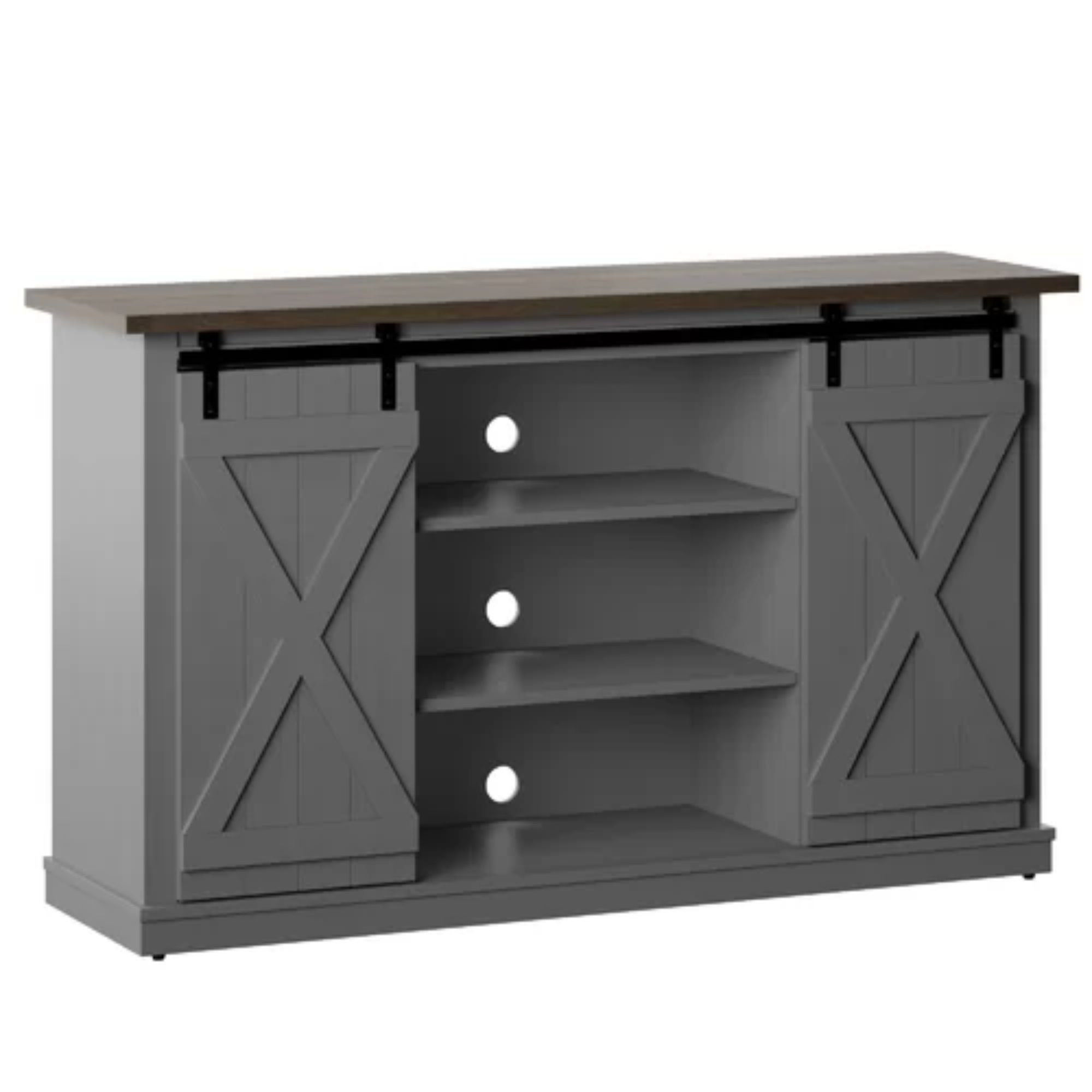
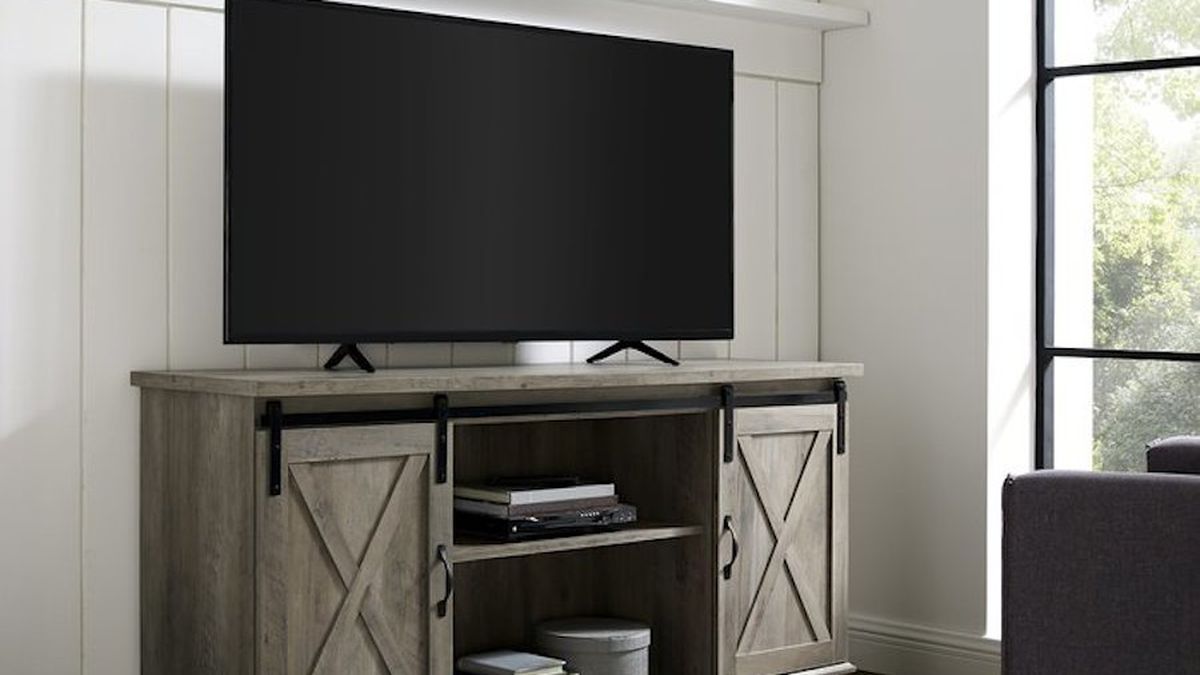
Despite the numerous benefits, the author acknowledges some drawbacks to using a standing desk as a TV stand. A primary concern is its size; while beneficial for larger TVs, the 60x30-inch desk proved to be too large for a compact apartment living room, leaving limited space for movement and potentially altering the cozy aesthetic of the room. This suggests that the suitability of a standing desk as a TV stand is highly dependent on the living space available. Another significant factor is the cost disparity. Traditional TV stands typically range from $100 to $250, whereas the FlexiSpot E7 starts at $449, even with a discounted price of $350 for the frame and bamboo surface, making it a considerably more expensive investment. The aesthetic shift from a traditional home entertainment vibe to a more office-like feel is also mentioned as a potential downside for some users.
In conclusion, the author recommends considering a standing desk as a TV stand for individuals who prioritize control, versatility, and optimal viewing angles, especially those who frequently engage in other activities while watching TV. However, for those with limited space or a preference for a more conventional home aesthetic, the higher cost and larger footprint might make a traditional TV stand a more practical choice. The FlexiSpot E7 is praised for its intended use as an office desk and its quality, but its application as a TV stand is presented as a personal preference based on specific viewing habits and living conditions.
#StandingDesk #TVStand #HomeOffice #HomeEntertainment #FlexiSpotE7 #GlareReduction #ErgonomicSetup #SpaceUtilization #Productivity #StandingDesk #TVStand #HomeOffice #HomeEntertainment #FlexiSpotE7 #GlareReduction #ErgonomicSetup #SpaceUtilization #Productivity
0 ความคิดเห็นรวม
 ยังไม่มีความคิดเห็น
คุณอาจจะชอบอีกด้วย
I just found the perfect standing desk for working from home — and it obliterates cable clutter
I tried this wall-mounted folding desk — and it's a game changer for cramped spaces
I test TVs for a living, and this is the one spot in my living room I would never put my TV
The Best TV Stands and Media Consoles Every Type of Home Theater Setup and Decor Style

I work from my dining table, but this stylish pop-up desk has transformed my WFH situation
I love cable management but I found the perfect standing desk for people that hate it
We rounded up the best TV stands across every category, from media consoles to tabletop pedestals
I added this monitor light bar to my home office setup and it’s a game changer

The Tablet Mount That Turns My Bed Into a Home Theater
This $70 foldable desk from Amazon revolutionized my WFH routine
Best TV stands - media units to tidy your TV room

This smart display has earned a permanent spot on my desk — and it’s 50% off right now
I Replaced My Bedroom TV with This Tablet
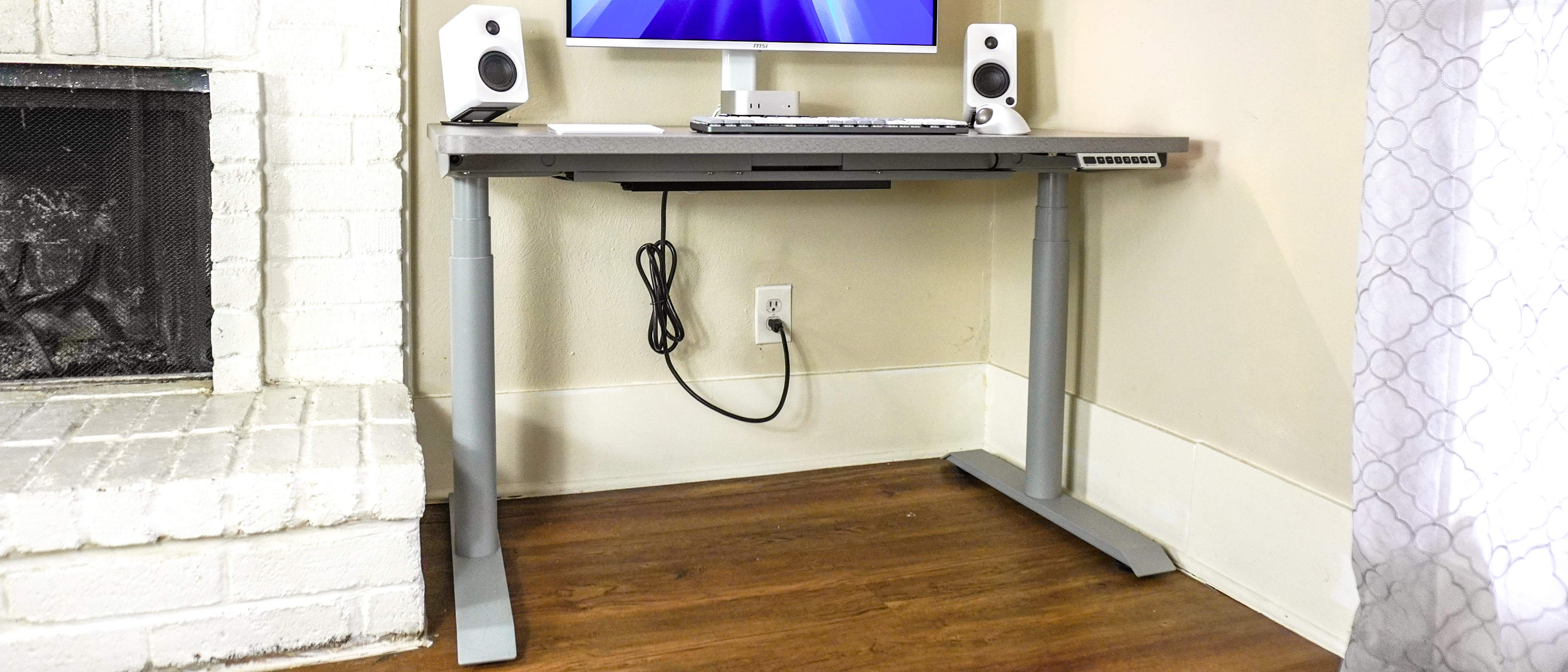
I’ve been using this standing desk for months and it sets a new standard for the price — here’s why
22 Nice-Looking Things to Put TVs On (Including Some Actual Media Stands)
Okay, That's Clever — Pull This 'Transforming' Console Table Out From the Wall and It Moonlights as a Swanky Home Bar Set-Up

I revamped my desk setup using the world’s most expensive cable management accessory — this changes everything

5 Best TV Stands That’ll Stand the Test of Time, Tested and Reviewed

7 dashing consoles under $400
Why I Fell in Love with My Samsung Frame TV on a Stand