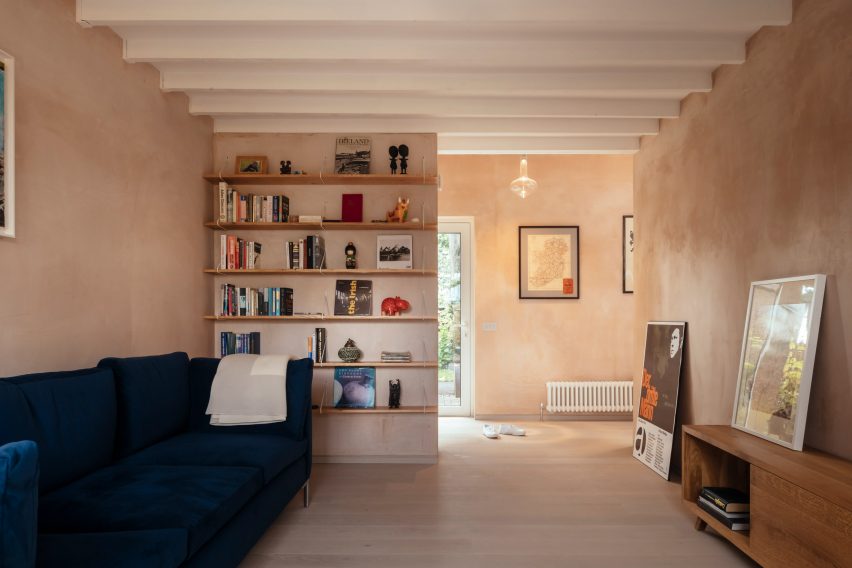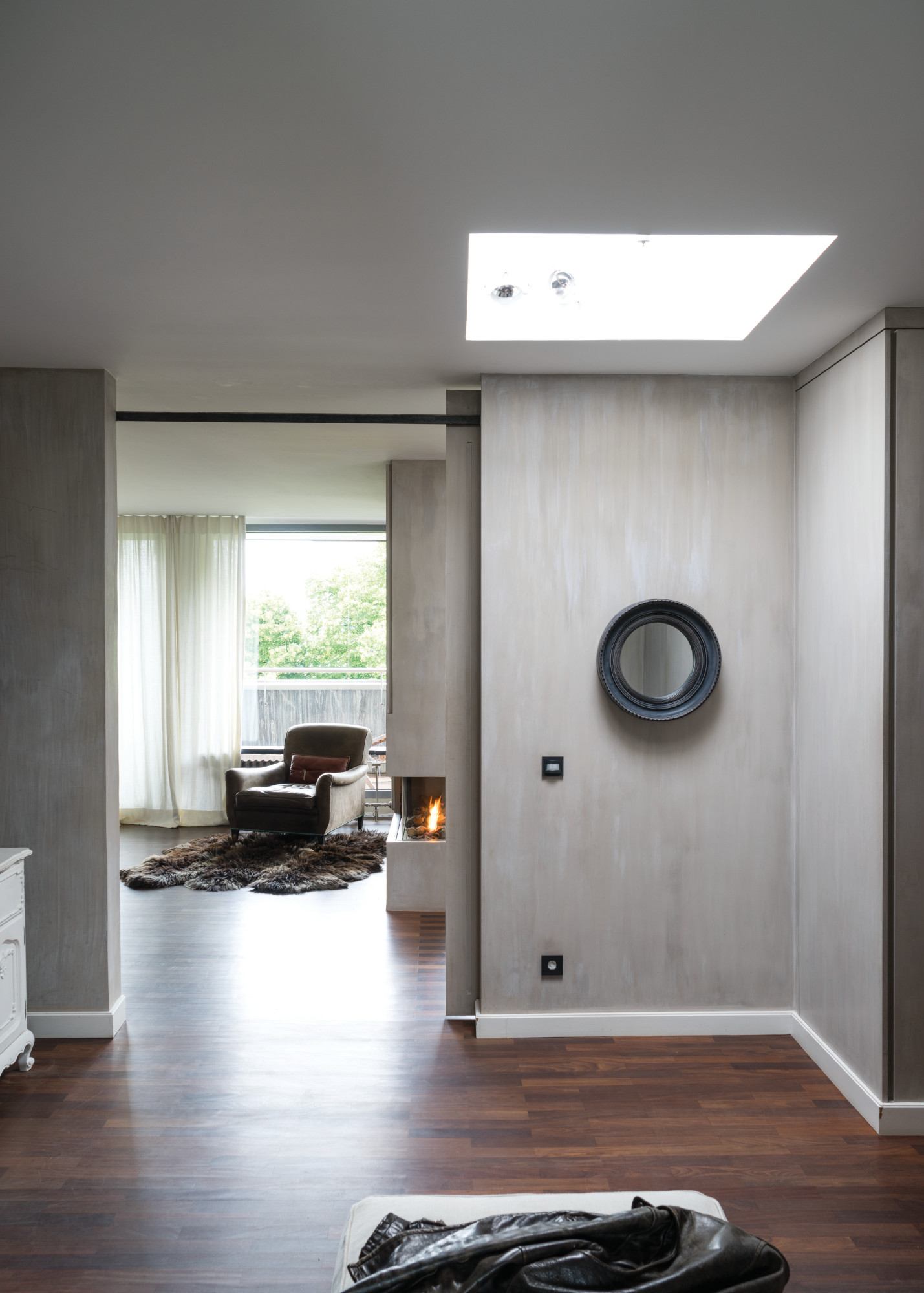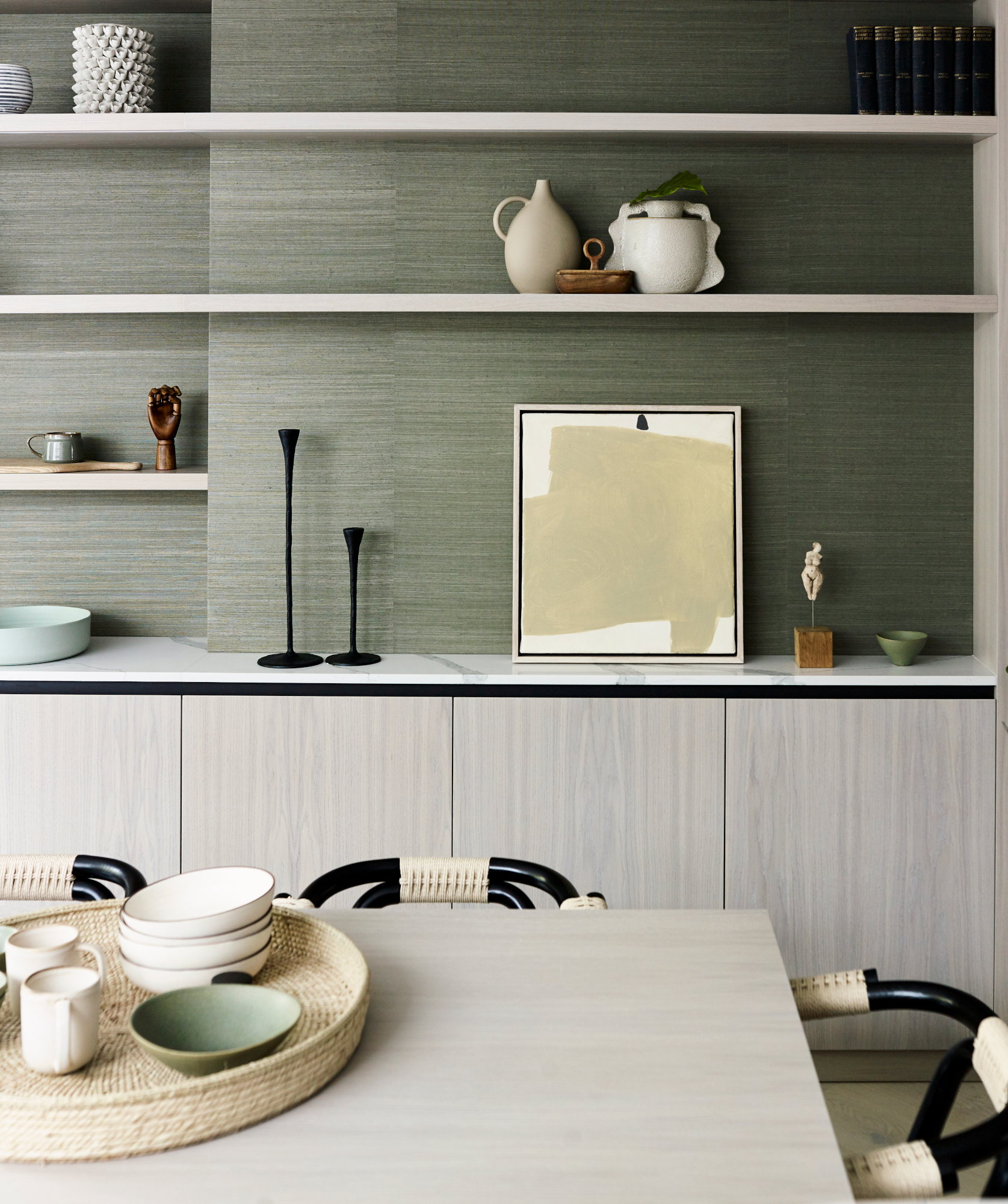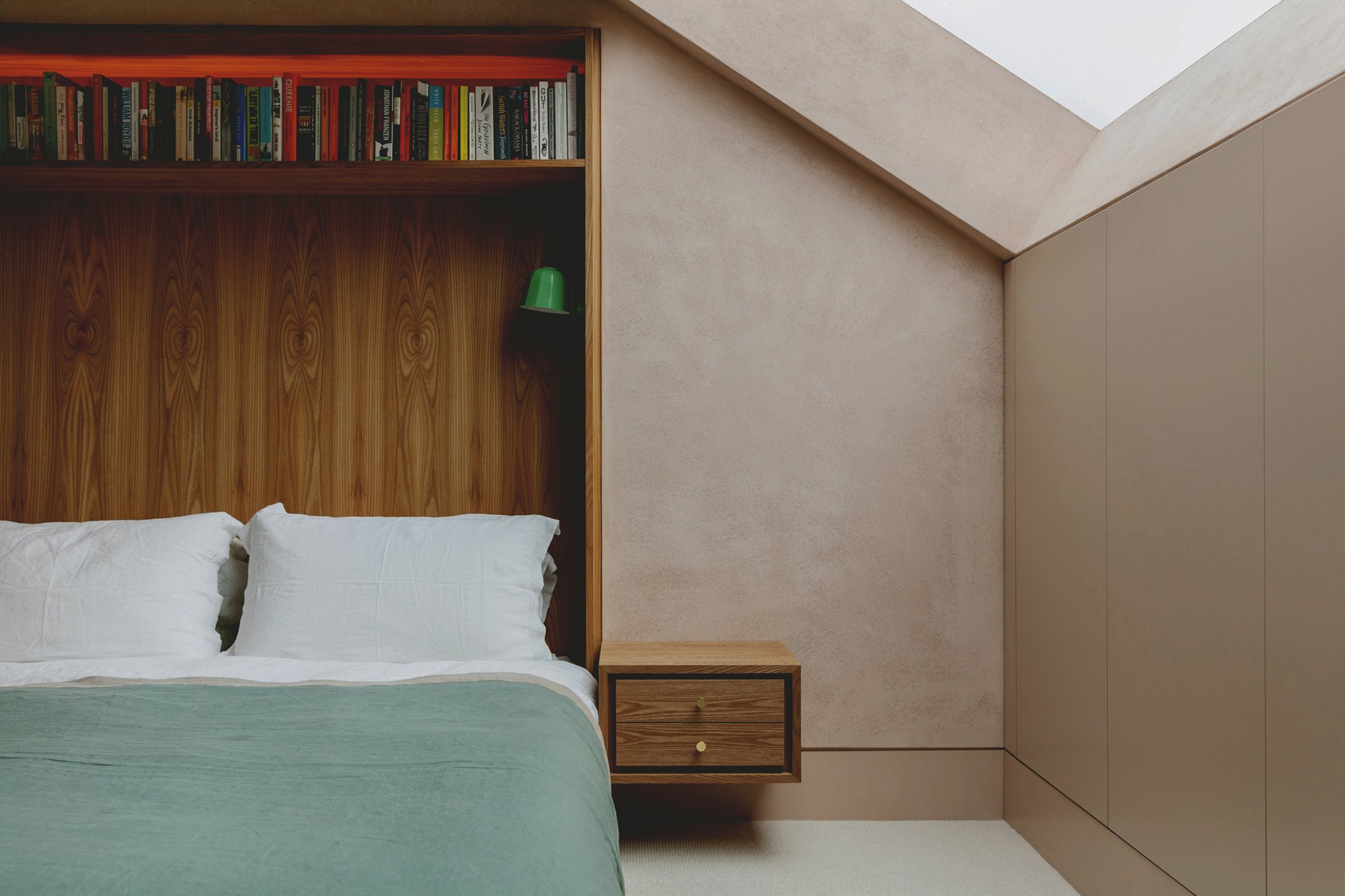
Why Plaster Walls Are So Popular, Plus 3 Ways to Get the Look
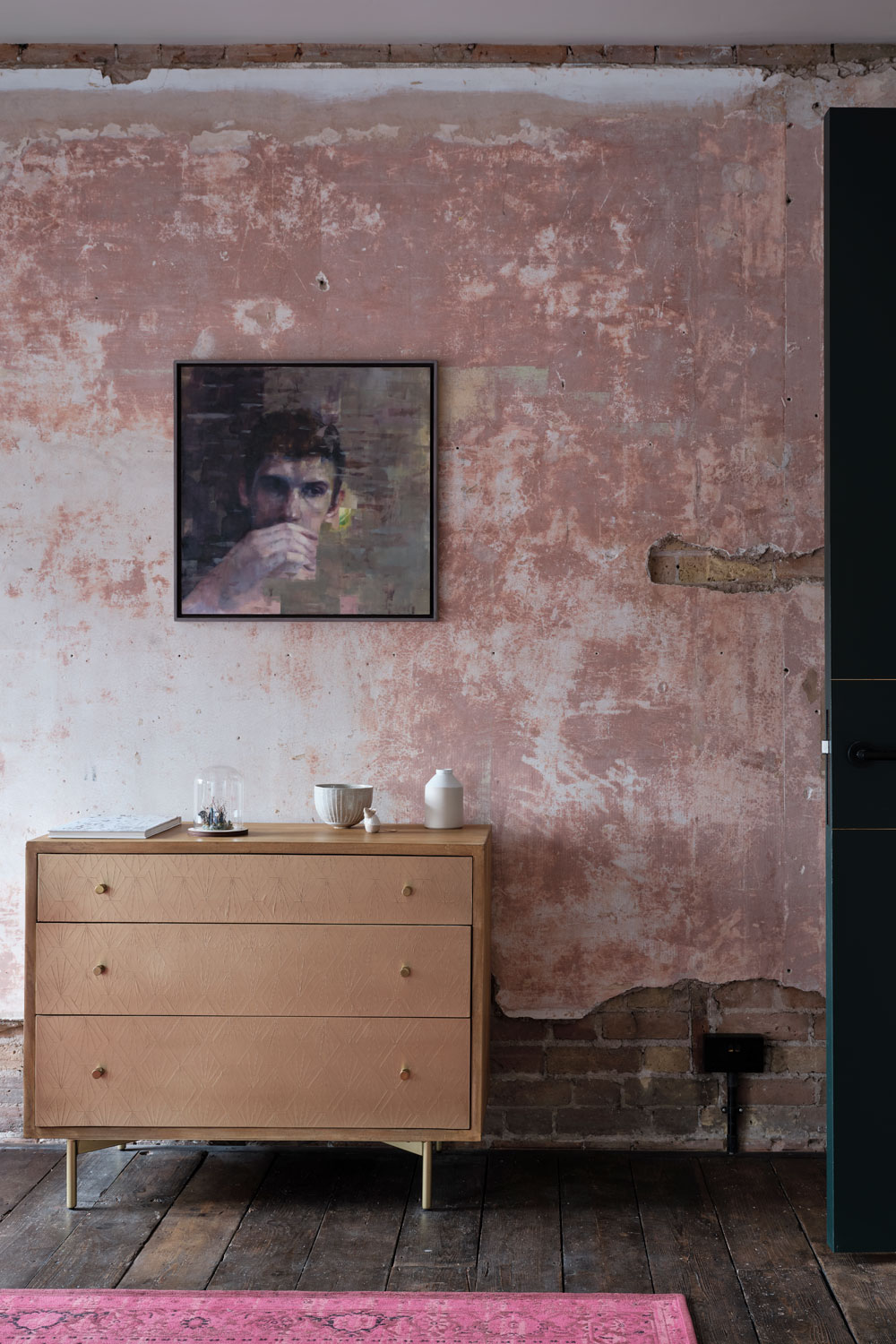
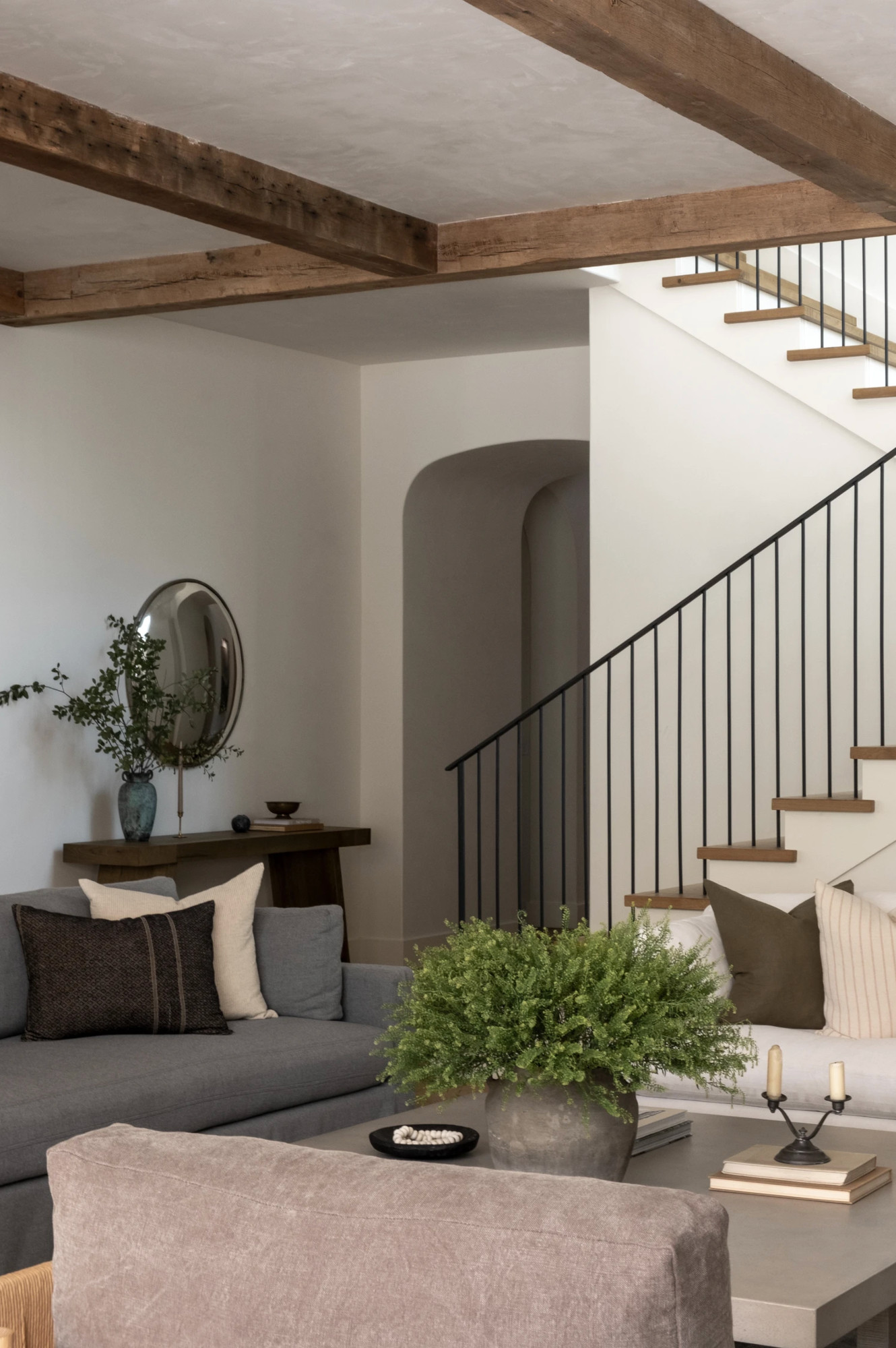
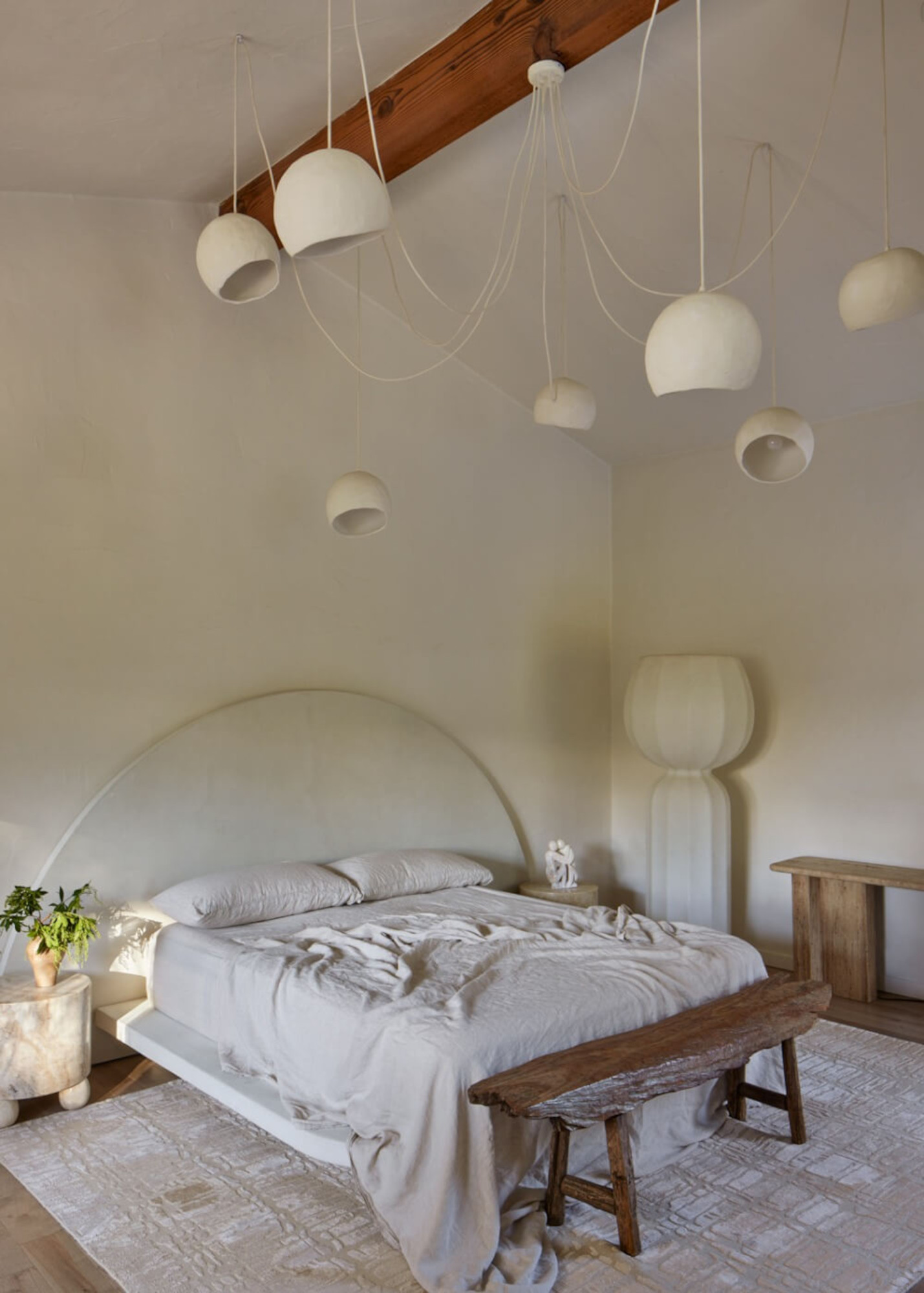
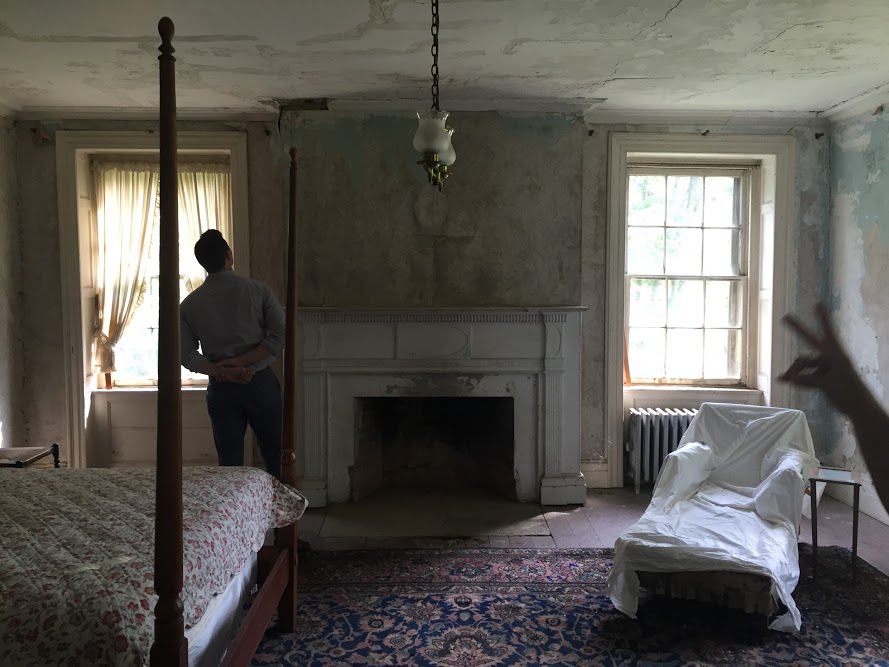
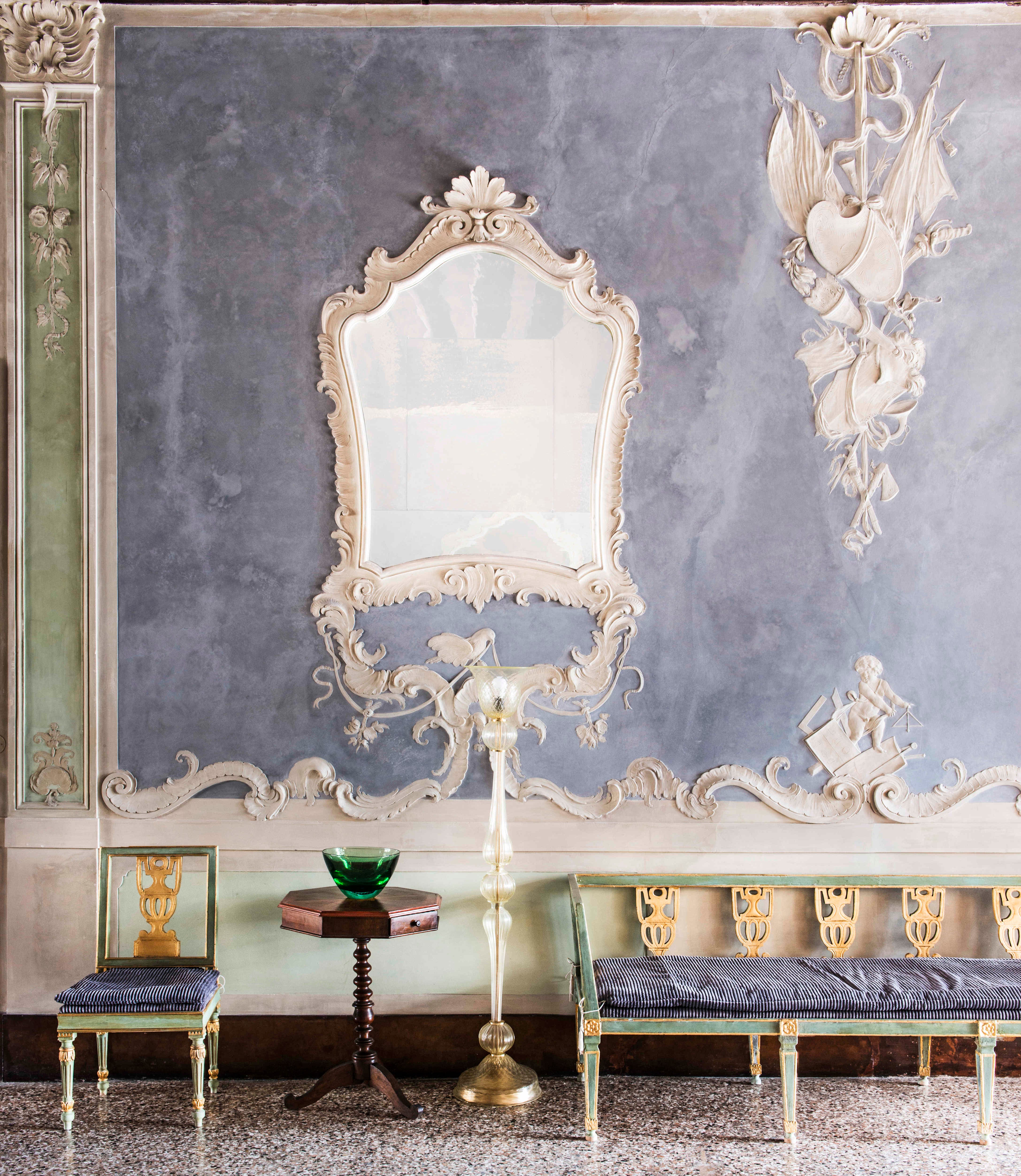
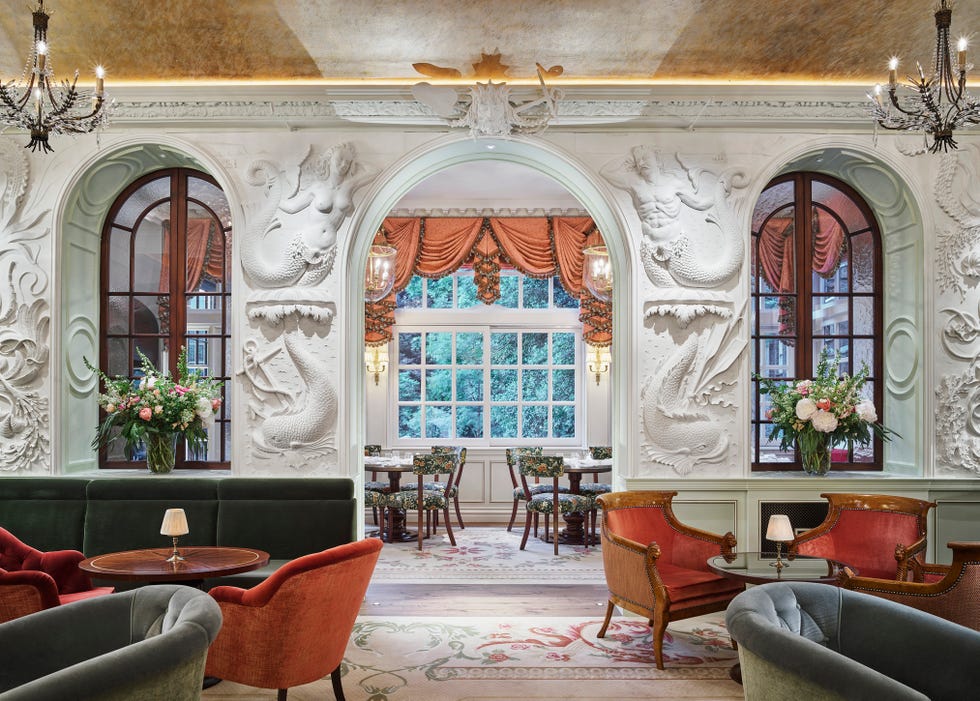
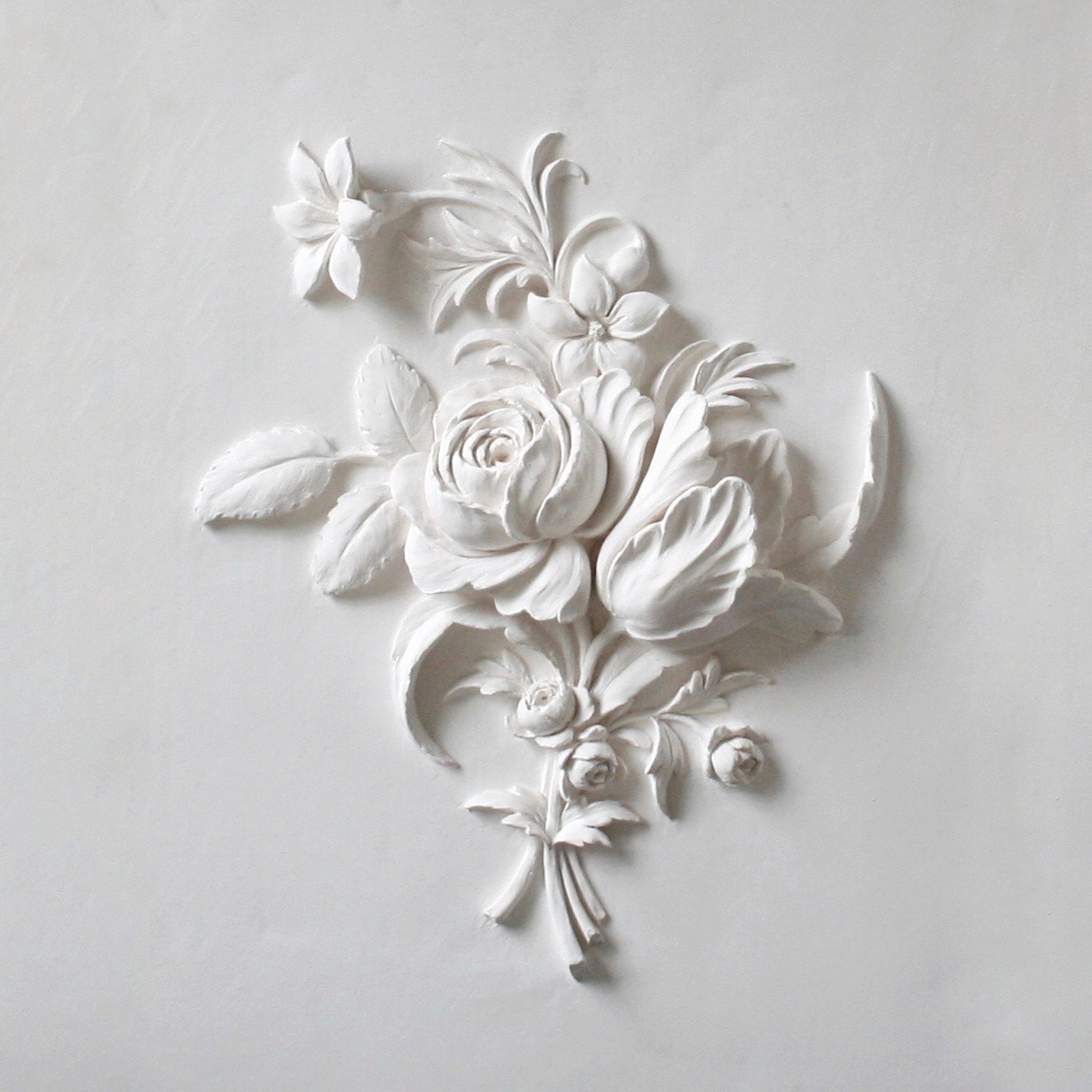
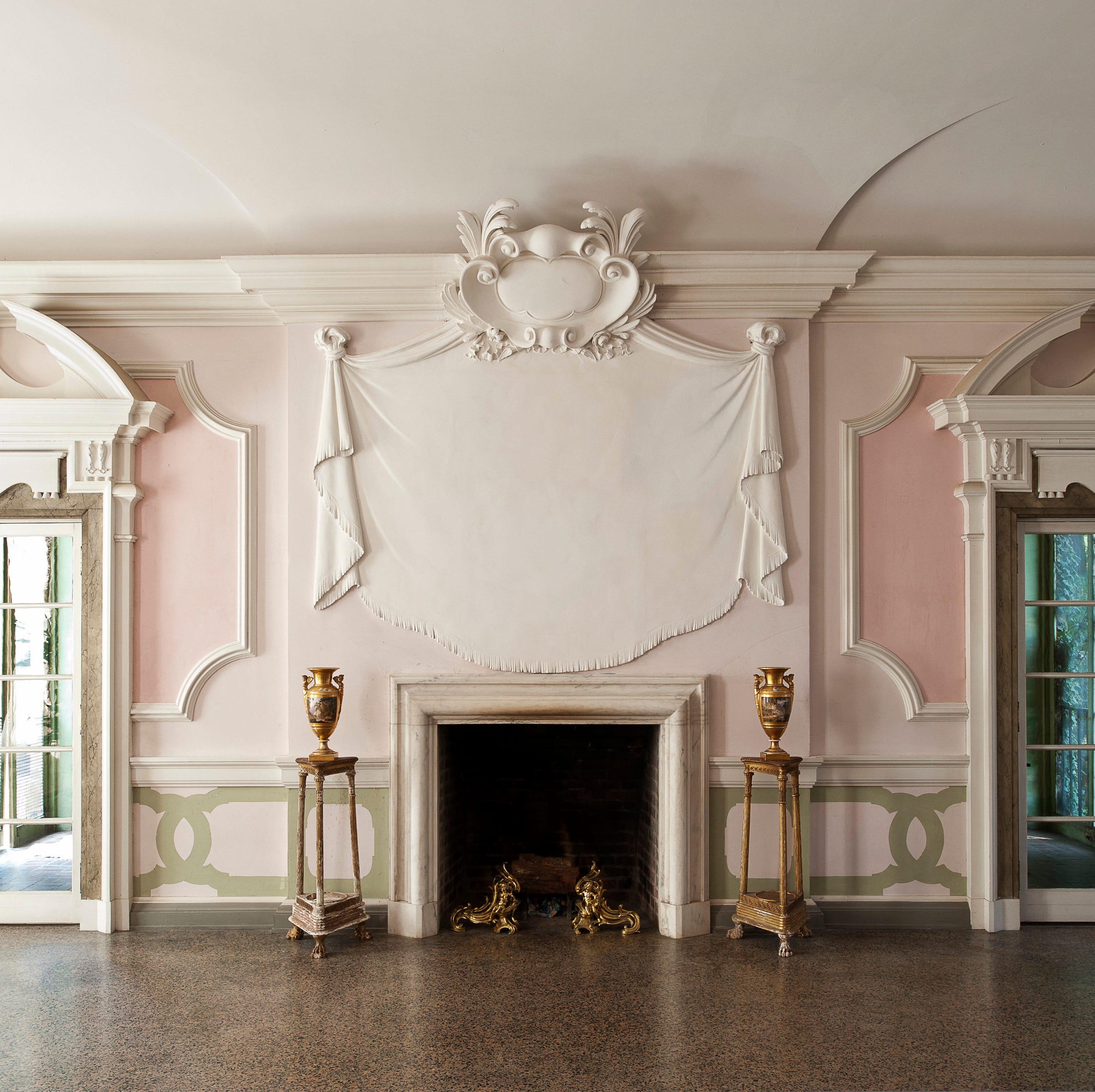
Plaster walls and ceilings, with a history tracing back to ancient Egyptian temples, are experiencing a resurgence in popularity among homeowners. This renewed interest is largely attributed to their historical significance and, more importantly, their enduring durability. In an era where homeowners seek lasting craftsmanship, wall treatments like plaster are a focal point. Richard Riley, president of Simpson Plastering, provides insights into this traditional technique and its modern appeal.
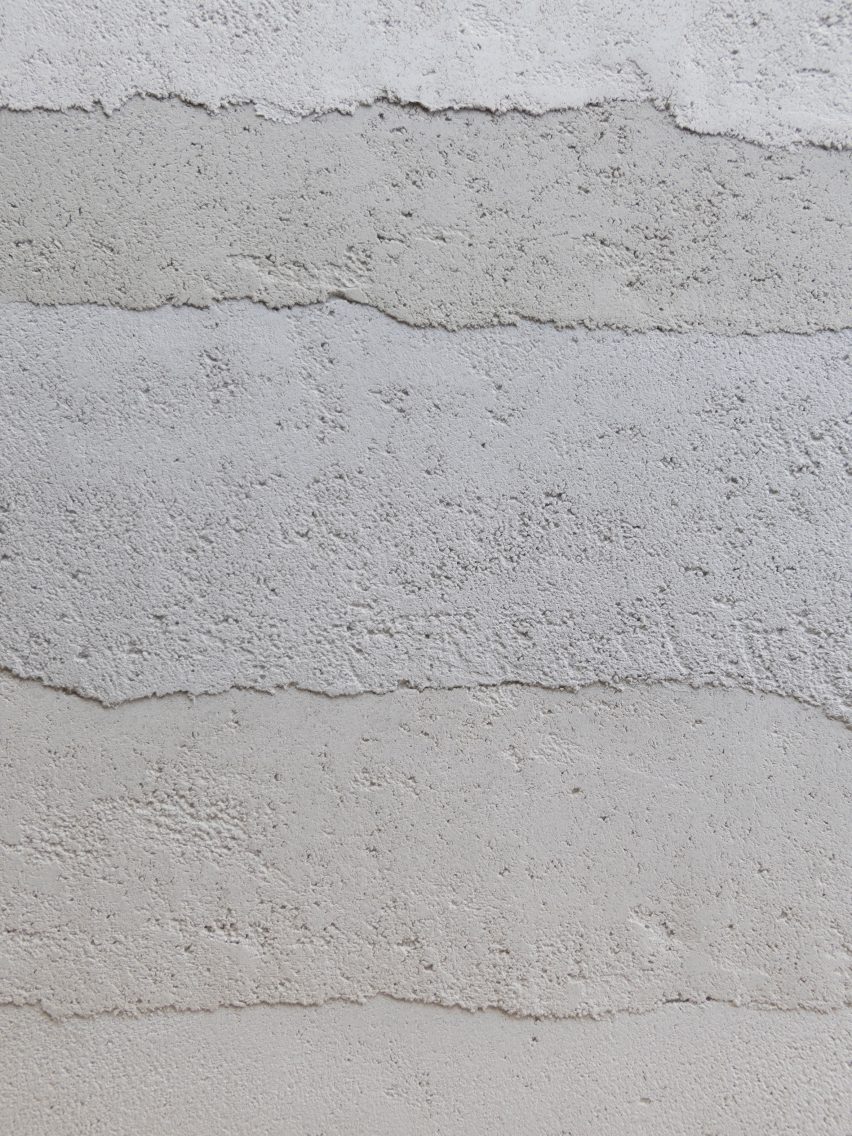
Plaster comes in three main varieties. Venetian plaster, also known as lime plaster, is a blend of limestone, marble dust, and water. When applied and dried, it offers a marble-like aesthetic, commonly used in the restoration of older buildings. Gypsum plaster, which includes quick-setting Plaster of Paris, is widely available as it can be both mined and manufactured. Cement plaster, or cement stucco, is a mixture of cement, plaster sand, and water, known for its ease of application on both interior and exterior surfaces.
The primary distinction between plaster and drywall lies in their composition and application. While plaster is a mixture applied as a paste, drywall consists of gypsum pressed between two sheets of thick paper, typically sold in 4-foot by 8-foot boards. Drywall is generally easier and less labor-intensive to install than plaster. Although the installation processes differ significantly, Riley notes that a painted finish can make it difficult to visually distinguish between plaster and drywall.
Several factors influence the decision to choose plaster walls over alternatives like drywall. Plaster offers superior sound absorption compared to drywall due to its greater mass, allowing it to dampen lower frequencies more effectively. This results in walls that not only feel more solid but also provide better acoustic insulation. Another advantage is the option to integrate finish color directly into the plaster mud, eliminating the need for periodic repainting. However, plaster walls also have drawbacks. They are generally more expensive to install than drywall, and finding experienced professionals to ensure proper application is crucial. Paradoxically, plaster's strength can also be a disadvantage, as its durability makes it challenging to hang items or repair damage compared to drywall.
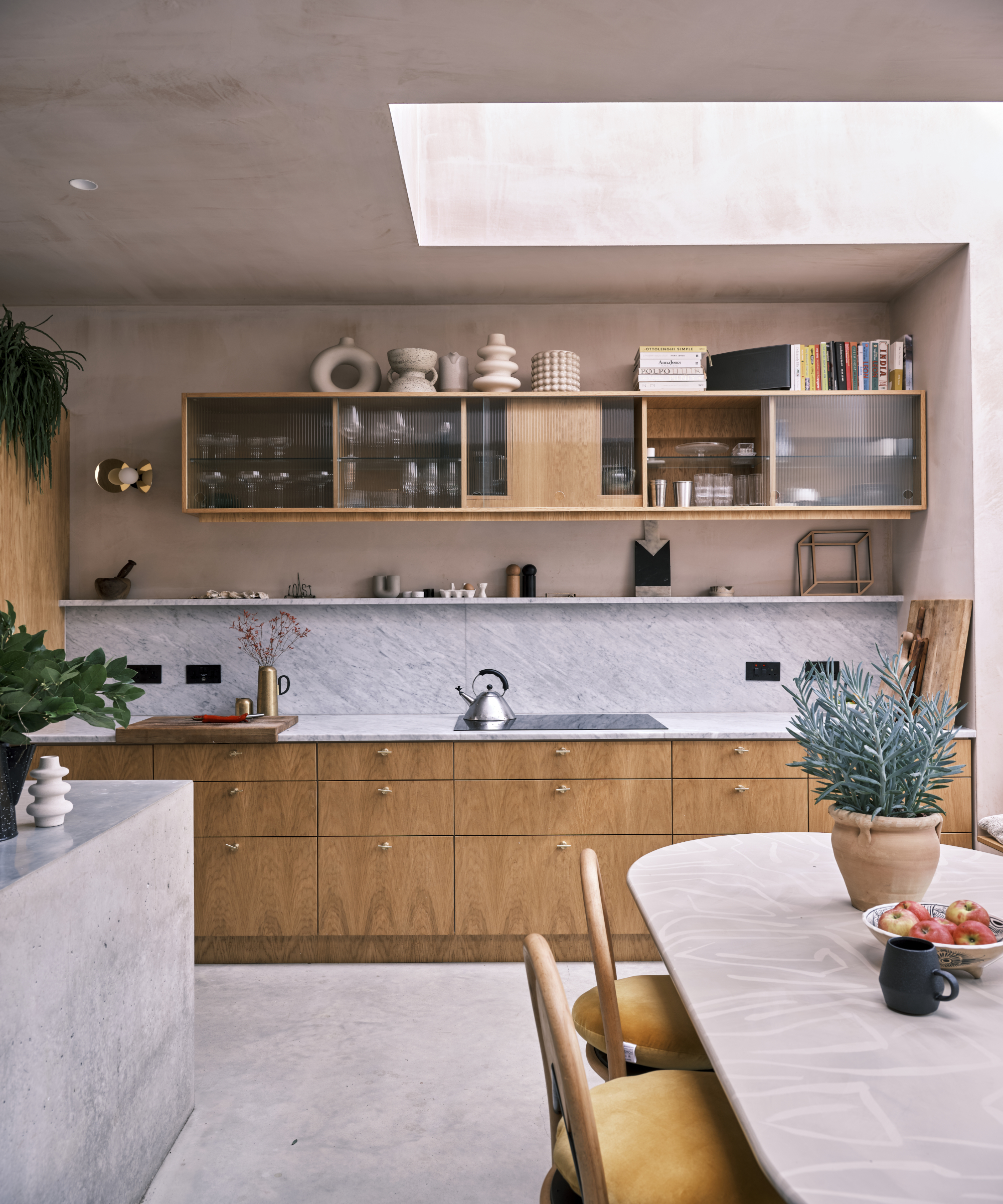
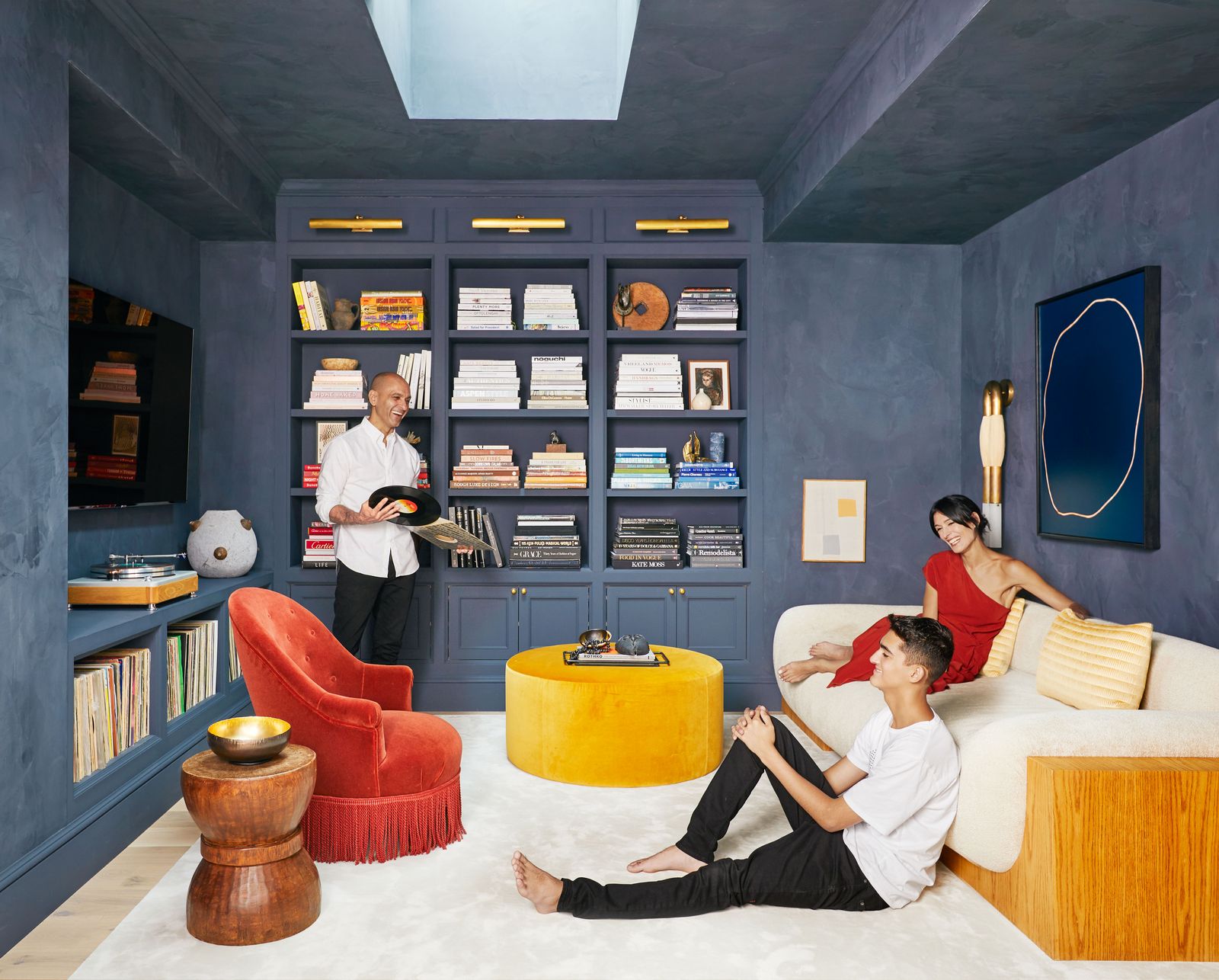
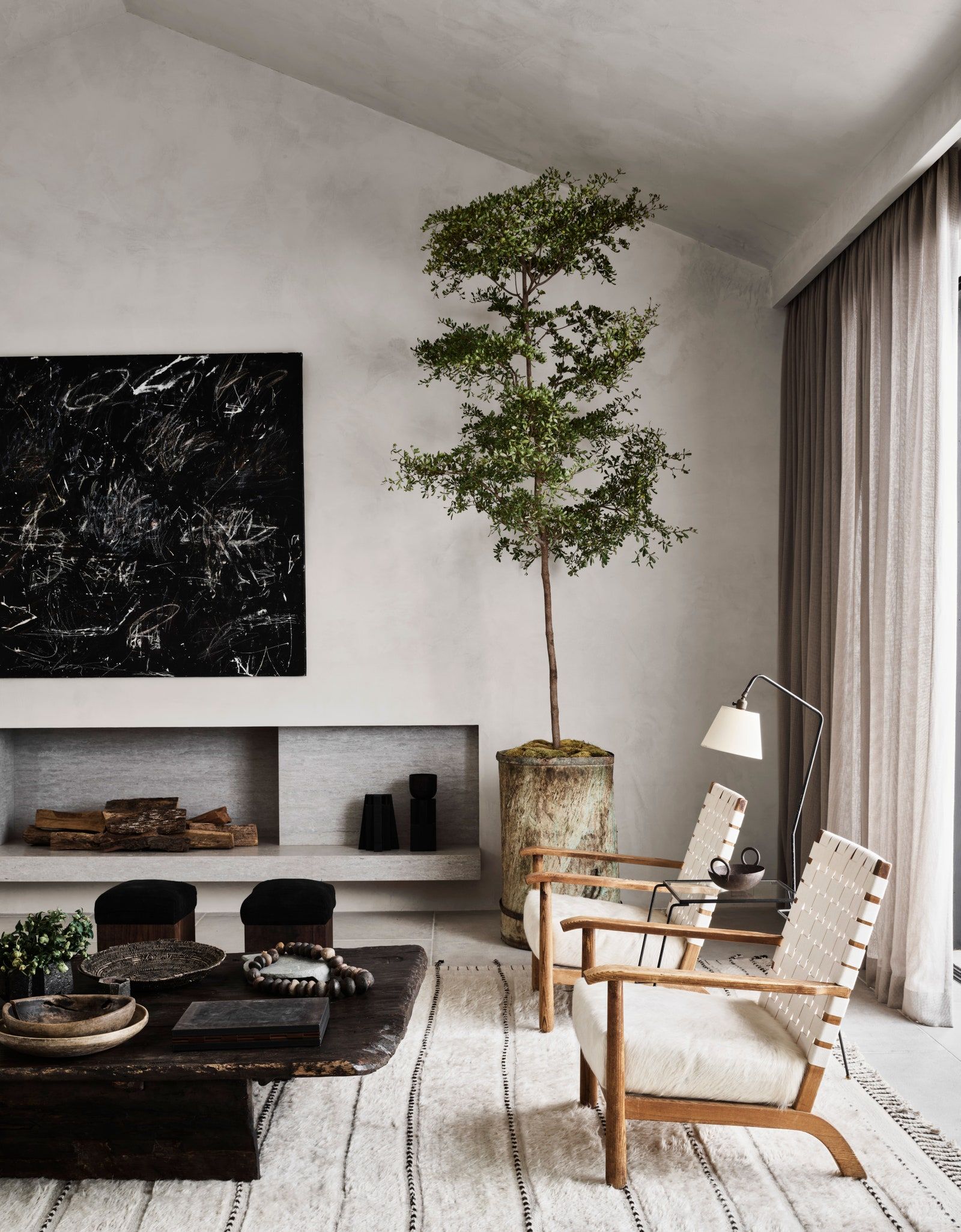
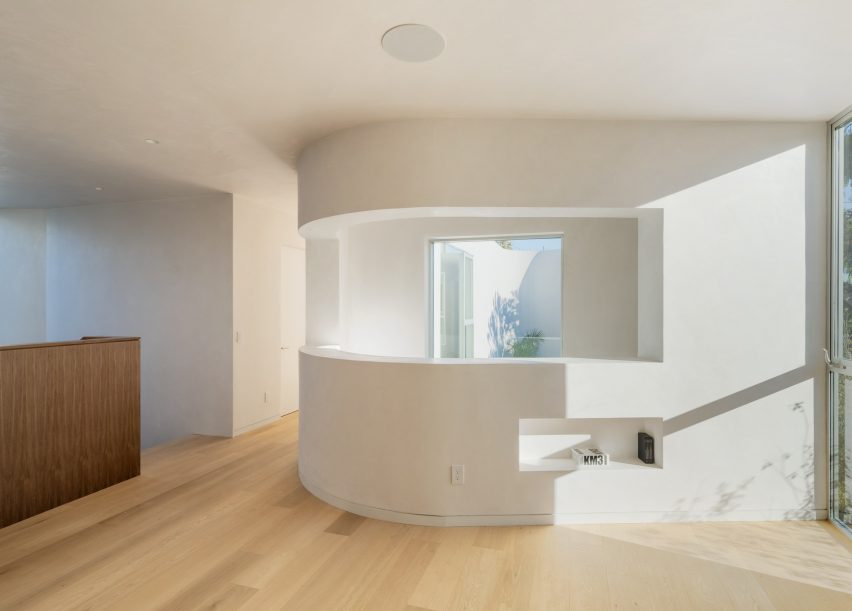
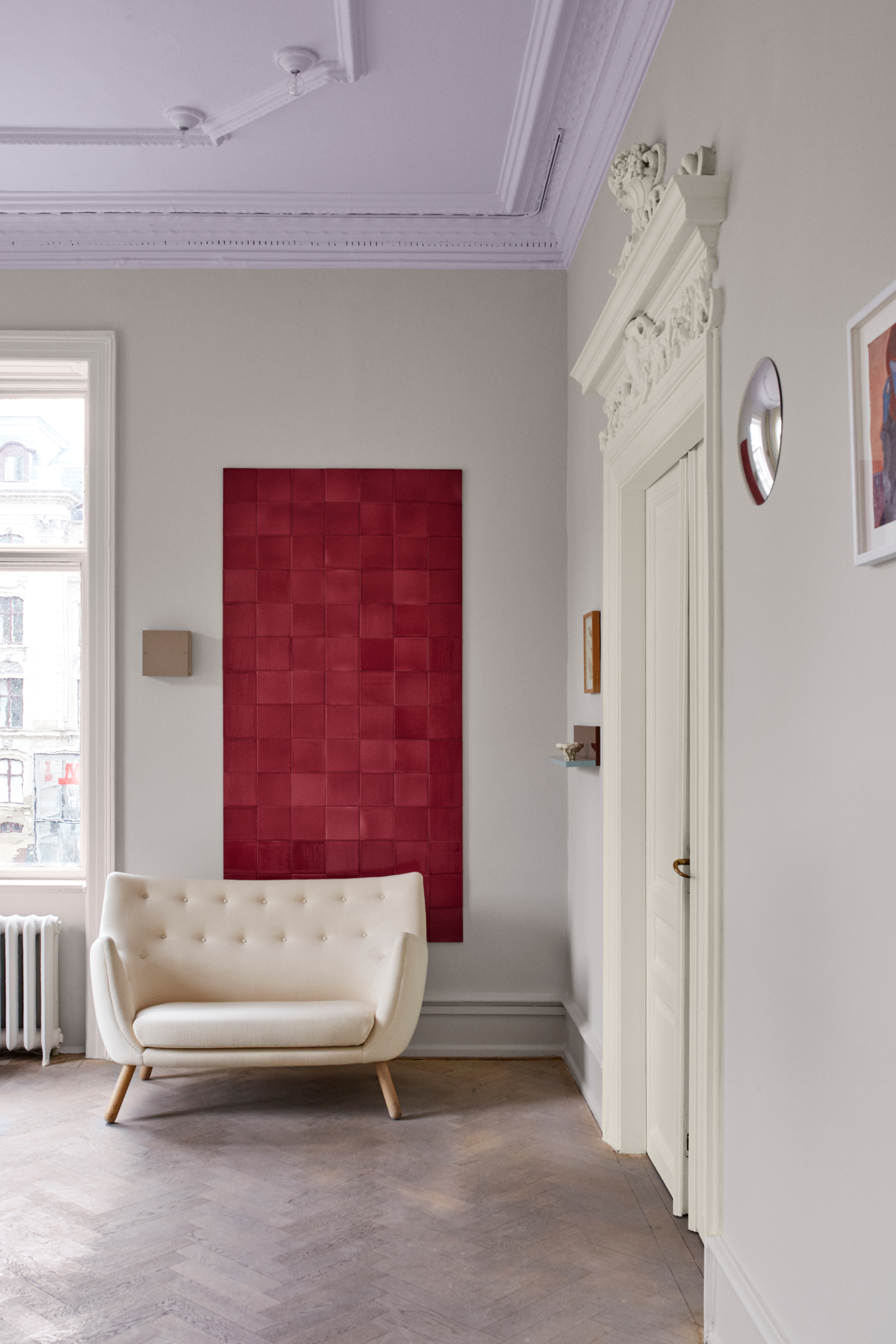
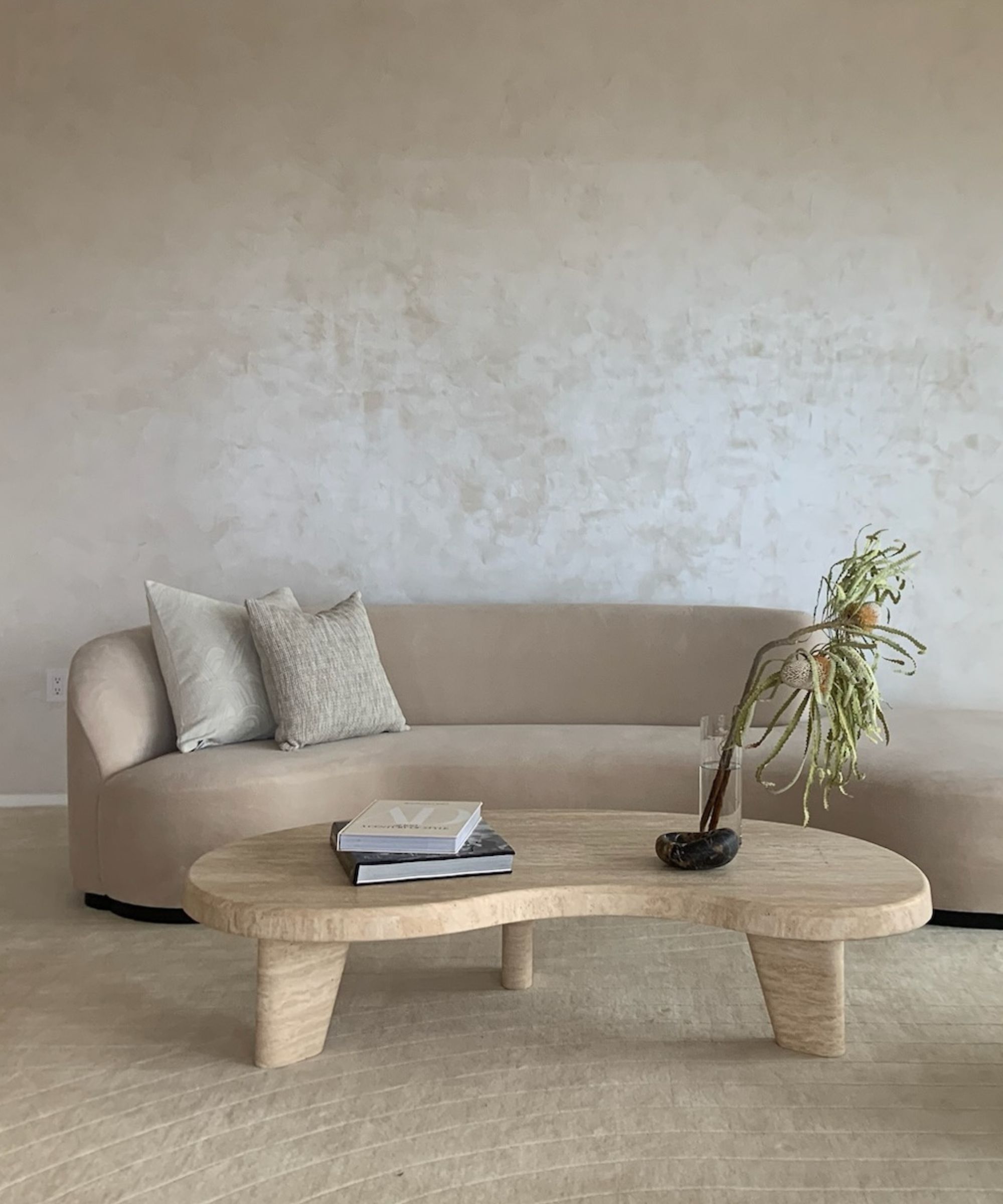
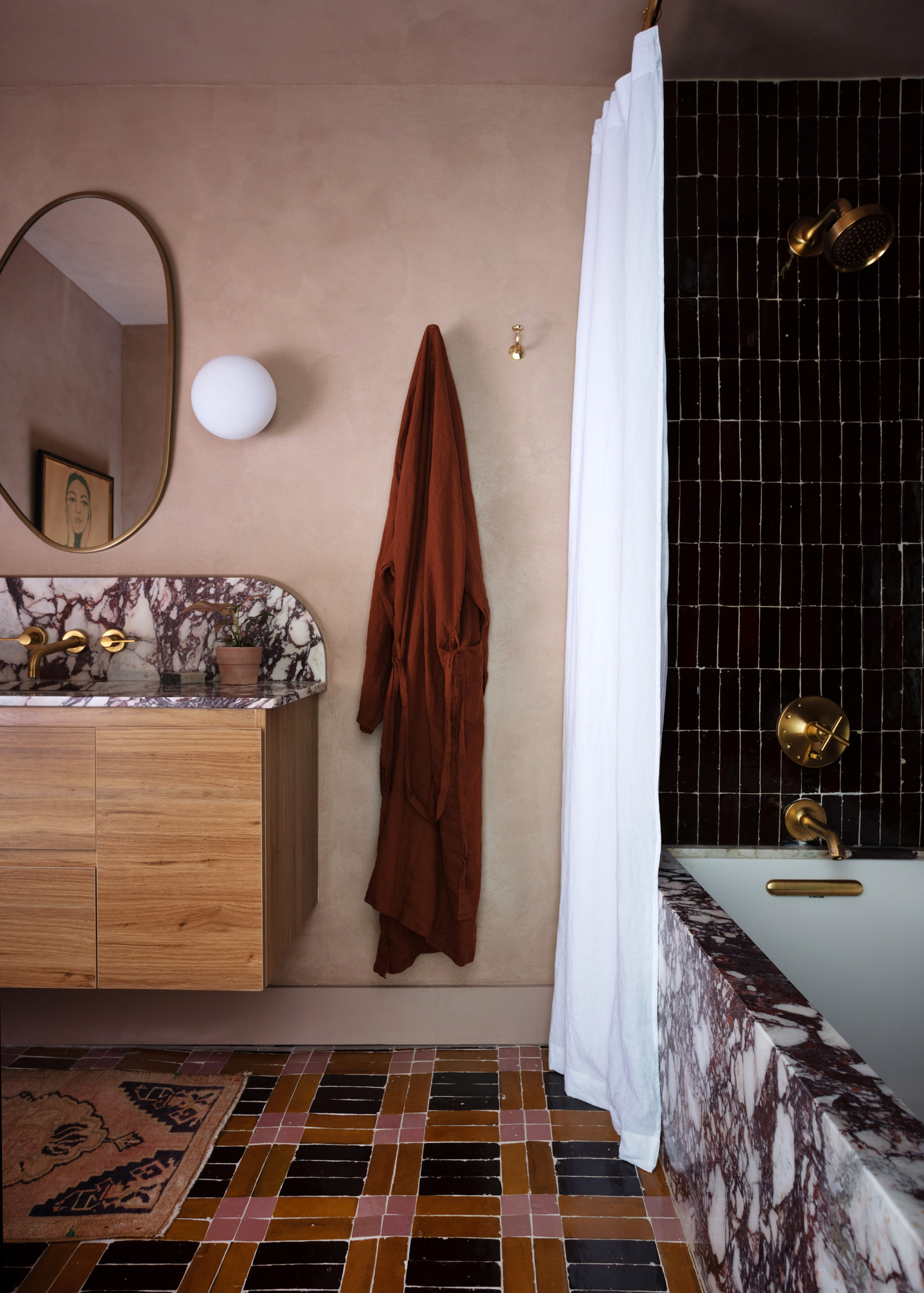
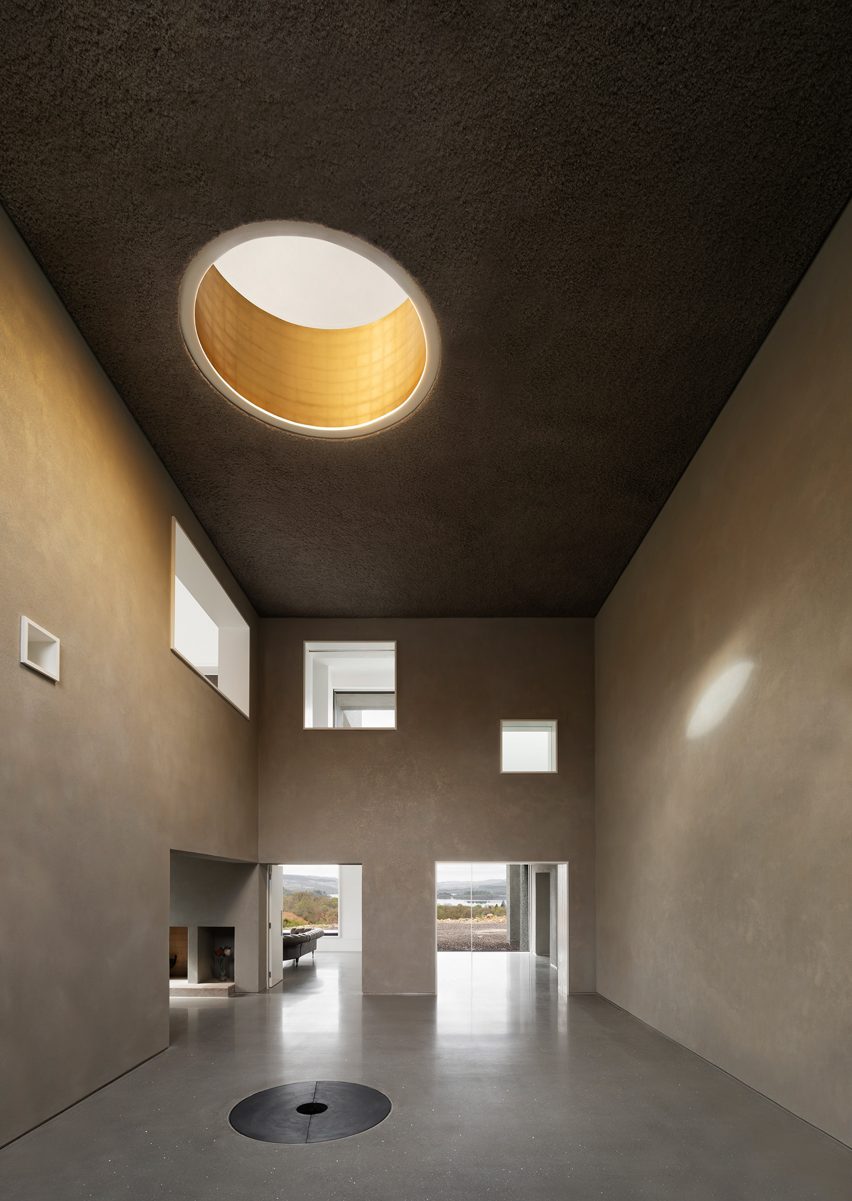
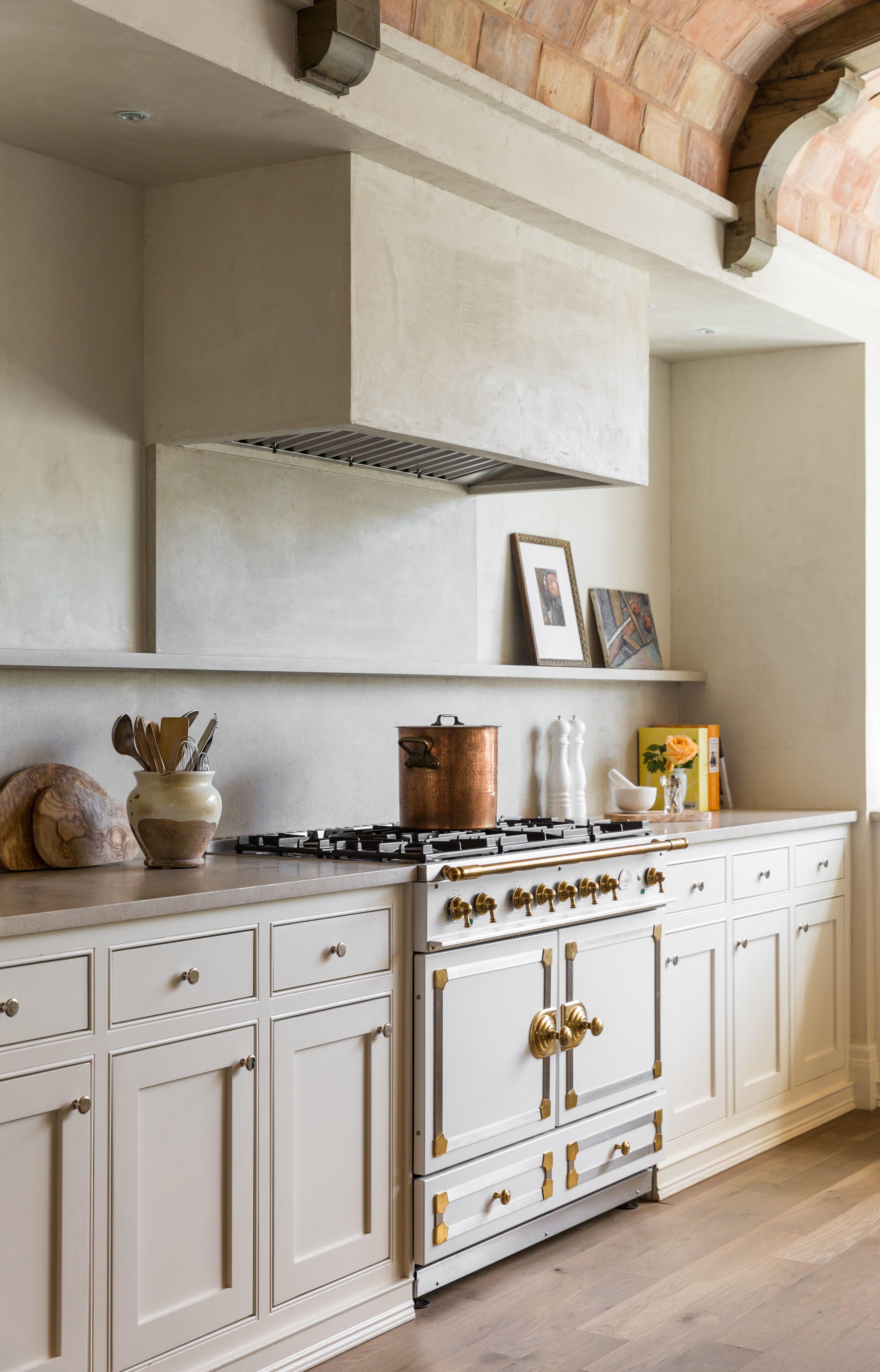
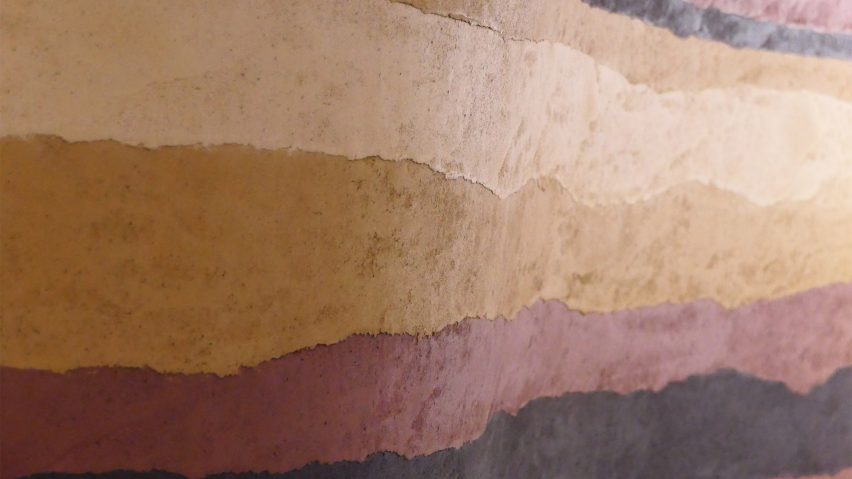
Homeowners can achieve the look of plaster walls through several methods. One option is to apply a finish coat, such as a marmarino finish, which contains about 40% marble dust. This allows for various unique looks, including highly polished surfaces, a range of bright or dark colors, and blended finishes. For those preferring a more subtle introduction to plaster, it can be used on focal walls in areas like foyers or on ceilings in specific rooms to draw attention. Veneer plaster is a more economical choice for such projects, offering the aesthetic of plaster without the same level of durability. For an authentic and lasting plaster finish, hiring a properly vetted professional with extensive experience in the material is highly recommended. For budget-conscious homeowners, modern painting techniques like two-tone walls, color washing, and color blocking can offer updated looks and add visual interest.
#PlasterWalls #Drywall #HomeImprovement #InteriorDesign #BuildingMaterials #WallFinishes #VenetianPlaster #GypsumPlaster #CementPlaster #PlasterWalls #Drywall #HomeImprovement #InteriorDesign #BuildingMaterials #WallFinishes #VenetianPlaster #GypsumPlaster #CementPlaster
0 ความคิดเห็นรวม
 ยังไม่มีความคิดเห็น
คุณอาจจะชอบอีกด้วย
How to create plaster effect walls – the modern rustic trend everyone's trying

How to add texture to your walls - a beginner's guide to the many beautiful plaster finishes
Molded perfection: What it takes to restore antique plaster
Forget Single Painted Accent Walls: This Stunning Trend Is Taking Over

Plaster Walls—a Signature of Warm Modernist Interiors—Are Having a Moment

5 Questions on Decorative Plasterwork You Need to Ask Before Specifying It in 2025 — Answered by Interior Designers
Three ways wall panelling can add the wow factor

Wall paneling ideas – 18 ways to add decorative cladding and moulding


How to plaster a wall

The Art of Plaster
A Look at Plasterwork, One of the Industry's Most Timeless and Long-Standing Design Trends

4 Common Wall Hanging Myths, Busted
Why Plaster Finishes Are Trending Right Now (Plus 5 Types to Know)
How to use plaster to add character to any style of home – 7 designers share their favorite looks
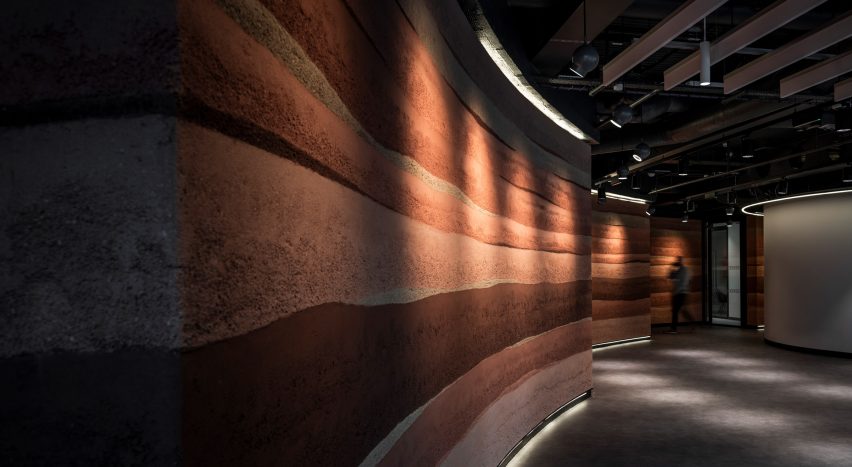
Ten interiors with textured wall finishes by Clayworks that create visual interest
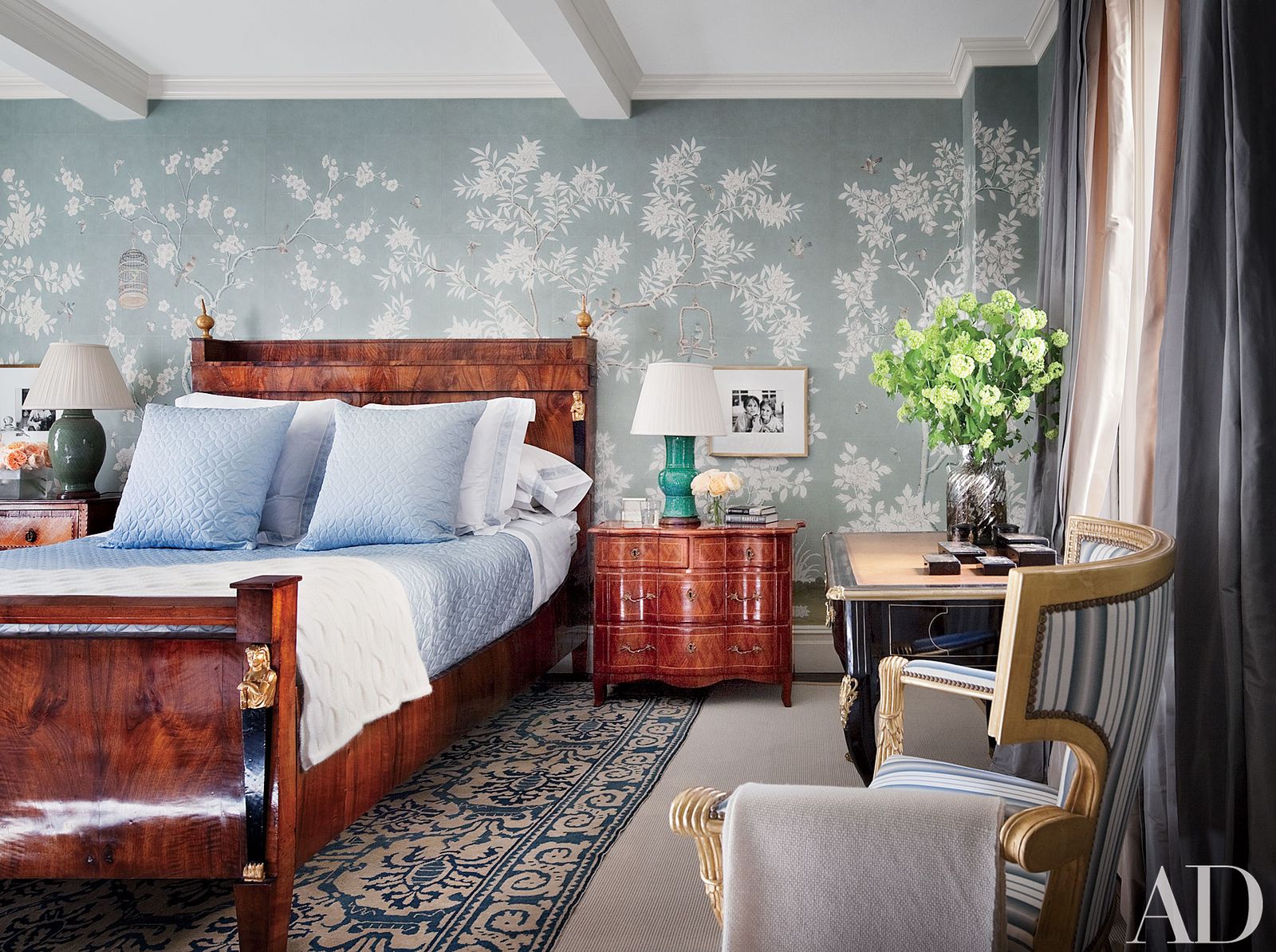
9 Designer Wall Treatments That Will Reinvent Your Interiors
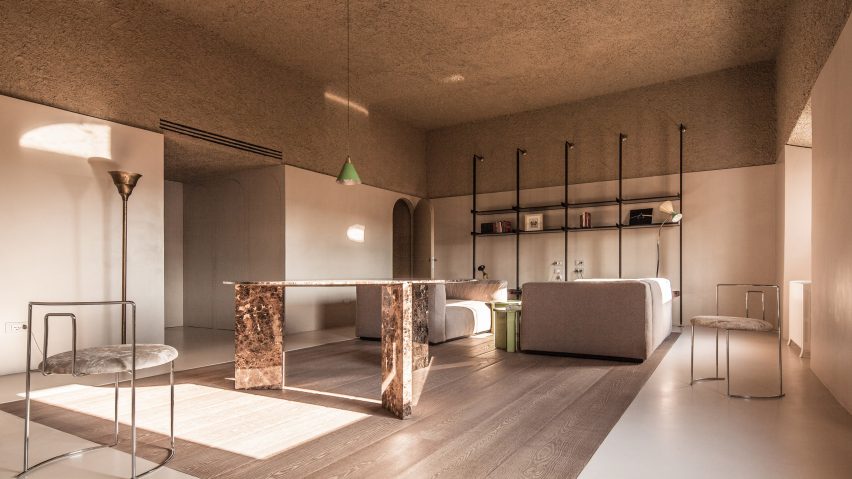
Ten residential interiors showcasing exposed plaster walls
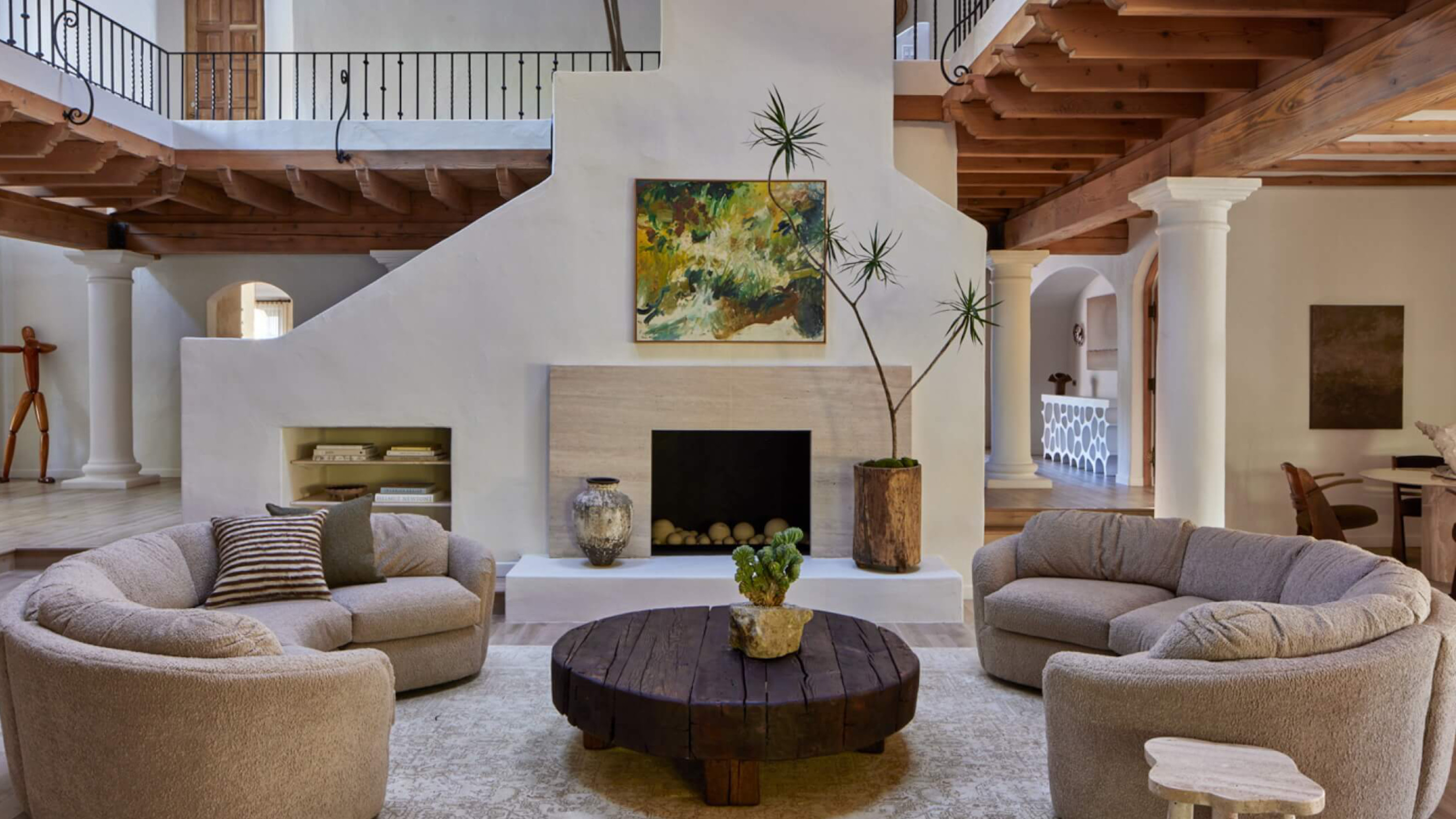
What Paint Finish is Replacing Limewash? This is the Richly Textured Alternative Designers Are Using on Walls Now
Armourcoat creates durable clay wall covering as "ecological alternative to paint"
Say Goodbye to Shiplap—Here Are 4 Wall Treatments Designers Are Choosing Instead