We Asked Designers Which Kitchen Features People Regret Most, and Now We Can't Unsee the Mistakes
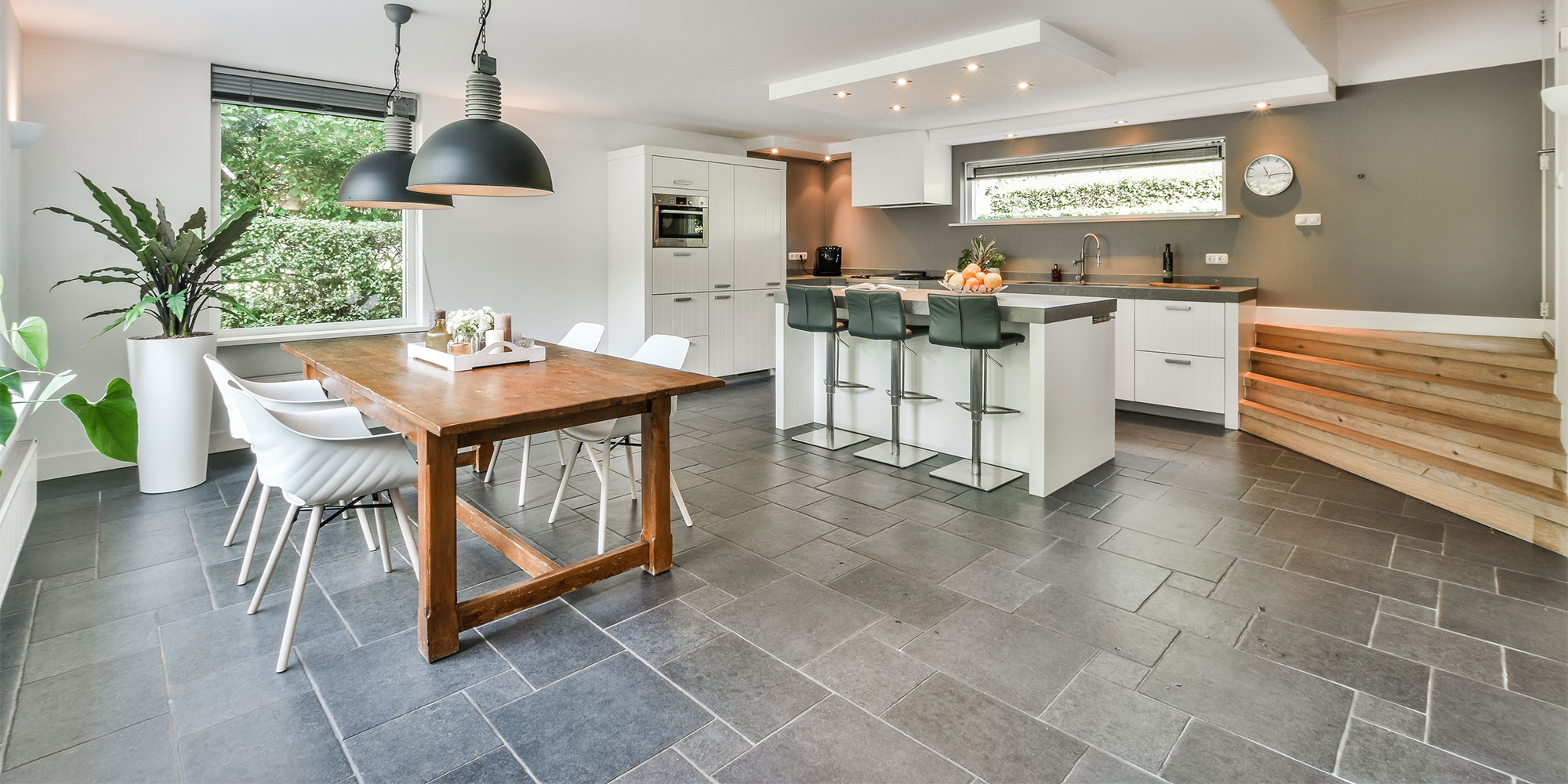
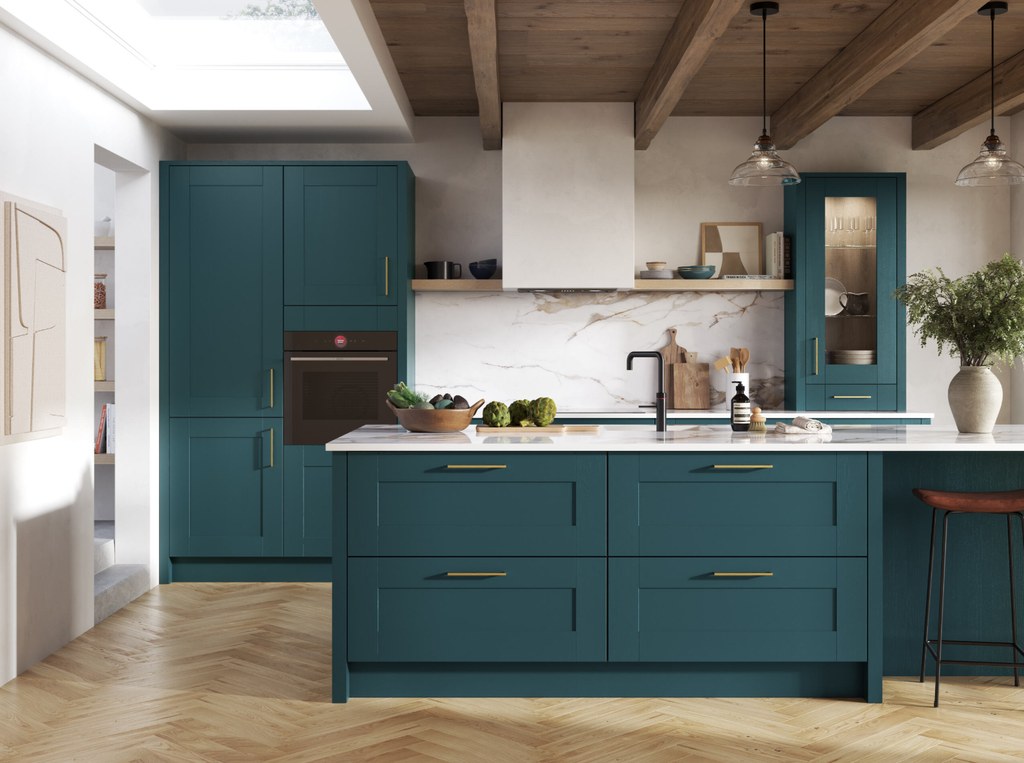
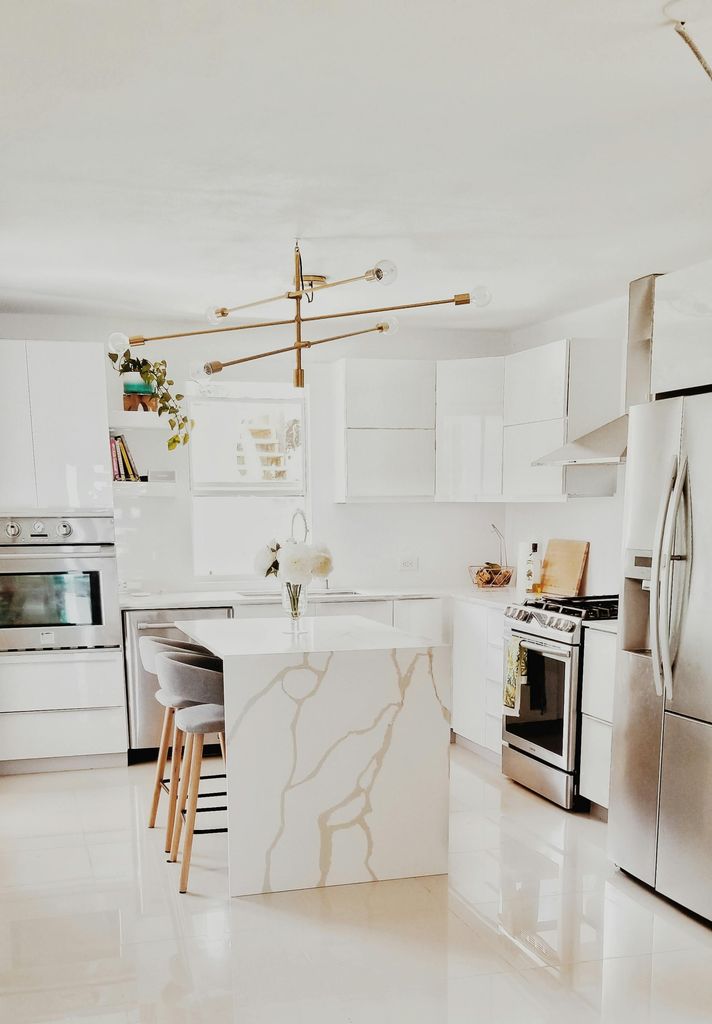
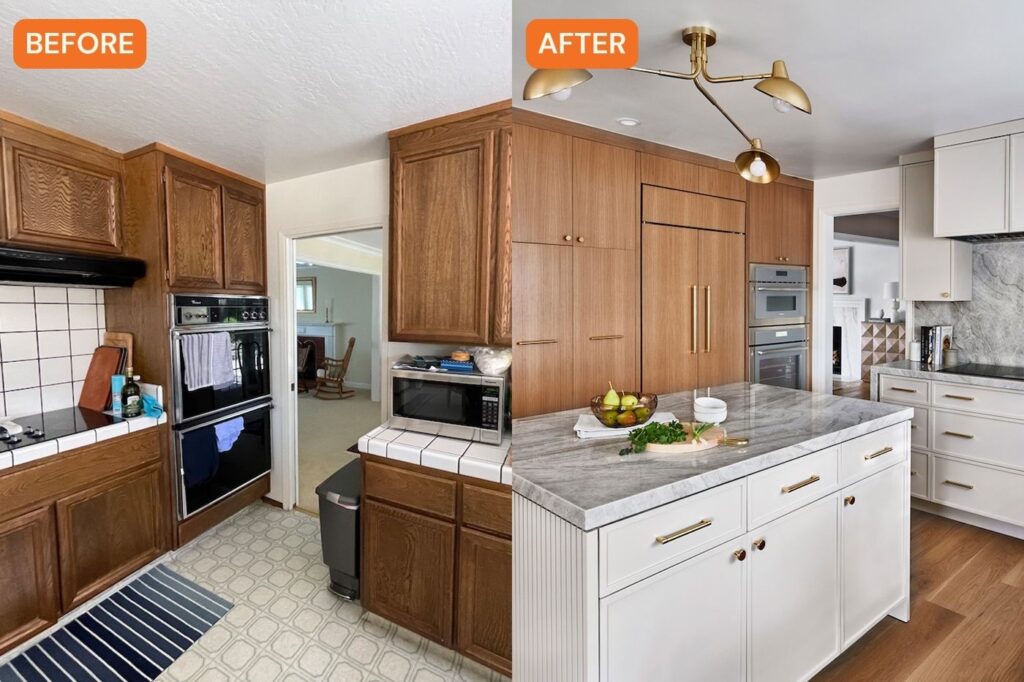
Designing a kitchen involves numerous decisions, and some features, despite appearing appealing initially, often lead to regret among homeowners. This article compiles insights from interior designers Laura Brophy and Rebekah Murphy to highlight six commonly regretted kitchen elements and offers timeless alternatives. The first regret often stems from choosing trend-driven finishes. While high-gloss cabinetry or bold floor tiles might seem modern, they can quickly become dated or cold. Designers recommend opting for materials with enduring appeal and warmth, such as wood, plaster, and natural stone, which age gracefully and avoid being tied to fleeting trends.
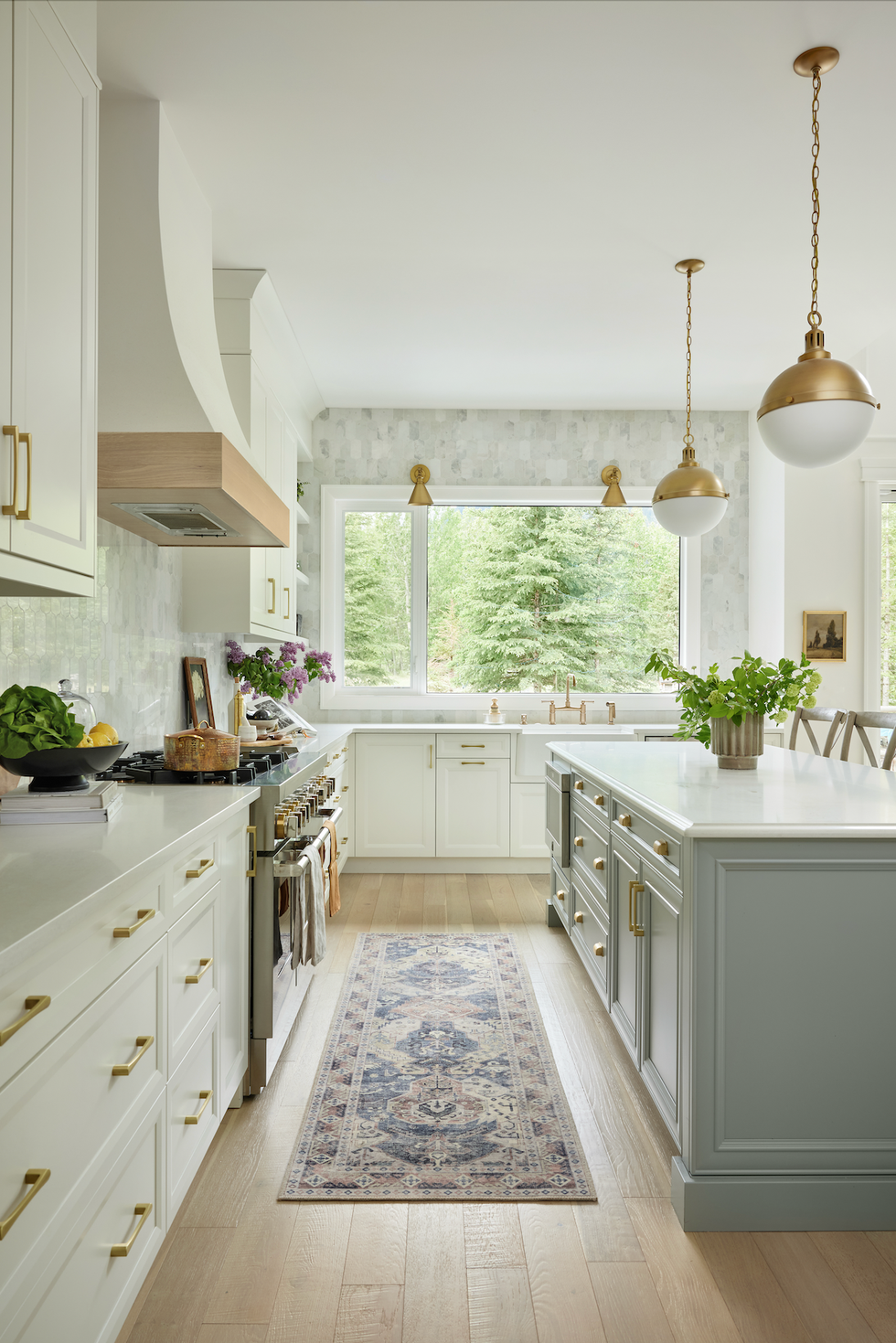
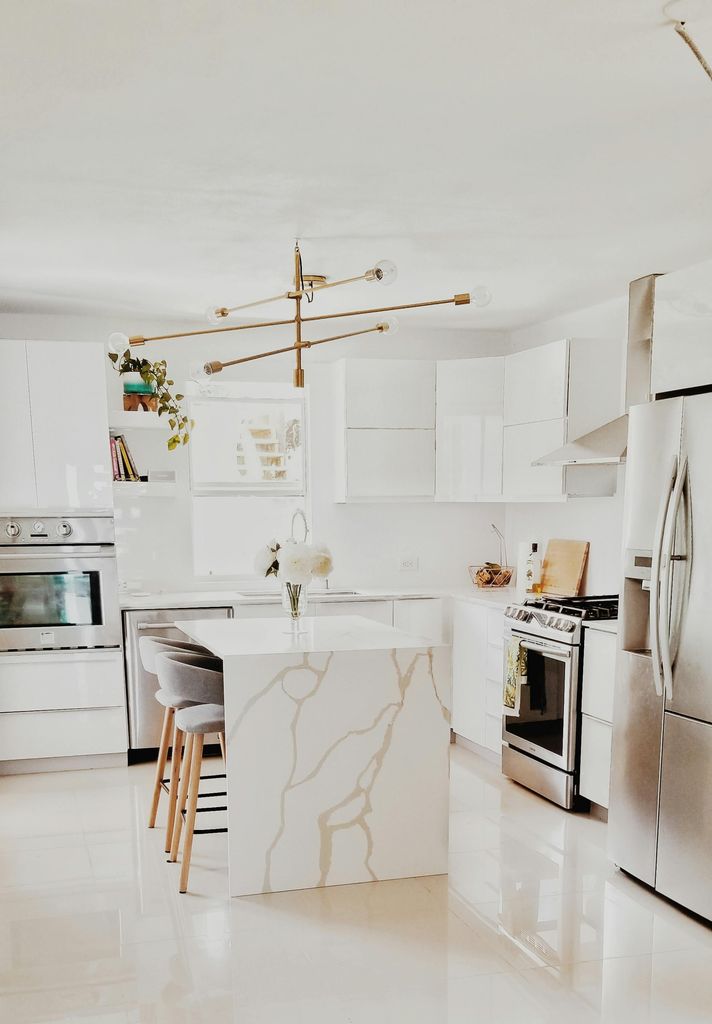
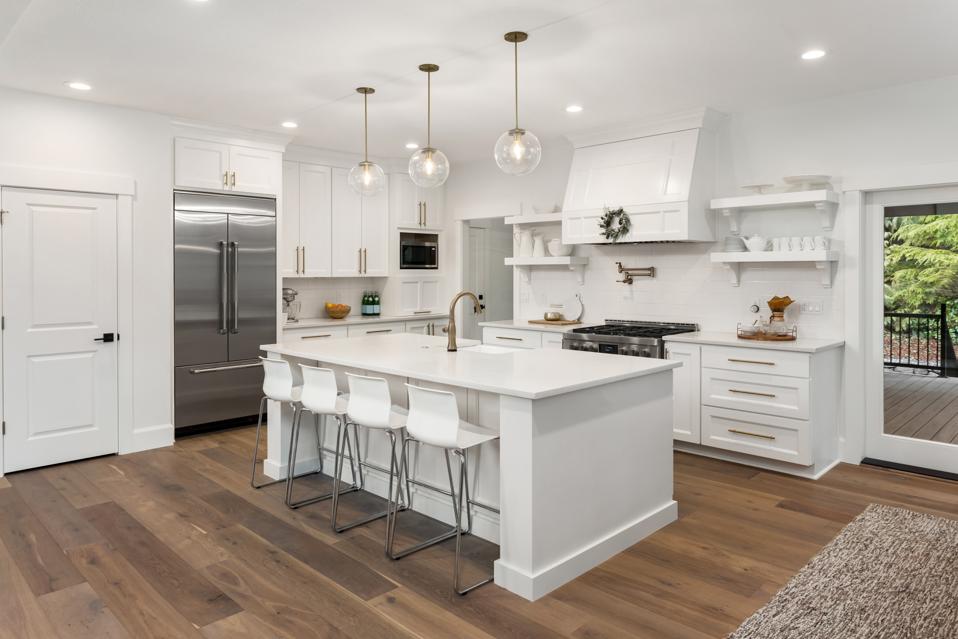
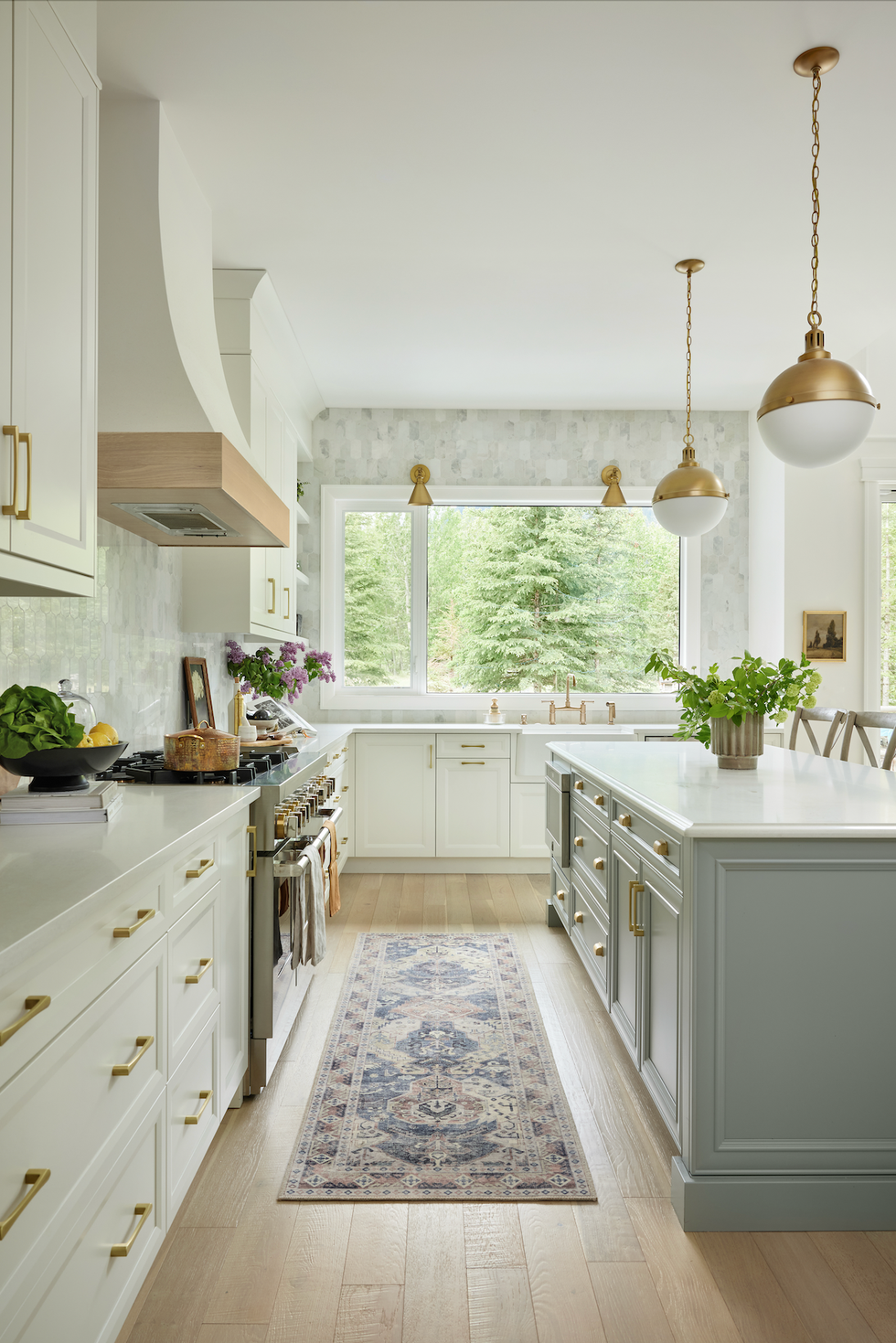
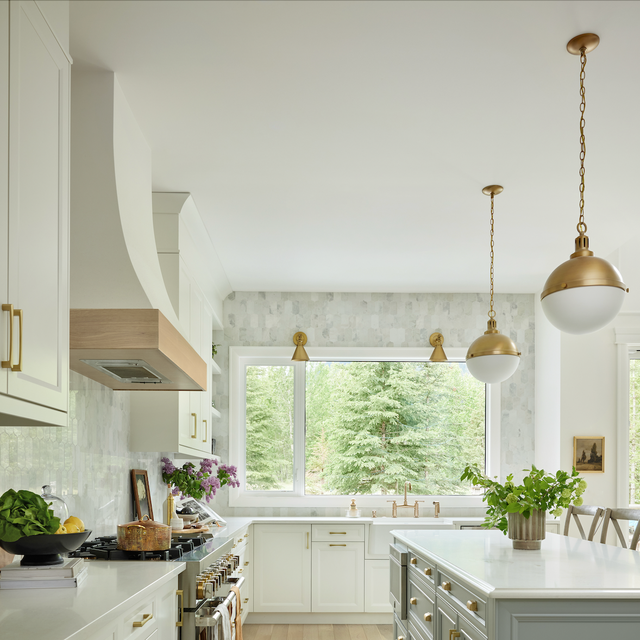
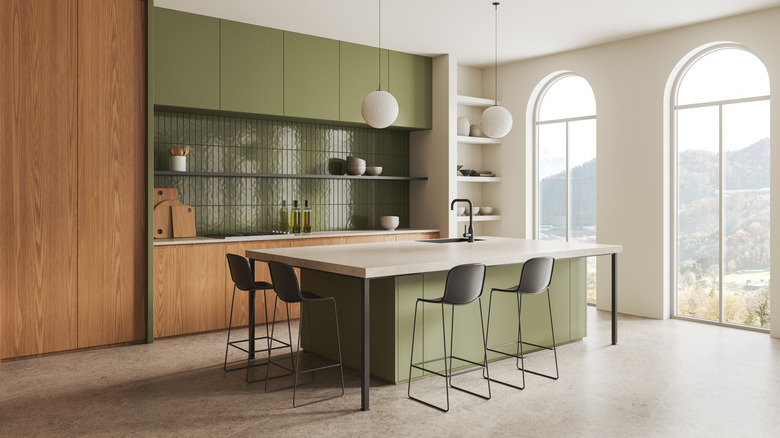
Another frequent source of dissatisfaction is the oversized kitchen island. The idea of a large island for prep and dining can be enticing, but if not scaled appropriately, it can impede movement, make cleaning difficult, and disrupt the kitchen's flow. Instead of one massive island, designers suggest considering two smaller, well-proportioned islands, especially for larger spaces, to maintain balance and functionality.
Non-essential kitchen gadgets also make the list of regretted features. Items like warming drawers, built-in coffee stations, or soda taps, while luxurious, often go unused and represent a significant waste of money and space. The advice is to invest in high-quality, frequently used appliances such as a good range, refrigeration, or even a second dishwasher, focusing on practical upgrades that genuinely improve daily living.
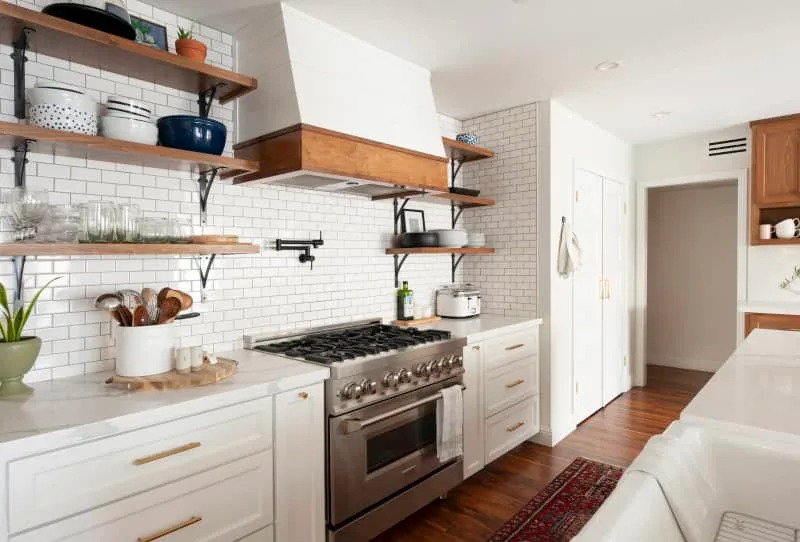
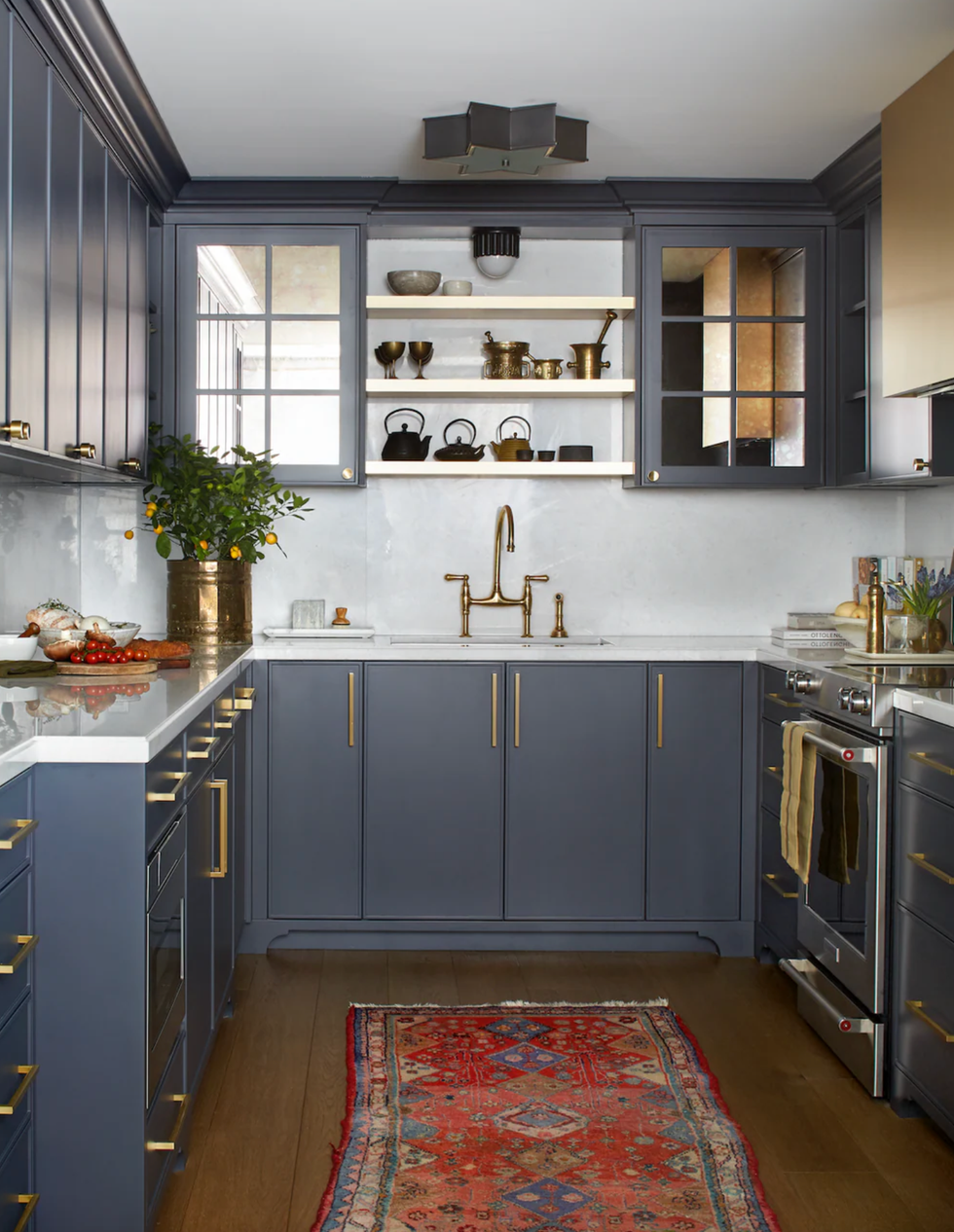
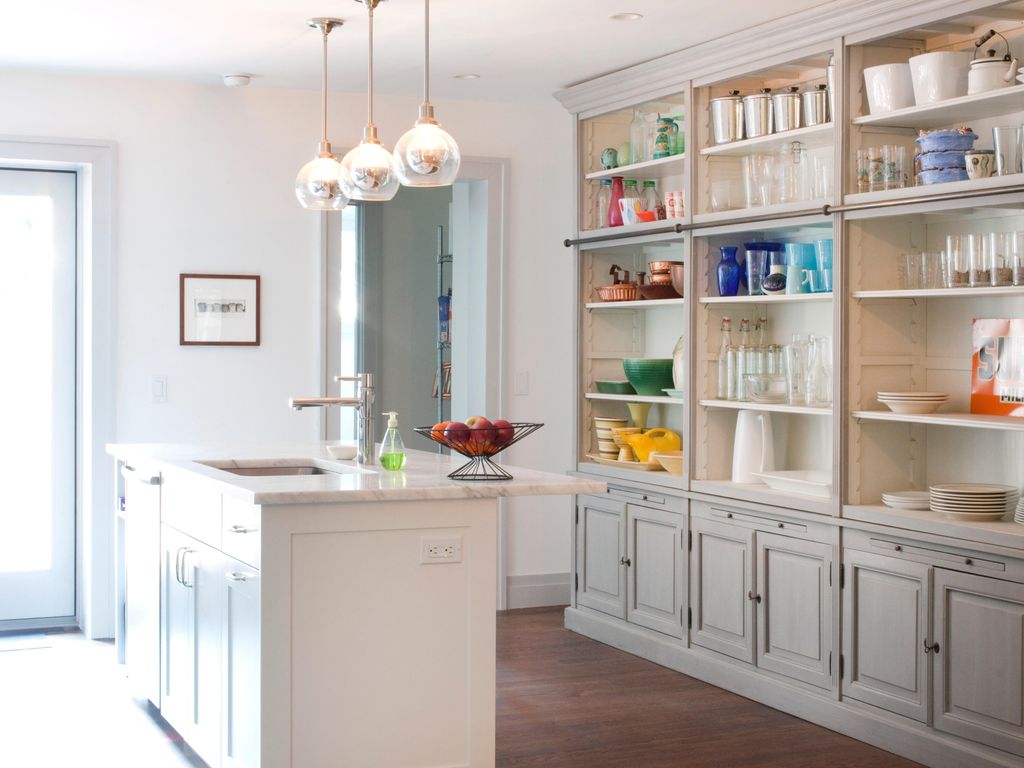
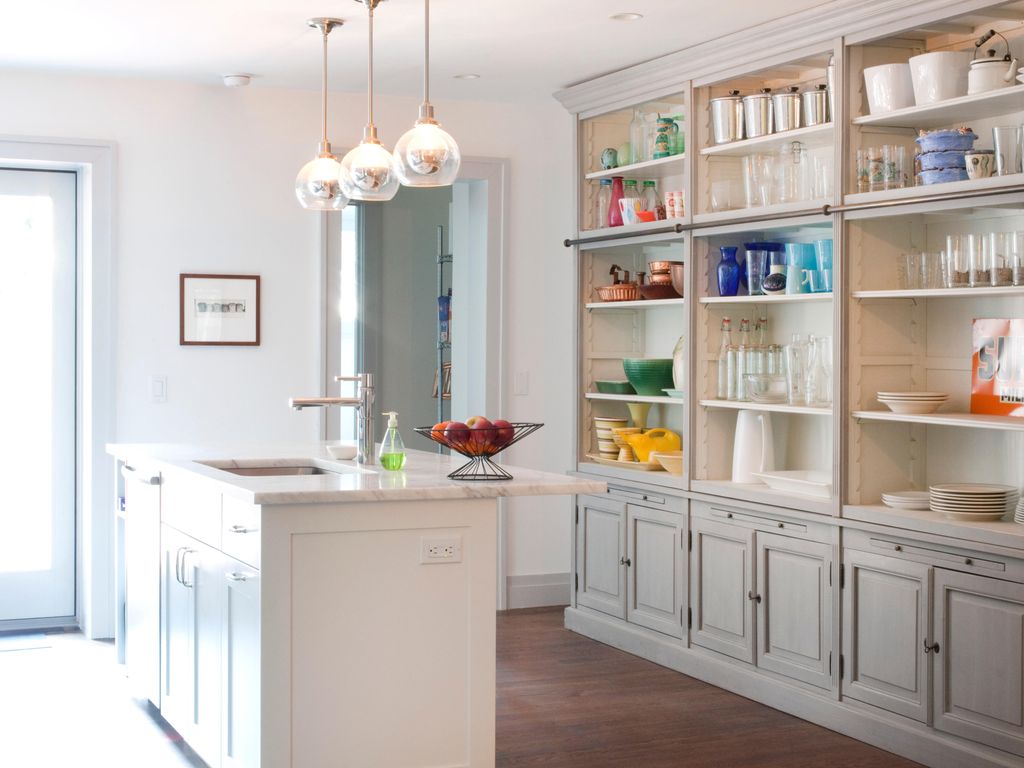
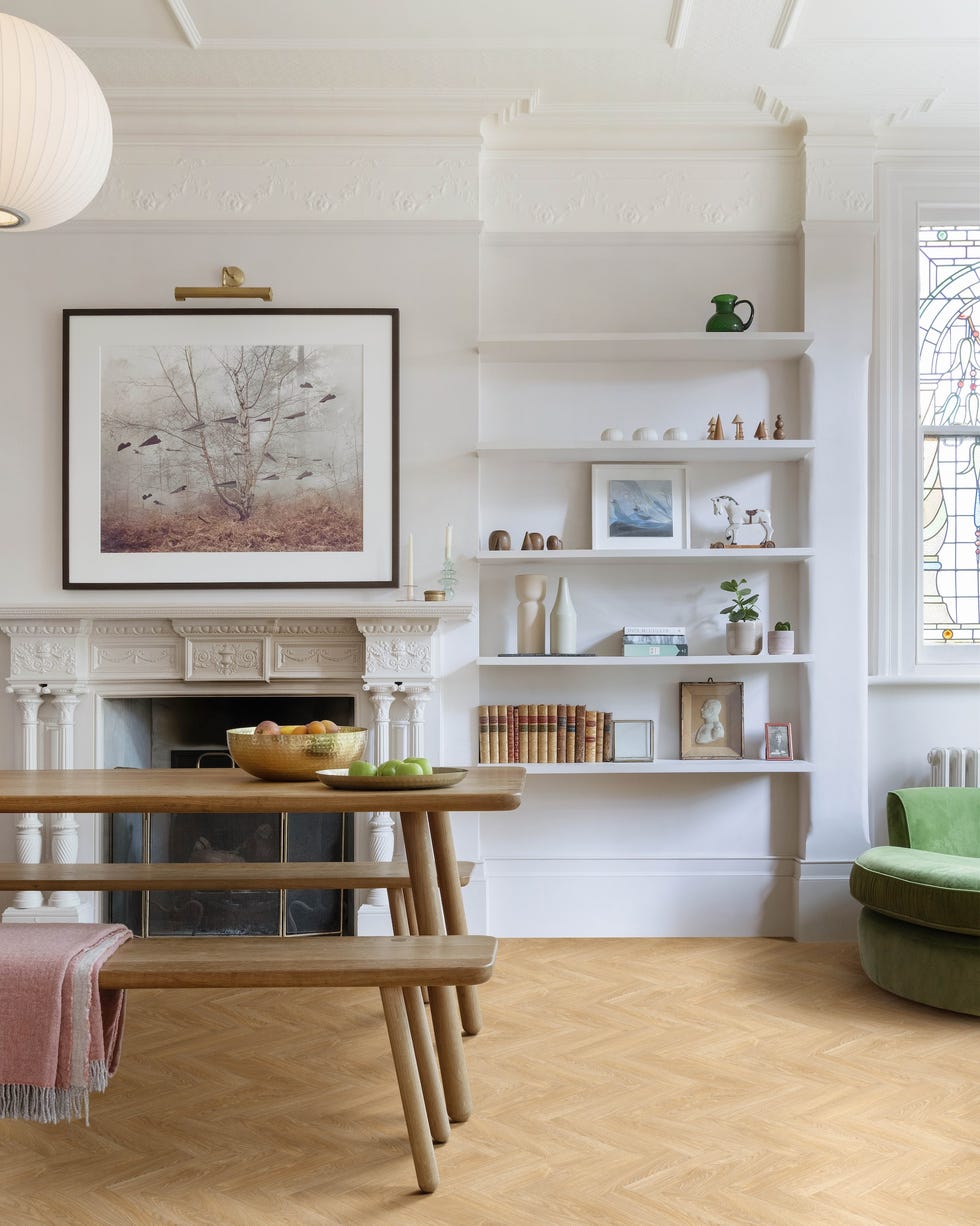
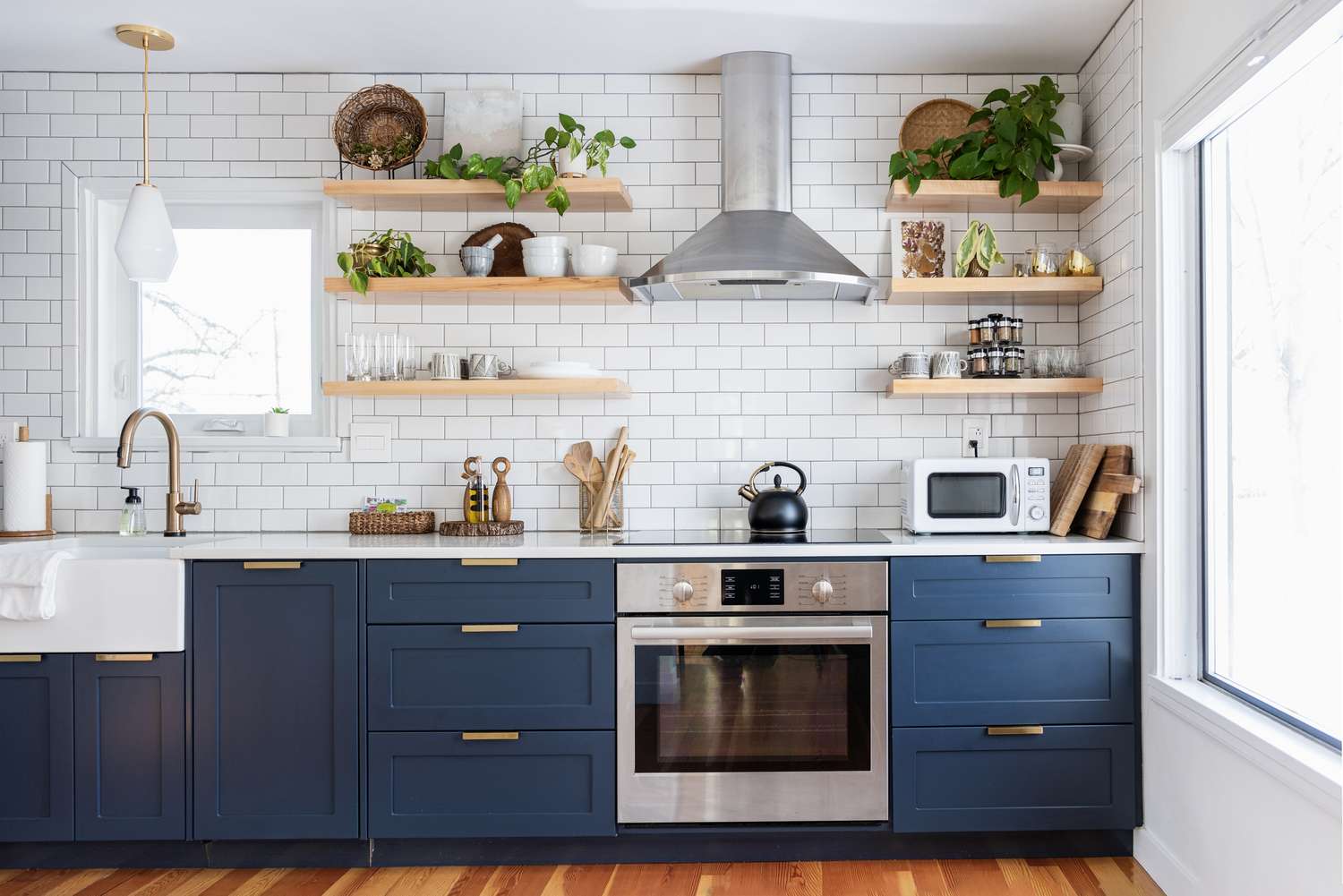
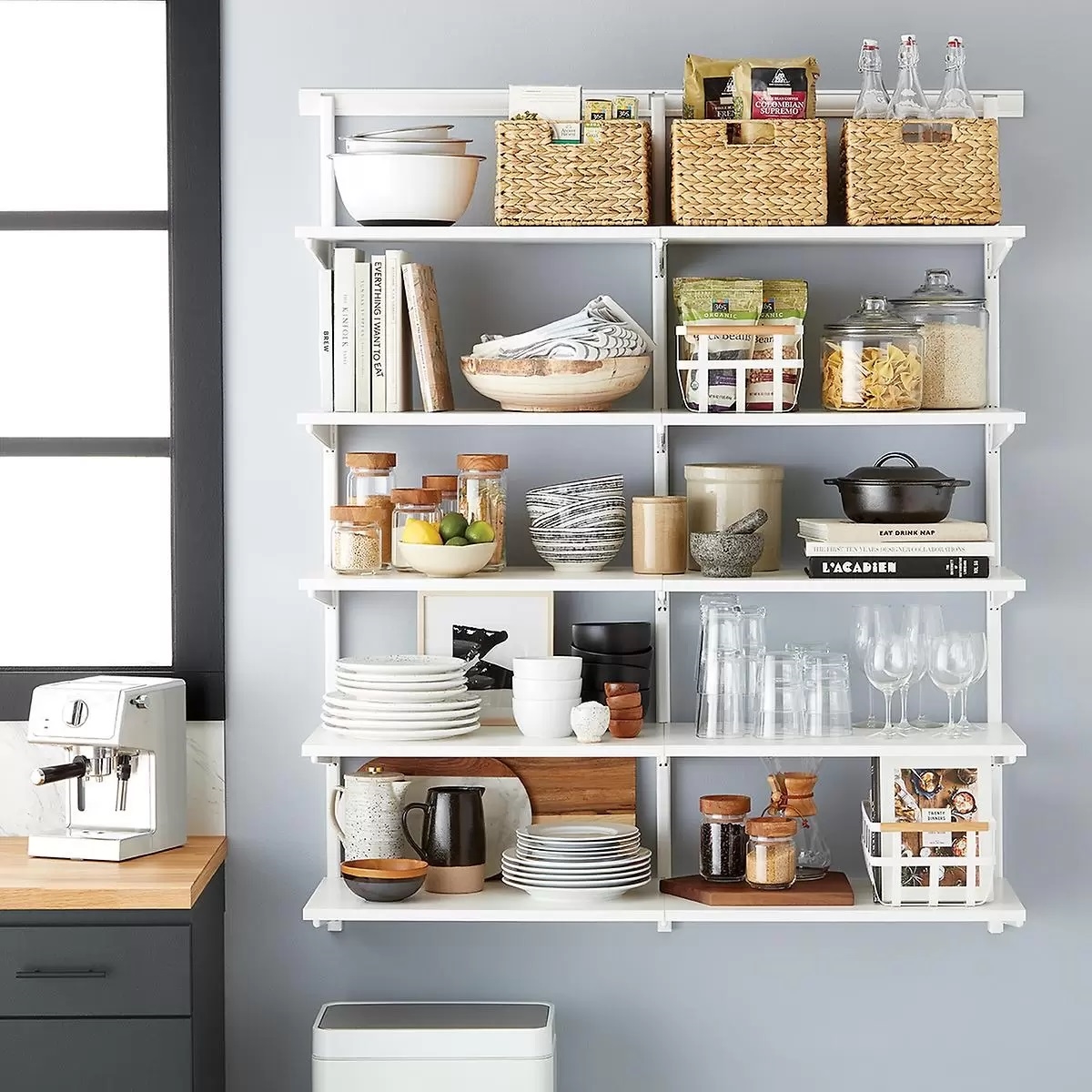
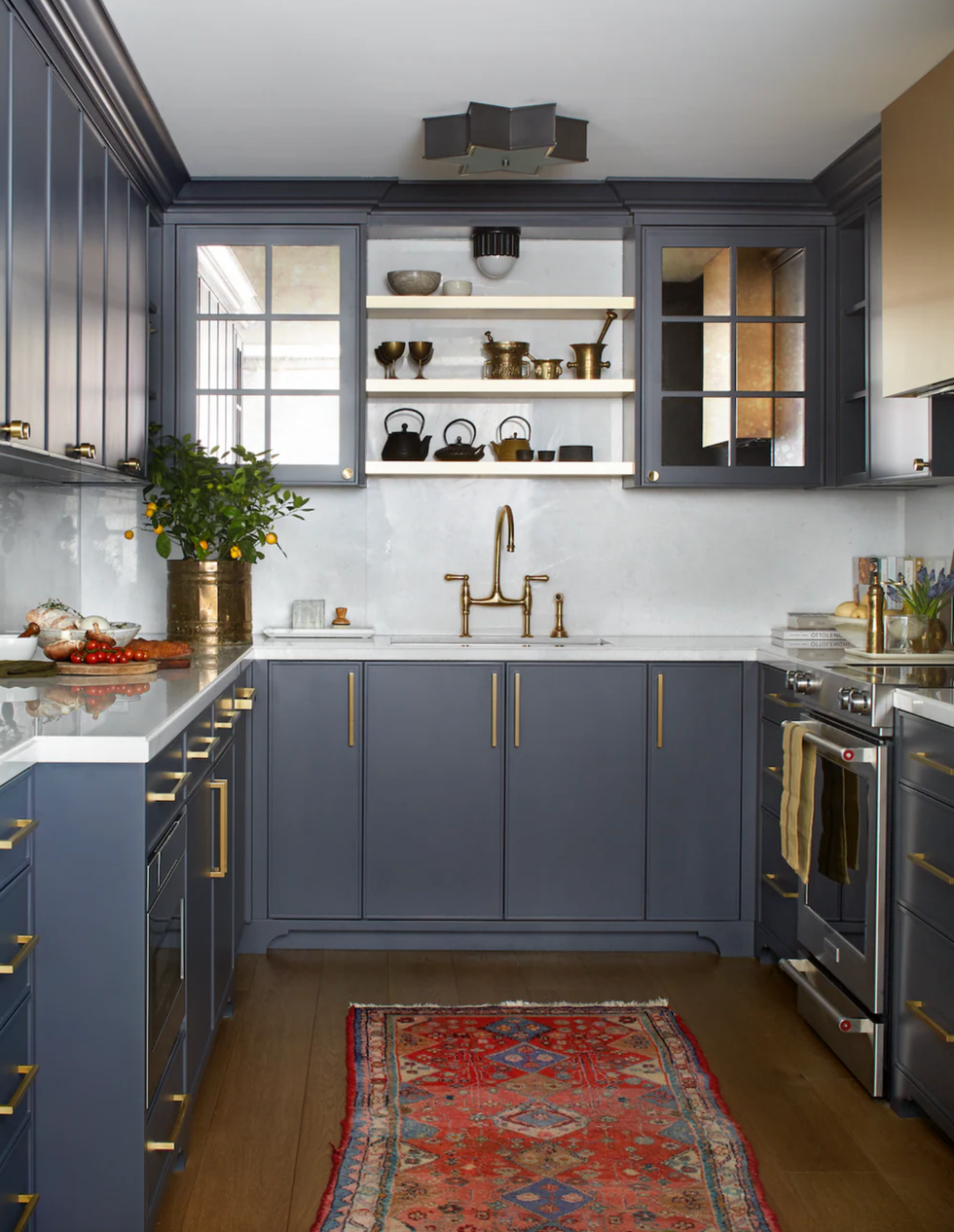
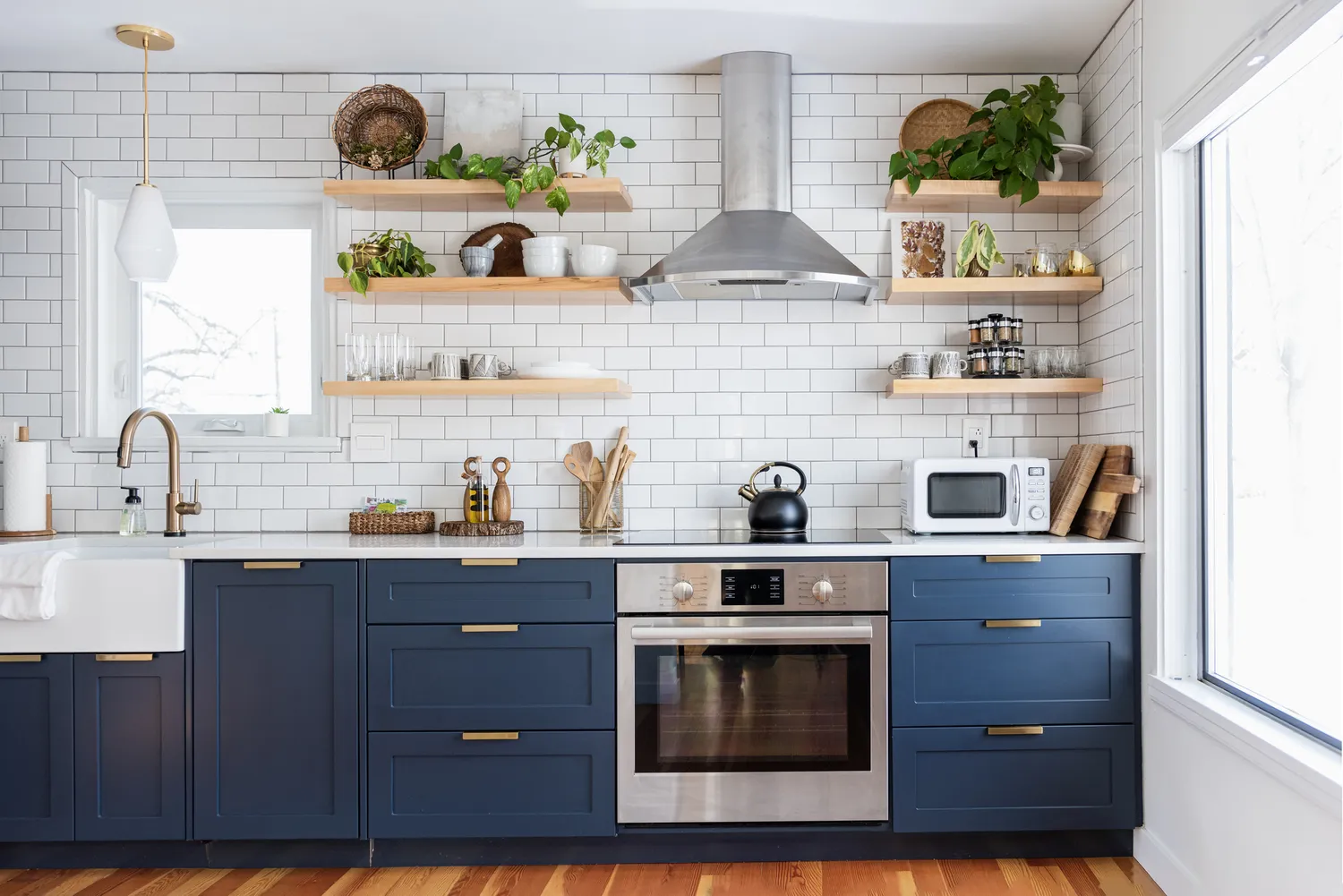
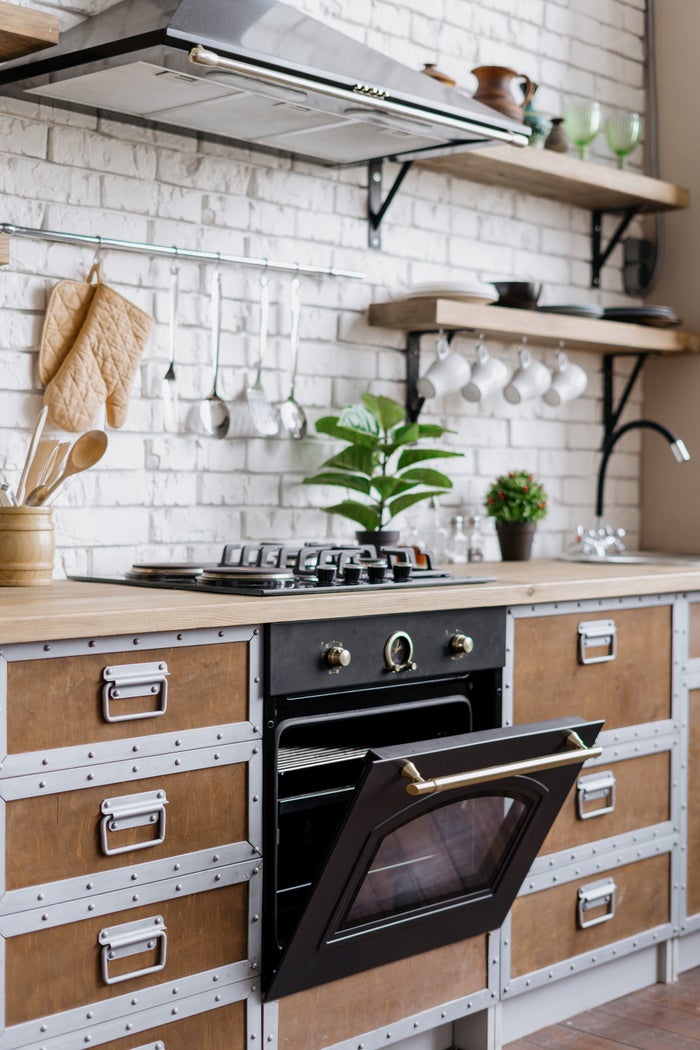
Open shelving, though visually appealing in photographs, is another feature that many homeowners come to regret. The constant battle against dust, grease, and clutter means that maintaining a curated look requires significant ongoing effort. Designers advise using open shelving sparingly, as the upkeep can be tiresome for most clients.
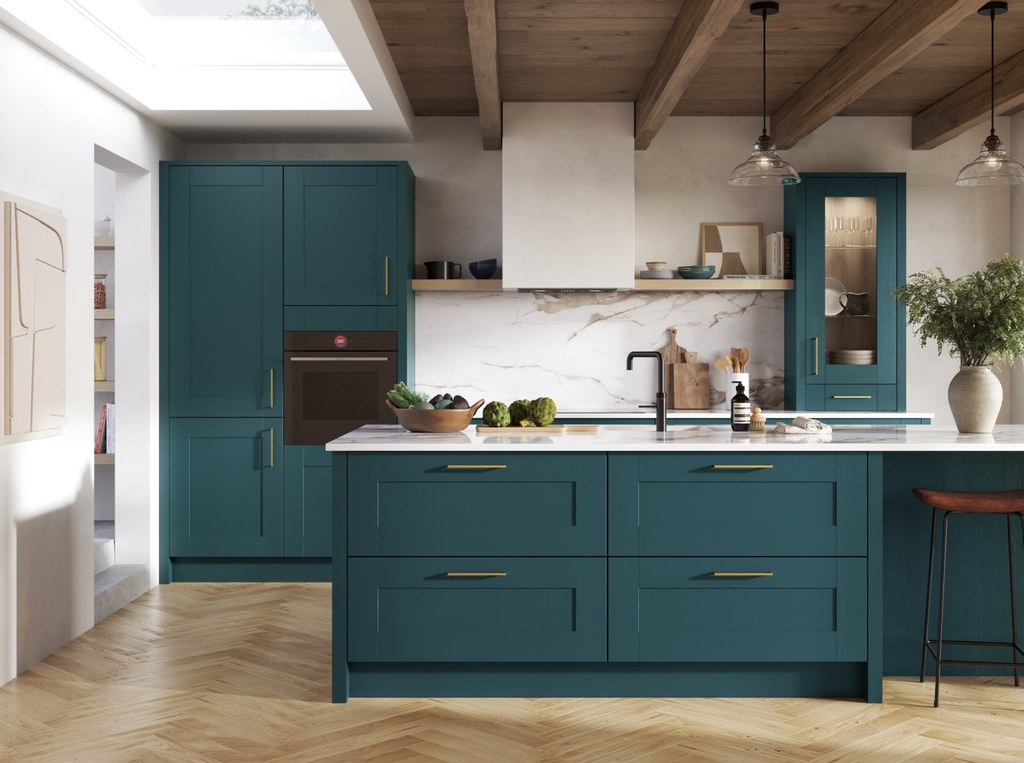
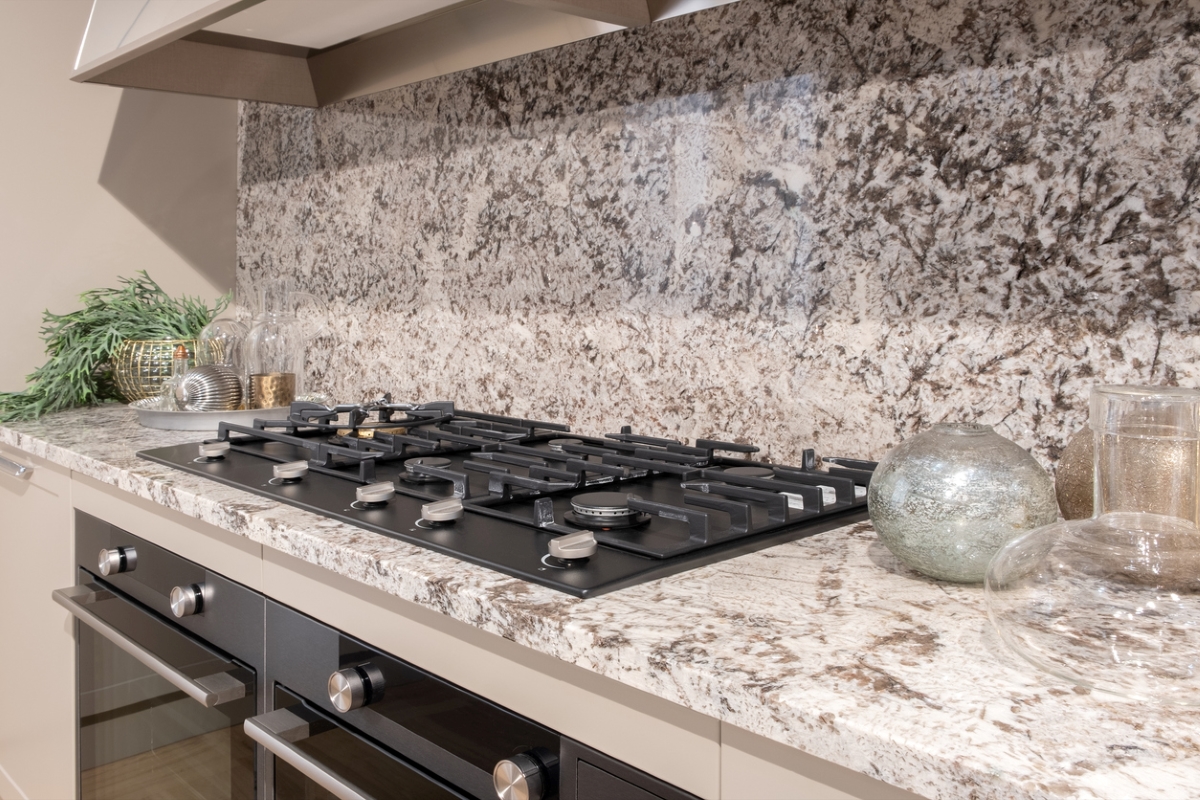
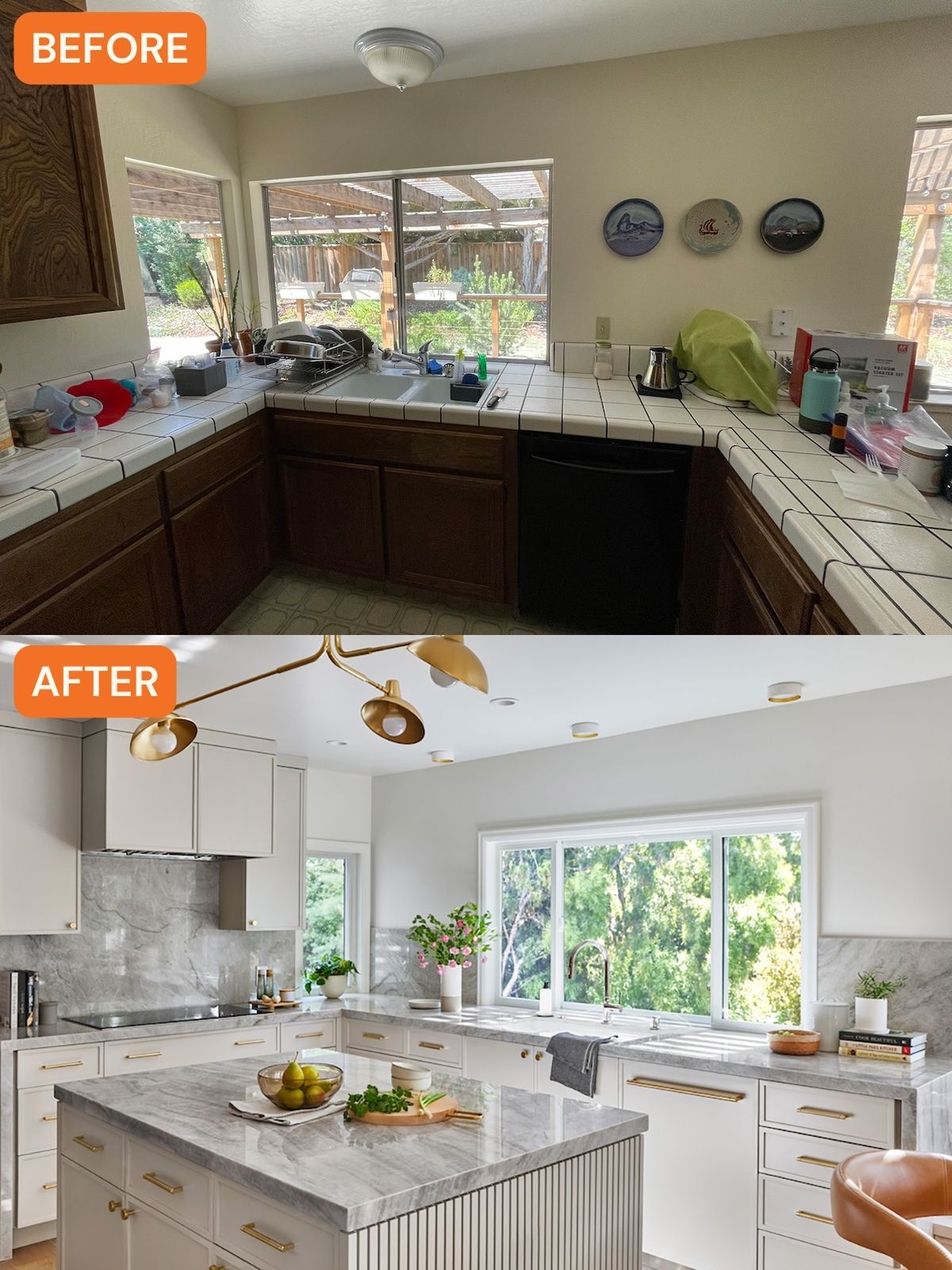
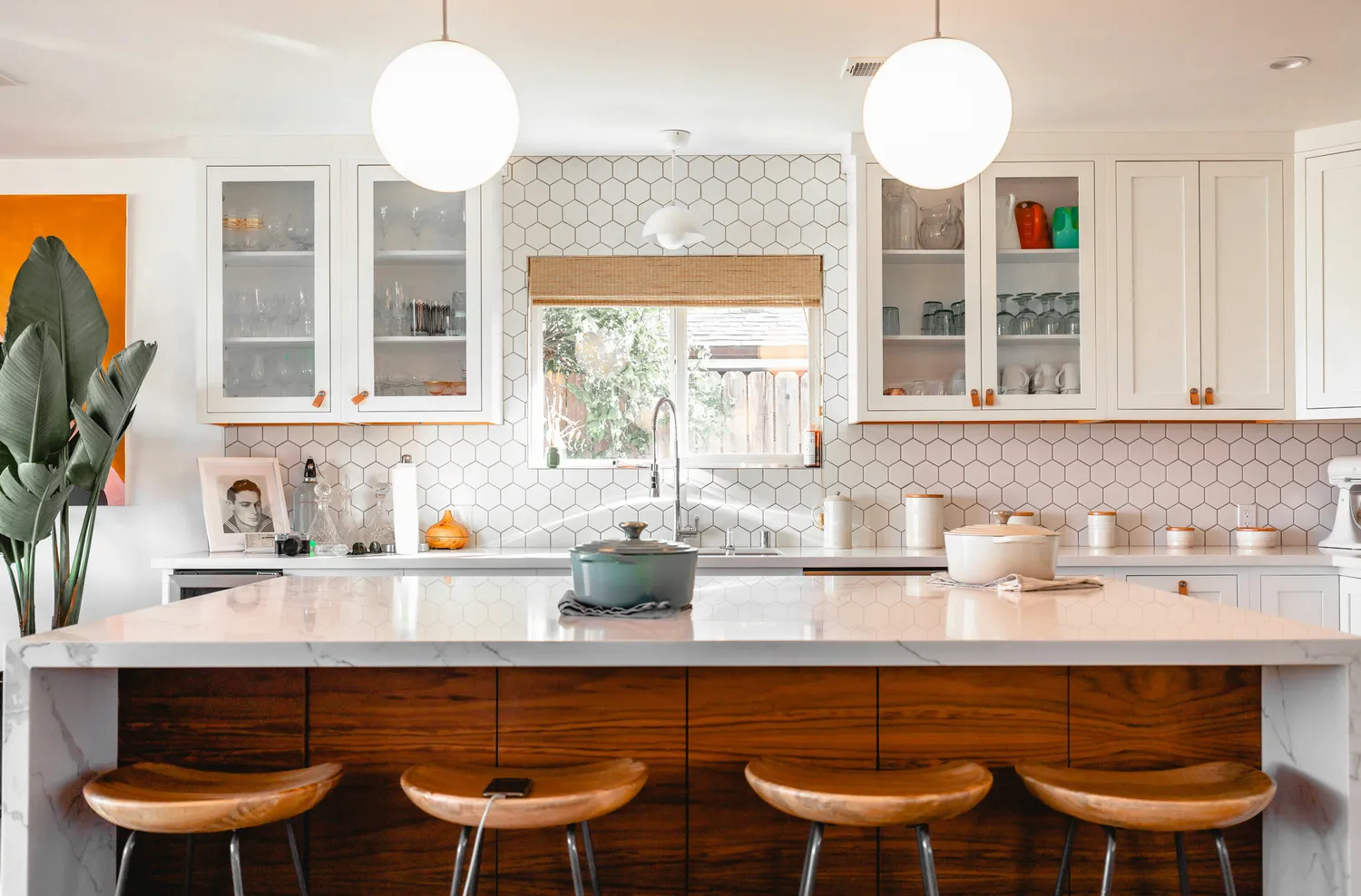
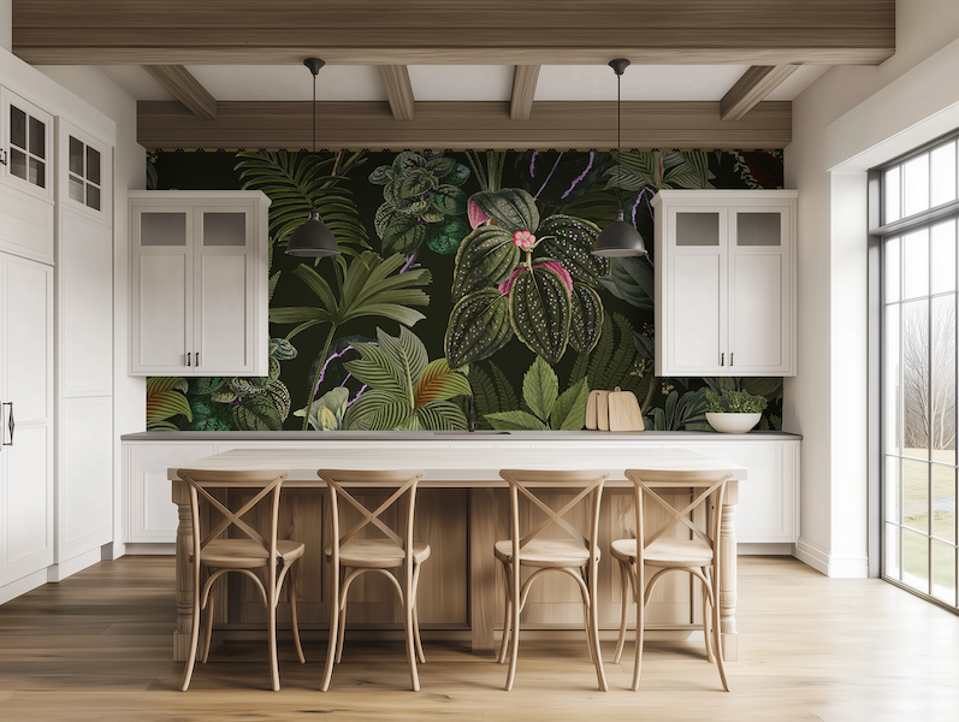
Busy backsplashes are identified as a common design misstep. Highly patterned or brightly colored backsplashes can initially seem exciting but often overwhelm the kitchen space and age poorly. A more sustainable approach is to choose a subtle, timeless stone slab backsplash, which adds depth and elegance without dominating the room. Personality can then be introduced through easily changeable elements like art, lighting, or bar stools.
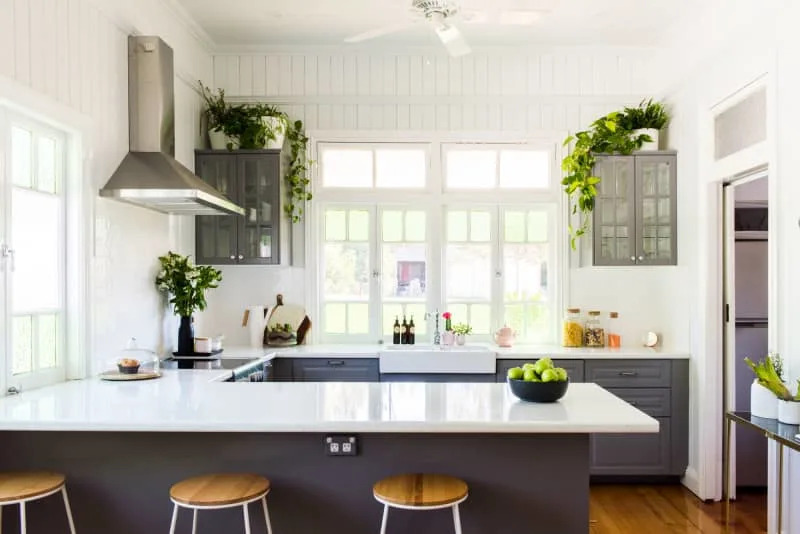
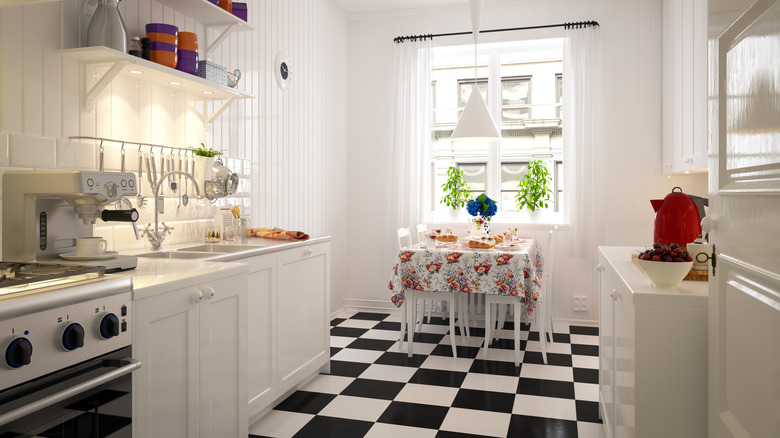
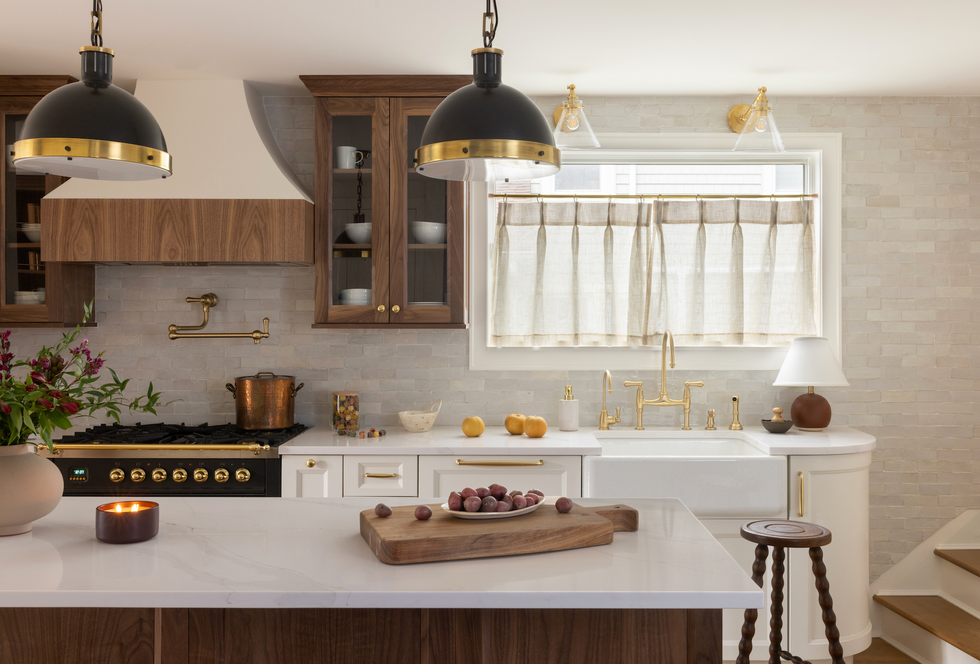
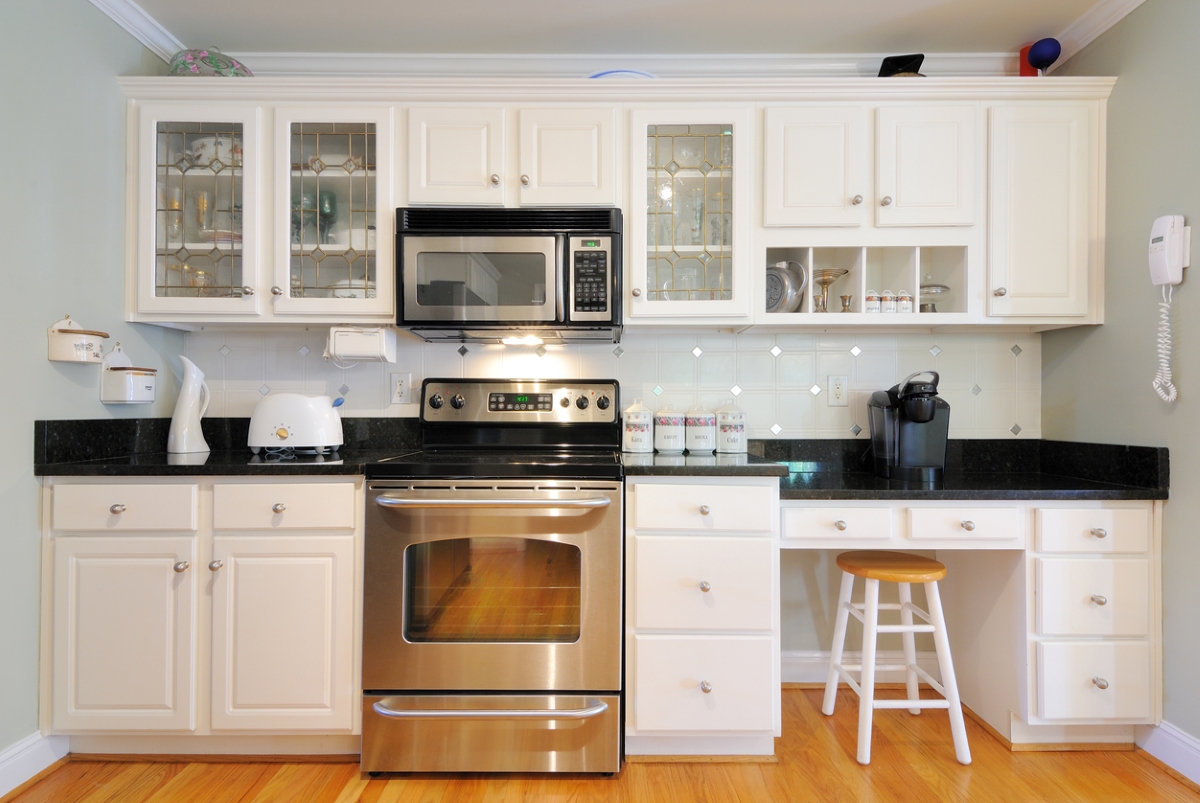
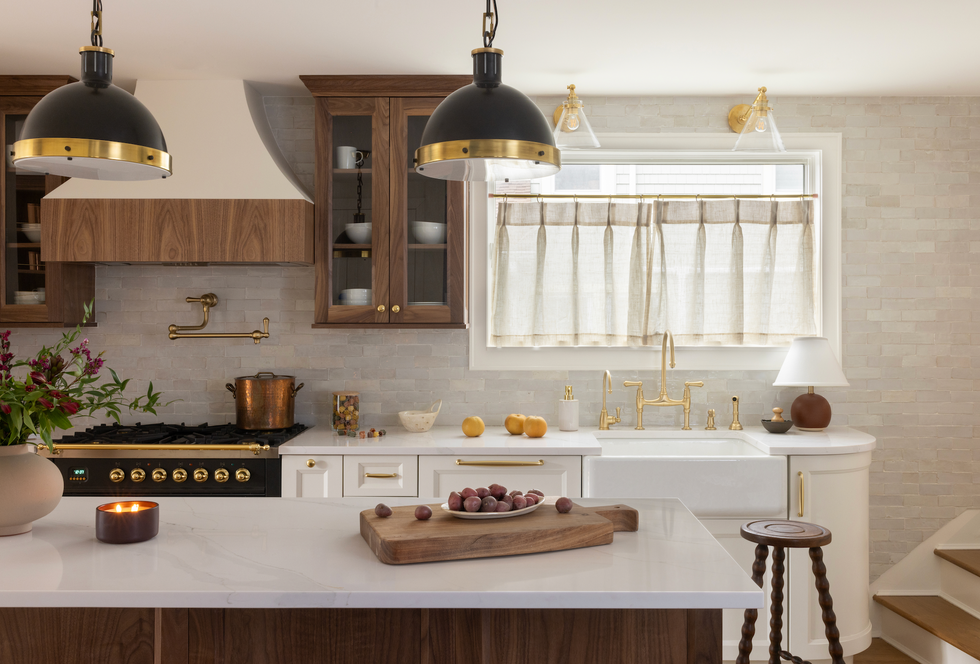
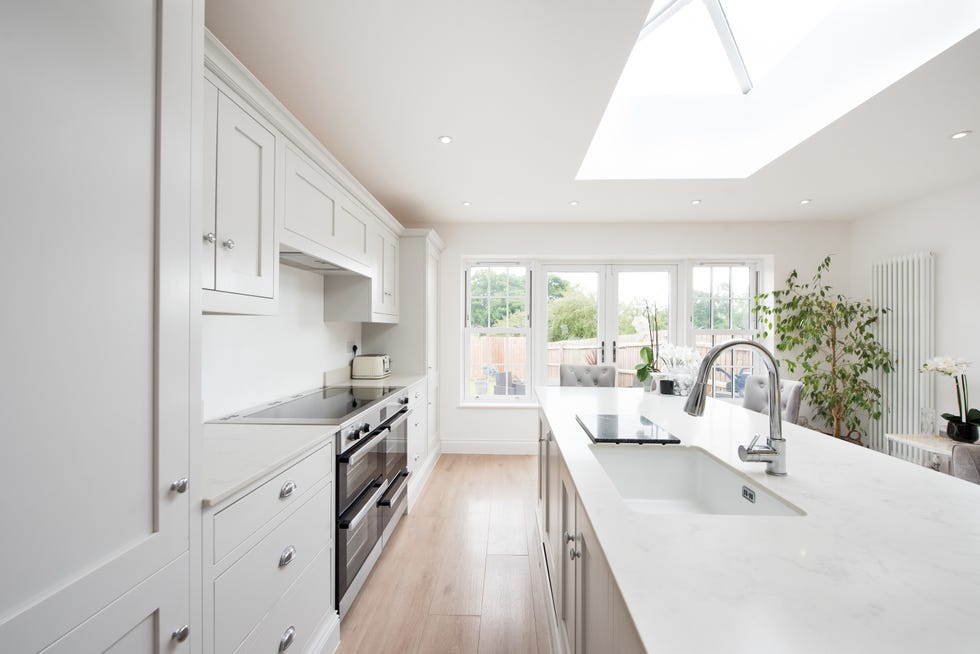
Finally, selecting the same color finishes for cabinetry, counters, and backsplash frequently leads to a flat and uninviting aesthetic. All-white kitchens are a prime example, where uniformity can appear sterile, and every minor stain is immediately visible. To create a more livable and welcoming environment, designers suggest incorporating subtle contrast through soft neutrals, natural wood tones, or stone with inherent veining and character.
#KitchenDesign #HomeRenovation #InteriorDesign #KitchenTrends #DesignMistakes #HomeImprovement #KitchenIslands #KitchenDesign #HomeRenovation #InteriorDesign #KitchenTrends #DesignMistakes #HomeImprovement #KitchenIslands
0 ความคิดเห็นรวม
 ยังไม่มีความคิดเห็น
คุณอาจจะชอบอีกด้วย
7 things people regret most about their kitchen design
8 shockingly common kitchen design mistakes according to a pro

We Asked 5 Real Home Cooks the Kitchen Upgrade They Totally Regret, and Here’s What They Said
We Asked Designers Which Design Choice Homeowners Regret Most—And It’s Surprisingly Common
I Asked 3 Designers About the Mistakes They Wish People Would Stop Making in Their Kitchen, and Here’s What They Said

8 shockingly common kitchen design mistakes according to a pro

We Asked Pro Chefs for the Worst Kitchen Design Trends They've Ever Seen—And We're Shocked
5 Kitchen Renovation Moves That Make Designers CRINGE

The Biggest Kitchen Design Regrets Of 2025, According To Reddit Users

We Asked a Designer Which Bathroom Features People Regret the Most, and Now We Can't Unsee It
25 Kitchen Trends You Might Regret + Photos

10 Mistakes Designers IMMEDIATELY Notice When They Walk Into Your Home
We Asked Designers Which Dining Room Features People Regret Most—And We're Shocked
5 interior design regrets experts are always called in to fix

This Once-Popular Kitchen Trend Is Actually a Huge Pain—Here’s One Designer’s Solution
9 CONTROVERSIAL Decor Choices Designers Secretly Wish You’d Stop Making
5 Kitchen Renovations Designers Wish Their Clients NEVER Asked for Again
7 Design Mistakes Interior Designers Always Notice

"Frankly, It's Tacky": People Are Revealing Common Home And Kitchen Design Trends They Can't Stand
We Asked Designers Which Living Room Paint Colors People Regret Most—And We're All Guilty