What Lights Should You Leave On When You Go On Vacation?
When planning a vacation, home security, particularly lighting, becomes a crucial consideration to deter potential burglaries. Dale Watson, Chief of Police in Mount Airy, North Carolina, offers expert advice on how to effectively use lighting to make a home appear occupied, thereby reducing the risk of crime. His recommendations emphasize both exterior and interior lighting strategies, stressing the importance of making a home look lived-in while residents are away.
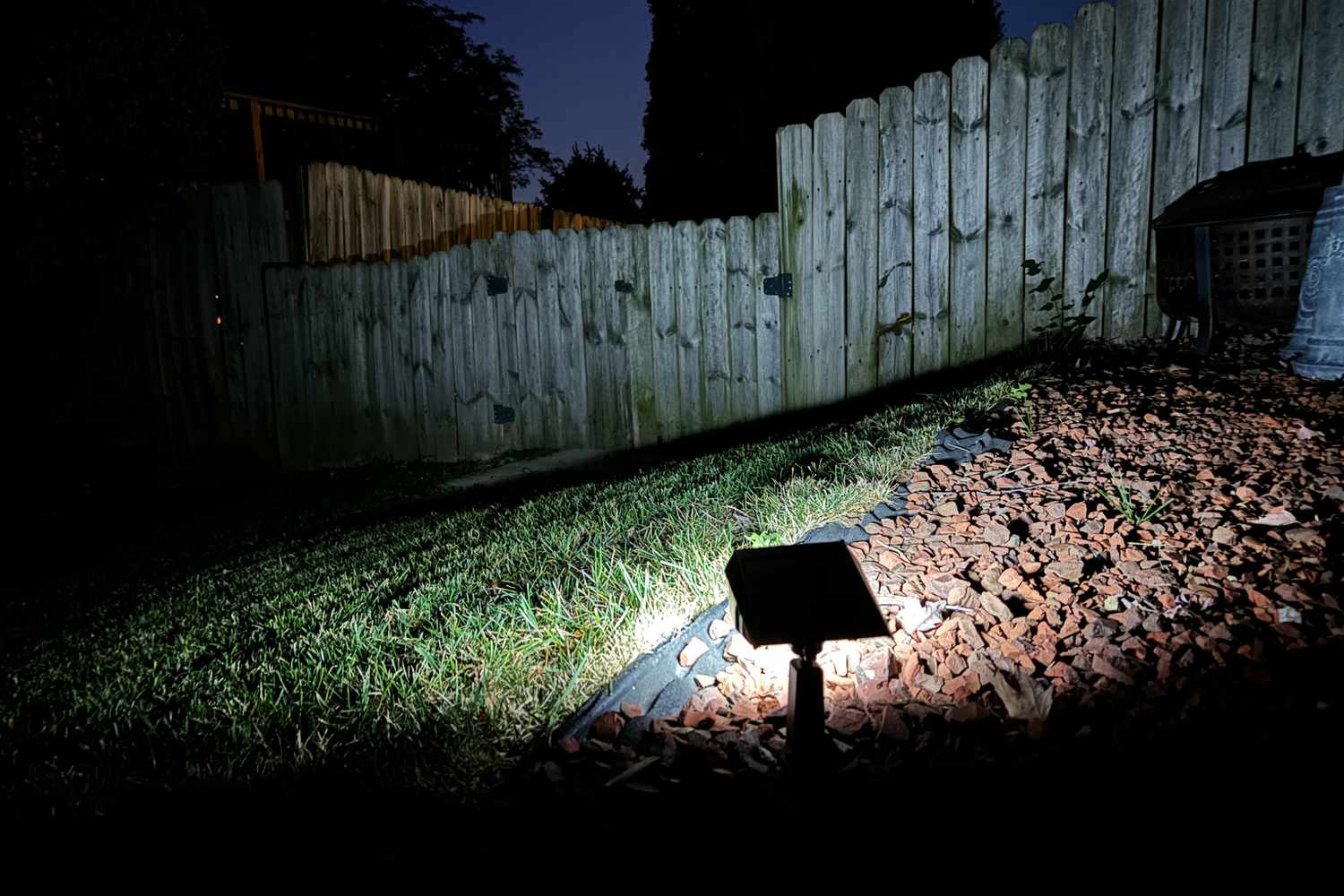
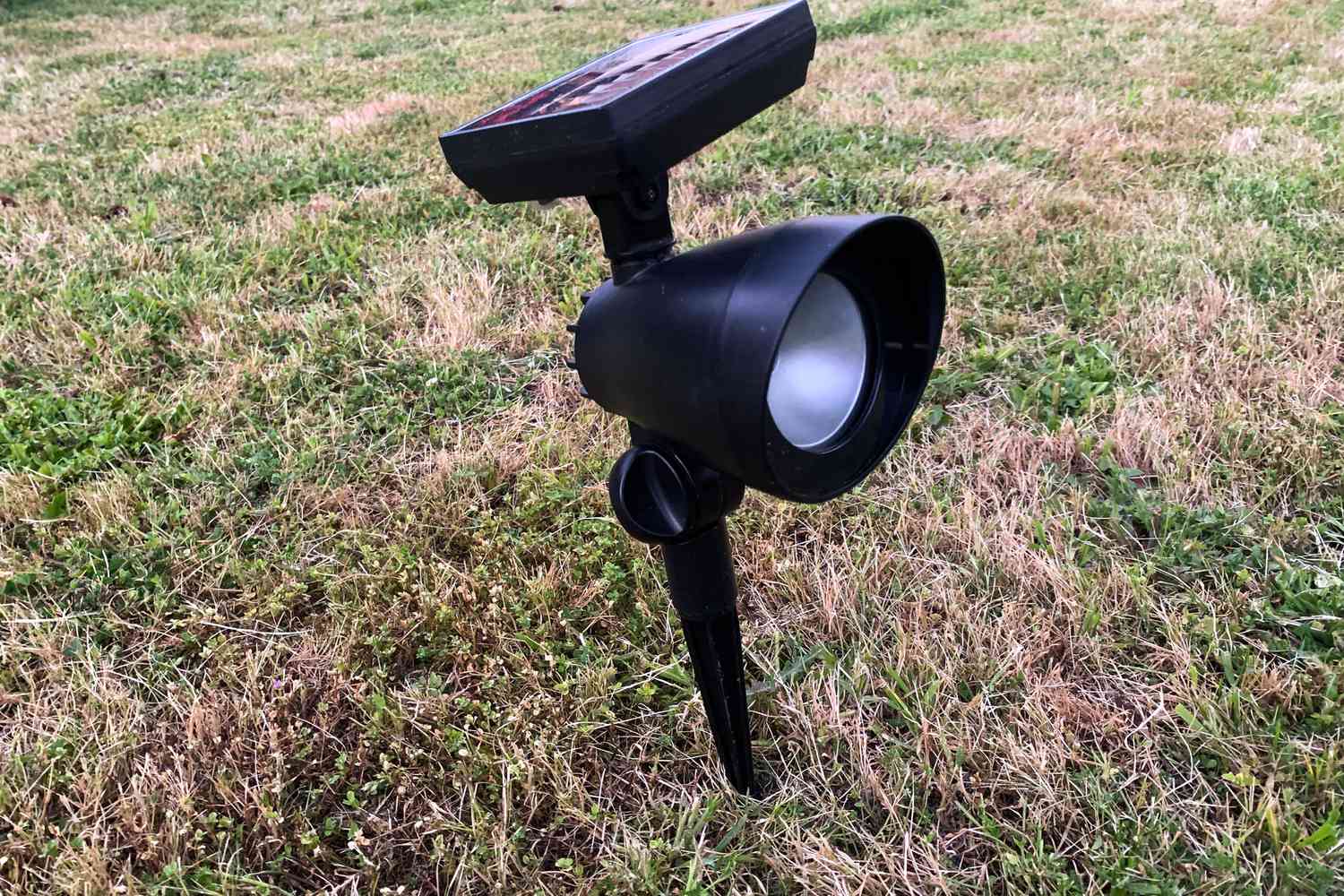
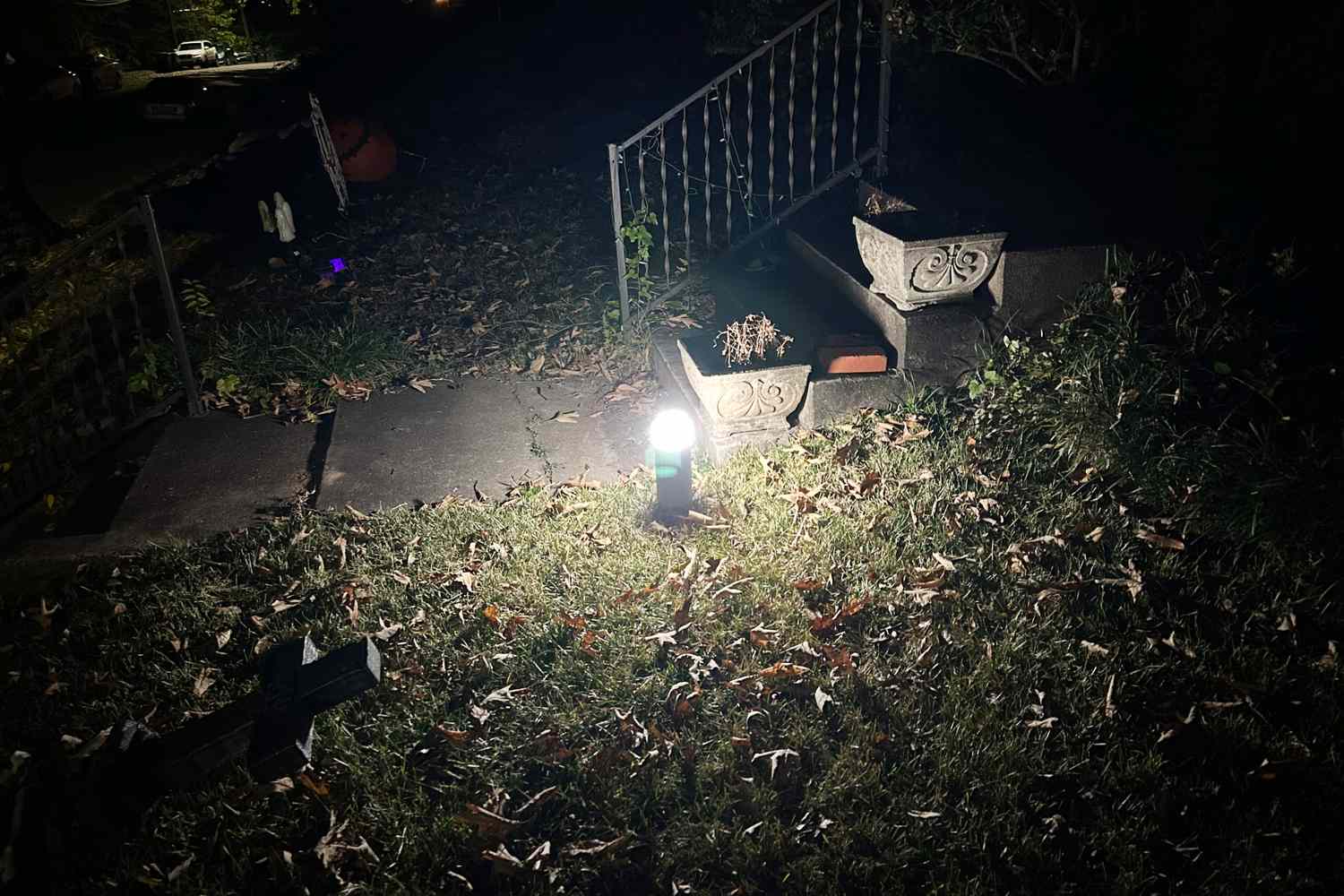
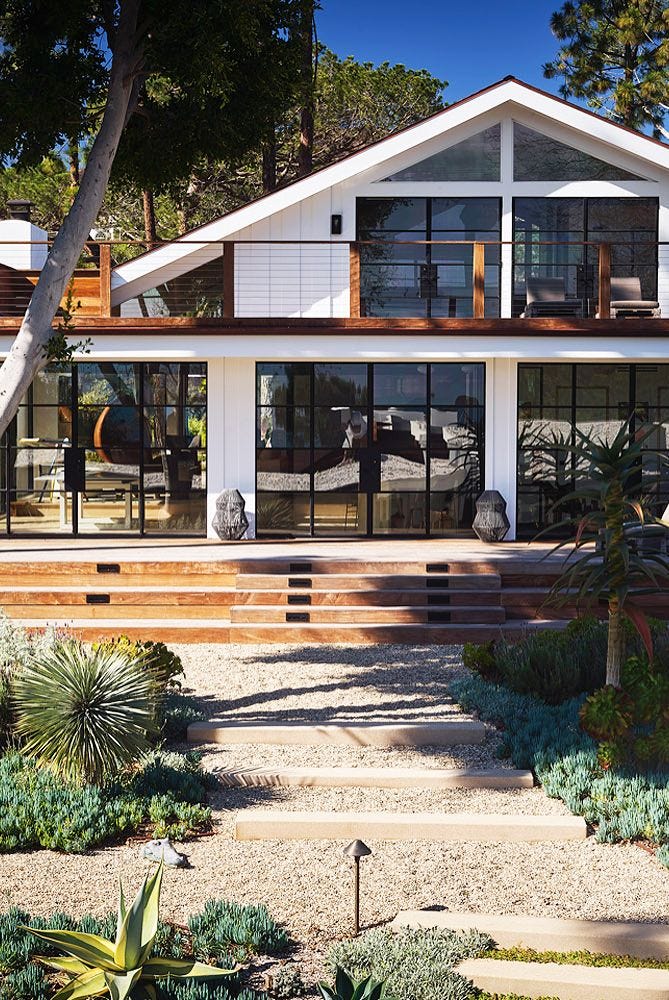
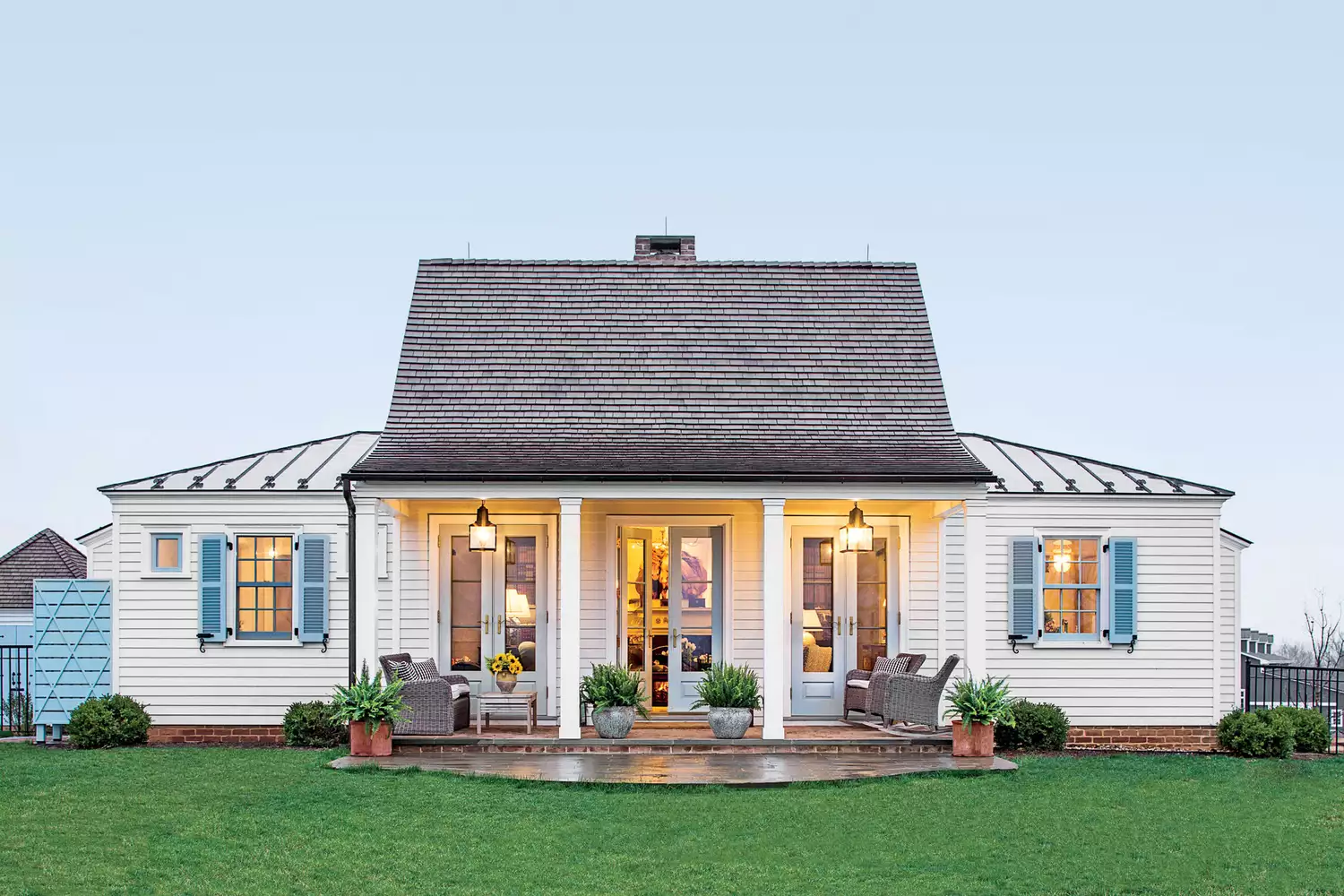
Exterior lighting is a primary defense against intruders. Chief Watson suggests that "unpleasant things tend to come out in the darkness," highlighting the need for ample illumination around the property. Homeowners should install outside lights that face the residence, trim hedges and bushes to maintain visibility around windows, and generally prioritize as much outdoor light as possible. A combination of in-ground and above-ground lighting is beneficial, not only for security but also for the homeowner's safe return. The distinction between manual and motion-sensor lights is also important; while manual lighting acts as an offensive deterrent, motion-sensor lights serve as a defensive, last-resort measure. Ultimately, Chief Watson states that exterior lighting is a "necessity to protect yourself," underscoring its role in comprehensive home security.
Regarding the number of lights to leave on, there isn't a precise formula. Instead, the advice is to use "as much lighting on as you can afford to." This approach aims to create the illusion of an active, inhabited home. Although traditional wisdom often suggests turning off lights to save energy, the advent of LED bulbs has made power consumption much more environmentally and economically friendly. This shift allows homeowners to keep more lights on without excessive energy waste, making it a viable strategy for vacation security.
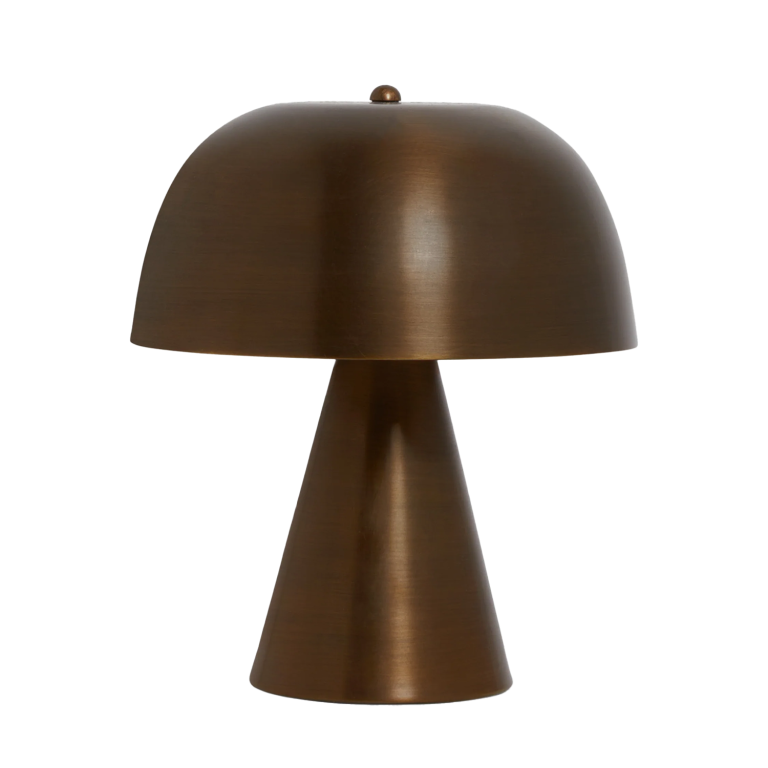
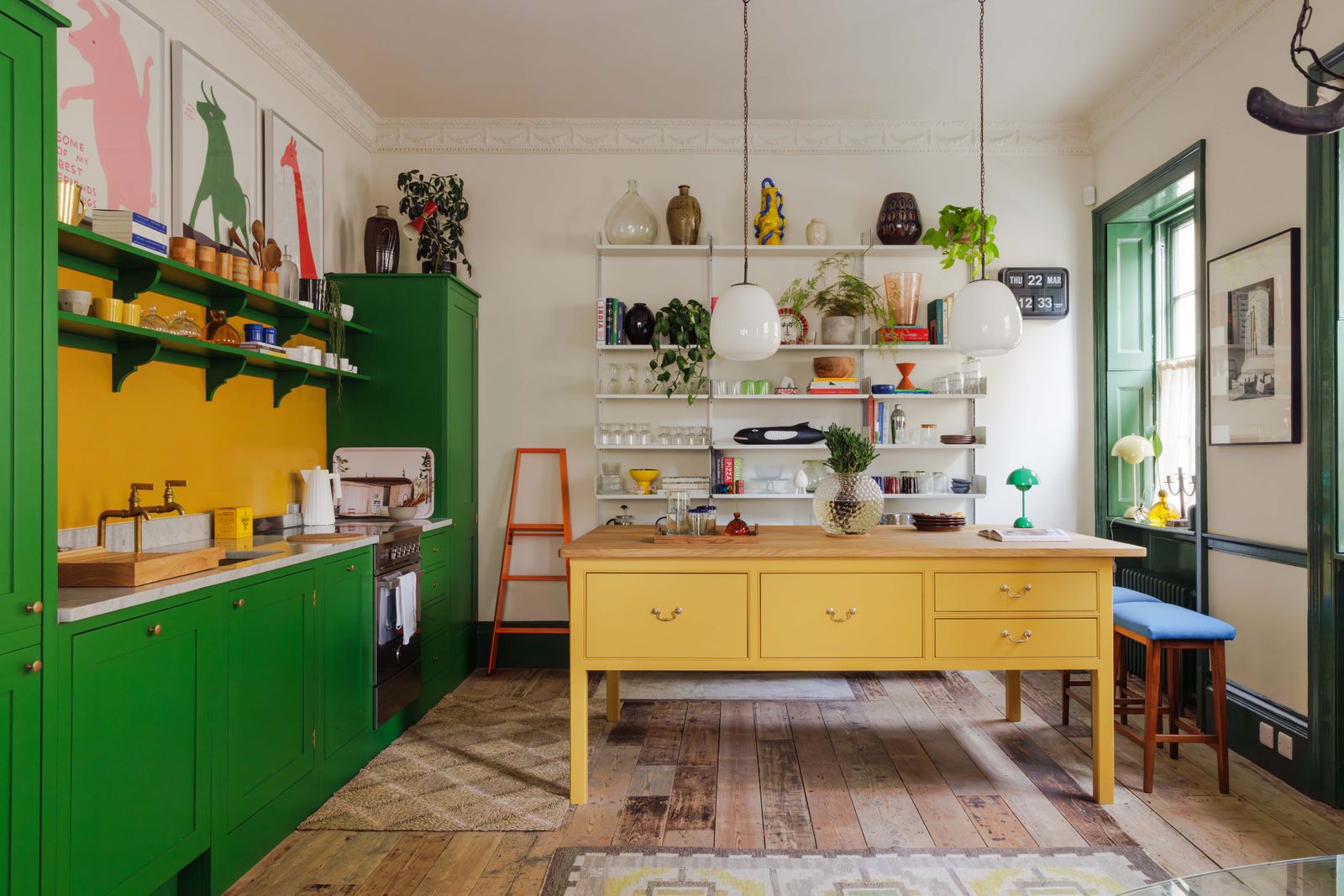
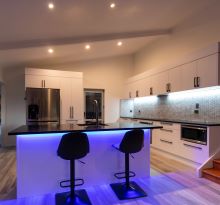
For interior lighting, Chief Watson recommends illuminating key areas to create a visual flow that suggests occupancy. The foyer should be the first area lit, followed by kitchen spaces and a powder bath. The goal is for one light source to be visible from the next, giving the impression that someone is moving through the house. Modern technology offers convenient solutions, such as automatic or app-controlled smart lightbulbs like Philips Hue. These devices allow homeowners to manage their lighting remotely and even schedule lights to turn on and off. A critical piece of advice for smart light users is to vary the timing of these automated lights. Sophisticated potential intruders might notice predictable patterns, so adjusting schedules periodically helps maintain the illusion of an active presence and keeps anyone casing the home "on their toes.
Beyond technological and strategic lighting, building strong community ties is highlighted as a crucial aspect of home defense. Chief Watson emphasizes that neighbors are "some of your strongest allies." Fostering relationships with those living nearby allows community members to look out for each other's properties. This neighborhood watch concept, rooted in mutual support and communication, provides an additional layer of security that technology alone cannot replicate. Investing time in these relationships can significantly enhance home safety, especially when away from home for extended periods.
#HomeSecurity #VacationPrep #OutdoorLighting #SmartHome #CrimePrevention #PoliceAdvice #HomeSafety #TravelTips #CommunityWatch #HomeSecurity #VacationPrep #OutdoorLighting #SmartHome #CrimePrevention #PoliceAdvice #HomeSafety #TravelTips #CommunityWatch
0 комментариев всего
 Комментариев пока нет
Вам также может понравиться
Set the Mood Wherever You Go With Our Favorite Portable Lamps
Throwing a Summer Party? You're Going to Need These Outdoor Lights

In 2025 the best lights are those that are mobile – 9 editor-approved portable lamps perfect for indoors and out

The dos and don'ts of lighting your house
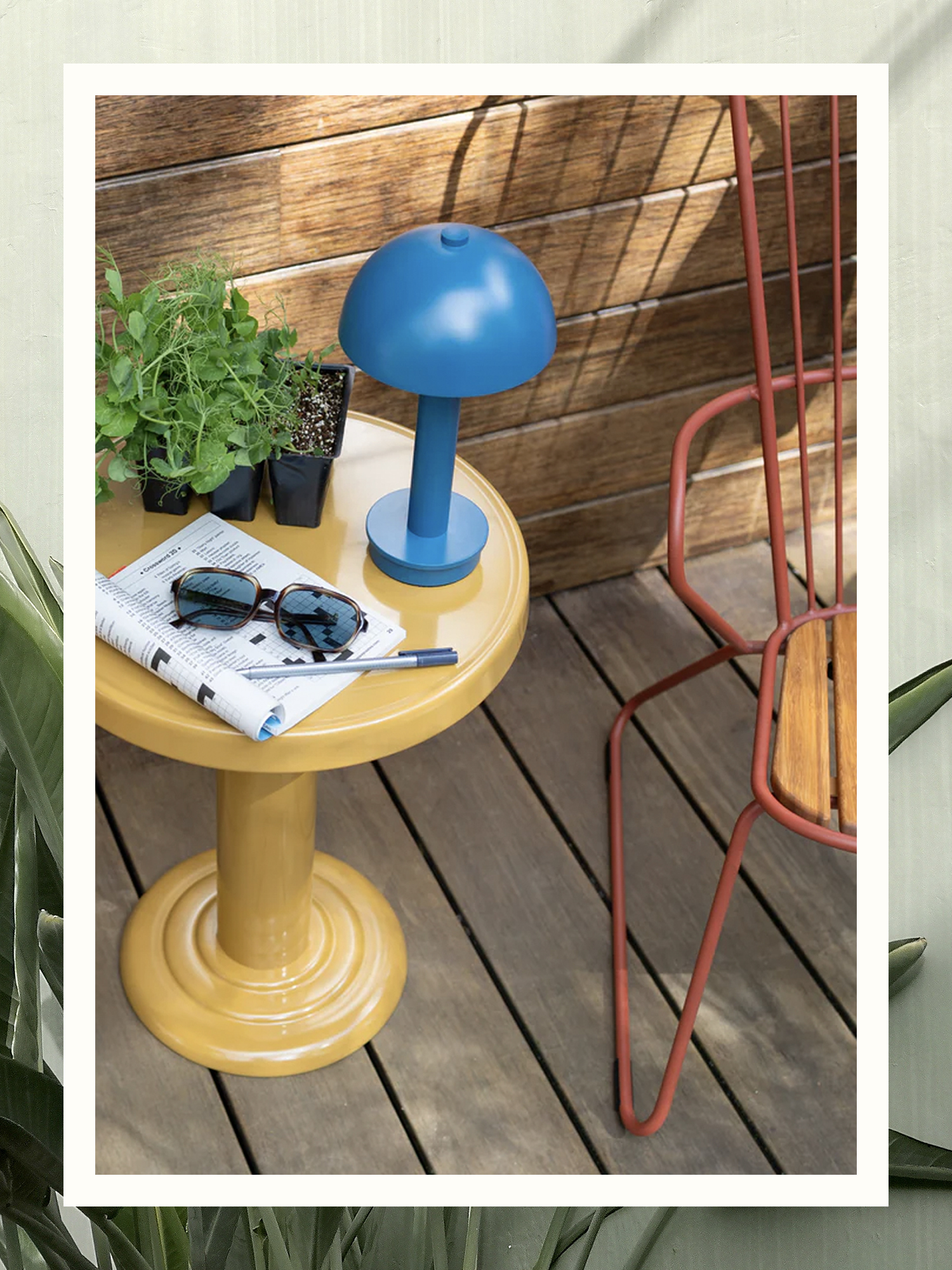
26 Portable Table Lamps That Let You Take the Glow With You


Keeping the Light On
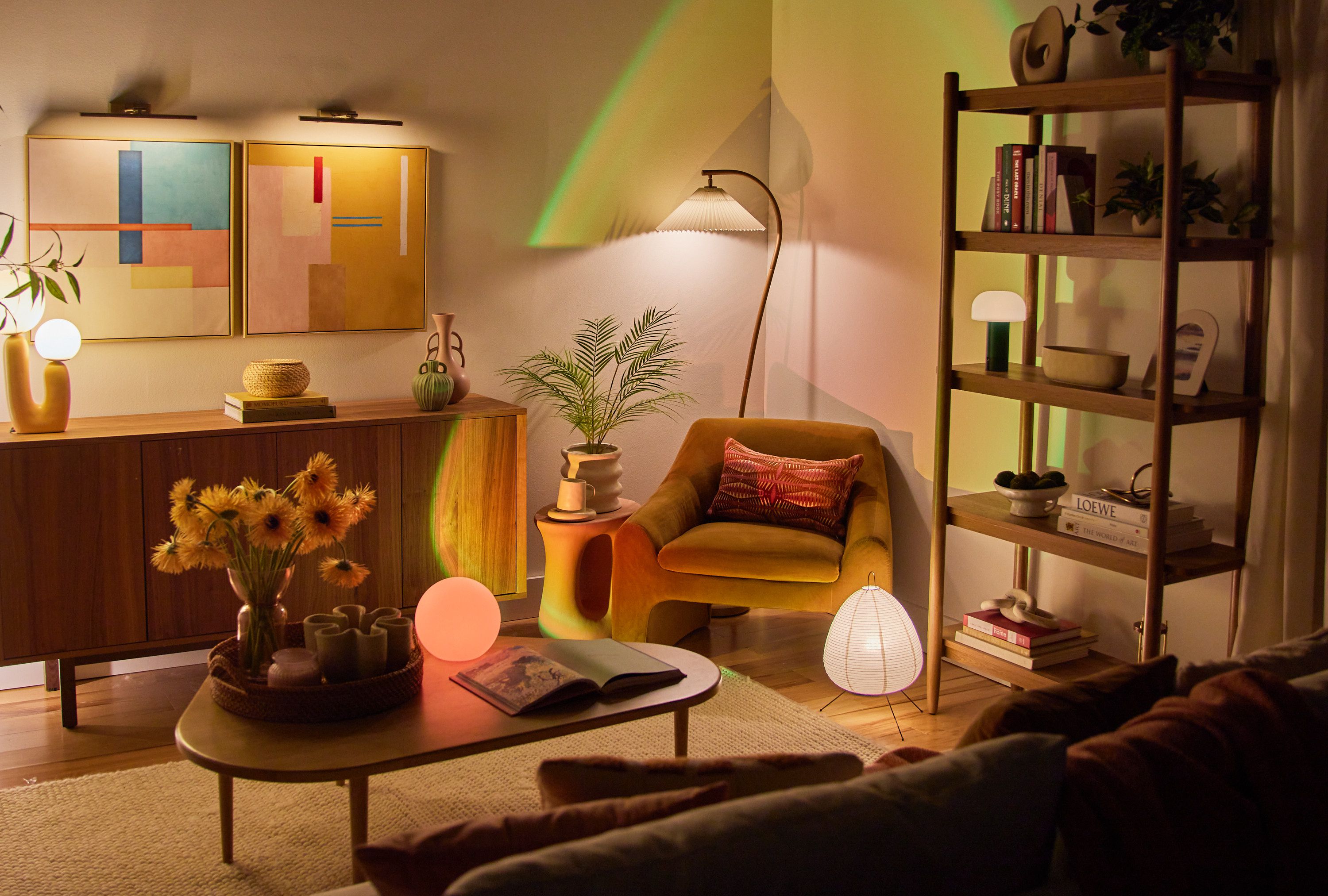
6 Little Light Ideas that Will Let You Say Goodbye to the Big Light for Good

5 best-LED lights for residential applications

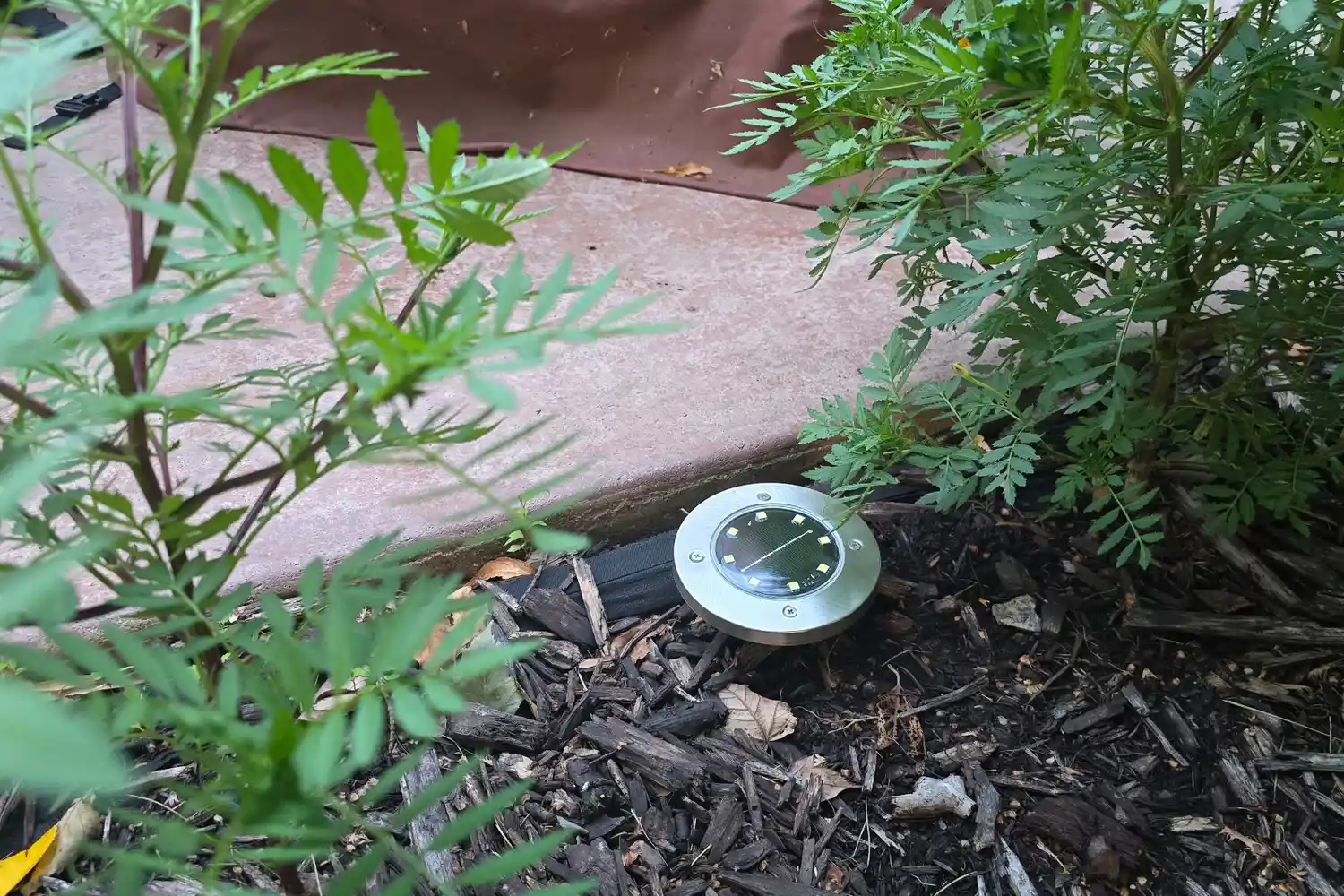
10 Landscape Lights We Rely on for Safety and Ambiance (After Testing 70+ Options)