We Asked Designers How Many Throw Pillows Is Too Many, and It’s Fewer Than We Thought
The optimal number of throw pillows for a couch, balancing coziness with practicality and style, is a frequently debated topic in home decor. Design experts offer guidance on how to avoid an excessive amount while still achieving an inviting aesthetic. The consensus among designers like Brooke Spreckman of Design Hutch and Jess Onorato of Habitat Home & Garden is that the ideal number of throw pillows typically ranges from one to three per corner of a sofa or sectional. This recommendation considers both the size of the pillows and the specific layout of the furniture.
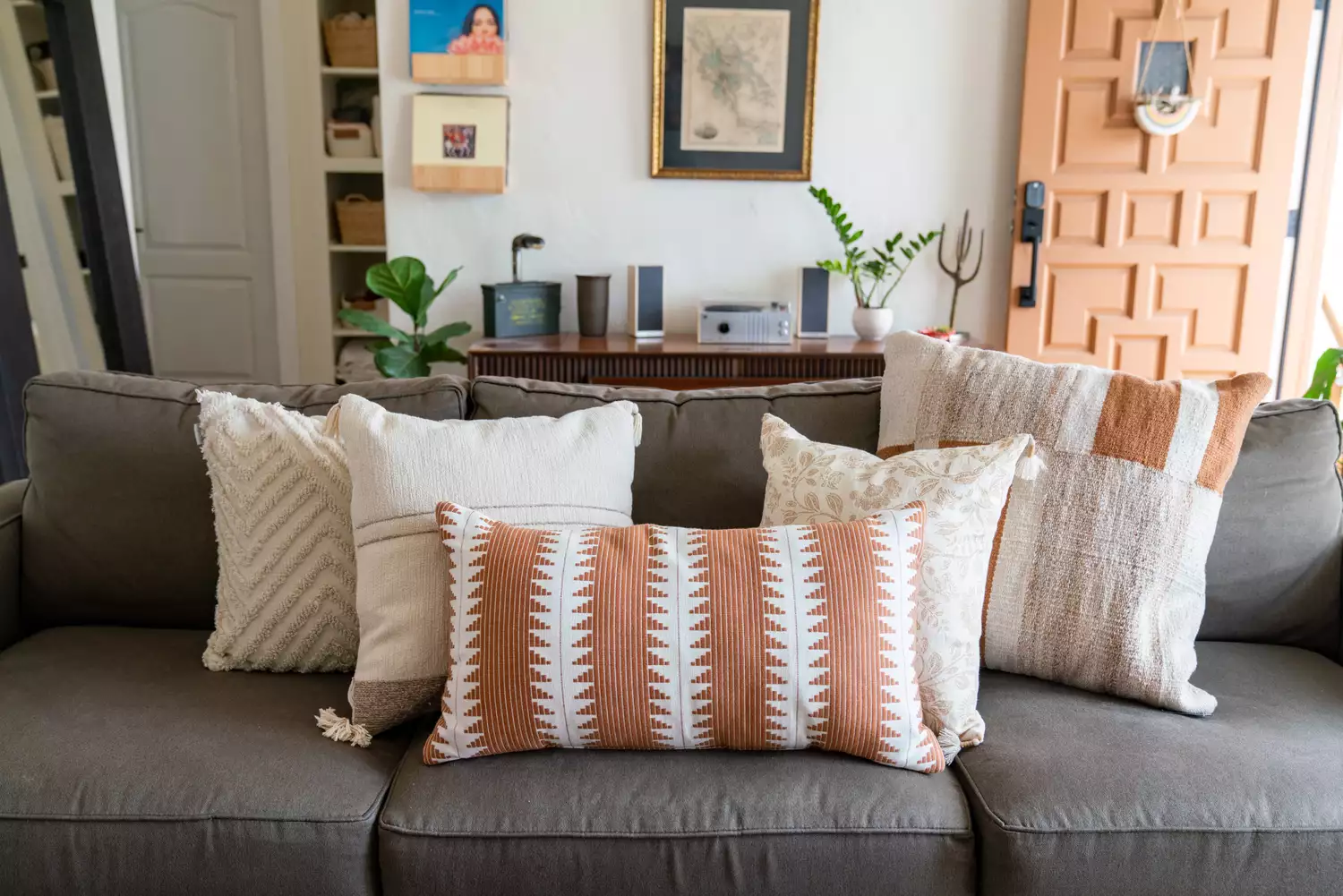
Brooke Spreckman suggests that for a three-corner sectional, one might place two larger throw pillows in the end corners and a combination of two medium-sized and one small pillow in the middle corner, totaling seven pillows. For a standard couch with two corners, this translates to four to six pillows. Jess Onorato offers a 'golden ratio' for groupings, proposing three pillows per section: one 22x22-inch, one 20x20-inch, and one 14x20-inch lumbar pillow. If the sofa's design is a feature in itself, she advises scaling down to one square and one lumbar pillow. Large sectional sofas might benefit from a long 14x36-inch lumbar pillow for added comfort and style.
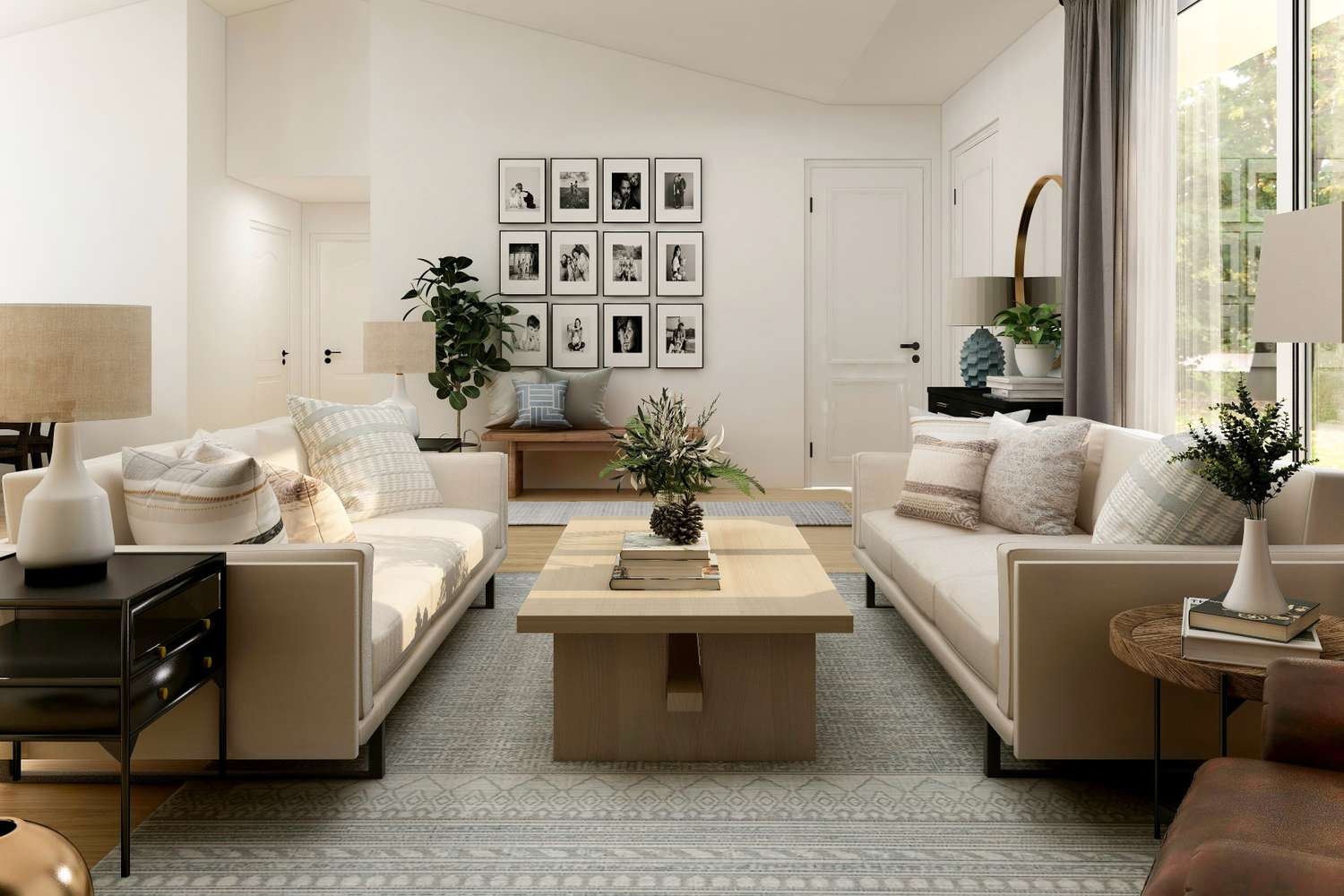
The size and style of the sofa are critical factors in determining the appropriate number of throw pillows. A standard three-seater sofa typically accommodates three to six pillows, depending on their size and the sofa's depth. Spreckman highlights that a narrow sofa with limited seat depth can become too shallow and uncomfortable with too many pillows, necessitating fewer. Conversely, a very deep sofa may require more pillows to provide adequate back support. Onorato emphasizes that the sofa's style is even more crucial than its size. For instance, an ornate French settee is often best left unadorned to showcase its design, whereas a track arm or square arm sofa can more readily incorporate multiple throw pillows and blankets.
In some cases, having no throw pillows at all is the preferred option. If individuals frequently remove pillows for comfort or if a minimalist aesthetic is desired, omitting them can be beneficial. Spreckman notes that sofas with tightly upholstered backs and a decorative design, rather than loose cushions, often look best without additional pillows, especially if the seating posture is already supportive. Throw pillows primarily serve as lumbar support; if a sofa naturally provides proper upright seating, they might not be necessary. Onorato agrees, stating that if a sofa's design, such as beautifully sloped arms or tufting, is a statement piece, accent pillows might obscure its beauty. In such instances, using a textured or patterned throw can add warmth and depth without detracting from the sofa's inherent style.
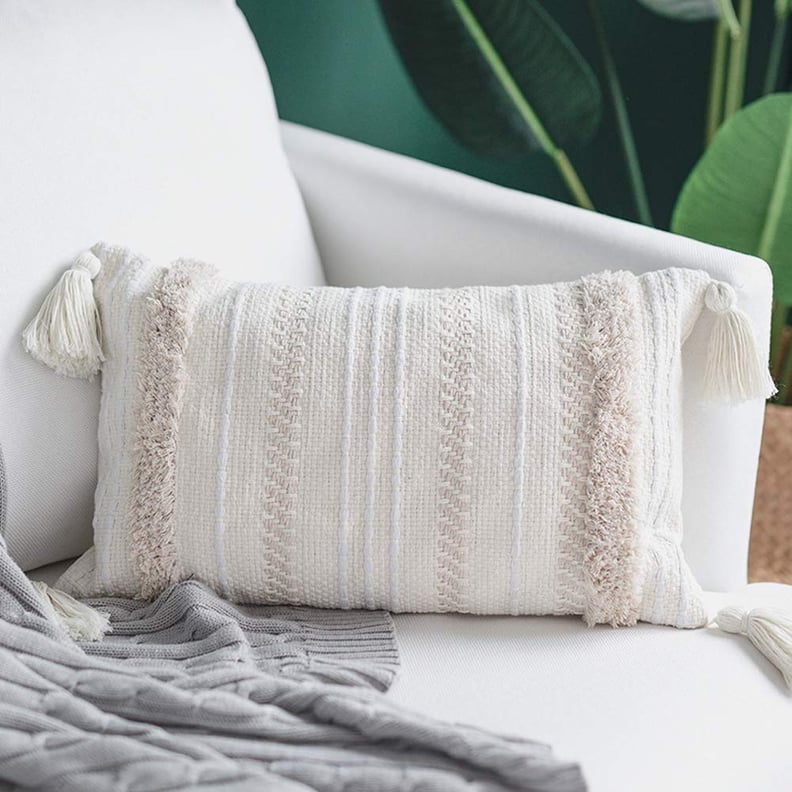
Beyond quantity, the selection and arrangement of throw pillows significantly impact a sofa's overall design. Onorato recommends incorporating a variety of textures—such as linen, cotton, woven, and velvet—to add depth and visual interest. She also stresses the importance of color and pattern. Spreckman advises maintaining balance and consistency across the sofa, suggesting that each corner should reflect the others in some way, with variations in layering to create dynamic yet cohesive arrangements.
#ThrowPillows #HomeDecor #InteriorDesign #SofaStyling #DesignTips #Decorating #LivingRoom #TextileDesign #ThrowPillows #HomeDecor #InteriorDesign #SofaStyling #DesignTips #Decorating #LivingRoom #TextileDesign
 Комментариев пока нет
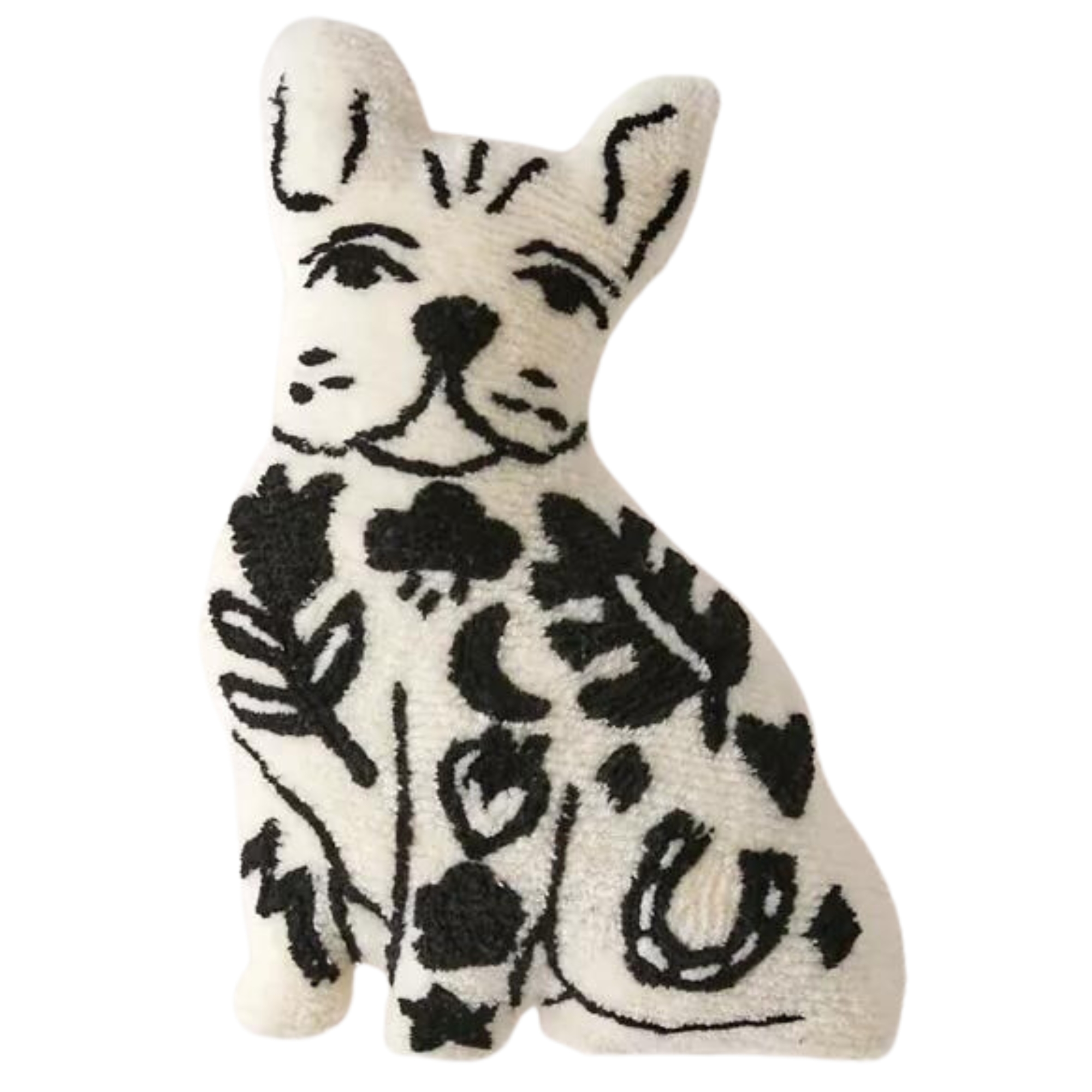
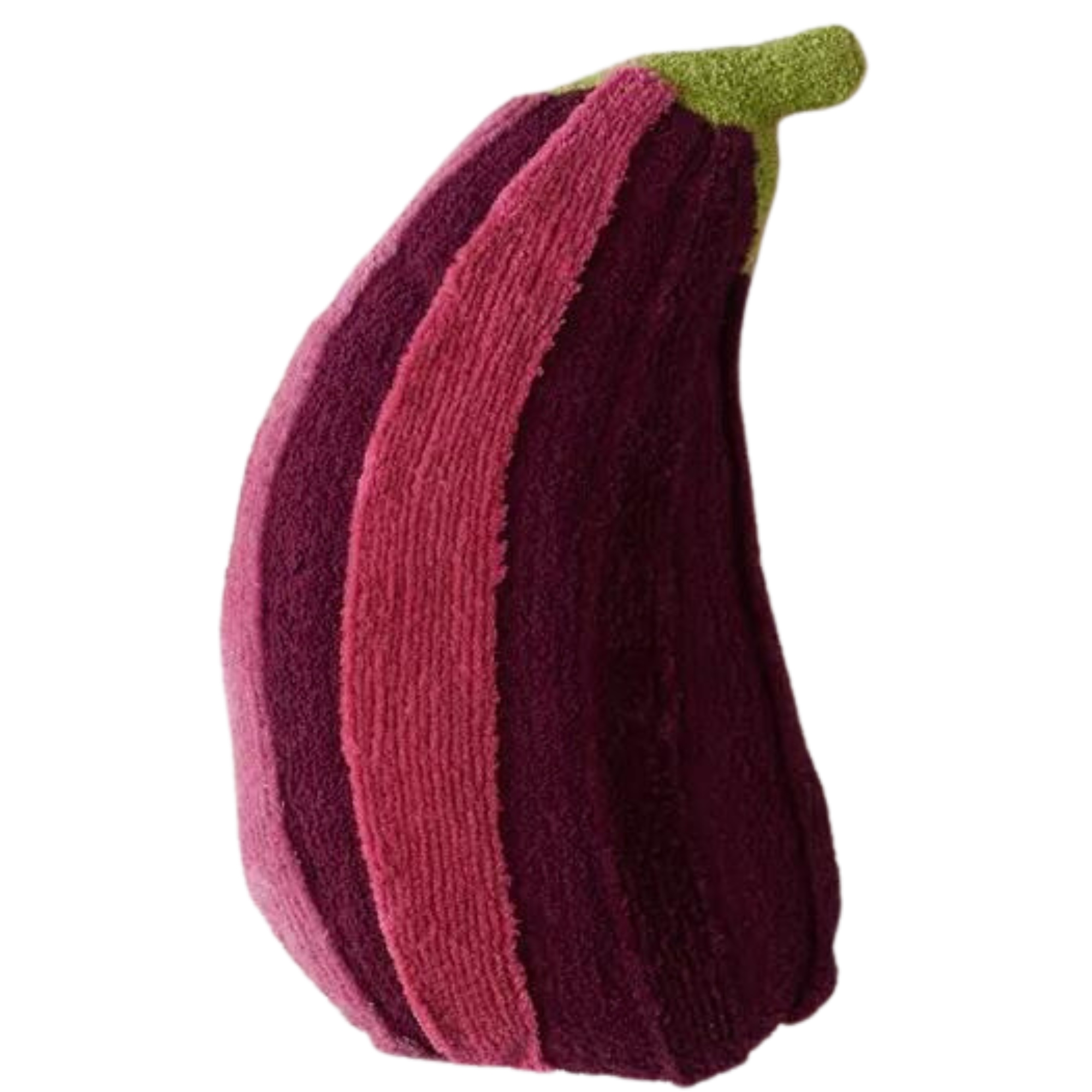
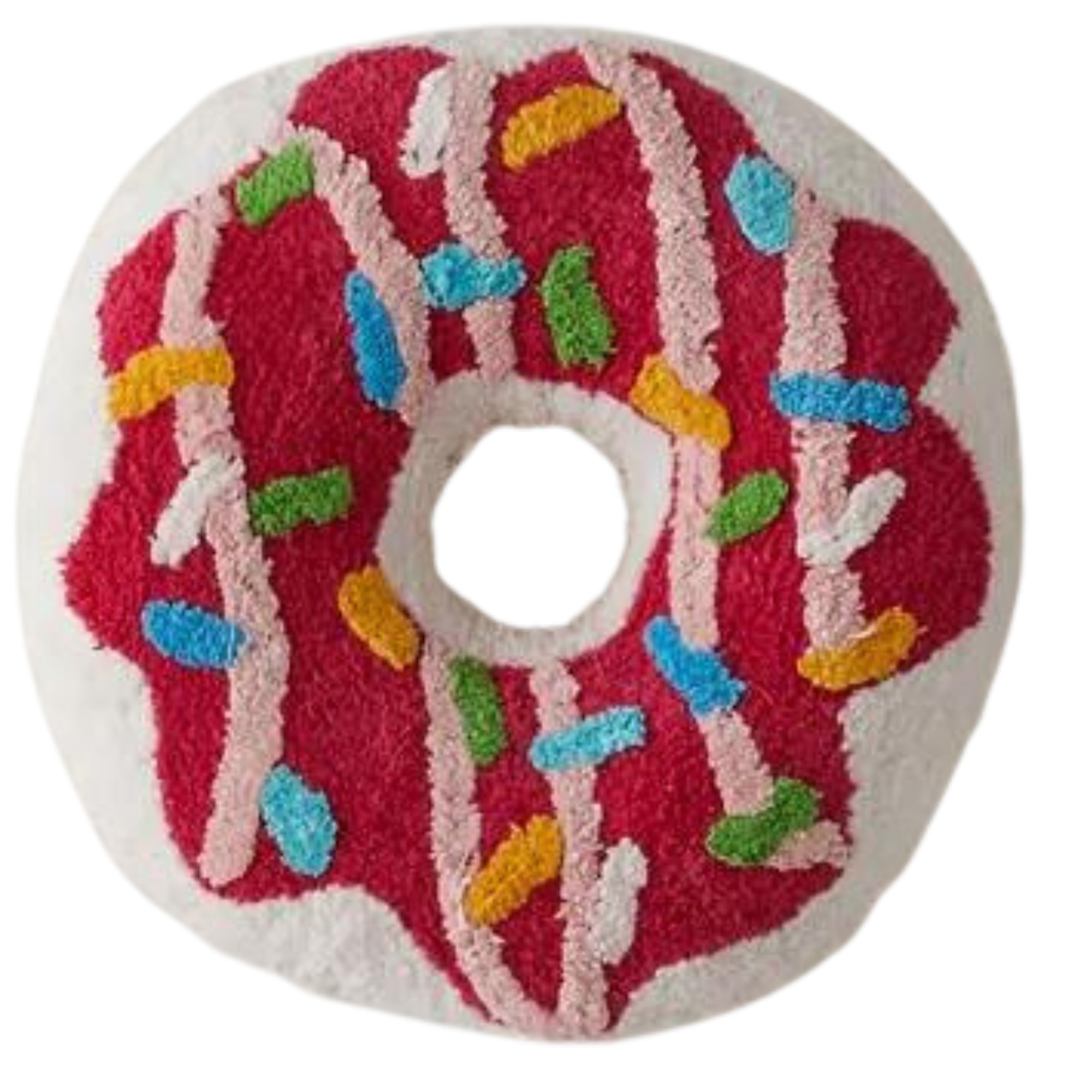
IDC how many I have already; I want all of these Urban Outfitters throw pillows


We Asked Designers If Matching Furniture Looks Outdated, and They All Agreed

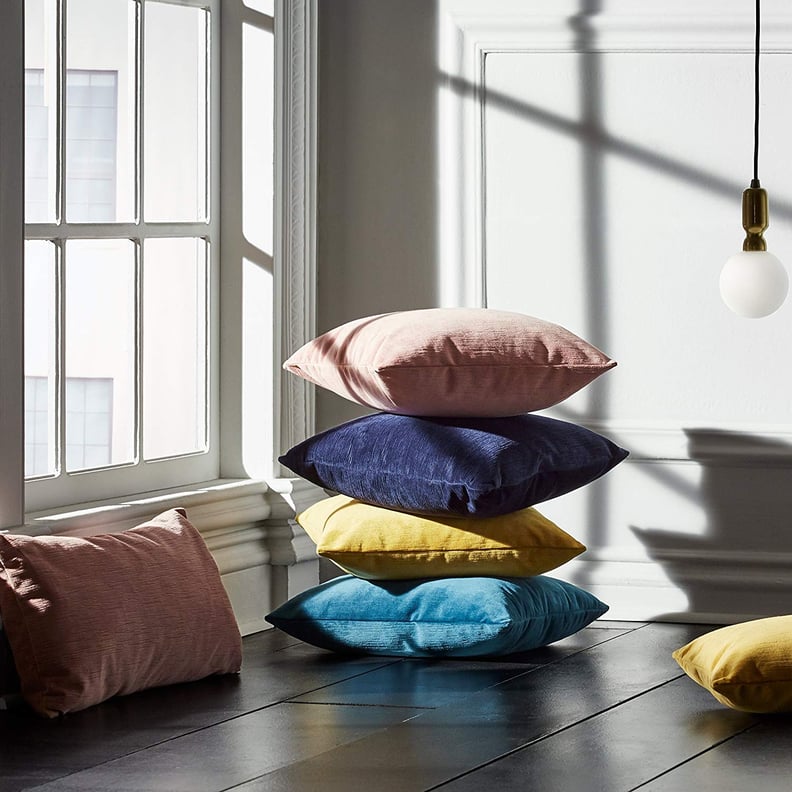
10 Decorative Pillows on Amazon That Prove You Can Never Have Too Many
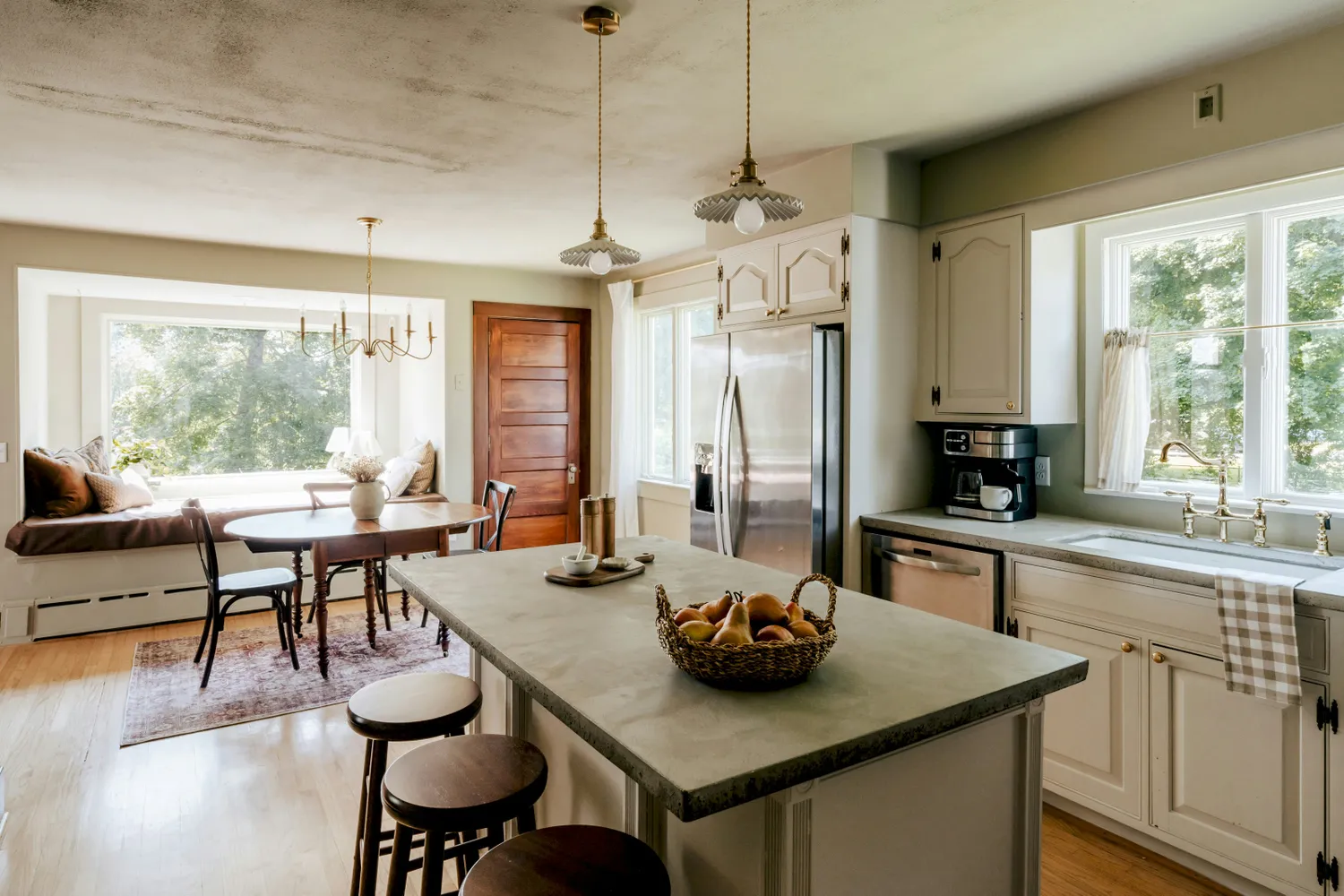
We Asked Designers for a Small Kitchen Upgrade That Makes a Huge Impact —And They Said the Same Thing
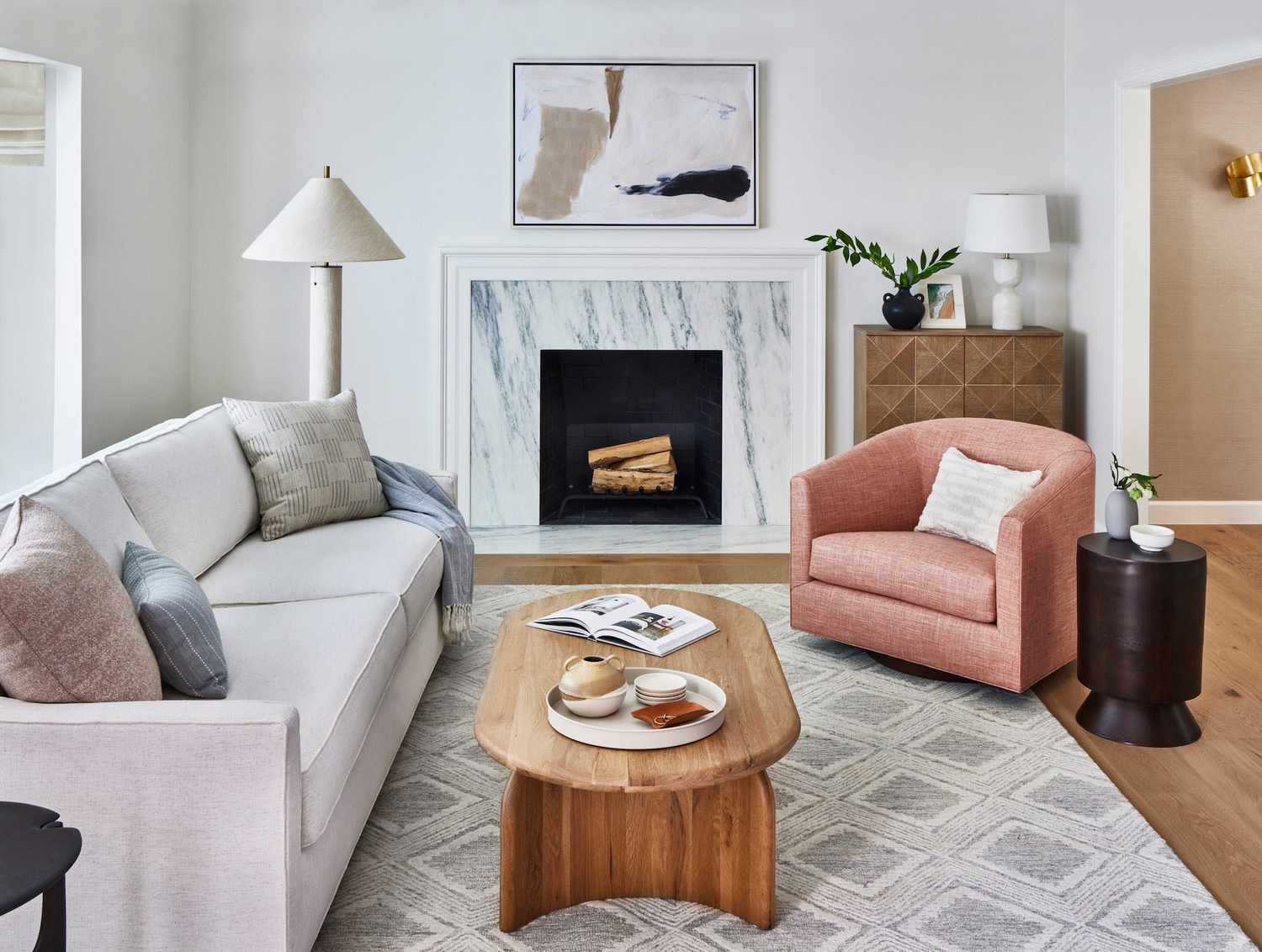
We Asked Designers If Throw Pillows Should Always Match Your Rug—They All Agreed
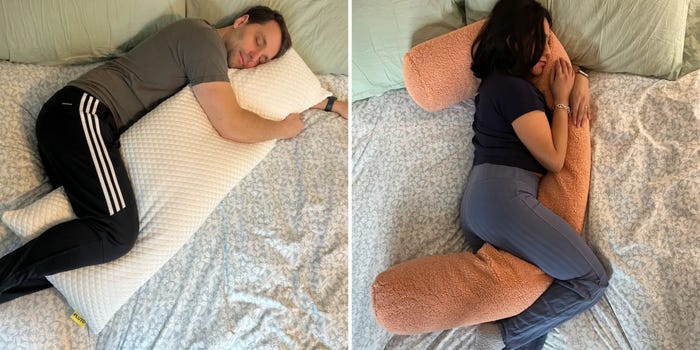
As a certified sleep coach who tested 17 body pillows, I can say they're the most underrated sleep upgrade
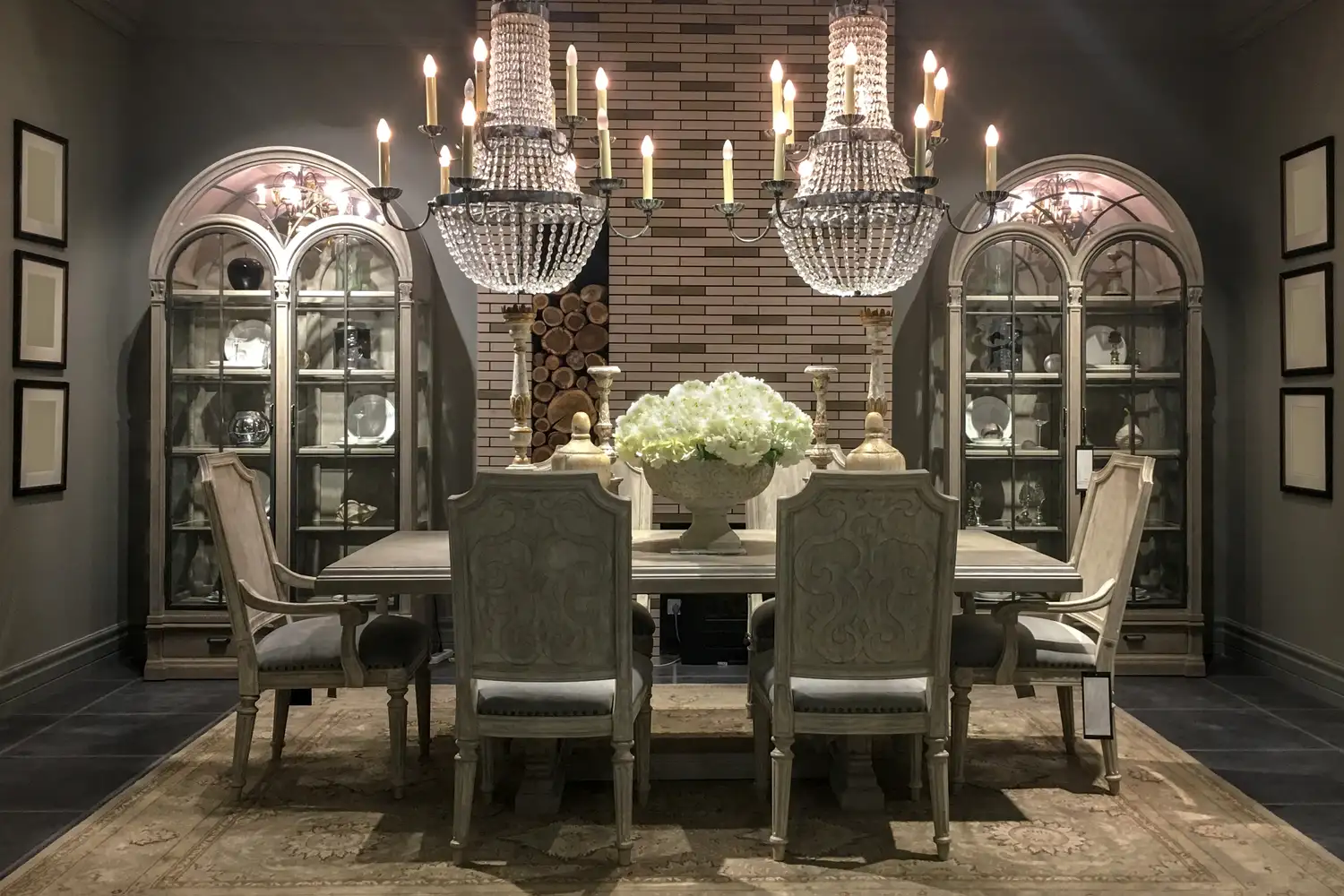
We Asked a Designer: This Is the Room Everyone Makes Too Formal Right Now (And We're Guilty)

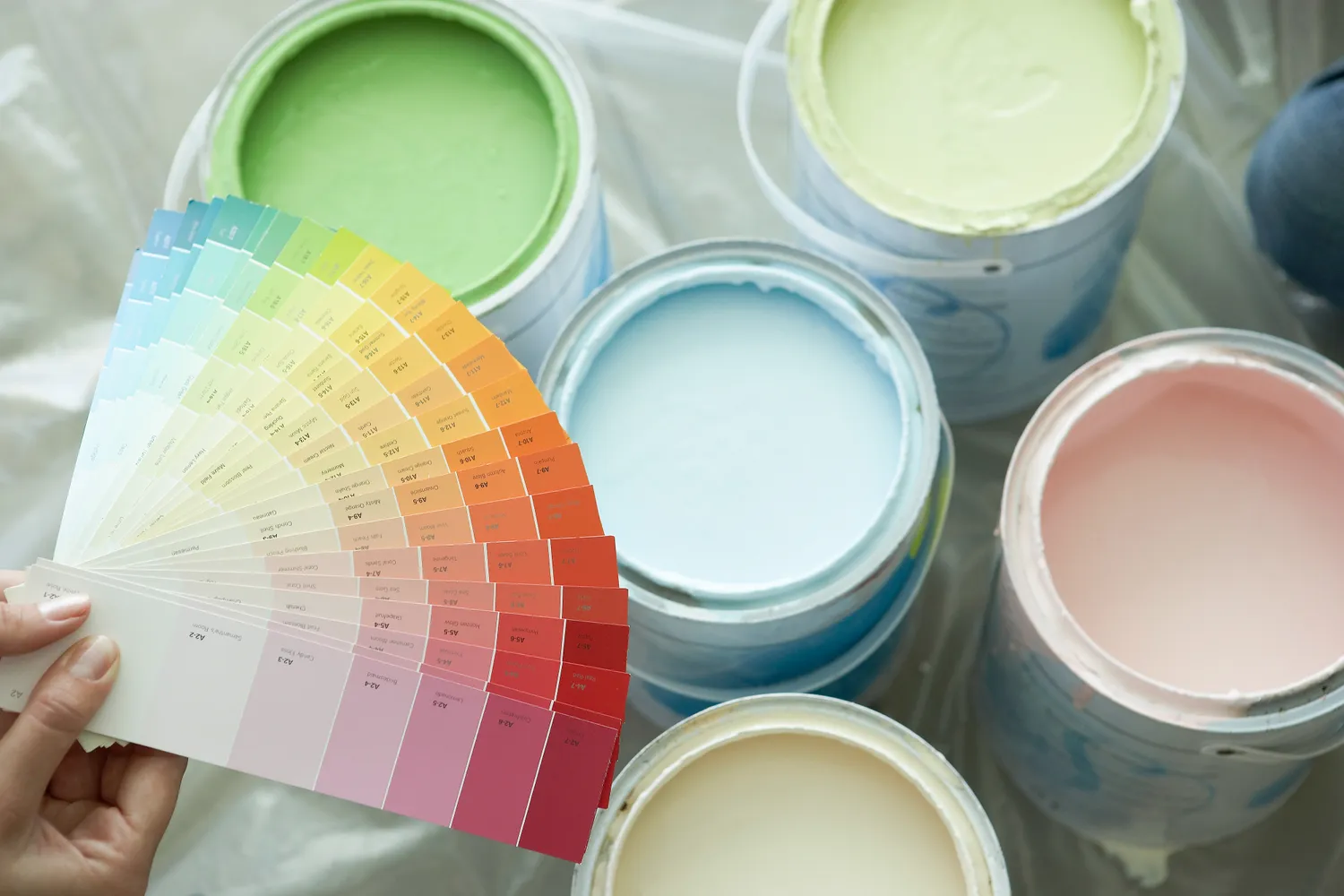
We Asked Designers Which Paint Colors Make a Room Feel Stuffy—And We're Repainting ASAP