



1/3
The Common Product You Should Never Use To Restore Shine To Vinyl Floors
Many individuals may be overthinking or overdoing their vinyl floor care routines, despite these floors being resilient and easy to clean. Mistakes are commonly made in vinyl floor cleaning, with certain common products and traditional cleaning methods potentially causing adverse effects. Jim Mannes, Total Care Director for Shaw Floors, highlights that most floor-cleaning products are not appropriately formulated for vinyl floors. He specifically advises against using floor waxes and solvent-based floor polishes on vinyl flooring, as these products often diminish the floor's shine rather than enhancing it. Such products frequently leave a film or residue because they are not properly rinsed after use, leading to a sticky surface that attracts dirt over time.
Mannes explains that effective floor cleaning should follow a sequence similar to other cleaning tasks: removing dry debris, applying a cleaning agent, agitating the surface, allowing sufficient dwell time for the chemistry to act, and finally, rinsing. He emphasizes that the rinsing step is crucial but often skipped, resulting in residues that dull the floor's appearance. The allure of floor cleaners with a "restorative chemistry" can be misleading. Most manufacturers do not endorse products containing wax, optical brighteners, or chemistries incompatible with their flooring. Wax-based products, in particular, do not adhere well to vinyl floors. Additionally, using unrecommended solvents can be detrimental. Solvents are typically not needed and, if used, are difficult to rinse, leaving unwanted residues and a hazy finish.
For vinyl flooring, Mannes recommends using cleaners with a neutral pH that are specifically designed for this material and do not promise to restore the finish. For oily or waxy spills that resist regular cleaning, a rag with isopropyl alcohol can be effective. However, the initial and most crucial step in cleaning vinyl flooring, surprisingly, involves no liquids at all. Mannes points out that over 80% of floor soil consists of dry particulate matter. Introducing liquids to this dry soil only complicates the cleaning process.
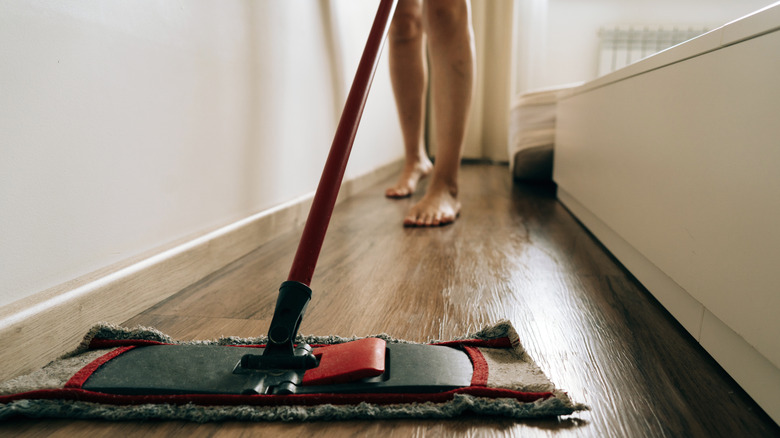
The recommended approach for cleaning vinyl floors begins with dry soil removal using a vacuum, followed by a dry microfiber mop. Consistent dry mopping helps eliminate fine soils that vacuums or brooms might miss. After dry methods, damp mopping becomes appropriate. When damp mopping, using distilled water is advised, as dissolved minerals in tap water can leave behind a hazy film over time. If attempting to restore the finish of an older, worn floor, adhering strictly to the manufacturer's recommendations for safe products and cleaners is essential. Some manufacturers offer specific finish restorative products that can improve the floor's aesthetic appearance. It is always prudent to test any new product on an inconspicuous area to assess the resulting glossiness before widespread application.
#VinylFloorCare #FloorCleaningMistakes #ShawFloorsExpertAdvice #HomeMaintenance #FlooringSolutions #CleaningTips #ResiduePrevention #NeutralPHCleaners #VinylFloorCare #FloorCleaningMistakes #ShawFloorsExpertAdvice #HomeMaintenance #FlooringSolutions #CleaningTips #ResiduePrevention #NeutralPHCleaners
 Комментариев пока нет