1/3
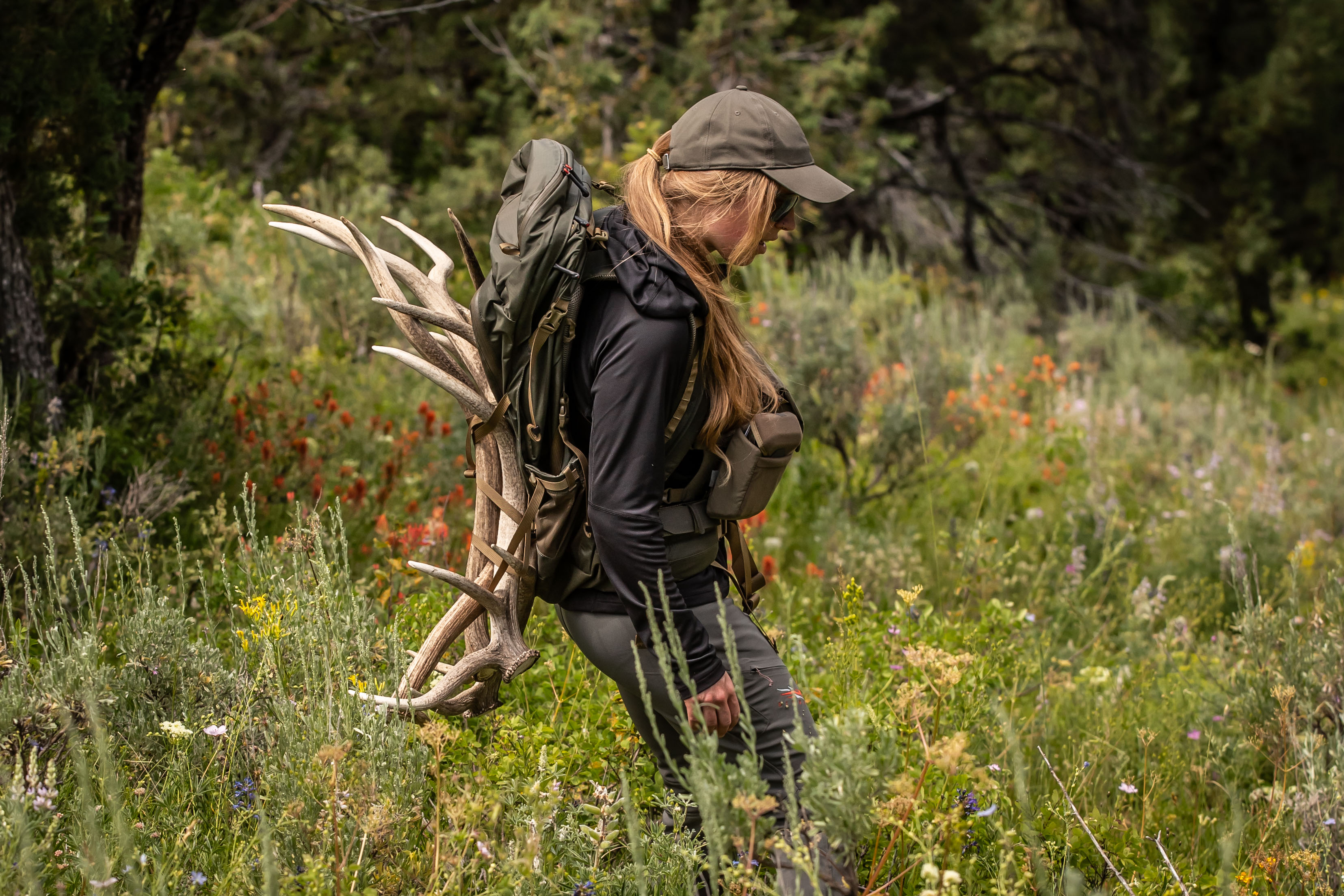
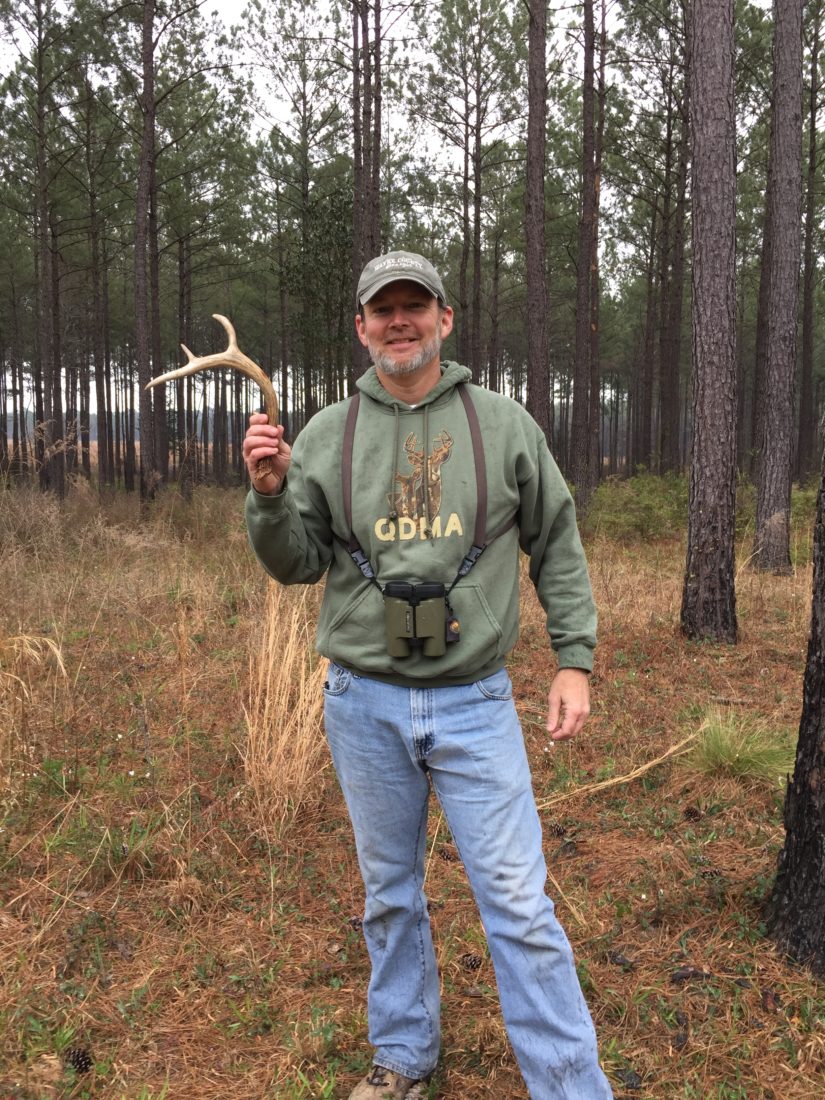
The art of hunting shed antlers with a practical reason on the side
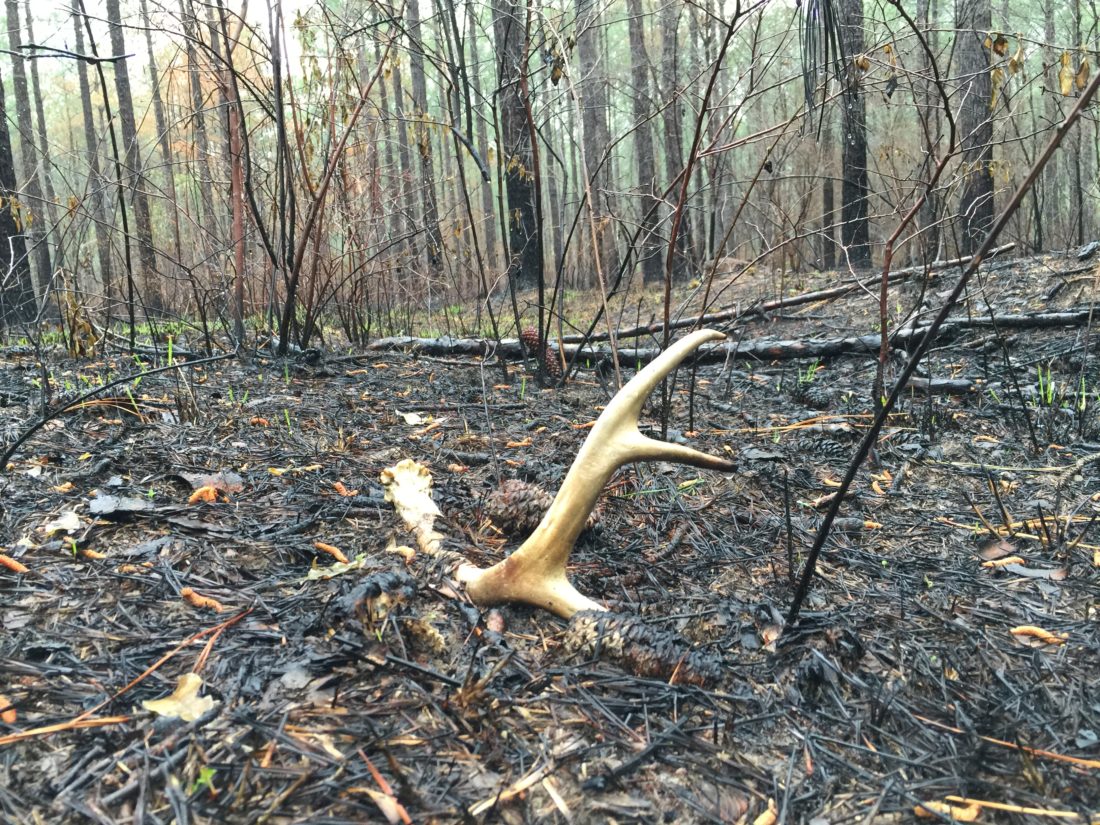
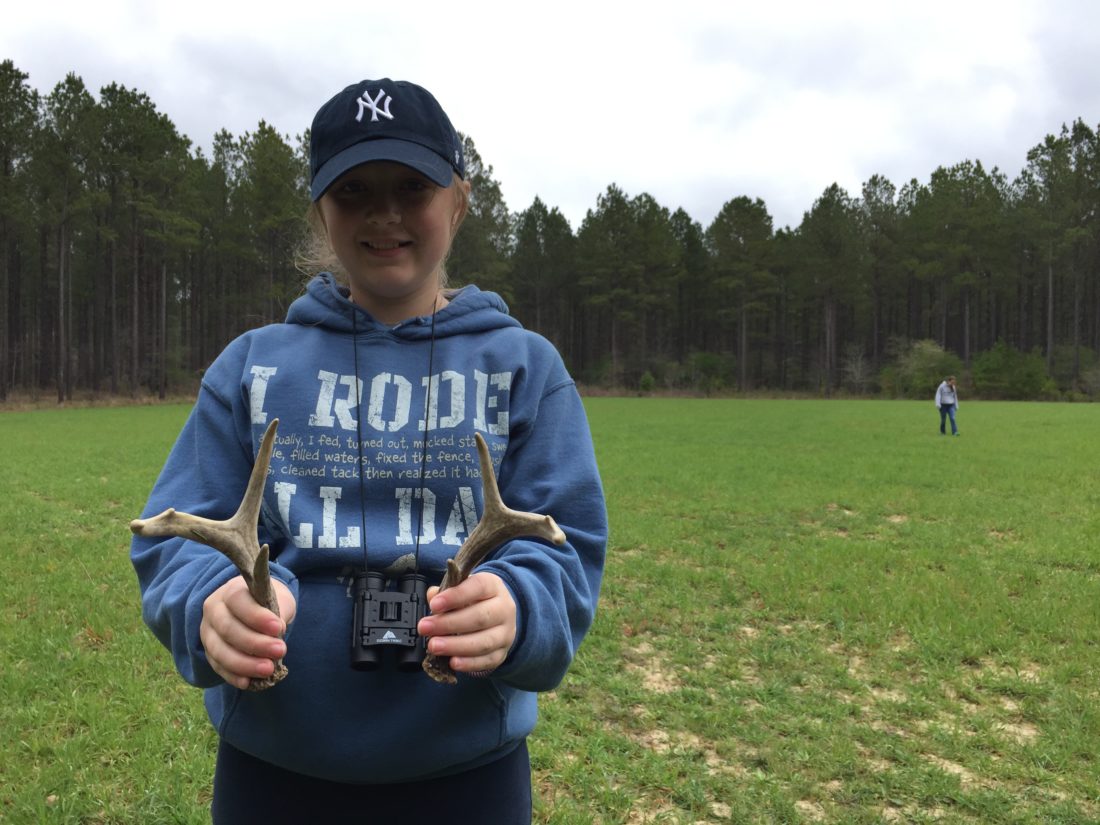
The article delves into the activity of hunting for shed antlers, highlighting both its recreational appeal and a significant practical benefit. It begins by recounting a recent unsuccessful shed hunting expedition in the far western suburbs of Chicago involving Jeff Norris, Jim Dunteman, and the author. Despite ample signs of deer activity, including dense scat and well-worn trails in wooded and brushy areas bordering cornfields and beanfields, no antlers were found. This lack of success was somewhat anticipated, as indicated by earlier communications from Jeff Getz and Norris.
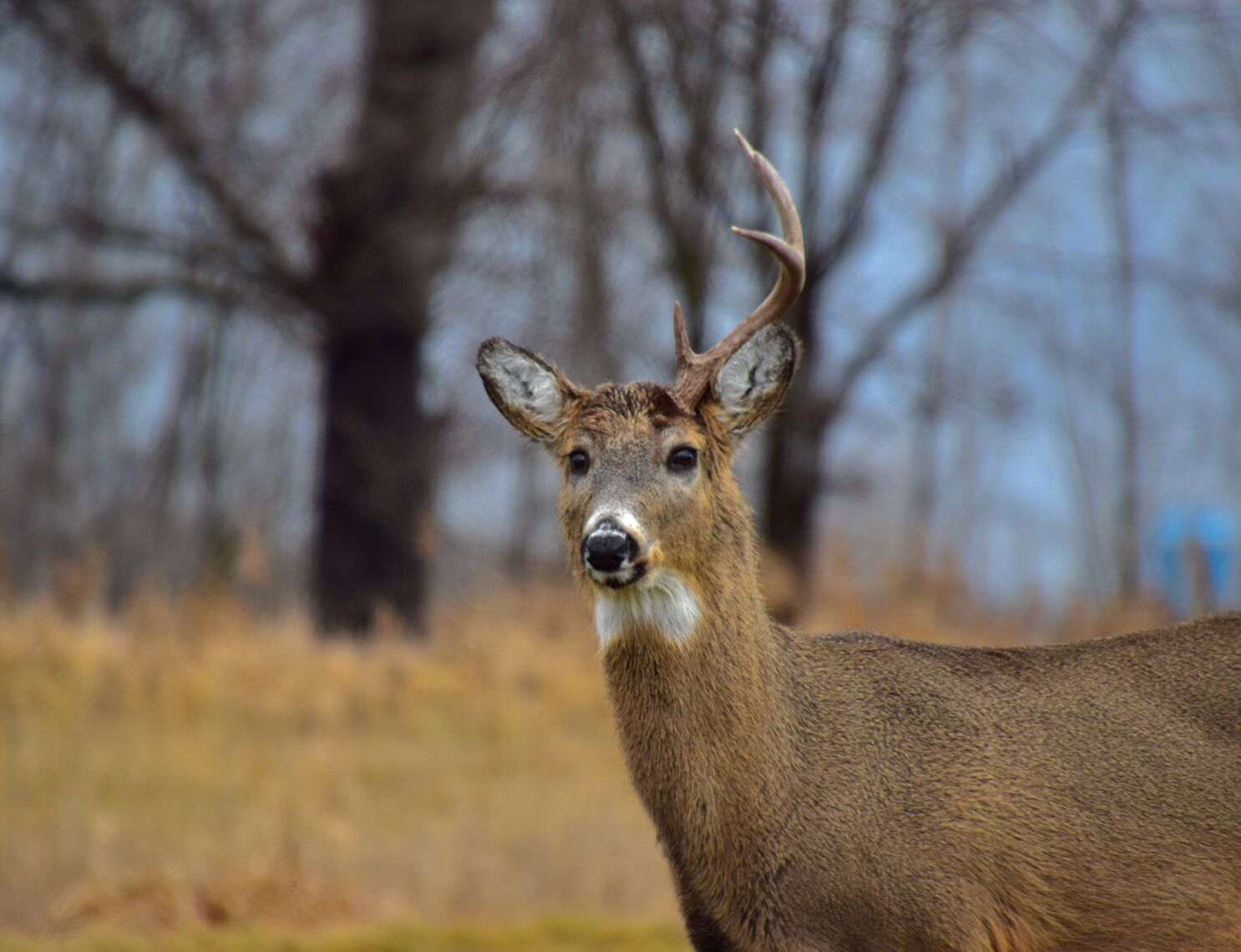
Jeff Getz had observed on February 1 that while some bucks had shed their antlers, larger ones were still retaining theirs. Similarly, Norris, an experienced guide, suggested waiting a week or two before embarking on the hunt, noting that the bigger deer were still holding onto their antlers. White-tailed bucks typically shed their antlers annually, with the peak period occurring around mid-February. The optimal time for shed hunting is generally from February to March, though finds can occur earlier, as evidenced by a "Shed of the Week" entry from January 27.
The author, seizing the opportunity presented by mild weather, decided to proceed with the hunt despite Norris's advice. The narrative then shifts to the author's solo shed hunt south of the city, in an area comprising a preserve, farmland, and a public golf course, where deer movements are familiar. The article provides practical advice for aspiring shed hunters, emphasizing the importance of concentrating on areas with high deer populations and places where antlers are likely to be dislodged. These include trails where deer jump across obstacles like creeks or ditches, or pass under low-hanging tree branches, as well as bedding or congregating areas.
The author's solo excursion, undertaken with new vision after cataract surgery, similarly yielded no sheds, although many golf balls were discovered. The terrain was muddy, necessitating high boots, and despite the mild weather, the sheds proved elusive, blending seamlessly with the brown grass and sticks. The presence of numerous antlerless deer in a fairway during the author's search reinforced the expectation of sheds in the area.
A key practical reason for shed hunting, particularly on private agricultural land, is to prevent damage to expensive farm equipment tires. Farmers like Jim Dunteman have experienced tines breaking off in tractor tires, and Norris recounted instances of antlers damaging vehicle tires. This practical aspect makes gaining permission to hunt sheds easier than obtaining permission for deer hunting itself. The article concludes with the group's decision to try again the following week, remaining optimistic despite their initial lack of success. It also outlines regulations regarding shed collection in Illinois, noting its prohibition in most forest preserves and park districts, but allowing it in specific state-managed areas.
#ShedHunting #DeerAntlers #Wildlife #OutdoorsIllinois #NatureExploration #FarmEquipment #WhiteTailedDeer #OutdoorActivities #IllinoisWildlife #ShedHunting #DeerAntlers #Wildlife #OutdoorsIllinois #NatureExploration #FarmEquipment #WhiteTailedDeer #OutdoorActivities #IllinoisWildlife
 Комментариев пока нет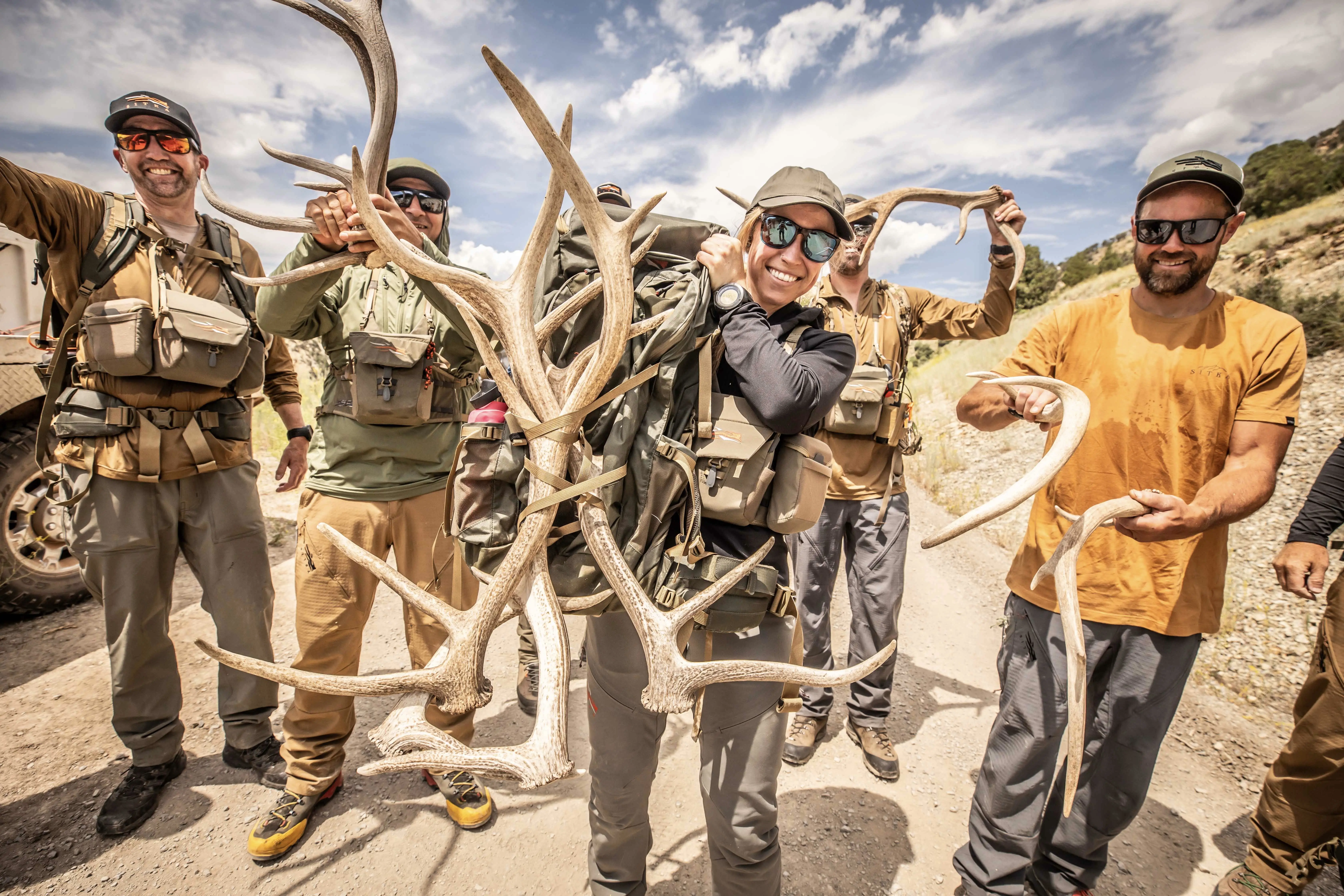
Treasure Hunting for Antlers: An Intro to Shed Hunting
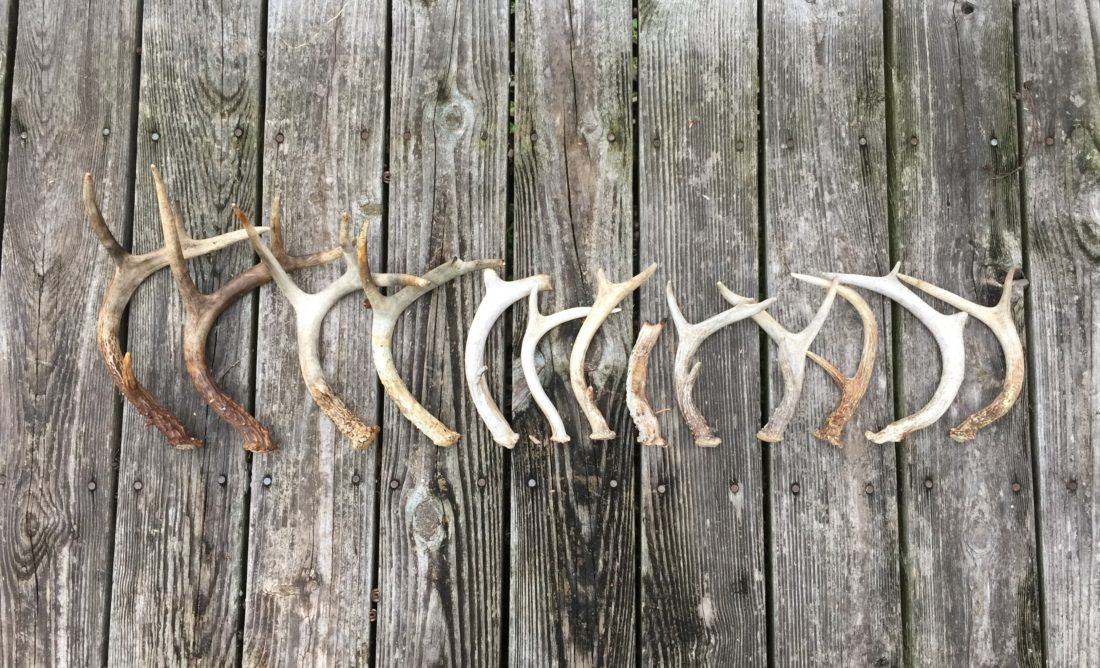
The Southerner’s Guide to Shed Hunting

The Huntress


The Thrill of the Hunt: Understanding the art of antiquing in KC