




1/10
Should You Paint Ceilings and Walls the Same Color? Experts Give Their Verdict
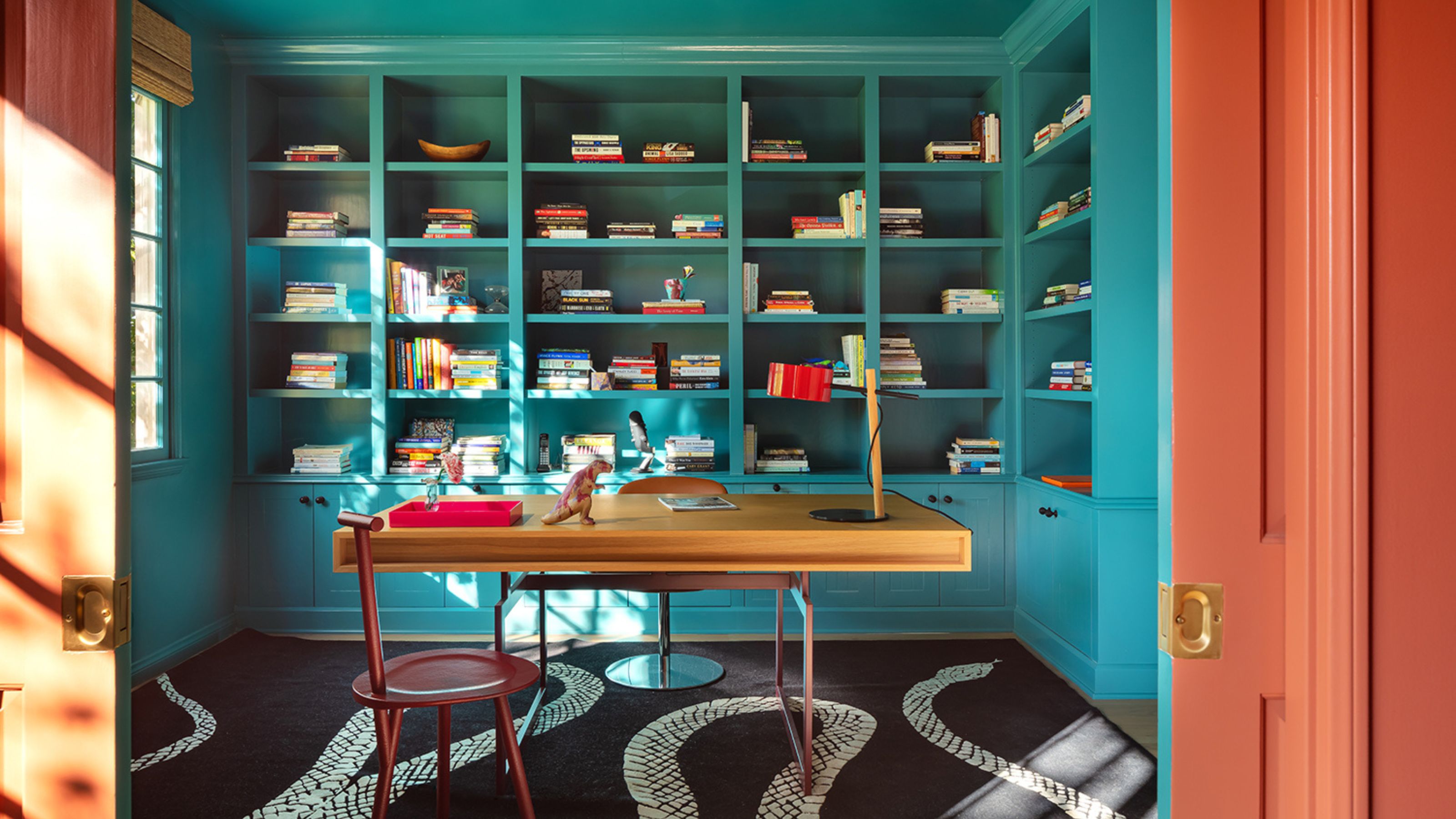
The article explores the interior design trend of "color drenching," which involves painting ceilings and walls the same color, and consults experts for their opinions and advice on its application. This technique, also known as color drenching, can transform the atmosphere of a room, making it feel either larger or cozier. While it might seem like a bold choice, especially with bright or saturated hues, designers affirm its versatility across various styles and room sizes.
The primary advantage of color drenching is the creation of a calming uniformity across architectural details such as walls, ceilings, windows, moldings, radiators, doors, and frames. This approach can be applied to almost any room, though homeowners might consider whether a room would benefit more from a contrasting ceiling or a tonal scheme. The current interior trends indicate a shift away from plain white ceilings towards bolder color choices. To successfully implement color drenching, several key considerations are highlighted.
One recommendation is to create a cohesive tonal scheme by integrating decor and furniture that complement the room's paint color. For instance, in a yellow-painted room, incorporating beige or brown elements can add depth and a relaxed feel. It's also suggested to use different paint finishes for walls (matte) and architectural elements like trim and doors (glossy or semi-gloss) to create distinction while maintaining a unified color palette.
Color drenching is particularly effective in small rooms. Contrary to the belief that white ceilings brighten and enlarge a space, introducing the same color on the ceiling in a small room can prevent it from feeling truncated and instead make it appear more expansive and seamless, giving it a contemporary feel. The technique can also be used to define specific zones within a larger room, such as a home office area. A dramatic effect can be achieved by extending the color across the ceiling, while a subtle shift in hue can create a harmonious transition. The choice between bold and muted colors for zoning depends on the room's function, with vibrant colors suitable for communal areas and calming tones for bedrooms.
For a truly monochromatic look, all architectural elements, including crown moldings and doors, should be painted the same color as the walls and ceiling. This creates a comforting, enveloping effect, described as a "welcoming hug." Alternatively, some designs experiment with contrasts, such as retaining a different color for door trims to highlight architectural features and frame transitions between rooms, especially when connecting spaces with similar color palettes. The article also suggests shifting tonally from room to room to maintain a cohesive flow in the home, even when different rooms are color-drenched. Bold contrasts between neighboring color-drenched rooms can also create an invigorating and unexpected effect.
Painting ceilings and walls the same color simplifies the painting process by eliminating the need to "cut in" around the ceiling line. While woodwork typically requires an eggshell or satin finish for durability, using the same color helps to camouflage any minor inconsistencies between different finishes more effectively than contrasting colors would. The article concludes by recommending three specific paint colors—Dayroom Yellow, Grey 09 Matt, and Surf Camp blue—as ideal for achieving a color-drenched look.
#ColorDrenching #InteriorDesign #PaintTrends #HomeDecor #ArchitecturalElements #SmallSpaceDesign #MonochromaticScheme #PaintColors #RenovationTips #ColorDrenching #InteriorDesign #PaintTrends #HomeDecor #ArchitecturalElements #SmallSpaceDesign #MonochromaticScheme #PaintColors #RenovationTips
 Комментариев пока нет