1/13
How do I make my kitchen look farmhouse? 12 elements experts always include
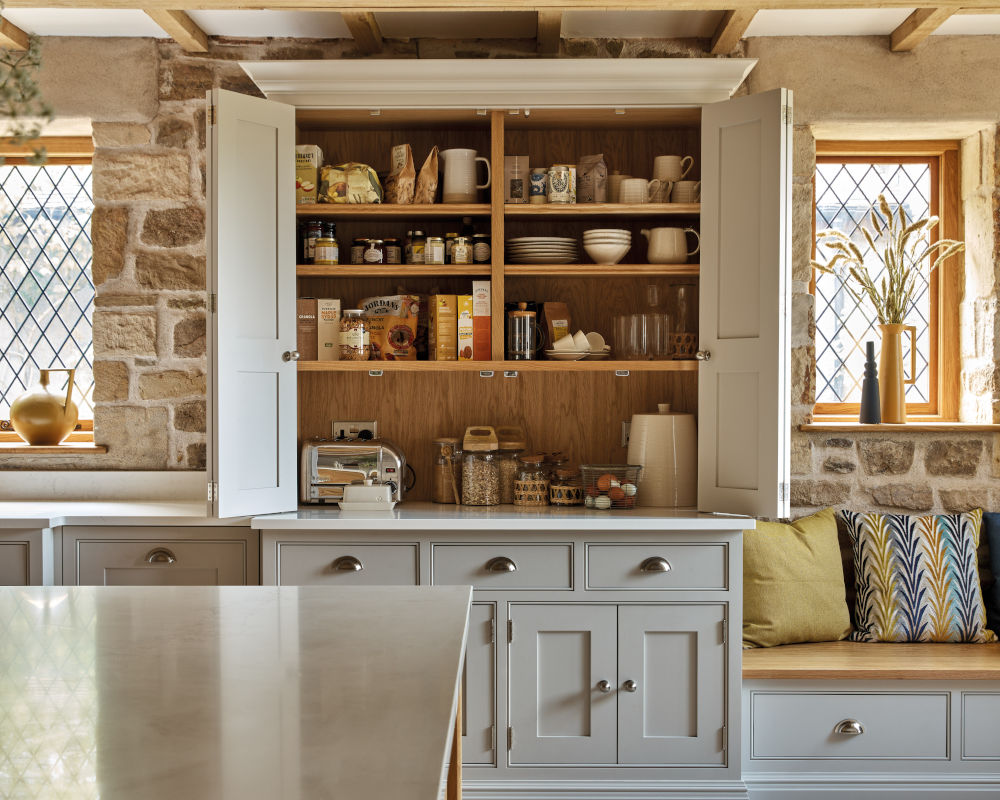
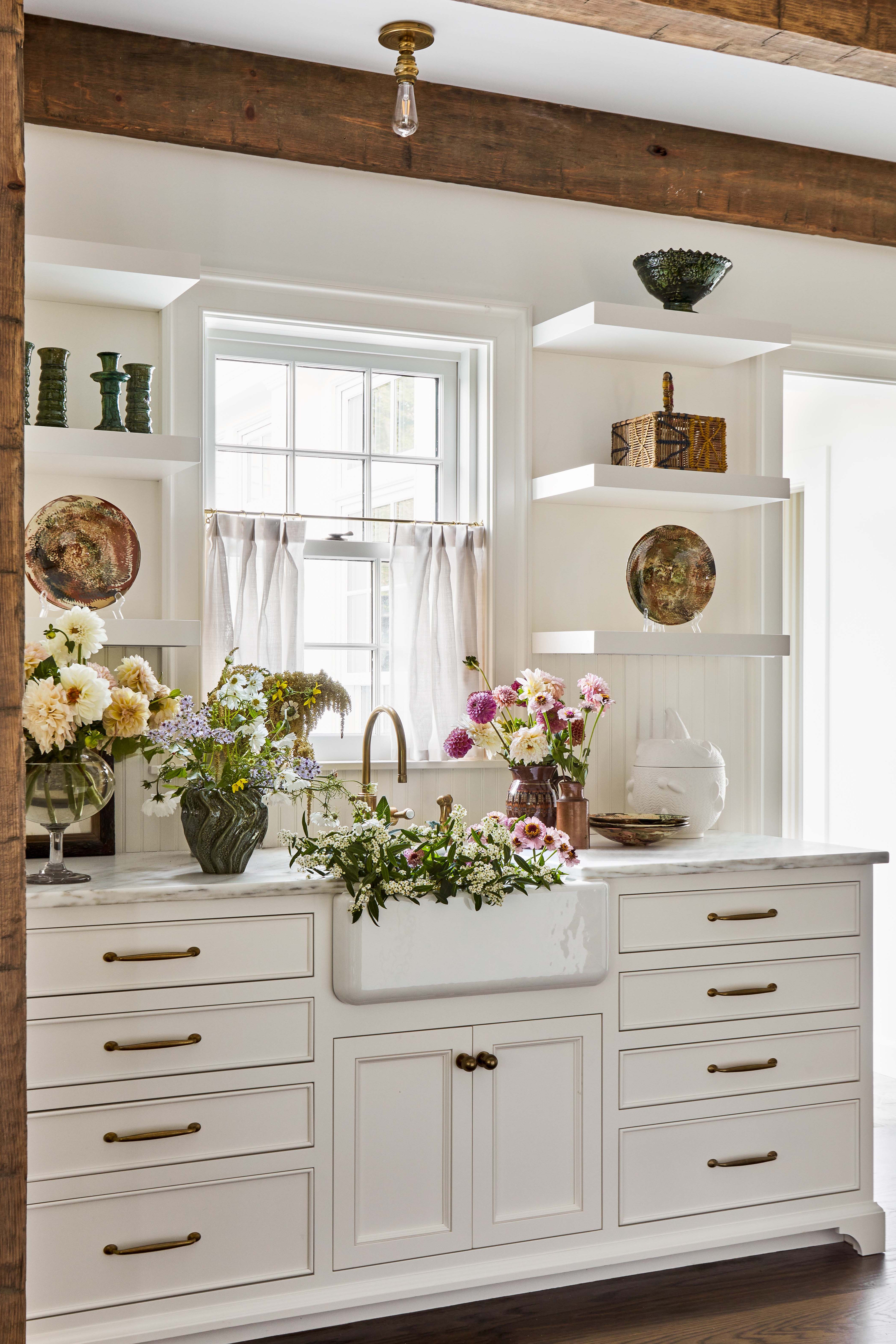
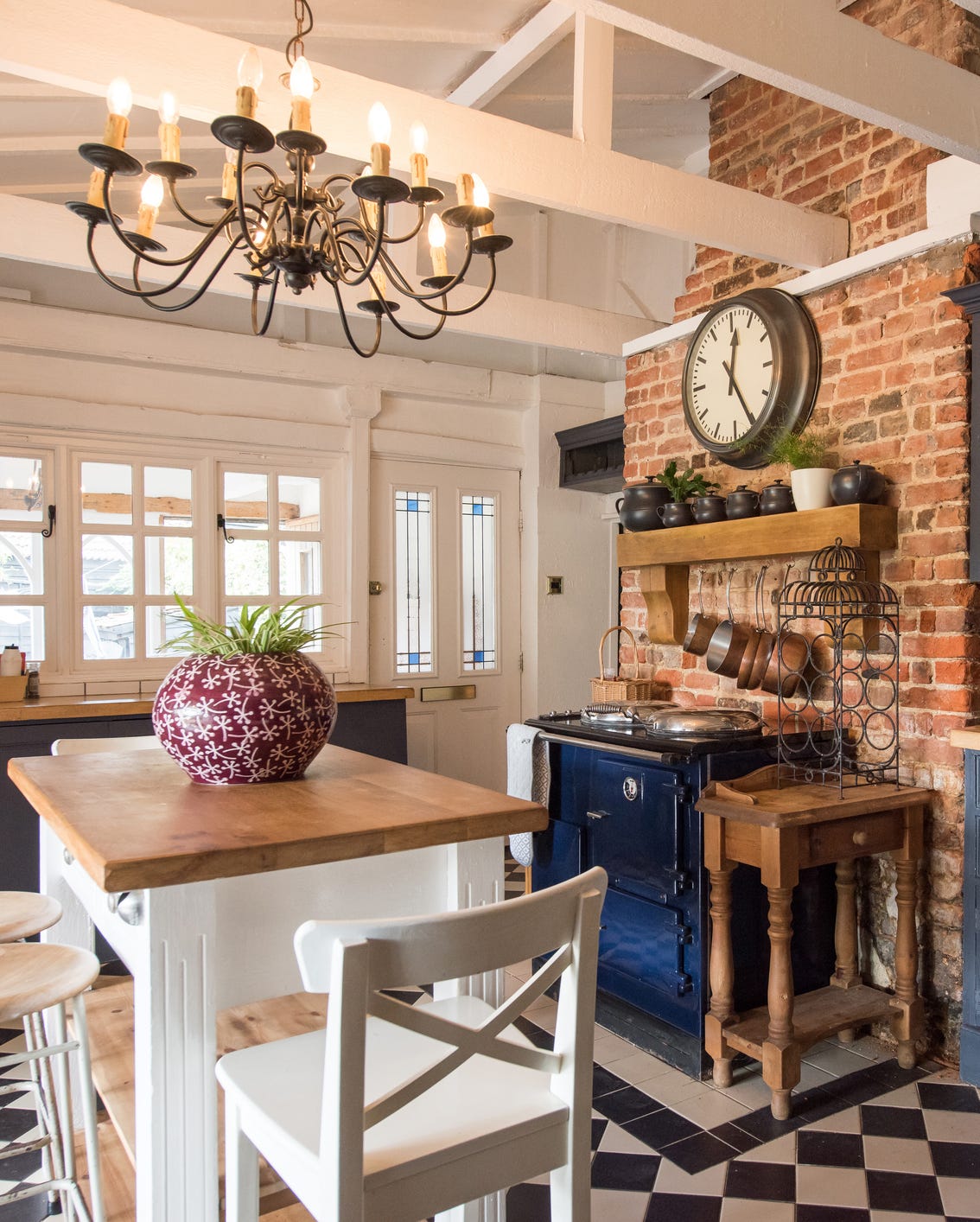
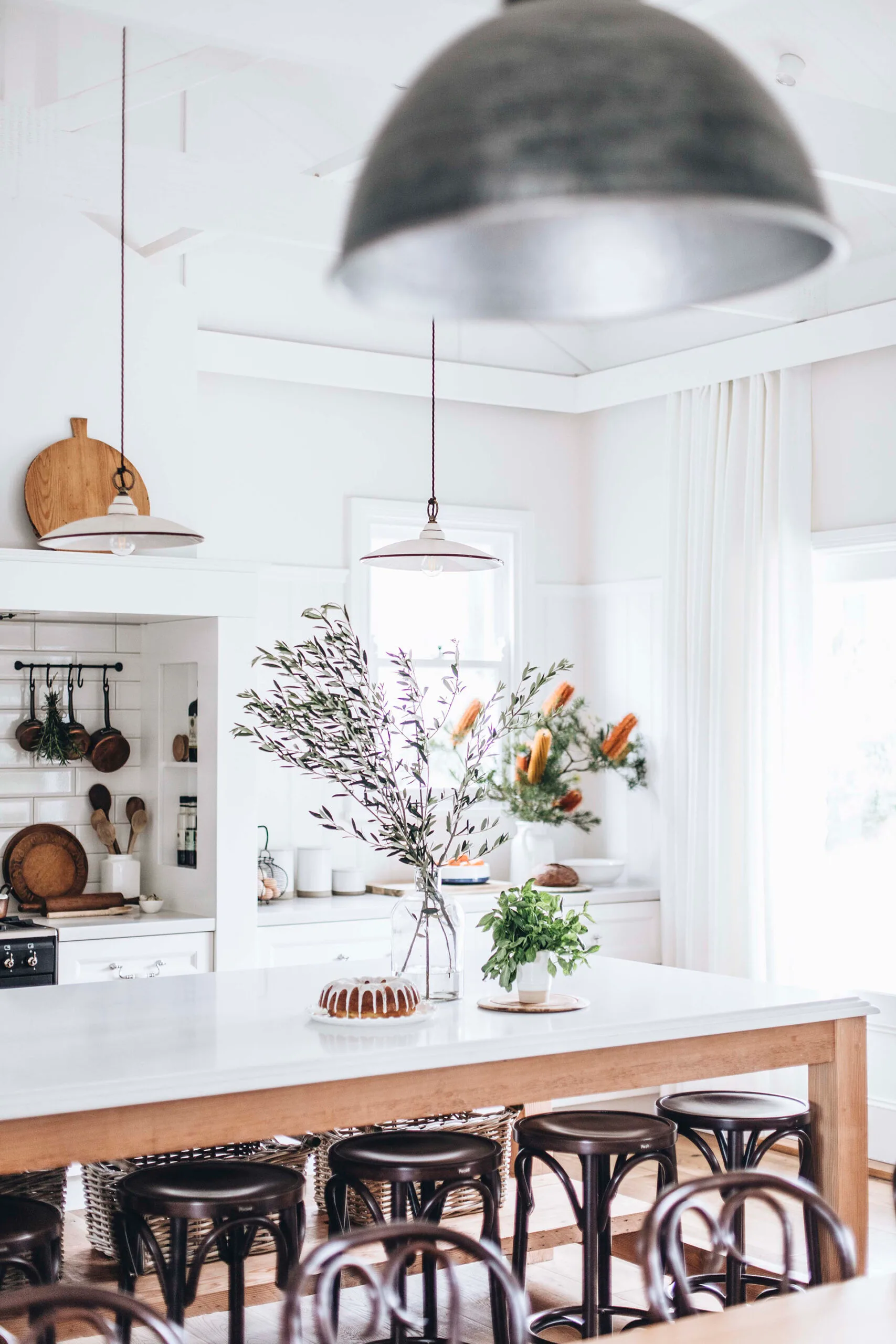
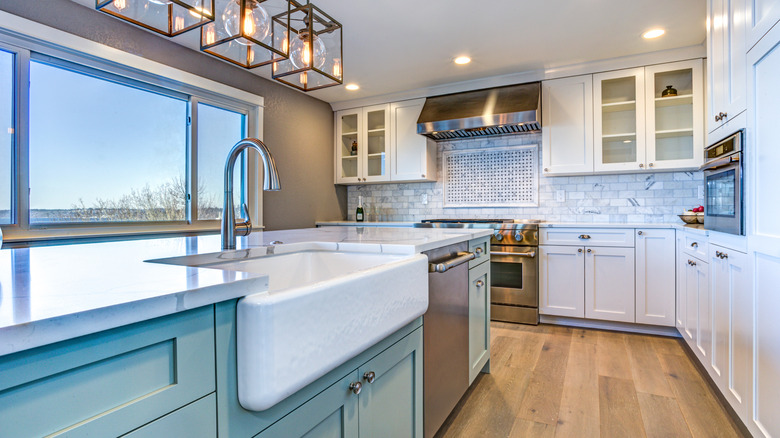
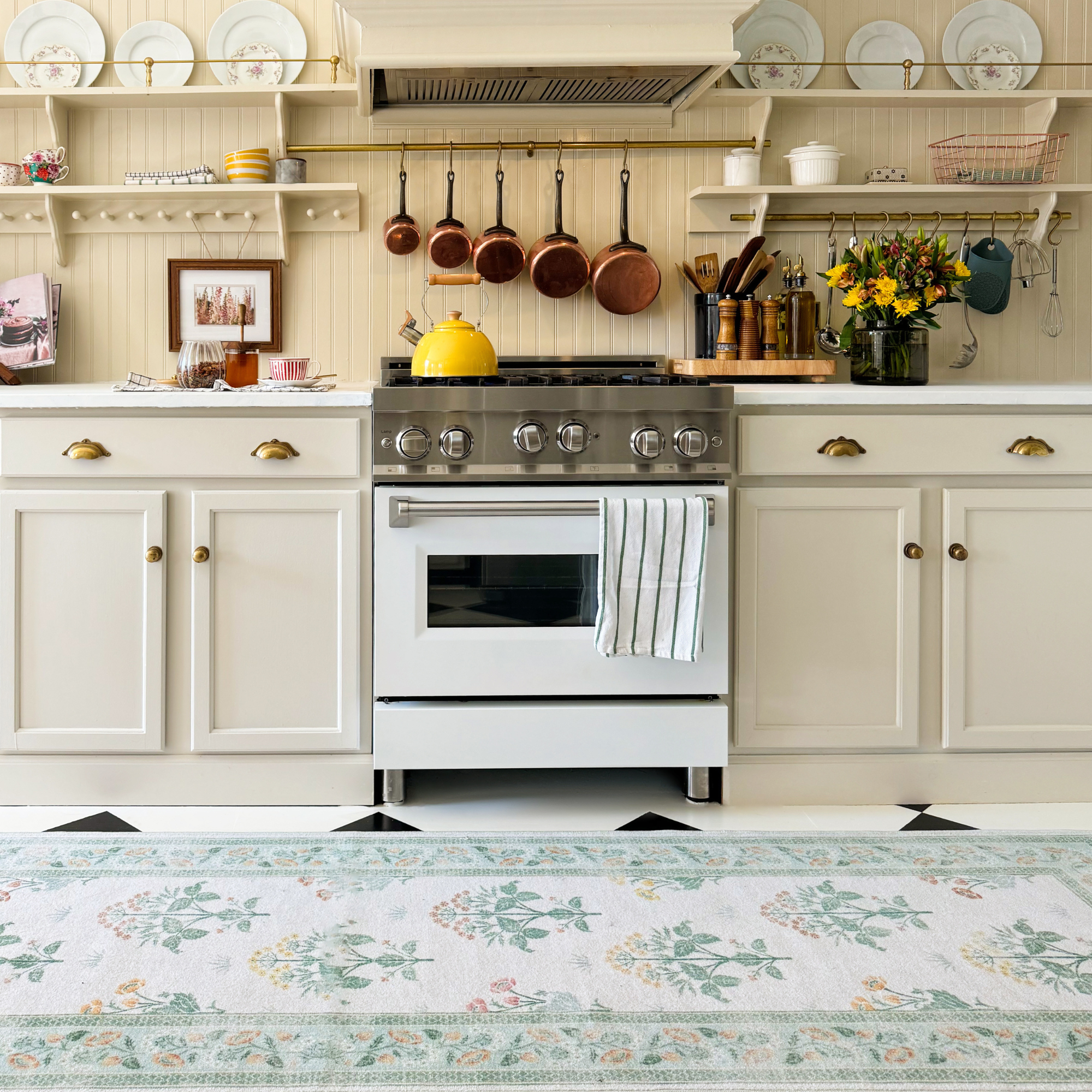
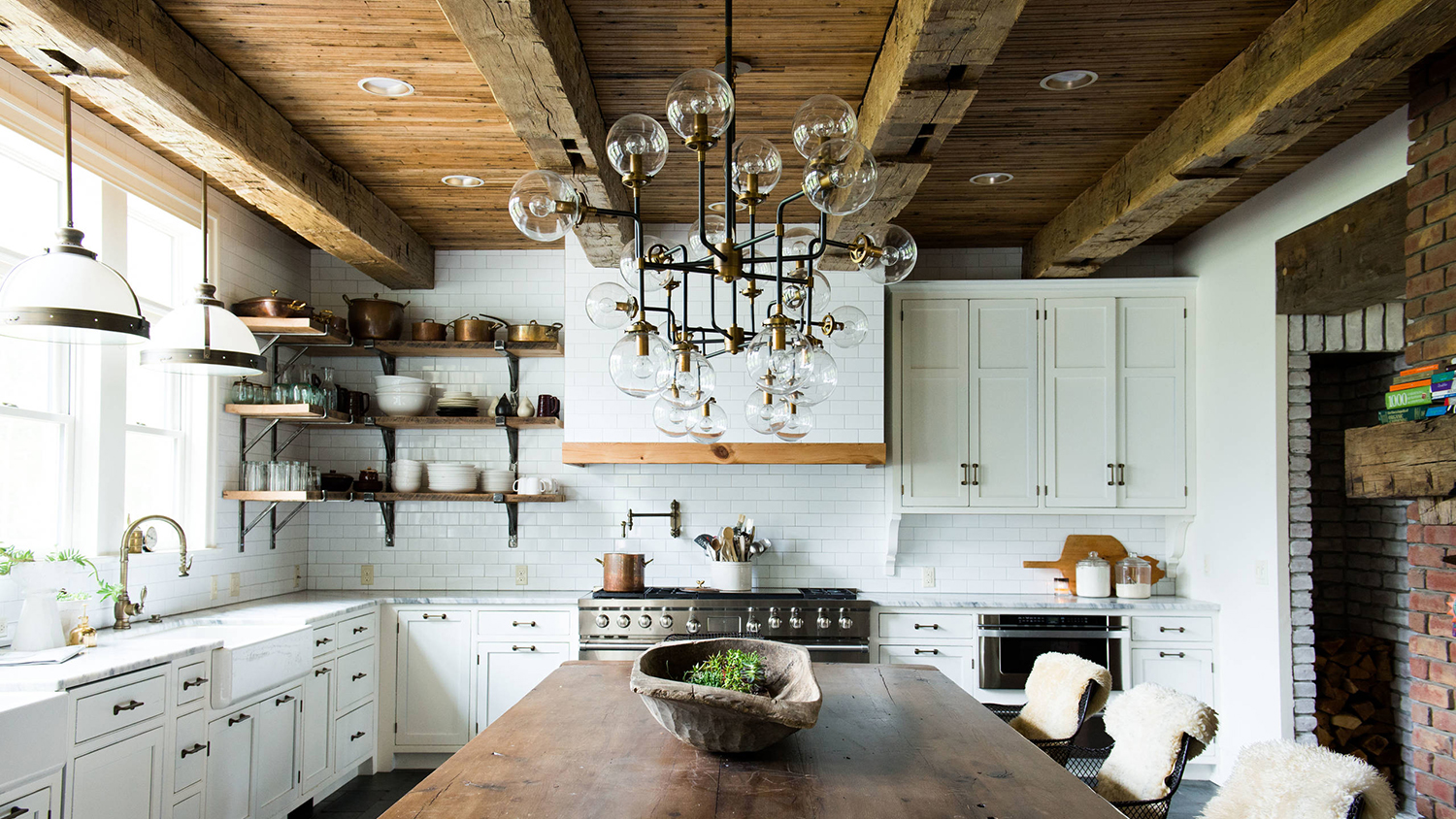
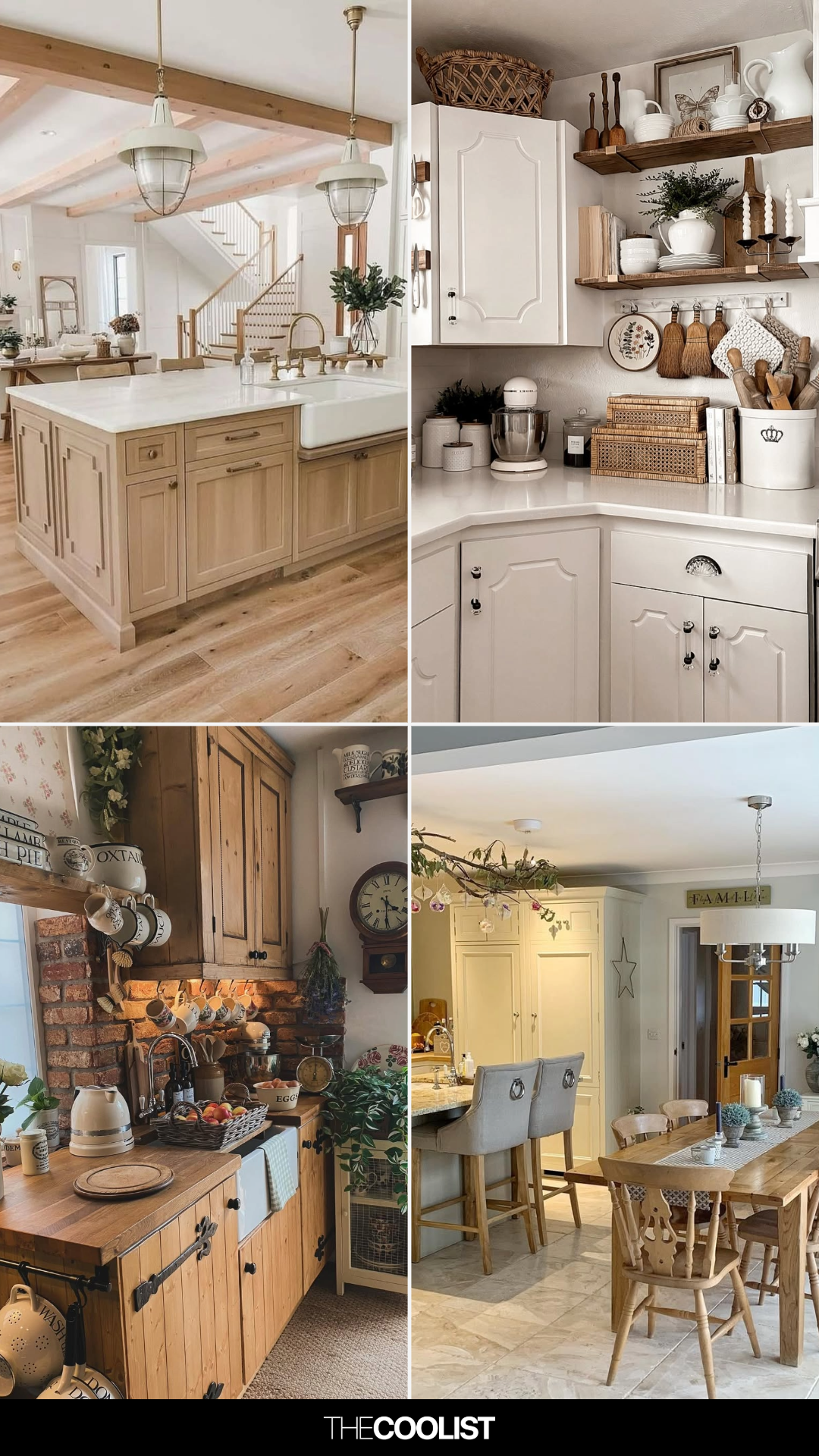
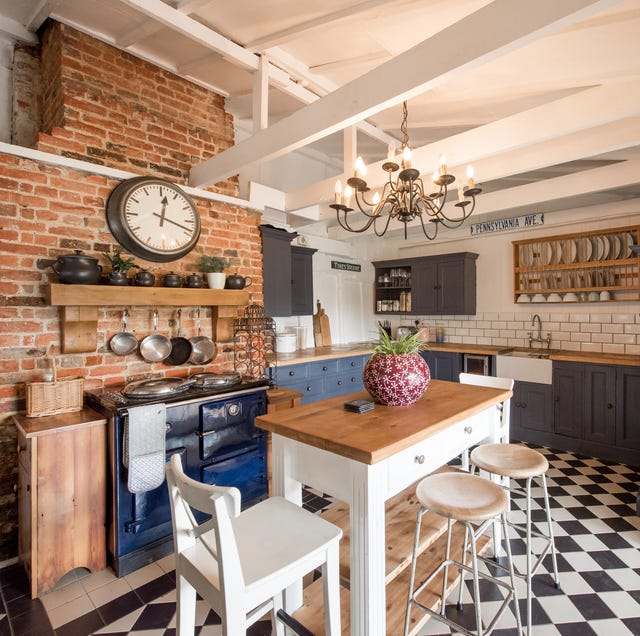
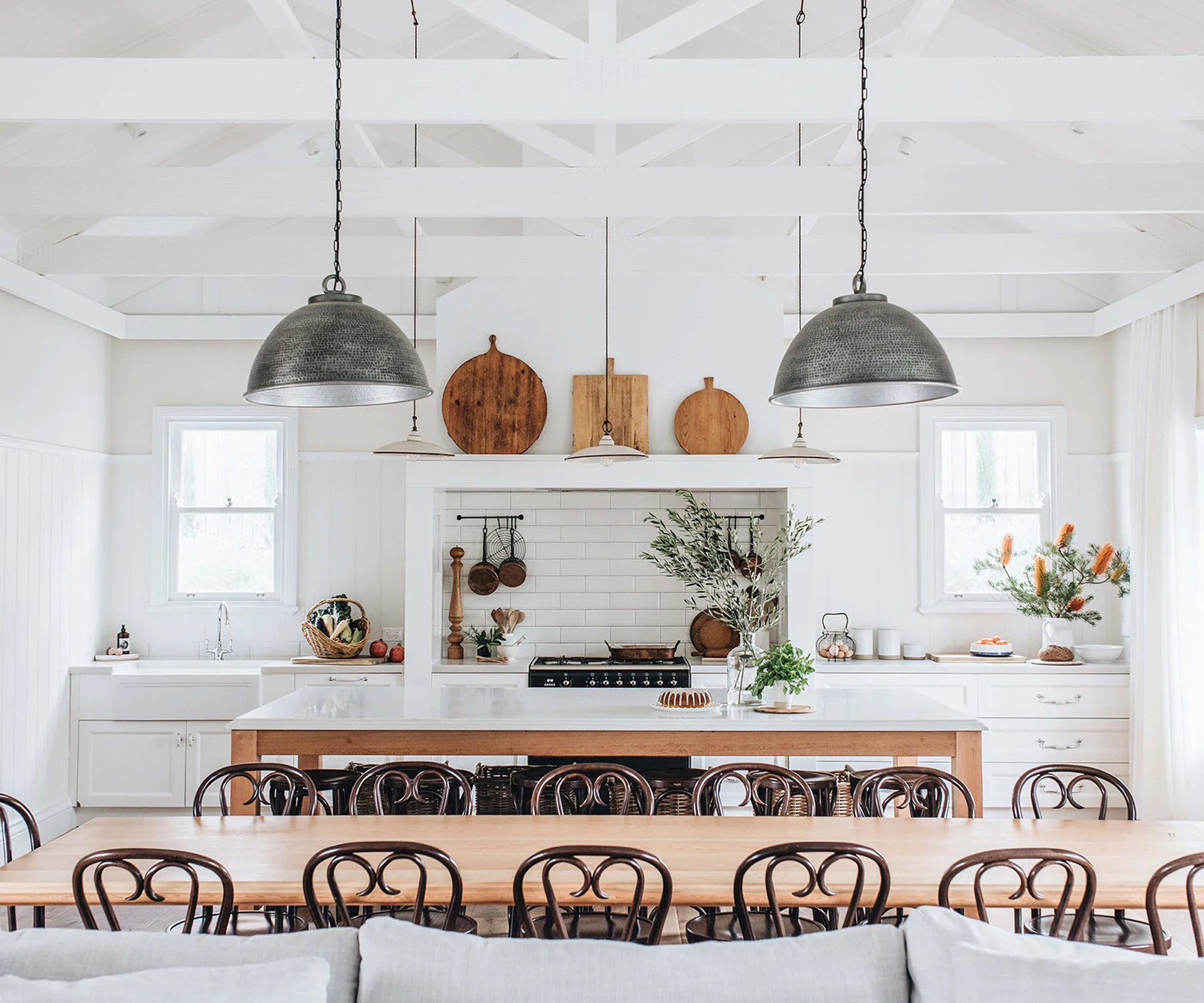
The farmhouse kitchen style is a perennially popular choice, known for its warmth, coziness, and relaxed decor, and it can be adopted in various properties and locations. Achieving this look involves incorporating specific design elements and styling choices. Key to creating a farmhouse kitchen is the emphasis on a welcoming mood and lifestyle, integrating country living aesthetics, natural materials, and rustic or vintage accents. The cooking experience is often highlighted, with the range and hood serving as focal points, and even clean-up is celebrated with prominent apron-front sinks, typically in white porcelain or copper.
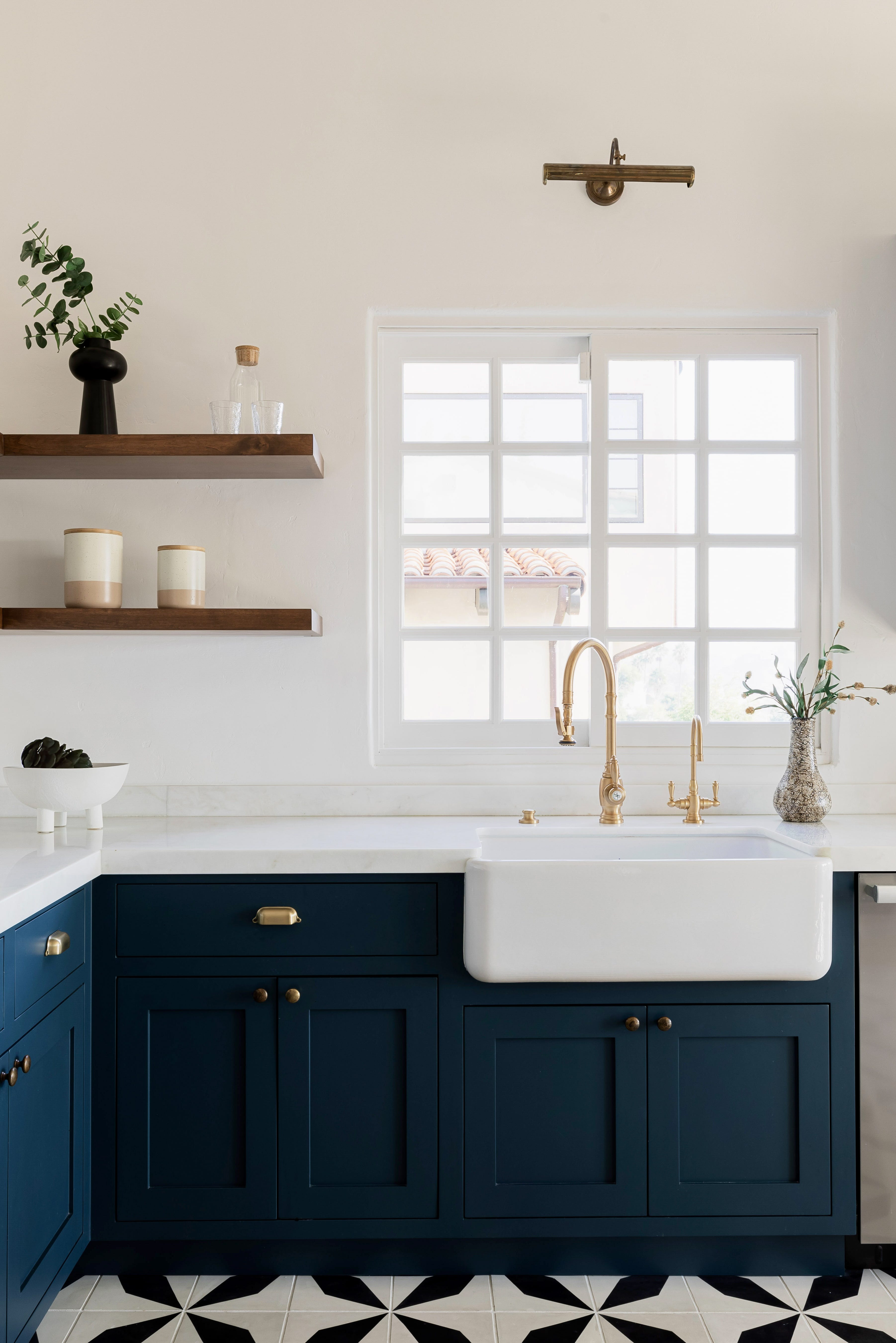
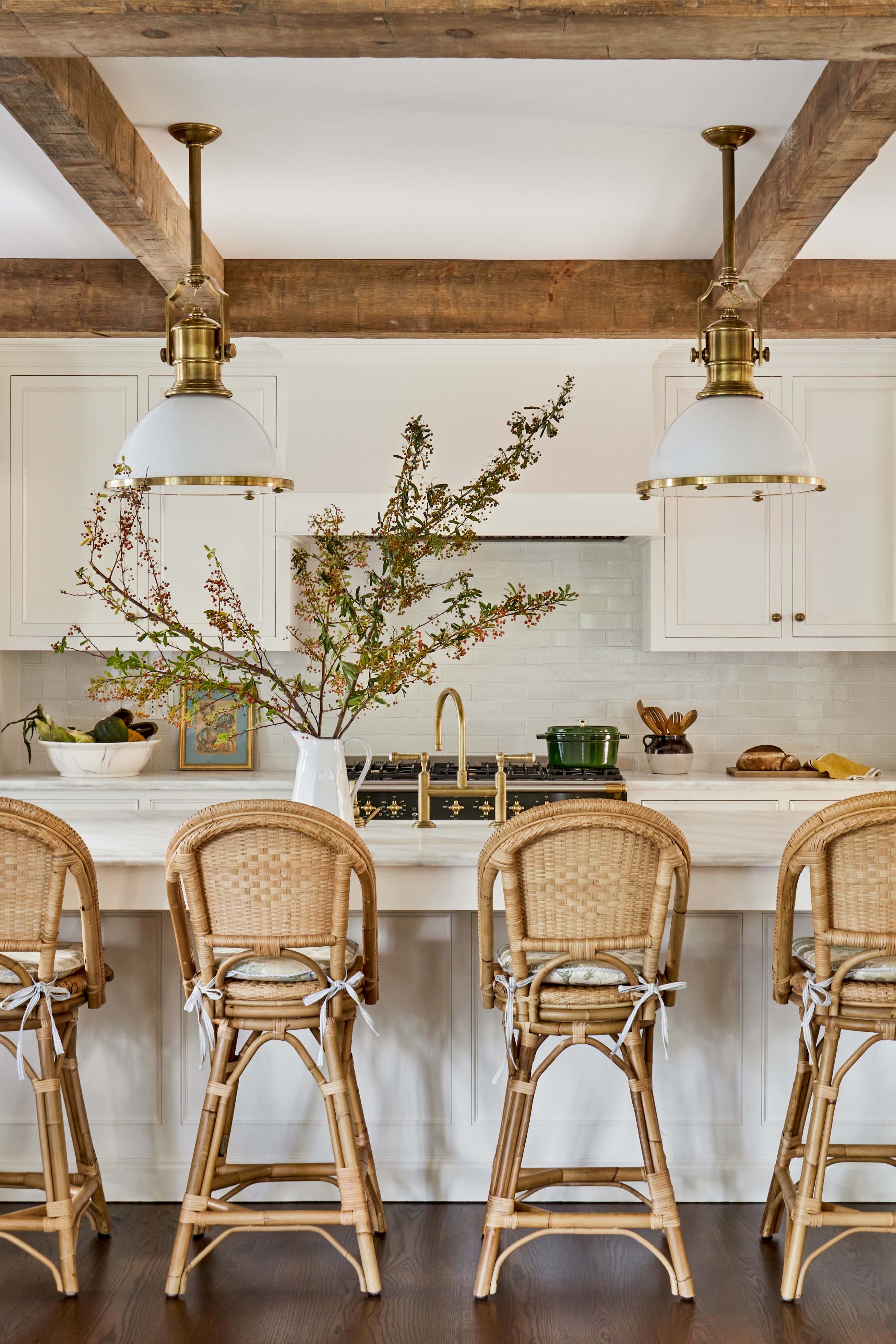
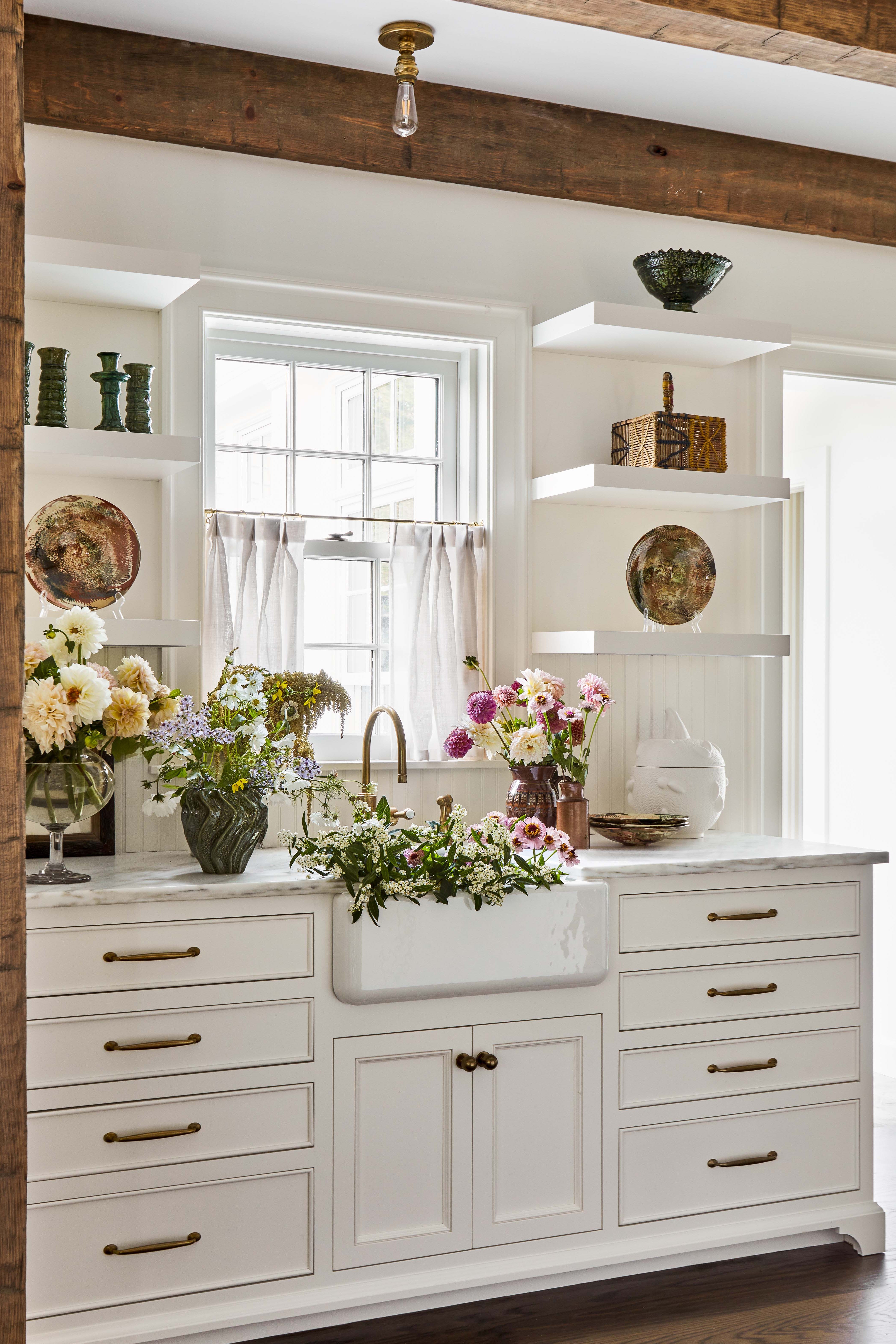
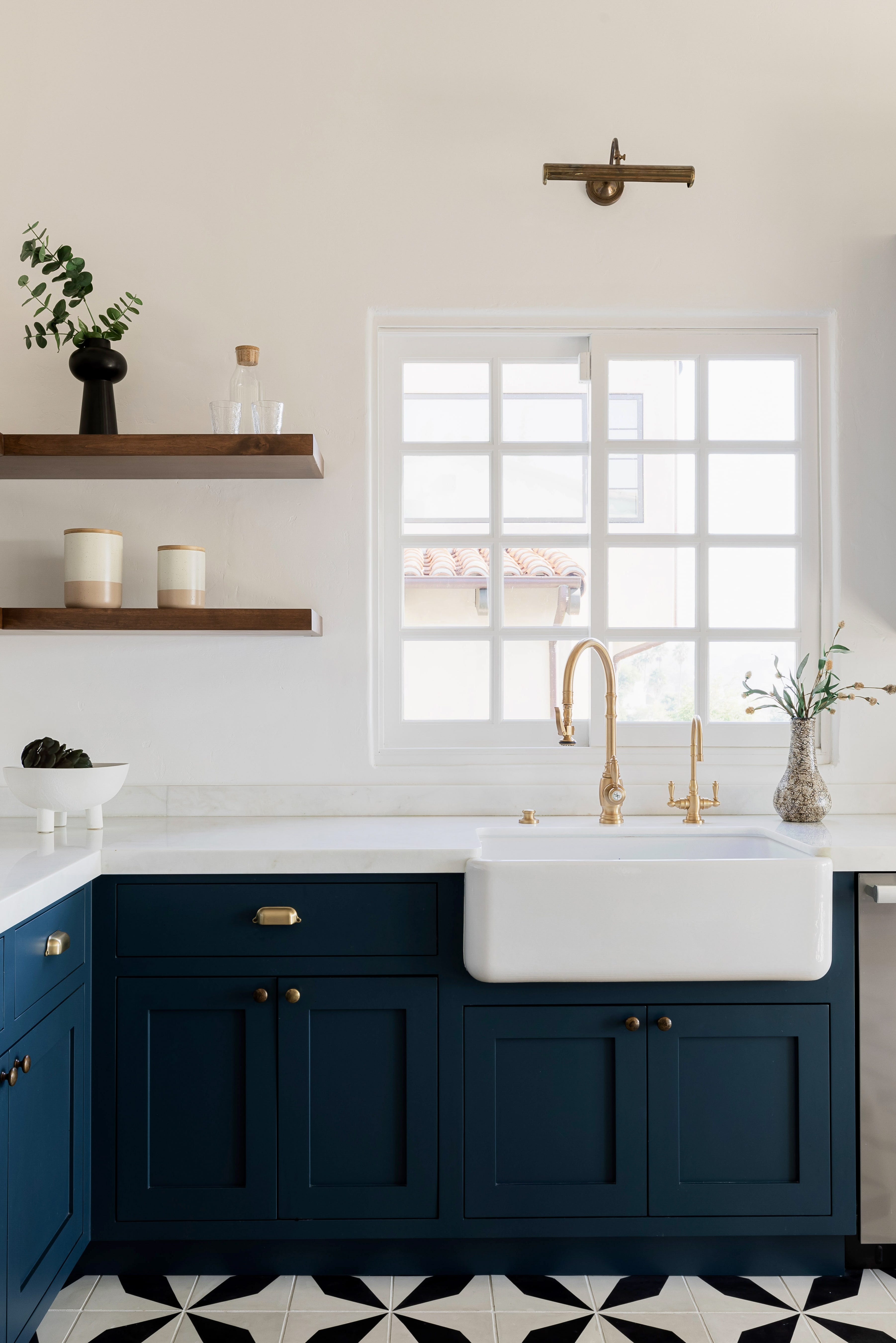
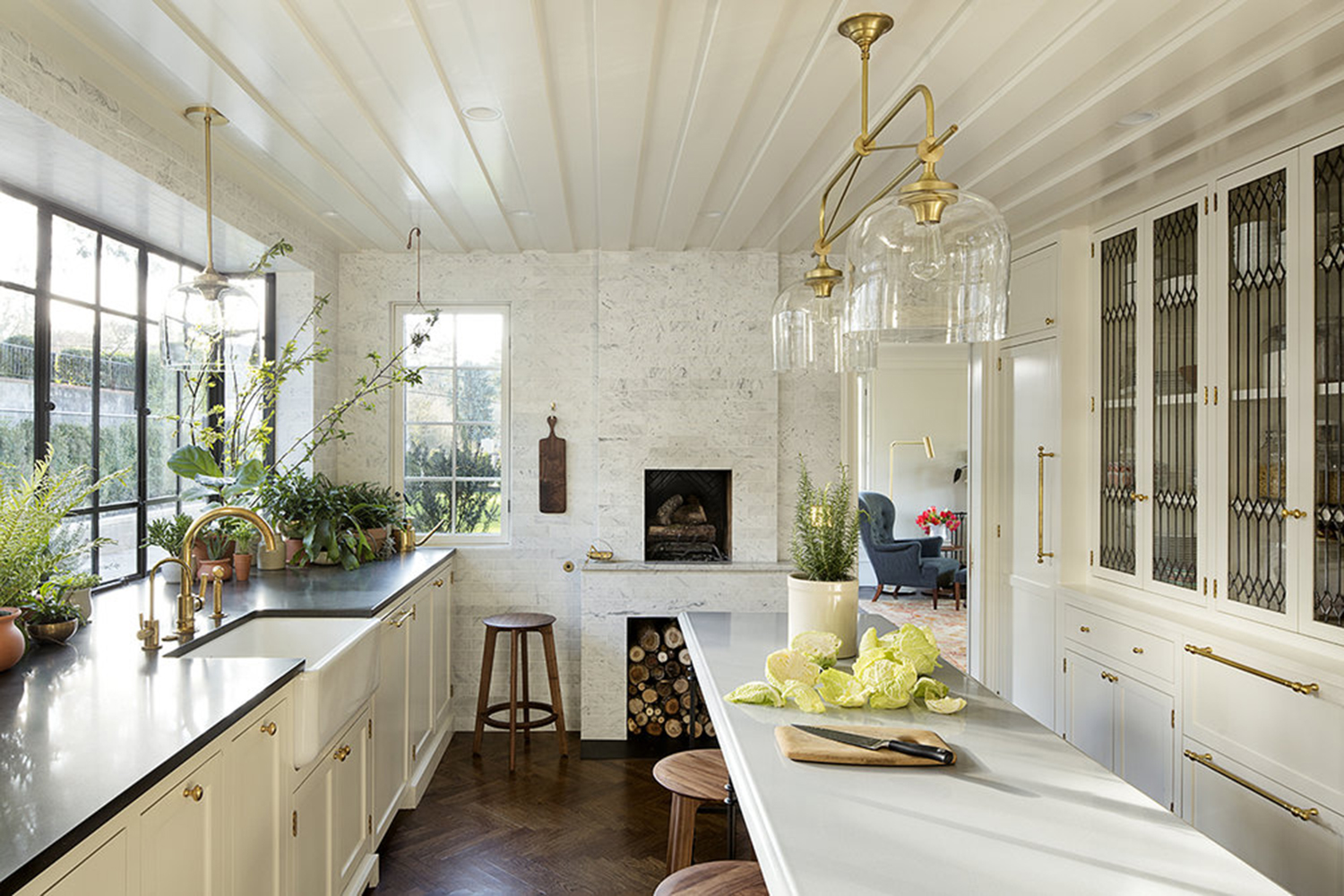
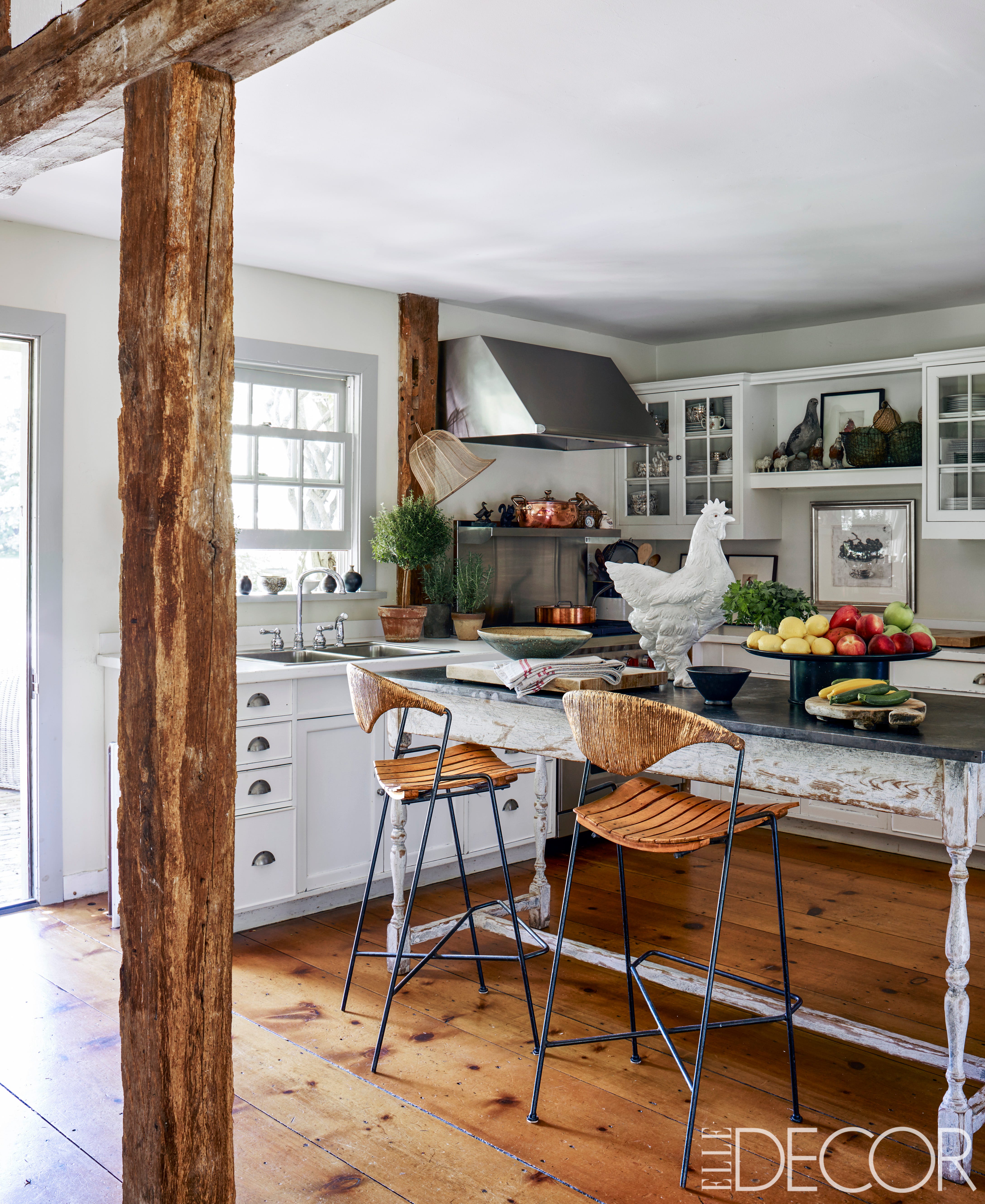
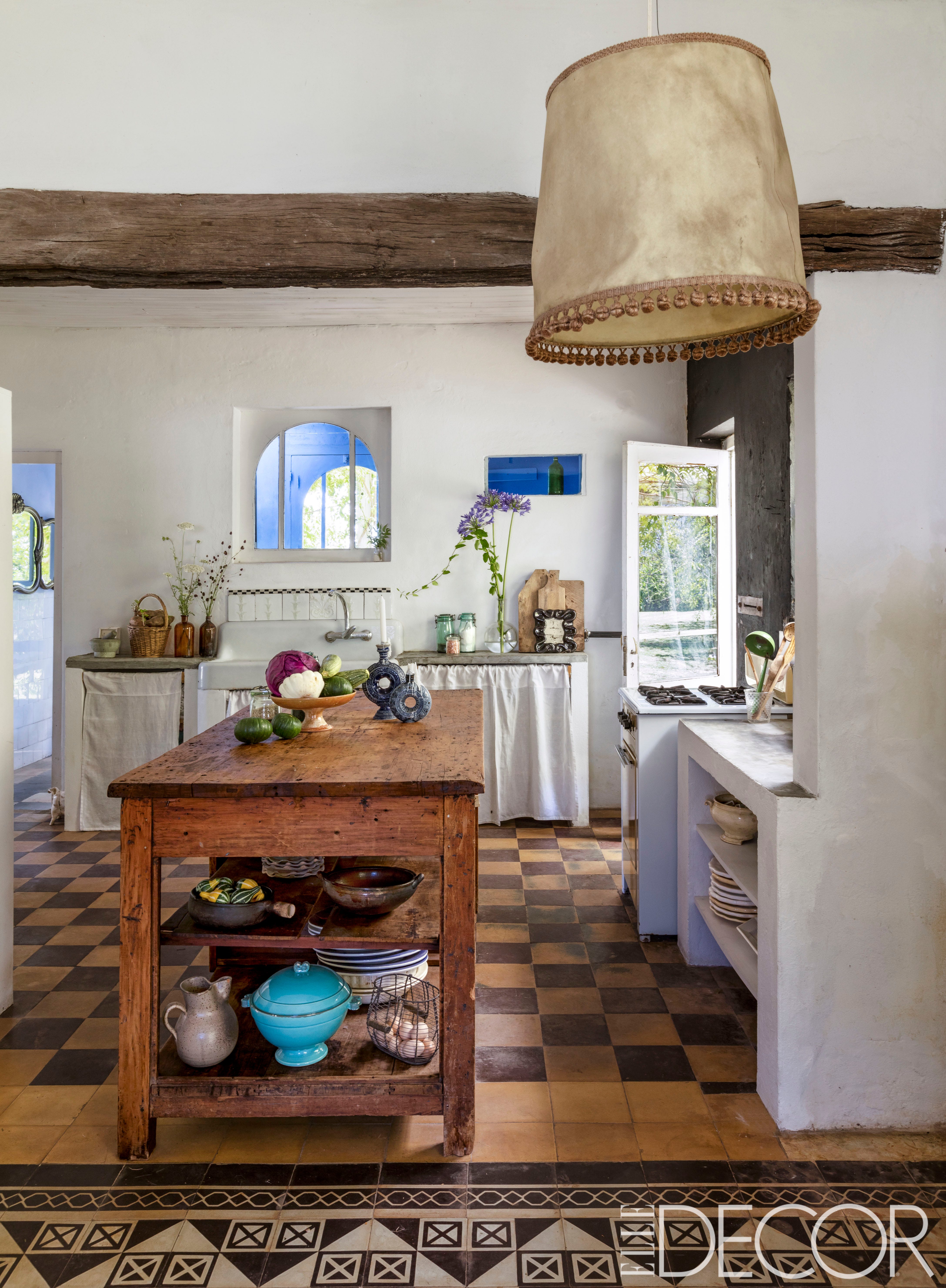
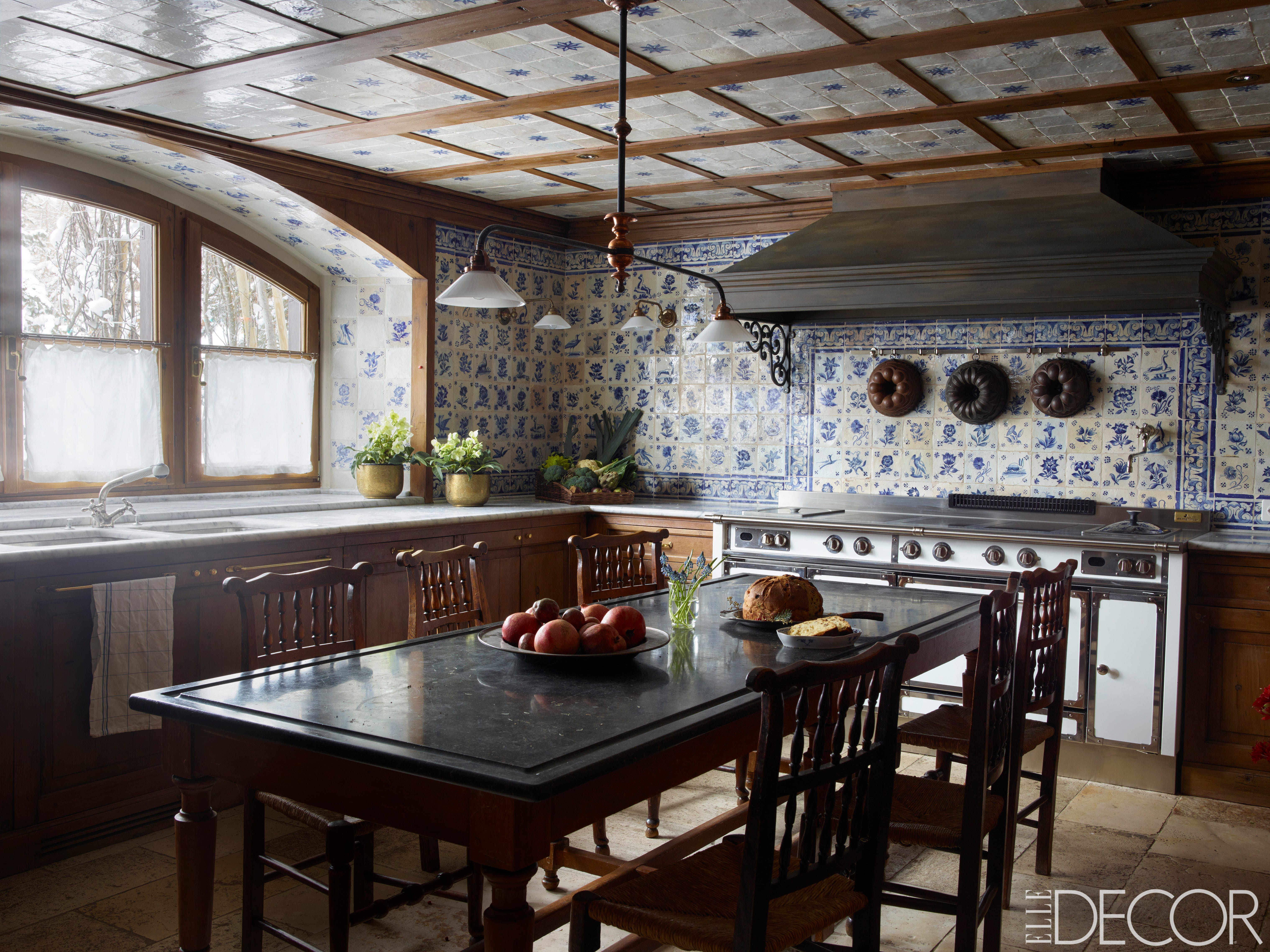
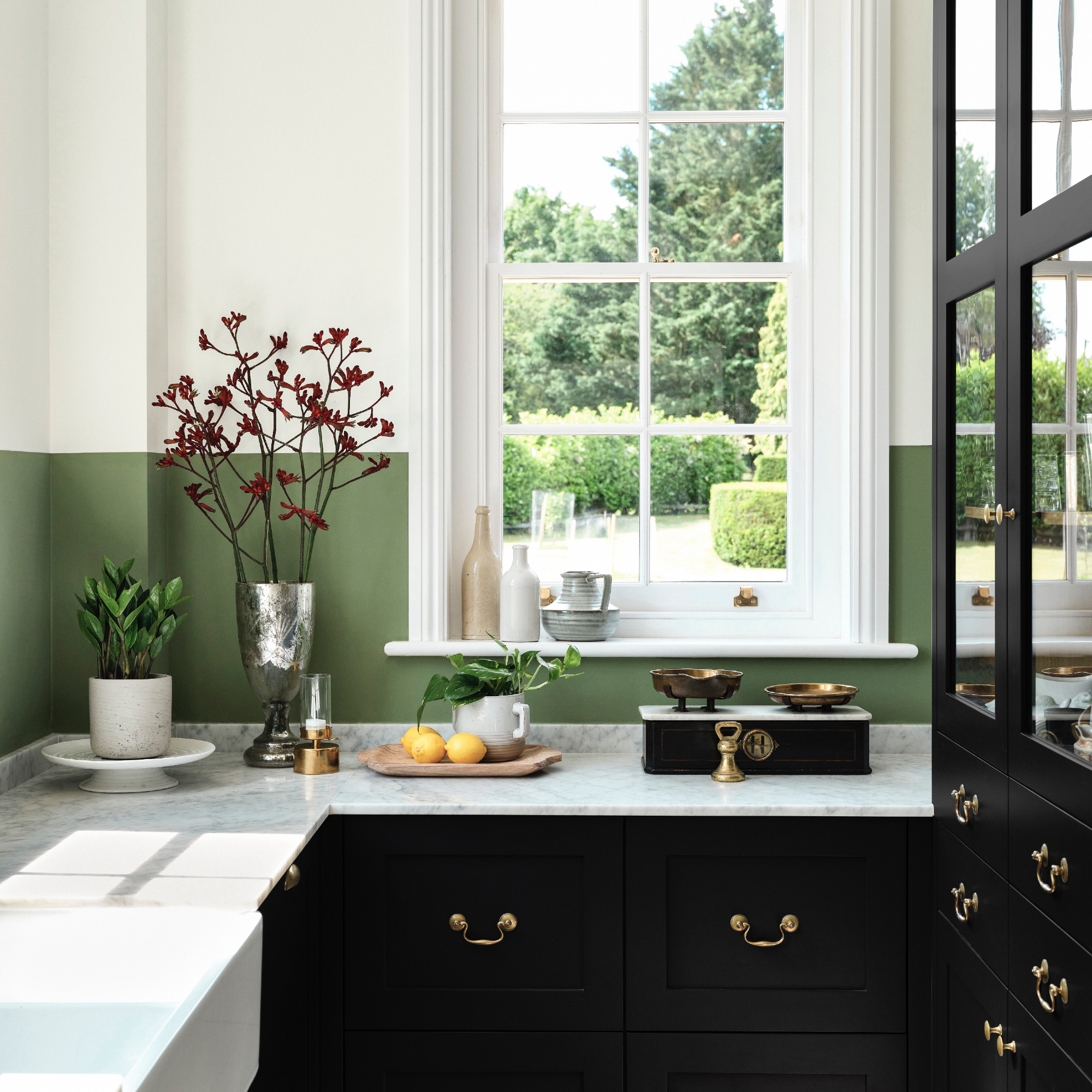
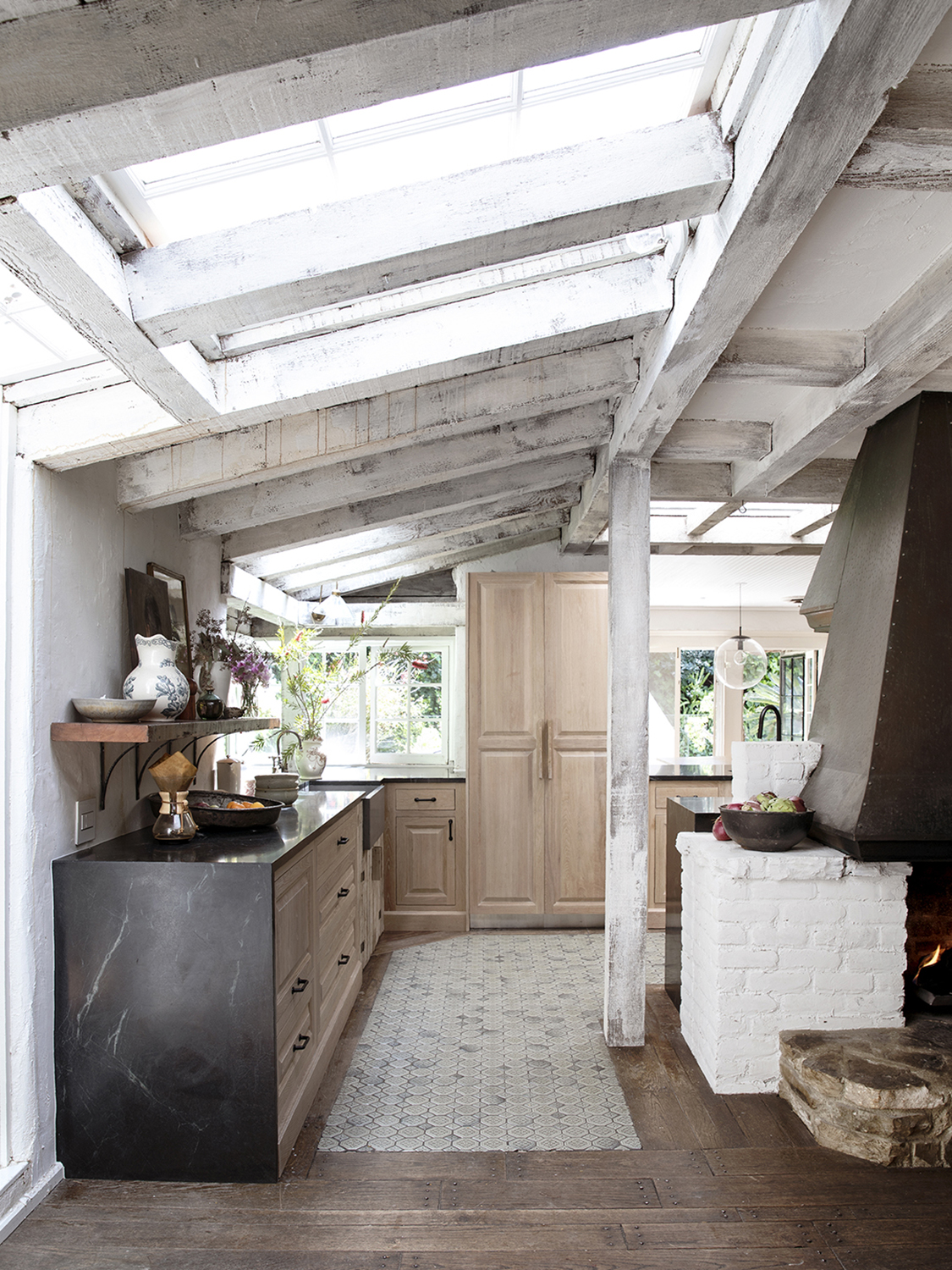
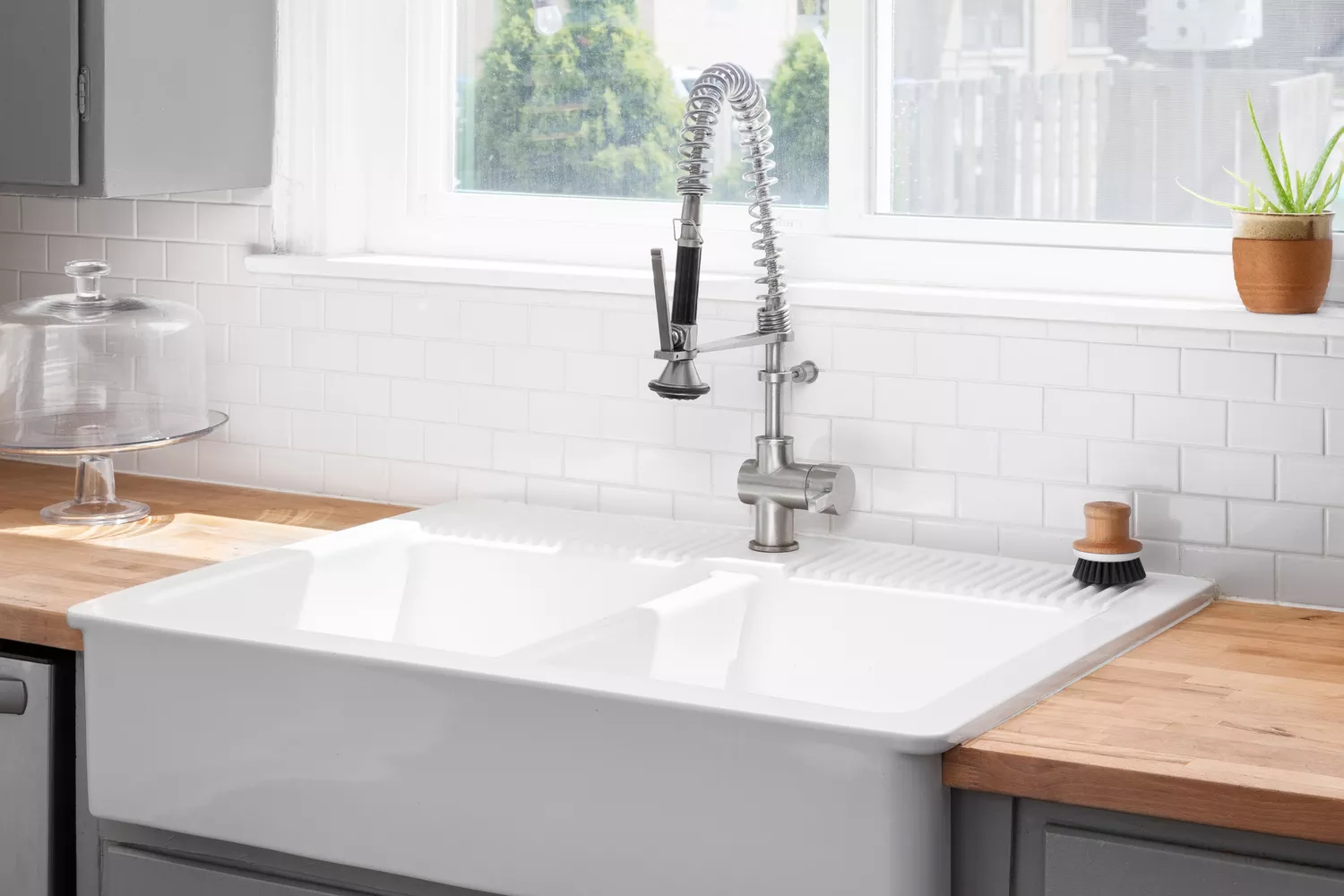
Design experts emphasize the use of reclaimed materials such as wood, cement tile, and vintage light fixtures. Exposed wood beams, whether structural or decorative, are another defining feature. The article outlines 12 essential elements. First, the sink is crucial, with vintage-style apron-front porcelain sinks being a hallmark. These sinks, like Belfast or butler styles, provide an old-world feel and are durable, practical, and easy to maintain, though they often require modifications to standard cabinetry due to their larger size. Positioning the sink under a window can enhance natural light and views.
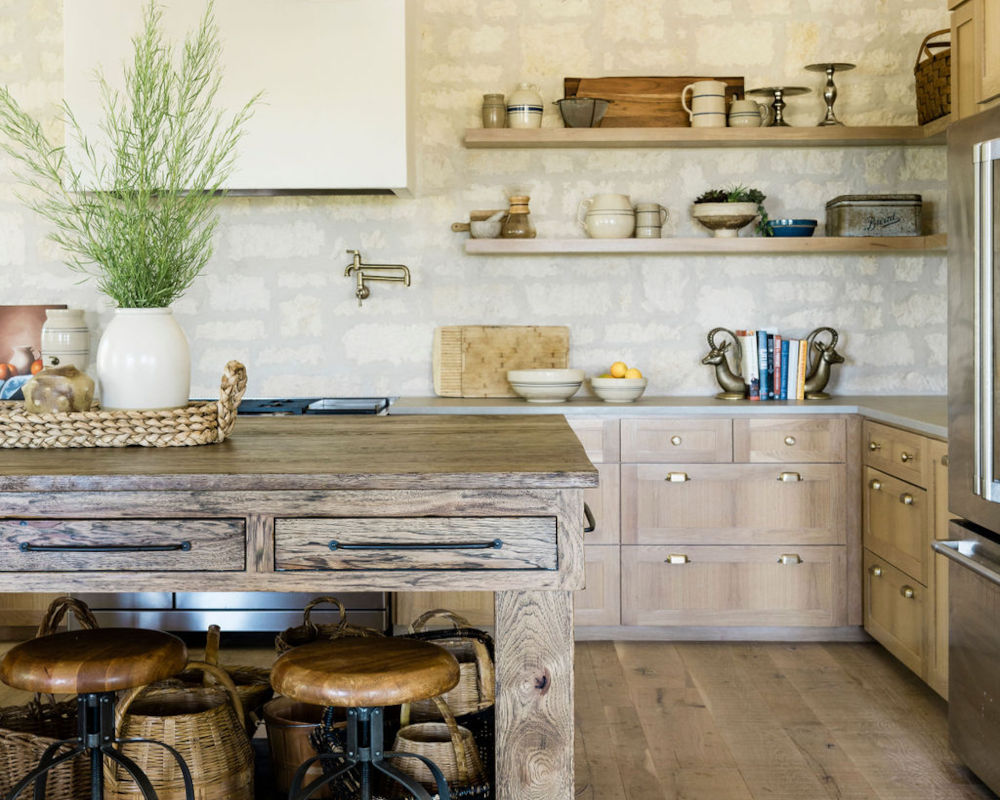
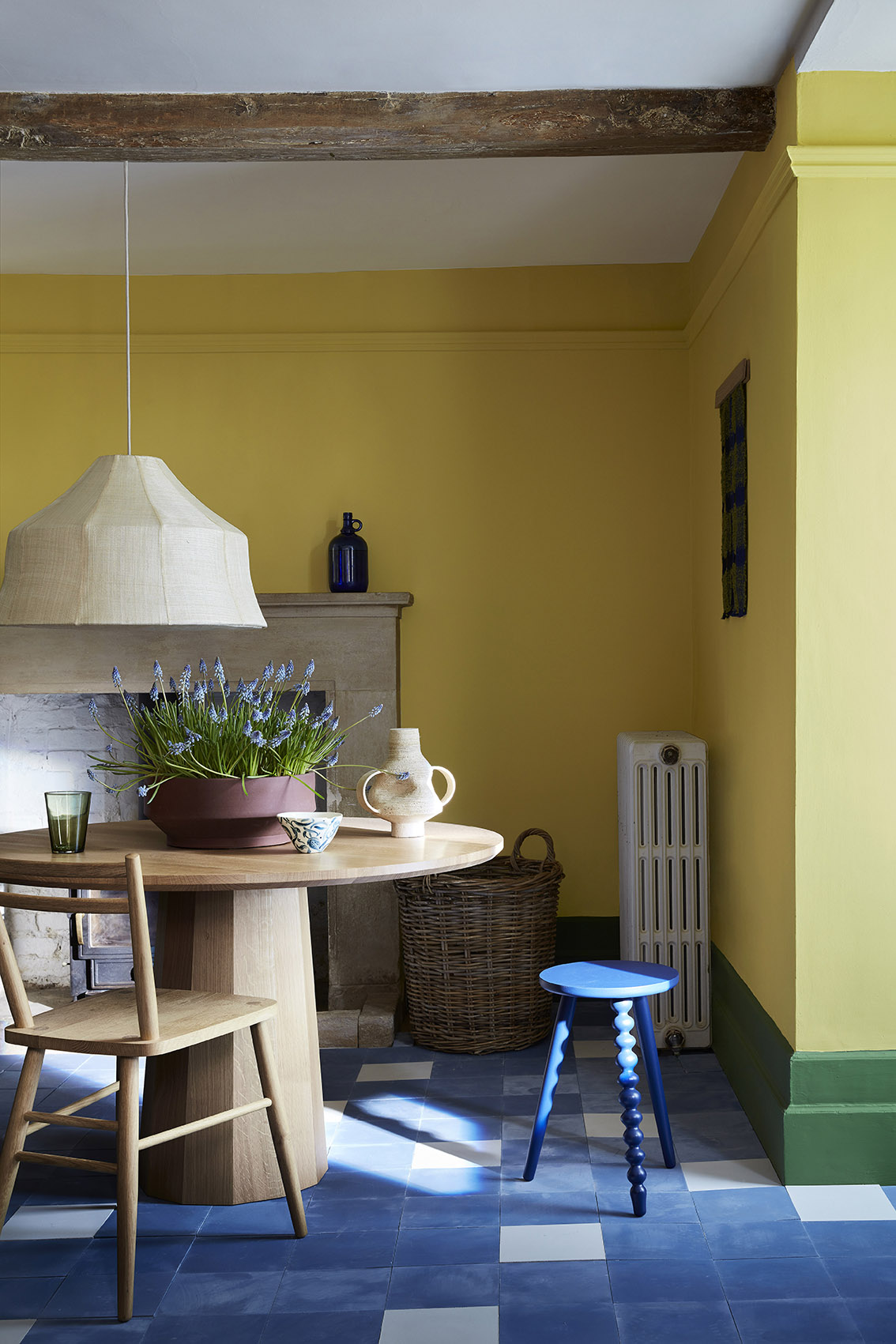
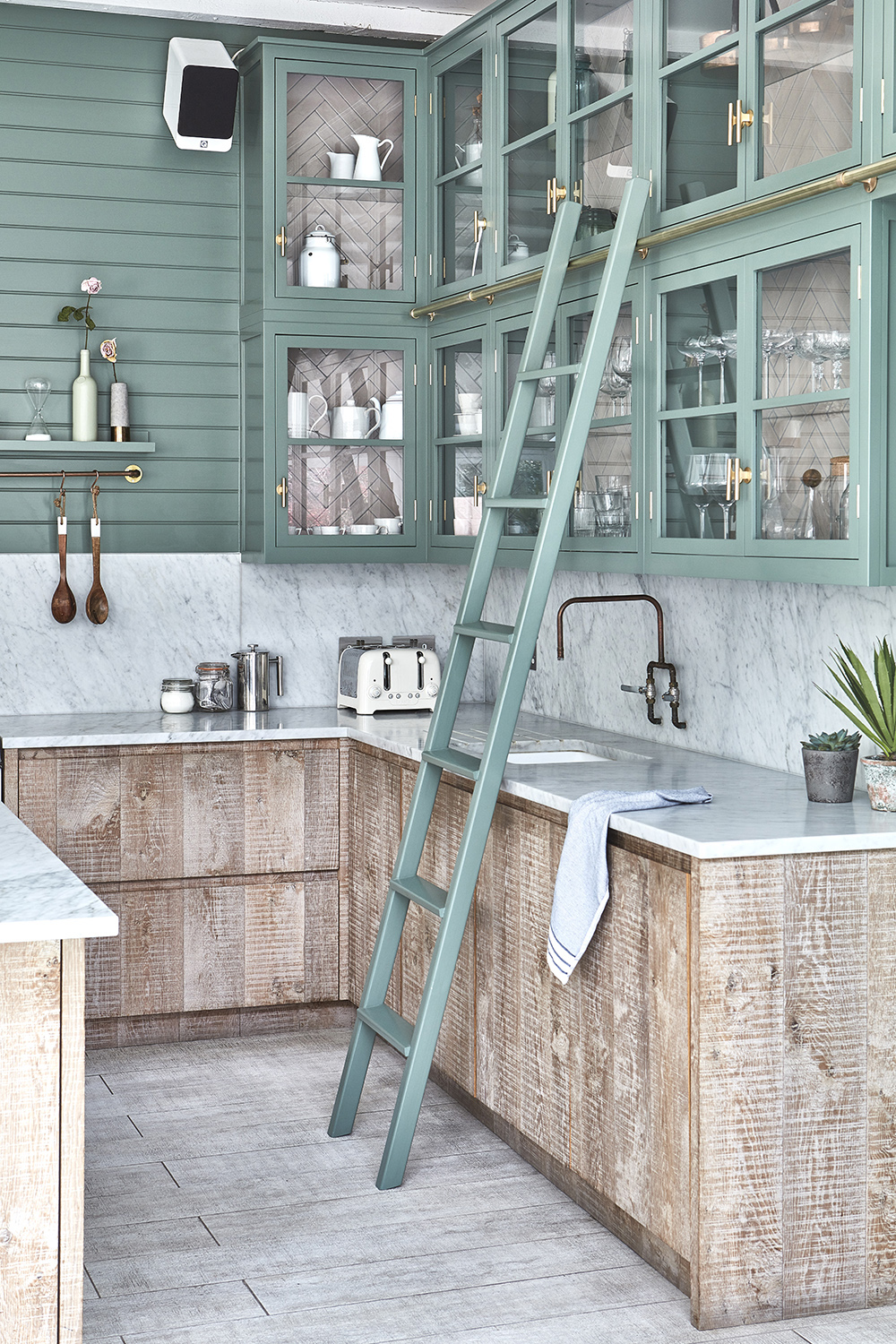
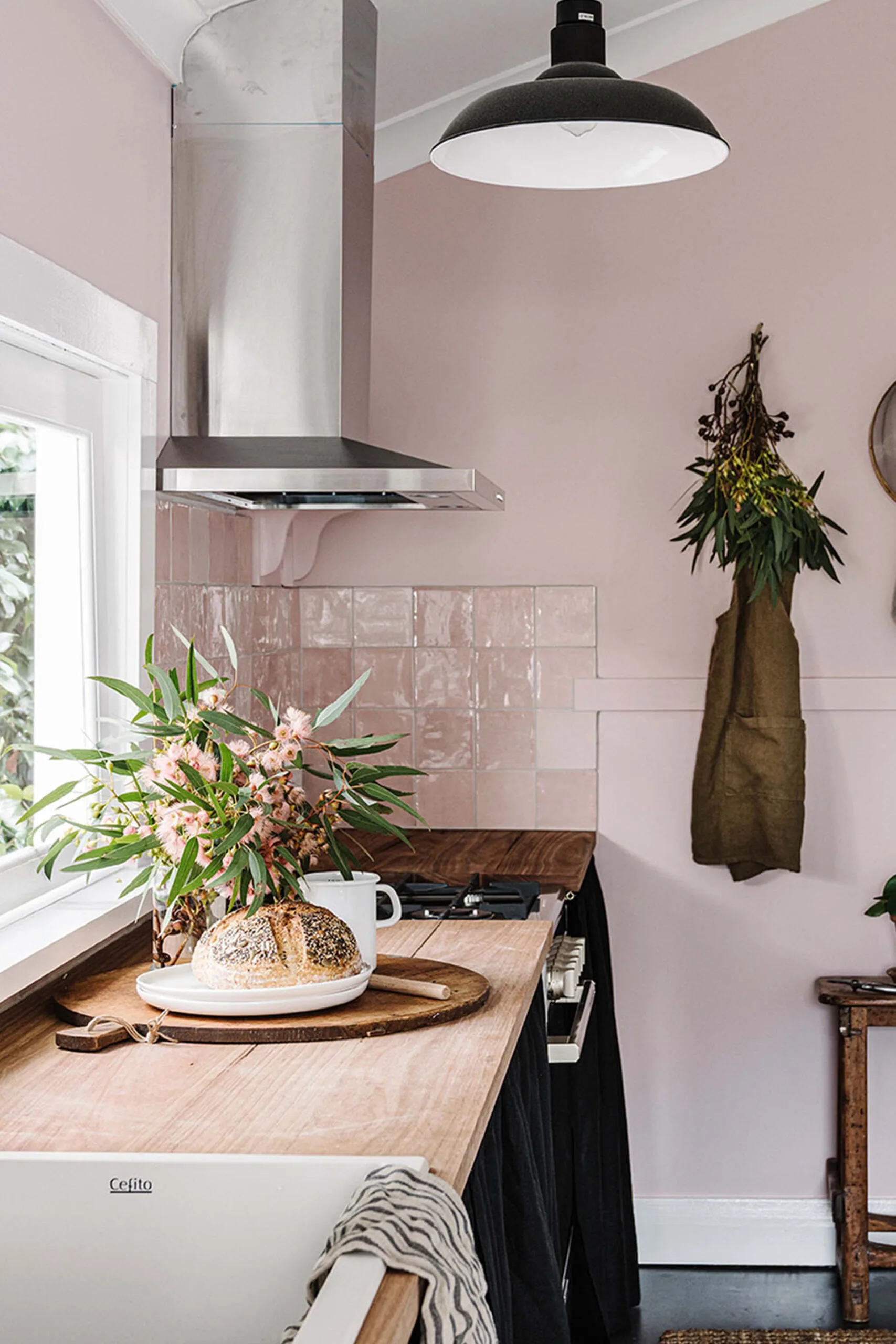
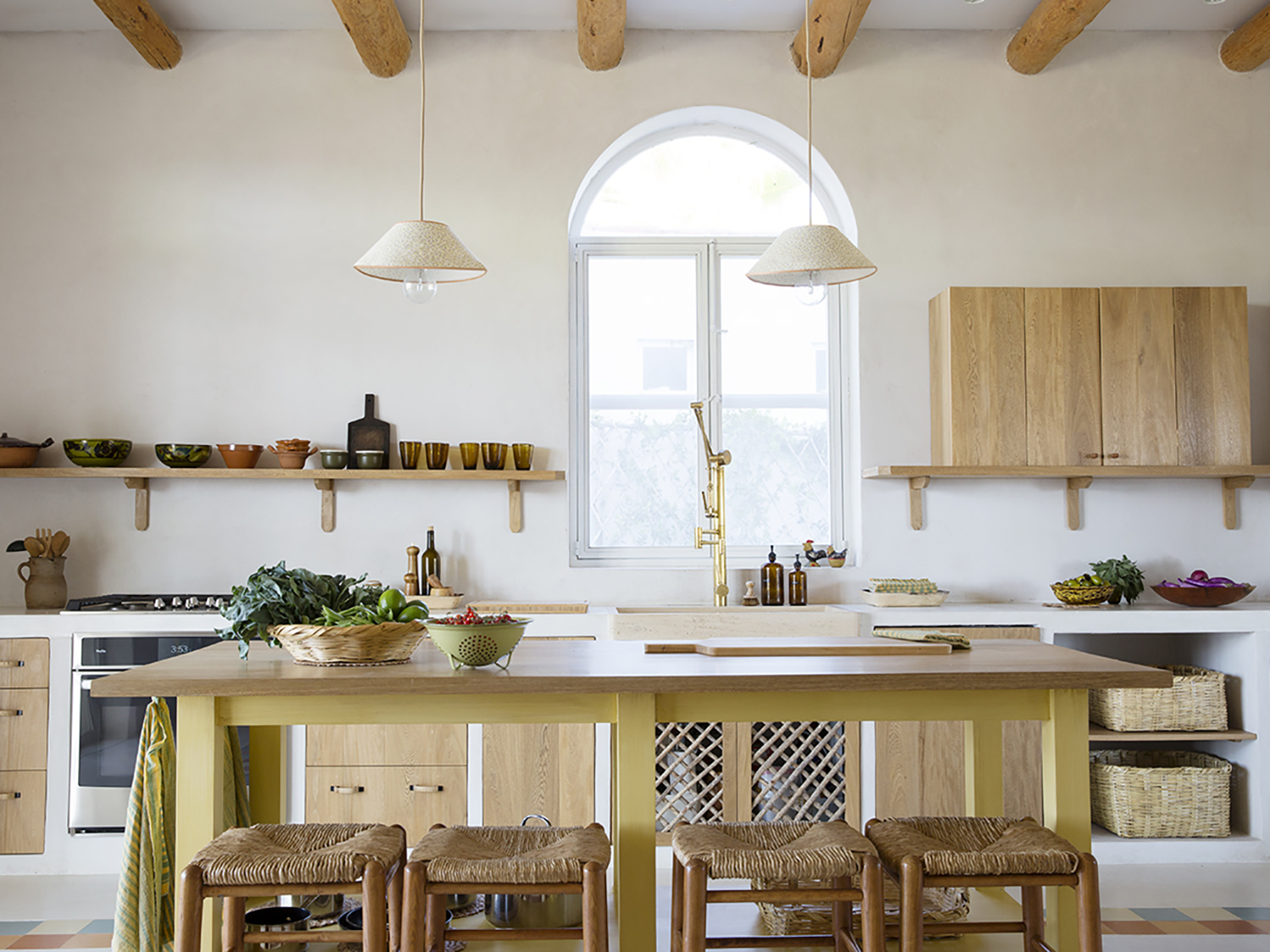
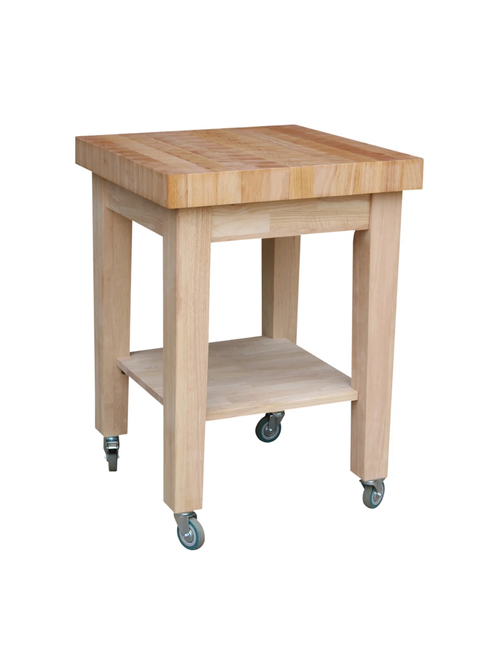
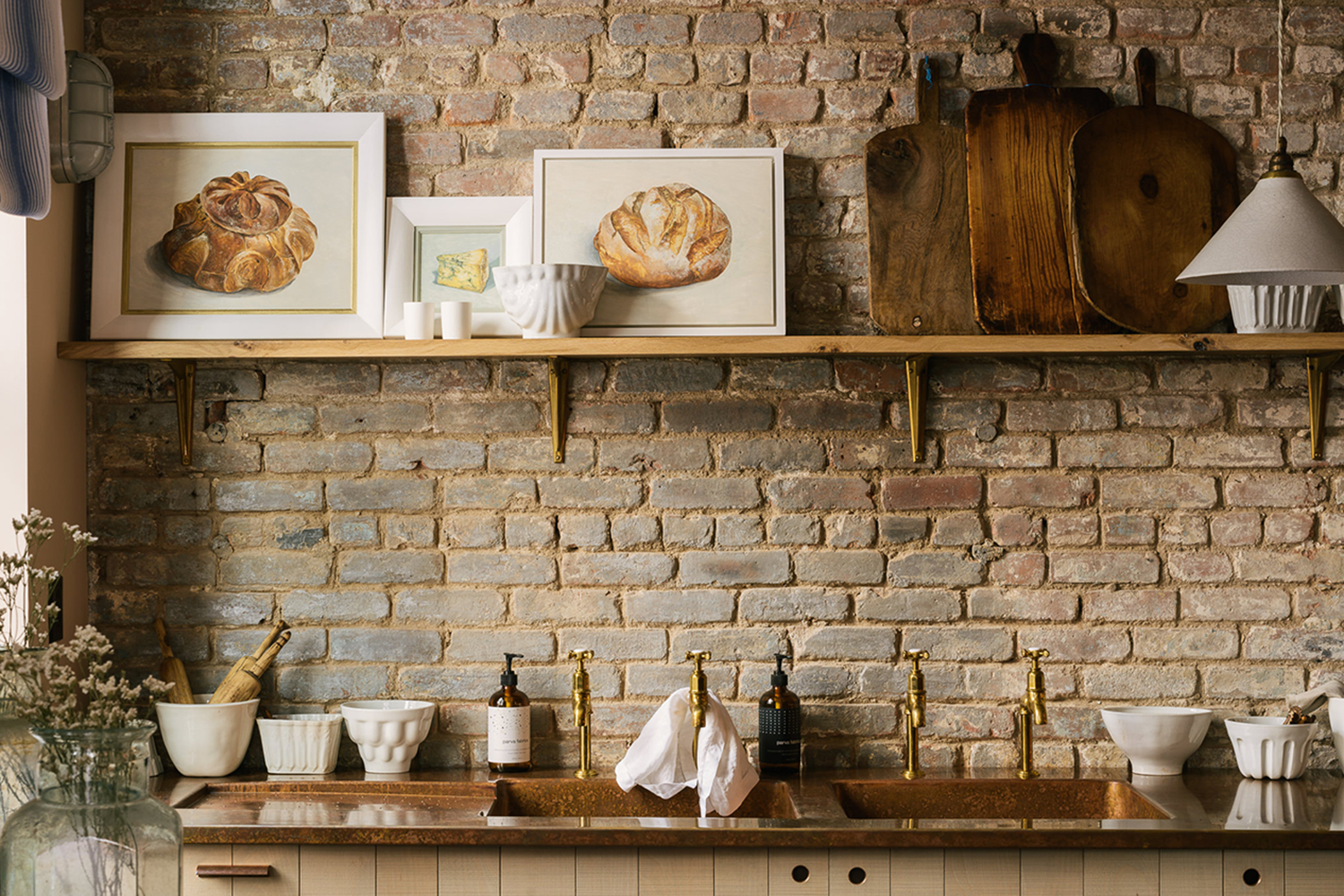
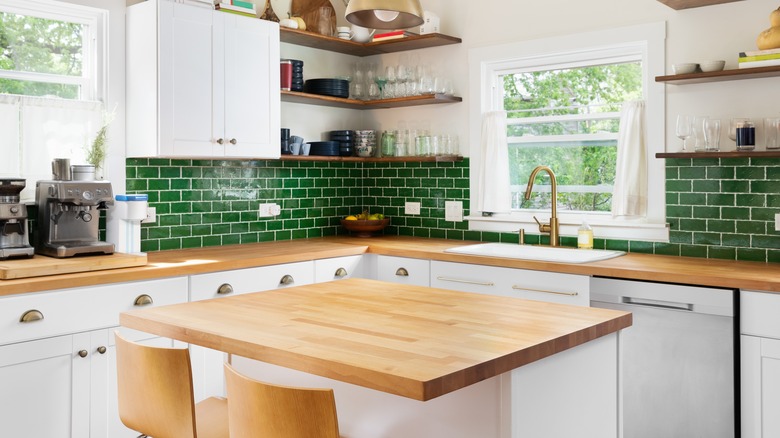
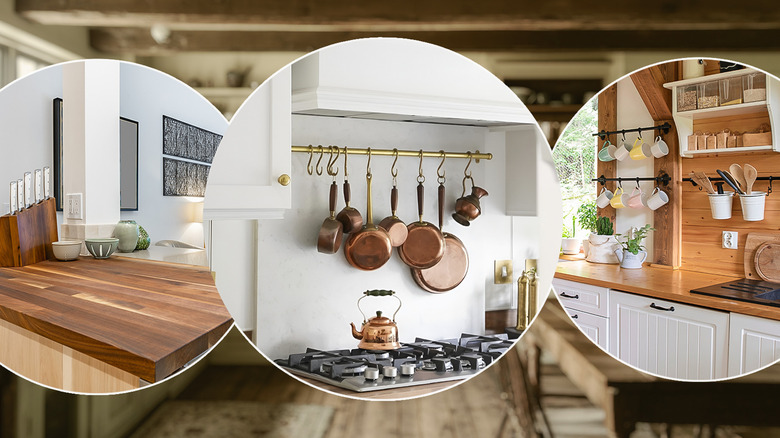
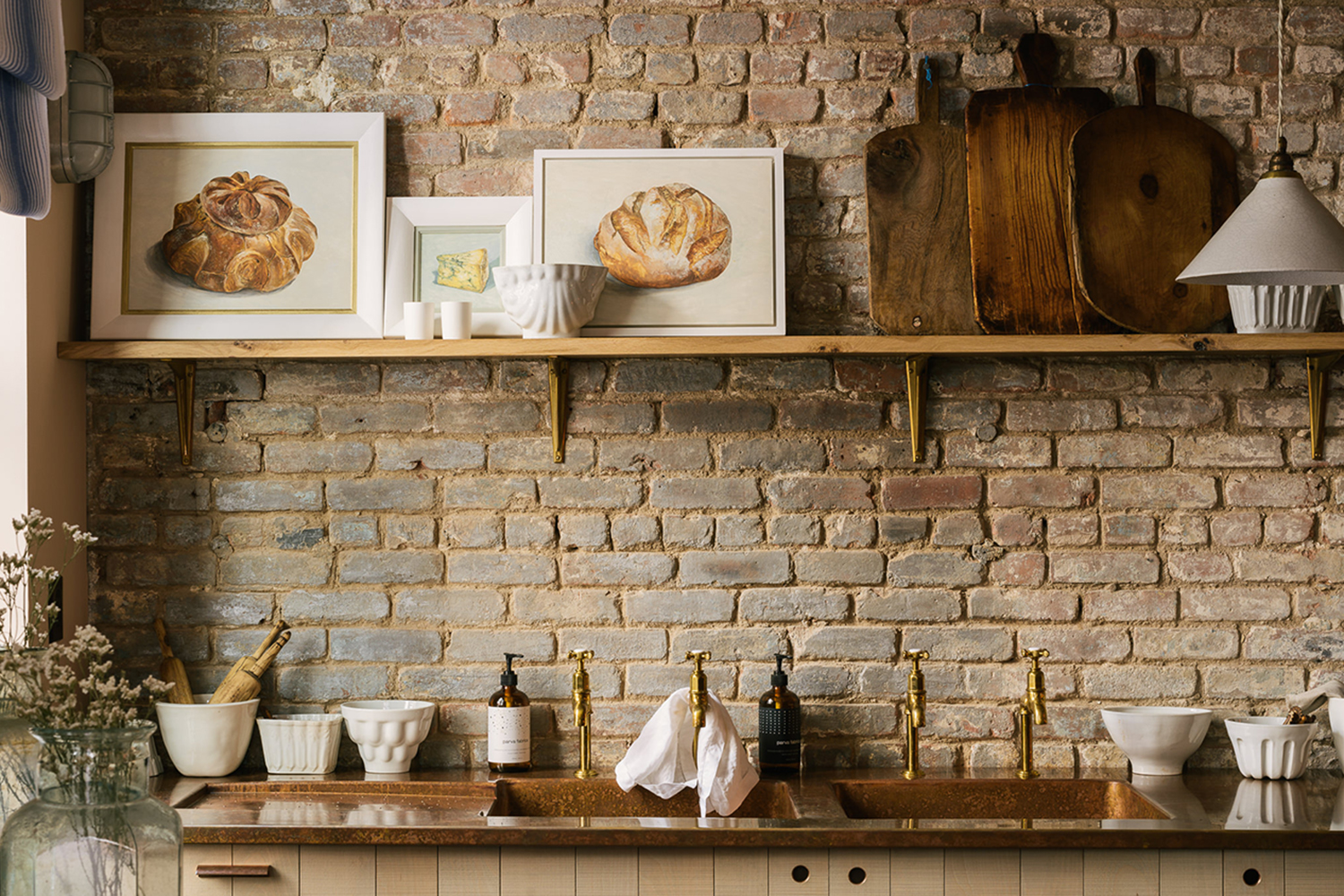
Second, rustic materials are integral, moving away from the glossy aesthetics of contemporary interiors. This includes a combination of warm woods, Shaker-style painted cabinets, vintage-style tiles, open shelving, and painted shiplap. Butcher's block countertops, black or burnished brass fixtures, and hardware further contribute to the farmhouse look. Third, incorporating wooden elements is essential. This can range from wood kitchen cabinets and countertops to islands, instantly adding warmth. It's important to balance wood tones with other colors, like white, or bold shades such as sage or olive green. Smaller decorative pieces like chopping boards and placemats can also introduce wood and natural textures.
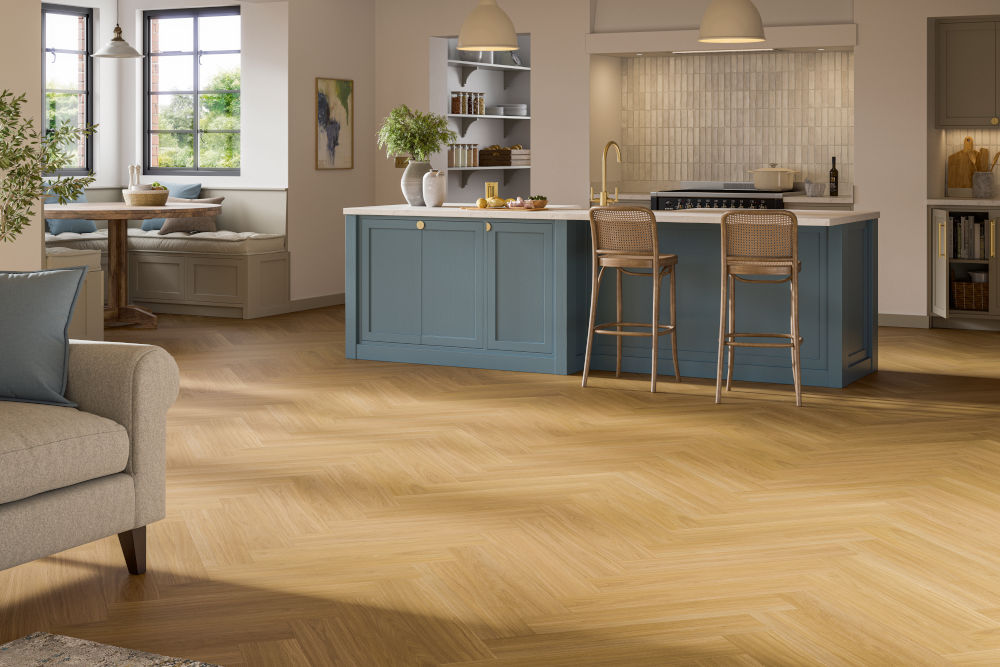
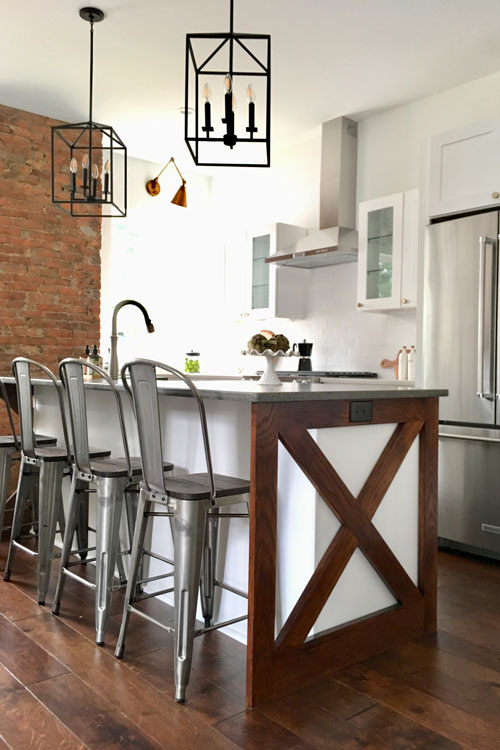
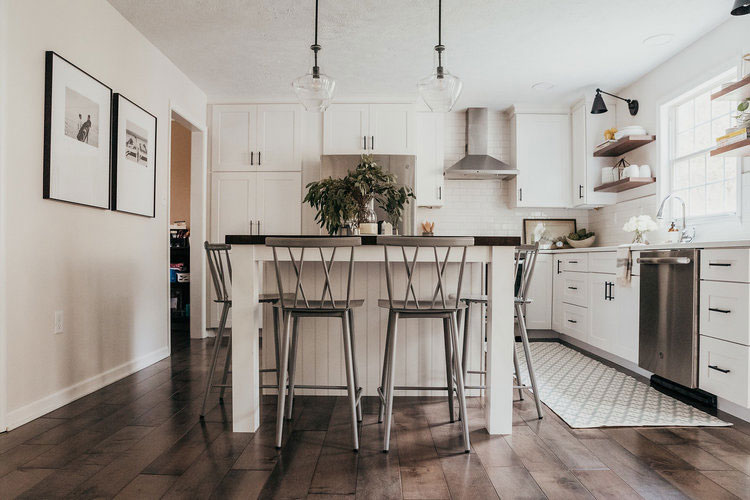
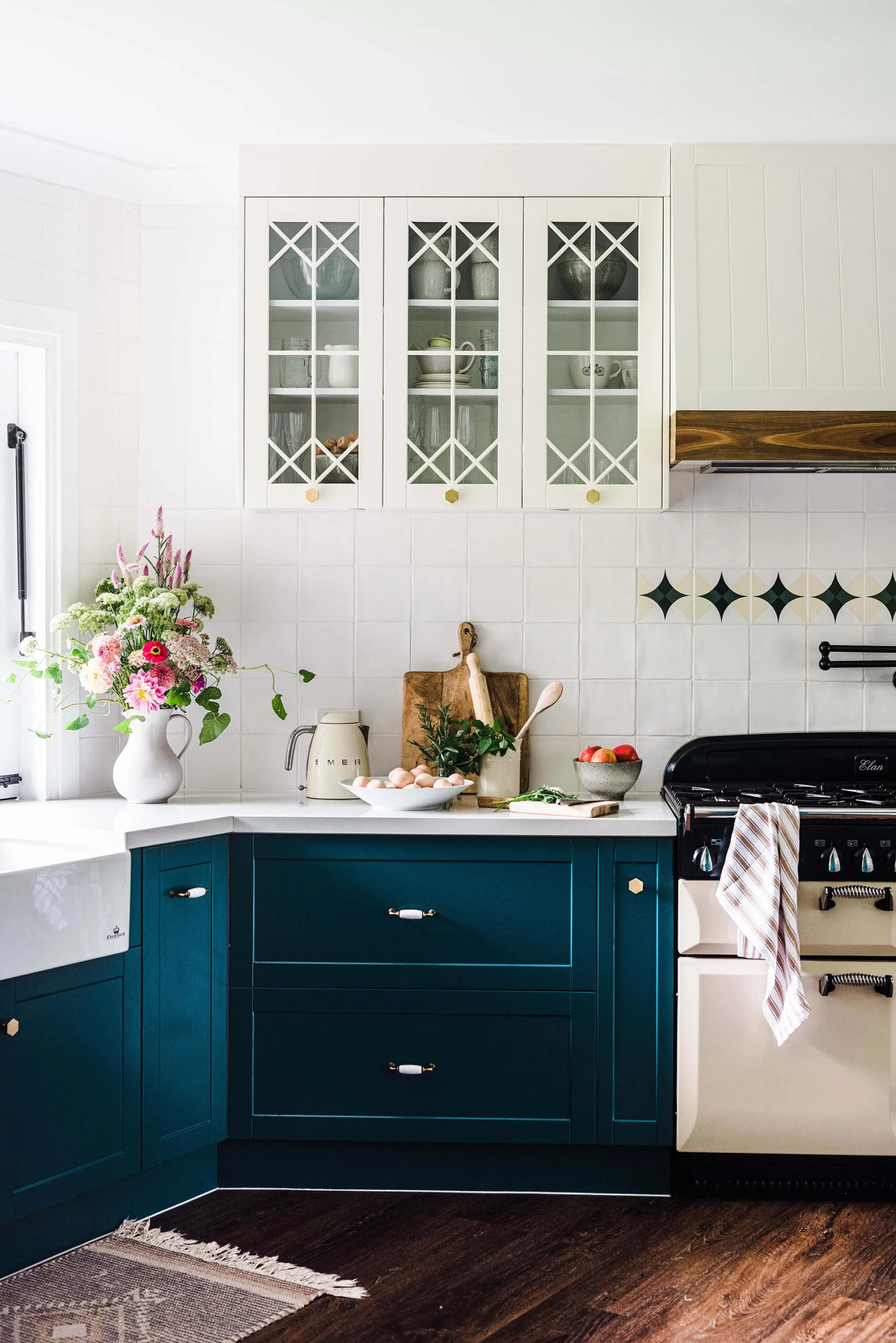
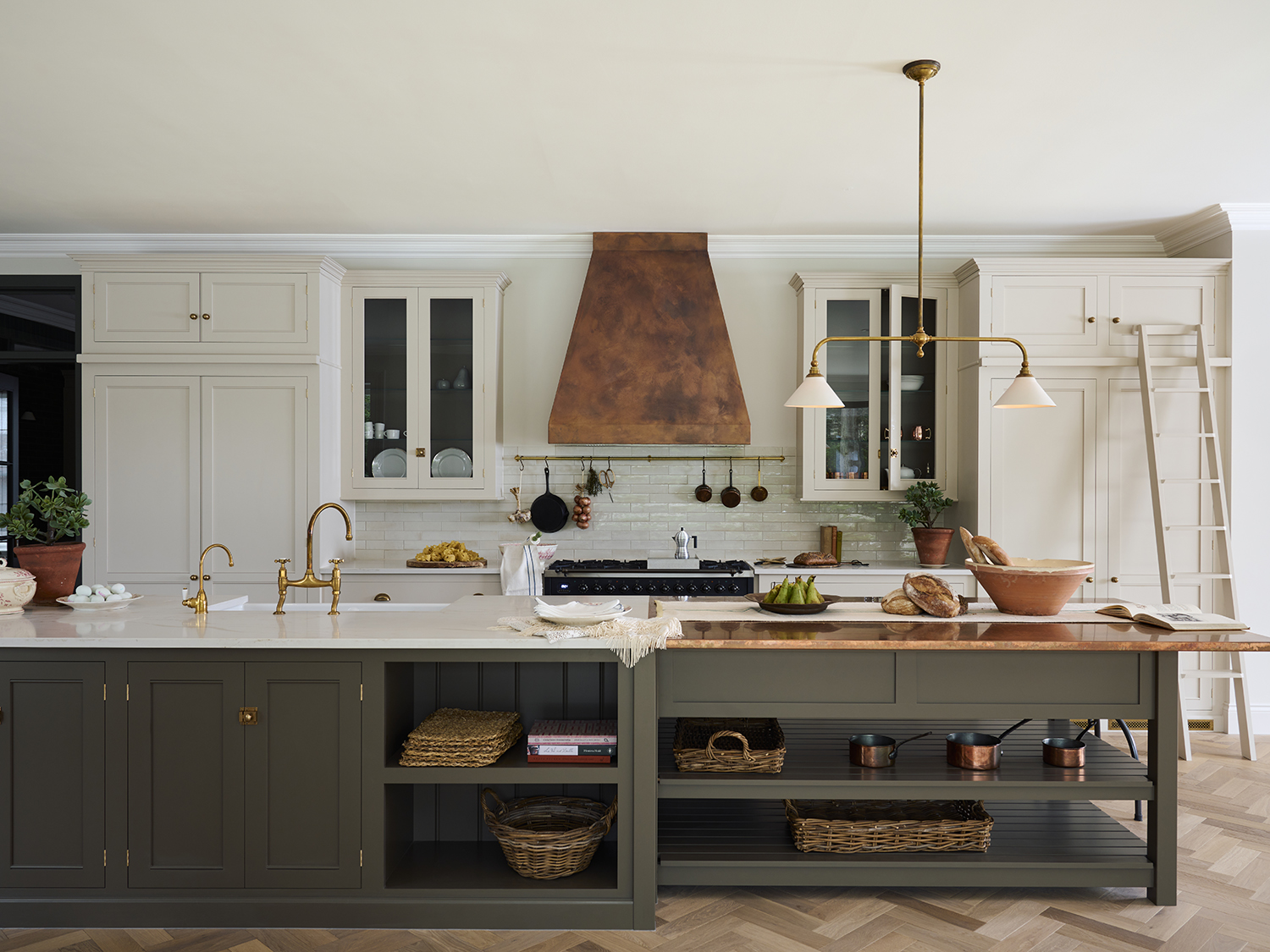
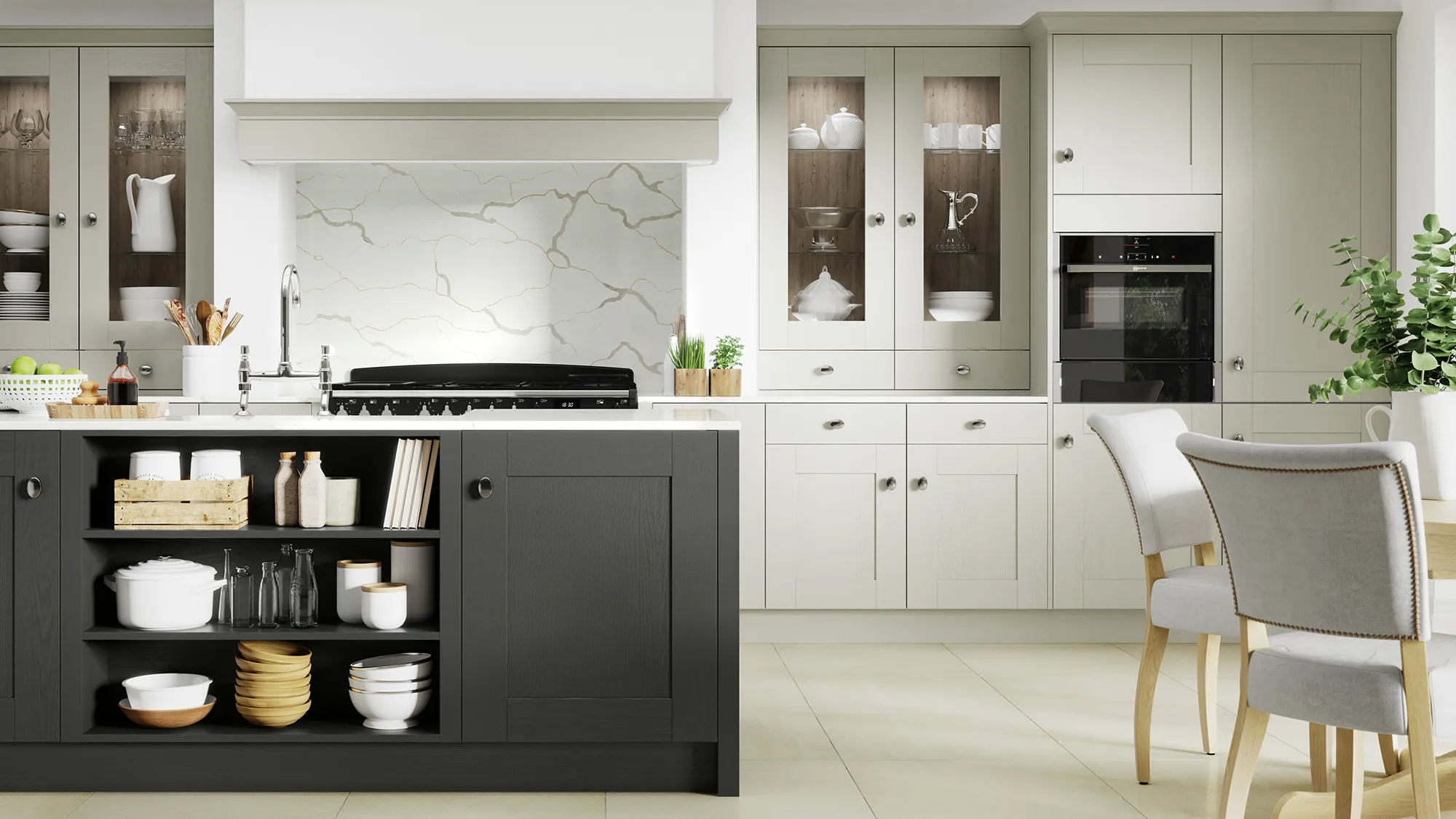
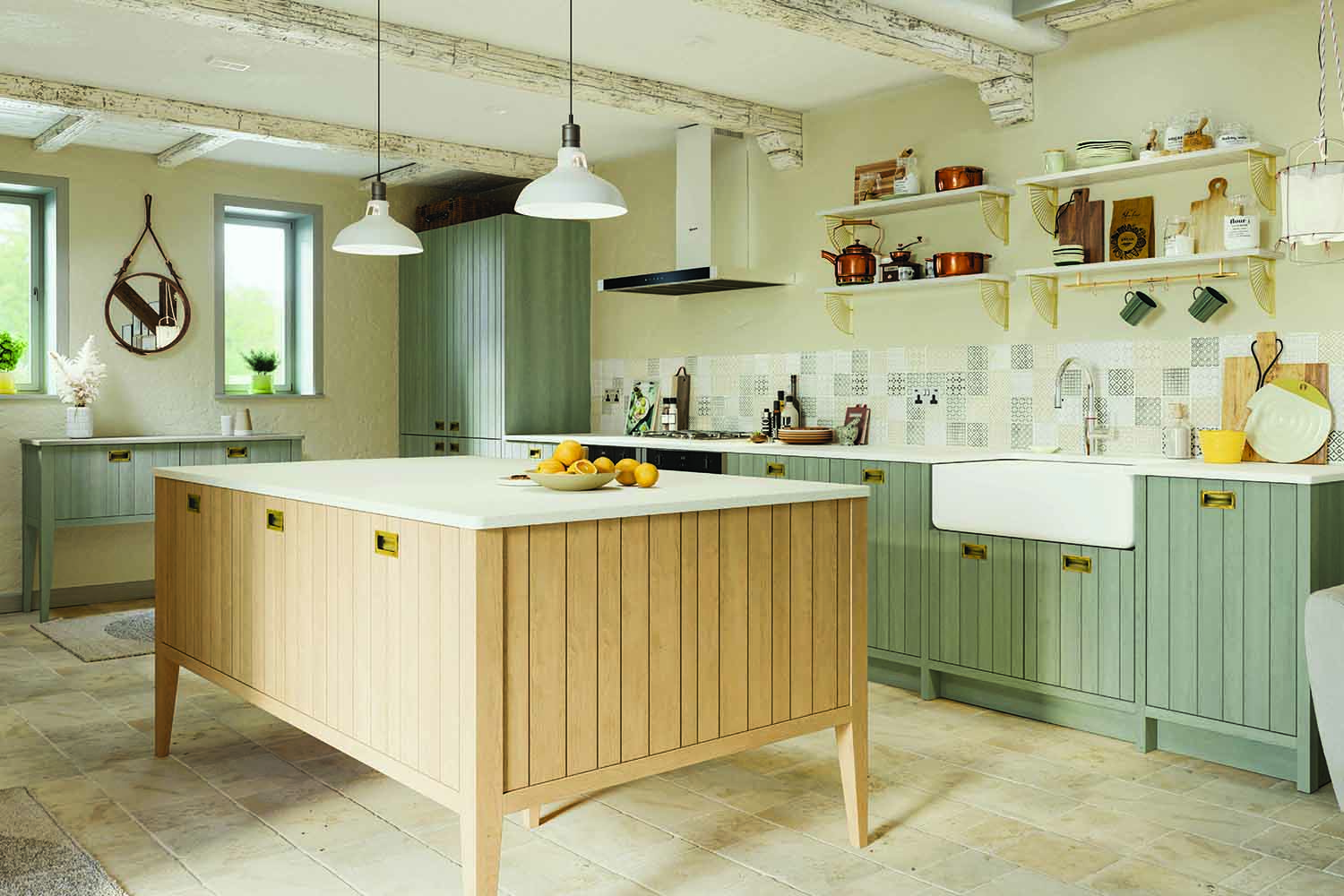
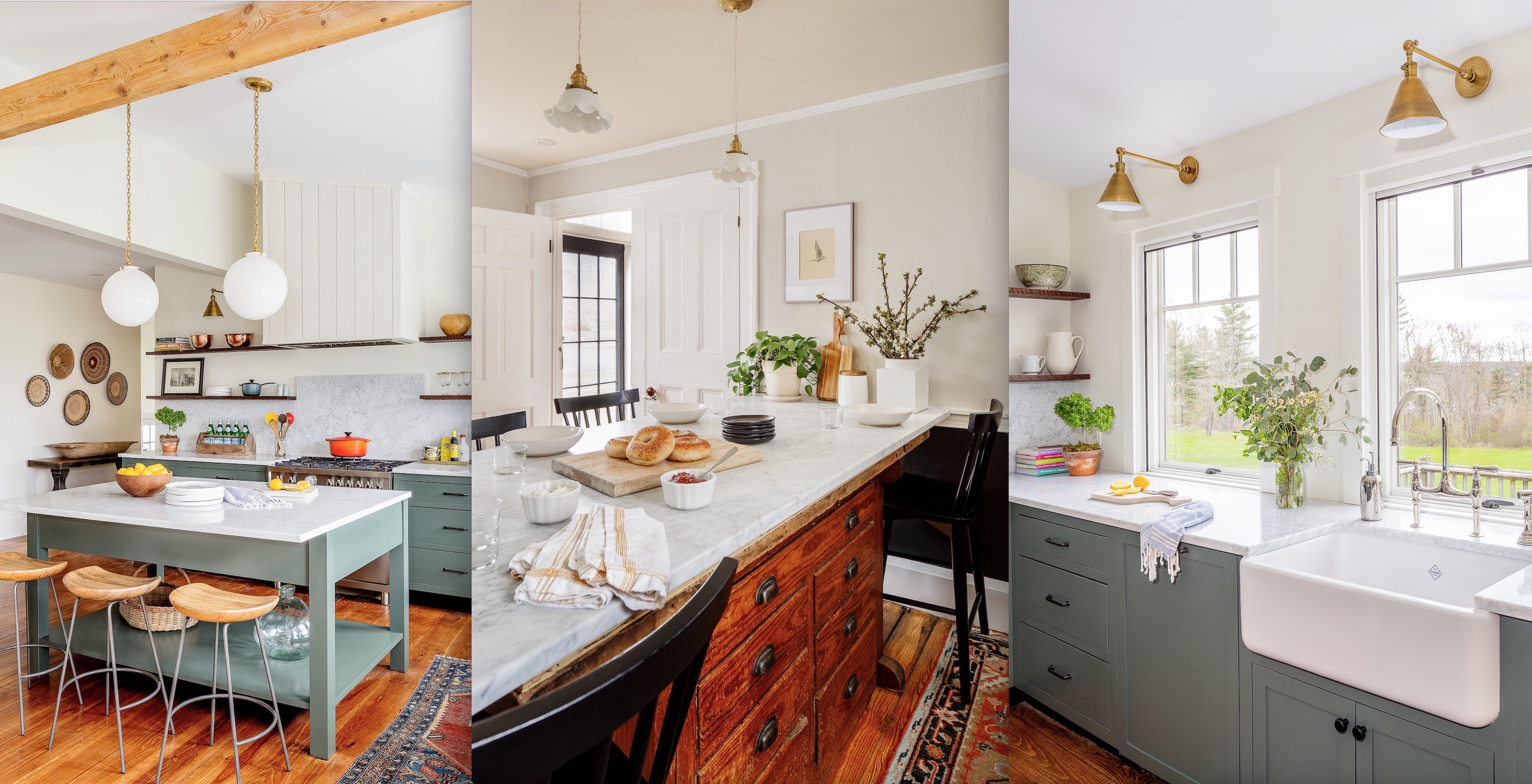
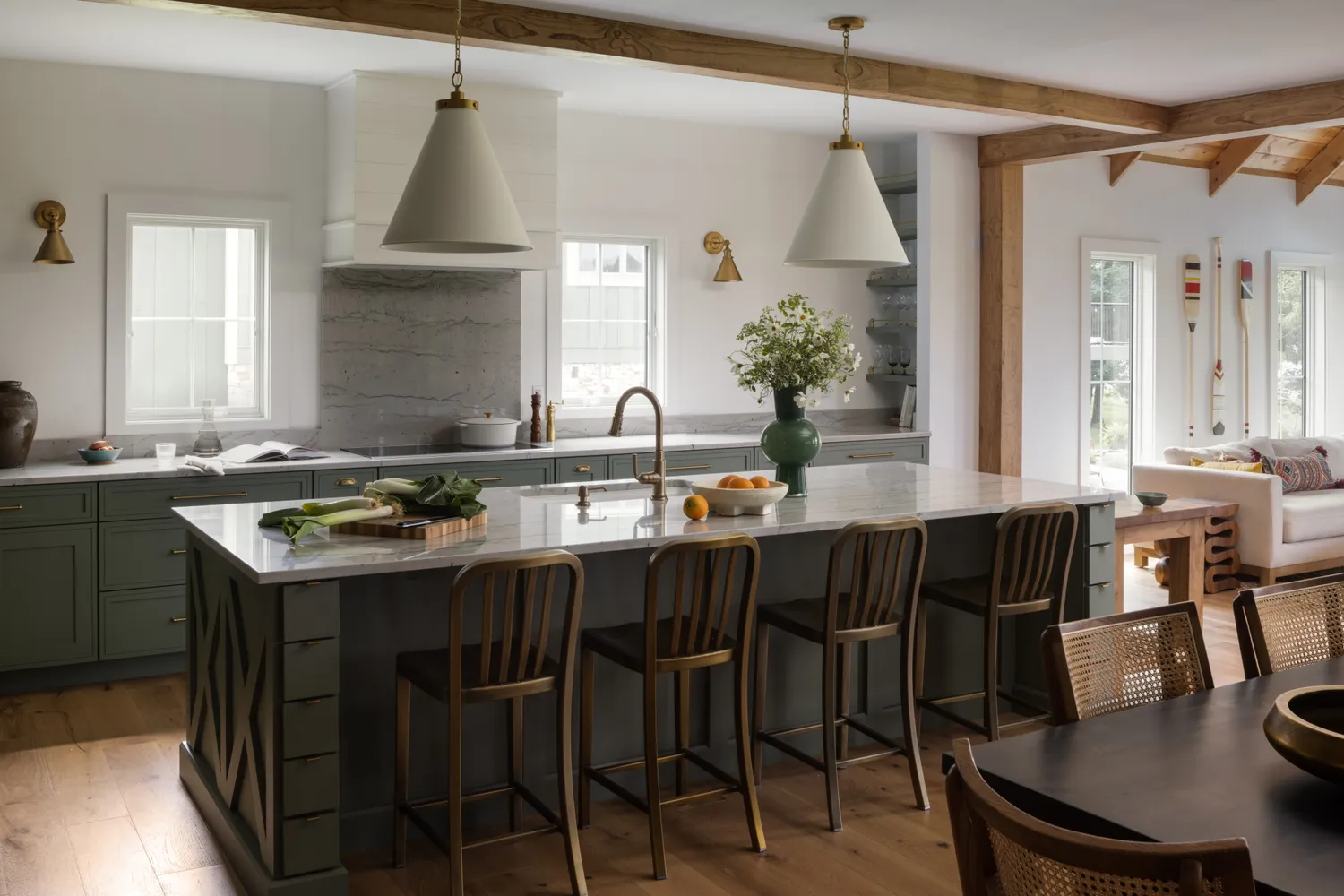
Fourth, careful selection of countertops is important. The farmhouse aesthetic values practicality, favoring sturdy and broad surfaces for food preparation and family gatherings. Materials like wood, marble, or soapstone are suitable choices, and a mix of materials can be used for different tasks. Fifth, a central island is often the heart of a farmhouse kitchen, providing space for meal prep, storage, dining, and entertaining. Farmhouse island ideas lean towards informal designs with natural or painted wood bases and open shelving for baskets, enhancing the rustic feel. Sixth, Shaker-style cabinets are strongly associated with farmhouse design due to their simple, robust, and versatile nature, making them a timeless choice.
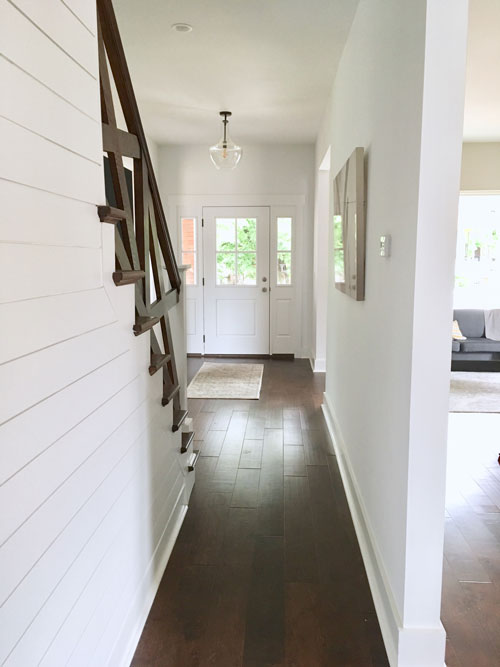
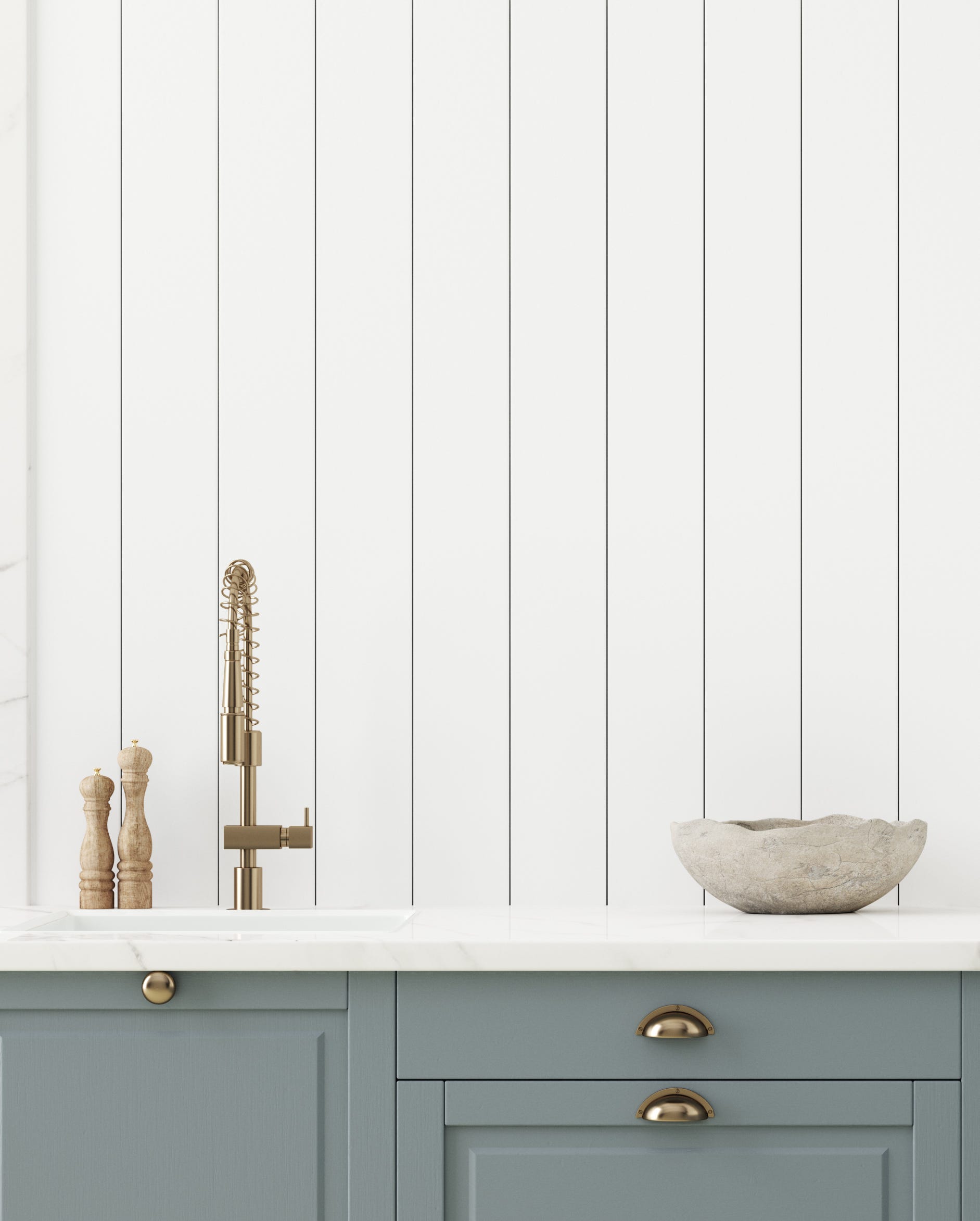
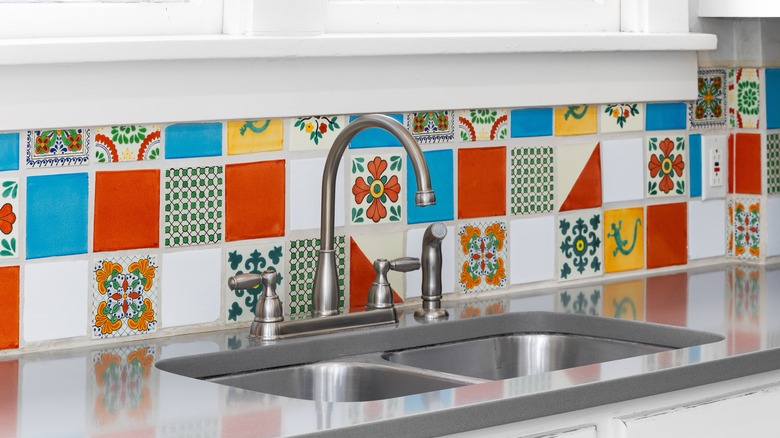
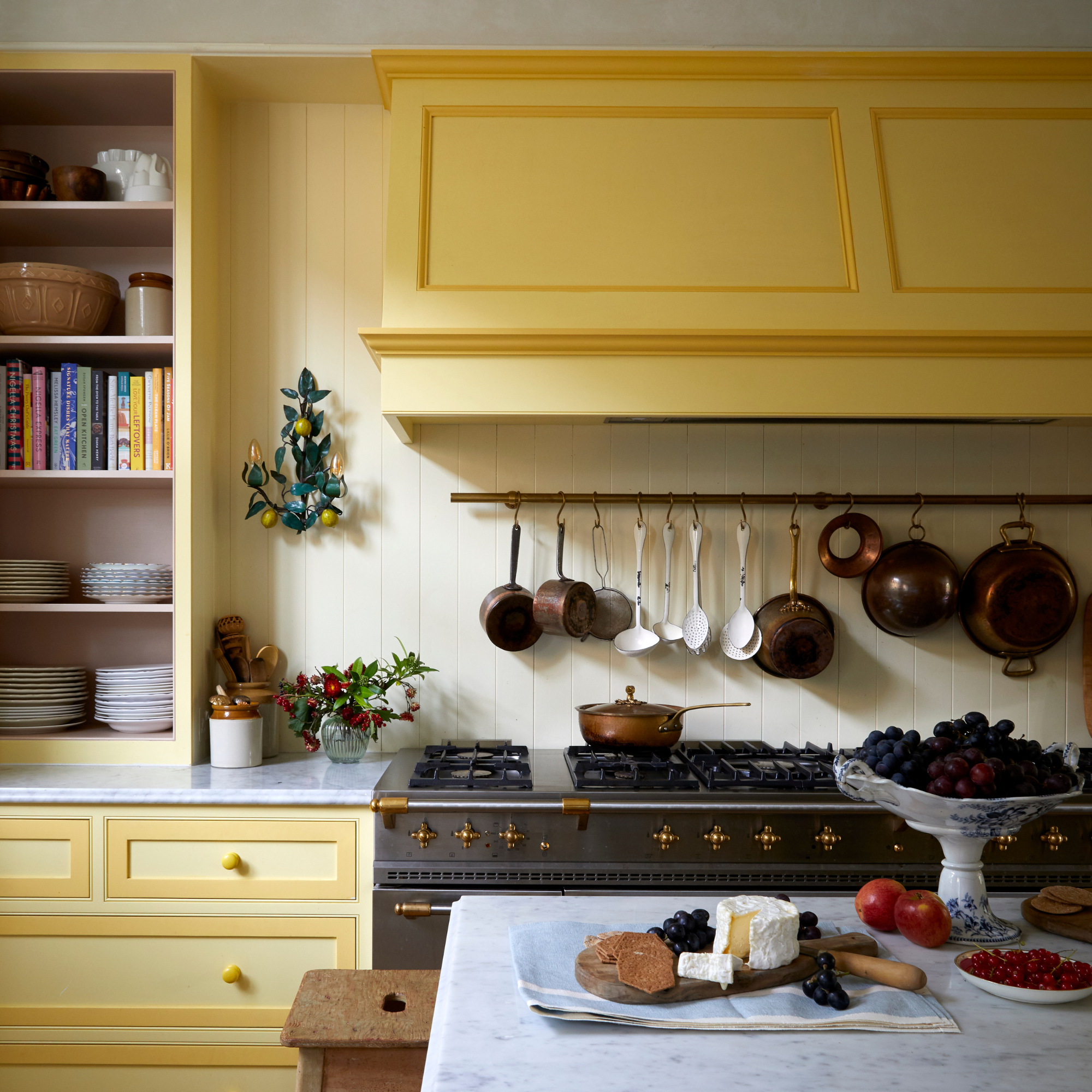
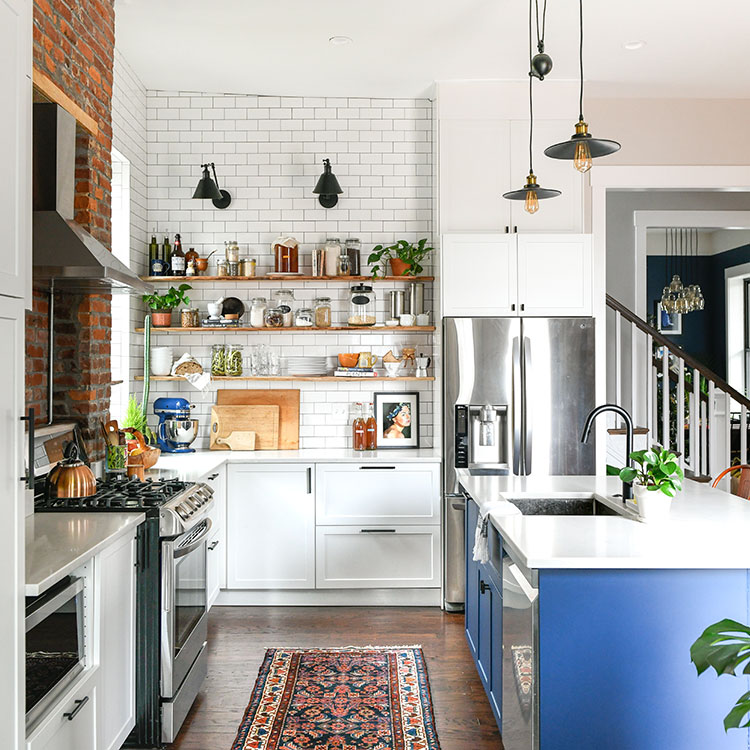
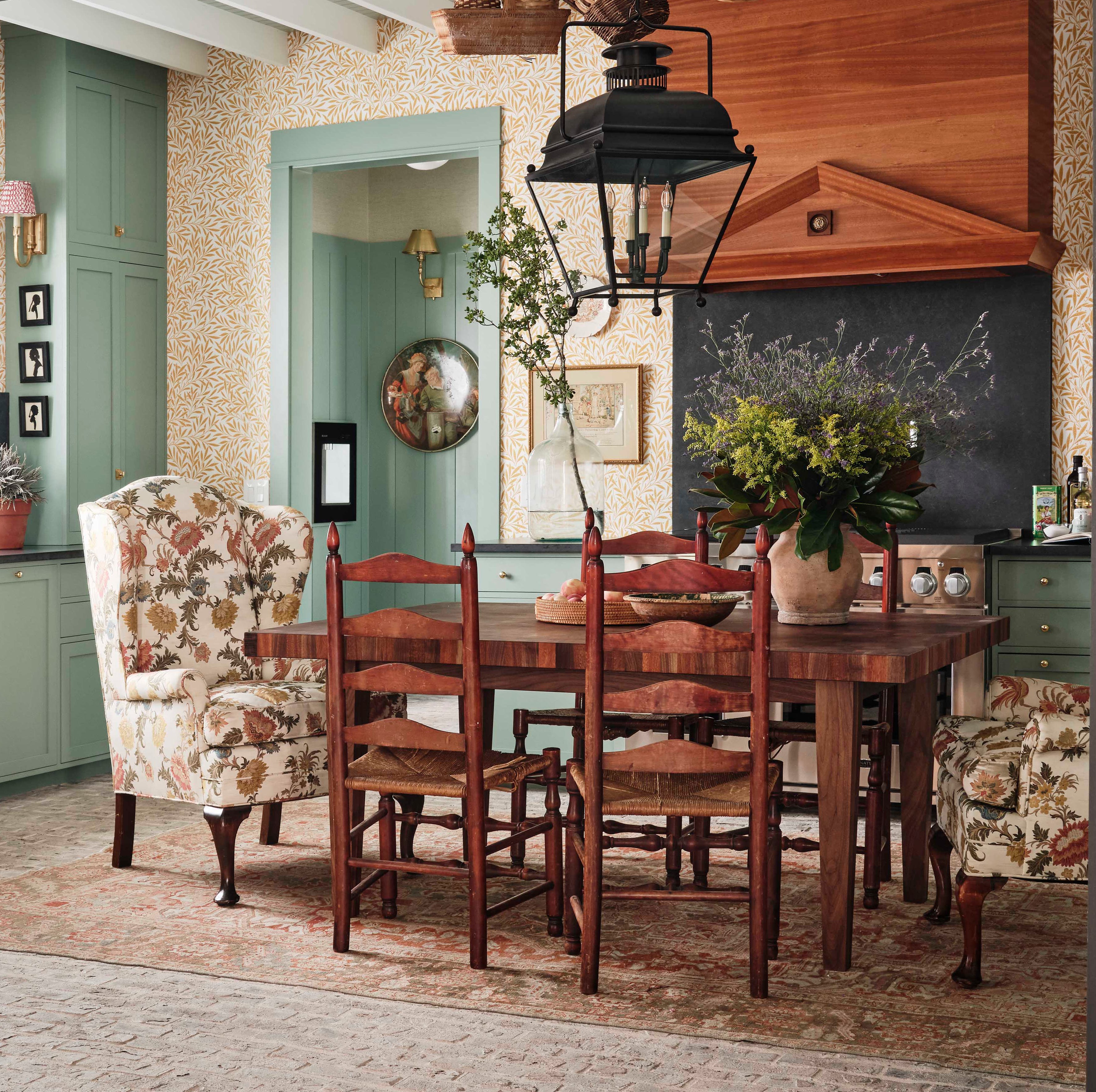
Seventh, wall decor should be considered, even with extensive cabinetry. Farmhouse kitchen wall decor can include tile, shelving, display areas, wallpaper, and wall paneling, especially shiplap. While horizontal shiplap is common, vertical placement can create an illusion of taller ceilings and highlight open shelving. Experimenting with darker shiplap colors can add depth. Eighth, decorating in country colors typically involves cool neutrals like white, cream, beige, and grey, with warmer colors reserved for accents. Natural textures like cotton, canvas, wool, and chenille are also important. Painting cabinets in these neutral shades or using milk paint can achieve the bright, authentic farmhouse feel.
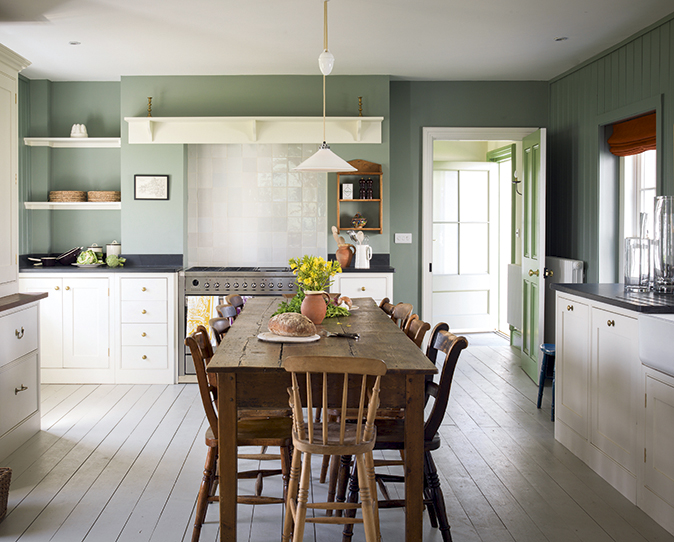
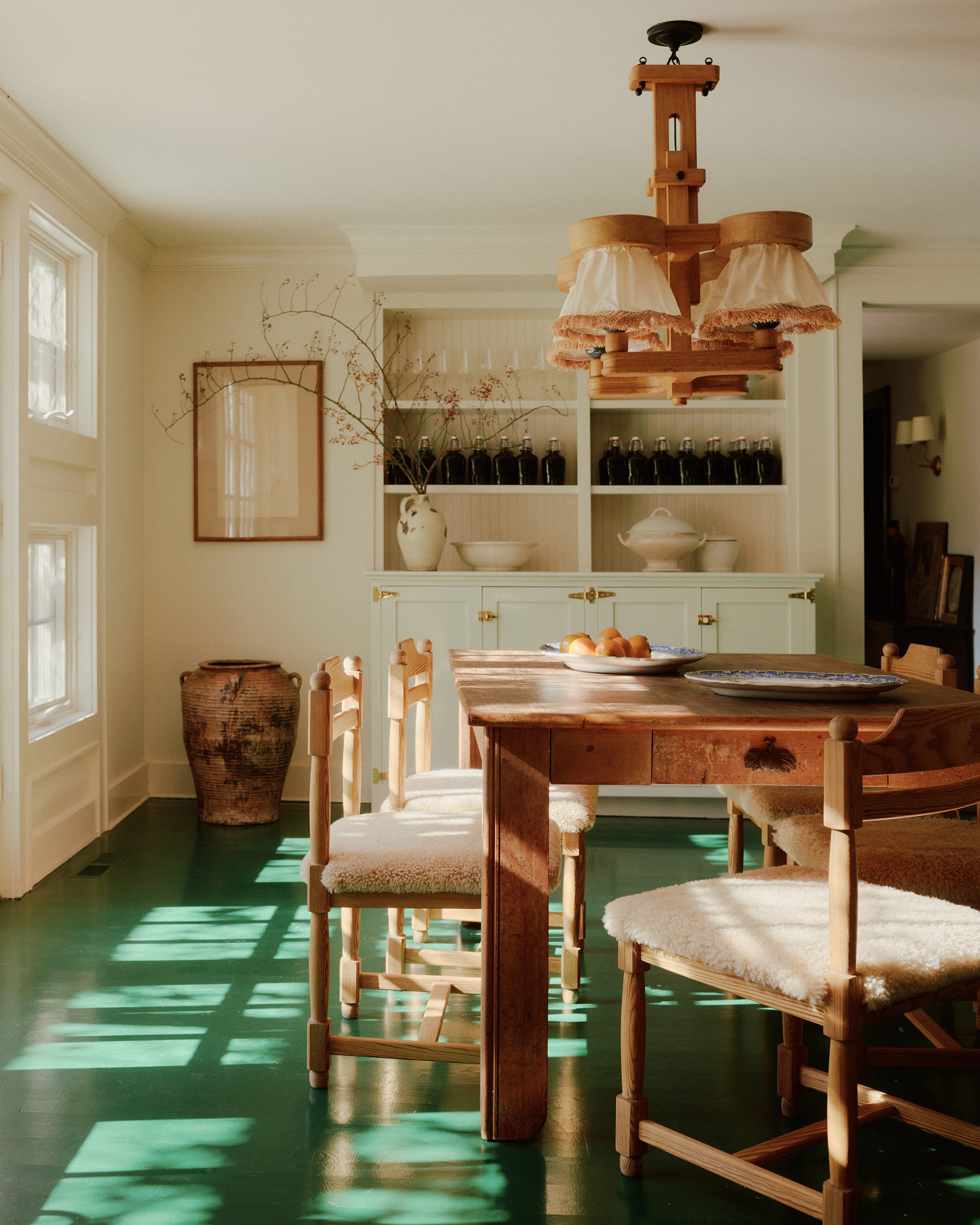
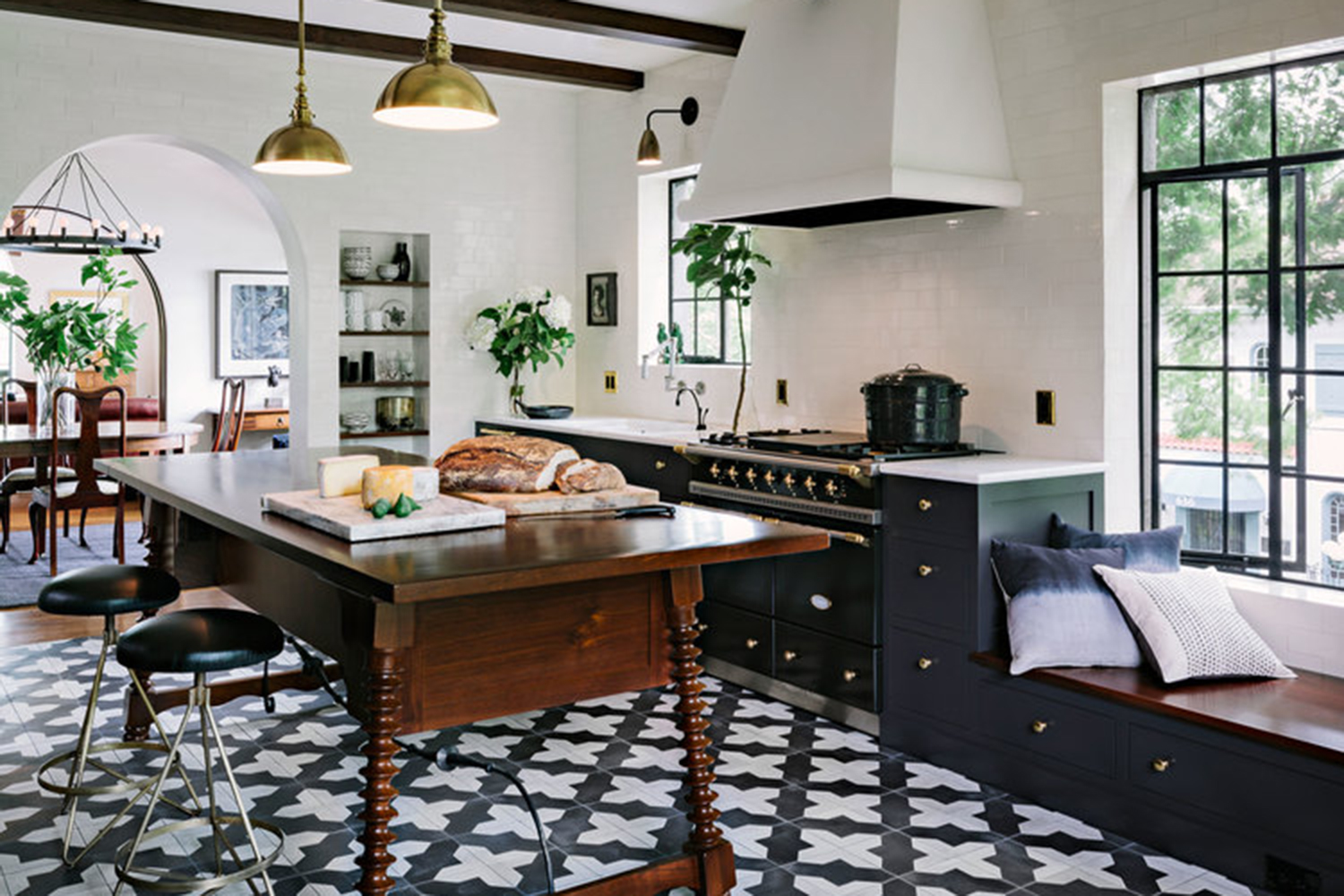
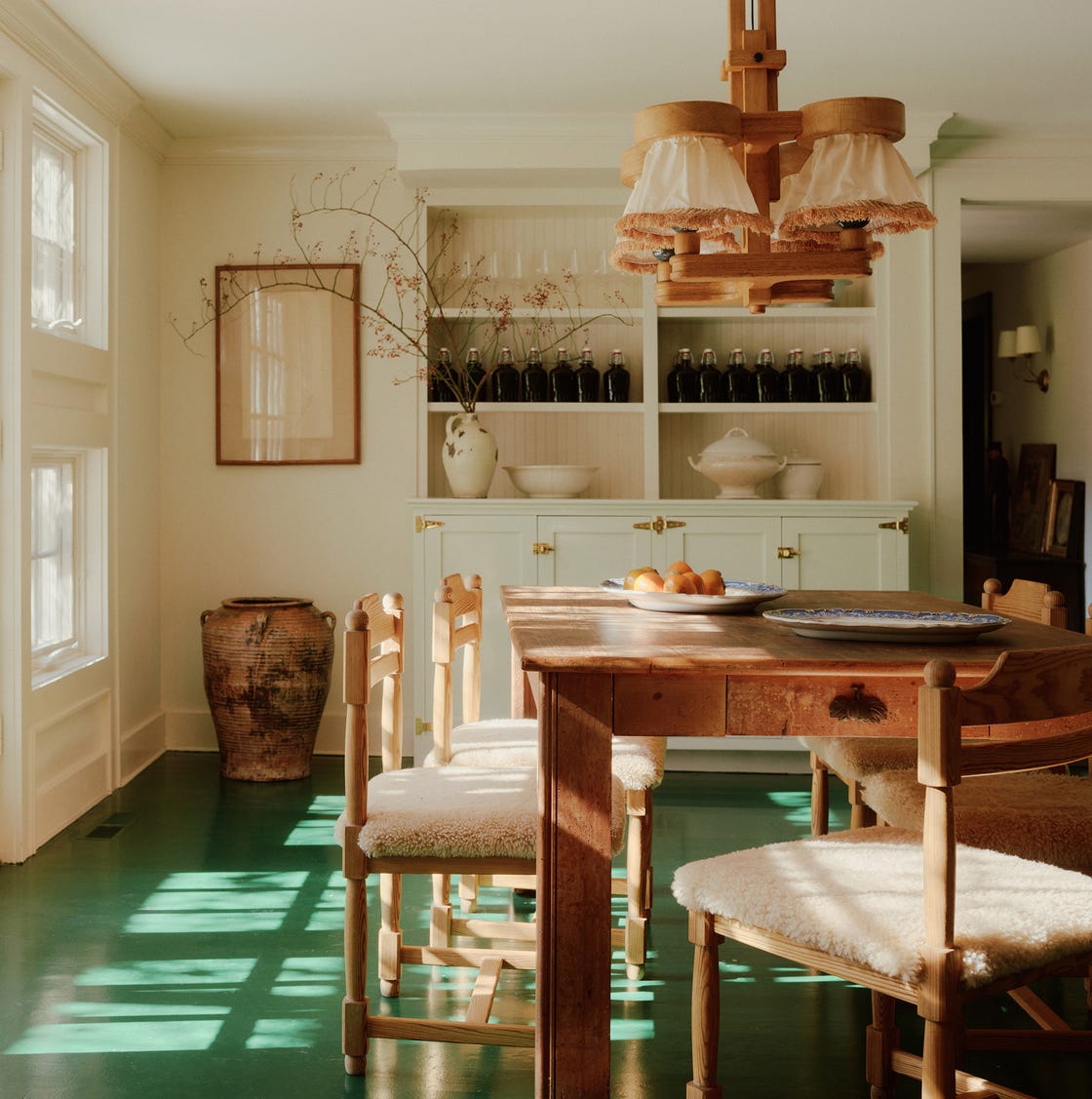
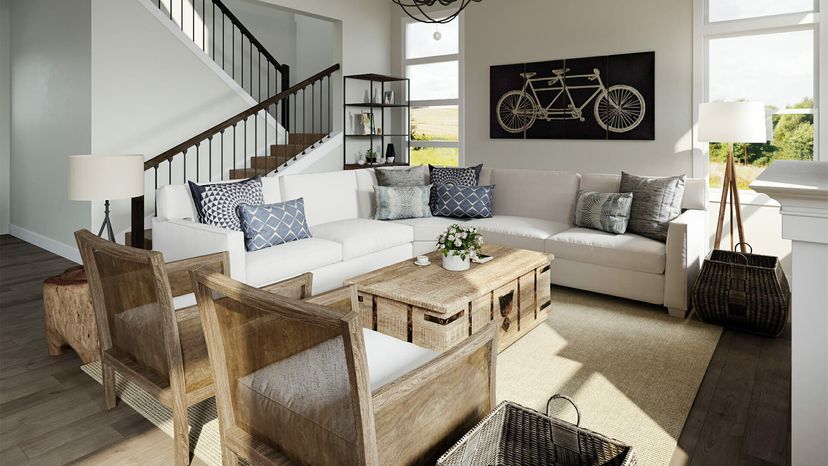
Ninth, appropriate appliances blend functionality with style. Appliances should integrate with the color palette, with stainless steel being a popular choice for its ease of cleaning and long-term value. Built-in refrigerators can be disguised with custom paneling, and gas cooktops are more traditional than electric ones. Double-wall ovens accommodate large gatherings. Countertops should be kept clear of smaller appliances to maintain a tidy and inviting space. Tenth, farmhouse furniture such as Windsor back chairs, linen-upholstered chairs, and rustic harvest tables contribute to the aesthetic. Incorporating reclaimed pieces, antique bar stools, and salvaged materials for lighting or hardware adds to the lived-in, authentic feel.
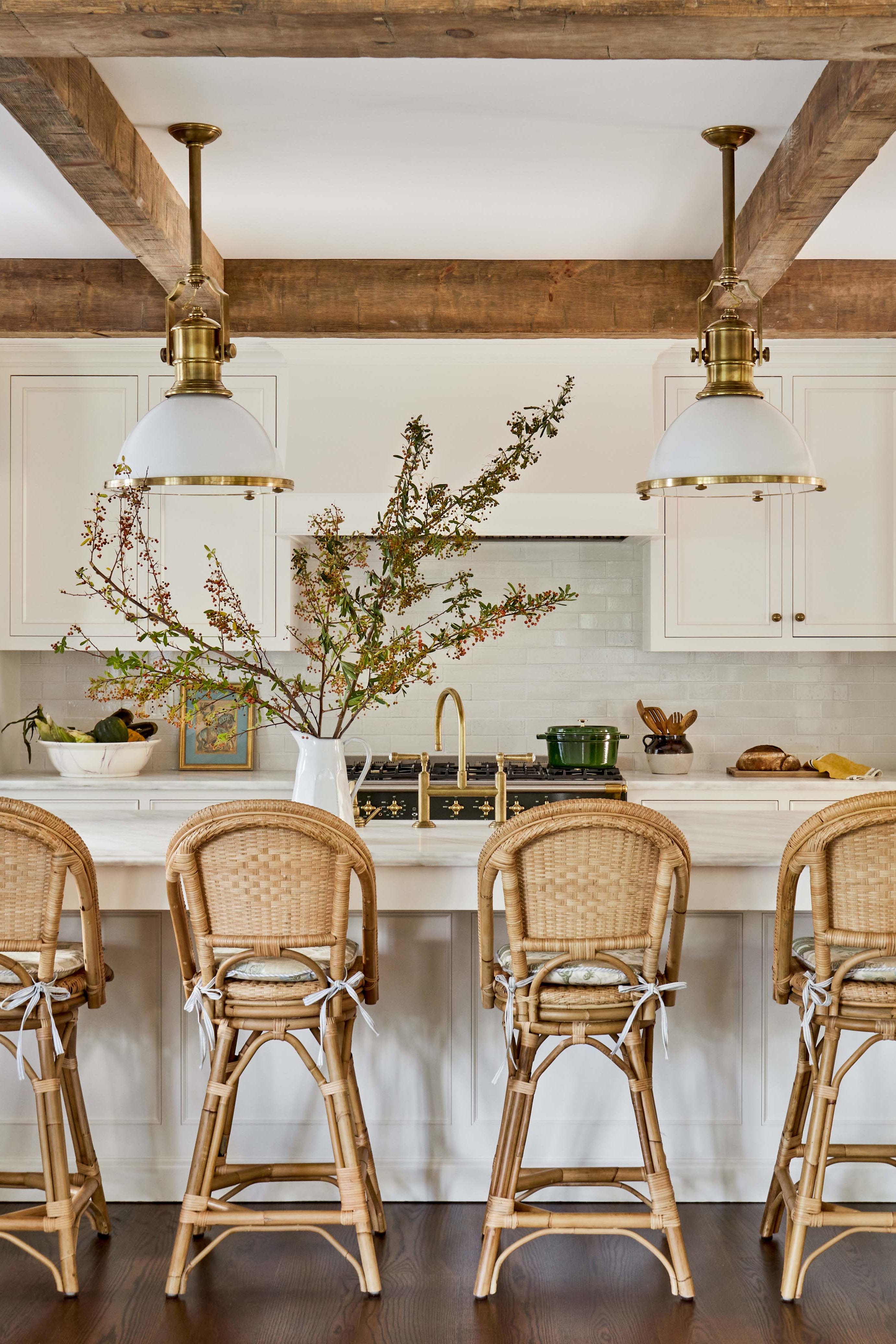
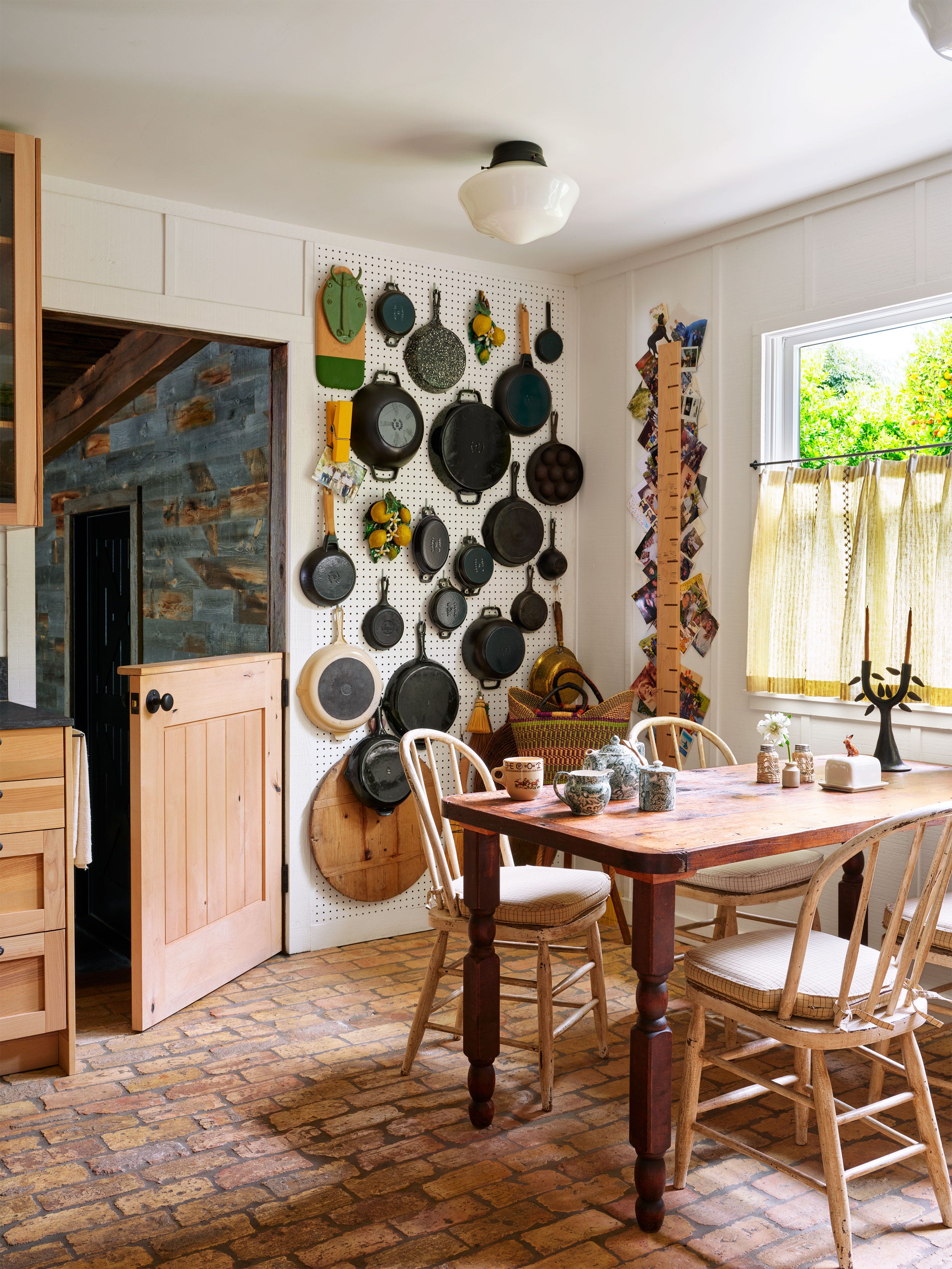
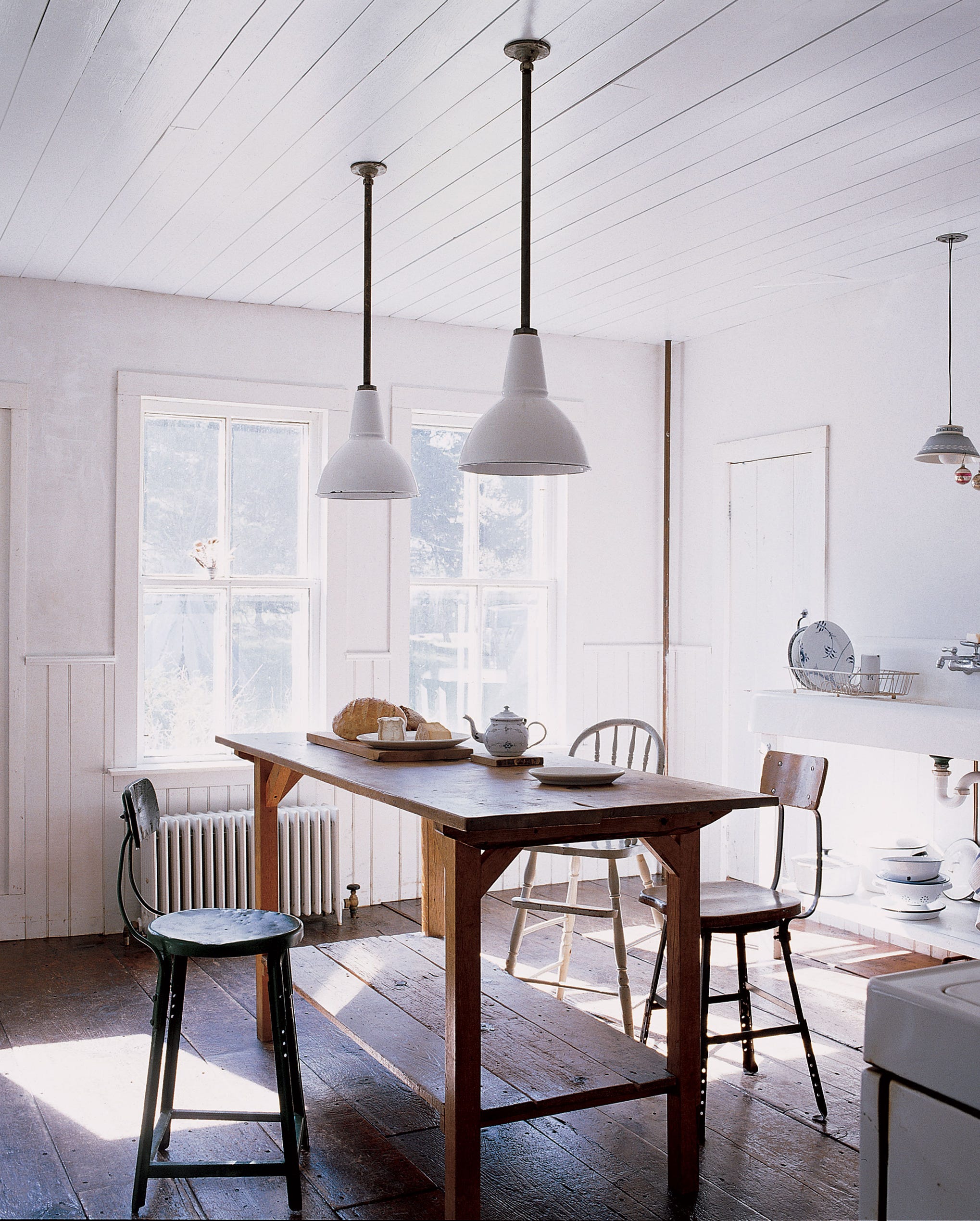
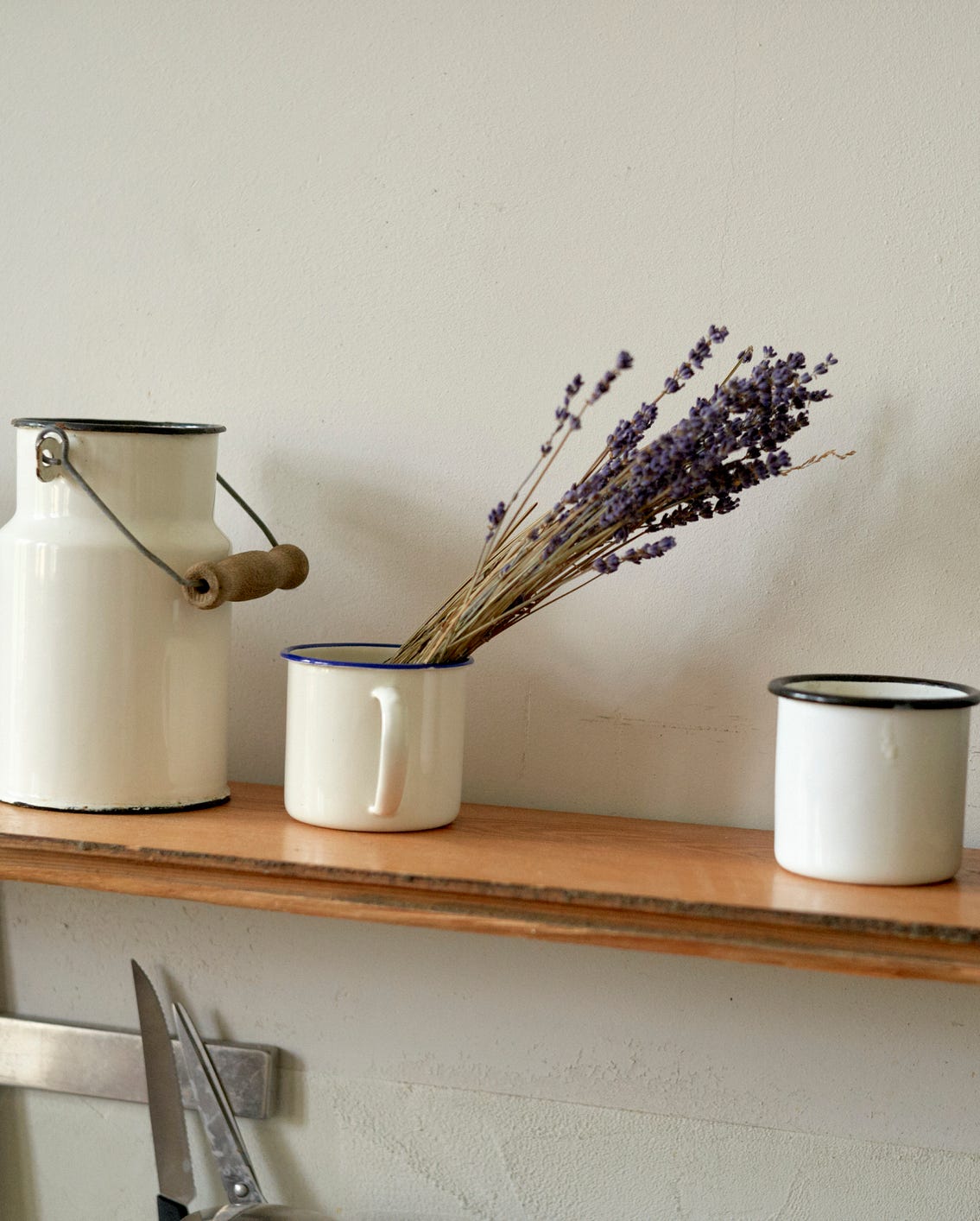
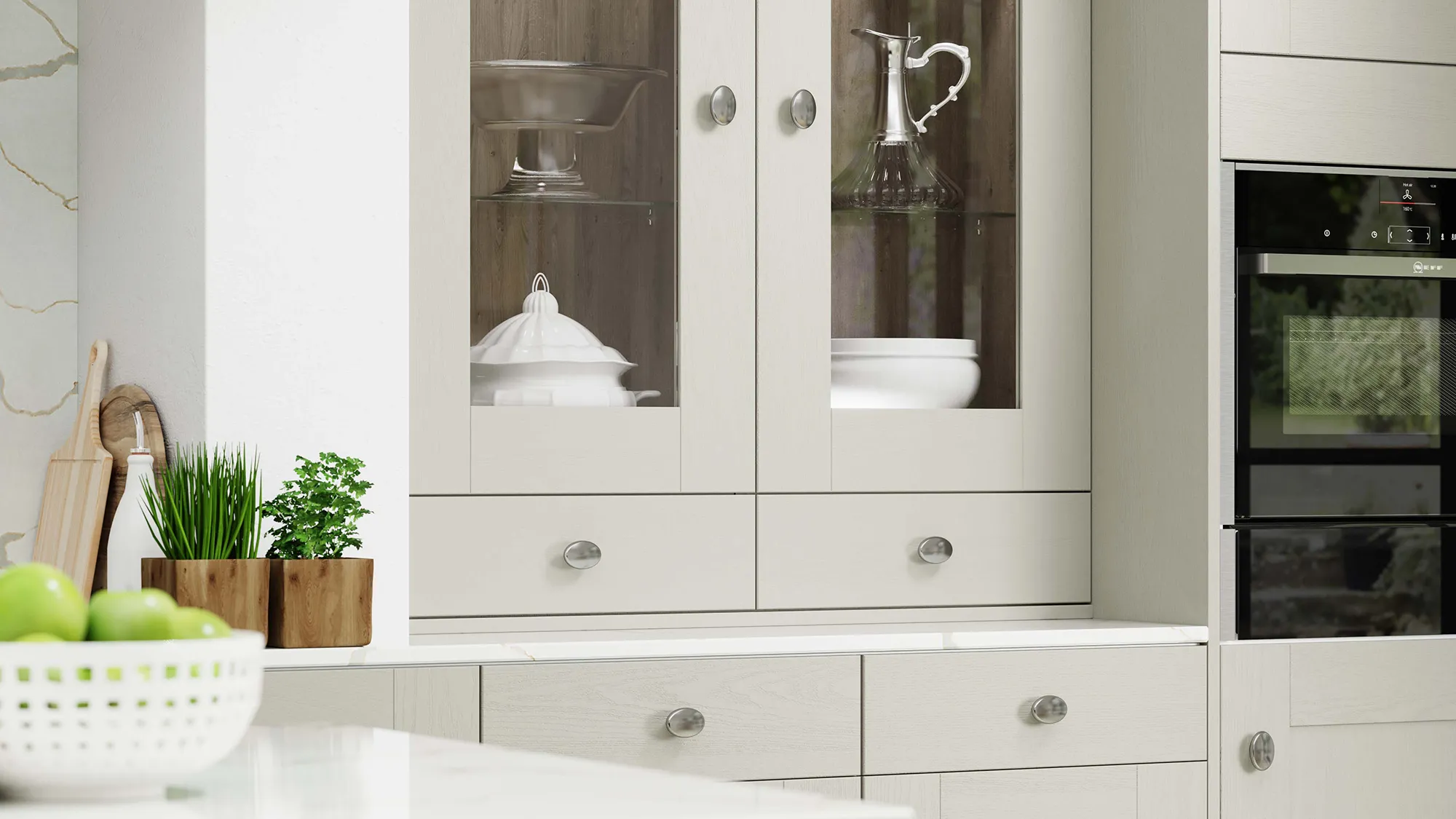
Eleventh, using shelves for display allows for showcasing character and personality. Open shelving or glass-front cabinetry provides opportunities to display favorite dishes, kitchenware, and farmhouse-style decor items like Mason jar crafts, glass canisters, wire baskets, and vintage stools. Lastly, getting the lighting right is crucial. Farmhouse kitchen lighting ideas often feature brass, matte black, and glass fixtures over islands, or barn lighting and glass shades for wall sconces, contributing to the rustic ambiance. A key distinction between farmhouse and country kitchens is that farmhouse style is less kitsch, more sophisticated, and prioritizes comfort, often featuring clean lines, solid colors, and a light, bright feel.
#FarmhouseKitchen #KitchenDesign #InteriorDesign #RusticDecor #NaturalMaterials #ShakerCabinets #ApronFrontSink #KitchenIsland #HomeDecor #FarmhouseKitchen #KitchenDesign #InteriorDesign #RusticDecor #NaturalMaterials #ShakerCabinets #ApronFrontSink #KitchenIsland #HomeDecor
0 комментариев всего
 Комментариев пока нет
Вам также может понравиться
Design inspiration: How to create a farmhouse-style kitchen

30 Totally Charming Farmhouse Kitchen Ideas

13 Modern Farmhouse Kitchens Where Table-Like Islands and Pot Racks Rule

TikTok Says Farmhouse Kitchens Are Out for 2024—Here’s How to Upgrade

Home How-To: The Making of a Modern Farmhouse Kitchen

Modern farmhouse kitchen ideas – how to achieve a country look even if you live in the city

13 Farmhouse Kitchen Ideas That Are Cozy, Classic, and Inviting
17 Country Kitchen Design Trends We Can't Get Enough Of

35 Farmhouse Kitchen Ideas That'll Add Endless Charm to Your Home

30 Farmhouse Kitchen Ideas That Work for Both Modern Farmhouse and Traditional Country Styles
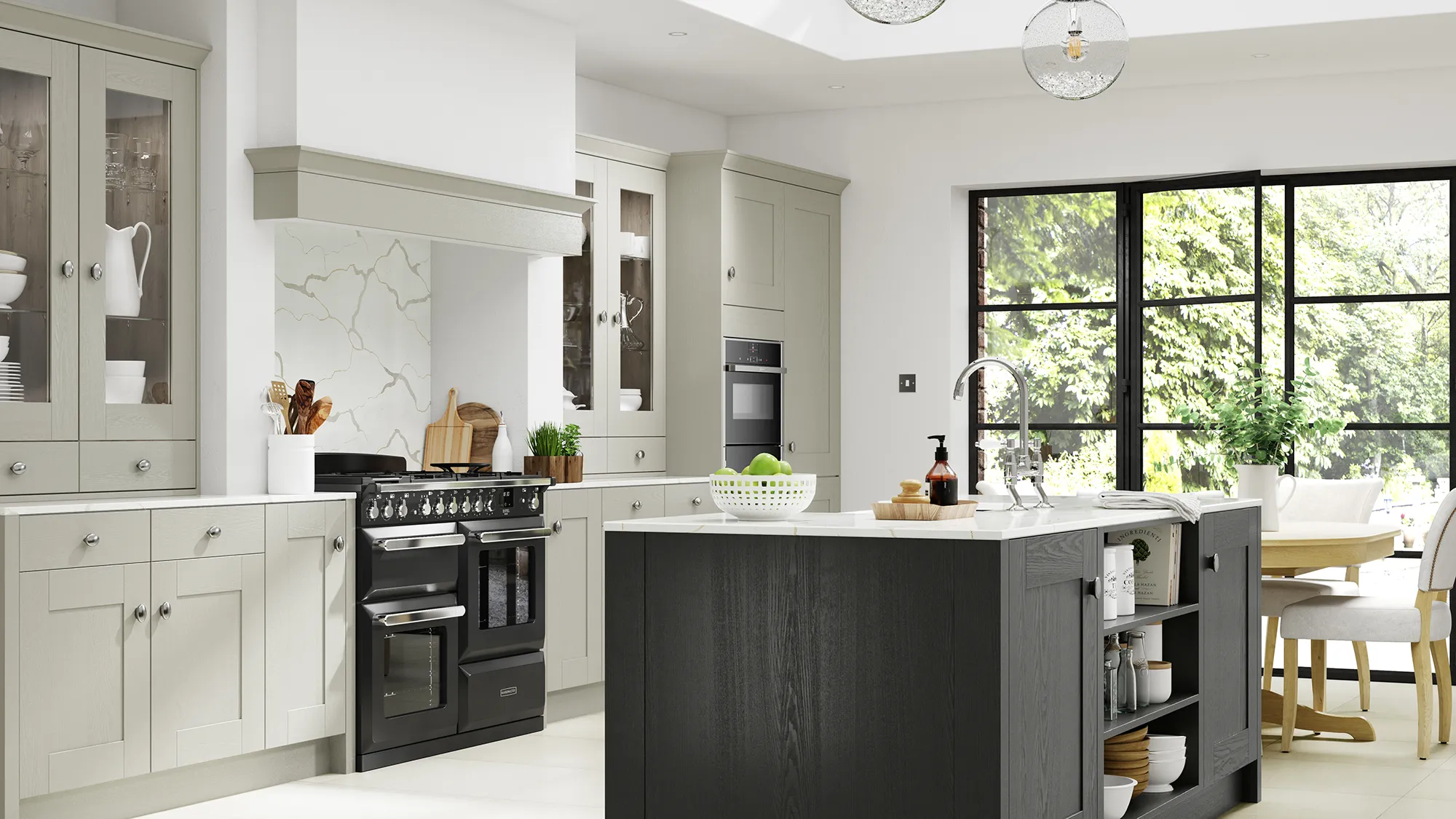
Tiverton Pebble Shaker Kitchen

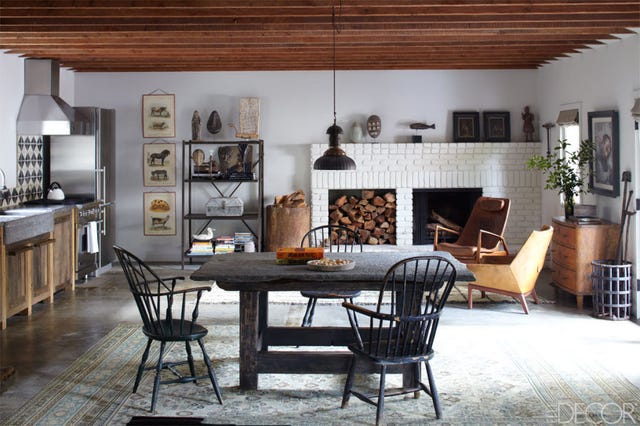
25 Kitchens That Make The Case For Rustic Style
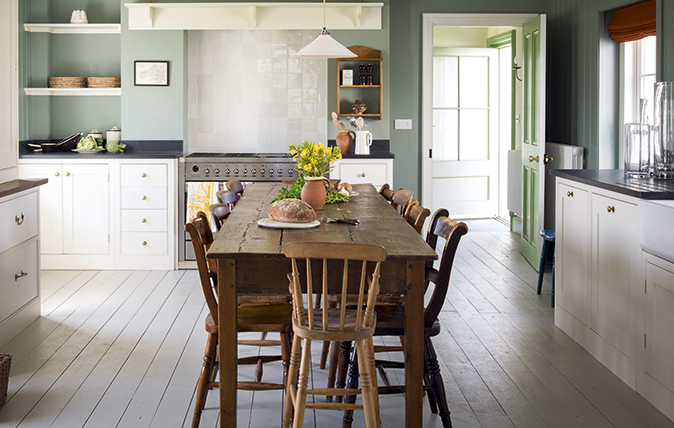
Farmhouse kitchen design ideas and tips
These Farmhouse Kitchen Ideas Will *Whisk* You Away

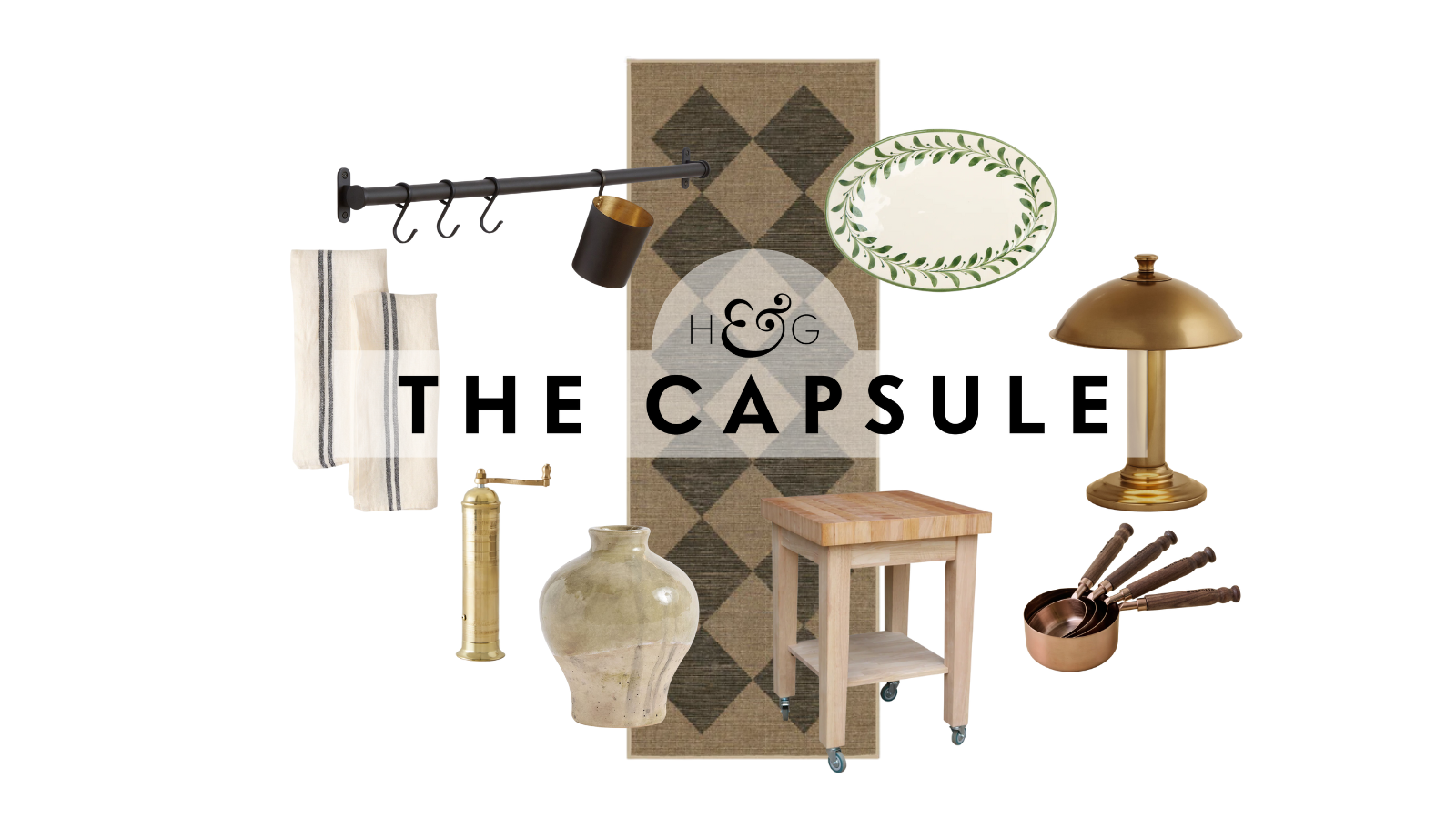
24 Perfectly Rustic Pieces That Will Make Your Kitchen Look Like It Belongs in A Countryside Farmhouse
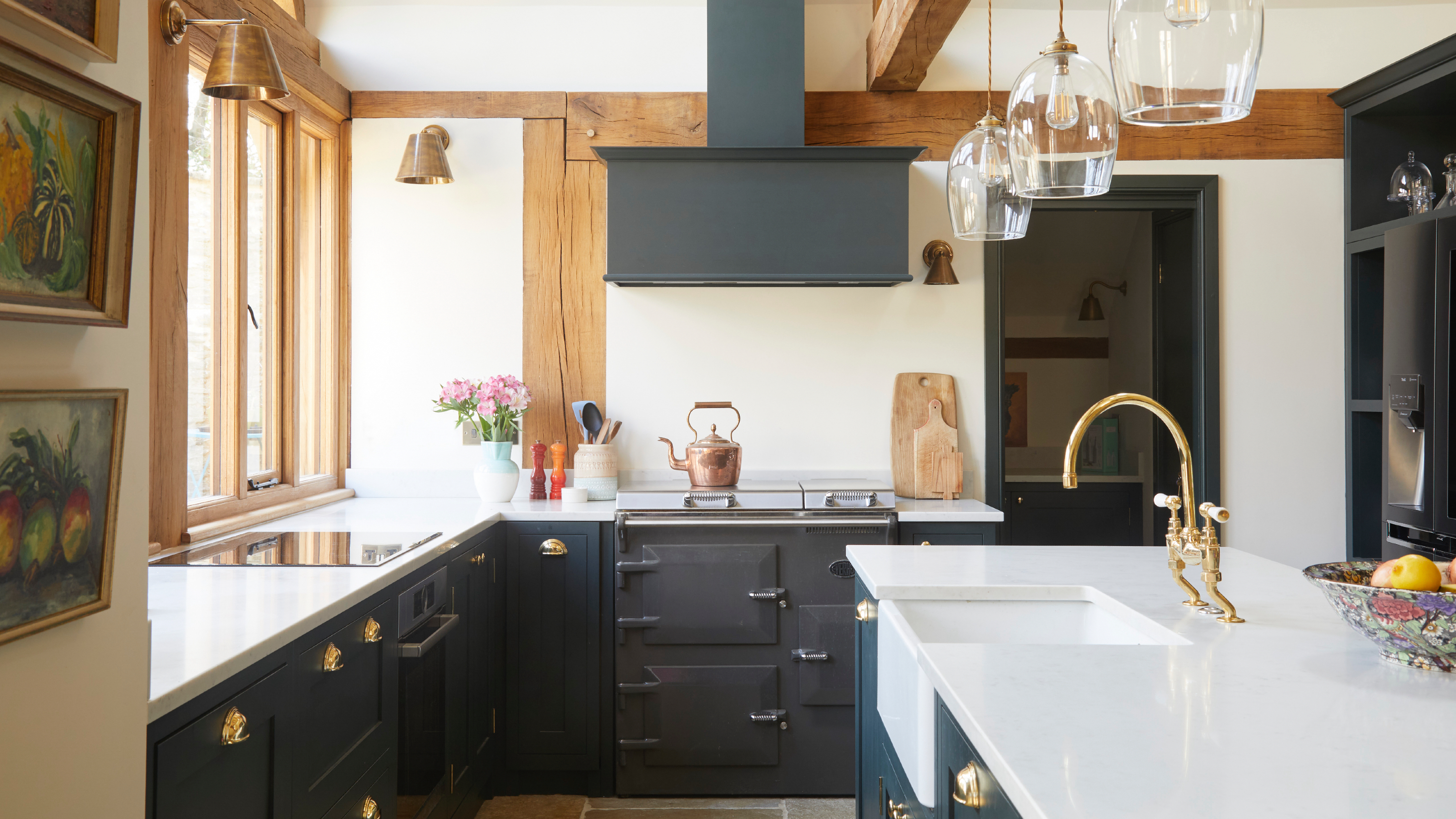
21 warm and inviting country kitchen ideas to add charm to the heart of your home
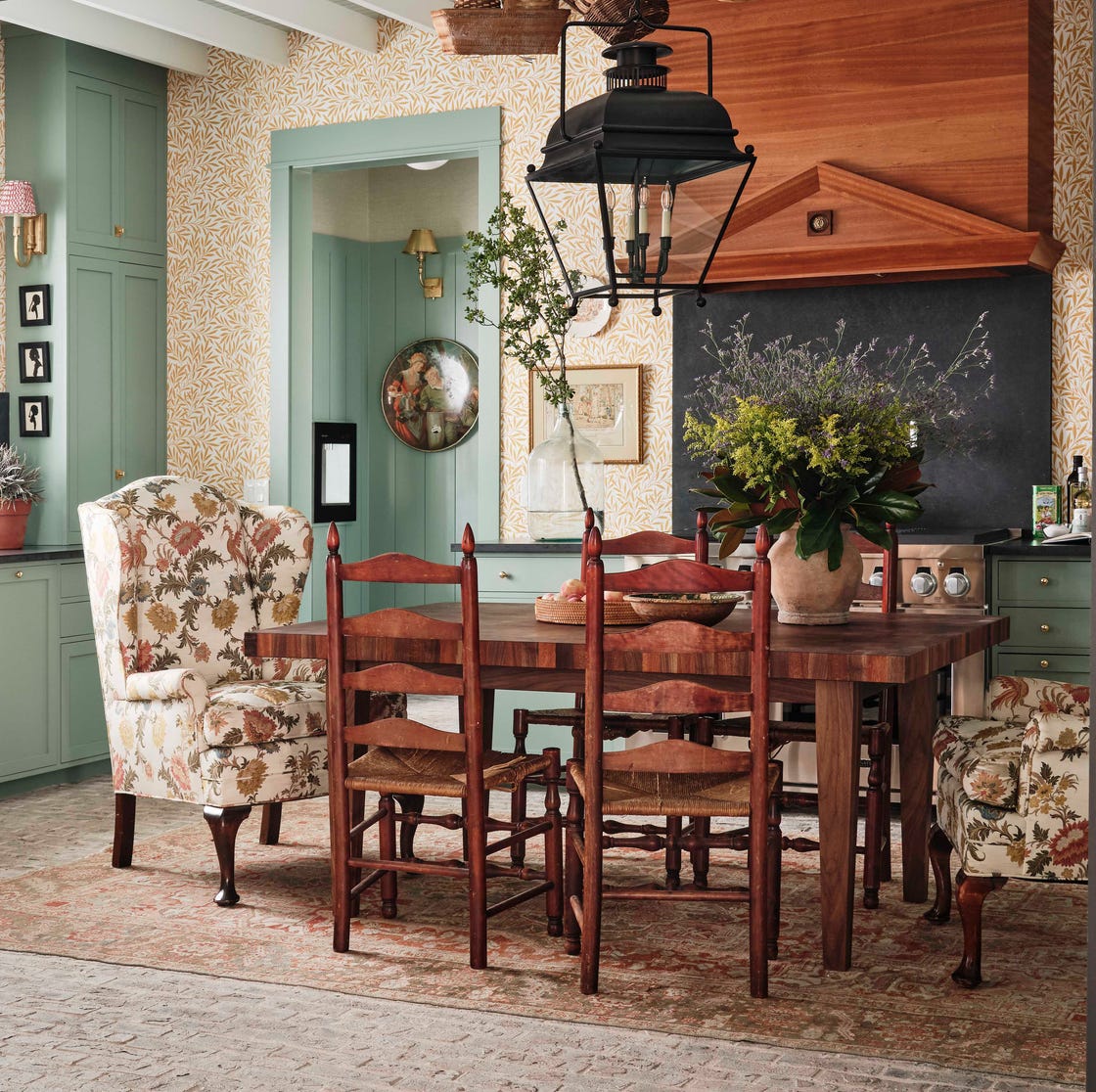
For a Homey and Charming Kitchen Vibe, Designers Say to Choose This Aesthetic
10 farmhouse kitchens with design ideas to steal

Rustic kitchen ideas – the wholesome trend that never goes out of style
6 Tips for Creating a Cozy, Charming Farmhouse Look