




Hot Garage? 6 Tips to Make It Instantly More Bearable, Even in Peak Summer Heat
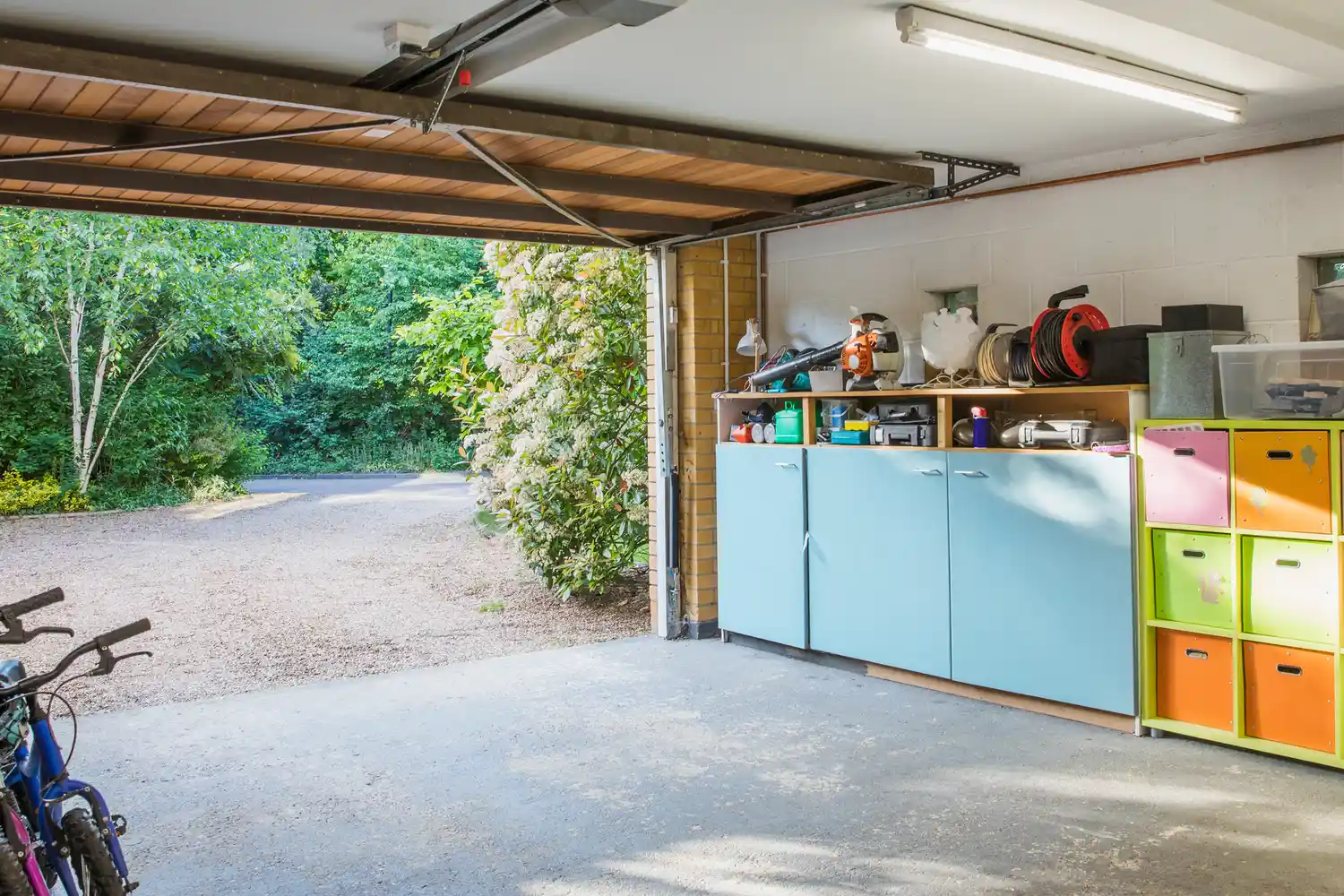
Maintaining a comfortable temperature in a garage during hot summer months can be challenging due to stagnant air and heat accumulation. Several strategies, recommended by HVAC professionals Danny Pen and Steve Robbins, can effectively cool a garage. One immediate solution is to introduce active airflow through fans. Installing a ceiling fan can help circulate hot air that rises and collects at the top of the garage, while a floor fan can improve air movement across the lower areas, creating a noticeable breeze and preventing the air from feeling heavy.
Beyond internal airflow, mitigating external heat sources is crucial. Adding external shade, such as a tree or an awning, can significantly reduce the amount of direct sunlight hitting the garage structure, thereby preventing it from heating up excessively throughout the day. This proactive measure minimizes the initial heat load on the garage. Another important step involves removing heat-producing equipment from the garage. Appliances like refrigerators, washers, or dryers generate heat, and their presence in an enclosed space contributes to higher internal temperatures. Relocating these appliances or ensuring they are well-ventilated can help reduce the overall heat in the garage. If, despite these efforts, a garage remains excessively hot, it may indicate hidden issues like shared walls with attic spaces or duct leaks, which an HVAC professional can diagnose and address.
Improving the overall ventilation of the garage is also vital to prevent the recirculation of stale, hot air. This can be achieved by setting up a cross-ventilation system using two fans on opposite walls: one intake fan to pull fresh air in, and one exhaust fan to expel hot air. This creates a continuous flow of air through the space, making it much cooler. To combat heat transfer through the garage's structure, adding insulation or radiant barriers is highly effective. Insulation slows the transfer of heat, preventing the garage from becoming an oven, while radiant barriers are designed to reflect up to 97% of radiant heat, working in conjunction with insulation to keep the interior cool. However, even with insulation and radiant barriers, heat can still seep in through gaps and cracks around windows and doors. Sealing these openings with weather stripping and silicone caulk provides an inexpensive, fast, and effective way to maintain a controlled internal temperature by keeping hot outdoor air out.
For those seeking a more permanent and robust cooling solution, installing a ductless mini-split system is highly recommended by experts. A mini-split system provides dedicated cooling to the garage without the need for extensive ductwork, offering precise temperature control. This option is particularly beneficial for individuals who spend significant time in their garage for work, exercise, or hobbies, transforming it into a comfortable, climate-controlled environment even during the hottest parts of the year. These combined strategies offer a comprehensive approach to effectively cool a garage during a heatwave.
#HVACCooling #GarageCooling #HomeImprovement #SummerHeat #Insulation #Ventilation #DuctlessMiniSplit #EnergyEfficiency #HomeMaintenance #HVACCooling #GarageCooling #HomeImprovement #SummerHeat #Insulation #Ventilation #DuctlessMiniSplit #EnergyEfficiency #HomeMaintenance
 Комментариев пока нет