1/14
13 shower floor tile ideas – from color and layout to picking the right size
Choosing the right shower floor tiles is crucial for both aesthetic appeal and practical functionality within a bathroom design. While shower trays offer certain practical benefits, opting for tiles opens up a vast array of design possibilities for shower enclosures or walk-in showers. Tiles can be utilized to create a minimalist design that seamlessly integrates with the broader bathroom scheme, or they can serve as a statement piece to define and add character to the shower area. This article explores various options for tiling a shower floor, covering different sizes, shapes, formats, and current trends, along with essential practical advice for ensuring a safe and stylish shower space.
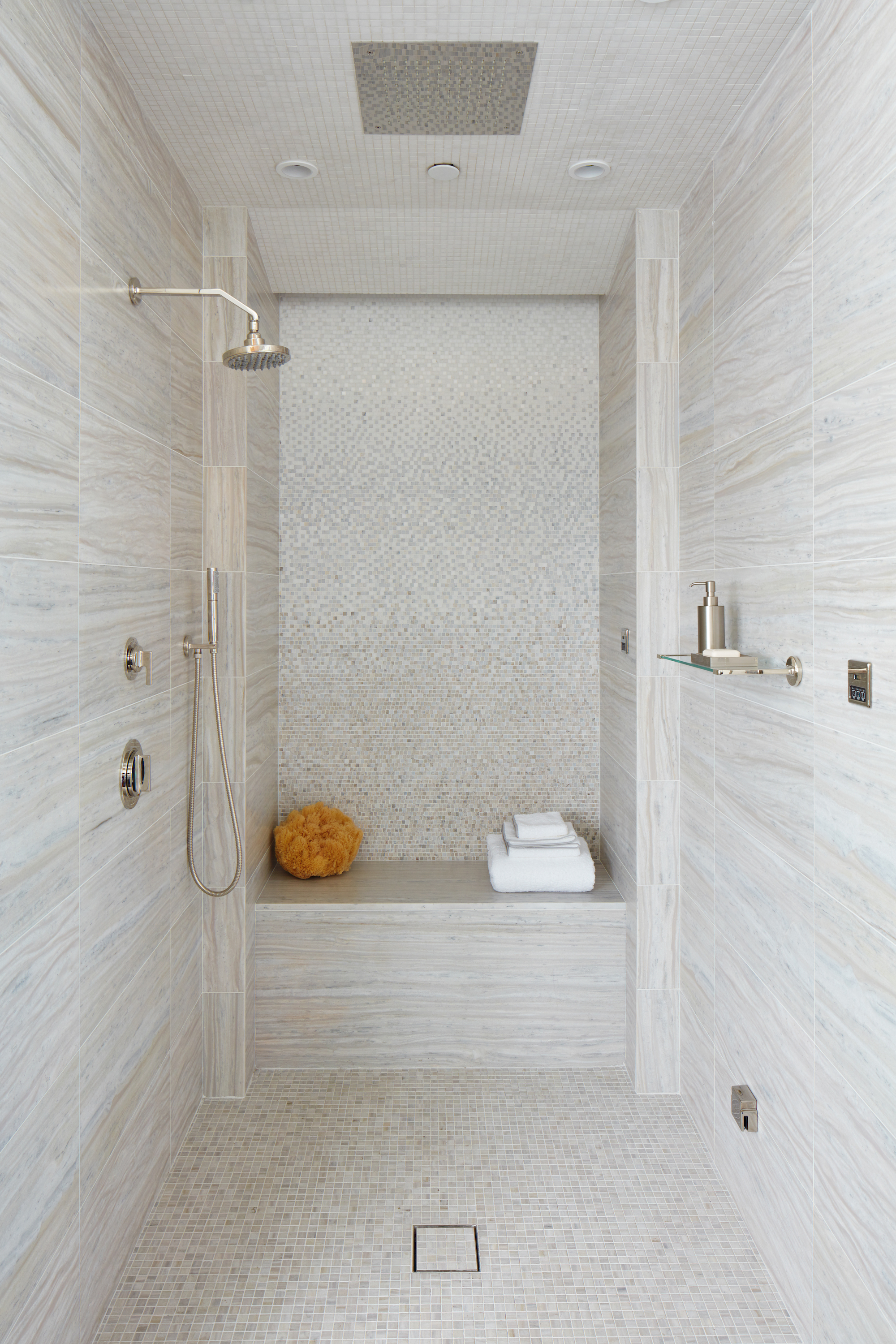
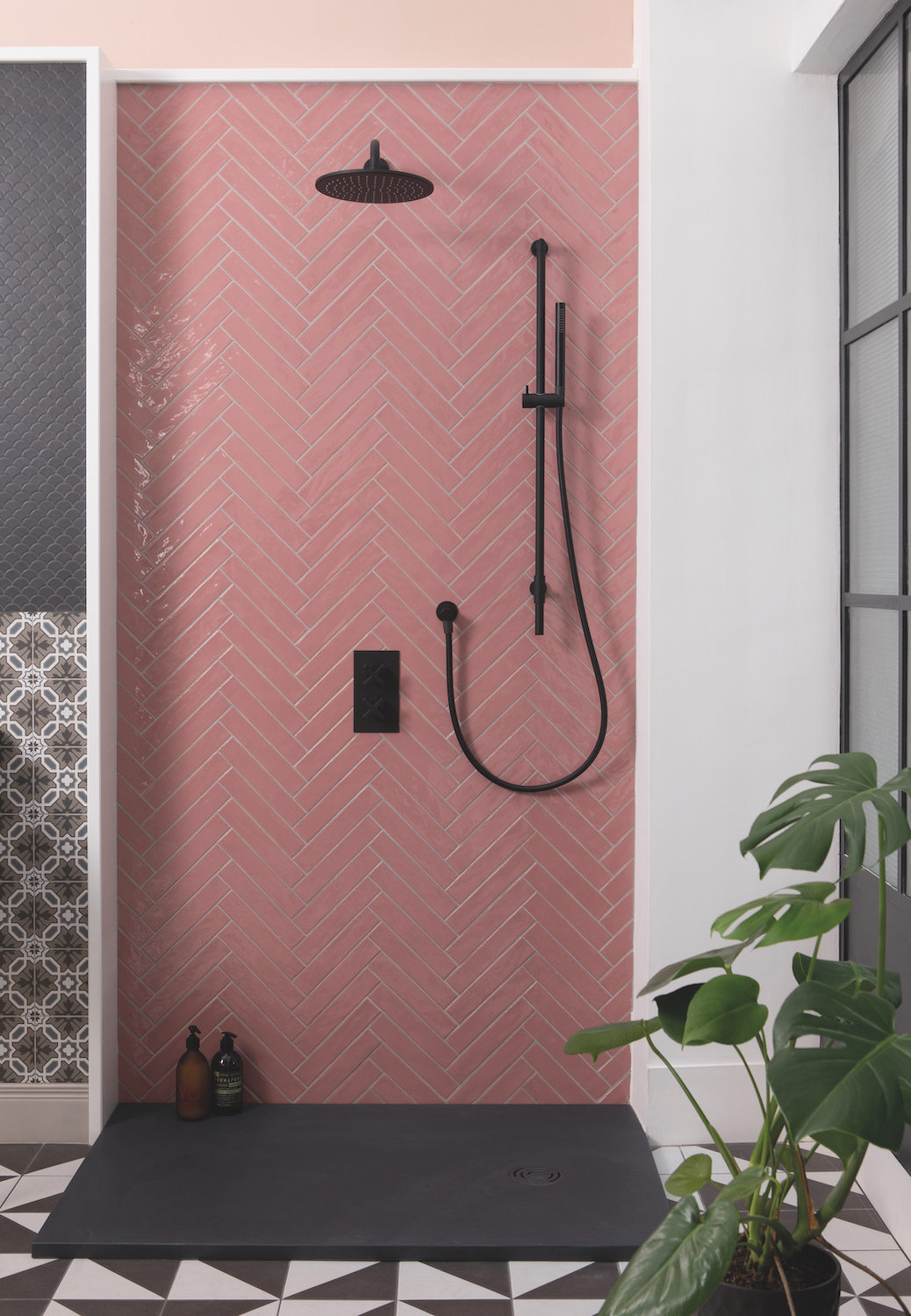
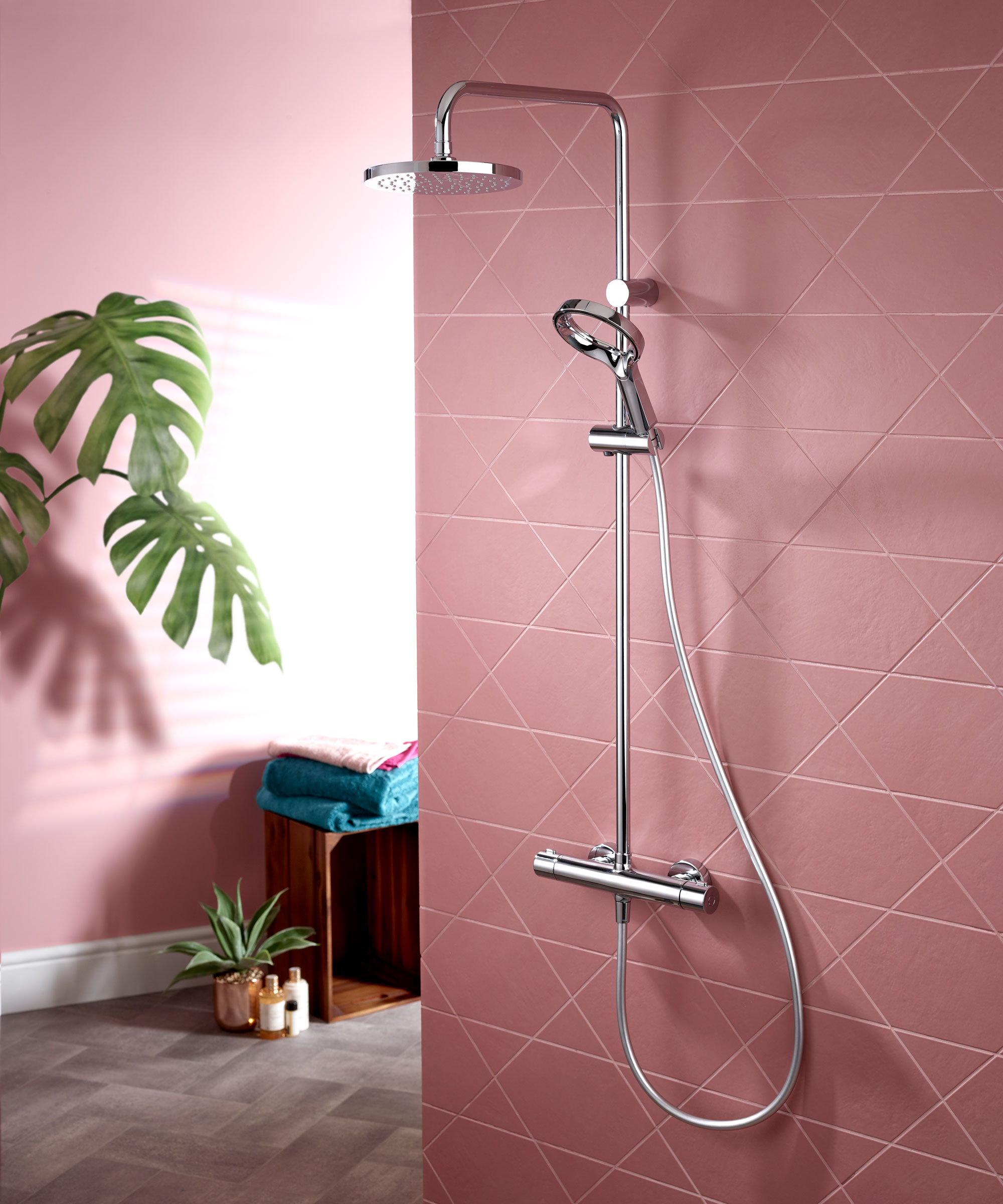
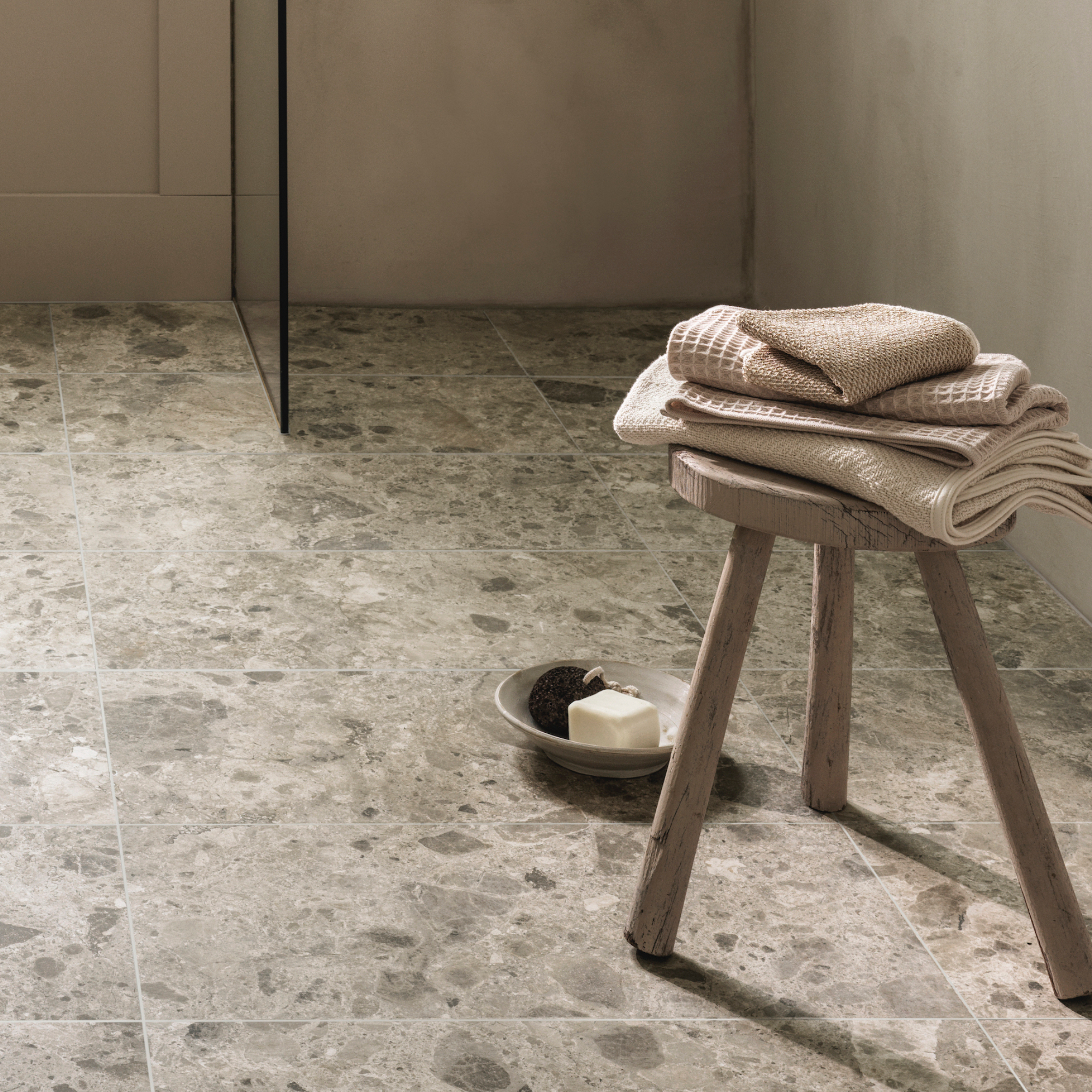
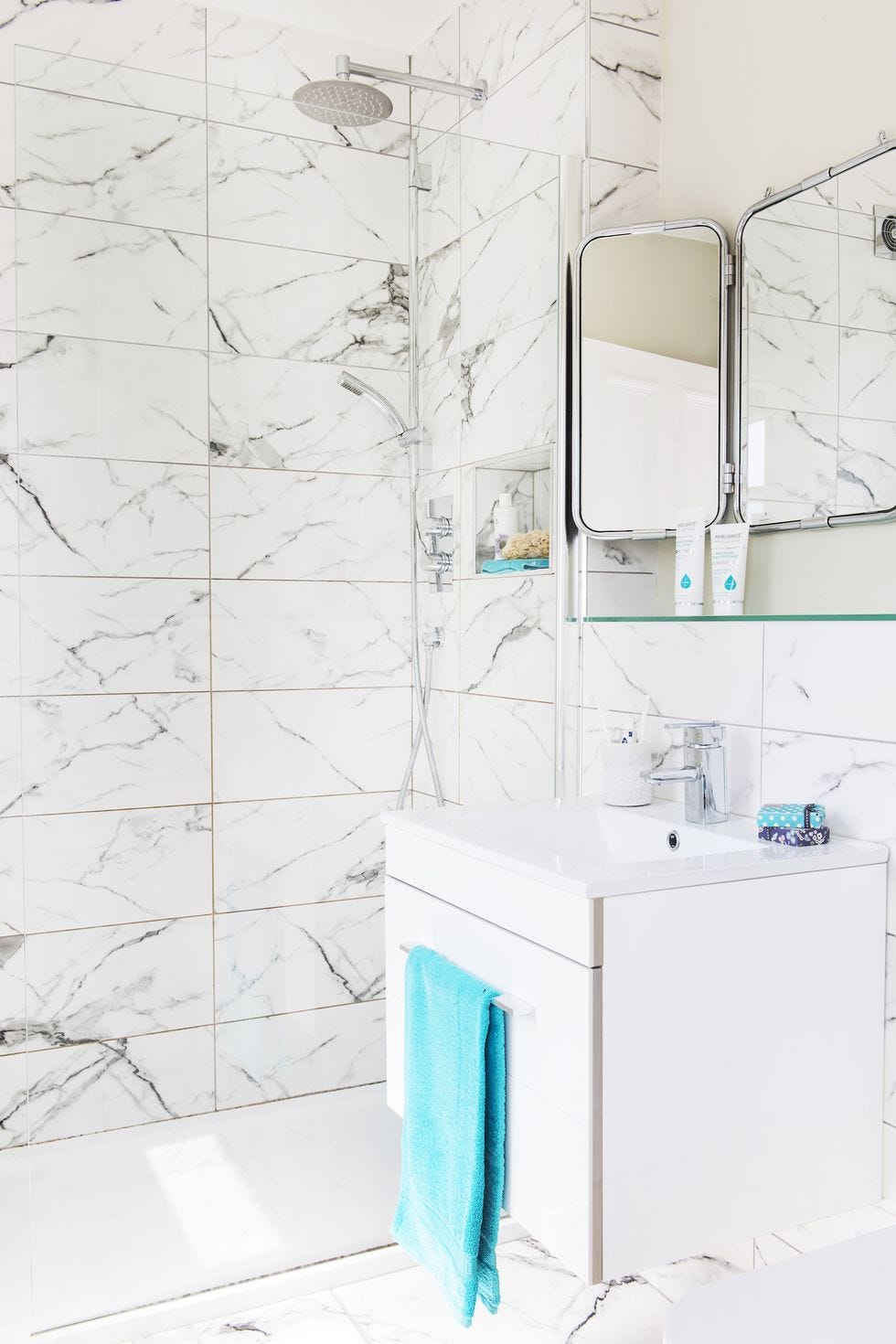
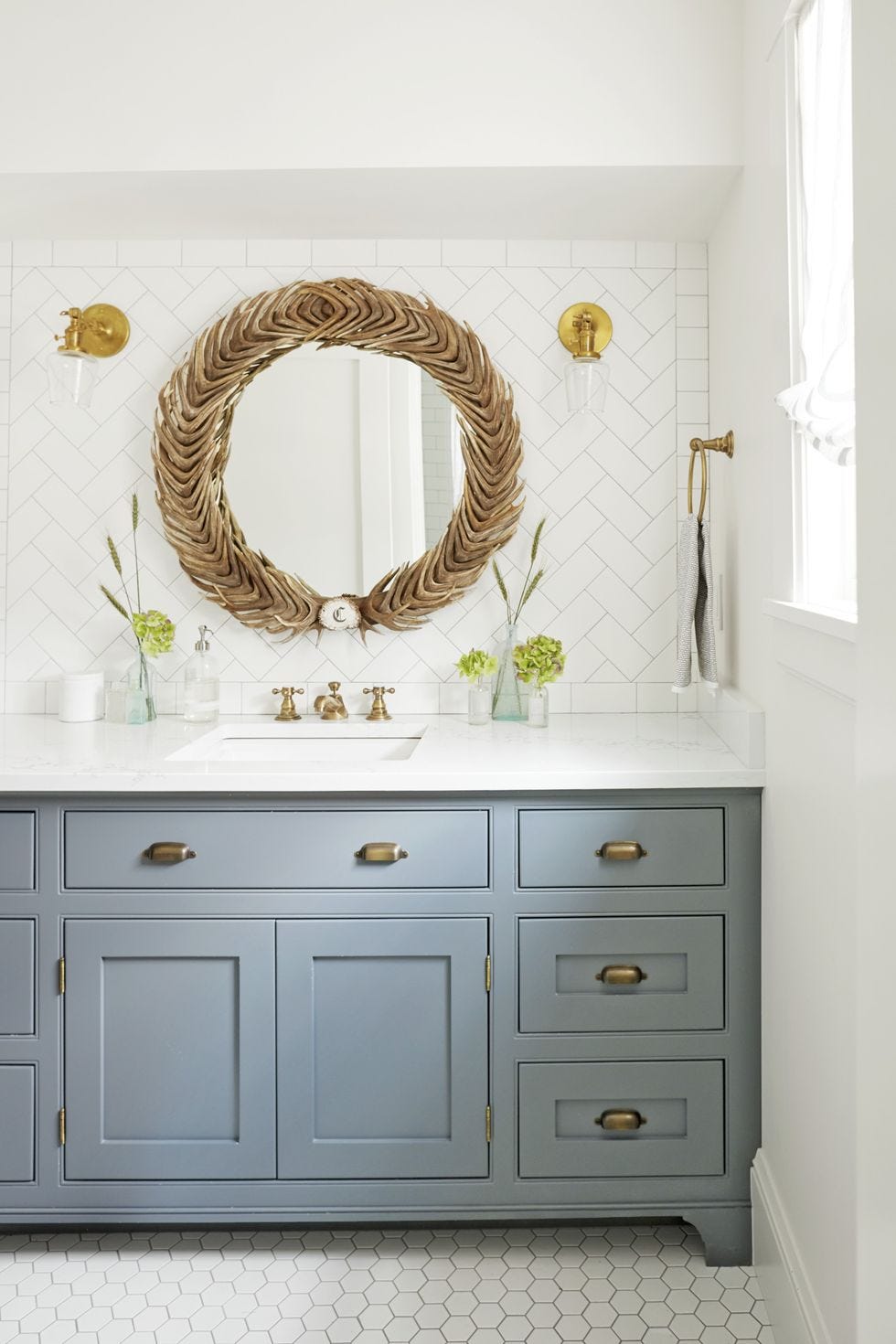
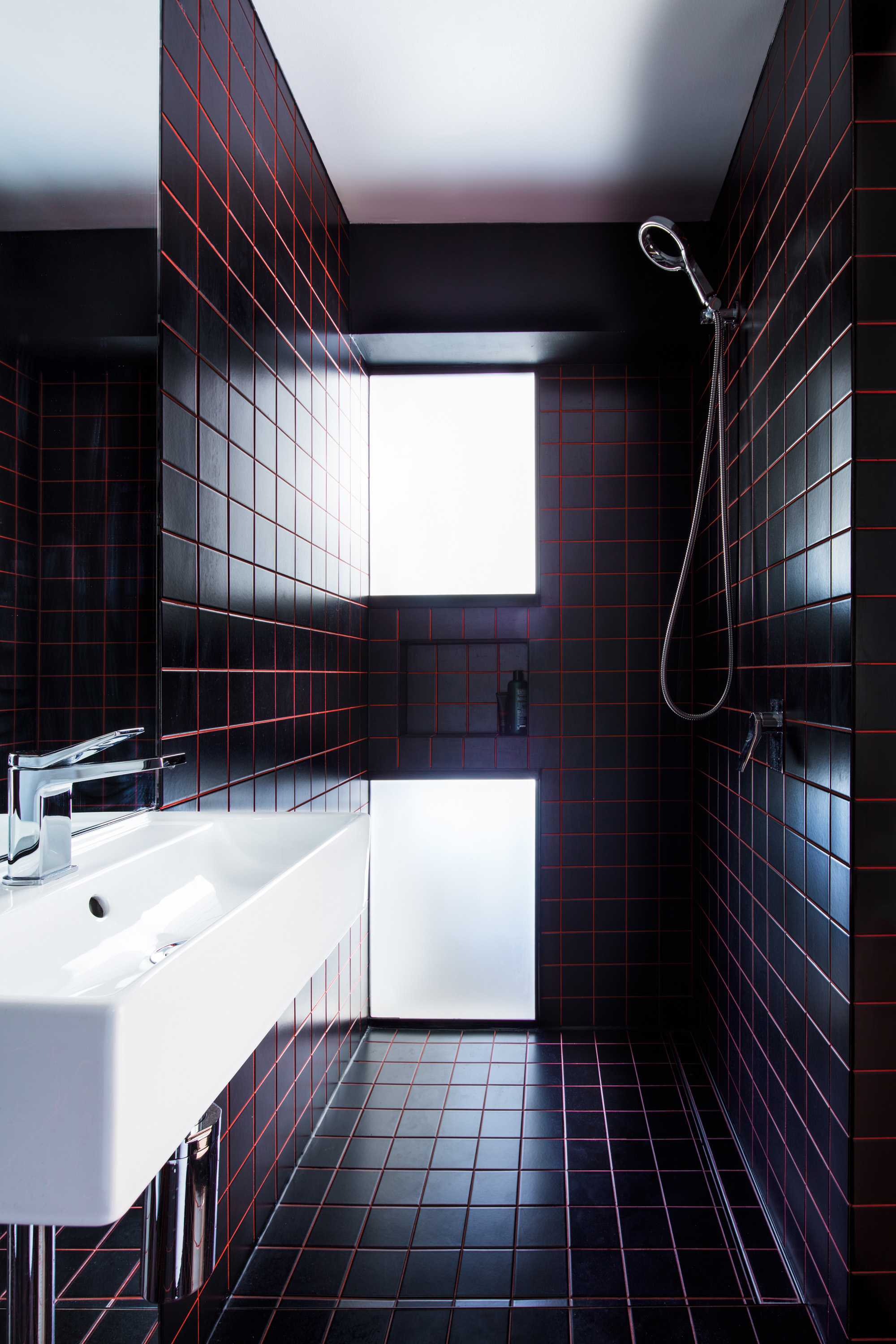
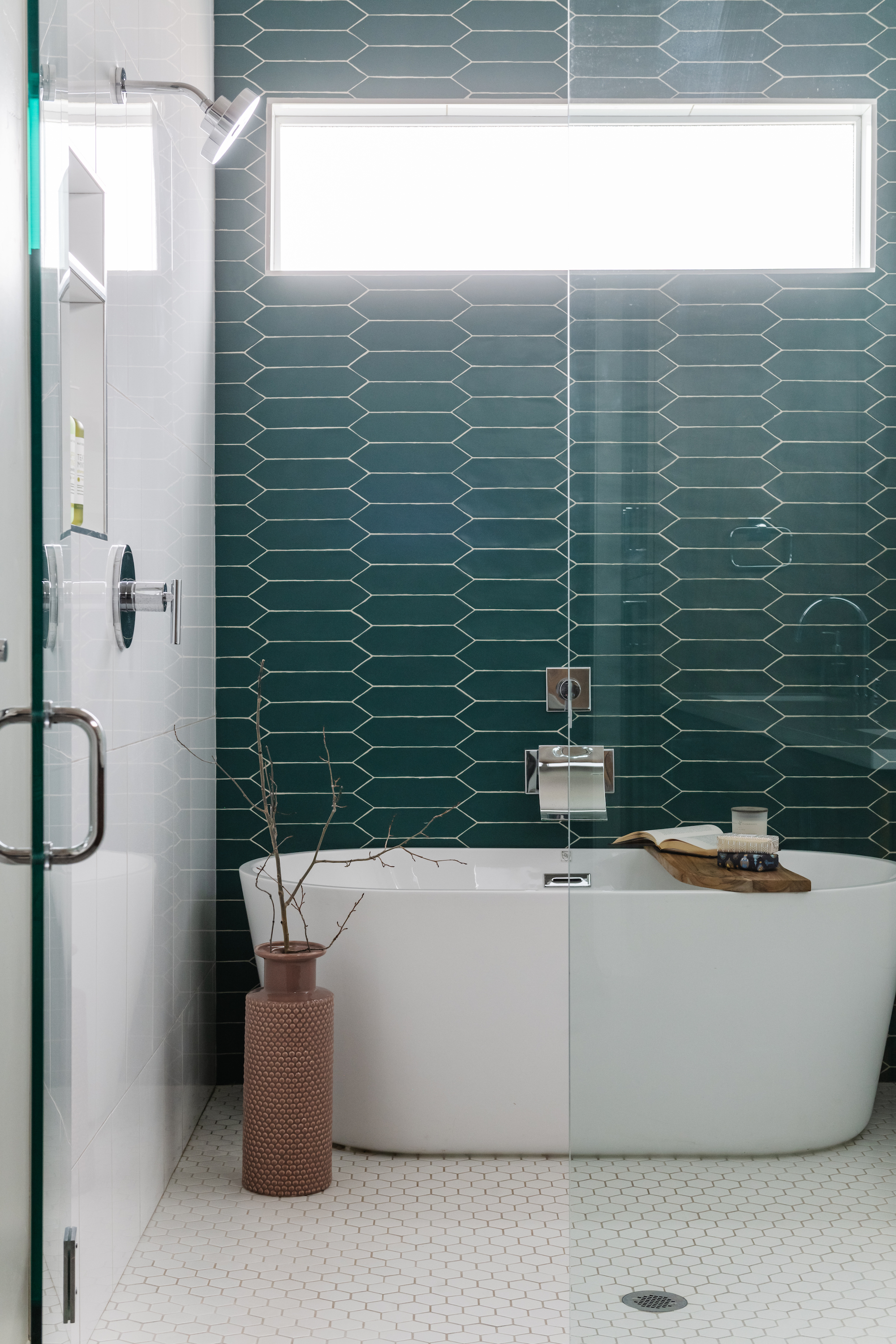
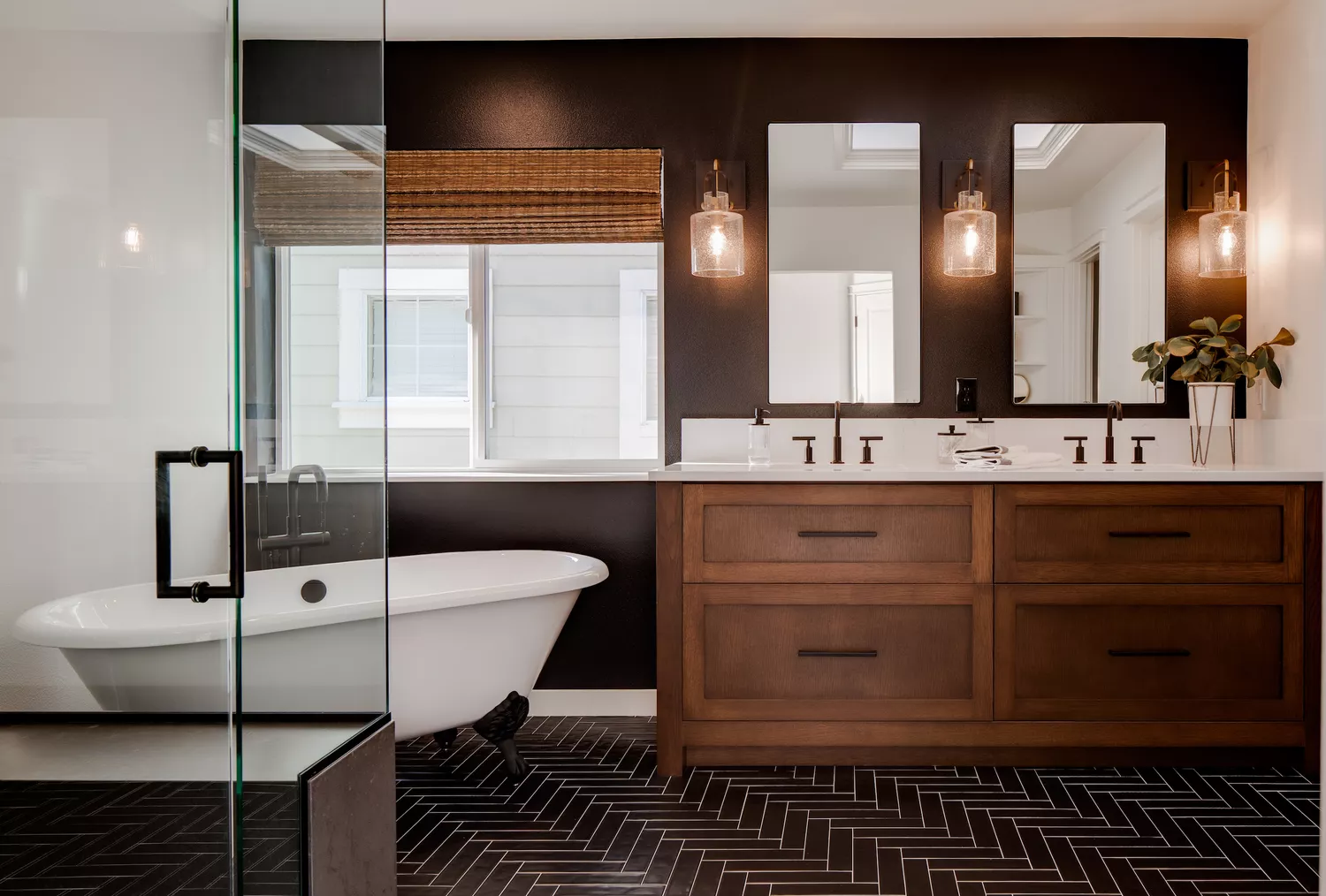
Large format porcelain tiles can be particularly effective, even in smaller bathrooms. By minimizing grout lines, they create a sleek, seamless feel that makes the area appear more spacious and continuous. However, smaller tiles or mosaics offer an advantage in terms of practicality, as their increased number of grout joints provides enhanced grip, which is important in wet conditions. Smaller tiles also expand design possibilities, allowing for various layouts like staggered brick bond or herringbone patterns, each contributing a distinct quality to the bathroom's overall look. They can also effectively delineate the shower area from the rest of the bathroom, especially when combined with larger tiles for contrast in scale.
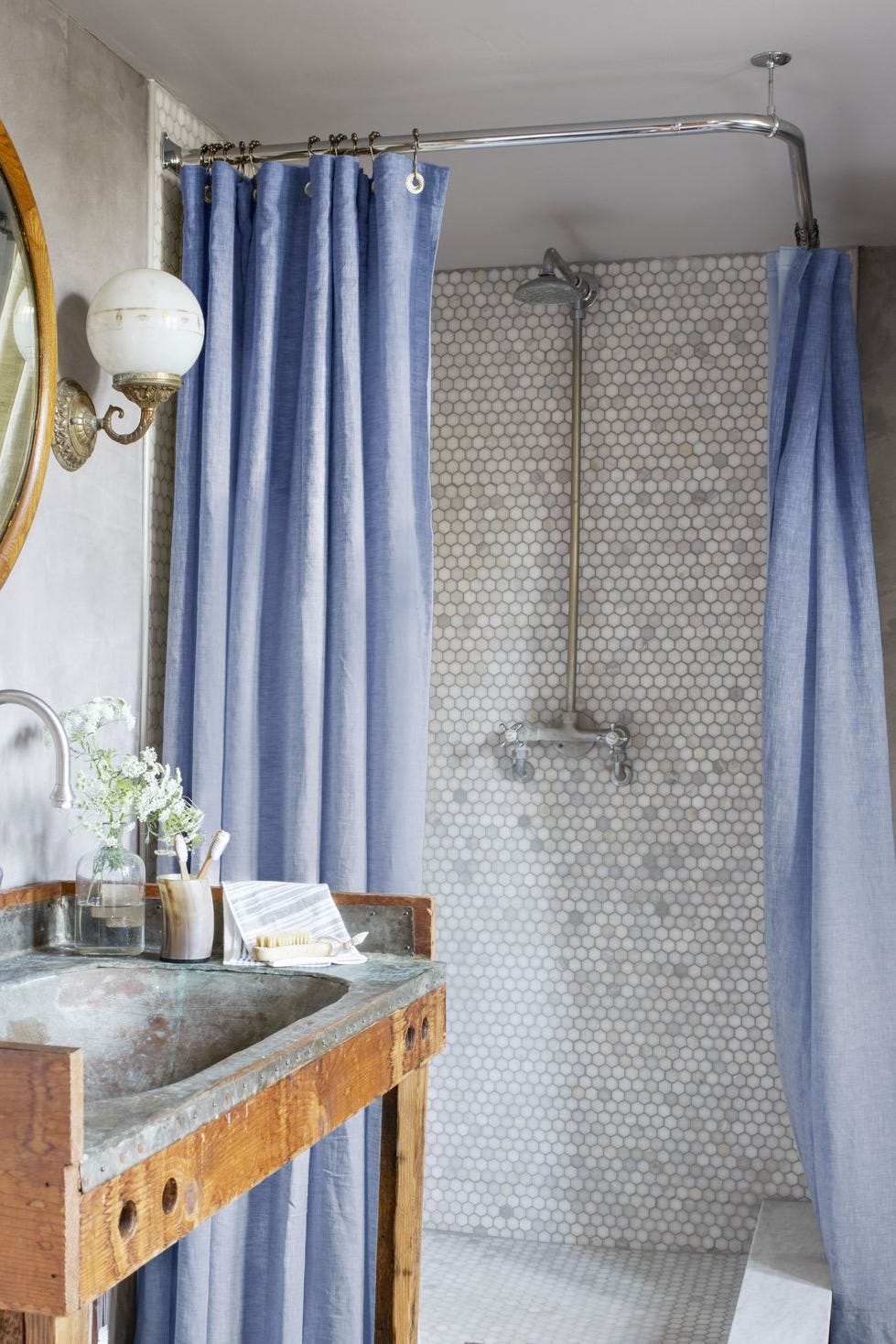
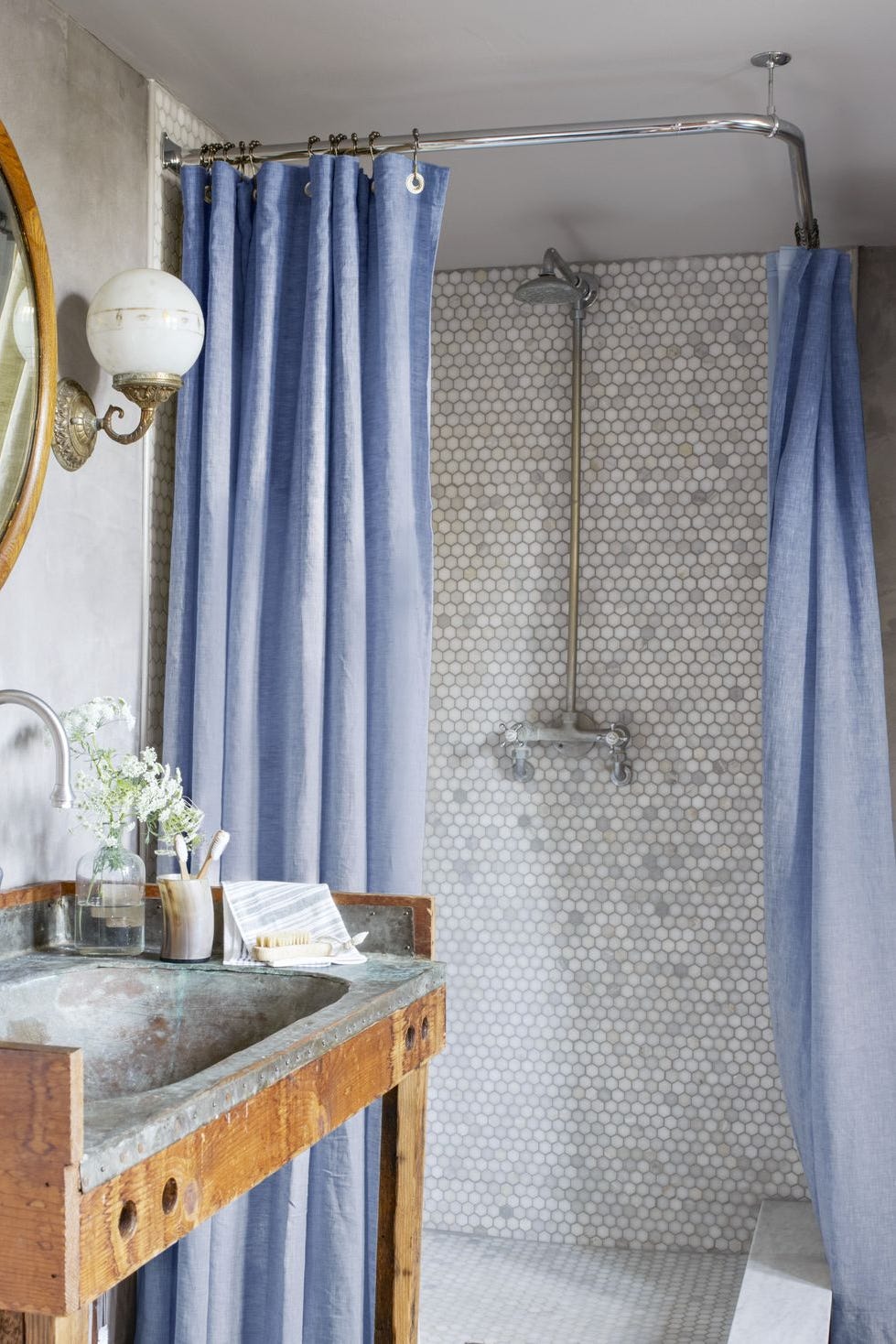

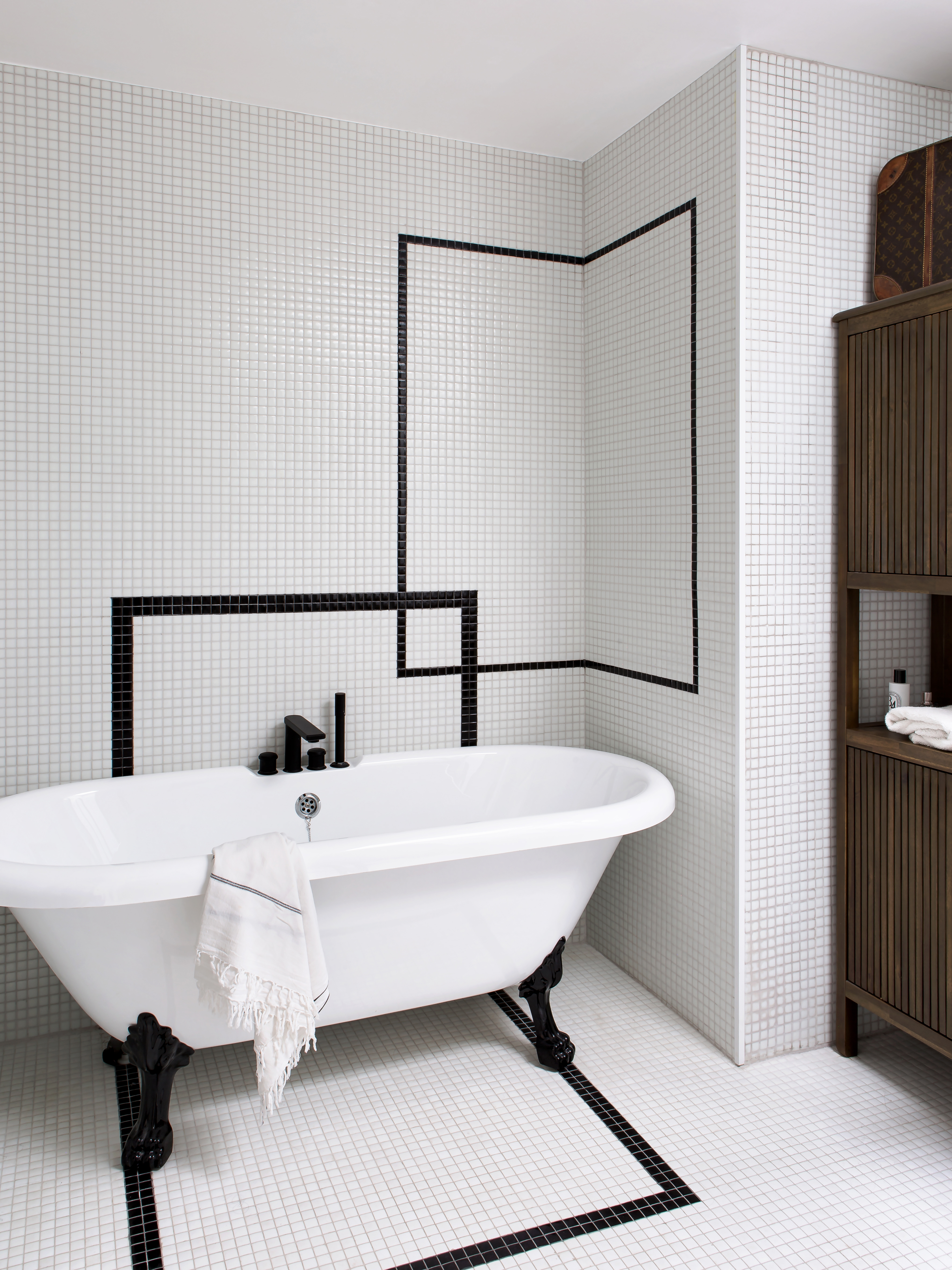
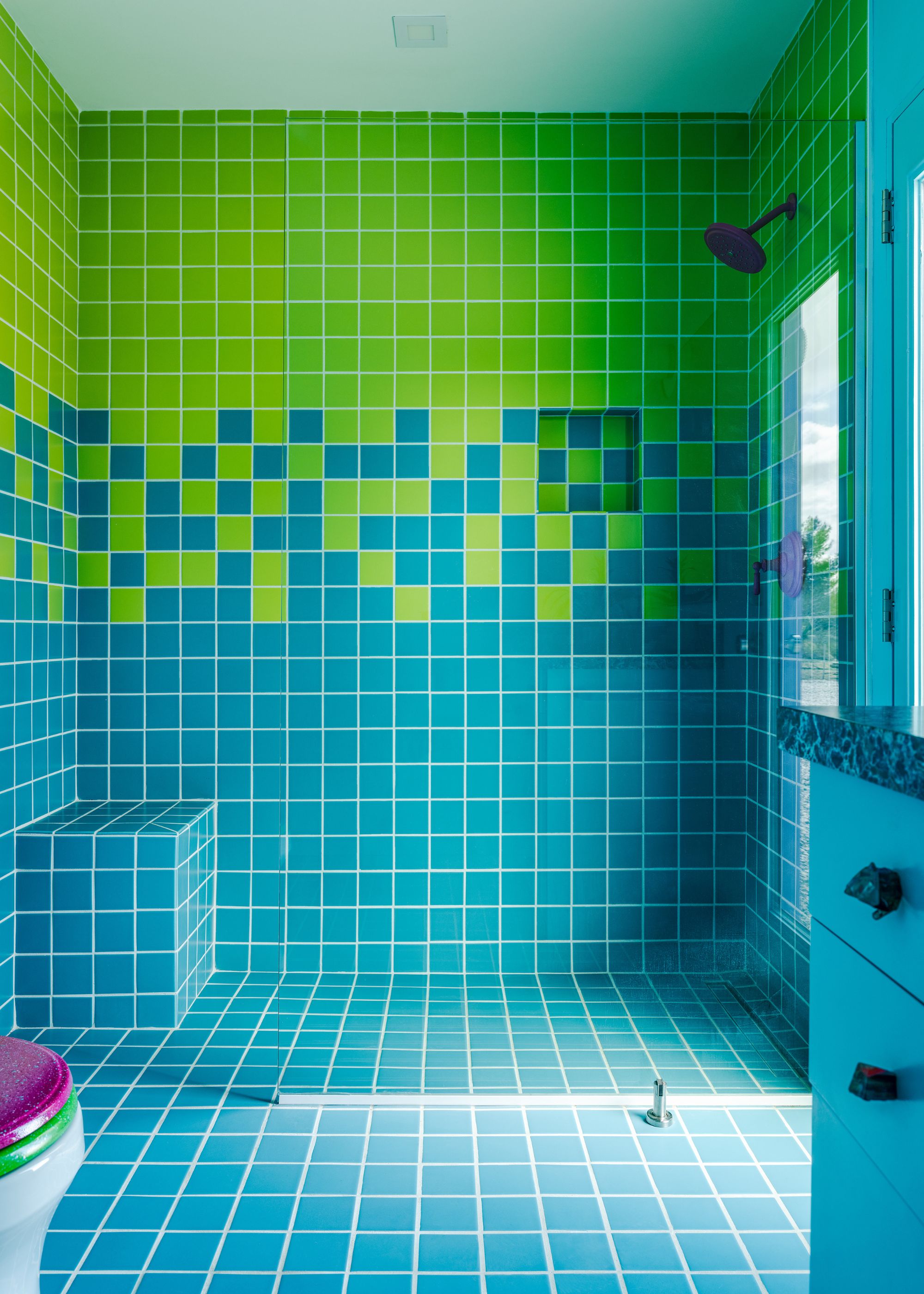
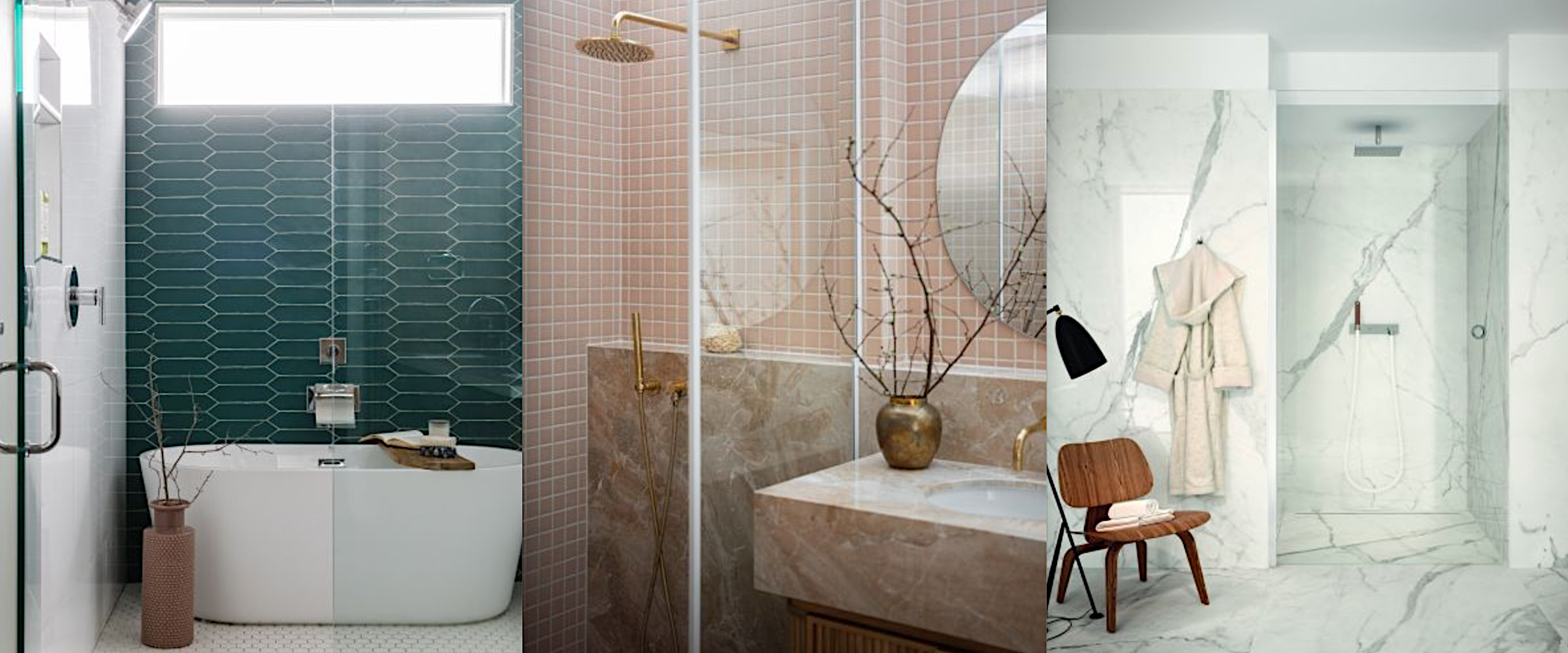
Mosaic tiles present interesting applications, particularly for drainage. They can be laid with a sloping drain without requiring awkward cuts, ensuring a seamless and efficient water drainage system. Beyond functionality, mosaic tiles facilitate the creation of dynamic patterns, using techniques like cutting and replacing sections with contrasting colors to produce bespoke designs, such as simple shapes, borders, or even words. An example includes a penny tile border around a shower and bathroom, adding a unique detail to a simple space.
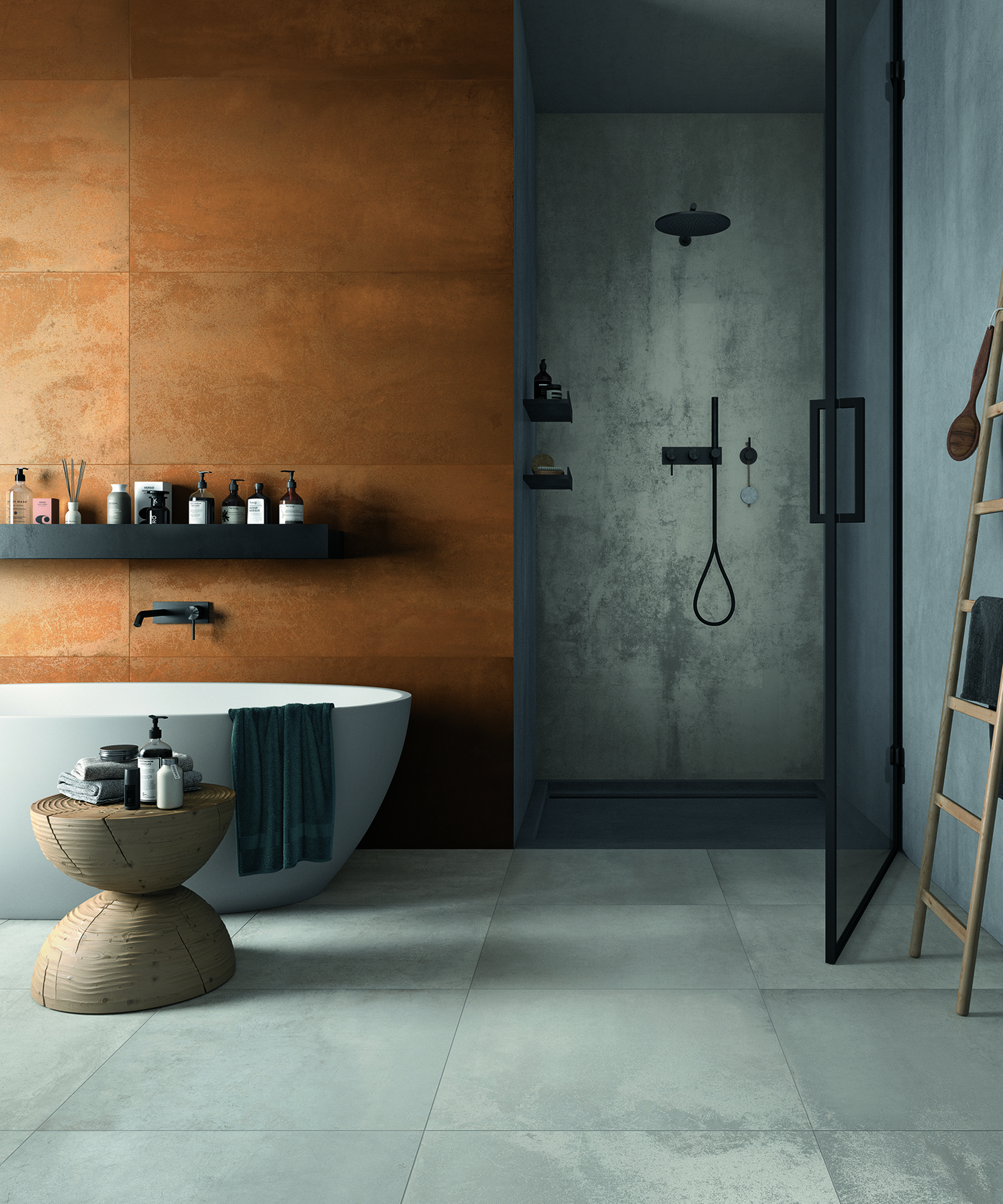
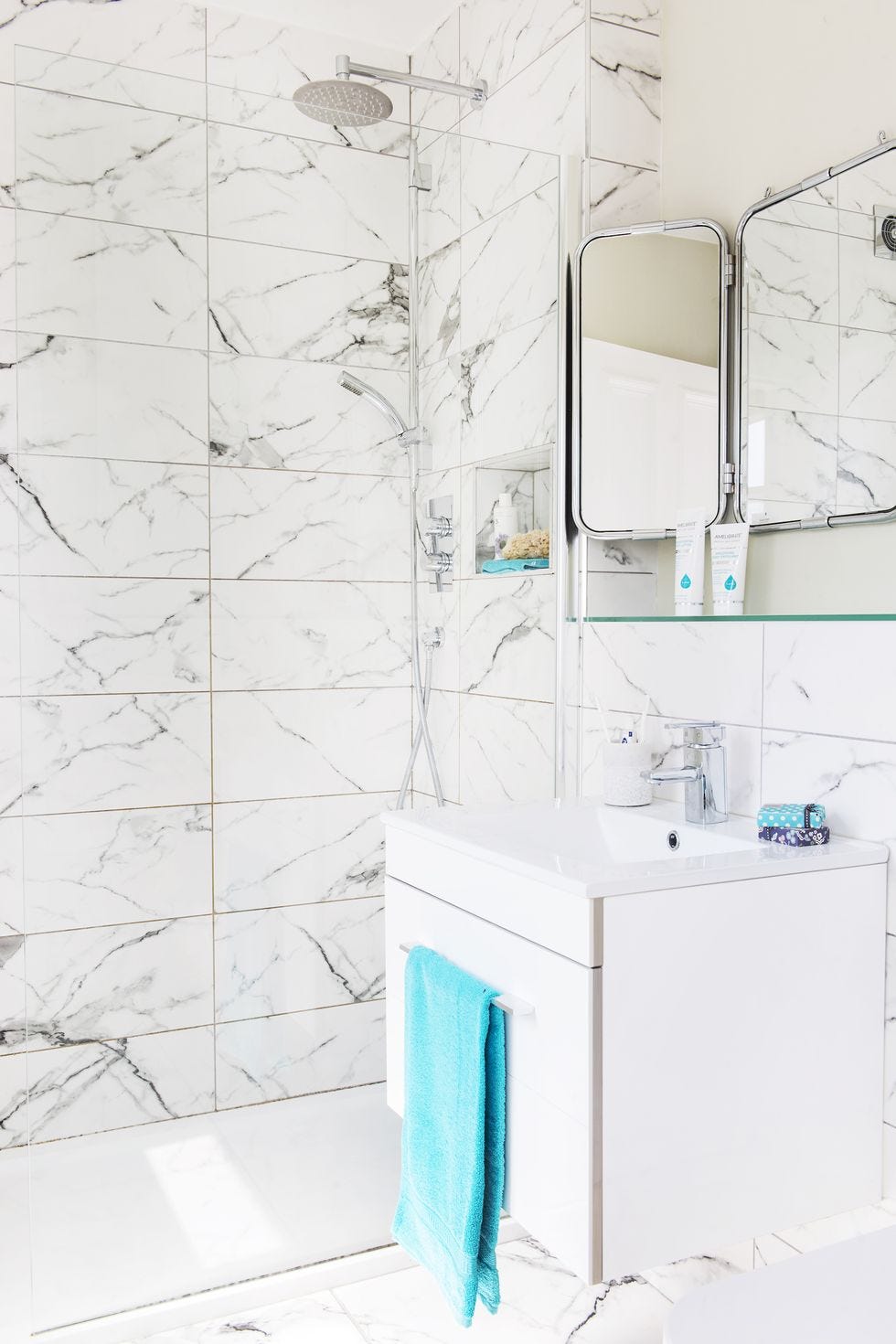
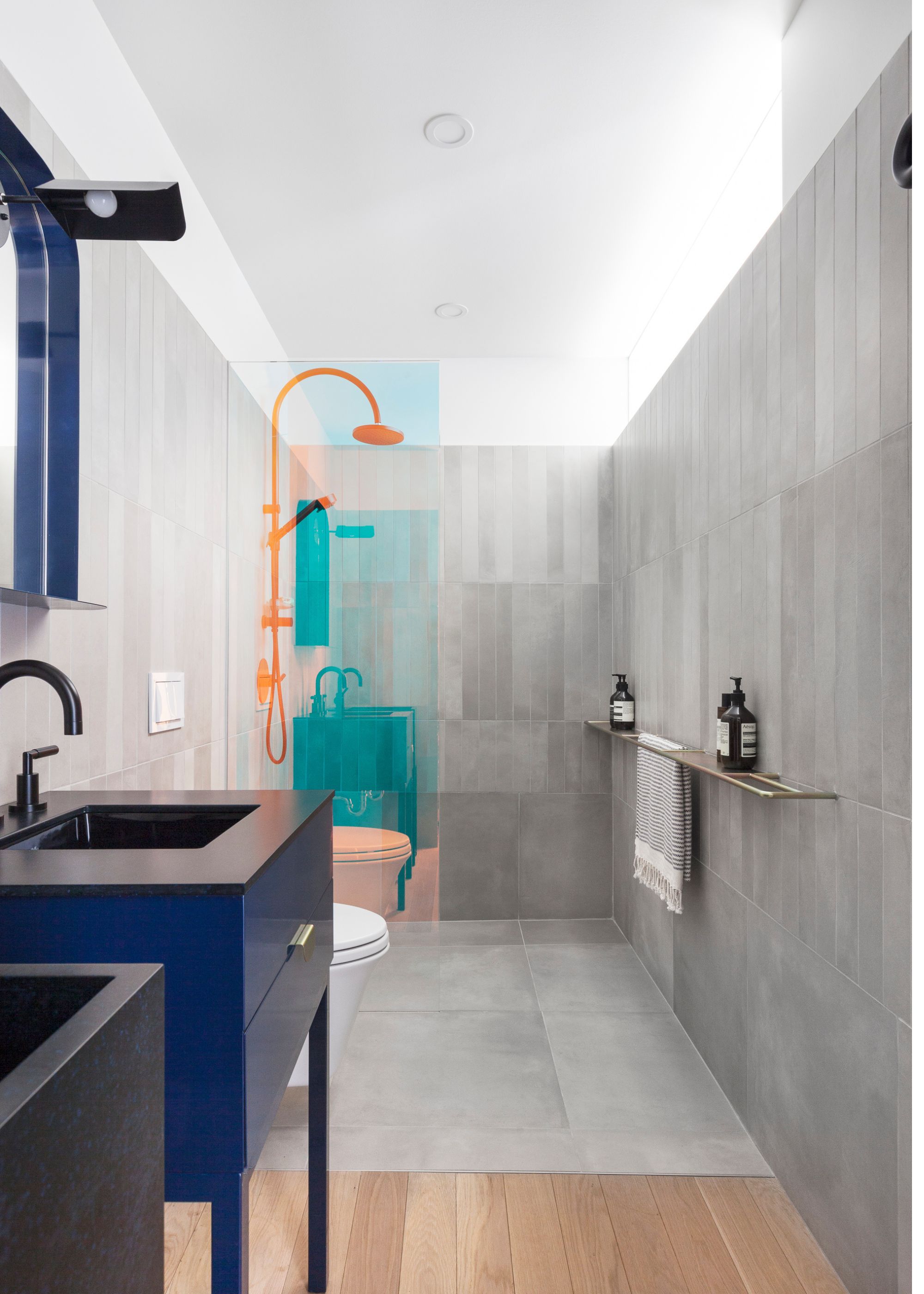
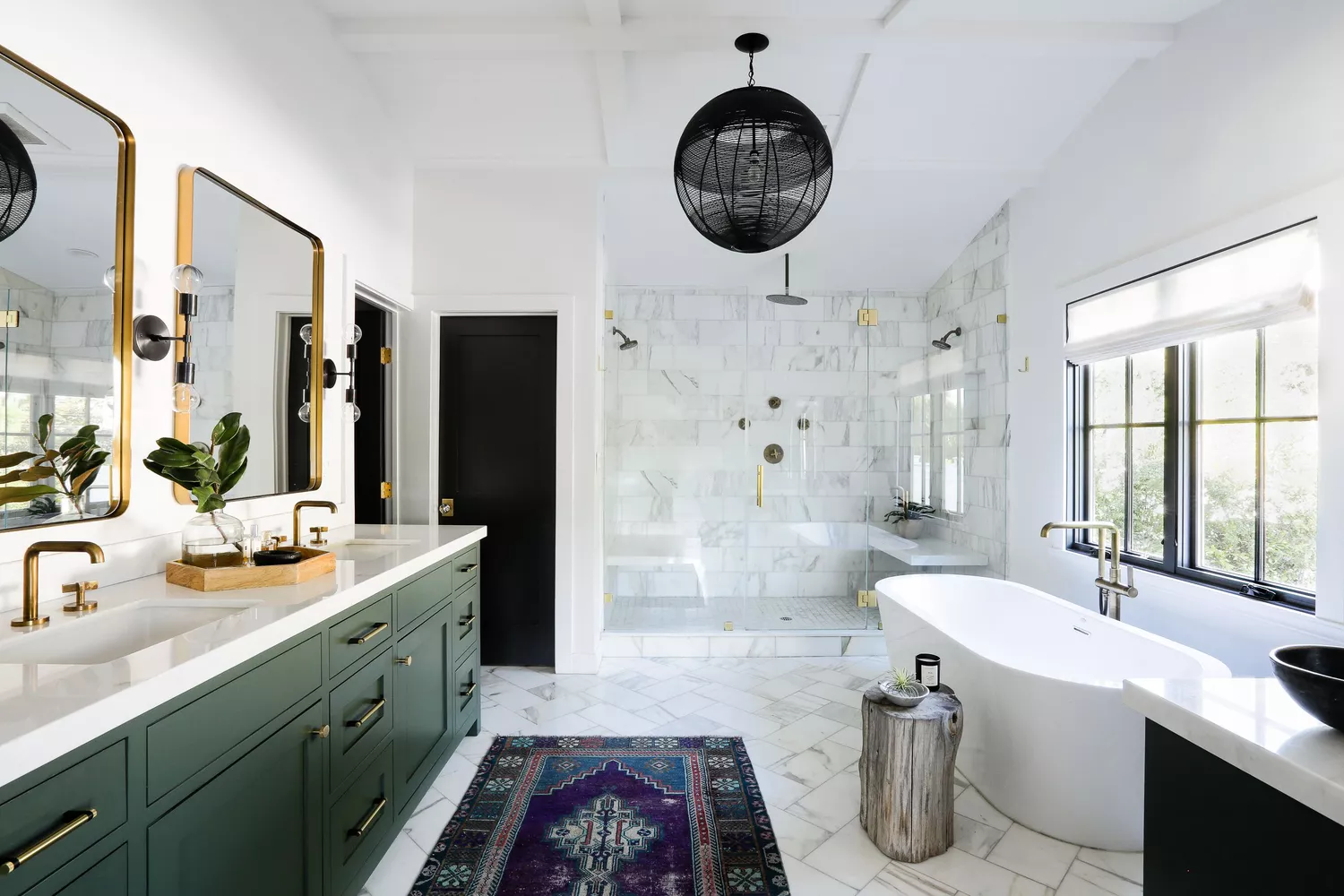
Integrating a recessed shower tray with large format tiles can create a flush, walk-in shower experience, limiting water ingress and reducing tanking requirements. By sizing the shower cubicle to match the tiles, intrusive cuts are minimized, resulting in a nearly seamless integration. Similarly, level access showers, akin to wet rooms, feature a continuous, flat floor across the entire bathroom, offering a sleek appearance and improved accessibility, though they necessitate thorough wet room-level tanking. Alternatively, tiles can be used to construct a distinct lip, creating a separate enclosure and potentially reducing the extent of tanking needed for the entire room.
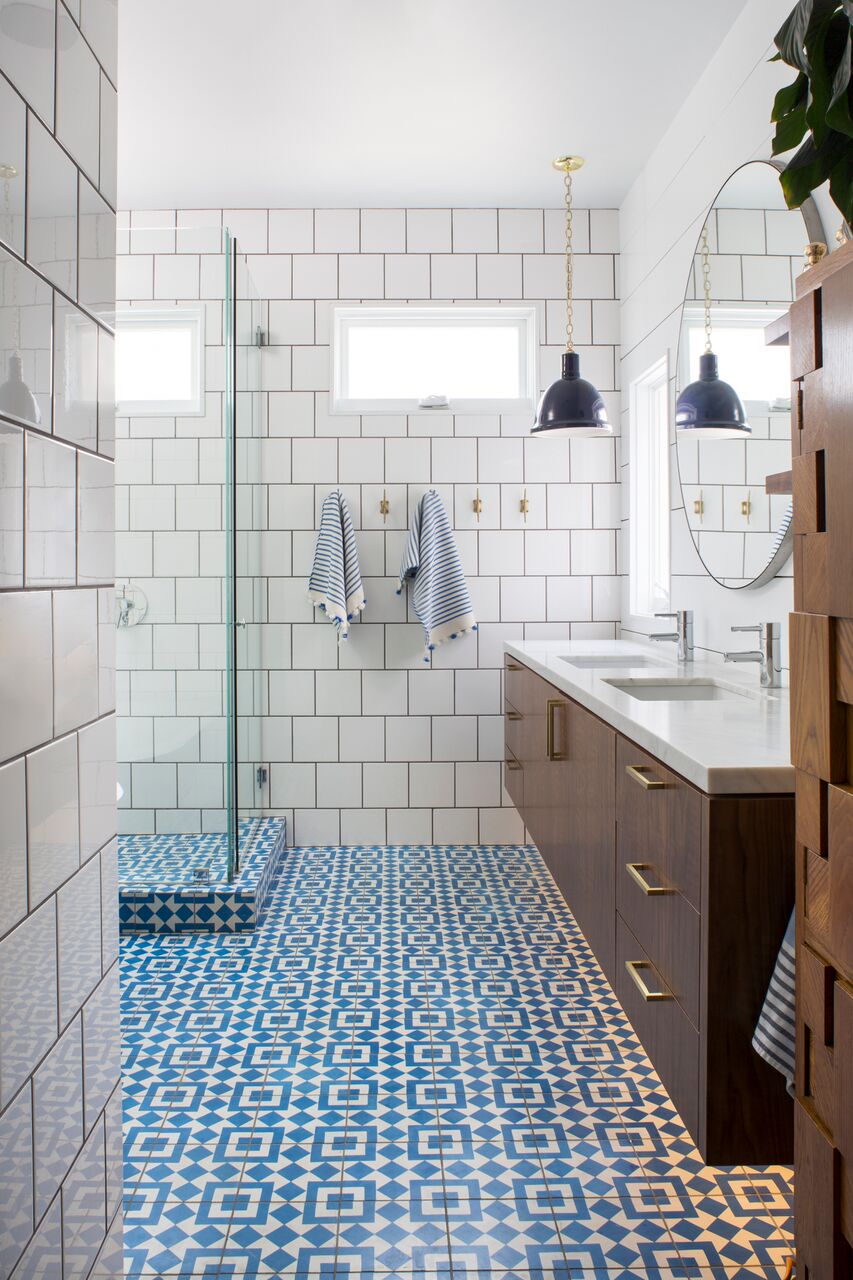
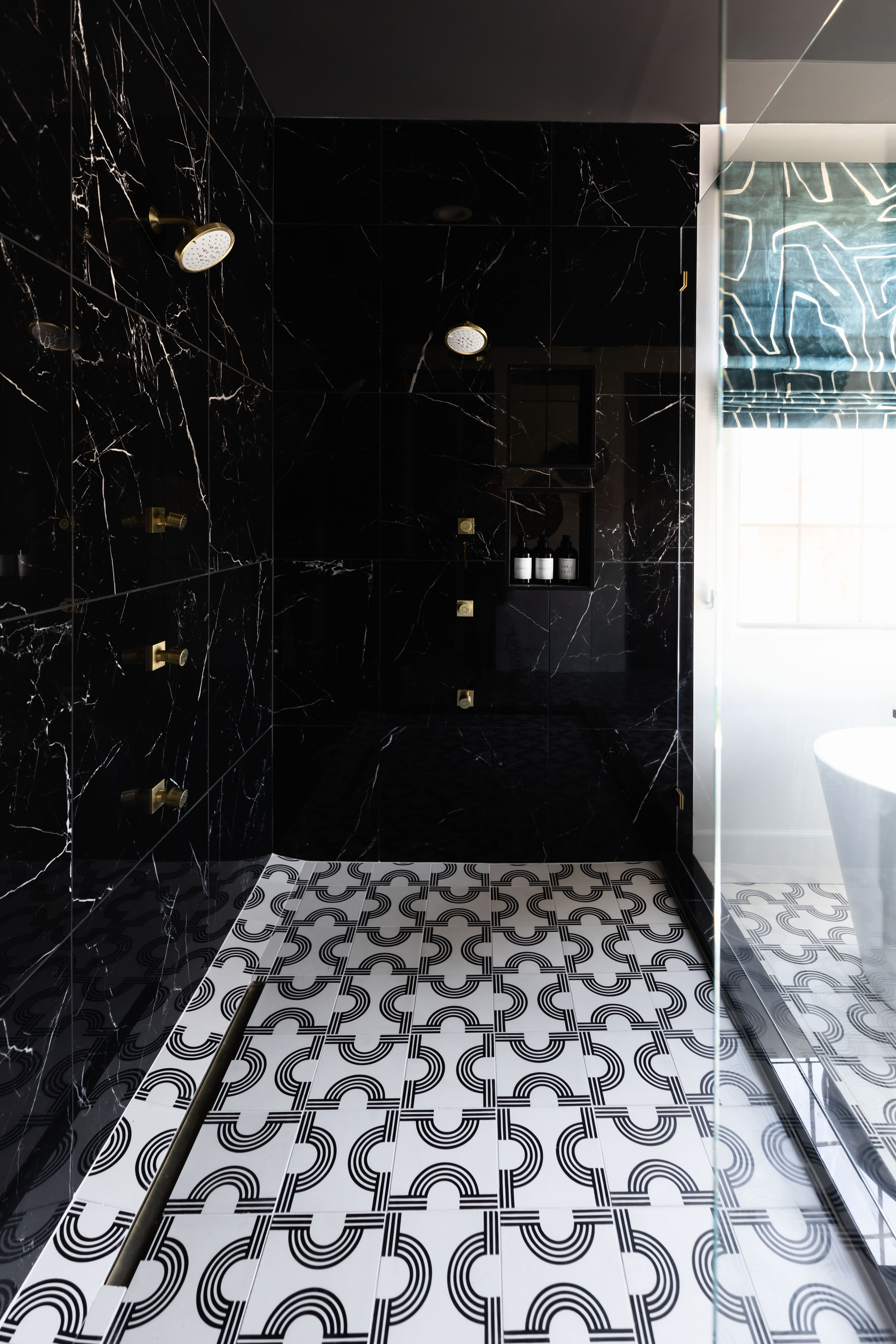
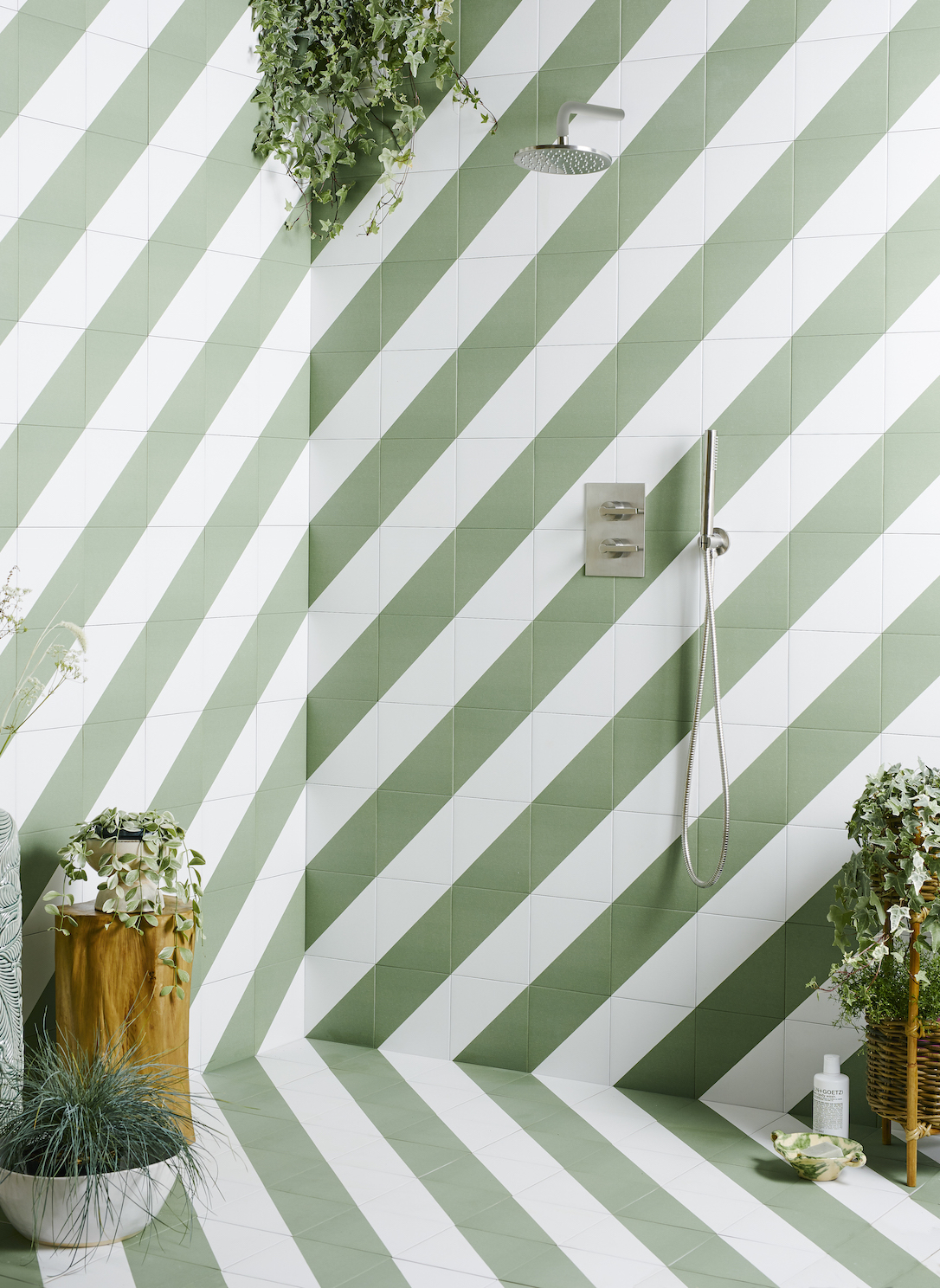
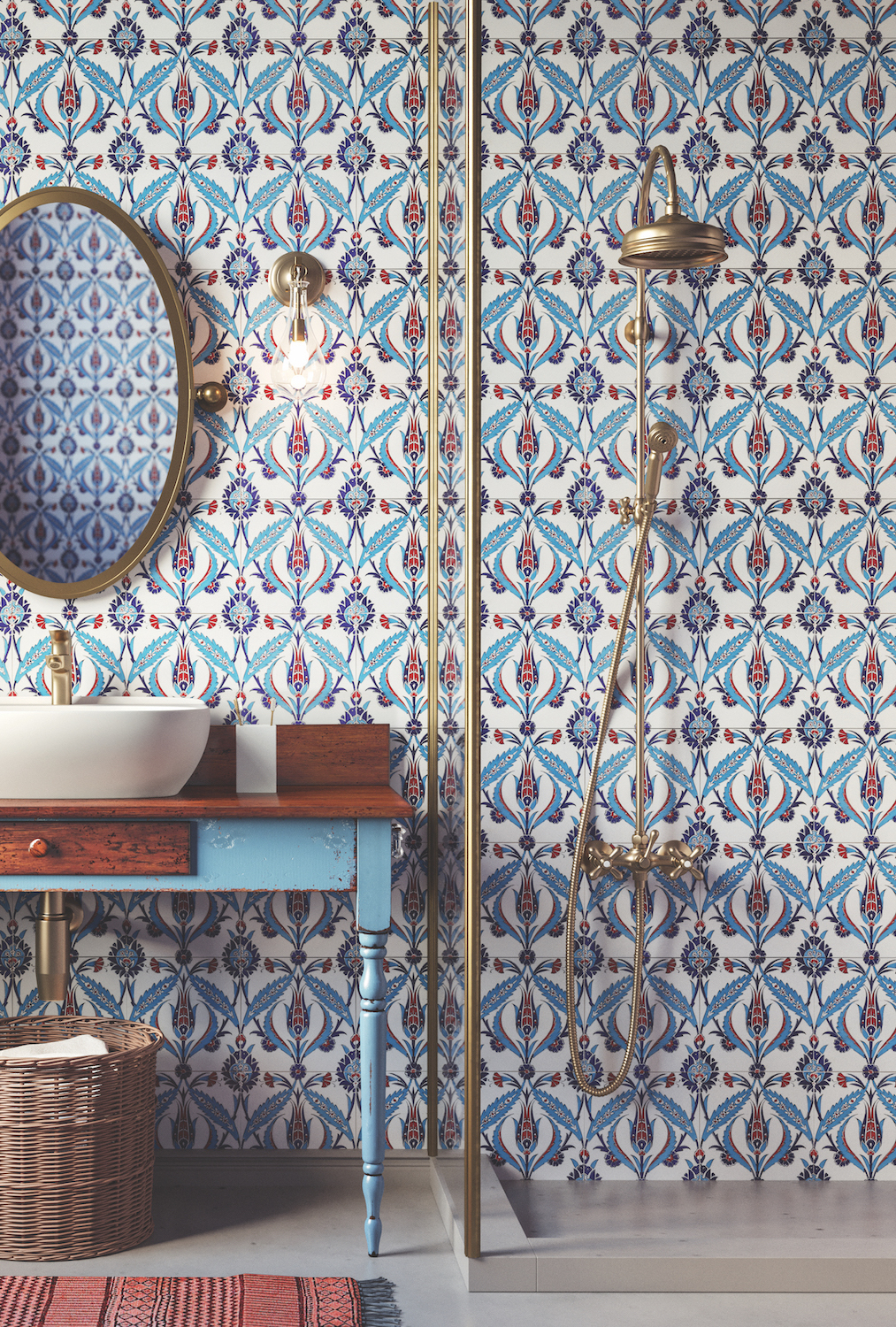
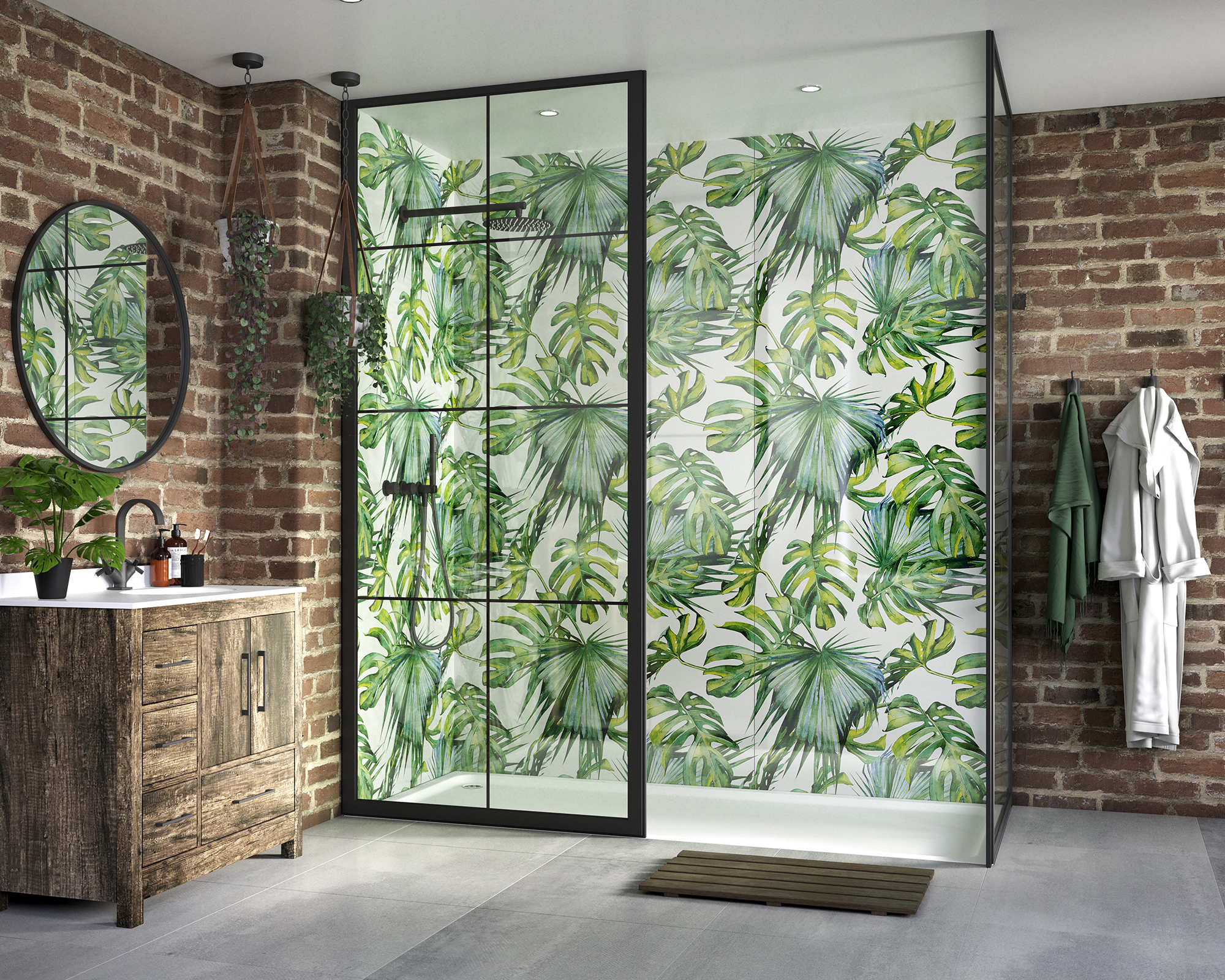
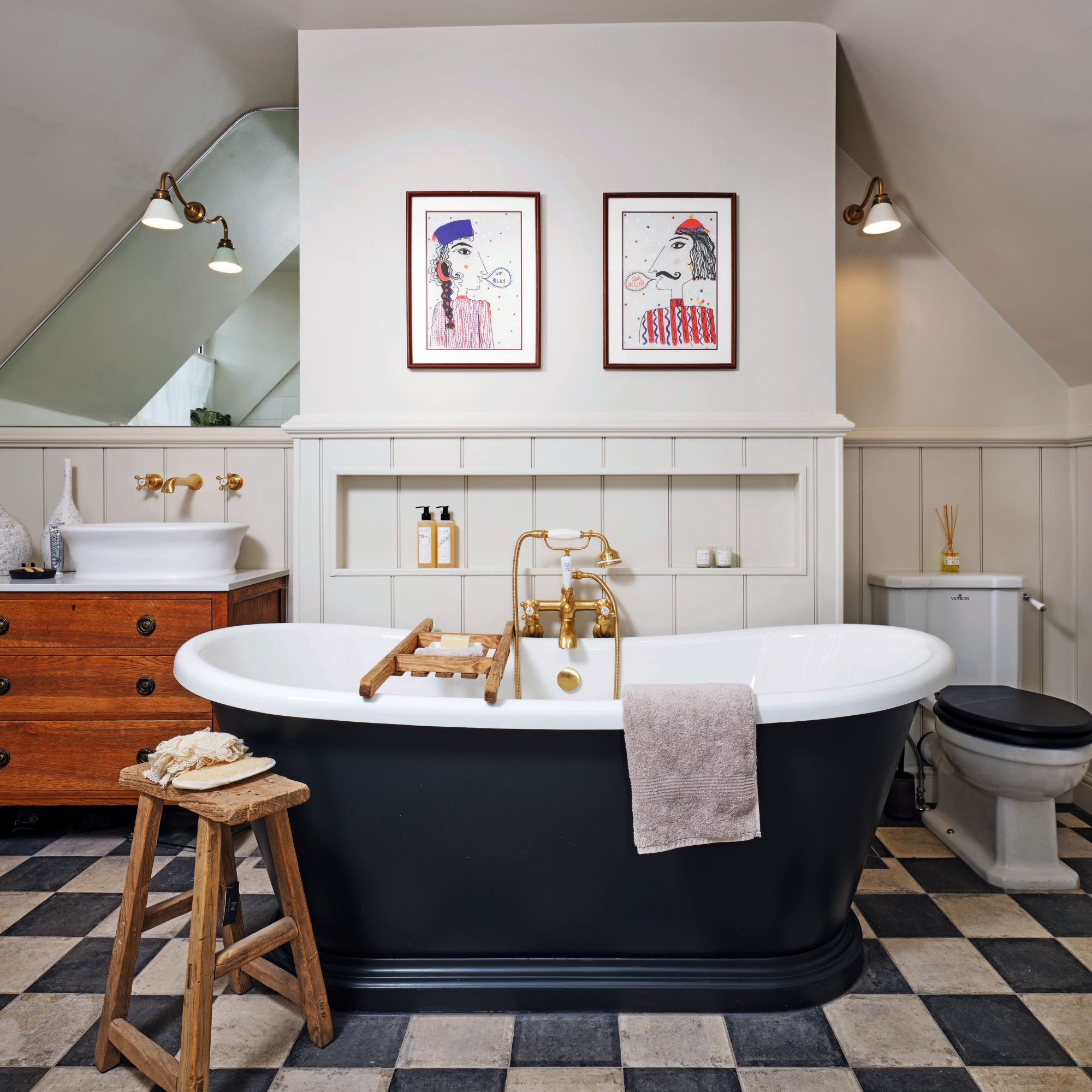
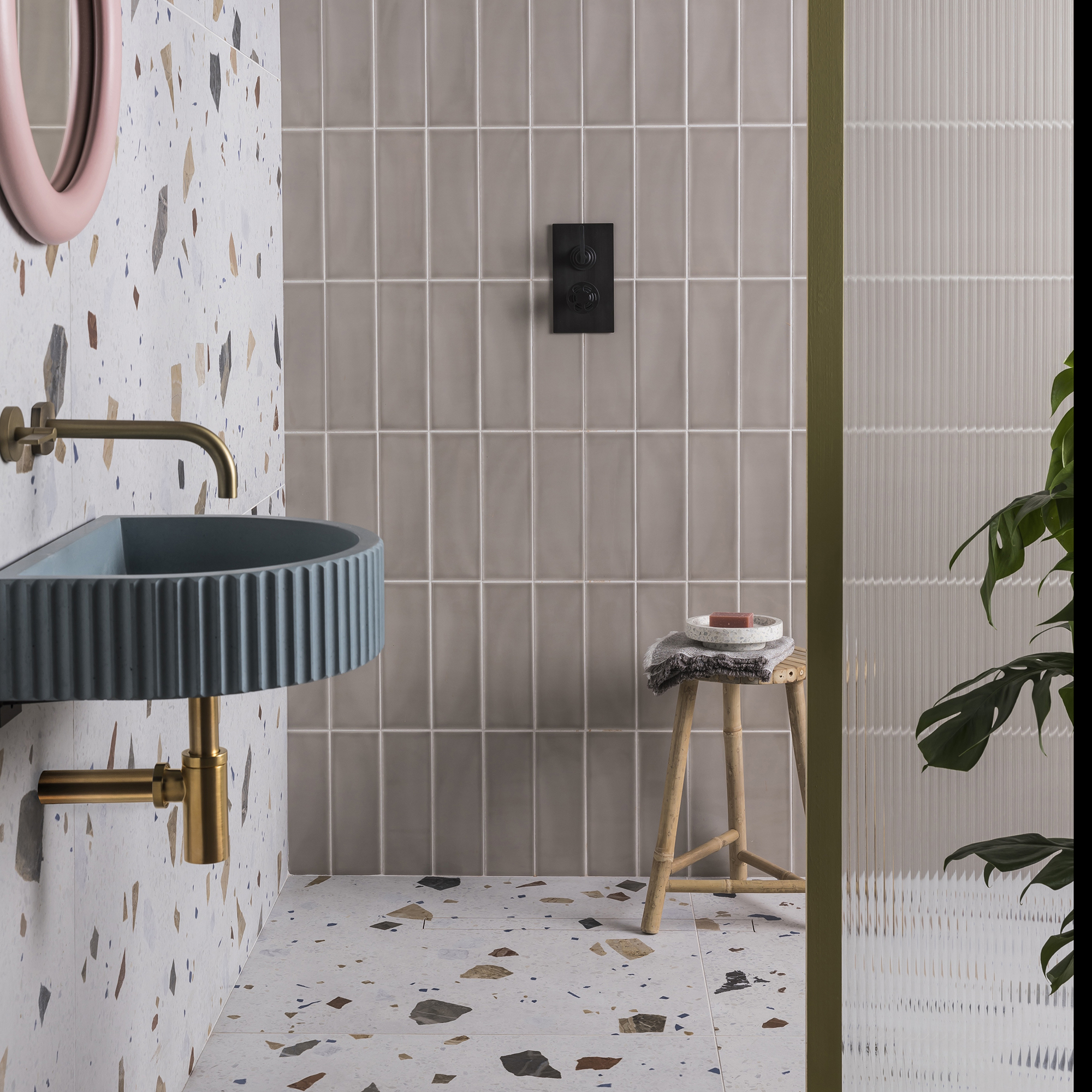
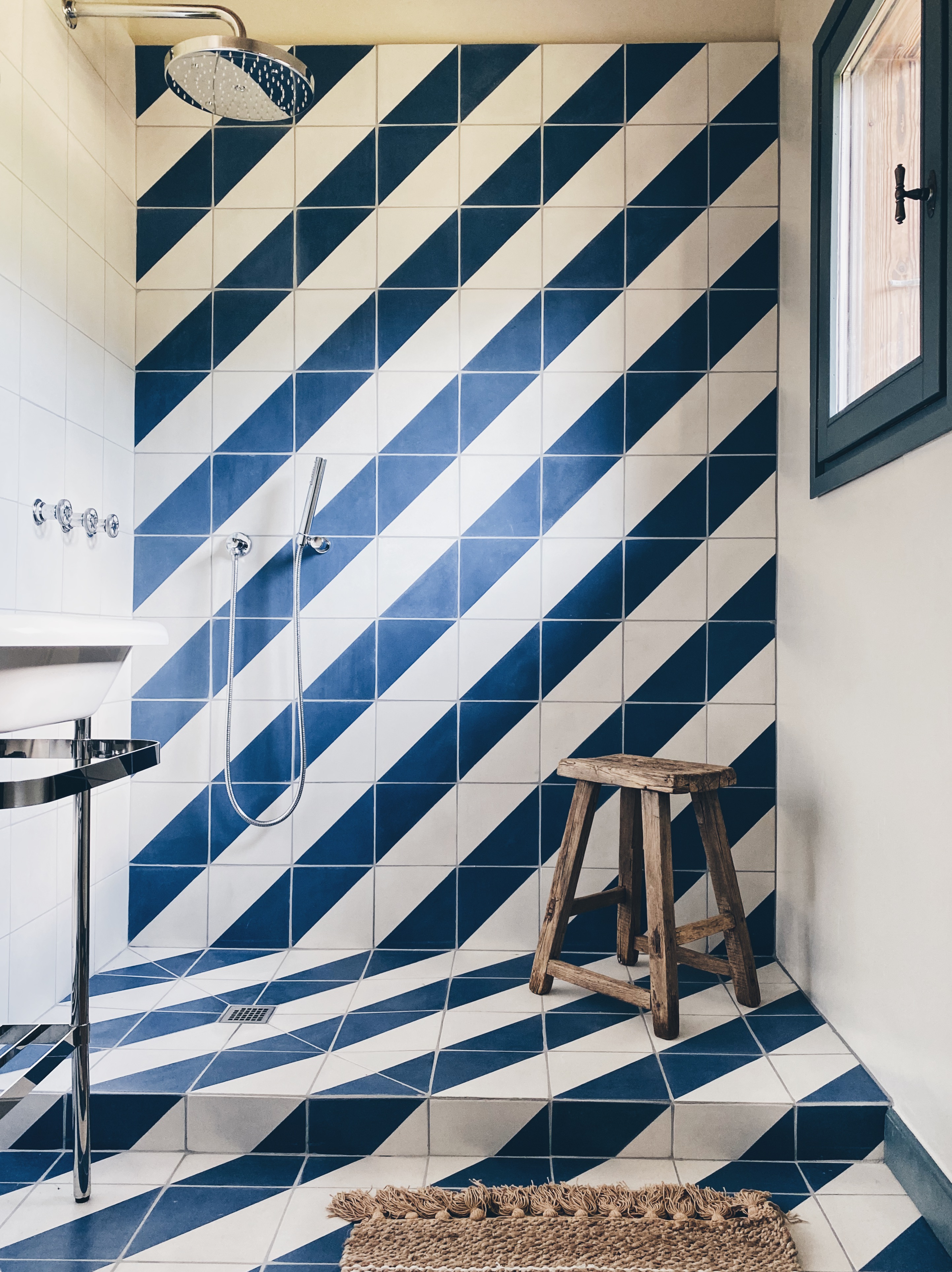
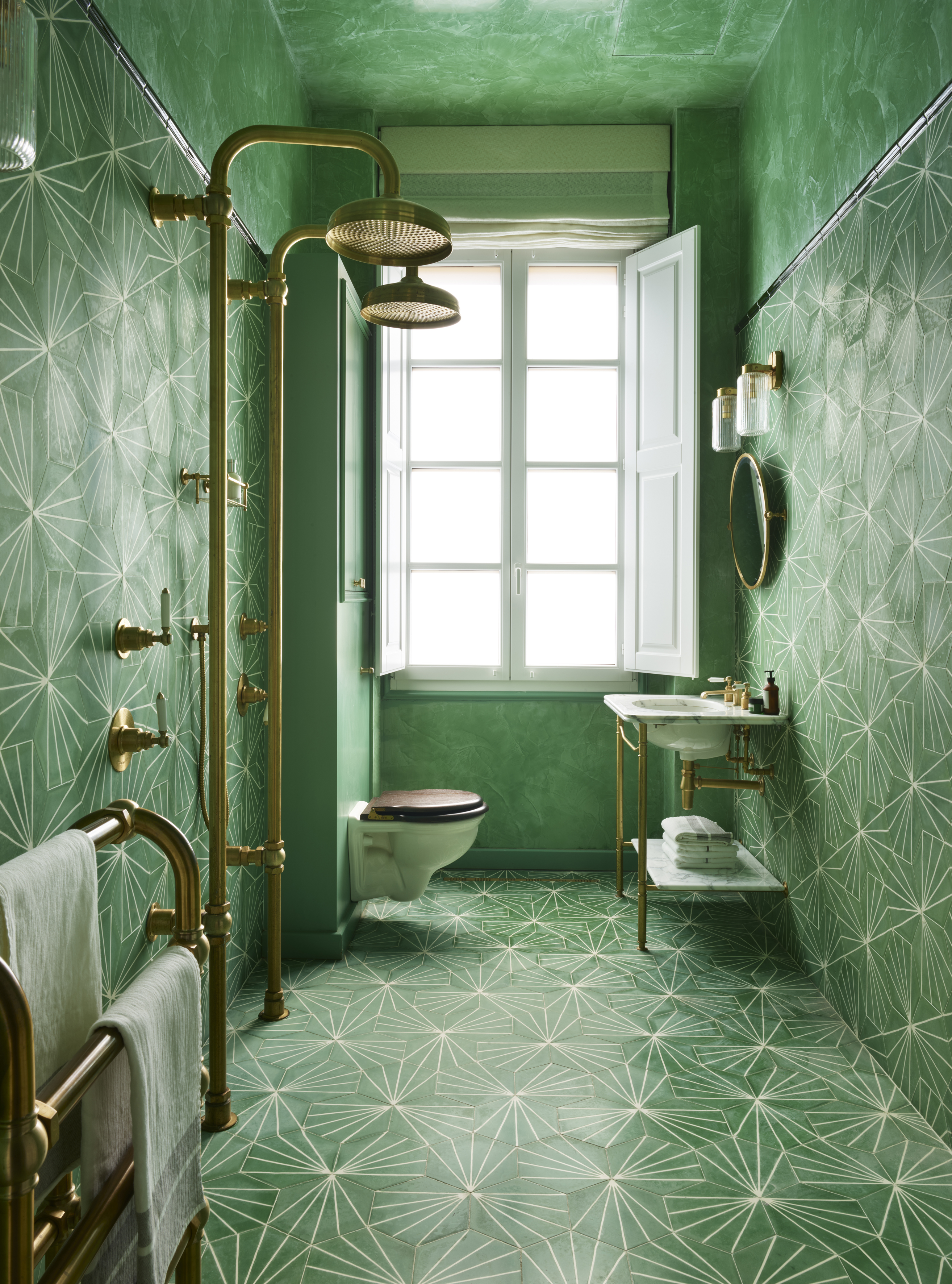
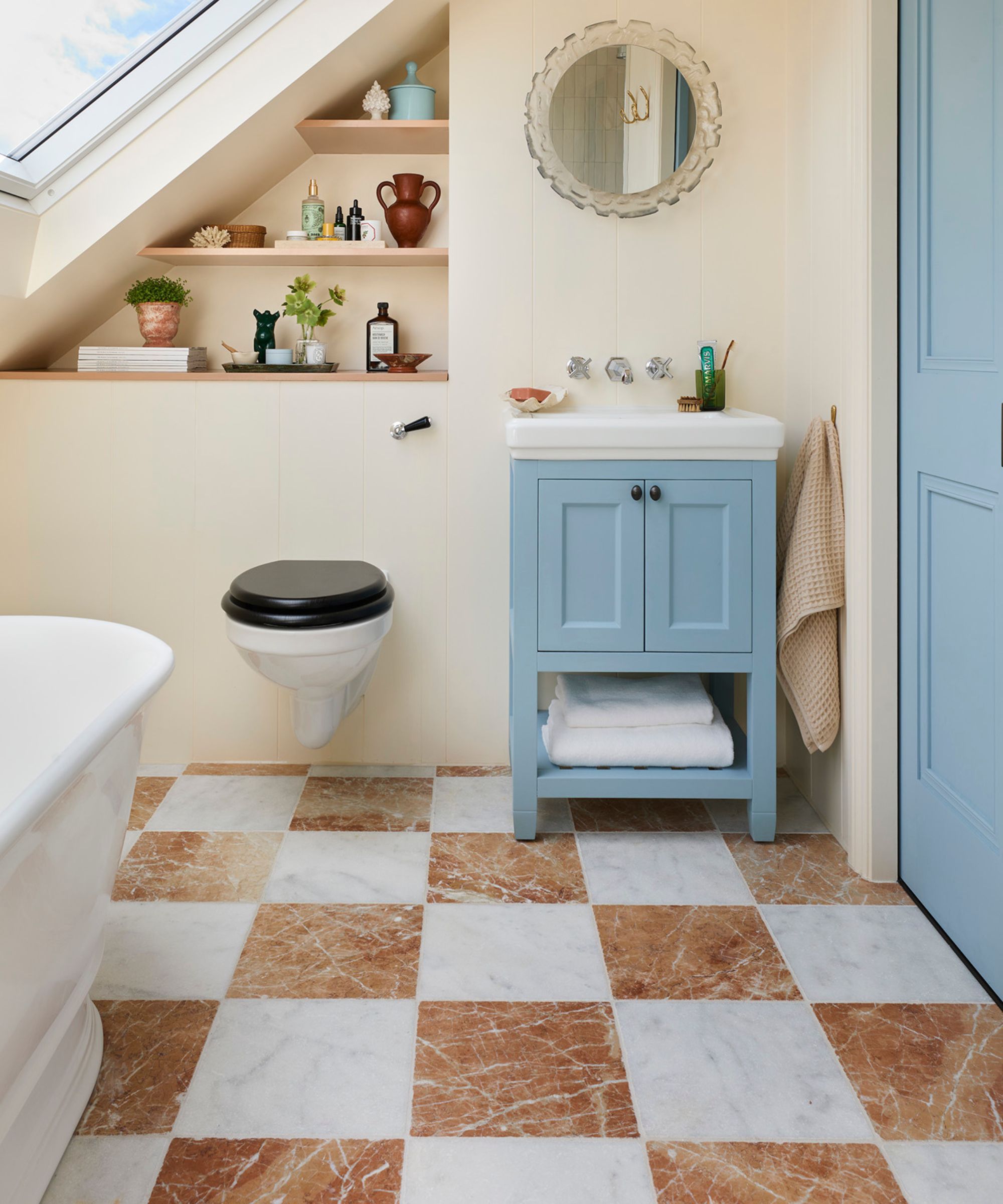
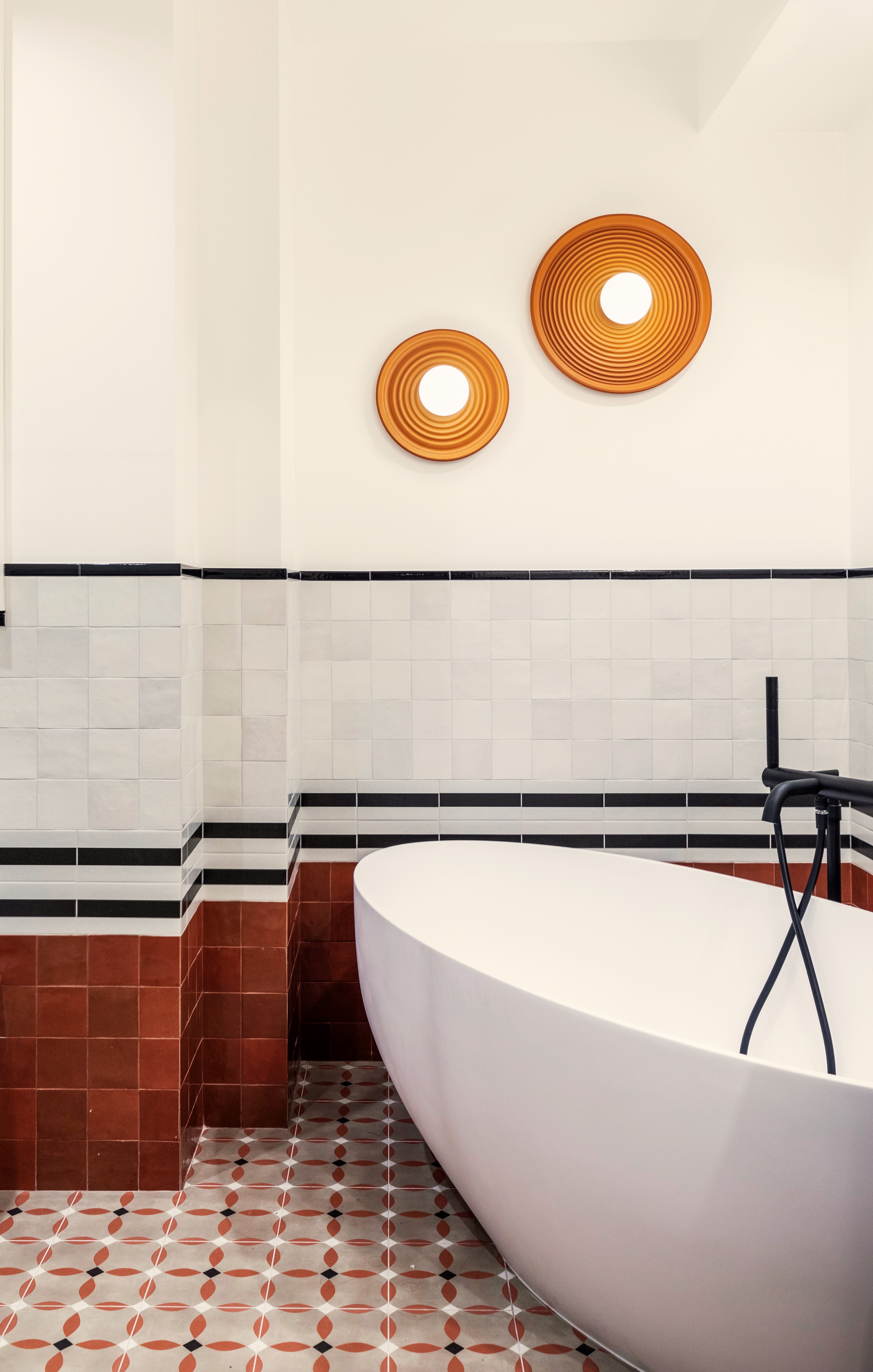
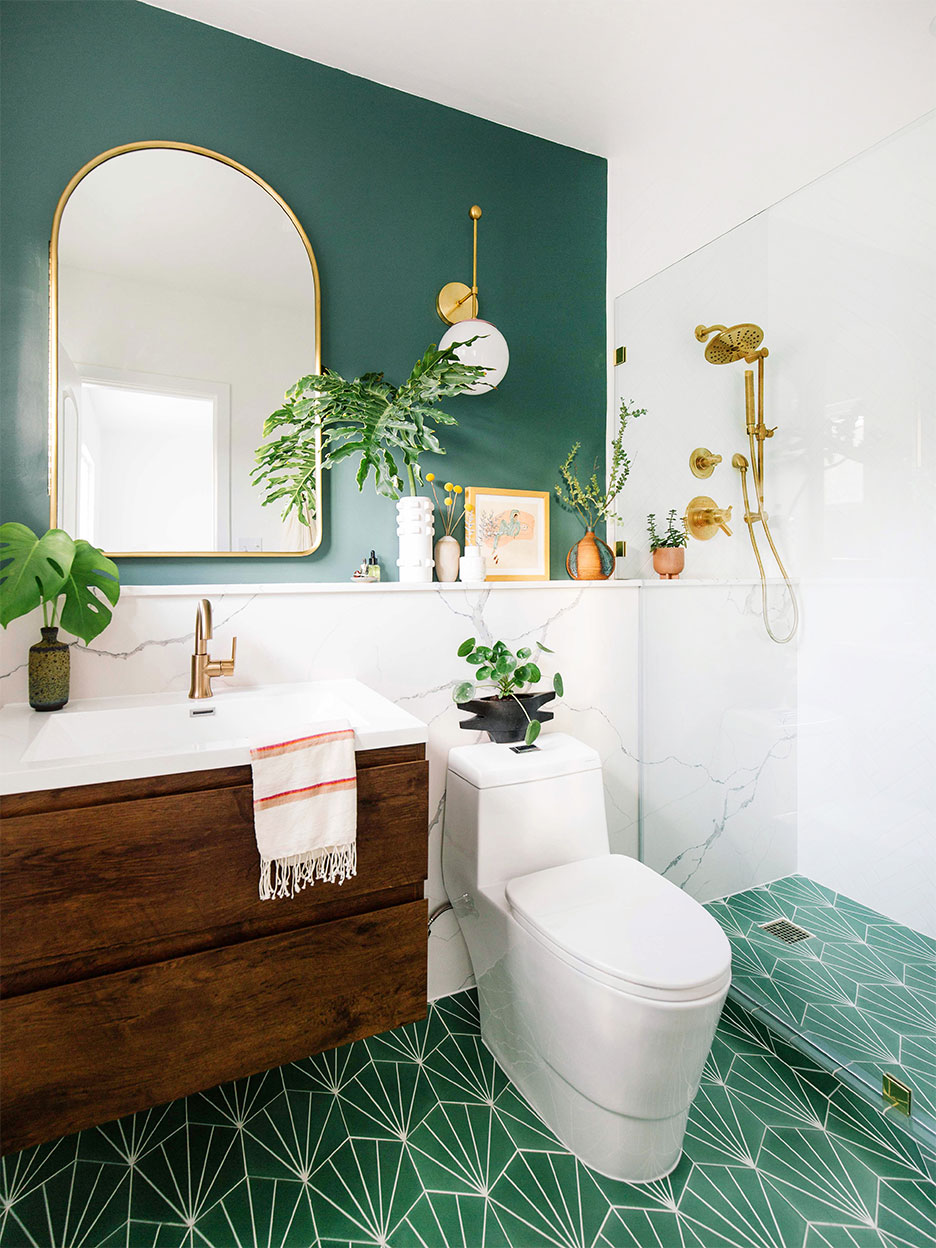
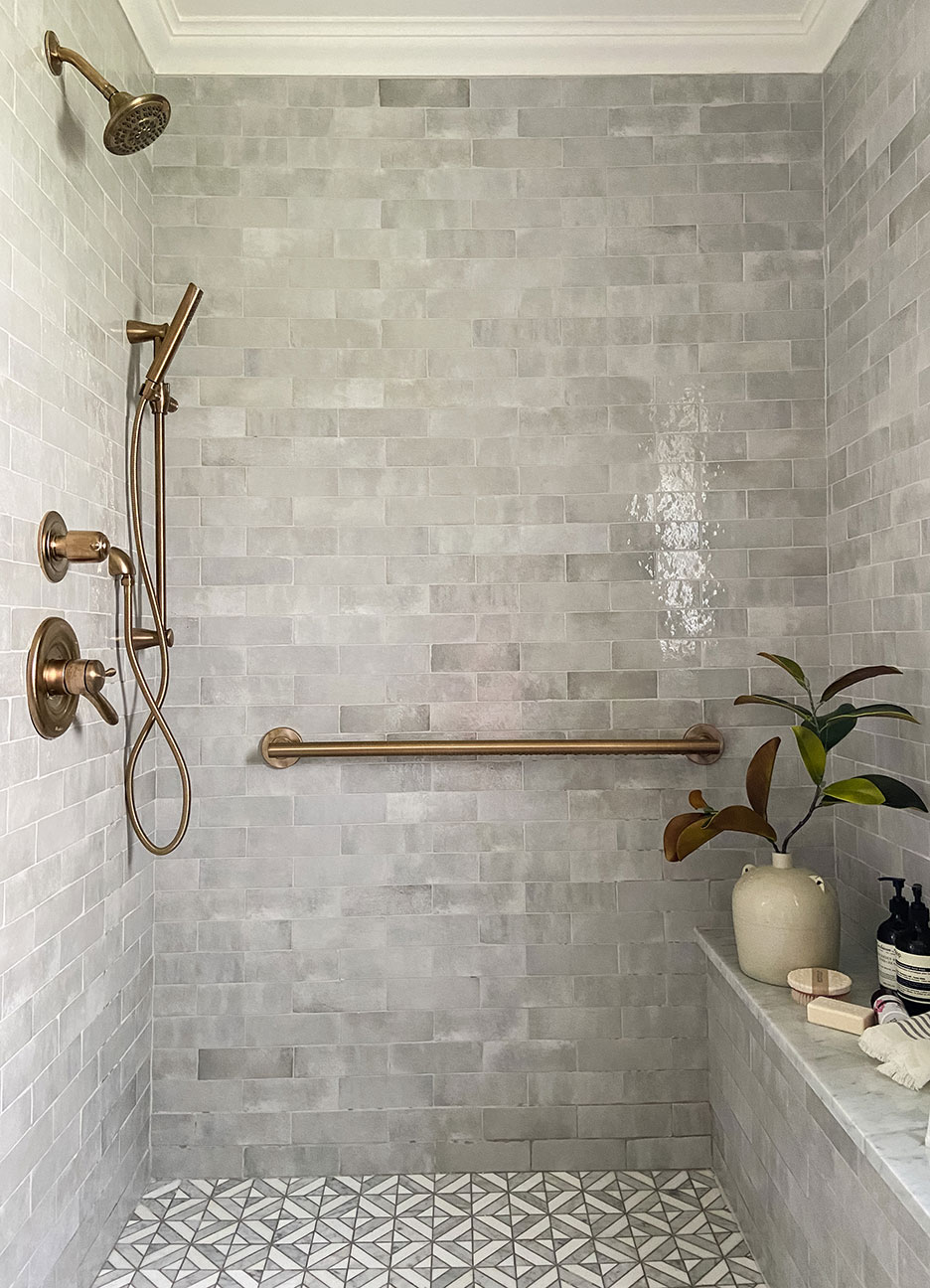
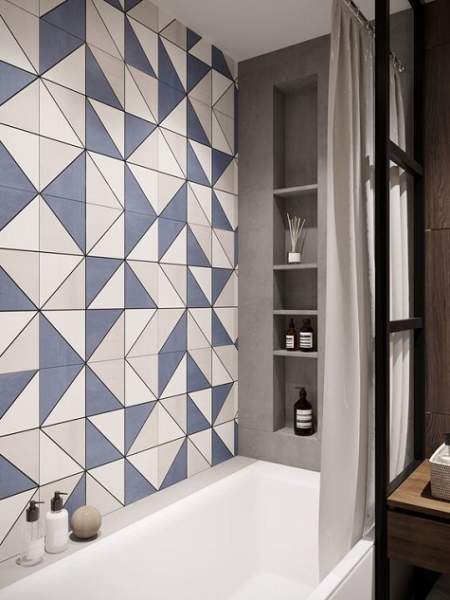
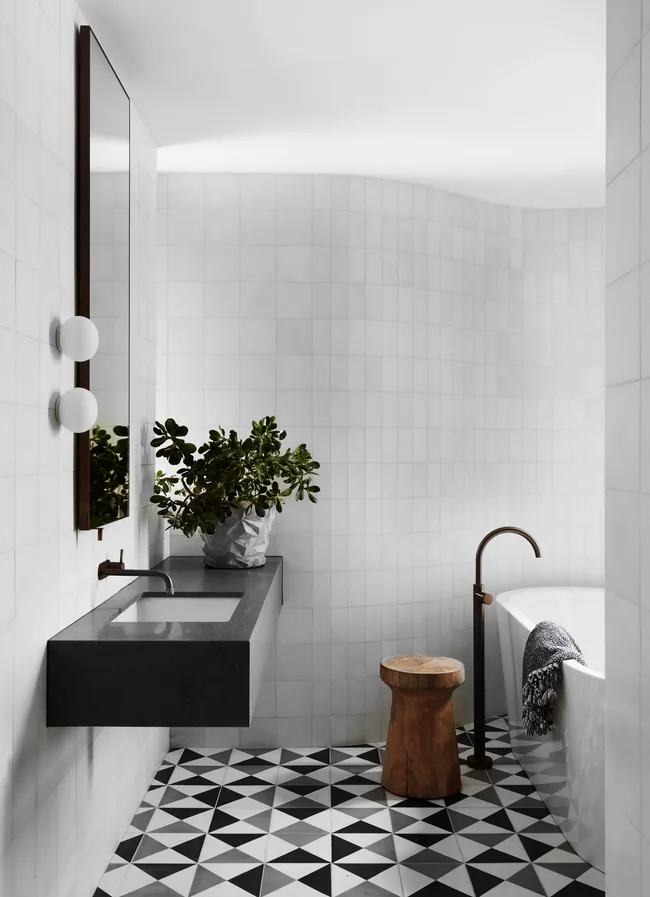
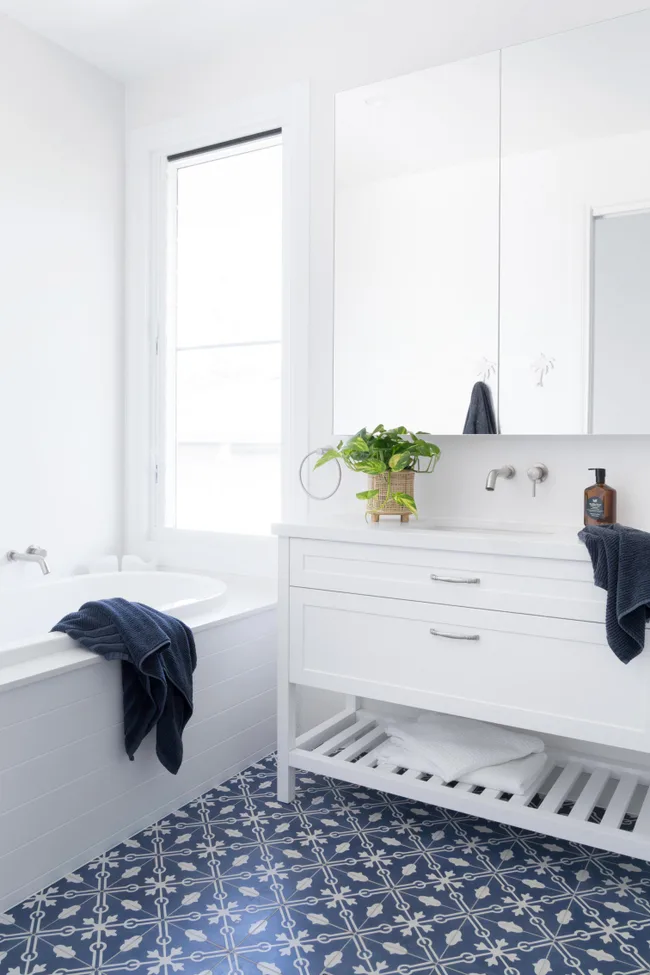
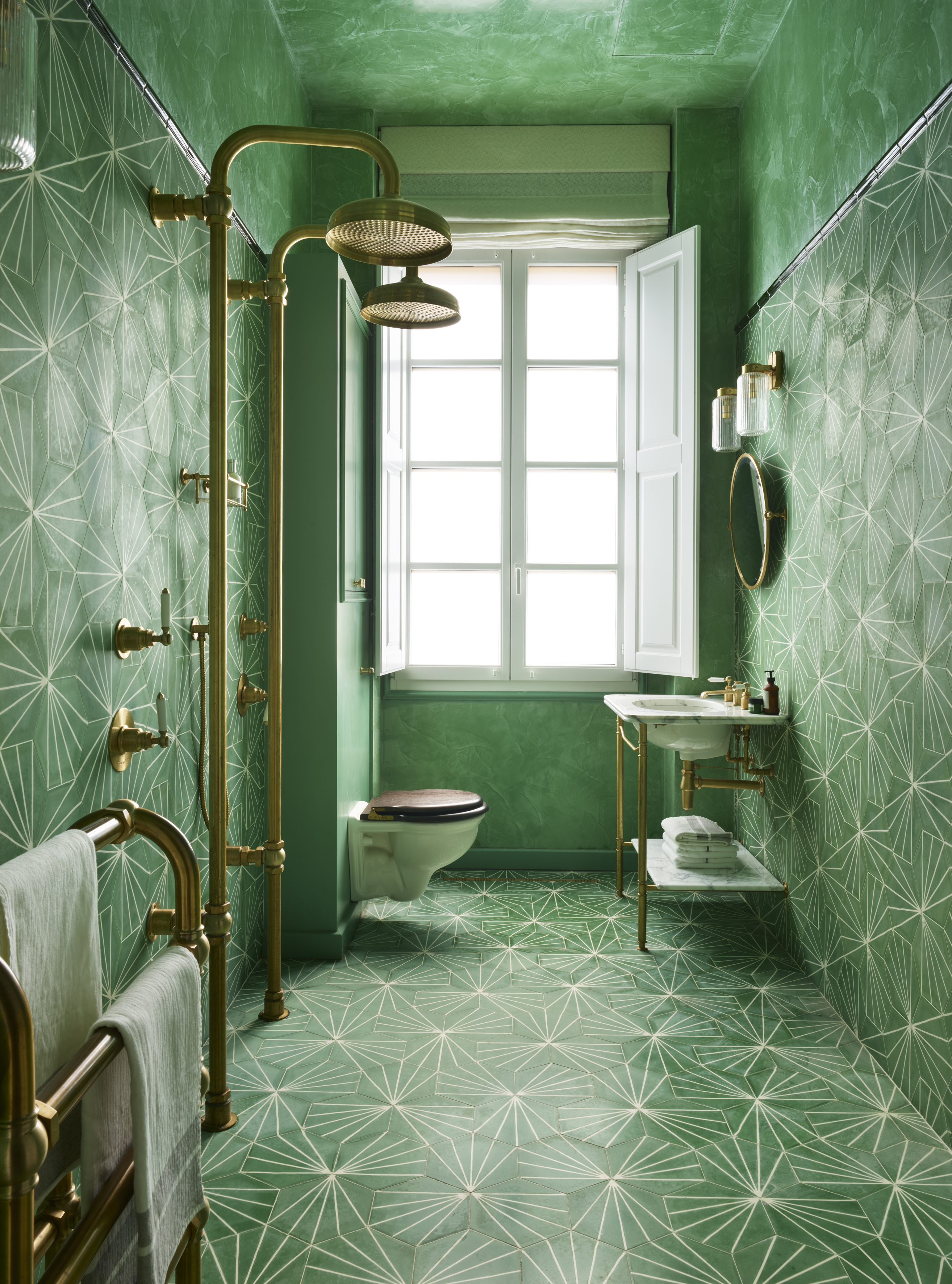
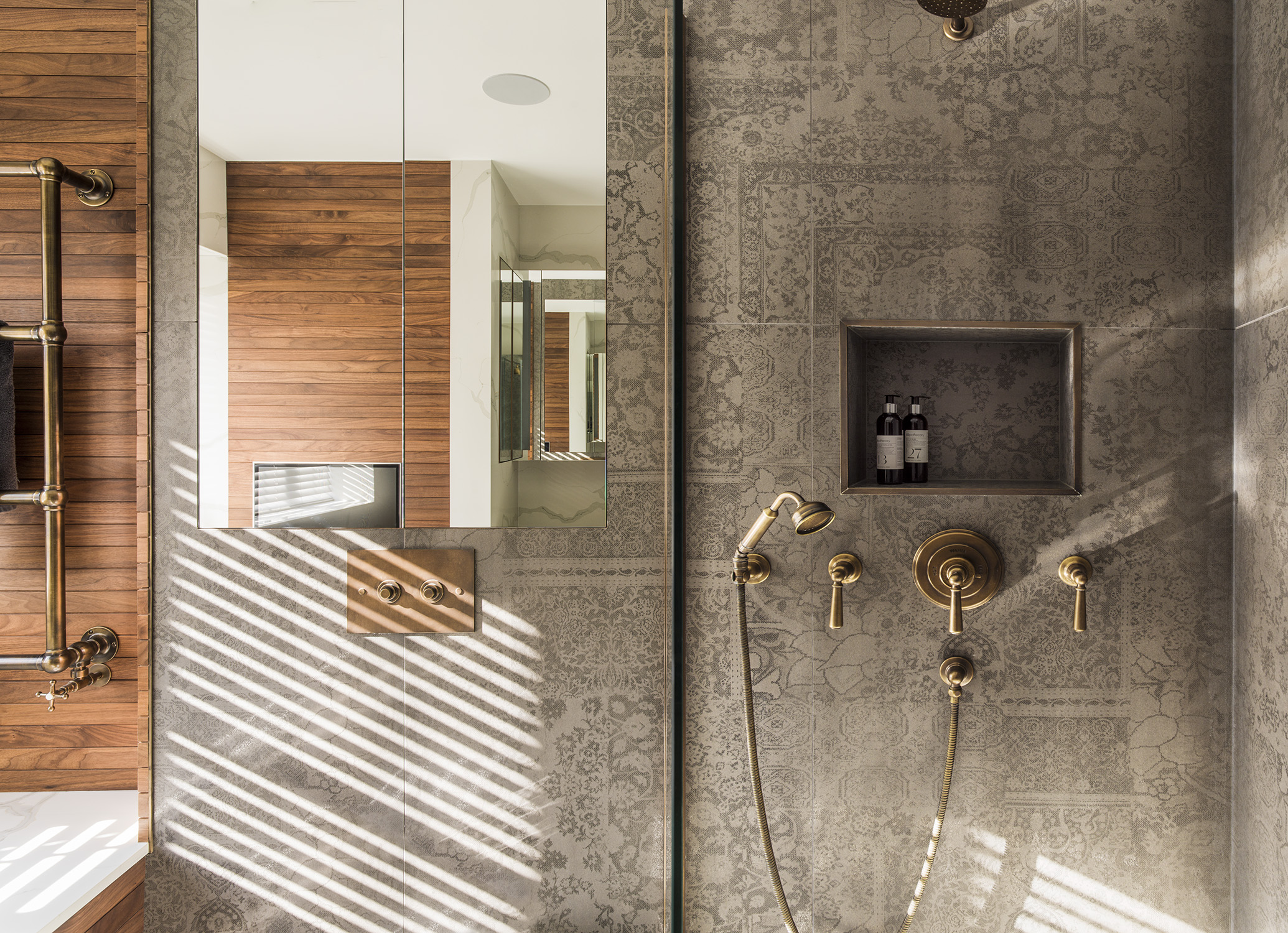
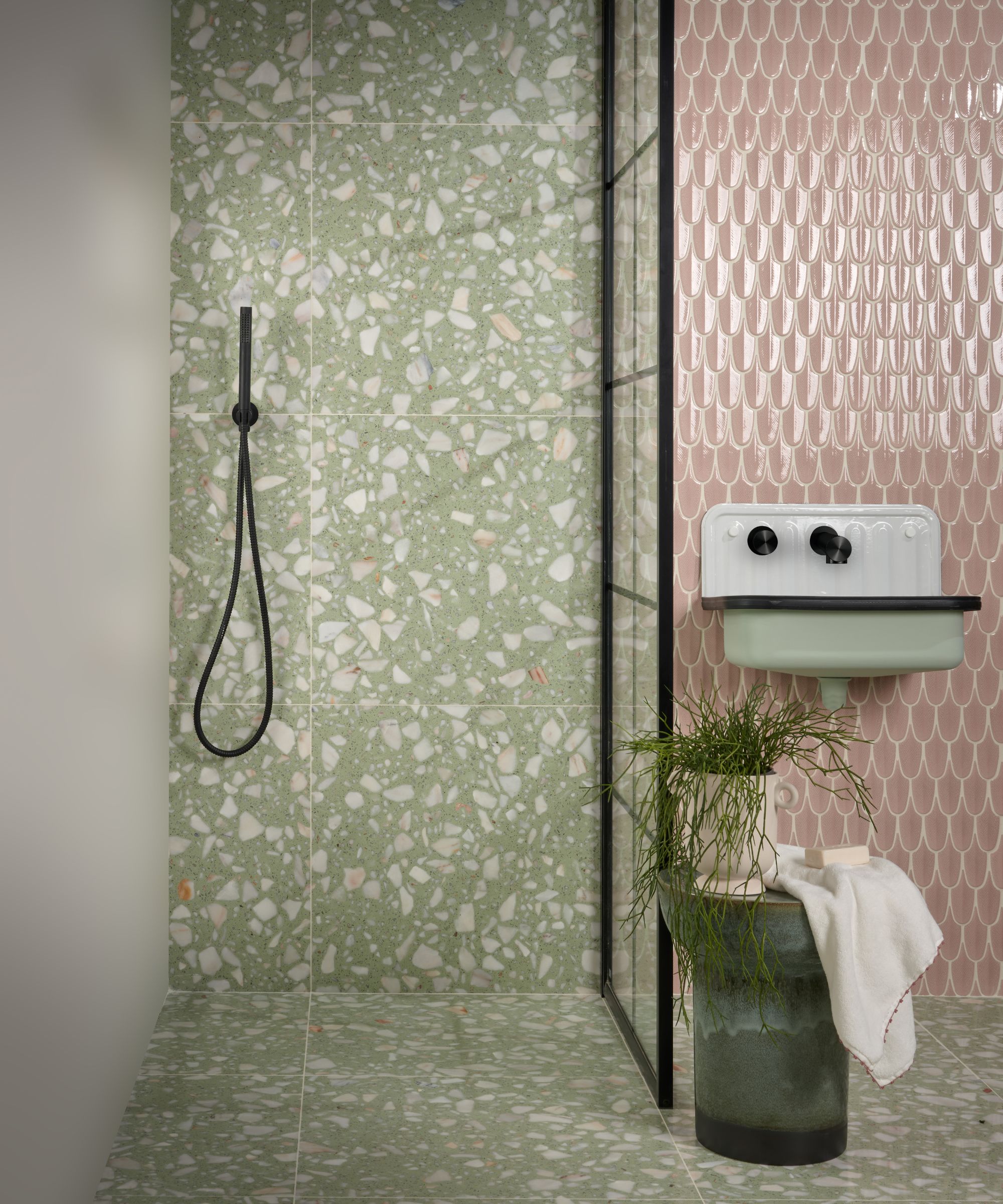
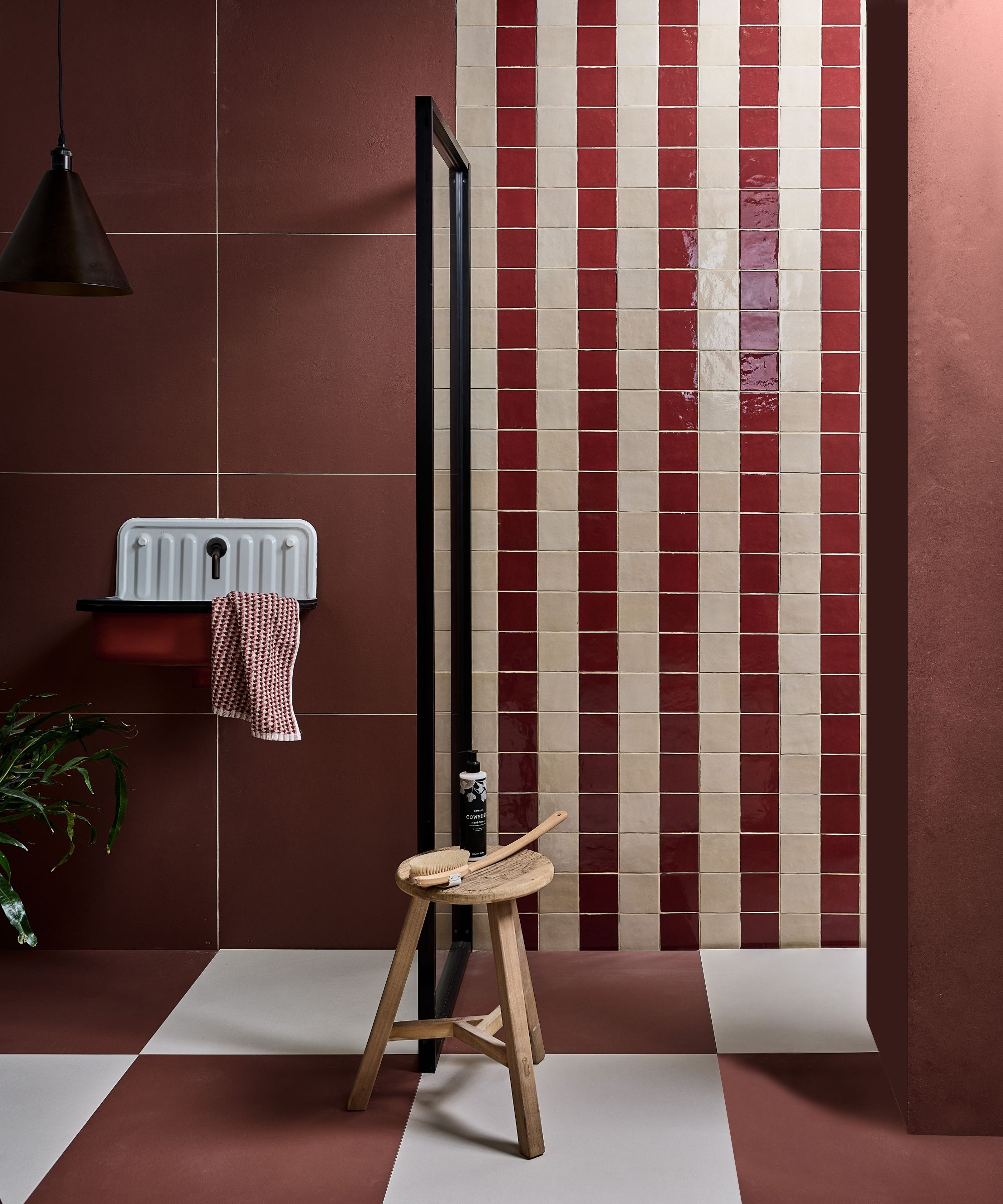
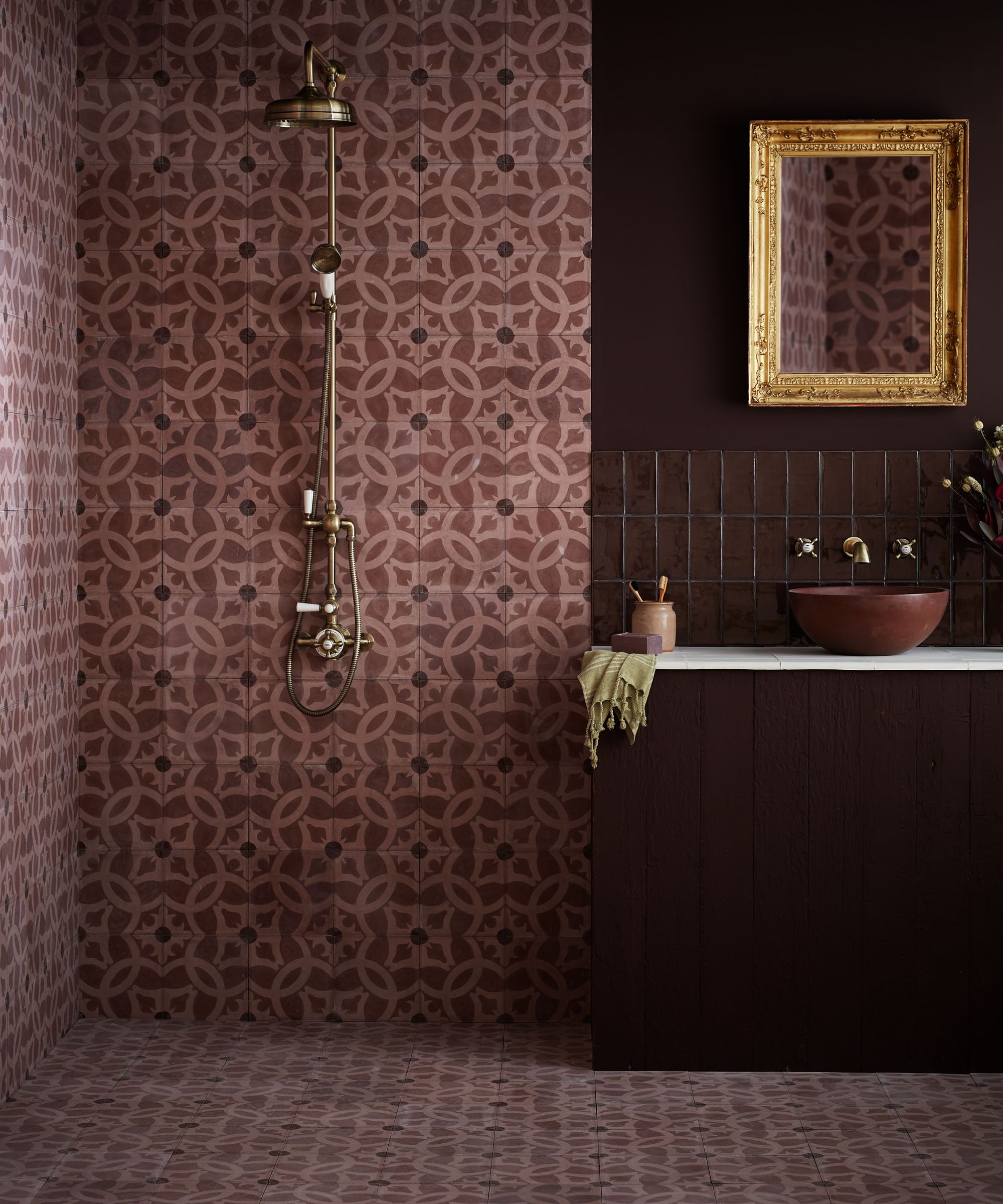
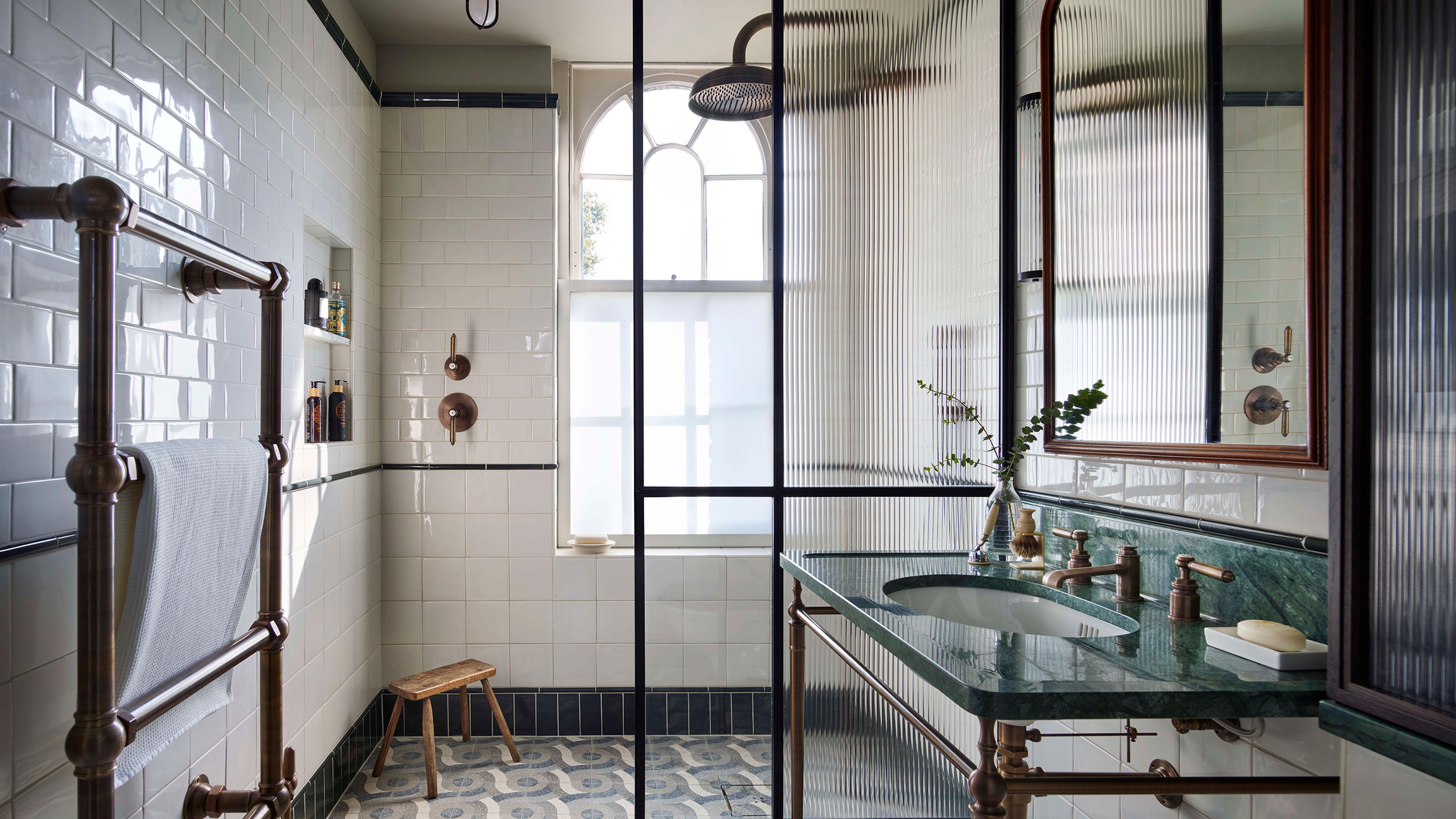
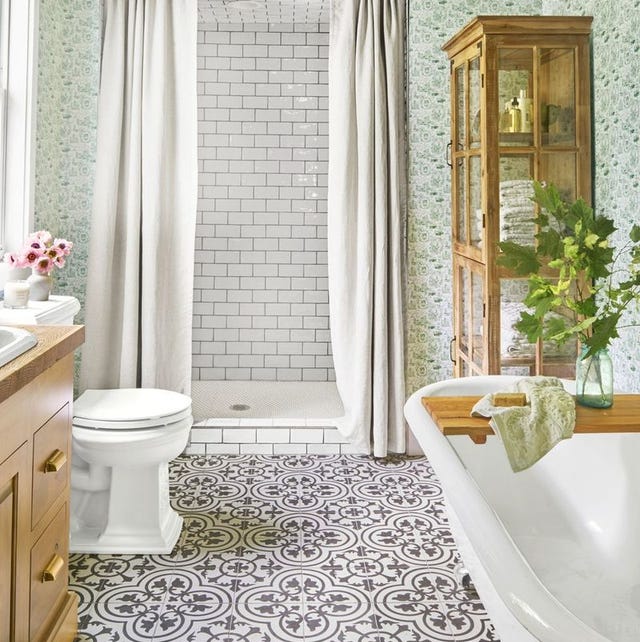
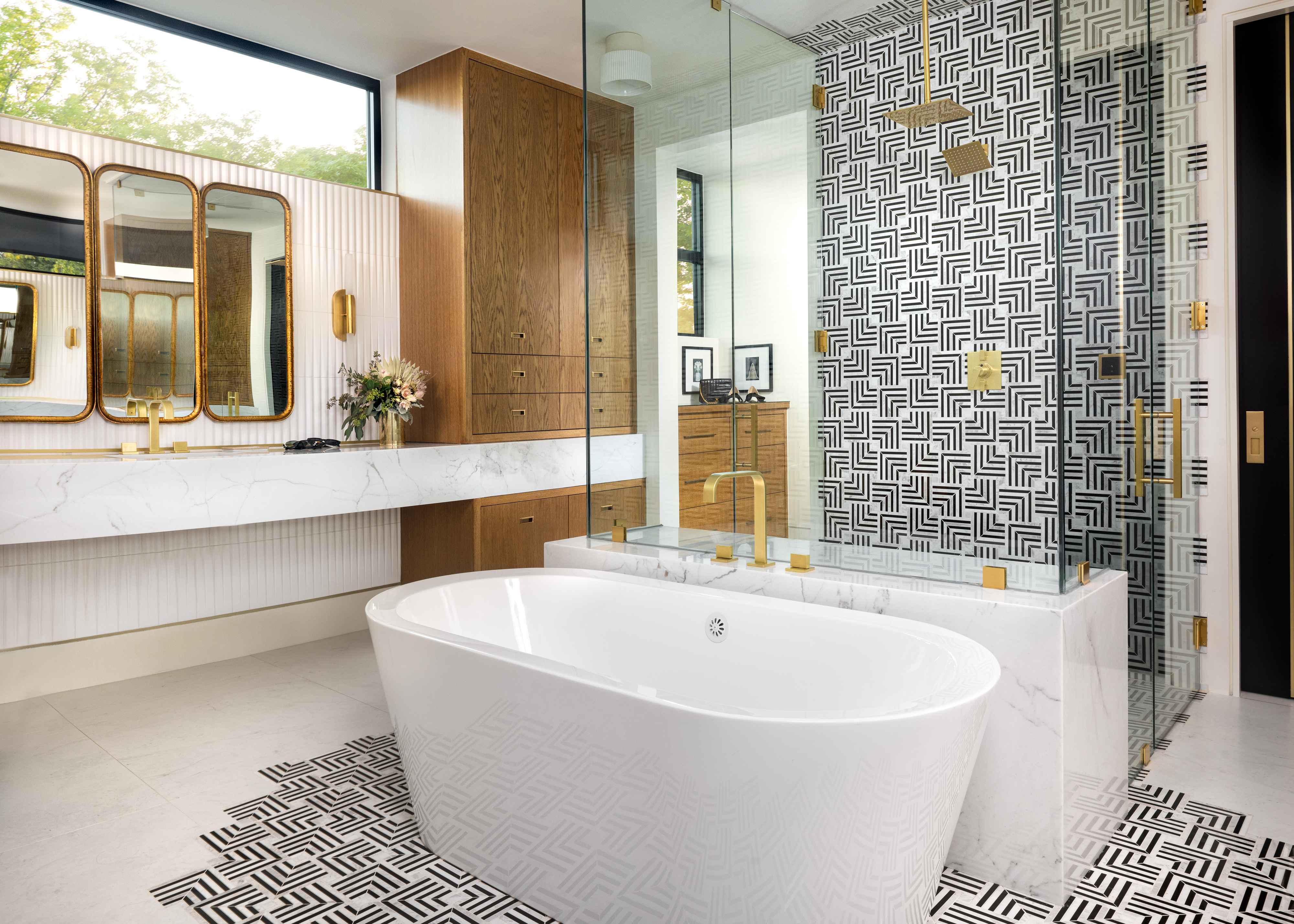
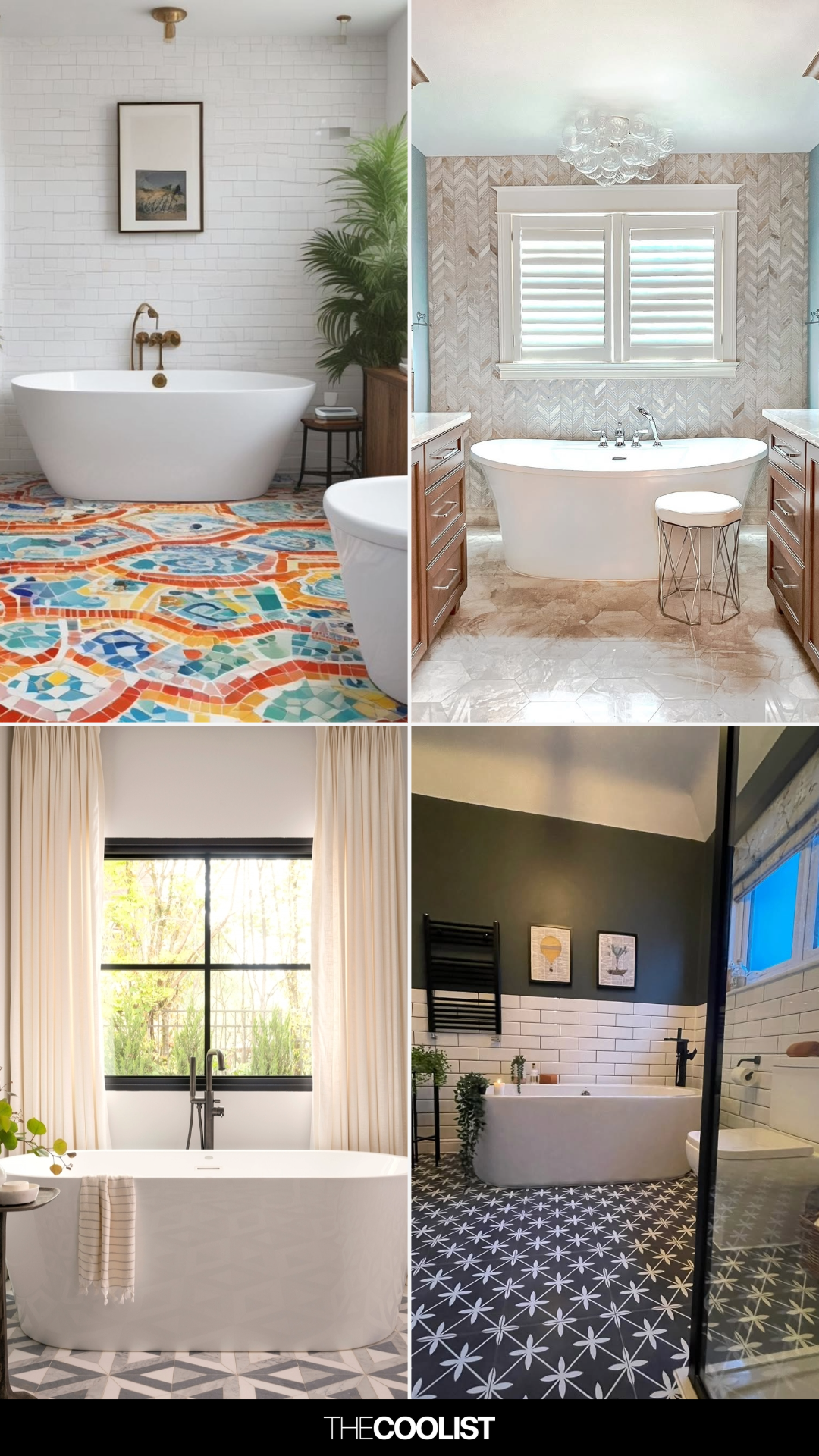
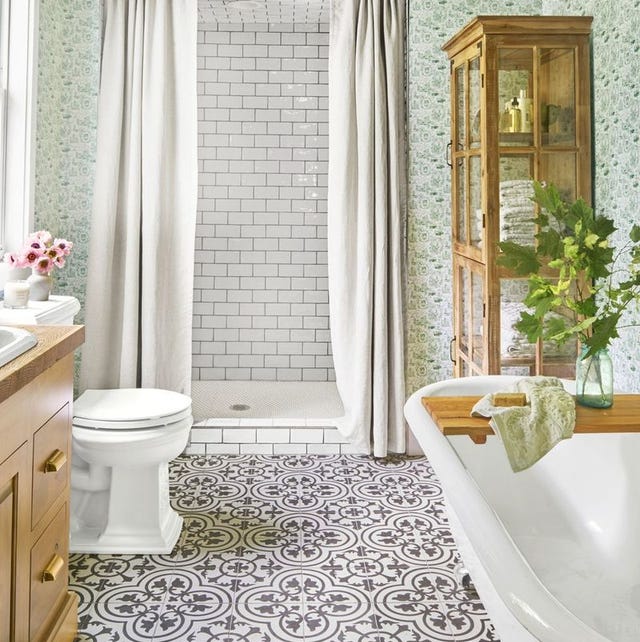
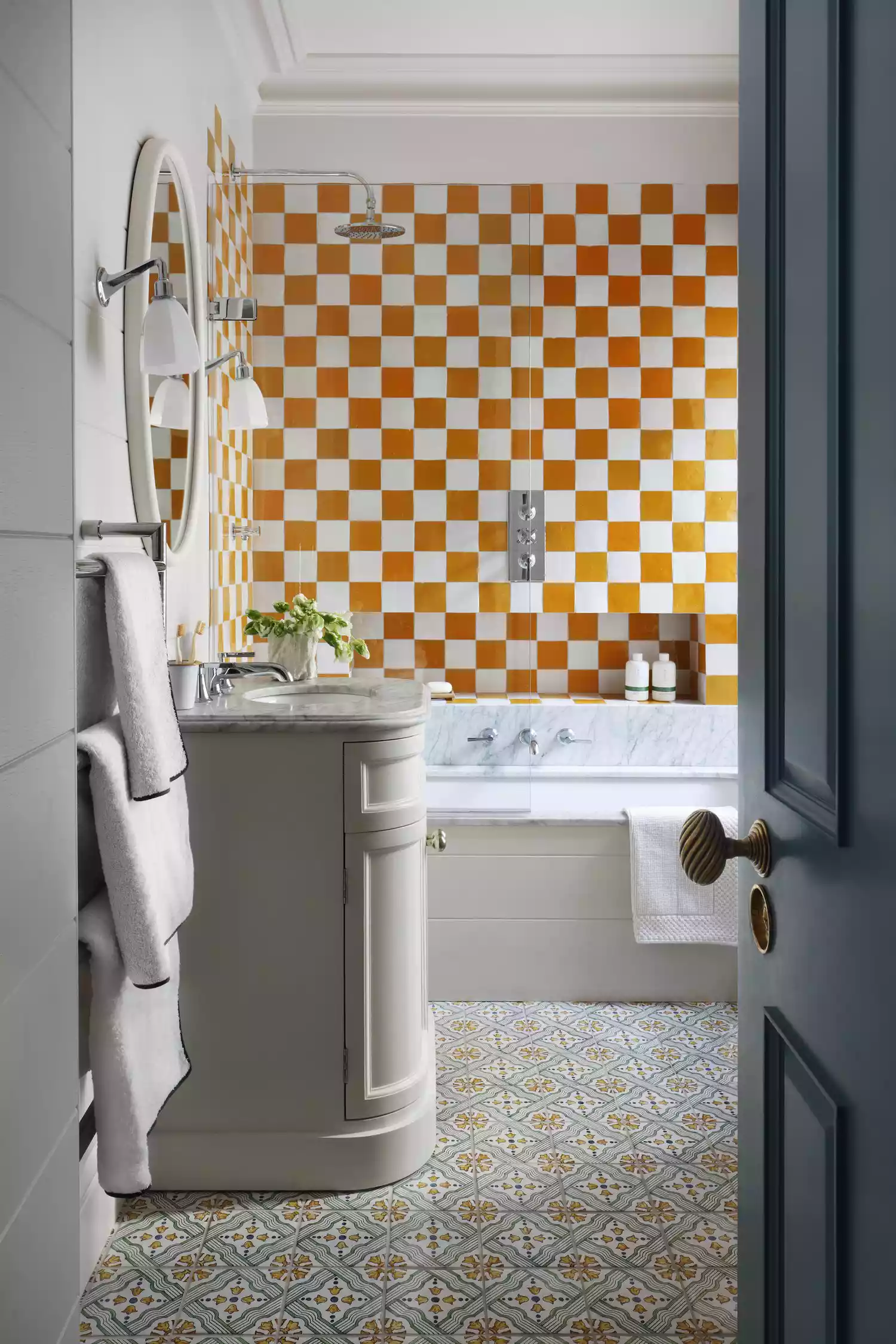
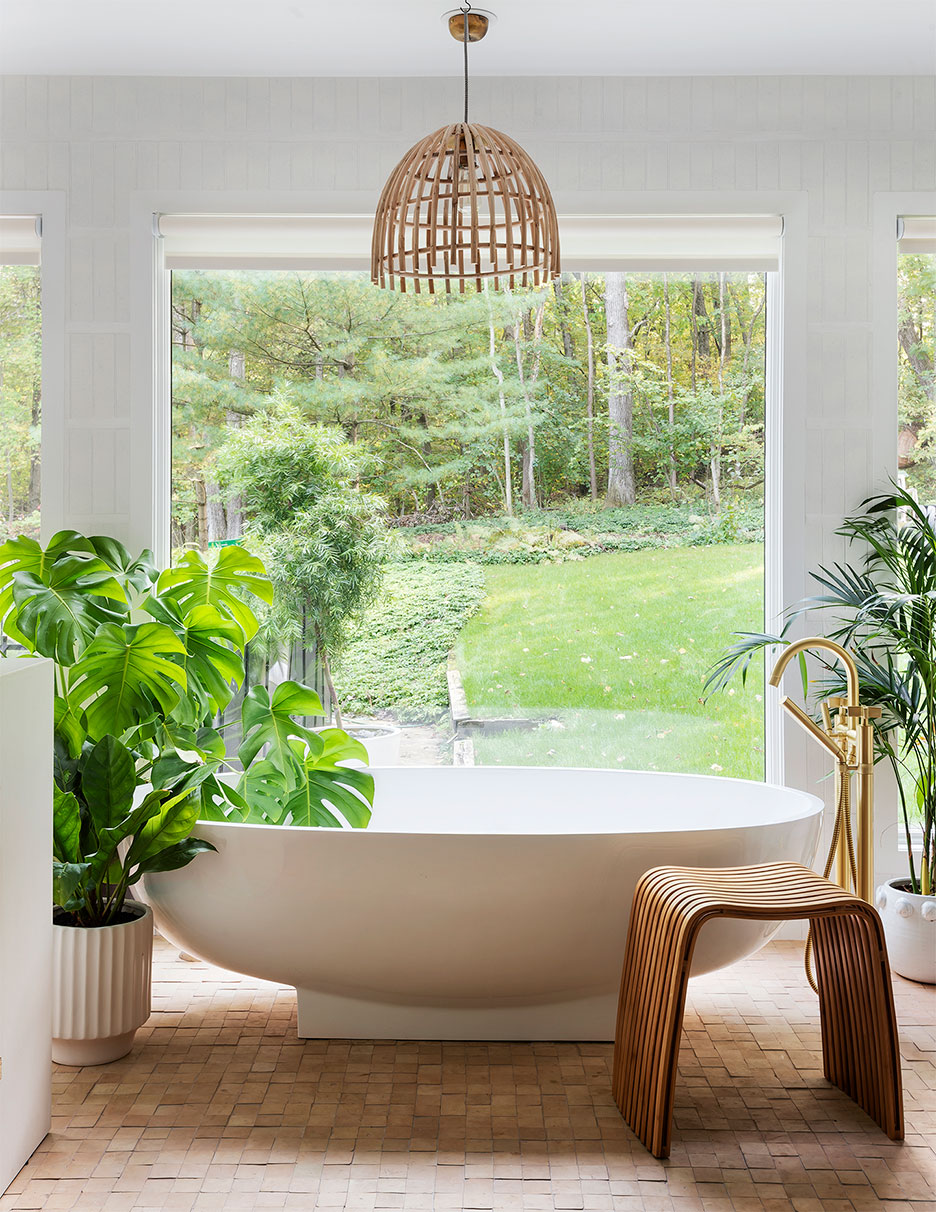
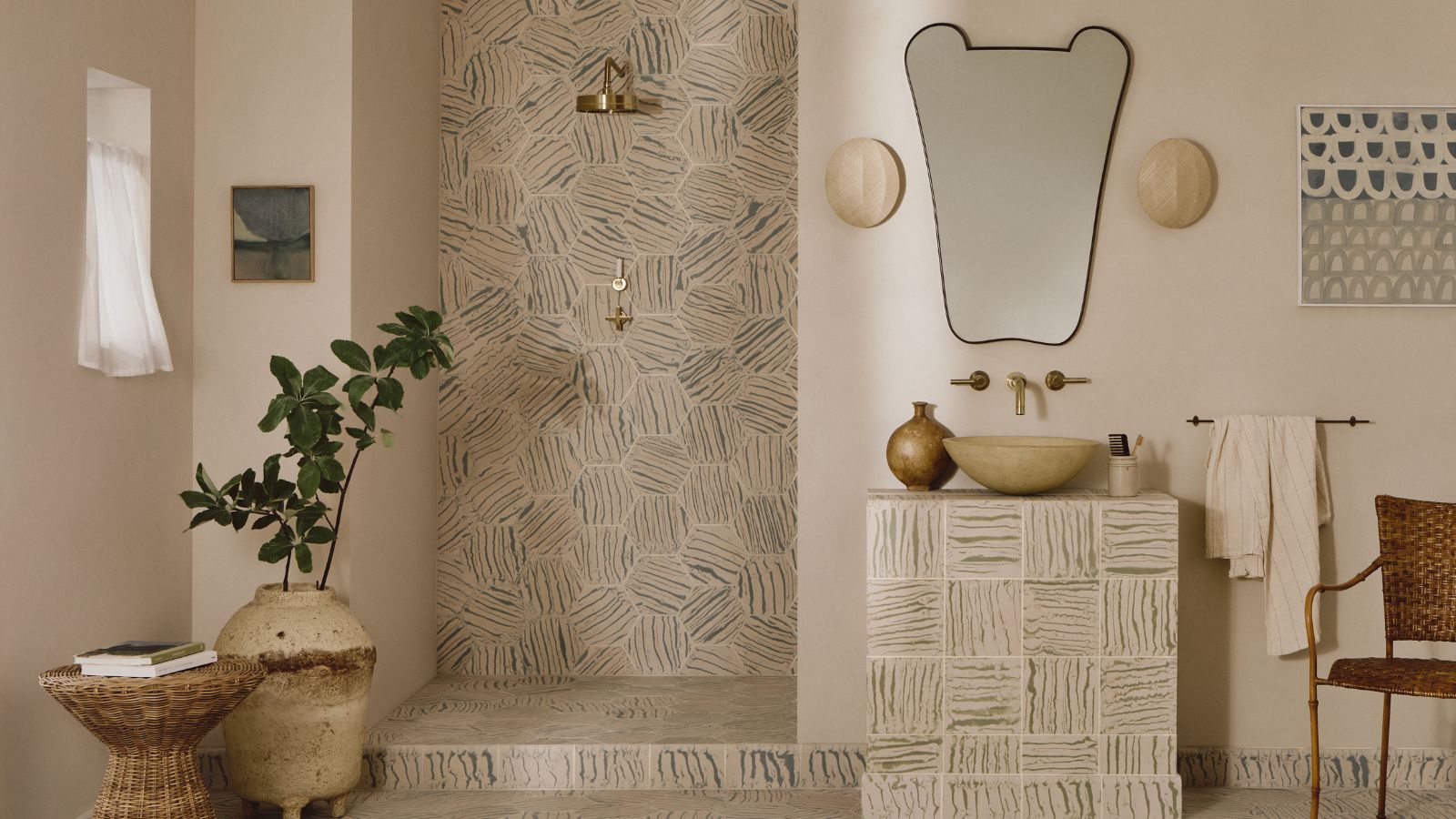
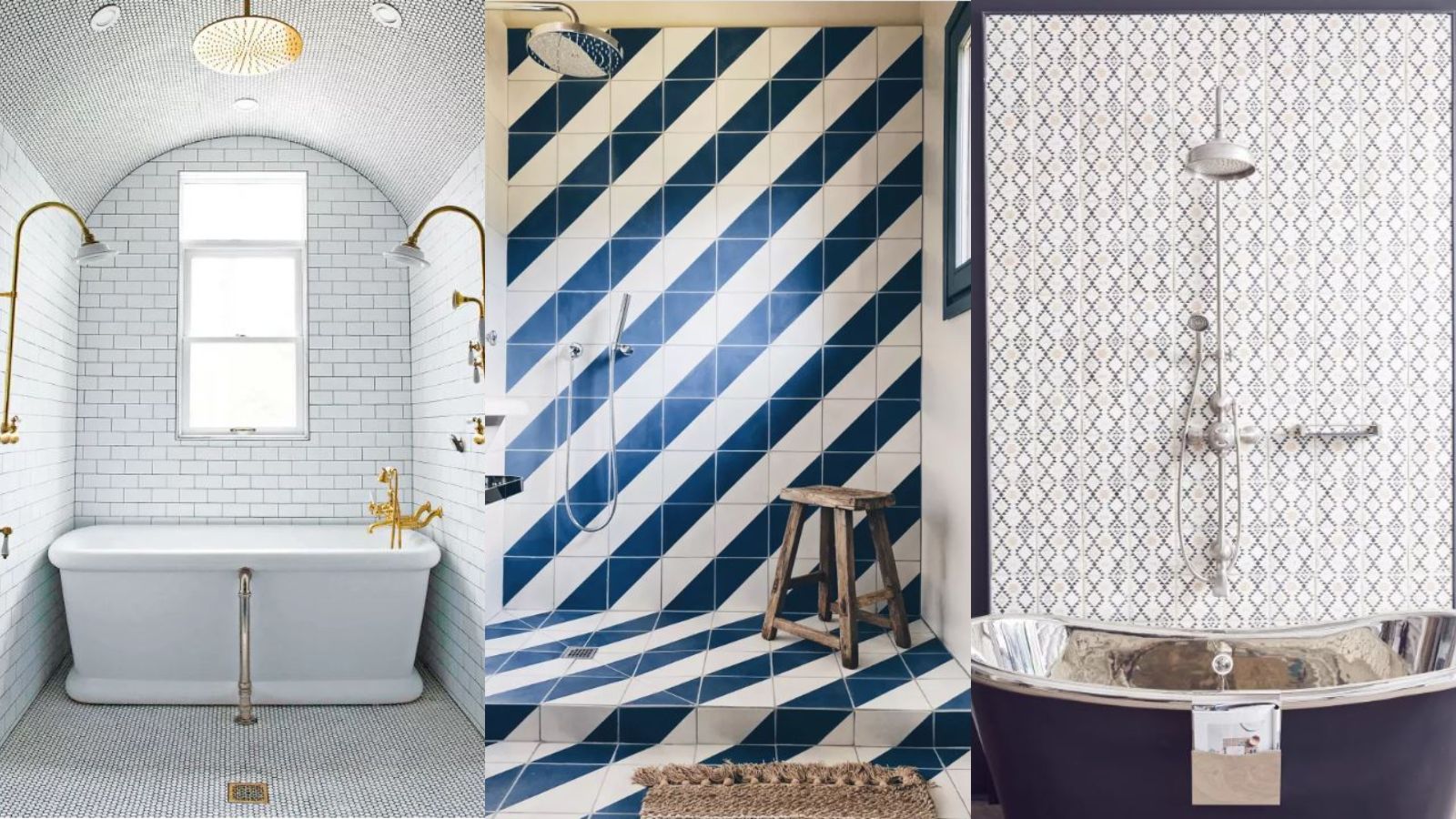
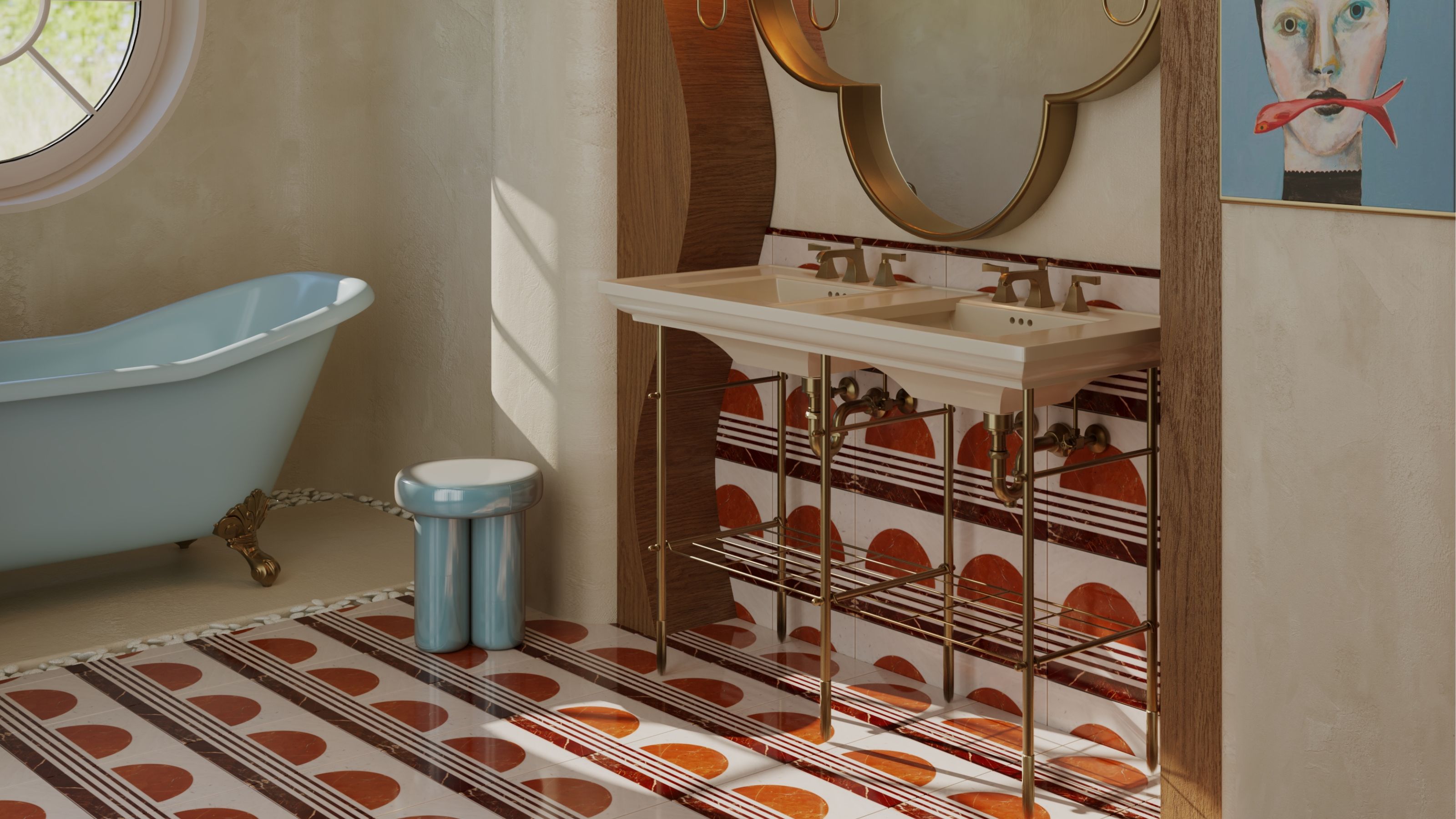
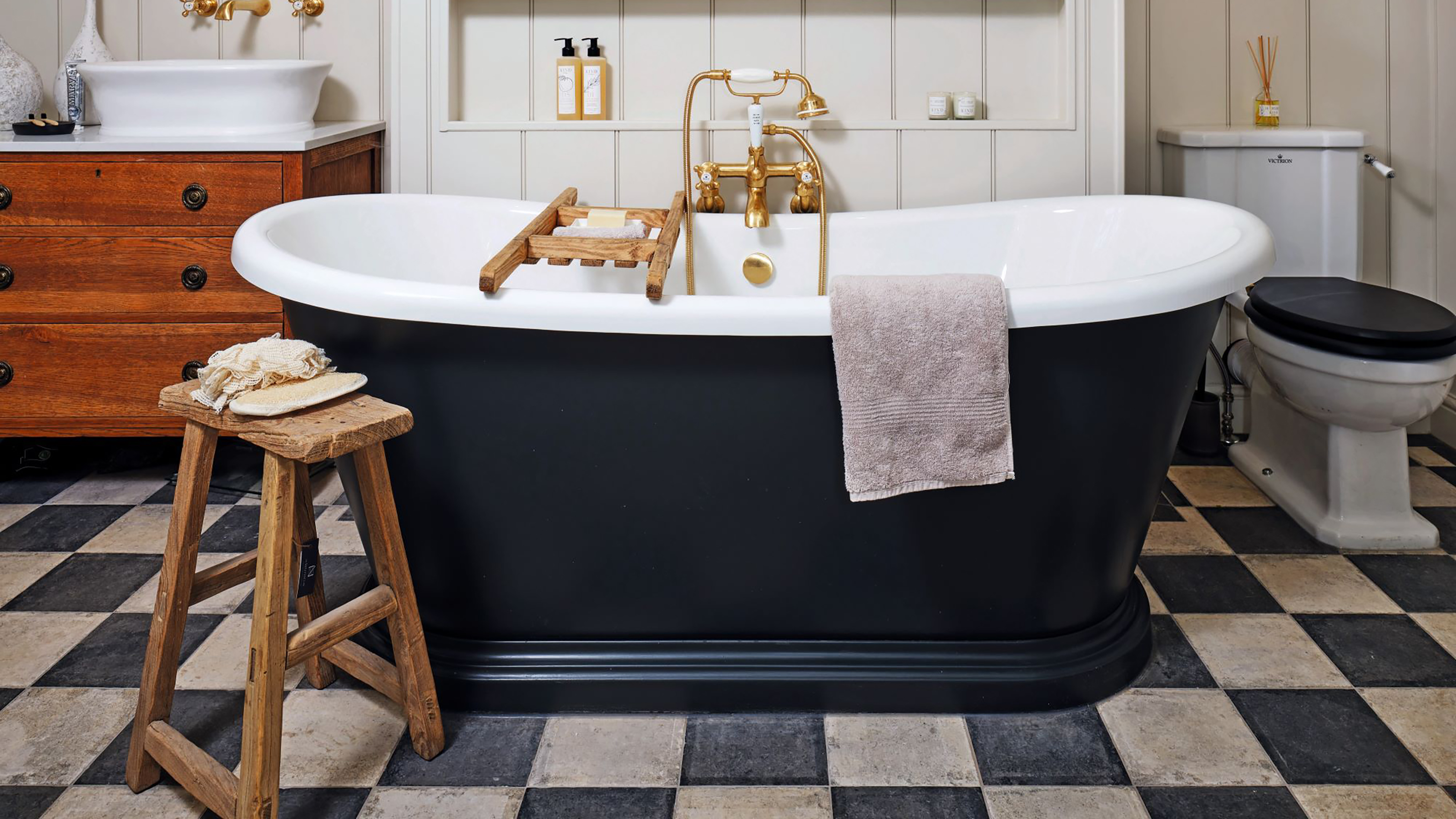
Wood-effect shower tiles offer a biophilic aesthetic, bringing the mood-enhancing qualities of natural materials into the bathroom. Modern printing techniques allow for realistic replication of wood textures on tiles, providing a slip-resistant surface suitable for wet areas. Patterned tiles are a significant trend, offering opportunities to infuse personality and creativity. They can define the shower as a distinct zone or be extended across the entire bathroom for a cohesive look. Large-scale patterned tile collections can form mural-like designs, facilitating a seamless transition into shower enclosures while adding visual interest. Black and white tiles, whether graphic encaustic designs or intricate patterns, offer a perennially popular monochromatic scheme that adds interest without overwhelming the space. The checkerboard tile trend also translates well to shower floors, where smaller tiles are practical for creating slopes towards drains and maintaining visual continuity with the rest of the bathroom. Finally, when combining different tile types, balancing scale, colors, materials, and textures is essential, with modern mosaic tiles, like "Kit Kat" tiles, serving as subtle yet striking features. Incorporating border tiles can also provide a sleeker finish where floors meet walls, particularly with intricate patterns, by defining room edges and adding structural cues to the layout.
Selecting appropriate tiles for shower floors is critical for safety. Tiles must be waterproof and non-slip or treated to reduce the risk of slips. For large format tiles, a “grip” or “R11” finish is recommended to provide traction in wet conditions, unlike highly polished porcelain, which is generally unsuitable due to its slipperiness. While porcelain is a durable choice, ceramic tiles might be preferable for areas requiring intricate cuts, such as around concealed drainage, as they are easier to cut neatly. This allows for uniform looks while ensuring appropriate slip resistance.
#ShowerDesign #TileIdeas #BathroomRenovation #InteriorDesign #BathroomTiles #HomeDecor #DesignTrends #WetRoom #SustainableDesign #ShowerDesign #TileIdeas #BathroomRenovation #InteriorDesign #BathroomTiles #HomeDecor #DesignTrends #WetRoom #SustainableDesign
0 комментариев всего
 Комментариев пока нет
Вам также может понравиться
Shower floor tile ideas – 10 looks, layouts and colors for an inspiring space

20 Bathroom Tile Ideas That Make a Major Design Statement

Bathroom tile ideas – 23 creative ways with color, pattern and installations
35 Bathroom Floor Tile Ideas You’ll Never Get Over Once They’re Installed
10 shower tile ideas - designers explain how to play with color, pattern, texture and scale
These Bathroom Tile Ideas Make a Major Design Statement
20 Shower Tile Ideas to Inspire Your Bathroom Remodel
Small bathroom shower tile ideas – 10 looks that enhance a compact space
Shower tile ideas: 19 designs for cubicles and walk-ins with wow-factor

71 Bathroom Tile Ideas to Upgrade Your Space

7 Designers Weigh in on the Best Tile for Bathroom Floors
Should your shower tiles match the rest of your bathroom?
20 Bathroom Floor Tile Ideas That Go Beyond the Basics
Shower tile ideas – 20 ways to create impact and interest
25 Latest Bathroom Tiles Designs With Pictures In 2023

15 of the Most Important Bathroom Flooring Ideas You Need to Know When You're Planning a Makeover This Year
Bathroom floor tile ideas – 15 ways to incorporate stylish tiles underfoot
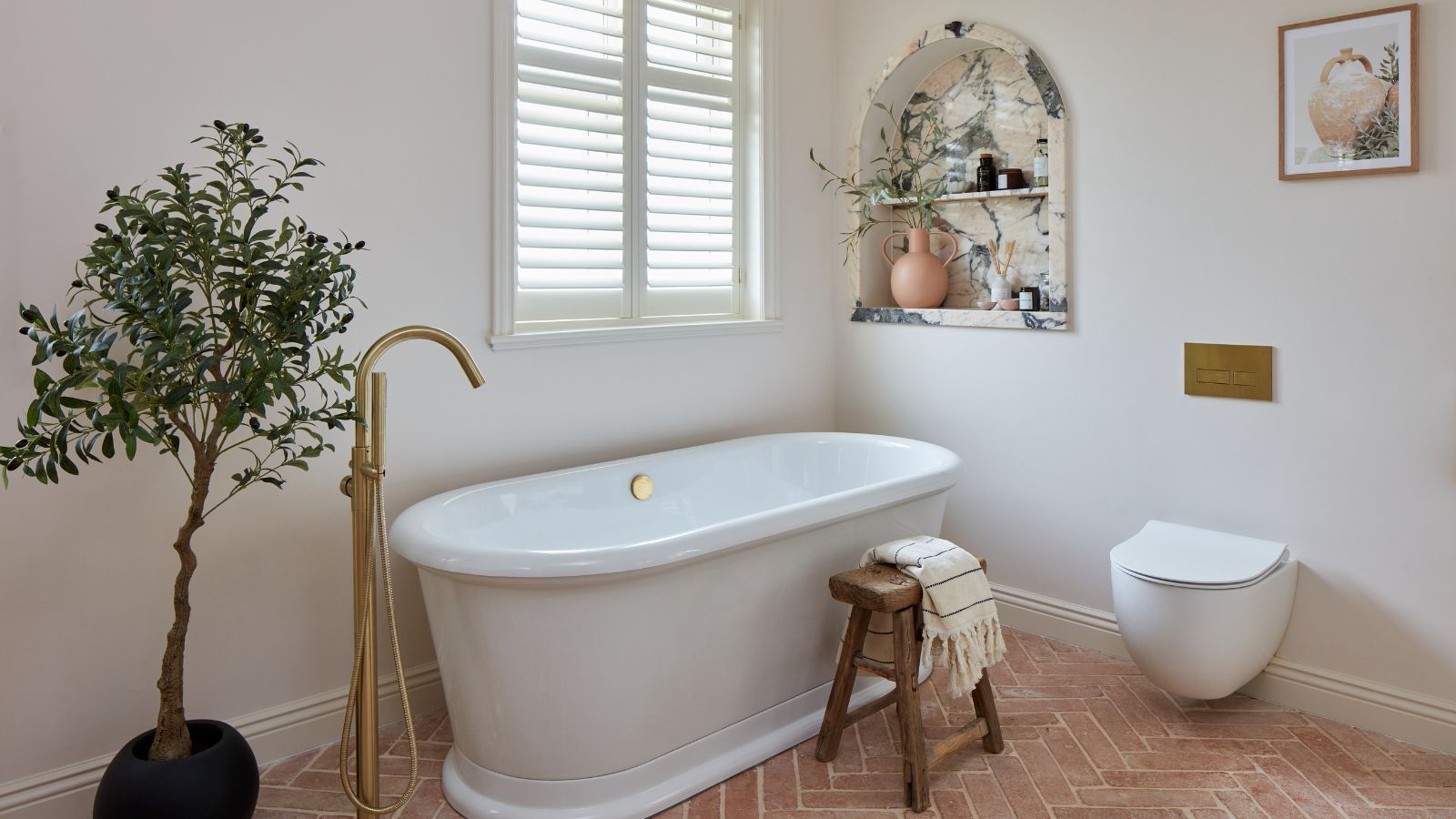
15 bathroom flooring ideas designers always return to
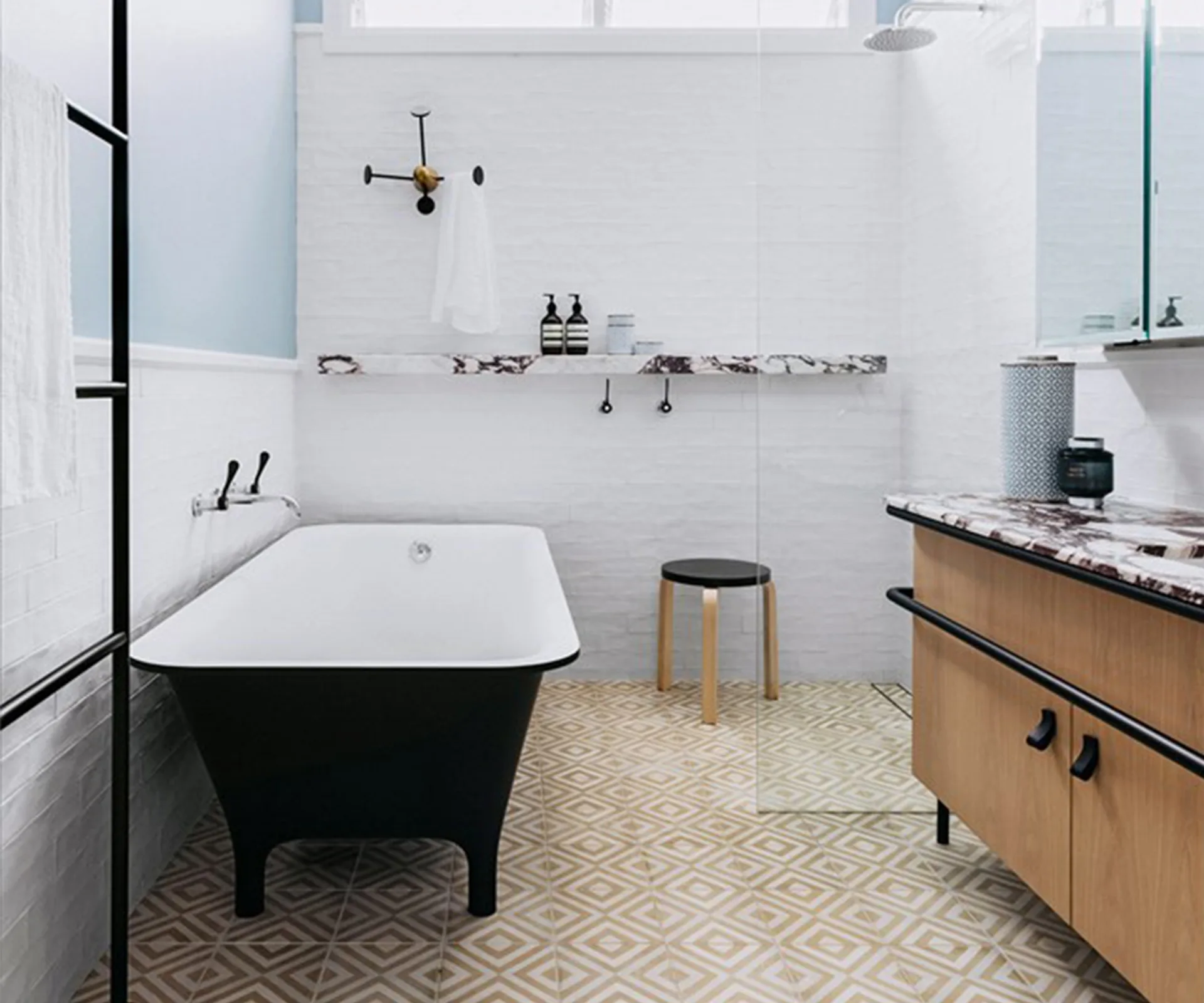
14 bold ideas for using patterned tiles in your bathroom

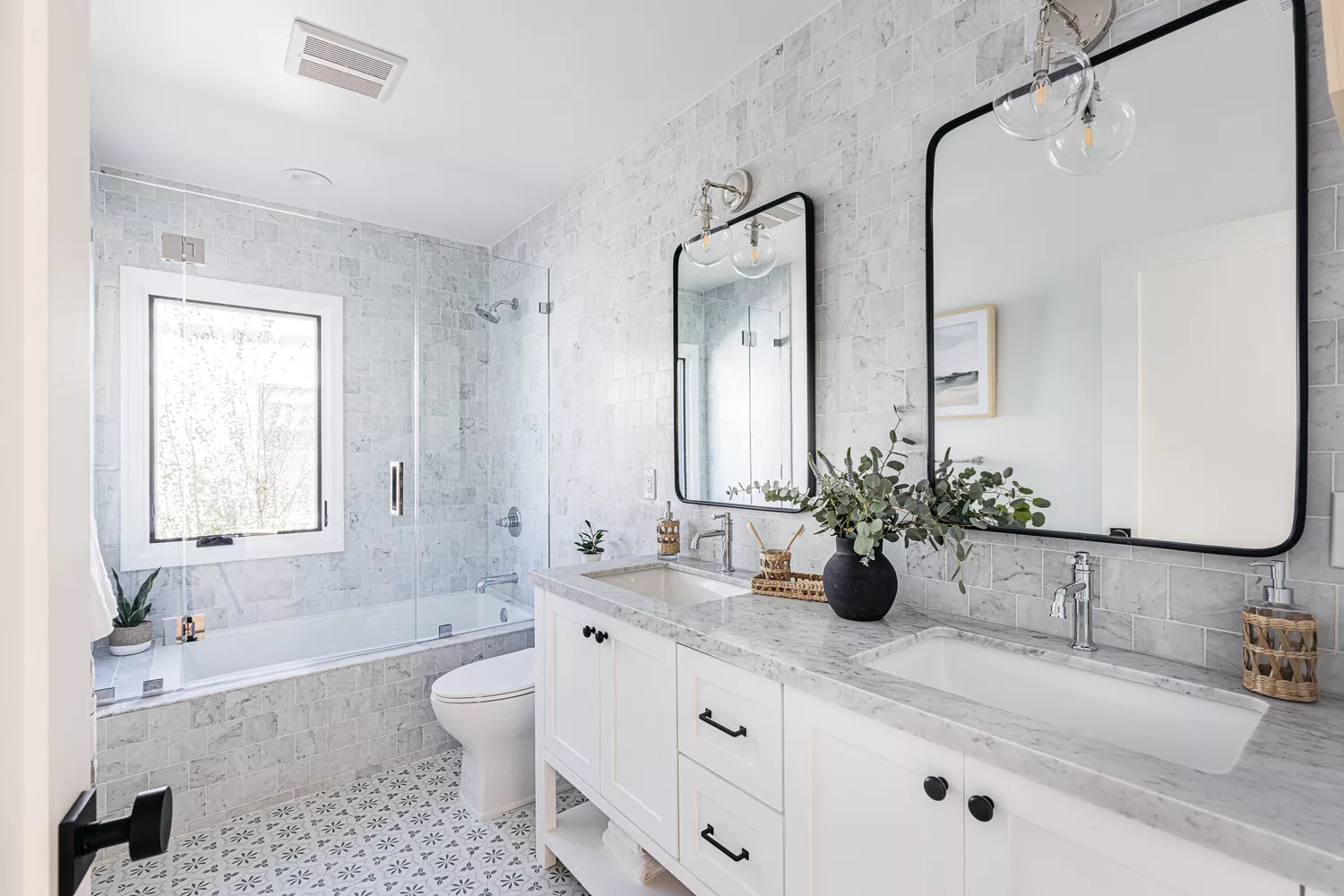
15 Bathrooms With Amazing Tile Flooring