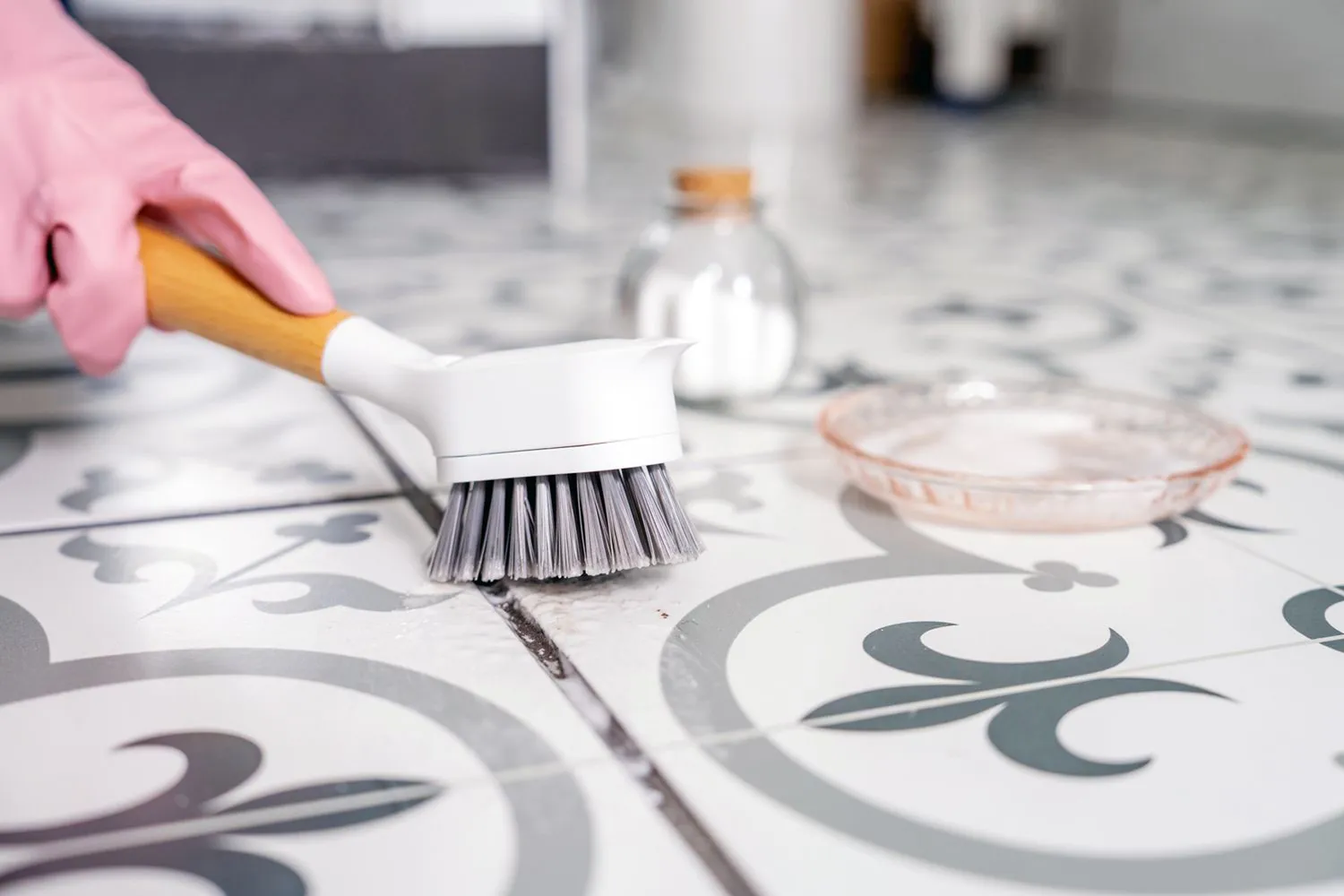
You Can Clean Almost Every Surface in Your Bathroom With This One Household Product—Here’s How
Baking soda is presented as a versatile, effective, and economical cleaning agent for various bathroom surfaces. This natural substance functions as a mild abrasive, making it suitable for removing tough deposits like soap scum and hard water stains. Additionally, its inherent odor-absorbing properties contribute to neutralizing unpleasant smells commonly found in bathrooms. Cleaning experts Ashley Matuska Kidder of Dashing Maids and Steve Evans of Memphis Maids endorse baking soda, highlighting its alkaline nature and compatibility with other cleaning products like dish soap, making it safe for use on most surfaces.
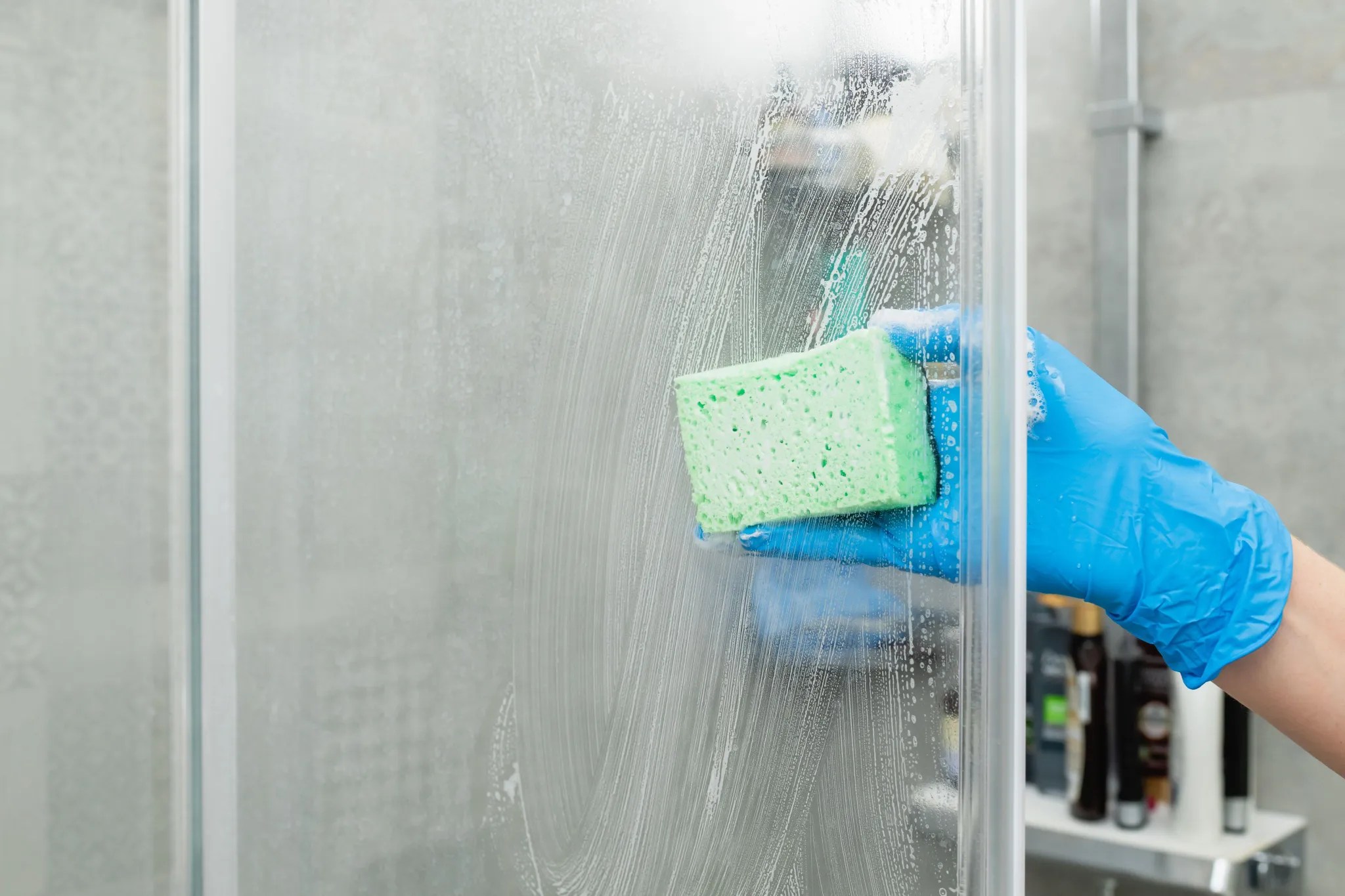
For bathtubs and showers, baking soda offers an efficient cleaning solution. Evans recommends applying a light layer of baking soda, spritzing it with water, and allowing it to sit for 10 minutes before scrubbing with a soft-bristle brush, ideally on a monthly basis. Matuska Kidder suggests applying baking soda directly to a damp sponge or cloth for scrubbing, emphasizing its gentle yet effective action against soap scum without scratching surfaces. She also advises combining it with a vinegar spray for enhanced cleaning power due to the fizzing reaction.
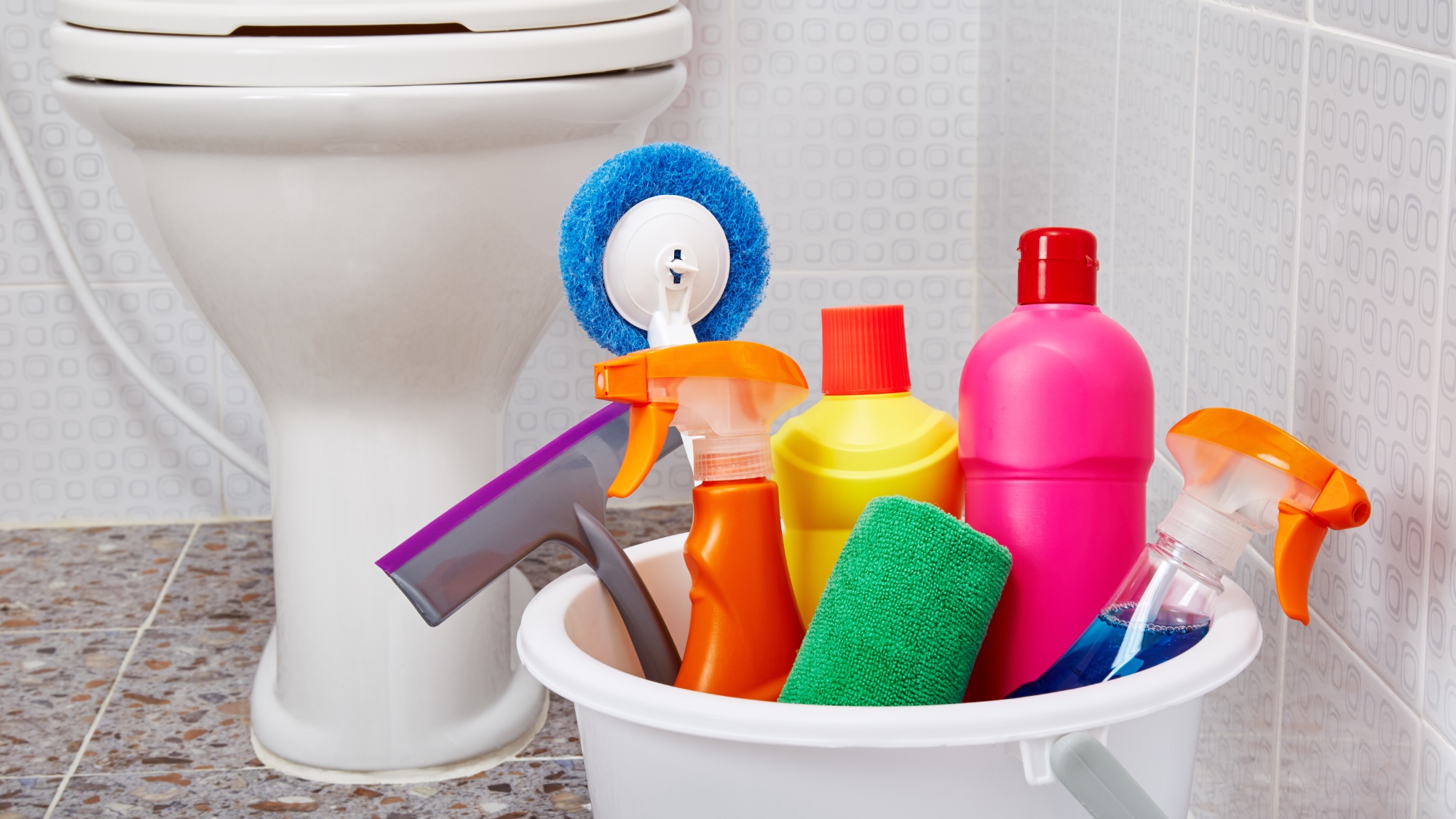
Baking soda is also beneficial for cleaning toilets. Matuska Kidder details a method involving shaking baking soda directly into the toilet bowl, letting it sit for 10 to 15 minutes, and then scrubbing with a toilet brush. This process aids in deodorizing and breaking down grime. While Evans prefers a disinfectant for the inside of toilet bowls, he advocates for baking soda to clean the exterior surfaces. He suggests mixing it with diluted soapy water, sprinkling it on, and rinsing after 10 minutes to remove minor stains and odors.
For sinks and countertops, a paste made from baking soda and water is highly recommended by both experts. This paste is particularly effective for polishing faucets, lifting toothpaste residue, and eliminating water spots without the need for harsh chemicals. The preparation involves combining two tablespoons of baking soda with one tablespoon of water, adjusting the quantities to achieve a paste-like consistency. This paste can be applied and rubbed onto surfaces with a sponge or cloth, followed by rinsing with a damp rag and wiping dry. An additional tip mentions using baking soda with vinegar to unclog drains in sinks, bathtubs, or showers.
In cases where baking soda is unavailable, alternative natural cleaning solutions are offered. Matuska Kidder suggests a combination of vinegar and lemon juice, noting that vinegar effectively cuts through buildup and disinfects, while lemon juice provides a fresh scent and natural acidity for stain removal. Evans proposes washing soda as a viable alternative, highlighting its similar cleaning behavior and results to baking soda. He cautions, however, that users should always test washing soda in an inconspicuous area first to ensure compatibility with the surface.
#BakingSodaCleaning #BathroomCleaning #NaturalCleaners #HomeCleaning #DIYCleaning #CleaningHacks #GreenCleaning #BakingSodaCleaning #BathroomCleaning #NaturalCleaners #HomeCleaning #DIYCleaning #CleaningHacks #GreenCleaning
Há 0 comentários no total
 Ainda não há comentários
Você também pode gostar
The Best Bathroom Cleaners for Different Surfaces

The 6 Best Shower Cleaners 2026, Tested by an Editor


The Four Bathroom Products You Need if You’re Moving in With a Man

A professional cleaner just revealed the most obvious bathroom cleaning hack, and I'm shocked I never thought of it

The Best Bathroom Cleaner for Targeting Hard Water Stains

These Old-School Cleaning Products Still Work Like Magic
6 Things You Should Never Clean With All-Purpose Cleaner
The Best Grout Cleaners for Pristine Tiles in Every Room
How to Clean Every Type of Floor Quickly and Easily

The Surprising Cleaning Supplies Experts Say to Never Use in Your Bathroom
The Best All-Purpose Cleaners to Make Your Entire Home Sparkle, Tested
This electric scrubber finally cleaned my grime tiles

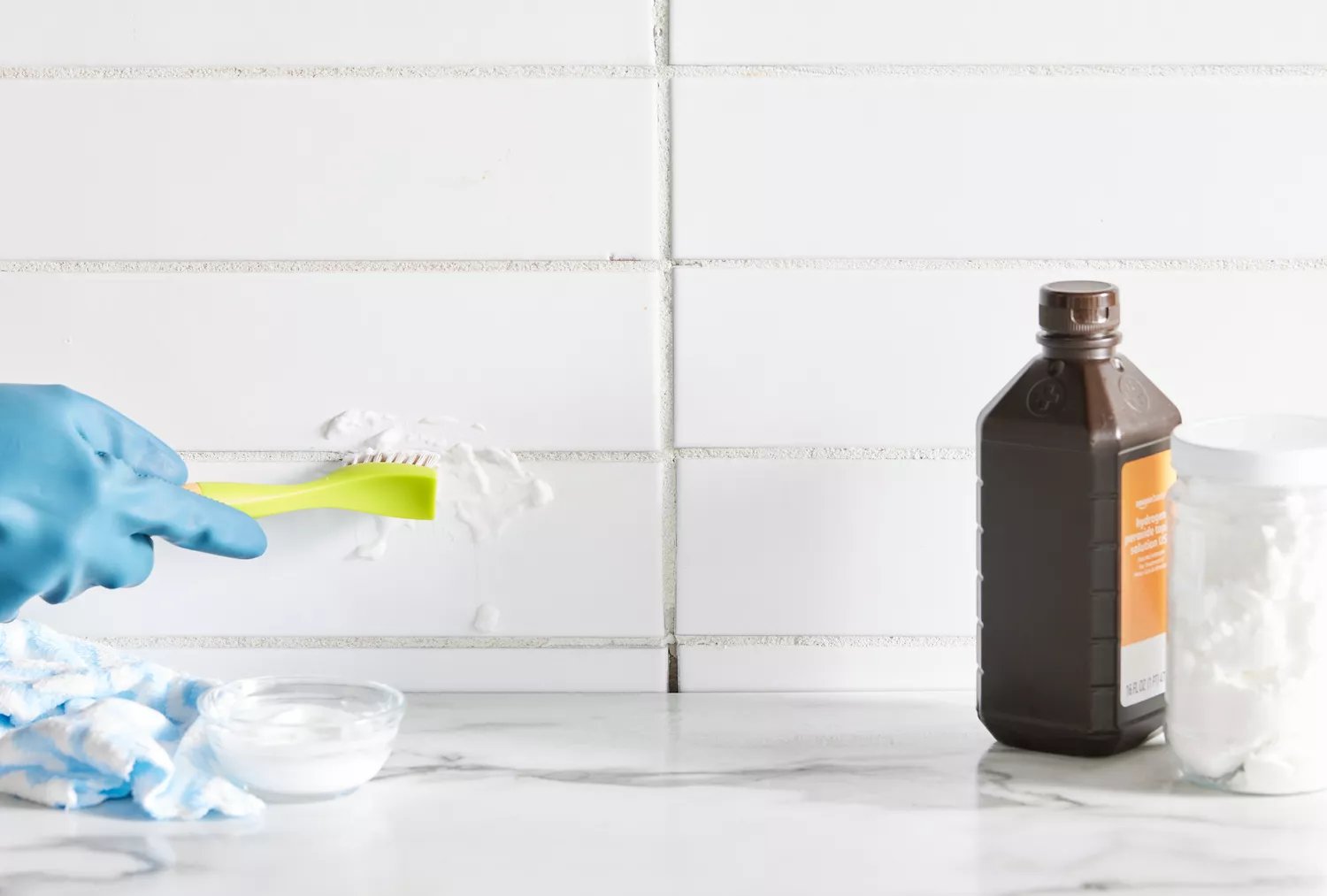
You Can Clean Almost Every Surface in Your Bathroom With This One Household Product — Here’s How
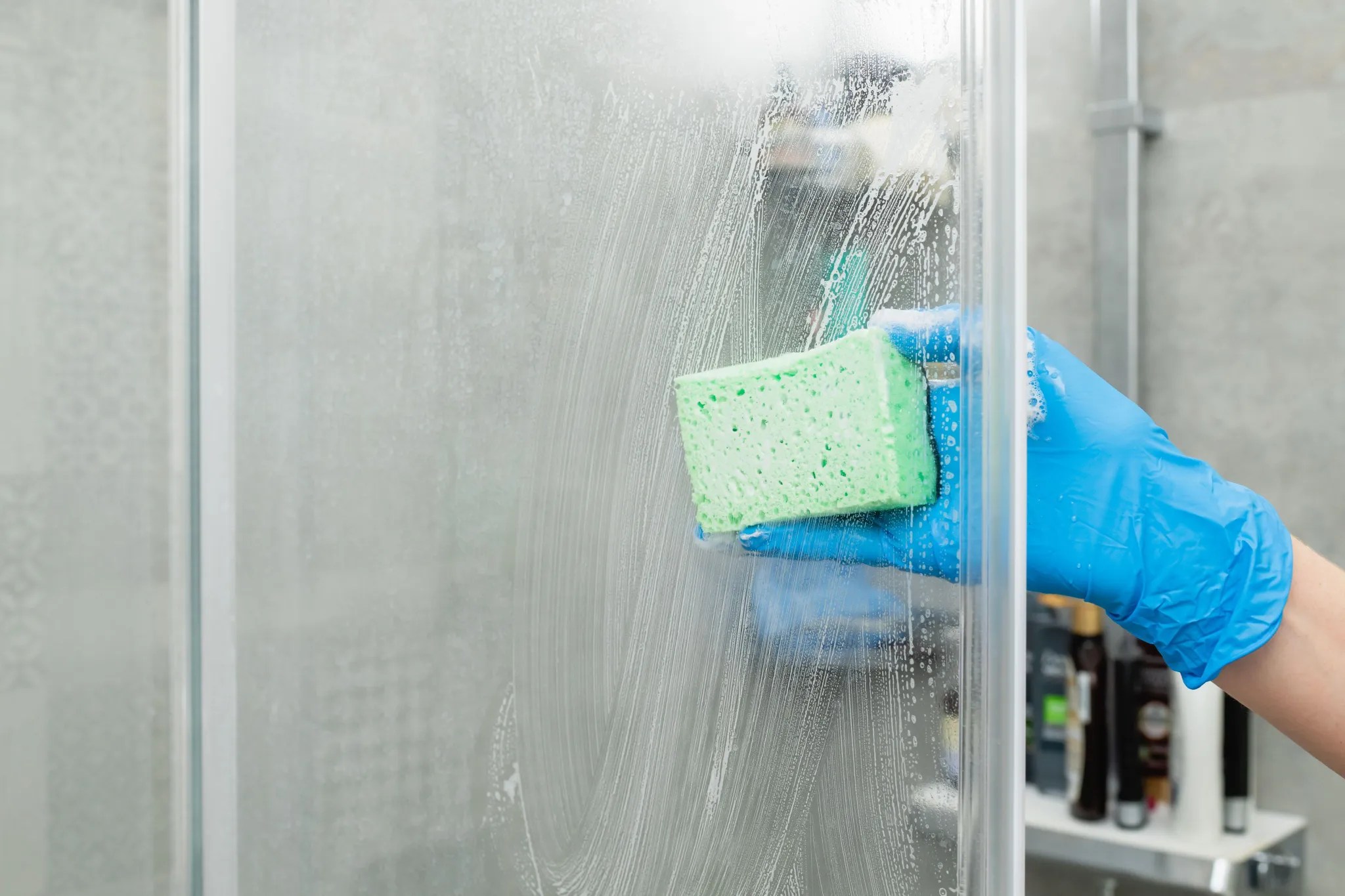
Chemical engineer insists a kitchen staple removes all water stains from shower doors - only a teaspoon is needed

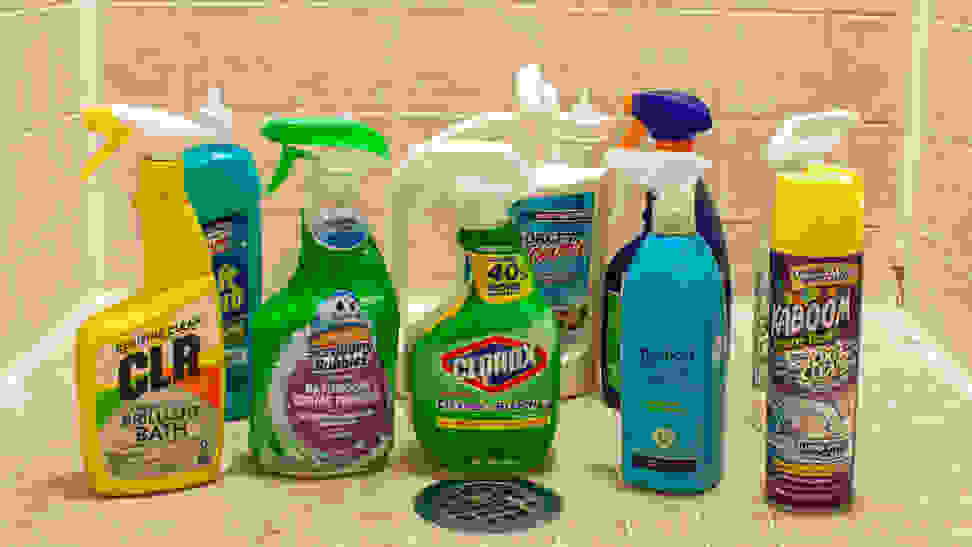
The Best Shower Cleaners of 2025

If Your Grout Has Seen Better Days, You Need One Of These Best-Of-The-Best Grout Cleaners

I deep clean my entire kitchen using just one fabulous tool – it's efficient, affordable and toxin-free
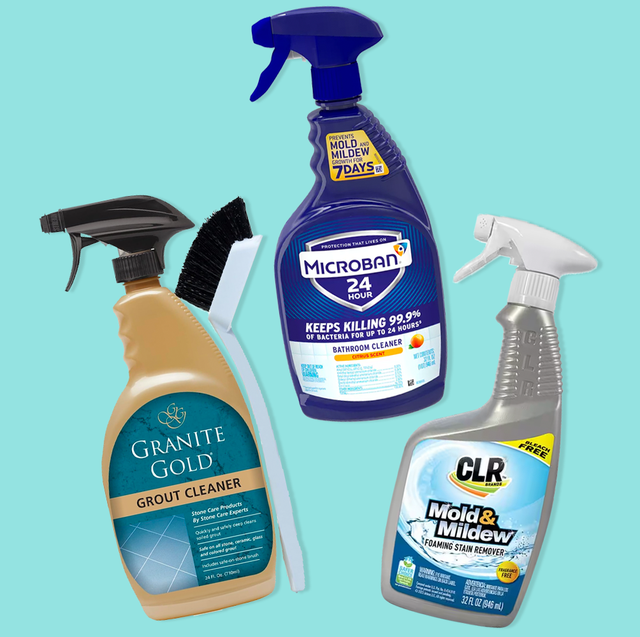
7 Best Grout Cleaners for a Brilliant Bathroom

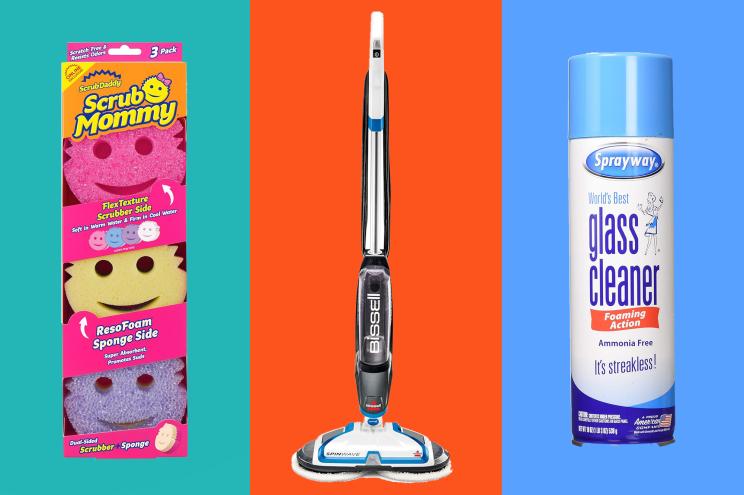
The very best cleaning products of 2025, tested for spring cleaning
The 6 Best Shower Tile Cleaners to Leave Your Bathroom Sparkling