1/16
Why Did My Sink Suddenly Stop Working?
The functionality of a sink is often taken for granted until it suddenly ceases to provide water, leading to frustration. Several common issues can cause a sink to stop working, ranging from simple fixes to more complex plumbing problems. Understanding these potential causes and their solutions can help homeowners diagnose and resolve the issue efficiently.
One of the most frequent culprits is a closed supply valve. Sinks typically have one or two shut-off valves located in the cabinet underneath, controlling the hot and cold water supply. These valves can accidentally be turned off when moving items or cleaning the area. A quick check of the valve handle's position—parallel to the pipe for open, perpendicular for closed—can easily identify this problem. If closed, turning it counterclockwise will restore the water flow.
Even if open, a supply valve might be clogged with debris. To test this, the supply line can be disconnected from the faucet, and the valve slowly opened into a bucket. If no water emerges, the valve likely needs replacement. Some faucets have integrated supply lines, making it easier to connect a spare hose for testing and replacement.
A clogged aerator is another very common issue. The aerator, a small mesh screen at the faucet's spout, can accumulate mineral deposits and debris, especially in areas with hard water. The aerator can be unscrewed and inspected. If clogged, soaking it in white vinegar for 30 minutes and scrubbing with an old toothbrush often clears it. If not, a replacement aerator is a simple and effective fix. For persistent sediment problems, a whole-home water filtration system can be considered, offering benefits beyond just water flow, such as improving water quality and extending the life of water heaters.
Certain faucets, particularly pulldown or pullout types, might have a clogged max flow cylinder or a screen in the wand where the hose connects. These components can also be cleaned in a similar manner to aerators.
A faulty faucet cartridge or handle is often the cause of water flow issues, particularly in newer single-handle faucets. The cartridge regulates water flow and can wear out over time. Identifying the correct replacement cartridge can be challenging due to the variety of designs, but once found, replacement is a relatively straightforward DIY task. If the faucet is old and the cartridge is rusted, replacing the entire faucet might be more practical.
Pressure-balanced valves, present in some faucets, can also wear out or become clogged. If both hot and cold water in nearby fixtures also exhibit low or spotty pressure, and a temporary improvement is noticed after cycling the main water valve, this valve is likely the issue and requires replacement. These dome-shaped brass fittings can be found inside the house, past the main shutoff valve, or directly on the fixtures.
Smart faucets may experience issues with their sensors. In such cases, replacing batteries and resetting the unit can often resolve the problem.
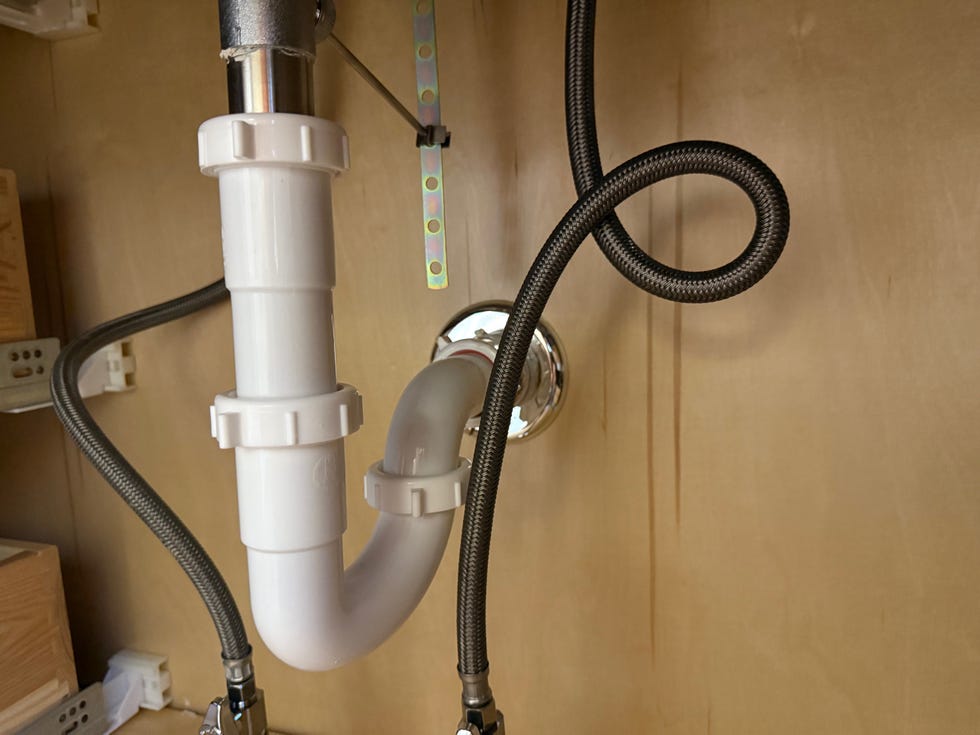
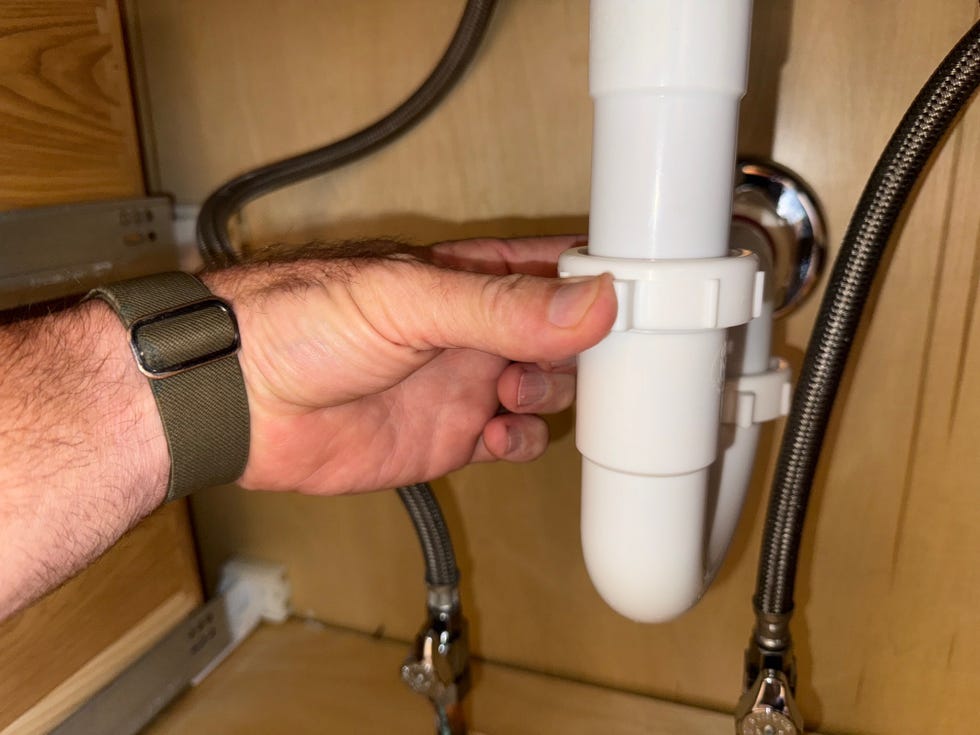
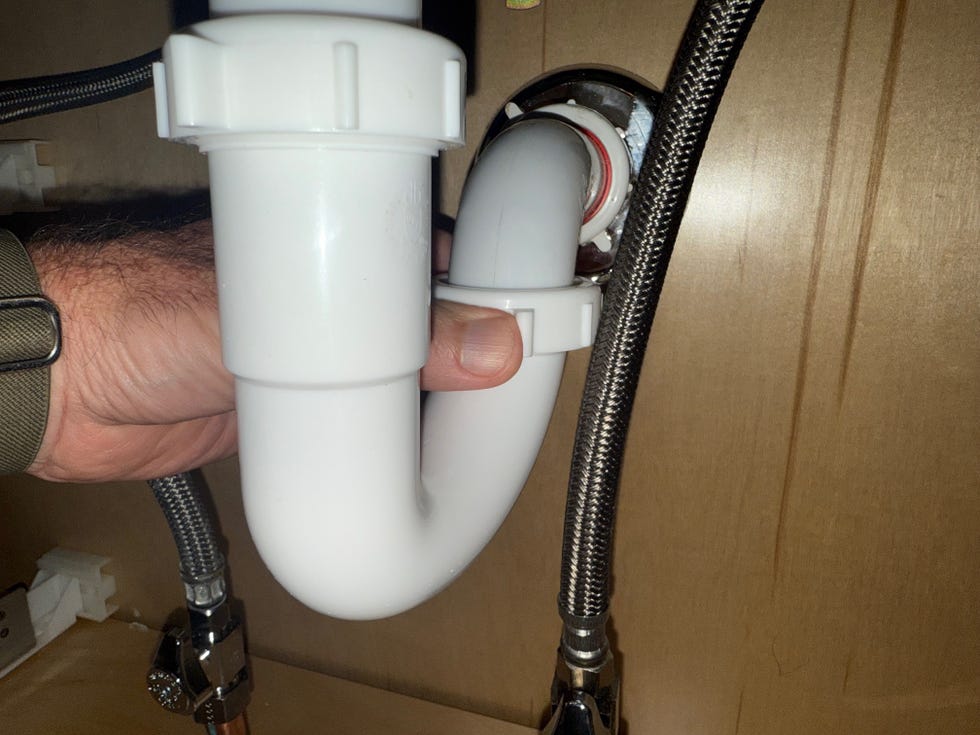
Kinked or leaky supply lines under the sink can restrict water flow. Flexible lines can be gently straightened. If leaks are present, replacing the supply lines is necessary. This is a relatively simple repair that typically does not require a plumber, but quality materials should be used to meet local building codes. Blocked supply lines, if not kinked, might be cleared by shutting off the water and removing the hoses from the shutoff valve to check for blockages, or a plumber can be consulted.
If multiple faucets in the house are dry, the problem could be with the main water supply. This could be due to an accidentally closed main water line valve, often found in the basement, crawlspace, or mechanical area. Homeowners should always know the location of this valve for emergencies. Low water pressure affecting all water sources could also indicate a main line issue. In rare instances, a broken main line between the water meter and the house, identifiable by a wet area, could be the cause. Additionally, external factors like utility work in the area or unpaid water bills can lead to service interruptions.
Mineral buildup or rust within pipes, especially in older plumbing systems, can reduce water flow to multiple fixtures. Disconnecting supply lines and flushing out particles might help, but severe corrosion may require professional plumbing attention. Water softening systems can also clog with salt buildup and sediment, leading to low pressure across the house. Switching the softener to bypass mode can confirm this, and then the unit needs cleaning with a softener cleaner solution.
Issues specific to hot water only often point to a problem with the water heater, necessitating a plumber's intervention. Damaged pipes, such as breaks, kinks, or crushing between the main line and the faucet, can severely restrict water flow and cause significant leaks, requiring immediate professional help. In cold climates, frozen pipes are a common cause. Thawing them carefully with a space heater, hairdryer, or heat tape, while the faucet is open to relieve pressure, can resolve the issue. After thawing, checking for leaks is crucial, and insulation of exposed pipes is recommended to prevent future freezing. Finally, for homes on well water, a malfunctioning well pump can cause water loss throughout the house. Checking the pump's breaker, or calling a well specialist for servicing, replacement, or to address a broken supply line or dry well, is advisable.
#SinkProblems #PlumbingIssues #DIYFixes #HomeMaintenance #WaterSupply #FaucetRepair #CloggedAerator #WaterPressure #FrozenPipes #WellPump #SinkProblems #PlumbingIssues #DIYFixes #HomeMaintenance #WaterSupply #FaucetRepair #CloggedAerator #WaterPressure #FrozenPipes #WellPump
 Ainda não há comentários
7 reasons your sink won't drain – plus expert tips to unclog a sink like a pro

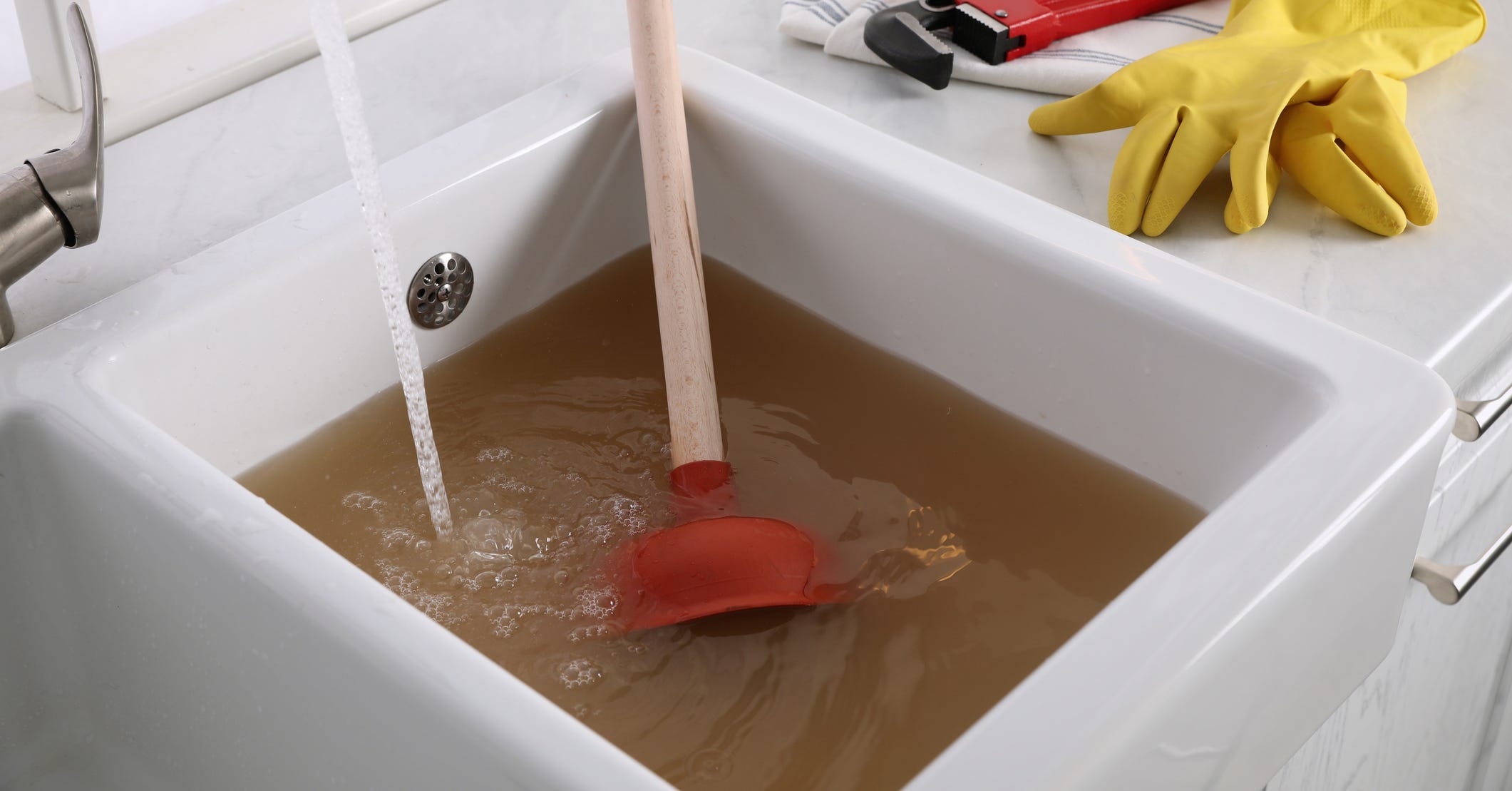
When Your Sink Won’t Drain, Try This Easy Fix Before Calling a Plumber