1/5
What's replacing the bar cart? Here's what designers say you should be using to house your drinks in 2025
The bar cart, despite its historical presence and functional appeal, is no longer considered the primary choice for home entertaining among interior designers. Emerging design trends point towards more integrated and sophisticated alternatives for housing beverages and bar accessories. This shift reflects a move towards more permanent, aesthetically cohesive, and often space-saving solutions.
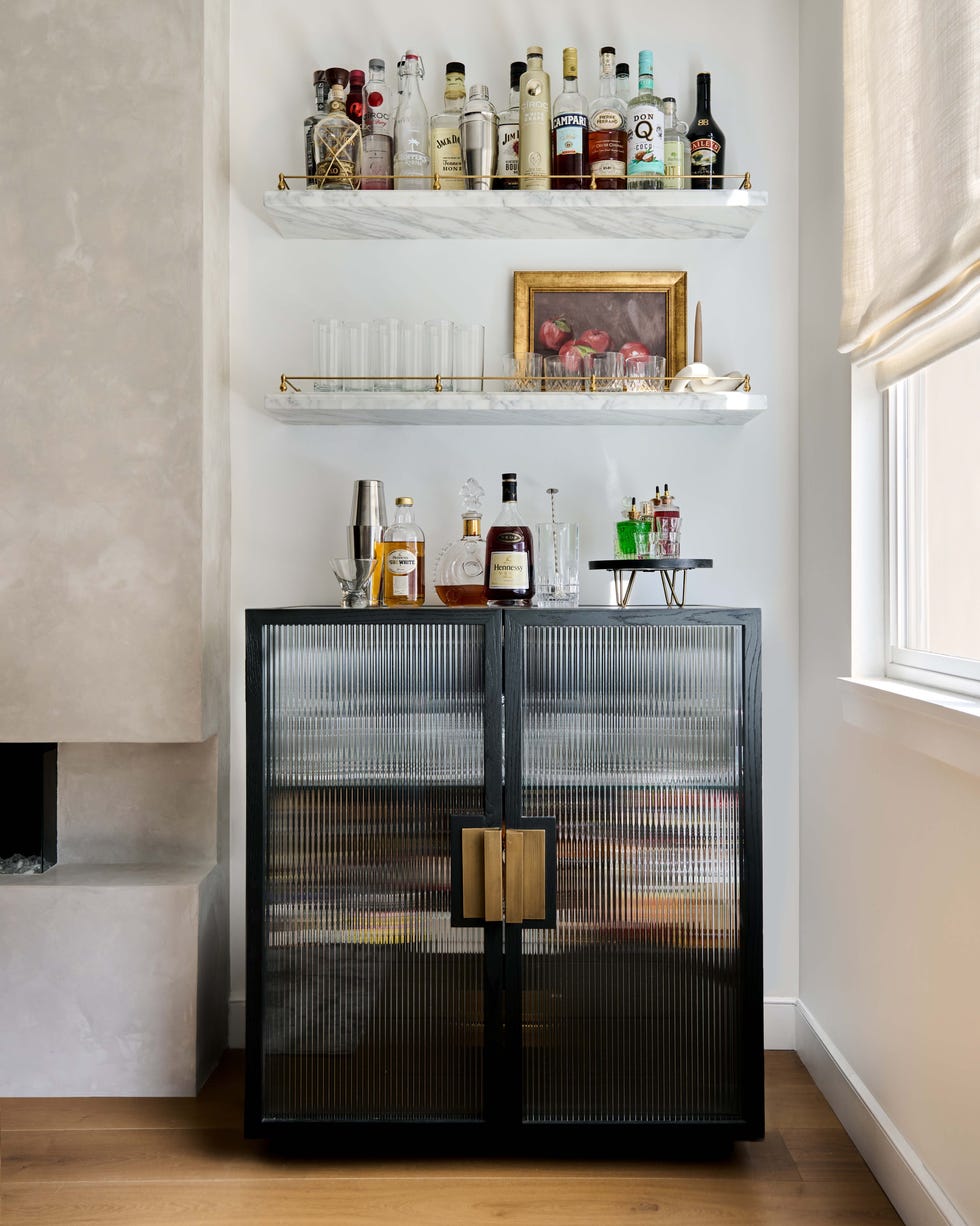
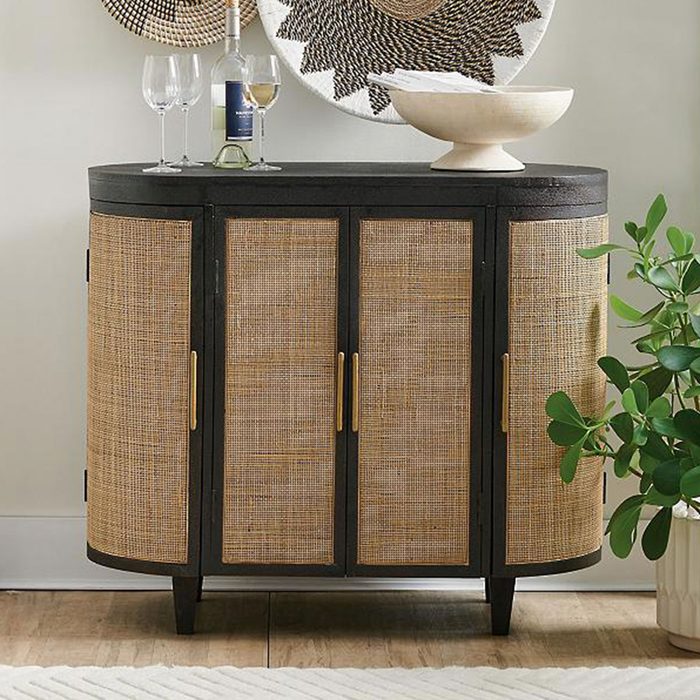
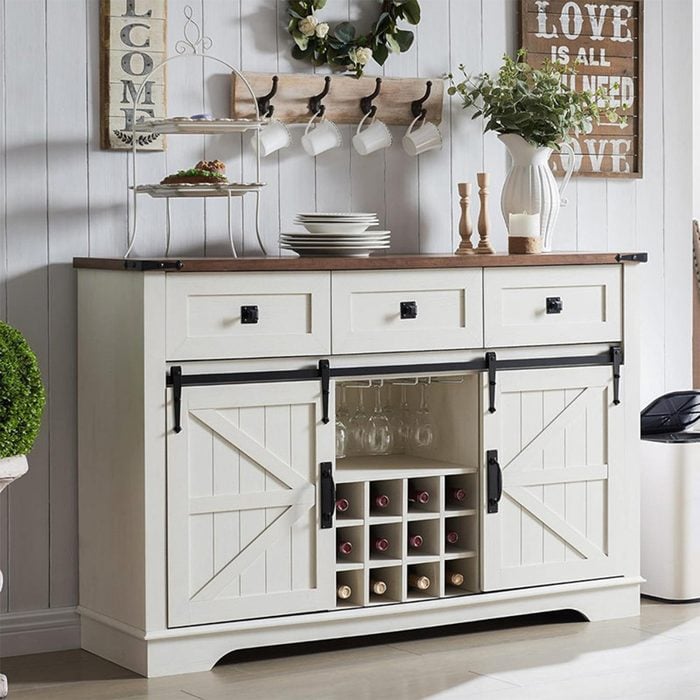
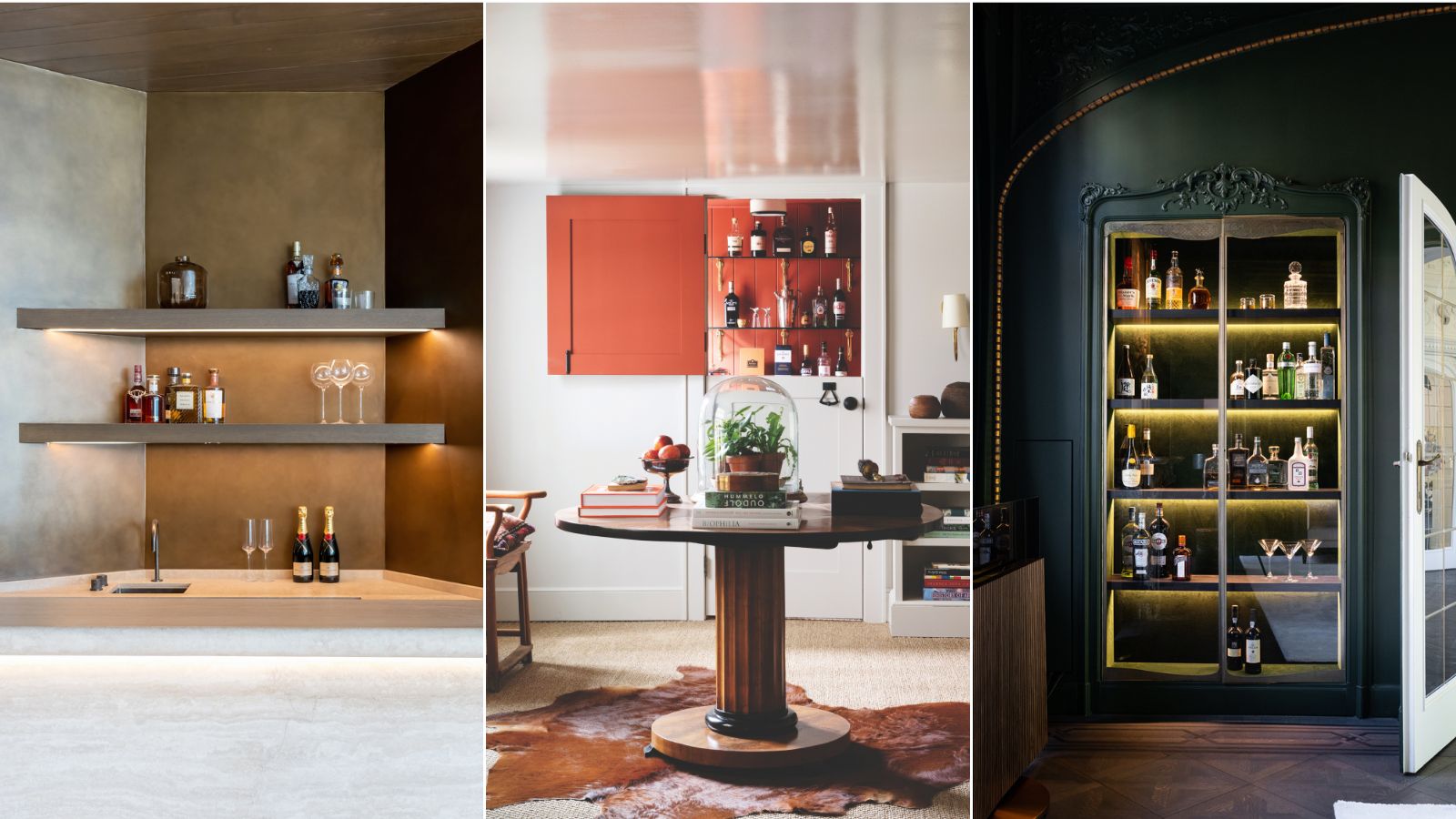
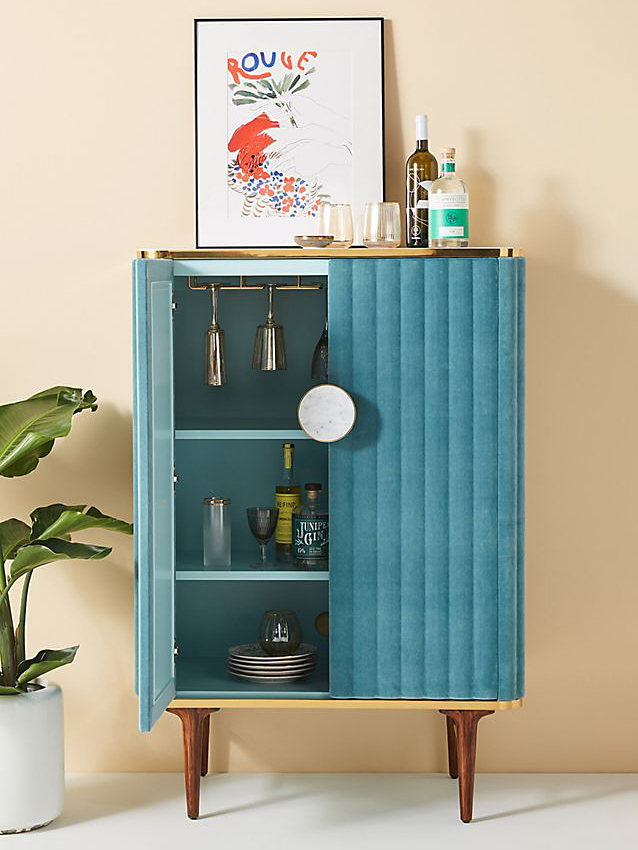
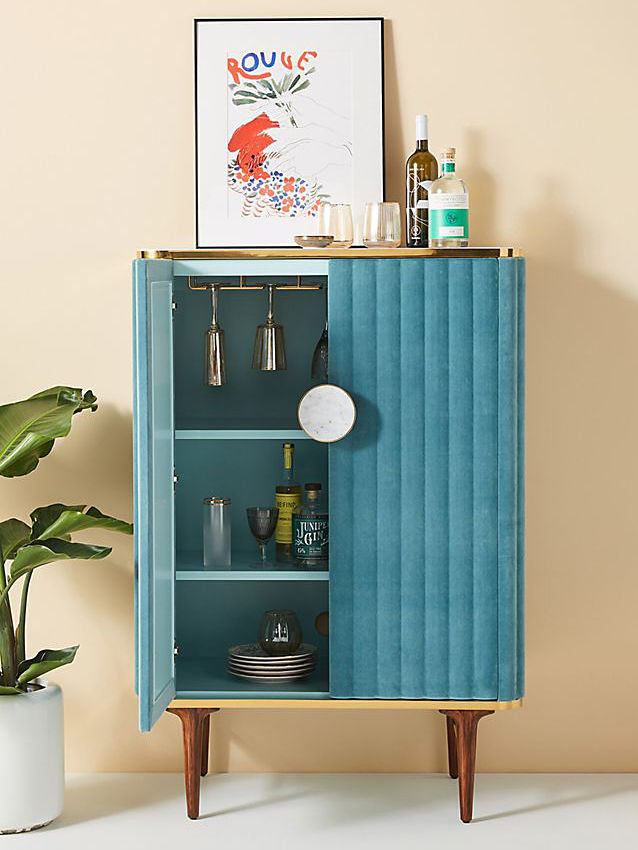
Designers are increasingly favoring bar cabinets as a chic and practical replacement. These pieces offer ample, concealed storage for glassware, bottles, and cocktail tools, maintaining a tidy appearance when not in use. Customization is a key benefit, allowing homeowners to repurpose existing furniture like hutches or dressers into functional bar cabinets. Dieter Vander Velpen highlights the transformative power of a well-designed bar cabinet, noting how features like integrated lighting and mirrored interiors can dramatically enhance the ambiance of a space. Kathy Kuo appreciates their ability to act as a strong anchor piece in living or dining rooms, providing discrete storage beyond just bar essentials. Louis Duncan-He also observes the rising popularity of converting various furniture pieces, such as small dressers or sideboards, into dedicated bar areas, emphasizing their utility for both practical storage and ambient lighting.
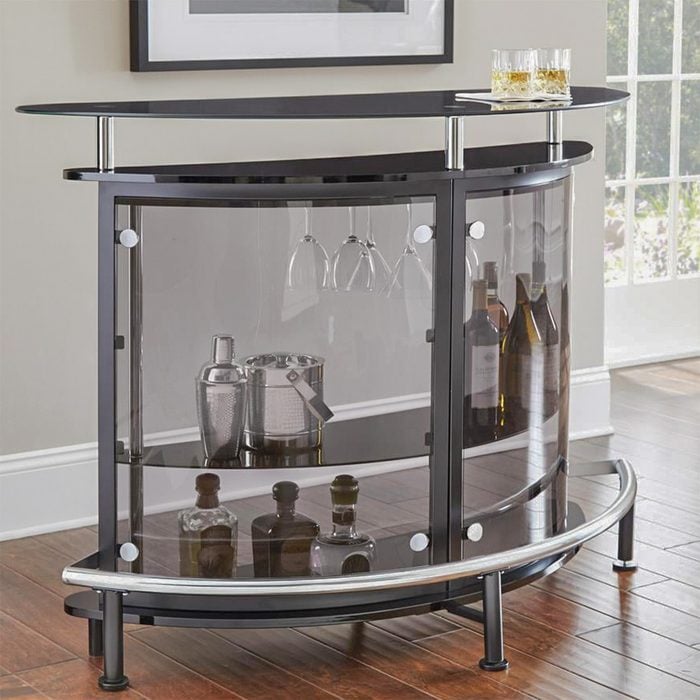
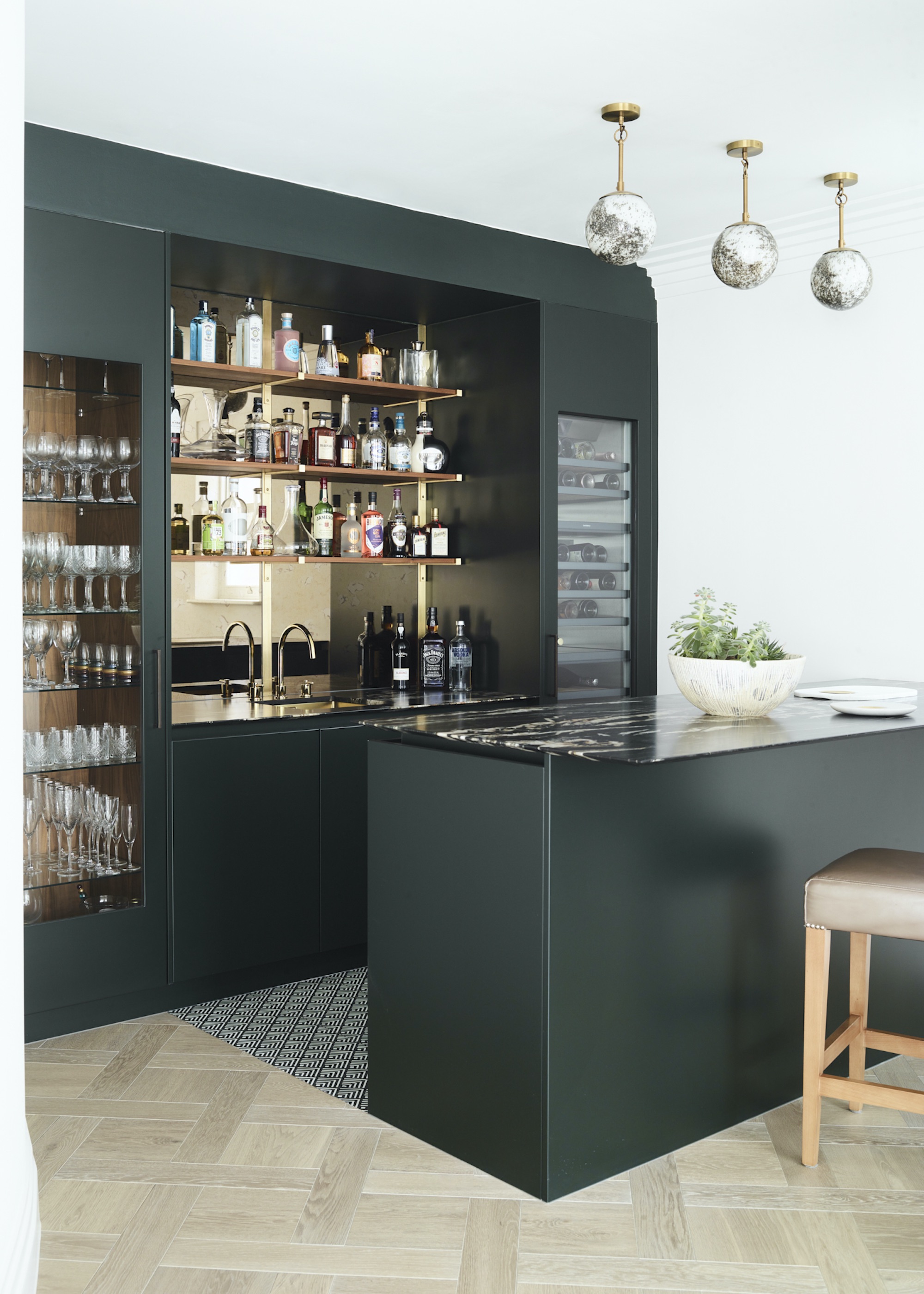
Another significant trend is the dedicated home bar, which can vary widely in scale and style. This option represents a more substantial commitment than a portable bar cart, but it offers a more impressive and integrated solution for entertaining. From expansive, dedicated bar rooms to compact, elegantly arranged small home bars, the focus is on creating a specific area for drink preparation and enjoyment. Noz Nozawa describes designing elaborate wet bar areas within wine cellars or speakeasy-style rooms for clients with larger homes. The distinction between a wet bar, which typically includes a sink and water supply, and a dry bar is also relevant, with wet bars offering enhanced functionality.
Bar nooks, often hidden within existing architectural features or disguised as other furniture like bookshelves, represent a clever and space-efficient alternative. This approach allows for a discreet yet sophisticated bar setup, ideal for maximizing space and creating a unique conversational piece for guests. Noz notes that built-in bars are frequently incorporated into nooks within larger entertaining spaces, such as dining rooms or movie rooms.
While the traditional bar cart may be losing its status as a primary beverage station, it remains valuable for its versatility and portability. Designers are now repurposing bar carts for various storage needs beyond drinks, utilizing them for books, toiletries, or decorative displays. Louis Duncan-He praises their versatility, mentioning their use in living rooms, offices, and even primary closets and bathrooms. Noz confirms that bar carts are still incorporated into designs, often for aesthetic purposes, serving as a display platform for vessels or flowers rather than purely for cocktail ingredients.
Ultimately, while bar carts continue to offer convenience for hosting due to their mobility, the evolving preferences in interior design lean towards more built-in, permanent, and thoughtfully integrated solutions. These alternatives provide enhanced aesthetics, better organization, and a more sophisticated entertaining experience for modern homes.
#BarCartAlternatives #InteriorDesignTrends #HomeBarIdeas #BarCabinet #BarNook #RepurposedFurniture #HomeDecor #EntertainingSpace #FunctionalDesign #BarCartAlternatives #InteriorDesignTrends #HomeBarIdeas #BarCabinet #BarNook #RepurposedFurniture #HomeDecor #EntertainingSpace #FunctionalDesign
Há 0 comentários no total
 Ainda não há comentários
Você também pode gostar
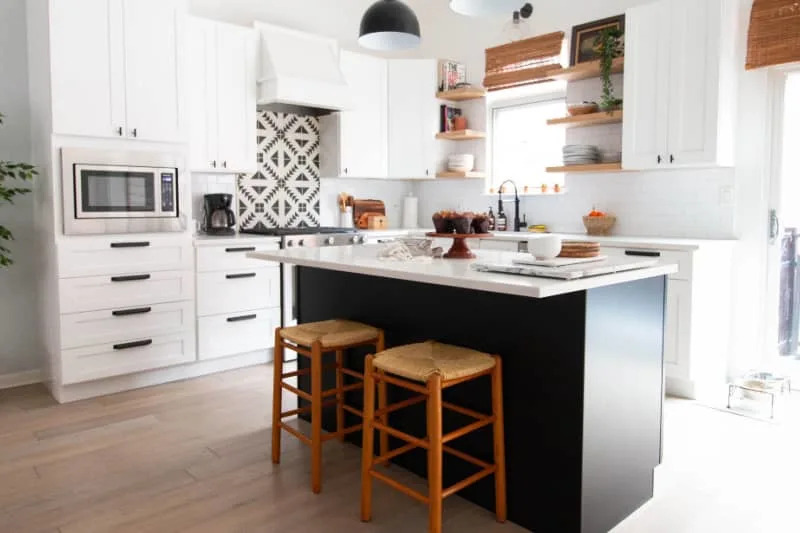
Upper Kitchen Cabinets Are on Their Way Out in 2025 — Here’s What’s Replacing Them
5 Kitchen Countertop Trends on Their Way Out in 2025 (and What’s Replacing Them)
We Predict This Kitchen Cabinet Trend Will Take Over in 2024

We Asked Designers Which Countertop Trend They’re Loving for 2026—And It’s a Bold Change

Countertop Trends That Will Be Huge In 2025 (And Ones We'd Recommend Avoiding)
8 Kitchen Trends Designers Predict Will Be Everywhere in 2025

Upper Kitchen Cabinets Are on Their Way Out in 2025 — Here’s What’s Replacing Them

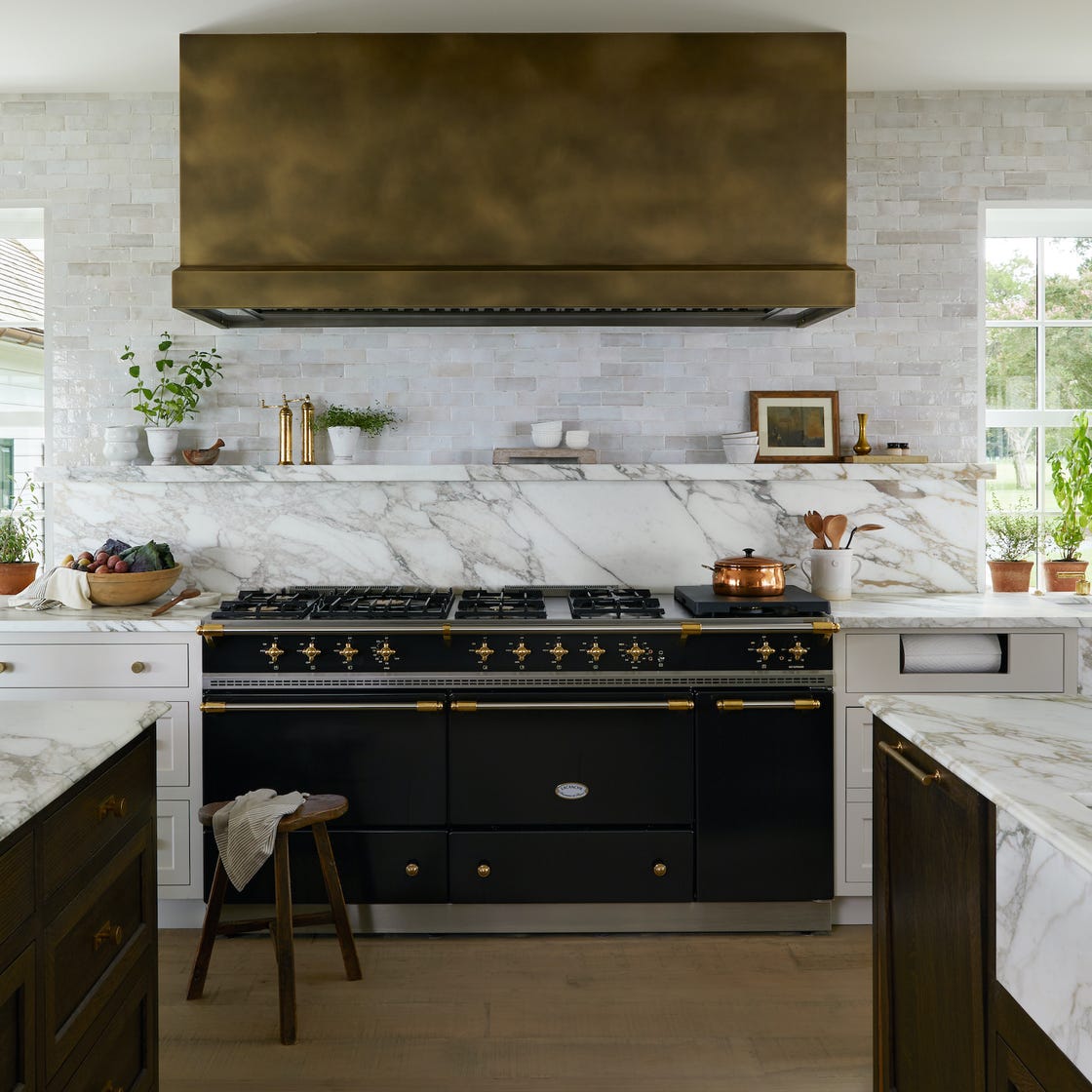
6 Kitchen Hardware Trends That'll Be All the Rage in 2025, According to Designers
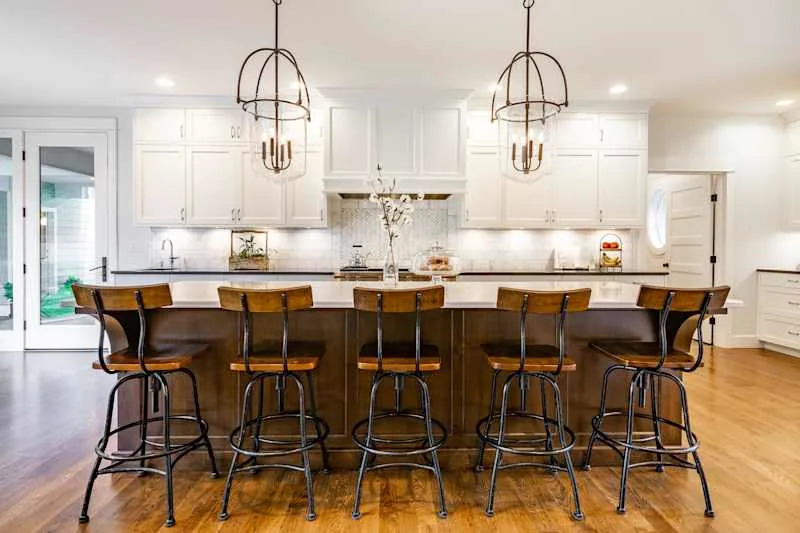
6 Kitchen Trends on Their Way Out in 2025, According to Designers
Step Aside, Bar Carts—This Is the New Chic Way to Store Your Booze
7 Kitchen Cabinet Trends That Are Predicted To Blow Up In 2025 (& 4 We'd Skip)

Designers Are Shifting Away From Classic Shaker Kitchen Cabinets in 2023
Step Aside, Bar Carts—This Is the New Chic Way to Store Your Booze

Designers Say This Century-Old Glass Trend Is About to Be EVERYWHERE in 2026

What's Replacing the Kitchen Island? Meet the Stylish Alternatives Stealing the Spotlight in 2025

Kitchen Trends That Are Being Left Behind In 2025 And Beyond
5 Kitchen Countertop Trends on Their Way Out in 2025 (and What’s Replacing Them)
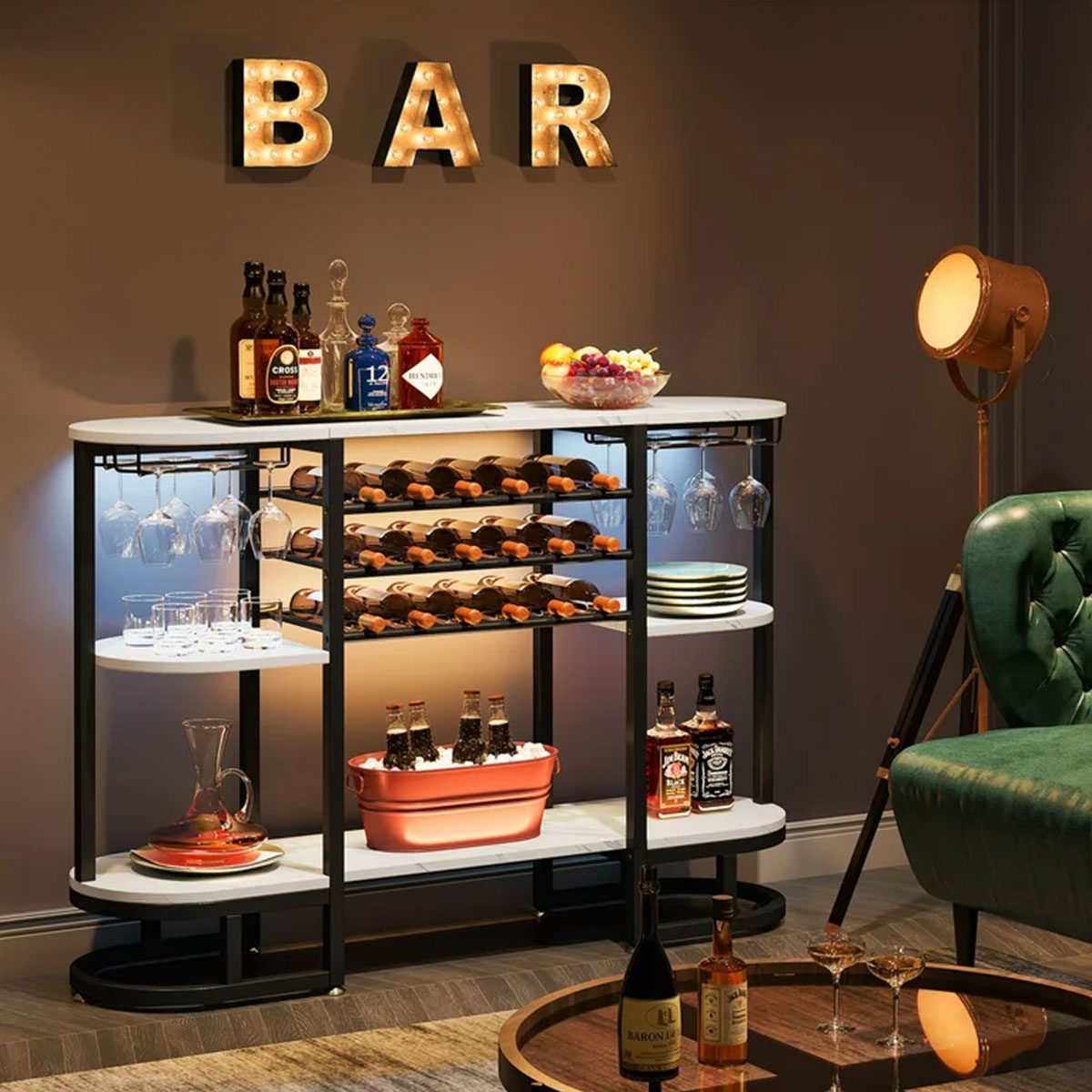
The 5 Best Bar Cabinets for Every Mixologist

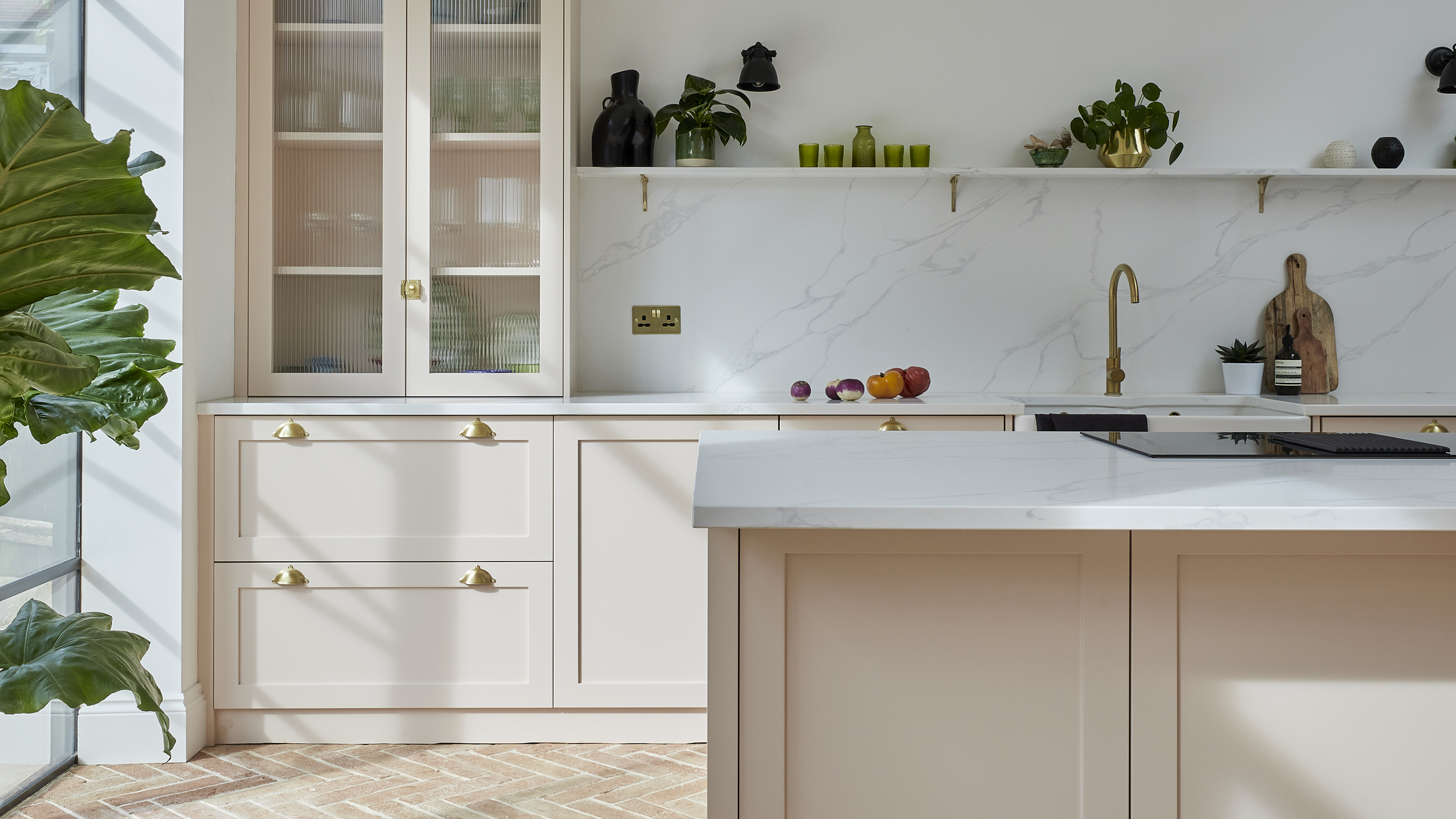
Slim Shaker cabinets are the modern trend for 2025
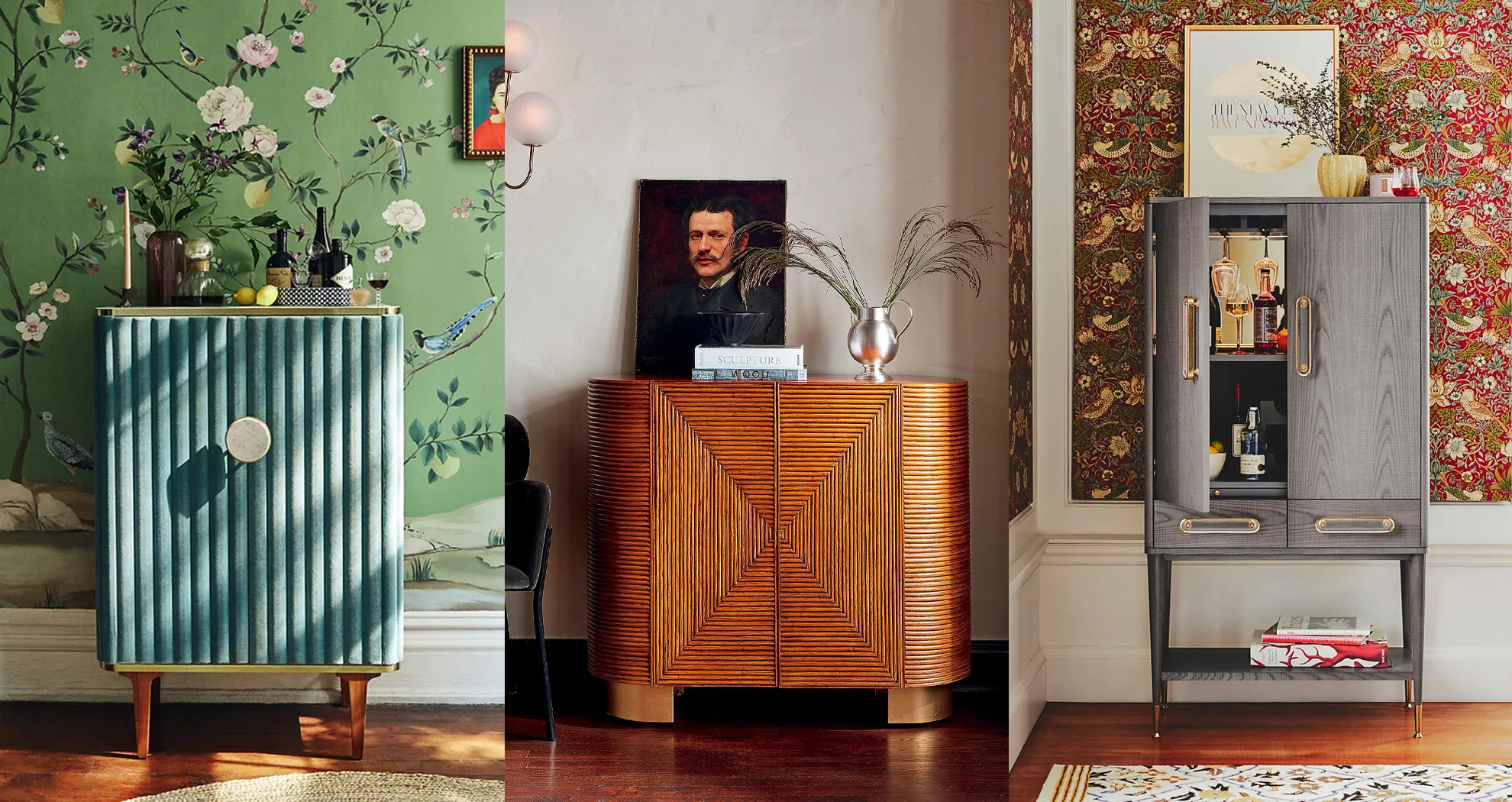
The Best Bar Cabinets Of 2024: 17 Trendy Cabinets Worth Trading In Your Bar Cart