Step Aside, Bar Carts—This Is the New Chic Way to Store Your Booze
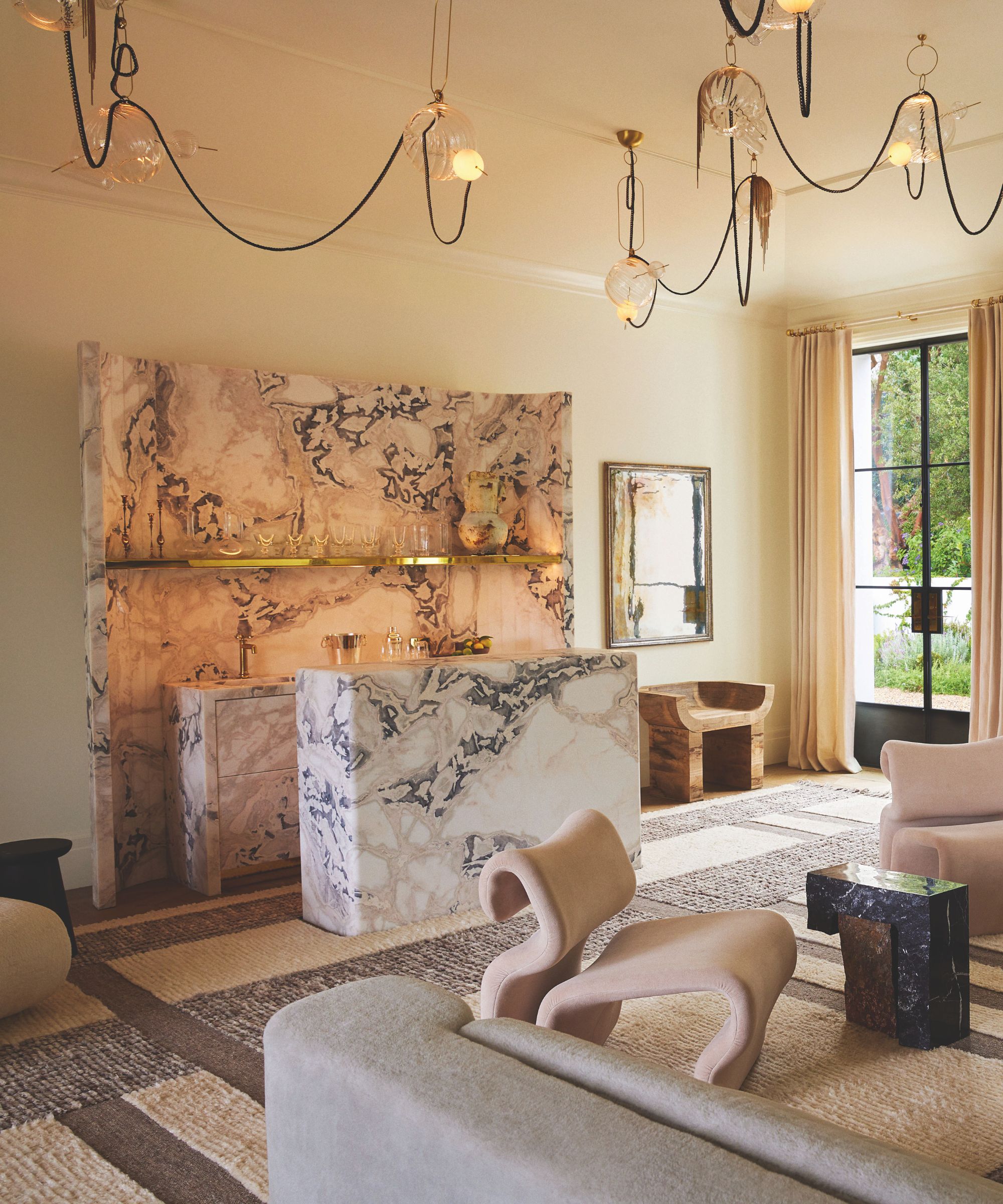
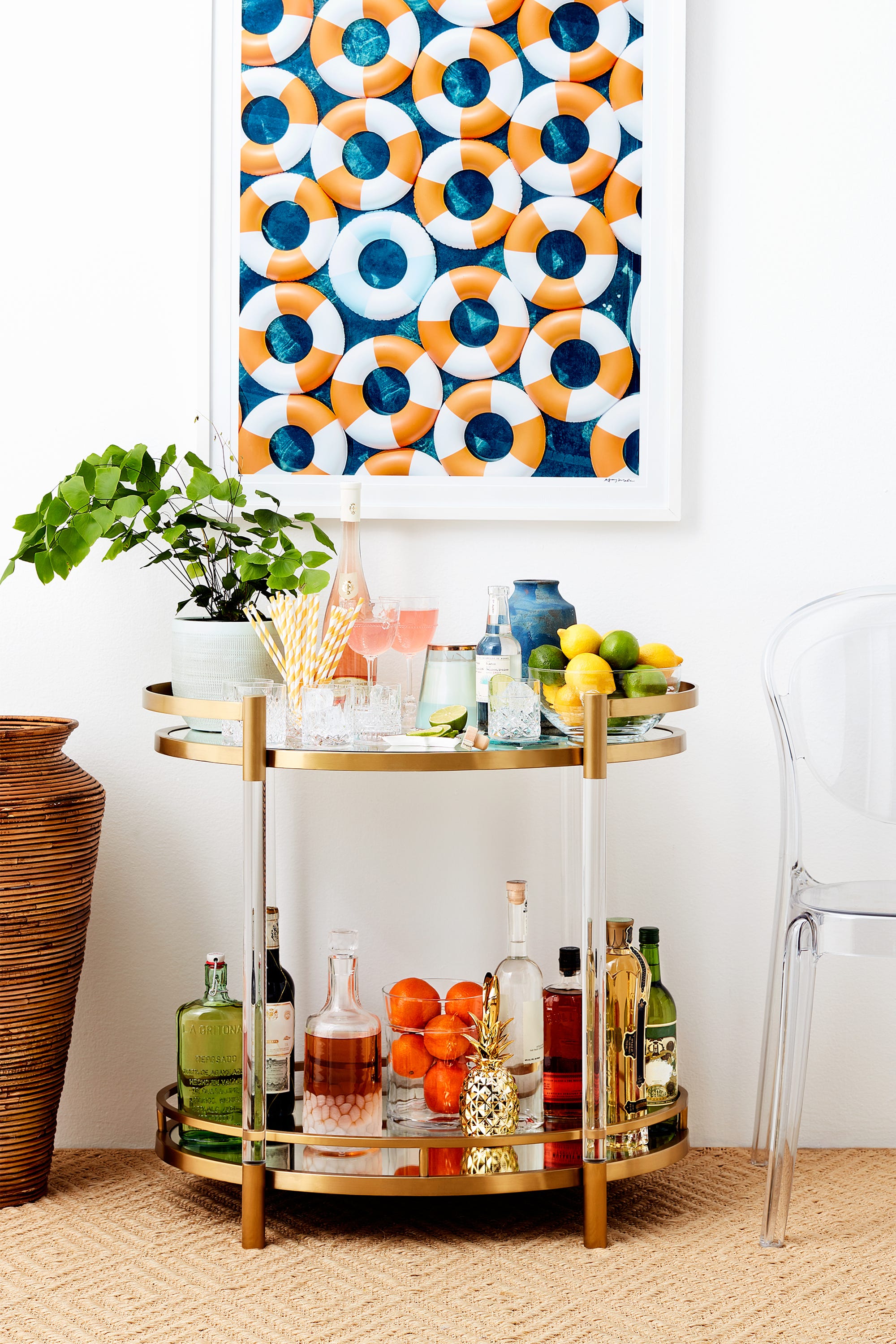
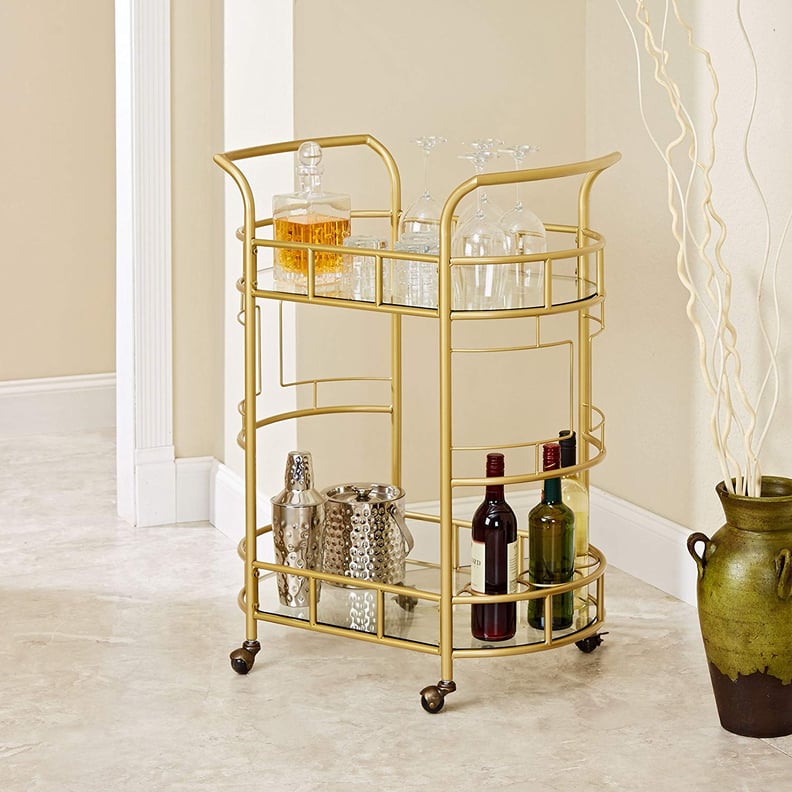
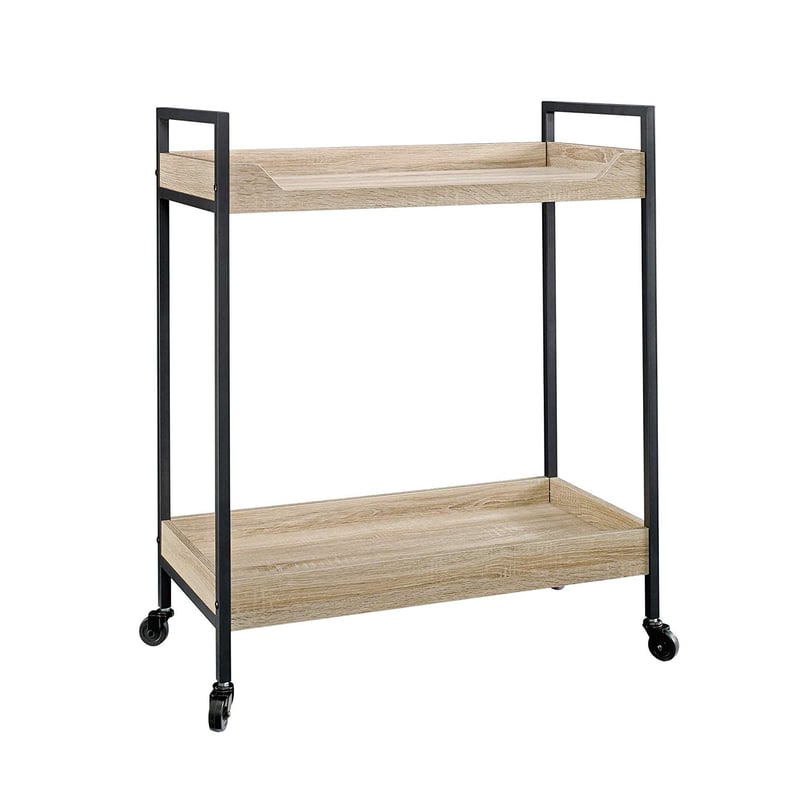
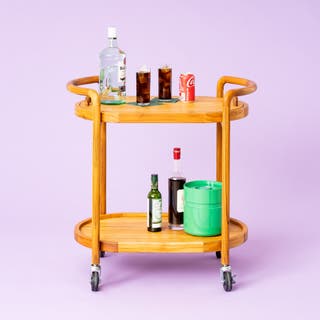
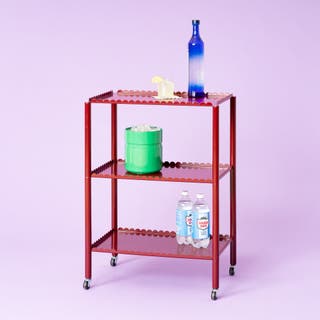
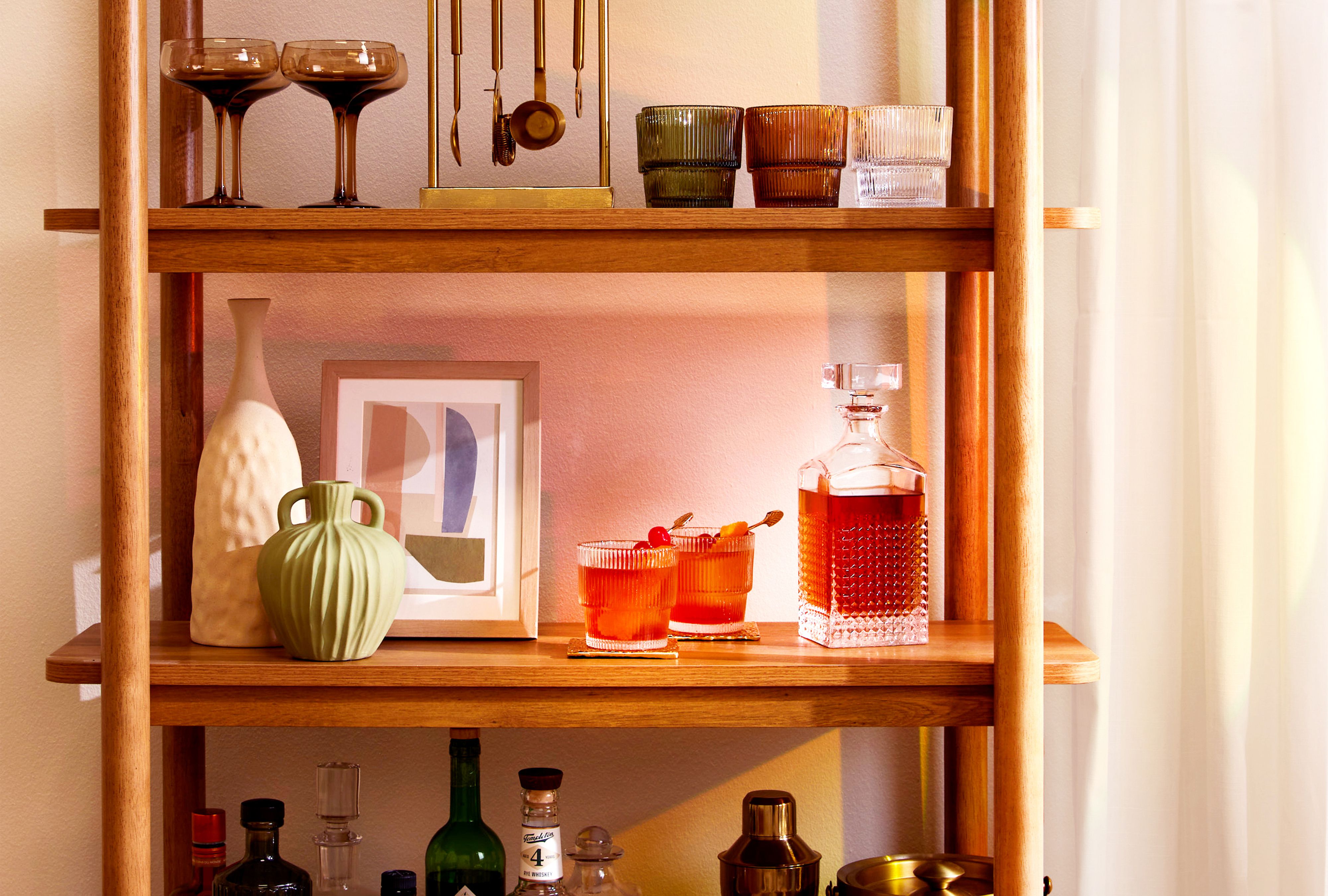
For individuals who enjoy alcoholic beverages, whether a casual glass of wine or crafting elaborate cocktails for guests, the need for dedicated and stylish alcohol storage is evident. While traditional bar carts experienced a surge in popularity, their propensity for dust accumulation has led to a decline in their favor. Similarly, the desire for elaborate, built-in wet bars, complete with plumbing and high-end finishes, often remains beyond the reach of most individuals, especially renters. This article highlights the emergence of the dry bar as an elegant and practical alternative, offering a middle ground between these two extremes.
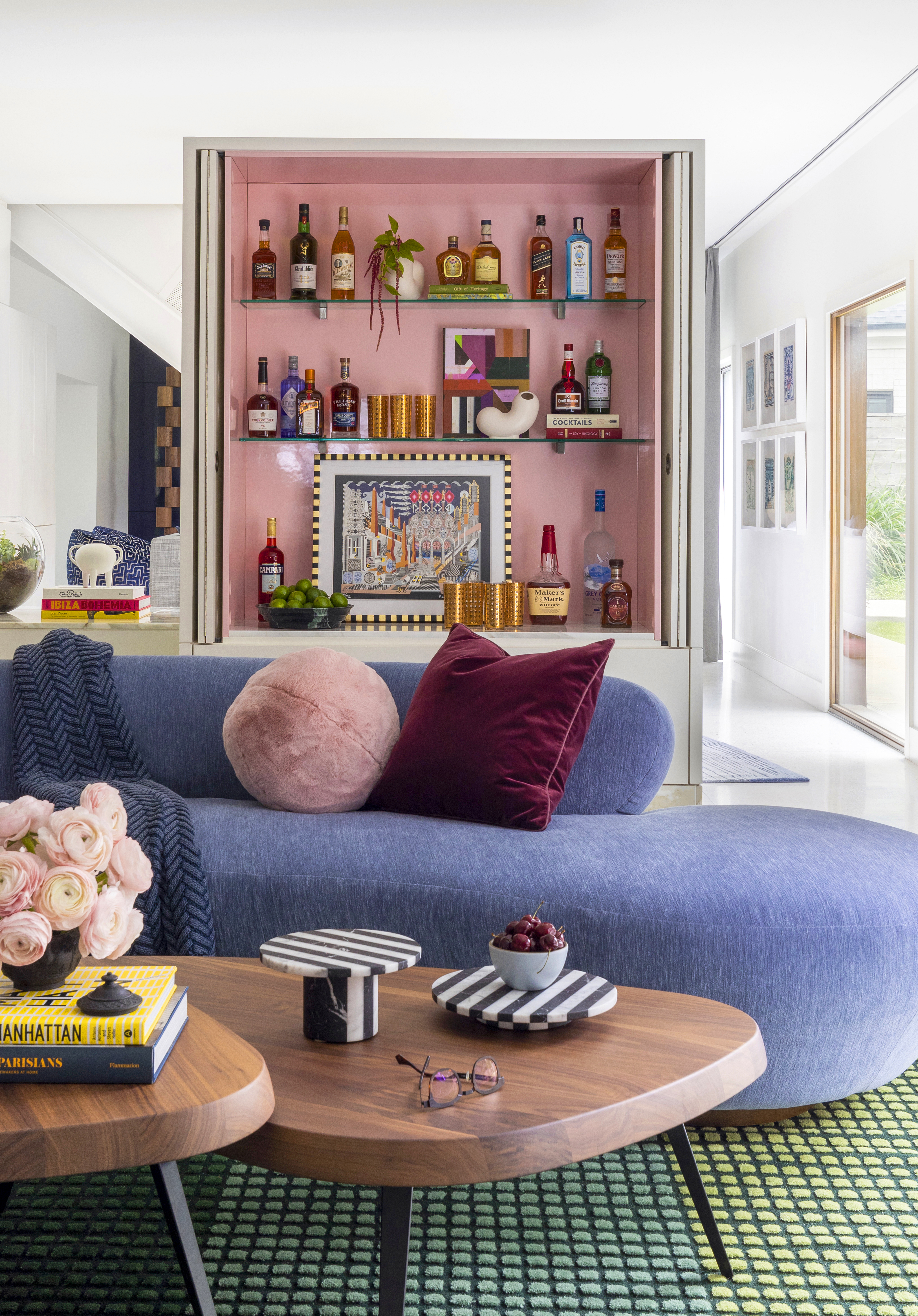
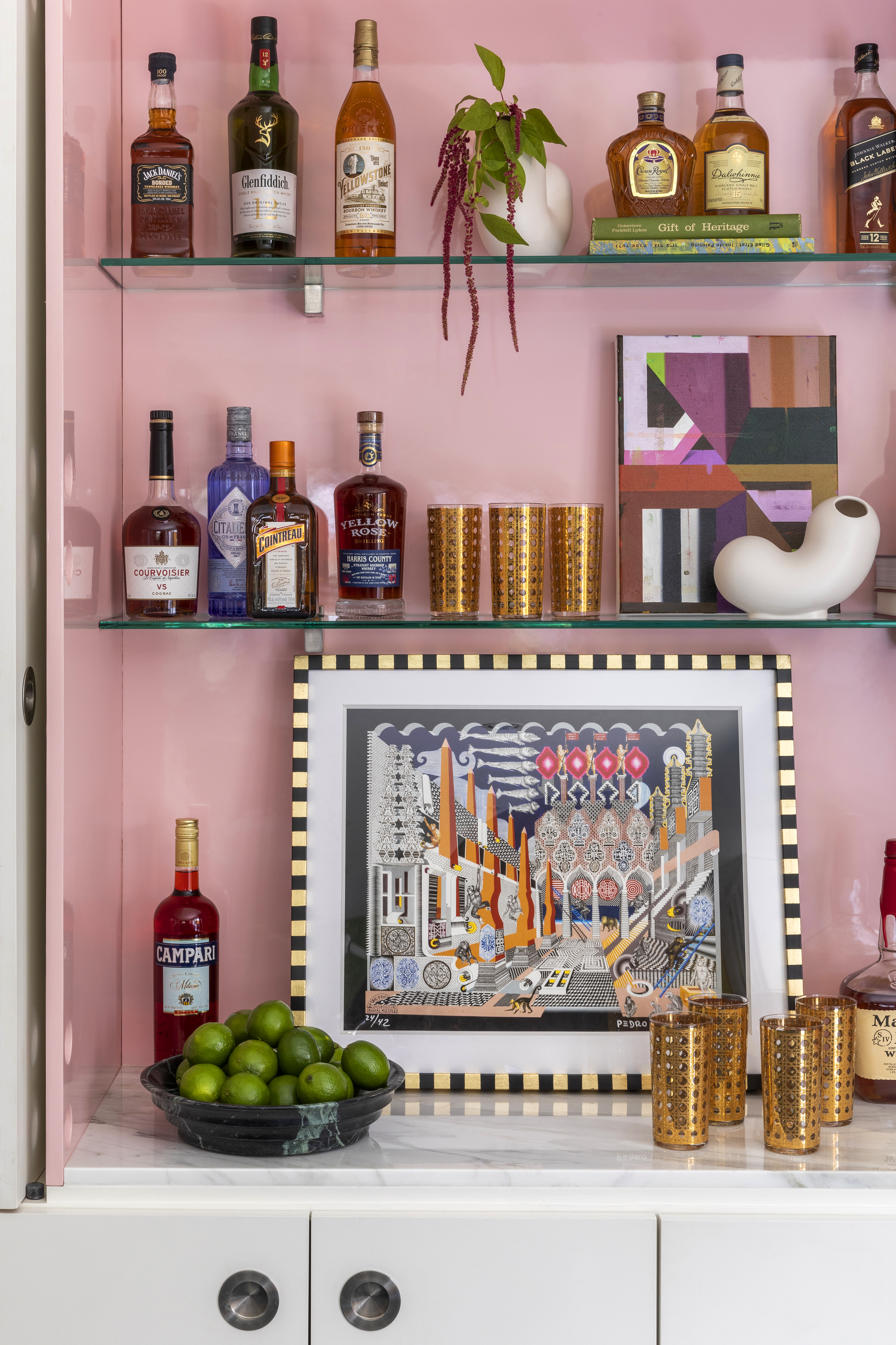
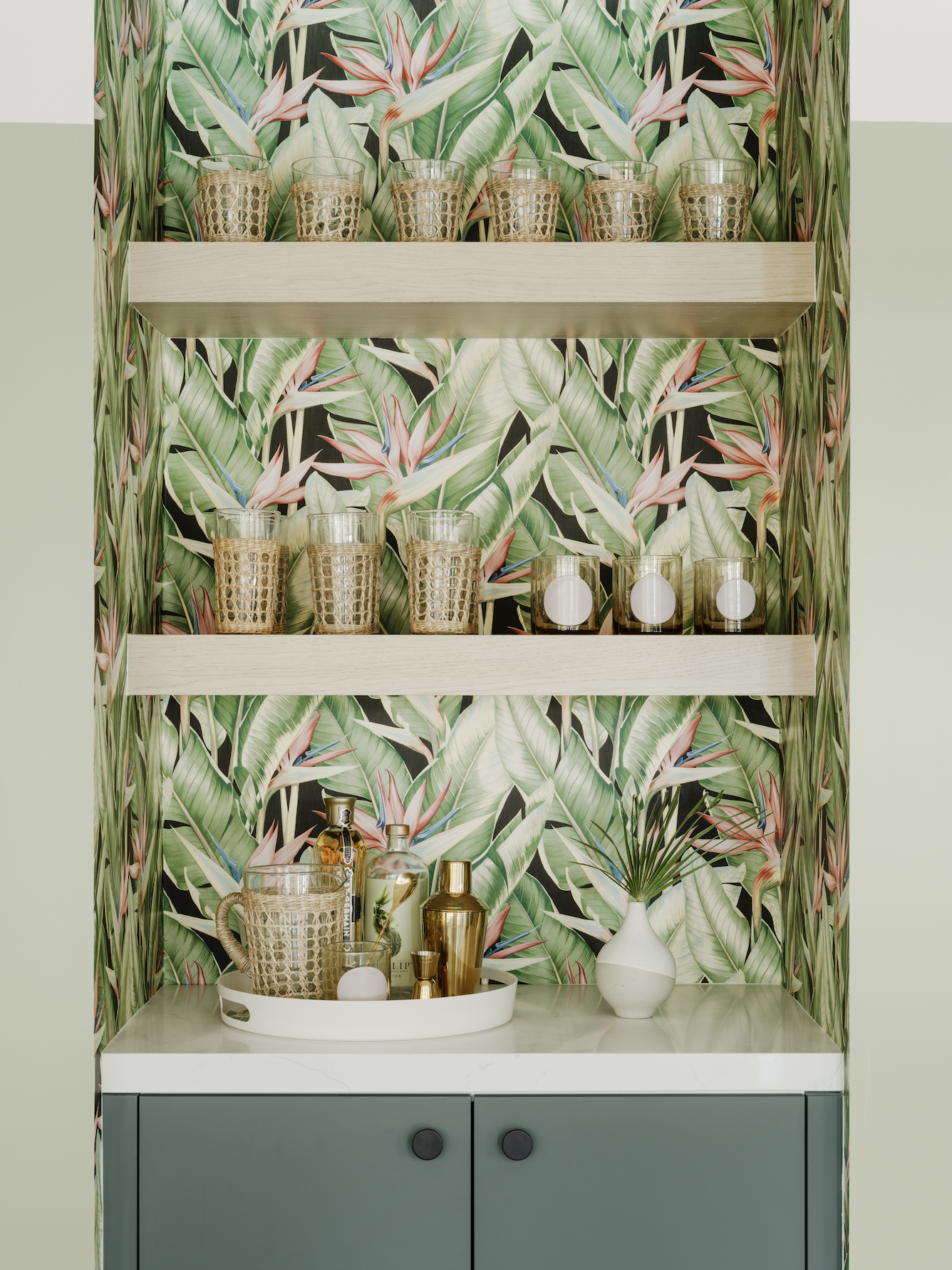
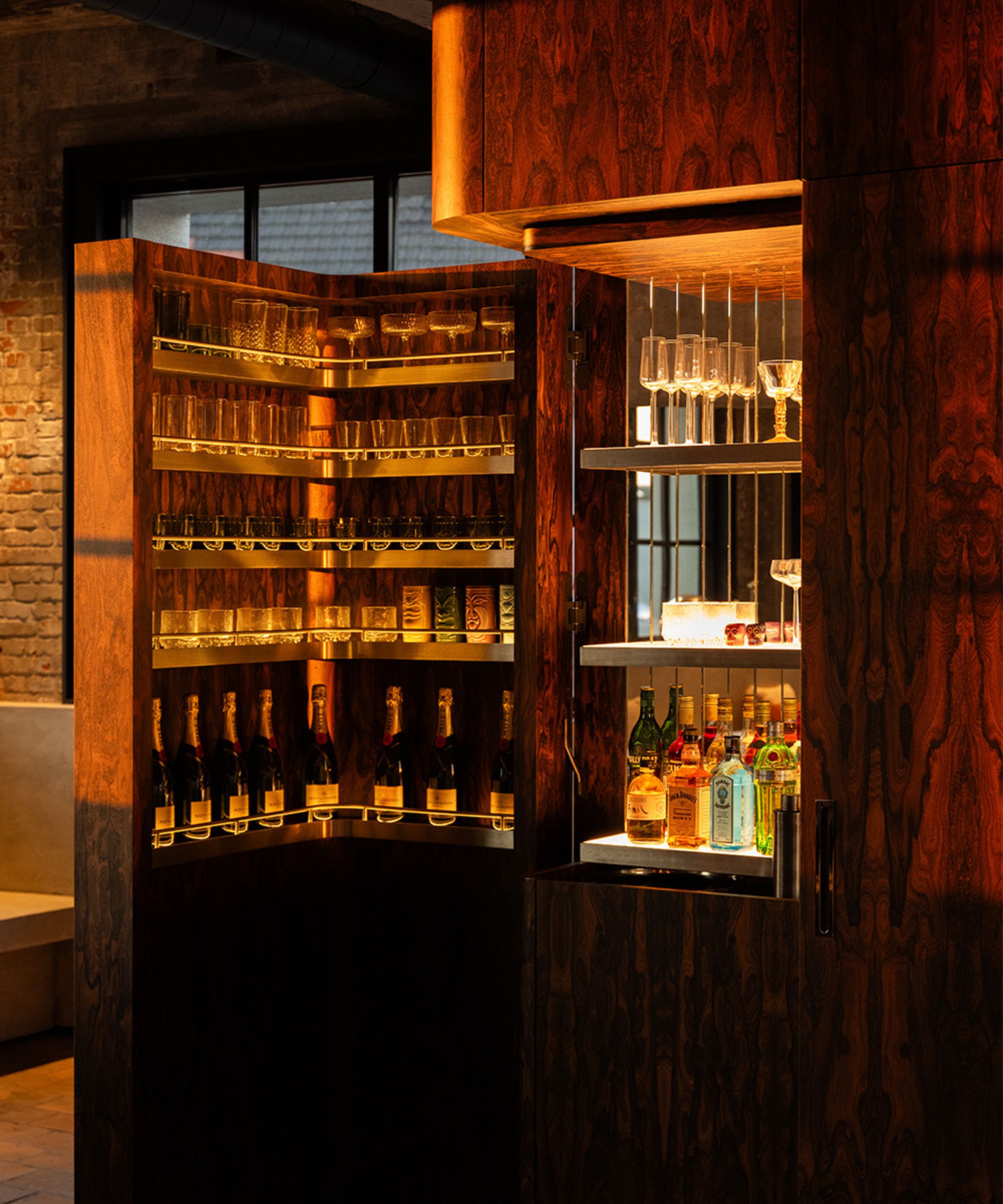
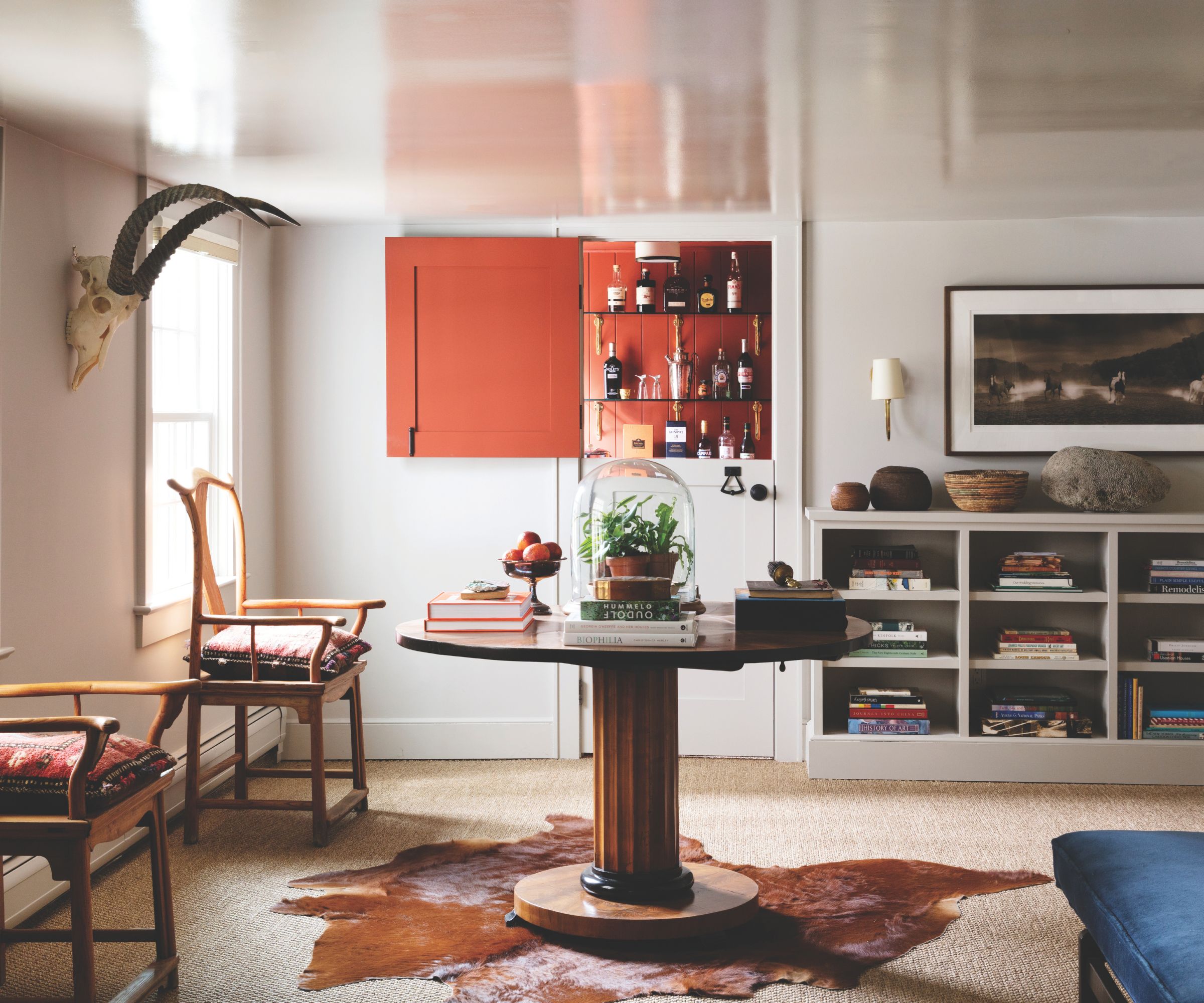
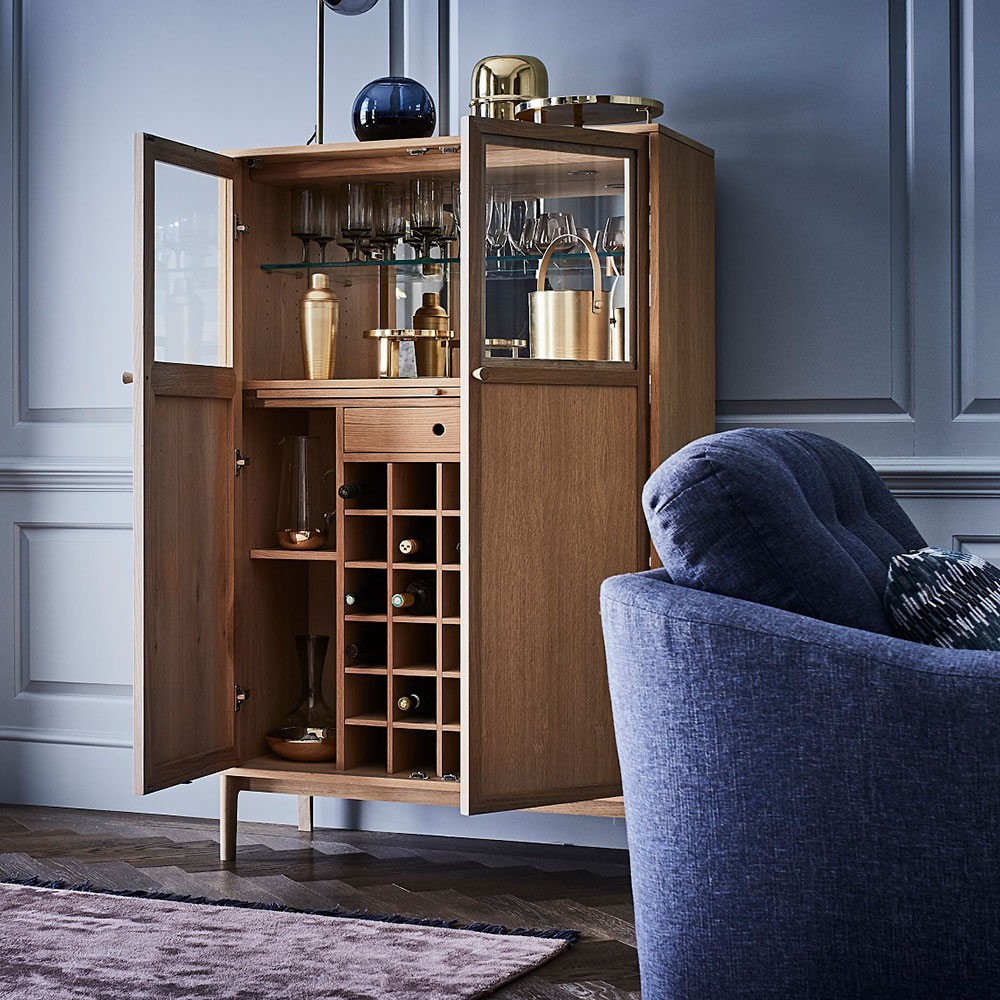
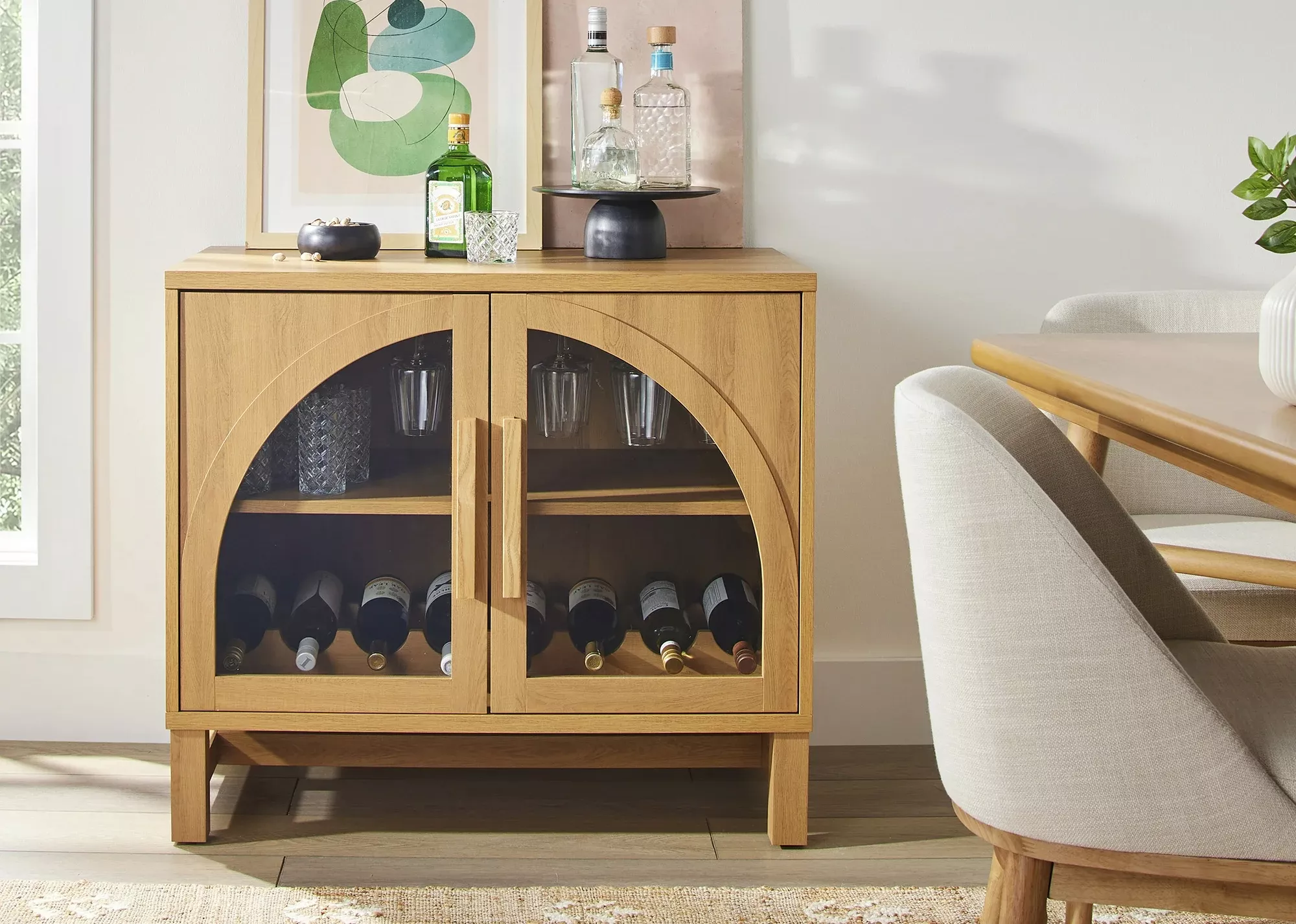
A dry bar functions essentially as a storage piece, distinguishing itself from wet bars by eliminating the need for plumbing and complex installations. This design choice provides a more accessible and landlord-friendly solution for stylish alcohol storage. A key advantage of dry bars, as noted by Sara Khodja, divisional merchandising manager at CB2, is their closed storage design, which effectively conceals clutter and maintains a tidier aesthetic within a living space. This feature makes dry bars particularly appealing for those who prefer an uncluttered environment while still having their spirits readily available.
With the holiday season approaching, the timing is opportune for homeowners and renters alike to consider upgrading their alcohol storage to a dry bar. The article presents several distinct dry bar options, each catering to different aesthetic preferences and functional needs. One option, a rattan cabinet by Mermelada Estudio for CB2, offers a vintage tiki aesthetic, perfect for housing rum collections, novelty glassware, and mini umbrellas, adding a playful touch to a home bar setup.
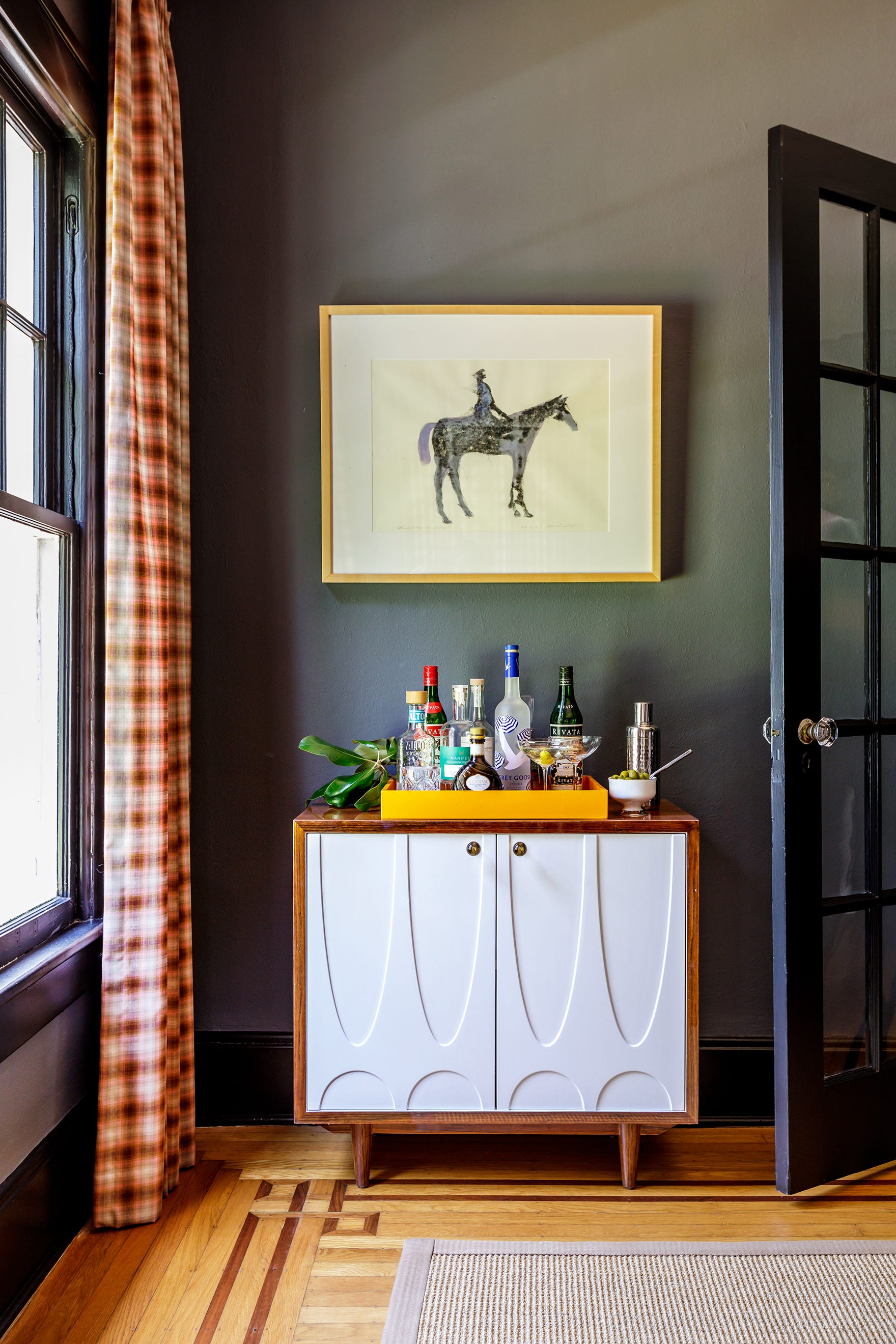
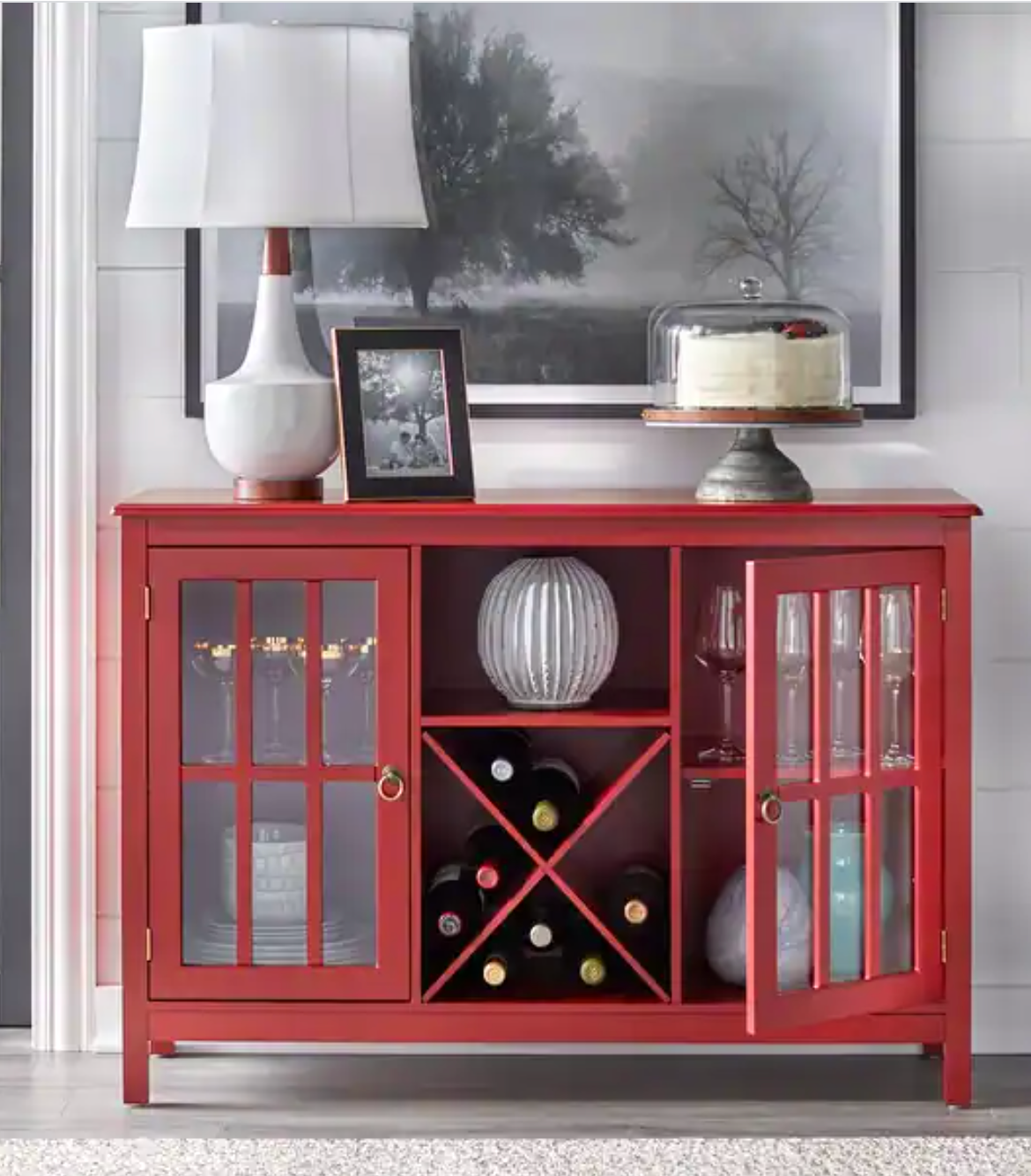
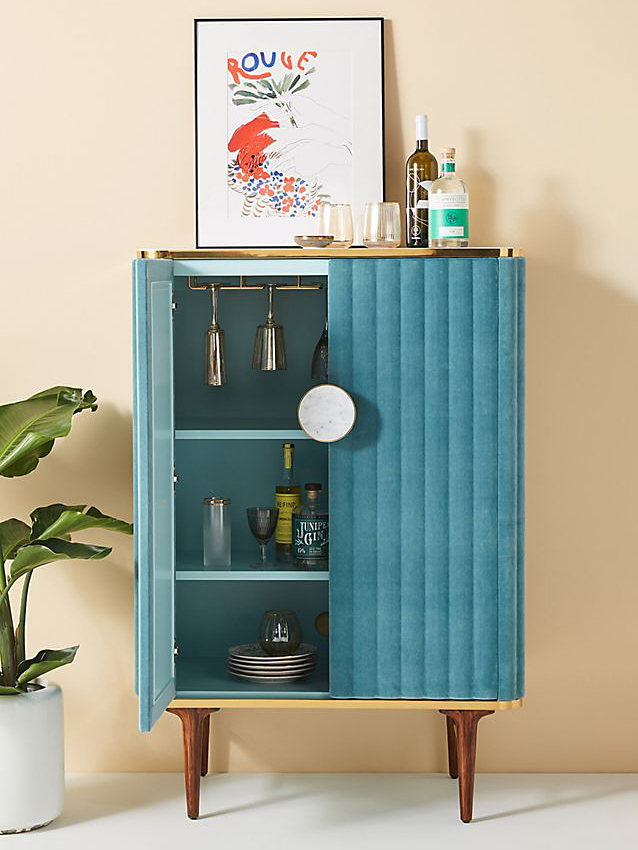
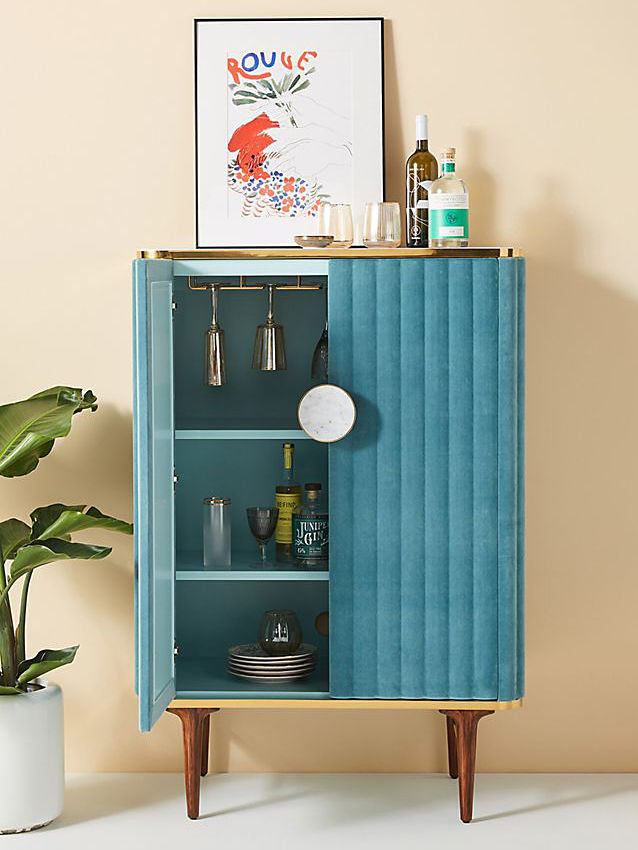
Another choice is a vitrine-style dry bar, which allows for the elegant display of a spirits collection even when the doors are closed. An example given is a piece wrapped in channel-tufted turquoise velvet, adorned with a marble surface and brass accents, evoking a sense of old-world glamour and sophistication. For those seeking a more discreet and streamlined solution, a short, West Elm option features rounded grooved doors that neatly tuck away bottles, offering a minimalist approach to alcohol storage.
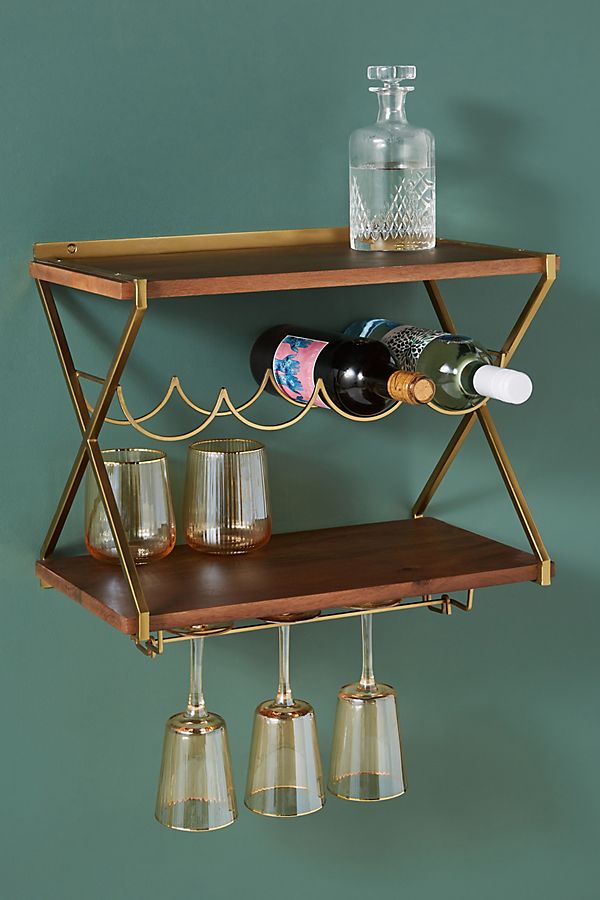
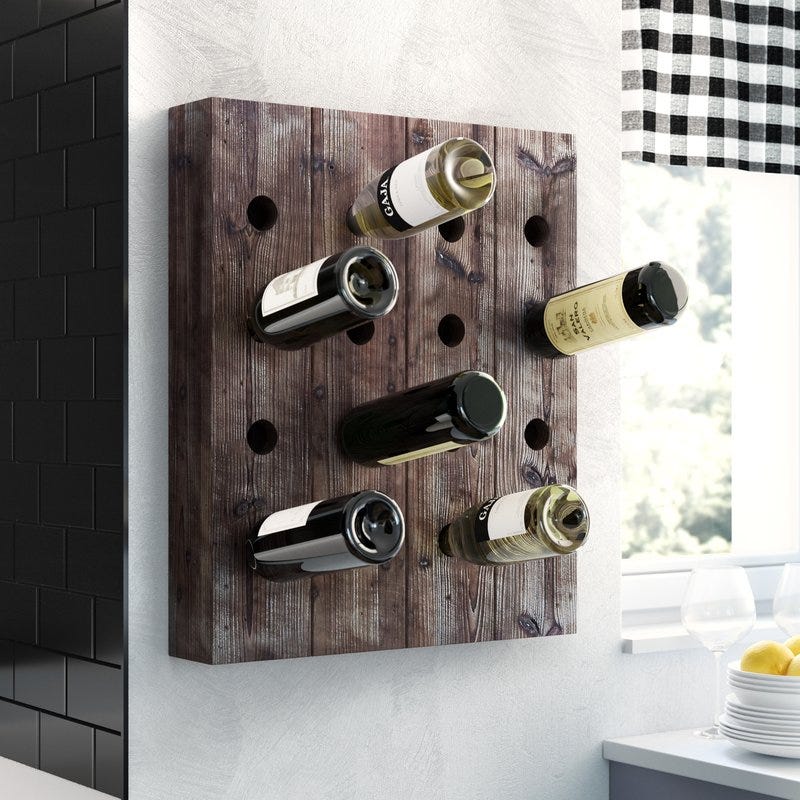
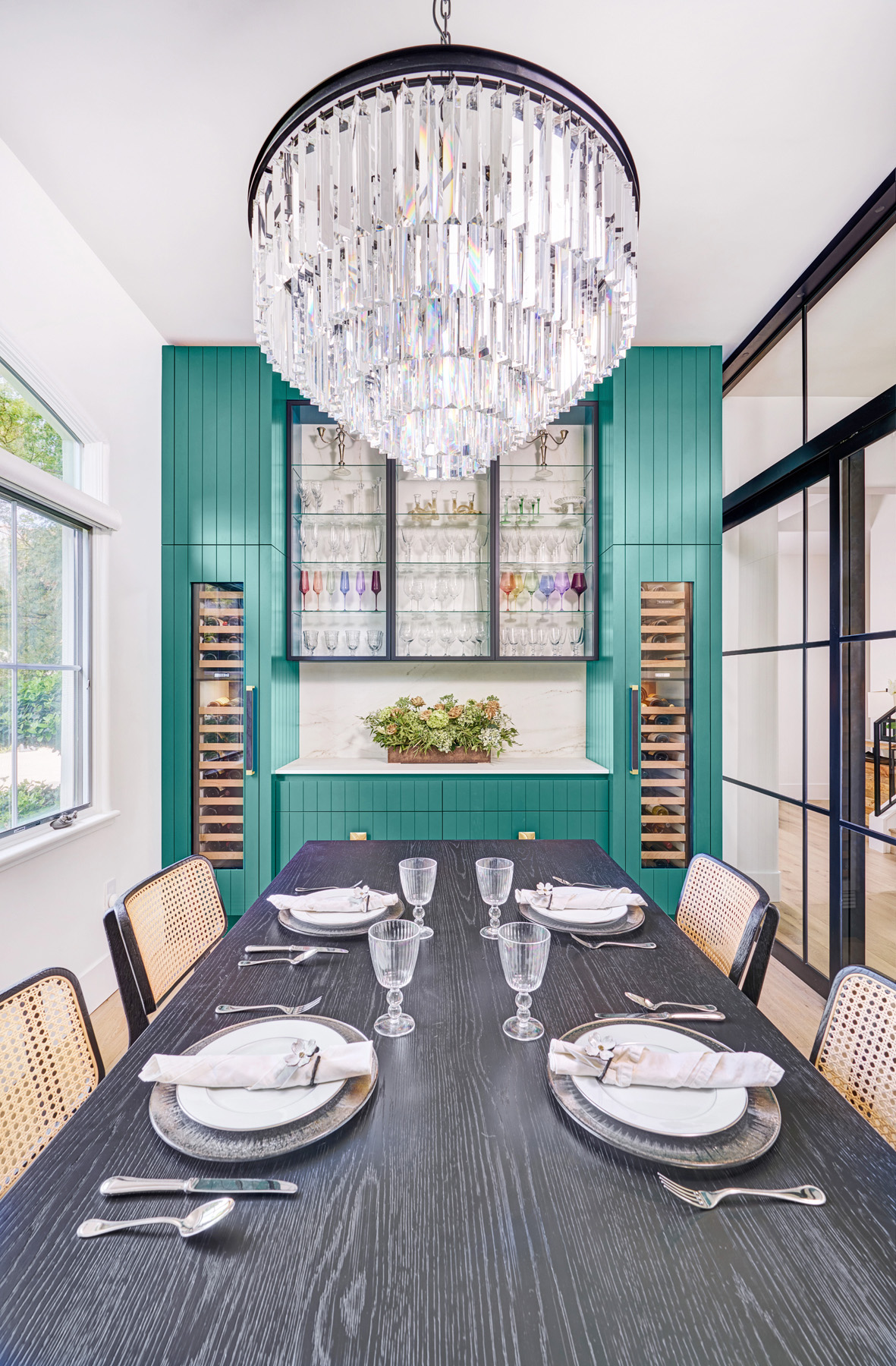
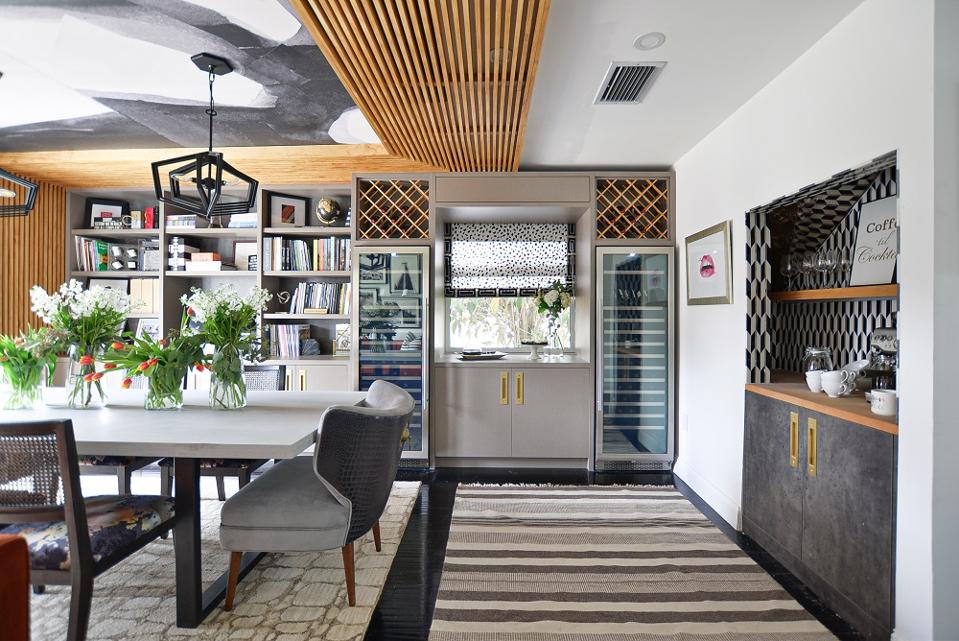
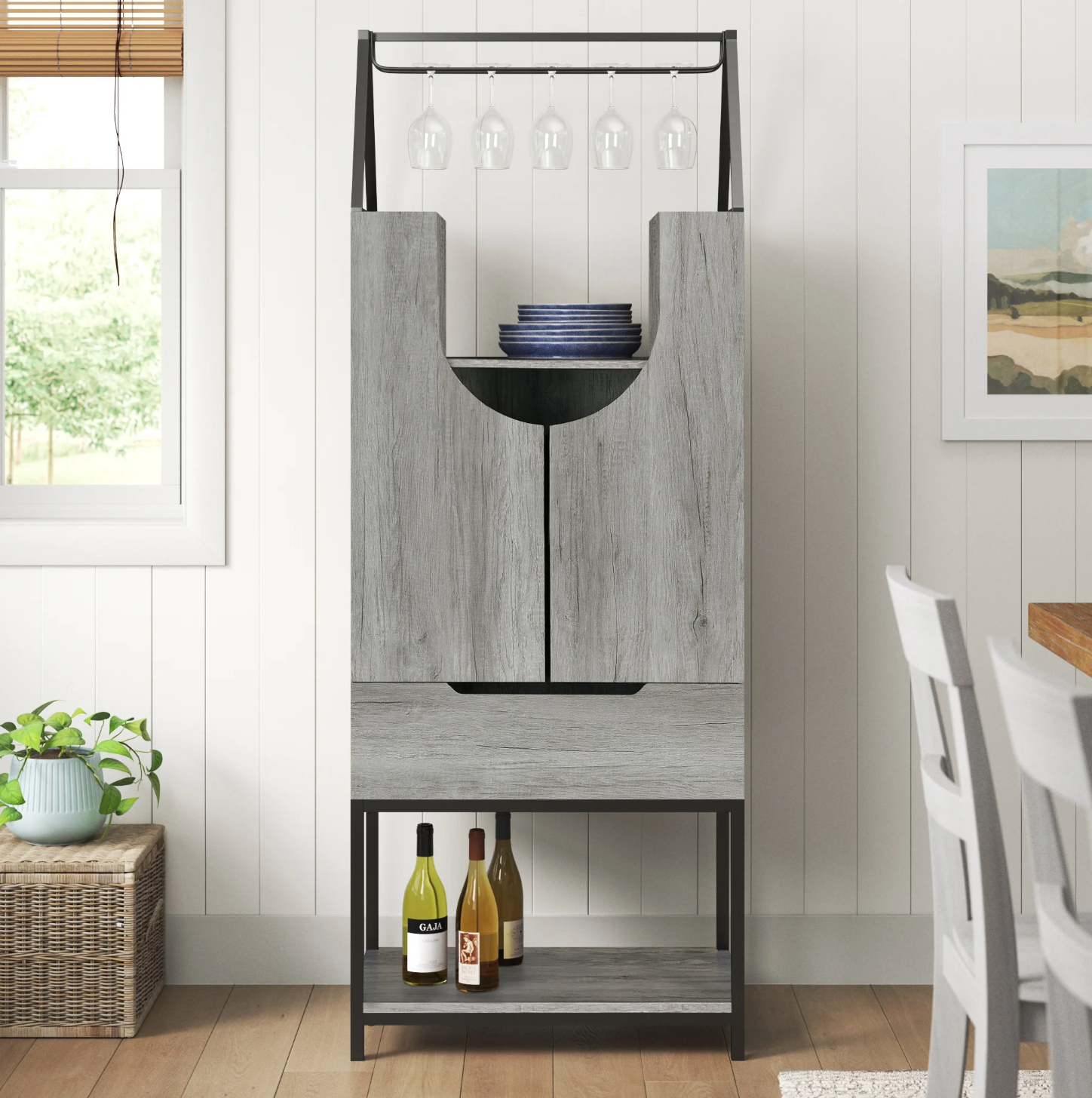
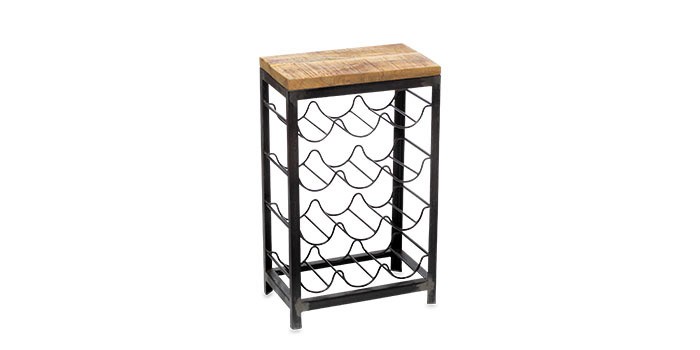
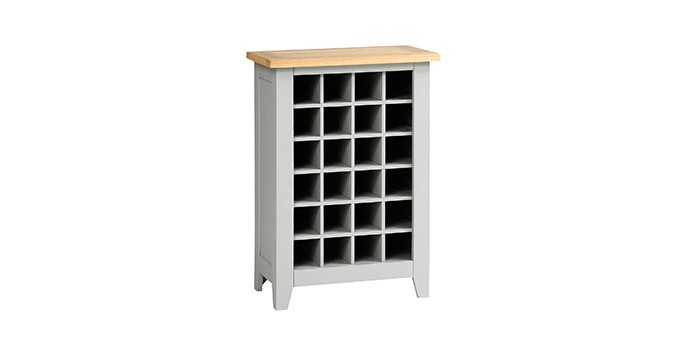
The article also showcases more artistic and high-end options, such as the ZZ cabinet by Pat Kim, characterized by its hand-oiled sycamore doors and dramatic arched shape, emphasizing that beauty and craftsmanship can elevate even functional furniture. For wine enthusiasts, a slatted wood Williams-Sonoma design is presented, which includes a 12-bottle rack and ample space for hanging stemware, specifically designed to accommodate a wine collection. Lastly, a dry bar made of oak and seagrass, outfitted with a mirrored back and glass shelves, is highlighted for its ability to create the illusion of a larger, more abundant collection by visually doubling the number of bottles. These diverse selections demonstrate that dry bars offer a sophisticated and practical upgrade for alcohol storage, moving beyond the limitations of traditional bar carts.
#HomeBar #DryBar #AlcoholStorage #HomeDecor #Entertaining #InteriorDesign #FurnitureDesign #StorageSolutions #HomeBar #DryBar #AlcoholStorage #HomeDecor #Entertaining #InteriorDesign #FurnitureDesign #StorageSolutions
0 comment in total
 No comments yet
You may also like
It's Time You Got a Bar Cart That Accurately Displays Your Taste in Decor—and Booze
What's replacing the bar cart? Here's what designers say you should be using to house your drinks in 2025

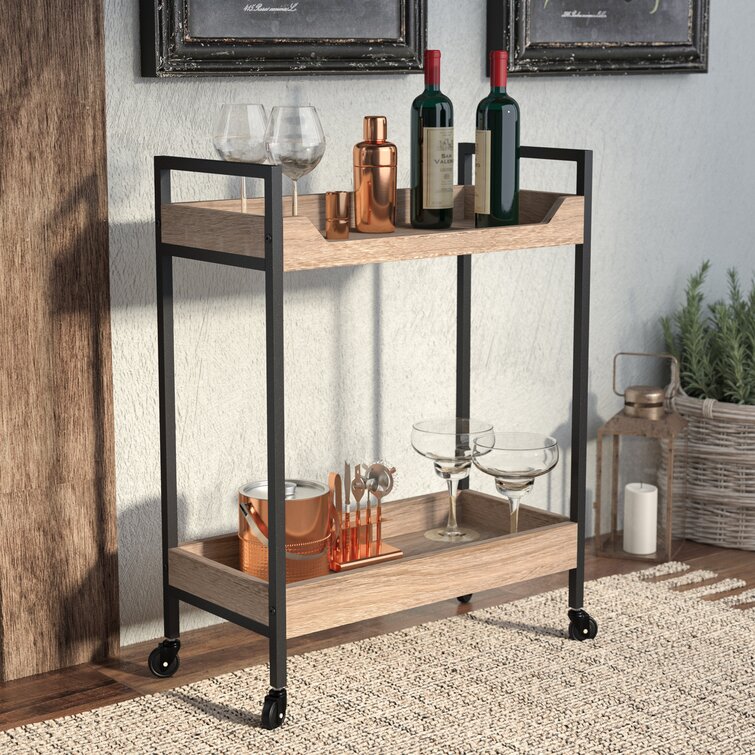
The Best Cocktail Carts to Upgrade Your Home Bar or Dining Room Decor
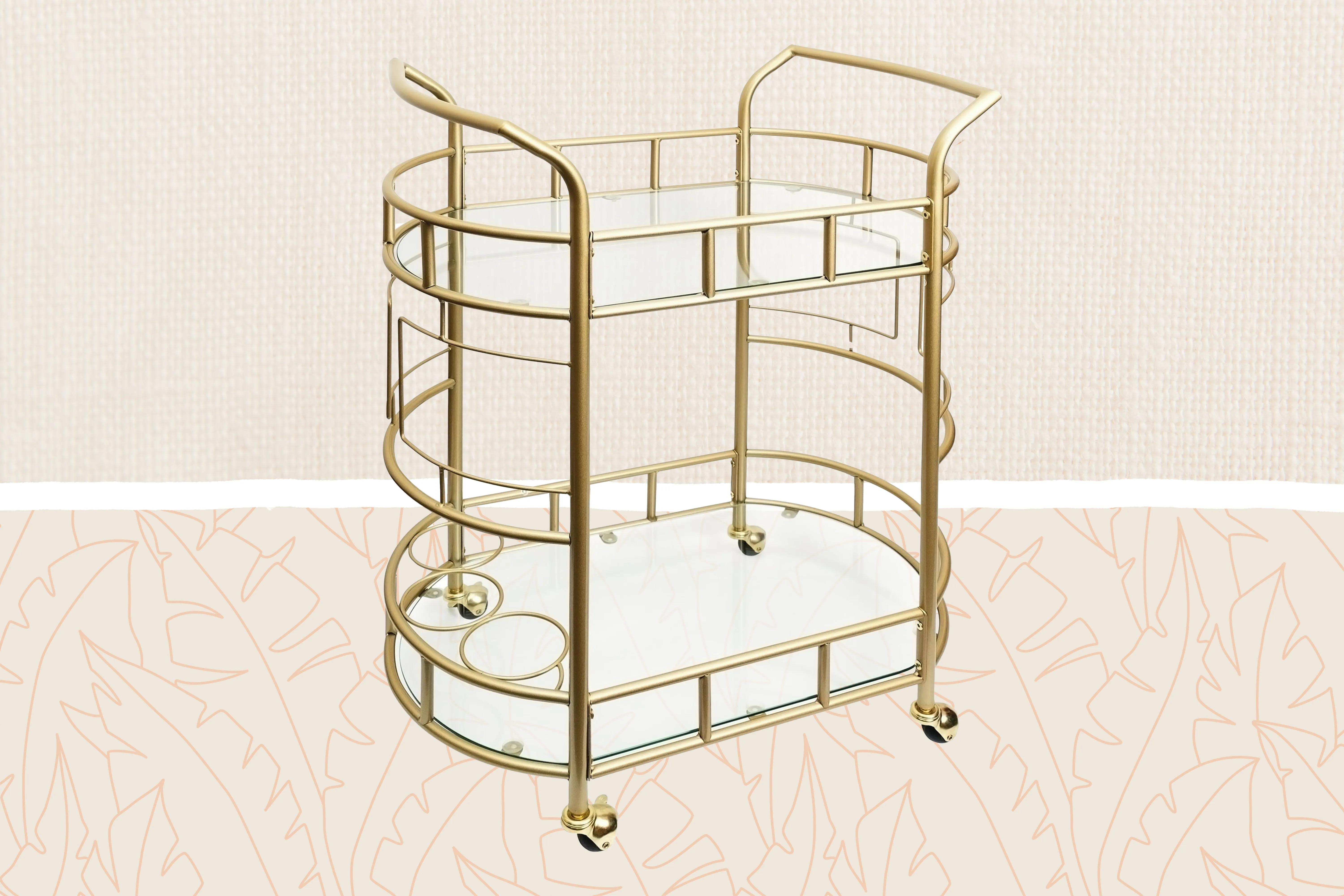
Effortlessly Style Your Bottles, Glassware, and More With Our Favorite Bar Carts

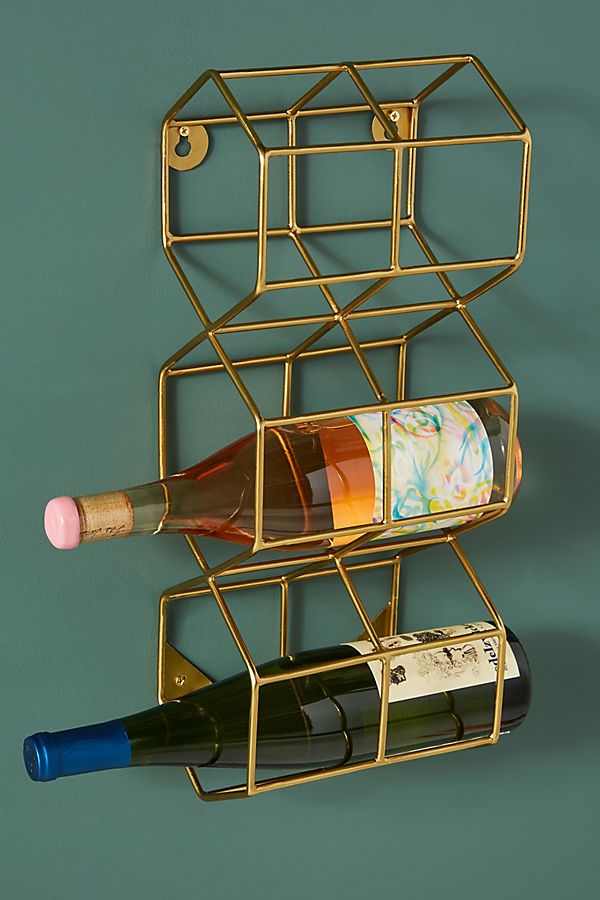
When Bar Carts Won’t Fit, Try This Elevated Storage Hack

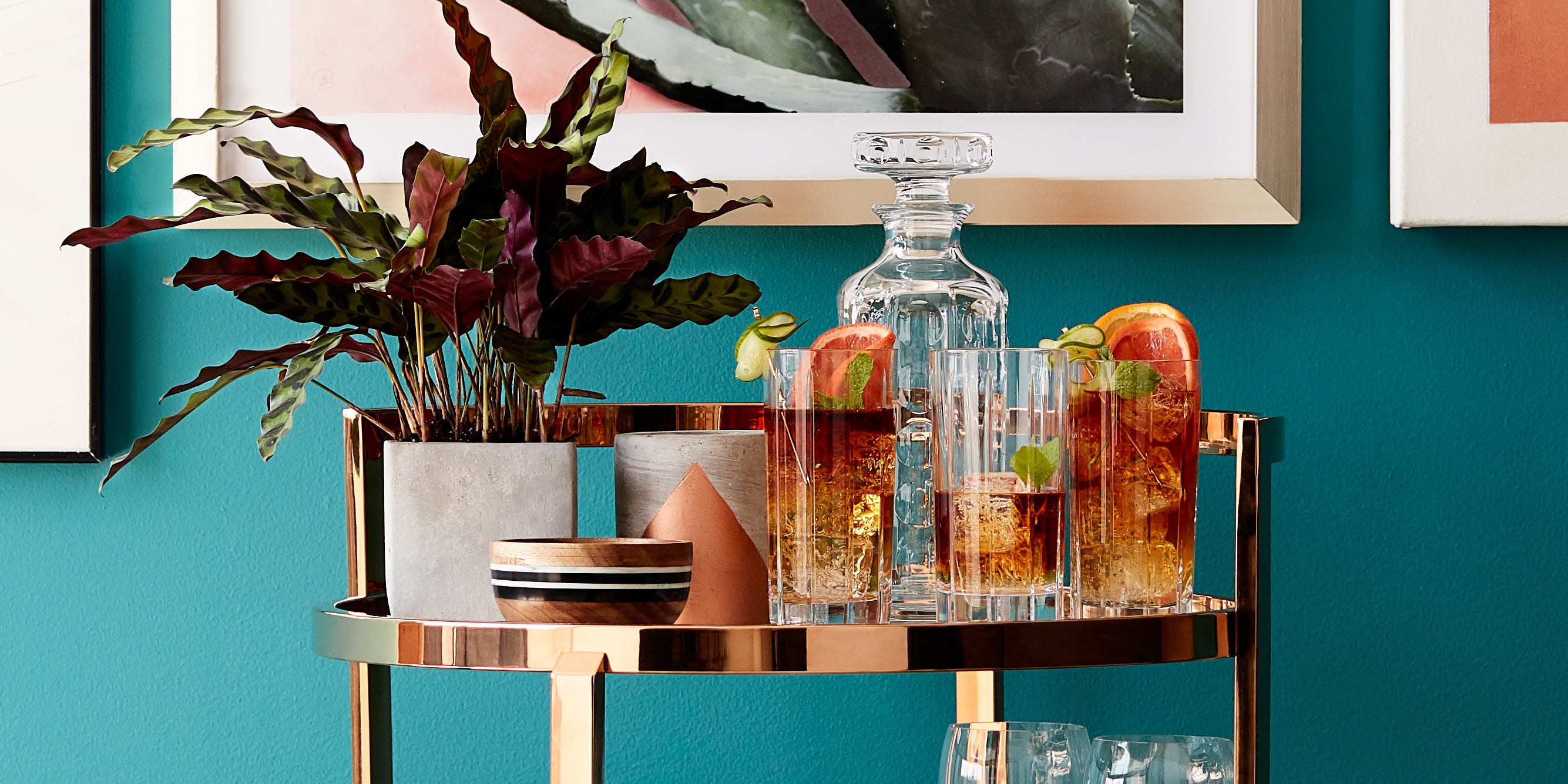
5 Stylish Bar Carts You Need Now
Say Goodbye to Bar Carts, Hello to Cabinets with These Picks from Our Walmart Collection
12 of the best bar carts on the market

7 Stylish Home Bar Storage Ideas — That Give a Whole New Meaning to Serving Drinks "Neat"

Say Goodbye to Bar Carts and Hello to Bar Cabinets with These Picks from Our Walmart Collection

Get Your Home Ready for Summer Festivities With These Bart Cart Styling Ideas

The best wine racks for your bottle collection, reviewed

Step Aside, Bar Carts—This Is the New Chic Way to Store Your Booze

Bar ideas for the home – raise a glass to these divine drinks stations
8 Bar Carts That Prove They're a Necessary Home Accessory
Our Favorite Bar Carts
Wine Storage: Tasteful Choices

Wine Gets Pandemic Surge—Here’s The Best Way To Store Your Stockpile

22 Bar Cabinets That'll Convince You To Stay In For Drinks (Thus Saving You Money)

Goodbye Bar Cart, Hello Bookcase Bar: Why At-Home Bar Setups Are Sliding onto Shelves