1/11
Tile Stickers Are The Budget-Friendly Trend Taking Over Homes In 2025
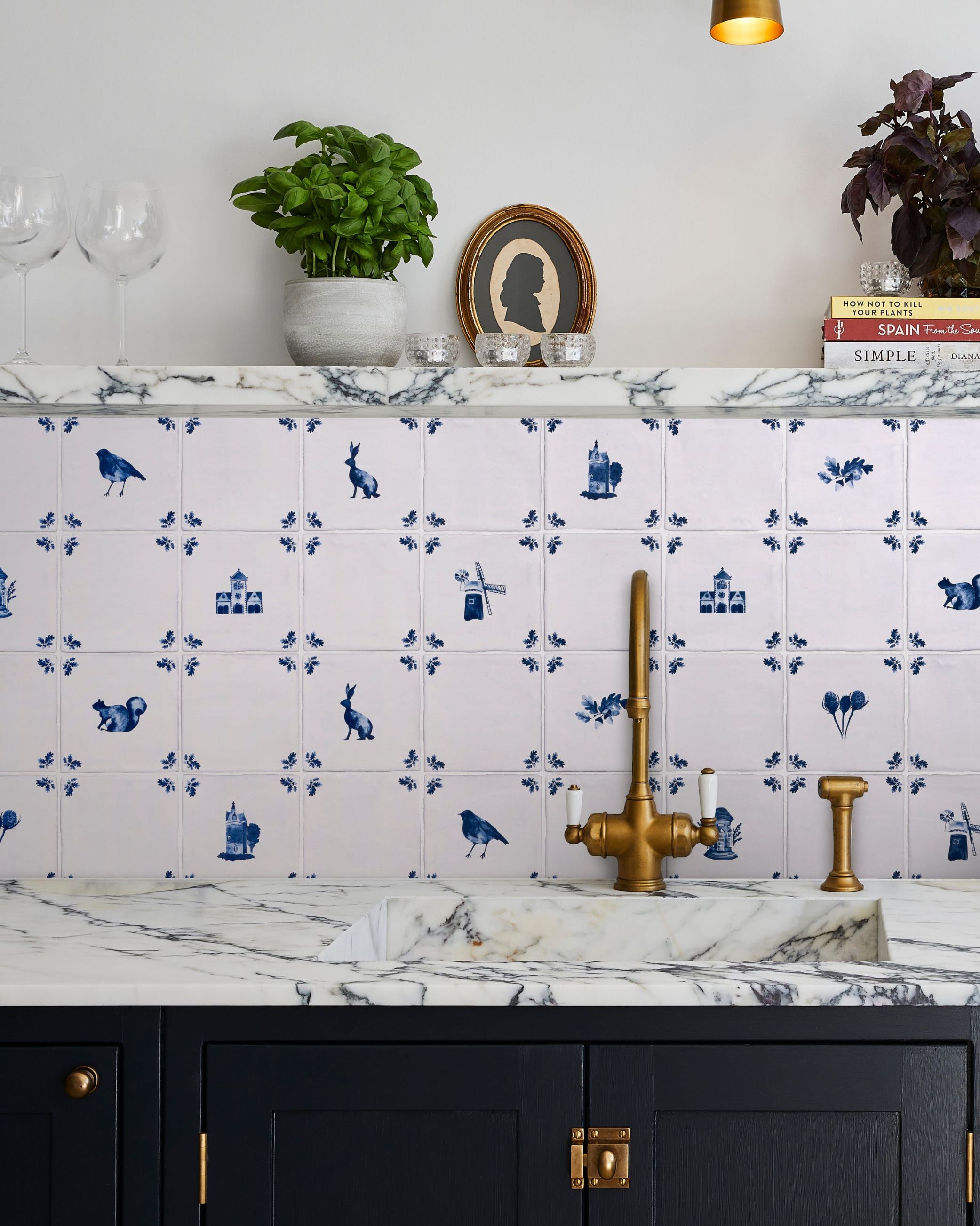
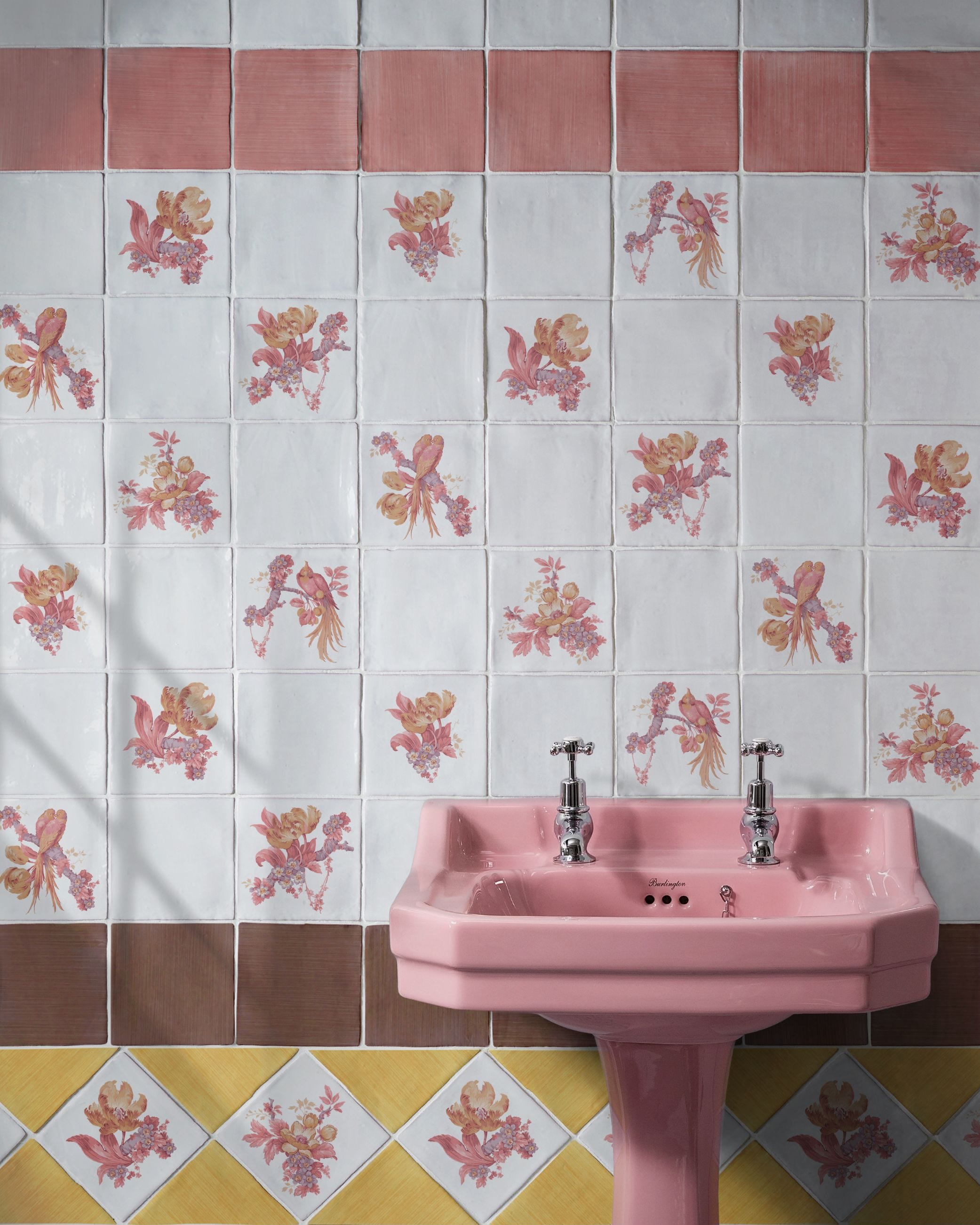
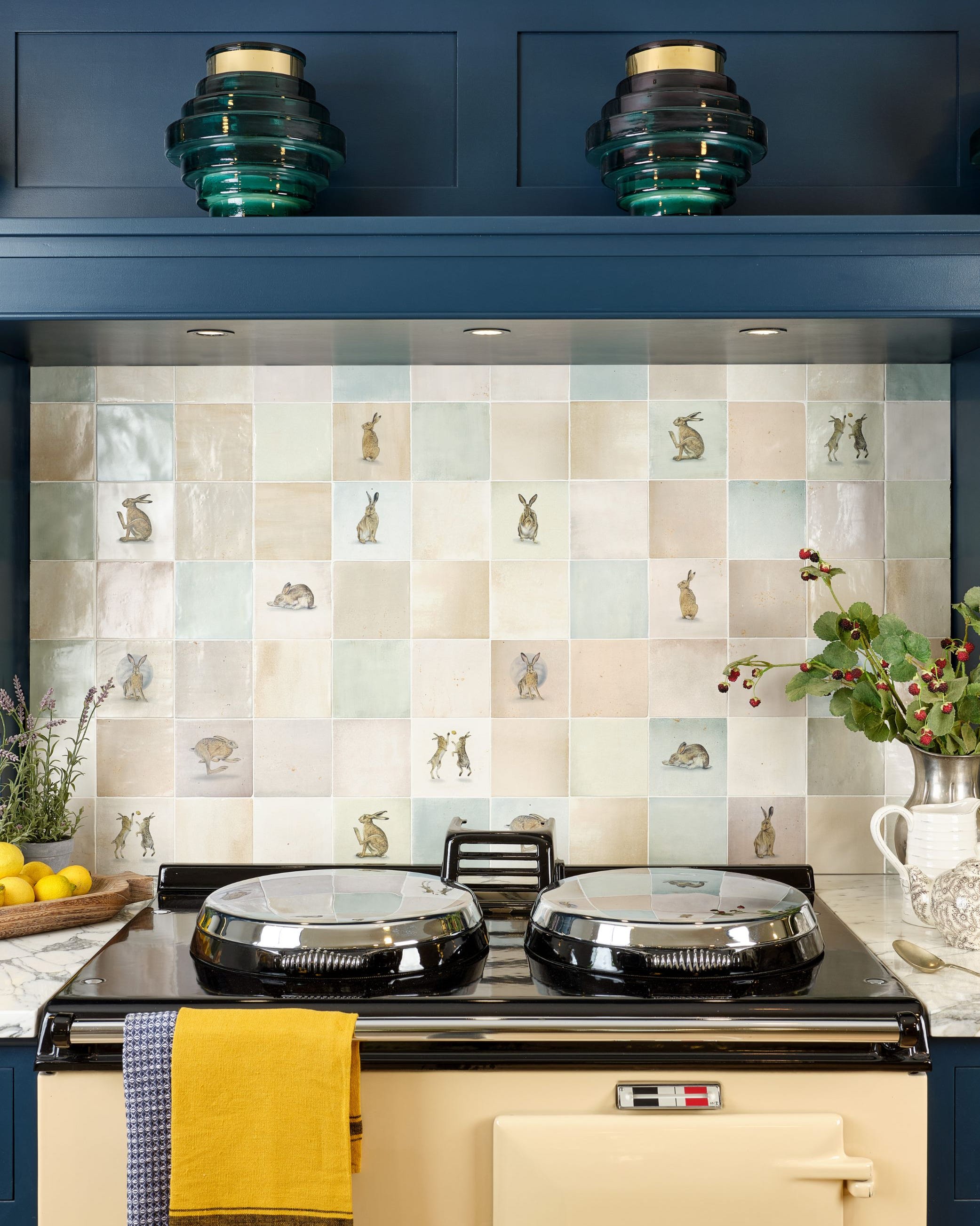
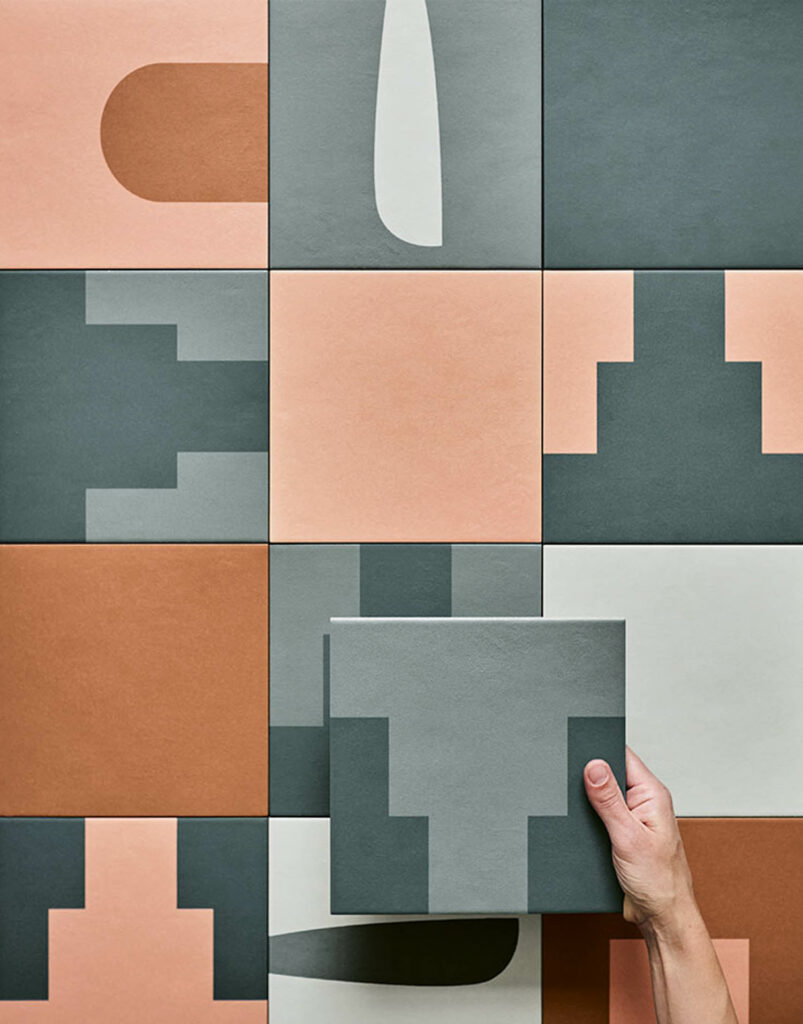
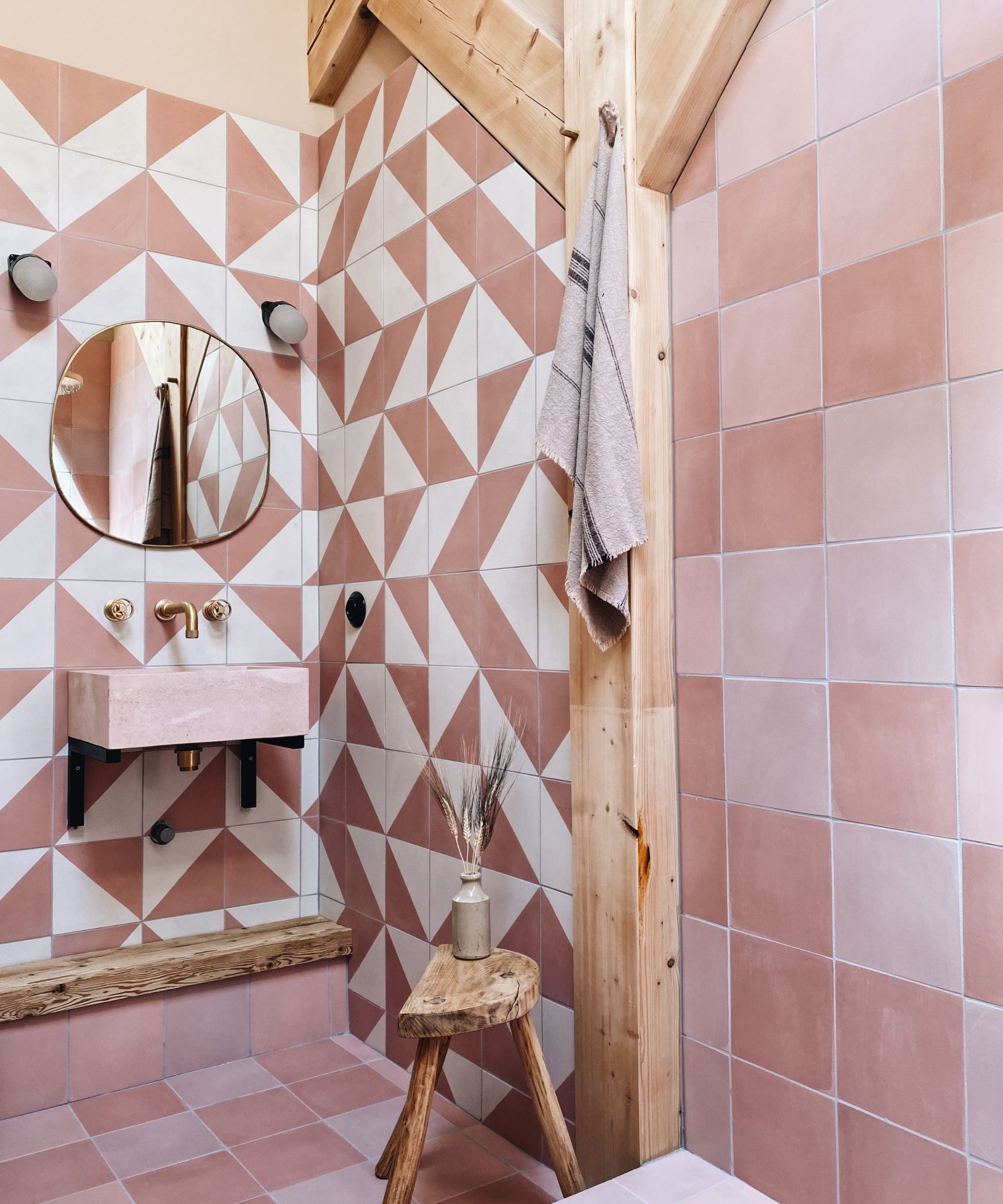
Tile stickers, also known as vinyl tiles or decals, are emerging as a significant interiors trend in 2025, evolving from a mere renter's hack to a deliberate style choice. These versatile products offer a quick, easy, and cost-effective method for refreshing home interiors without the commitment or mess associated with traditional retiling. They are ideal for individuals seeking a style update that is also renter-friendly.
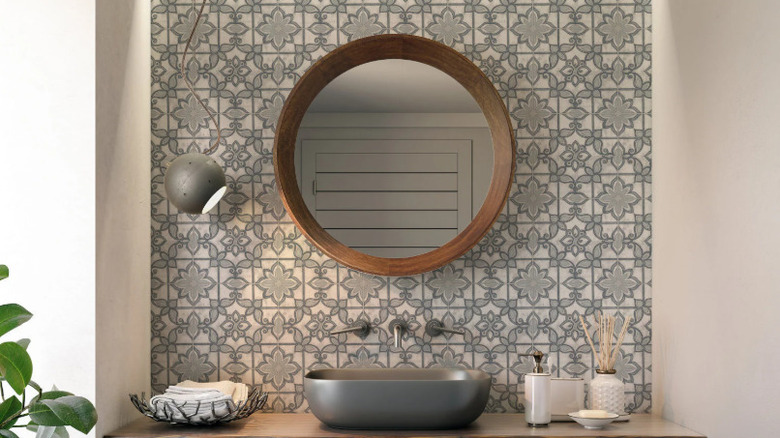
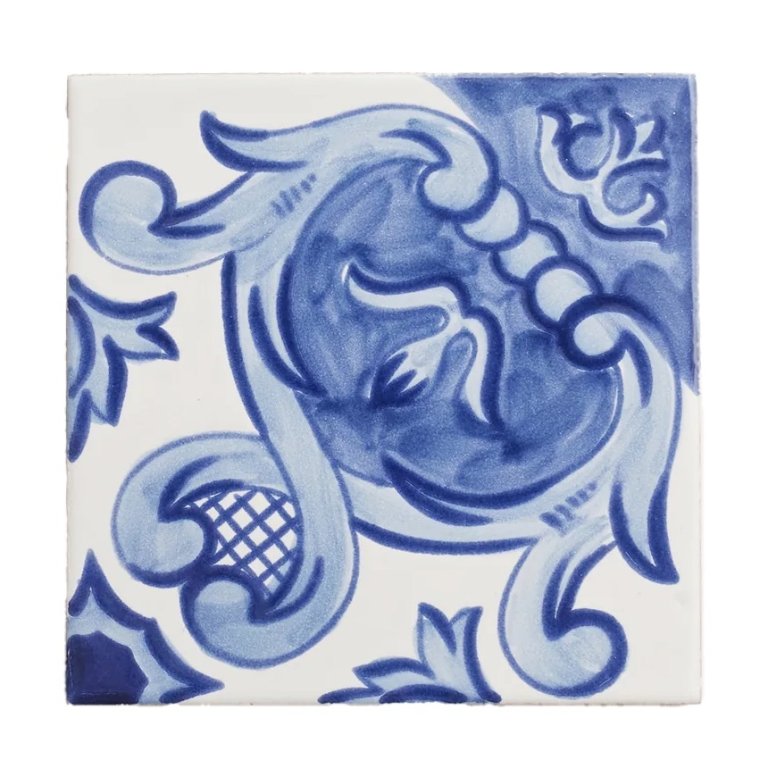
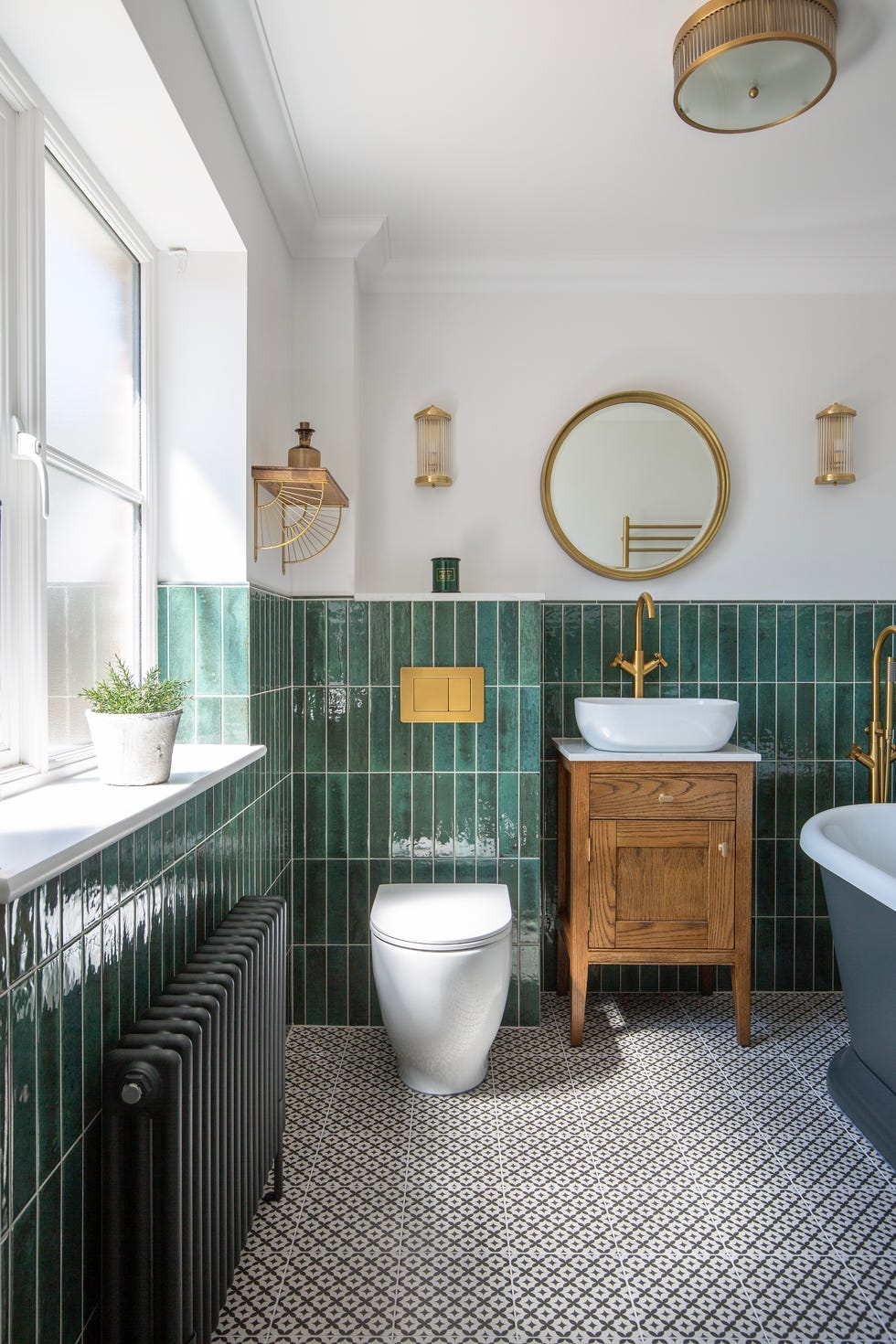
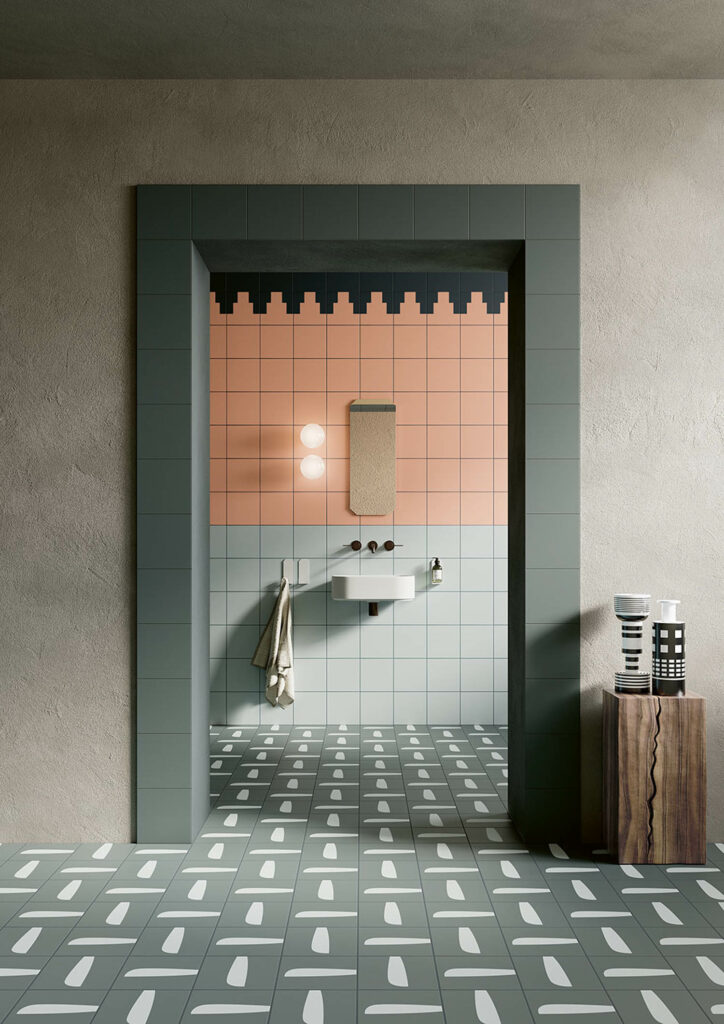
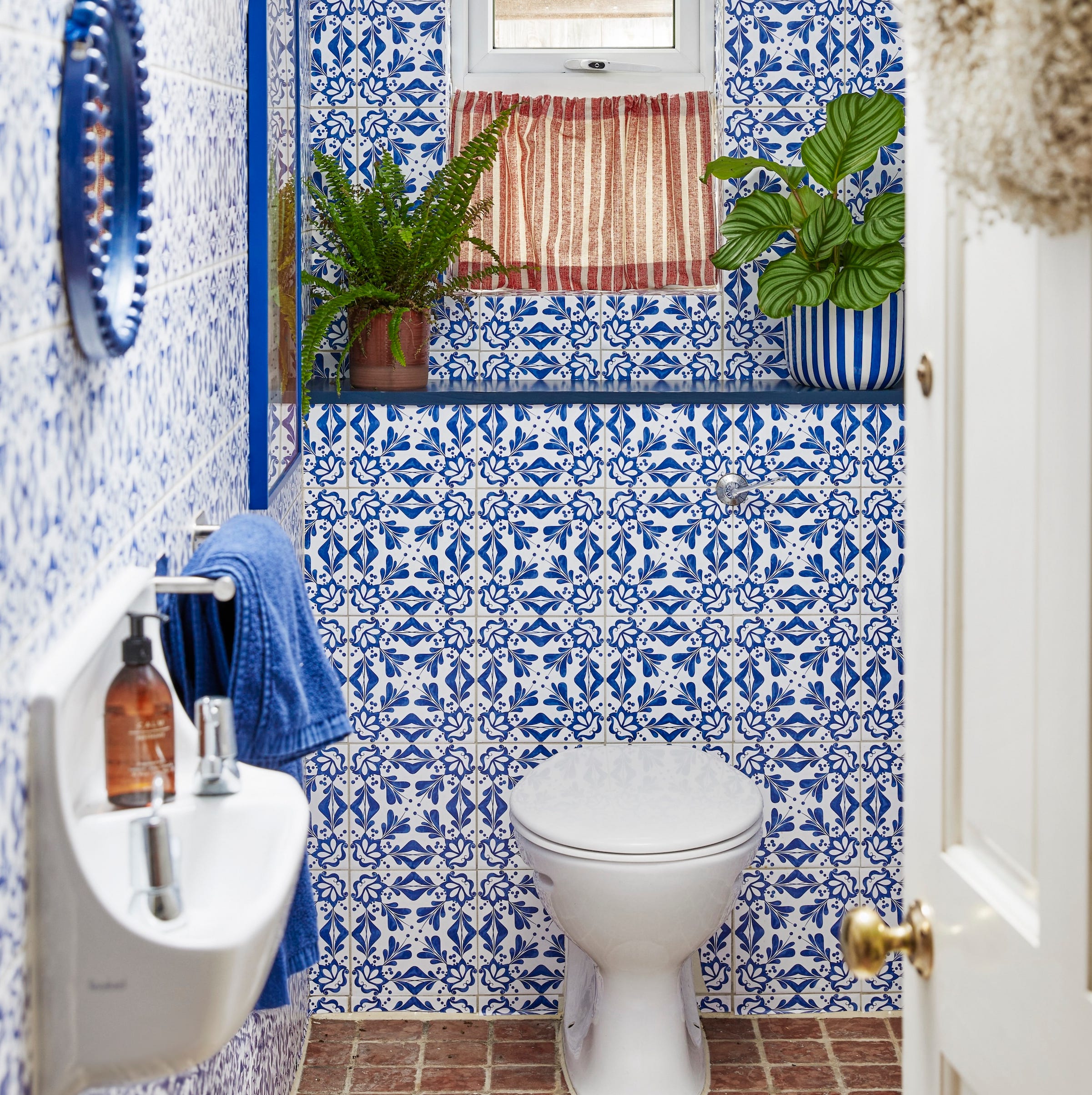
Author and content creator Katherine Ormerod demonstrated the transformative potential of tile stickers by using 420 vinyl stickers to revamp her Portuguese-inspired downstairs toilet in her London rental home, achieving a luxurious appearance on a budget. This application highlights the product's ability to create a high-end look without extensive financial investment or permanent alteration.
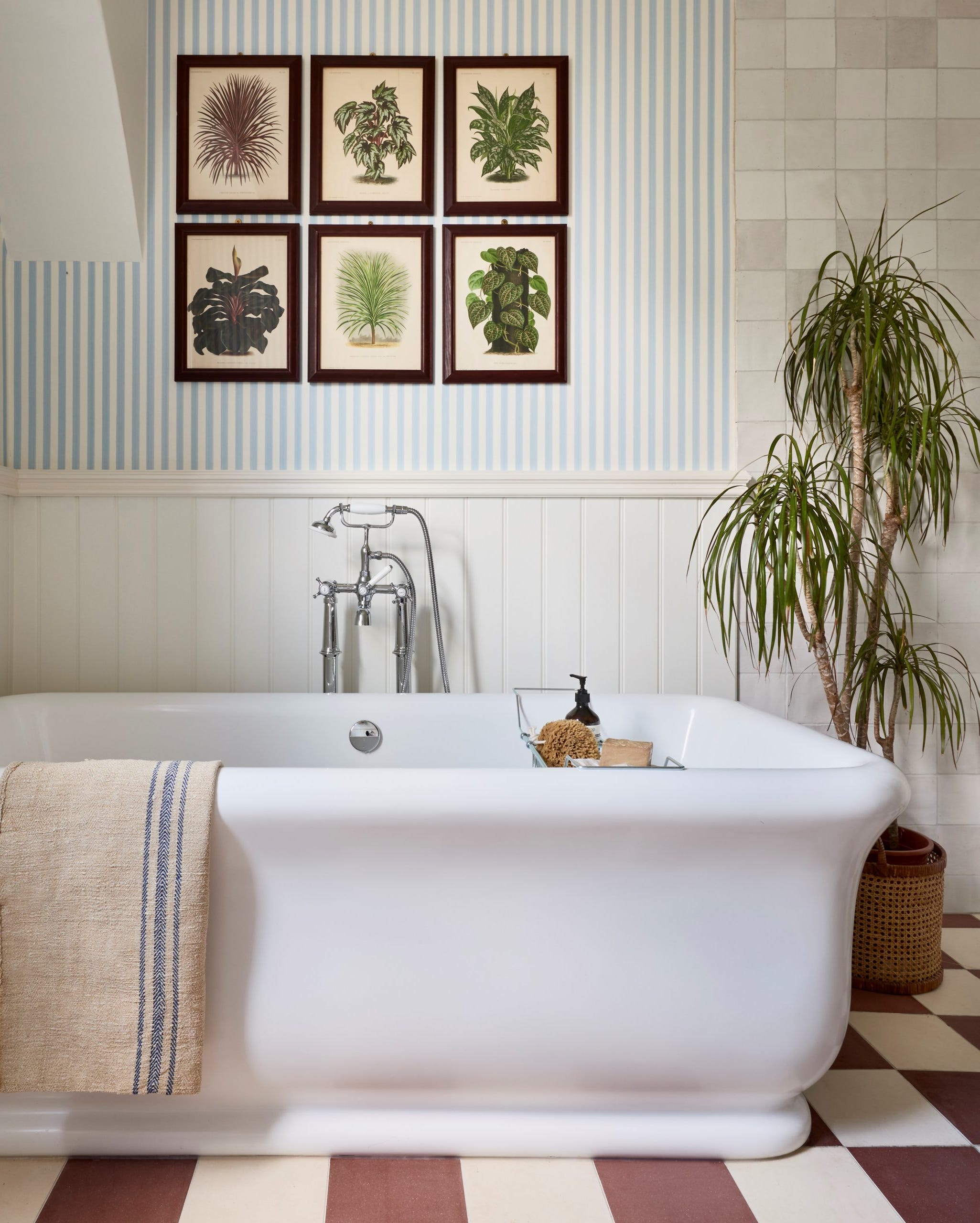
Tile stickers can be used to experiment with new aesthetics on walls or floors before investing in permanent solutions. They are effective for revitalizing worn areas, delineating different zones within a space, or incorporating patterns into otherwise neutral environments. Even a small number of tile stickers can form an attractive border, enhancing the visual appeal of a room. Mike Head, director at Atlas Ceramics, notes their practical utility, mentioning instances where they have been used to conceal imperfections like screw holes left by removed shower parts, offering a cost-efficient alternative to replacing entire tiles.
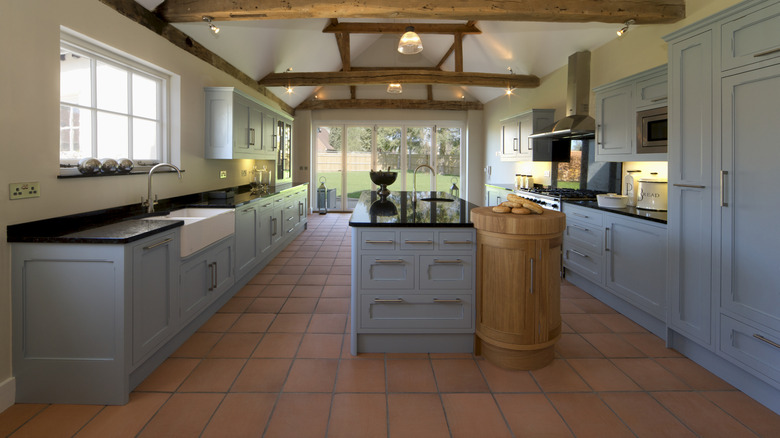
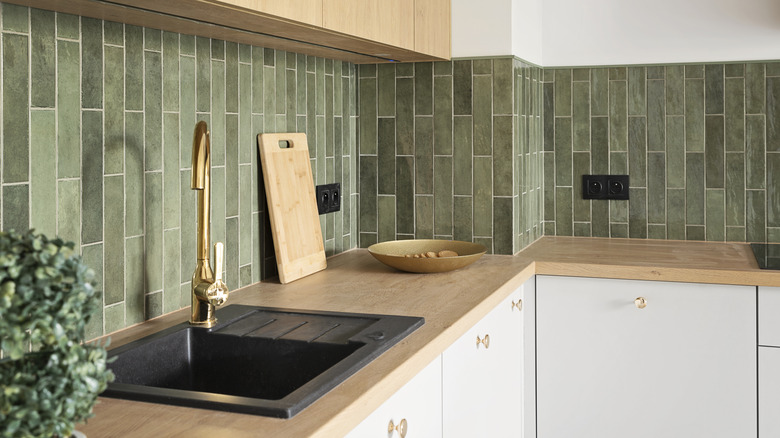
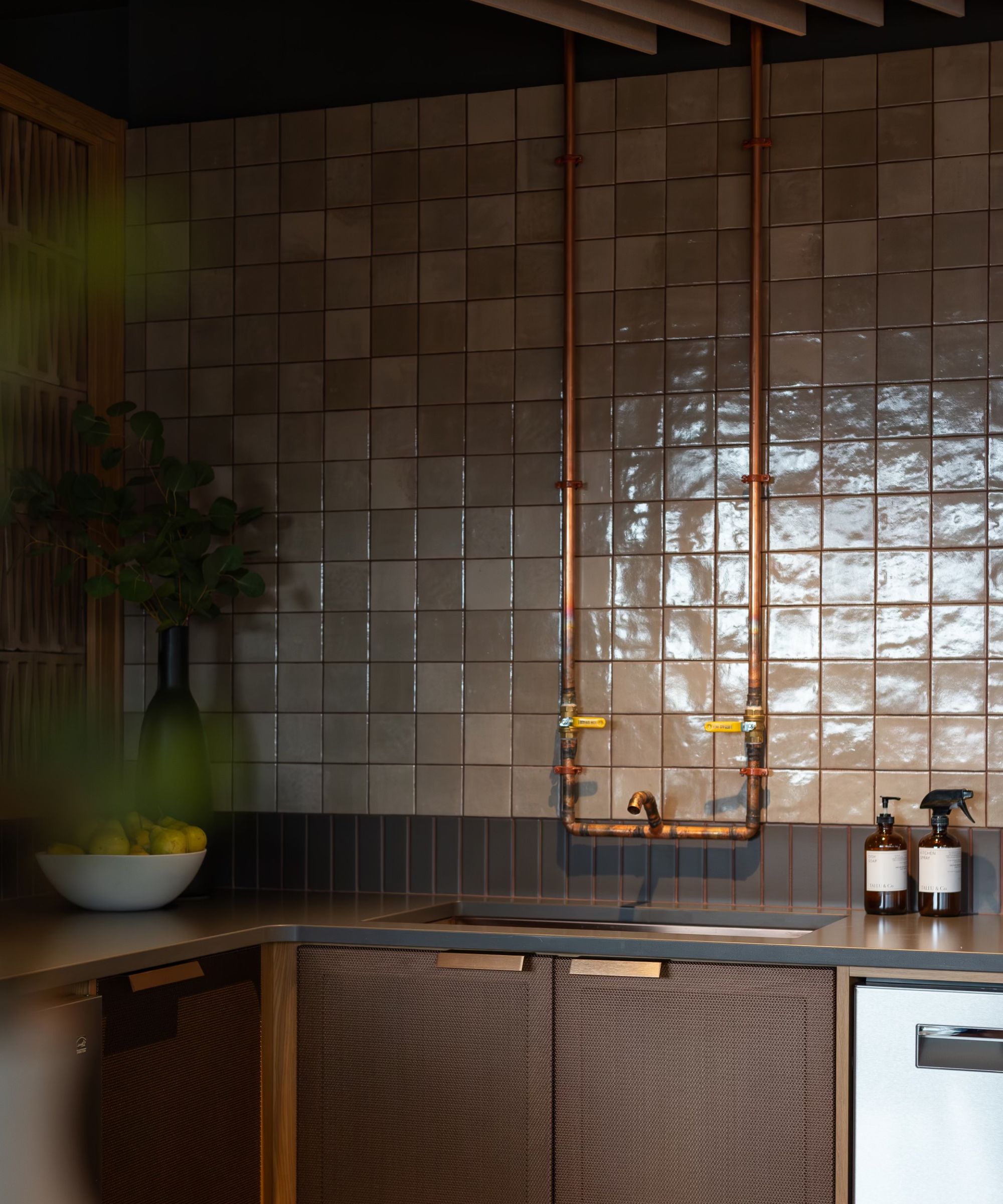
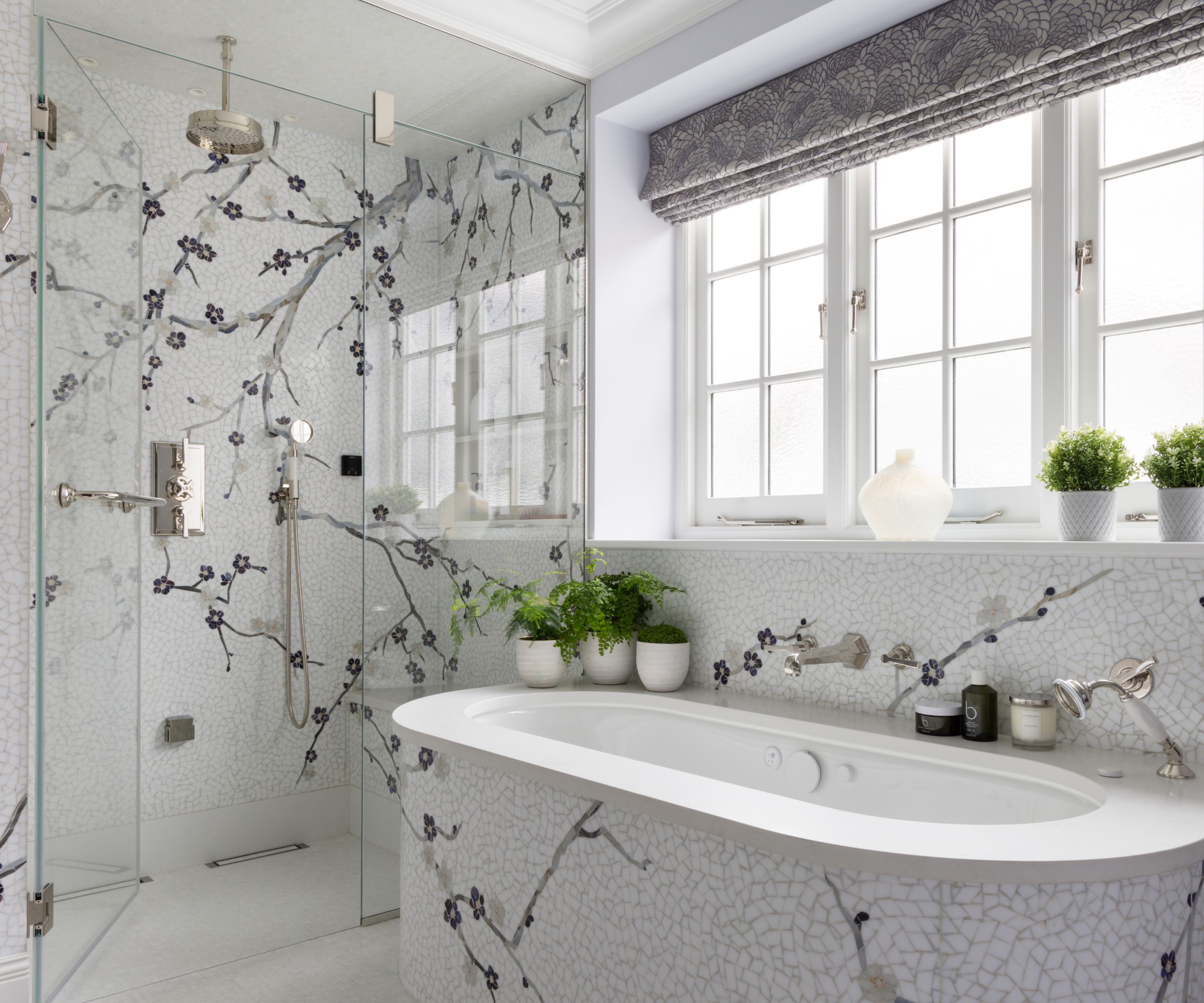
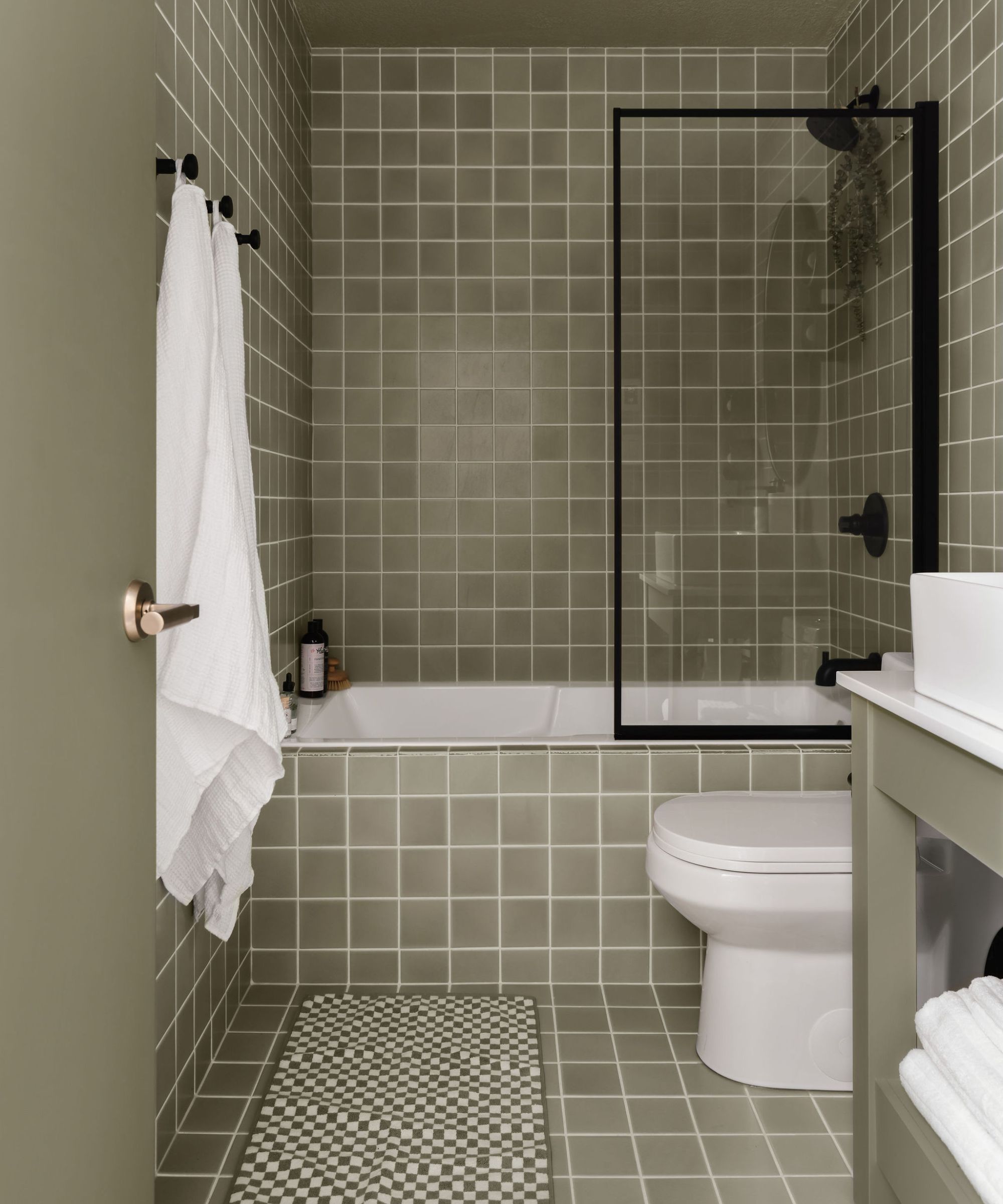
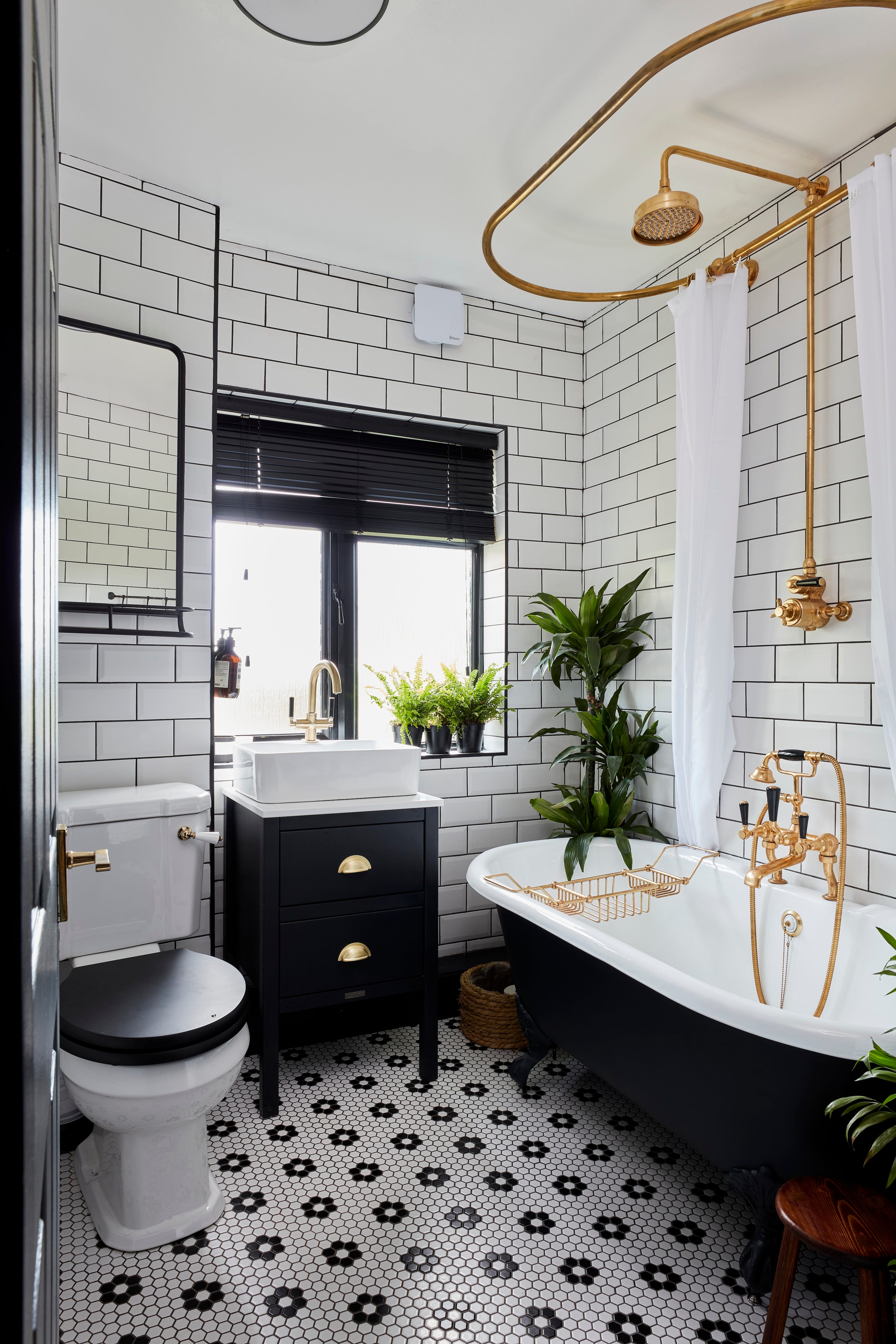
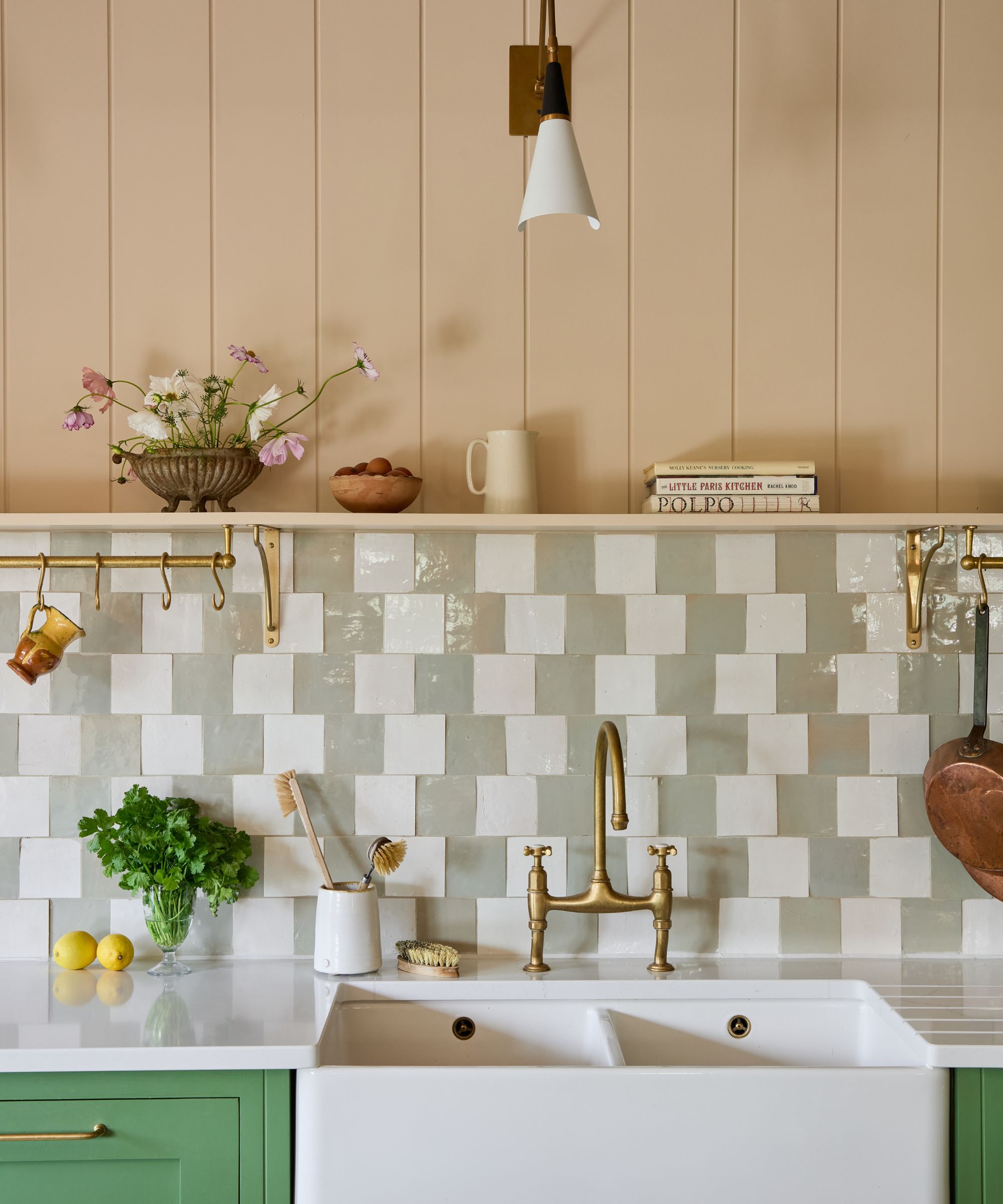
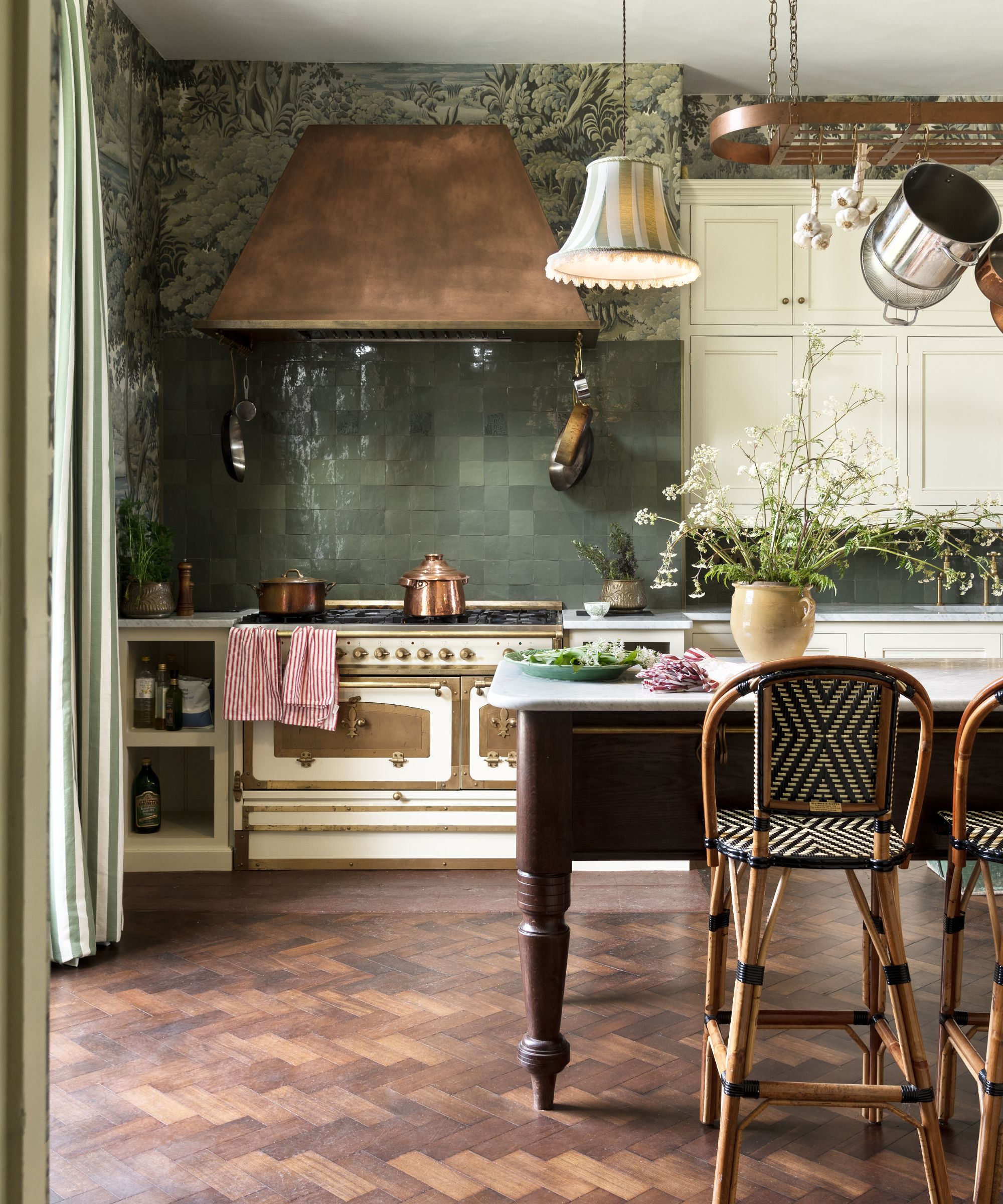
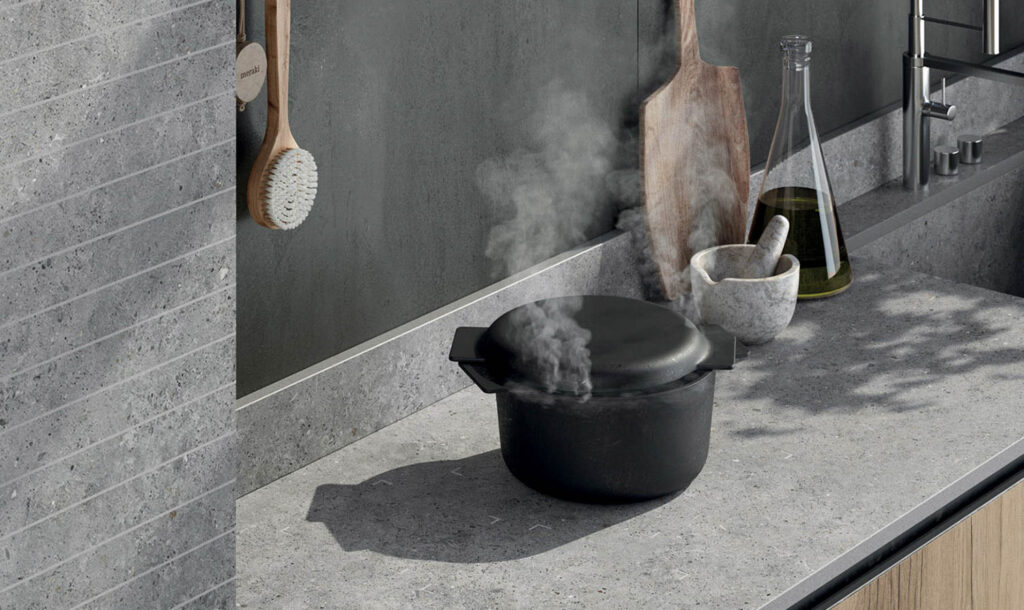
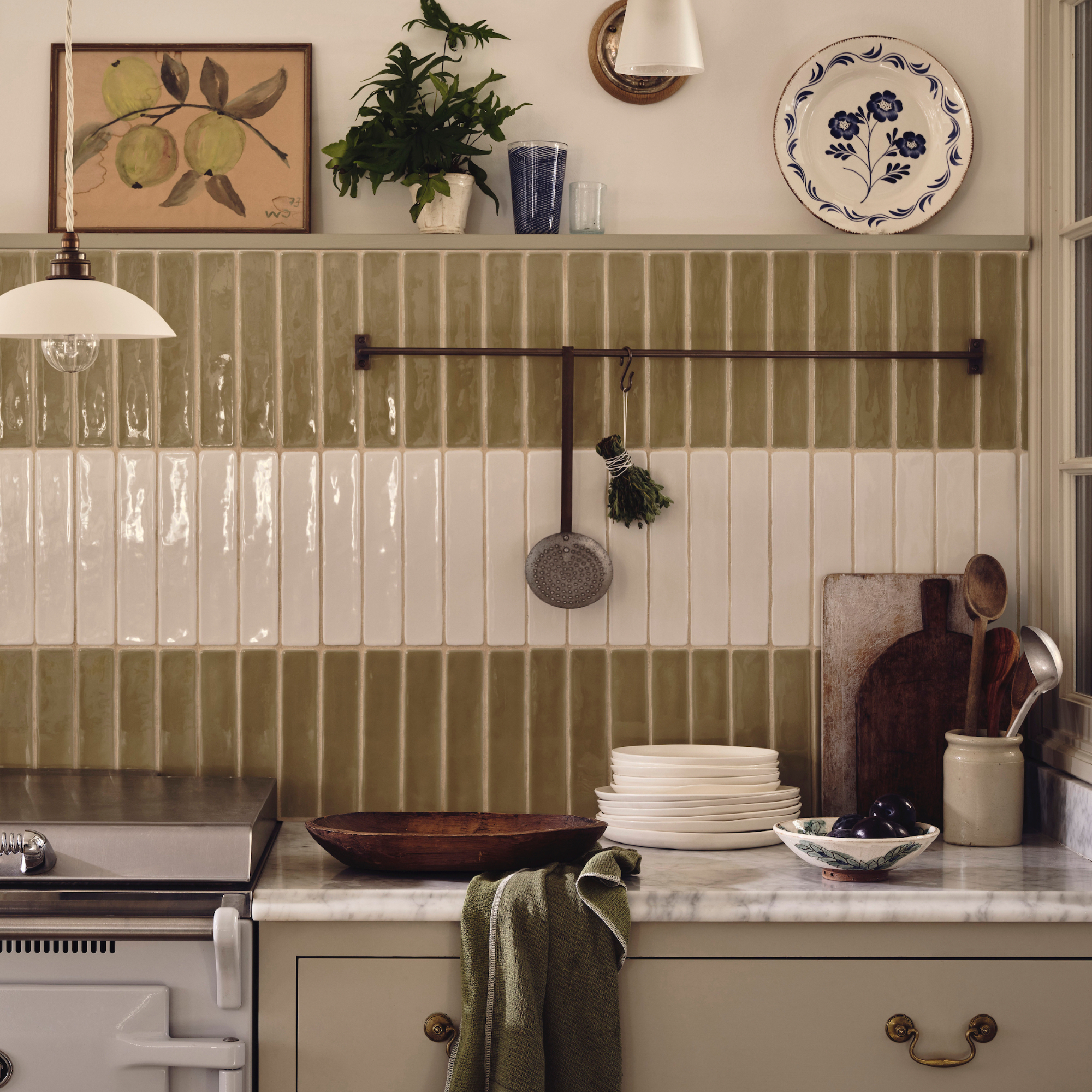
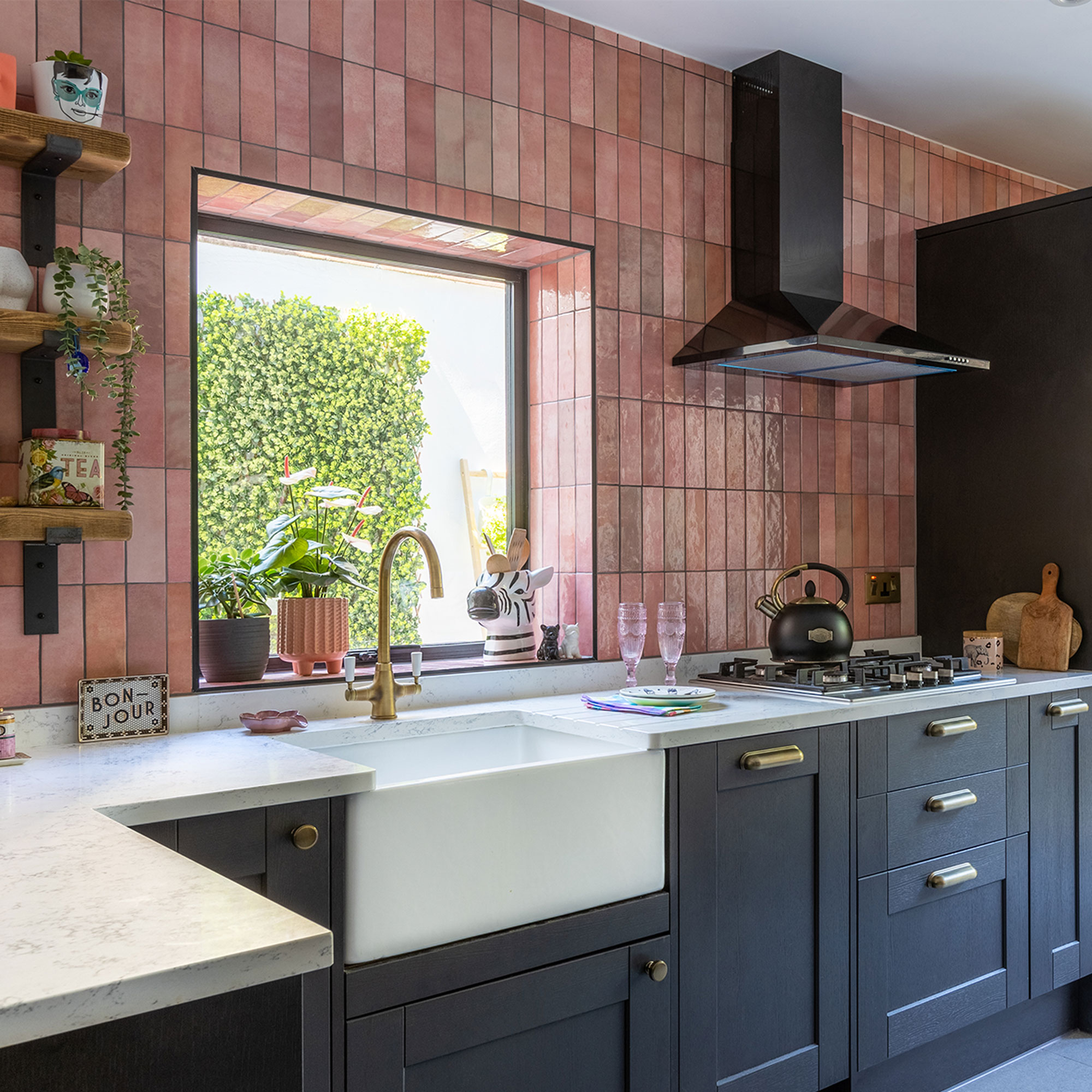
Suitable locations for tile stickers include kitchens, where they can modernize the space, provided they are heat-resistant near cooking appliances. Metro-style tile stickers can make a substantial impact in smaller kitchens with minimal effort. They are also suitable for bathrooms and laundry rooms, as good-quality stickers are designed to withstand splashes, steam, and daily kitchen heat. However, direct exposure to constant water, such as in power showers or on shower floors, should be avoided to prevent peeling. Downstairs toilets are particularly recommended for experimenting with these stickers due to less intense moisture exposure. In period homes, classic encaustic designs or traditional graphic patterns can be applied to hallway floors or stair risers to introduce color and pattern, and they can be easily changed if desired.
Applying tile stickers is a straightforward process that does not require professional builders or specialized tools. The process involves cleaning the surface, aligning the sticker, and smoothing it out. To ensure proper adhesion, the surface must be smooth, clean, and dry, free from dirt, soap, or grease. A preliminary wash with sugar soap and warm water is recommended to prepare the surface effectively. It is crucial to smooth out air bubbles during application, particularly in shower areas, to prevent lifting and water infiltration. Using a spatula can aid in pressing out creases. Low-tack stickers are preferable as they allow for repositioning, offering a margin for error. Precision is important, and using masking tape can help achieve straight edges, especially around obstacles like plug sockets and switches, where a sharp scalpel or Stanley knife can ensure a clean finish.
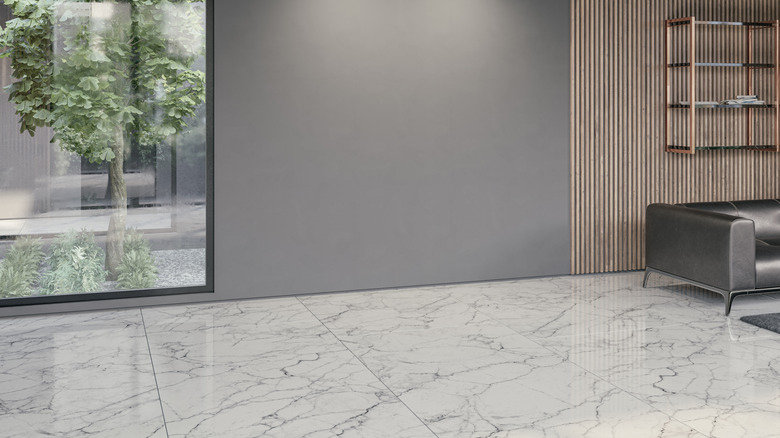
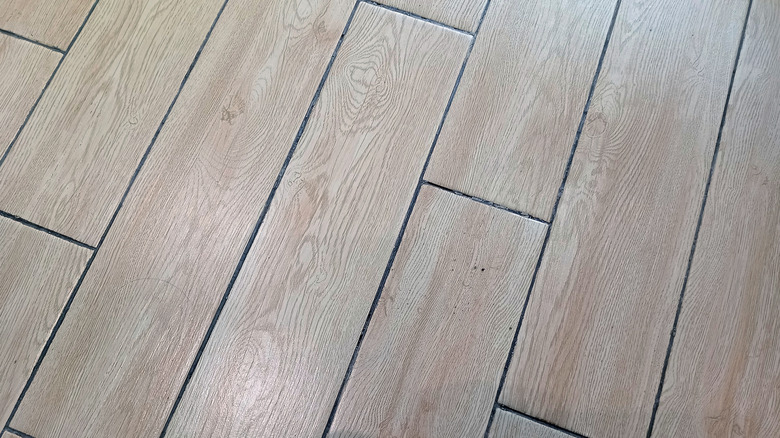
Tile stickers are not limited to ceramic tiles; Gabrielle Morabia, founder of Quadrostyle, indicates they can be applied to various smooth and sealed surfaces. These include plastered walls painted in satin or gloss, laminated surfaces such as Formica, melamine, and IKEA furniture, as well as linoleum, vinyl, laminate, parquet, and varnished wood flooring. They can also adhere to sealed concrete, sealed polished stone (including granite, marble, and terrazzo), glass, metal, plastic, acrylic, and Perspex. Essentially, any smooth, sealed surface is a potential candidate for tile sticker application.
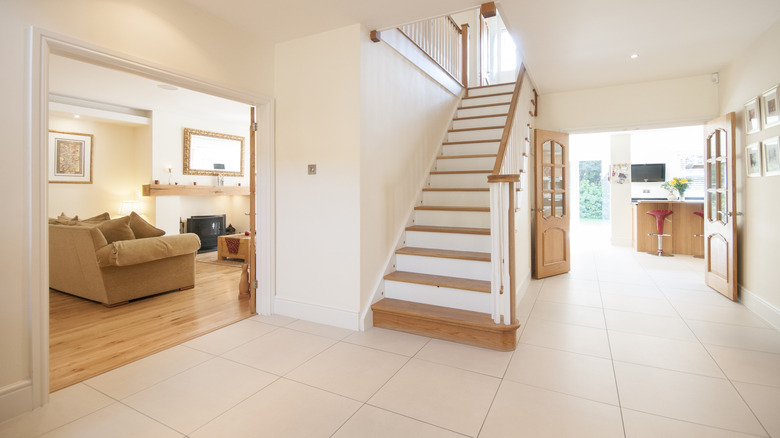
For floor tile stickers, which experience more wear, additional protection is advised. Placing felt pads on furniture legs can prevent damage. To remove tile stickers, a hot air gun can be used to soften the adhesive, allowing them to be peeled off with a spatula. Any residual glue can be removed with a quality glue remover. High-quality tile stickers, when properly installed and maintained, can last for several years. Keeping spare stickers is beneficial for easy replacement of damaged ones. For enhanced durability on floors, sealing the stickers with an epoxy suitable for non-porous surfaces is recommended.
#TileStickers #HomeDecor #BudgetFriendly #InteriorDesign #DIYHomeImprovement #RenterFriendly #SurfaceApplication #TileAlternative #DecoratingTrends #TileStickers #HomeDecor #BudgetFriendly #InteriorDesign #DIYHomeImprovement #RenterFriendly #SurfaceApplication #TileAlternative #DecoratingTrends
Há 0 comentários no total
 Ainda não há comentários
Você também pode gostar
Top Tile Trends Spotted At Coverings 2025

9 tile trends for 2025 that add character, interest, and style to your home

6 Interior Trends Entering Cleveland Homes in 2025

This One Flooring Trend Is Set To Rule Homes In 2026 (For A Good Reason)

Tile Trends That Will Be Dominating In 2025
Pattern Splicing: The Bold Tile Trend About to Be Everywhere in 2026

Move Aside, Wallpaper: This Wall Treatment Trend Is Taking Over In 2026
The Next Big 2026 Texture Trend Is Tile—See How Designers Are Styling It in Every Room
Outdated Tile Trends That Are Going Away In 2025
One Of 2025's Biggest Flooring Trends Is Great For Busy Homeowners
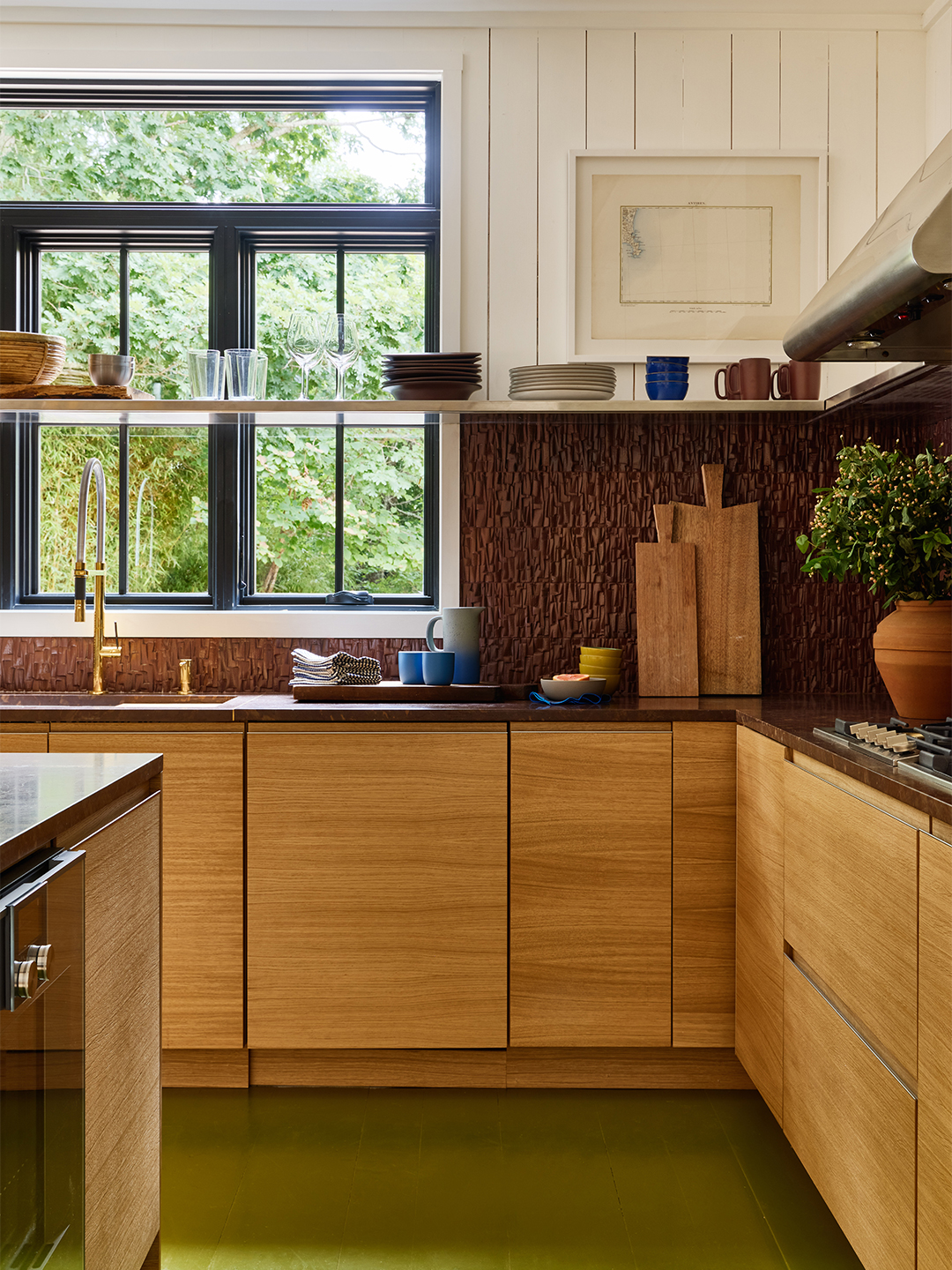
We Predict This Tile Style Will Take Over 2022 Renos
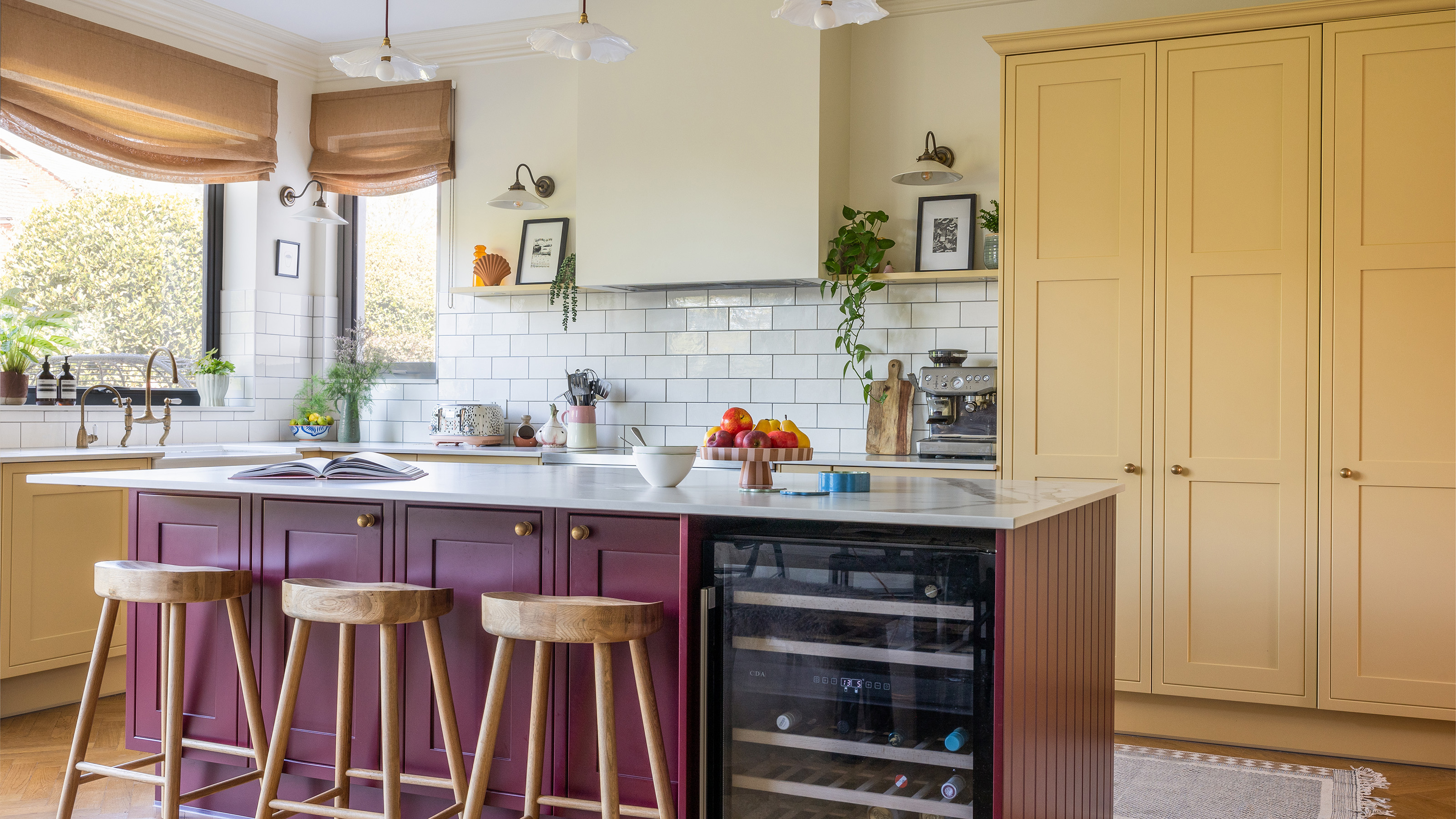
Is it over for metro tiles in the kitchen? I'm not saying they're out of style, but these spin-off trends are taking over in 2026
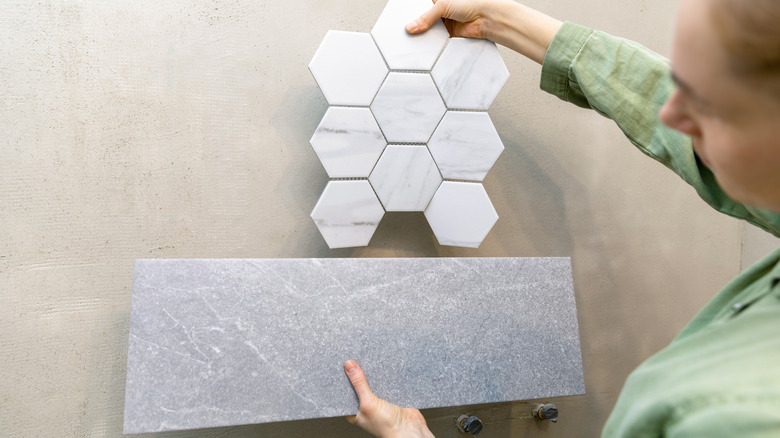
The Popular Tile Choice In 2025 That You Might End Up Regretting Sooner Than You Think
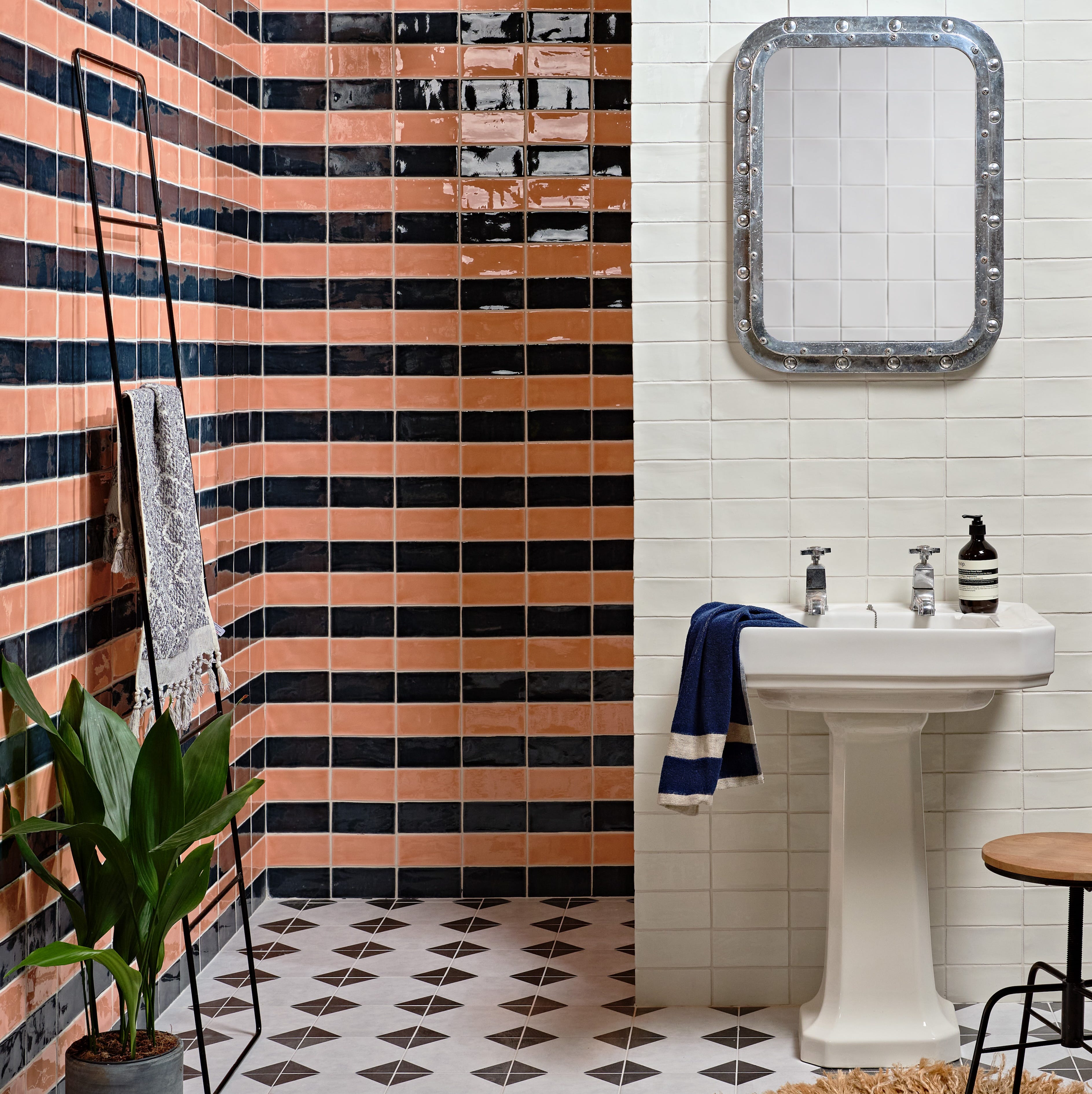
'Tile drenching': The statement-making interiors trend to try in 2025
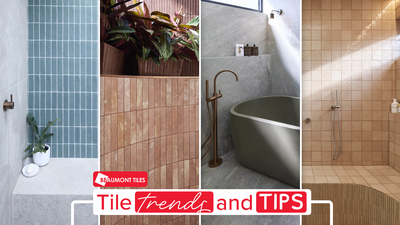
Need inspo? The biggest tile and design trends taking over The Block 2025

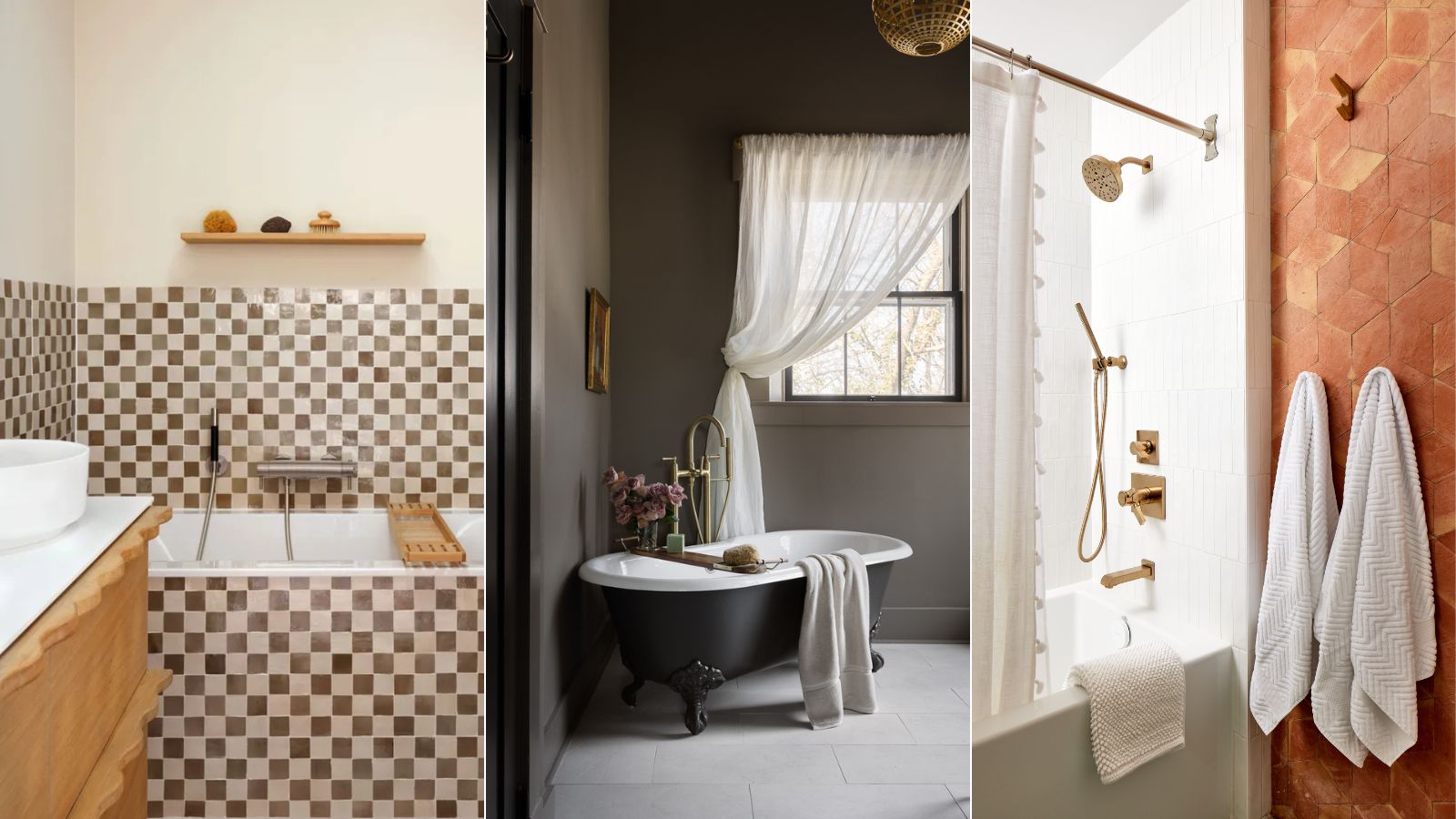
These are the bathroom tile trends designers say will be everywhere in 2025
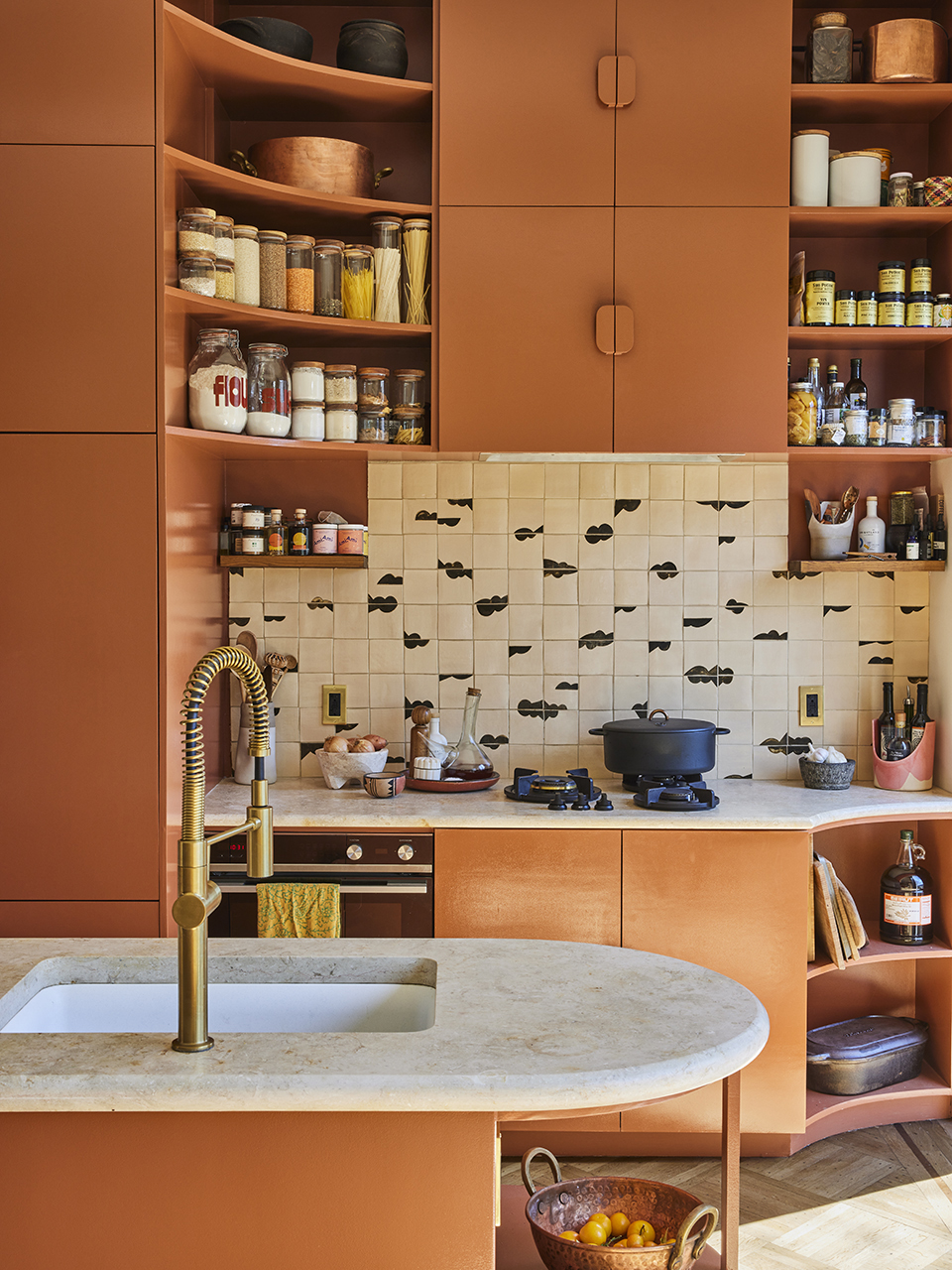
The Tile Designers Can’t Wait to Use in 2025

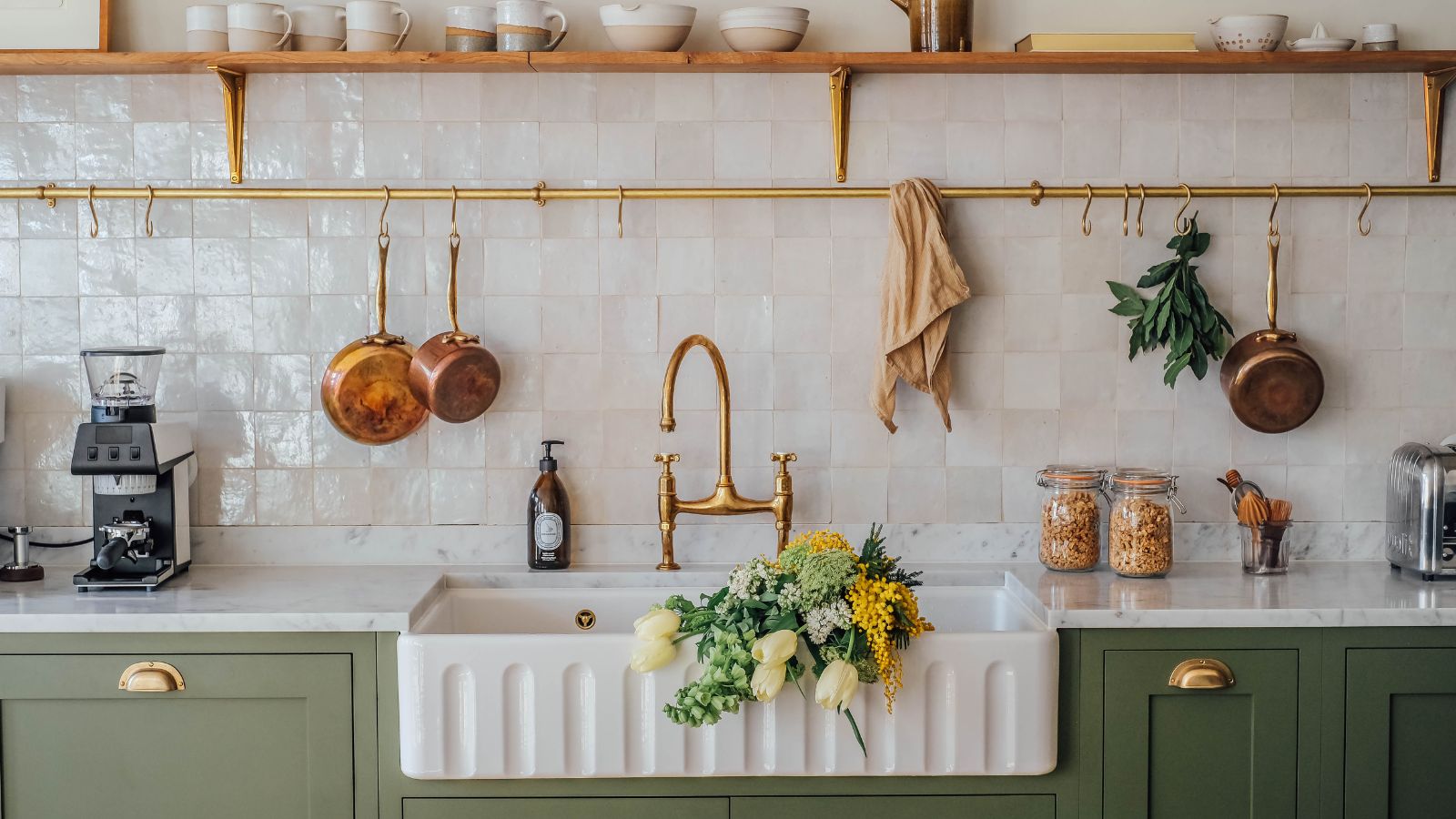
Here's why going groutless is the trendiest way to do tile in 2025
6 Tile Trends Spotted at Coverings 2024
These Bathroom Tile Trends Will Be Everywhere in 2025, According to Interior Designers