These Are the 5 Best Bathroom Wall Options
Selecting appropriate wall surfaces for bathrooms is crucial due to the high moisture levels in these spaces. The right materials prevent damage and ensure longevity, even with good ventilation. This article explores five primary options for bathroom walls: vinyl wallpaper, bathroom paint, ceramic tile, beadboard, and tileboard, detailing the pros and cons, design considerations, and maintenance requirements for each.
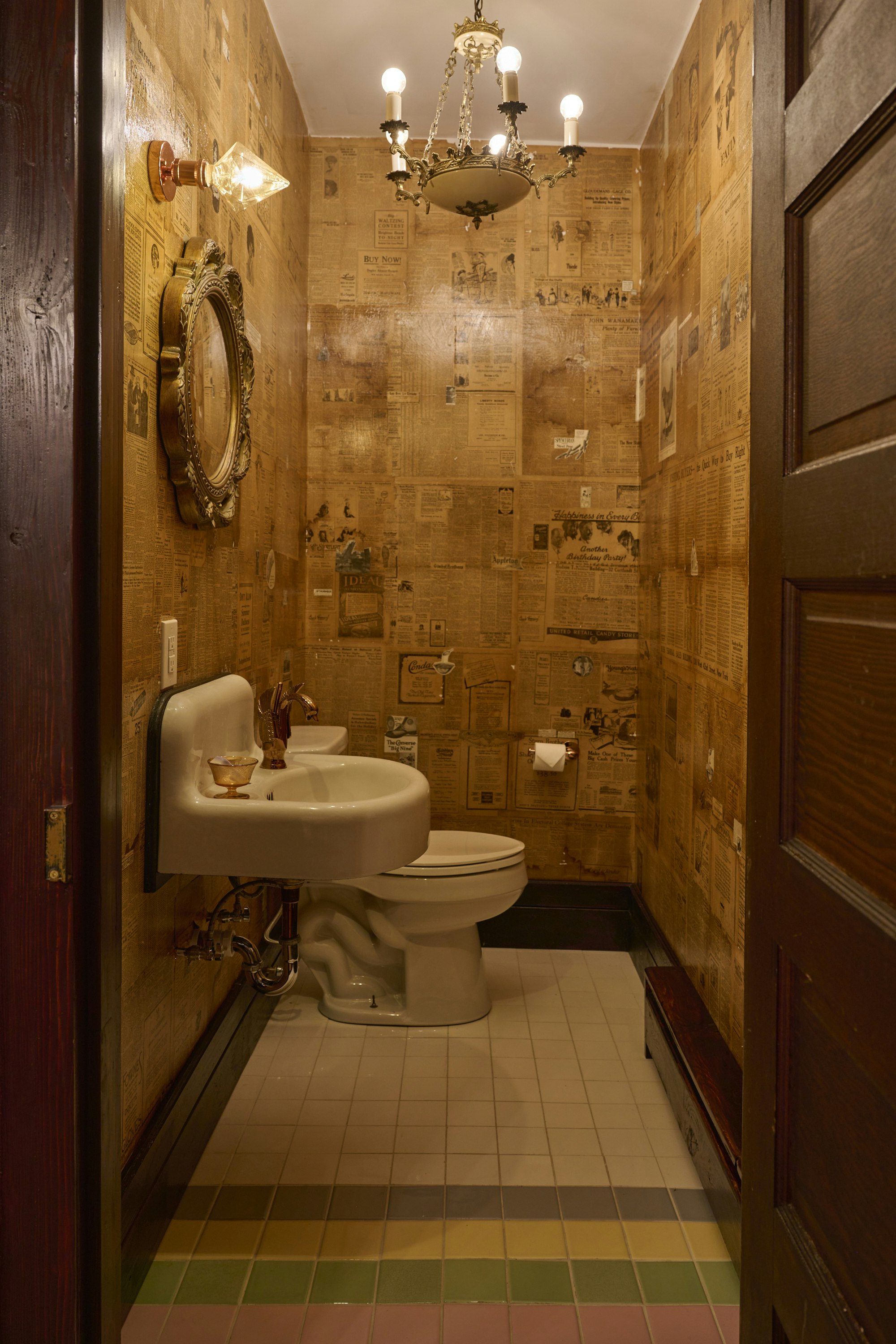
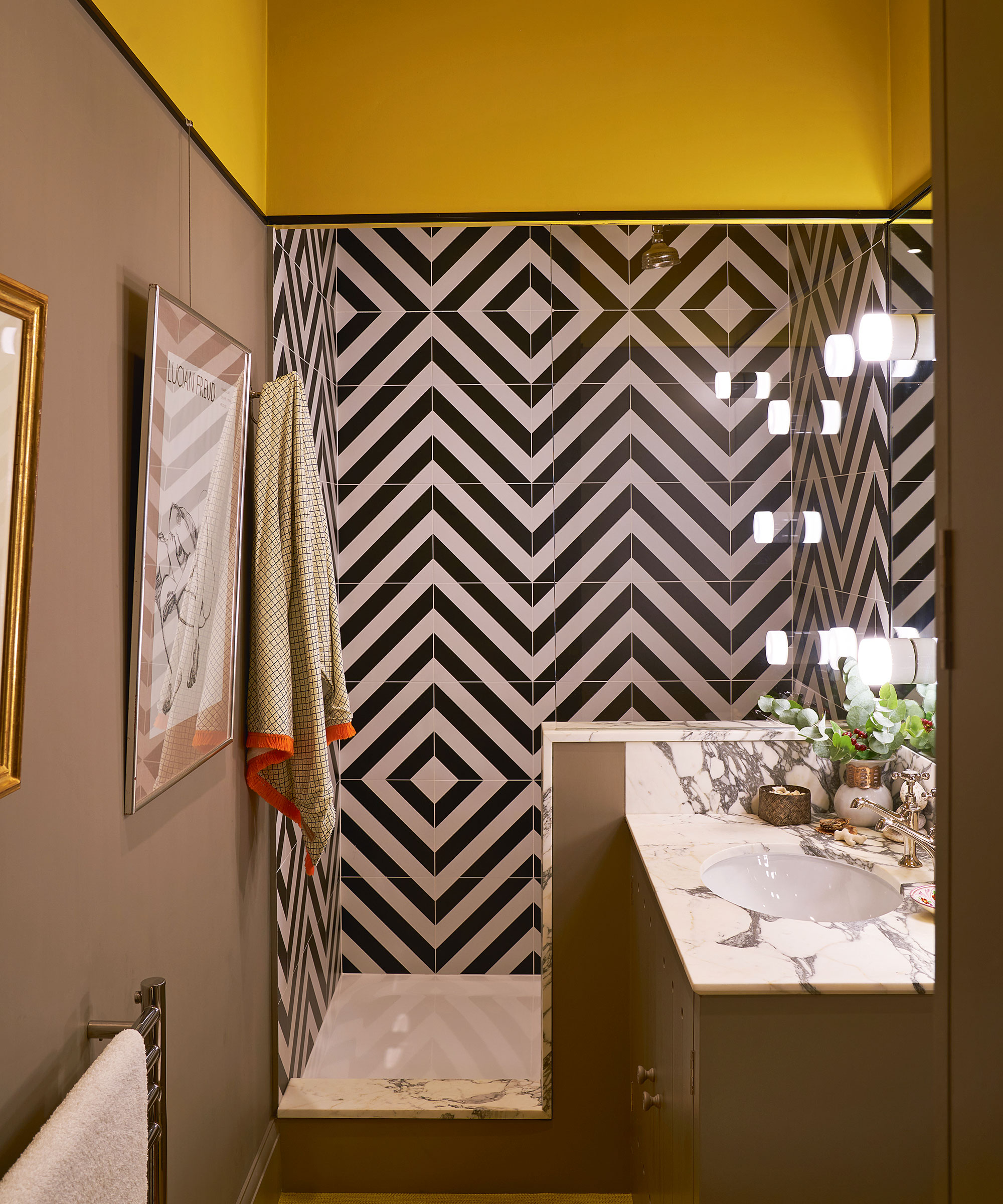
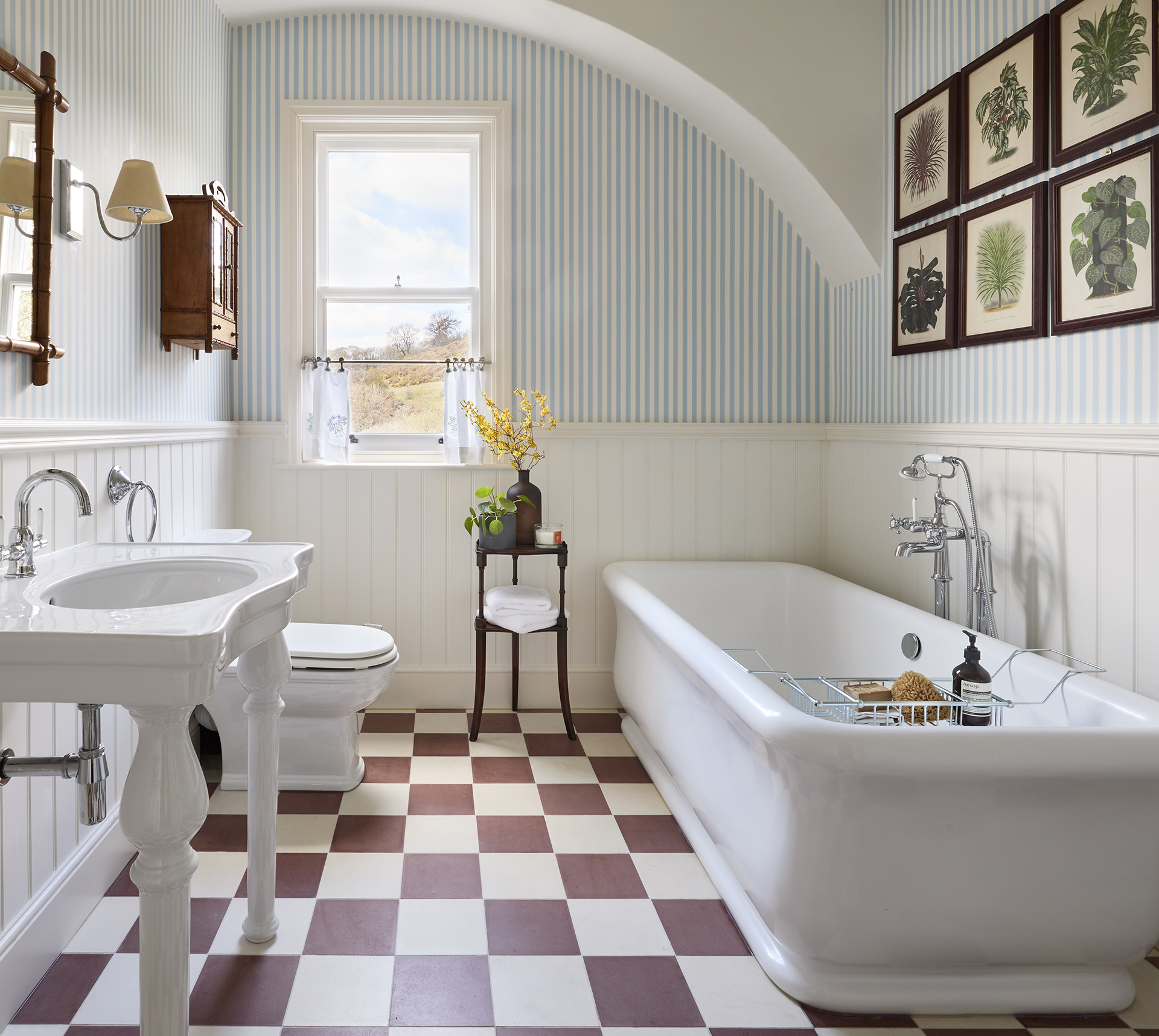
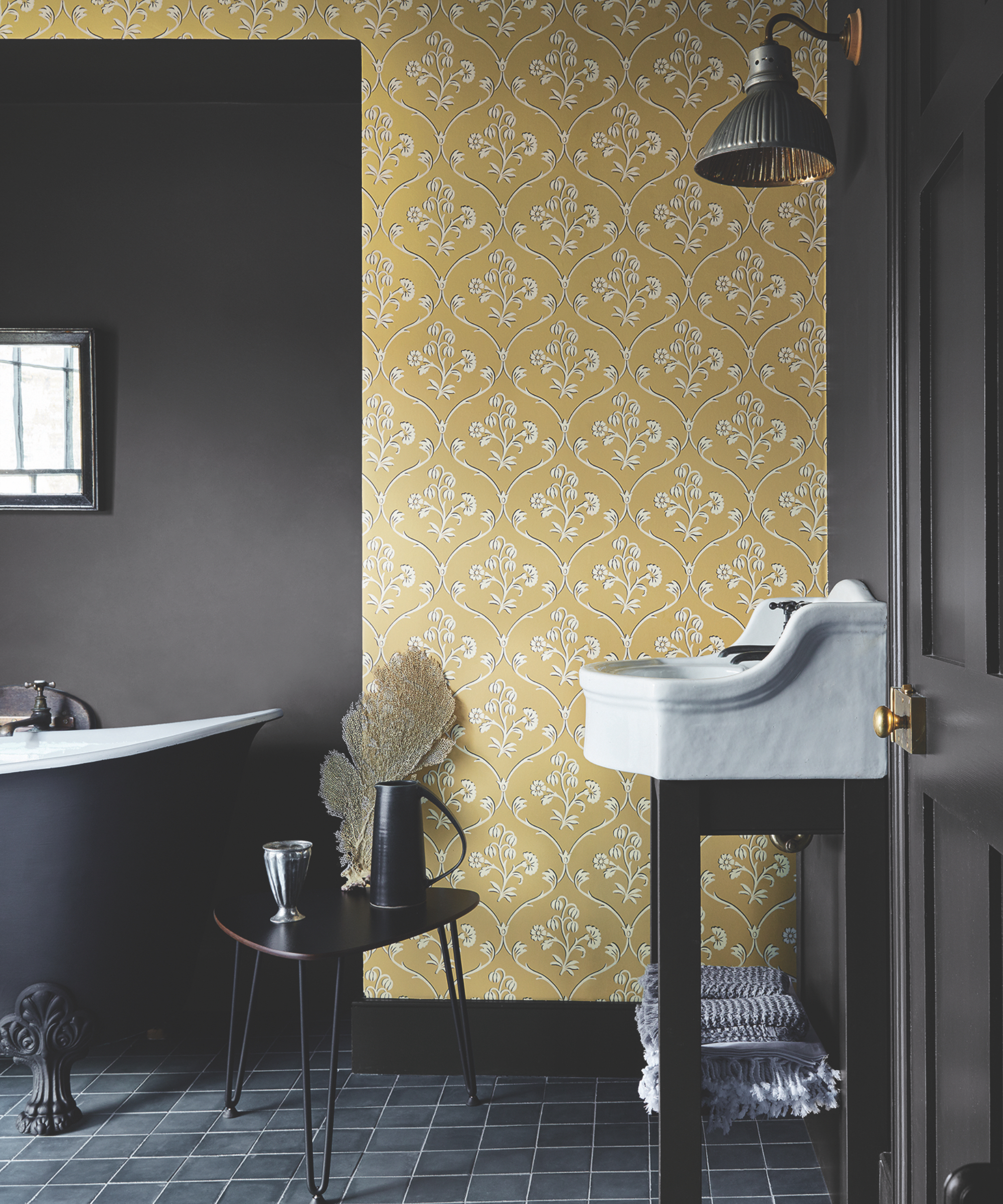
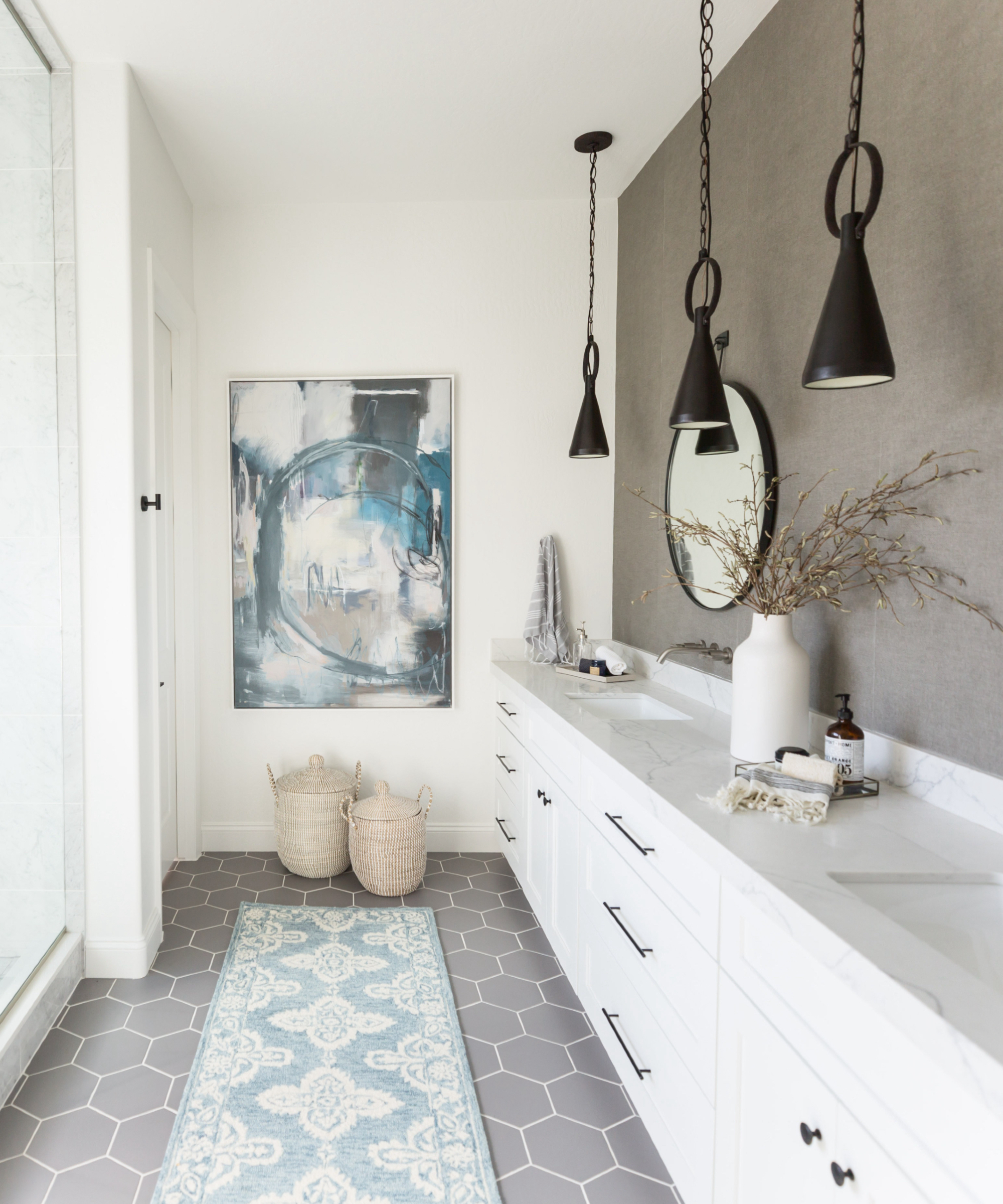
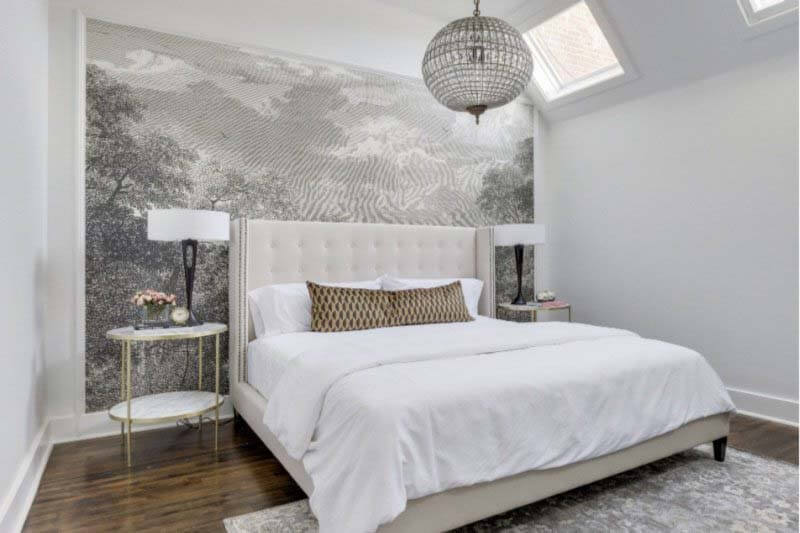
Vinyl wallpaper offers functionality and water resistance, providing a viable alternative to traditional paper wallcoverings which degrade in moist environments. Modern vinyl wallpapers come in diverse styles and patterns, though they may not adhere well to matte or rough surfaces and are best used on walls away from direct water sources like sinks, showers, and bathtubs. It's advisable to test a sample before full installation.
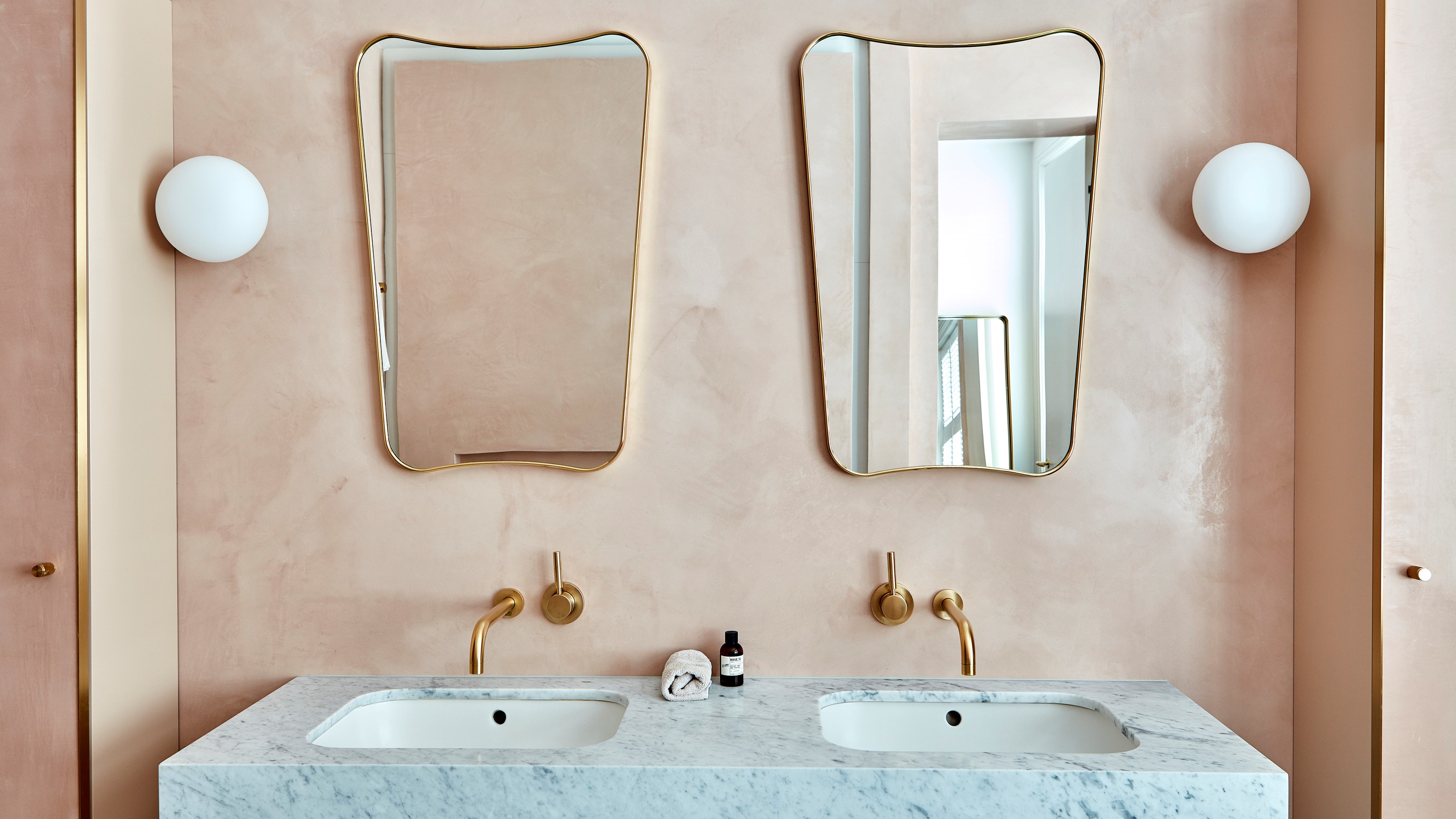
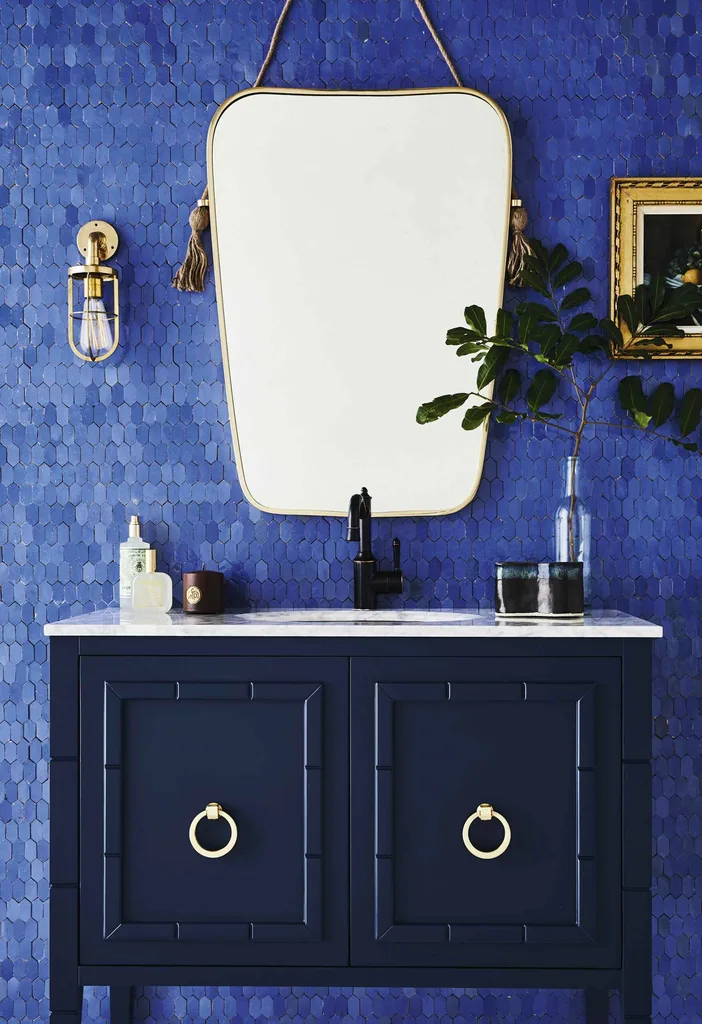
Bathroom paint is specifically formulated with mold and mildew inhibitors, making it suitable for high-humidity areas. Available in various sheens, this paint is more expensive than standard interior paints but offers an affordable and effective solution for moisture protection.
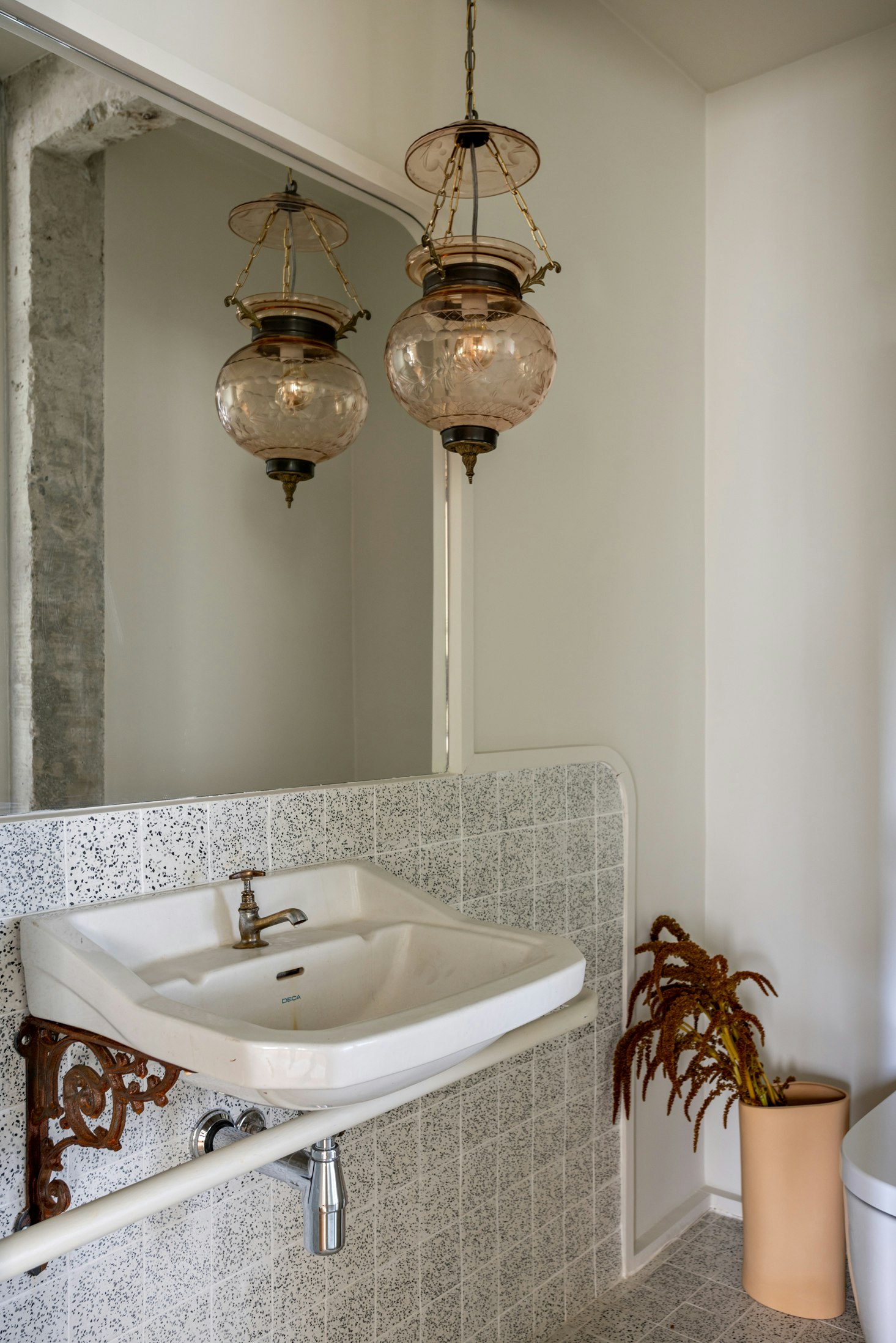
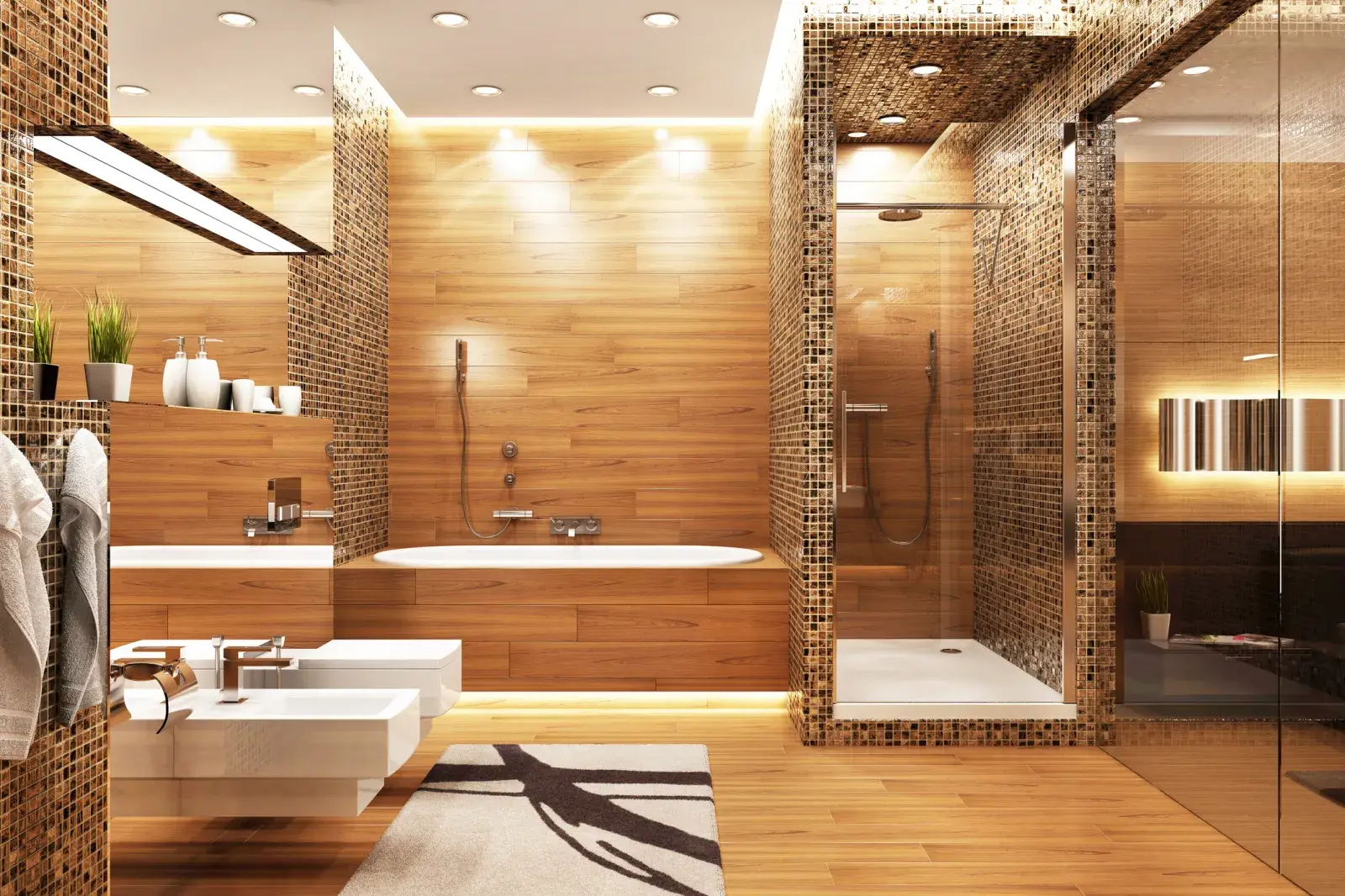
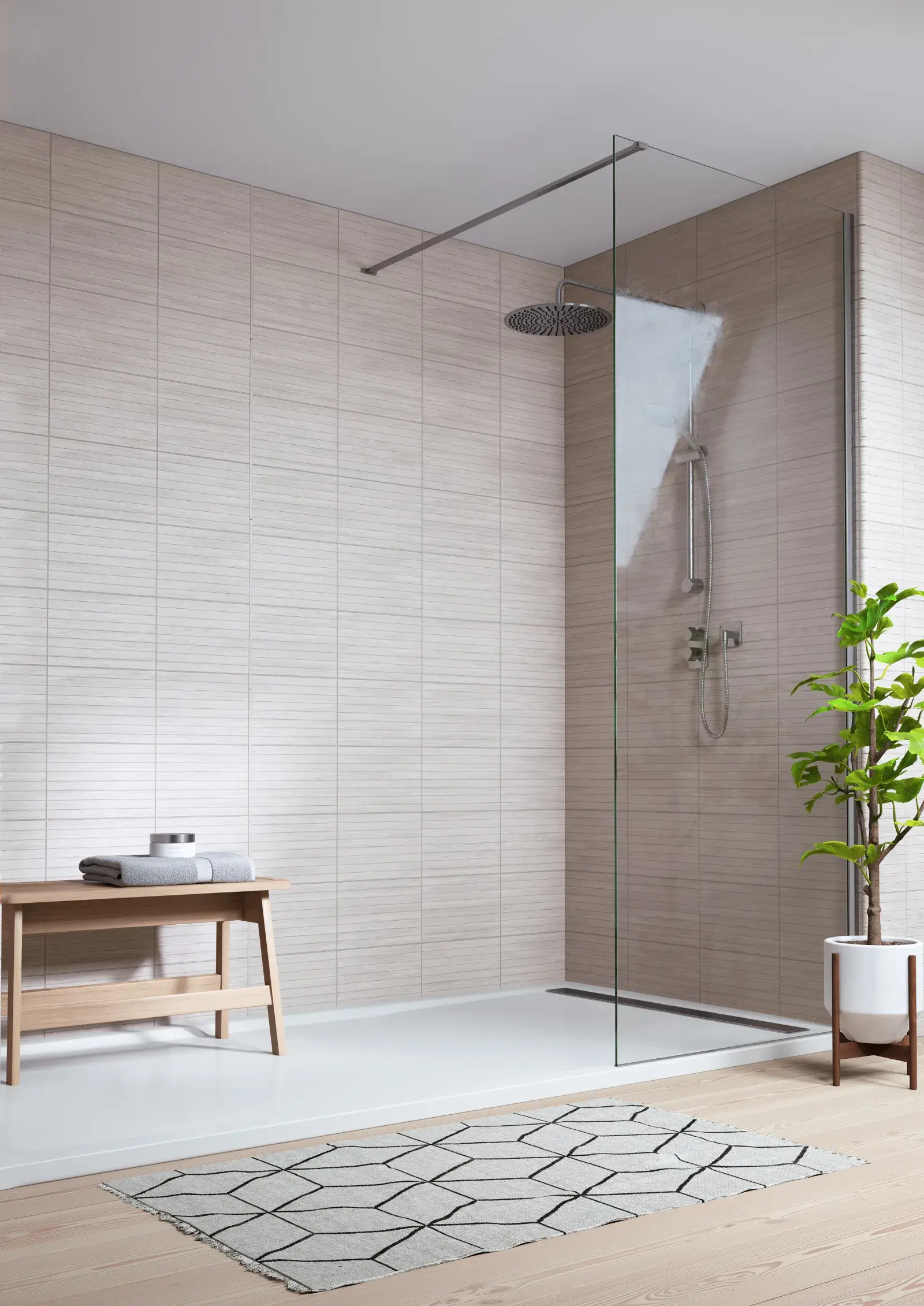
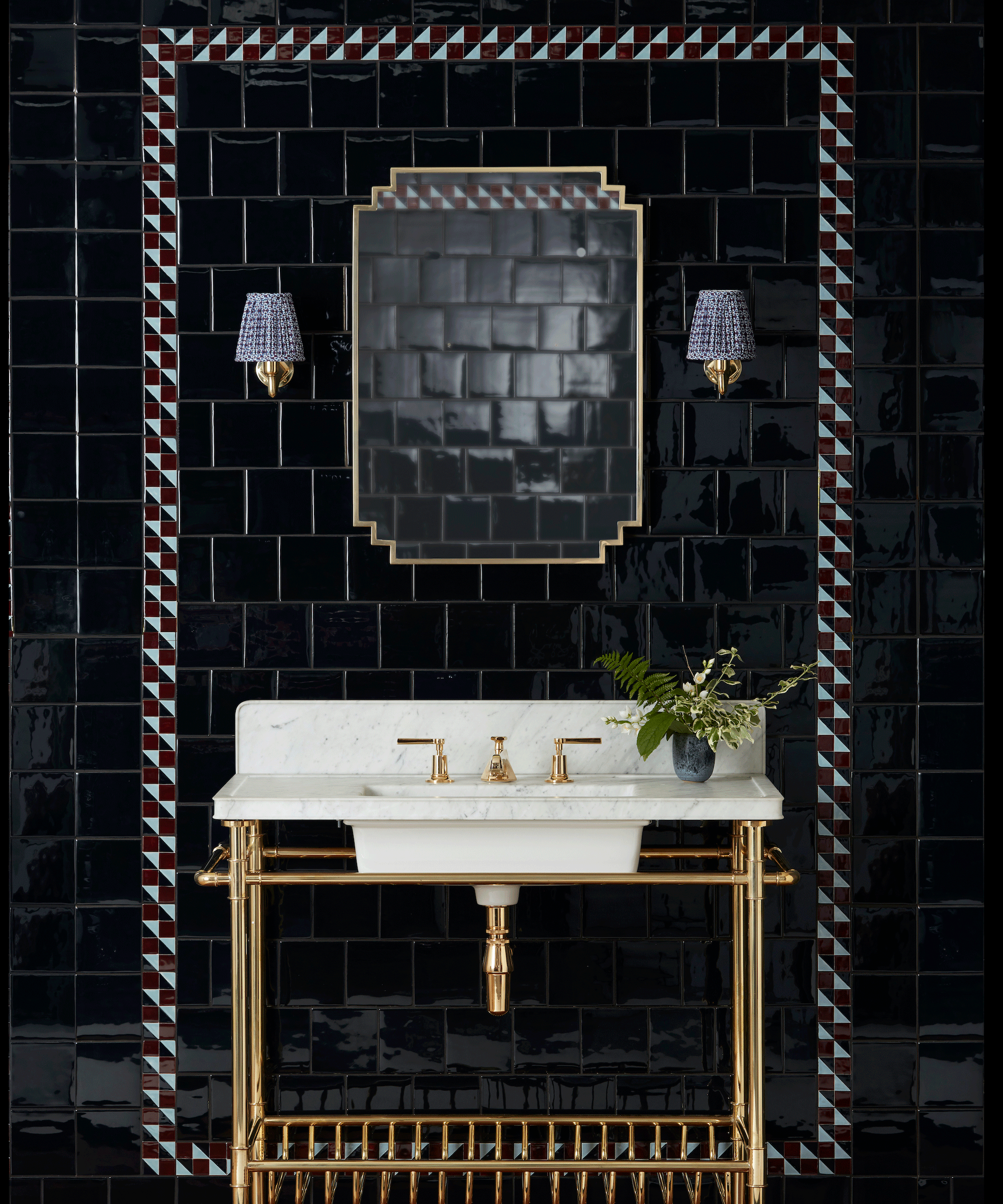
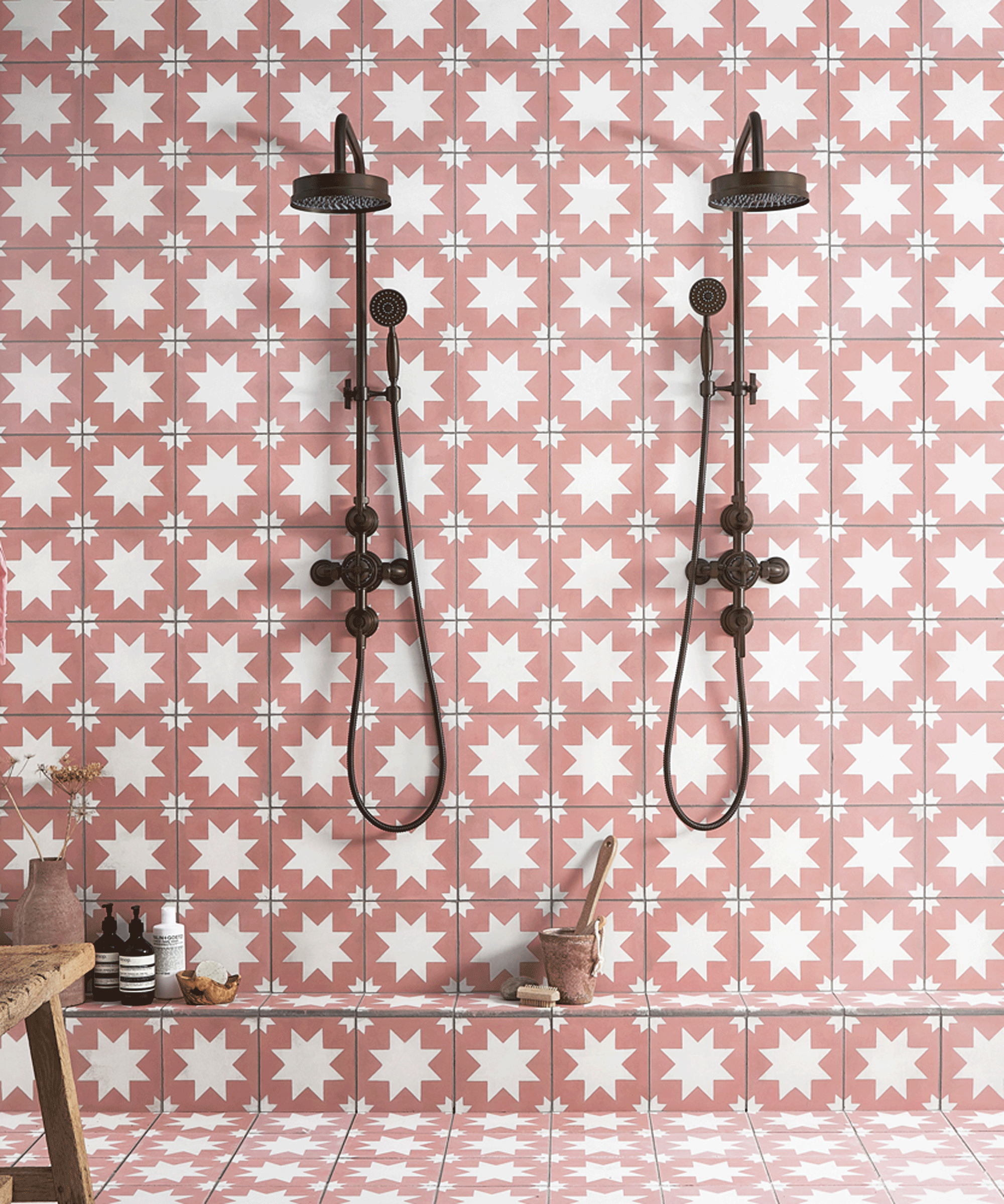
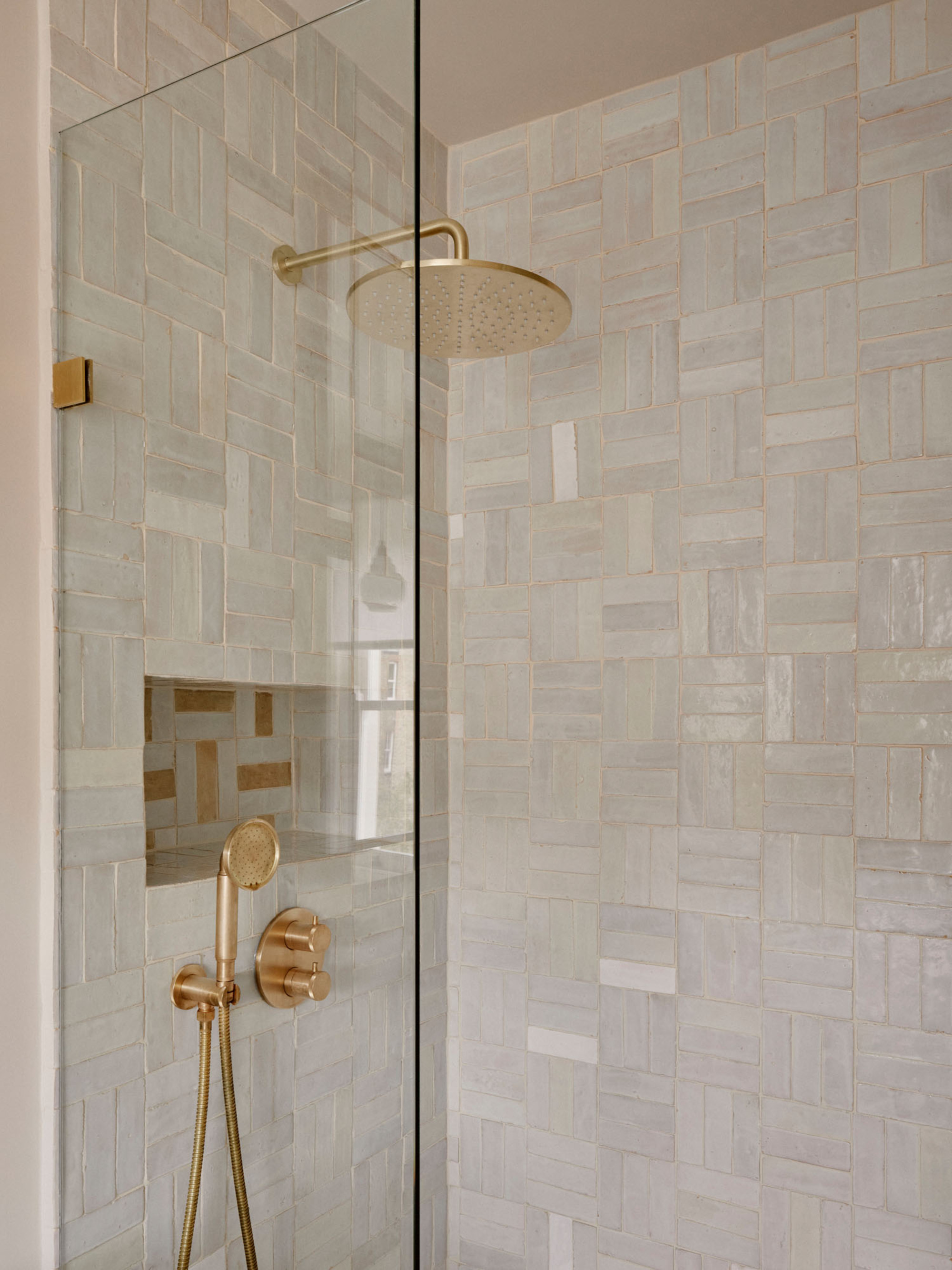
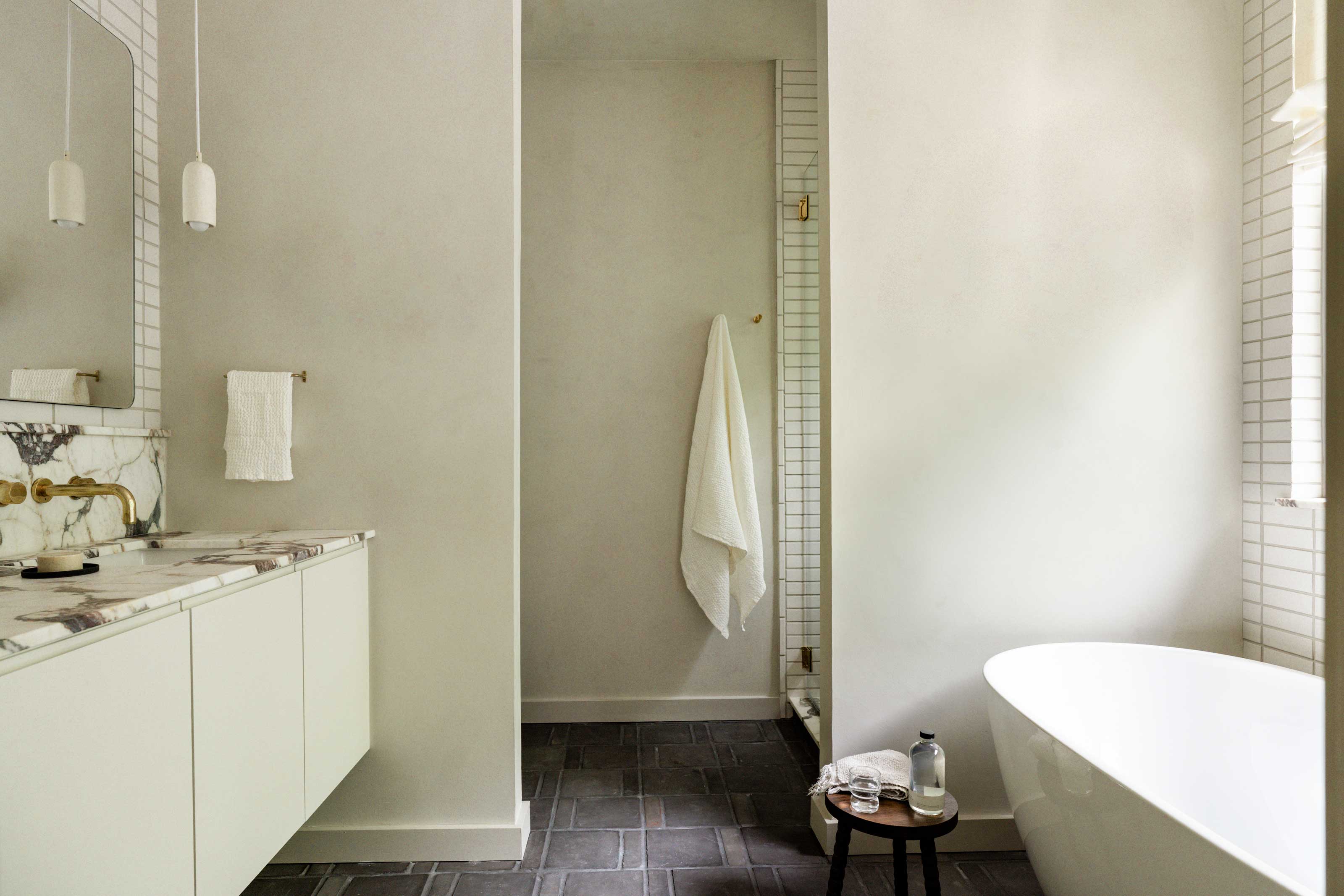
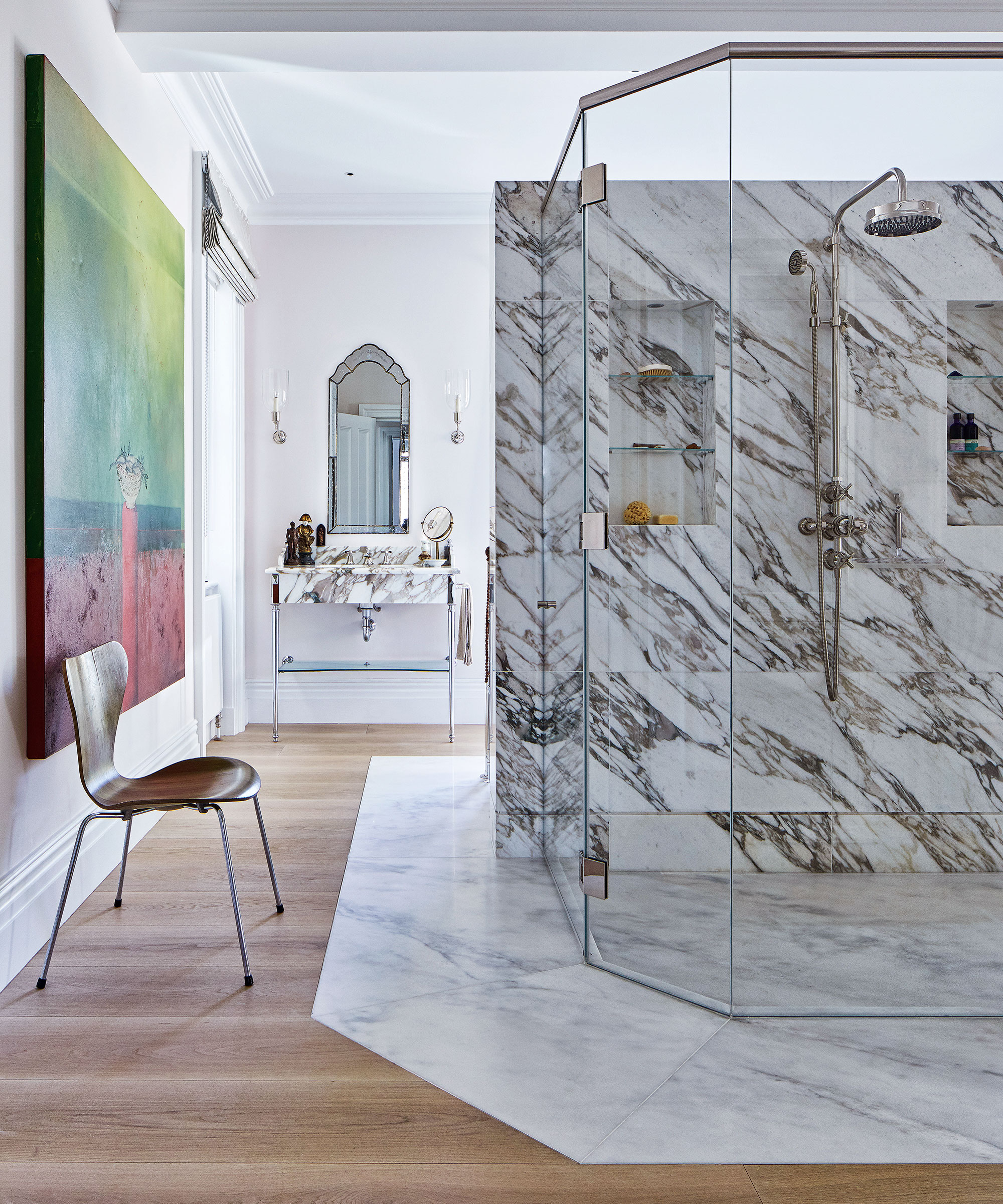
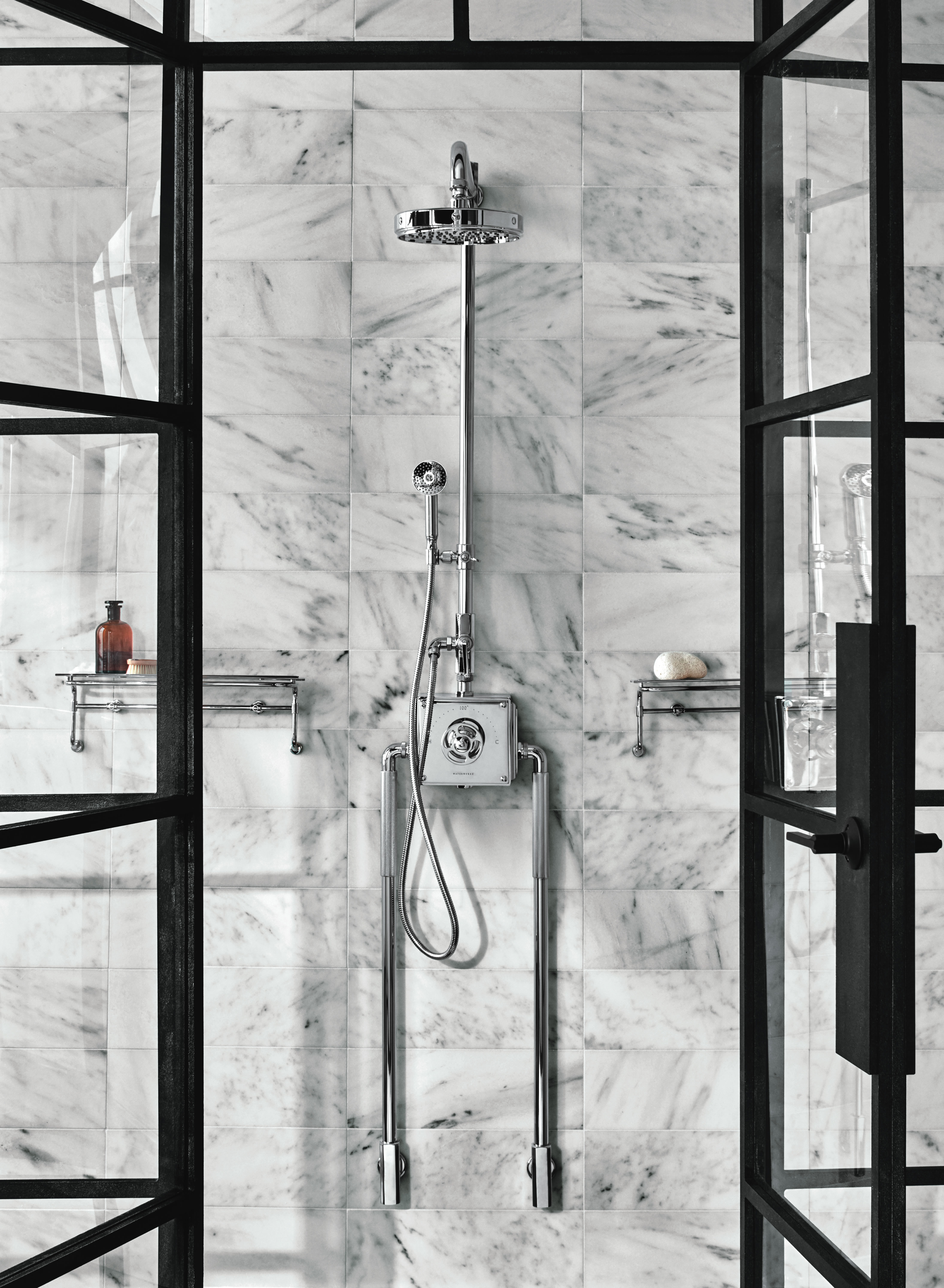
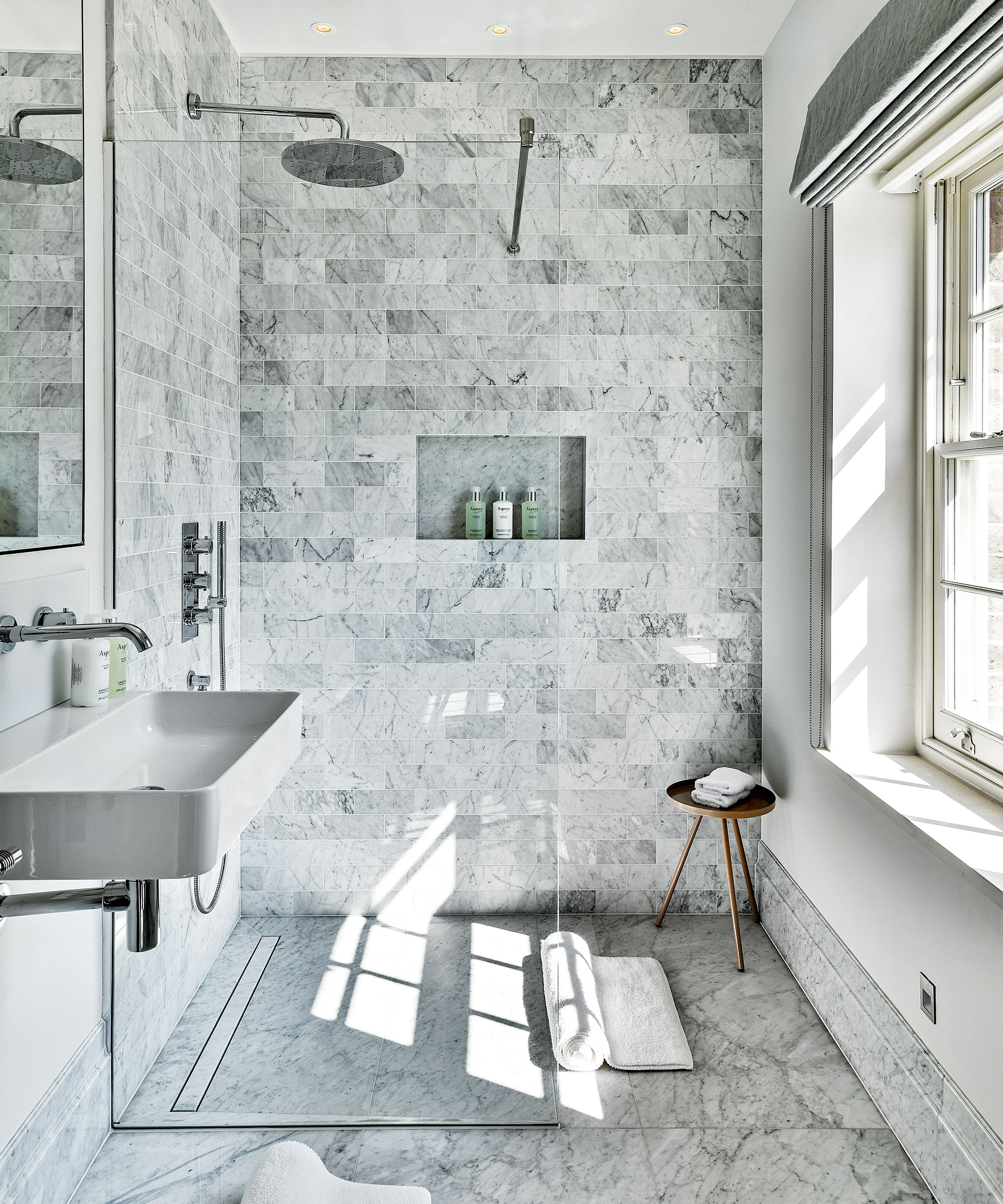
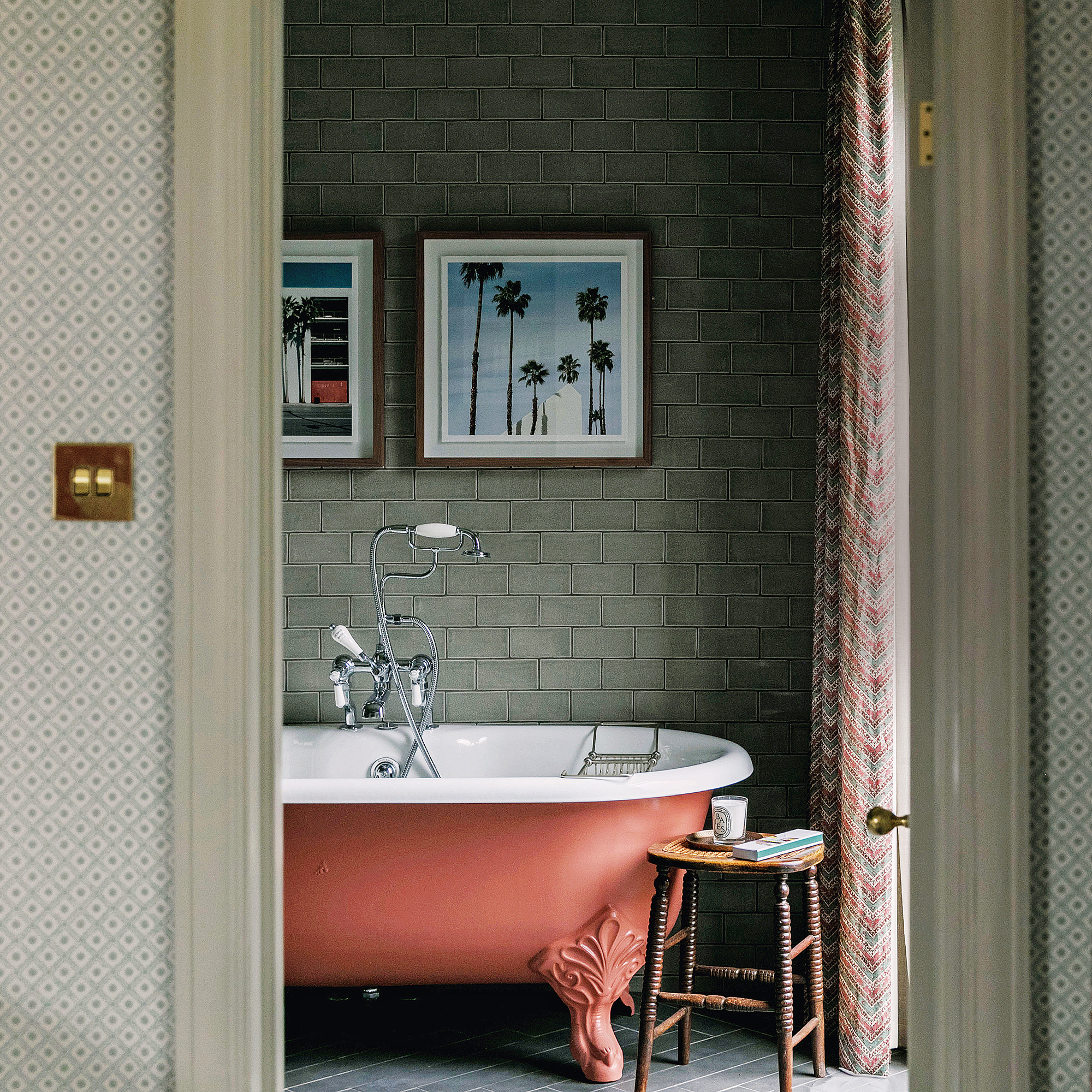
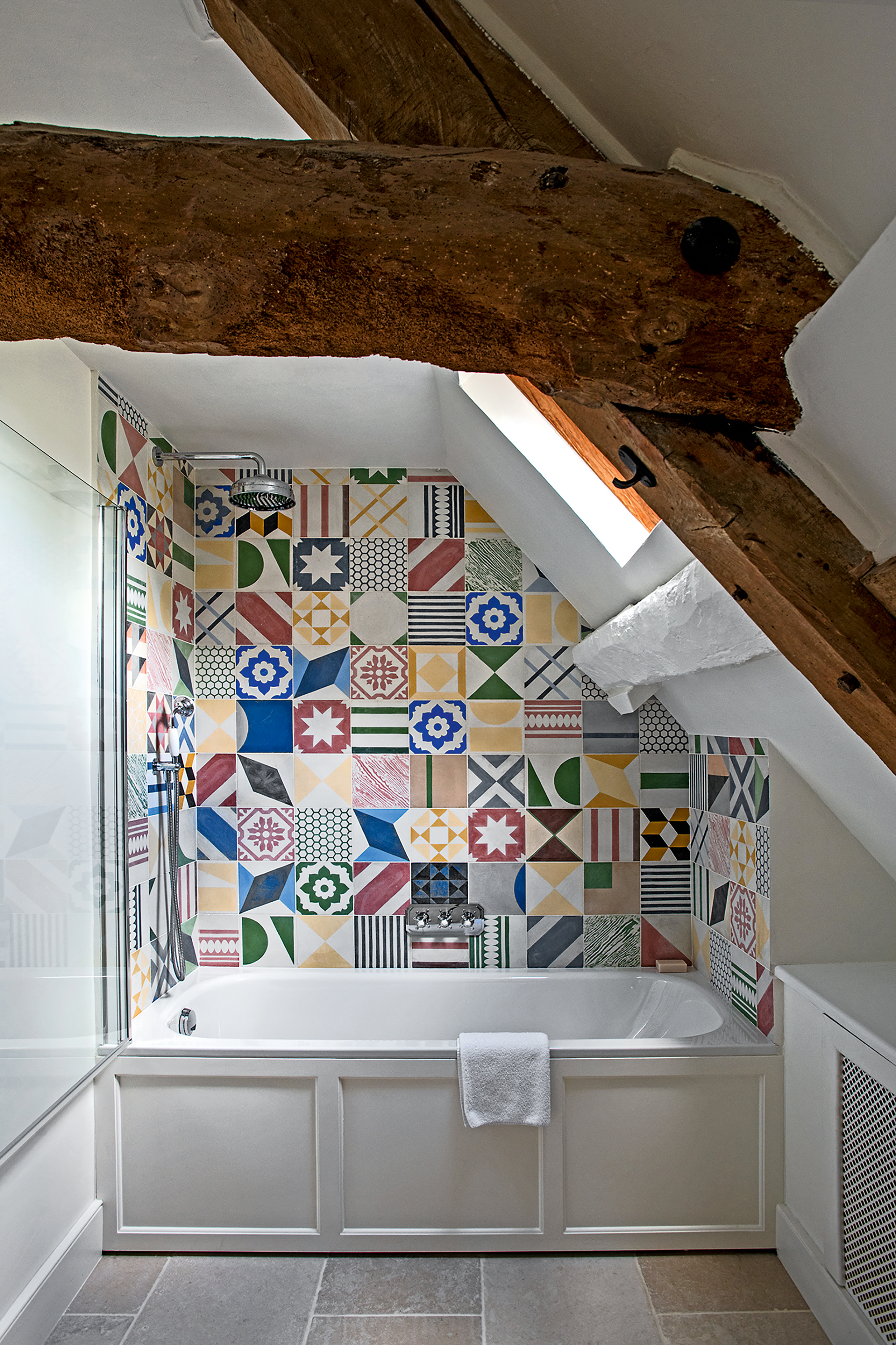
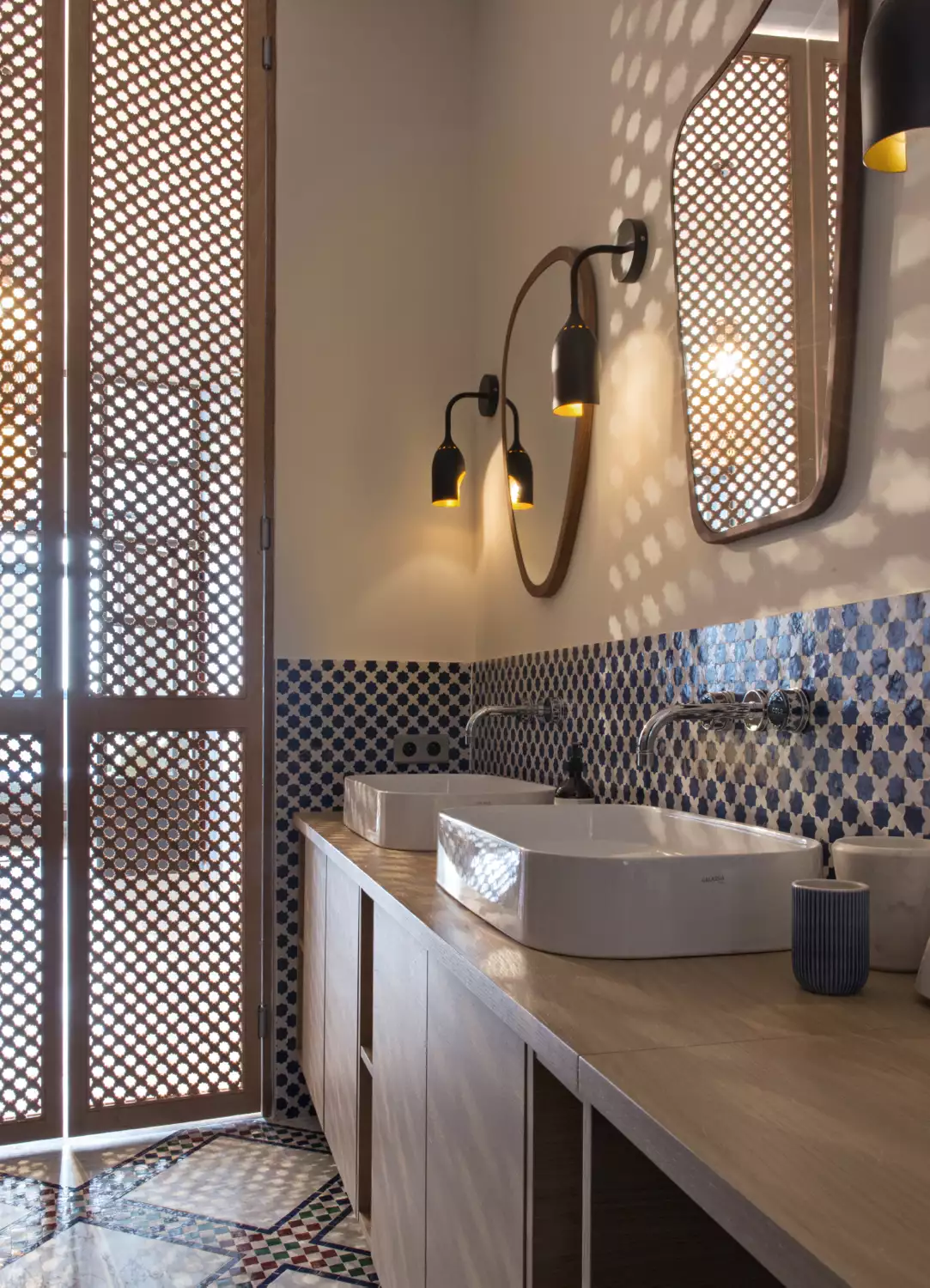
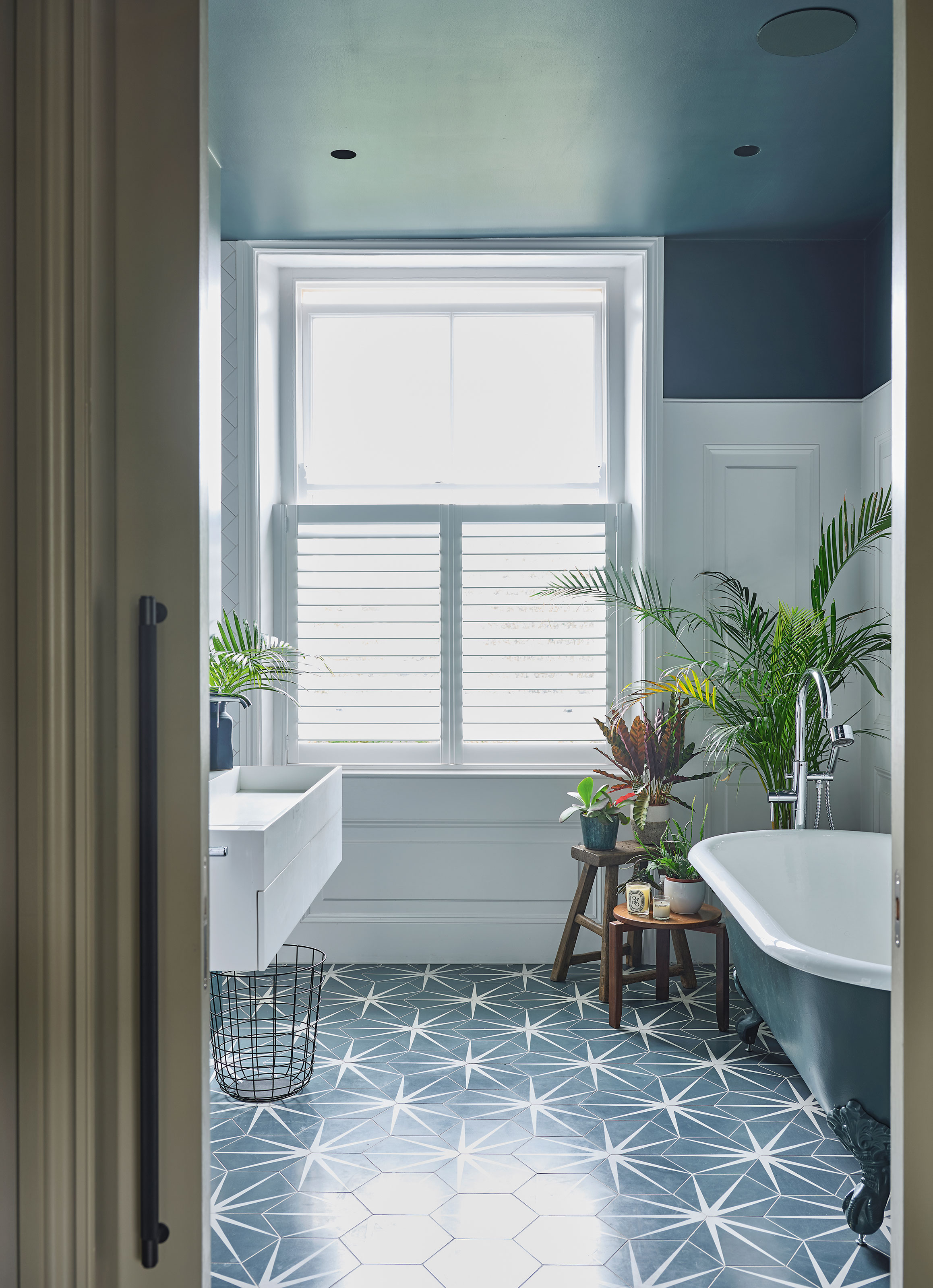
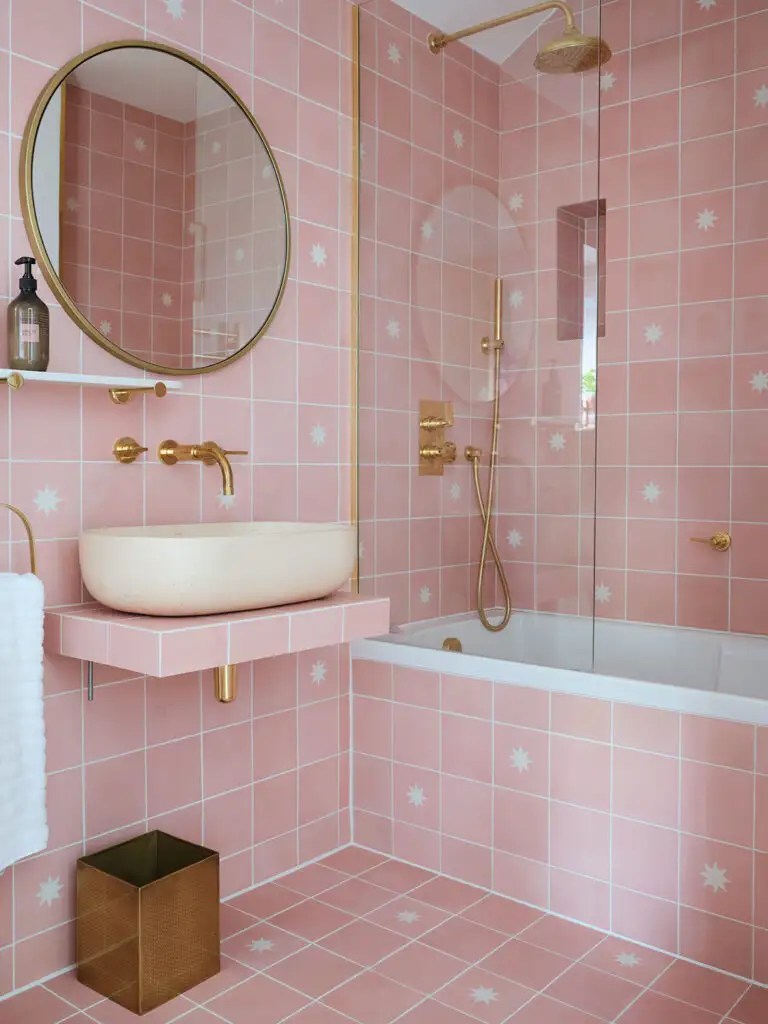
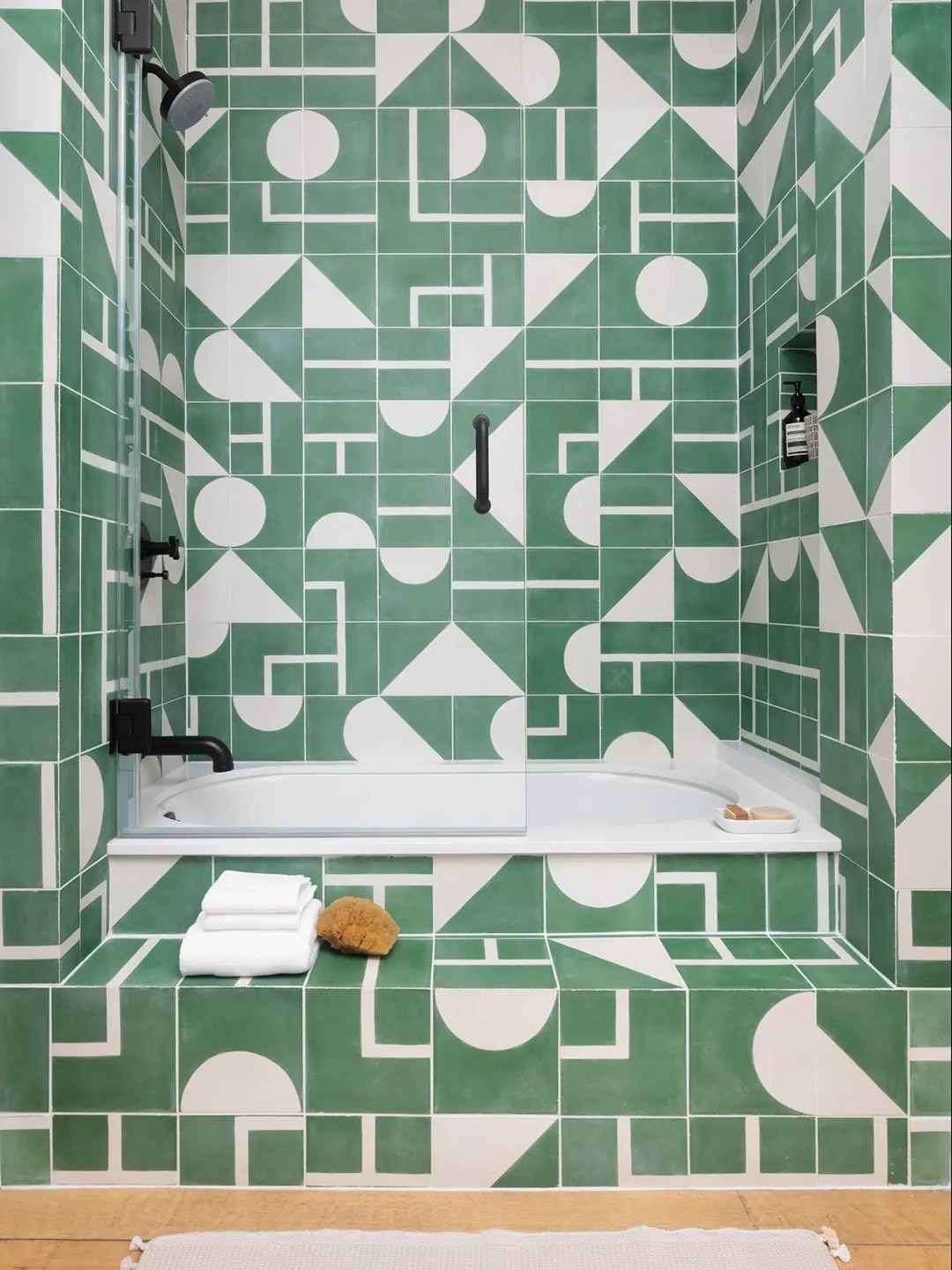
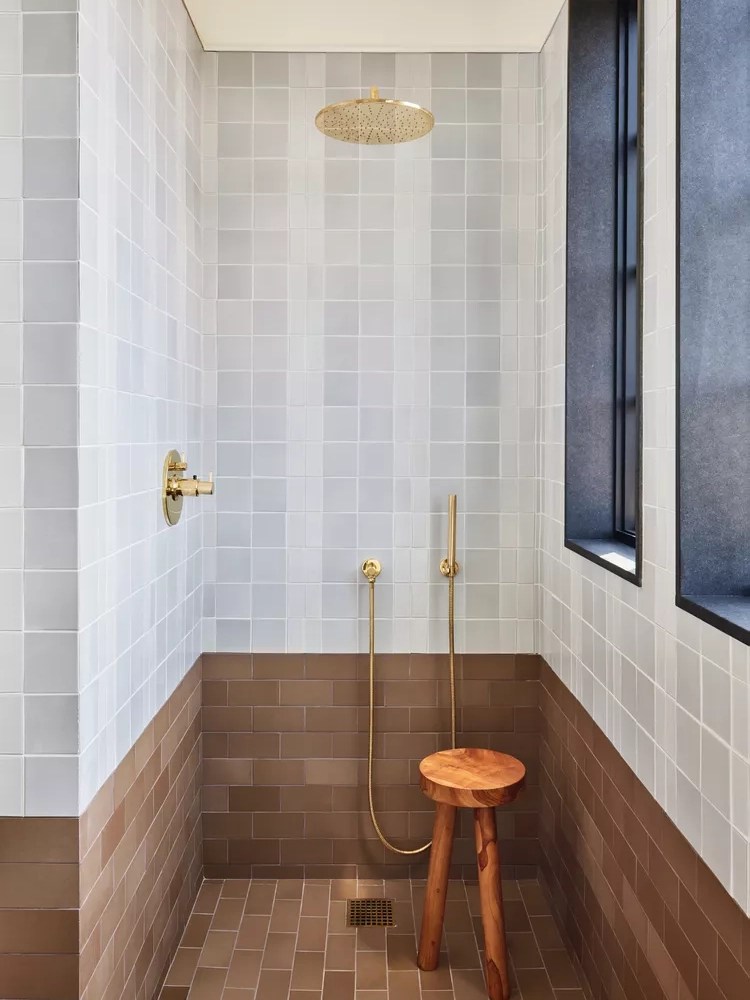
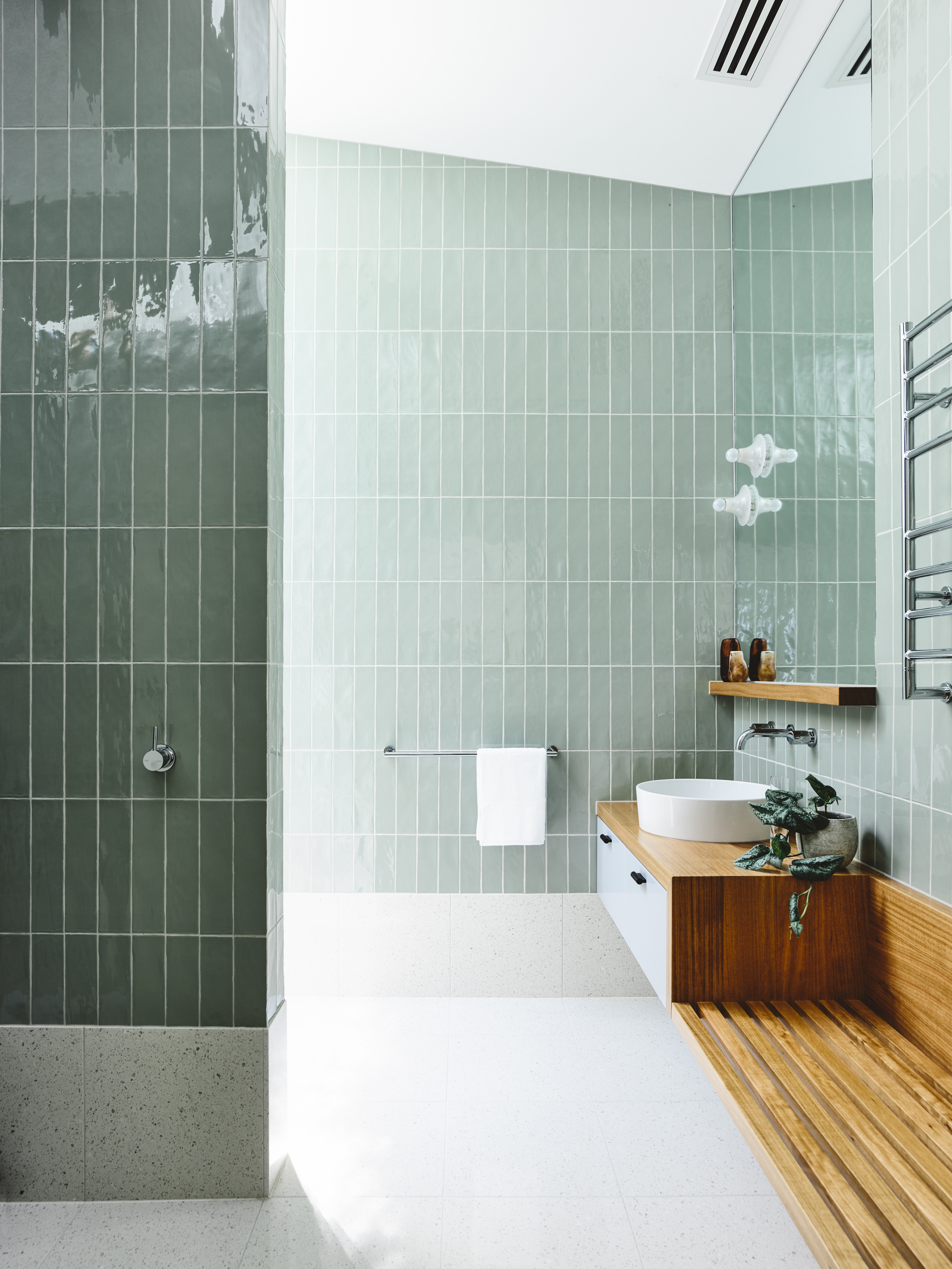
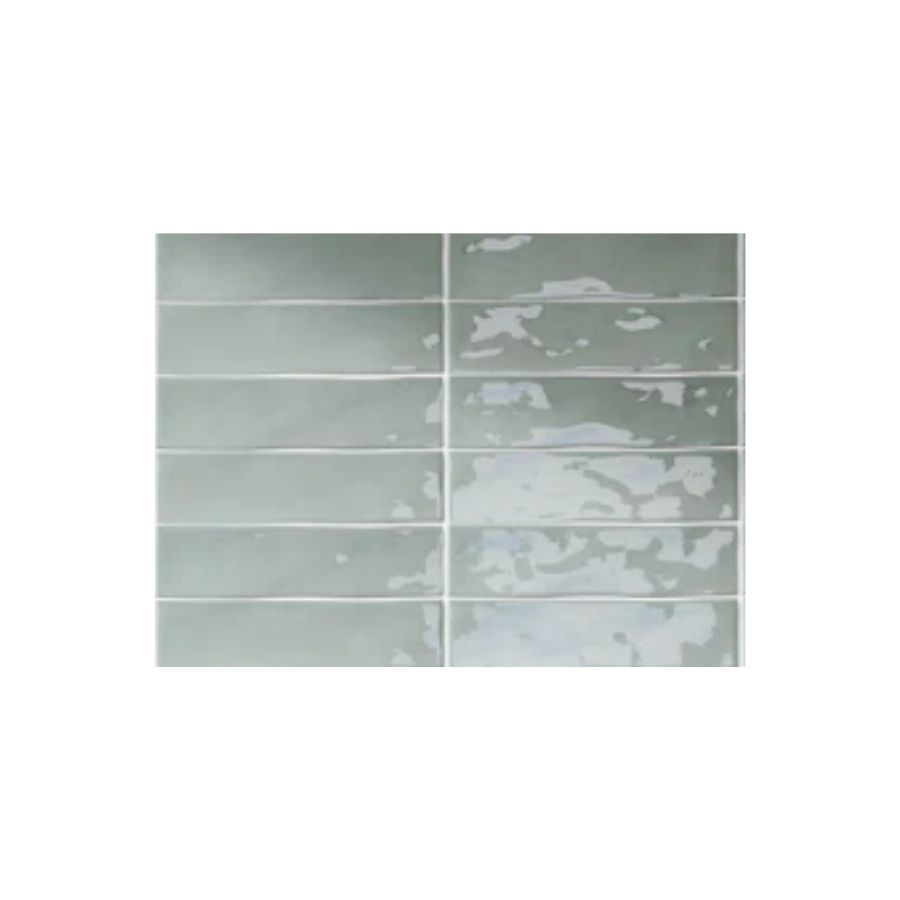
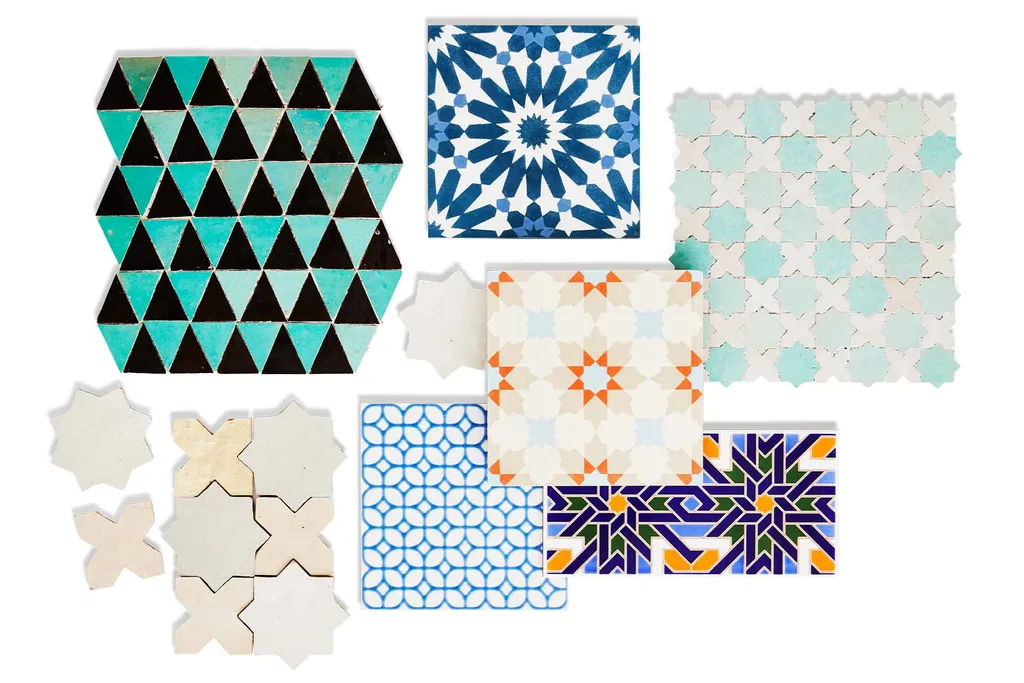
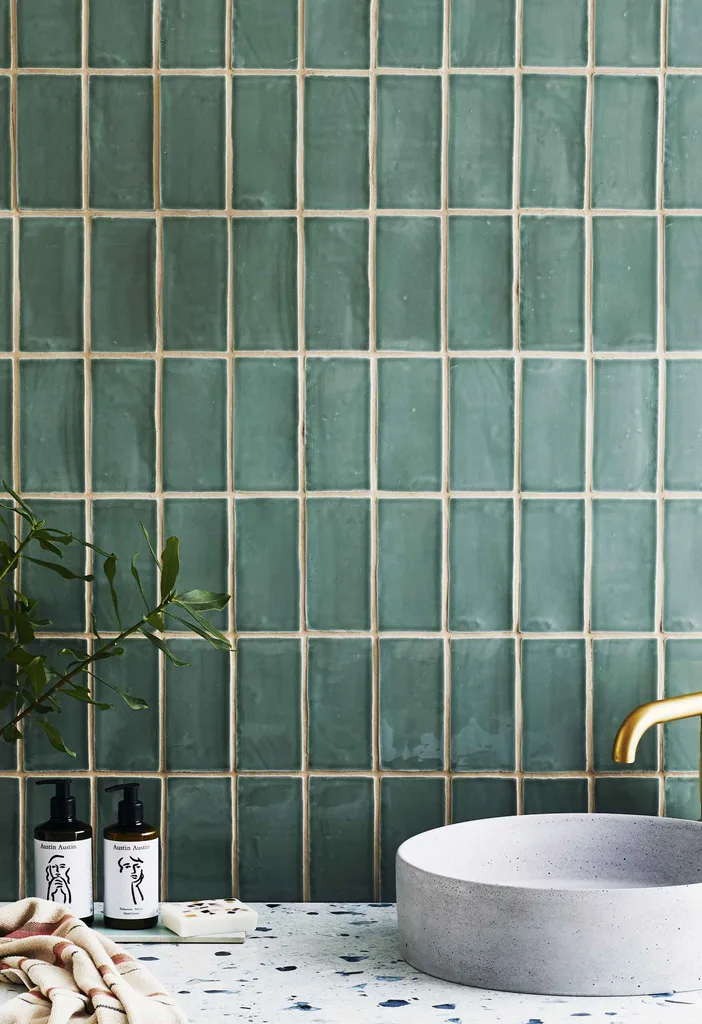
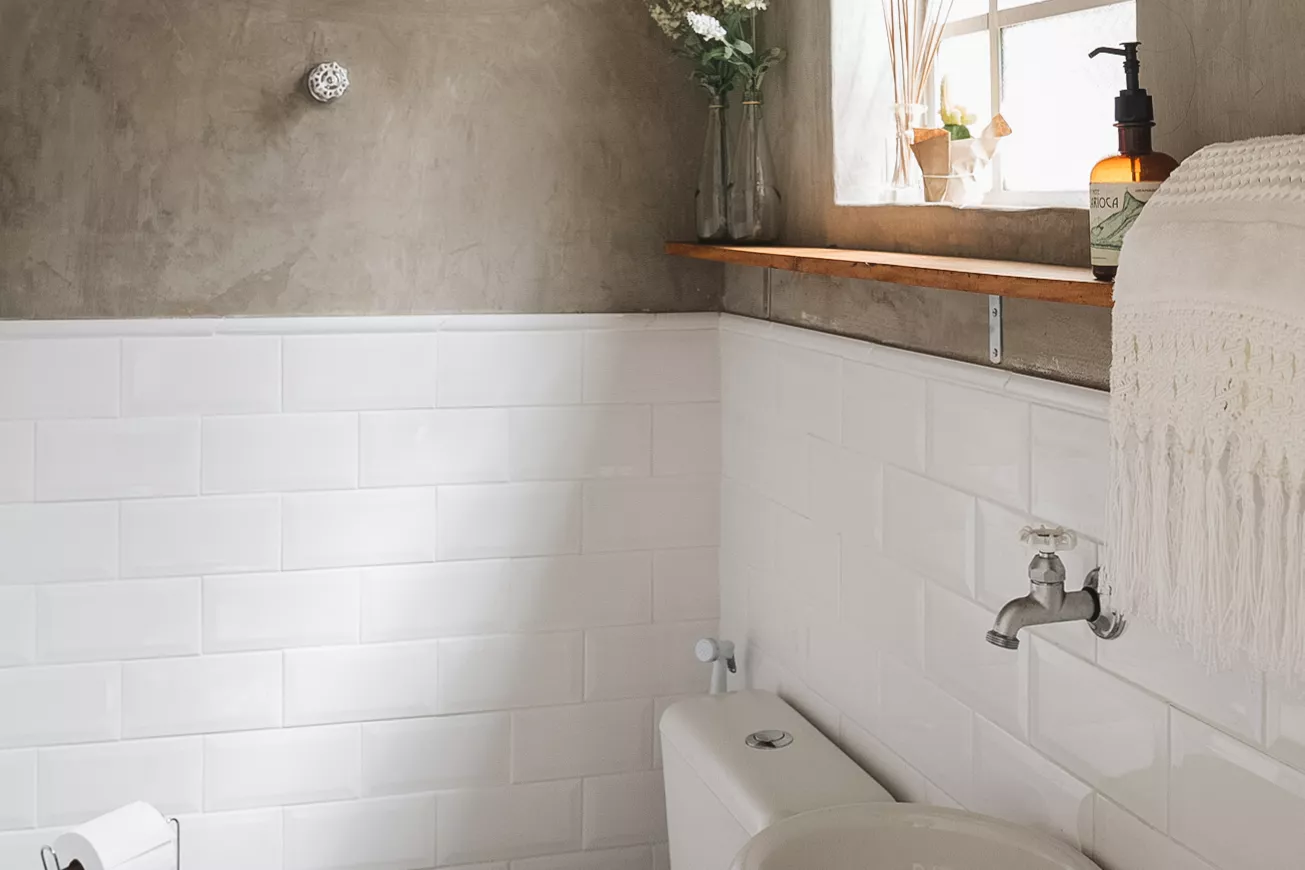
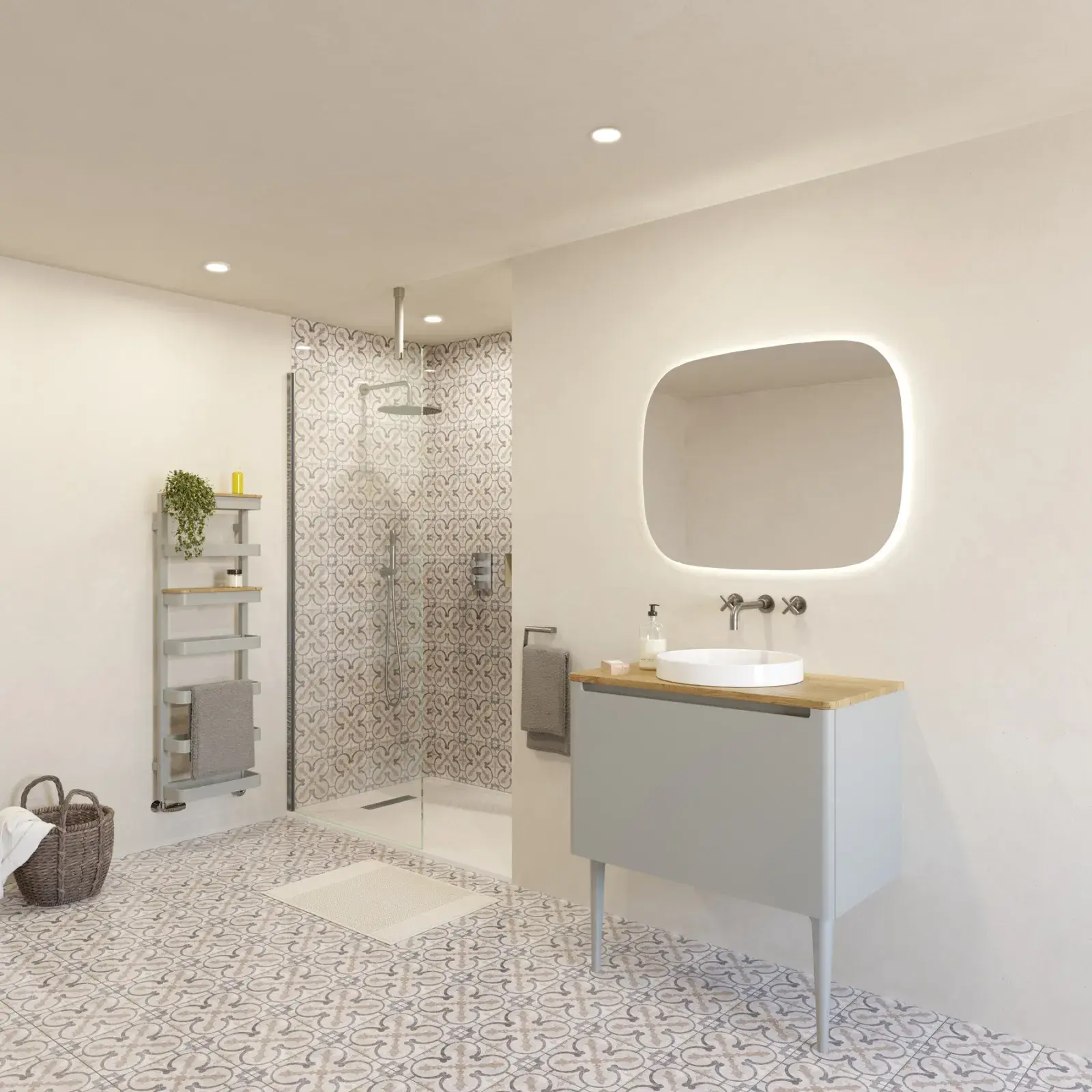
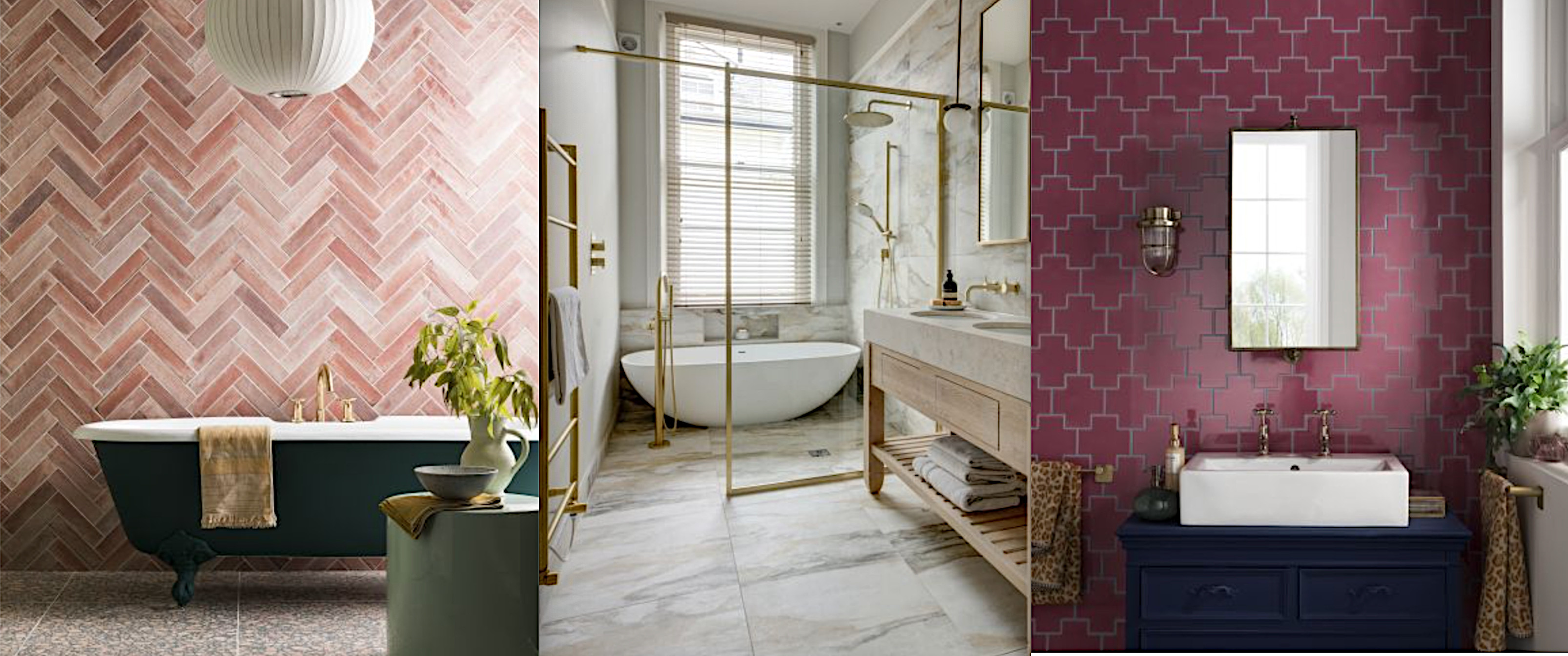
Ceramic tile is a traditional and highly effective choice for bathroom walls. When installed and maintained correctly, it is completely waterproof. Design versatility is a key advantage, with options for colored grout and partial tiling, often extending about 36 inches from the floor, with the upper sections painted or wallpapered.
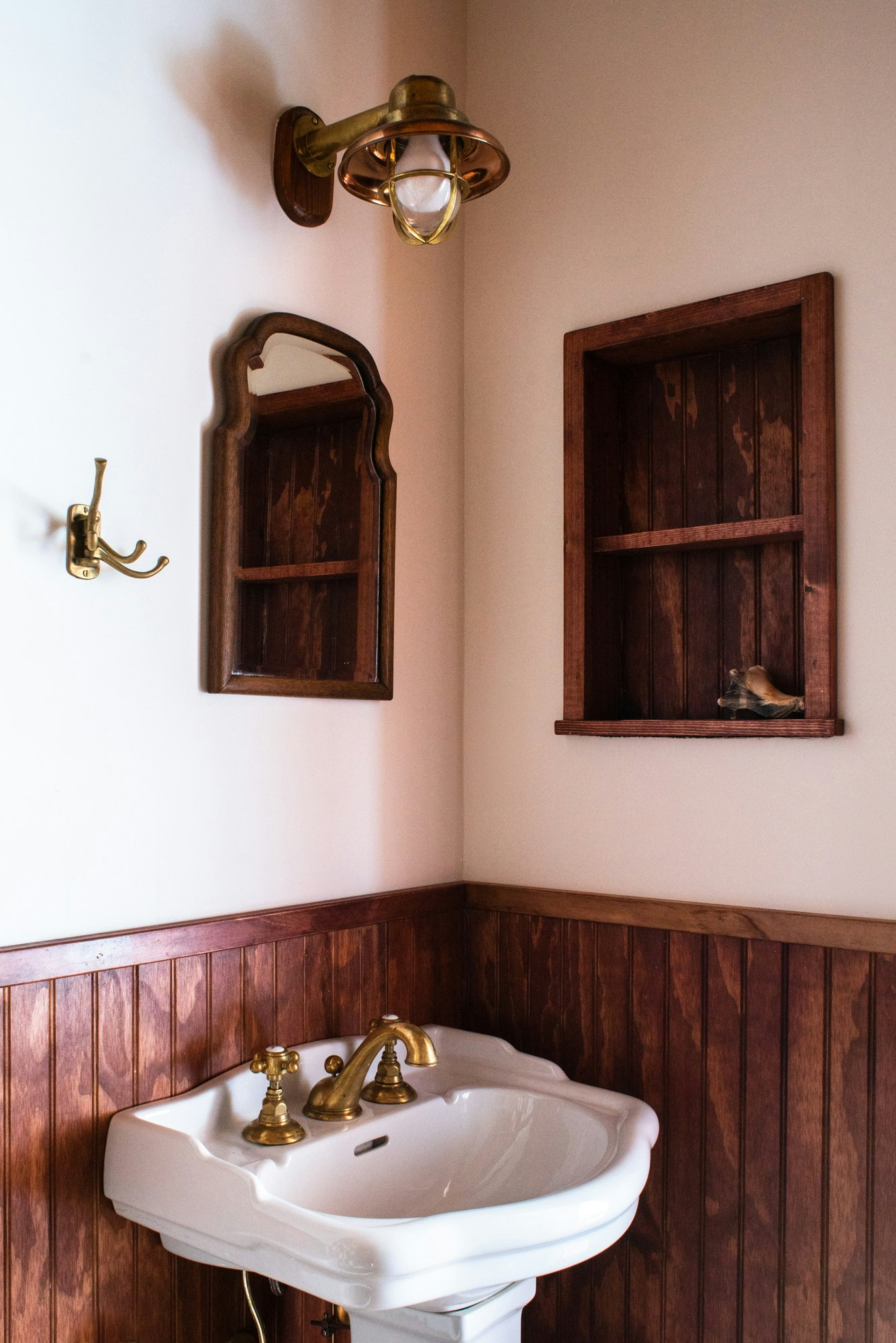
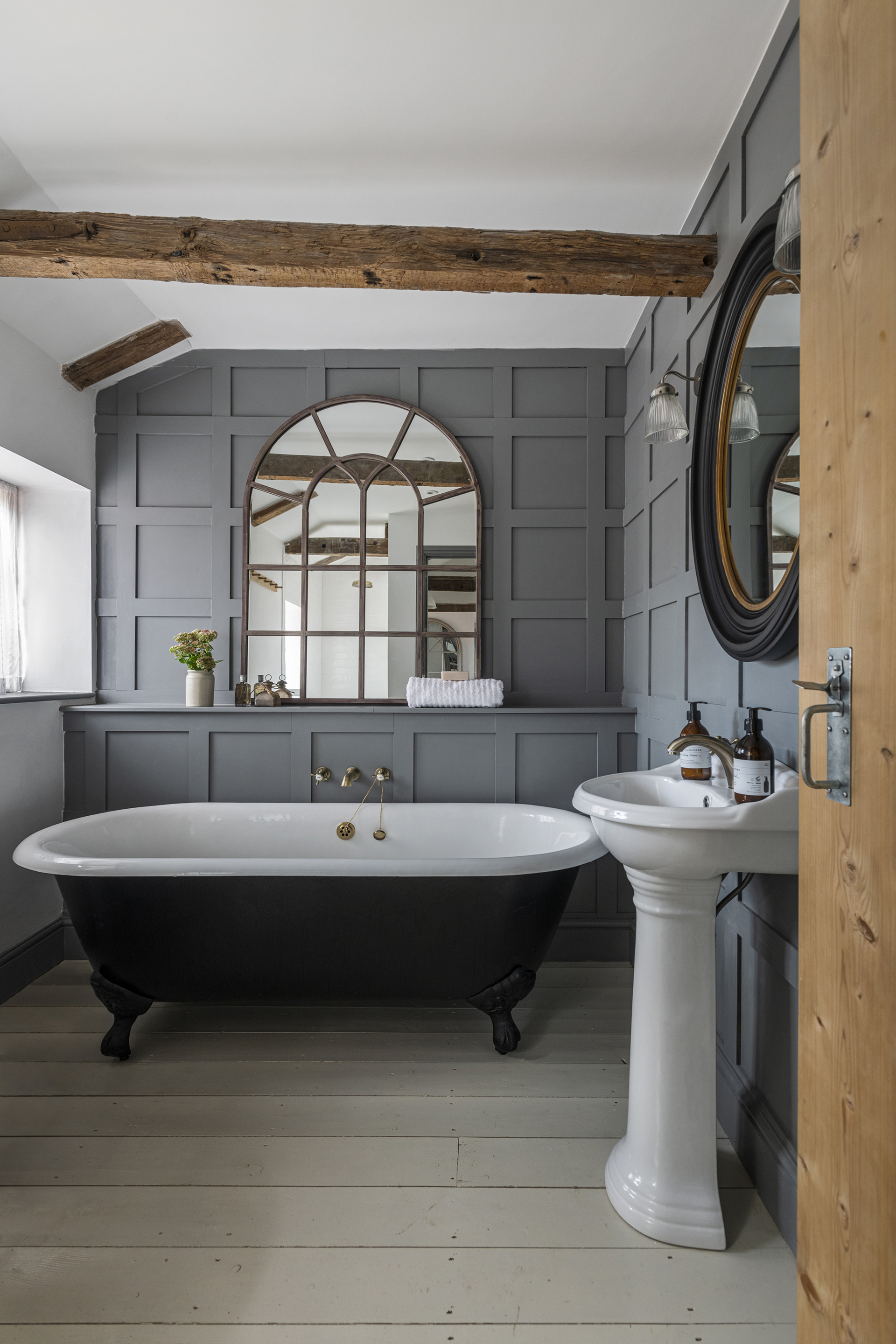
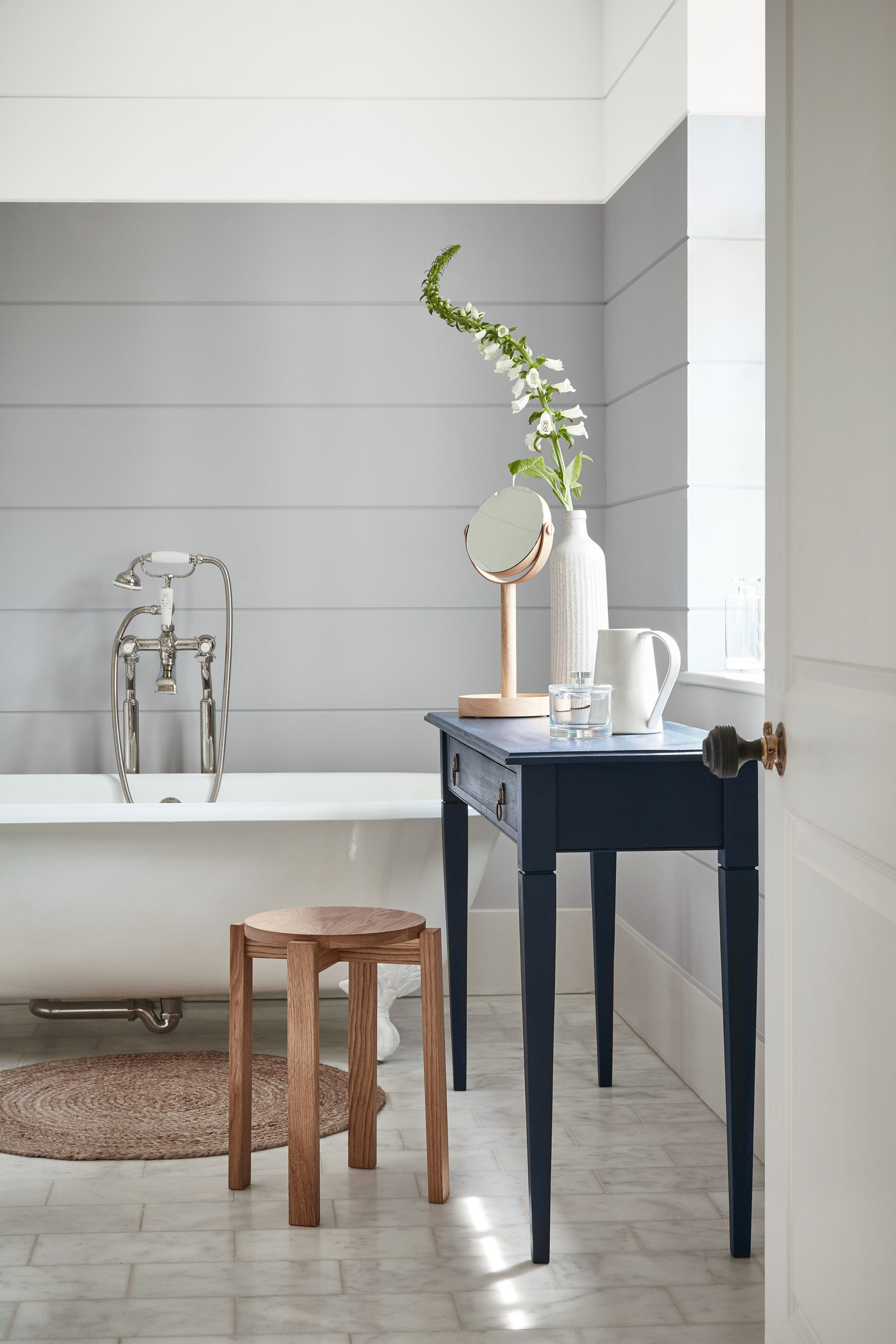
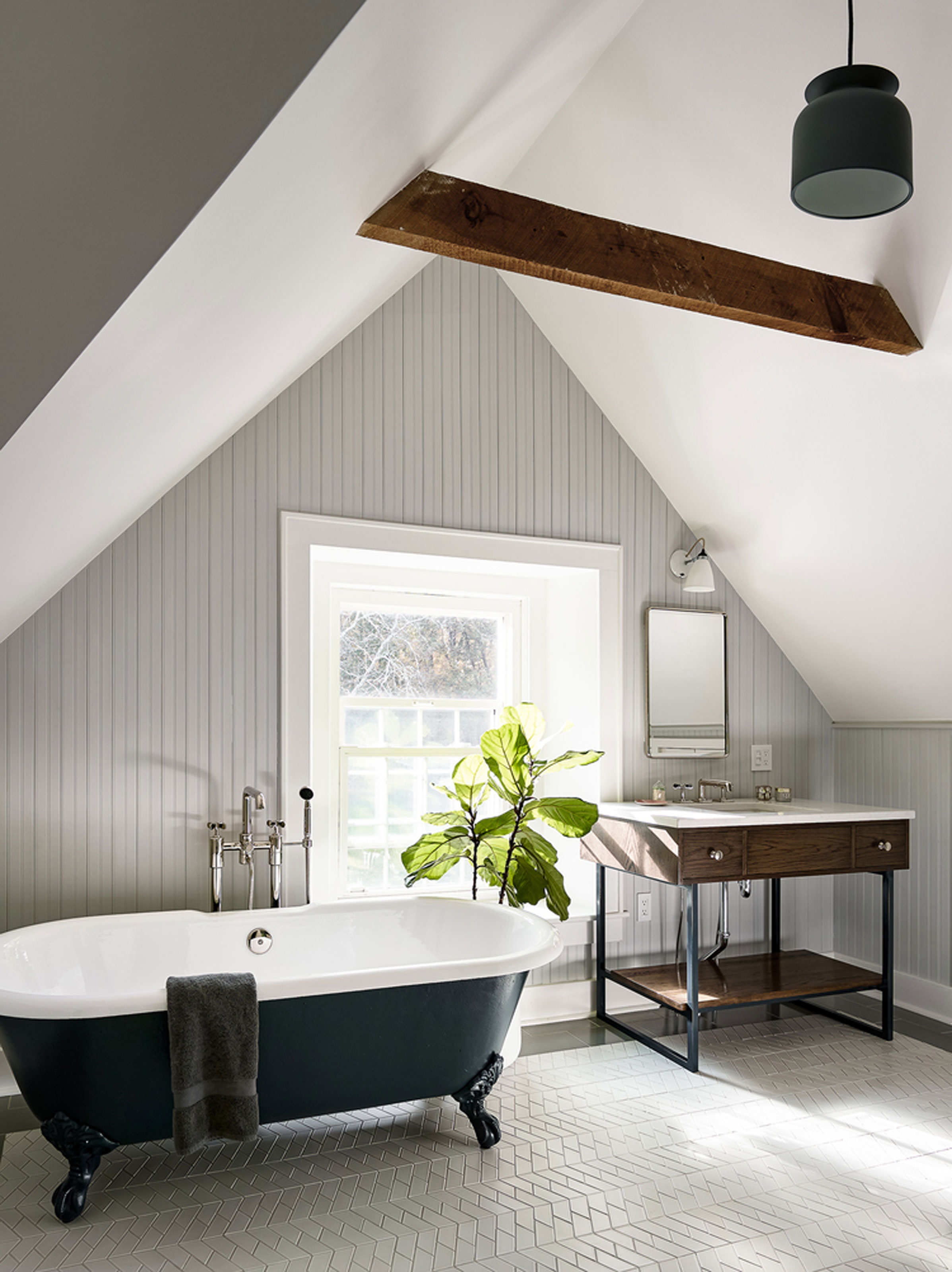
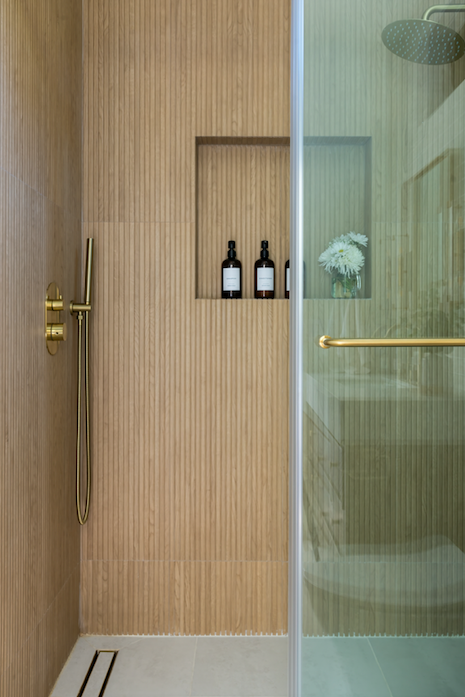
Beadboard typically covers the lower half of bathroom walls, offering protection against direct moisture. Painted with semi-gloss or glossy paint, it blends traditional aesthetics with practicality. Beadboard panels, available in large sizes, offer quicker installation using construction glue and finish nails, while individual planks provide a more authentic look. Its traditional style may not suit all design preferences.
Tileboard presents an economical and quick-fix solution, mimicking the appearance of ceramic tile without the complex installation. These large panels are easy to install, with better quality versions featuring coated surfaces for water resistance. However, tileboard offers less long-term value compared to ceramic tile and can swell irreversibly if water penetrates behind it, necessitating meticulous sealing of all seams with bathroom-grade silicone caulk.
When choosing a bathroom wall option, several factors should be considered: durability, especially for daily-use showers or bathtubs; aesthetic style, such as using wallpaper and beadboard in powder rooms; affordability for budget-conscious projects, where tileboard can offer a quick disguise for wall imperfections; and ease of cleaning, with bathroom paint being particularly simple to wipe down. Regardless of the material chosen, consistent cleaning is essential to prevent dust accumulation and mold growth, requiring cleaning solutions appropriate for the specific wall material.
#BathroomDesign #WallMaterials #HomeImprovement #MoistureResistance #InteriorDecorating #TileInstallation #Wallpaper #Beadboard #PaintChoices #BathroomDesign #WallMaterials #HomeImprovement #MoistureResistance #InteriorDecorating #TileInstallation #Wallpaper #Beadboard #PaintChoices
Há 0 comentários no total
 Ainda não há comentários
Você também pode gostar
17 Modern Bathroom Wall Ideas

Shower wall ideas – 11 striking finishes for the walls in your bathroom

Bathroom Wall Lights – Our Pick of the Best

23 Seriously Good Bathroom Wall Decor Ideas That You’ll Want to Shower Twice a Day
Bathroom Wall Decor Ideas to Transform Your Home

Bathroom wall tile ideas – 10 inspiring looks for your space
5 Amazing Statement Walls Done Right

5 tile trends that are taking over the bathroom

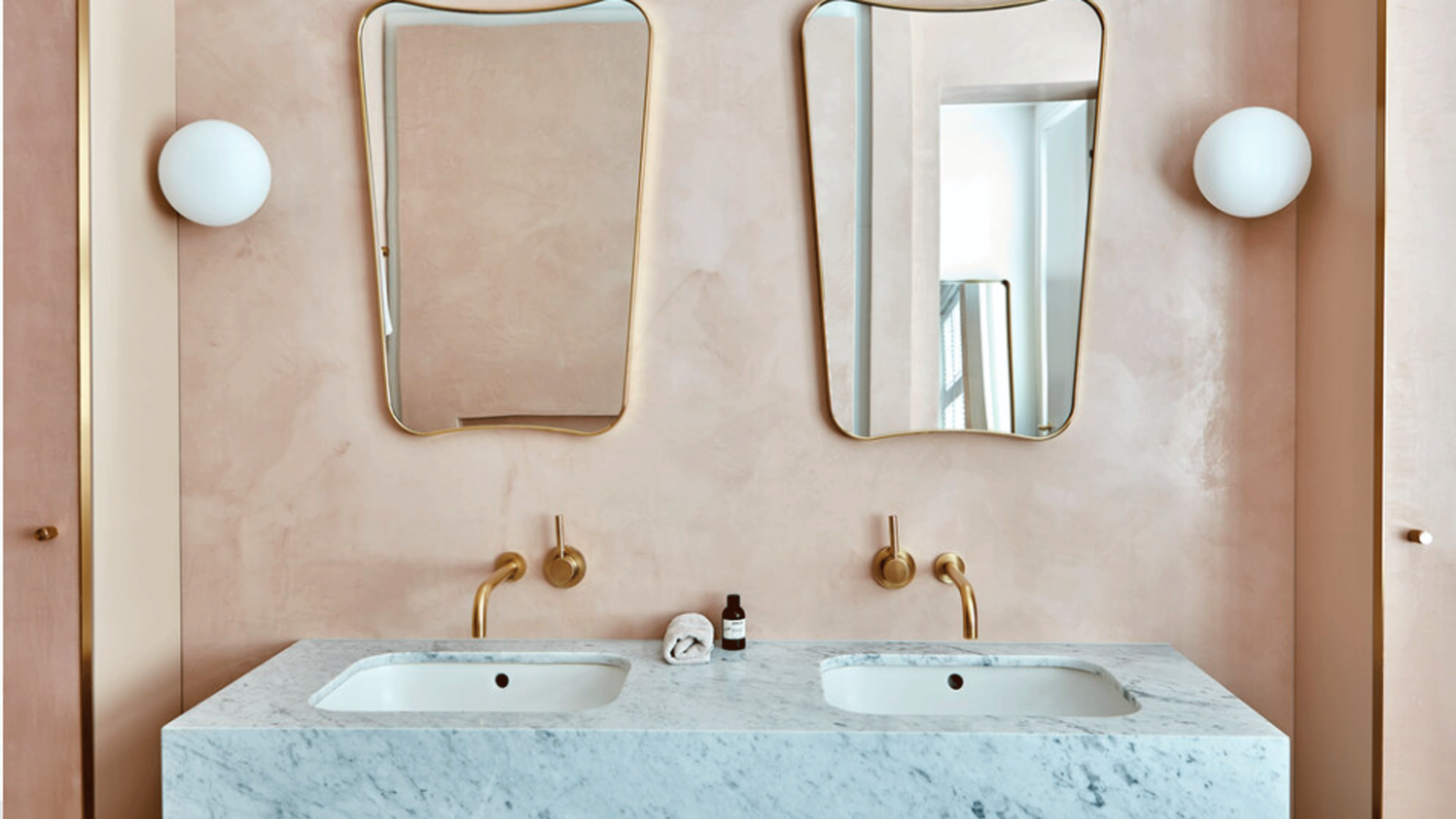
Bathroom wall ideas – 10 fresh ways to breathe life into your bathroom walls

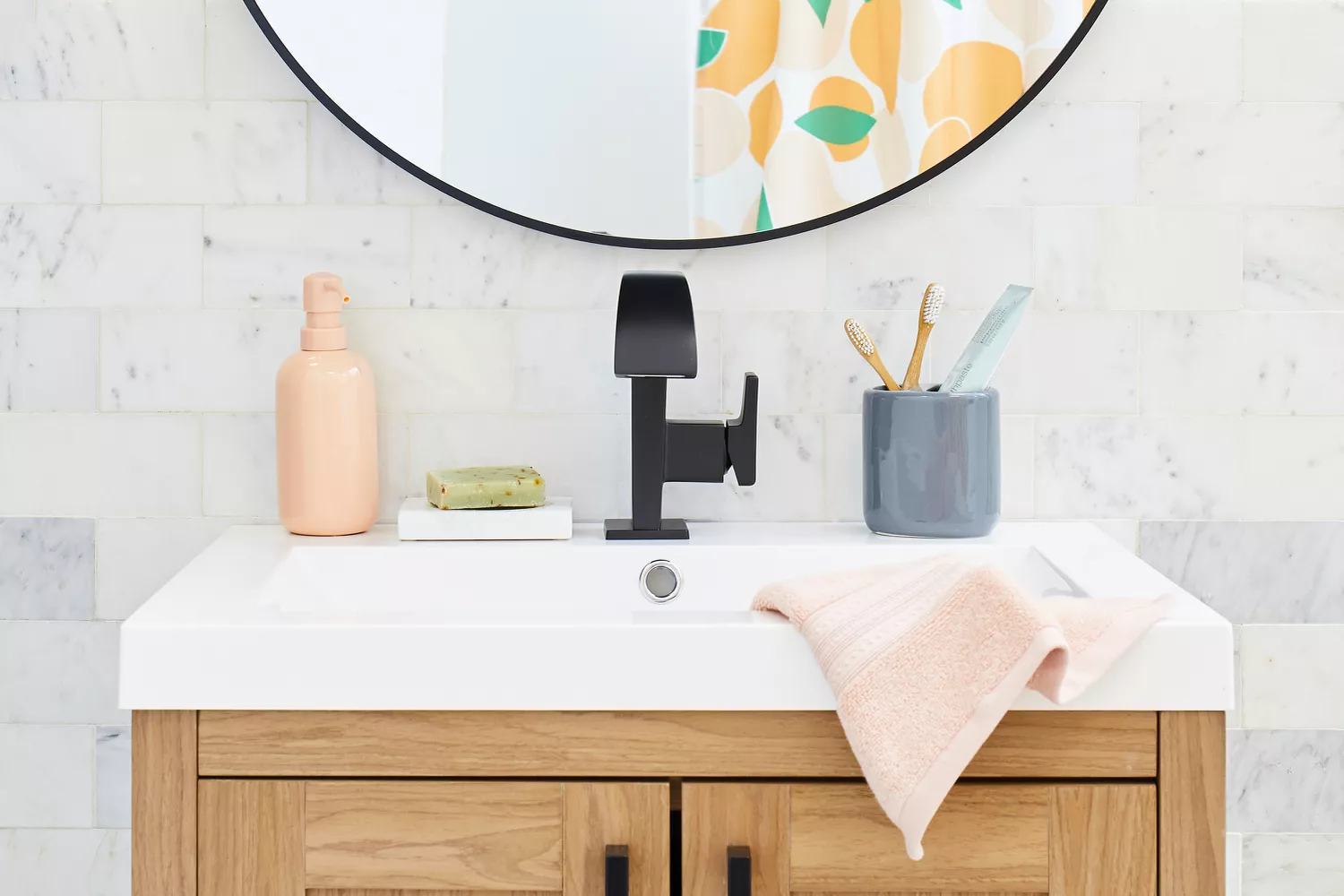
25 Bathroom Backsplash Ideas to Protect Your Walls and Boost Your Style

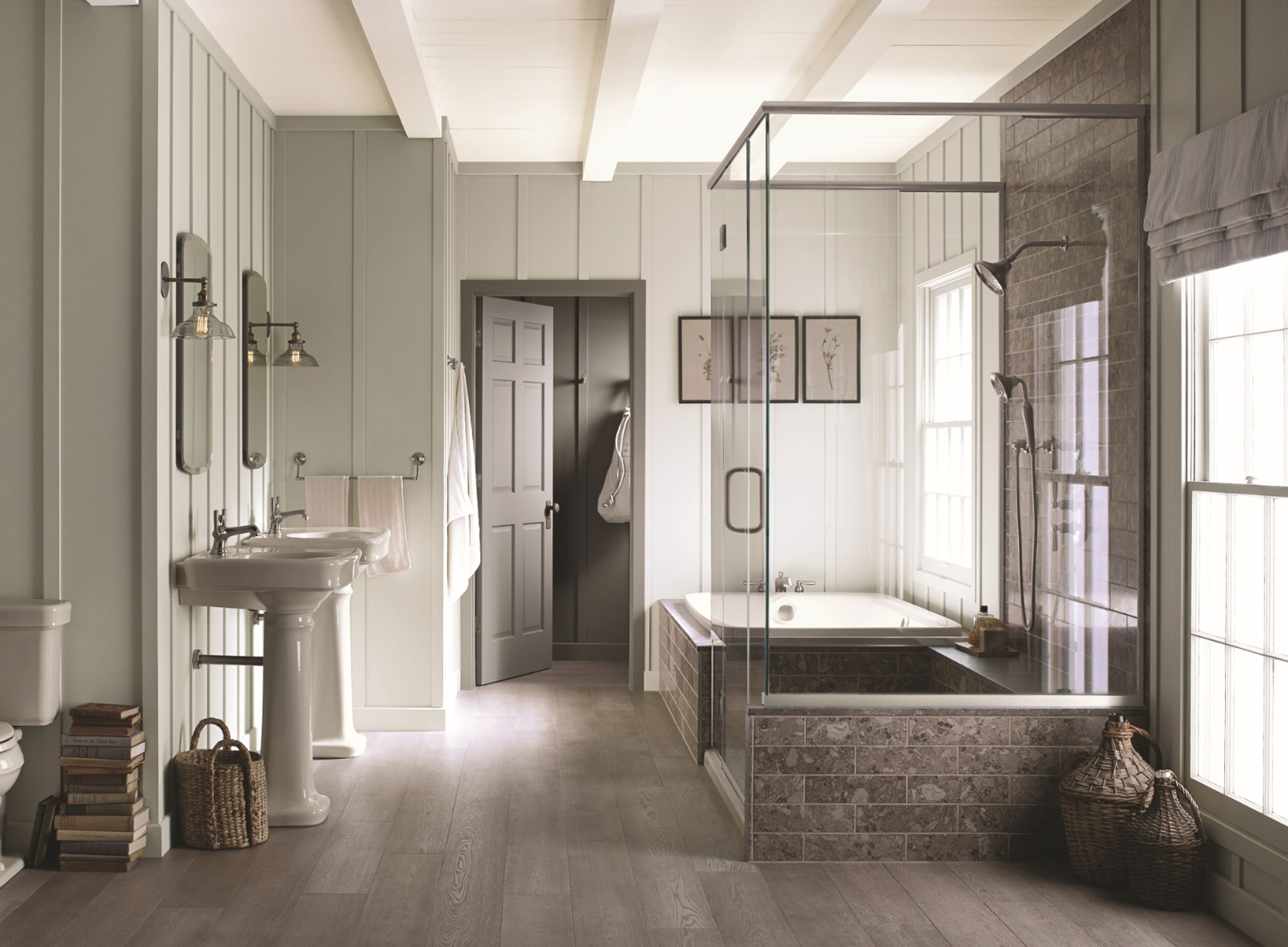
Bathroom wall panel ideas – 11 ways to modernize this classic trend

5 updates to give your bathroom an influencer-approved aesthetic

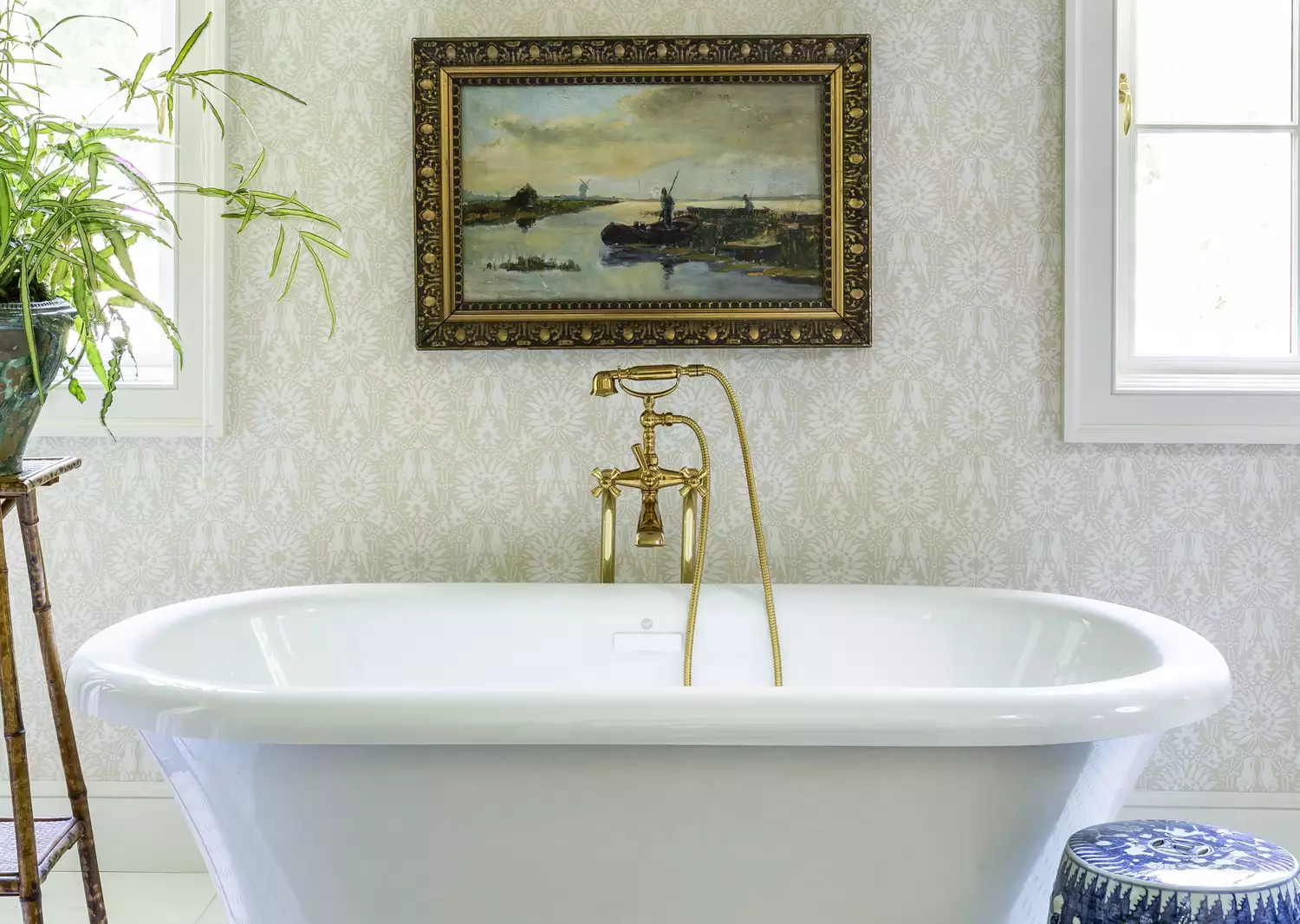
21 Beautiful Ways to Decorate Your Bathroom Walls, From Vintage Art to Statement Mirrors
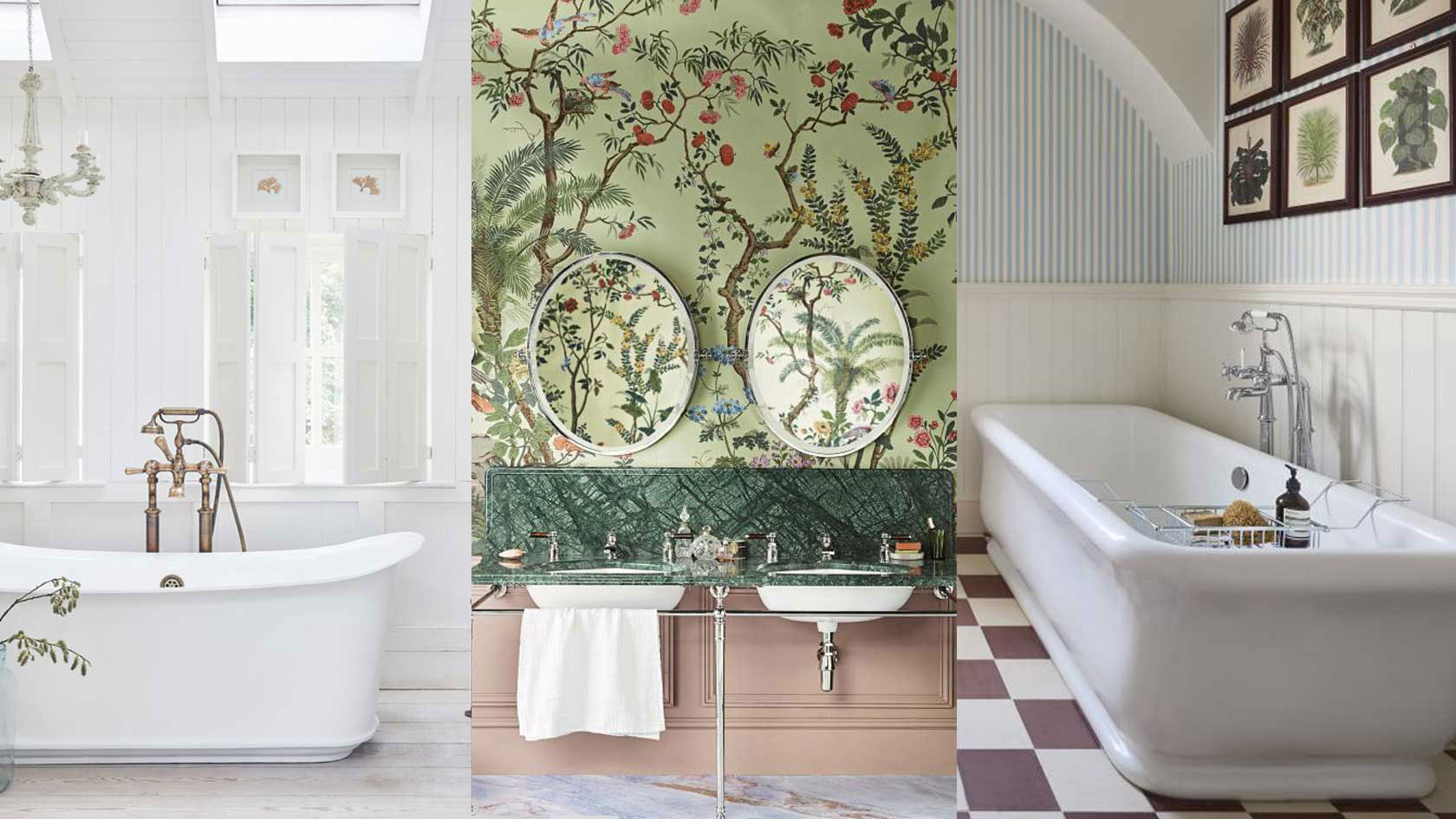
Bathroom paneling ideas – 10 innovative ways to dress your walls
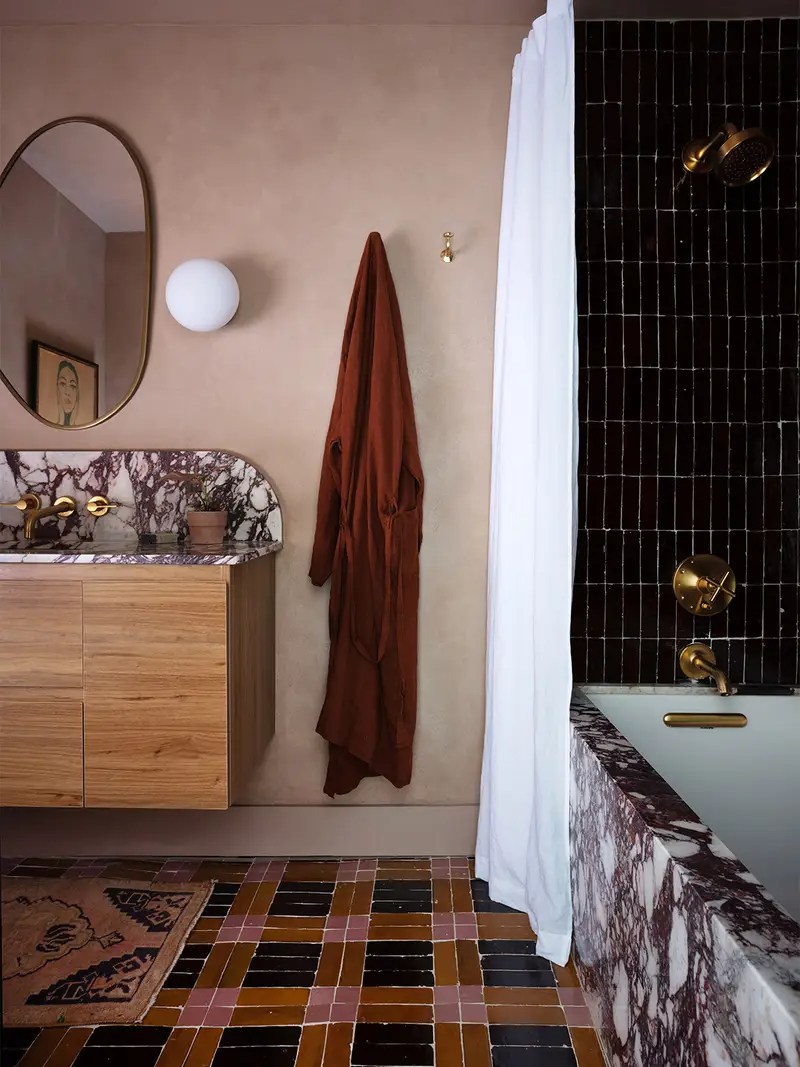
Treat Your Shower Wall as a Mural, and 14 More Bathroom Tile Ideas That Make a Splash
5 updates to give your bathroom an influencer-approved aesthetic

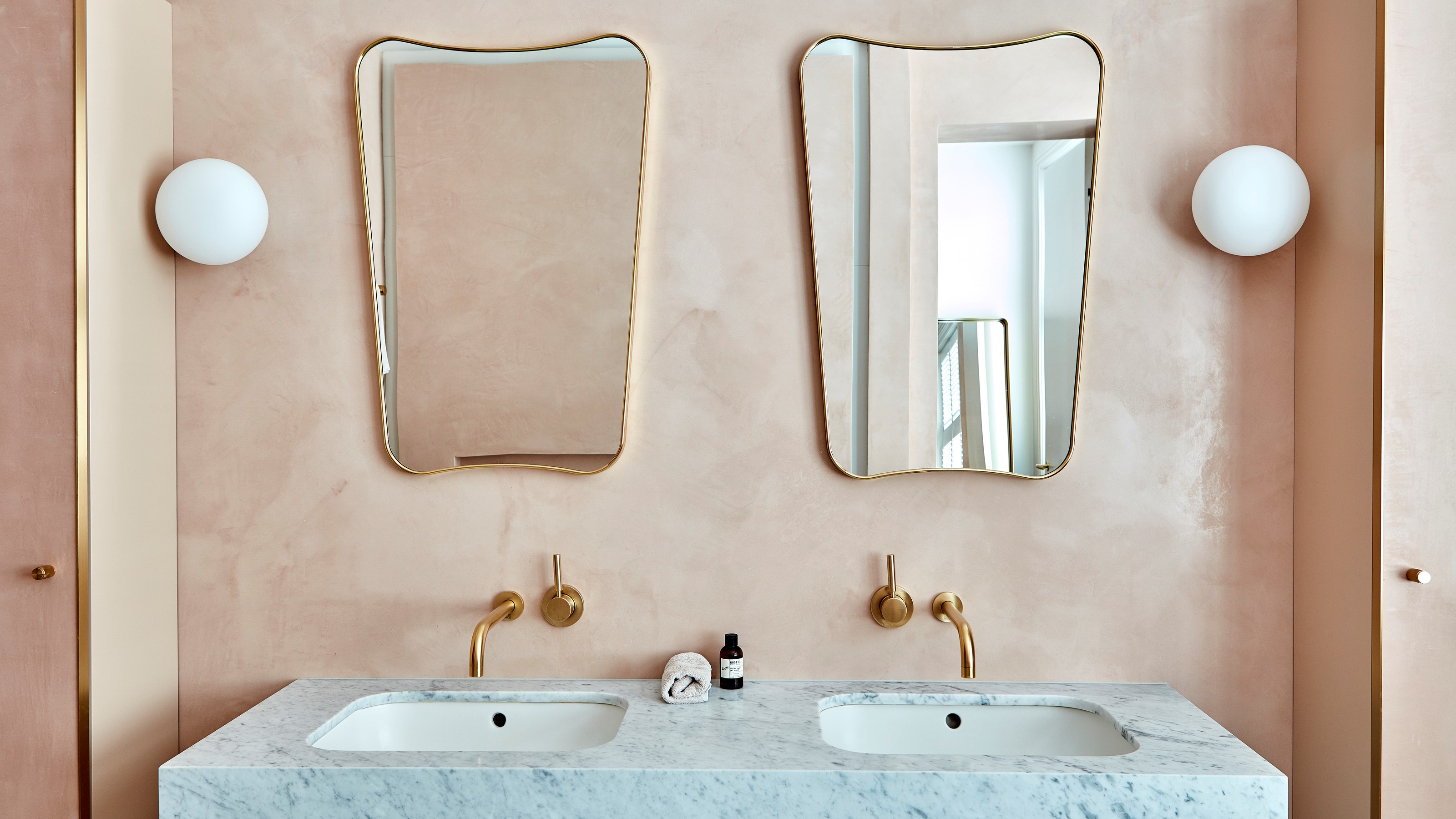
If you want to bring on-trend texture to bathroom walls, these 6 ideas are your best options say interior designers
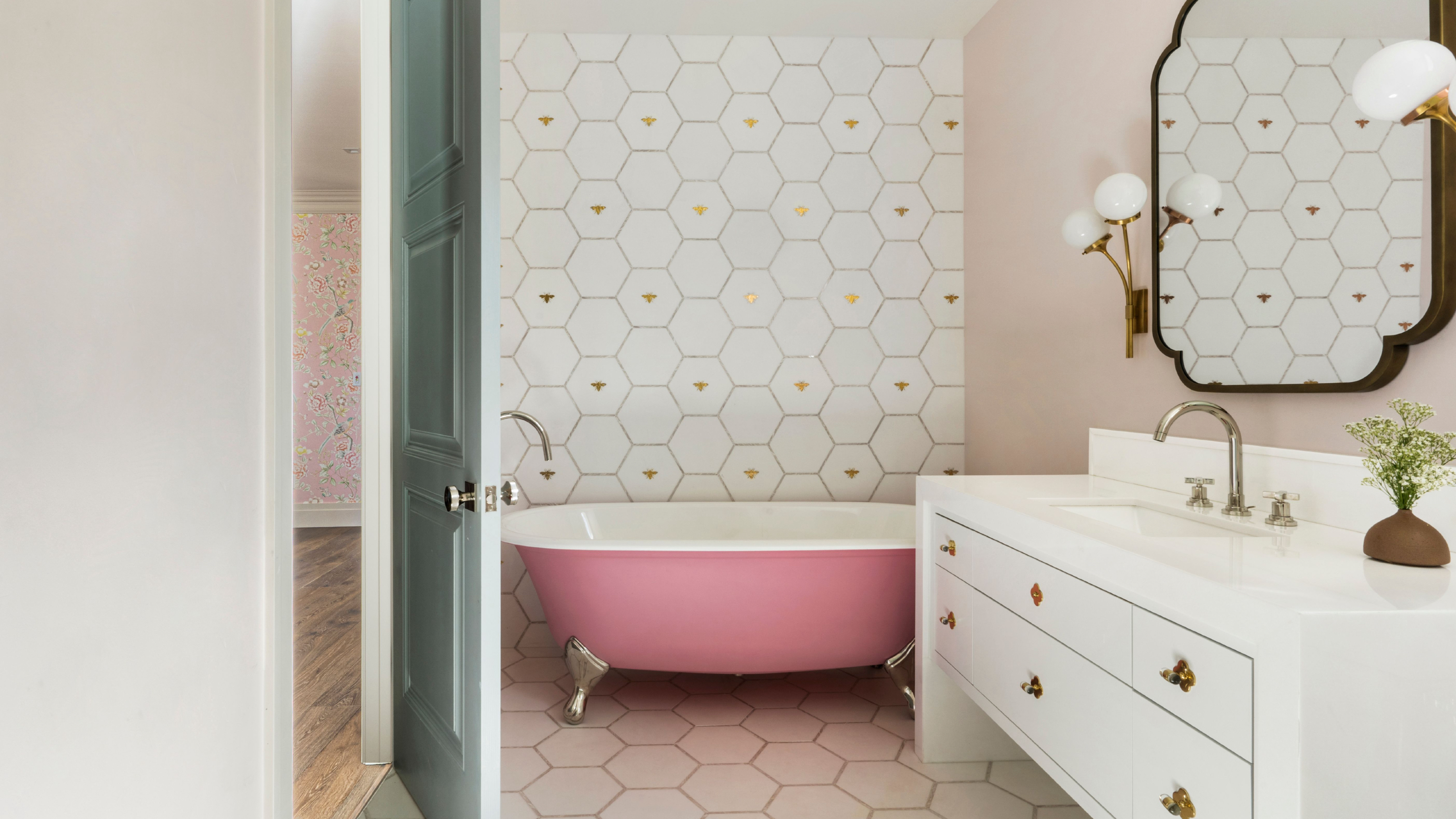
10 bathroom accent wall ideas – perk yours up with paint, tiles or wallpaper


Bathroom Tile Trends 2025 — What All the Best Dressed Bathroom Walls Are Wearing
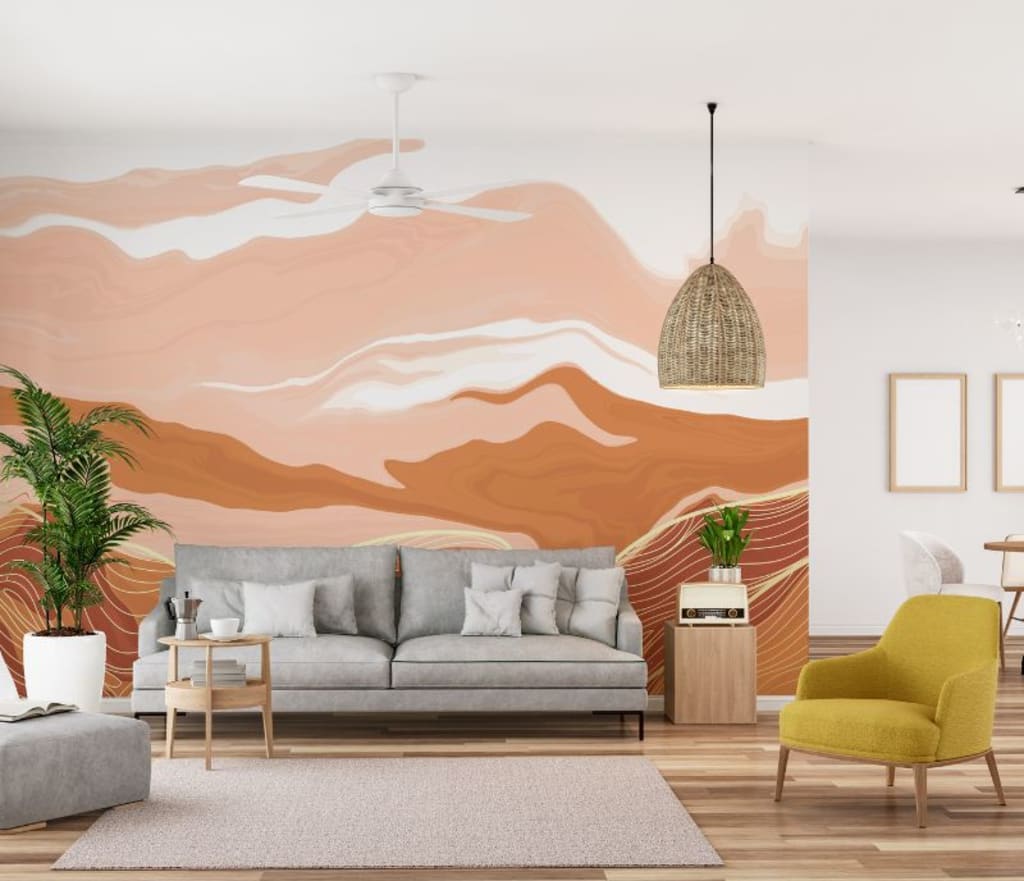
Marble, Mosaics, and More: Trending Wallpaper for Bathrooms