1/3
The New Review: ‘Vera List Courtyard’ by Michael Van Valkenburgh and Martin Puryear
The New Review series, a biweekly examination of art installations and exhibitions near The New School campus, focuses this week on the Vera List Courtyard. Situated in a bustling urban environment, the courtyard serves as a space for reflection on The New School's past and present. While often regarded as the Lang courtyard, its formal name honors American art collector and philanthropist Vera List, having been dedicated on November 2, 1997. The space was designed by landscape architect Michael Van Valkenburgh and artist Martin Puryear, integrating sculptural presence with practical function to create a contemplative meeting area within the university. Kathleen Goncharov, a curator, highlights in "I Stand in My Place With My Own Day Here: Site-Specific Art at The New School" how this design appropriately honors Vera List’s legacy.
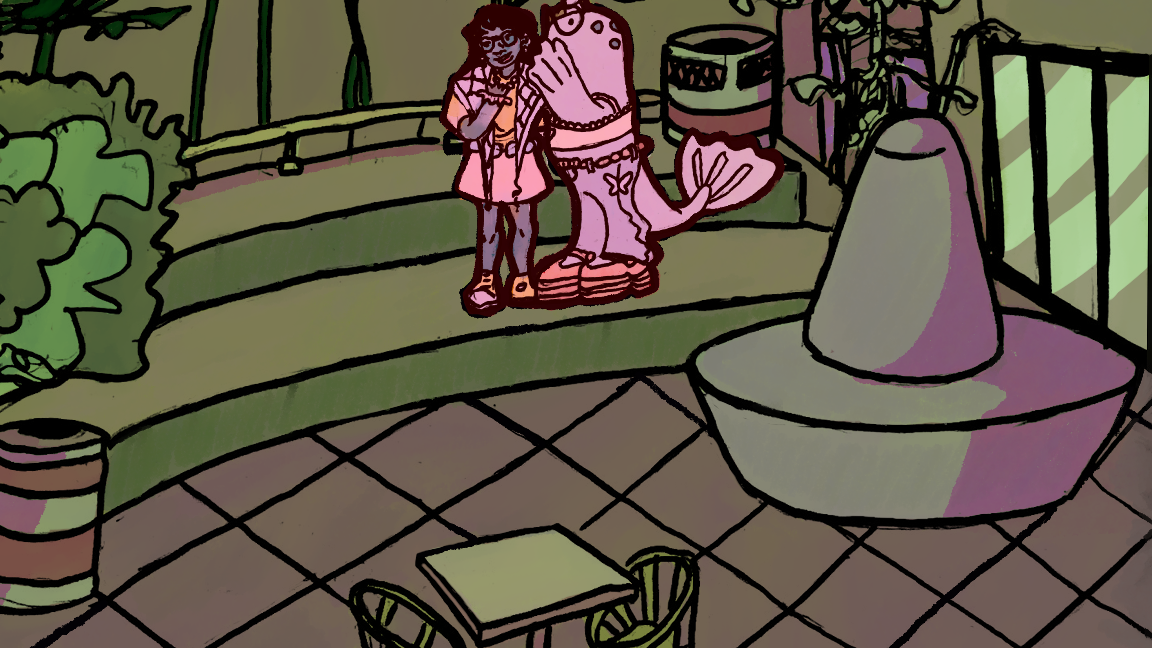
Initially intended for small outdoor receptions, performances, and ceremonies, the courtyard's current usage by New School students often deviates from these educational purposes. Students frequently utilize it for lounging, organizing demonstrations, or even as a canvas for graffiti. The design incorporates staggered levels, steel benches, and cement steps that double as seating, creating a dynamic yet somewhat uncomfortable environment. The presence of 'witch-hat' shaped benches and a curved ramp surrounded by rocks and trees adds a playful aesthetic, contrasting with the harsh, gray cement walls that can feel restrictive. This perceived discomfort raises questions about the $2.6 million investment, funded through private contributions, for a space that, while fostering campus life, may not always be welcoming.
The courtyard not only serves the present but also acts as a tangible reminder of The New School's revolutionary past, a history that might seem at odds with its current image. The institution, with its extensive art collection of approximately 2,000 works, positions itself as 'new' and disruptive of the capitalist status quo. However, this image potentially contradicts its original founding principles. Established in 1919, The New School was conceived as an advanced adult education institution, designed to bring together creative scholars and citizens for active questioning, debate, and discussion, rather than a traditional undergraduate and graduate university structure. The article encourages occupants of the courtyard to ponder the divergence between the school's foundational goals and its contemporary reality.
The author prompts readers to observe the space critically, contemplating elements such as the dying red maple trees, the vibrant greenery that emerges in spring, and the oval terrace. This encourages engagement in Socratic seminars to discuss concerns about the tuition, the school's shortcomings, and potential improvements. The article suggests using the various seating areas—tables and chairs on the lower level, benches along the walls—as platforms for reimagining the school's future, fostering community, and addressing inclusivity. It advocates for active listening, observing campus interactions, and utilizing the echoey cement walls for voicing protests against institutional failures. By leaning against the metal bench on the oval terrace, students are encouraged to envision a truly 'new' school, recognizing that despite its progressive advertisements, significant work remains. The process of observation and conversation within these spaces, even if uncomfortable, is presented as the starting point for necessary institutional change.
#VeraListCourtyard #NewSchool #MichaelVanValkenburgh #MartinPuryear #CampusLife #ArtInstallation #ArchitecturalDesign #HigherEducation #InstitutionalHistory #VeraListCourtyard #NewSchool #MichaelVanValkenburgh #MartinPuryear #CampusLife #ArtInstallation #ArchitecturalDesign #HigherEducation #InstitutionalHistory
Há 0 comentários no total
 Ainda não há comentários
Você também pode gostar
This Stunning Home Embraces Martha's Vineyard's Natural Beauty

Top 5 Stories on Brownstoner This Week: A Carroll Gardens Reno, a Williamsburg Loft on the Market
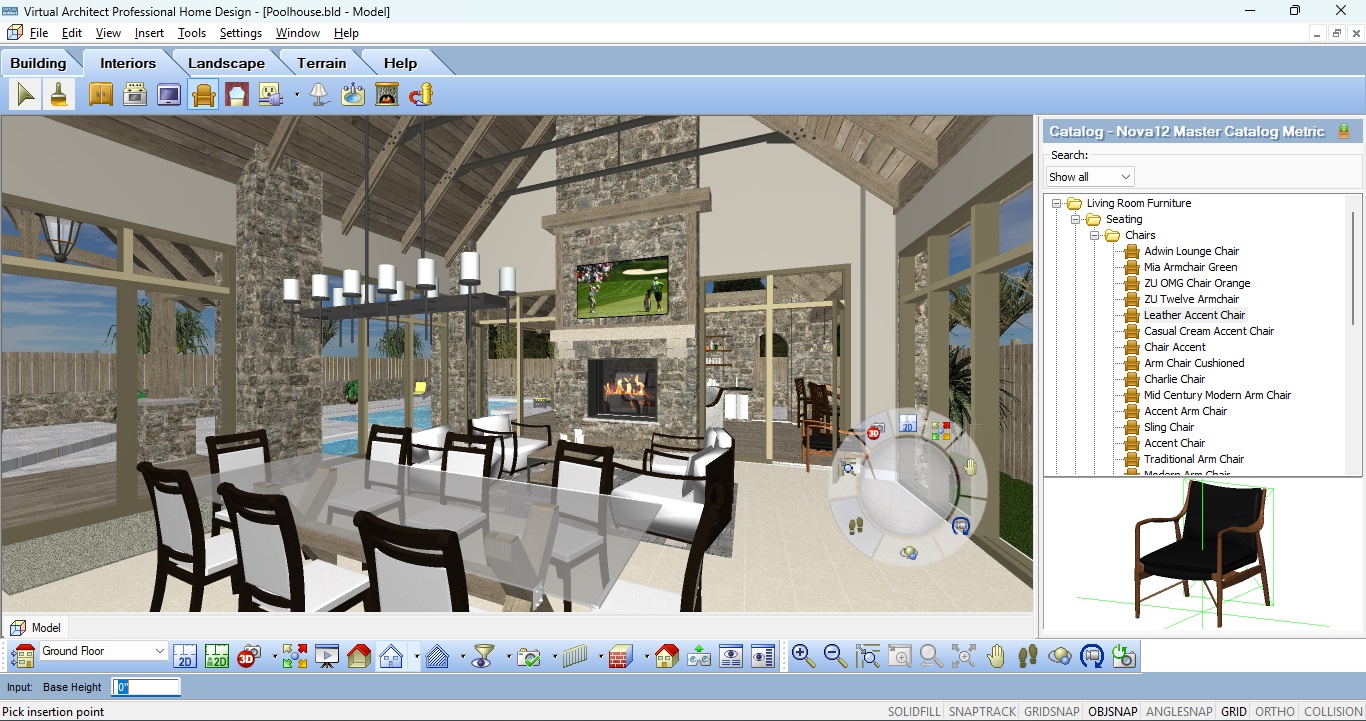
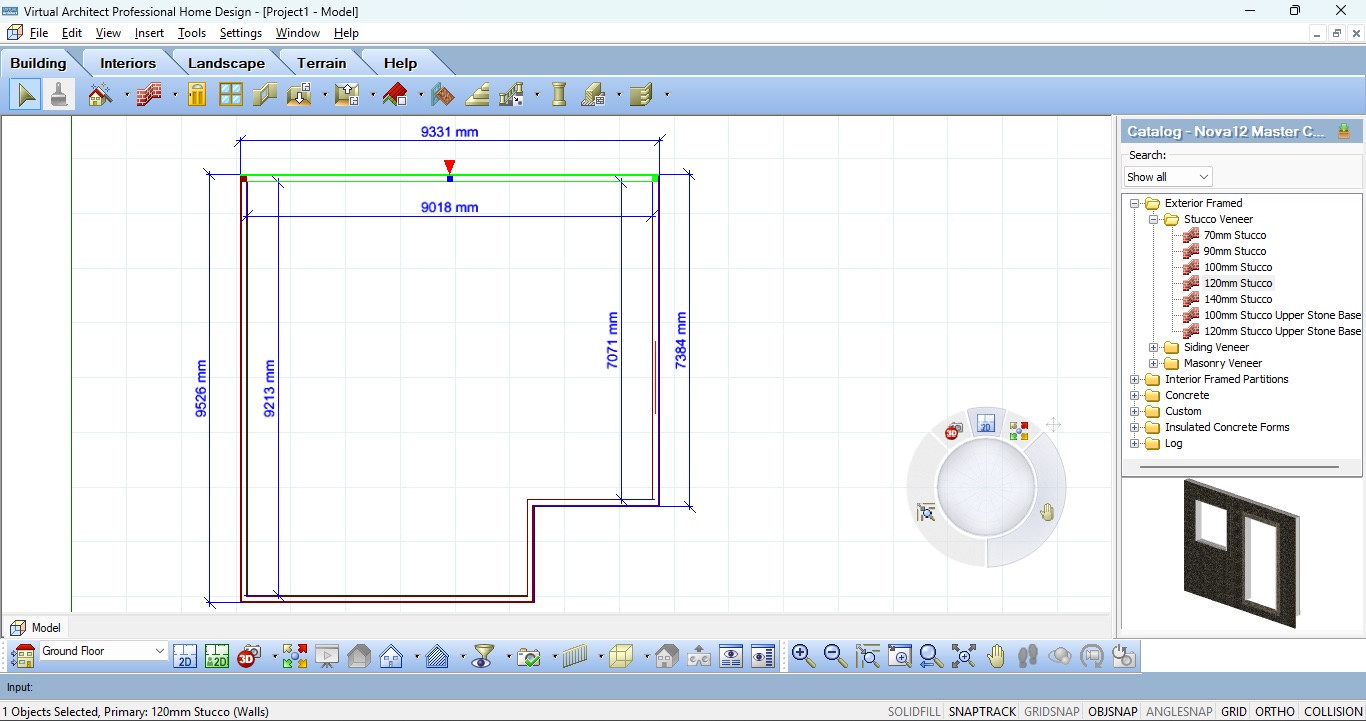
Nova Development Virtual Architect Professional Home Design 12 review

Architect Patrick Ahearn Works his Magic to Create this Gorgeous Rural Vineyard

Enormous French-style manor in Vaughan hits the market for $11 million

Real Estate Tarot: What Your Floor Plan Reveals About Your Destiny
Inside Interior Designer Carrie Valentine’s Bucolic-Inspired Home, Now For Sale

The Artful Life: 6 Things Galerie Editors Love This Week


Lucy Williams brings her signature sense of style to her west London house

Write on!
Victoria Hagan's 7 Rules for Perfecting Her New American Classic Look

Listing of the Month: Victorian Secret
Child Studio designs Belgravia townhouse as "understated backdrop to the owners' lives"
Old Versus New: Victorian Home Gets Modern Update

Beautiful Living: Valerie Darden Shares How She Elevated Her Own Home