Owning an Old House: Charming Love Affair or Expensive Money Pit?
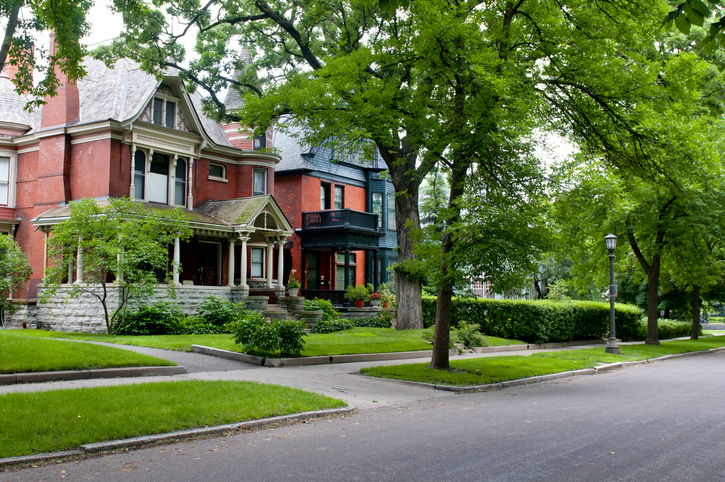
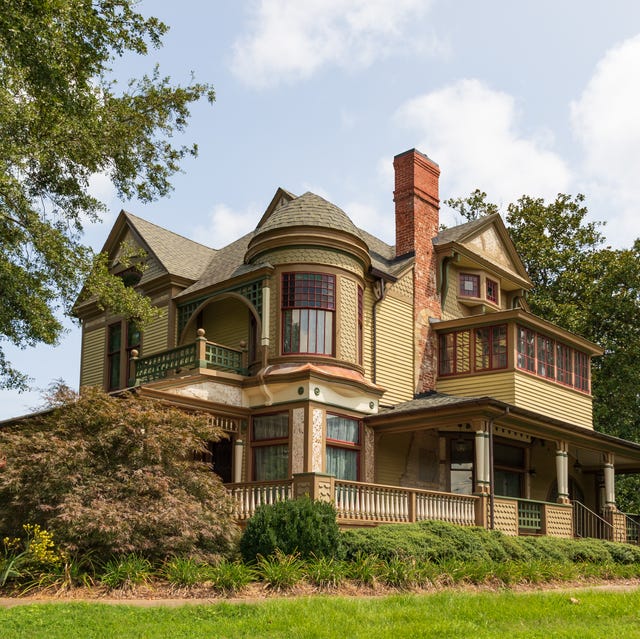
Owning an old house presents a unique blend of charm, historical connection, and potential challenges. Nearly 14 percent of homes in the U.S. were built before 1940, indicating a significant number of properties nearing or exceeding a century in age. While their sturdy construction and distinctive character are appealing, these older homes can harbor costly issues not immediately apparent to first-time homeowners. These problems extend beyond routine maintenance, such as roof or water heater replacements, to include significant structural or systemic failures that can incur repair bills ranging from four to five figures.
The term "old" for a house is relative, varying by region; for instance, a house from the late 1800s might be considered old in Minneapolis-St. Paul, but not in Virginia, where older structures exist. Contrary to common apprehension, houses built 80 to 100 years ago often exhibit superior construction quality, frequently being "overbuilt" with more wood and stronger designs than modern homes. Their draftiness, while leading to higher utility costs, also contributes to their longevity by allowing moisture to escape, preventing the rot sometimes seen in tightly sealed newer homes. However, many components of these older properties inevitably wear out or fail to meet contemporary safety standards.
Chimneys are a common vulnerability in older homes. Masonry chimneys are susceptible to deterioration from water, affecting both their external structure and internal lining. The interior flues often do not comply with modern safety codes for fireplace use, necessitating a Level 2 inspection with a fiber-optic camera to assess internal damage. Repairs can range from a few thousand dollars for external fixes to potentially $20,000 or more for a complete rebuild of an exterior chimney.
Plumbing systems also pose significant risks. Galvanized steel drains, prevalent in homes from the 1920s, corrode over time and require replacement, often involving disruptive and costly work to access pipes beneath finished surfaces. Furthermore, the main drain line connecting to the city sewer, which is the homeowner's responsibility, can fail. Repairing this line, especially if it involves excavating the yard or street, can be a four-figure expense. Supply lines and distribution systems within the home can also suffer from corrosion, leading to reduced water flow and necessitating repairs that can range from four to five figures, particularly if accessibility is difficult.
Electrical systems, especially those with old-fashioned knob and tube wiring from the 1880s, represent a serious hazard. This wiring lacks a ground wire, making overloaded circuits a fire risk, and its insulation materials (asphalt-saturated cotton or rubber) degrade over time. Modifications by previous amateur owners can exacerbate dangers, as knob and tube wiring was designed for open-air installation to dissipate heat. Covering it with insulation or connecting it to modern fixtures with higher temperature ratings without proper splicing can lead to overheating and fire. Updating such systems often involves a professional electrician to ensure safety.
Environmental hazards are another consideration. Older homes may contain lead water supply lines, which are a health concern and expensive to replace. Asbestos, commonly used in old insulation, releases fibers that cause lung disease, requiring specialized and costly removal by certified professionals. Additionally, forgotten underground fuel tanks from older heating systems can contaminate soil and groundwater, with removal costs typically in the thousands.
To mitigate these financial burdens, it is advisable for homeowners to budget for maintenance and repairs, perhaps setting aside 1 percent of the home's cost or $1 per square foot annually. For major repairs, home equity loans can be an option. A thorough home inspection report before purchasing is crucial, as it highlights critical issues that need addressing. Awareness of potential problems, like those caused by deteriorating Orangeburg pipe (a type of cardboard piping), can save homeowners significant expenses in the long run. Understanding these challenges is key to transforming the ownership of an old house from a potential money pit into a fulfilling experience.
#OldHouses #HomeOwnership #HomeMaintenance #HomeRepairs #HistoricHomes #PropertyIssues #ChimneyRepair #PlumbingProblems #ElectricalWiring #AsbestosRemoval #LeadPipes #HomeBudgeting #OldHouses #HomeOwnership #HomeMaintenance #HomeRepairs #HistoricHomes #PropertyIssues #ChimneyRepair #PlumbingProblems #ElectricalWiring #AsbestosRemoval #LeadPipes #HomeBudgeting
Há 0 comentários no total
 Ainda não há comentários
Você também pode gostar

The Truths About Buying and Living in an Old House


Guide to Buying Older Homes by Decade
Here's What Nobody Tells You About Buying and Renovating a Historic Home

5 Truths Only Old House Lovers Understand

How to Keep Your Old Home From Becoming a Money Pit
The SECRET Risks of Investing in a Historic Home, According to Experts

For Sale: A Custom-Designed Home Marries Old and New

Phil Spencer explains why an older home might not be the best choice for a first-time buyer

Can a Home Spark a Love Story? This Chic Hollywood Heights Bungalow Did