1/3
milan design week 2025: installations around the city we'll remember
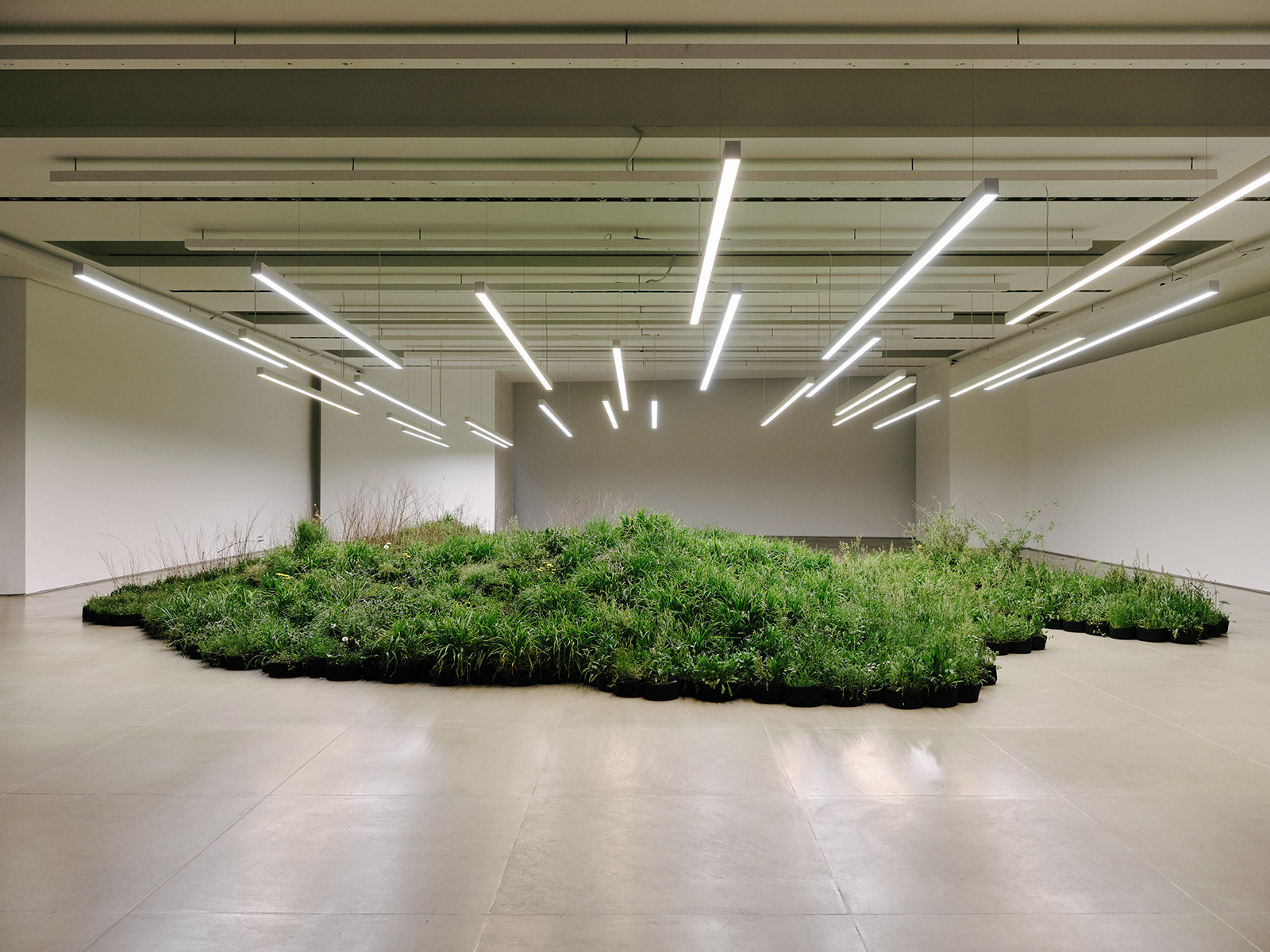
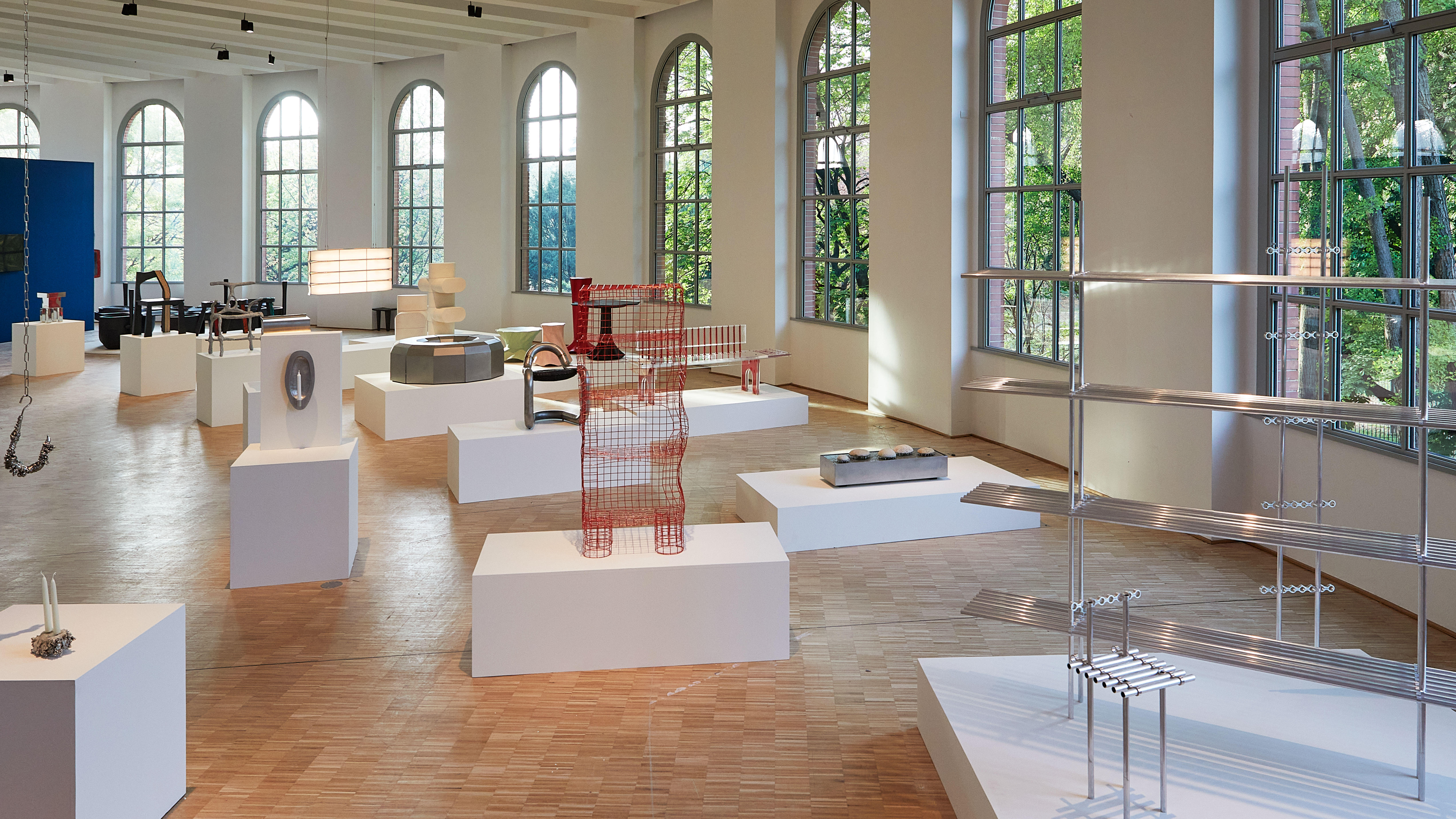
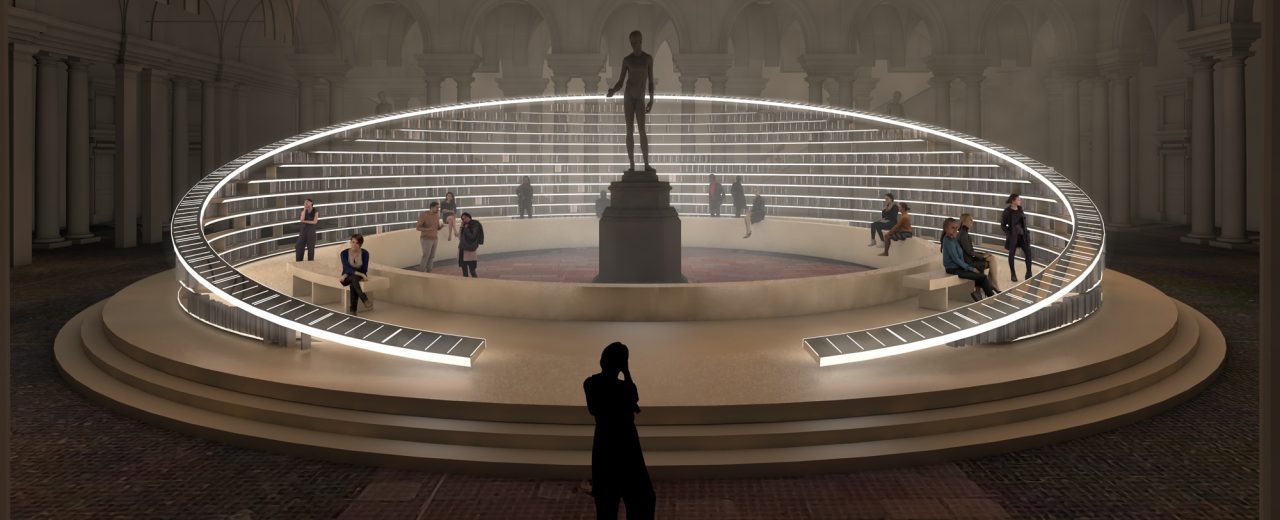
Milan Design Week 2025 showcased a diverse array of captivating installations that transformed the city into an expansive exhibition space. These installations explored themes of light, materiality, human connection to space, and the intersection of art and design. Es Devlin's 'Library of Light' at Cortile d’Onore featured an 18-meter-wide cylindrical structure housing over 3,000 glowing books, curated around the theme "Thought for Humans." This interactive piece invited visitors to read and contribute, with mirrored planes redirecting daylight and the installation glowing at night, animated by recorded voices. Studio DRIFT's 'Drift Us' for Audi at Portrait Milano presented an immersive field of luminous, kinetic bulbs that responded to human movement, simulating a breeze through tall grass. The installation utilized custom sensors and software to create real-time responses, with weighted motors causing the bulbs to sway through physical imbalance, wrapped in a specially developed translucent textile.
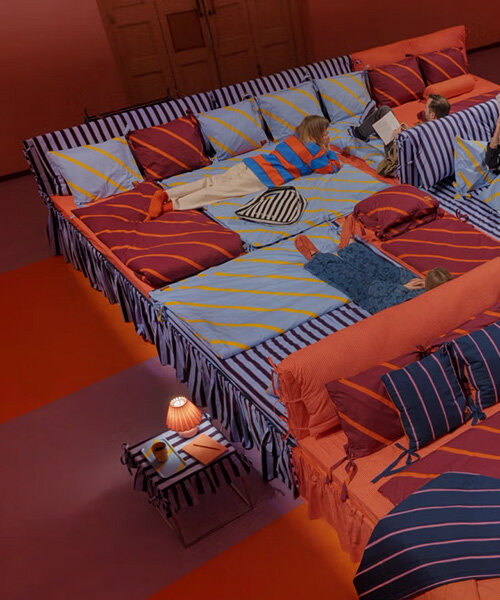
Marimekko, in collaboration with artist Laila Gohar, transformed Teatro Litta into 'ALL THE THINGS WE DO IN BED,' a candy-colored dreamscape centered around a giant bed. This installation, draped in Marimekko's iconic prints, merged everyday home rituals with theatrical performance, inviting visitors to interact in a plush, exaggerated setting. The piece amplified its immersive vibe with red-tinted lighting, striped side tables, and coordinated tableware, previewing a capsule collection by Gohar for Marimekko. Hermès presented its home collections within 'suspended white boxes' at La Pelota. This minimalist setting featured boxes illuminated from below by vibrant, shifting halos of light, emphasizing the emotional presence of the objects. The exhibition highlighted Hermès' exploration of materiality, particularly glass, with pieces like the Casaque series and Doublé d’Hermès vases, complemented by leather, wood, and textile accents.
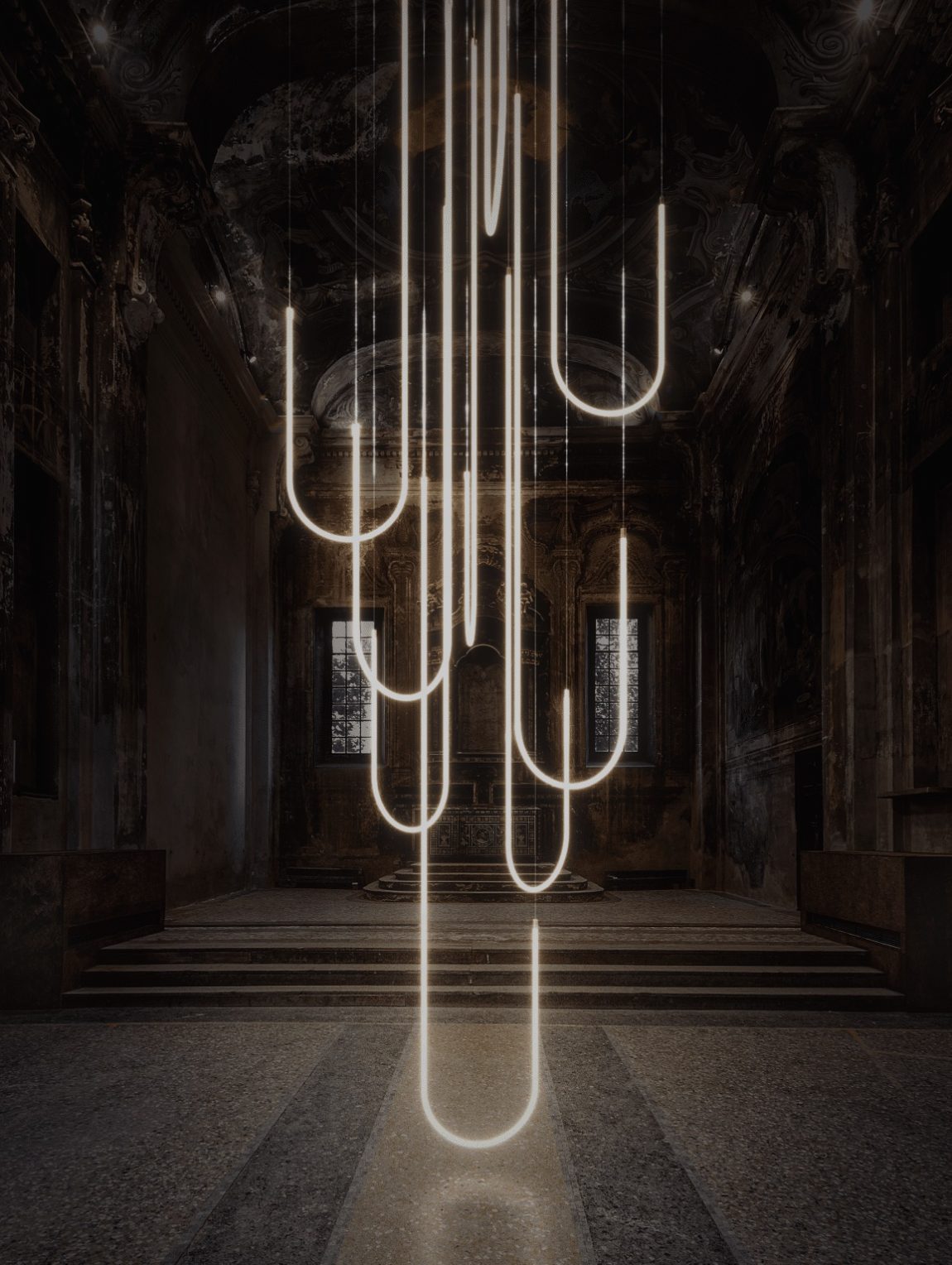
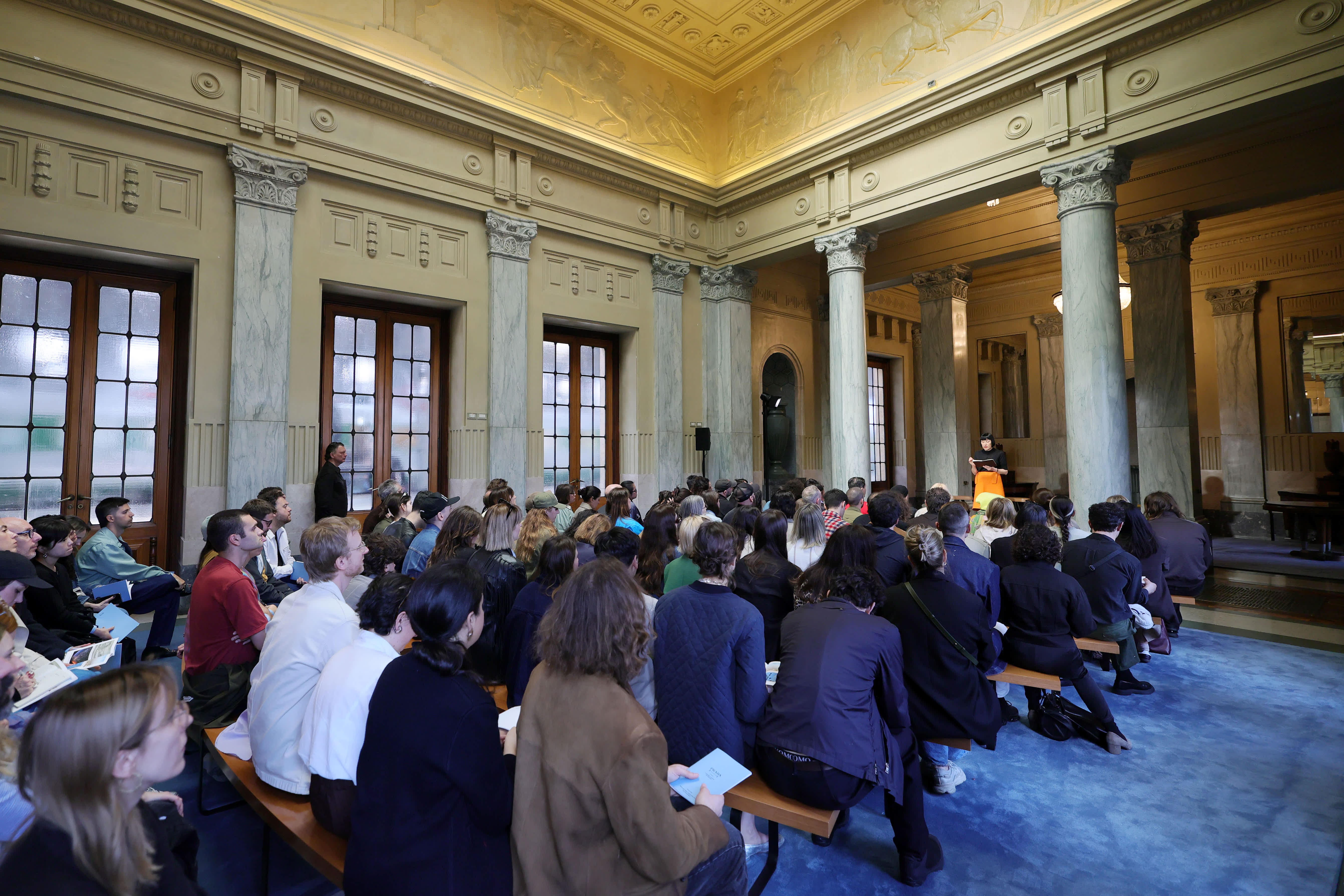
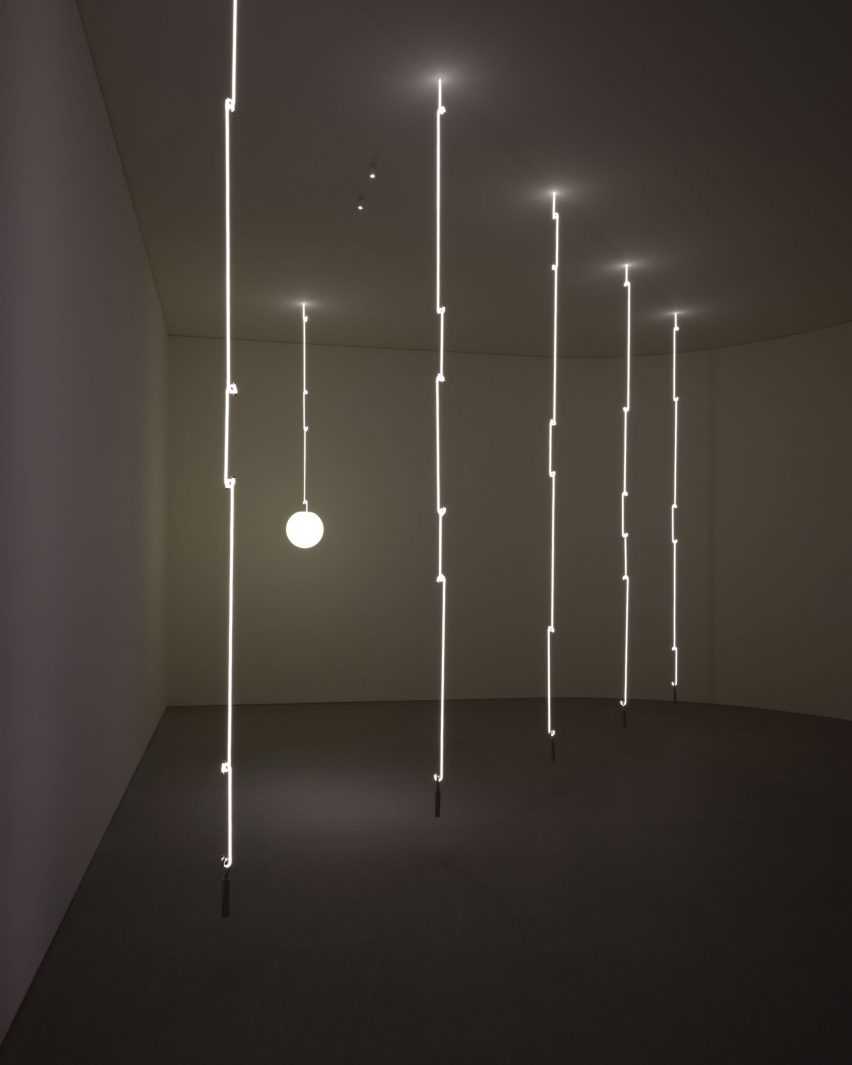
Lachlan Turczan's interactive light sculptures, 'Lucida,' were featured at Google’s 'Making the Invisible Visible' exhibition. These sculptures transformed a dark space into a glowing wonderland, responding to visitors' movements through lidar, infrared, and vision cameras to create the illusion of materiality through light. The halos of light shifted shape, folding and unfolding, immersing visitors in an ever-evolving, tactile experience. Prada Frames, curated by Formafantasma, took over Milan Central Station’s Padiglione Reale and Arlecchino Train. This symposium, titled 'In Transit,' focused on infrastructure as a living system governing the movement of people, goods, data, and power. The cross-disciplinary event explored the paradoxes of global mobility within the architectural context of a major transport hub.
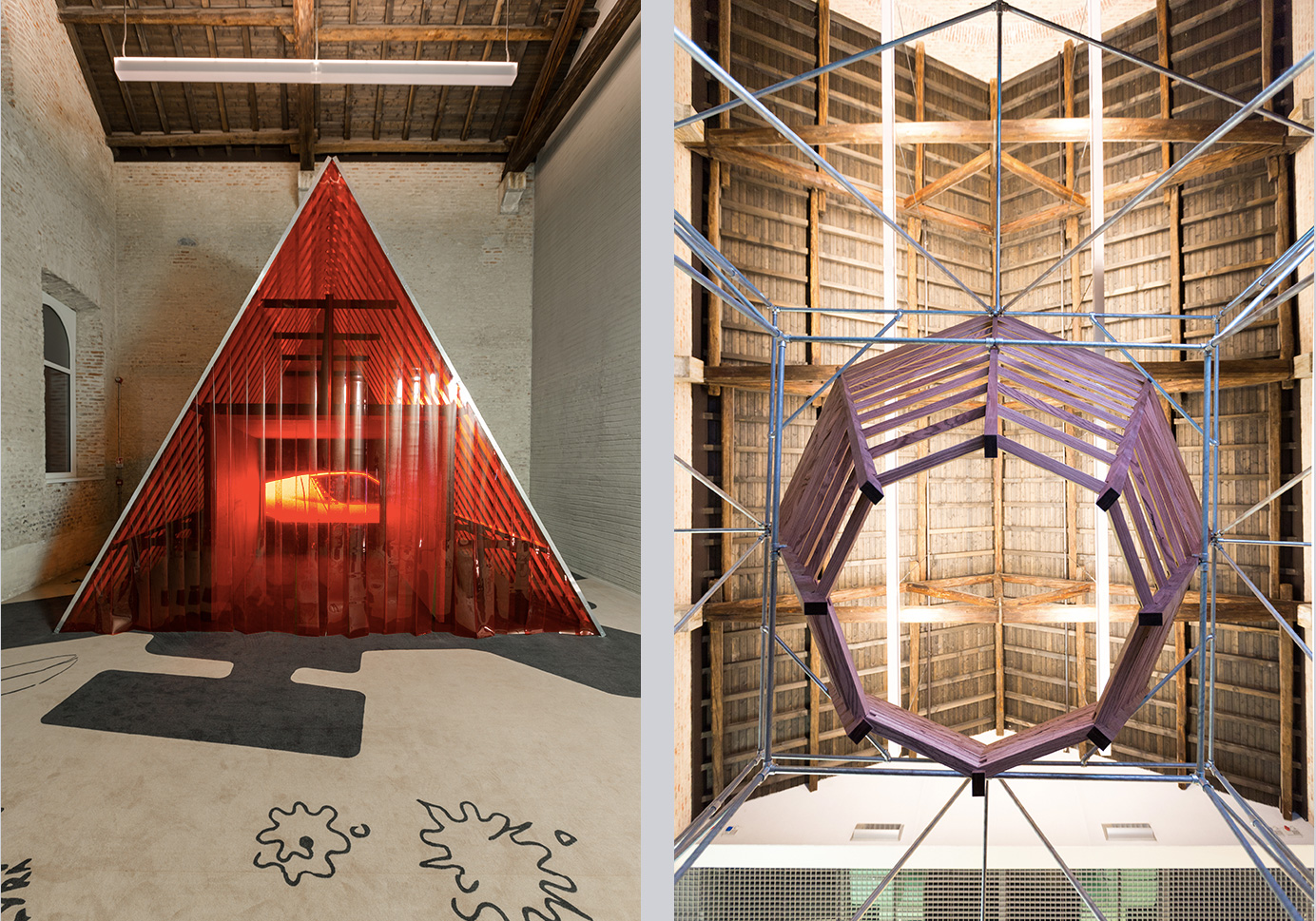
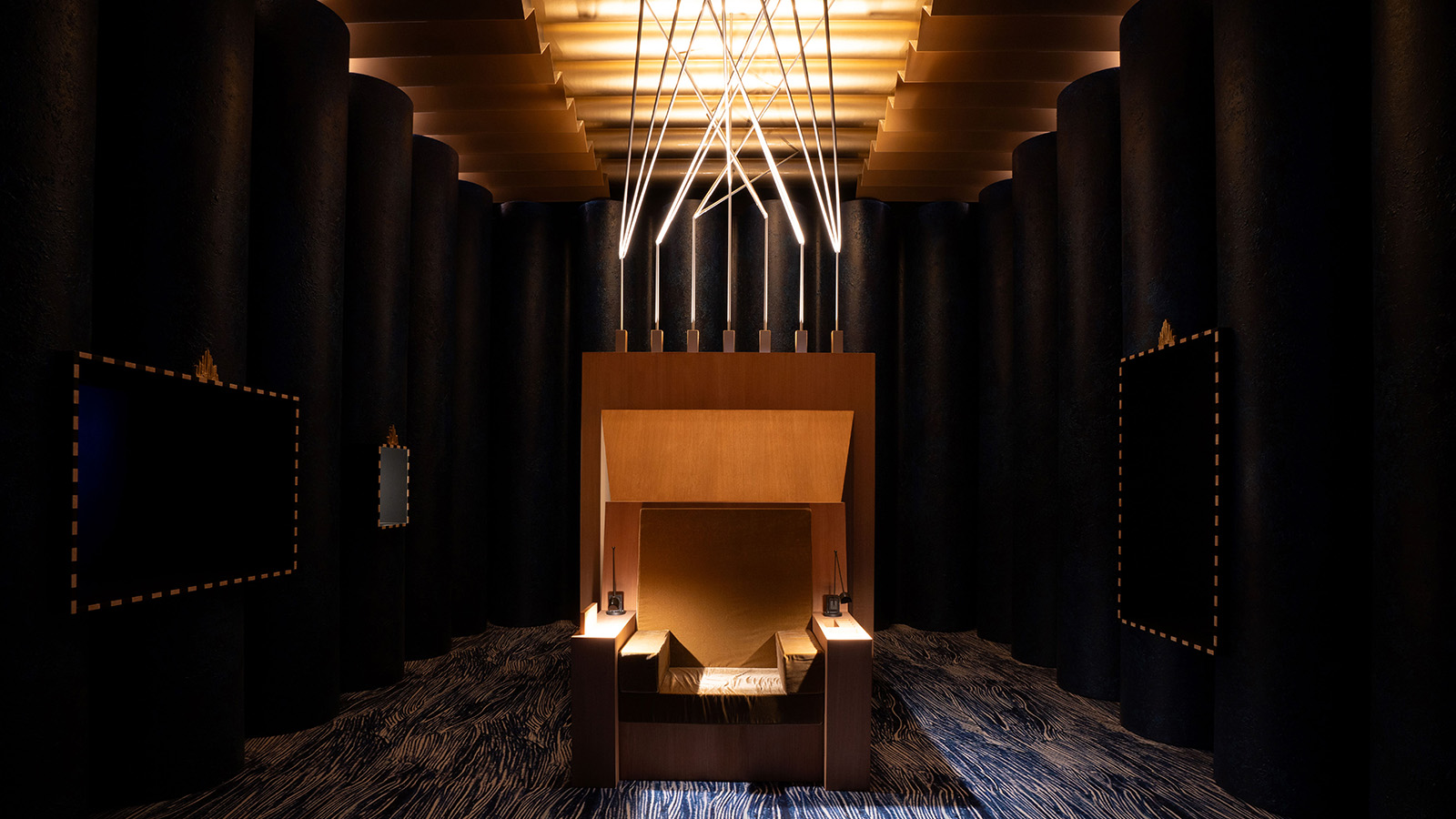
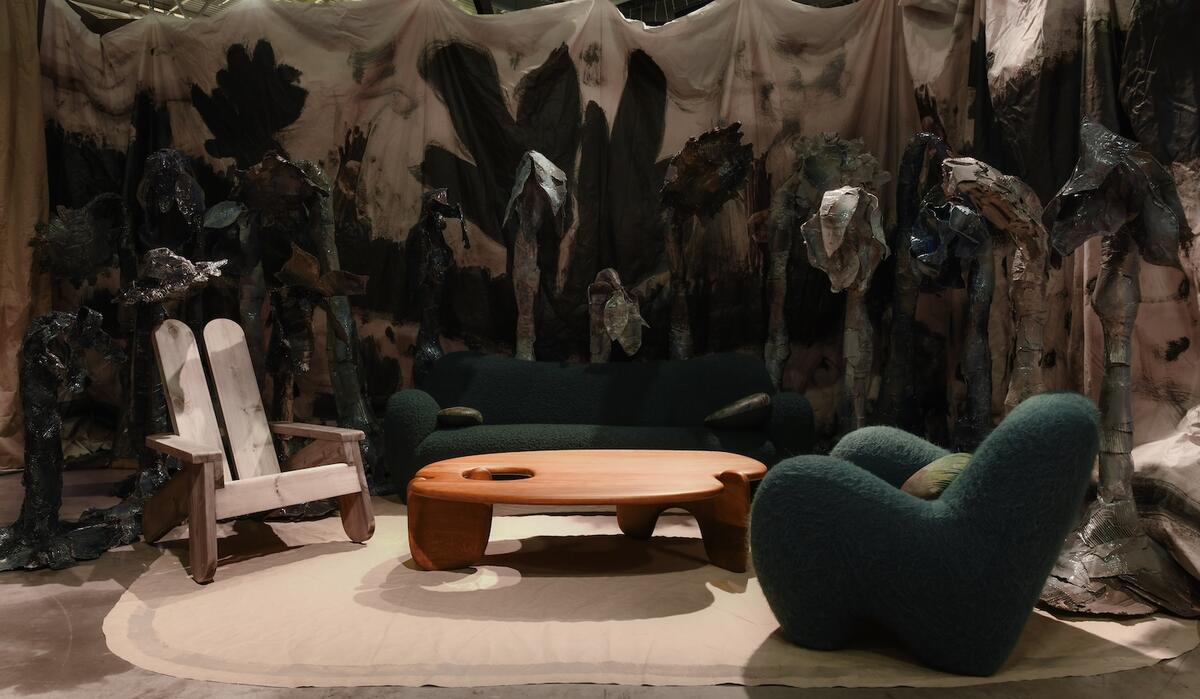
Kia Design's exhibition, 'Opposites United: Eclipse of Perceptions,' showcased immersive works by Philippe Parreno and A.A. Murakami. Building on Kia's core design philosophy, the exhibition fused art, technology, and sensory experiences, featuring Parreno's 'Marquee' and Murakami's 'The Cave and Beyond the Horizon.' These installations, including a performance stage called 'The Eclipse,' engaged visitors with Kia's design narrative. Byoung Soo Cho's 'Nobody Owns the Land: Earth, Forest, Mahk' installation at Palazzo Litta, commissioned by MoscaPartners, explored Korean philosophy and material experimentation. A suspended plane of red earth, ink-washed columns reinterpreting a forest, and clusters of handmade Mahksabal tea bowls created a sensory dialogue between humans and nature.
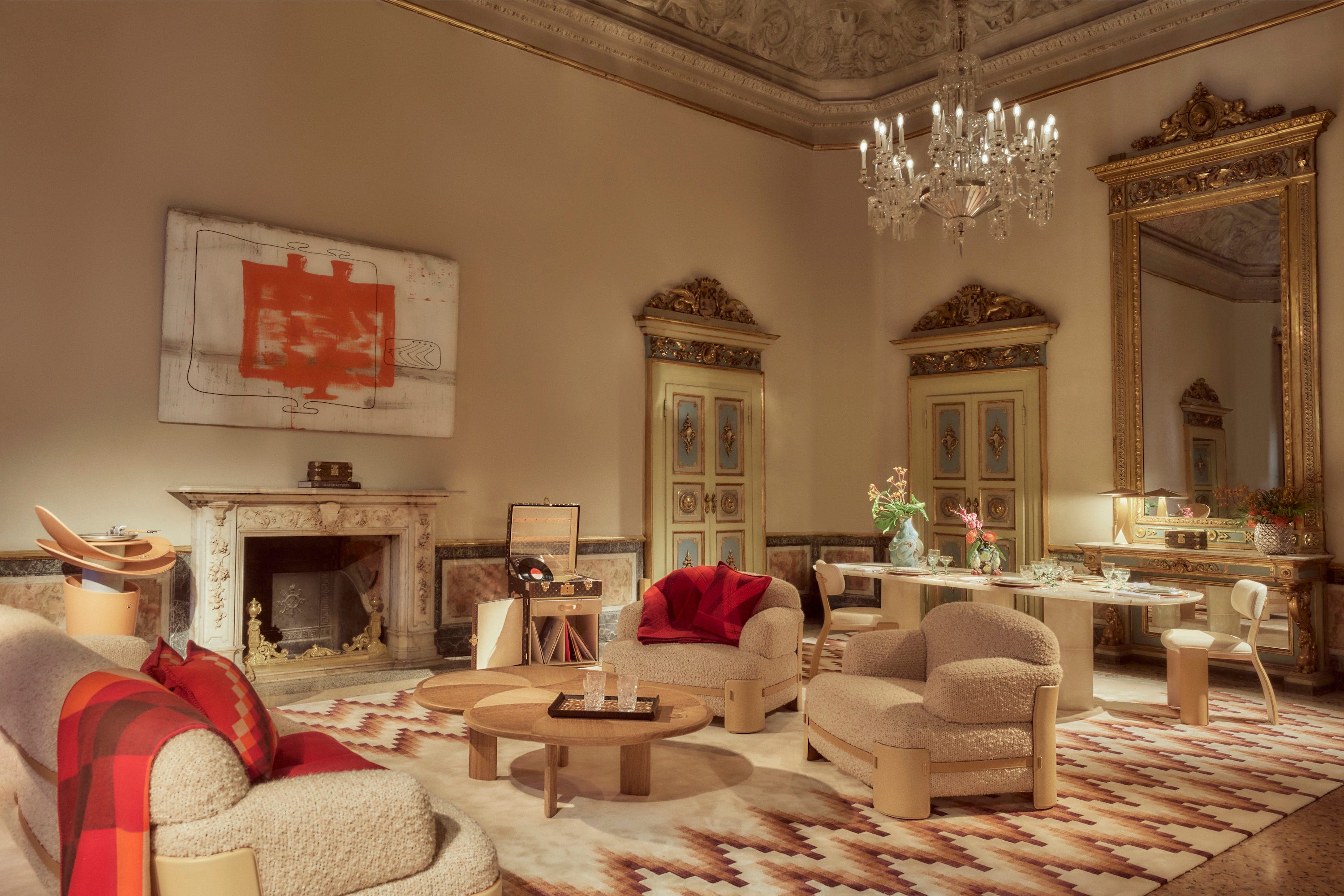
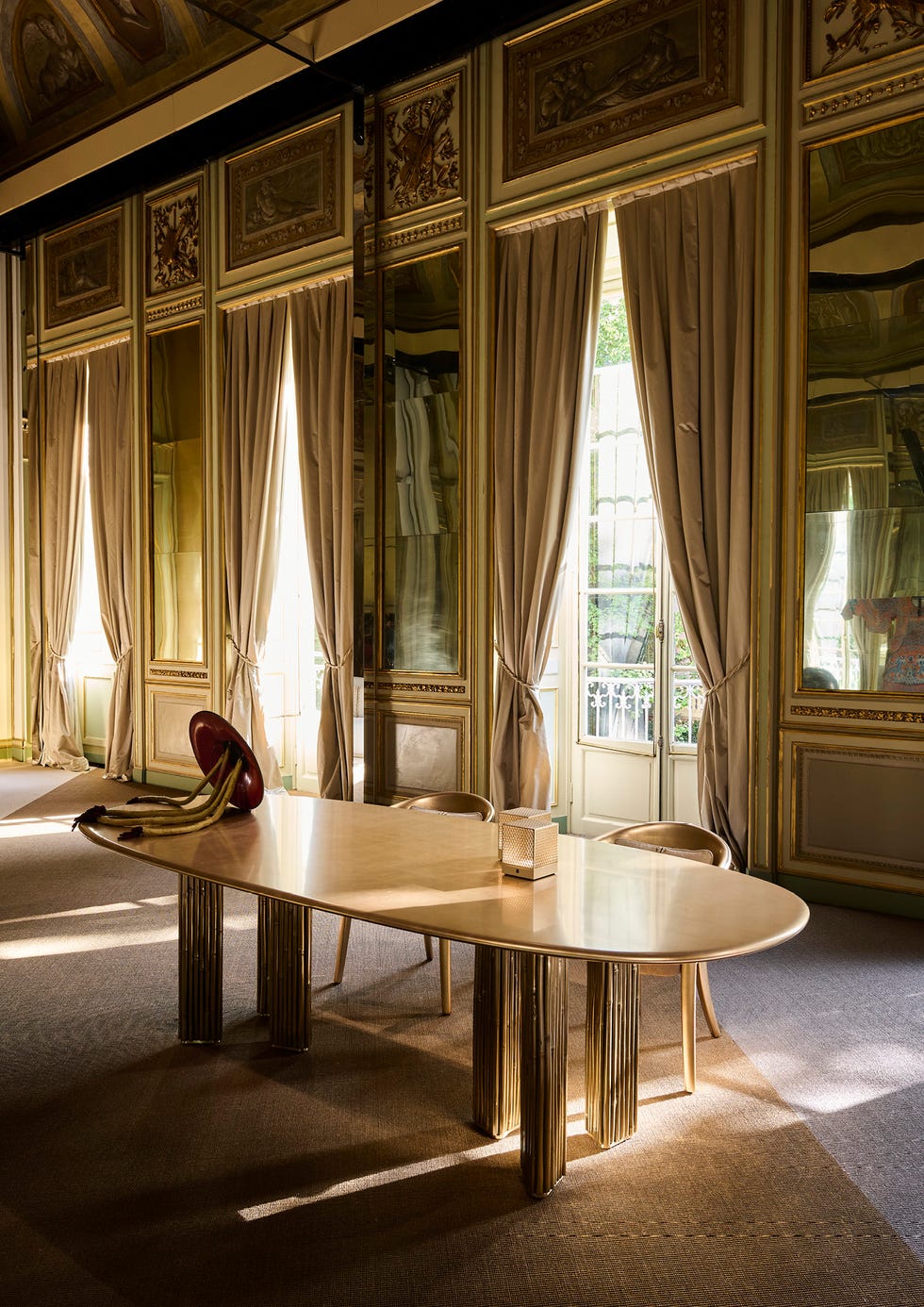
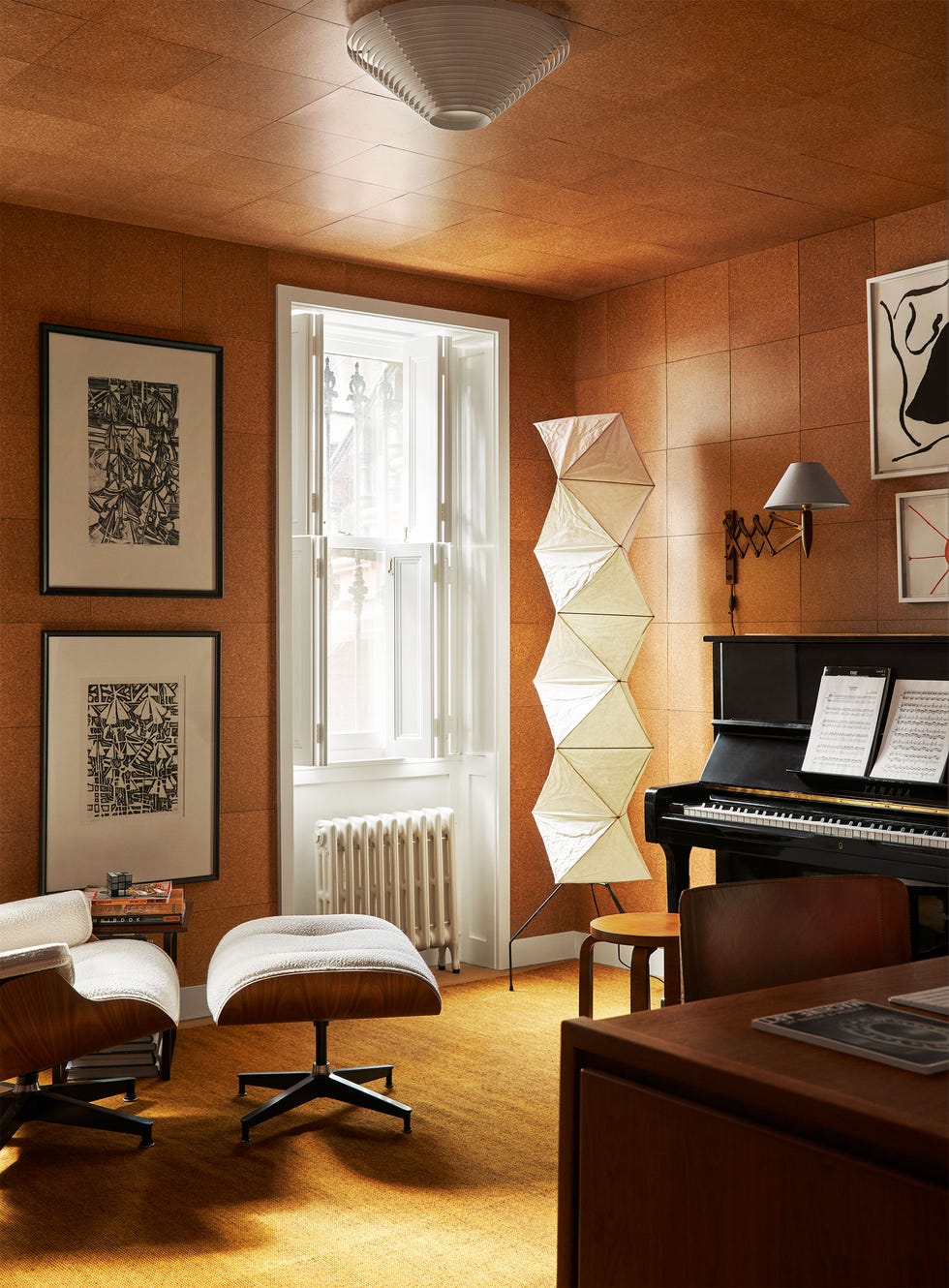
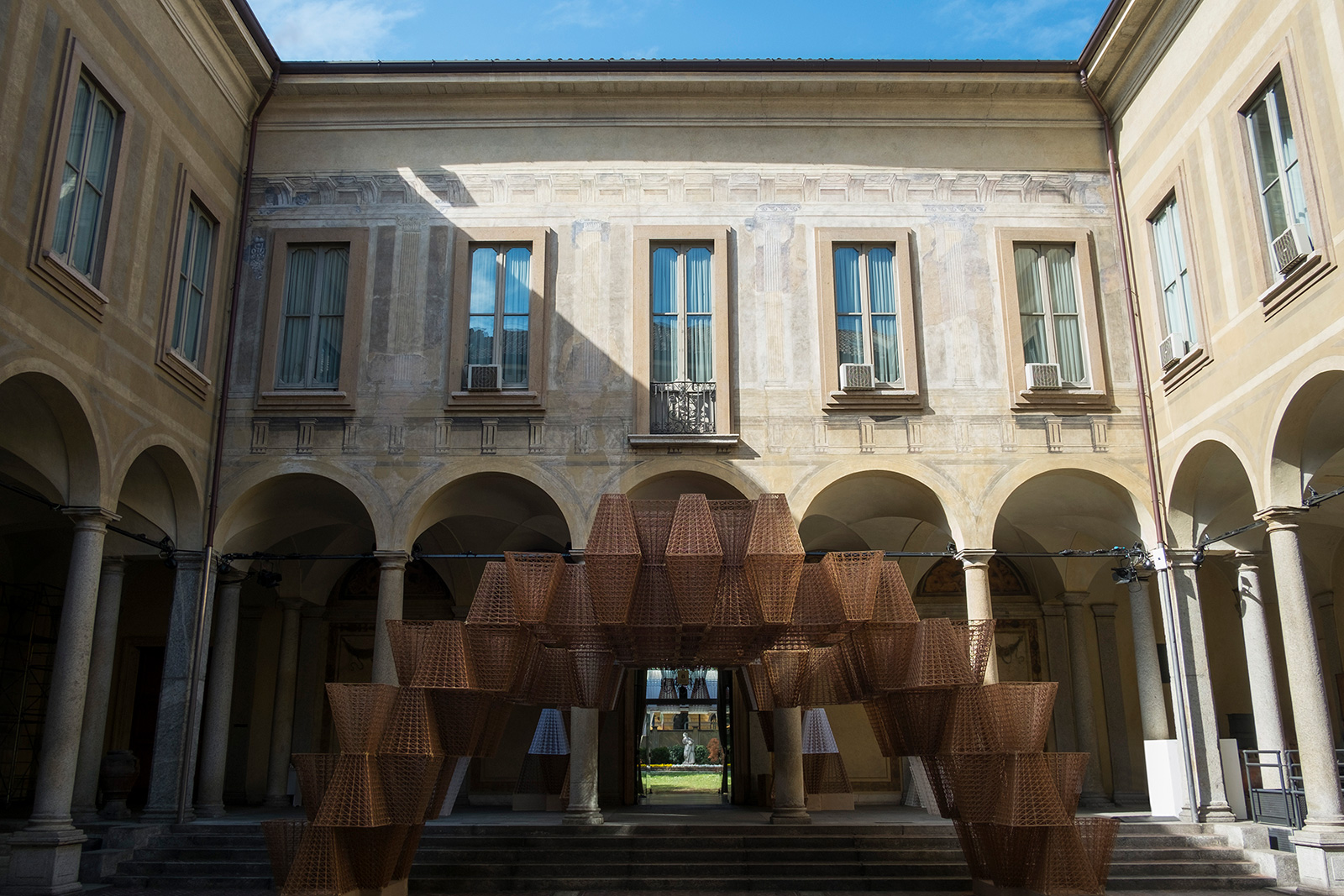
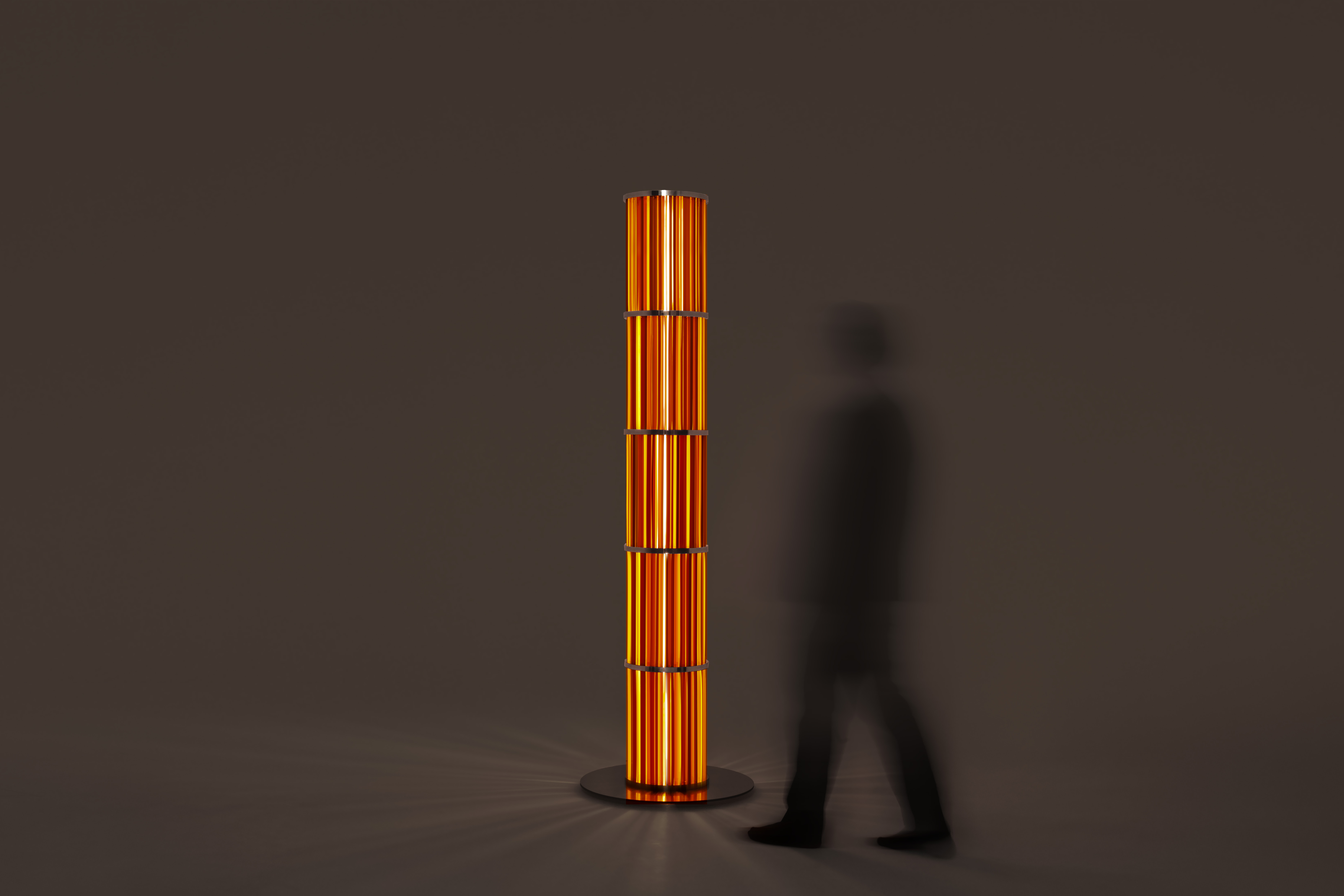
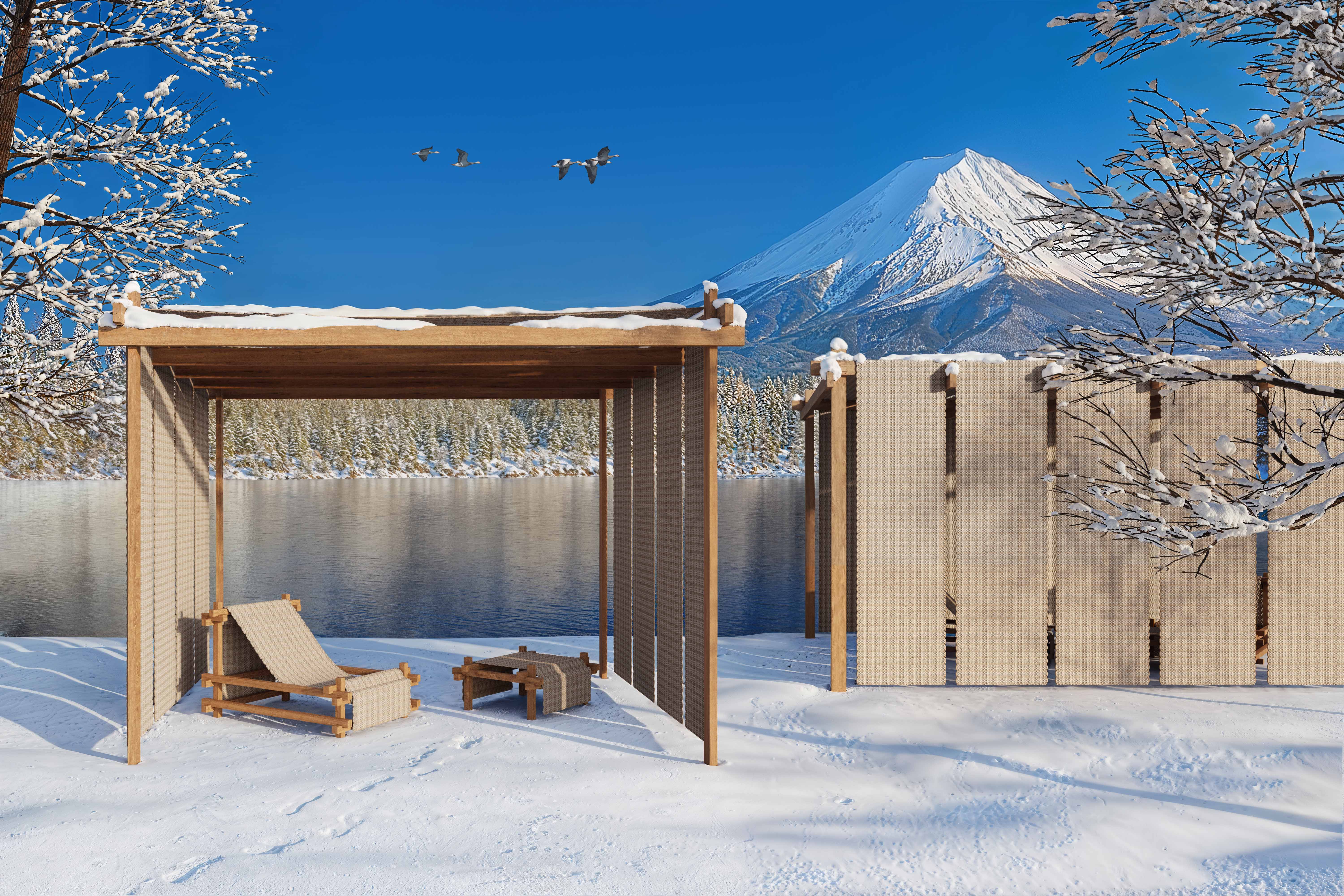
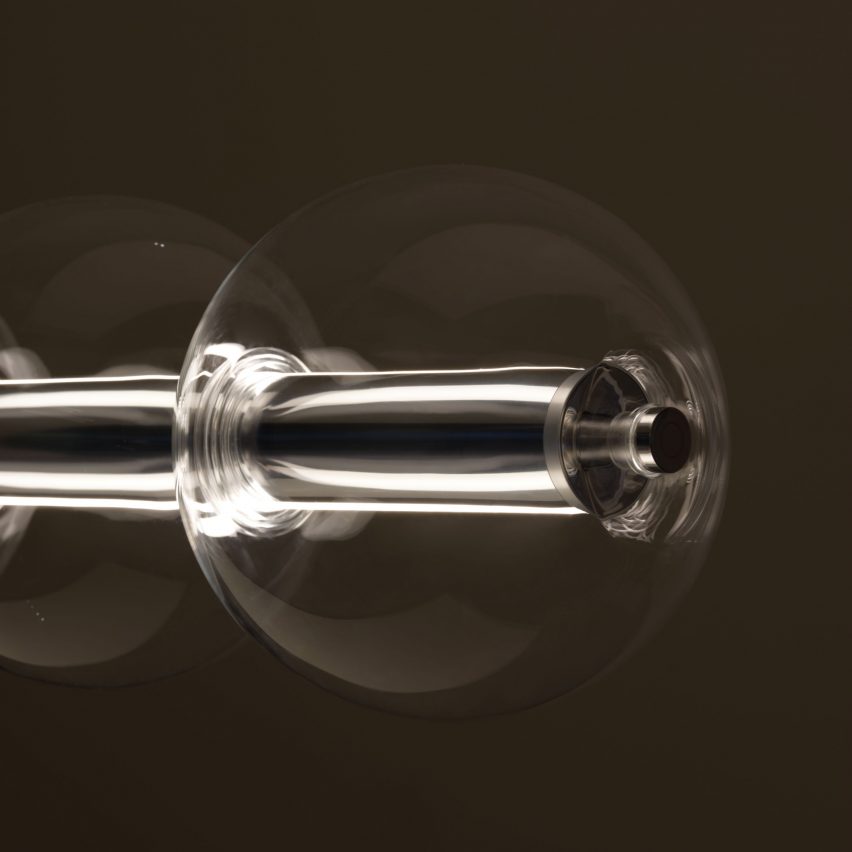
Gucci’s 'Bamboo Encounters' exhibition, curated by Ippolito Pestellini Laparelli of 2050+, was held at Chiostri di San Simpliciano. The exhibition reimagined Gucci’s iconic bamboo motif through the work of seven international artists and designers, exploring its cultural, ecological, and emotional significance. Works by artists like Nathalie Du Pasquier, Dima Srouji, and Anton Alvarez showcased the material's versatility. Finally, A-POC ABLE ISSEY MIYAKE and Swiss studio atelier oï presented the TYPE-XIII Atelier Oï project, investigating how fabric and wire could become sculptural, glowing objects. The O Series lighting collection, inspired by ikebana, allowed users to rearrange lights and change shadows, challenging traditional textile use and transforming it into flexible, functional lighting, reflecting A-POC’s sustainable design values.
#MilanDesignWeek #ArtInstallations #ExperientialDesign #InteractiveArt #ProductDesign #SustainableDesign #LightArt #MaterialInnovation #TextileDesign #MilanDesignWeek #ArtInstallations #ExperientialDesign #InteractiveArt #ProductDesign #SustainableDesign #LightArt #MaterialInnovation #TextileDesign
Há 0 comentários no total
 Ainda não há comentários
Você também pode gostar
Add These Installations To Your Milan Design Week Itinerary

Creative Ideas From Milan Design Week

Our unmissable highlights at London Design Festival 2025

These Will Be the Biggest Design Trends of 2025
The Fashion Moments Everyone’s Talking About at Milan Design Week 2025

9 Show-Stopping Installations Seen at Milan Design Week 2022
2025 Design Trends We're Loving
Moss-Core, Squishy Shapes, and 6 Other Trends We’re Super Excited About Right Now
Milan Design Week 2025: The Theatre of Design
16 iconic city monuments reimagined as backrests in CITYNG chair collection
Japan in Milan! See the highlights of Japanese design at Milan Design Week 2025

The best debuts at Paris Design Week 2025

designboom's ultimate guide to milan design week 2025
9 Colour Palettes Inspired By Milan Design Week 2025

Salone del Mobile 2024: highlights from the fair and Milan Design Week

Twelve of the best new lighting designs at Milan design week
The Biggest Design Trends of 2024—Spotted at Milan Design Week and Beyond

Milan Design Week: the 7 best fashion installations
Paris Design Week 2024: the highlights
We Asked Designers for the Most Overdone Decor Trends of 2025 and They Did Not Hold Back