1/6
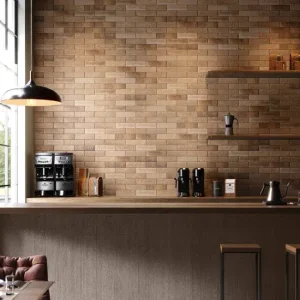
Masonry reinvented: One brick at a time
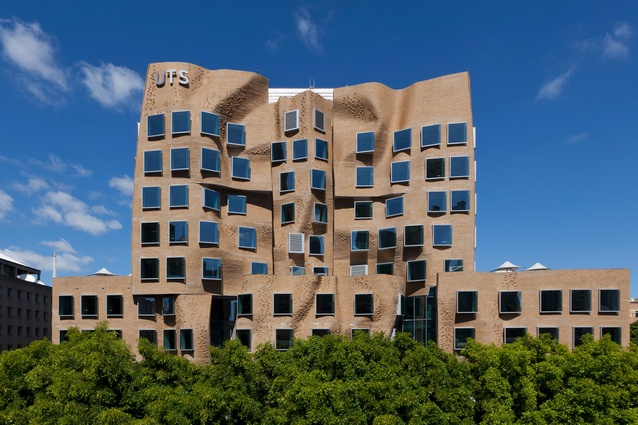
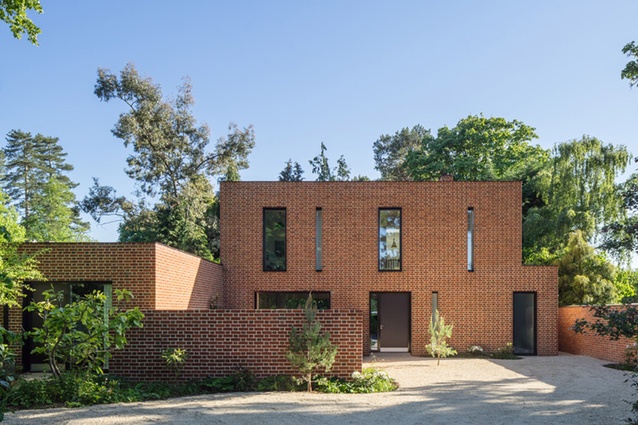
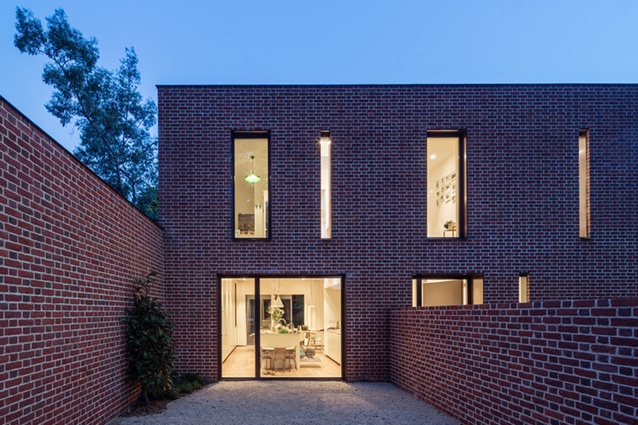
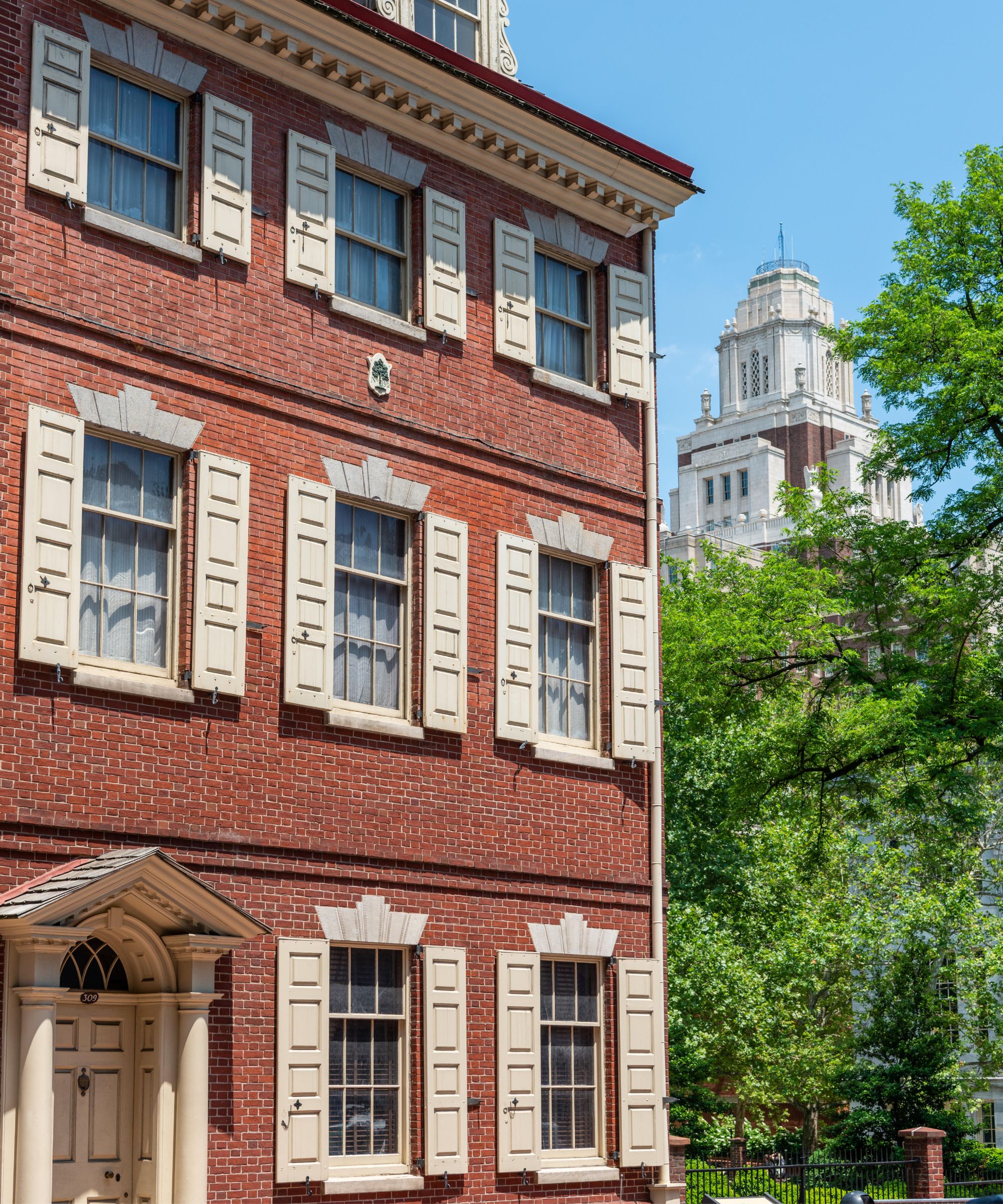
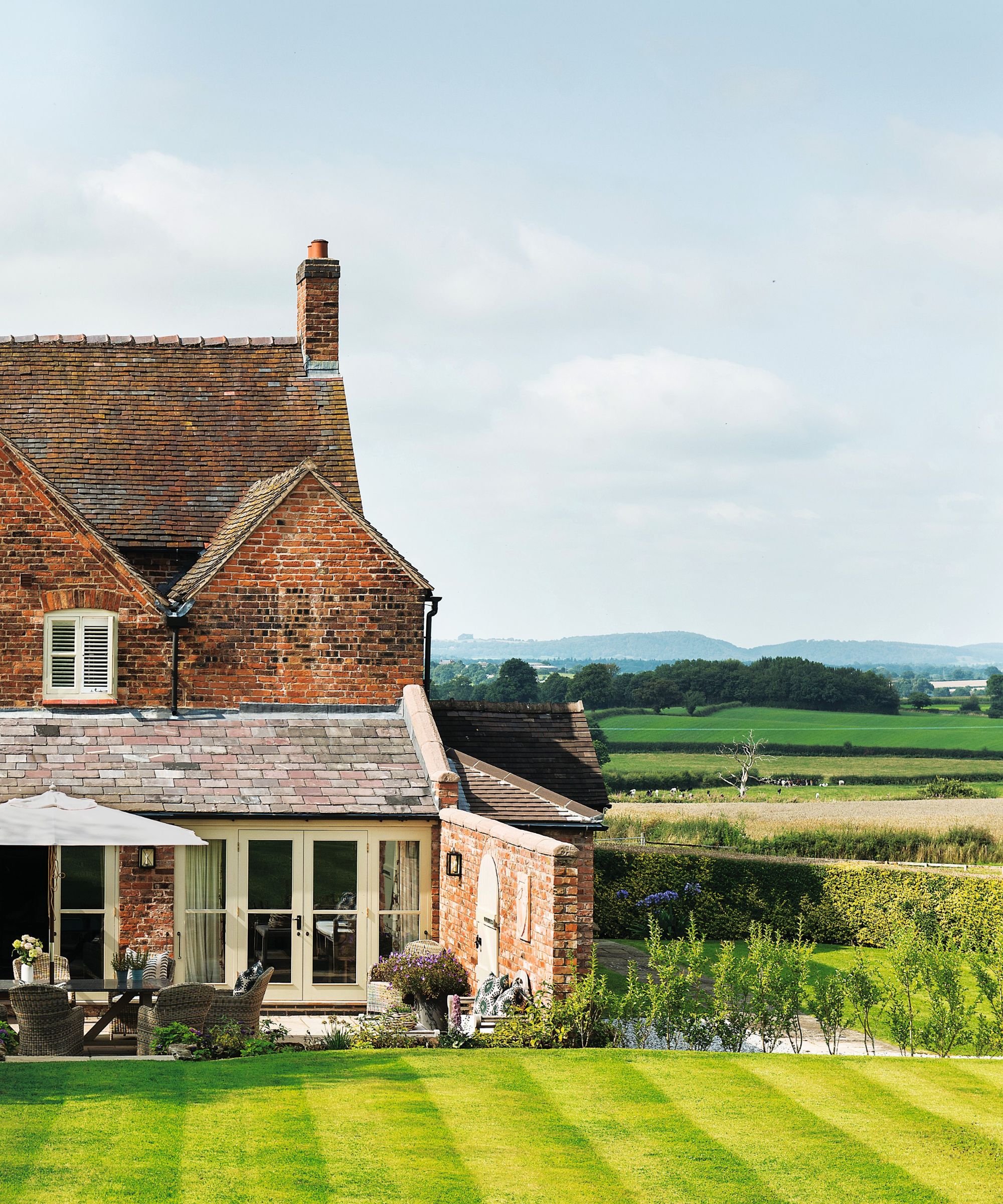
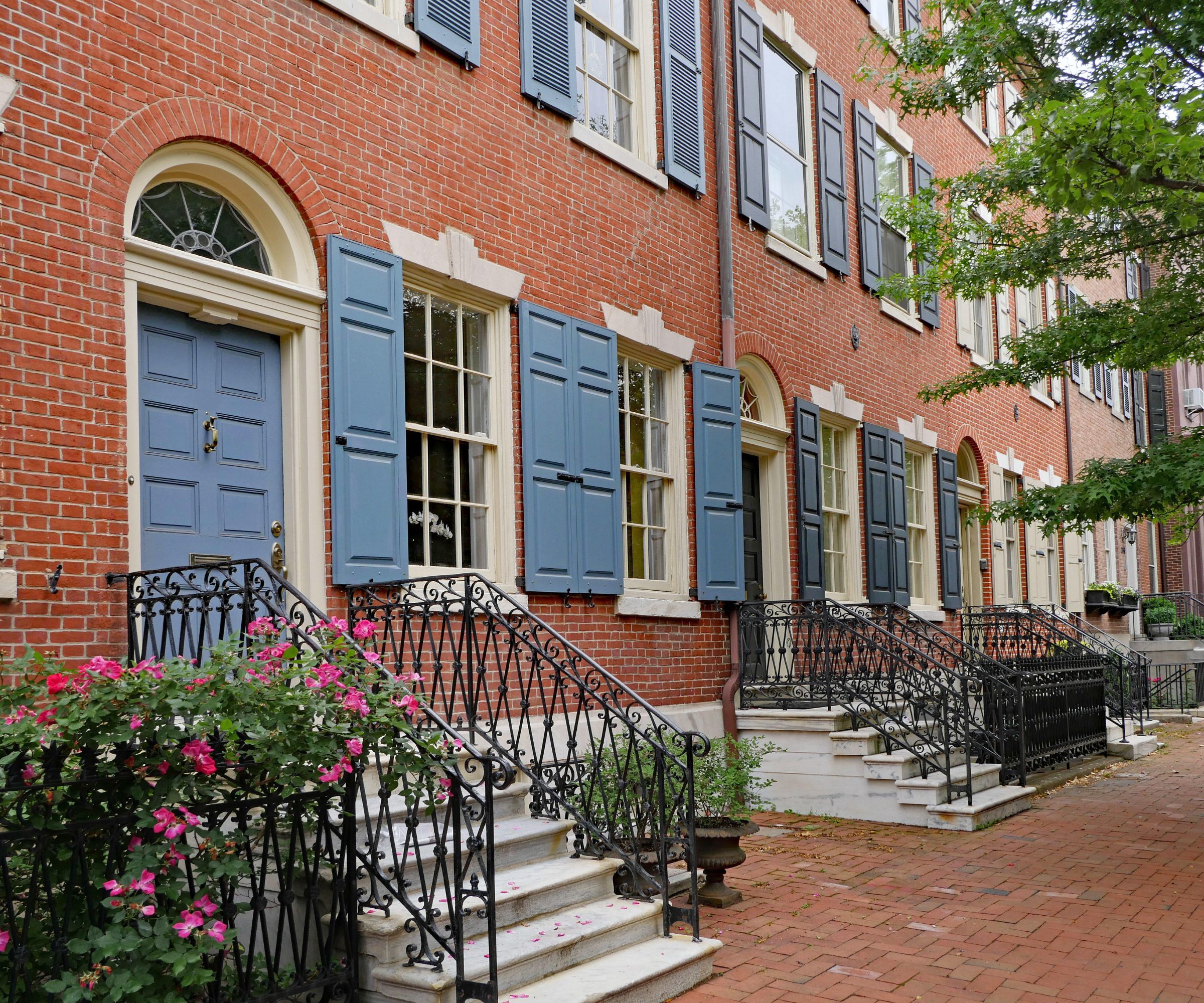
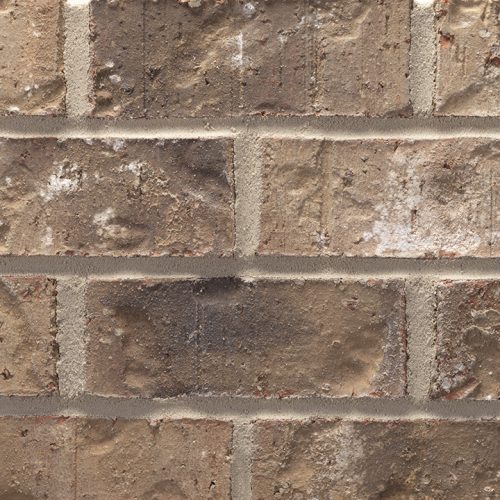
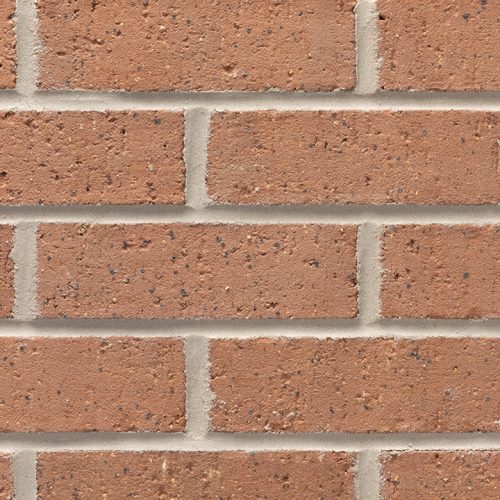
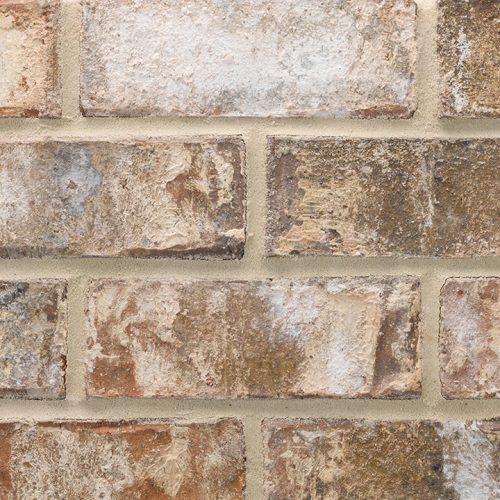
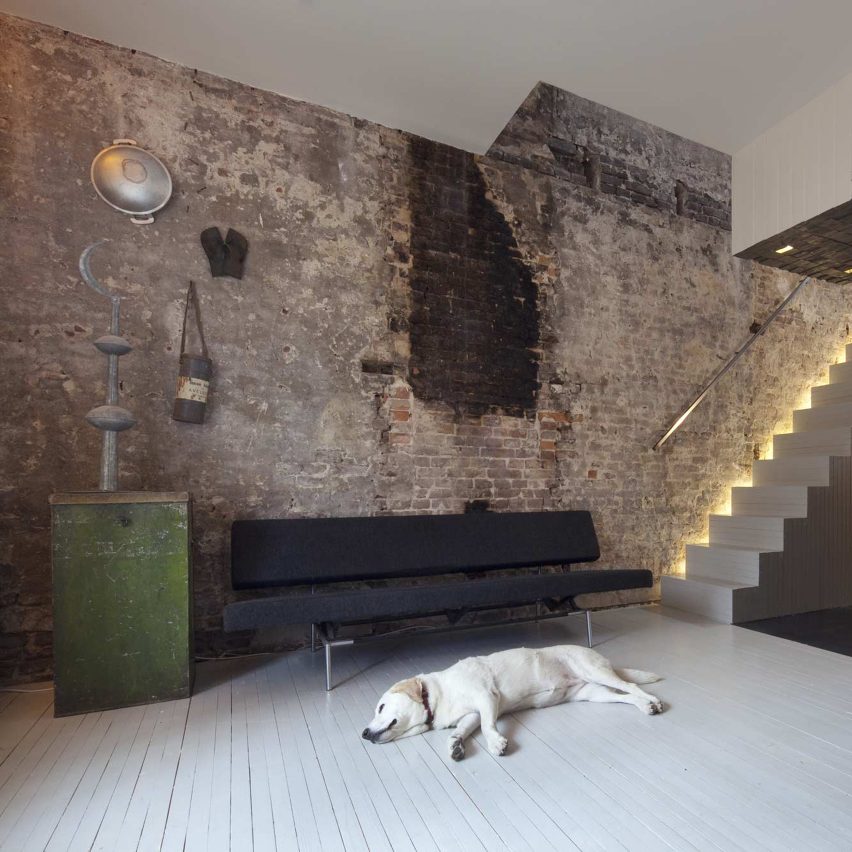
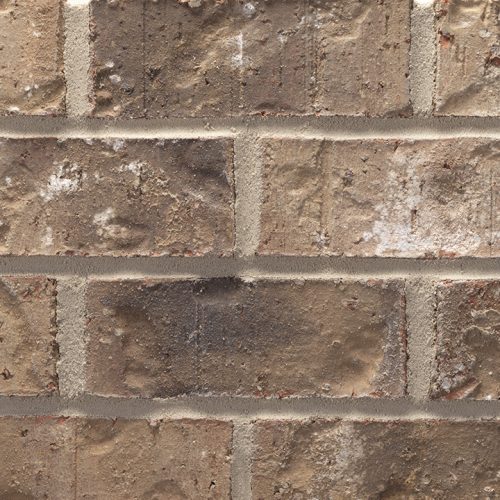
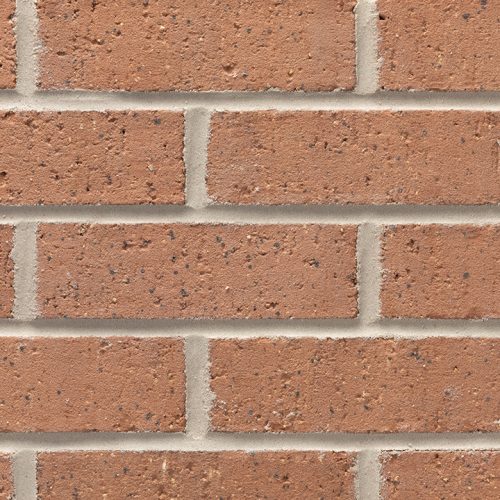
Traditional brick, a building material used for thousands of years, is lauded for its durability and aesthetic appeal. Historically, bricks evolved from sun-baked to fired versions, with manufacturing advancing significantly over time. While its classic appearance remains desirable, modern construction increasingly faces challenges with traditional masonry, particularly concerning high-performance enclosures, energy efficiency, and accelerated timelines. These challenges stem from brick's porous nature, which necessitates careful moisture management, and its heavy, bulky characteristics, requiring skilled labor and extensive support systems. Additionally, traditional brick production, relying on finite clay resources and fossil fuel-powered kilns, contributes significantly to CO2 and black carbon emissions, increasing embodied carbon and transportation fuel consumption.
The demand for modern alternatives has grown due to these limitations and increasing focus on sustainability. Innovations like thin brick veneers, resin-cast bricks, and prefabricated panel systems aim to replicate the aesthetic of brick without its structural, labor, and environmental drawbacks. Architects and homeowners are increasingly prioritizing sustainability, influencing product choices. Manufacturers are responding by developing brick alternatives from various materials, including expanded cork, construction waste, mineral fibers, and 3D-printed recycled glass.
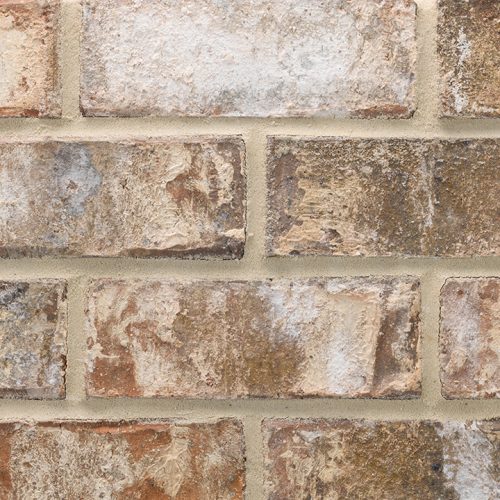
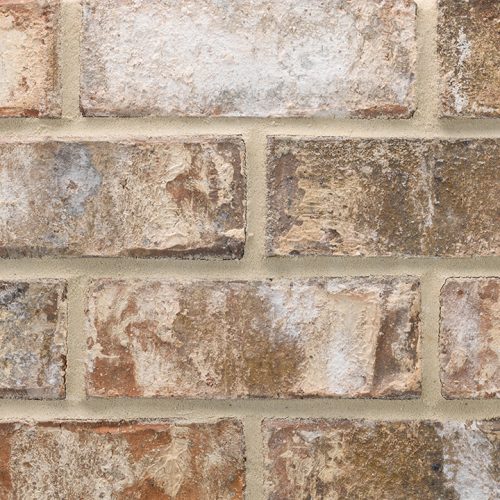
Thin brick, a lightweight veneer made from clay or concrete, can be applied to diverse substrates and integrated into rainscreen systems, offering reduced structural weight and faster installation. Its adhesives are designed for long-term durability and resistance to environmental factors. Faux brick panels, made from polyurethane or composite materials, provide an easy-to-install, brick-like aesthetic but require careful consideration of fire performance and code compliance. Engineered brick products offer a blend of brick aesthetics and performance benefits, often using reclaimed or recycled materials, and are commonly factory-applied to prefabricated wall panels. MIT engineers are developing 3D-printed, recycled glass bricks designed to interlock, offering a sustainable and reusable building material. Resin-cast bricks, precision-molded from high-performance resins, provide consistency, low weight, and design versatility, suitable for various applications and integrated cladding systems.
Modern brick-alternative finishes can be integrated into complete, warrantied wall systems, addressing both performance and design objectives. These systems, which include air and water-resistive barriers, continuous insulation, and lightweight cladding, offer benefits such as reduced structural load, lower embodied carbon, improved jobsite safety, enhanced design flexibility, and single-source warranties. They support holistic building envelope performance, meeting evolving code requirements and delivering a timeless brick look. Code compliance for these systems involves rigorous testing for air leakage, water penetration, fire performance, impact resistance, and finish durability, with specific approvals required for hurricane-prone areas.
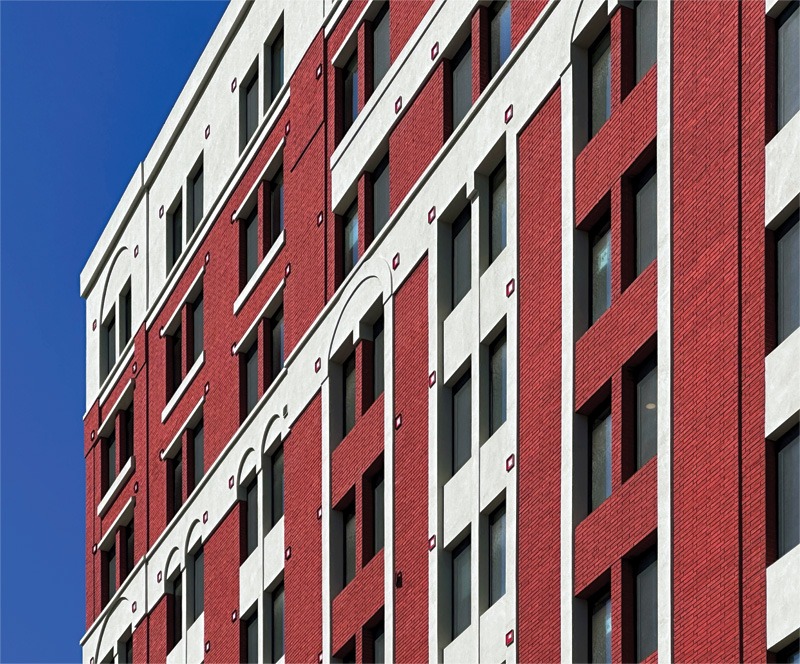
Effective specification guidance for brick-alternative systems includes requirements for mockups, substrate preparation, thermal and moisture performance, finish details, and installer qualifications. A case study of a 13-story affordable housing project in Brooklyn, N.Y., demonstrated the successful use of a continuous insulation wall system with a thin, resin-cast brick aesthetic to achieve Passive House standards on a modular construction timeline. This approach accommodated a classic brick look, high energy performance, and a compressed schedule, illustrating how integrated wall systems can bridge traditional aesthetics with next-generation performance requirements.
#Masonry #BrickAlternatives #SustainableConstruction #BuildingMaterials #EnergyEfficiency #ArchitecturalDesign #ConstructionInnovation #BuildingEnvelope #ThinBrick #Masonry #BrickAlternatives #SustainableConstruction #BuildingMaterials #EnergyEfficiency #ArchitecturalDesign #ConstructionInnovation #BuildingEnvelope #ThinBrick
Há 0 comentários no total
 Ainda não há comentários
Você também pode gostar
Another brick in the wall
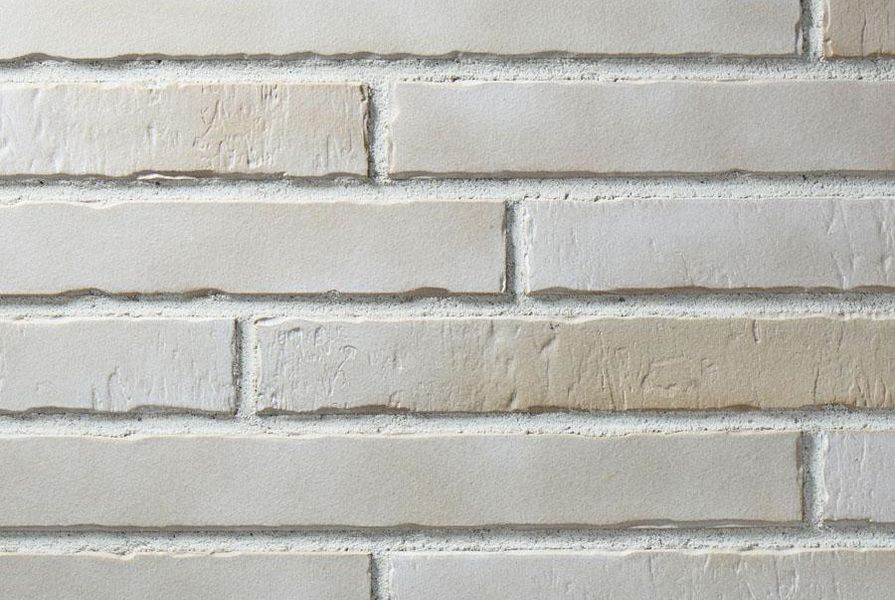
Long-format brick slips from Klay Tiles and Facades
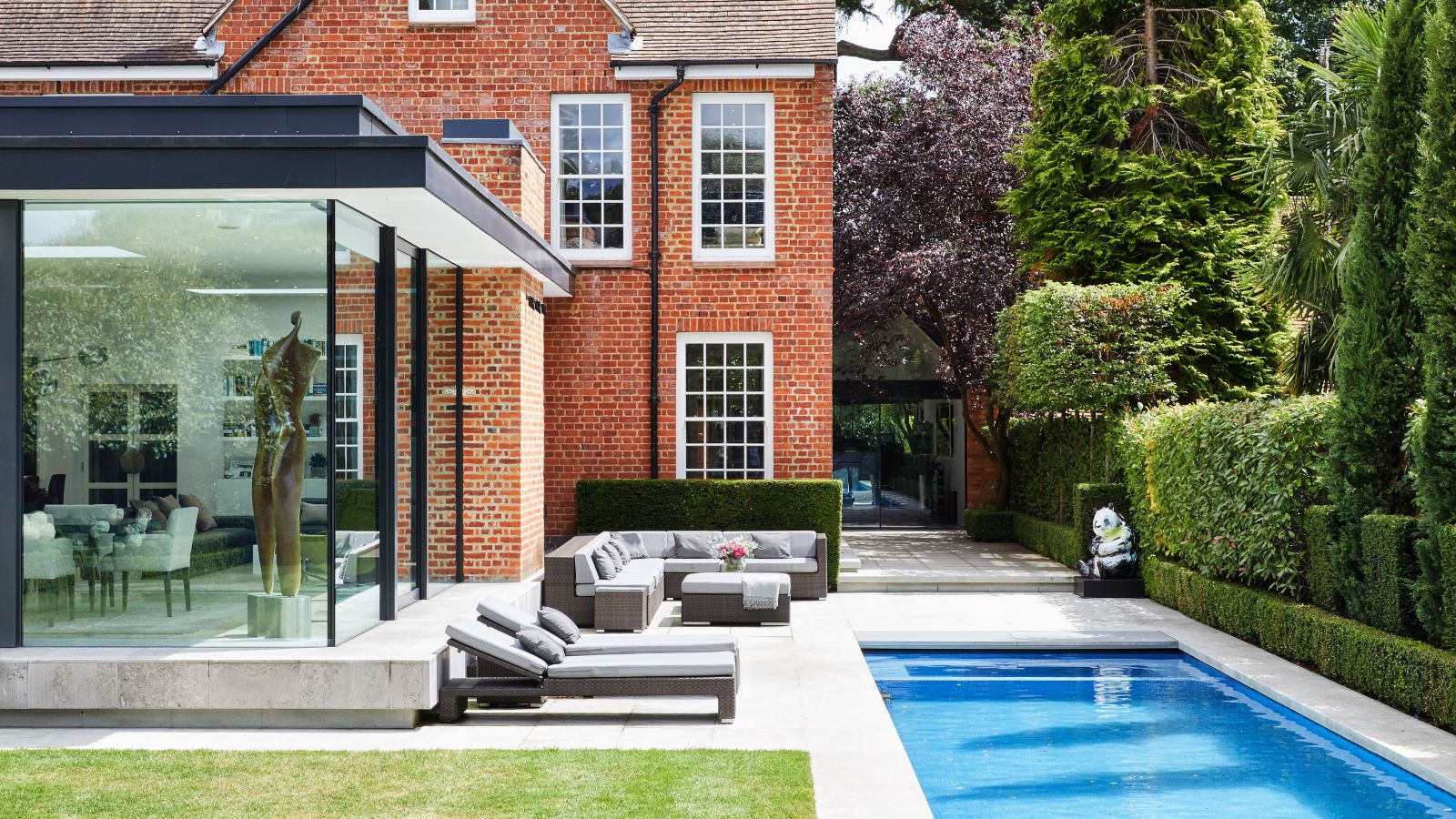
‘It’s a tough lesson to learn’ – brick homeowners must complete this outdoor maintenance task to avoid costly repairs and structural failure

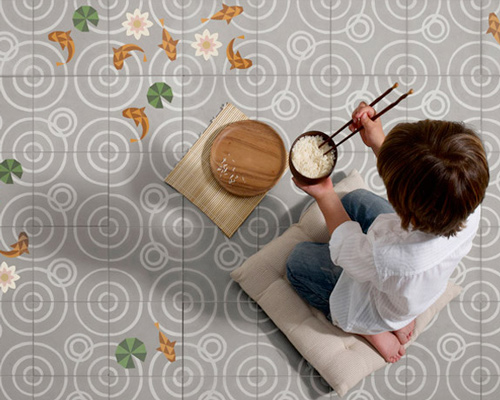
MUT design: drops concrete tiles for entic design
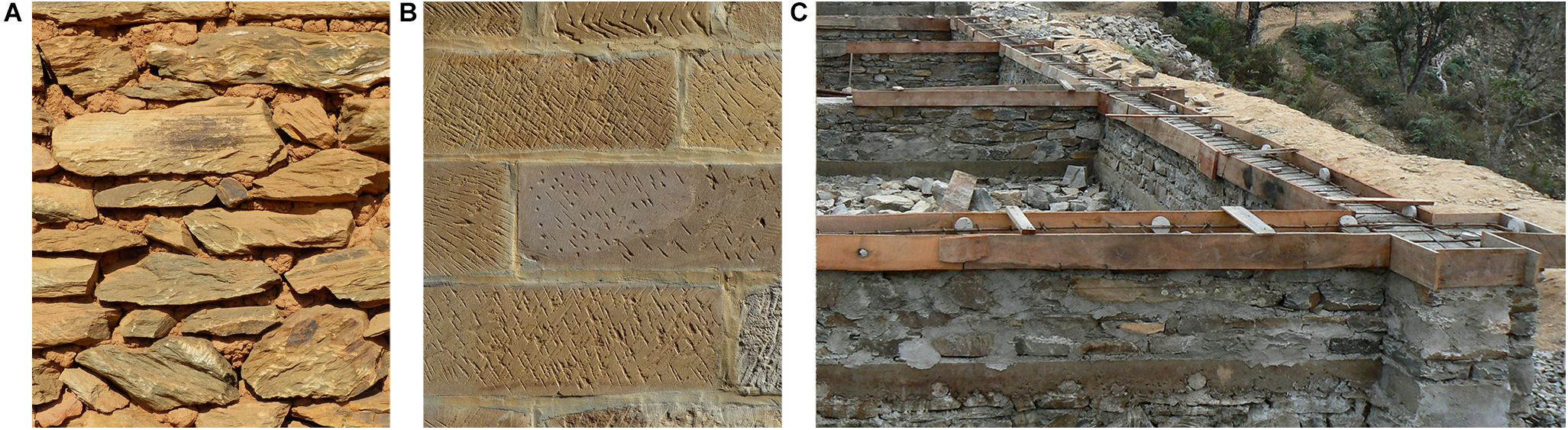
Rubble Stone Masonry Buildings With Cement Mortar: Design Specifications in Seismic and Masonry Codes Worldwide
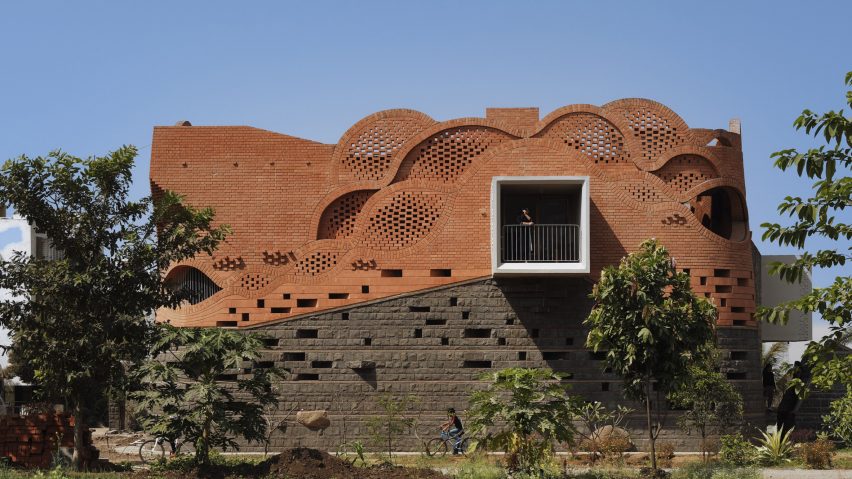
Ten buildings animated by expressive brick facades
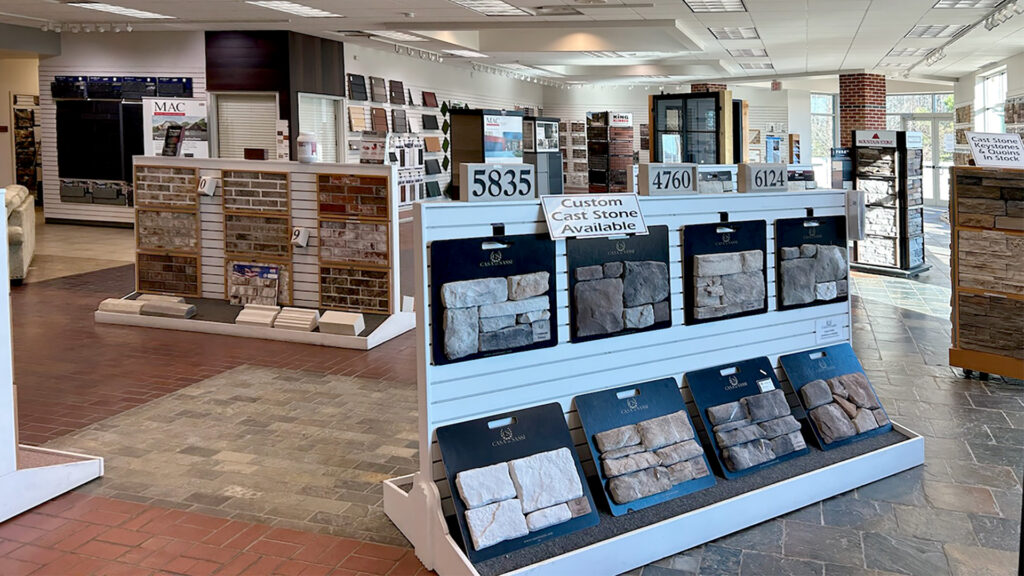
Acme Brick, Tile and Stone – Little Rock
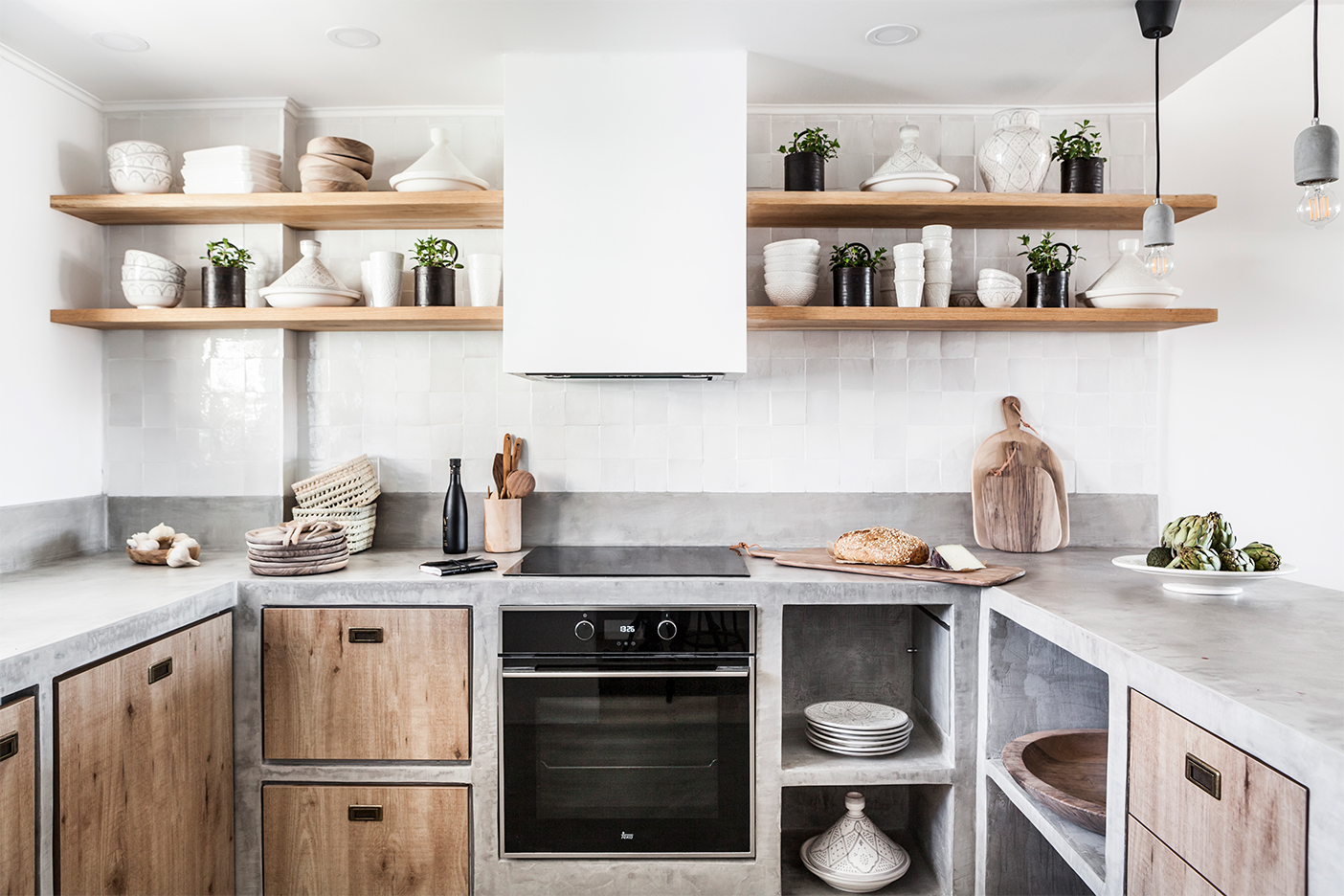
More Practical Than Plaster and Cement: This Material Is on Our Reno Radar
This Designer Brought Brick Back Into a Colonial in a Big (But Sneaky) Way

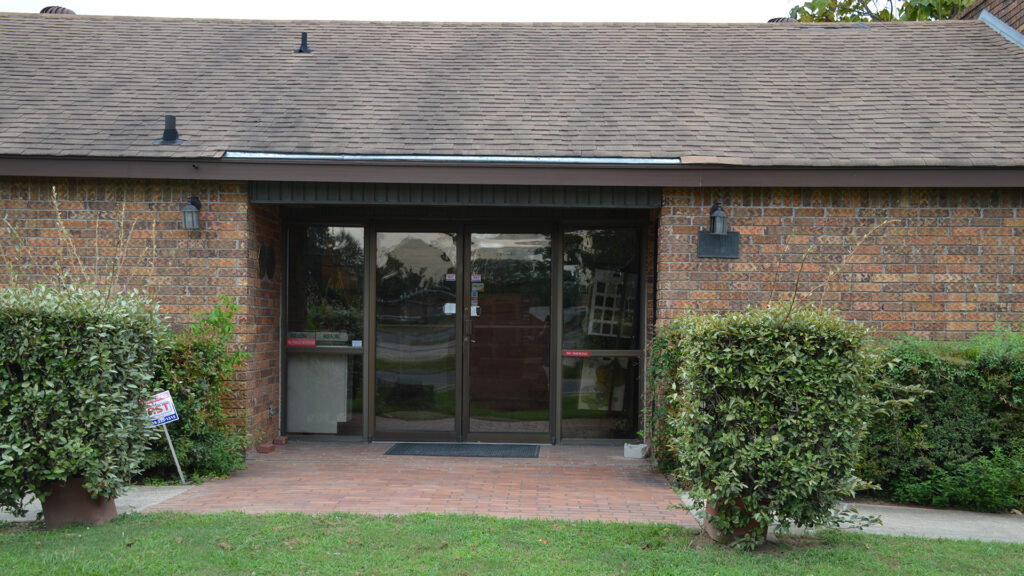
Acme Brick, Tile and Stone – Monroe
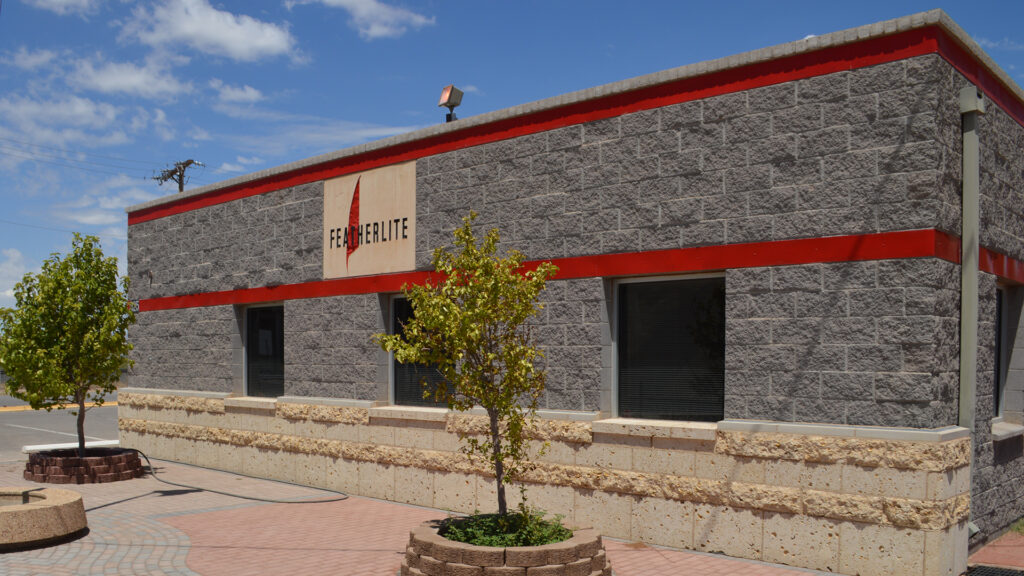
Acme Brick, Tile and Stone – El Paso
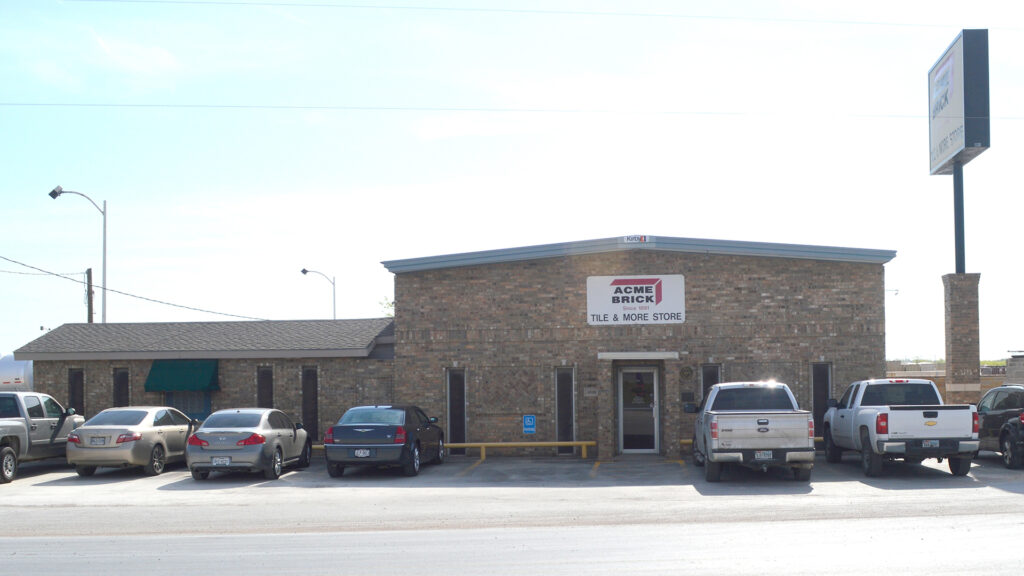
Acme Brick, Tile and Stone – Abilene
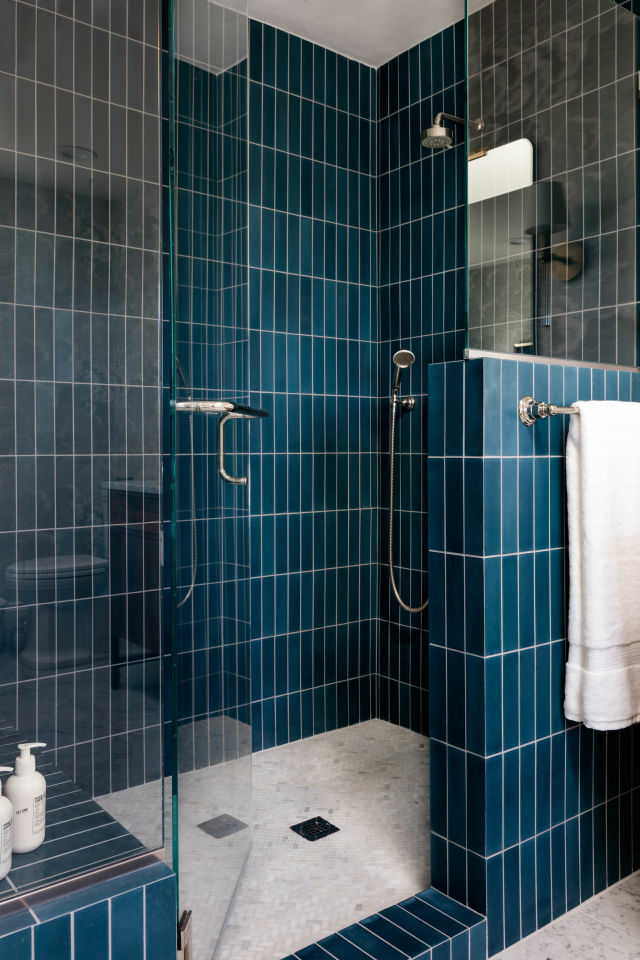
The Statement Shower: A New Approach to Cement Tile
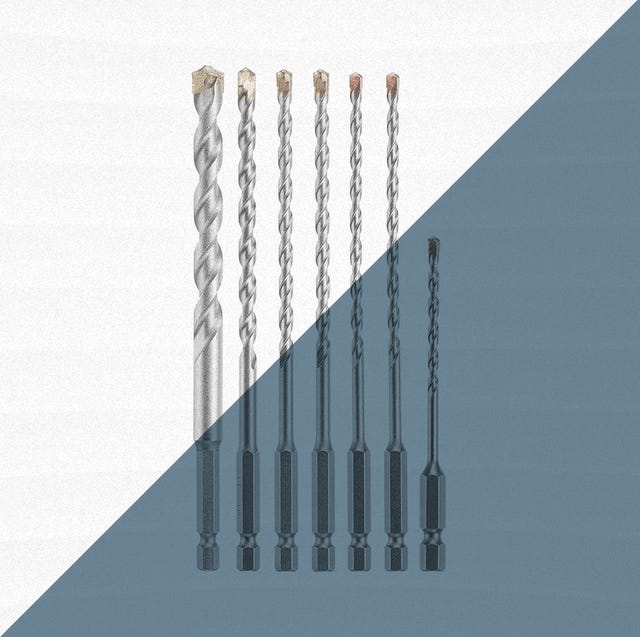
Bore Through Tough Concrete and Brick With These Masonry Drill Bits
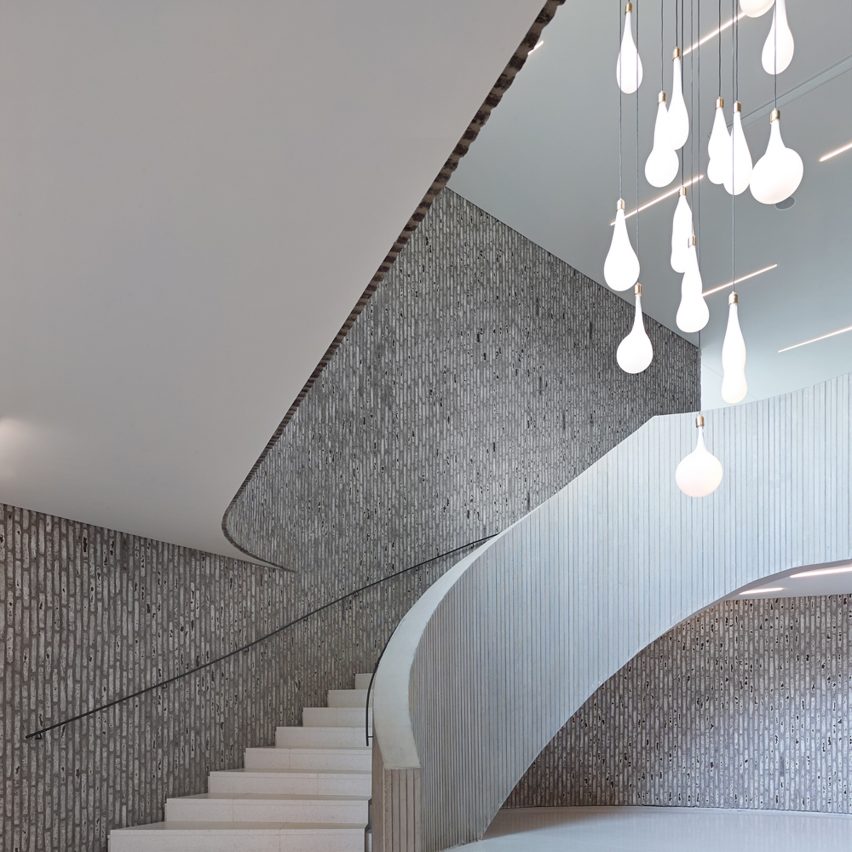
10 of the most popular brick interiors on Dezeen's Pinterest boards
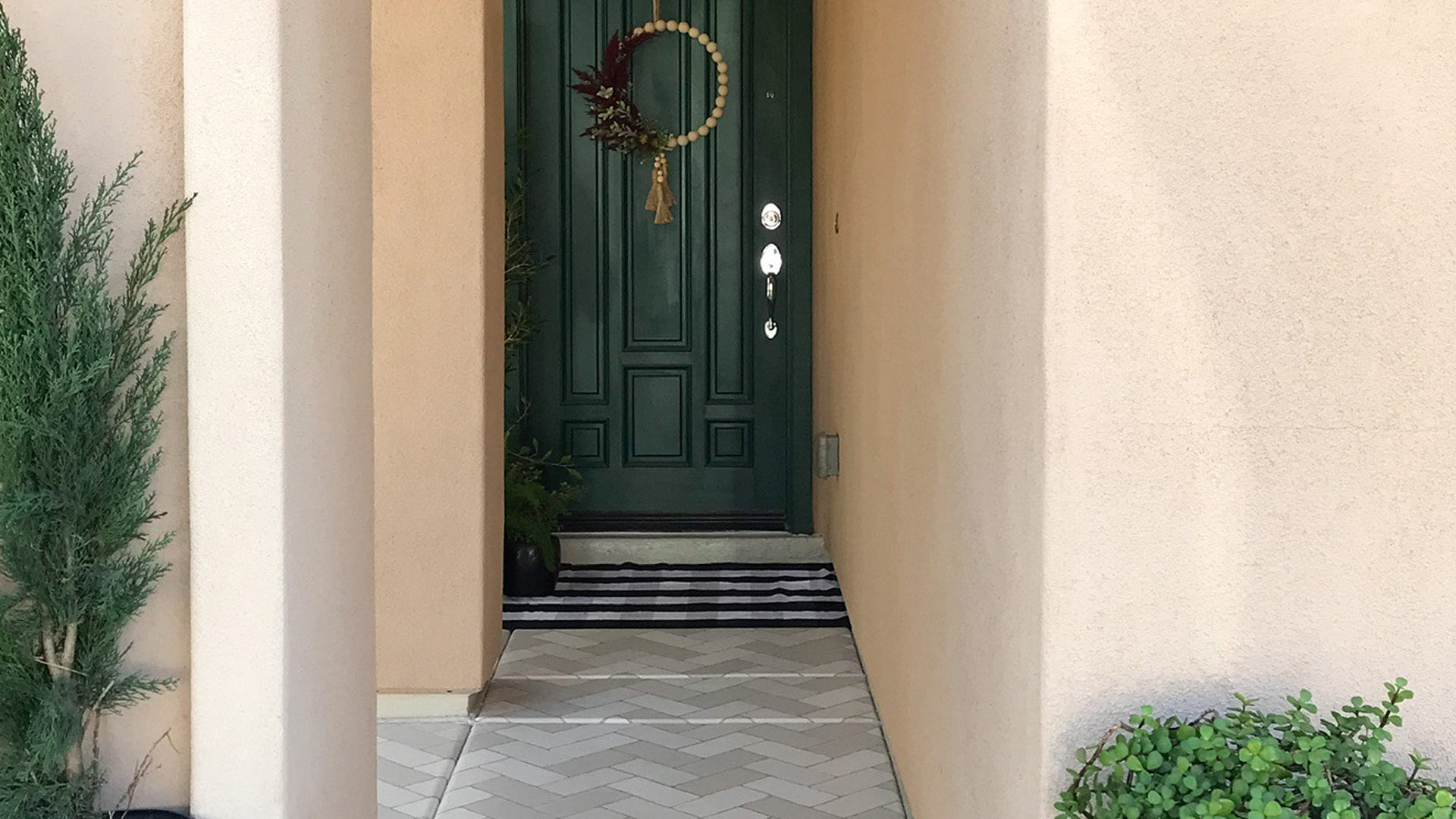
DIY-er turned a concrete path into a dream brick entryway with this smart stencil hack

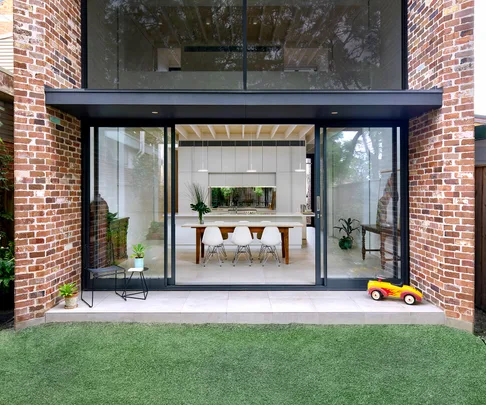
Statement bricks are the latest design trend

Acme Brick
Acme Brick, Tile and Stone – Northwest Arkansas
Acme Brick, Tile and Stone – Dothan