1/2
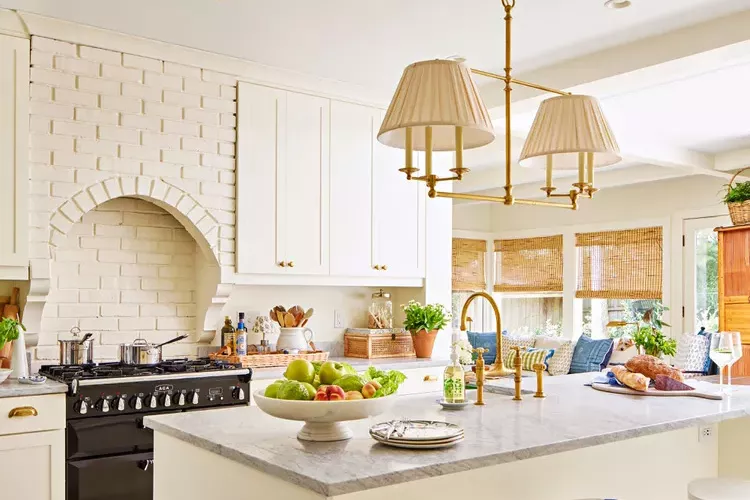
Kitchen cabinet lighting: 8 ideas for a beautifully illuminated space
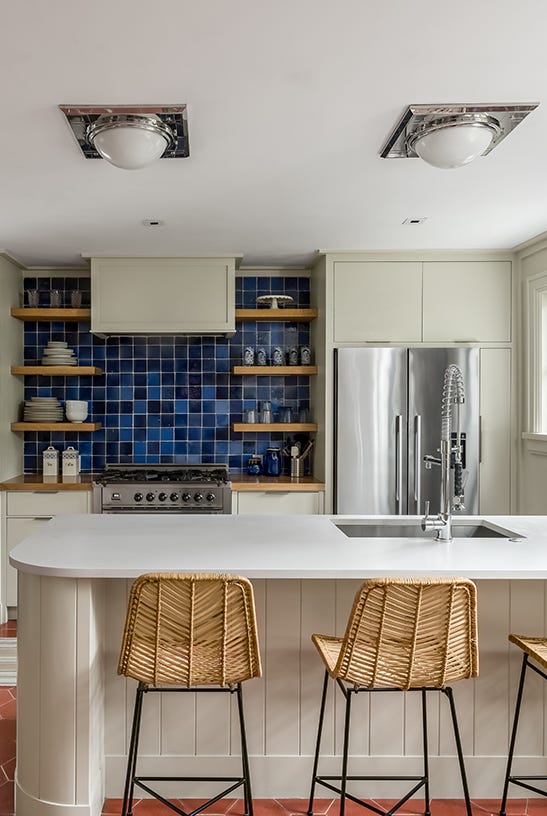
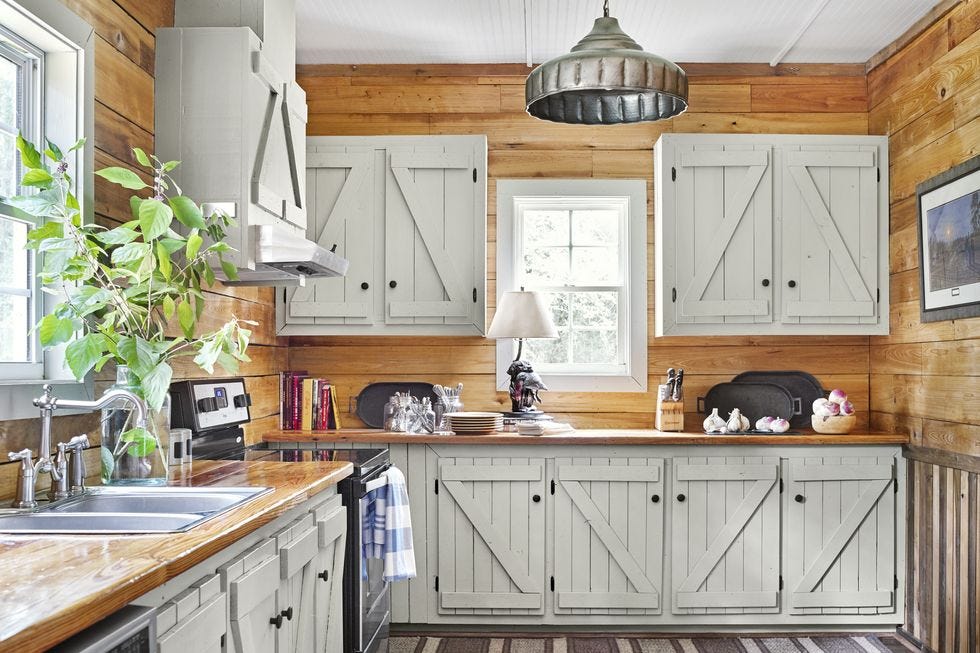
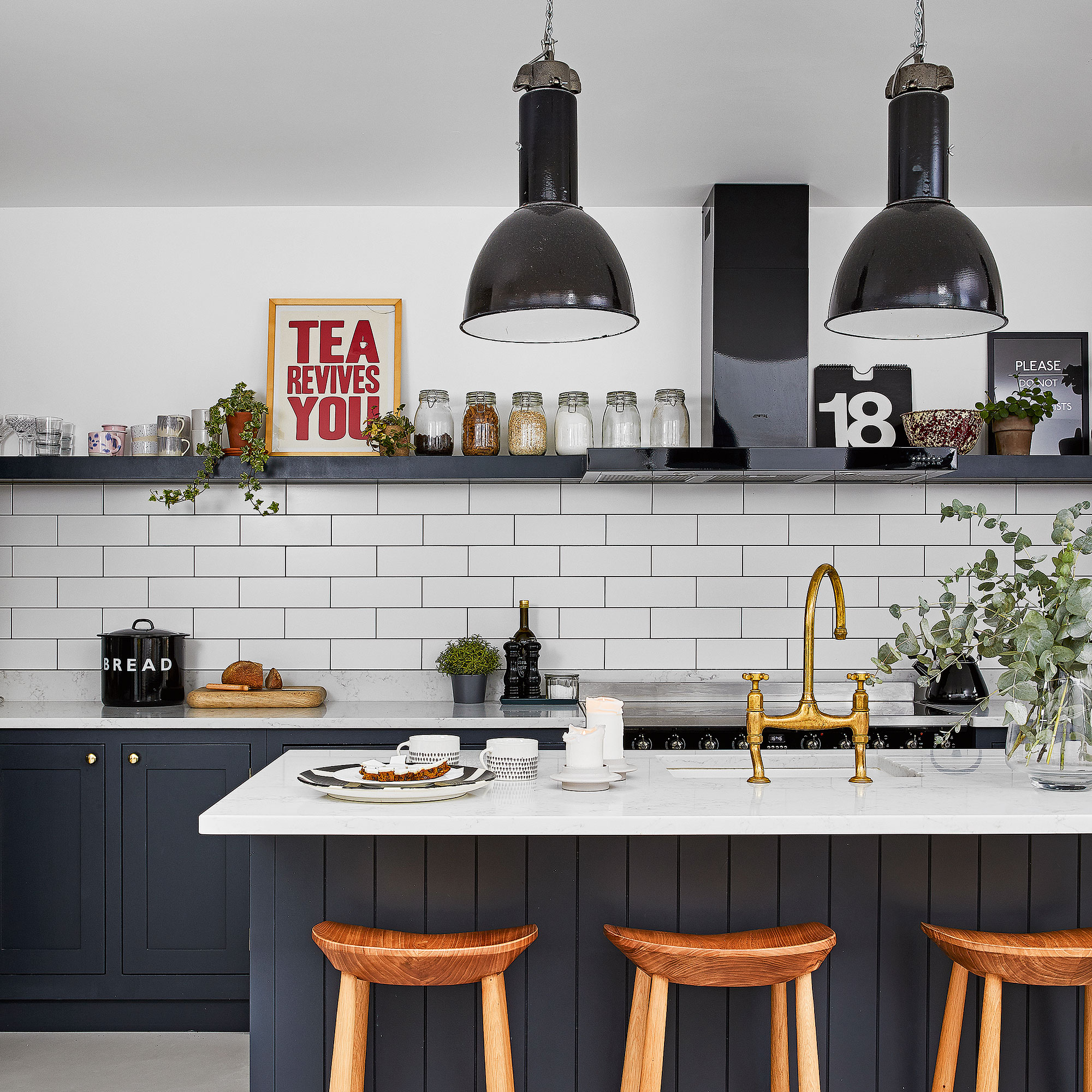
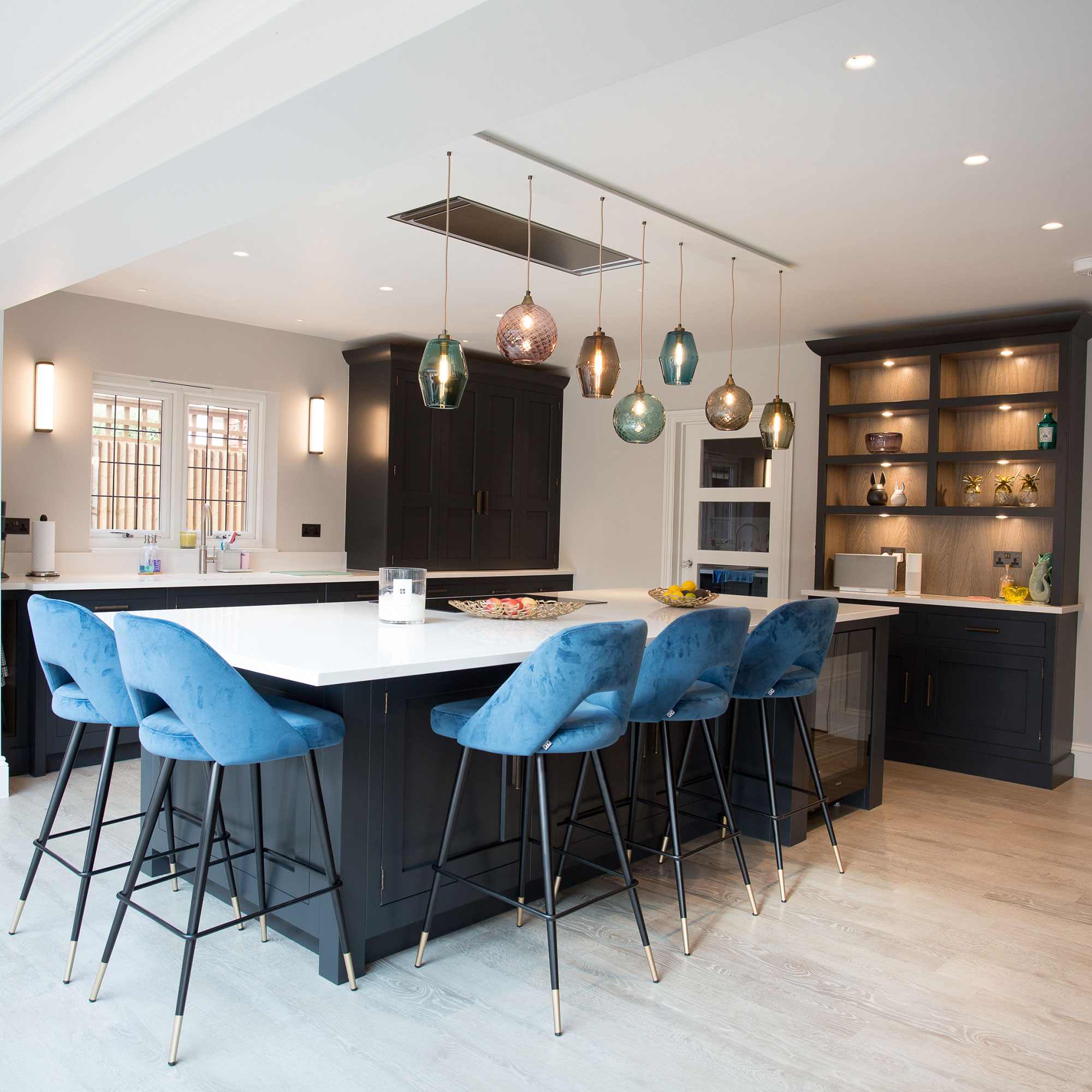
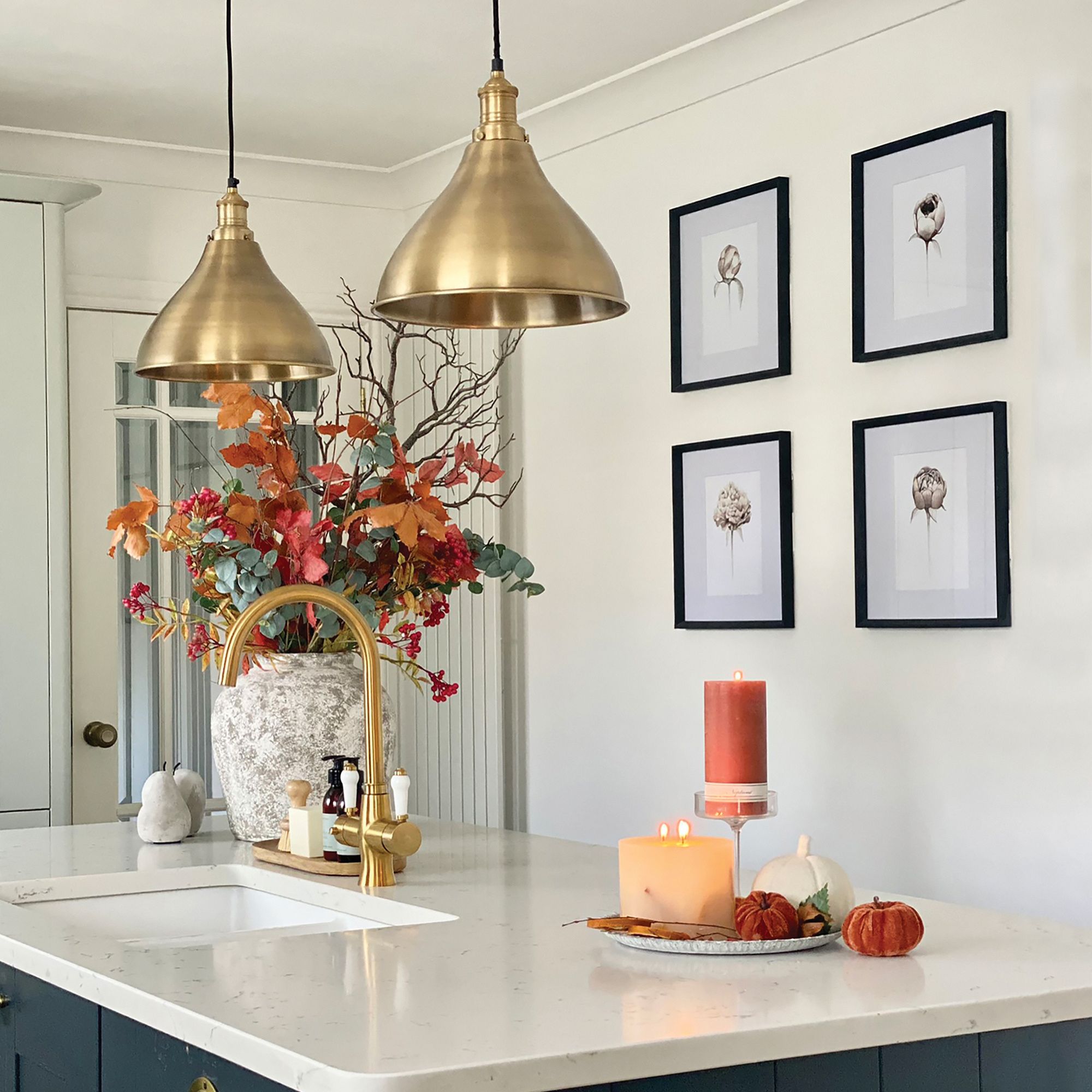
Effective kitchen lighting is crucial for both aesthetics and functionality. Kitchen cabinet lighting is a key element in creating a well-lit and inviting space, going beyond general overhead illumination to provide task and accent lighting. This type of lighting improves visibility for food preparation, highlights design features, and enhances the overall ambiance of the kitchen. Integrating various types of cabinet lighting can transform a kitchen into a more user-friendly and visually appealing area.

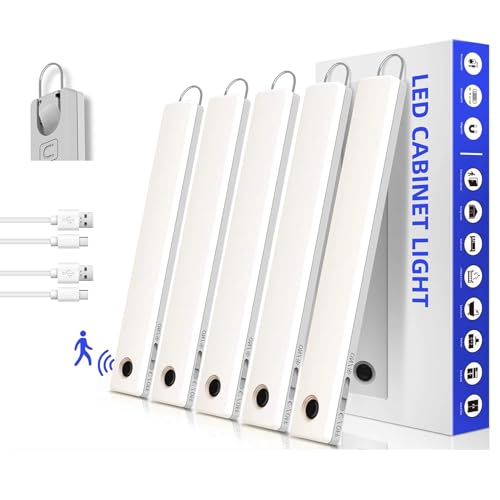
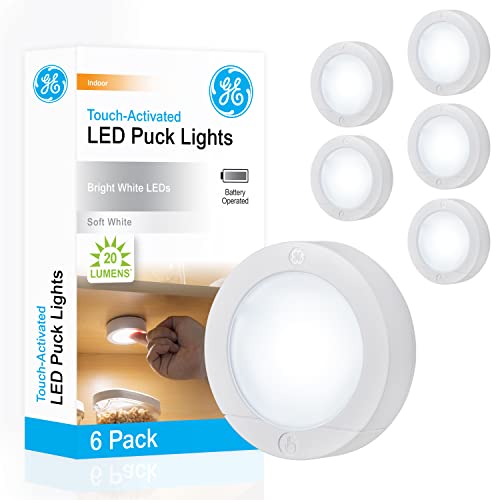
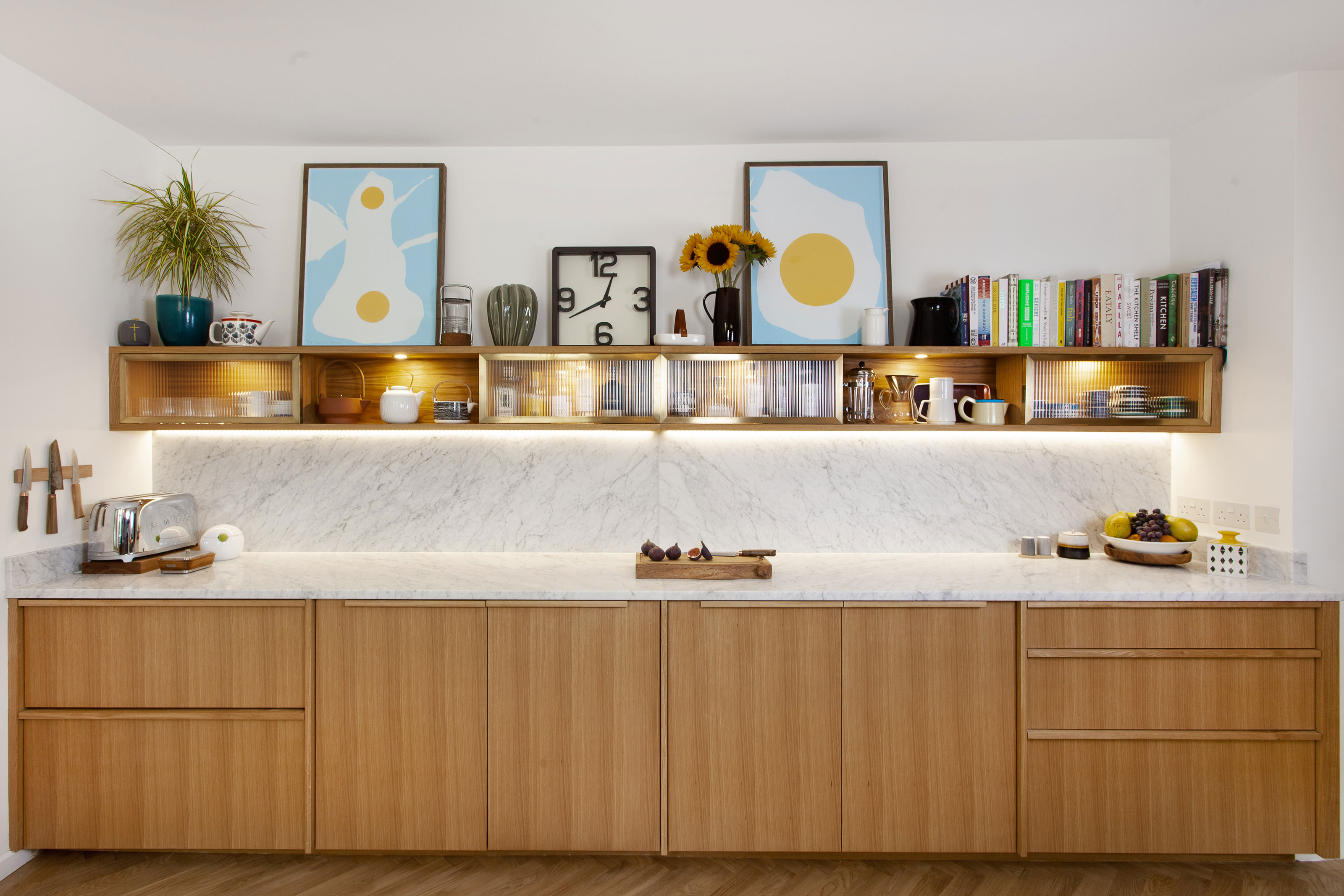
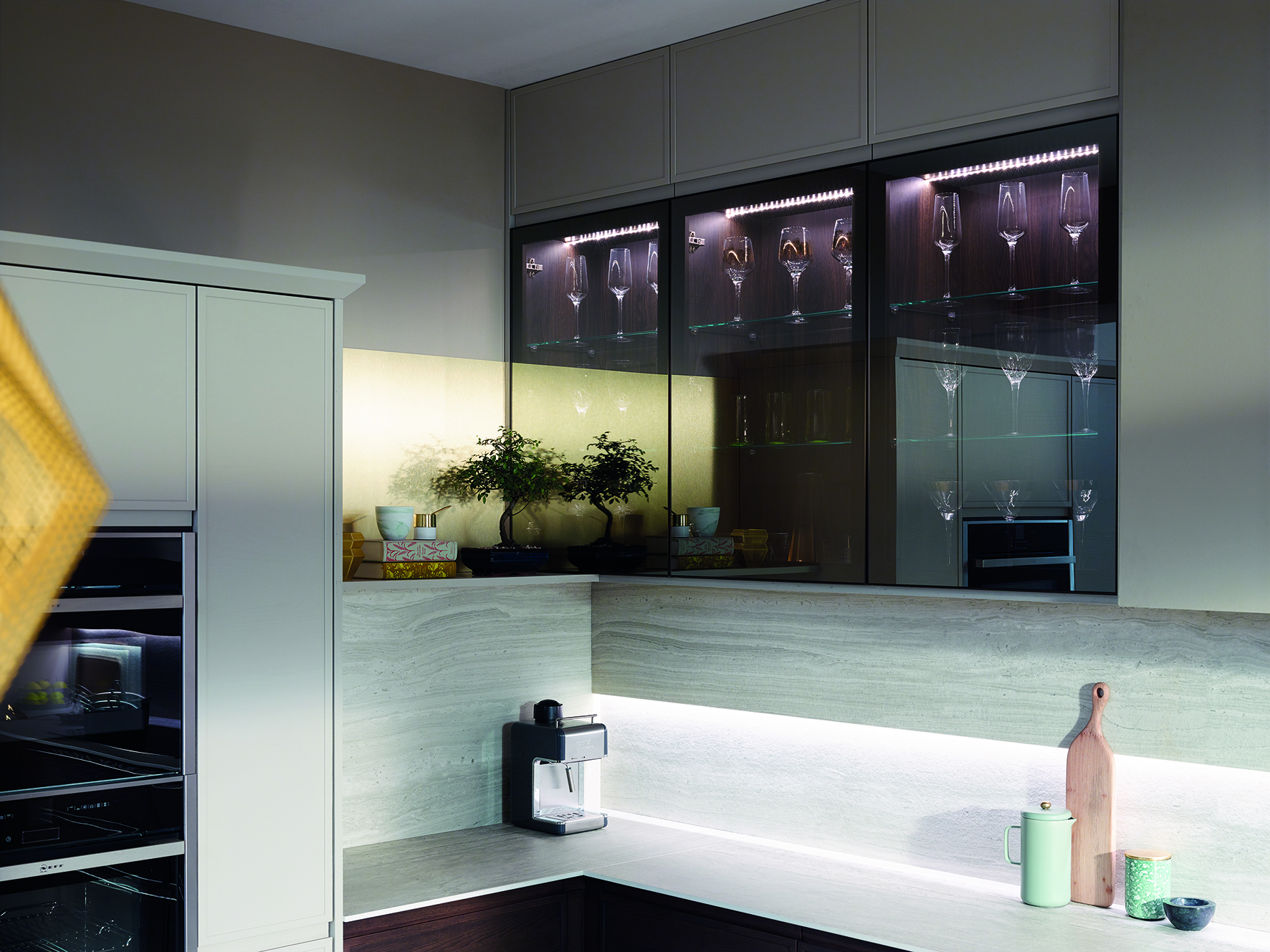
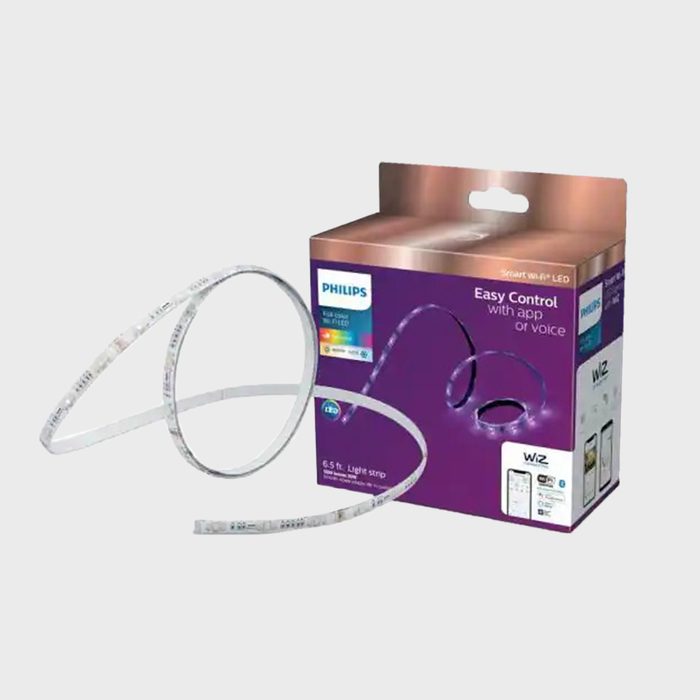
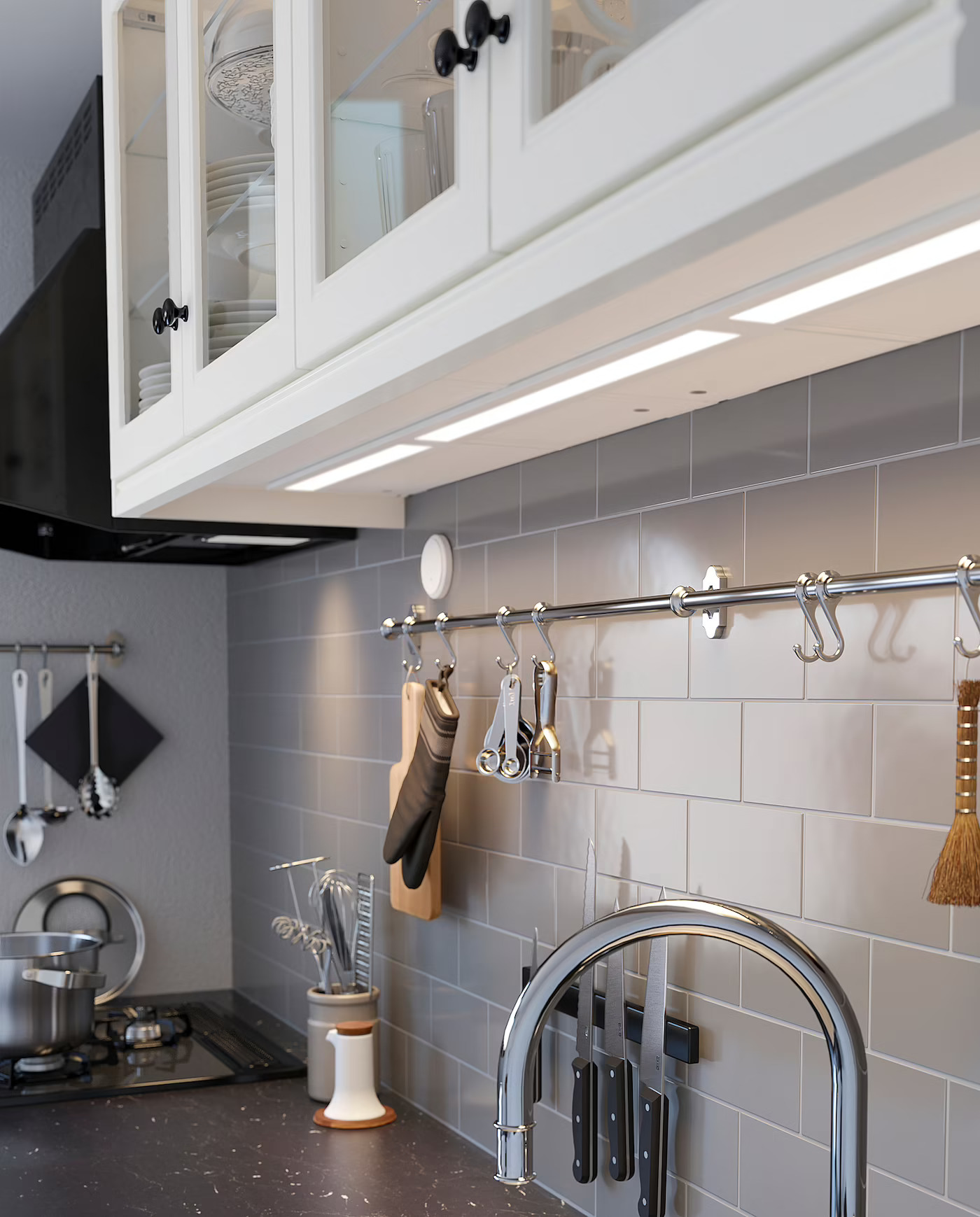
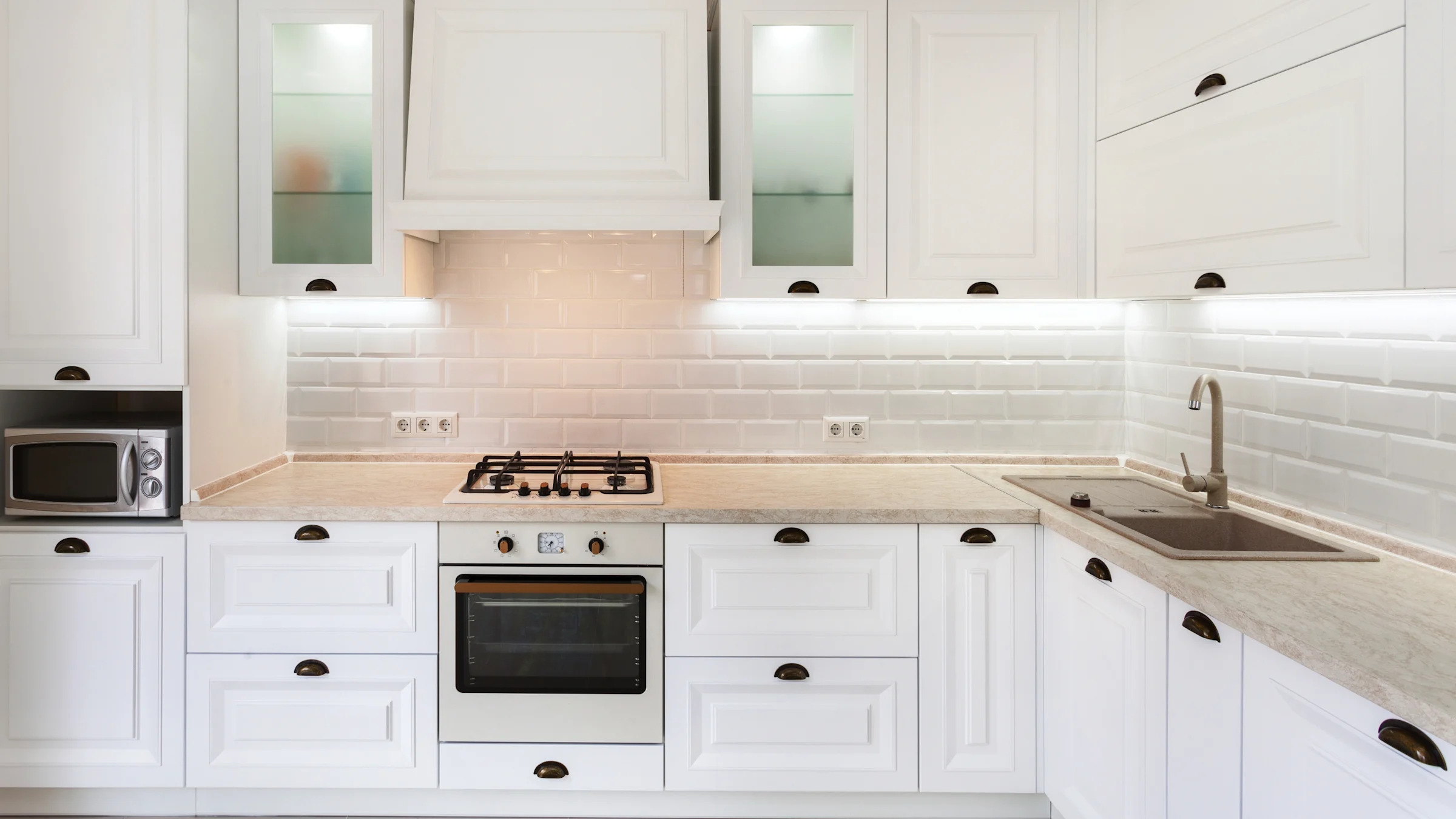
Task lighting is essential for workspaces like countertops, ensuring clear visibility for tasks such as chopping and cooking. Options include under-cabinet strip lighting (LED strips or tape lights), puck lights, and linear light bars. LED strips are versatile, energy-efficient, and easy to install, providing even illumination. Puck lights offer focused light, ideal for smaller areas or highlighting specific items. Linear light bars provide bright, continuous light across longer stretches of countertop. These solutions not only enhance safety but also reduce eye strain.
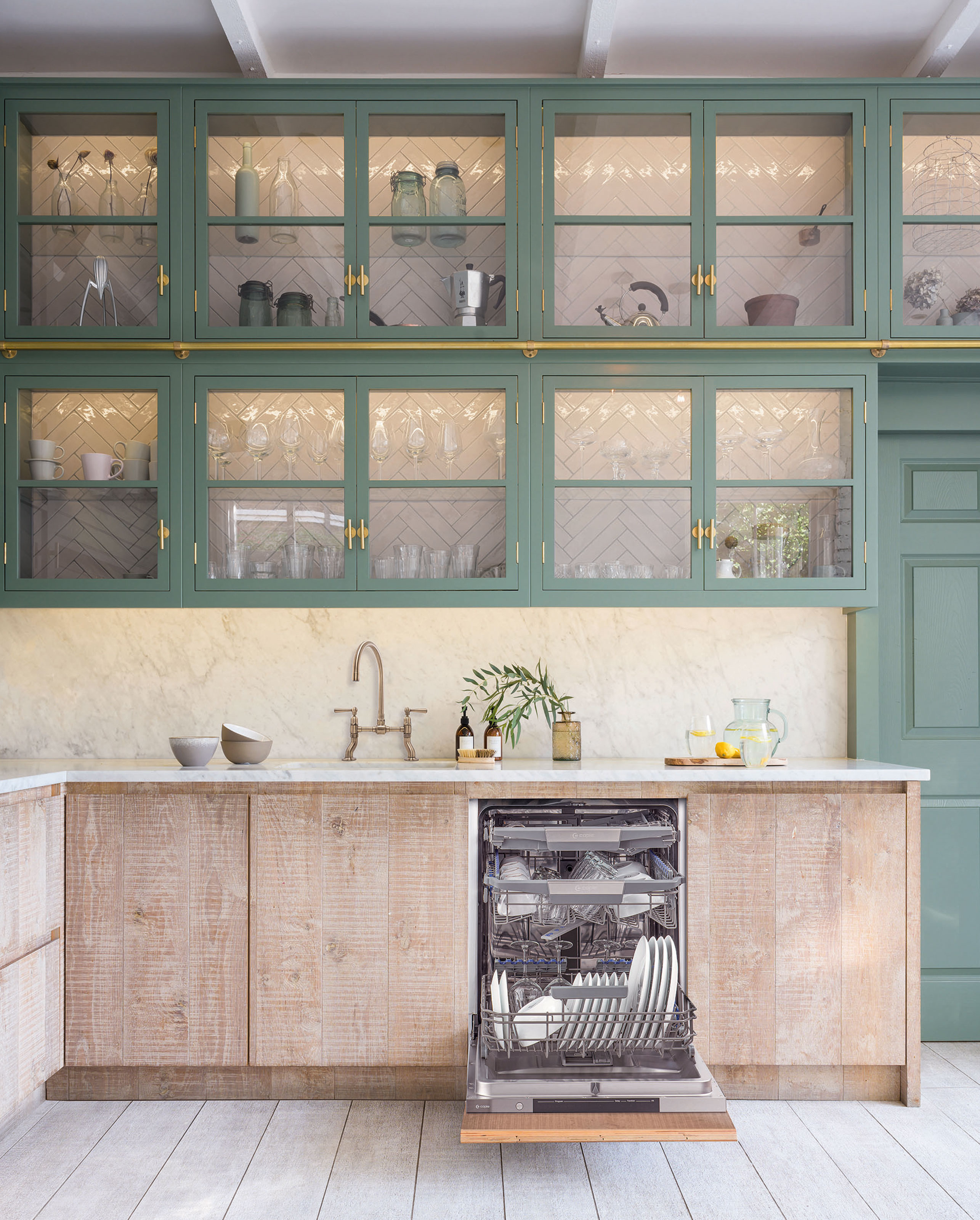
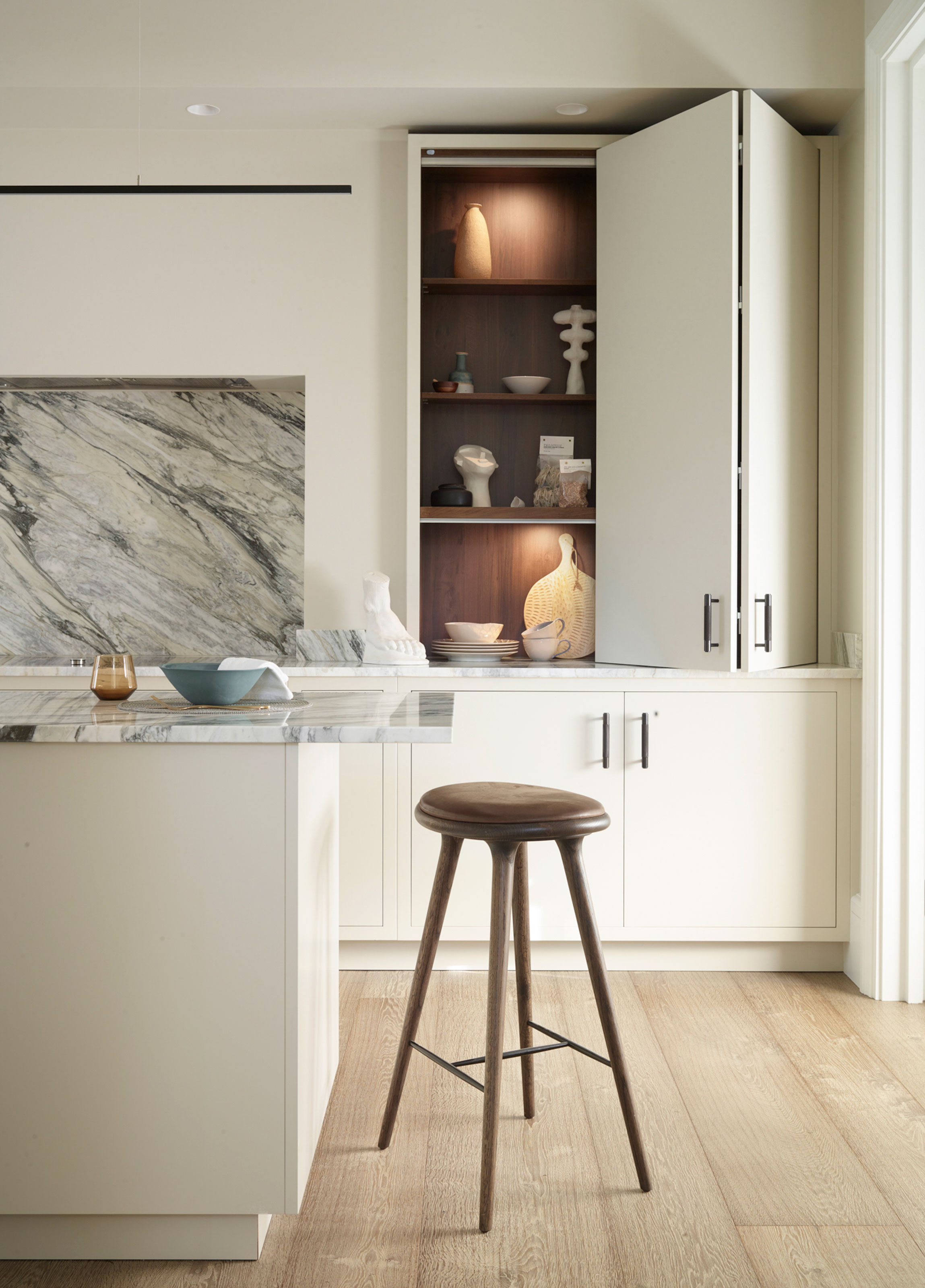
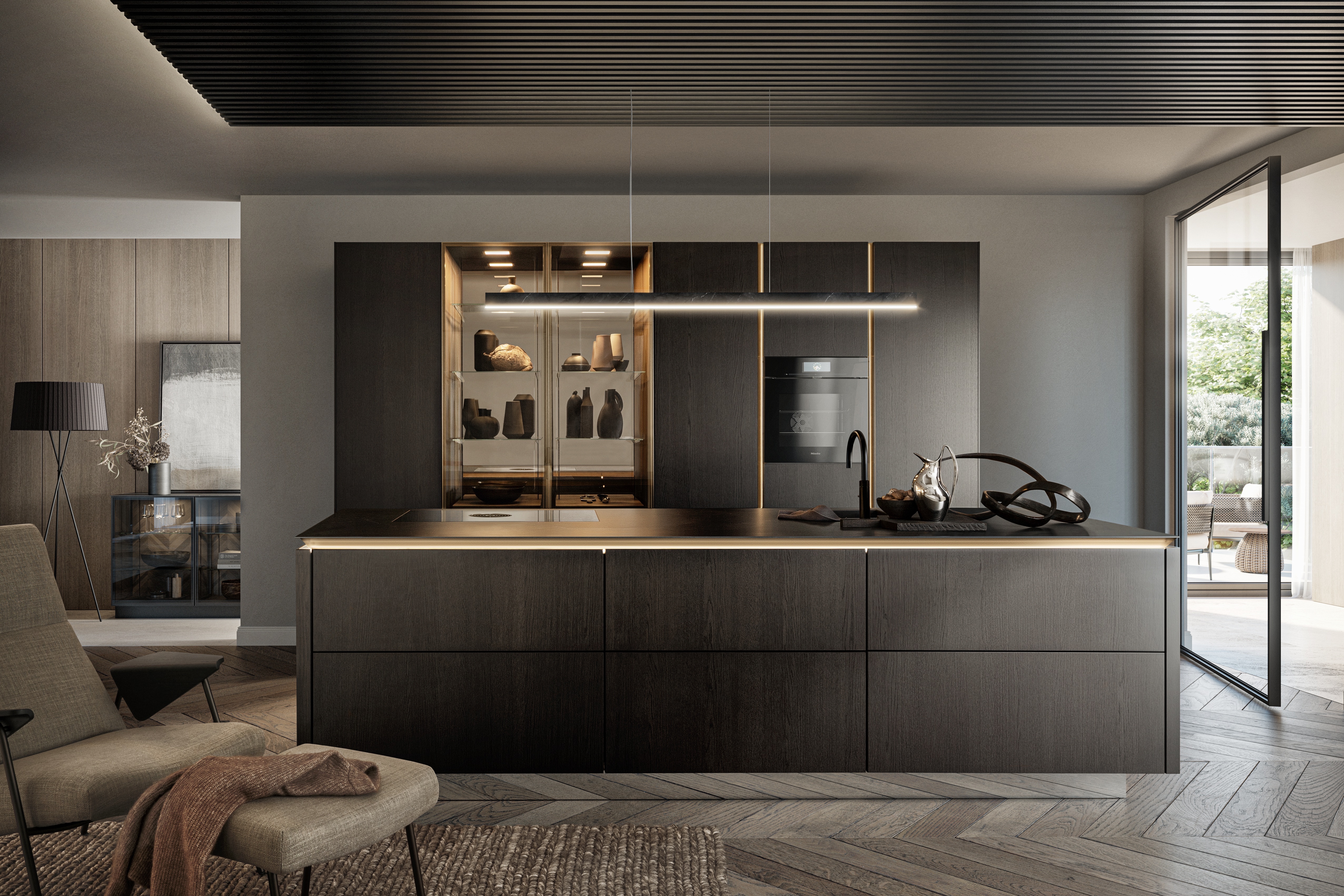
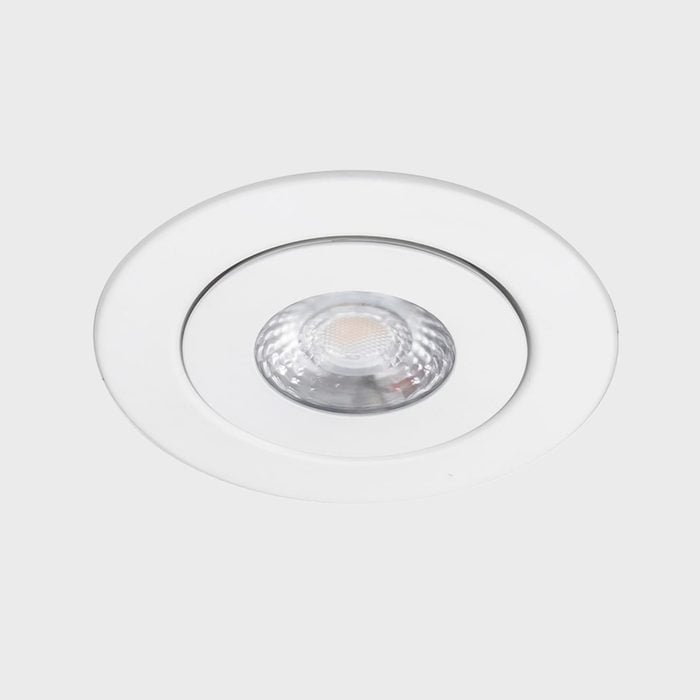
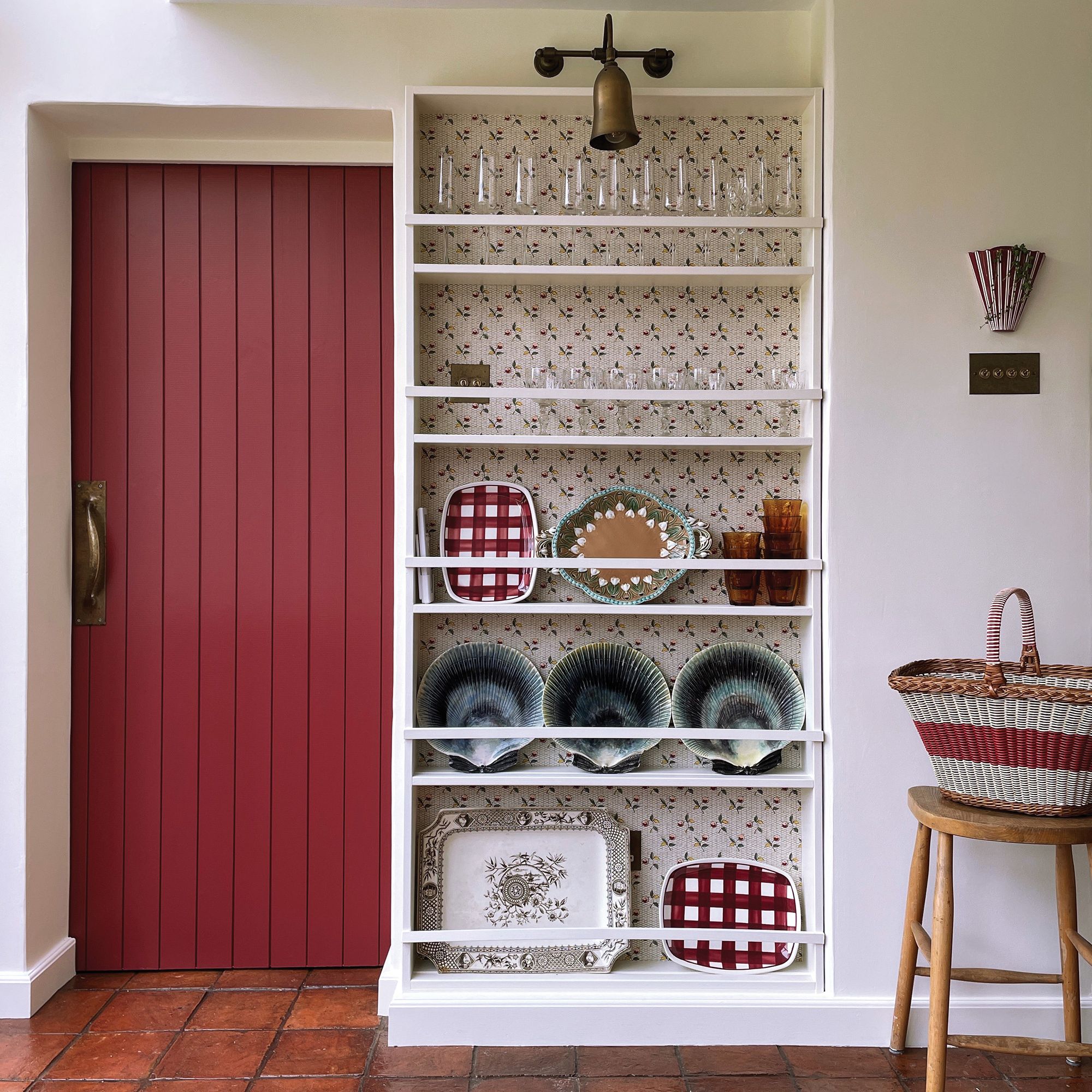
Accent lighting, on the other hand, is used to draw attention to architectural details or decorative items within cabinets. In-cabinet lighting, such as recessed lights or spotlights, can illuminate glassware or dishware, creating a display effect. Toe-kick lighting, installed at the base of cabinets, provides a soft glow that can act as a night light or create a floating effect for the cabinetry. These subtle lighting elements contribute to a sophisticated and layered lighting scheme.
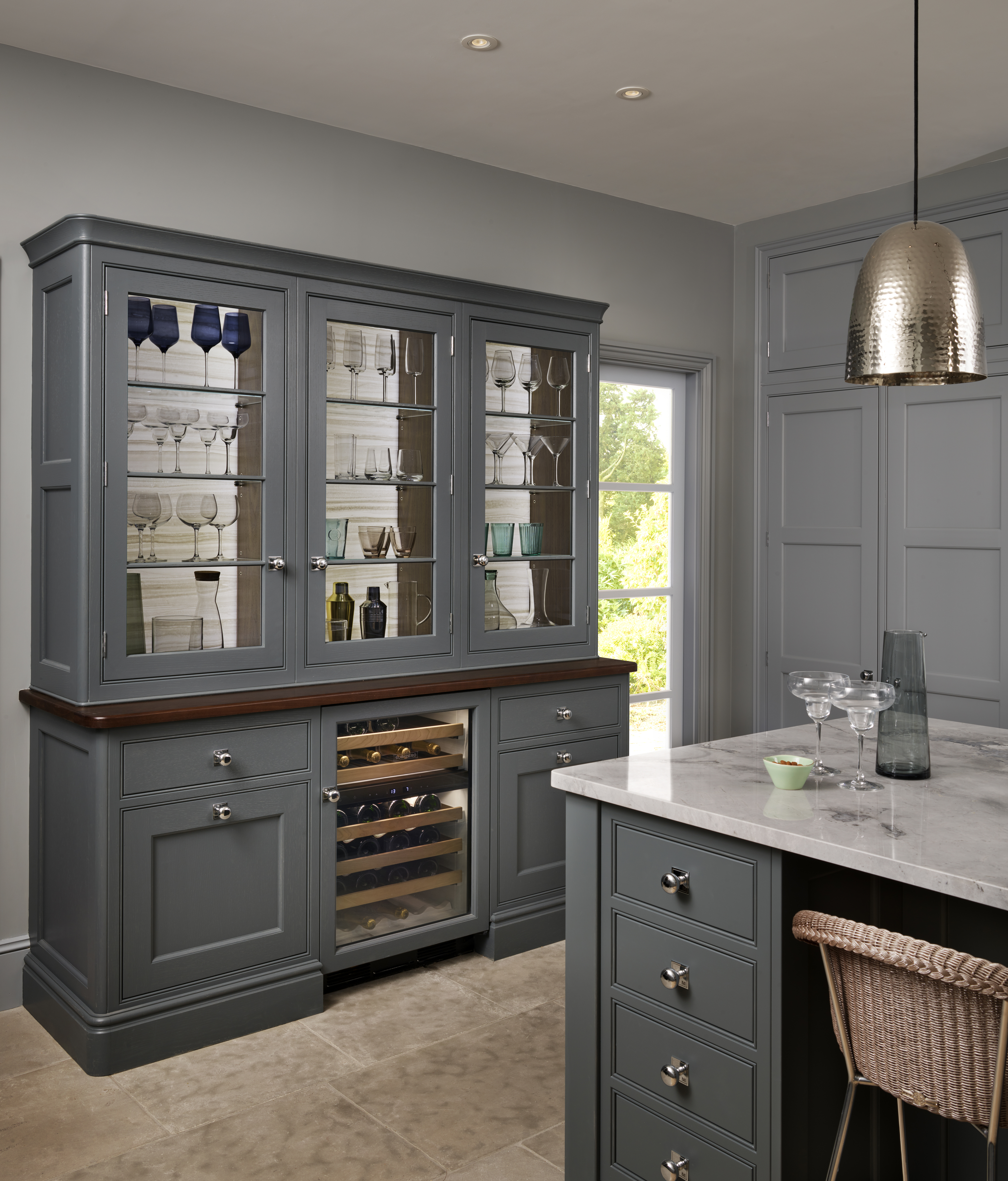
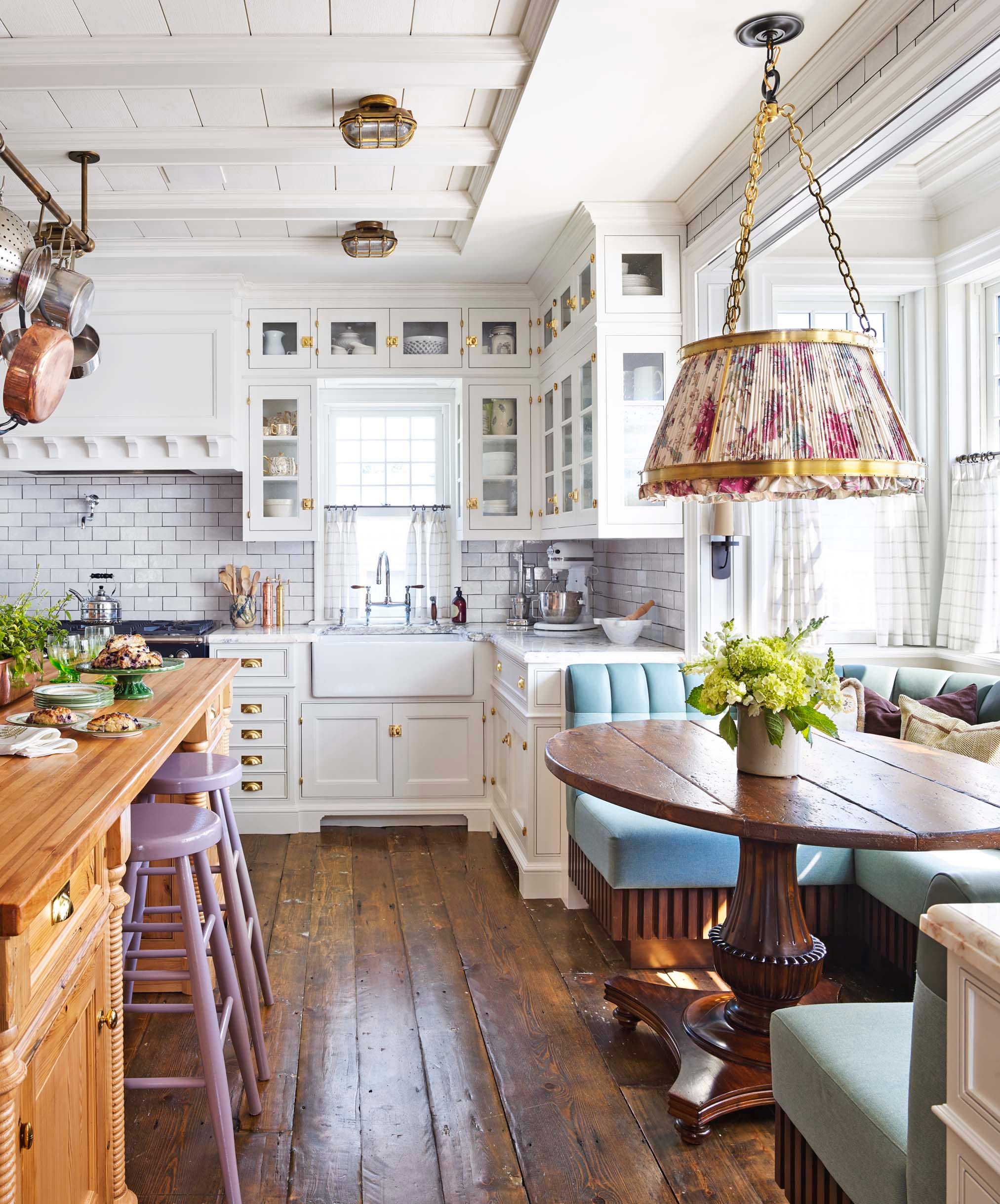
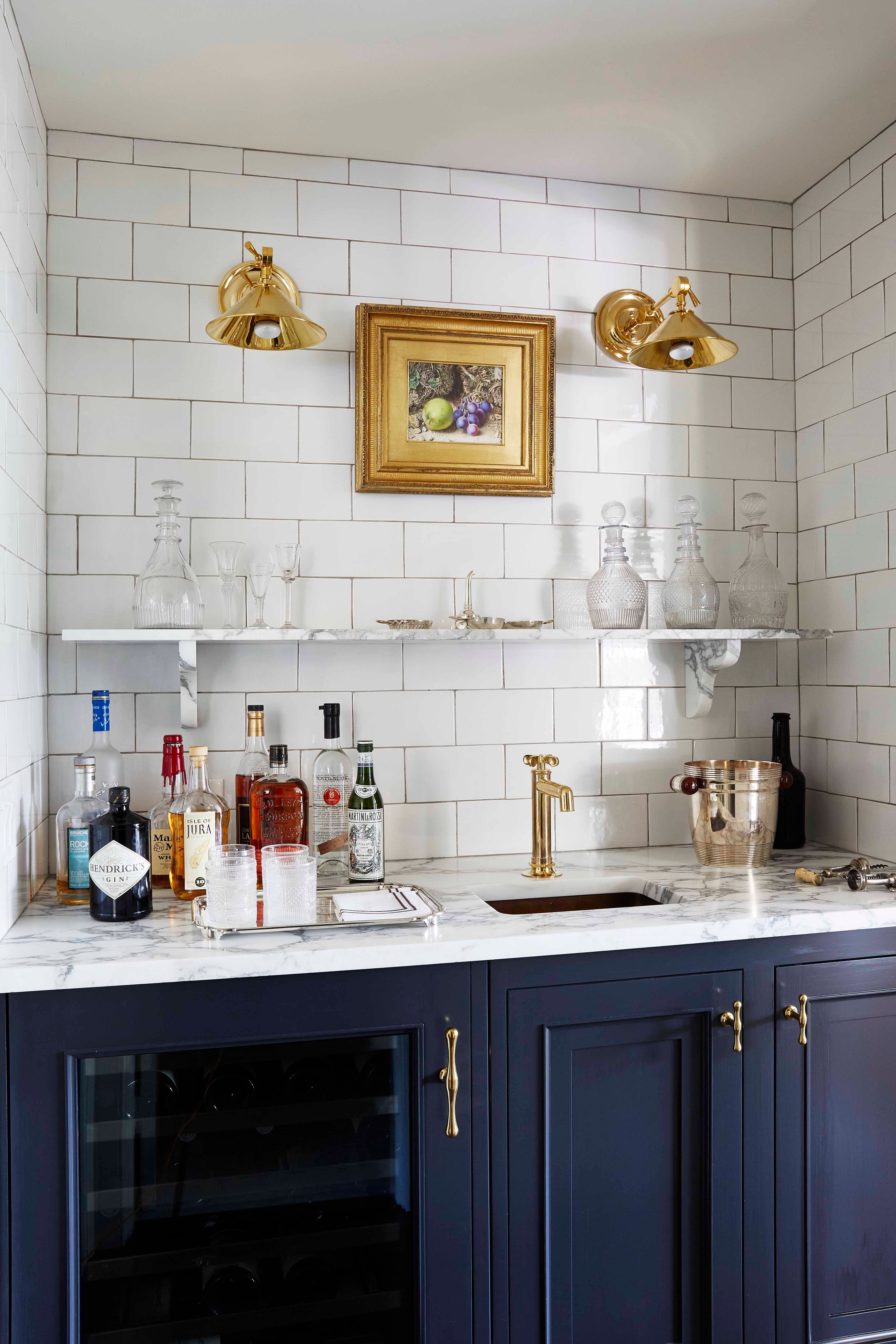
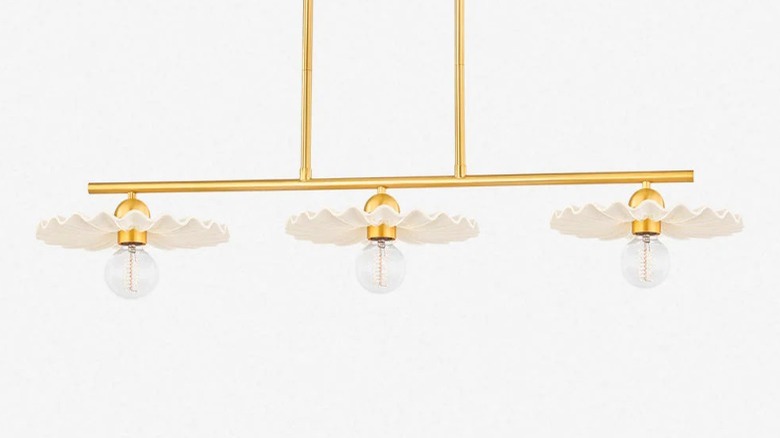
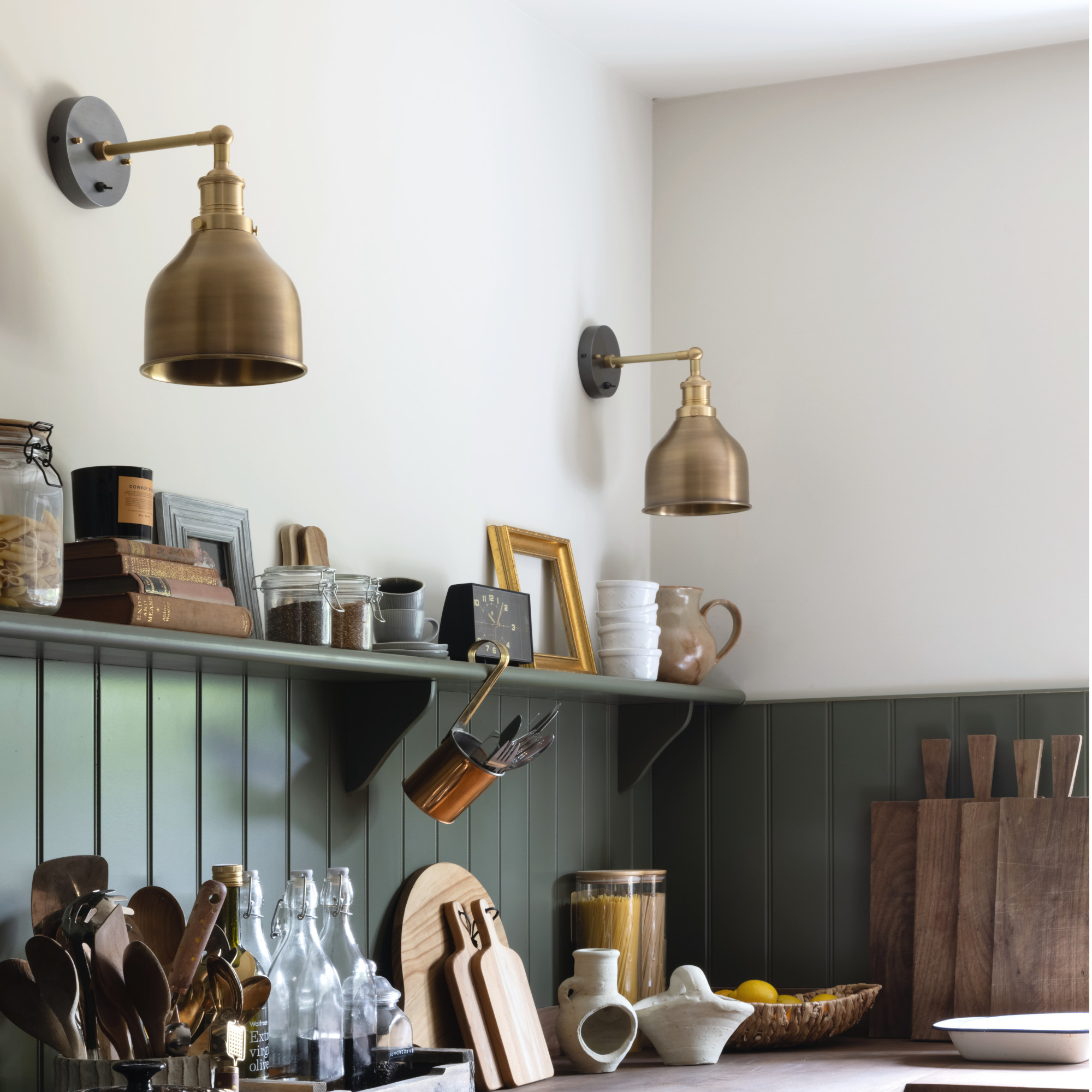
Decorative lighting options, like glass-front cabinet lighting or open shelving lights, add a touch of elegance. Glass-front cabinets benefit from interior lighting, showcasing their contents and adding visual interest. Open shelves can be fitted with strip lights or small spotlights to illuminate cookbooks, decor, or plants, contributing to the kitchen's aesthetic. These elements soften the overall look of the kitchen and add warmth.
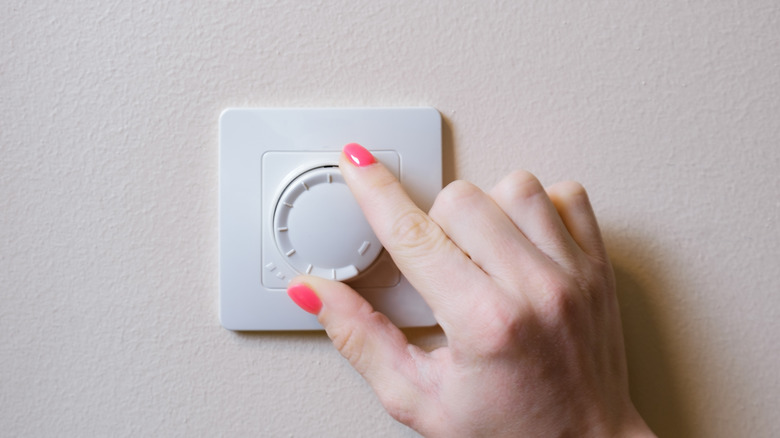
Choosing the right lighting involves considering factors such as light temperature, dimming capabilities, and smart home integration. Warm white light (2700K-3000K) typically creates a cozy atmosphere, while cooler white light (3500K-4500K) is more suitable for task-oriented areas, mimicking natural daylight. Dimmers allow for adjusting light intensity, providing flexibility to switch between bright task lighting and soft ambient lighting. Smart lighting systems offer convenience, enabling control via voice commands or smartphone apps, and can be programmed to change colors or adjust brightness automatically.
Installation methods vary from simple peel-and-stick LED strips to more complex hardwired systems. Wireless options, often battery-operated, provide flexibility for areas without easy access to electrical outlets. Hardwired solutions, while requiring professional installation, offer a seamless look and consistent power. When planning, it's advisable to consult with a professional electrician or lighting designer to ensure safety, optimal placement, and integration with the existing electrical system. Proper planning and execution of kitchen cabinet lighting can significantly enhance the functionality, safety, and aesthetic appeal of the kitchen space.
#KitchenCabinet #TaskLighting #CabinetLighting #KitchenDesign #AccentLighting #LEDLighting #SmartHomeLighting #KitchenCountertops #KitchenCabinet #TaskLighting #CabinetLighting #KitchenDesign #AccentLighting #LEDLighting #SmartHomeLighting #KitchenCountertops
Há 0 comentários no total
 Ainda não há comentários
Você também pode gostar
Kitchen cabinet lighting: 8 ideas for a beautifully illuminated space

8 Best Kitchen Light Fixtures

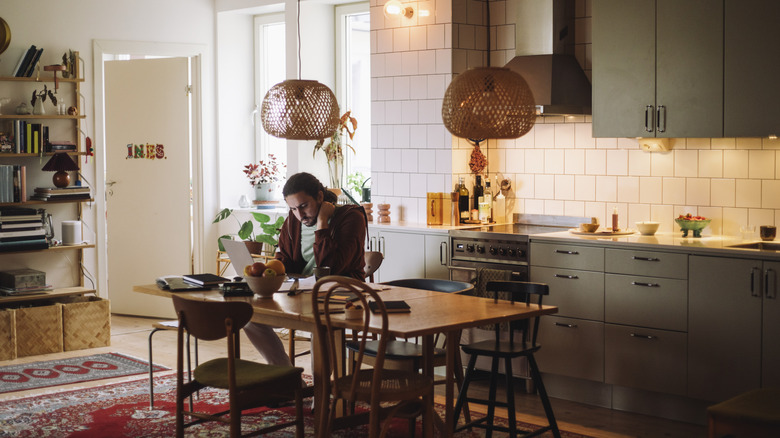
17 Best Creative Lighting Ideas For Your Kitchen

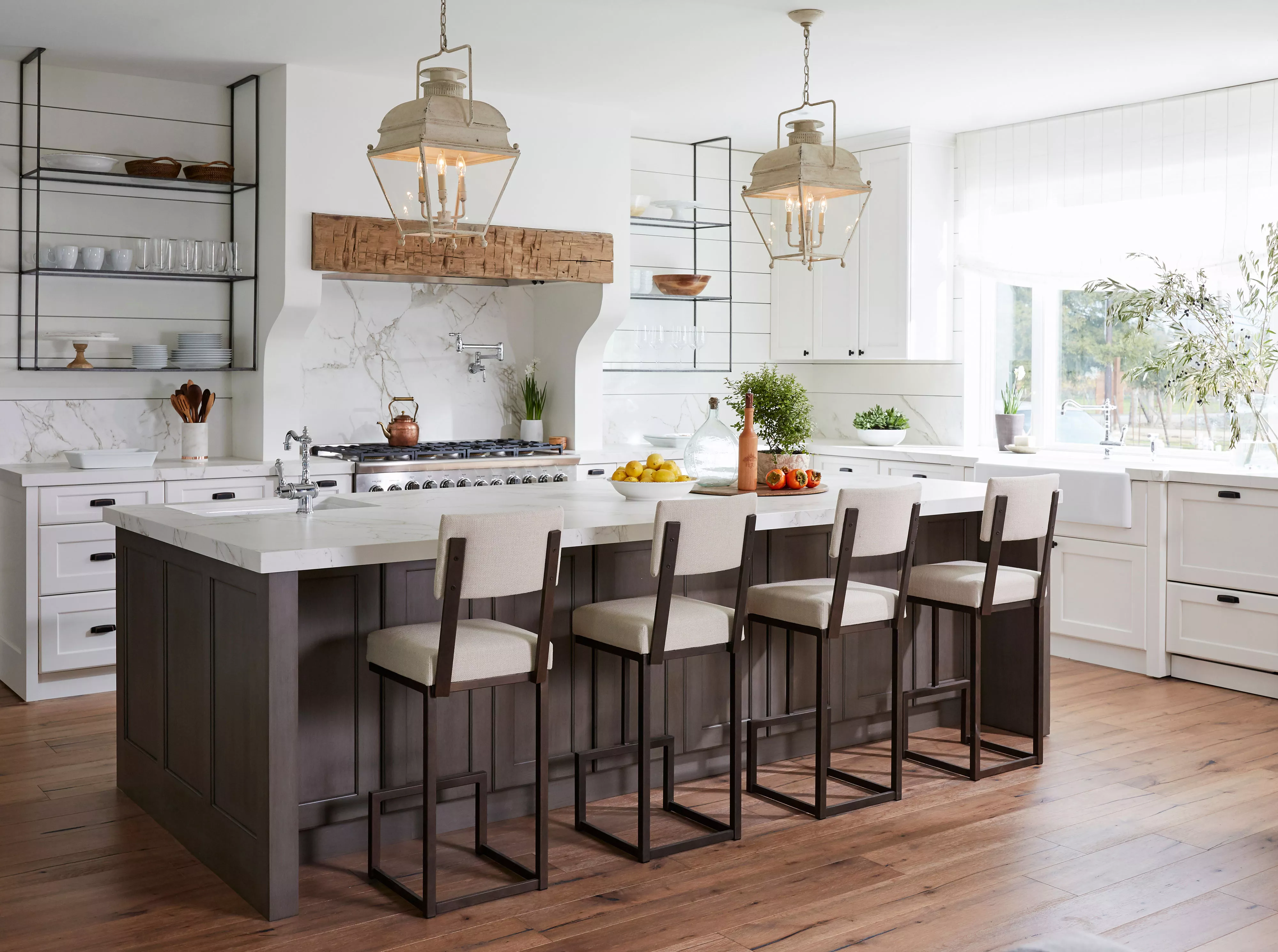
3 Steps to Perfect Kitchen Lighting, According to an Expert

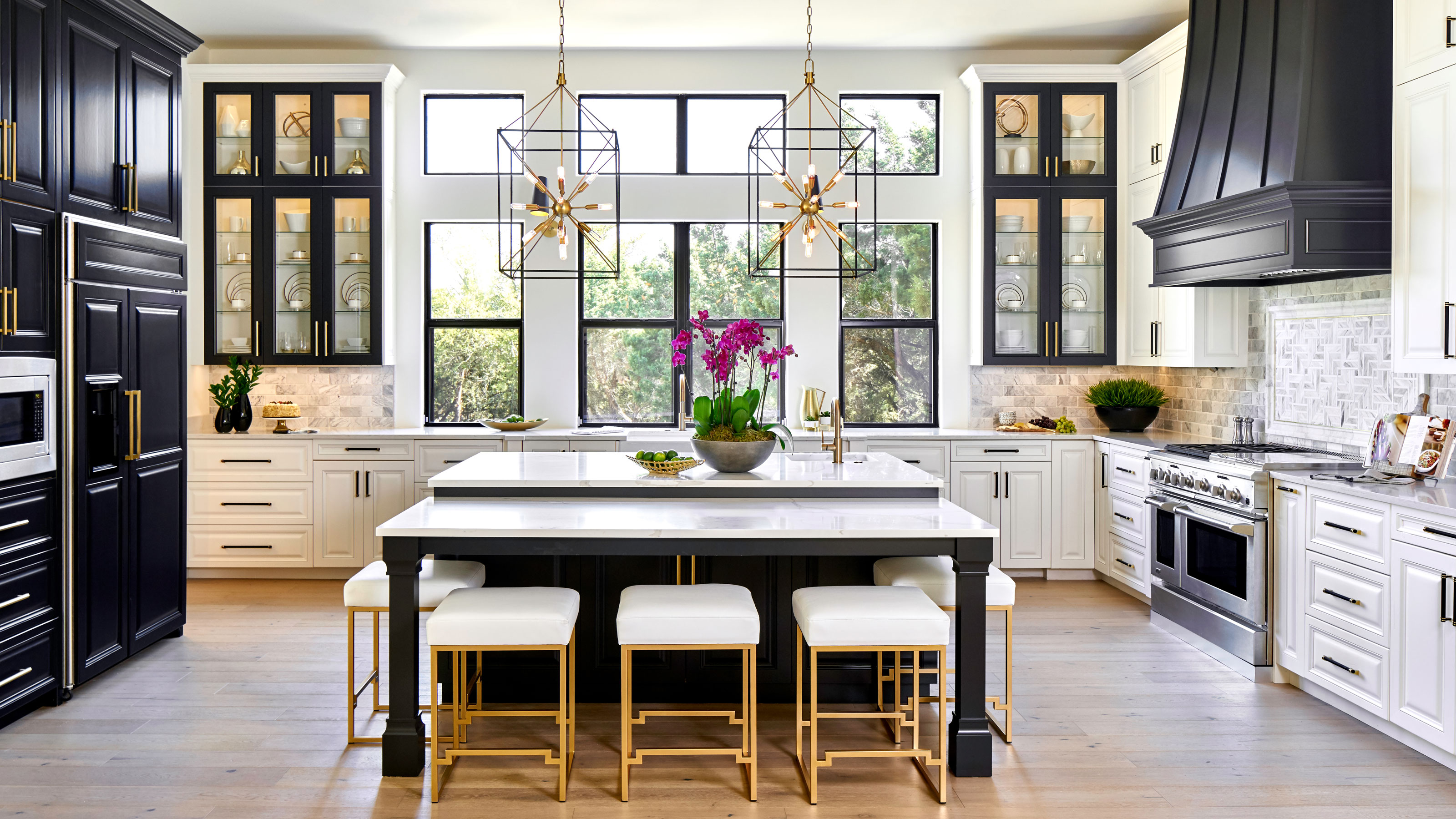
Kitchen cabinet lighting ideas – how to create an illuminated feature out of your units

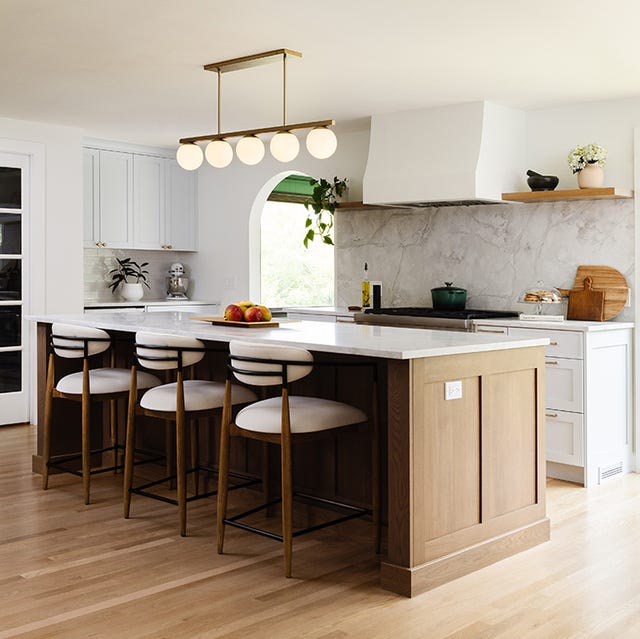
Try These Kitchen Lighting Ideas to Brighten Your Space

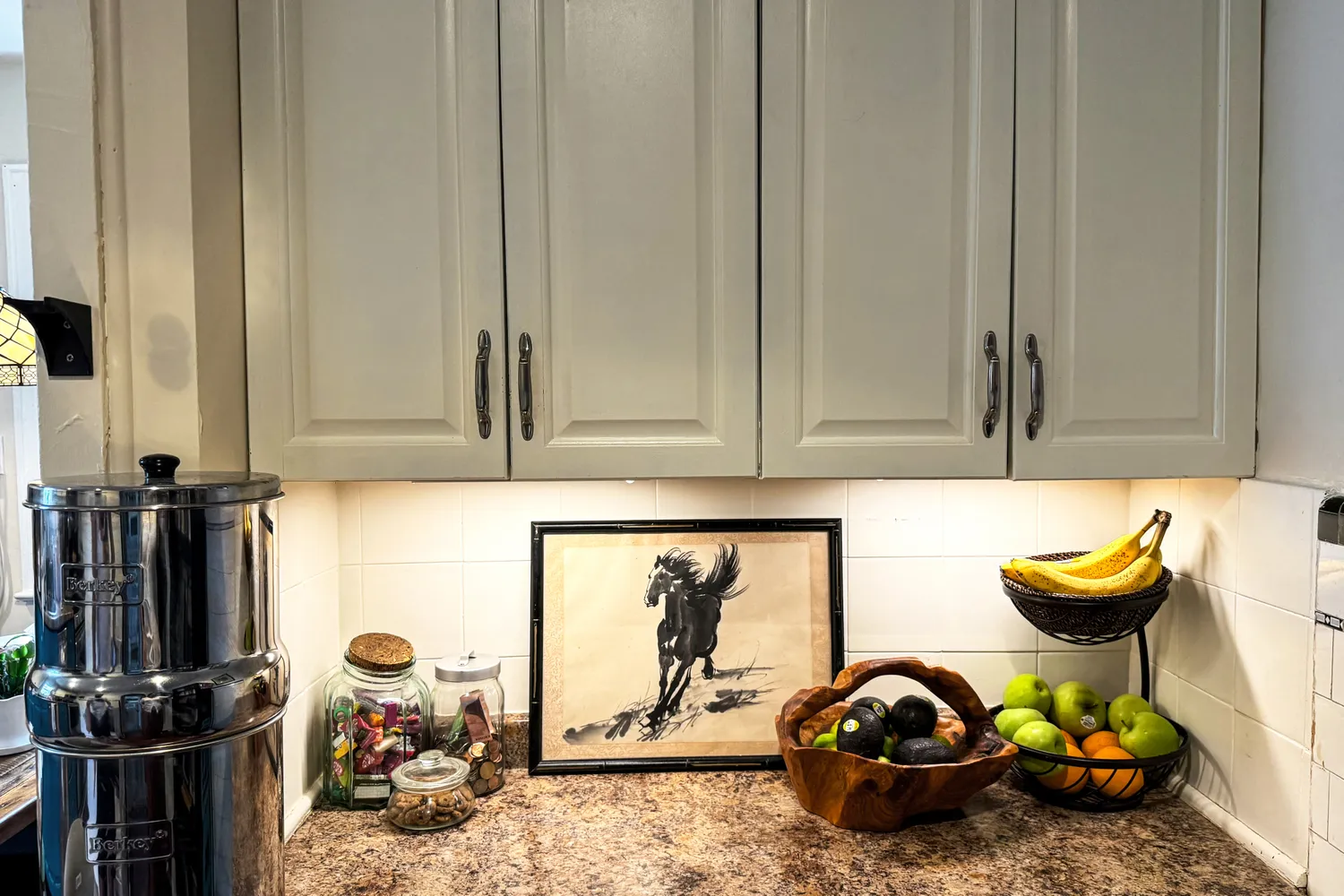
The 7 Best Under‑Cabinet Lighting Options for Bright, Functional Kitchens
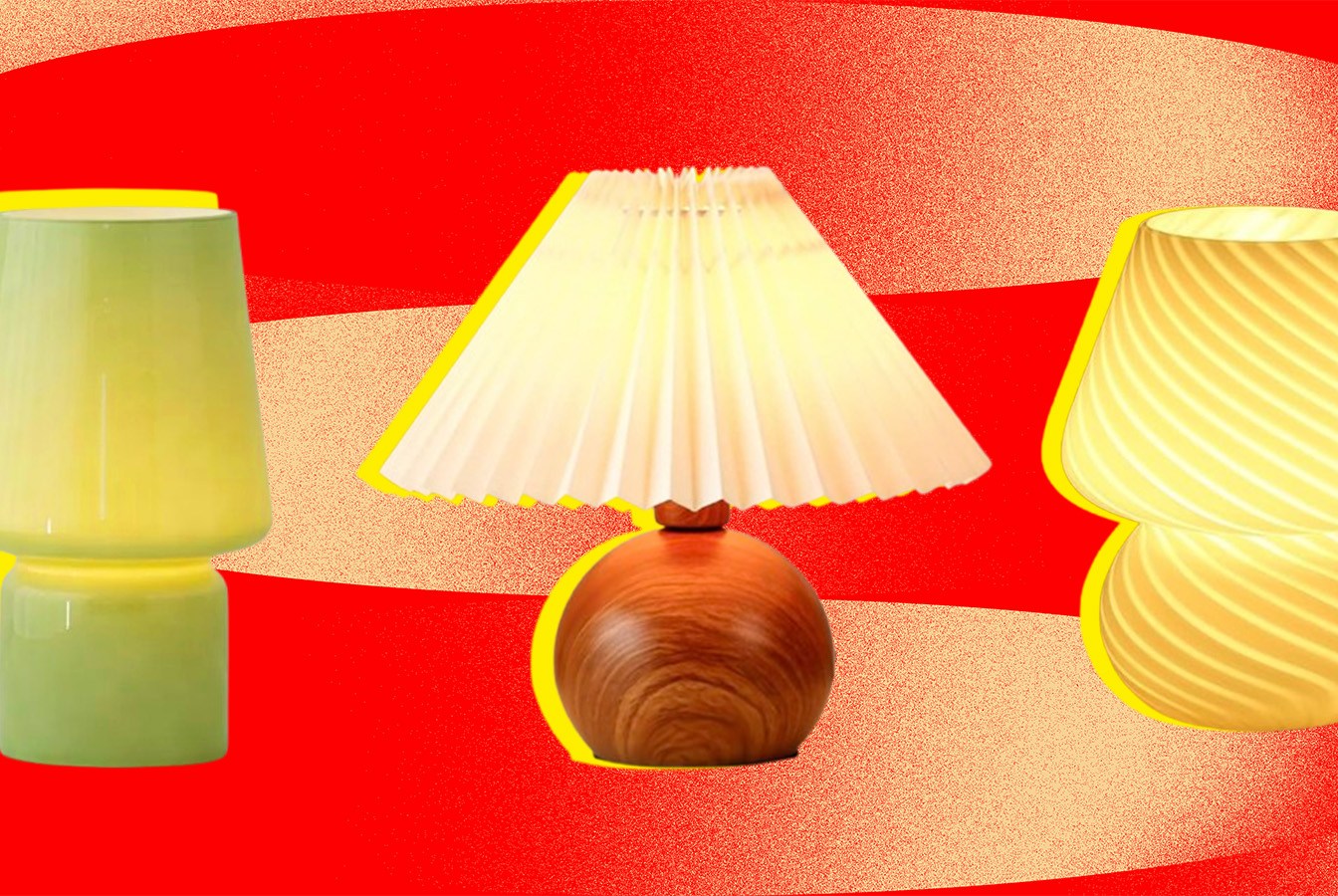
Why Everyone Needs a Kitchen Lamp
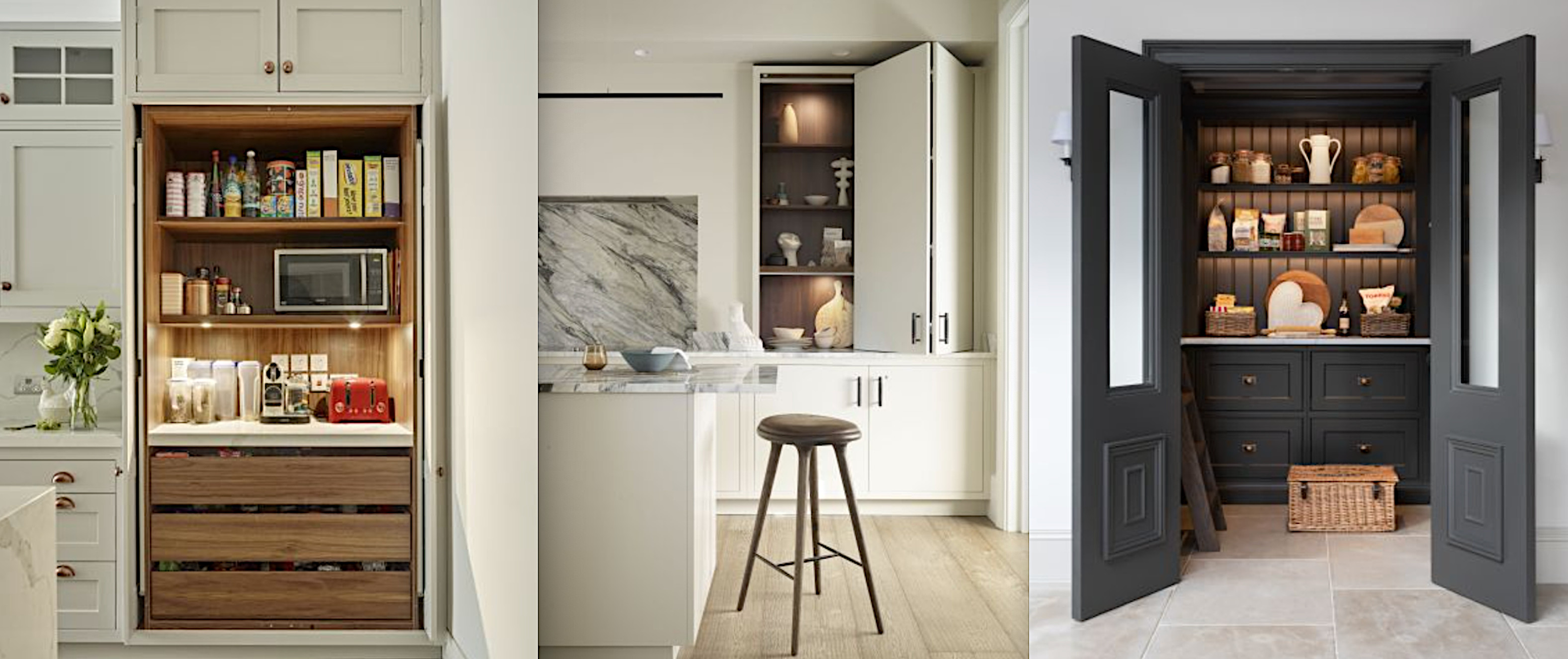
Kitchen cabinet lighting ideas – 10 ways to add mood or task illumination

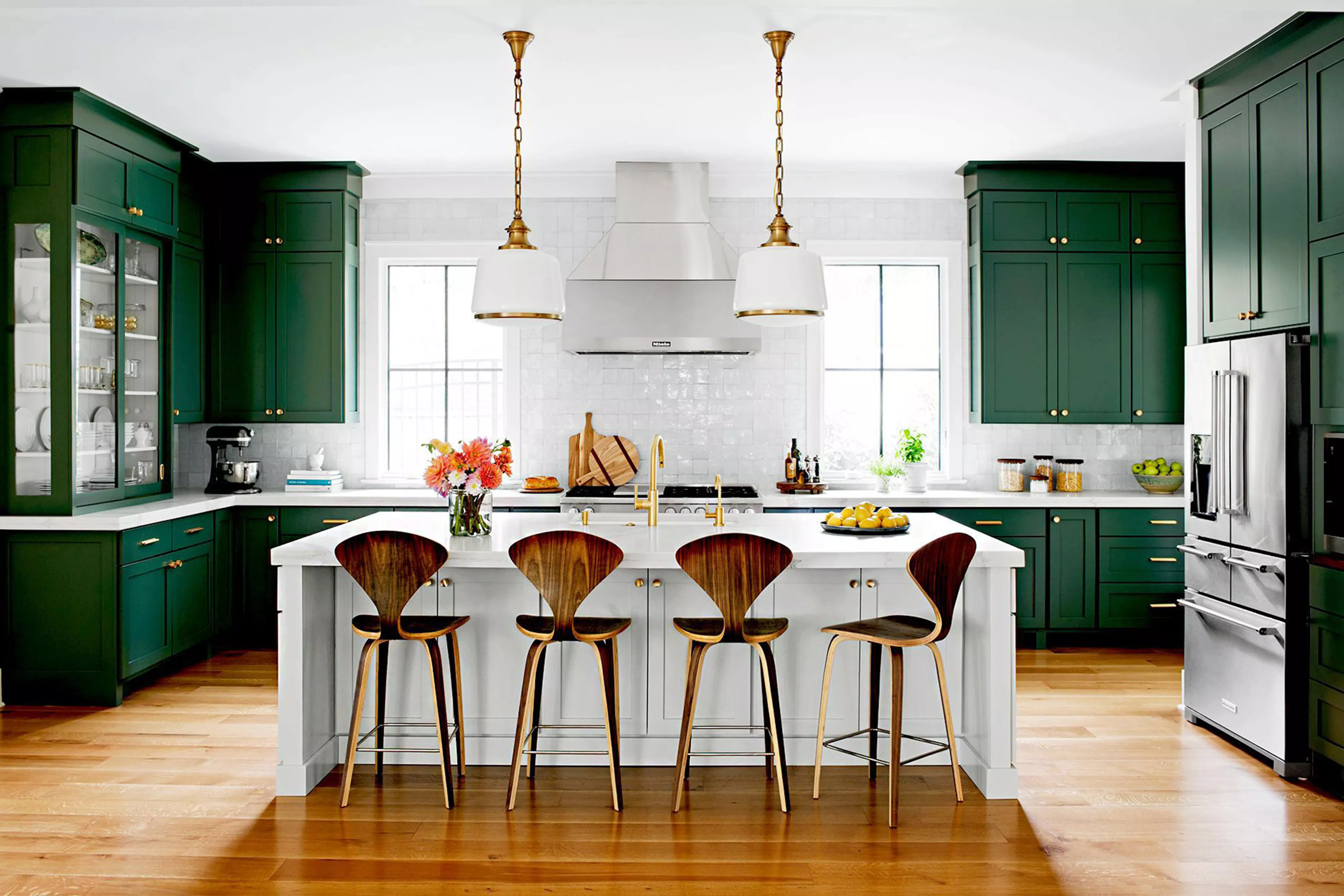
Say Goodbye to Cooking in Harsh Lighting: Cabinet Lights Are Here to Save Your Cookspace’s Ambiance
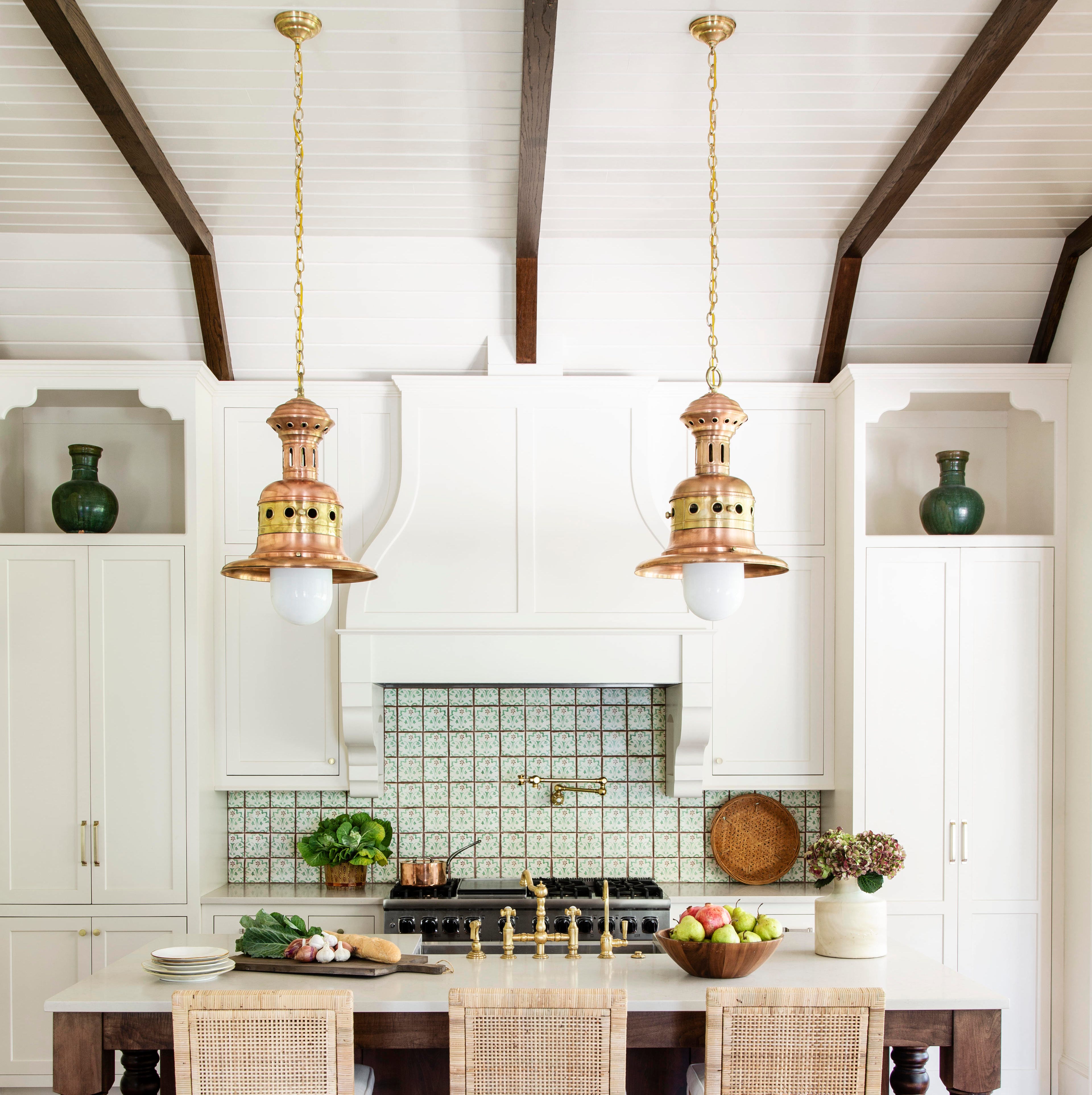
These Kitchen Lighting Ideas Will Bring Idyllic Ambiance to the Heart of Your Home
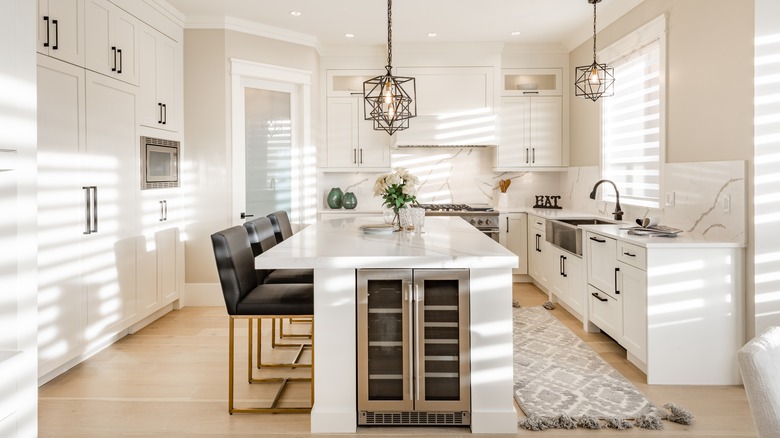
21 Functional And Fabulous Kitchen Island Lighting Ideas
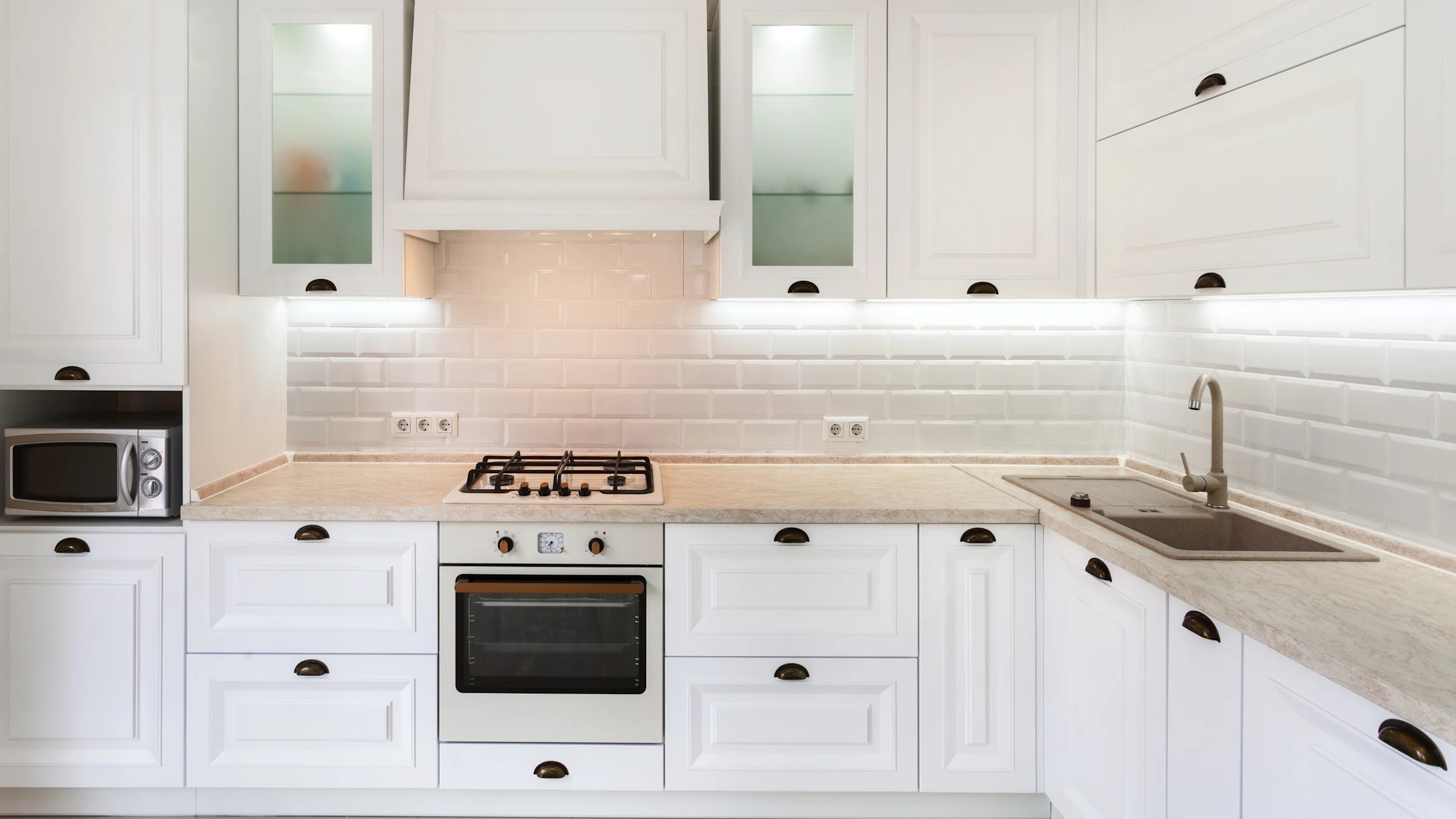
Kitchen cabinet lighting: 8 ideas for a beautifully illuminated space

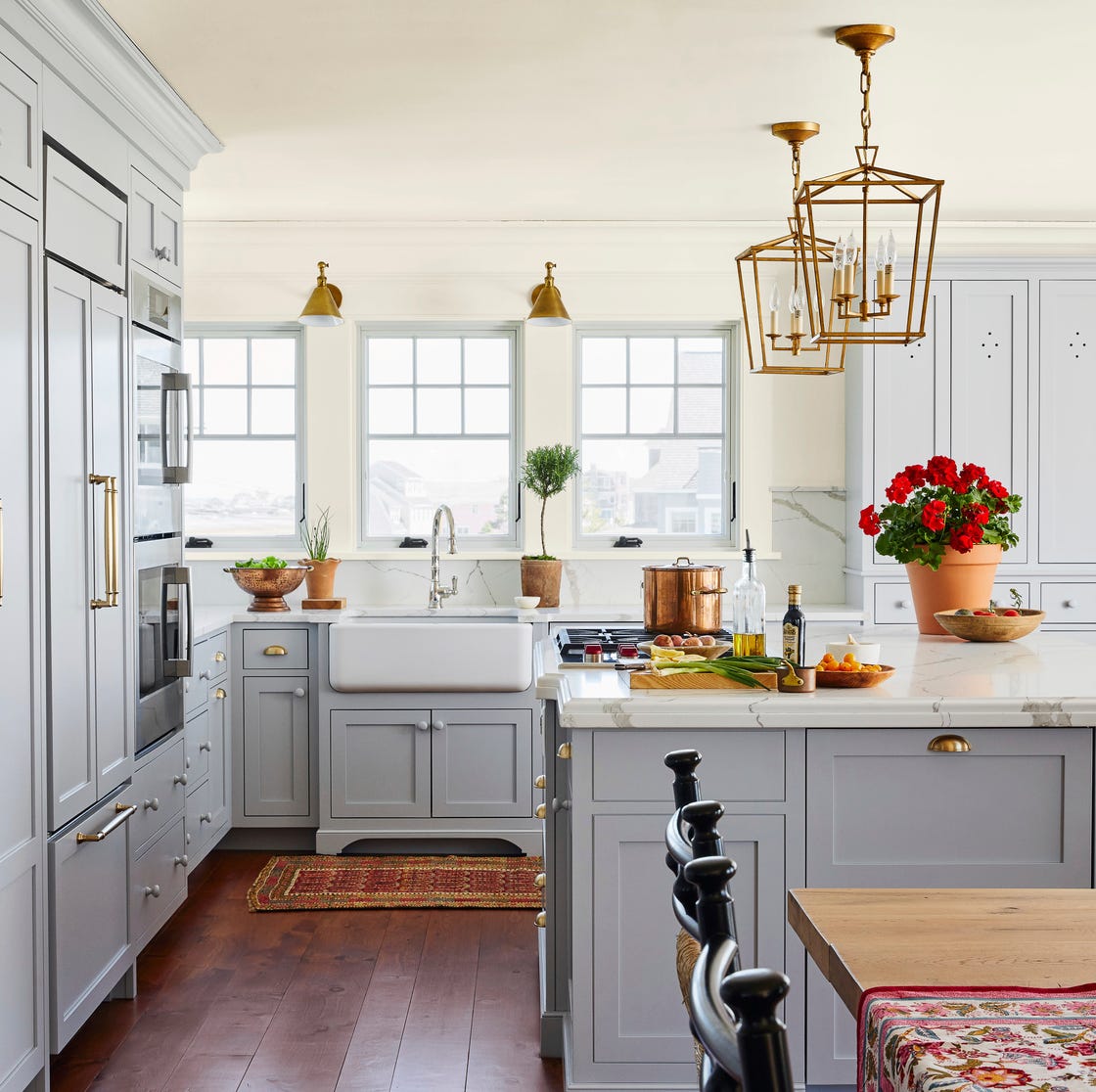
Brighten Up Your Kitchen With These Pretty Lighting Ideas
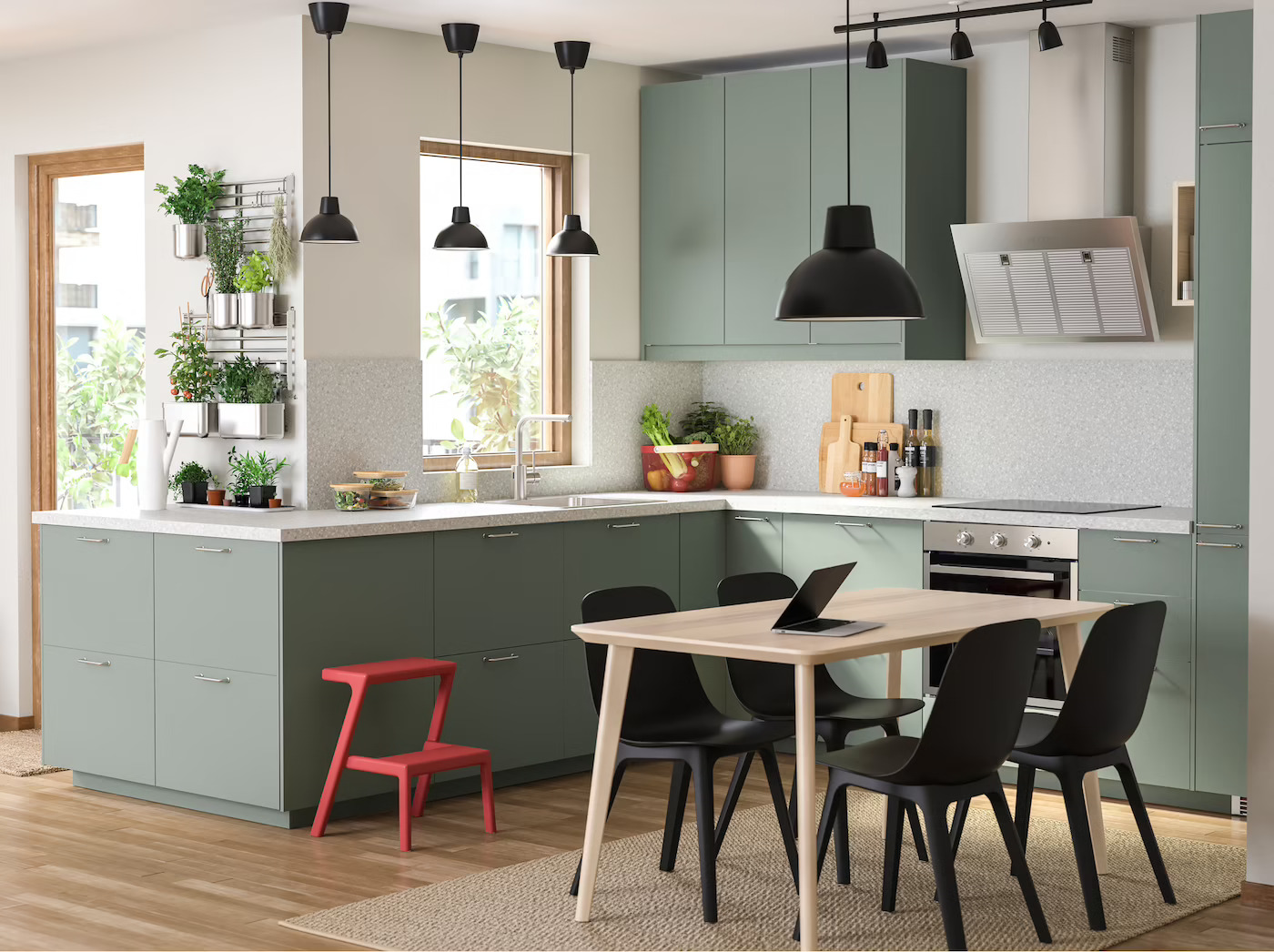
8 clever ways to light kitchen counters for super bright results

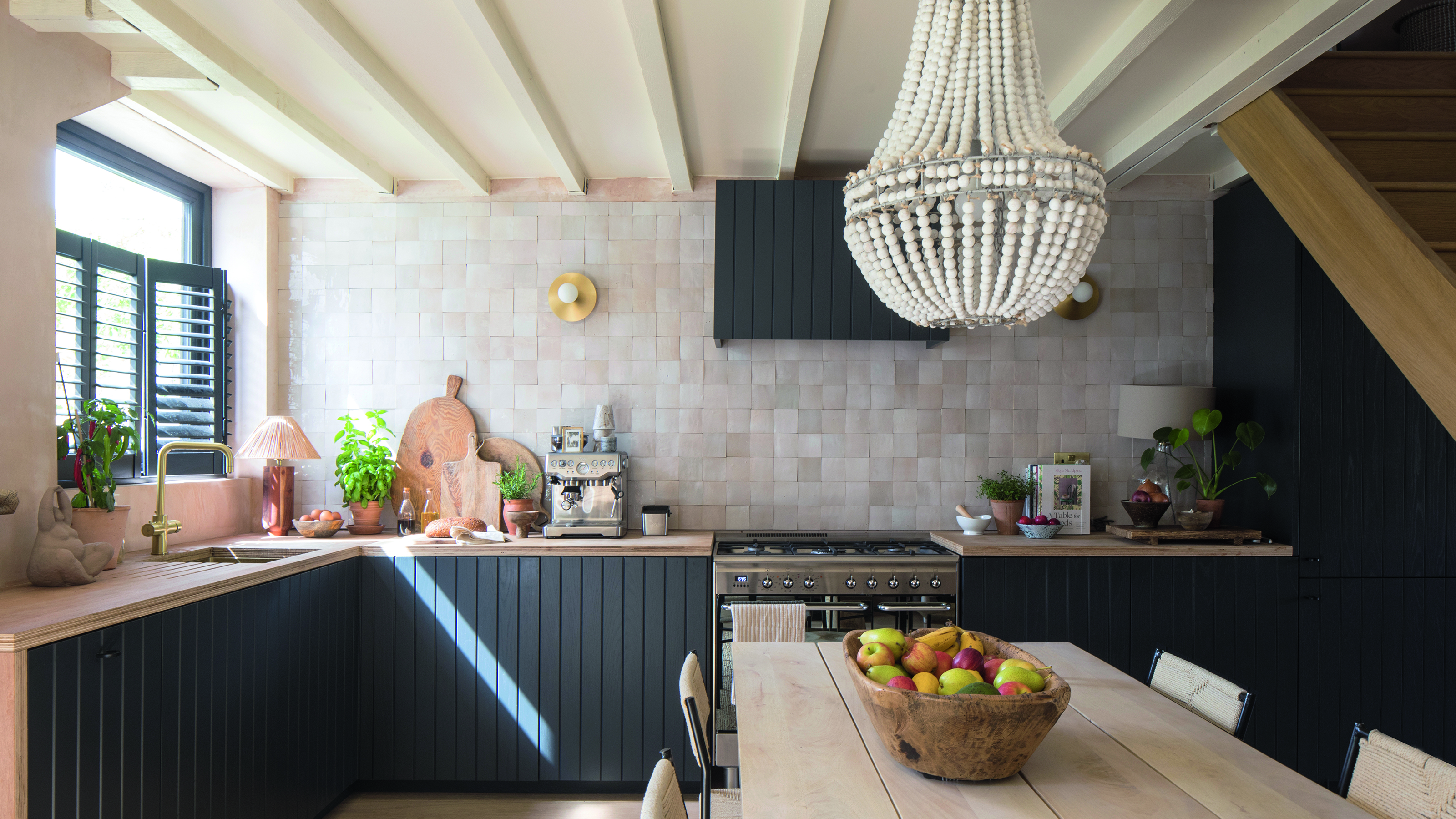
27 smart kitchen lighting ideas that will illuminate your space and add style
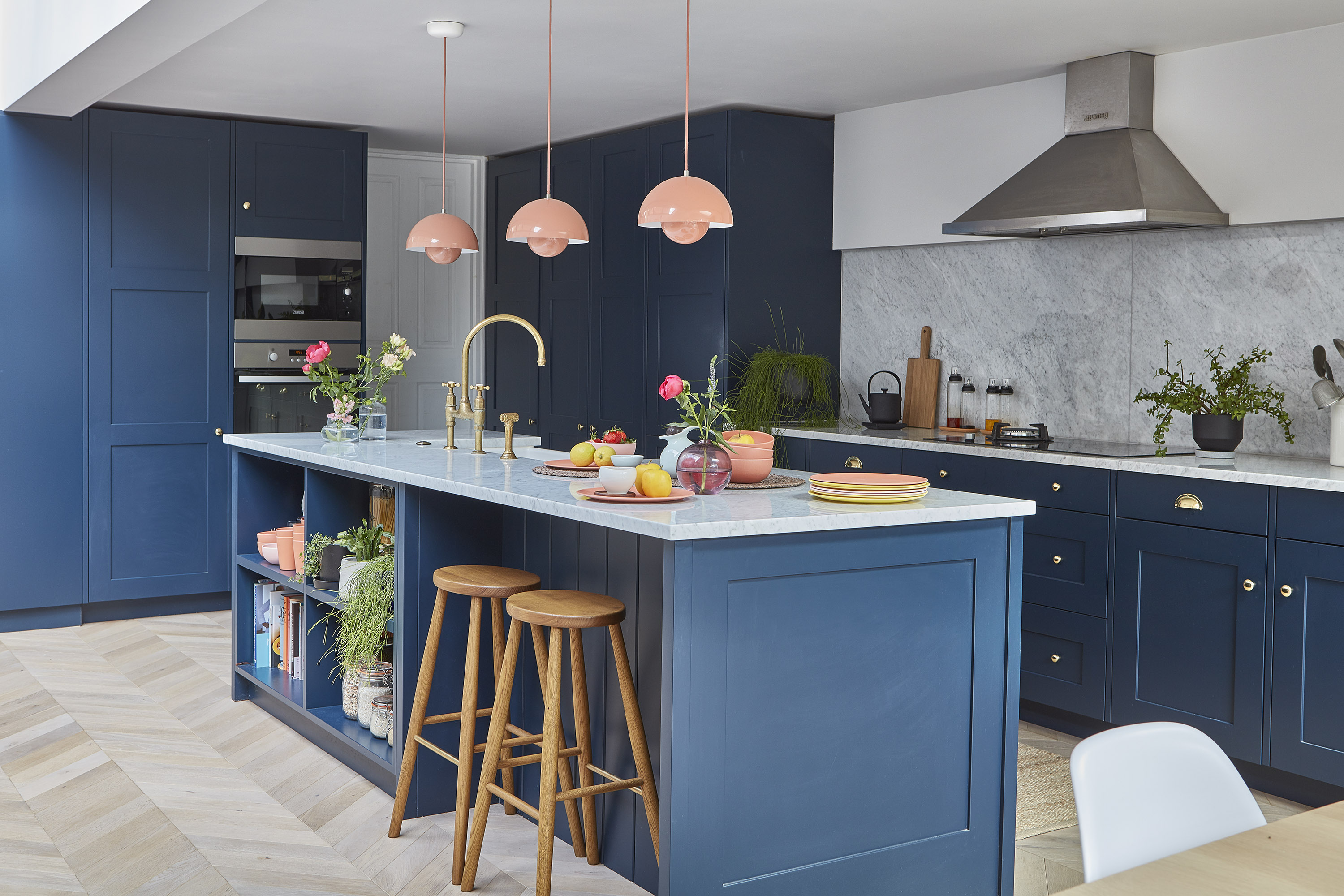
Best kitchen lighting: top picks to brighten up your kitchen space
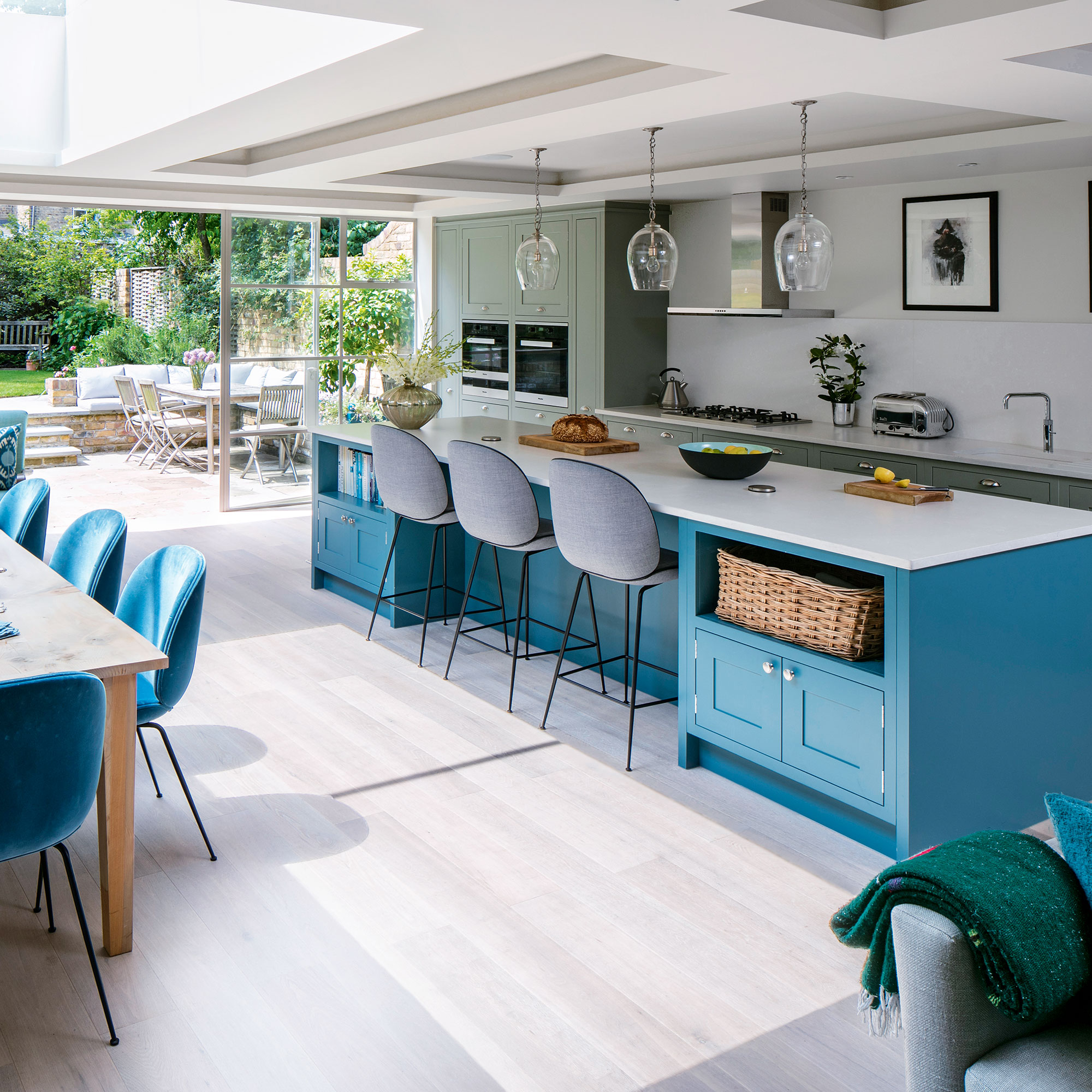
5 kitchen lighting layouts to illuminate your space to perfection

Kitchen Lights | Kitchen Ceiling and Cabinet Lighting

62 Kitchen Lighting Ideas That'll Transform Your Space