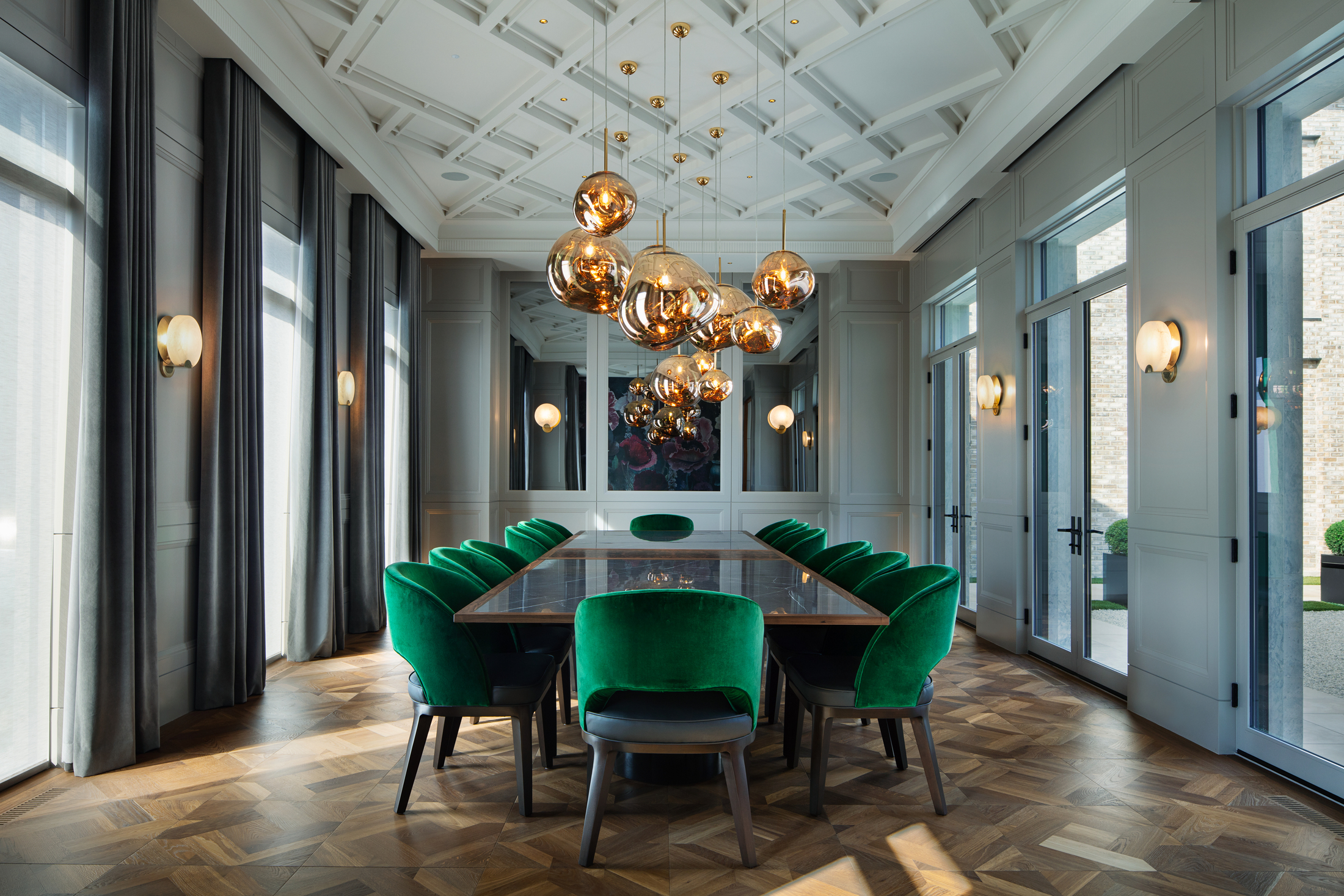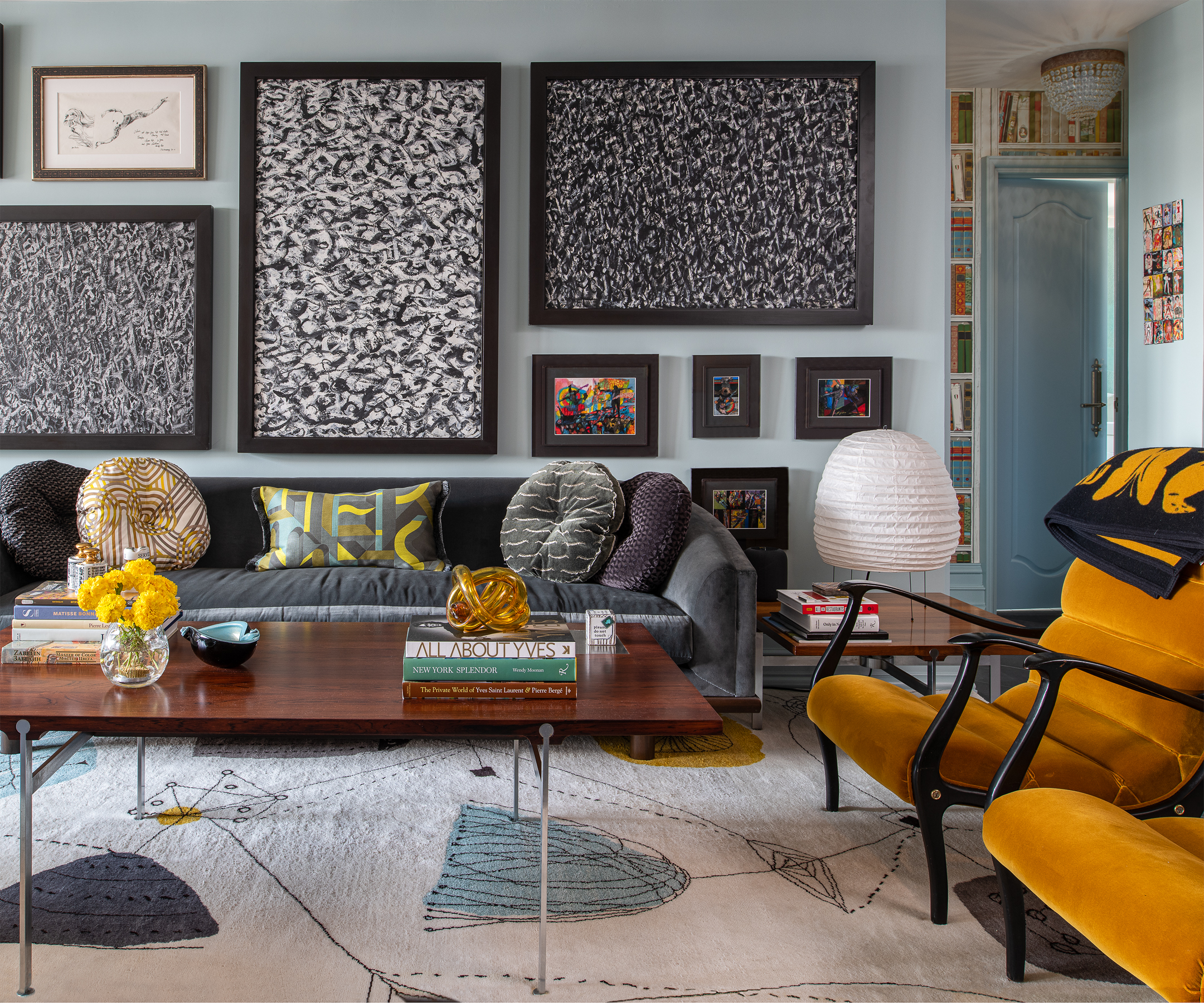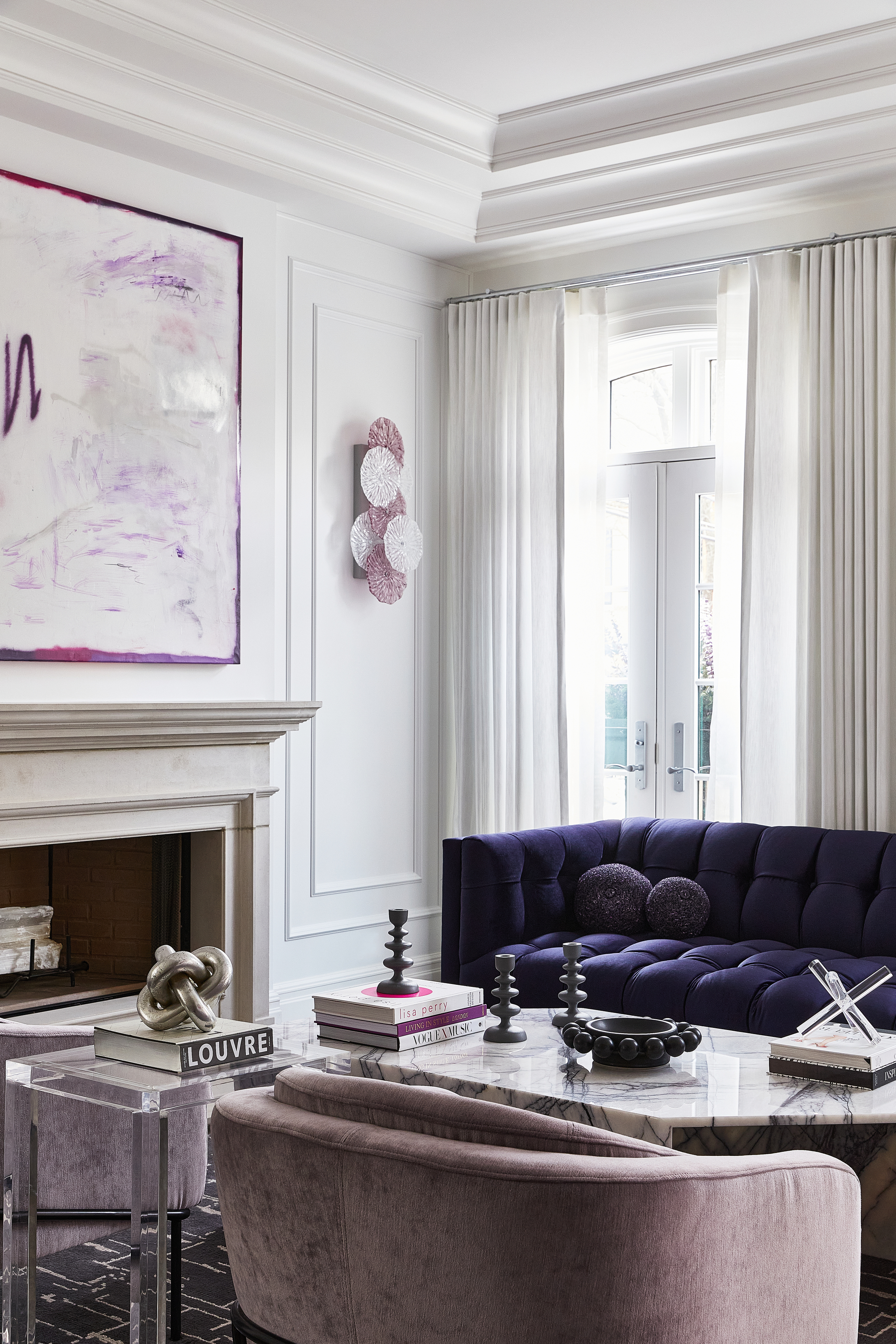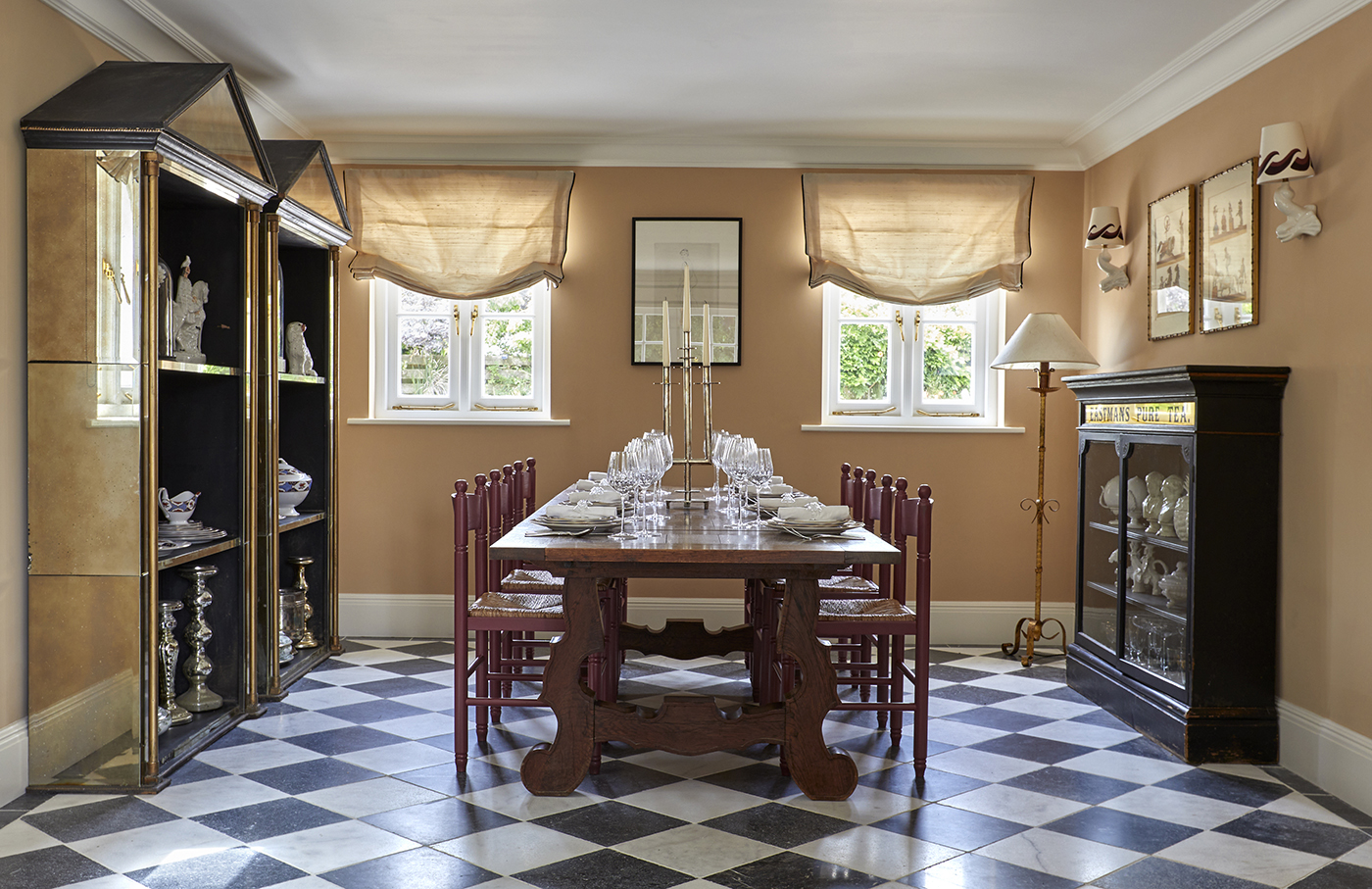
1/7
I've never been able to describe my interior design style until I came across the term Scandi Maximalism – here's everything you need to know about this folky, playful trend
The article explores 'Scandi maximalism,' a rising interior design trend that blends traditional Scandinavian aesthetics with maximalist principles. The author, a style editor, initially found it challenging to categorize her design preferences, which include both neutral warmth and bold colors, patterned rugs, and vintage pieces. She discovered Scandi maximalism as a concept that perfectly encapsulates this eclectic taste, offering a fresh alternative to the often-minimalist Scandinavian style. This new aesthetic is characterized by its playful patterns, folk traditions, and vibrant color palettes, creating homes that feel lived-in, loved, and unique.
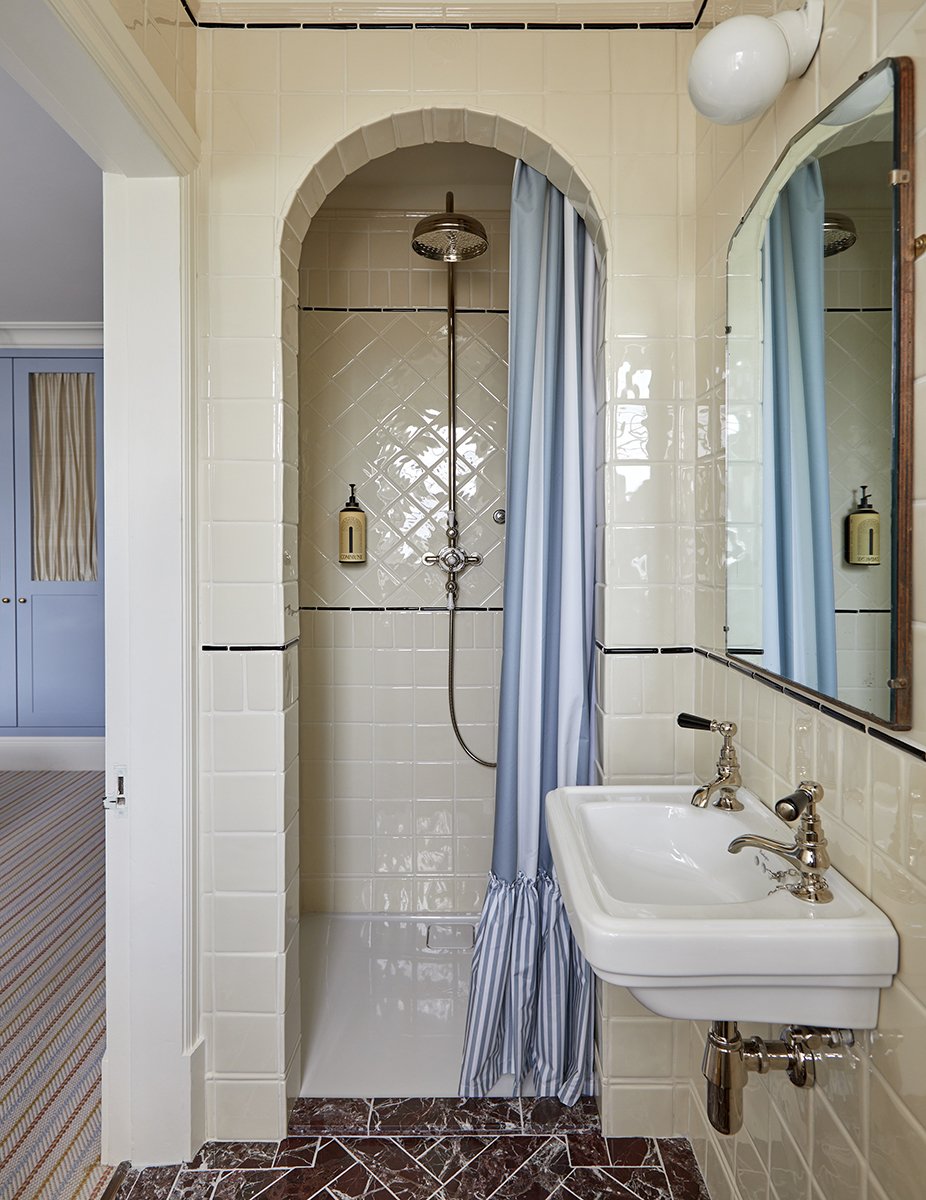
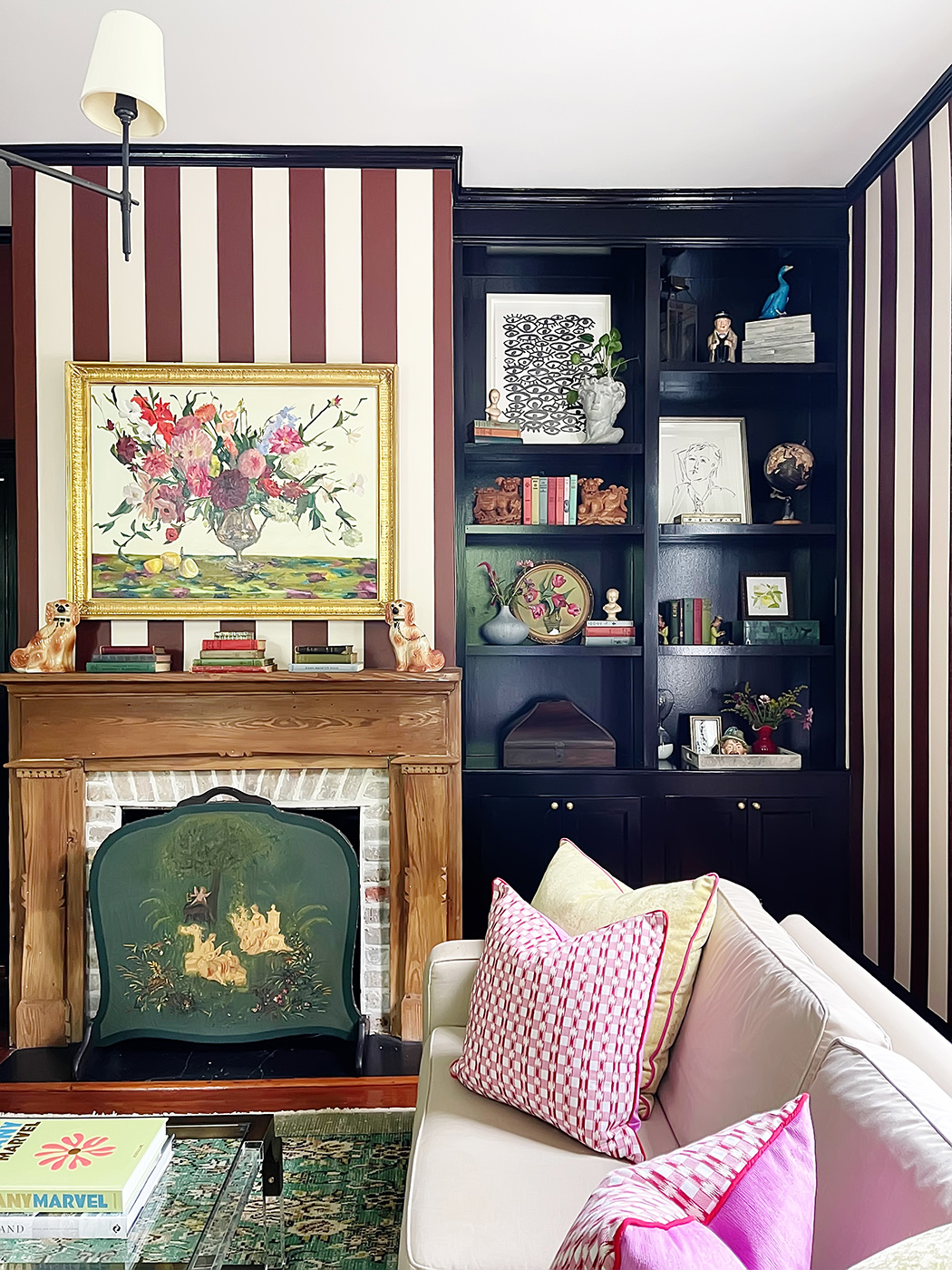
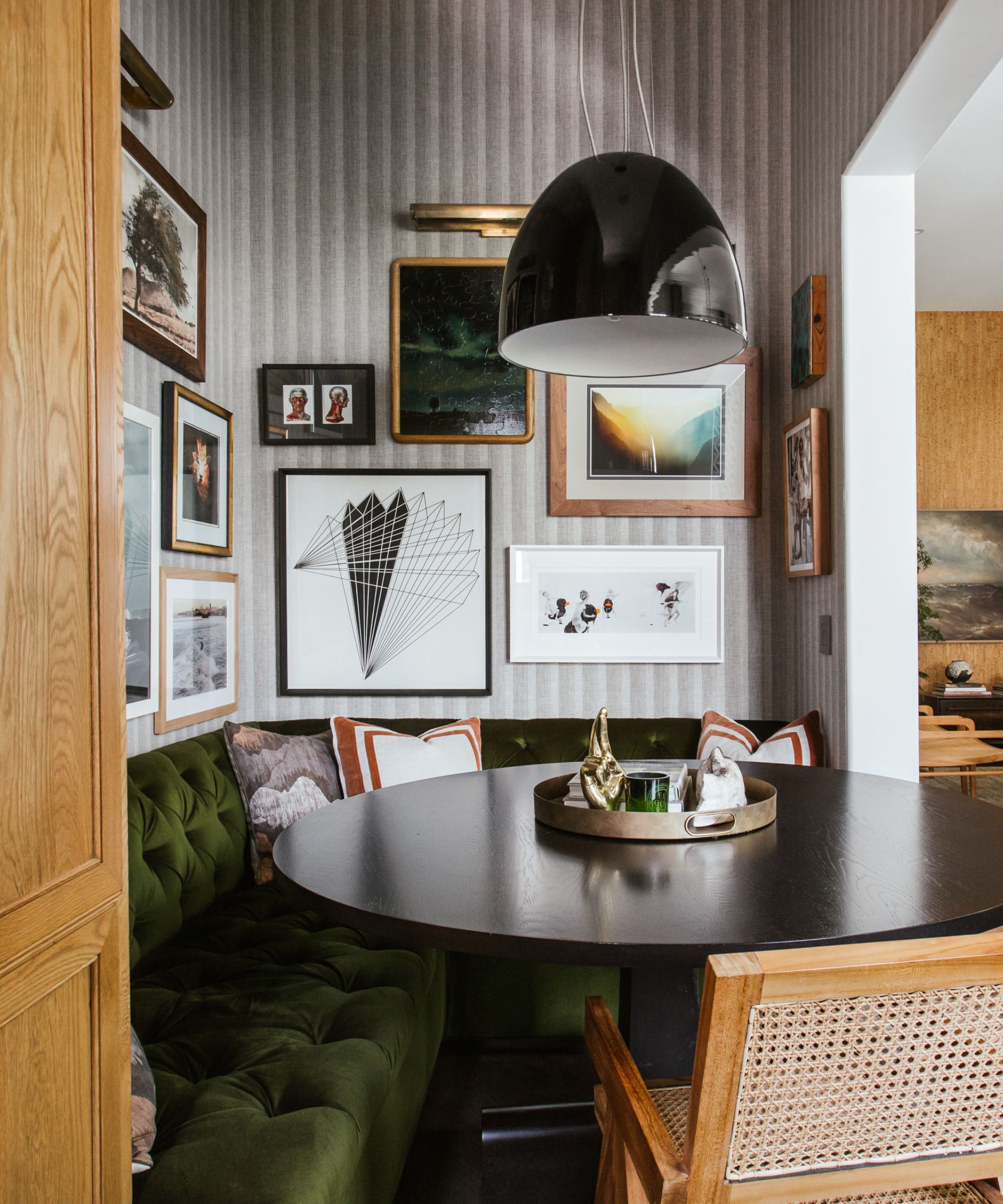
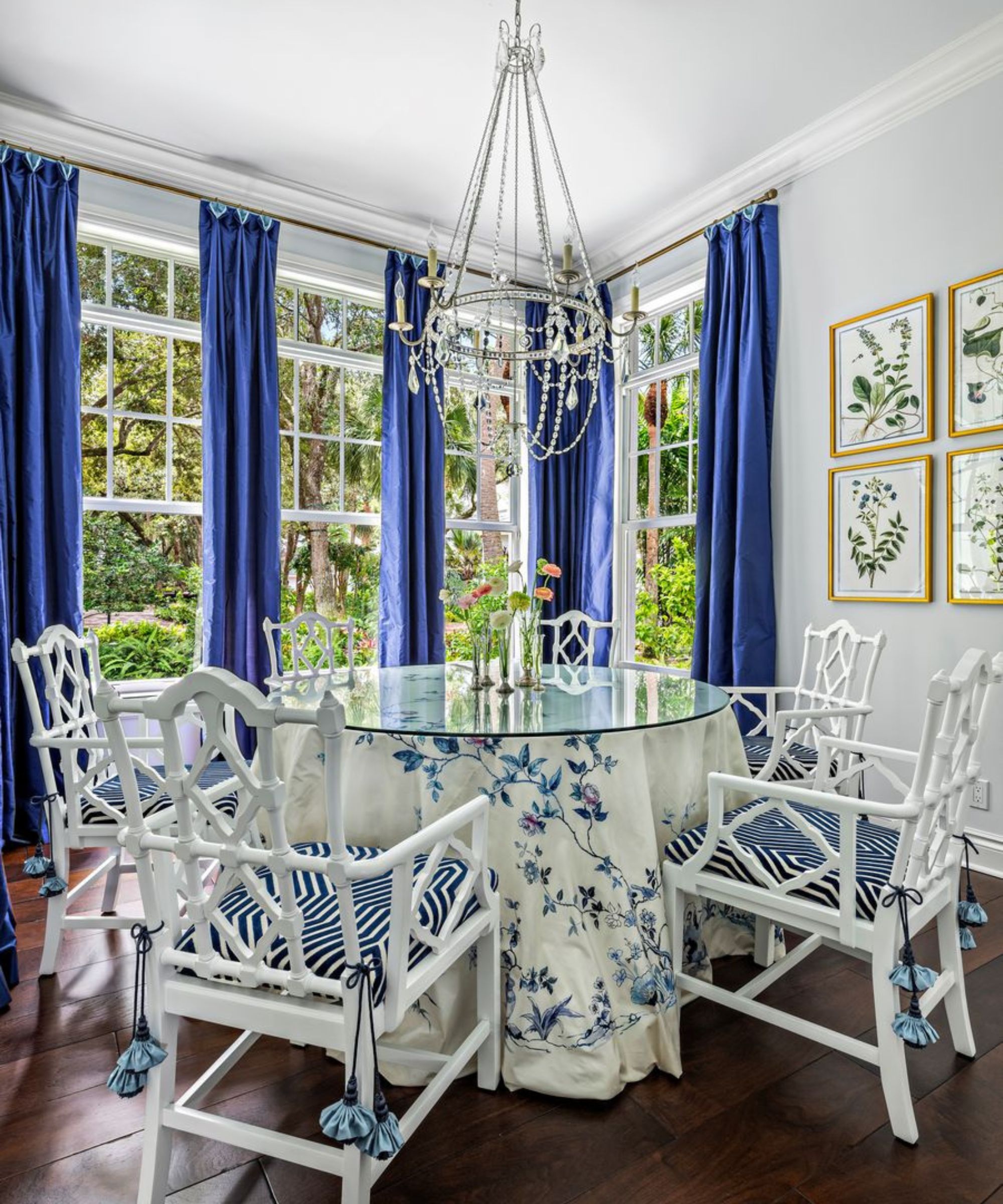
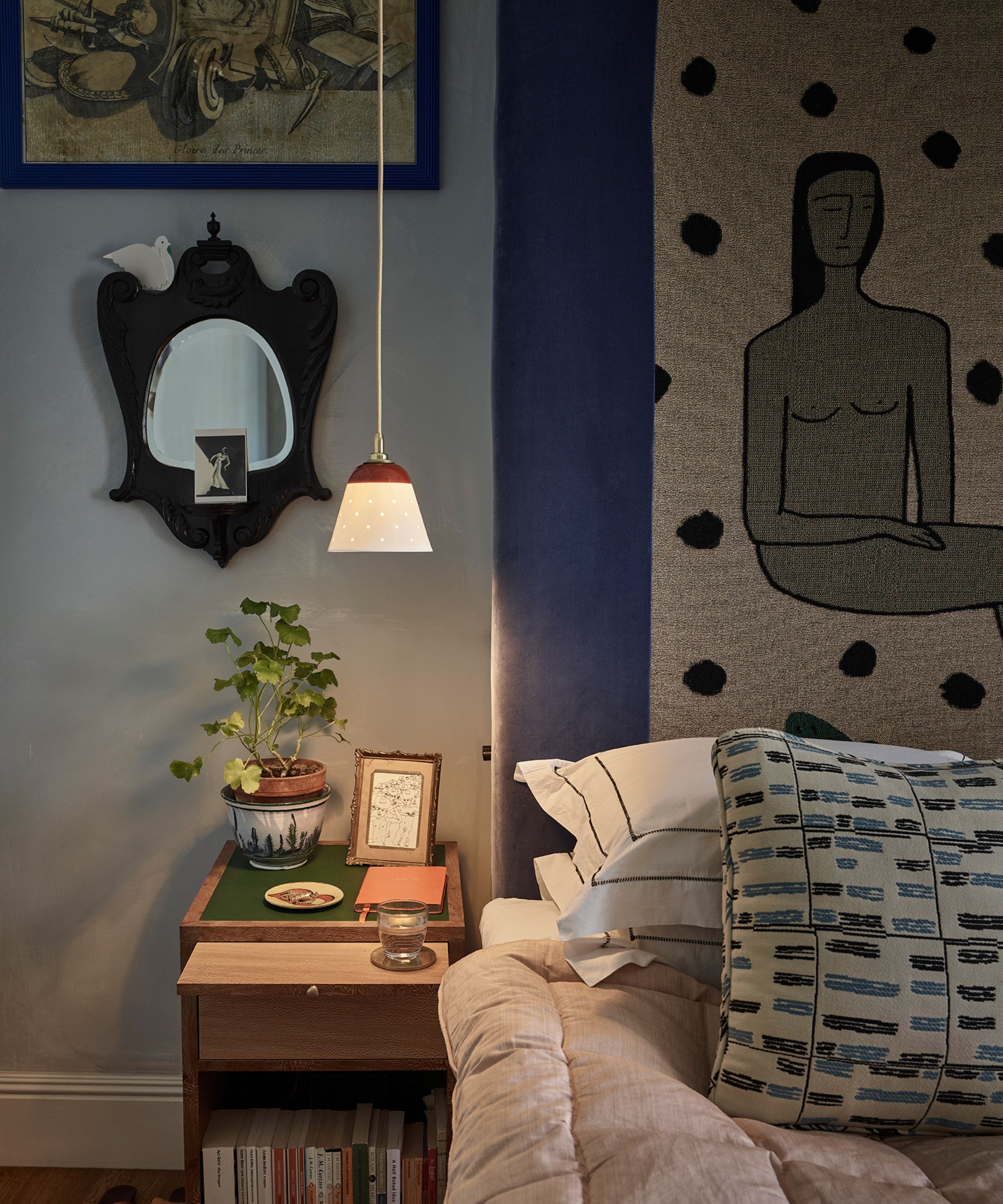
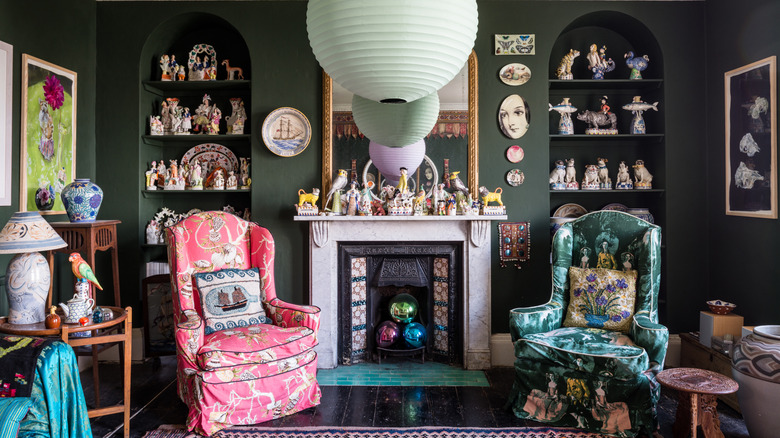
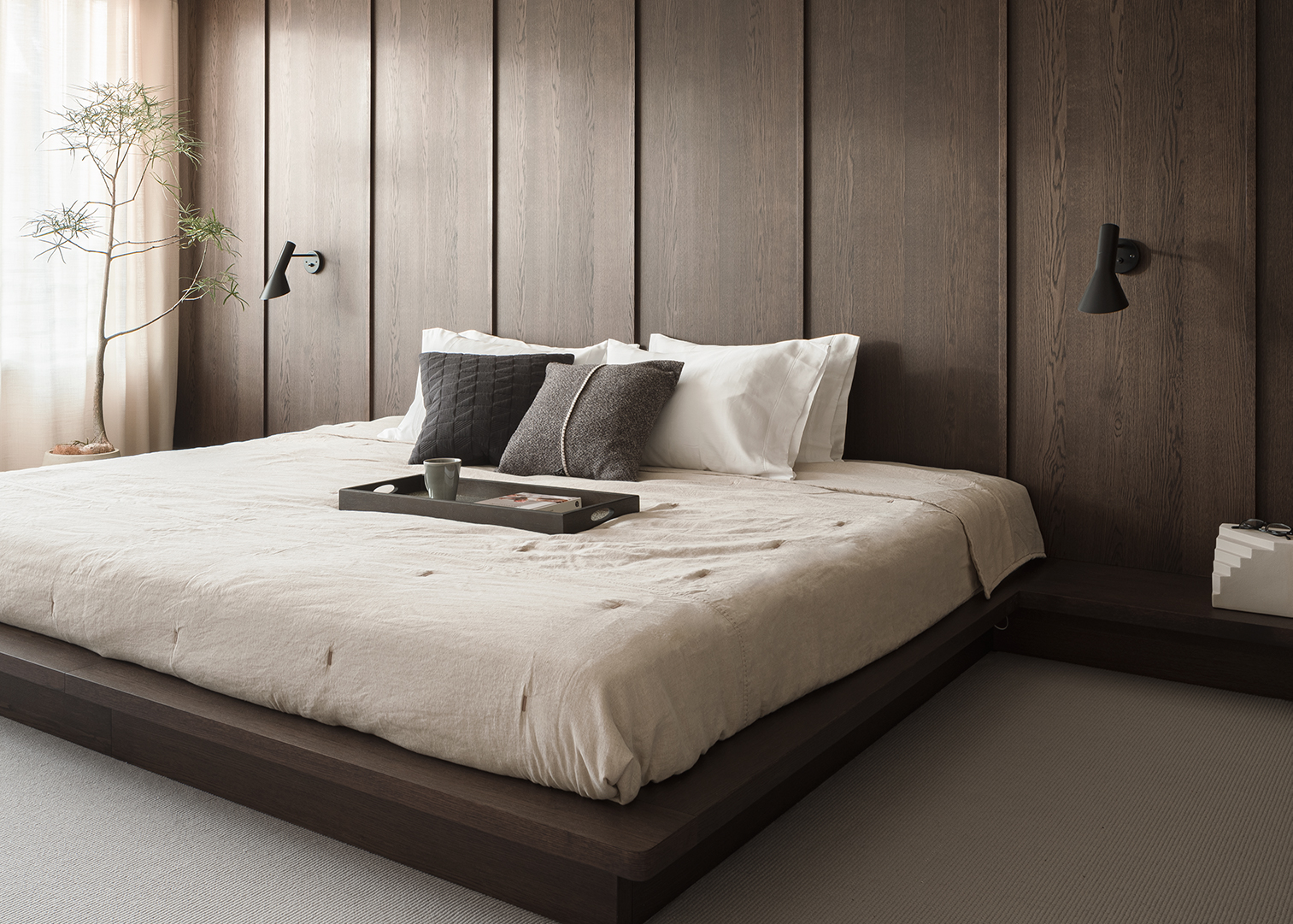
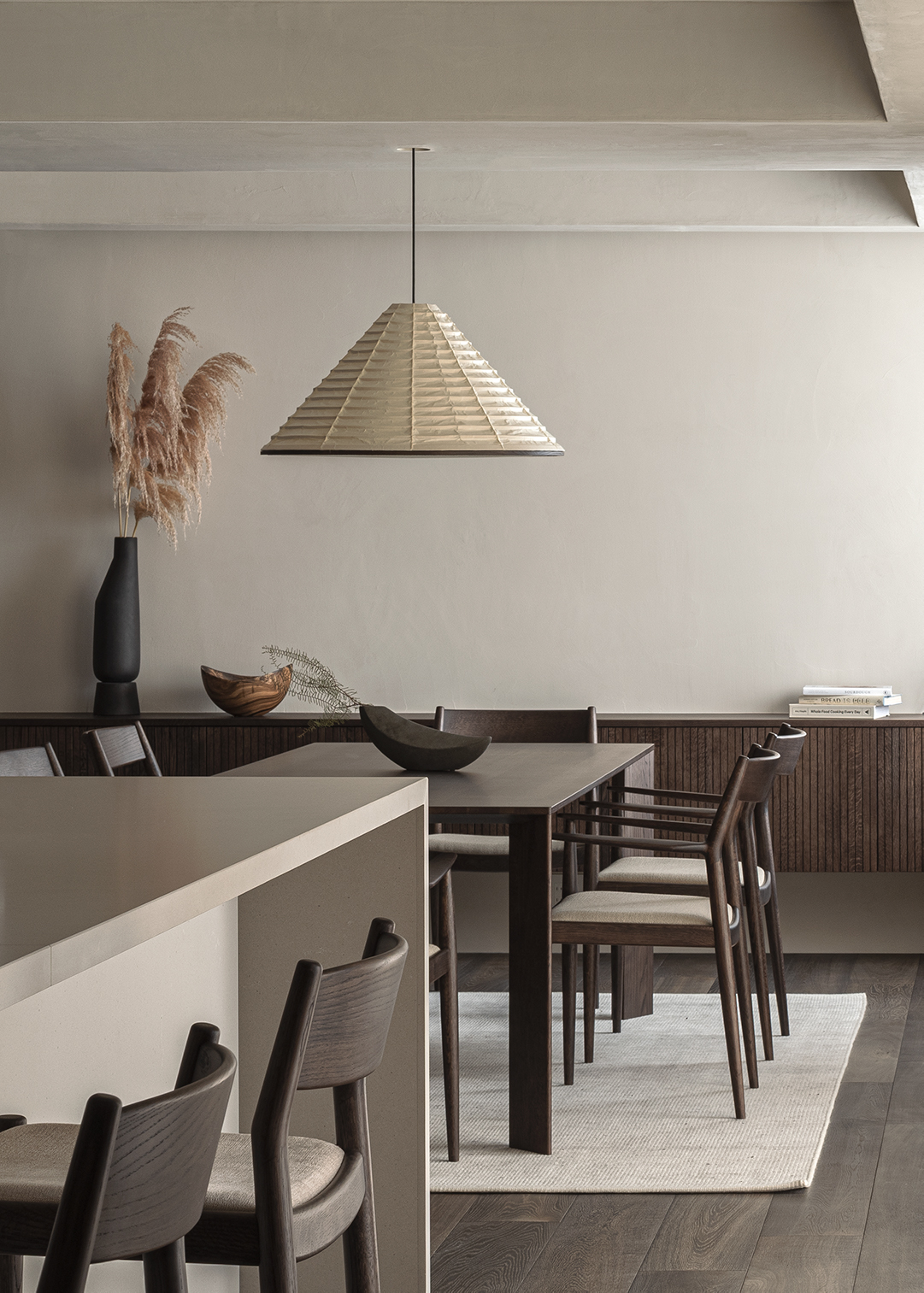
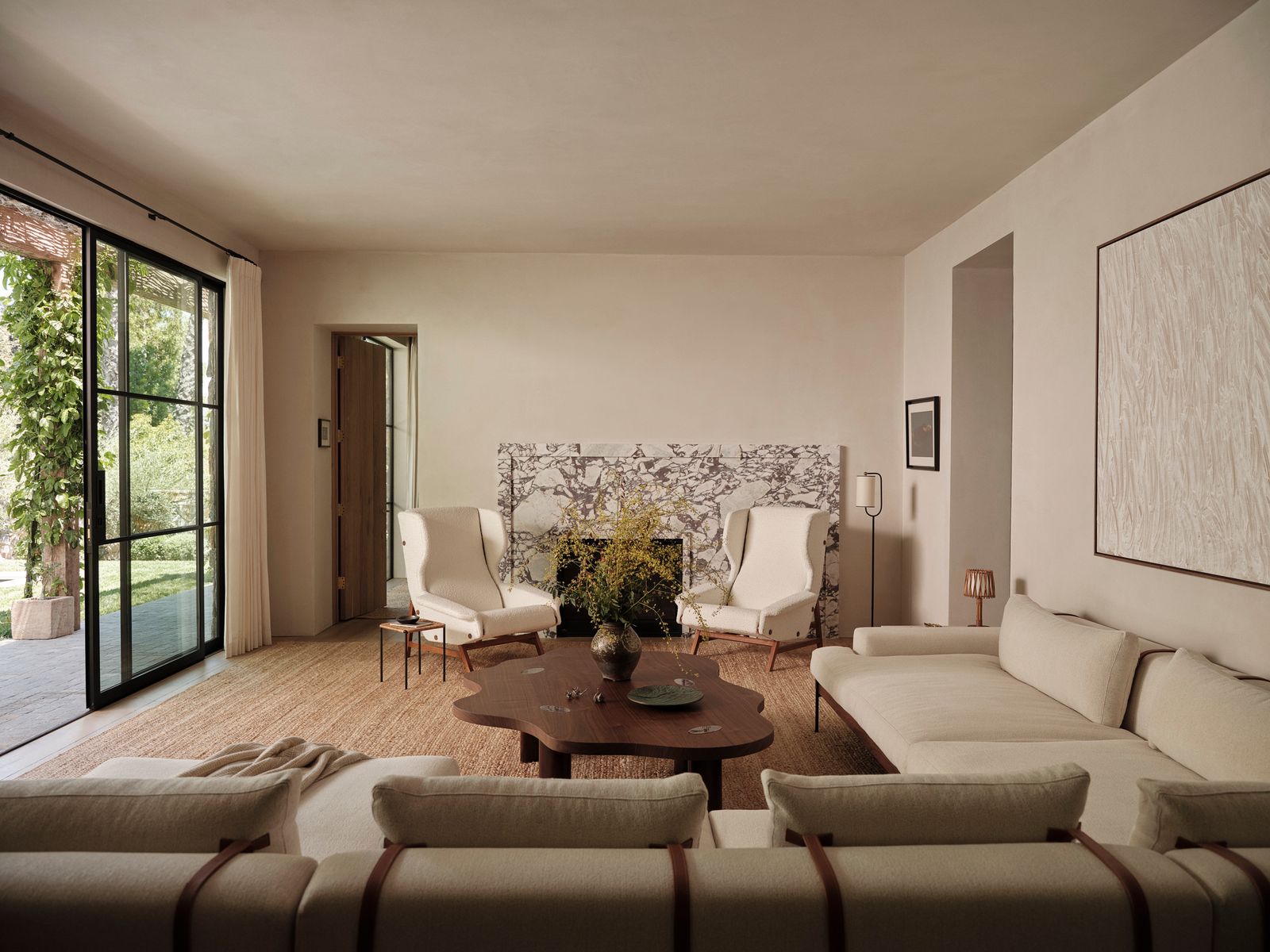
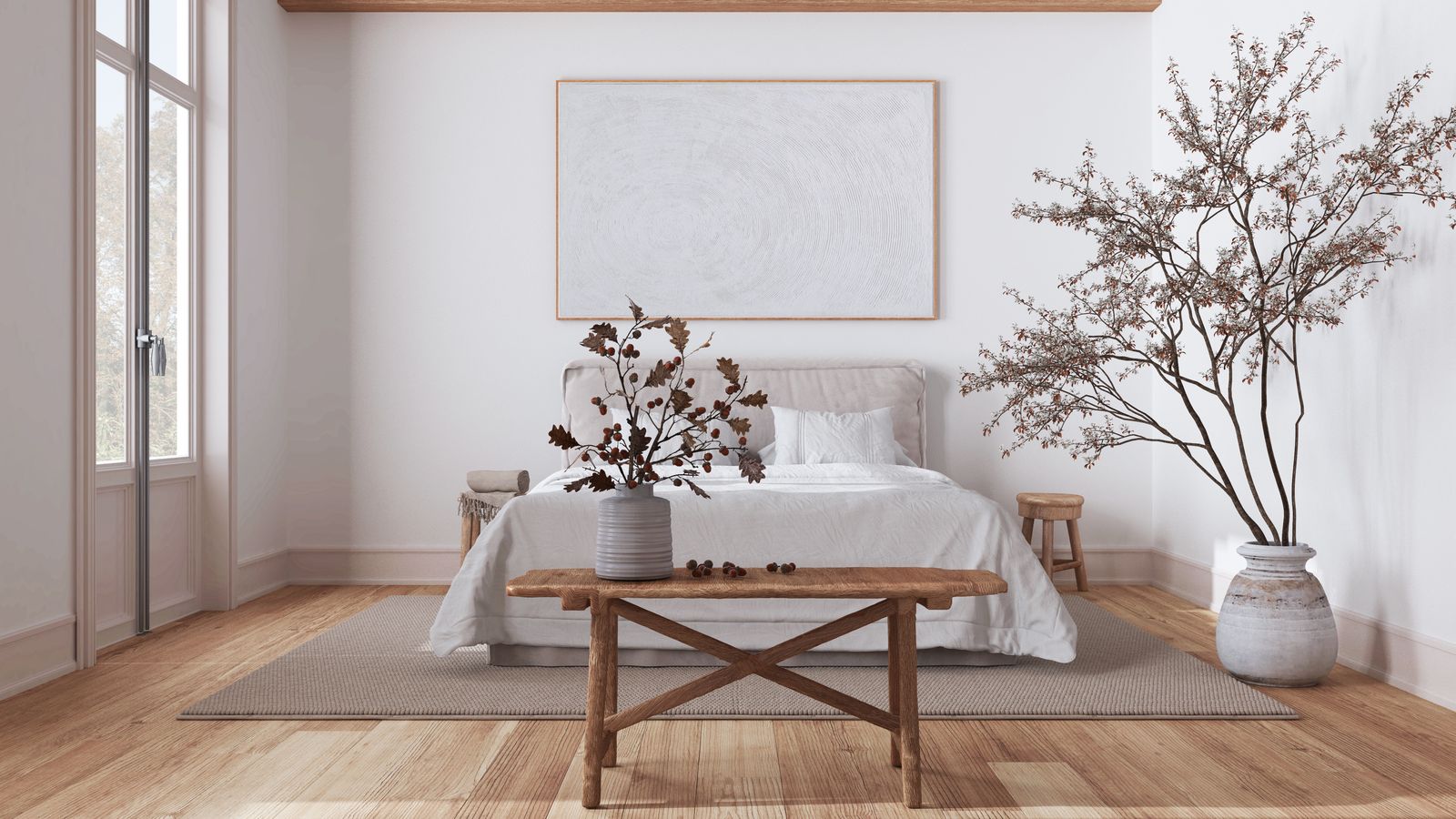
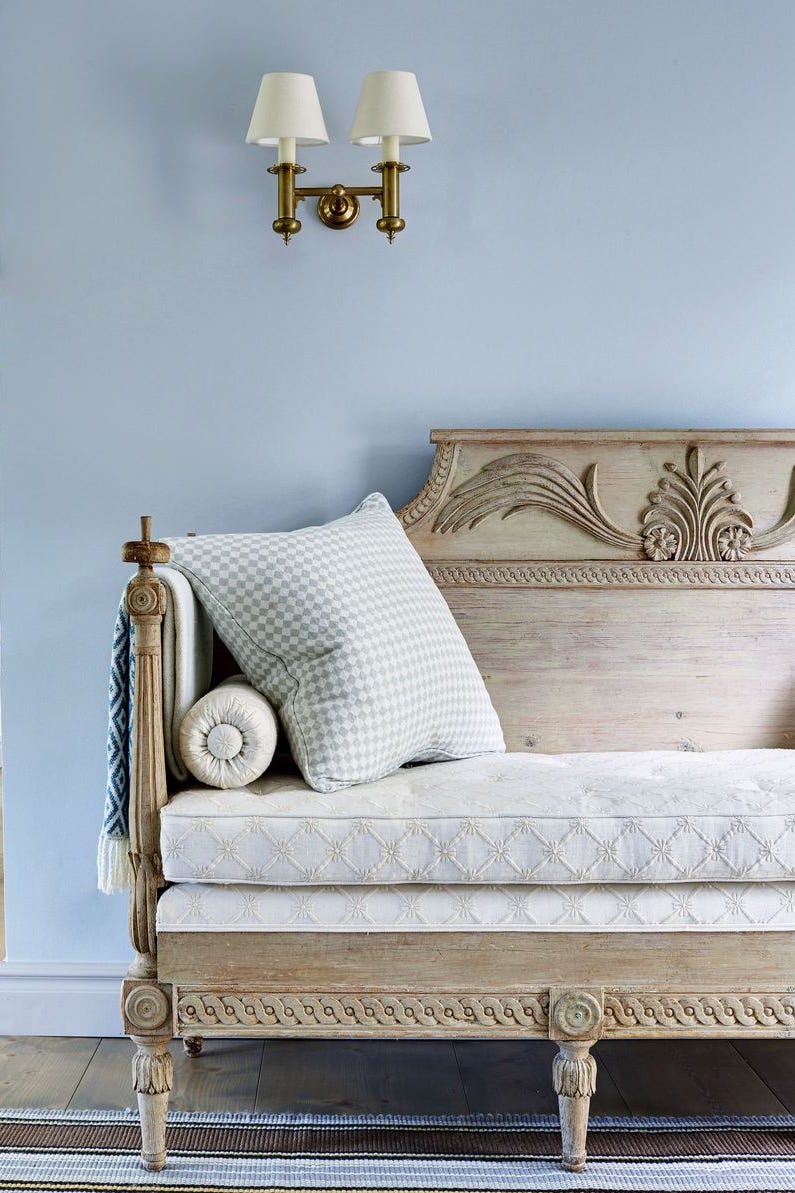
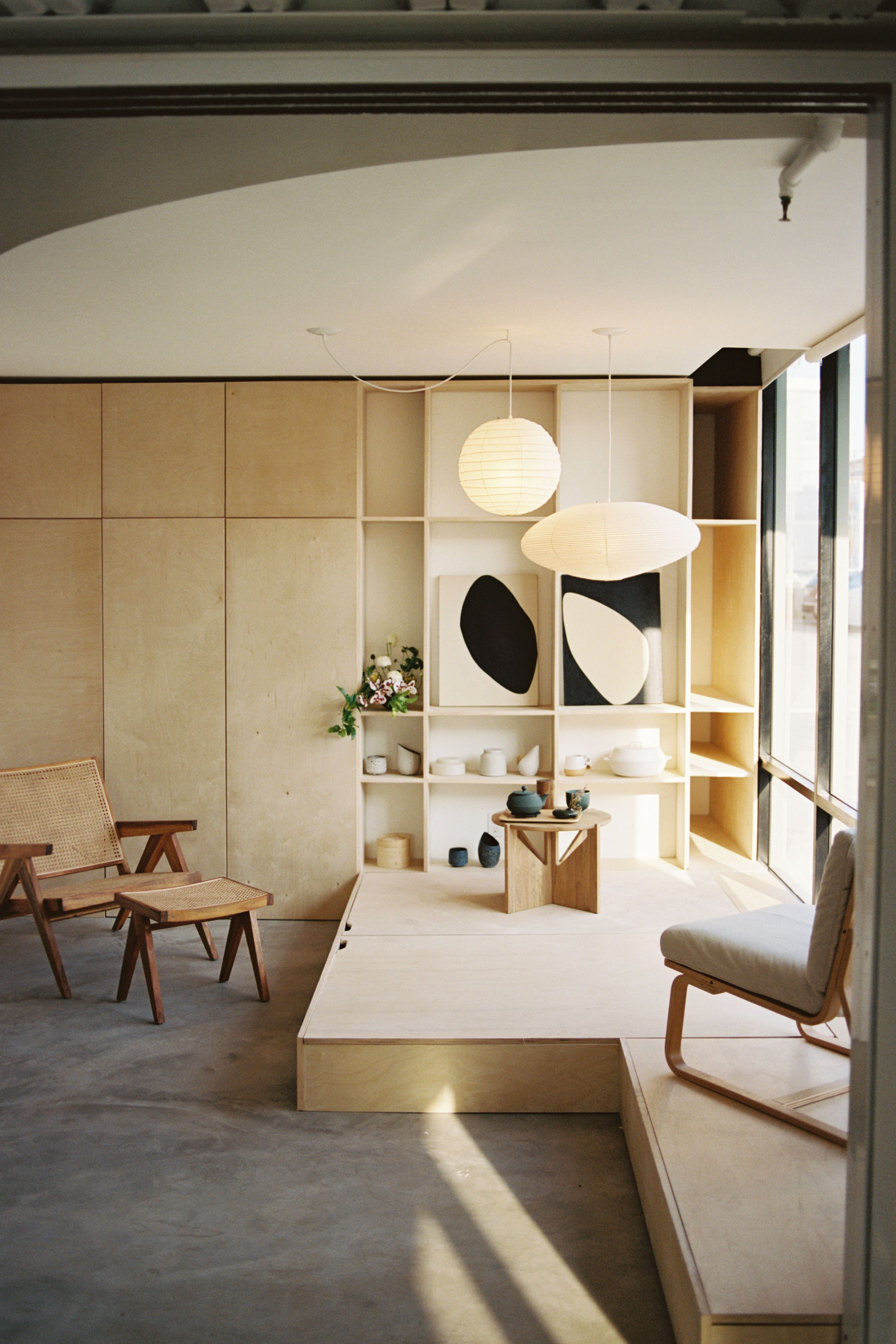
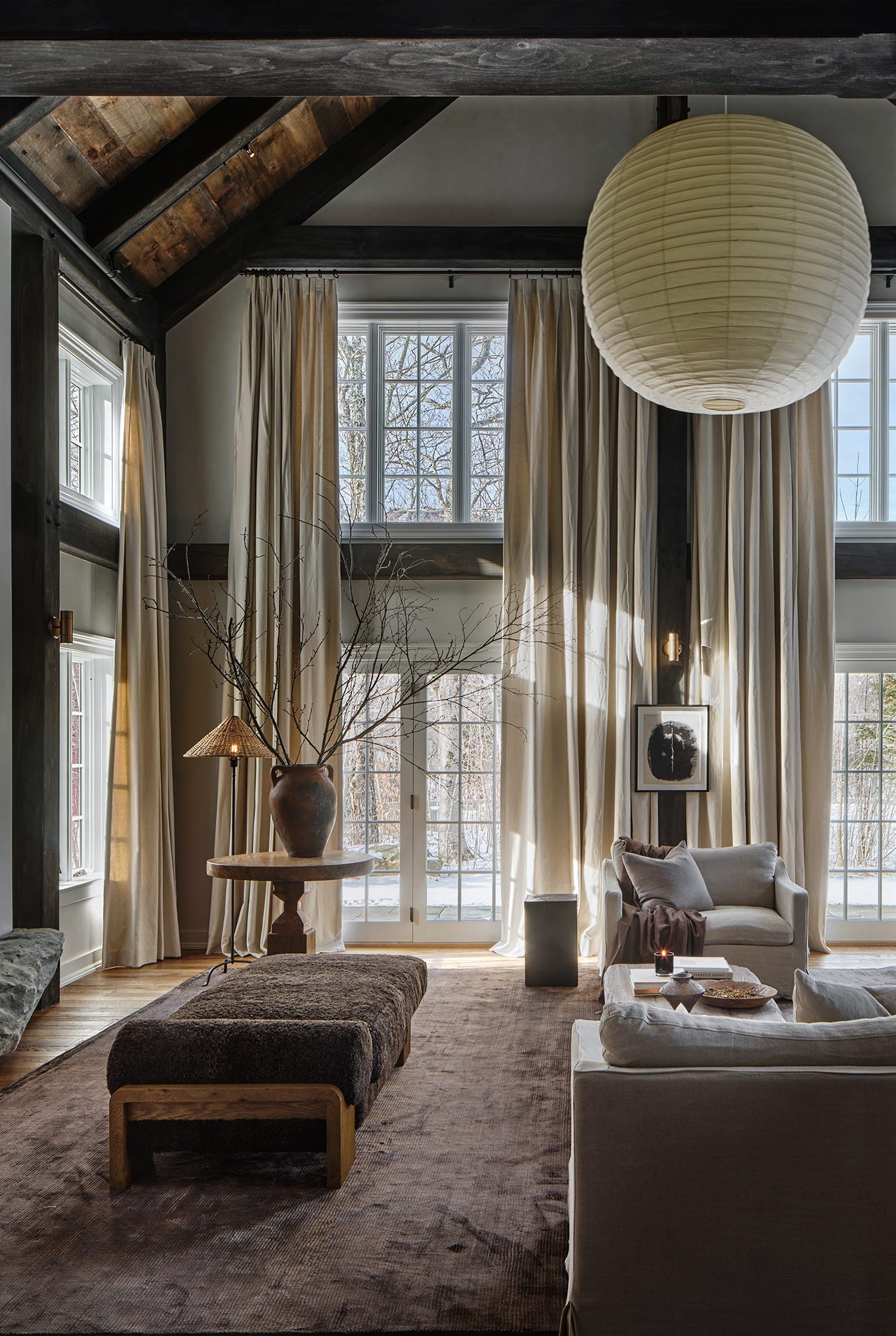
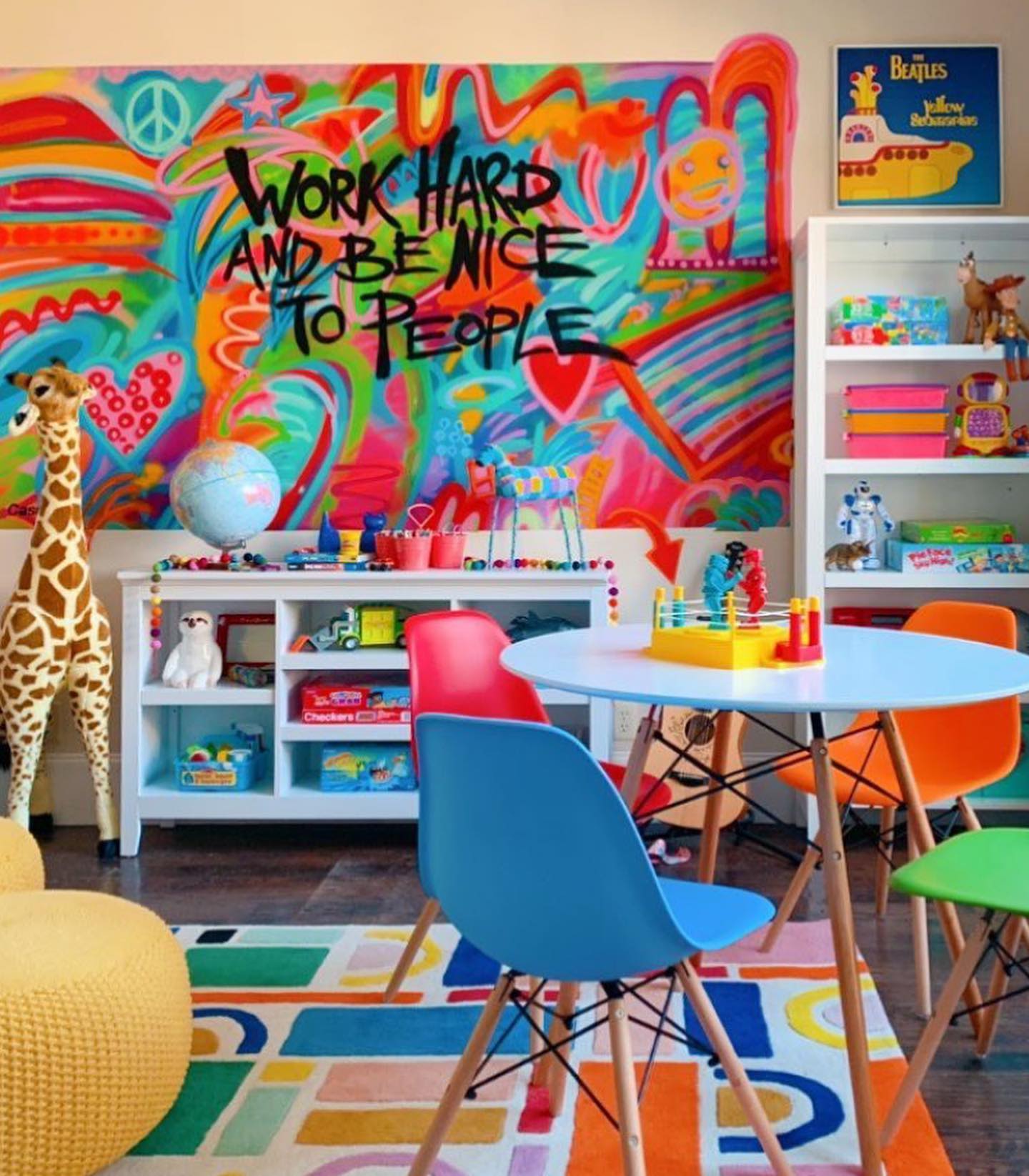
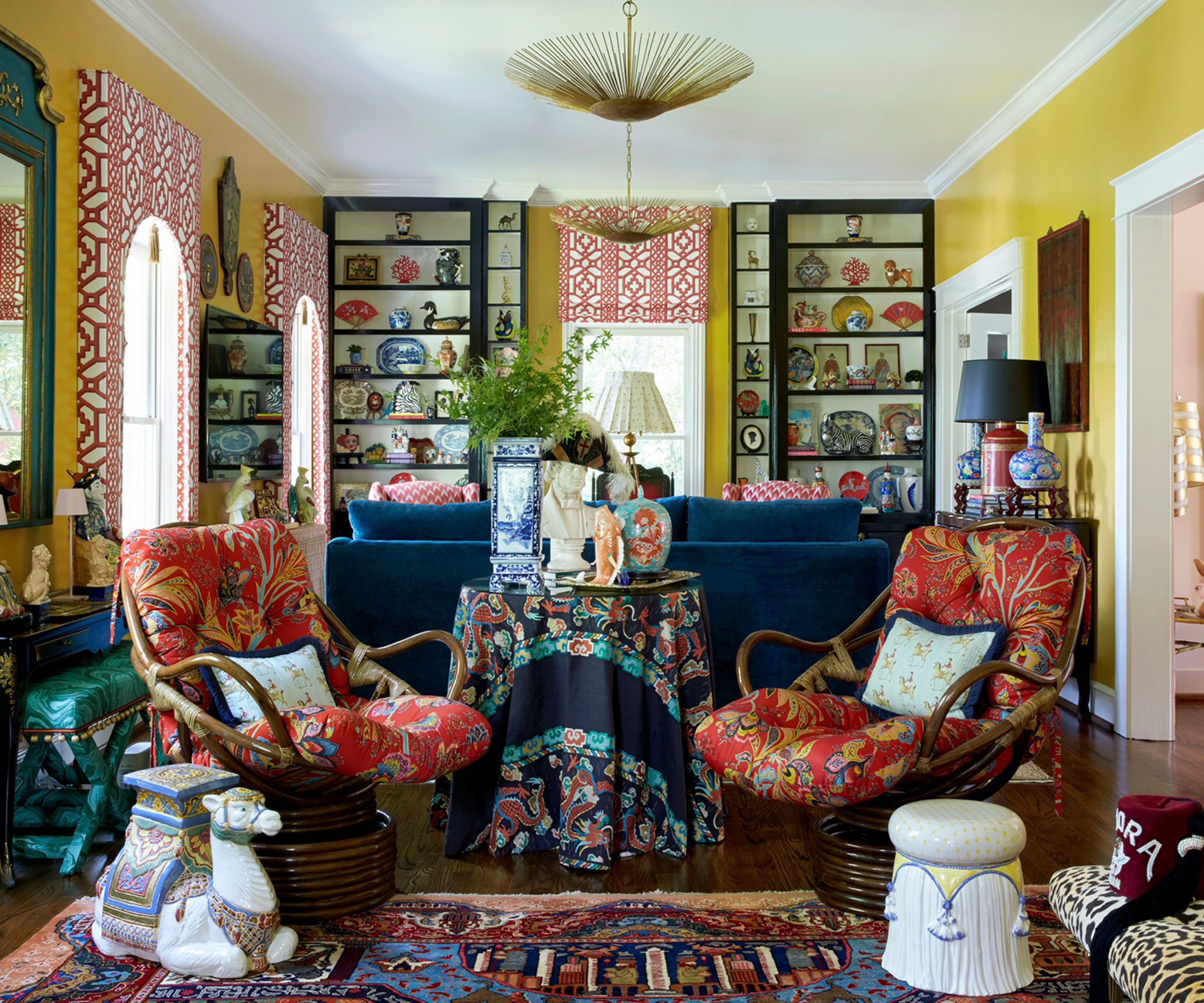
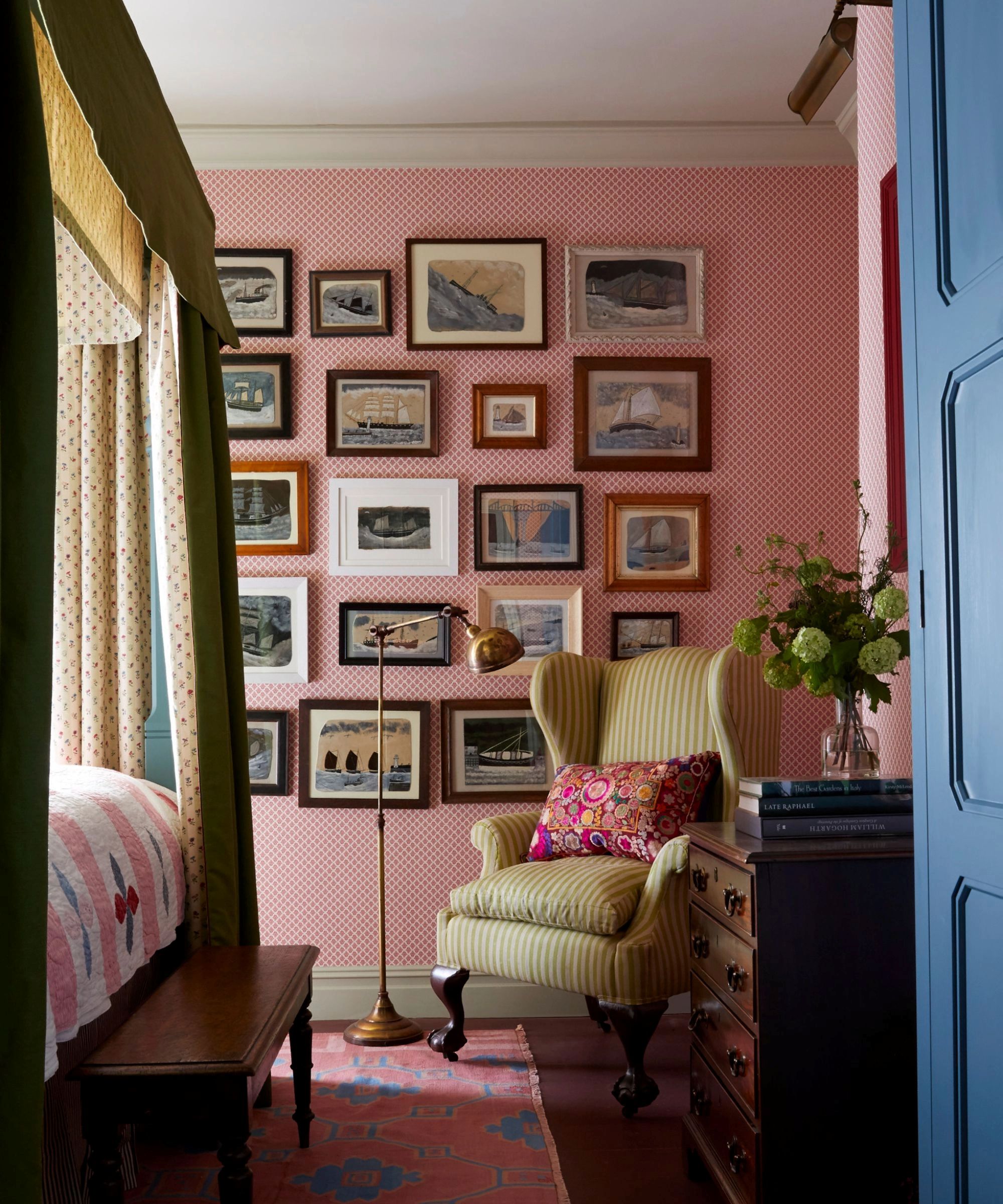
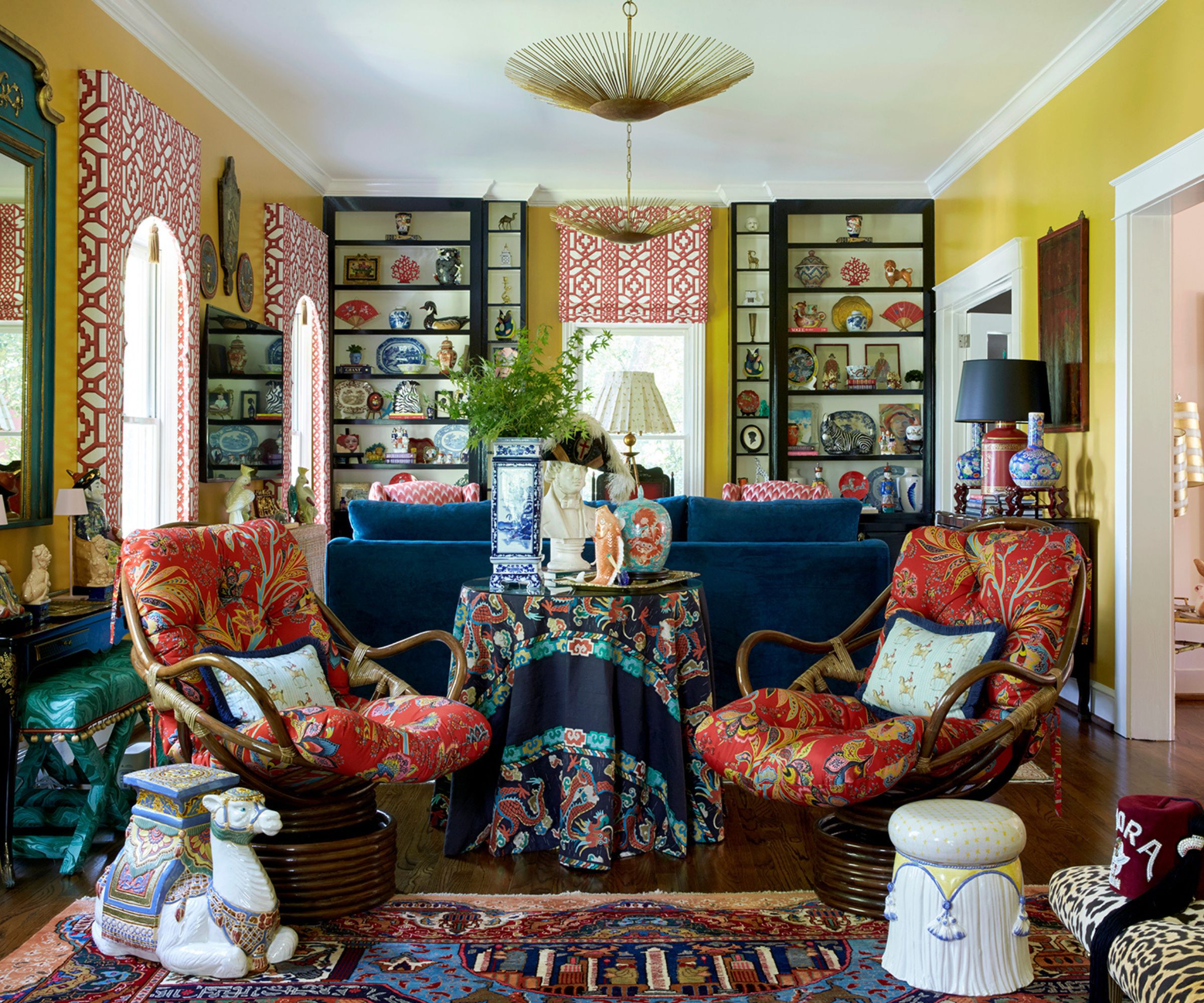
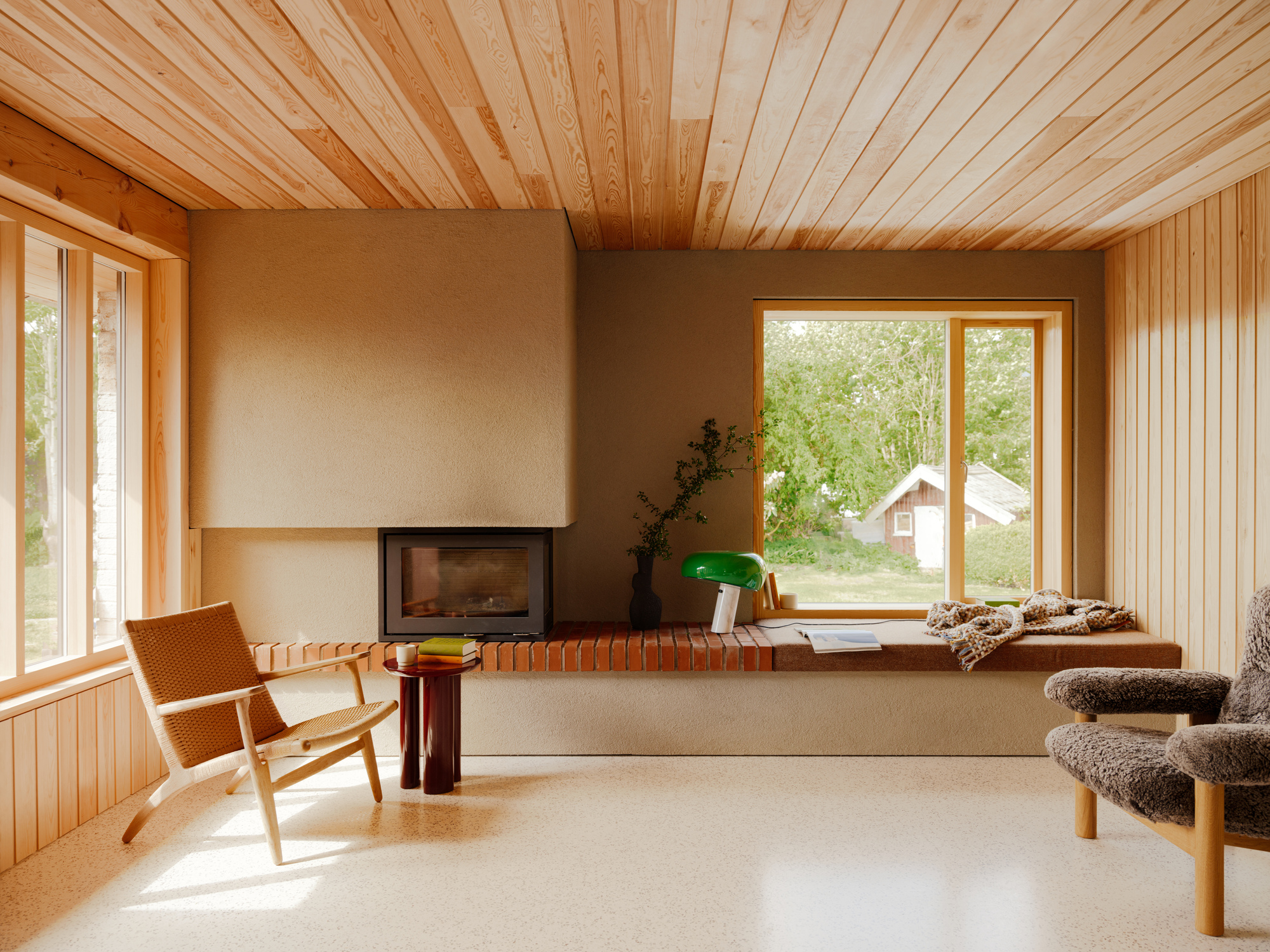
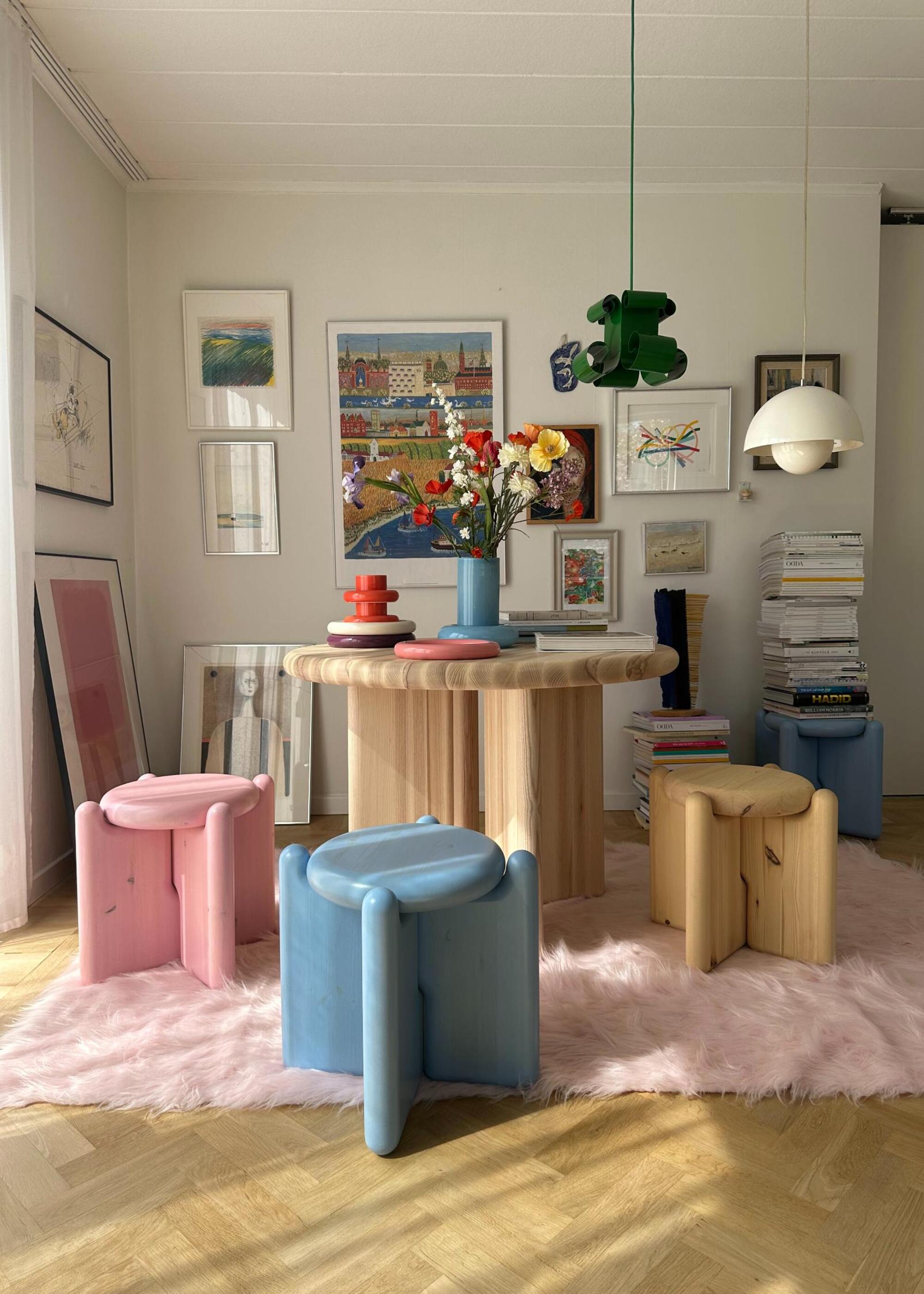
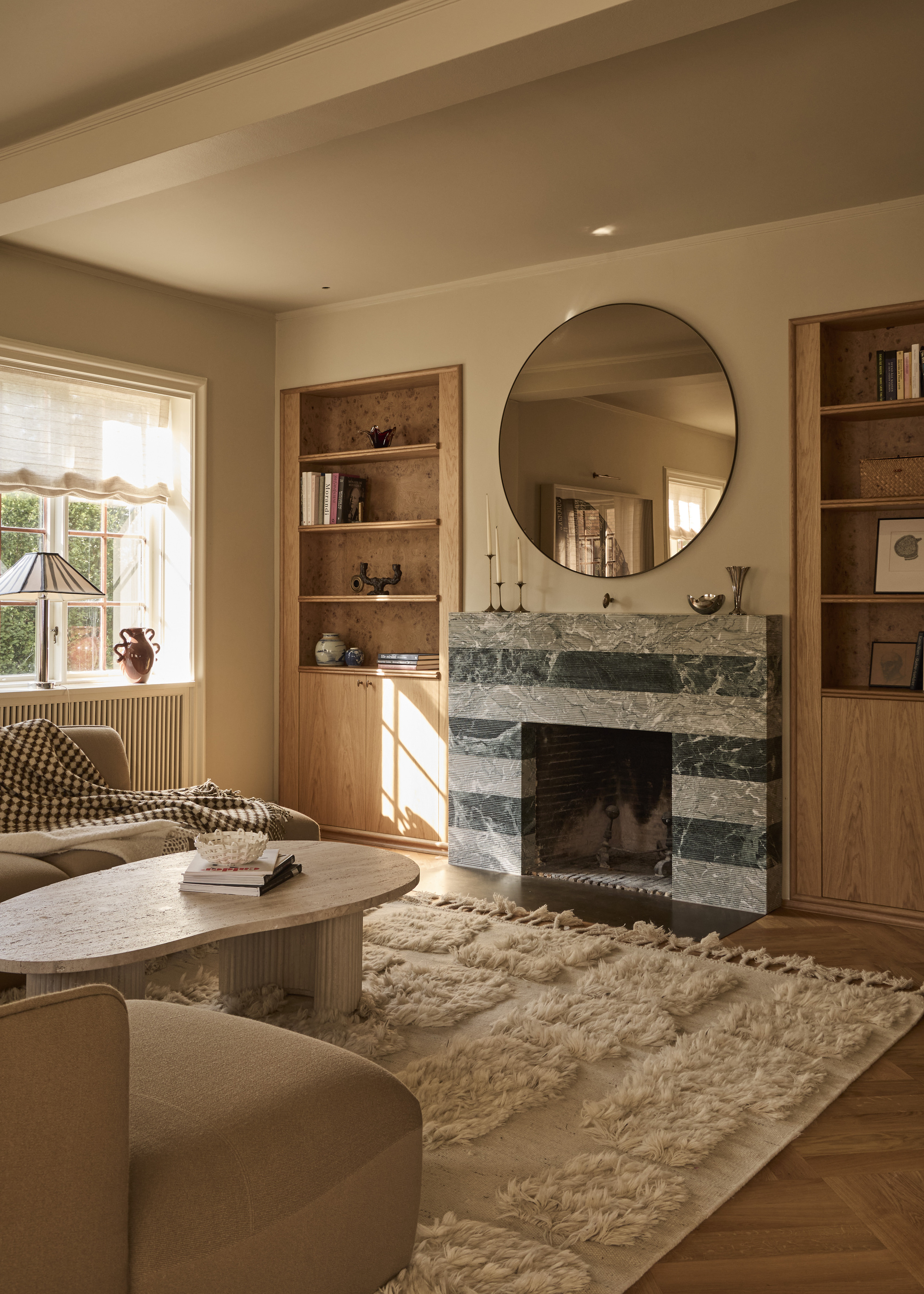
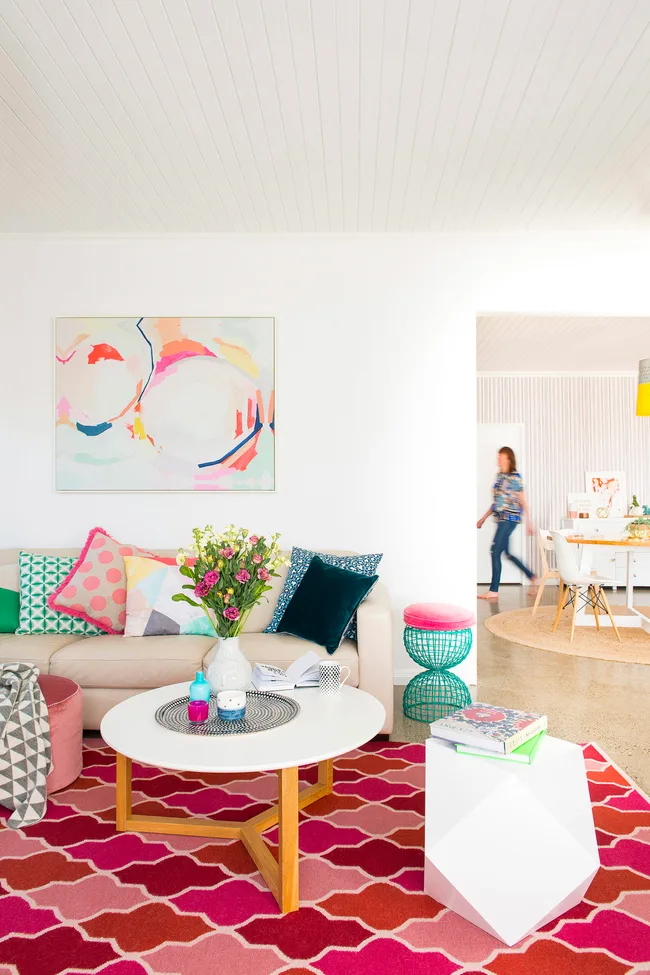
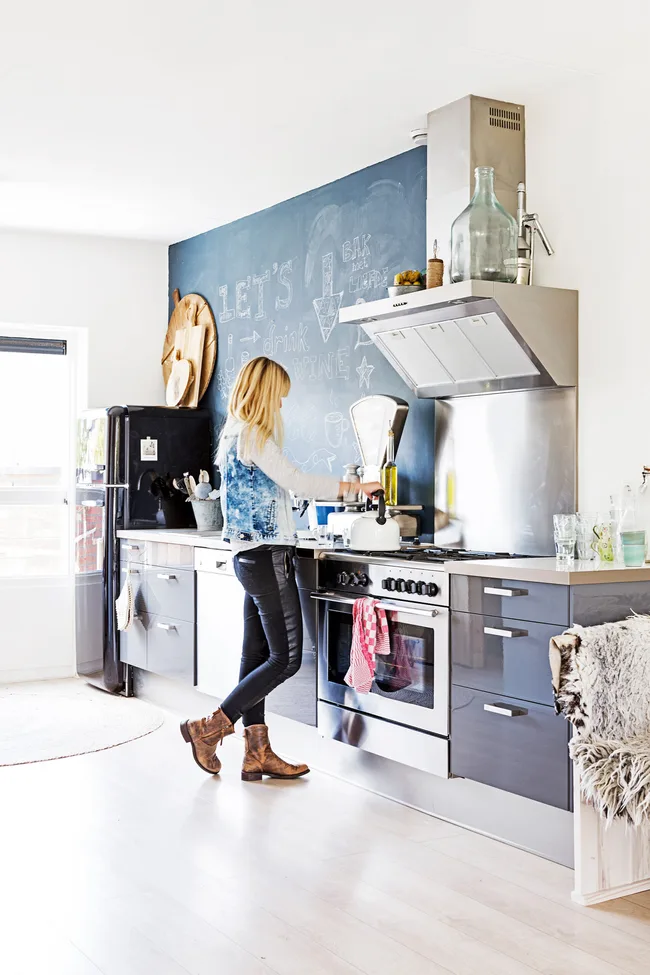
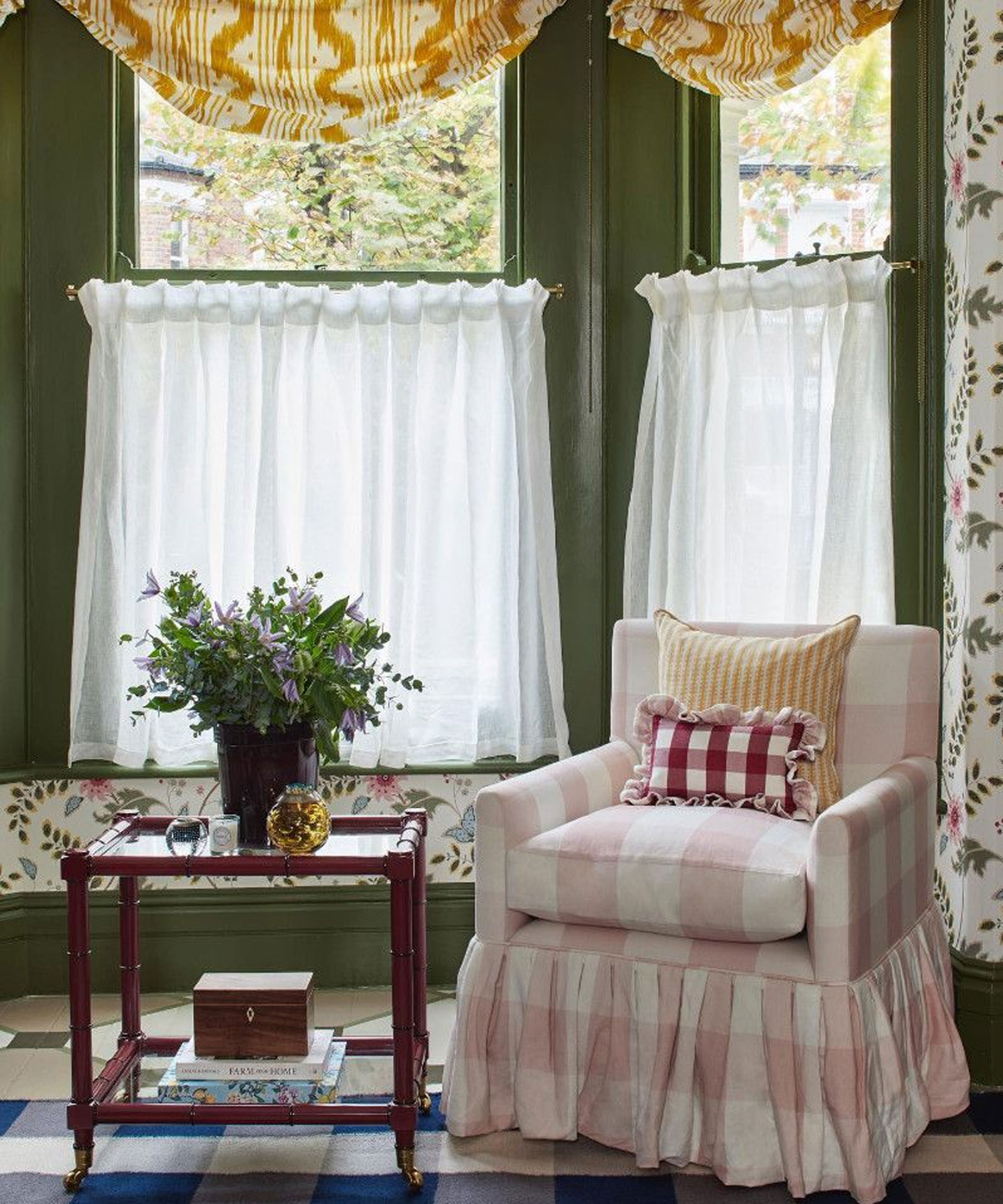
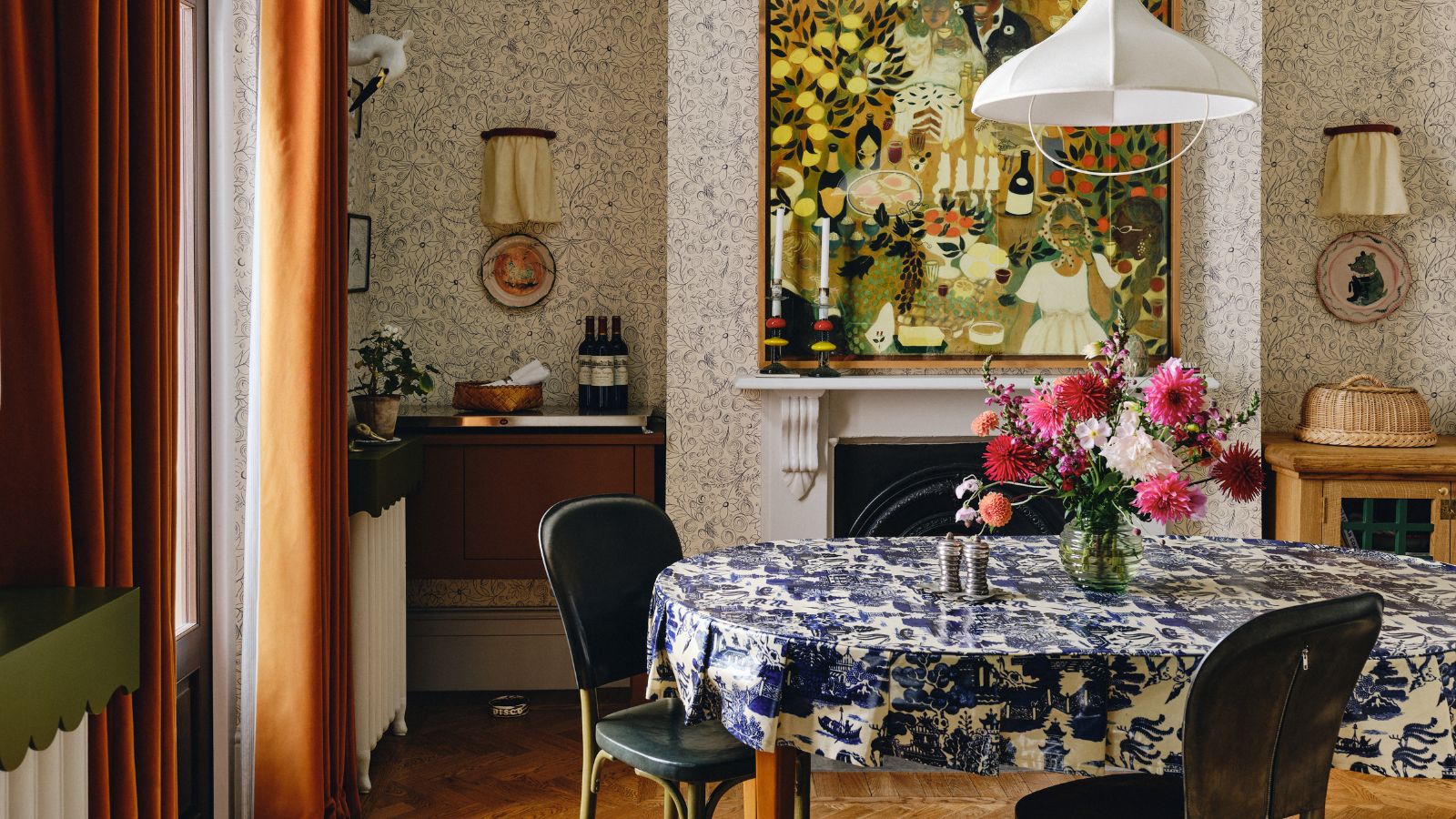
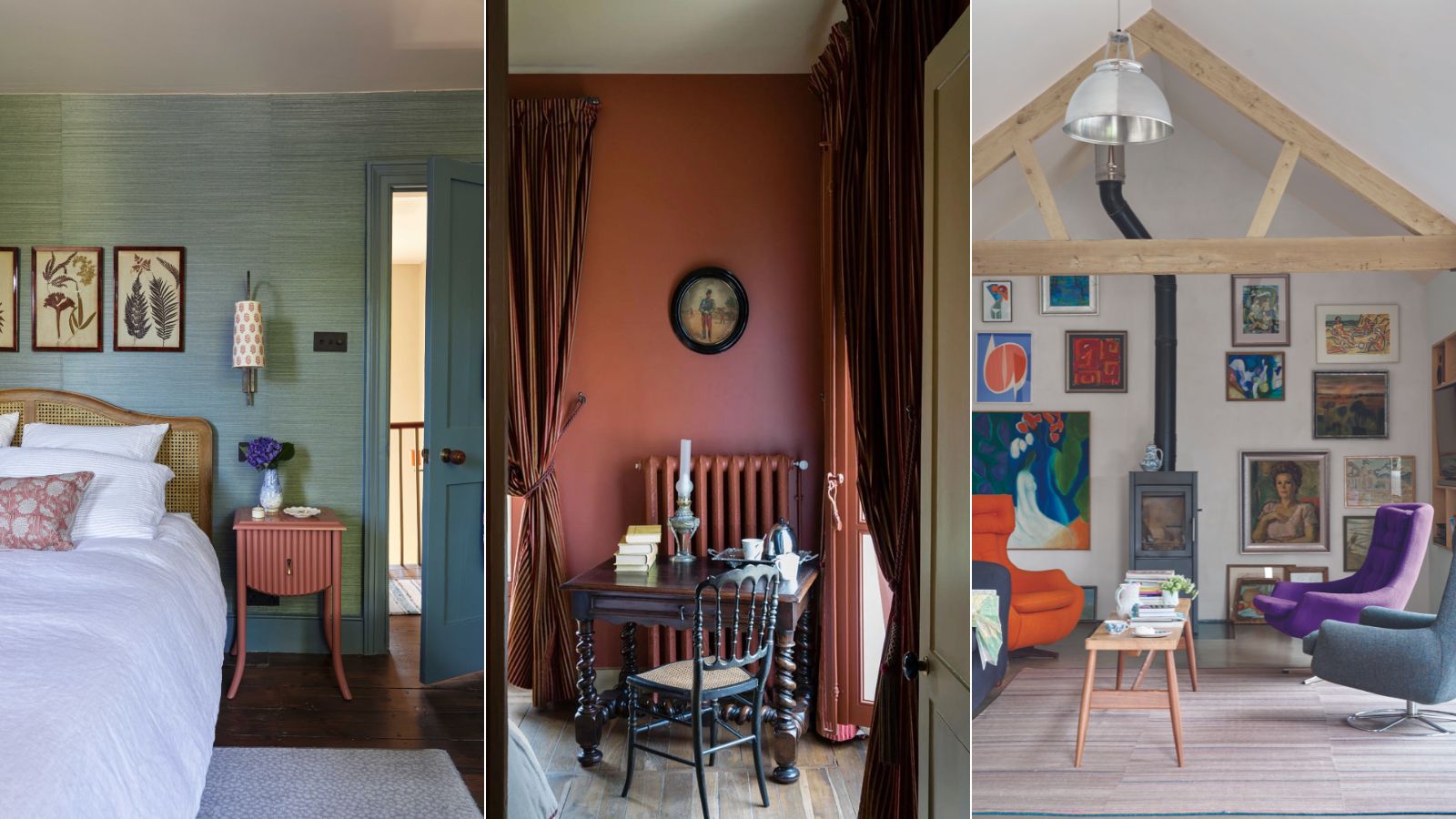
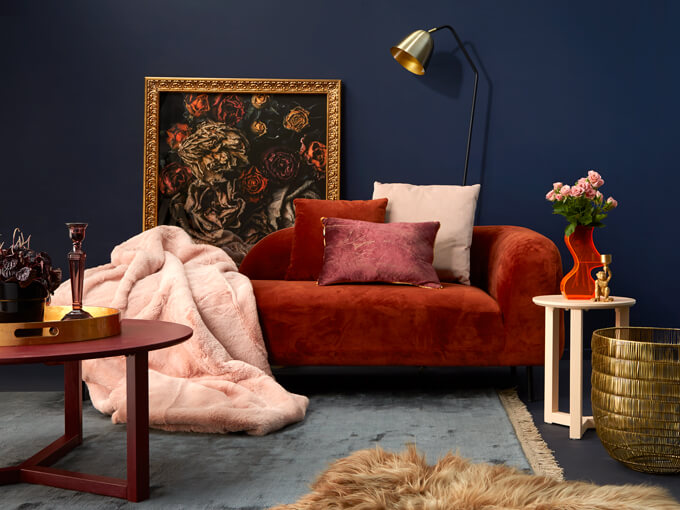
Traditionally, Scandinavian interior design is known for its minimalism, featuring clean lines, light woods, neutral colors, and an absence of clutter. However, Scandi maximalism introduces a bolder, more expressive personality, focusing on layering, storytelling, and infusing spaces with joy and warmth through meaningful elements. Designer Nina Lichtenstein notes that this approach retains the craftsmanship and warmth of Nordic design but embraces exuberance, incorporating elements like painted folk florals on cabinetry, jewel-toned textiles layered over pale oak, and whimsical patterns in upholstery or rugs. Unlike traditional Scandi design's muted palette, Scandi maximalism welcomes rich colors such as magenta, mustard yellow, and cobalt blue, all grounded by natural textures like wool, birch, and ceramics.
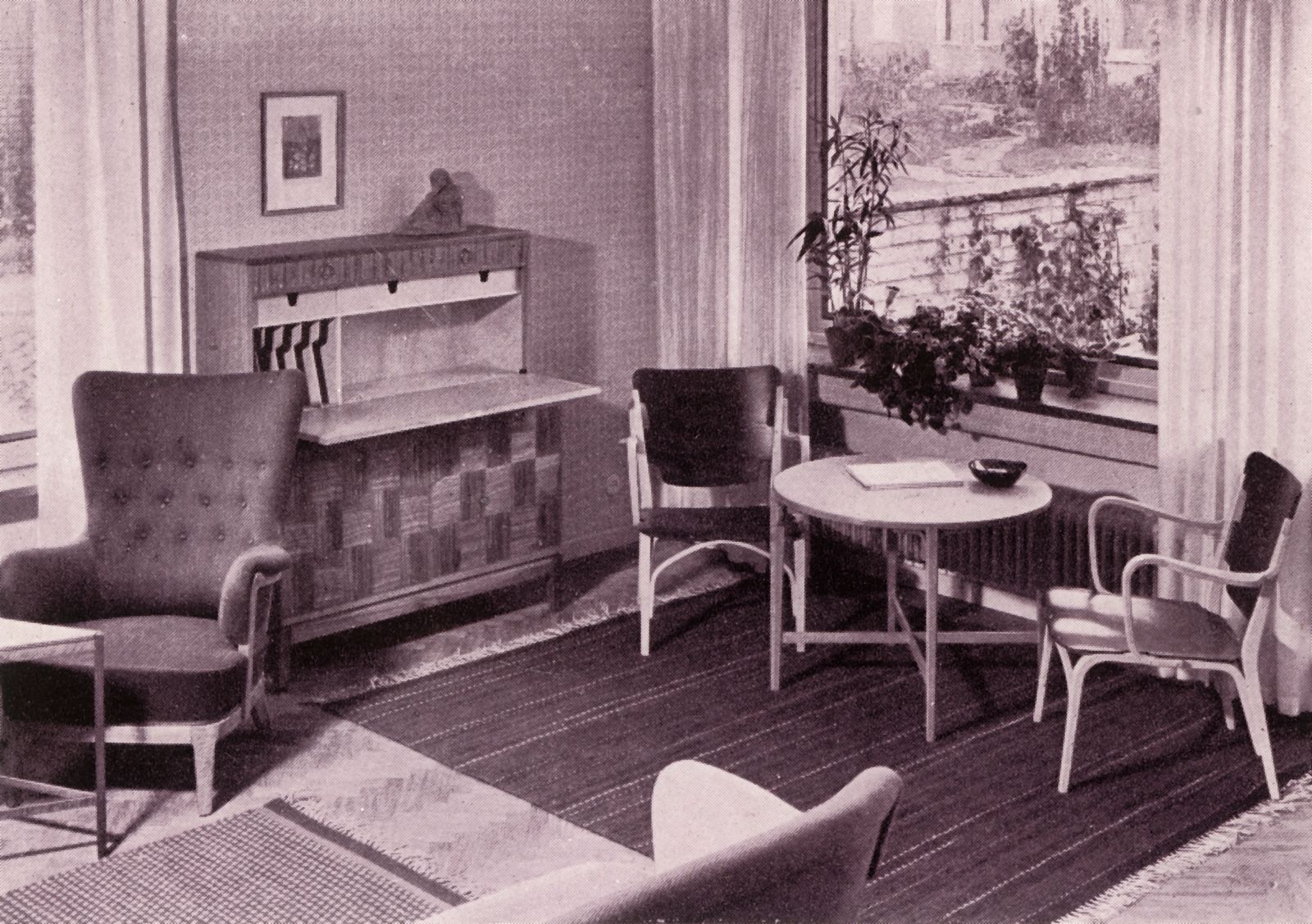
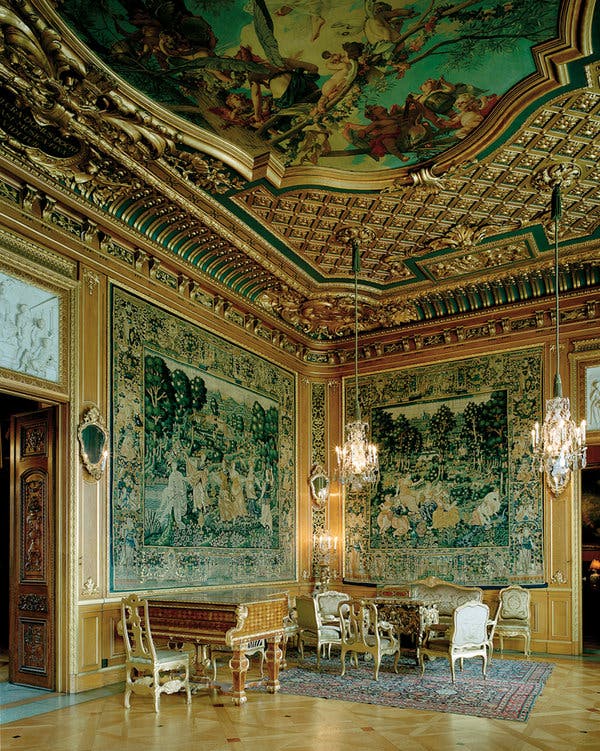
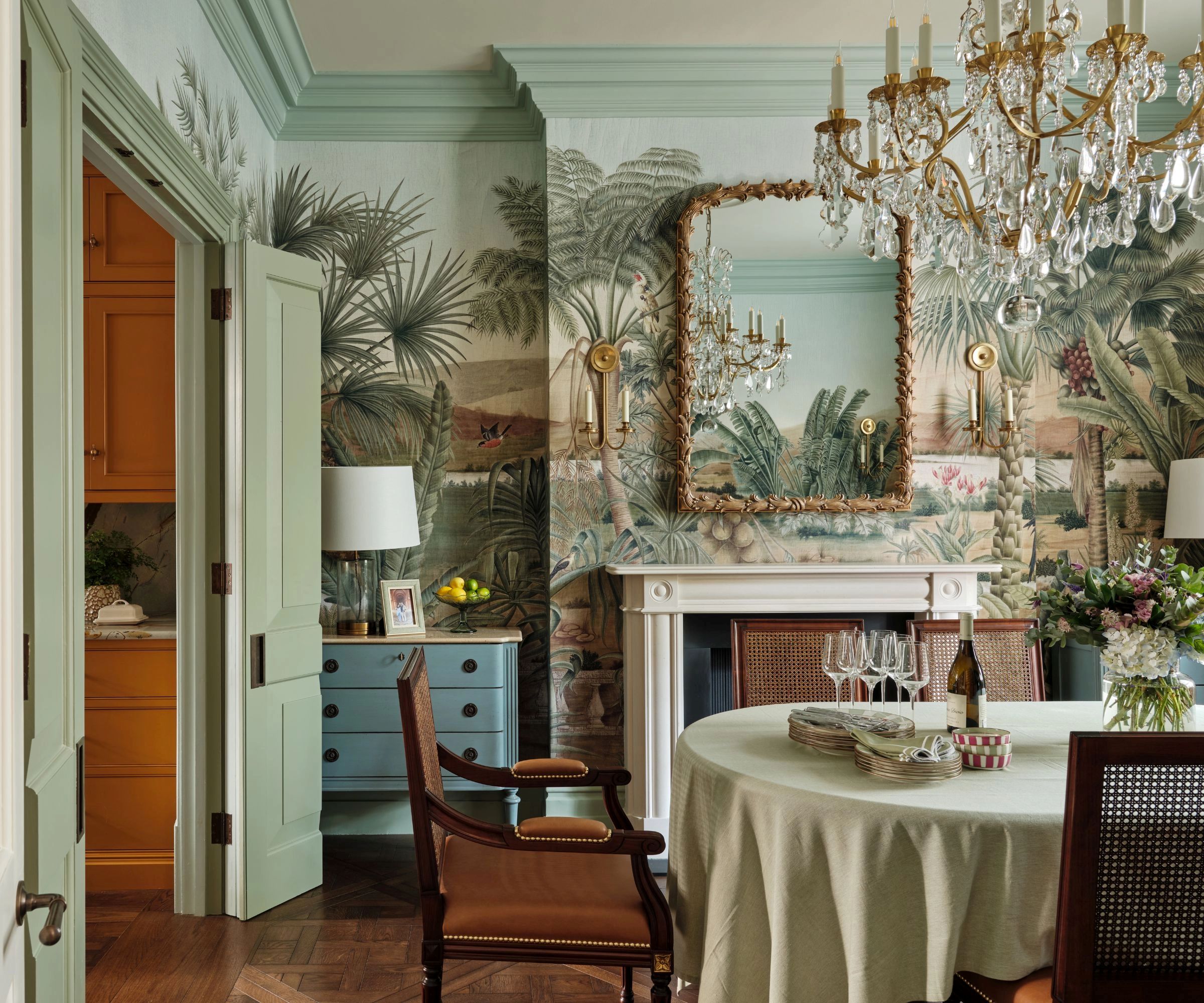
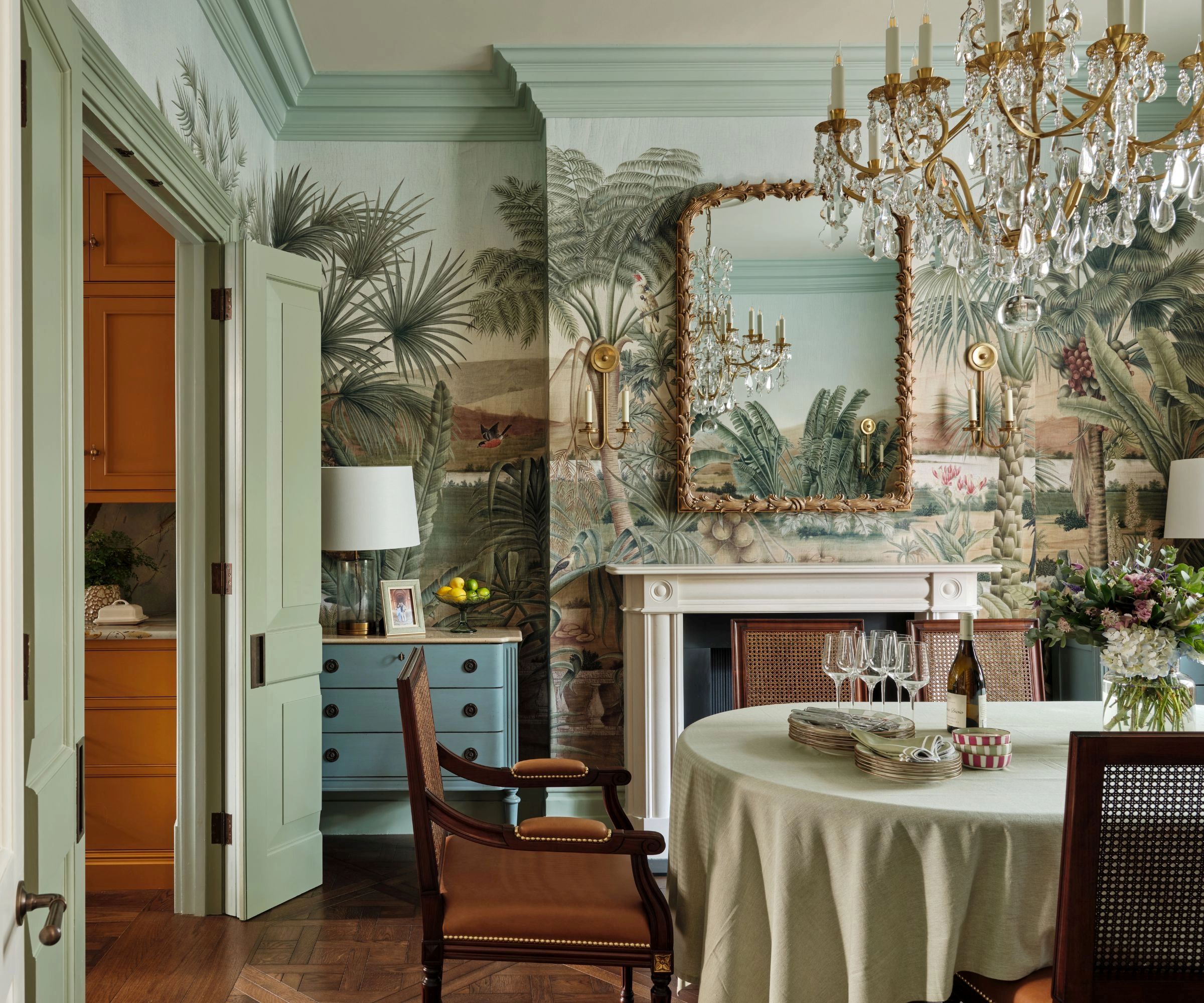
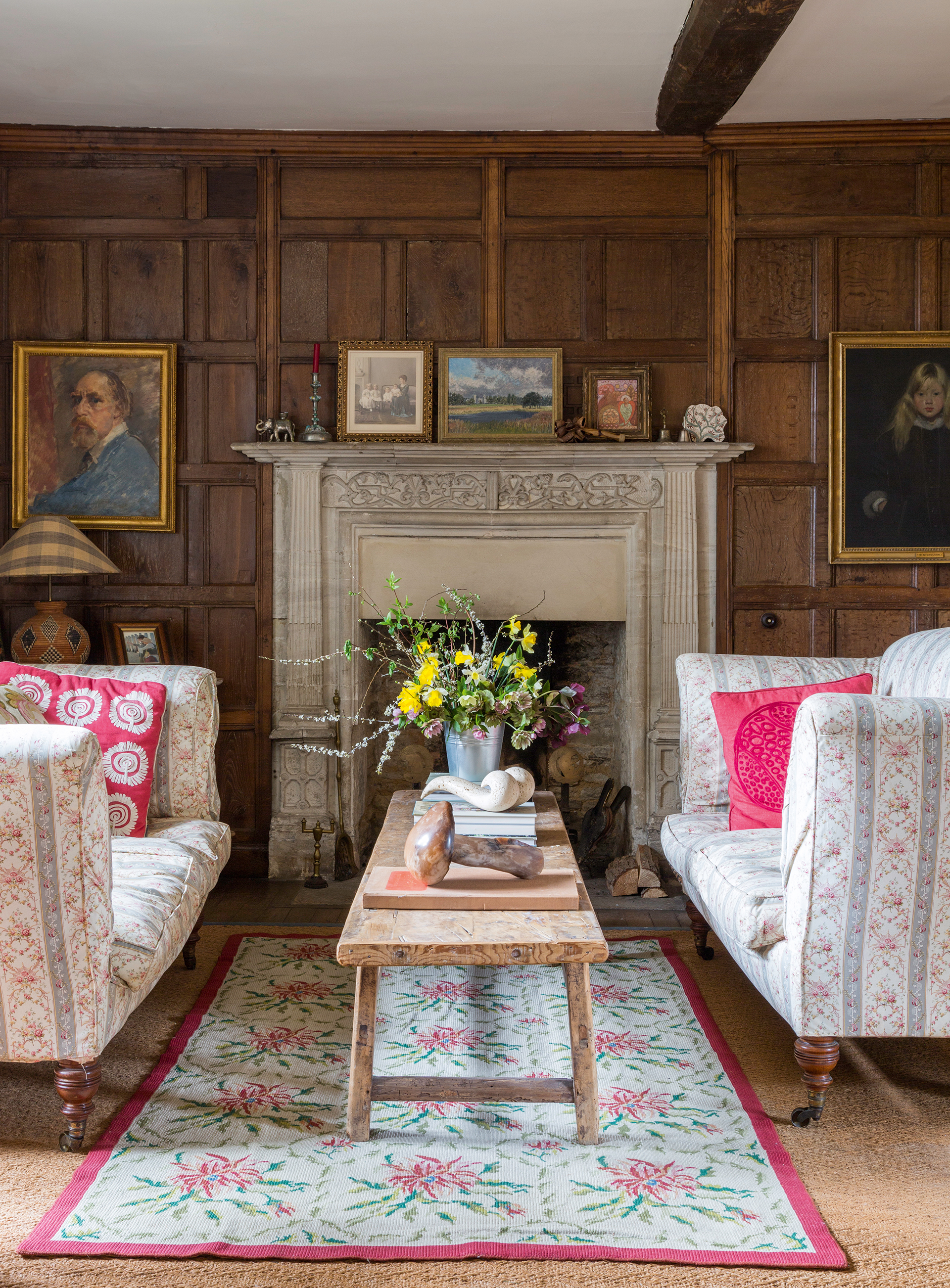
Historical Scandinavian interiors, far from being strictly minimalist, often featured handcrafted wooden furniture with intricate painted motifs, vintage pieces, and frescoes on walls and ceilings, which continue to inspire contemporary wallpaper and mural designs. Scandi maximalism draws from this rich history, demonstrating that while it thrives on color and pattern, it does so in a way that feels fresh, livable, and contemporary, distinguishing it from 'heritage maximalism.' This allows for personal expression and making a home feel unique without venturing into excessive or unconventional territories, though the article playfully suggests making one's home 'weirder' this year.
Malin Glemme, founder and creative director of LAYERED, emphasizes that Scandi maximalism is not about intentional clutter but about injecting personality into the home through carefully chosen colors, patterns, and materials. It's about confidently mixing elements that feel right, even if they challenge conventional design rules. She describes it as a balance between calm and character, where simple wooden furniture or minimal sideboards are paired with vibrant rugs or playful textiles, creating an interesting tension. The article outlines three key ways to achieve the Scandi maximalist look: layering patterns and textures, playing with unexpected colors, and embracing folk influences.
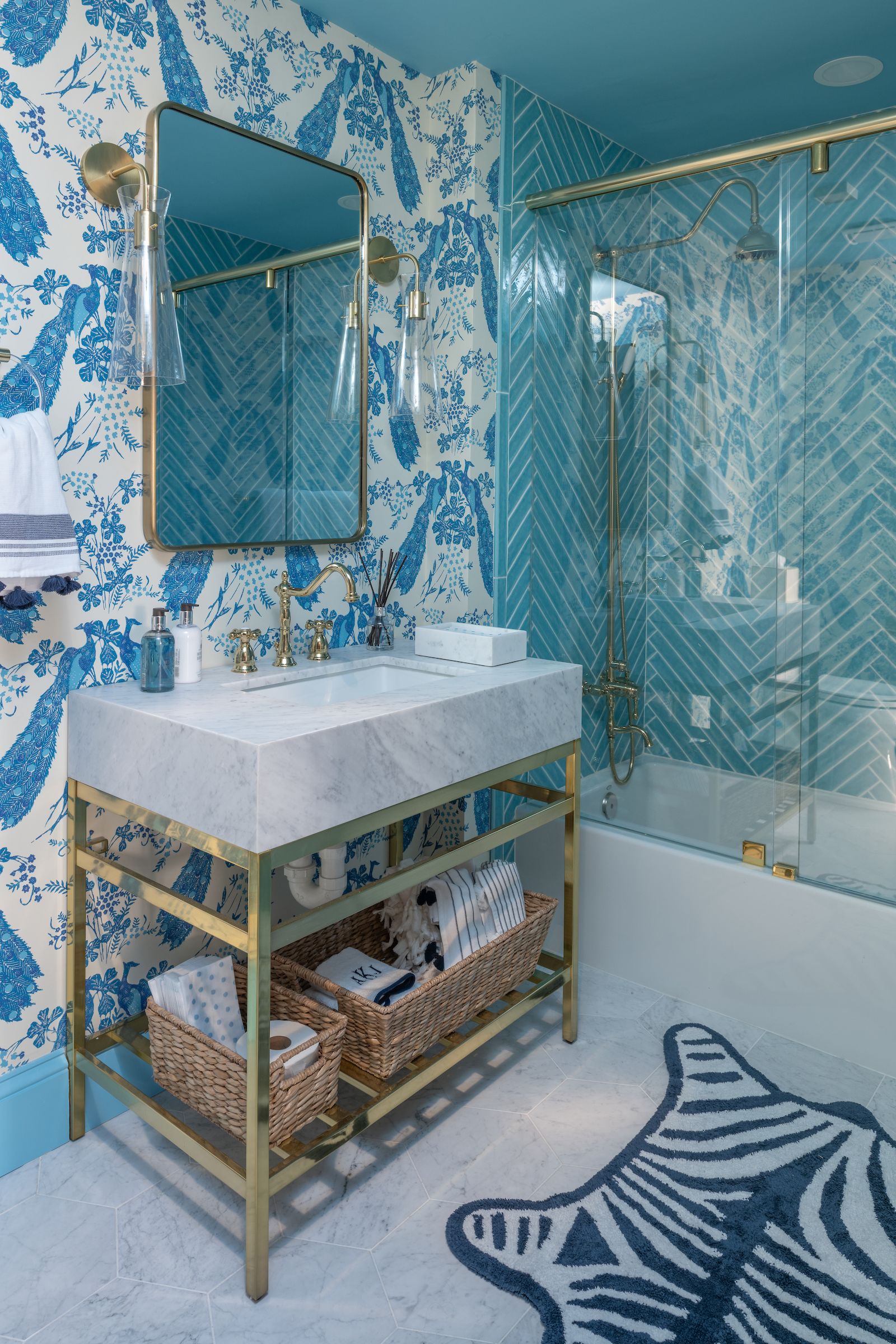
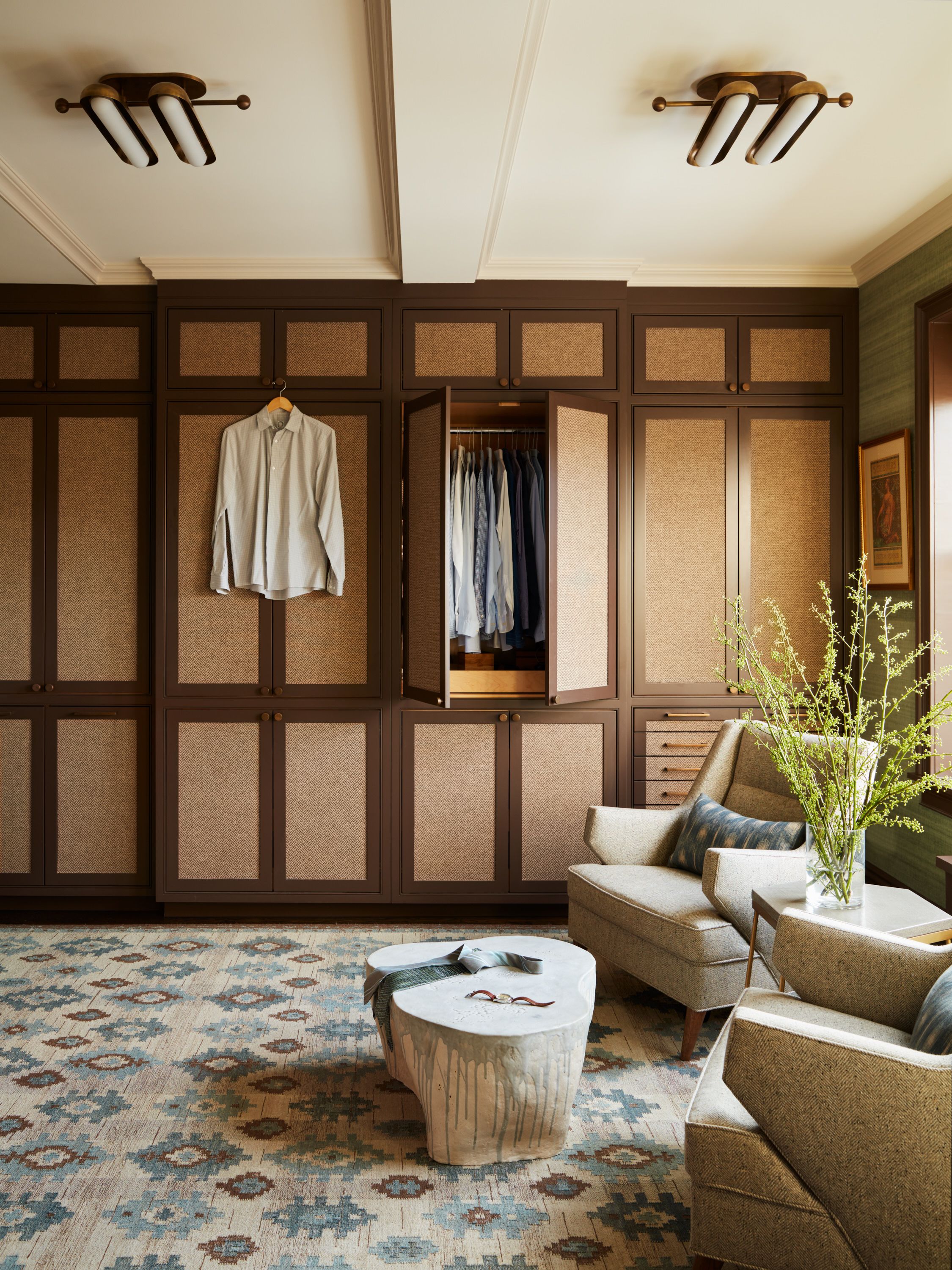
Layering is central to this trend, not just for coziness but for storytelling, favoring an abundance of textures and patterns over the single, neutral elements often found in classic Scandinavian interiors. This approach is about creating an authentic and warm home rather than chaos, with colors and patterns setting a joyful and dramatic tone. Designers recommend balancing clean lines with layered patterns and colors, using smaller decorative items or larger upholstered pieces to anchor the design scheme. In terms of color, Scandi maximalism moves beyond muted palettes to embrace richer, more expressive schemes. While grounded in warm shades like mushroom, chocolate brown, and soft whites, it uses bold accents like rusty red or strong blue to highlight features such as window frames or radiators, uplifting the atmosphere. Finally, embracing folk influences through heritage patterns, hand-painted motifs, embroidered textiles, or pottery adds a sweet and unexpected touch. This often includes heavy wooden furniture with sculptural presence and pops of primary colors against a neutral base, bringing playfulness and authenticity back into modern interiors through woven rugs, painted pieces, and patterned textiles.
#ScandiMaximalism #InteriorDesign #HomeDecor #ScandinavianDesign #MaximalistDecor #FolkArt #ColorTrends #PatternMixing #Layering #ScandiMaximalism #InteriorDesign #HomeDecor #ScandinavianDesign #MaximalistDecor #FolkArt #ColorTrends #PatternMixing #Layering
Há 0 comentários no total
 Ainda não há comentários
Você também pode gostar
Is Maximalism Still In Style? This Is How Designers Are Doing Bold Spaces Now

The 30 Most Popular Interior Design Styles in 2025, According to Designers

This time last year, everyone was obsessed with quiet luxury – but the new trend for heritage maximalism is just as classic but far more exciting
7 Home Design Styles That Will Never Go Out of Style, According to Designers

Maximalism by design: how to do ‘more’ better
Scandinavian Style 101: Everything You Need to Know About Scandi Design
Modern Elegance: Top Trends In Interior Design You Need to Know

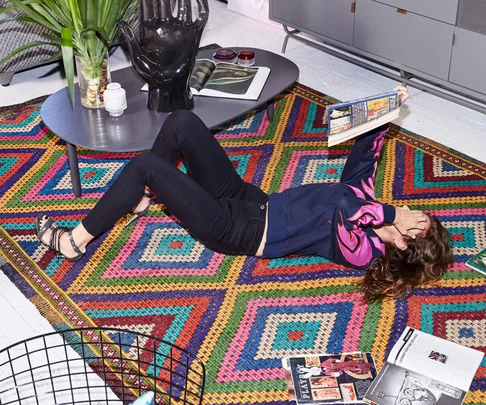
2010-2020: The top interior trends from the past decade

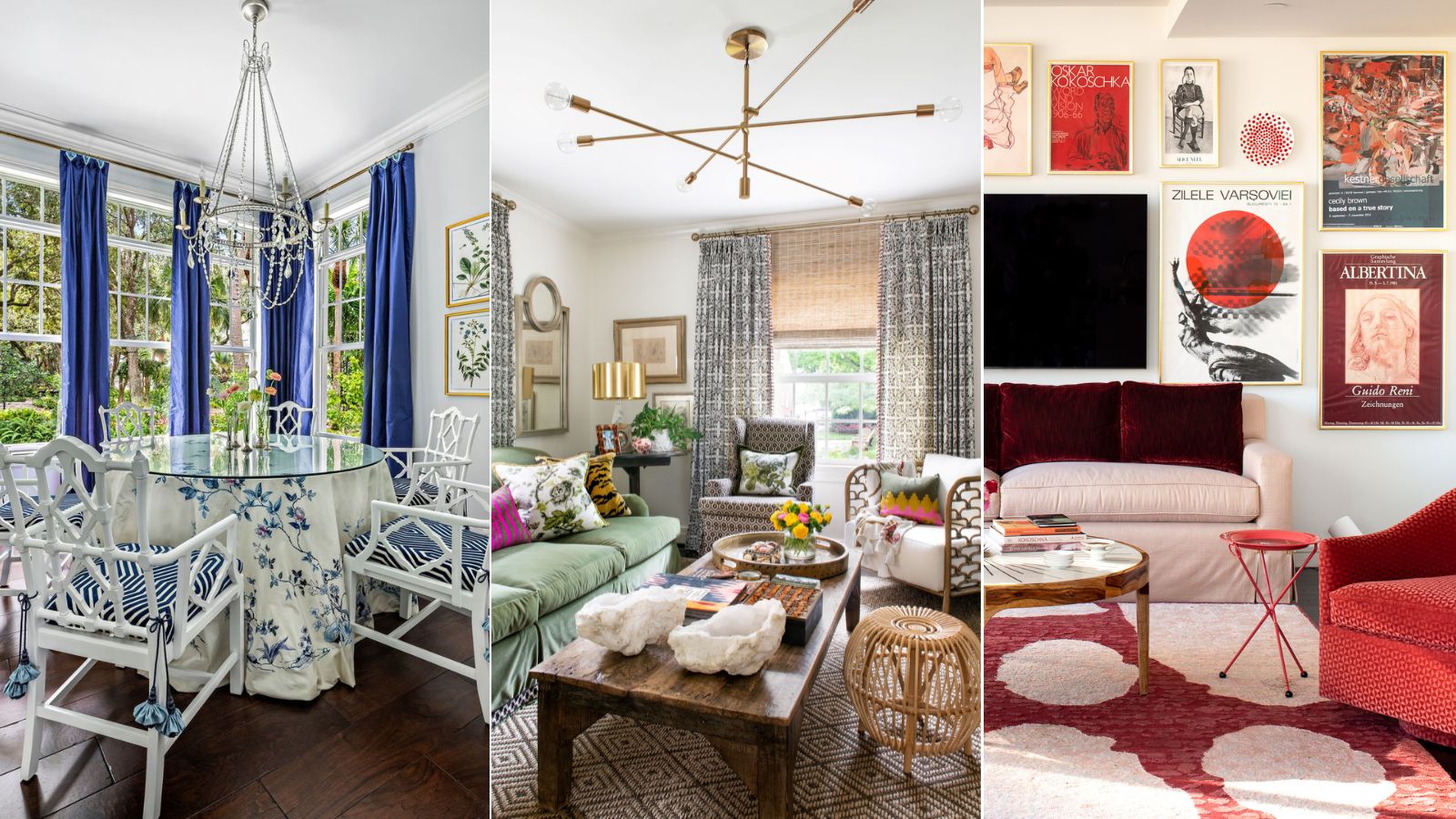
What is maximalism? Interior designers who love the style talk us through the unique look
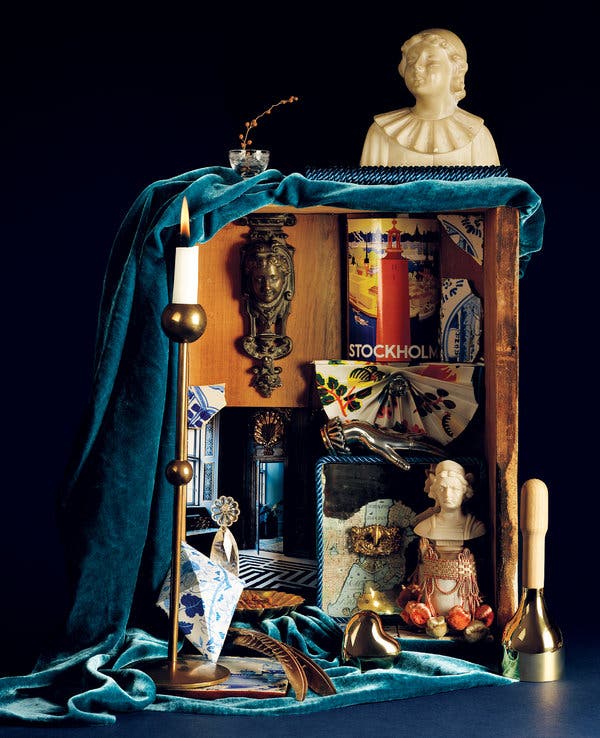
Not All Scandinavian Design is Minimalist (Published 2017)

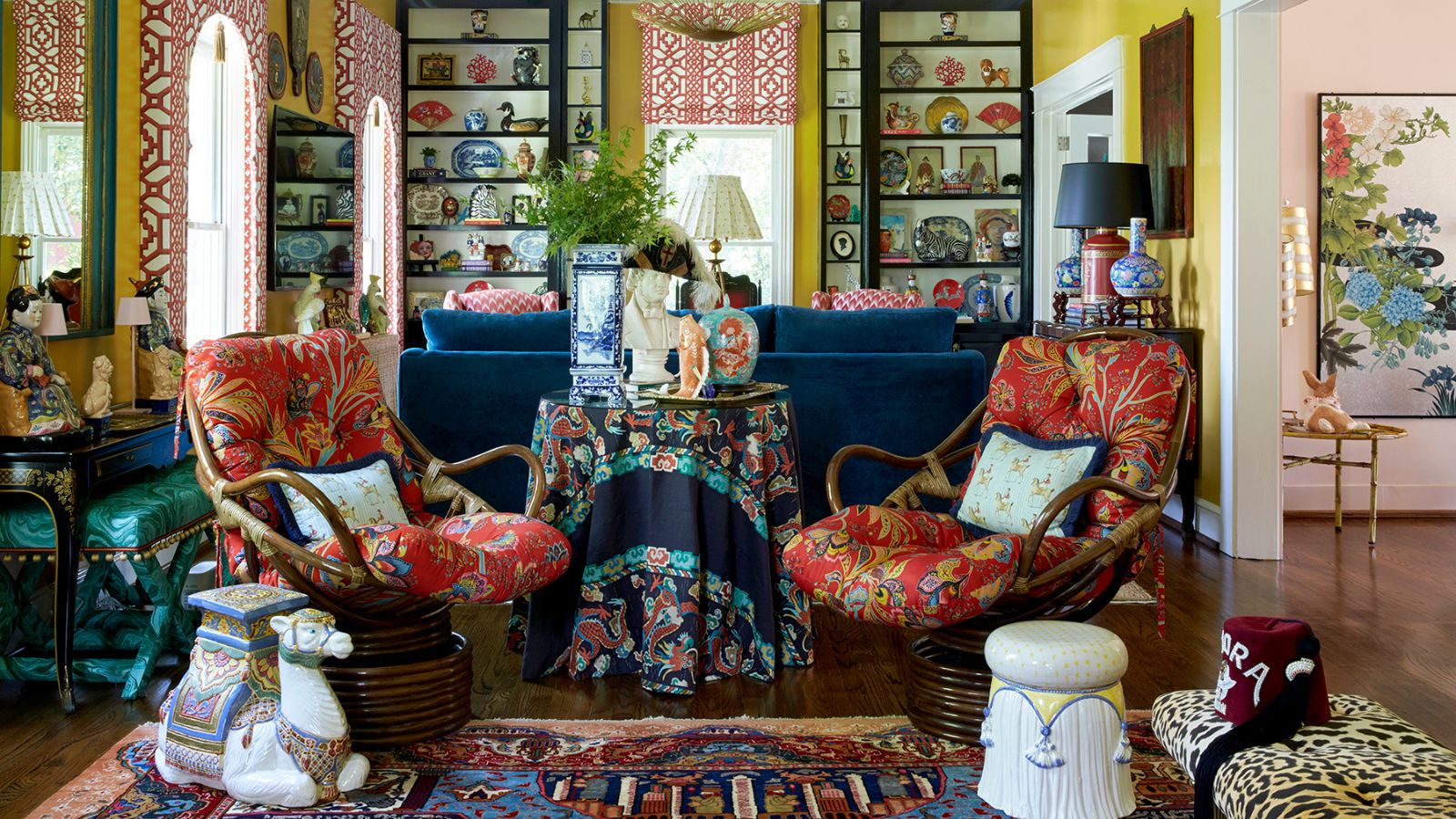
Heritage maximalism – the interior trend to know now
13 interior design styles that everyone needs to know about, according to designers
The Daring '80s Trend That's Taking Over Home Design Again In 2025

These Are the Most Popular Interior Styles of 2026, According to Designers
You're Missing Out If You Don't Follow These 7 Scandinavian Interior Designers
The #1 Home Trend You Should Avoid, According to Designers

Interior Design Styles — 9 Ways to Decorate Everyone Should Know About
Interior Design Trends of 2025 Include a Refresh on Maximalism
The Home Trends Designers Want You to Ditch in the New Year

A taste of this year's interior design trends