1/16
Inside a Historic Palace Turned Boutique Hotel in Italy
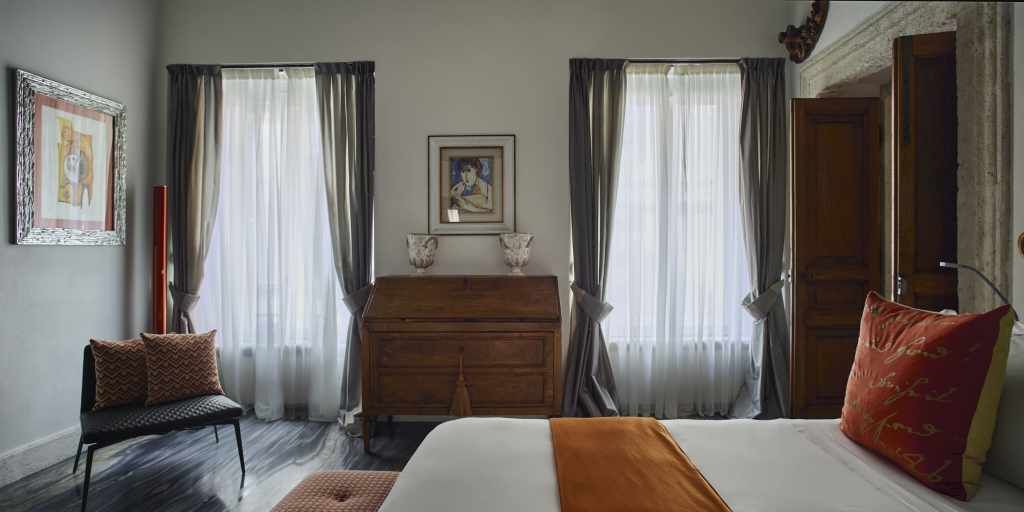
The article details the transformation of a 15th-century palace in Orvieto, Italy, into a nine-key boutique hotel named Palazzo Petrvs. Local hotelier Raffaele Tysserand commissioned Naples-based architect Giuliano Andrea dell’Uva, founder of his namesake firm, to undertake the renovation. The palace, once owned by the wealthy notary Petrvs Facienus, had been abandoned for a considerable period before its conversion. The design process for the hotel involved extensive research, with dell'Uva and Tysserand exploring historical buildings and gardens in the surrounding area to inform their approach. The palace's location, adjacent to the 14th-century Duomo di Orvieto, served as a primary source of inspiration for the hotel's interior design, particularly its distinctive facade of alternating white travertine and black basalt stripes.
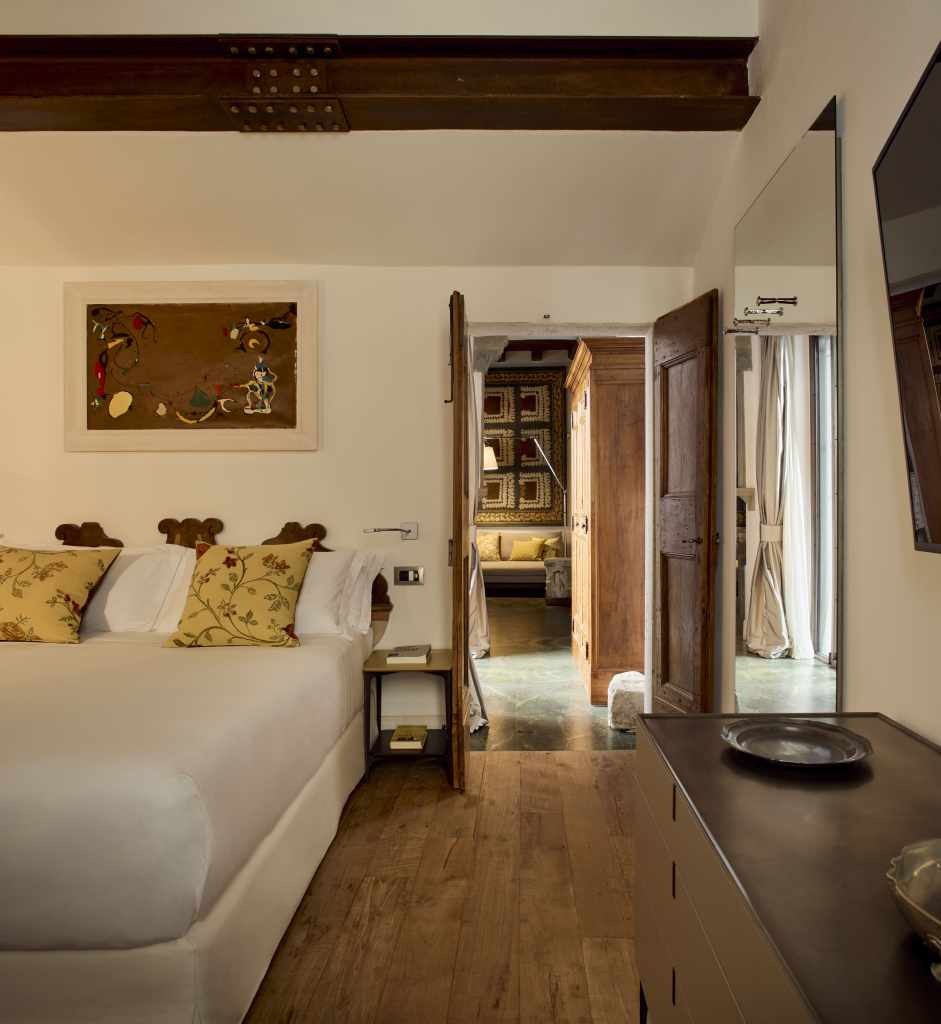
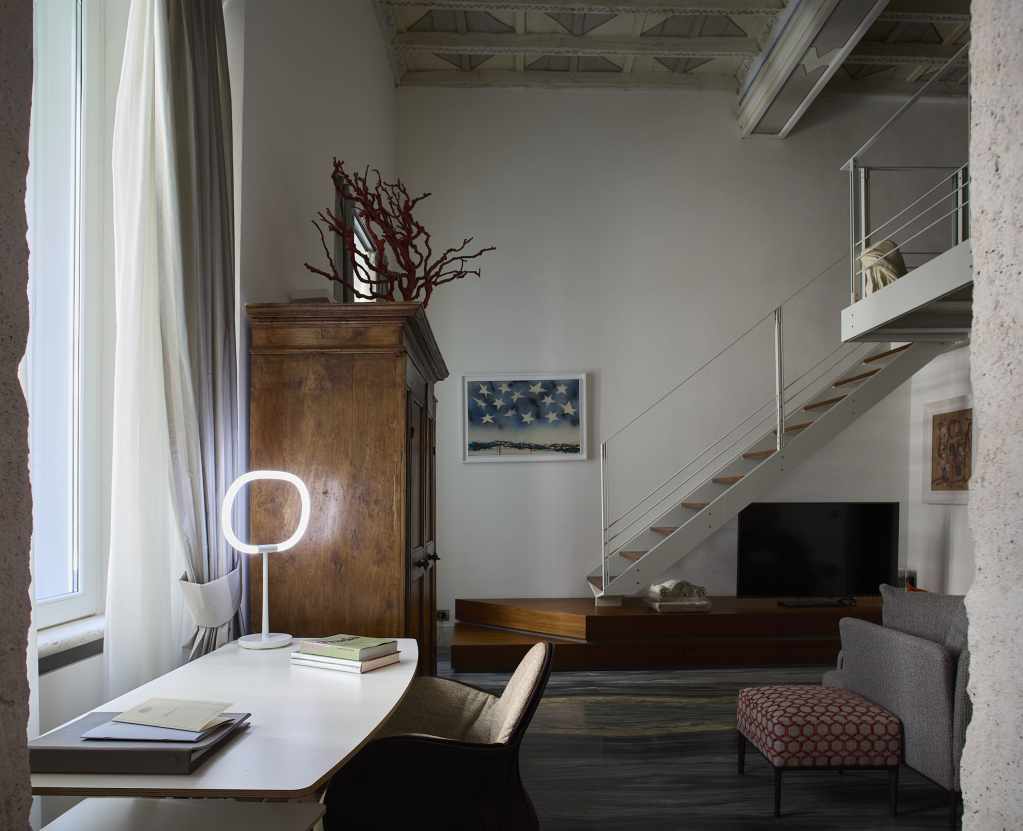
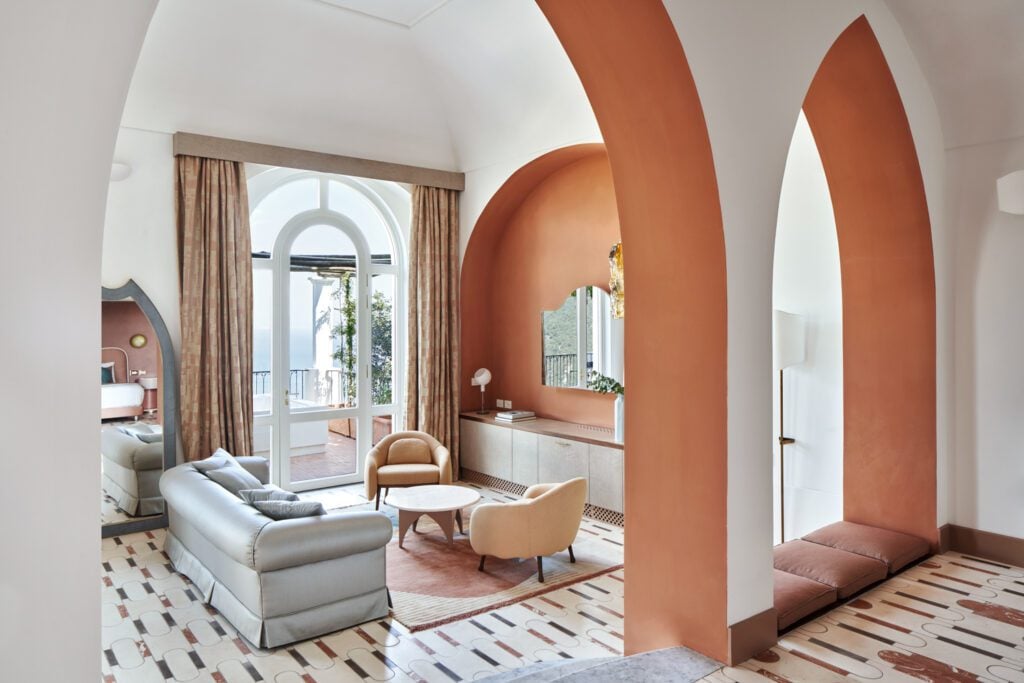
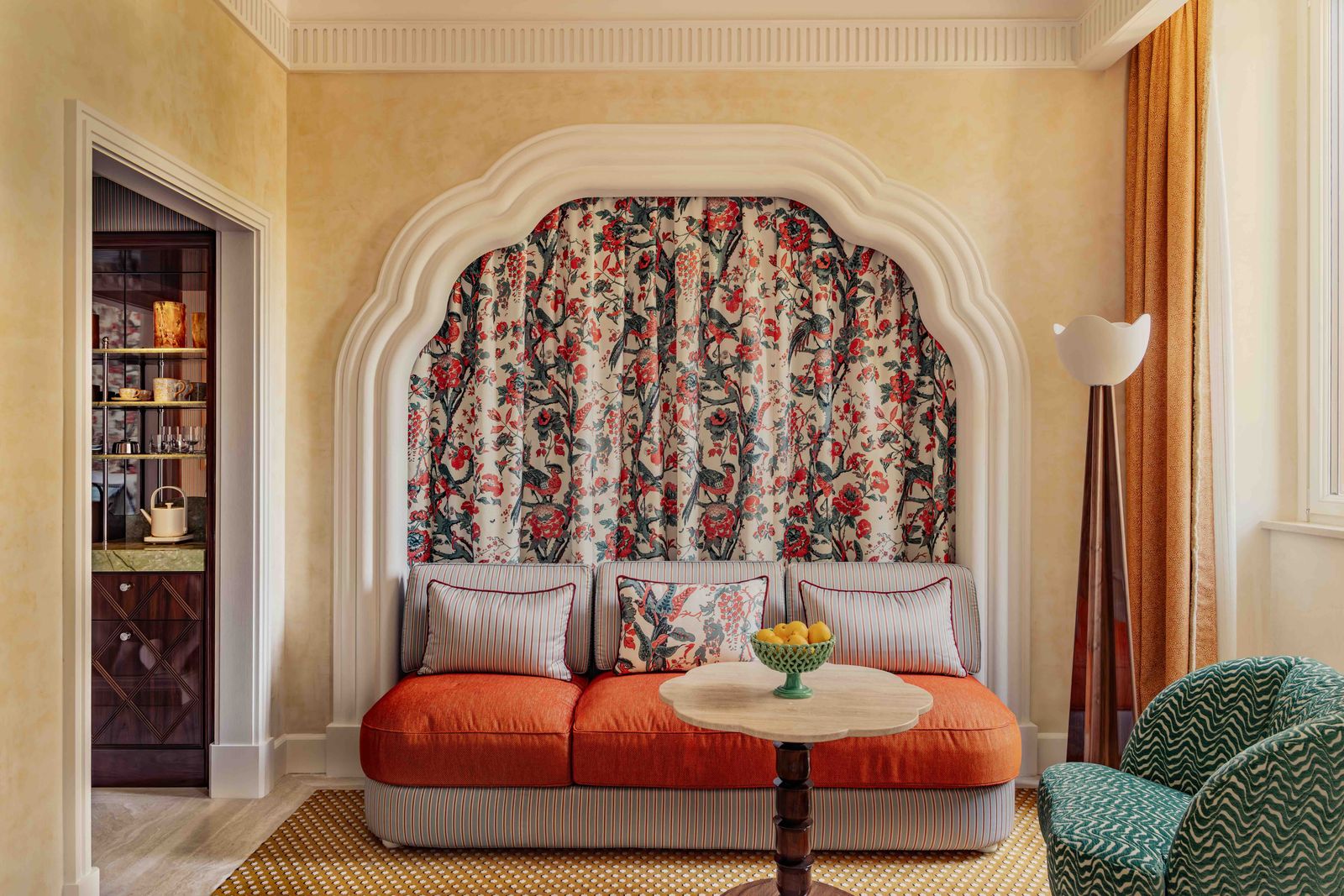
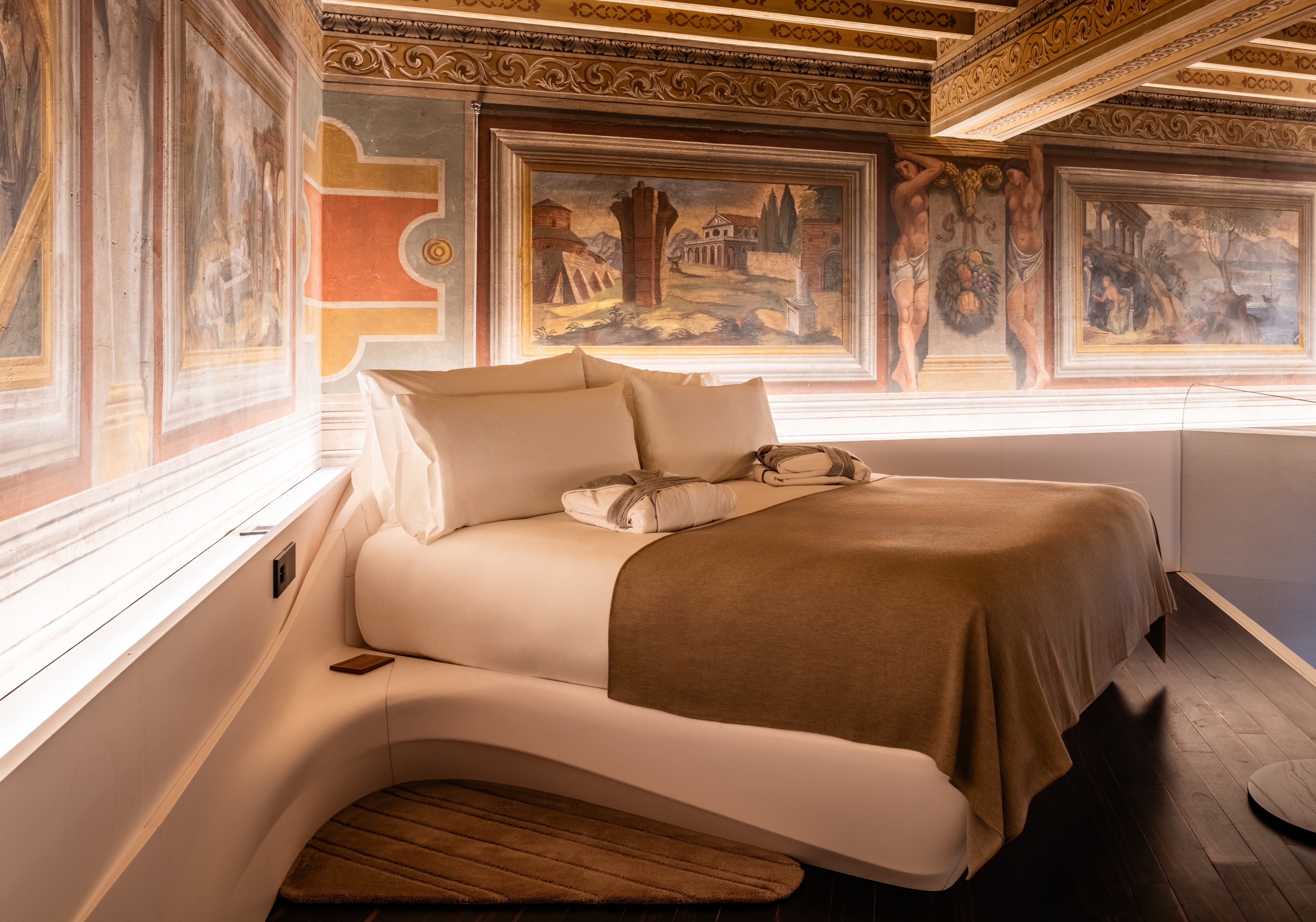
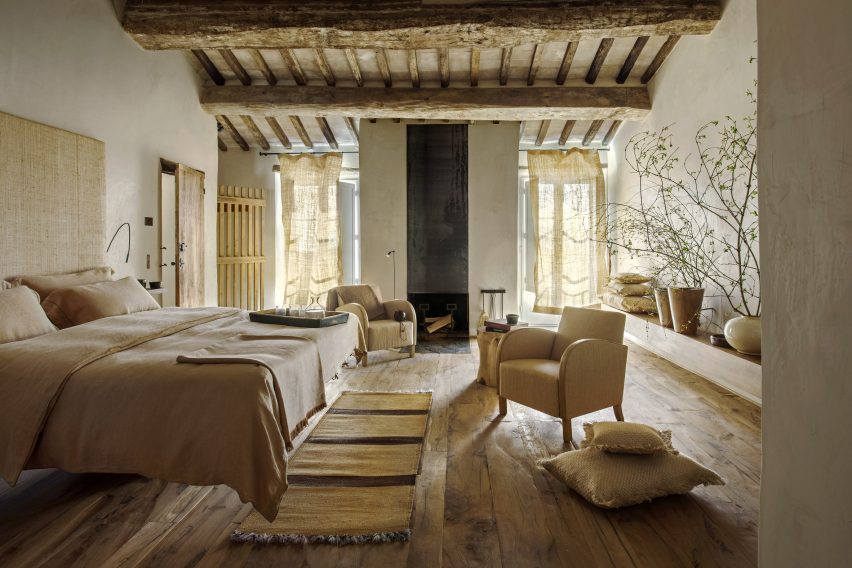
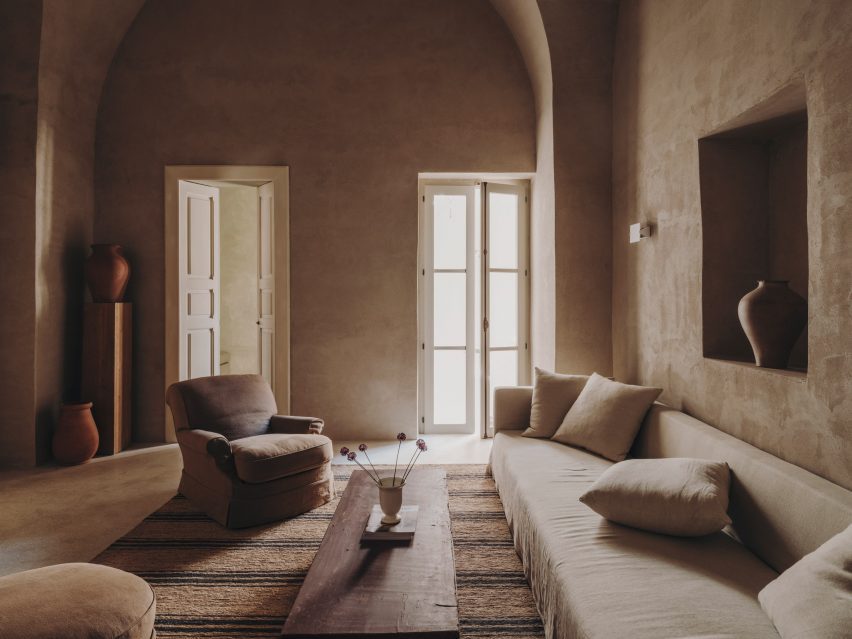
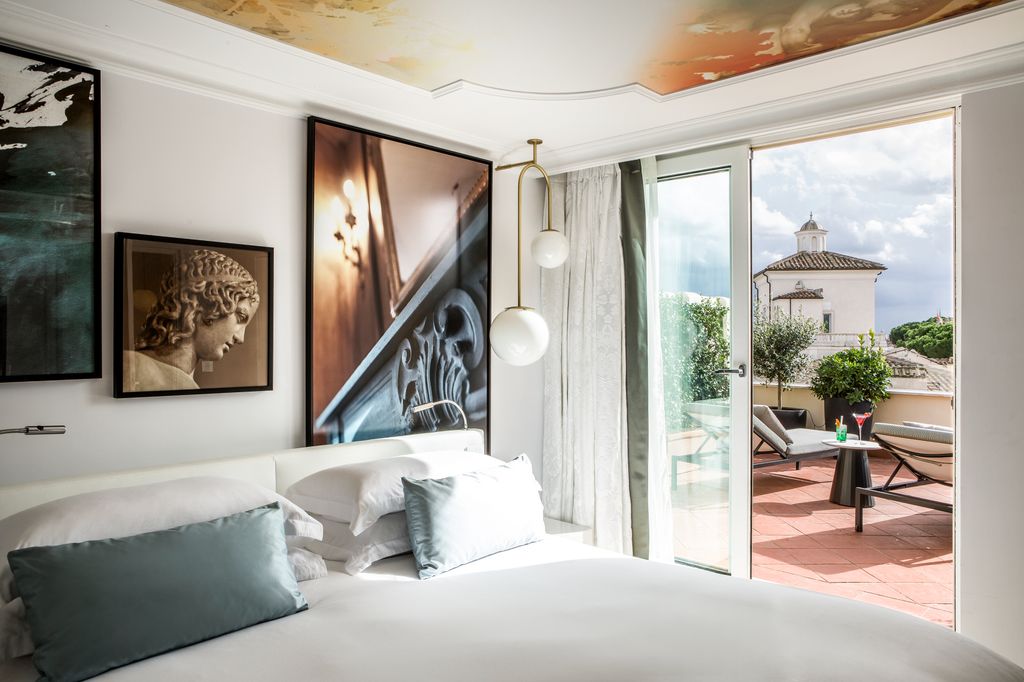
Dell'Uva's design concept for Palazzo Petrvs is characterized by a playful yet sensitive approach that aims to honor the building's historical context while offering a contemporary luxury experience. Upon peeling back 19th-century renovations, original frescoes and Renaissance-era painted wood ceilings were discovered. The architect meticulously restored these historical details and returned rooms to their original proportions. Where frescoes were absent, walls were finished with natural clay plaster and floors were laid with terra-cotta, referencing the city's Etruscan heritage and artisan traditions. This palette provides a warm, soft backdrop for a curated mix of custom and vintage Italian and Nordic furnishings, creating a studied exercise in contrast.
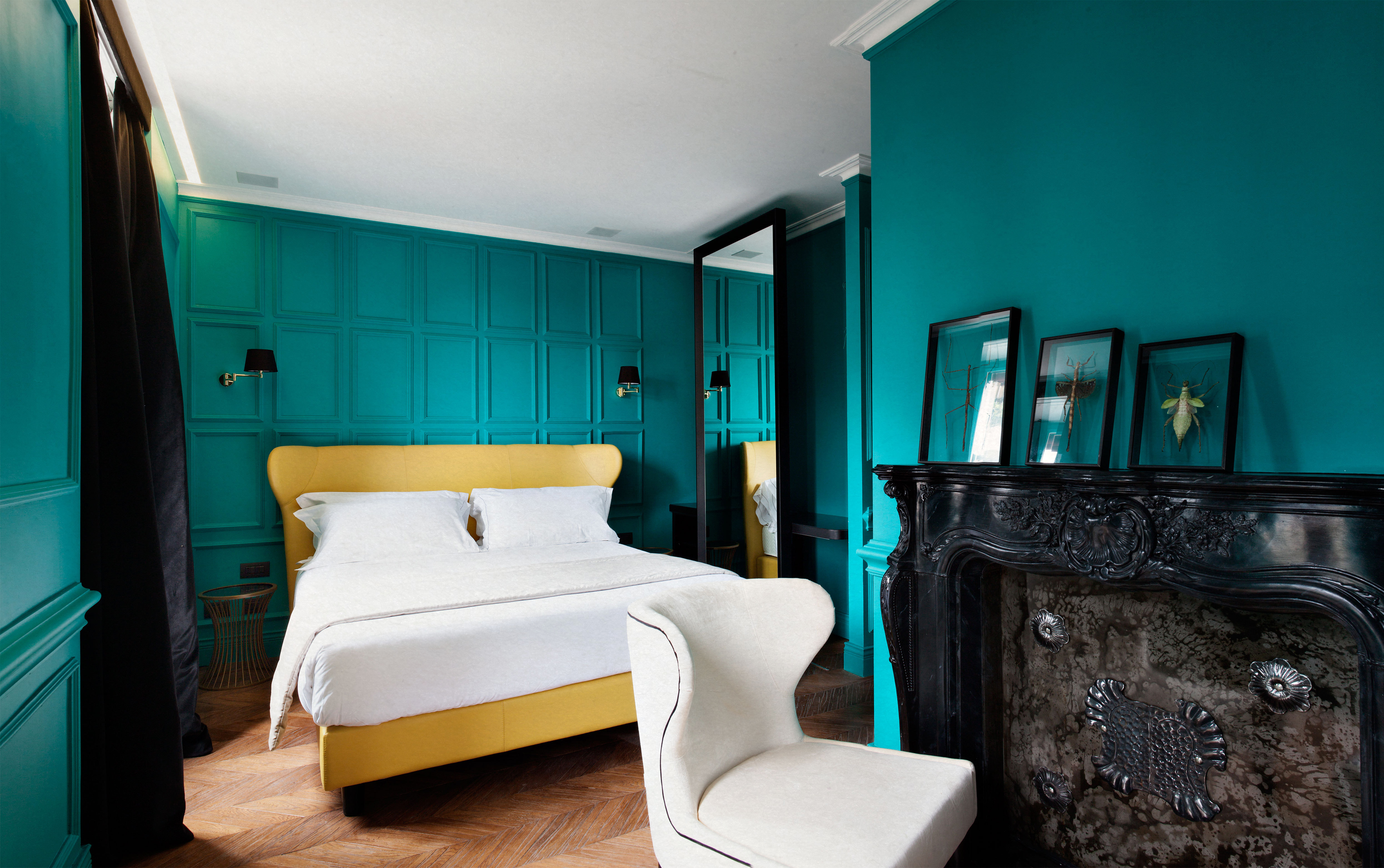
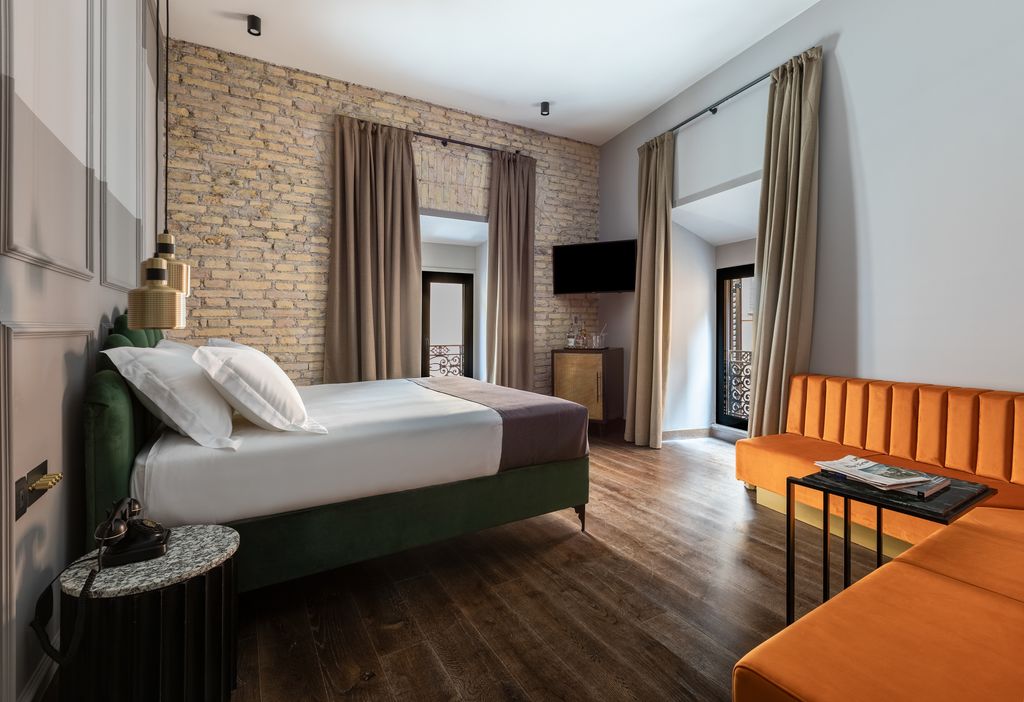
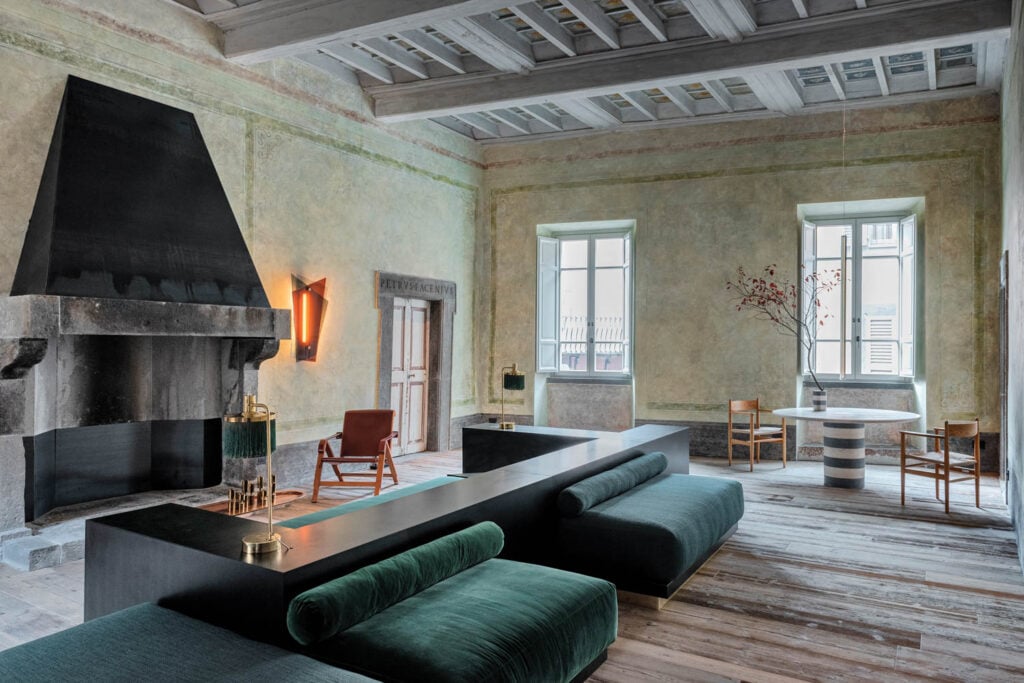
The lobby serves as a central point, featuring the original massive stone fireplace. Dell'Uva designed a blocky, double-sided sofa upholstered in forest green fabric, complemented by fringed Hans-Agne Jakobsson table lamps from 1950. Dynamically contemporary brass-and-glass sconces flank the hearth, while a purpose-built dining table with a black-and-white striped base and Hans Wegner seating, a Marco Zanuso armchair, and a Carlo Scarpa console, all vintage, add to the eclectic yet cohesive aesthetic. Many guest rooms incorporate a striped motif, directly referencing the Duomo's facade. This includes an en-suite bathtub constructed from black and white banded terra-cotta beneath a 1500-era coffered ceiling, custom beds with striped linen headboards and skirts, and floors laid with locally handmade terra-cotta tiles in a striped pattern, particularly prominent in the stair leading to the large suite in the ancient tower.
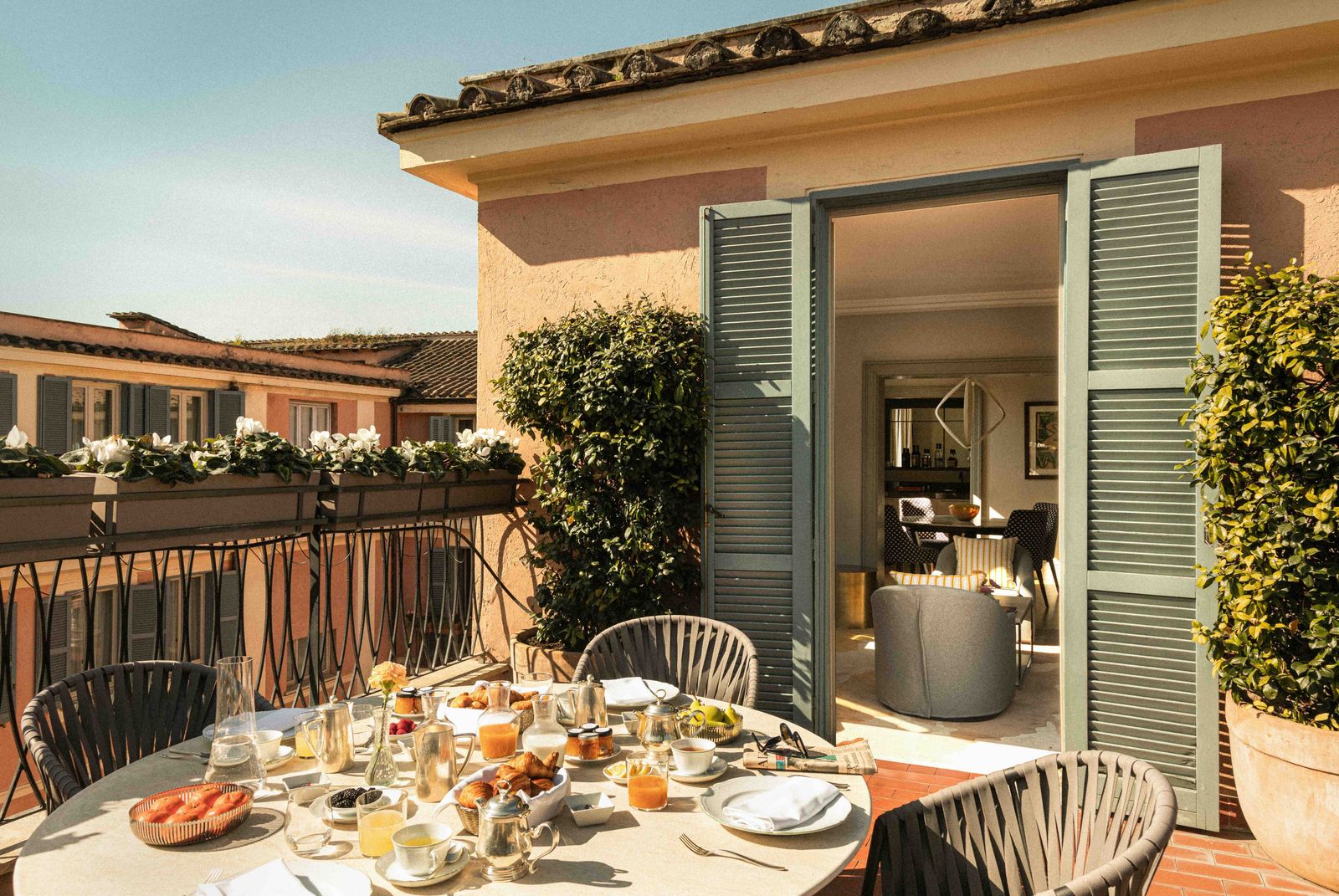
The only exception to the striped motif is Coro, the hotel's restaurant, which occupies a deconsecrated 15th-century church adjoining the main building. Dell'Uva preserved its stacked stone walls, adorning them with works by Milanese artist Michele Guido. The restaurant is furnished with recycled-wood tables, upholstered benches, and more Wegner chairs, illuminated by spindly wrought-iron candelabras. Modern amenities, including generous contemporary bathrooms, were integrated for guest comfort. New waxed-iron partitions with openings for windows and doorways were installed to preserve original stone portals and wooden doors. The hotel's courtyard, inspired by local palace gardens and traditional riads, features a working fountain, custom terra-cotta and iron benches with built-in planters, wrought-iron café tables with earth-red cushions, and local Renaissance-era greenery, creating an oasis that blends historical inspiration with new design elements.
#BoutiqueHotel #HistoricRenovation #ItalianArchitecture #InteriorDesign #LuxuryHospitality #OrvietoItaly #GiulianoAndreaDellUva #PalazzoPetrvs #Restoration #BoutiqueHotel #HistoricRenovation #ItalianArchitecture #InteriorDesign #LuxuryHospitality #OrvietoItaly #GiulianoAndreaDellUva #PalazzoPetrvs #Restoration
Há 0 comentários no total
 Ainda não há comentários
Você também pode gostar
Living Like a Roman: The Artful Dialogue of Past and Present at Palazzo delle Pietre
Violino d’Oro: the jewel hotel redefining venetian elegance
Old-World Charm Mixes With Bohemian Style in This New Boutique Hotel

A Milanese Apartment Is Restored, Then Renewed (Published 2022)

Color and Custom Details Enliven This 12th-Century Italian Hotel
Inside Rome’s most expensive — and most extraordinary — new hotel
Your Family Decorator: Monopoli a winner along Italy’s Adriatic
Udaipur’s 300-year-old haveli-turned-luxury boutique hotel is where history comes alive
28 of the best hotels in Rome for 2026
italian painter’s works transform il bottaccio luxury hotel into integrated living gallery
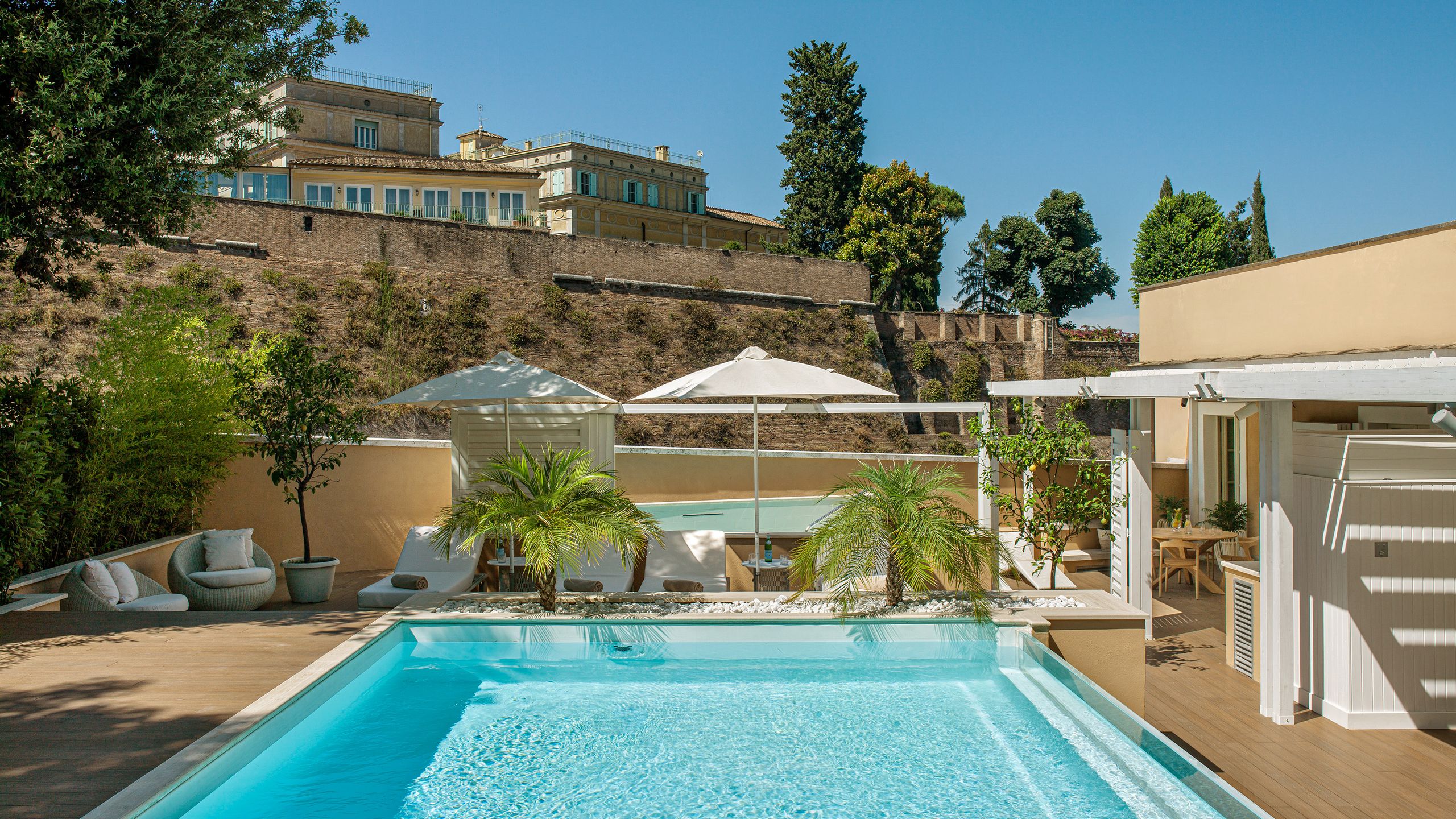
Villa Agrippina Gran Melià — Hotel Review
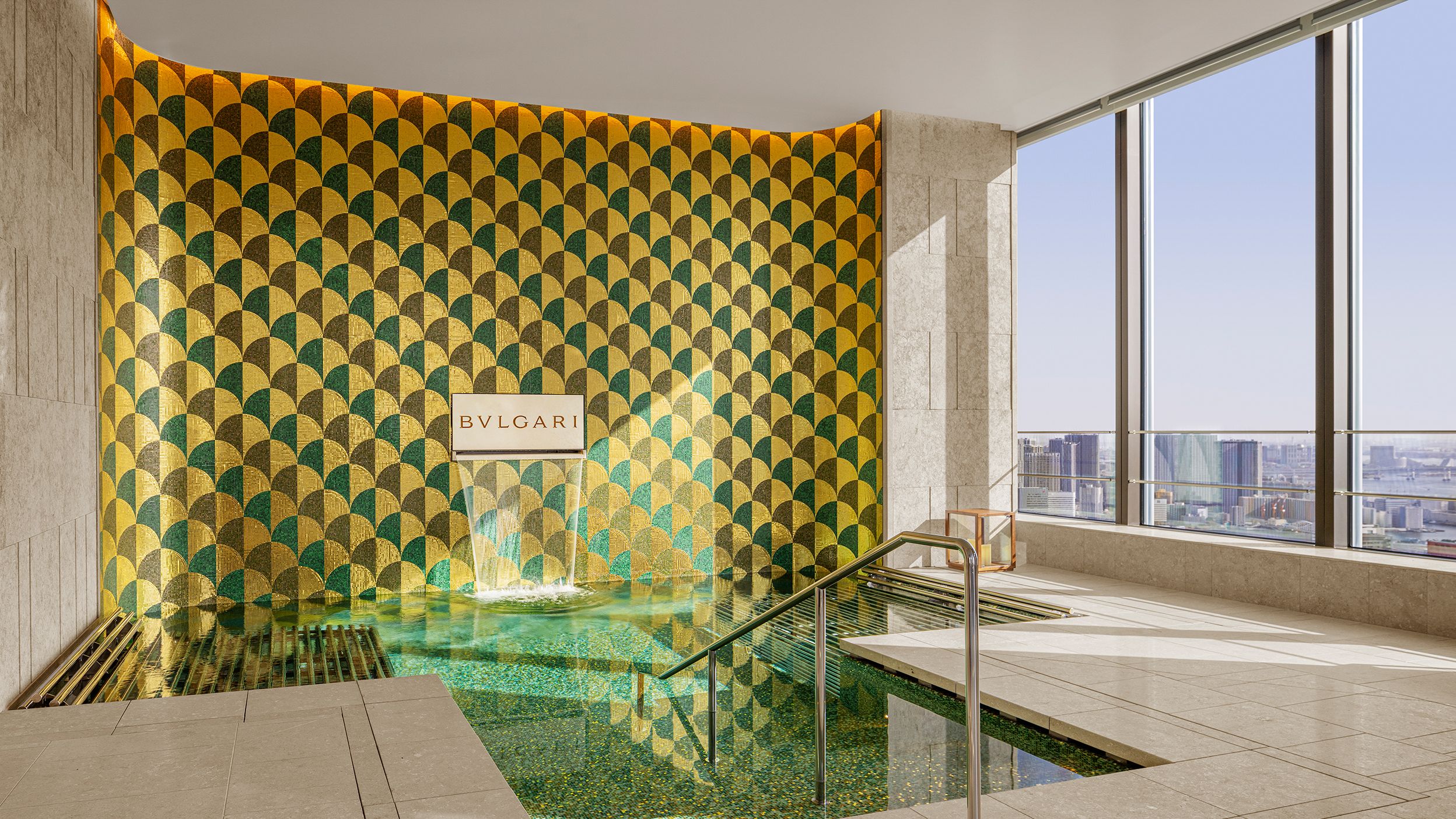
Bulgari Hotel Tokyo – Hotel Review
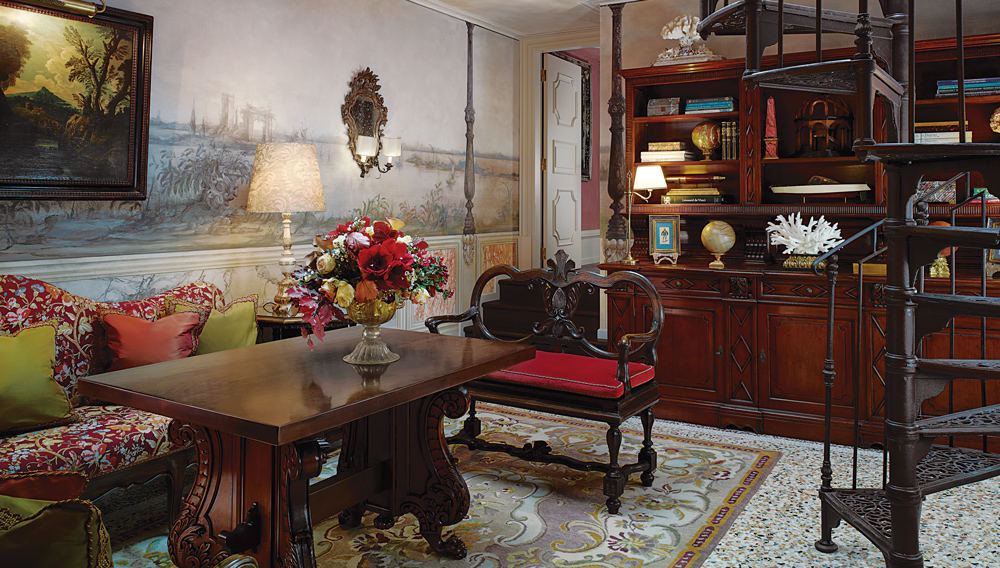
The Gritti Palace, a Luxury Collection Hotel

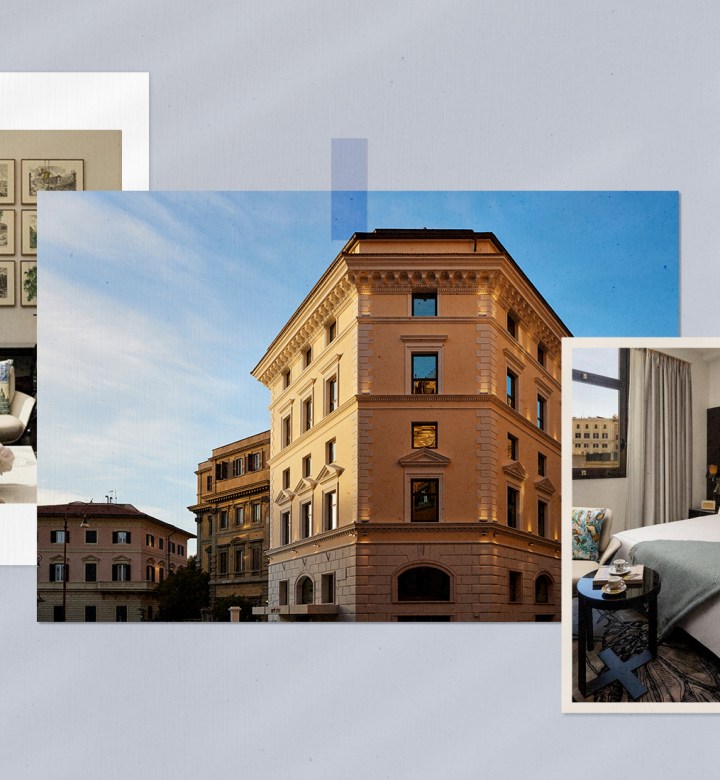
If You’re Headed to Rome This Summer, This Boutique 5-Star Hotel Is the One to Book
Step inside this Milanese urban oasis

Inside Venice Venice Hotel, ‘as far from a typical “art hotel” as possible‘

The Best Hotels in Rome Are a Love Letter to the Eternal City
Ten rustic Italian interiors that evoke the history of the Mediterranean

Where to Stay in Rome for Under $400 a Night
A Superbly Chic City Break: The Hoxton Rome – Hotel Review