1/10
Bulgari Hotel Tokyo – Hotel Review
The Bulgari Hotel Tokyo, the eighth addition to the global Bulgari Hotels & Resorts collection, is situated atop the new 45-story Tokyo Midtown Yaesu tower. This establishment is designed to meld contemporary Italian aesthetics with meticulous Japanese craftsmanship, infused with the opulent heritage of Bulgari. The design ethos, executed by Milan’s ACPV Architects Antonio Citterio Patricia Viel, maintains a consistent brand identity across Bulgari's diverse international locations.
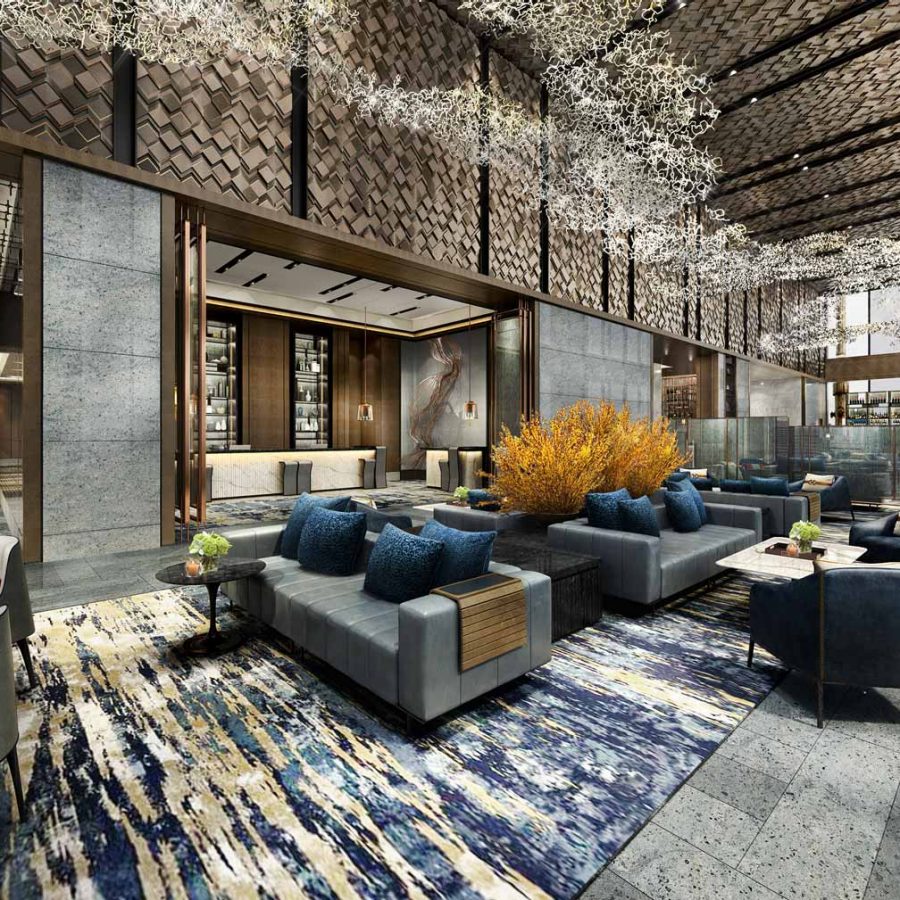
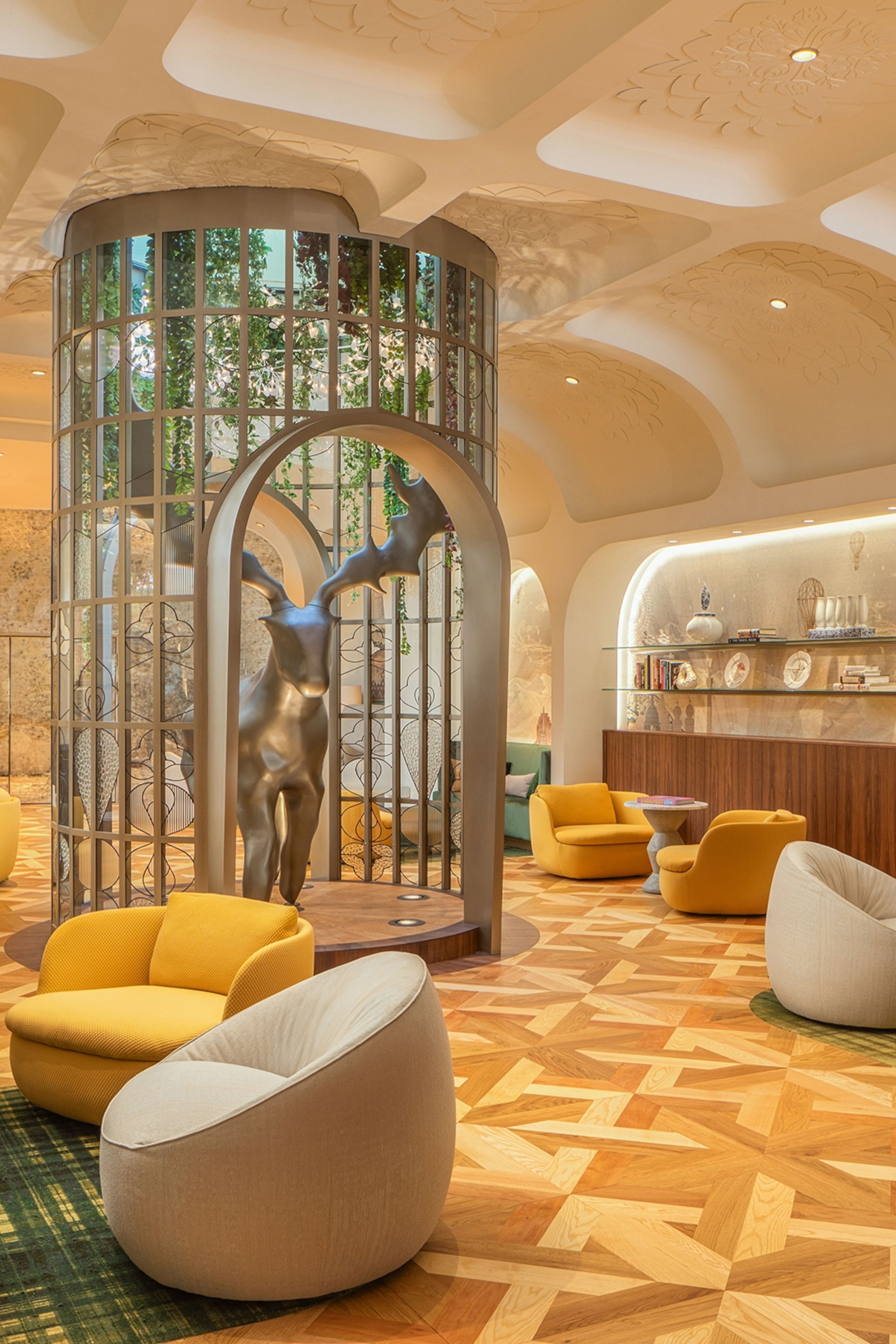
Upon arrival, guests are greeted by Roman-inspired sanpietrini paving stones and green-veined Italian marble at the ground-floor entrance, leading to black granite expanses and abstract floral arrangements. High-speed lifts transport visitors to the 40th floor, where a corridor adorned with a traditional Japanese textile pattern, reminiscent of Bulgari’s iconic Diva collection, sets the tone. This motif is intricately realized in bespoke glass mosaic tiles by Venetian artisans Bisazza. The reception area features sliding doors covered in a textile interpretation of the same pattern, revealing spaces partitioned by crafted elm-wood portals that evoke traditional Japanese architecture, with glass walls offering panoramic Tokyo views. Two large Carrara marble tables, designed by Naoto Fukasawa, are decorated with gold-flecked vases holding seasonal blooms, creating an atmosphere of refined luxury.
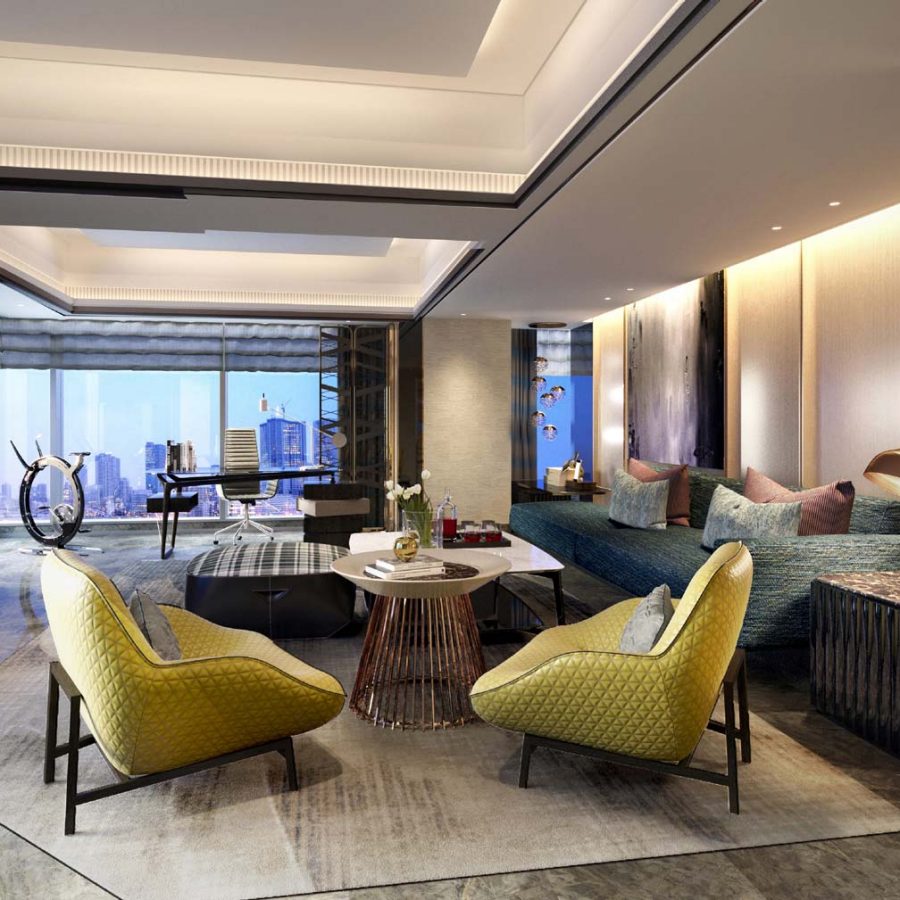
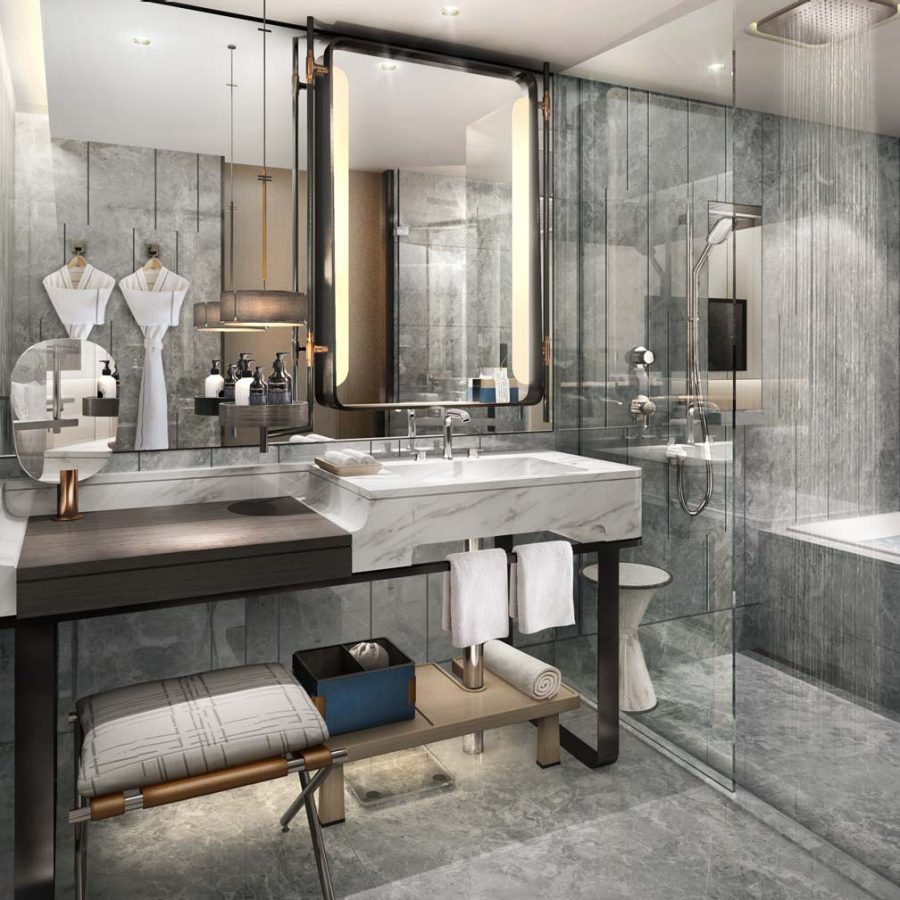
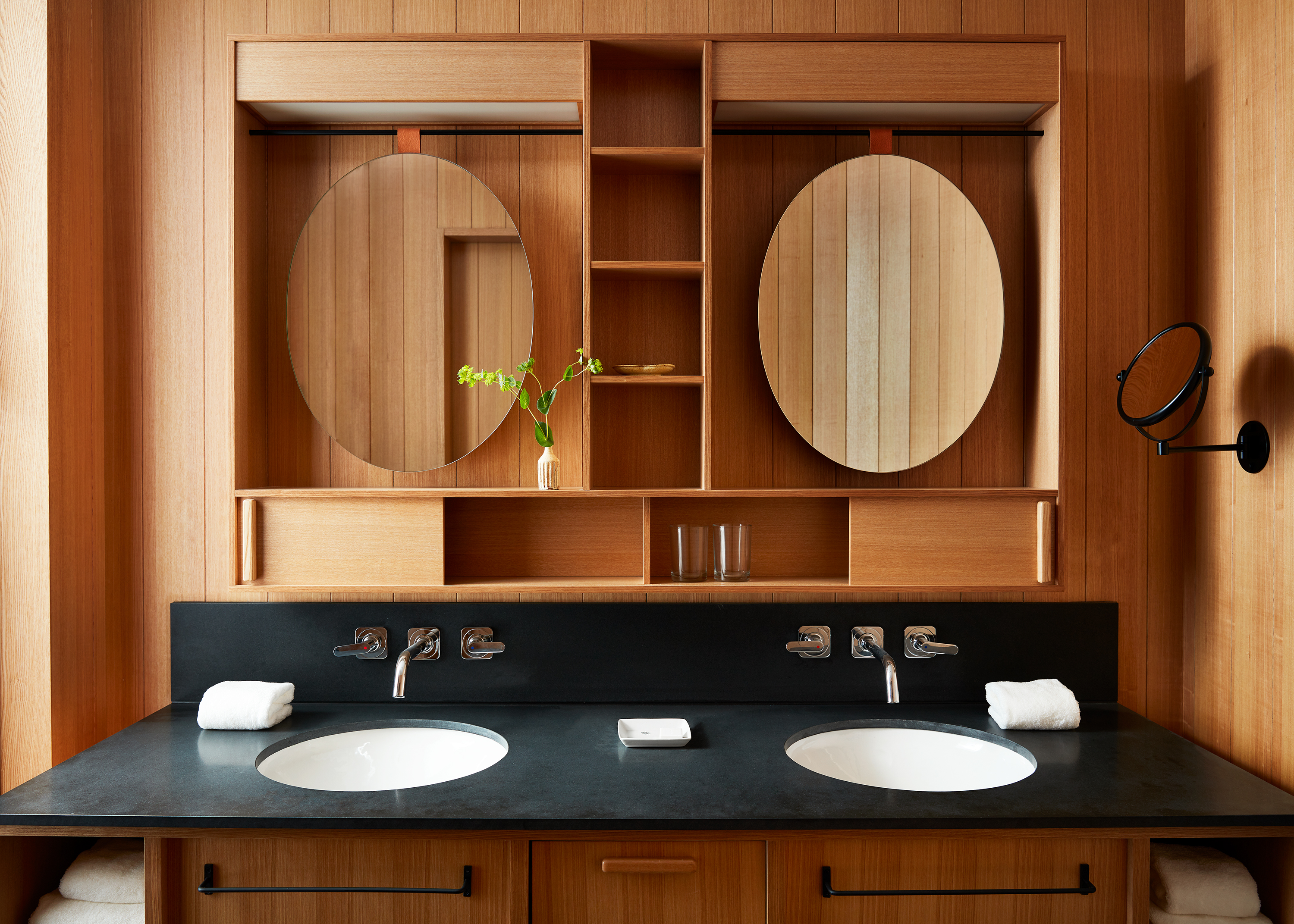
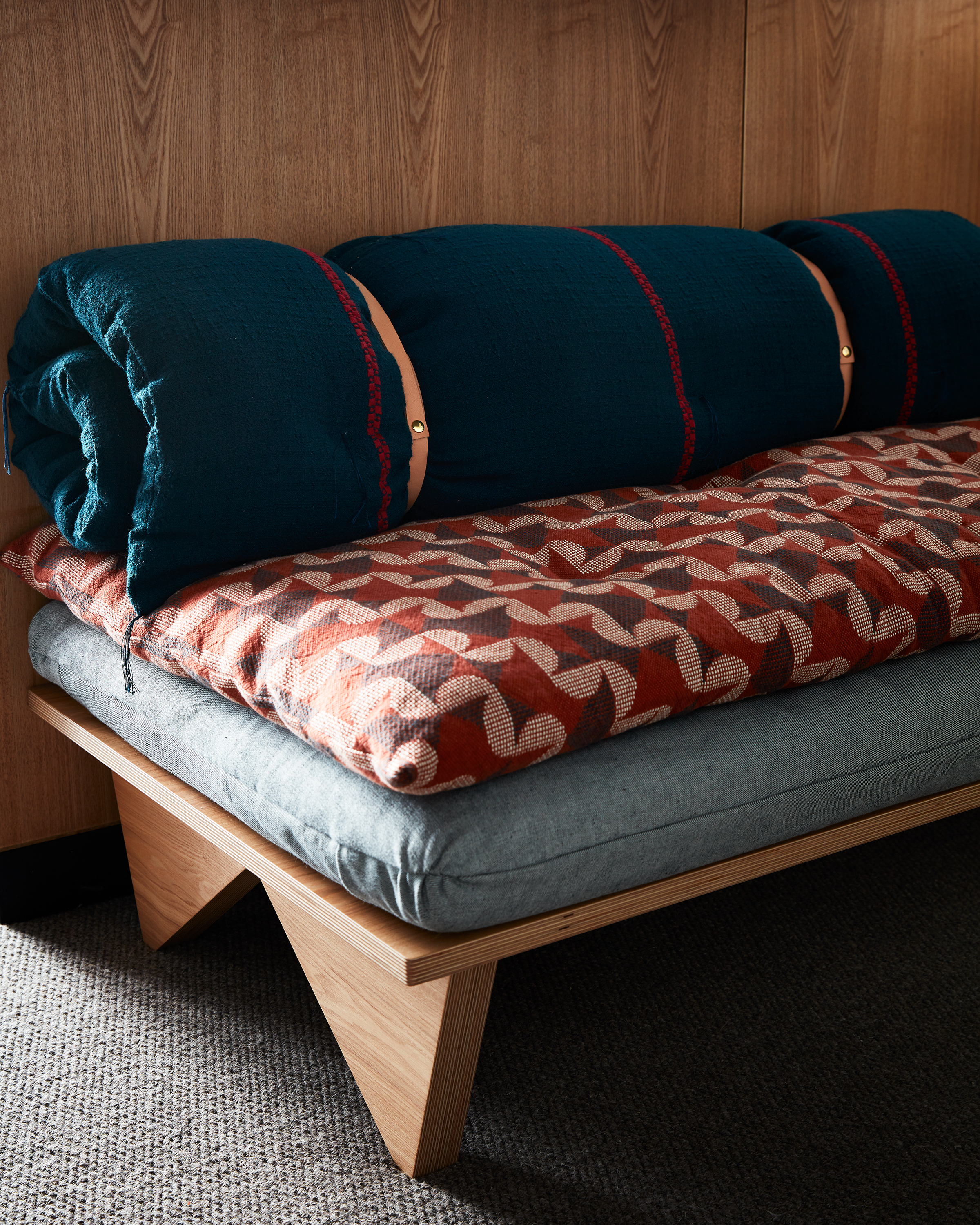
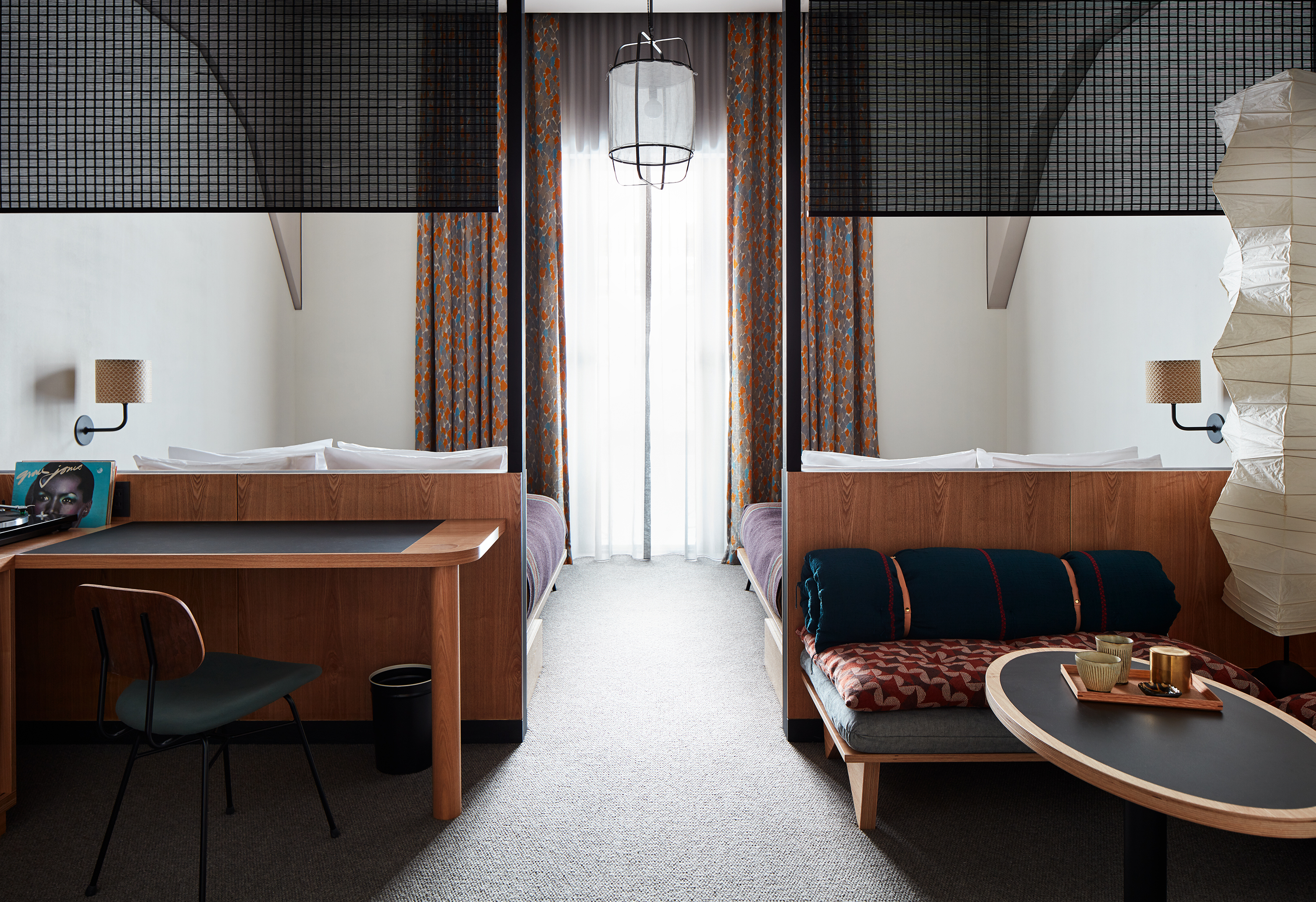
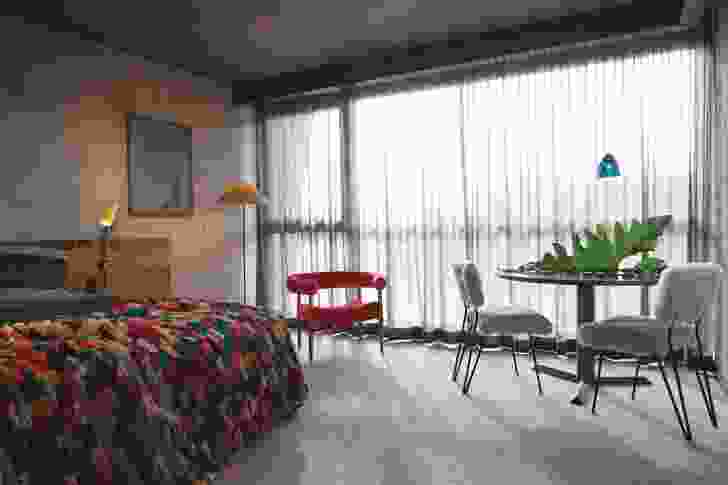
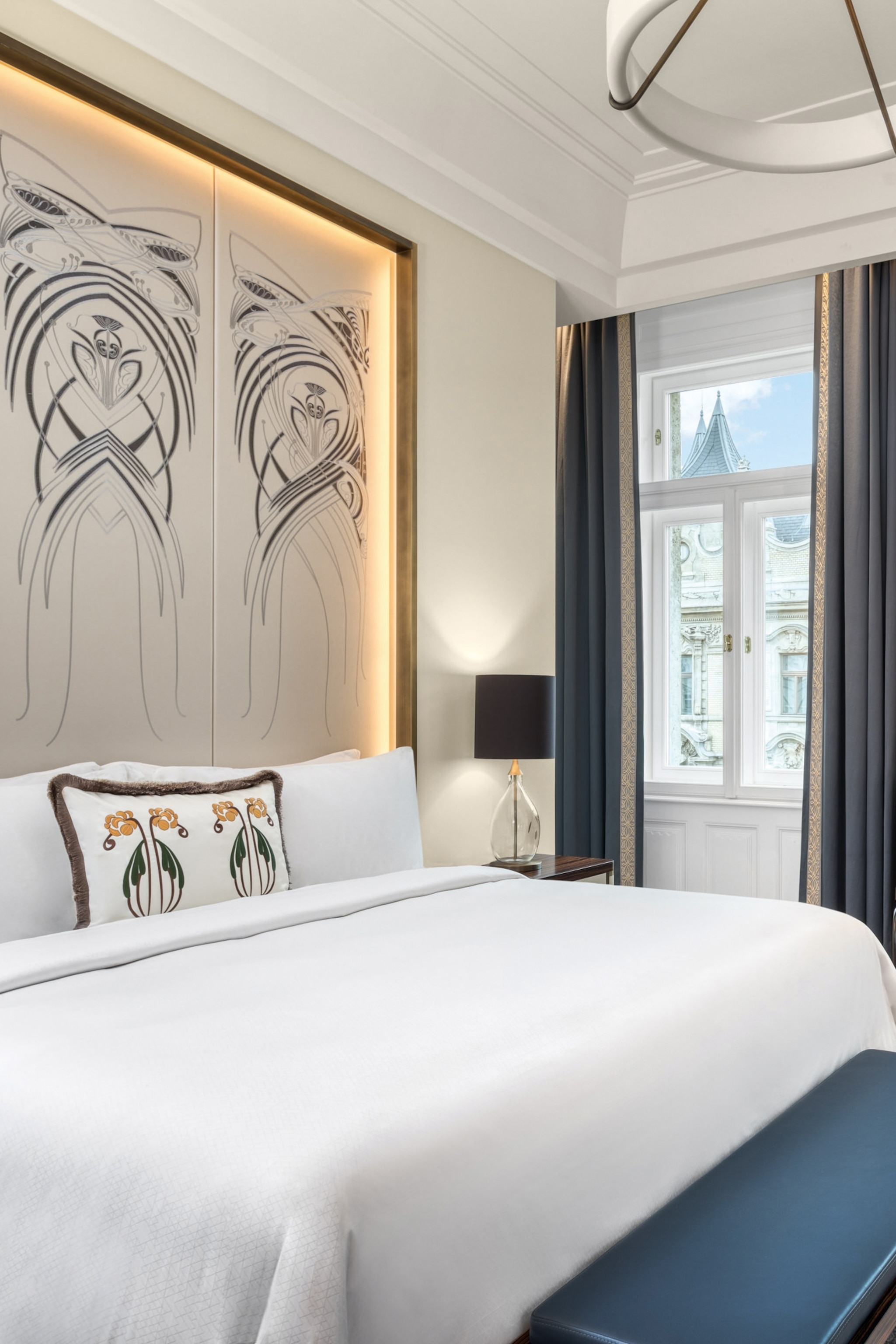
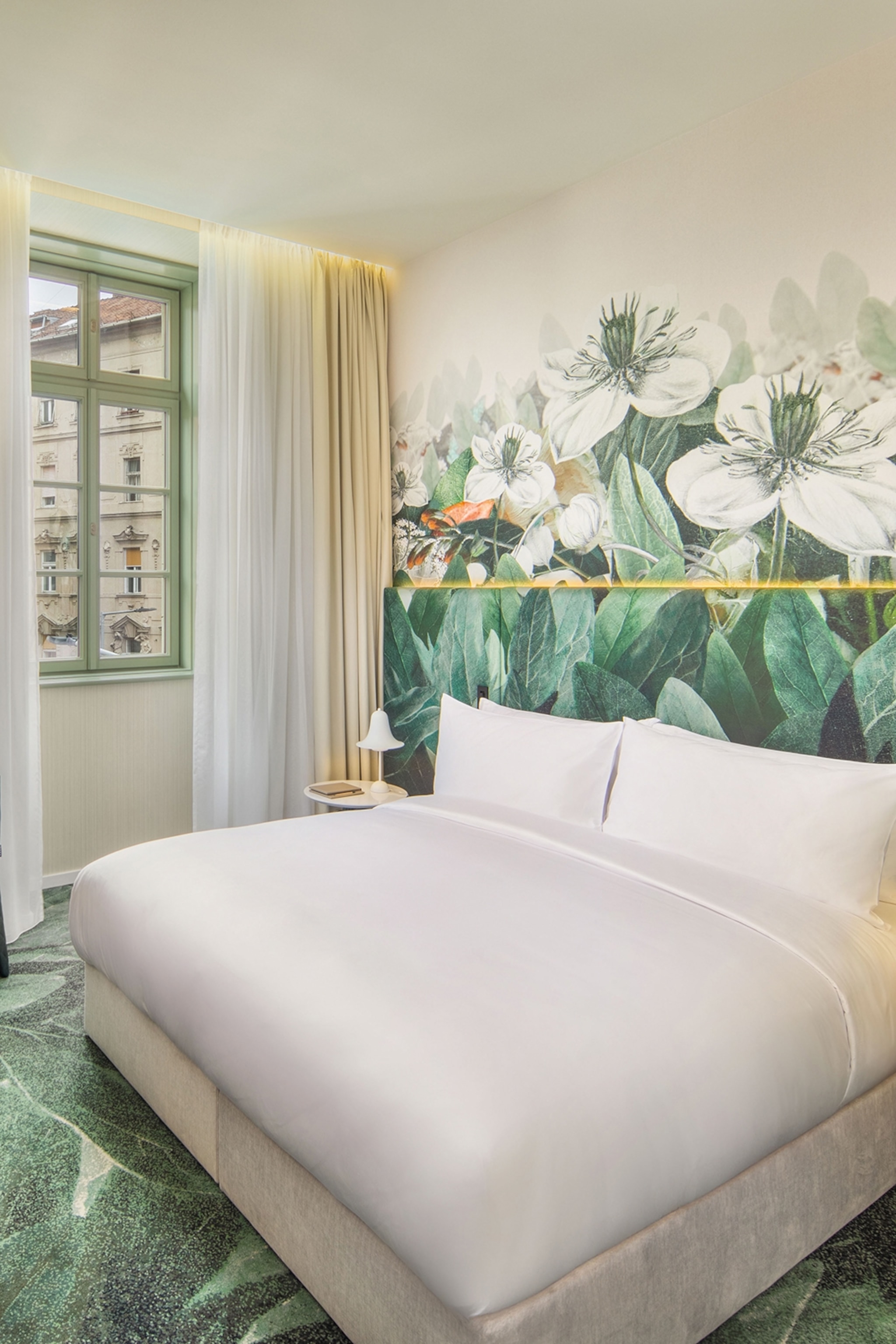
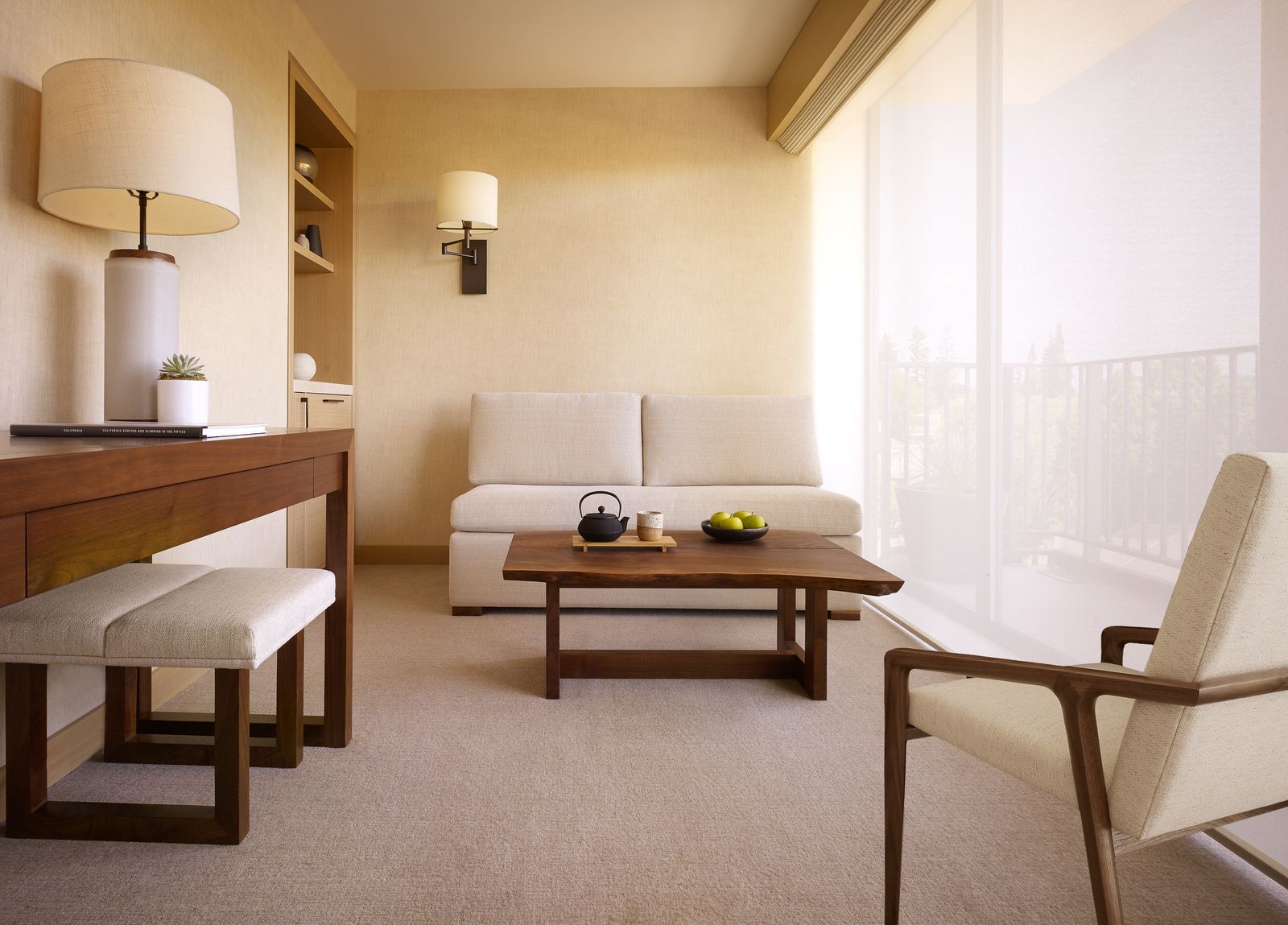
The hotel offers 98 guest rooms, an Italian restaurant, a sushi establishment, a lounge, an Italian sweet shop, and a rooftop Bulgari Bar, alongside a spa. The interior design of the rooms features warm elm wood floors and panels, woven bamboo basket vases, and hand-brushed matte gold ceilings with curved edges. Saffron fabric bed headboards and vintage Bulgari advertisements contribute to the luxurious ambiance. Notably, gold-flecked throws are crafted by Kyoto kimono textile makers Hosoo, and furniture includes Flexform armchairs and Maxalto desks. Black granite bathrooms are concealed behind modern sliding screens. The rooms provide expansive views of Tokyo, with some overlooking the Imperial Palace and, on clear days, Mount Fuji. The Bulgari Suite, one of Tokyo’s largest at 416 square meters, boasts multiple living areas, a private gym, and a Roman travertine-wrapped bathroom, all continuing the blend of Italian and Japanese influences through design elements like a Murano glass chandelier and a silk headboard designed by Japanese artist Shoko Okumura.
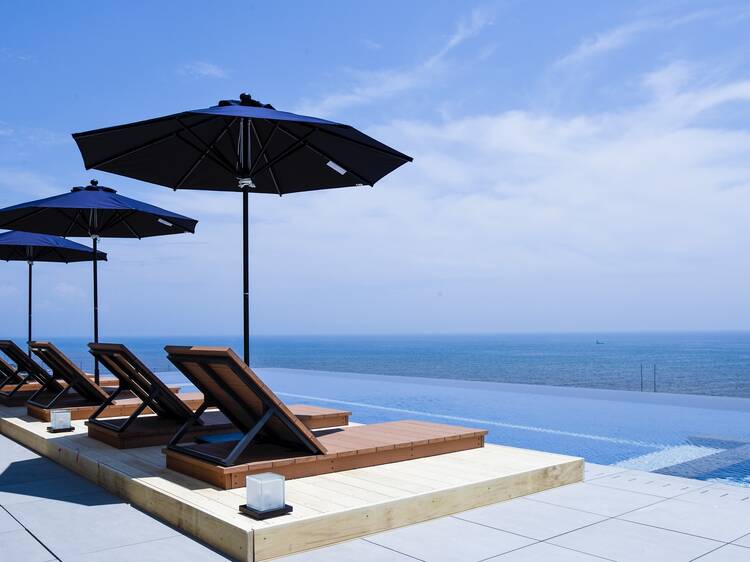
Culinary offerings are spearheaded by Il Ristorante–Niko Romito, located on the 40th floor. This Michelin-starred restaurant serves minimalist Italian cuisine, emphasizing taste and authenticity, with flavors adapted to local Japanese ingredients. An adjacent lounge offers organic teas and crafted sweets, while Bulgari Dolci, a jewel-box-like space, presents chocolates and pastries. Hoseki, a hidden sushi counter run by Kenji Gyoten, provides an intimate dining experience with handcrafted sushi served on a hinoki cypress wood counter, overlooking a Zen-inspired garden. The Bulgari Bar on the 45th floor features Venetian terrazzo flooring, an oval bar, and a Bisazza wall mosaic, complemented by large rooftop terraces with contemporary seating and Mediterranean plants.
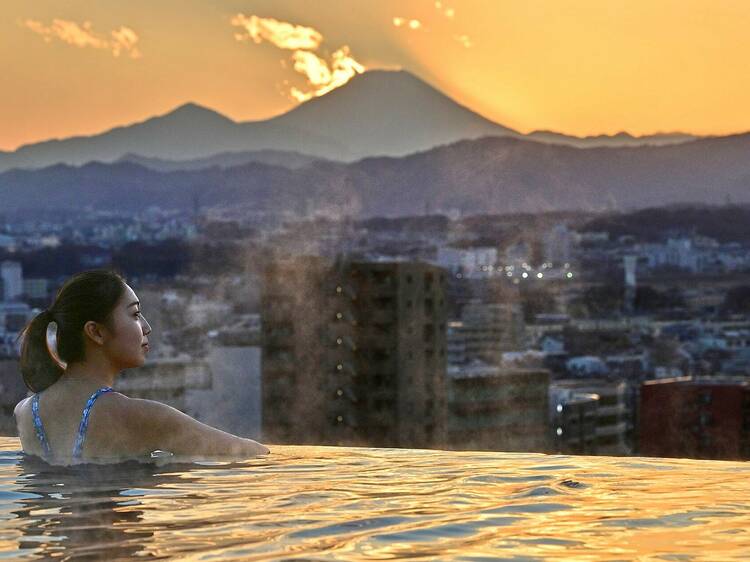
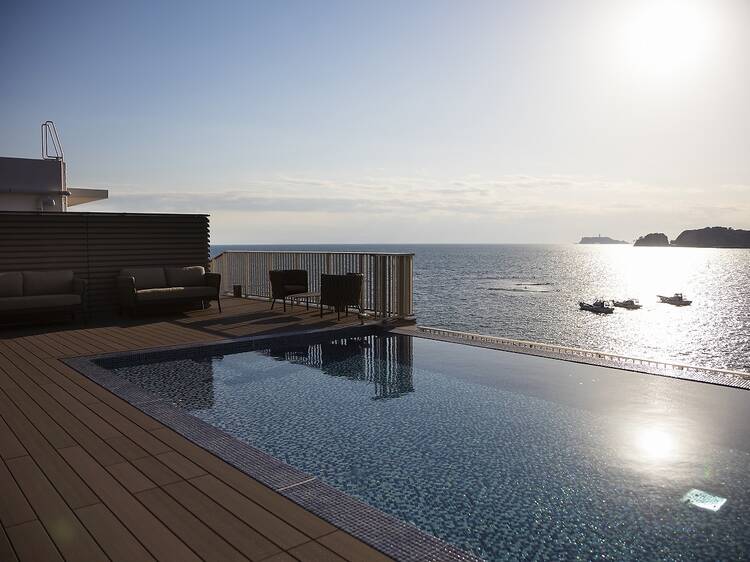
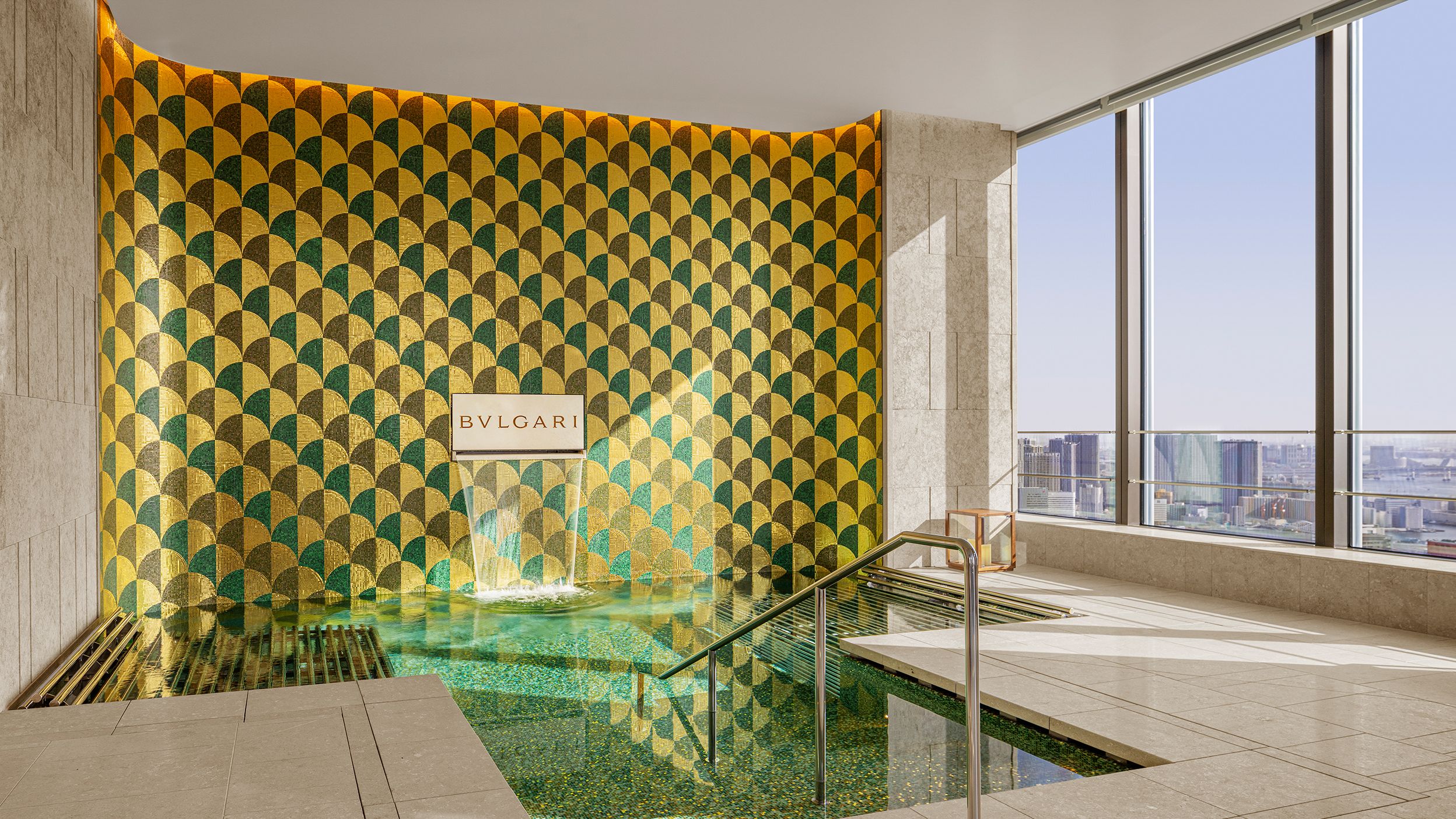
The Bulgari Spa, featuring Italian Vicenza stone and teak wood, includes a 25-meter swimming pool and a jacuzzi with gold and emerald green glass mosaic tiles. White cabanas are available both indoors and on a rooftop terrace. The spa also offers a Japanese-style bath, sauna, and steam room, along with nine treatment rooms providing city views. The Workshop Gymnasium offers fitness programs curated by Lee Mullins. The hotel's staff provides a service blend of Japanese intuitive formality and Italian warmth, maintaining a smooth and knowledgeable approach. The hotel prioritizes sustainability by transitioning from single-use plastics to larger, non-disposable amenities and providing water in glass bottles and paper cartons. An energy-saving sensor system in guest rooms helps control temperature and reduce energy consumption. The hotel is family-friendly, offering amenities for children, and provides disability access in two rooms.
#LuxuryHotel #Tokyo #Bulgari #ItalianDesign #JapaneseCraftsmanship #HotelReview #FineDining #SpaExperience #ArchitecturalBlend #LuxuryHotel #Tokyo #Bulgari #ItalianDesign #JapaneseCraftsmanship #HotelReview #FineDining #SpaExperience #ArchitecturalBlend
0 comment in total
 No comments yet
You may also like
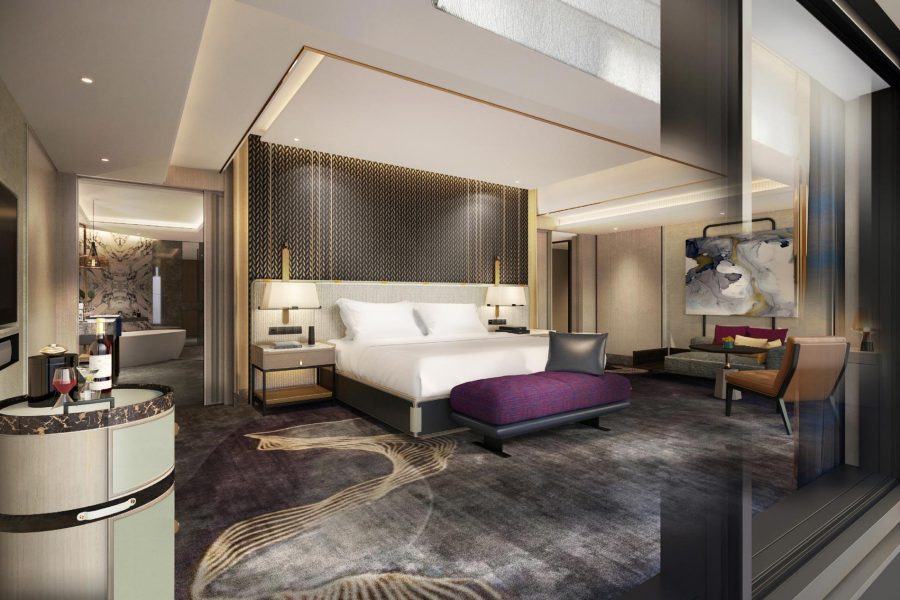
MESM Tokyo serves waterfront views in luxe surrounds

7 Modern Japanese Hotels That Will Help You Find Your Zen

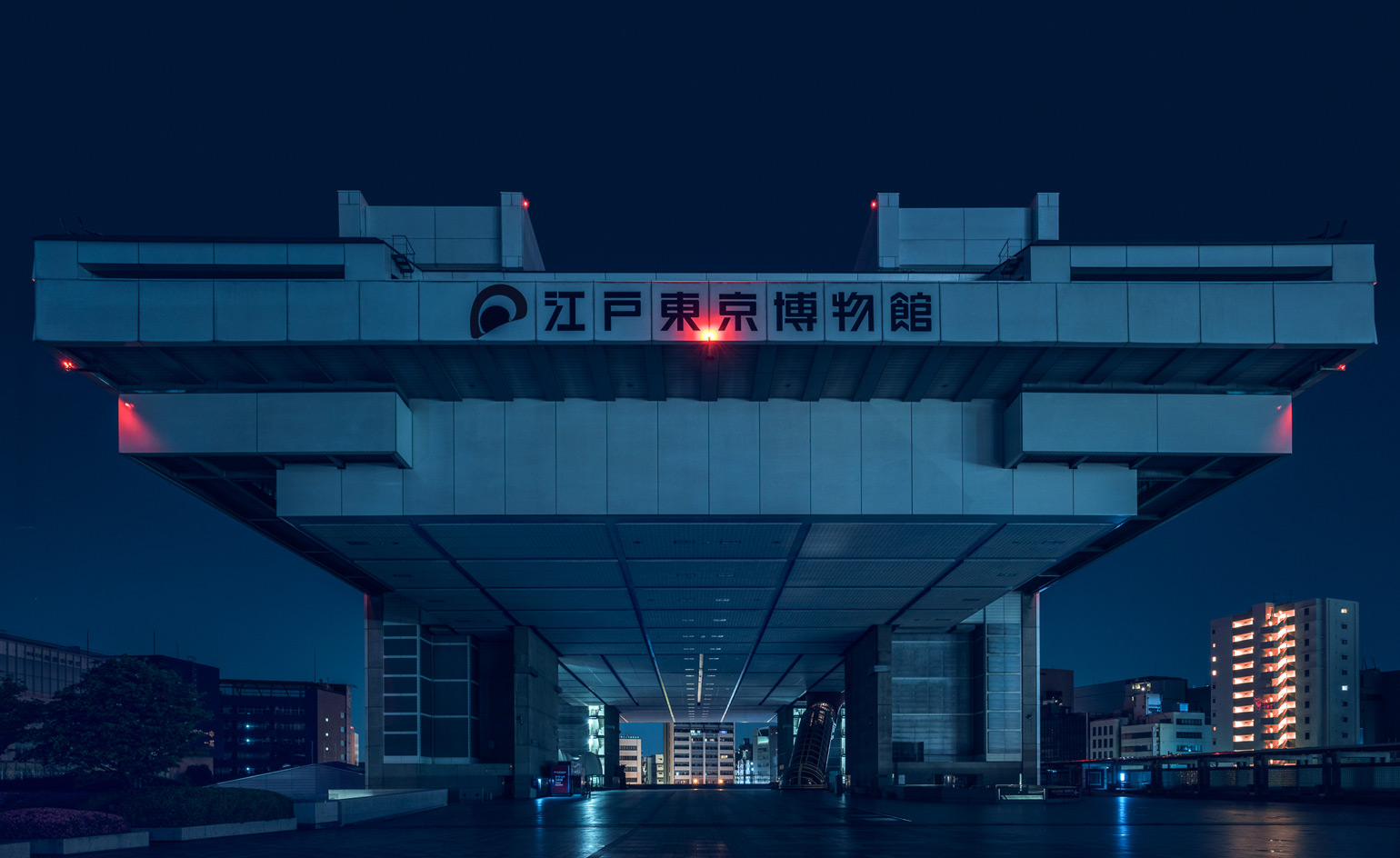
Nihon noir: Tom Blachford sheds light on Tokyo’s dark side
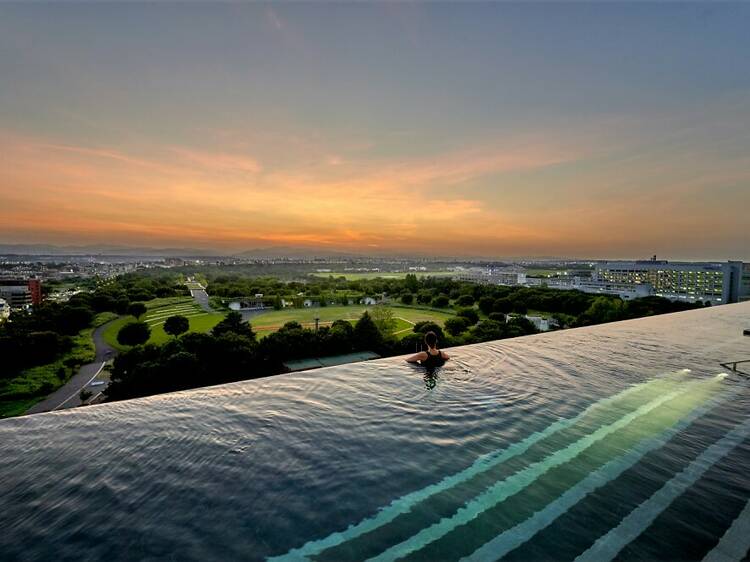
6 most breathtaking hotel infinity pools in Japan – from Tokyo to Okinawa
10 of the best hotels in Budapest, from palace stays to artists' studios
Where to Stay, and Where to Eat Tempura, in Kyoto (Published 2019)

Ace Hotel Kyoto Already Won Us Over With Its Extra-Zen Bathrooms

FHAMS & kosaka transform old school in kyoto into spacious hotel with zen gardens
Hidden In San Francisco's Japantown, California Style And Minimalist Zen Fuse Together In A Top Boutique Hotel

Hotel The Mitsui Kyoto offers Zen stays and exclusive access to rare cultural experiences

kyoto hotel room by kubo tsushima features a 'moon' light fixture that waxes and wanes
Hotel Hotel
Robert DeNiro Gives AD a First Look at the Latest Nobu Hotels Properties