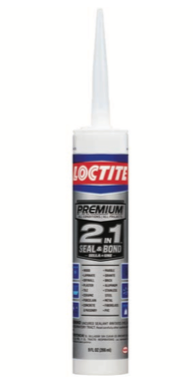
1/6
IN DEPTH: Caulking & Adhesives
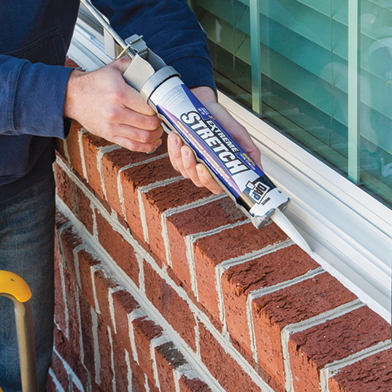
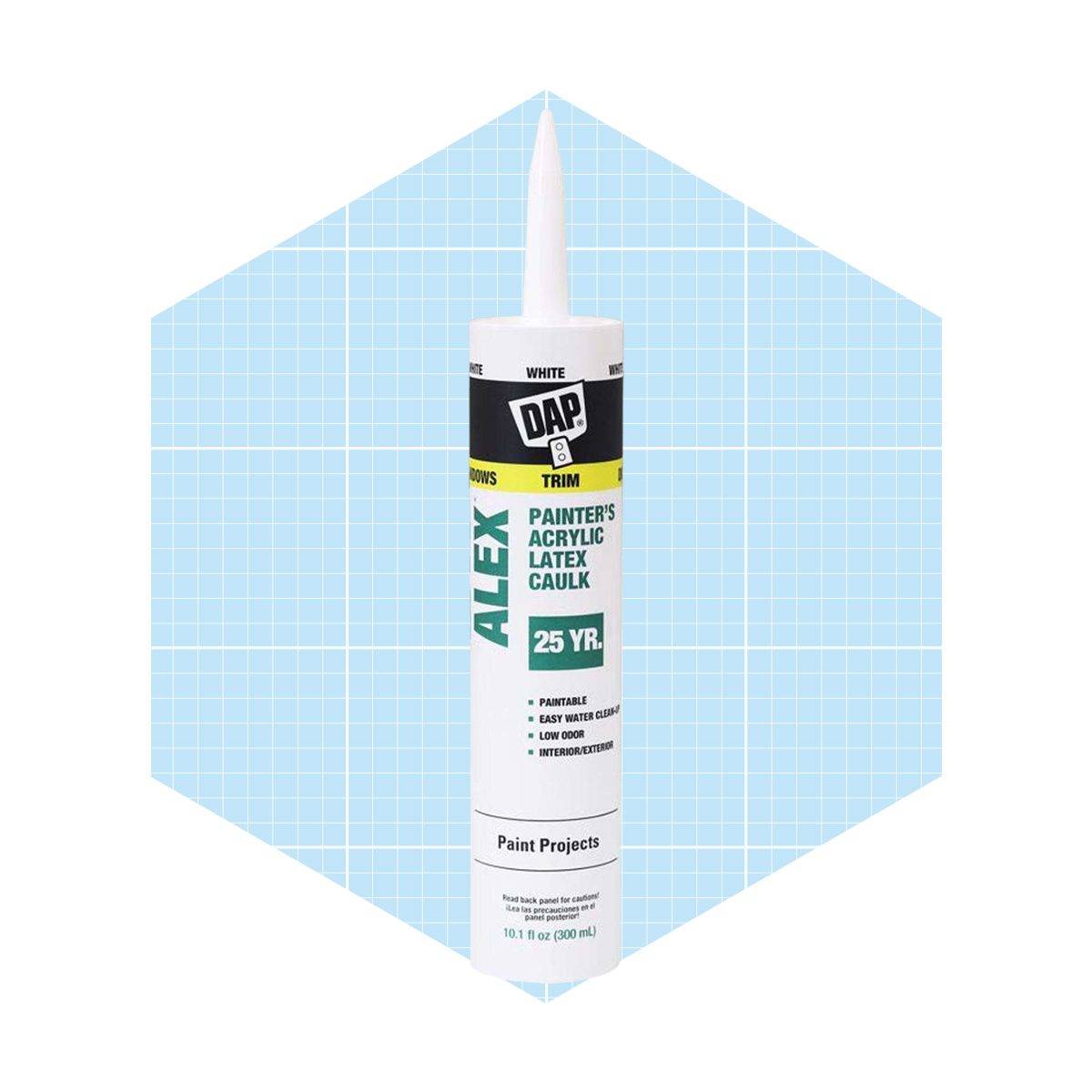
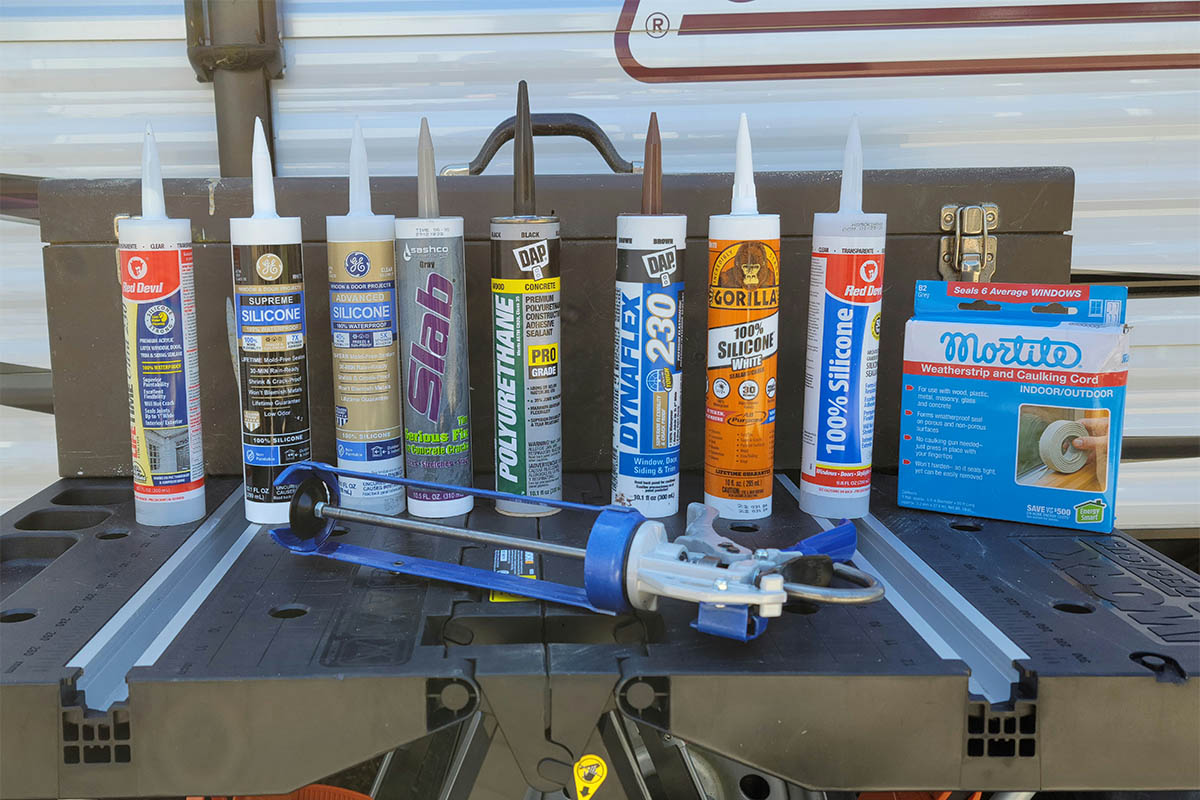
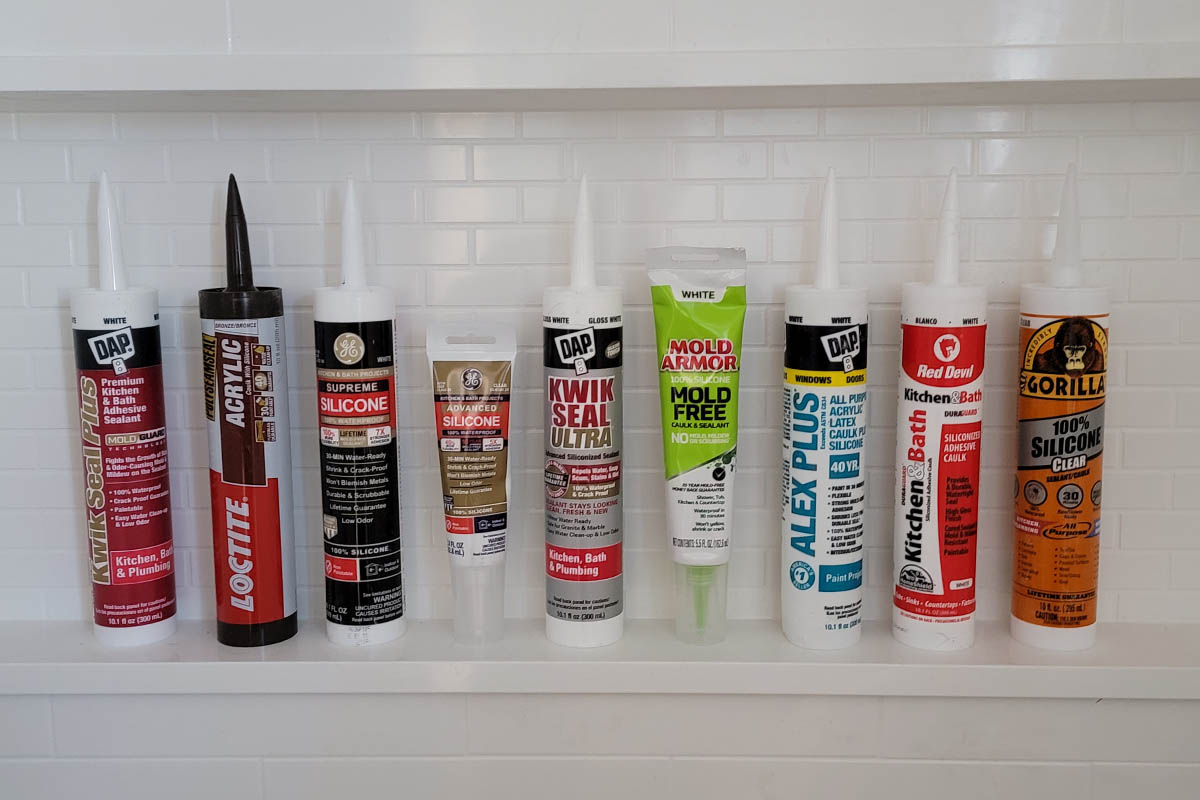
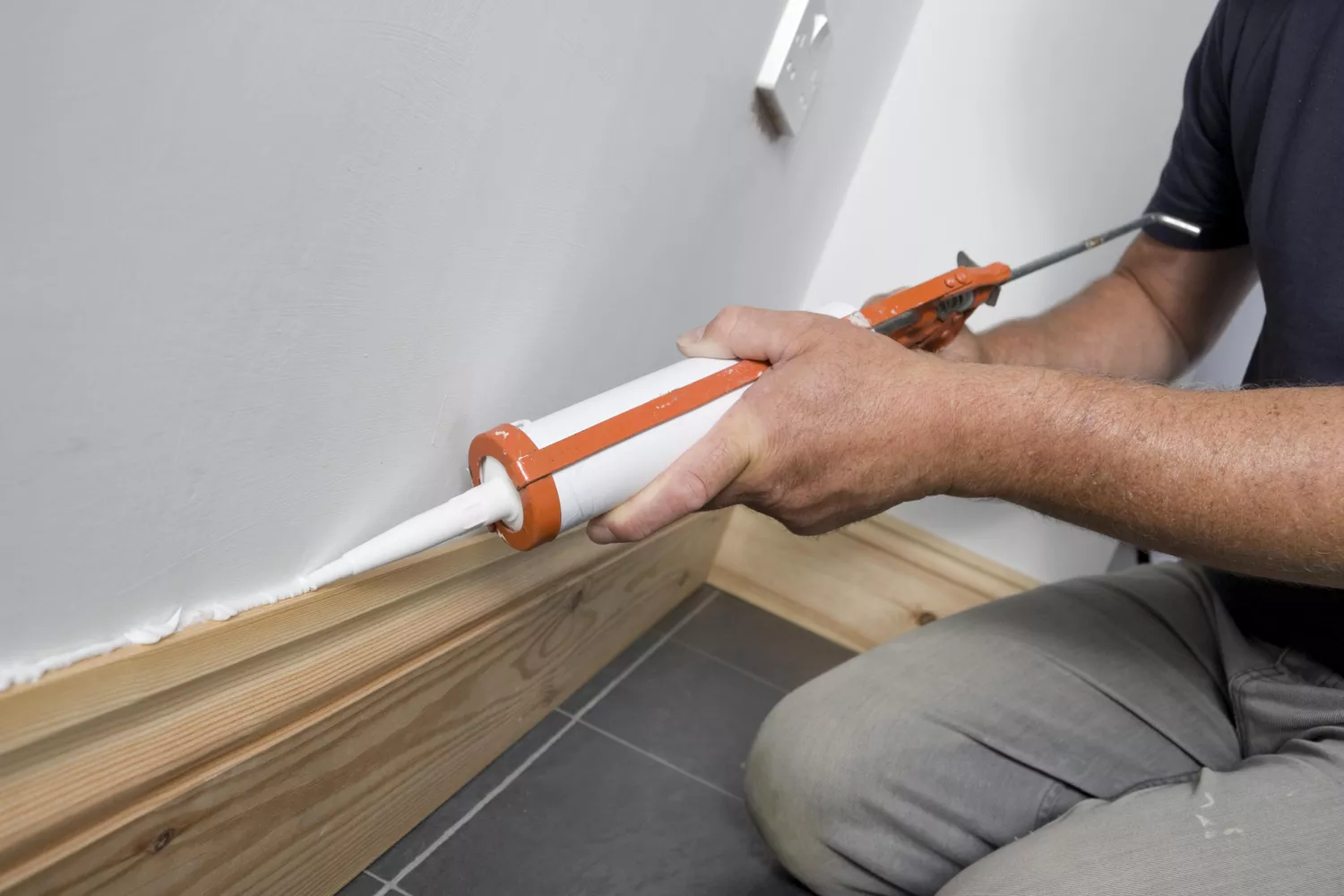
The article discusses the evolving landscape of caulking and adhesives in residential construction, driven by new material choices and installation techniques. Manufacturers are responding to these changes by developing products that offer greater flexibility and performance to address a wider array of challenges. The increasing diversity of building materials, such as composites, expanded PVCs, laminate materials, and PVDF-coated metals, creates variations in expansion and contraction rates, necessitating sealants with improved flexibility and adhesion properties.
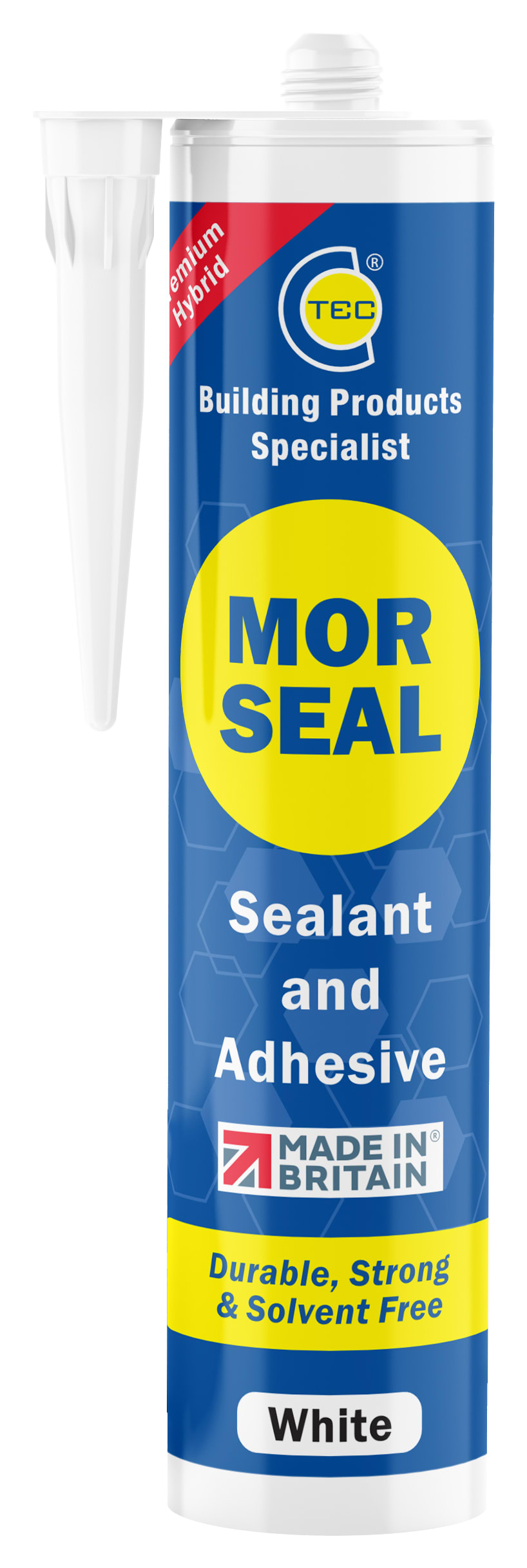
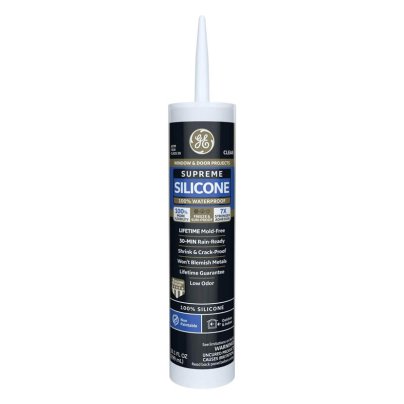
Manufacturers are focusing on developing hybrid formulations, including MS-polymer, STP, and STPE, which combine the benefits of different traditional sealants like latex and silicone, offering enhanced versatility, paintability, and toughness. These hybrid products are gaining popularity due to their superior performance across various applications, including both interior and exterior projects and a broader range of temperatures. While these premium products are often more expensive, contractors are increasingly recognizing their long-term value, leading to significant growth in the specialty and premium segments of the market.
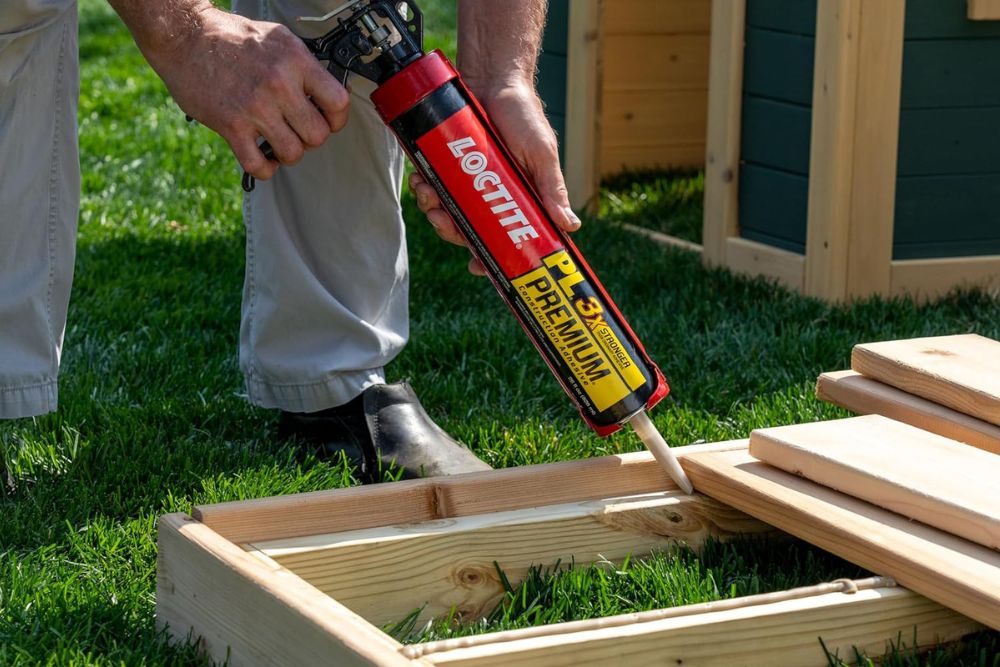
Education plays a crucial role in the adoption of new caulking and adhesive technologies. Manufacturers are working to inform contractors and homeowners about the benefits of innovative products, such as polyurethane-based gel-foam construction adhesives. Dealers are identified as key intermediaries in disseminating this information, helping customers understand the distinctions between various products and their optimal applications. Emphasizing quality and high performance over mere advertising claims is essential, as knowledgeable customers prioritize effective problem-solving.
Beyond basic performance, contractors prioritize time savings without compromising quality. This demand translates into a need for products that offer faster curing times, quicker resistance to environmental elements like water and rain, and applicability across extreme temperatures. The ability of a sealant to “gun out” smoothly and be easily tooled and cleaned up are also critical factors for professional users. The article also highlights the importance of flexibility and elasticity in sealants to accommodate material movement caused by temperature changes, underscoring the need for proper joint design.
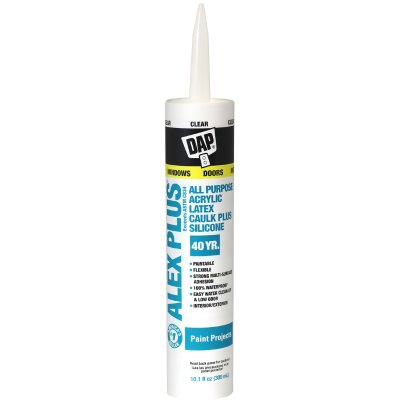
Color options for caulks are also expanding to match evolving exterior product trends, with manufacturers either providing a wide array of color-matched products or focusing on formulations that accept paint readily. Transparent caulks are also gaining traction as a versatile alternative. Additionally, the industry has largely addressed concerns regarding volatile organic compounds (VOCs), with a focus on meeting stringent environmental standards and offering greener, safer products. The overarching goal for manufacturers is to continuously innovate, enhance product longevity, improve adhesion to diverse substrates, and simplify application processes, ultimately providing value to contractors through reduced labor costs and increased efficiency.
#Caulking #Adhesives #BuildingMaterials #ConstructionTechnology #HybridSealants #ContractorBenefits #ProductInnovation #HomeImprovement #MaterialScience #Caulking #Adhesives #BuildingMaterials #ConstructionTechnology #HybridSealants #ContractorBenefits #ProductInnovation #HomeImprovement #MaterialScience
Há 0 comentários no total
 Ainda não há comentários
Você também pode gostar
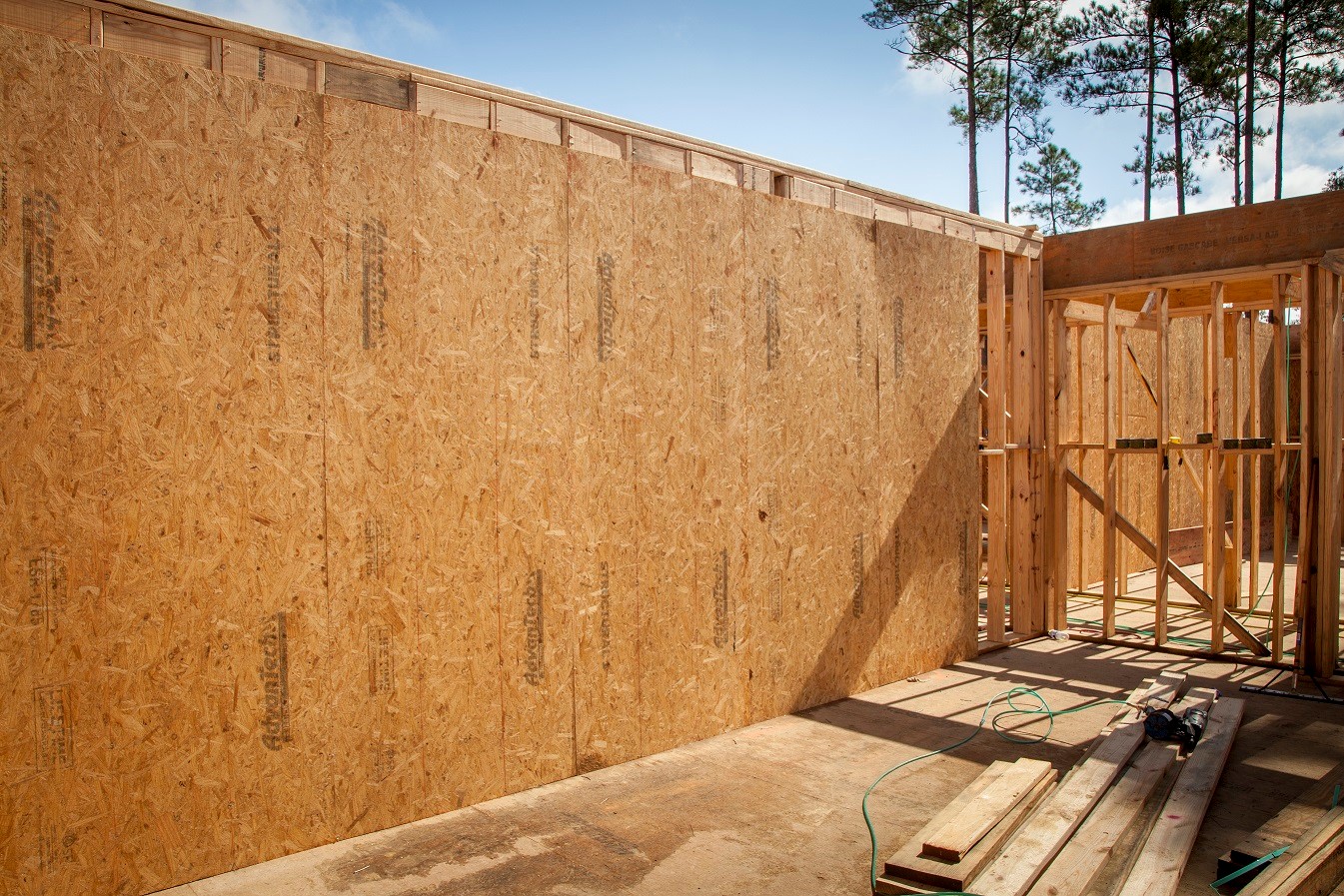
In Depth: Caulks, Sealants & Adhesives
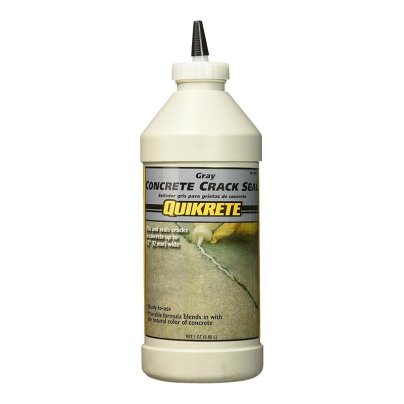
The Best Concrete Bonding Agents for Your Project

Decorator’s Caulk

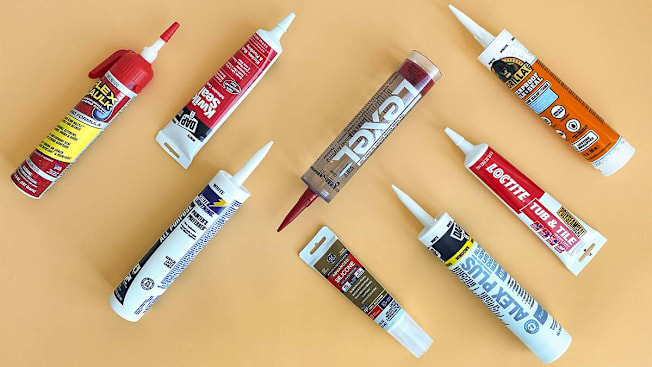
The Two Best Caulks for Small Home Projects
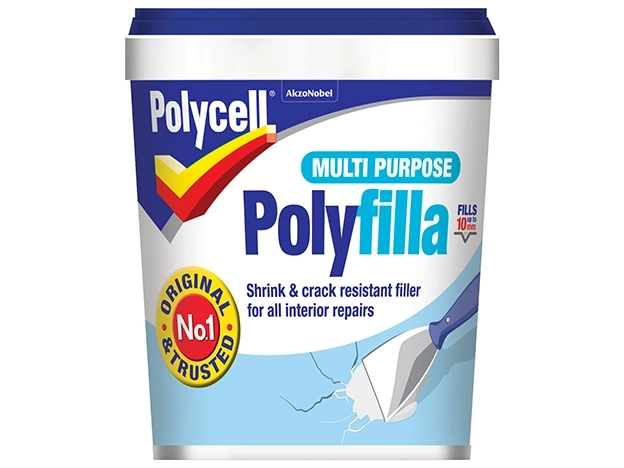
Fillers, Putty & Caulk
These Are the Best Caulk Options for Baseboards According to Our Tests

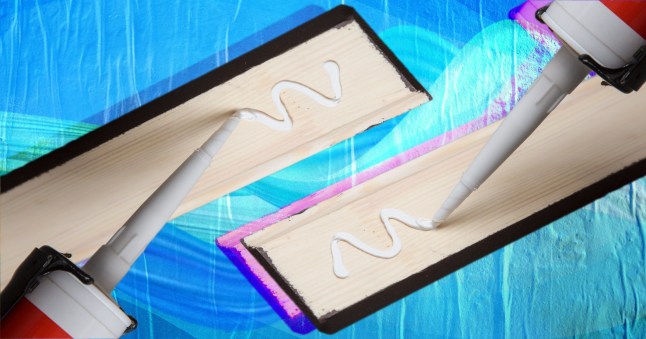
A beginner's guide to the different types of glue and their uses

In Depth: Deck Fasteners
Best Caulk & Sealant Guide: Popular Types of Caulk and How To Choose

The 5 Best Caulk Guns for Home Improvement Projects

Sinopec VAE BJ 707 GW707 GW 705 Vinyl Acetate Ethylene copolymer VAE emulsion glue for building waterproofing coatings

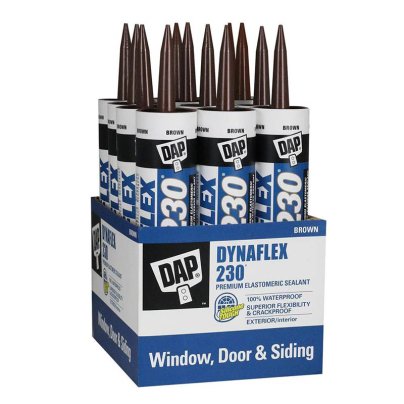
We Tested the 9 Best Exterior Caulks. Here Are Our Top Picks to Keep Your Home Dry

Foam, Sealant & Caulking Guns

Podcast 209: Exterior Caulk, Tub Drains, and Adding Insulation to Leaky Walls

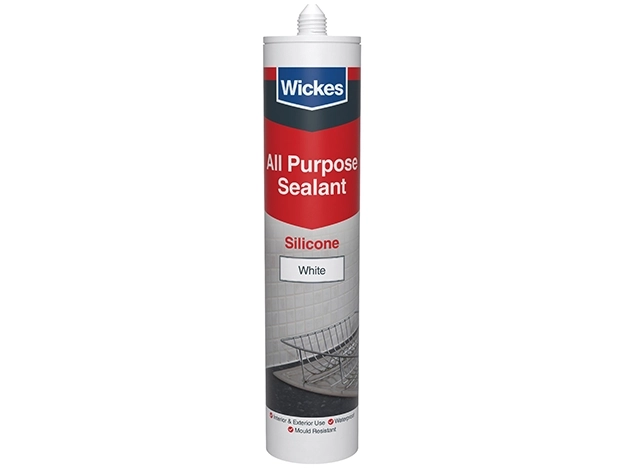
Sealants
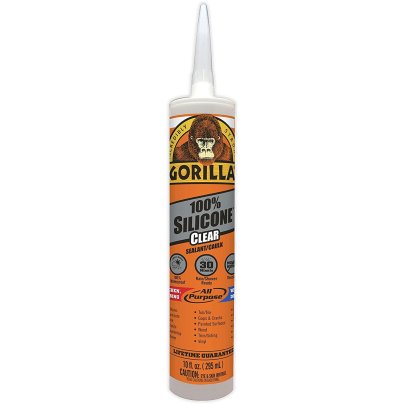
The Best Caulk for Perfectly Sealed Showers and Tubs

Flooring Adhesives & Sealants

Specialty adhesives (Bostik)

Tile Adhesives
How to Caulk Baseboard Gaps