1/10
'If you can smell it, there's a problem in progress' – 5 expert-approved ways to get rid of musty smells in an attic
Attics are often utilized as storage spaces within a home, but they are also prone to developing musty odors, which signal potential moisture problems. Addressing these smells is crucial not only for comfort but also to prevent mold, mildew, and structural damage. HVAC professionals emphasize that musty attic smells typically originate from trapped moisture, restricted airflow, and materials that readily absorb dampness and odors.
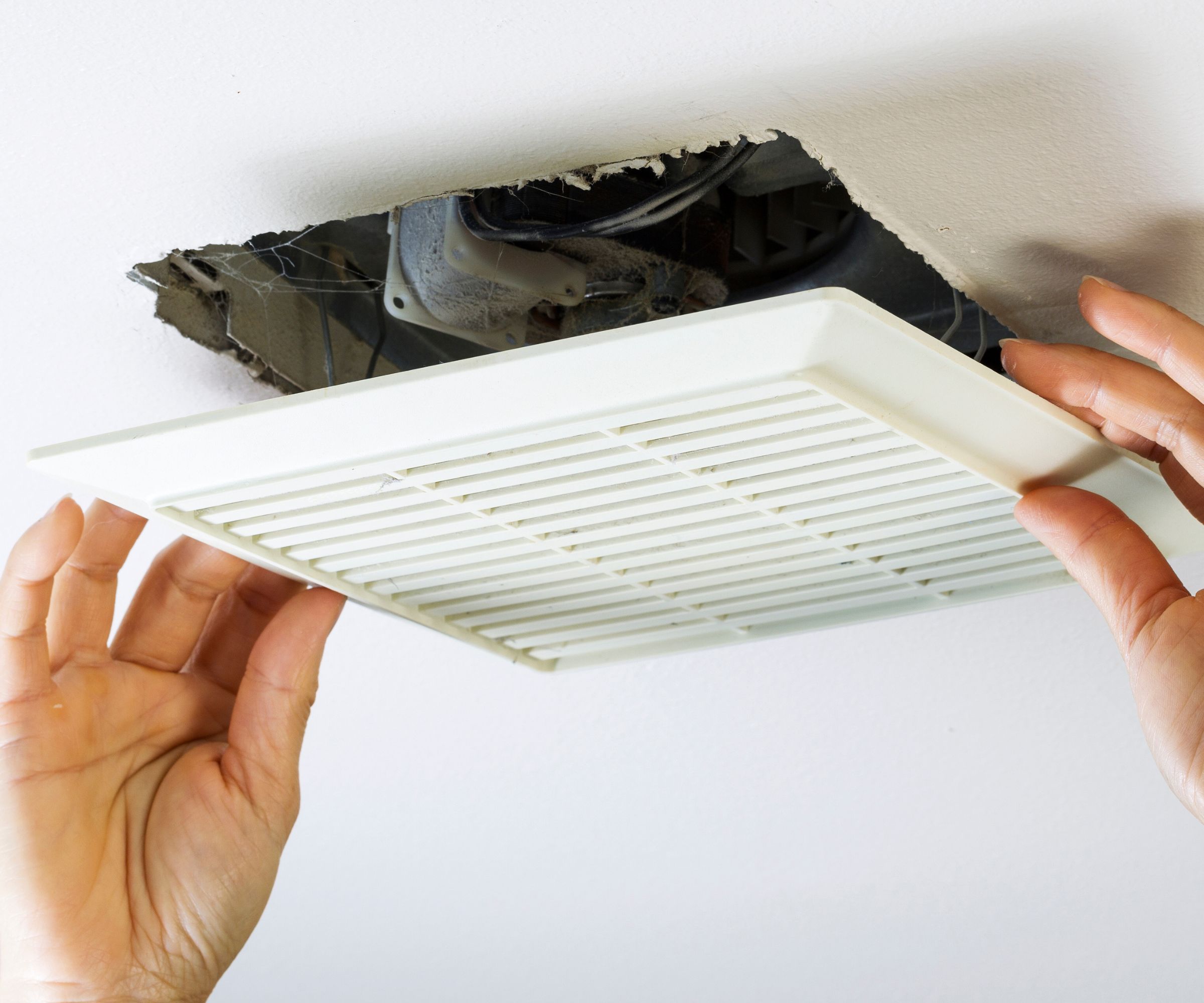
A primary cause of musty odors in attics is inadequate ventilation. In many older homes, the attic may lack a proper combination of intake vents (like soffit vents) and exhaust vents (such as ridge or gable vents), or these existing vents might be obstructed by insulation, dust, or even bird nests. This lack of airflow allows warm, humid air from the living spaces below to rise into the attic, where it condenses on cooler surfaces like rafters and roof sheathing. This condensation then creates an ideal environment for mold, mildew, and bacteria to flourish, leading to the characteristic damp, stale smell. Additionally, old dust and debris that accumulate over time in an attic can contribute to the musty scent, especially when absorbed by porous materials like wood or stored items.
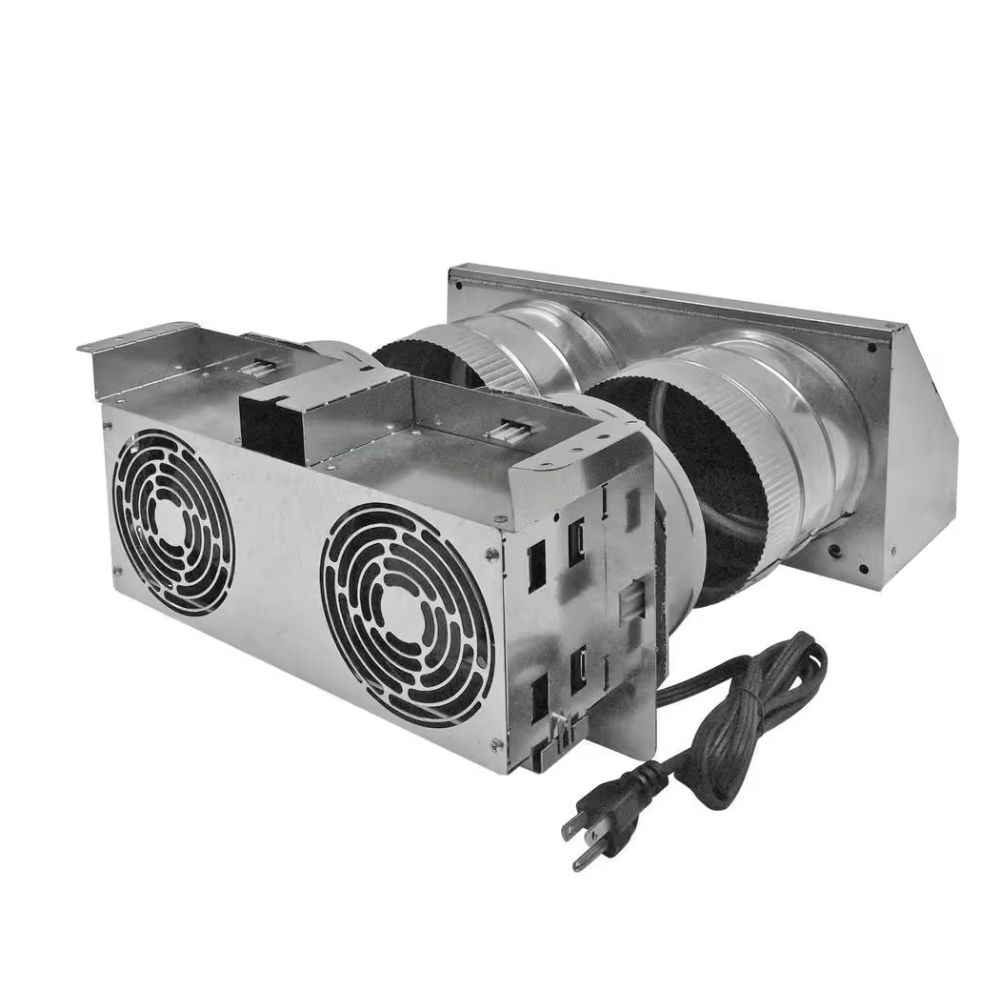
To effectively eliminate musty smells and prevent their recurrence, several expert-approved strategies are recommended. The most immediate and impactful solution is to improve attic ventilation. This involves ensuring existing vents are clear and unobstructed, or installing new ones if needed. For homes in humid climates, a powered attic fan that activates based on temperature or humidity levels can significantly enhance air circulation and help keep the space dry. While using a small fan can offer temporary relief, it requires supervision to mitigate fire risks associated with unattended electrical appliances.
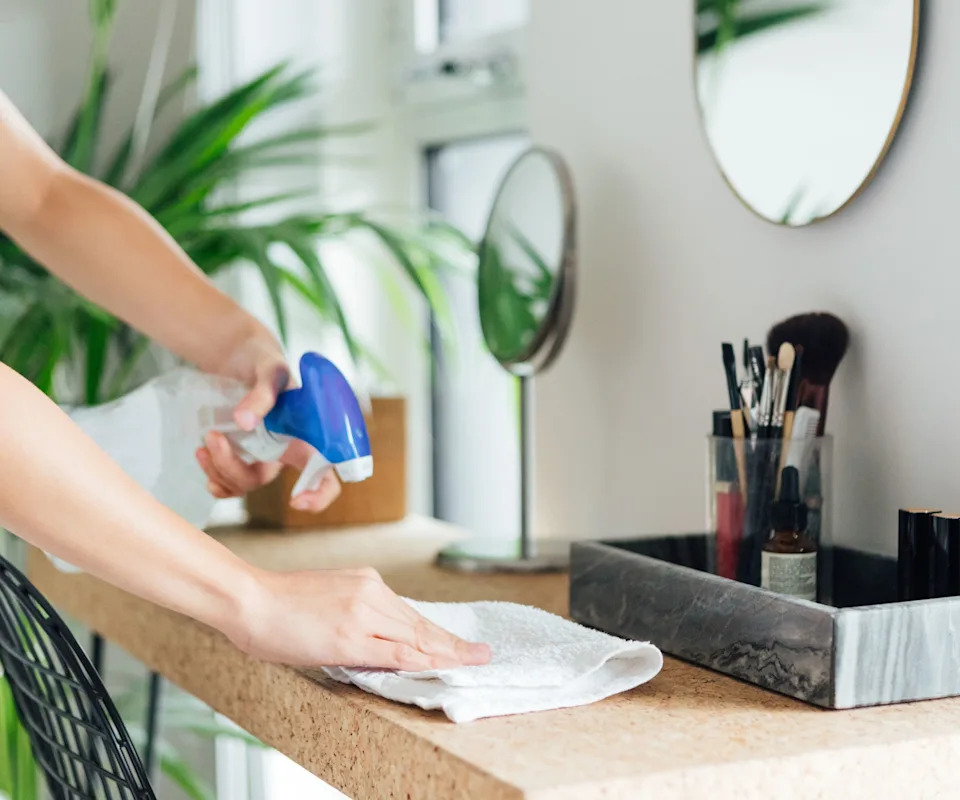
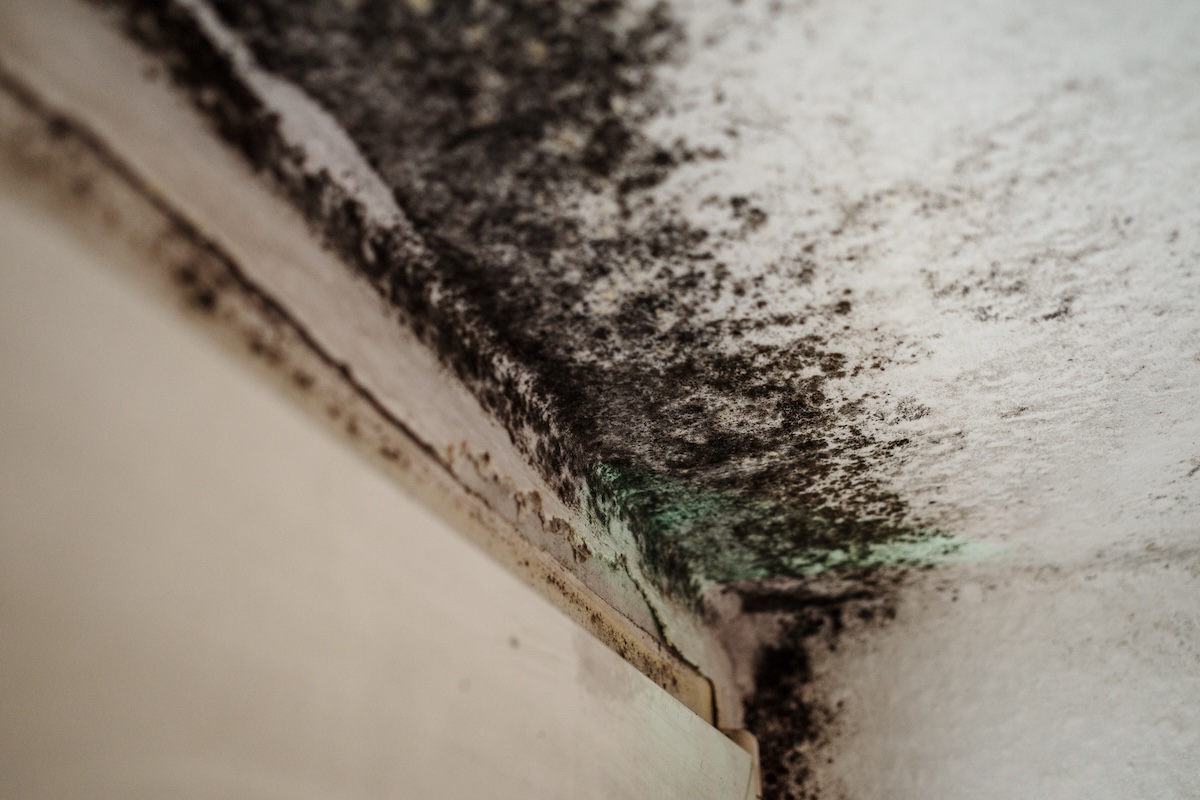
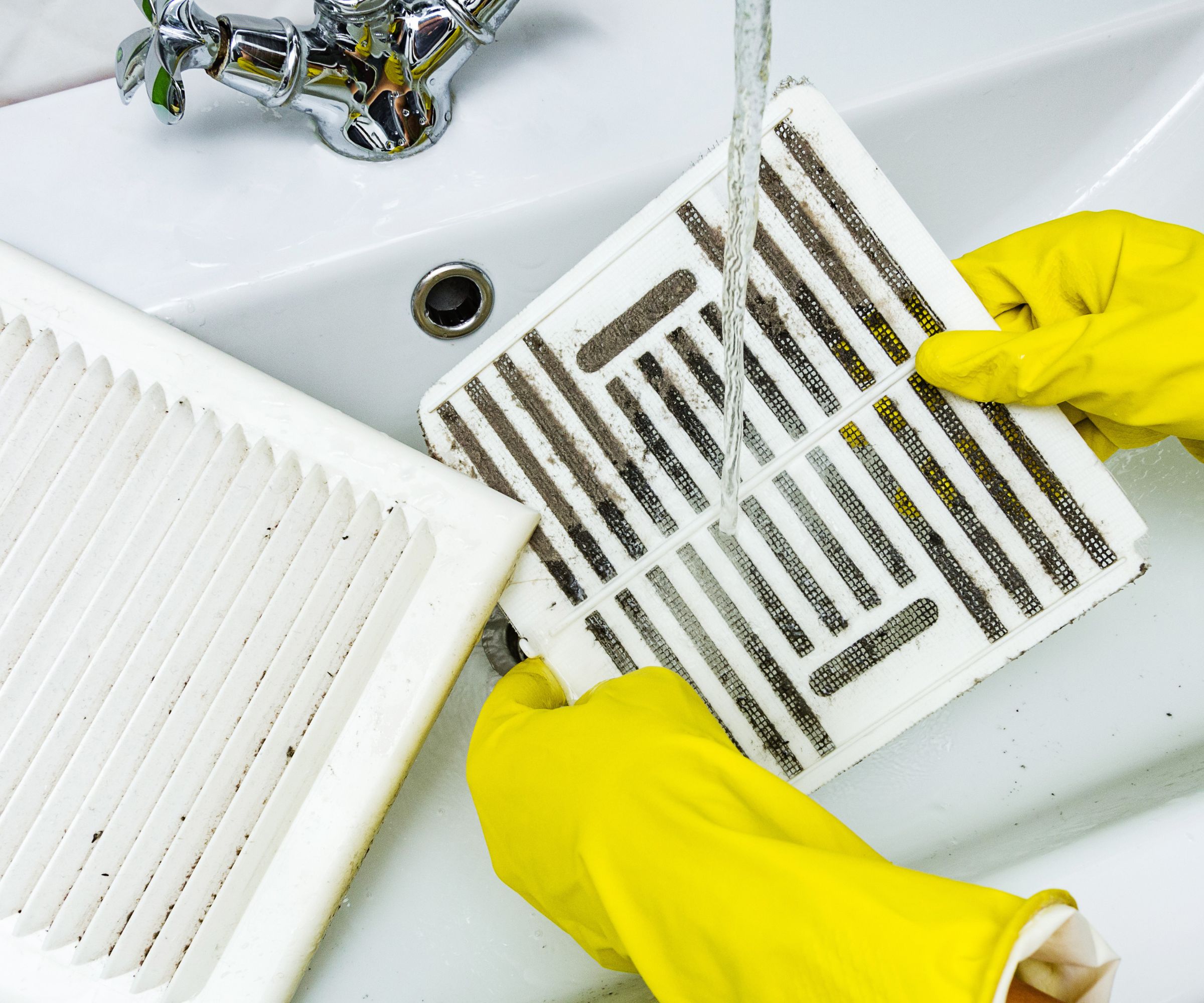
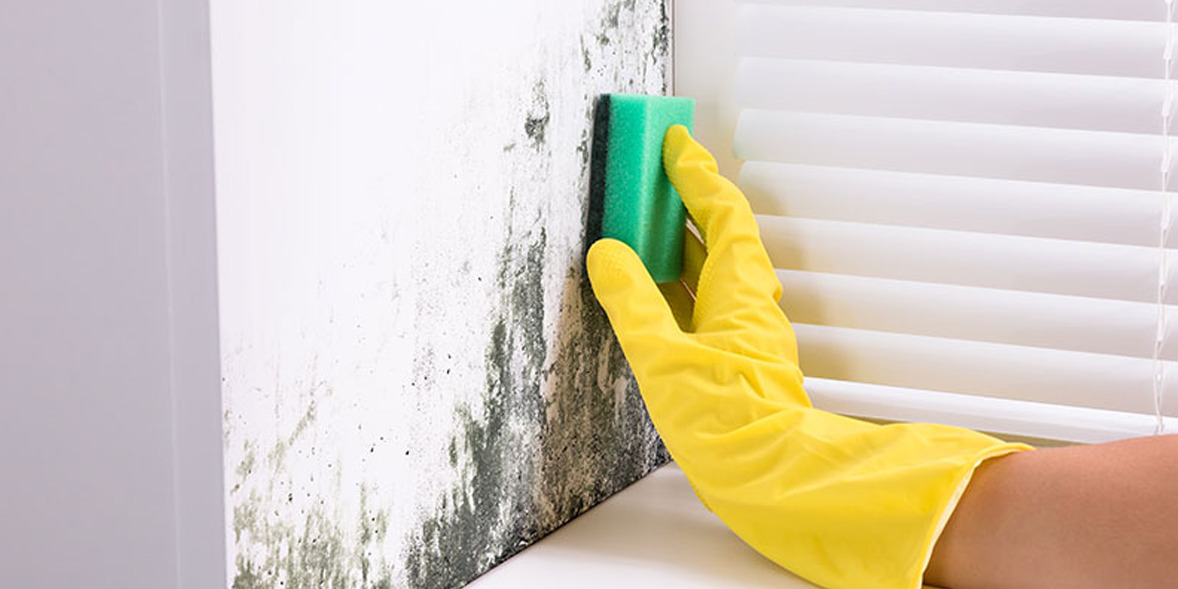
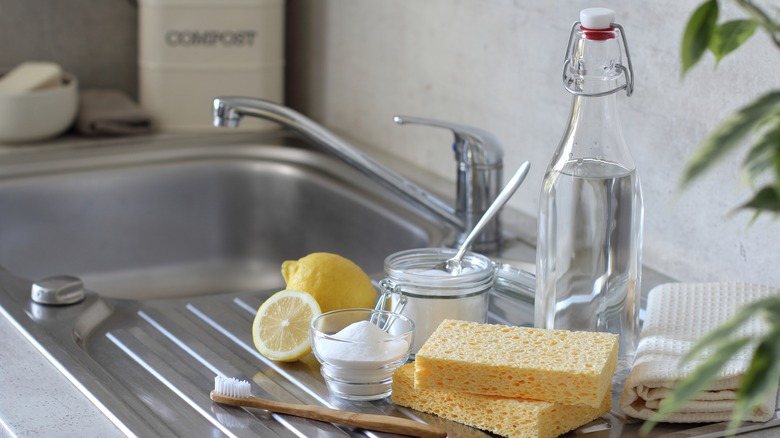
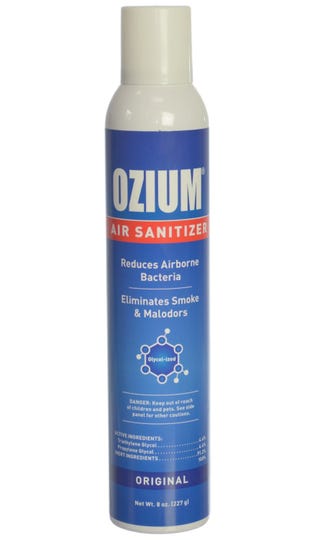
The next critical step is thorough cleaning and removal of moisture sources. This includes inspecting the attic for mold and mildew growth on surfaces like roof sheathing, beams, and stored items. For non-porous surfaces, mold cleaners containing hydrogen peroxide or mold enzymes are recommended as safer alternatives to bleach. For extensive mold infestations, or if homeowners are unsure of the spread, consulting professionals is advised. After cleaning, it is essential to ensure the area is completely dry to prevent the immediate return of the smell. Regular cleaning, including sweeping, vacuuming, and wiping surfaces with appropriate cleaners, followed by odor-neutralizing sprays, baking soda, or vinegar, can help maintain freshness.
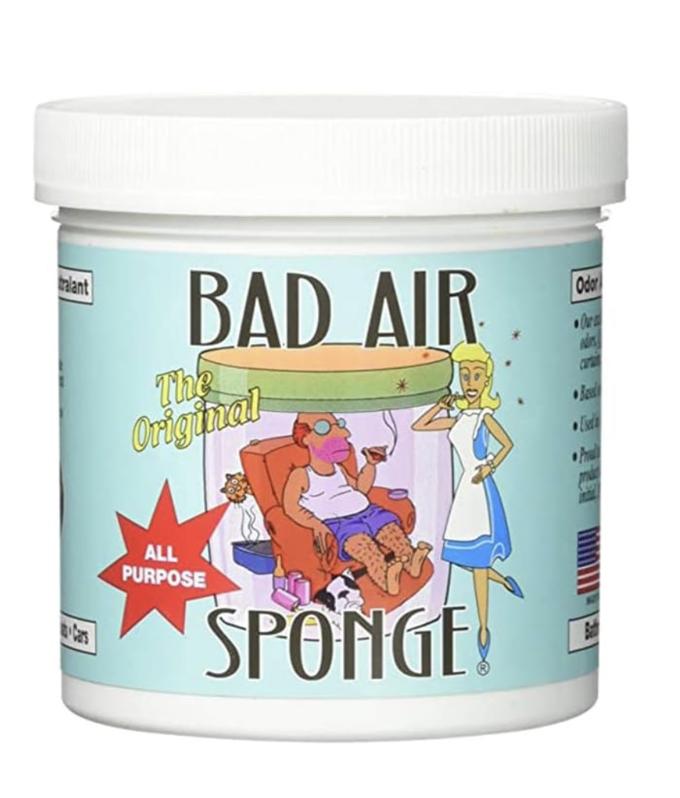
Utilizing a dehumidifier or passive moisture absorbers is another effective method to combat attic dampness. For attics with electrical outlets, a compact dehumidifier can rapidly reduce humidity levels. In spaces without power, passive moisture absorbers like calcium chloride bags or desiccant tubs can effectively draw moisture from the air, especially in smaller, enclosed areas. Monitoring humidity levels with a hygrometer is also beneficial.
Insulation plays a significant role, as old or moisture-laden insulation, particularly fiberglass batts and cellulose, can absorb and trap odors, becoming breeding grounds for mold. If insulation appears flat, smells musty, or is discolored, replacing it with new, dry material can substantially improve air quality. Even dry fiberglass can retain odors over time, indicating replacement may be necessary.
Finally, sealing air leaks and addressing roof problems are crucial preventive measures. Warm, moist air from the home can infiltrate the attic through gaps around hatches, recessed lighting, bathroom exhaust vents, and HVAC ductwork, leading to condensation on cold surfaces. Sealing these openings with foam, caulk, or weatherstripping prevents moisture entry. Regular inspection for roof leaks, including flashing around chimneys and vents, missing shingles, or cracked boot seals around plumbing stacks, is also vital, as even slow water infiltration can contribute to musty odors. Consistent attic maintenance, including annual inspections and keeping vents unobstructed, is key to preventing future moisture and odor issues and maintaining healthy indoor humidity levels.
#AtticMaintenance #MustySmells #MoistureControl #AtticVentilation #MoldPrevention #HomeCare #IndoorAirQuality #HVACSystems #HomeInsulation #AtticMaintenance #MustySmells #MoistureControl #AtticVentilation #MoldPrevention #HomeCare #IndoorAirQuality #HVACSystems #HomeInsulation
Há 0 comentários no total
 Ainda não há comentários
Você também pode gostar

Do You Have a Musty-Smelling House? 6 Worrying Causes — And What You Should Do to Get Rid of Them

Your home stinks. Here's how to fix it, according to experts
How to get rid of mould

Does Your Home Have "Old House Smell"? Here's How to Fix It


How to get rid of musty basement smells – 6 ways to combat odors and their causes


The 5 Best Basement Odor Eliminator Picks for Musty Cellars 2025


Old House Smell: What Causes It and How To Get Rid of It
10 Best Odor Eliminators For Tackling Tough Smells In Every Room

How to Get Rid of the Musty Smell in Your Basement


How To Get Rid Of That Musty Smell In Your Cabinets

The 10 Best Hacks To Control Gross Smells In Your Home

We Tested Dozens of Air Fresheners to Find the Best Ones for Your Home

How to Get Rid of That Musty Basement Smell, According to Experts


Experts explain how to install a basement extractor fan to remove damp and musty smells for good

What to Do When a Dirty, Smelly Dude Sleeps on Your Couch

5 things professional cleaners always notice in dirty bedrooms that are a ‘breeding ground’ for dirt

How to stop your shed smelling musty – 9 expert-approved methods to banish bad odors

5 mistakes you're making that are compromising your home's air quality – and how to fix it like a HVAC pro

How to get rid of mould on walls – 7 home treatments tried and tested by the experts

10 Habits That Are Making Your House Smelly, According To Experts