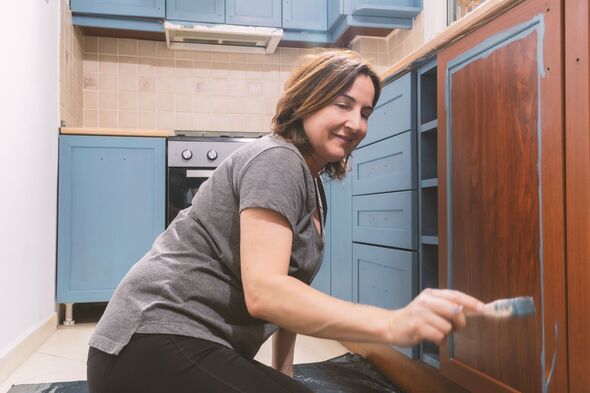
How to refinish kitchen cabinets – for a fresh new look
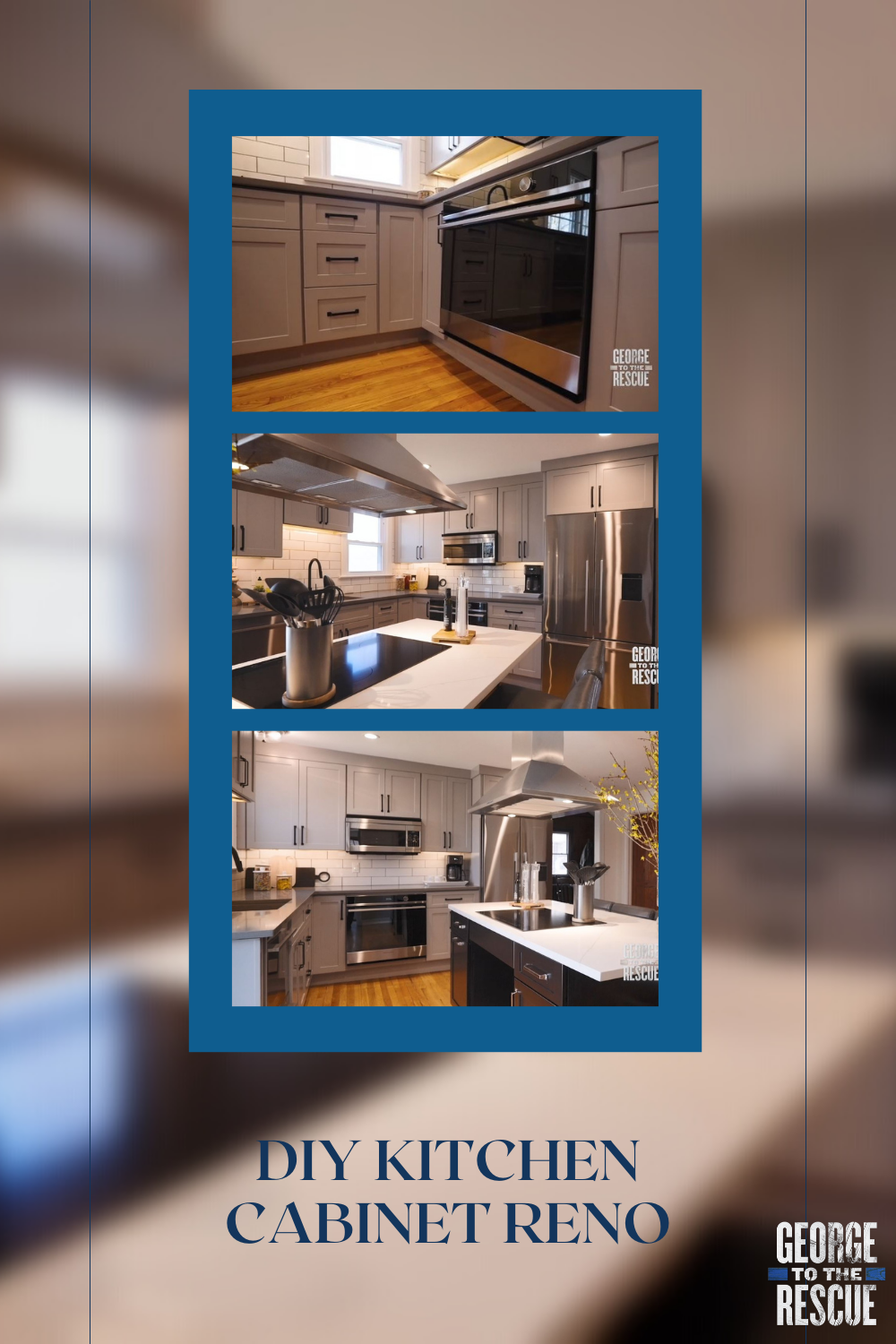
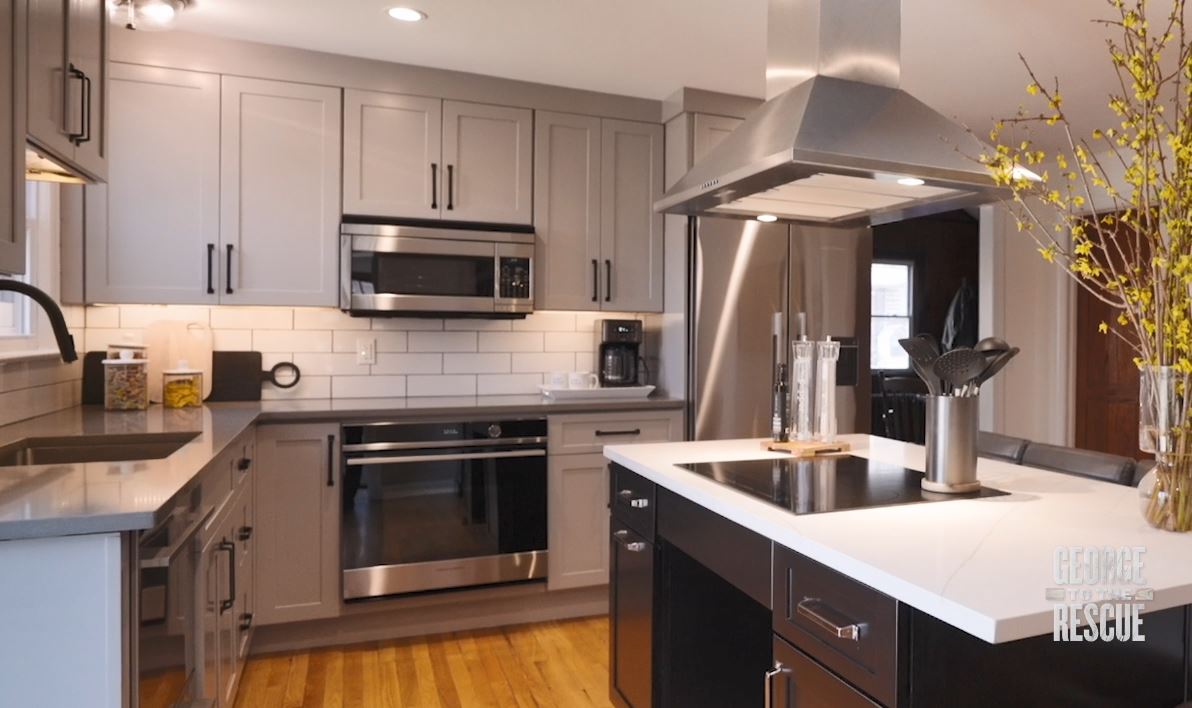
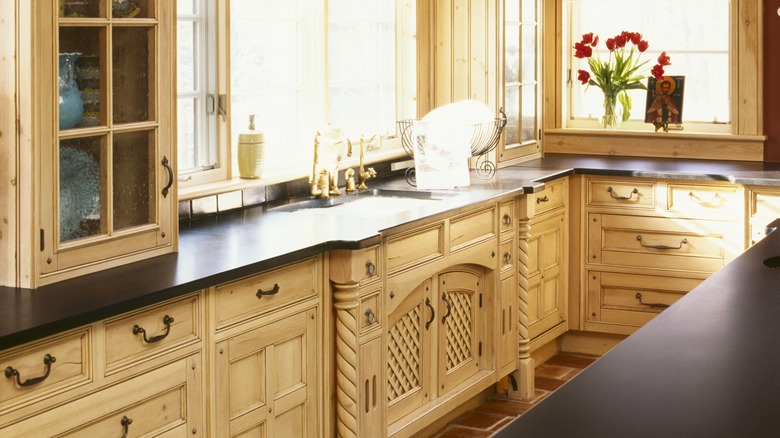
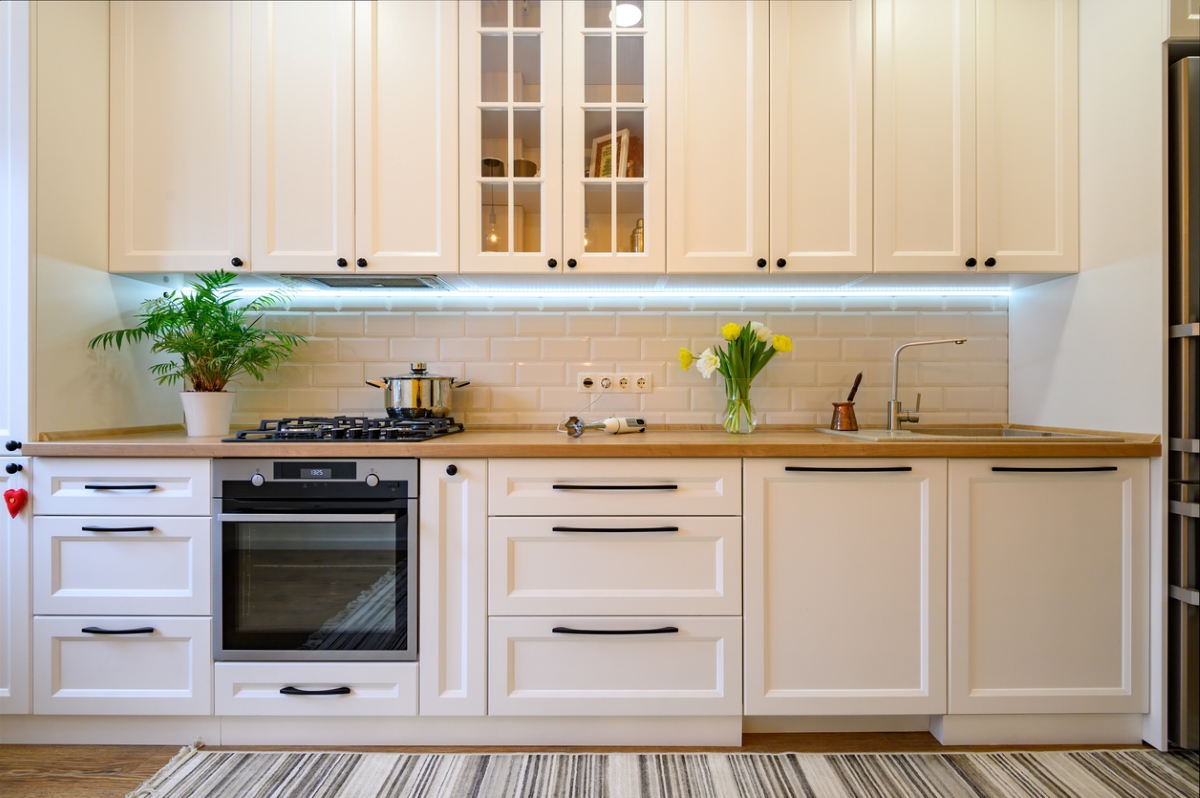
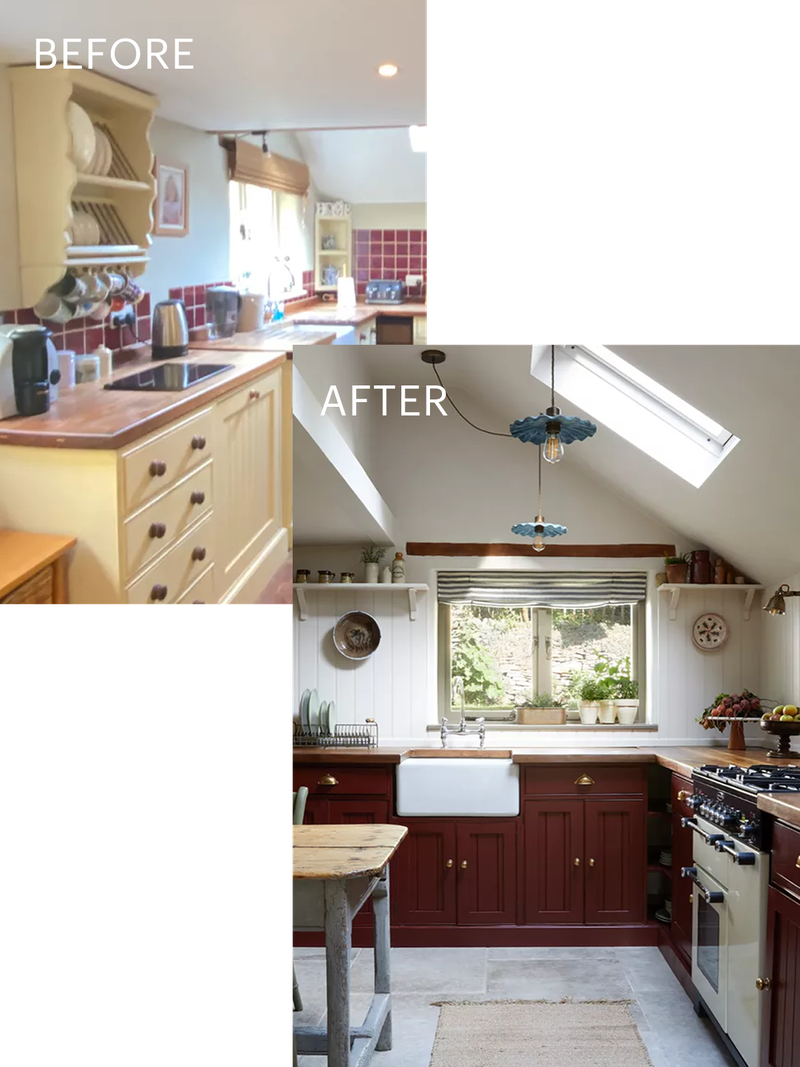
Refinishing kitchen cabinets offers a cost-effective and environmentally friendly alternative to a complete kitchen renovation. This process not only saves money but also promotes sustainability by extending the lifespan of existing units. It's a particularly viable option for wooden or previously painted kitchen cabinets and can often be completed over a weekend, providing a significant aesthetic update without the major disruption and expense of replacement.
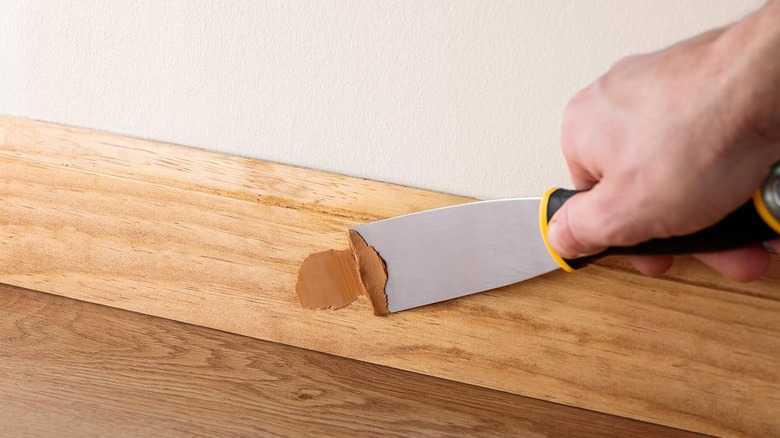
Before commencing the refinishing process, thorough preparation is crucial. The cabinets must be meticulously cleaned to remove all grease and grime. This involves wiping them down with a multi-purpose cleaner or dish soap and water, followed by a sugar soap solution to eliminate any residual film. After cleaning, a light sanding with low-grade sandpaper is necessary to create a surface suitable for the new finish. Any chips or imperfections in the wood should be filled with wood filler at this stage.
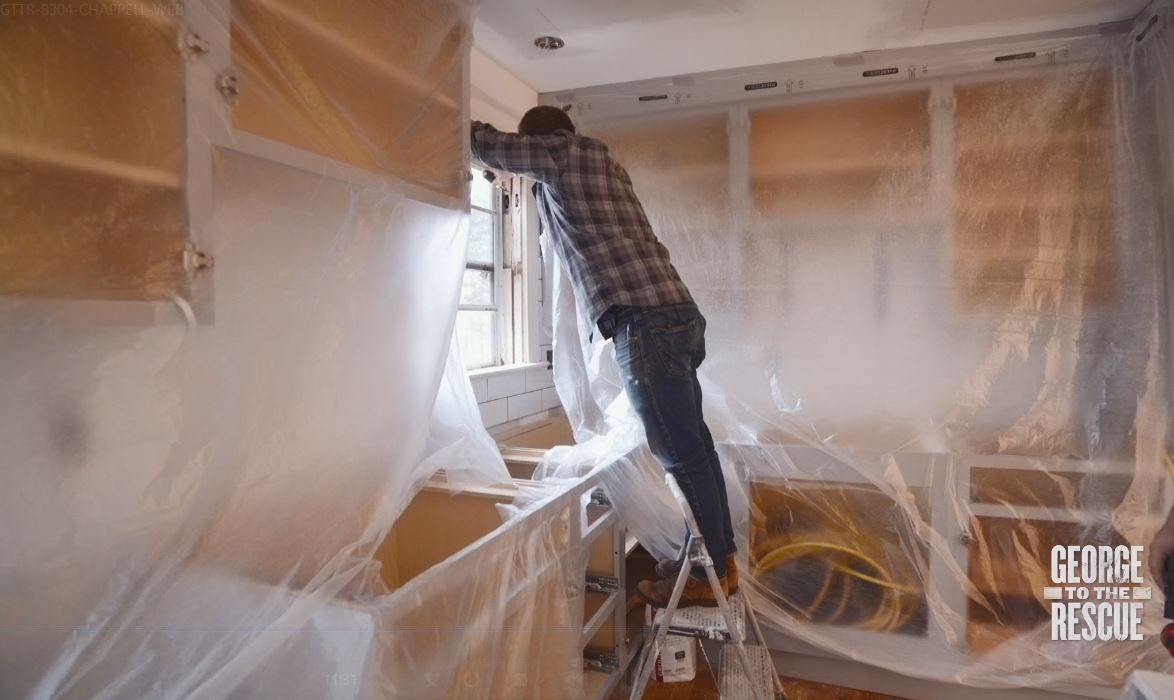
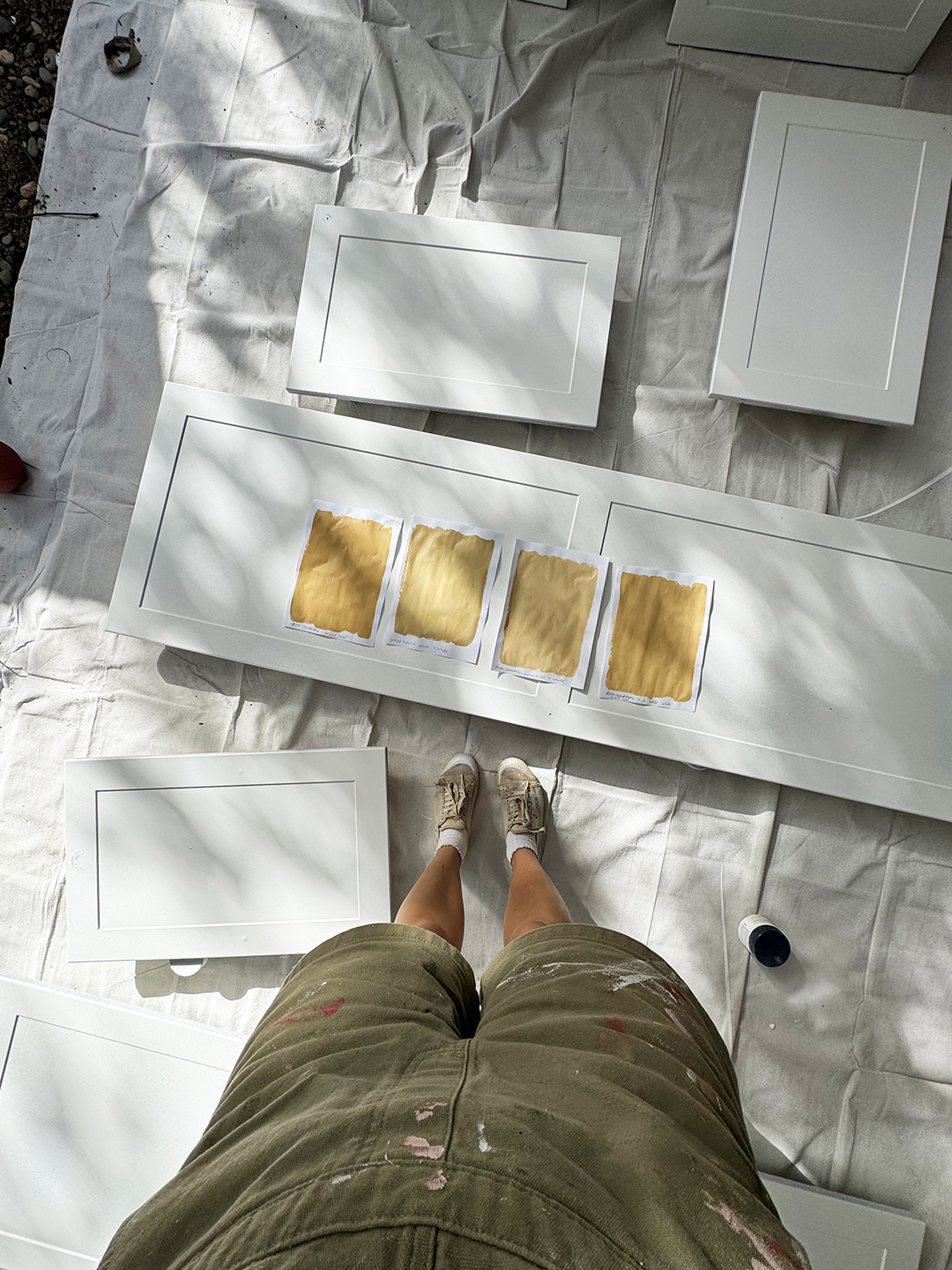
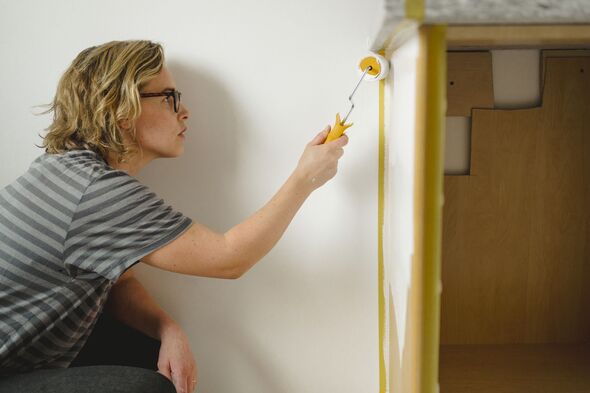
Once the preparatory cleaning and sanding are complete, the workspace needs to be protected. This involves covering floors, countertops, appliances, and furniture with plastic sheeting, building paper, or canvas cloths to shield them from dust and sanding debris. Crucially, cabinet doors and drawers should be removed and labeled to ensure correct reinstallation. The interiors of the cabinets and backsplashes should also be taped off and covered to prevent dust accumulation.
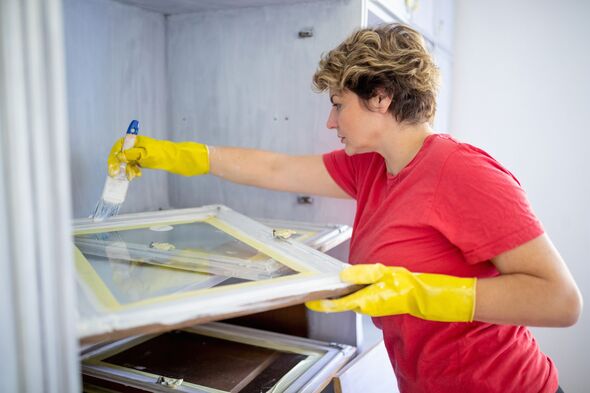
The next step involves preparing the surfaces of the cabinet doors and drawers. This includes removing handles and hinges before cleaning all surfaces with sugar soap to tackle stubborn grease. For wooden cabinets, a light sanding with fine-grit sandpaper, working with the grain, is recommended, particularly for detailed areas. For very greasy stains, a solution like TSP (Trisodium Phosphate) can be used. After cleaning, all components must be allowed to dry completely.
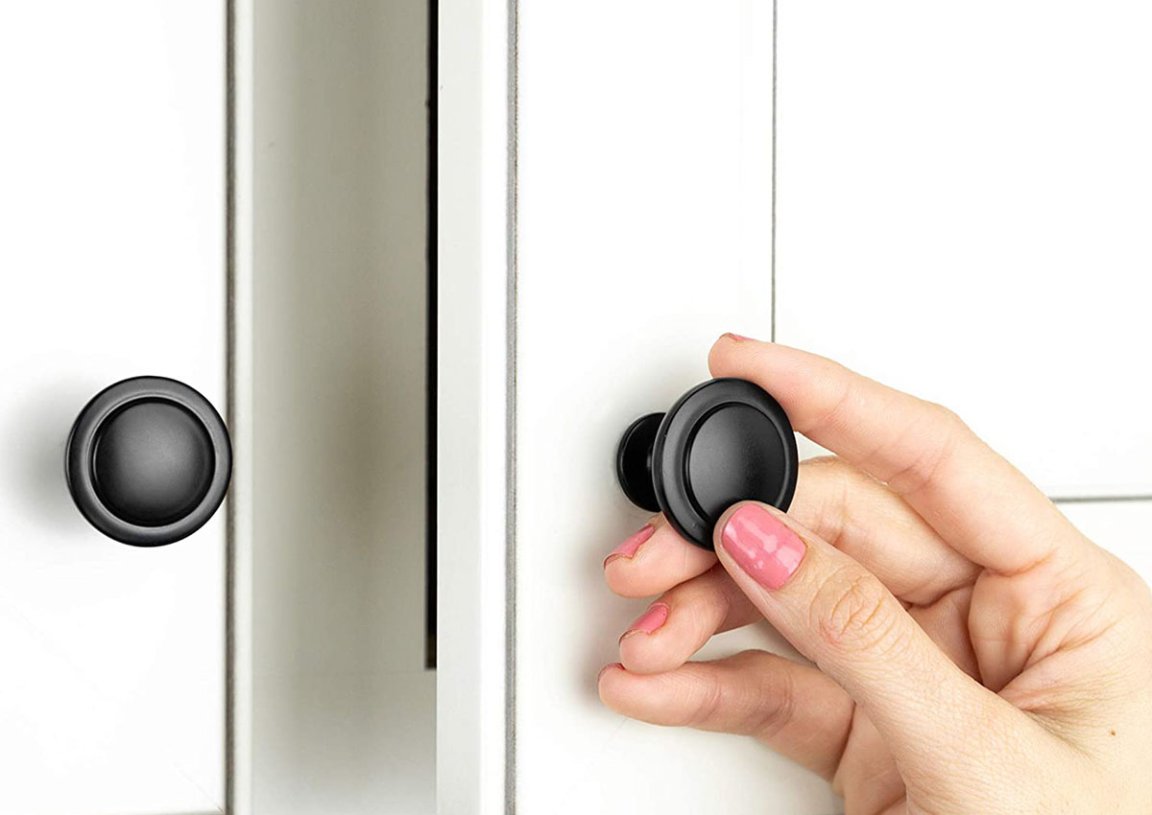
Hardware, such as handles and hinges, should also be cleaned. Soaking them in hot, soapy water for about 30 minutes, followed by gentle scrubbing, will remove accumulated grease and residue. They should then be rinsed and dried, and polished if desired.
The stripping stage is applicable if the cabinets have an existing finish like varnish. Proper ventilation is essential for this step, and ideally, doors and drawers should be taken outdoors. The type of stripper needed depends on the existing finish. After stripping, any holes or scratches in the wood can be repaired. If the cabinets are painted and not made of timber, this stripping step can be skipped, moving directly to sanding.
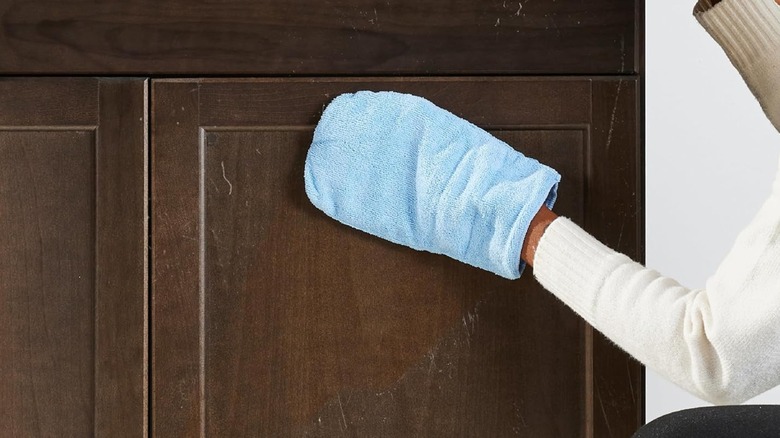
Sanding is a critical step to create an adhesive surface for the new finish. Using a low-grade 100 or 15-grit sandpaper, hand sand or use a sanding sponge to scuff the existing finish. A handheld vacuum can remove most of the dust, but a slightly damp microfiber cloth should be used to wipe down all sanded surfaces to remove any remaining fine dust, ensuring they are completely dry before the final step.
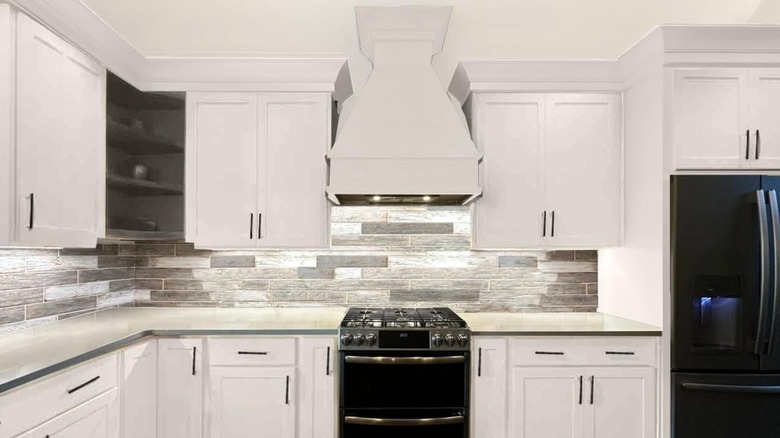
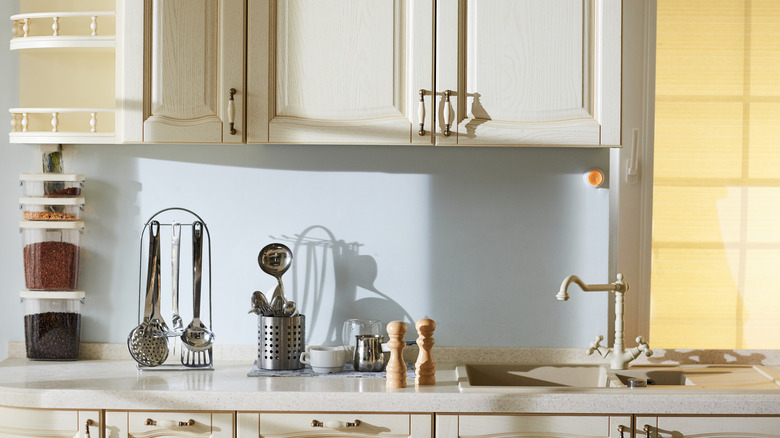
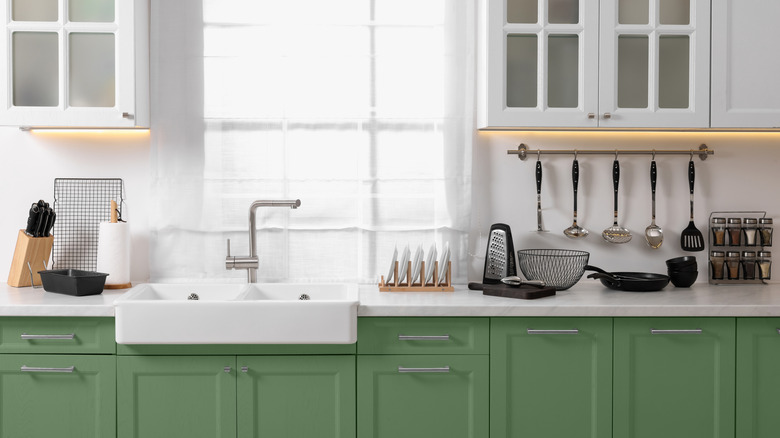
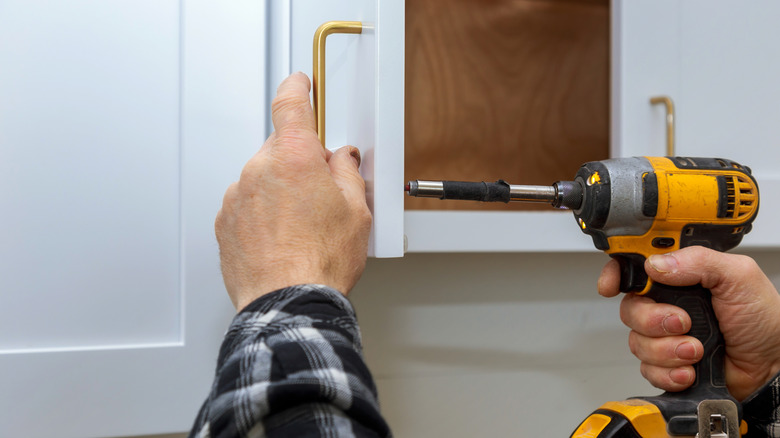
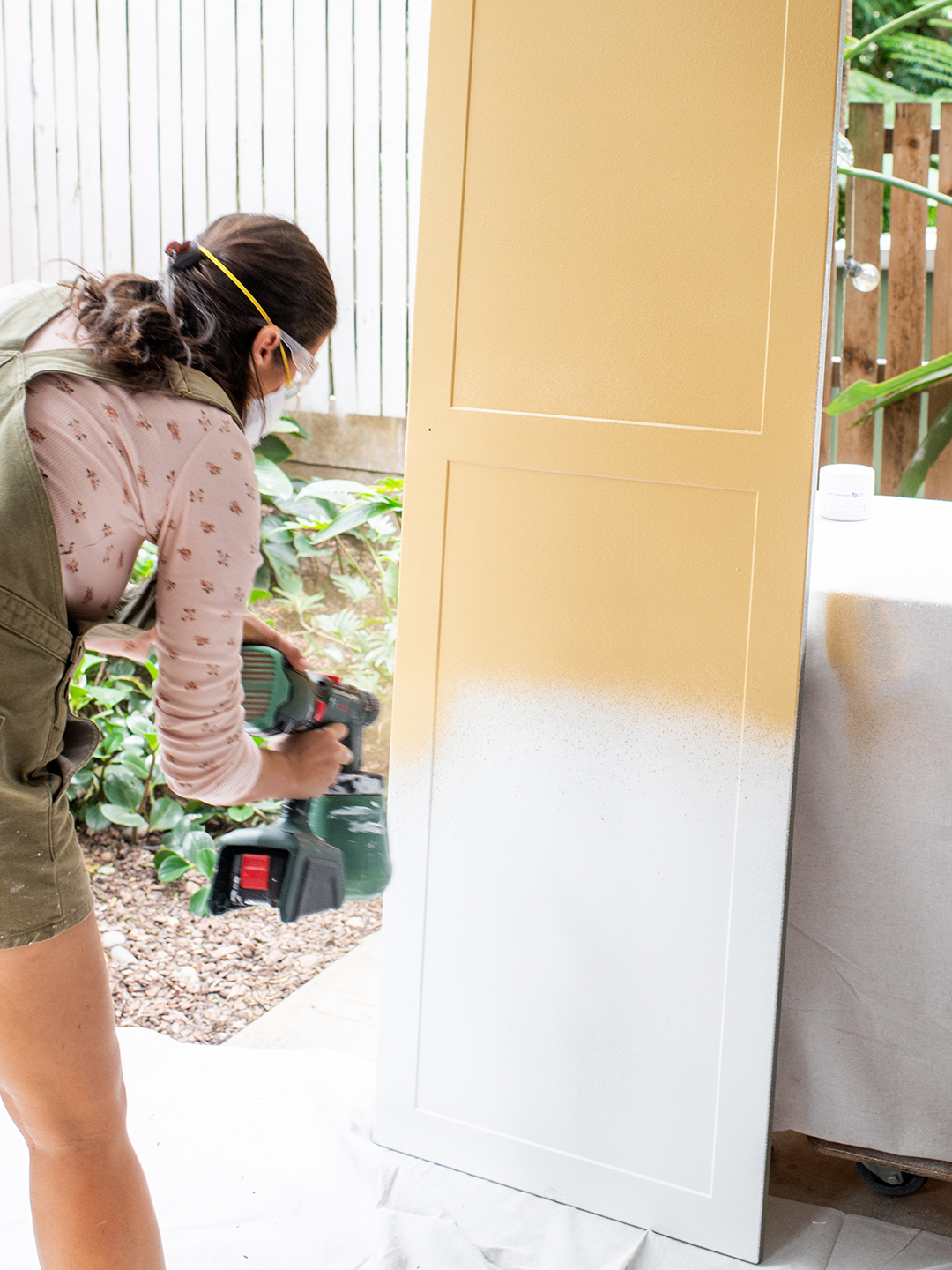
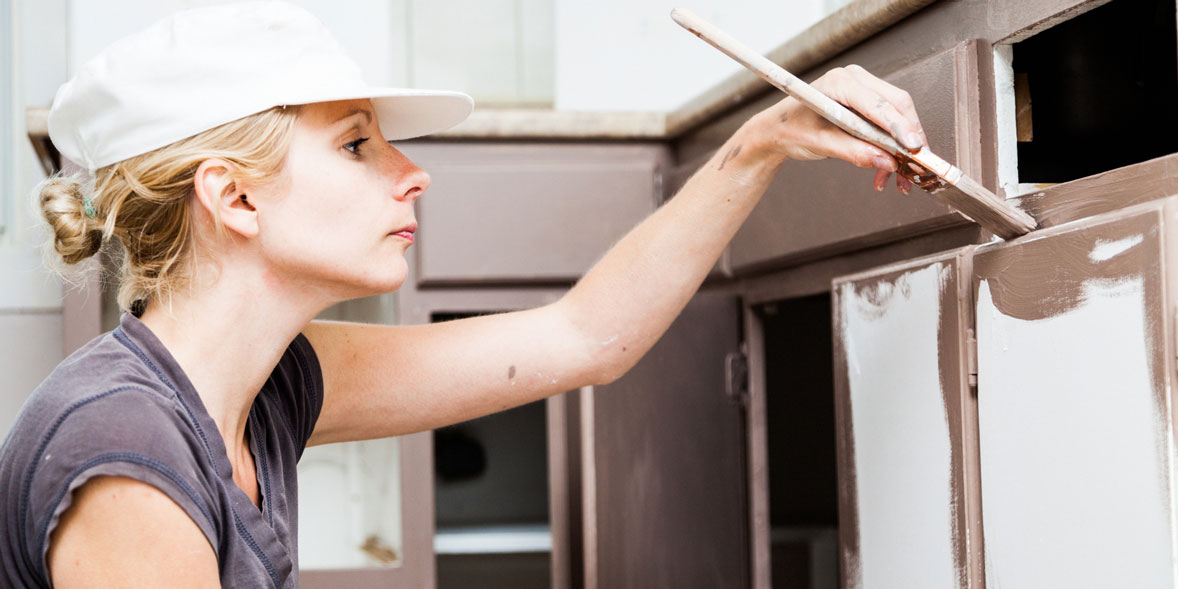
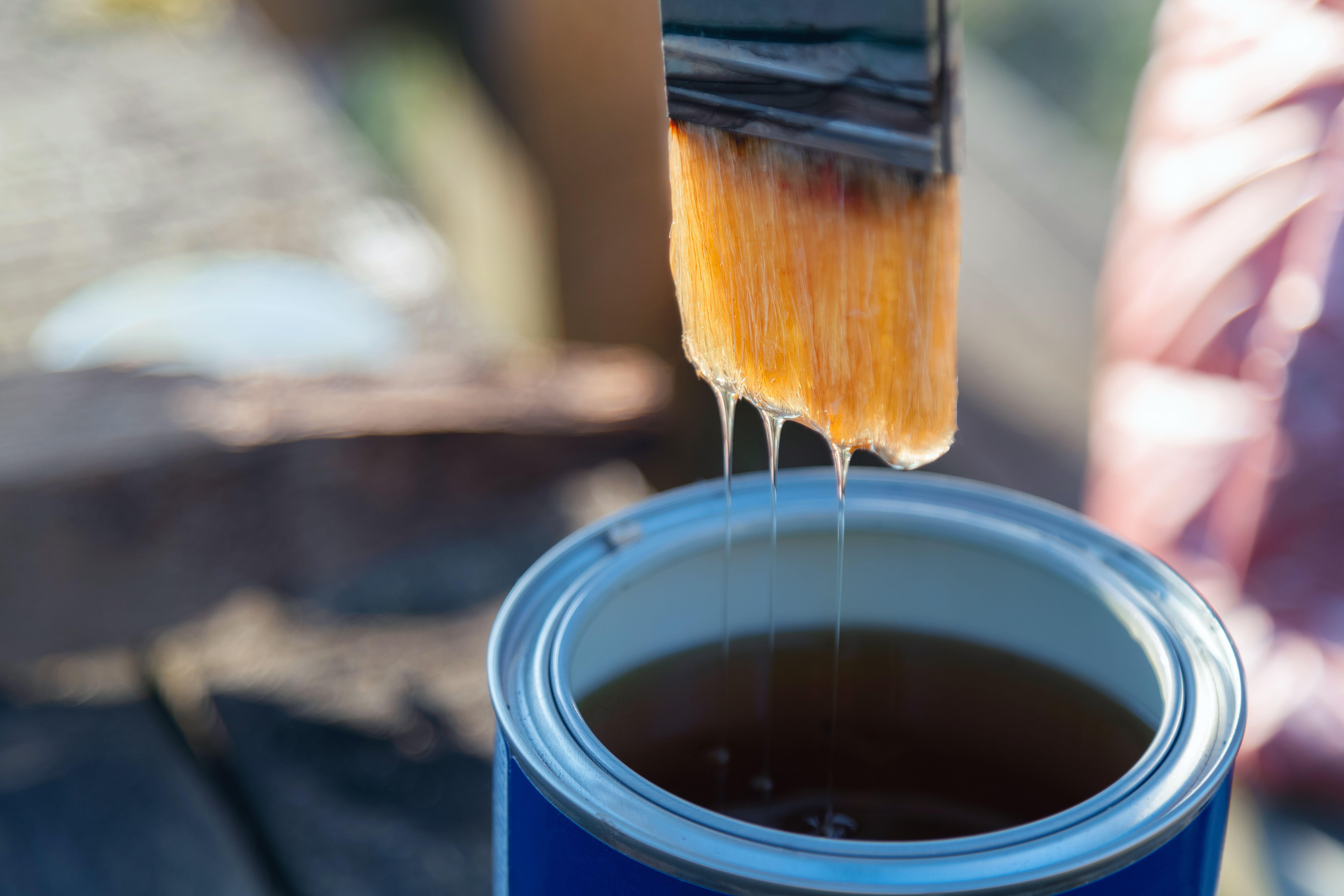
The final stage is applying the chosen finish, which can be varnish, wax, or paint. For wood kitchen cabinets, products like Restor-A-Finish or Feed-N-Wax can enhance the wood's natural beauty. For painting, guidance on suitable paint finishes is available. Once the new finish is dry, the handles are reattached or new ones installed, and the doors and drawers are fixed back into place. For those looking to avoid sanding, mineral spirits and a rough sponge can be used to clean and lightly scuff the surface. It's important to distinguish refinishing (changing the existing finish or color) from refacing (applying a new material on top of the existing surface).
#KitchenDesign #CabinetRefinishing #DIYHomeImprovement #SustainableLiving #KitchenRenovation #HomeDecor #InteriorDesign #WoodCare #SurfacePreparation #KitchenDesign #CabinetRefinishing #DIYHomeImprovement #SustainableLiving #KitchenRenovation #HomeDecor #InteriorDesign #WoodCare #SurfacePreparation
Há 0 comentários no total
 Ainda não há comentários
Você também pode gostar
The 11 Best Affordable Products For Refreshing Dated Wood Cabinets
34 Chic Ways To Upgrade Your Kitchen And Bathroom Cabinets

An Interior Designer’s Tips For Painting Kitchen Cabinets
Before & After: This $7,000 Kitchen Cabinet Makeover Completely Revitalizes Outdated 20-Year-Old Brown Wood
Follow These DIY Steps to Remove and Refresh Your Kitchen Cabinets

11 DIY Projects to Update Your Kitchen Cabinets

Kitchen Cabinets Looking Dated? Try One of These 6 Budget-Friendly Updates

7 clever hacks to make kitchen cabinets look expensive – and fake the stealth wealth look
19 Unexpected Cabinet Styles That Totally Upgrade Any Kitchen

The Overlooked Cabinet Fix That Boosts Your Kitchen's Style And Function (It's Not Washable Paint)
This DIYer’s Sunny Kitchen Makeover Only Took 3 Swaps


39 Kitchen Cabinet Design Ideas to Give Your Space an Ultimate Makeover

How to Upgrade Your Kitchen Cabinets With Just a Can of Paint: 19 Before-and-After Kitchens That Stun

What are the most low-maintenance kitchen cabinets? Experts say these styles will look better for longer


How to paint kitchen cabinets: an expert, step-by-step guide
‘Best method’ to paint your kitchen cabinets in ‘3 easy steps’ for an ‘unbeatable finish’
Best Paints for Kitchen Cabinets and Types to Revamp Your Space

Transform Your Kitchen with the Best Cabinet Hardware

10 Modern Cabinet Ideas That'll Freshen Up Your Kitchen

Your Kitchen Cabinets Deserve Better—Here’s How to Clean Them the Right Way