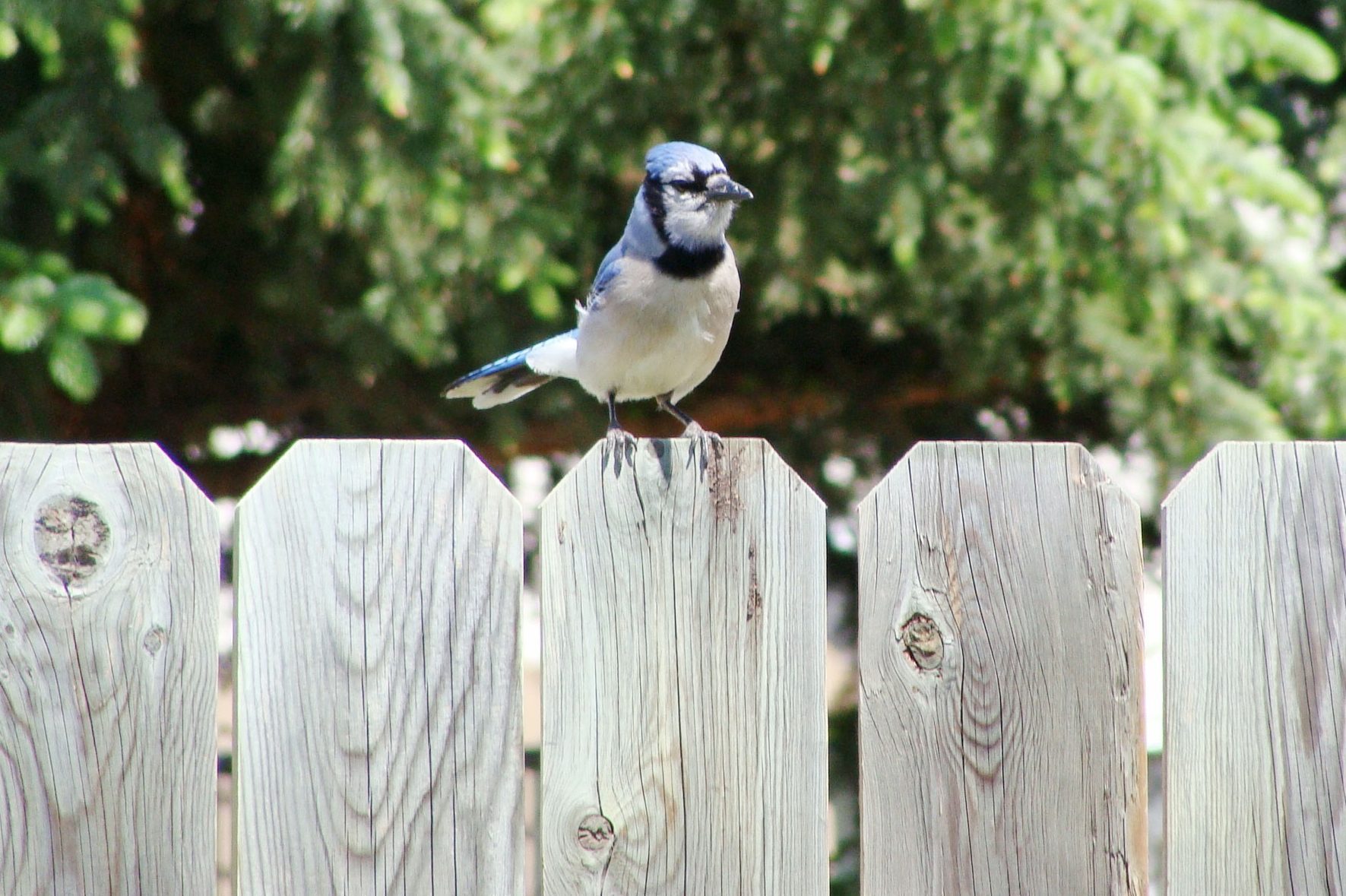
1/2
How To Make Your Fence Wildlife Friendly
Fences, while providing a sense of enclosure for humans, often act as significant barriers to wildlife, impacting their ability to find food, water, migrate, and mate. Ill-designed fences can also steer animals into dangerous areas like busy roads and trap young wildlife. Christine Paige, a wildlife biologist and author of "A Landowner’s Guide to Wildlife Friendly Fences," highlights that while fencing is ubiquitous and increasing, there's a growing adoption of wildlife-friendly fencing practices, supported by decades of scientific research. These practices allow humans to coexist more harmoniously with animals, including elk, foxes, bobcats, crabs, and quail.
A wildlife-friendly fence possesses several key characteristics. It should be low enough for animals to jump over and have a bottom high enough for them to crawl under. The fencing material must be taut, free of loose or broken wires, and have ample space between cross wires or beams to prevent entanglement. Crucially, the fence needs to be easily visible to running animals or flying birds. It should not obstruct essential wildlife pathways or habitats, avoid creating three-dimensional obstacles like buck fences, and be free of components that could impale or snag leaping animals. Before installing a fence, it is recommended to observe local wildlife patterns, such as tracking animal movements in winter or using camera traps, to understand their needs and preferred routes.
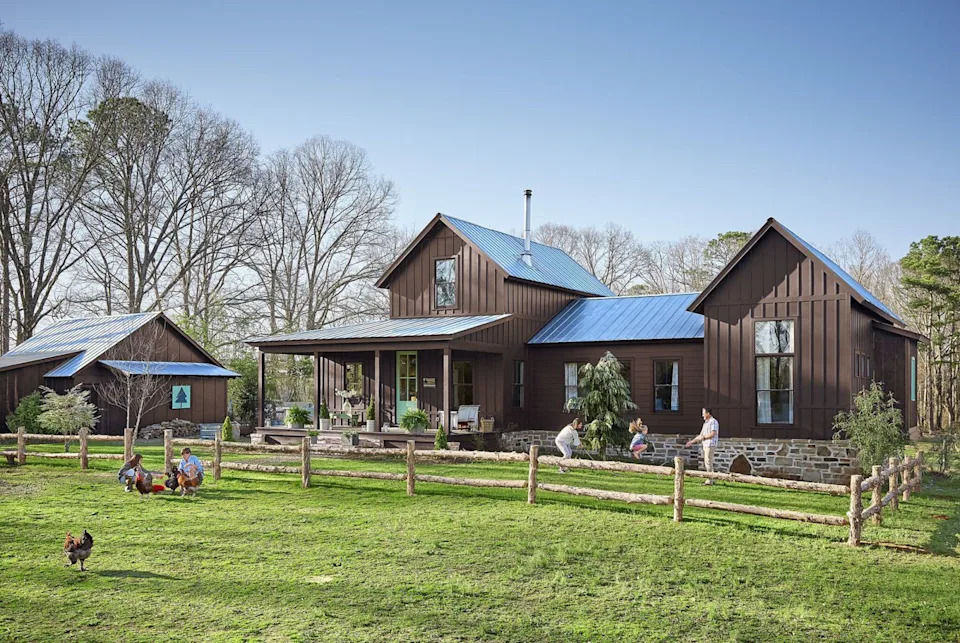
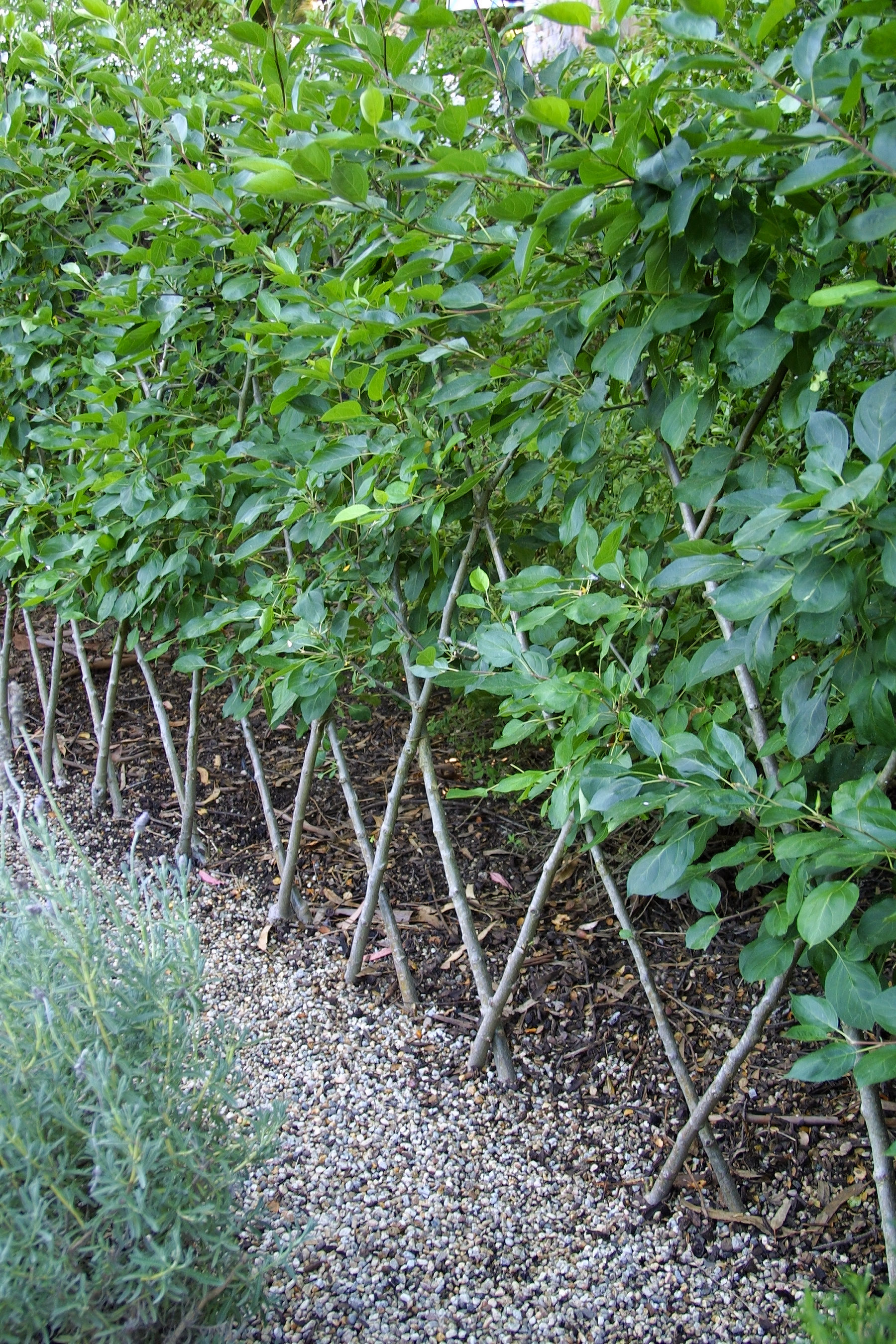
The initial consideration for any landowner is whether a fence is truly necessary. Natural borders like native hedgerows or strategically placed boulders can often define property lines without needing traditional fencing. If a fence is required, simpler, open designs like low posts with cables or chains, or split-rail fences, are preferable, allowing animals to step over or slip under. Spiked iron fences with narrow bars should be avoided as they pose a significant threat, potentially impaling or trapping deer.
For specific protection needs, such as safeguarding a garden, hay bales, or containing pets, exclusion fences are recommended. These fences can be high or electric. For instance, electrifying chicken coops or beehive areas can effectively deter predators like bears, facilitating coexistence with wildlife. Various state fish and game agencies and local nonprofits can assist with the setup of such systems.
Optimal fence design for wildlife includes features that facilitate safe passage. For ungulates, a top rail wooden bar, no higher than 40 inches, is advised to prevent entanglement. If on a slope, this height should be reduced. The second wire should be at least 12 inches below the top wire to prevent leg entanglement. The bottom wire should be smooth, not barbed, and provide at least 18 inches of ground clearance, allowing young animals like fawns, elk calves, and moose to pass underneath.
Implementing easy exits, such as gates, is vital, particularly in migration corridors. These gates should be opened or fencing removed seasonally to accommodate animal movements. Paige also suggests having an easily opened gate in a corner, providing an escape route for trapped animals like young fawns. Regular maintenance is crucial; loose wires increase entanglement risks, and single-strand wires can be hard for animals to see. Enhancing visibility with flags, ribbons, PVC pipe, polywire, or poly tape on the top wire, or using double-stranded smooth wire, is beneficial. Visibility is especially important near meadows and waterways to protect birds. Chainlink fences are particularly problematic for small animals like turtles, land crabs, armadillos, and foxes, emphasizing the importance of more open fence designs for smaller creatures.
Several resources are available for modifying existing fences or constructing new wildlife-friendly ones. Paige's brochure serves as a comprehensive guide. For large landholders, especially in Western ranch areas with old barbed-wire fencing, organizations such as state fish and wildlife agencies, the Natural Resource Conservation Service, county conservation districts, local conservation nonprofits, and the Rocky Mountain Elk Foundation offer assistance and information on migration corridors. Virtual fencing is also an option for those grazing cattle.
#WildlifeConservation #FenceDesign #HabitatProtection #Coexistence #EnvironmentalStewardship #AnimalSafety #LandManagement #DIYProjects #WildlifeConservation #FenceDesign #HabitatProtection #Coexistence #EnvironmentalStewardship #AnimalSafety #LandManagement #DIYProjects
Há 0 comentários no total
 Ainda não há comentários
Você também pode gostar
Fence System from BŌK Modern


Garden fence ideas – 23 stylish ways to define your boundaries

Apr 2017: This fencing project had an interesting twist

33 Garden Fence Ideas for All Budgets and Backyards


Garden Fence Panels

20 Fences That Instantly Add Charm to Any Backyard

15 Garden Fence Ideas to Beautifully Define Your Outdoor Space


Small garden fence ideas – 9 ways to add style and structure to a small outdoor space

Garden fence ideas – 29 ways to refresh and revamp your panels
Fences

The Best Indoor Dog Fences in 2024

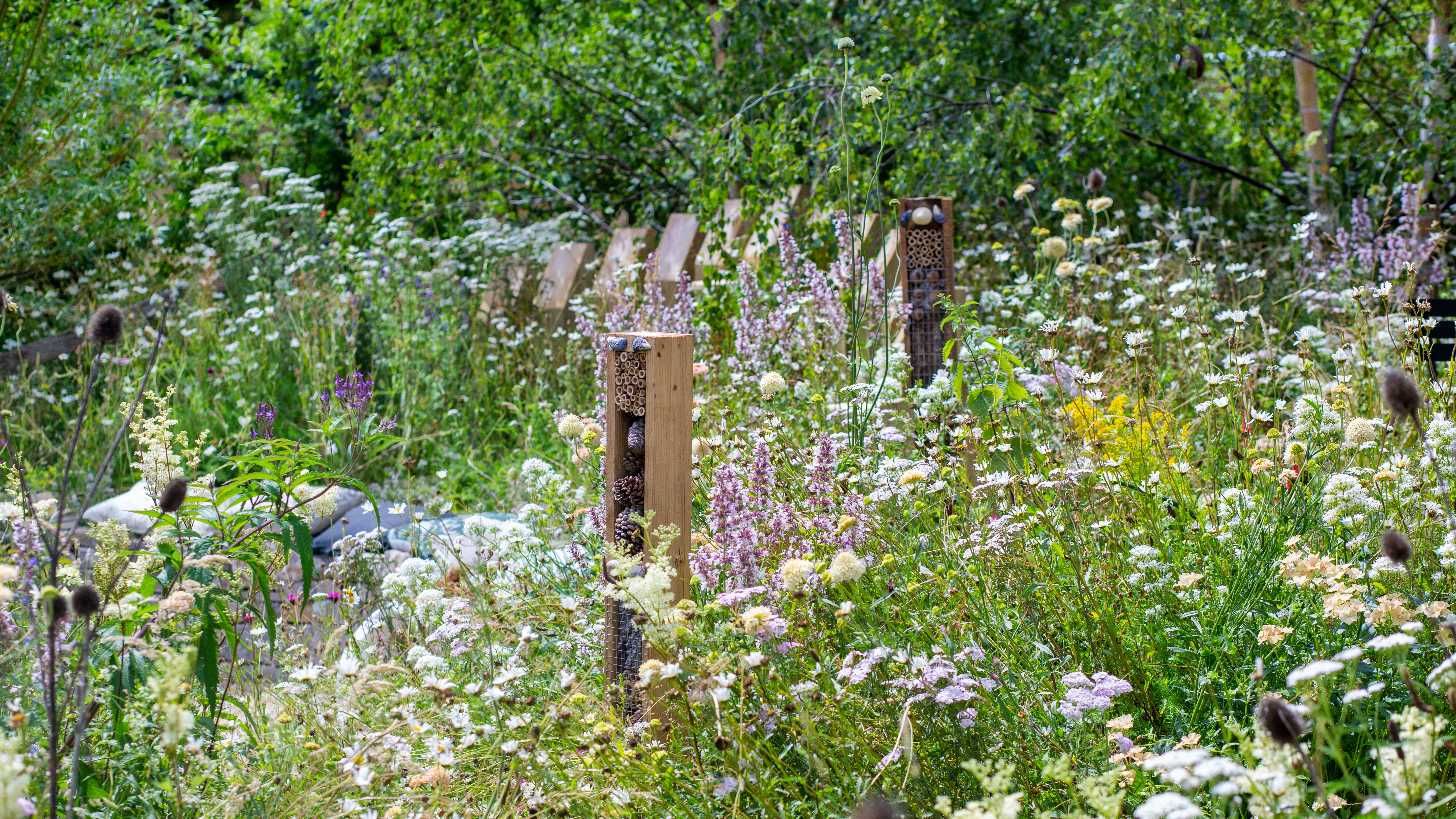
Wildlife garden ideas – 16 ways to transform your backyard into a nature-friendly plot

Feather Edge Boards

This is the 1 simple $8 fix to stop your fence panels rattling this summer
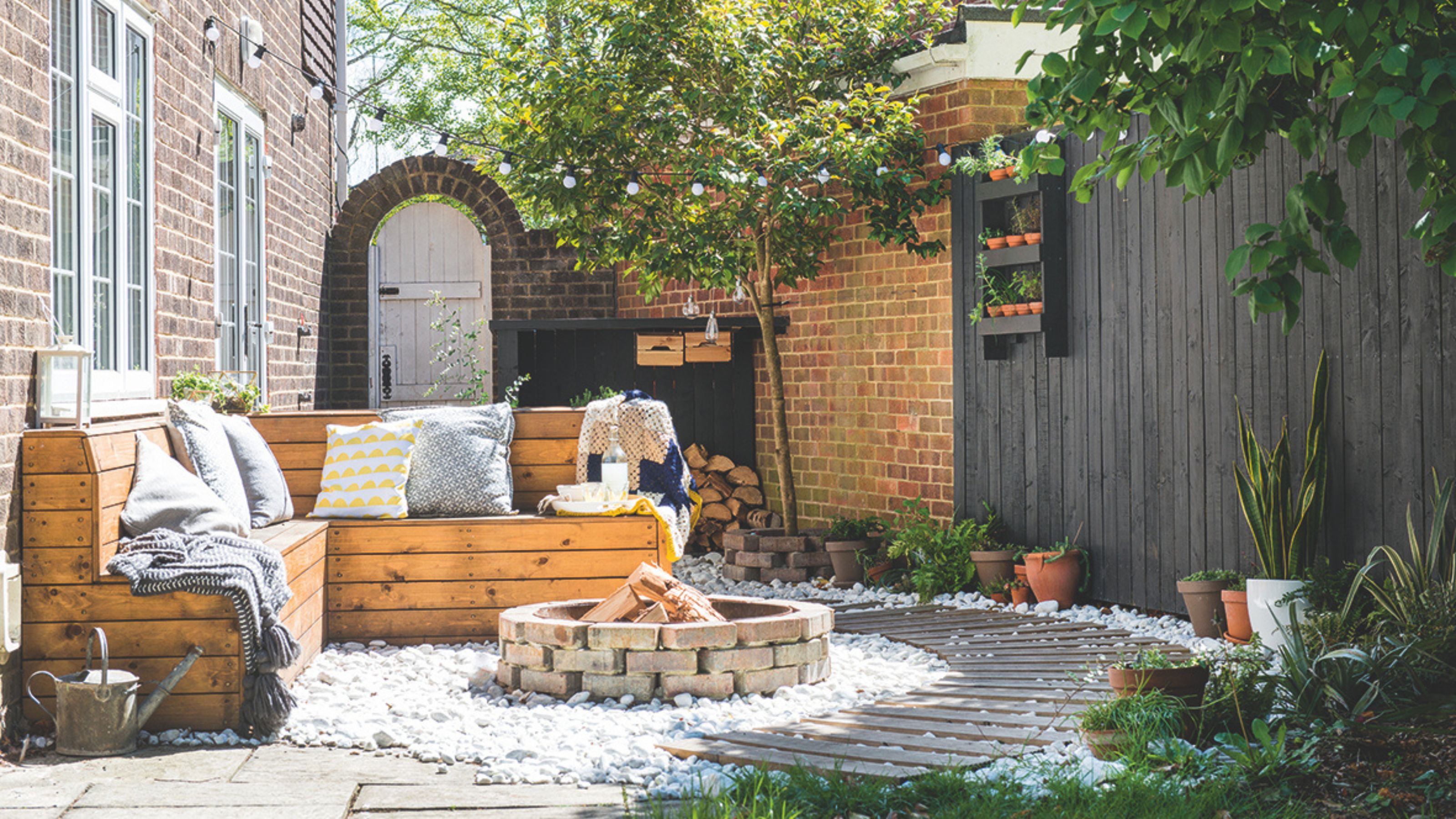
The £5 fix to stop your fence panels from rattling - DIY experts say it'll fix the problem for good
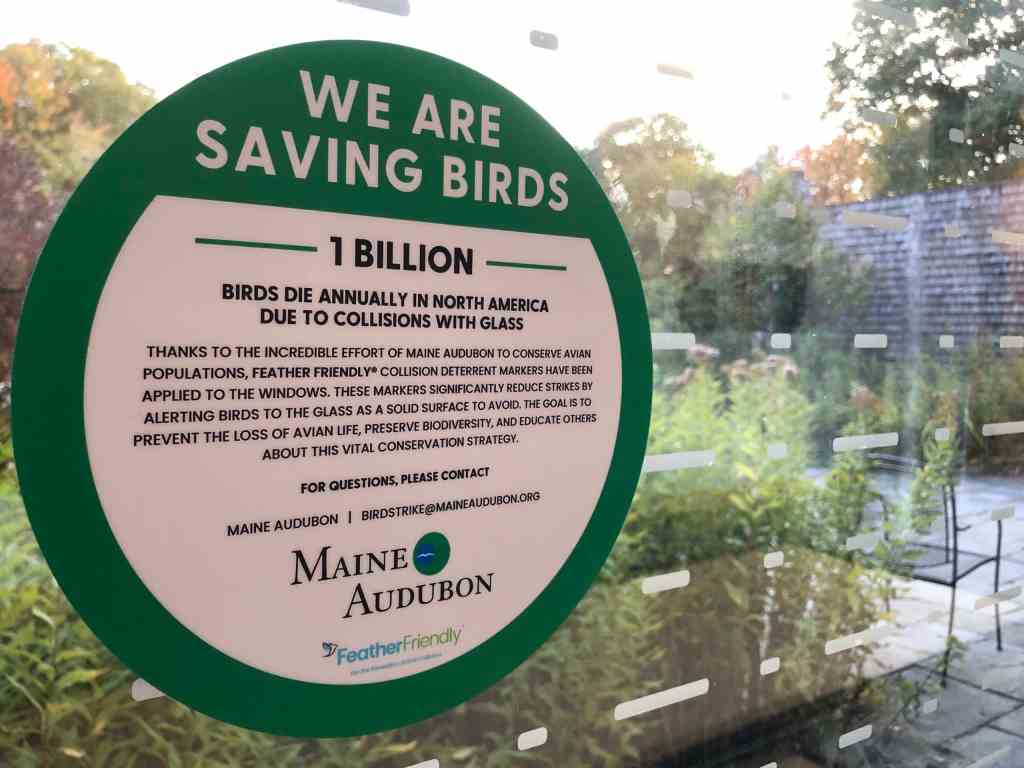
Installing Bird Safe Windows at Gilsland Farm


Garden screening ideas: 13 ways to create privacy in your garden

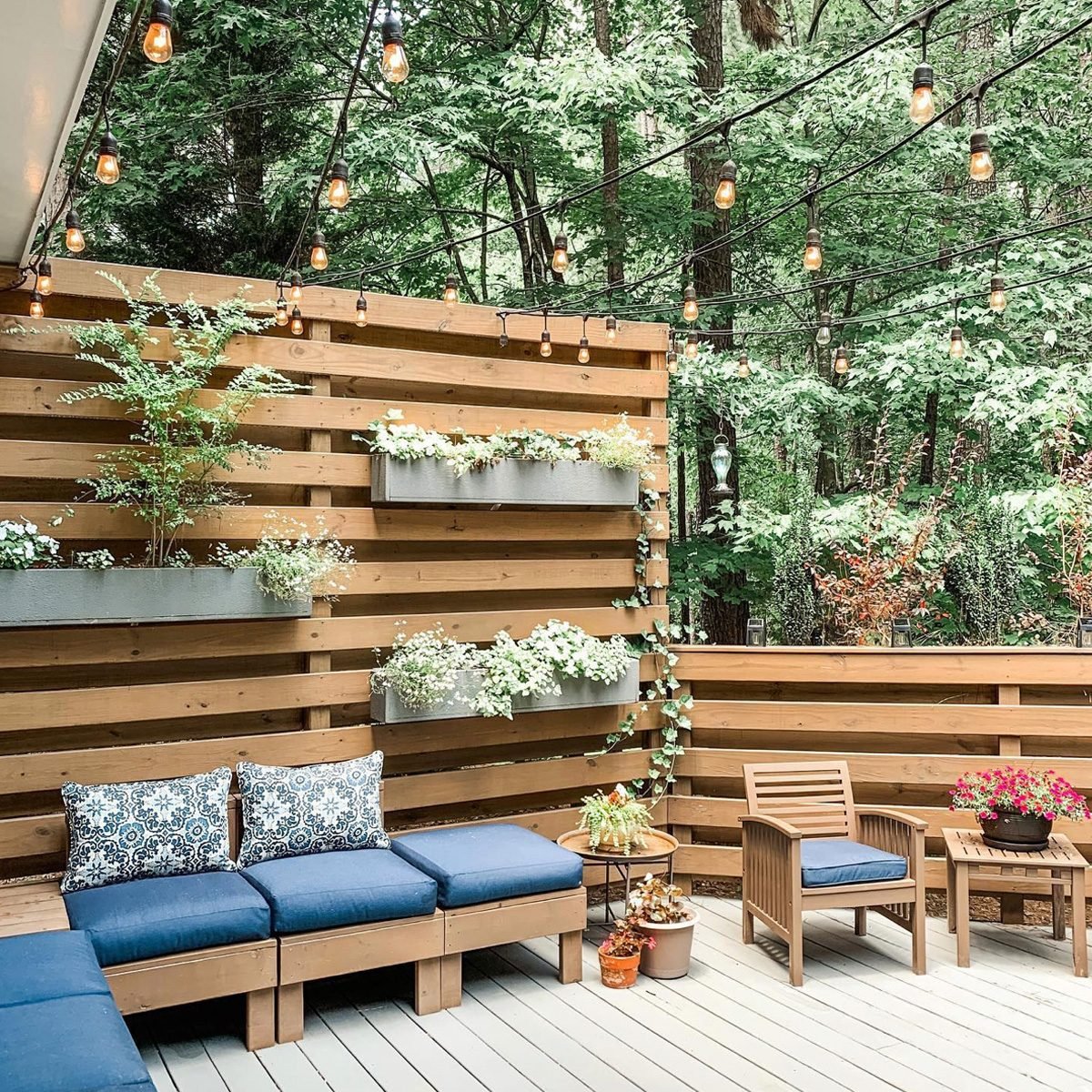
10 Privacy Fence Ideas for Your Yard

Cyclone Wire Fence Design,Chain Link Fence With Barbed Wire on Top
10 privacy fence options for your deck, patio or backyard