1/6
How Can I Make a Shaker Kitchen Feel More Modern? 5 Twists to Make This Classic Style Feel Fresh
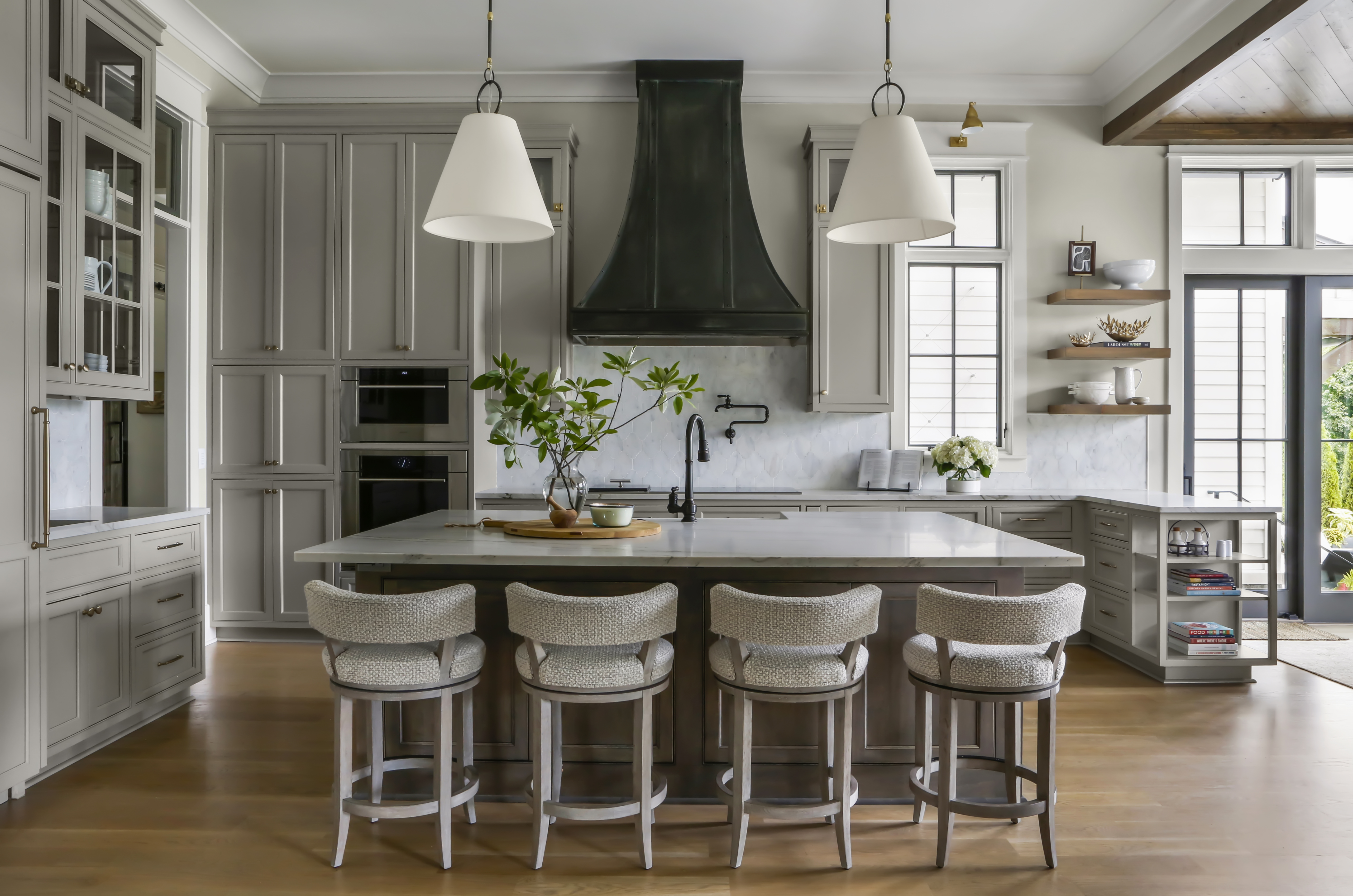
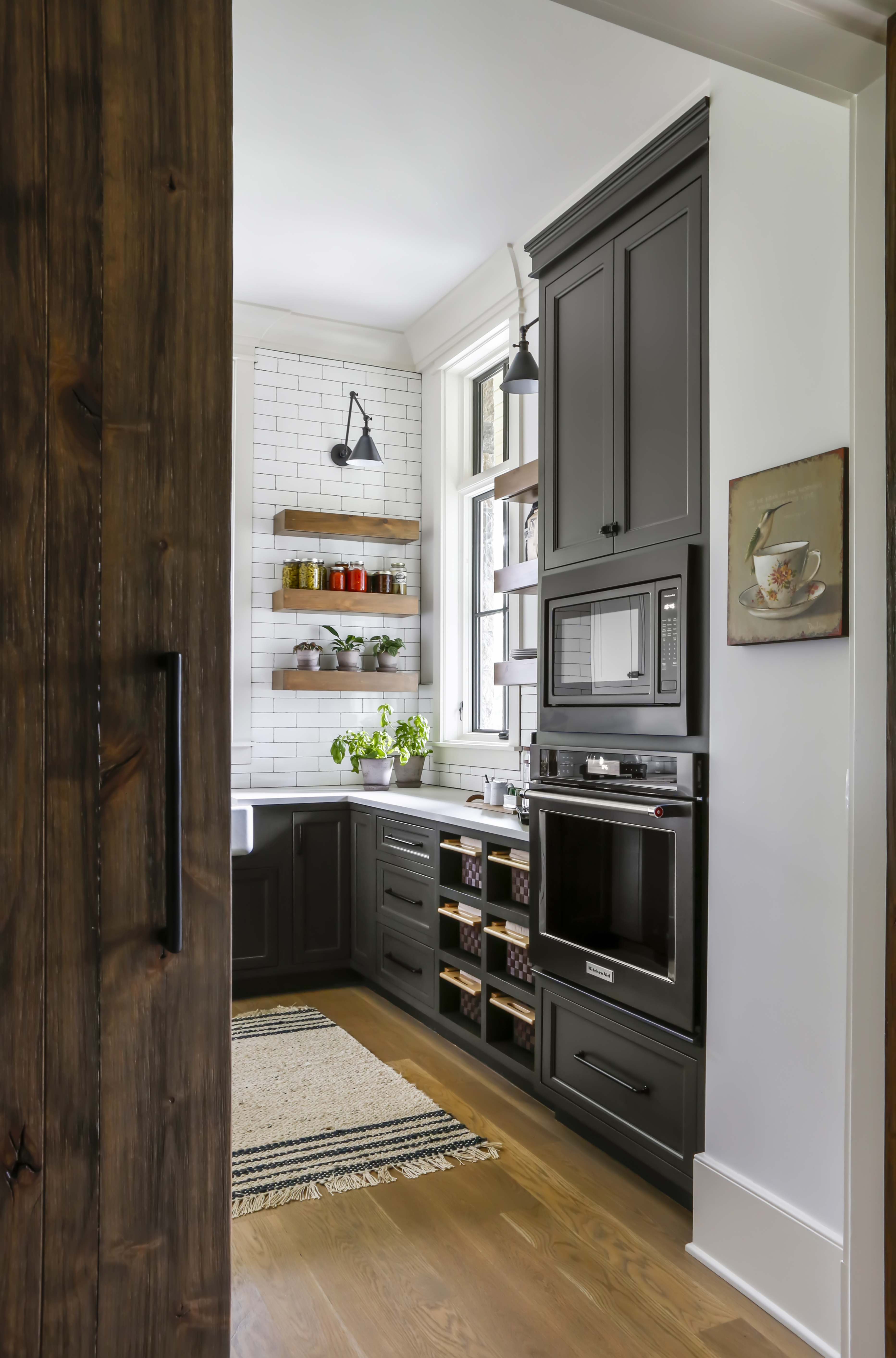
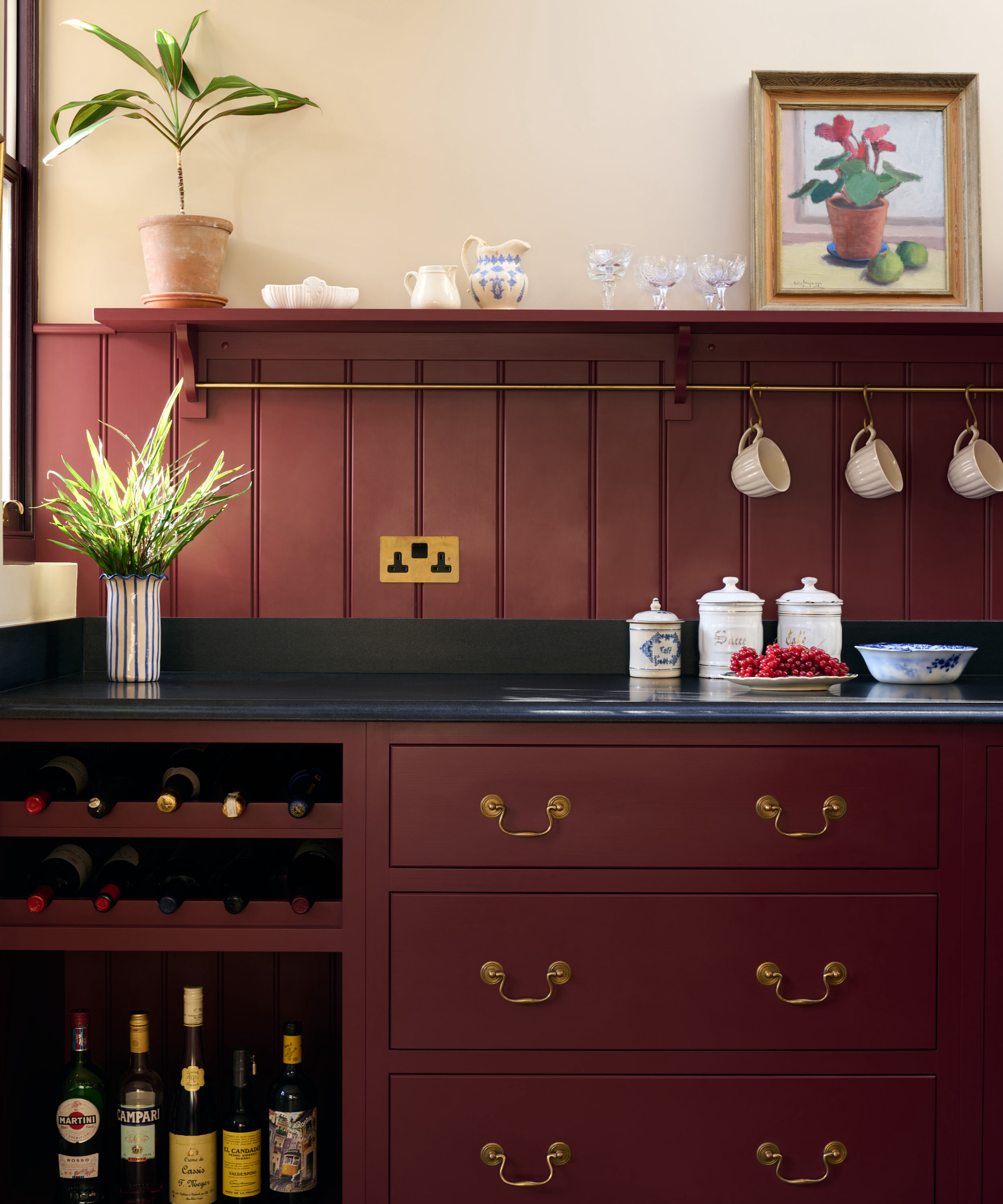
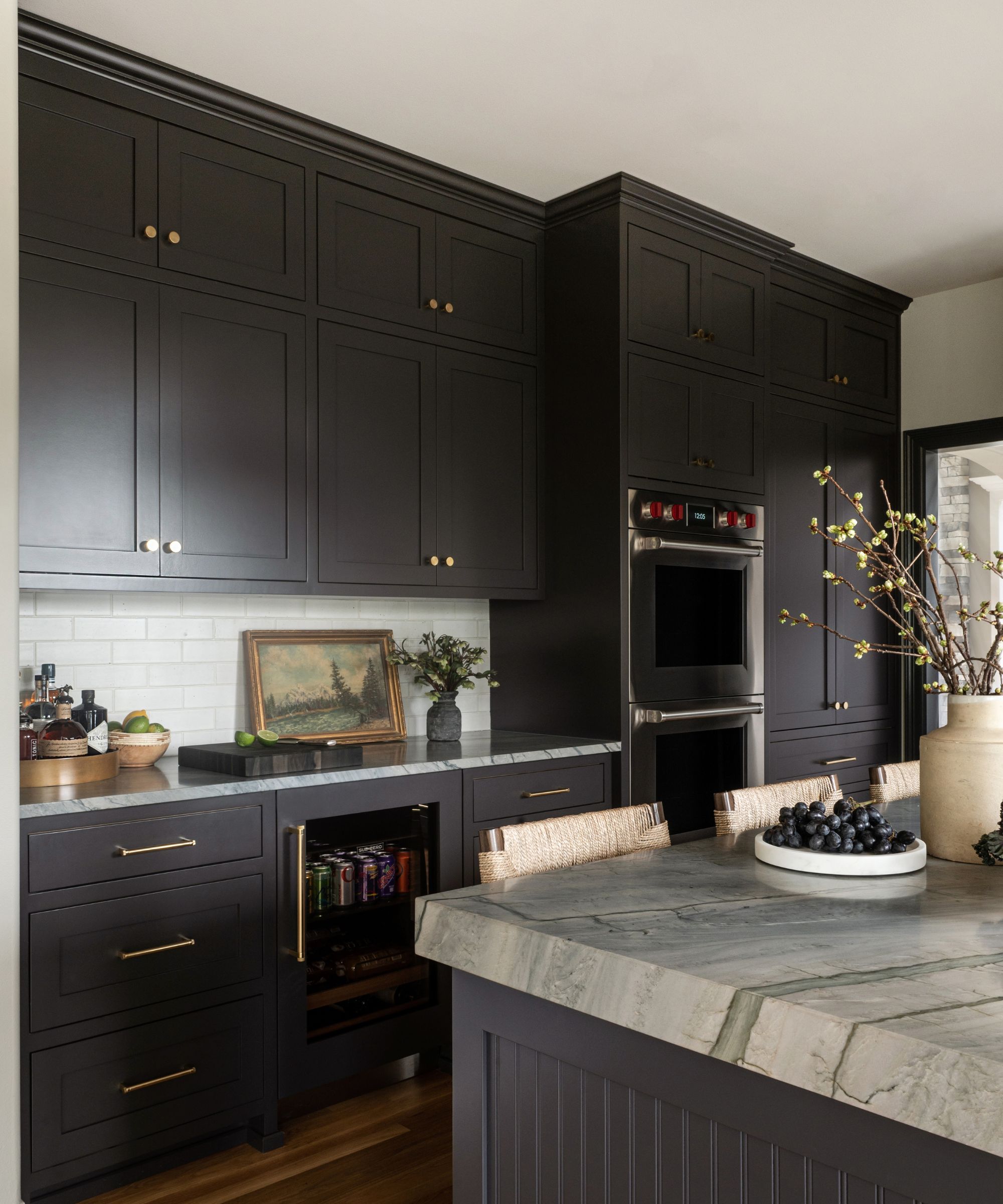
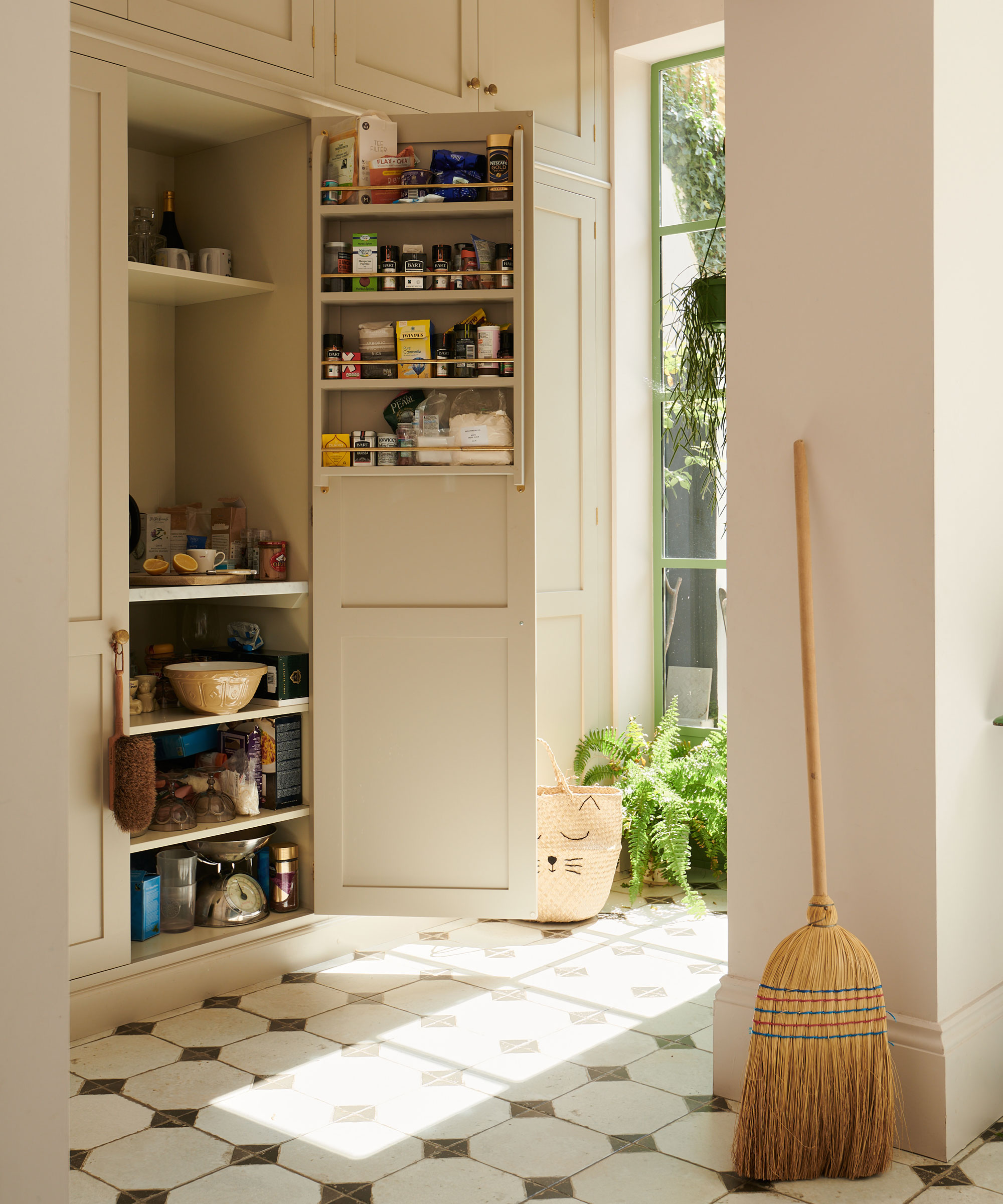
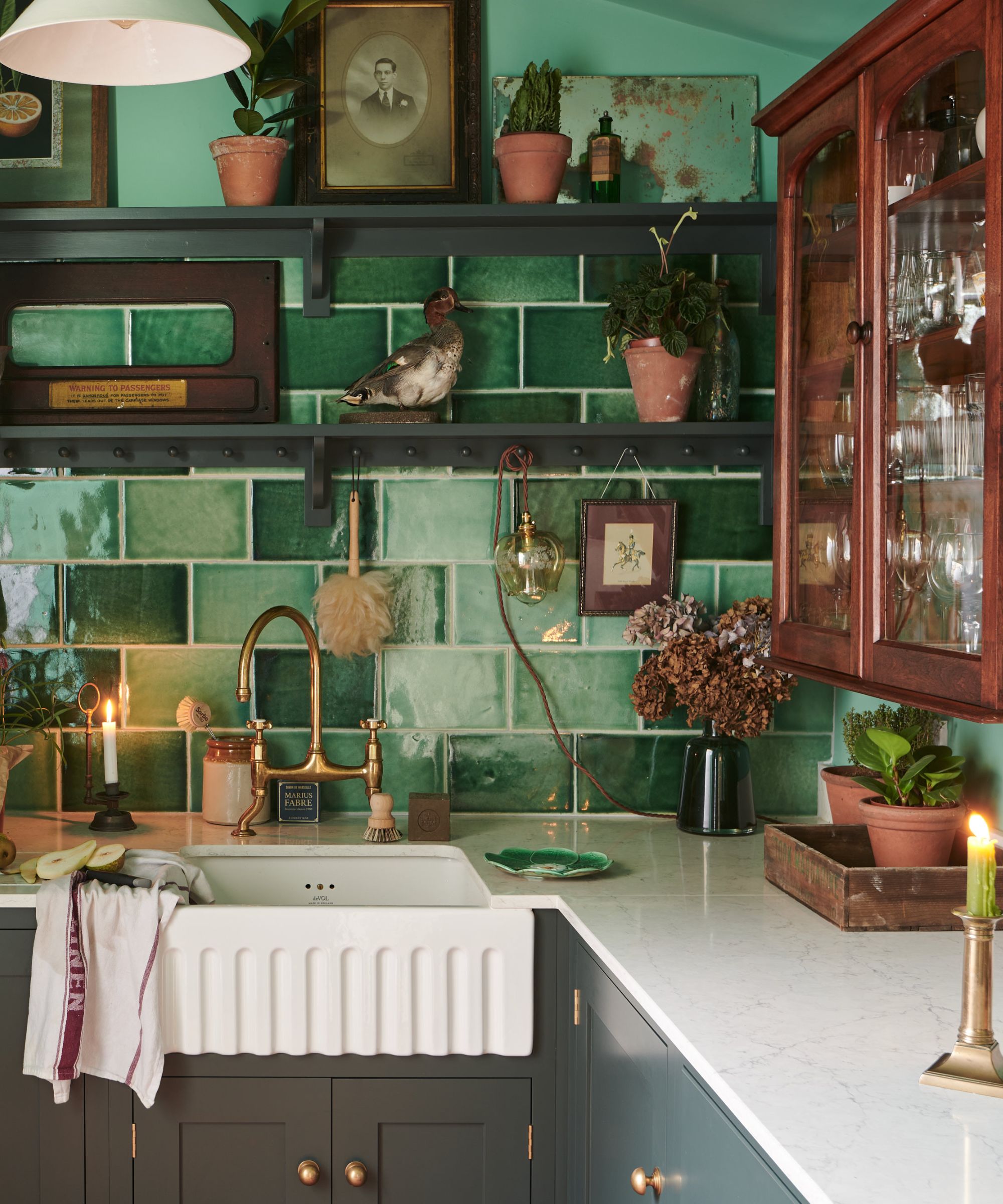
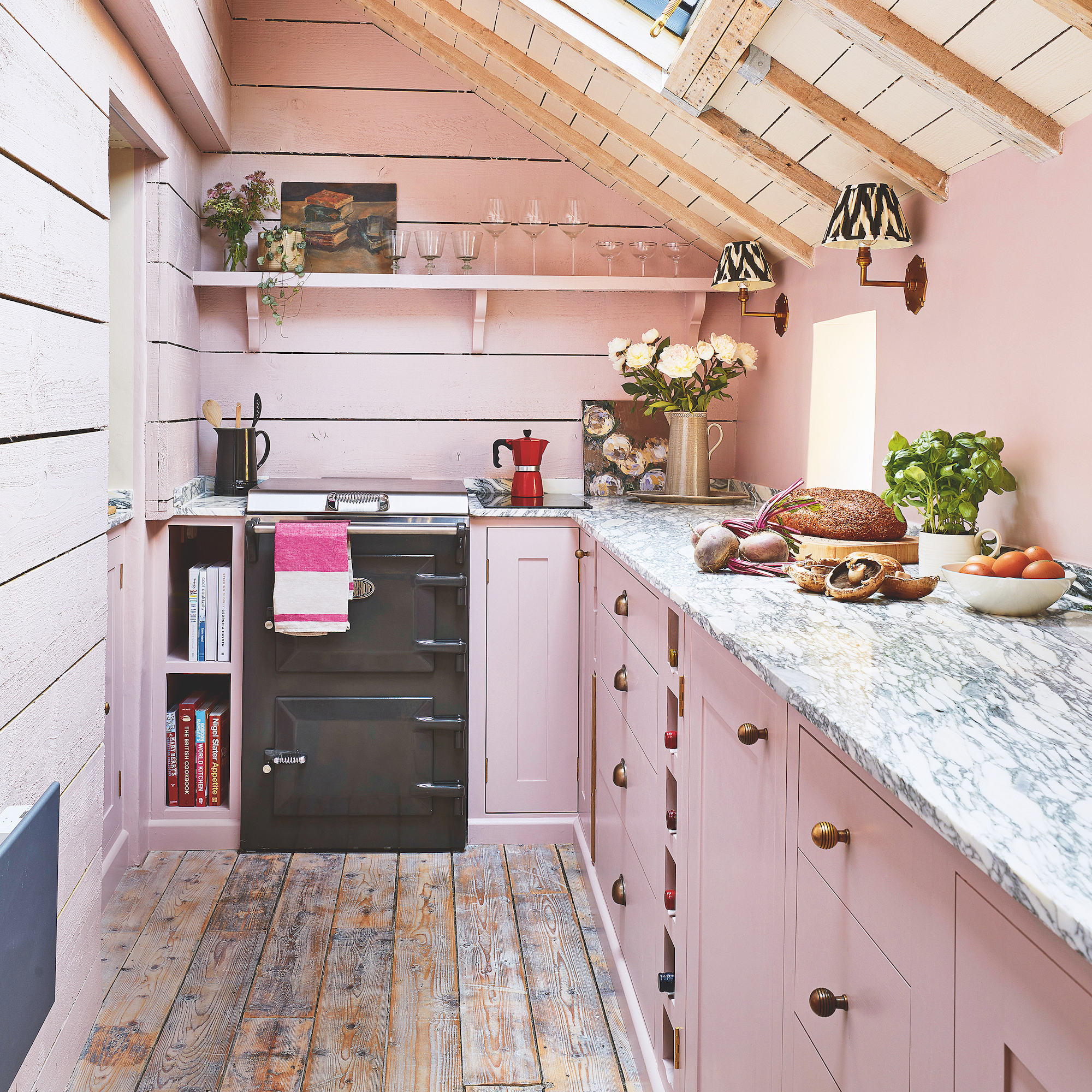
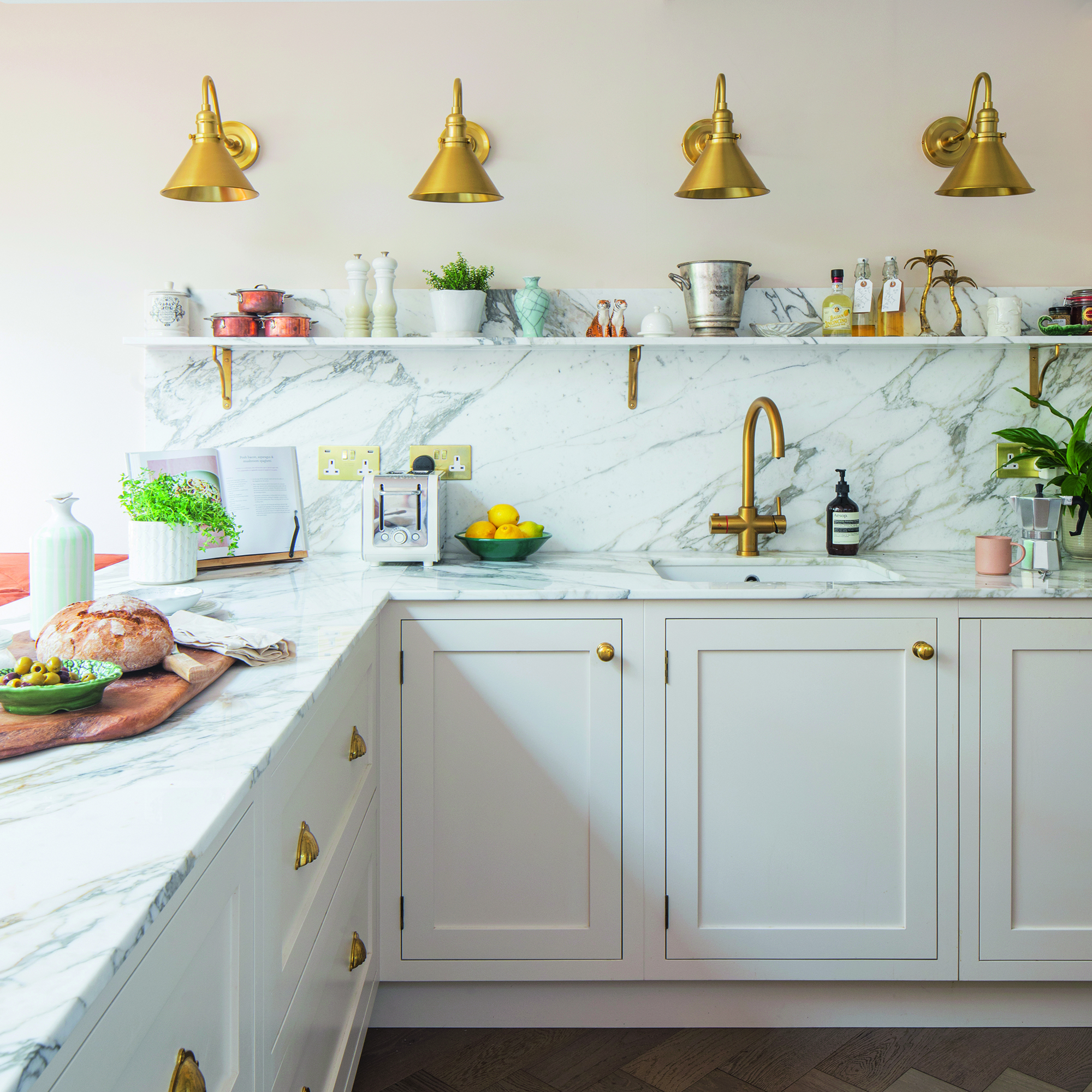
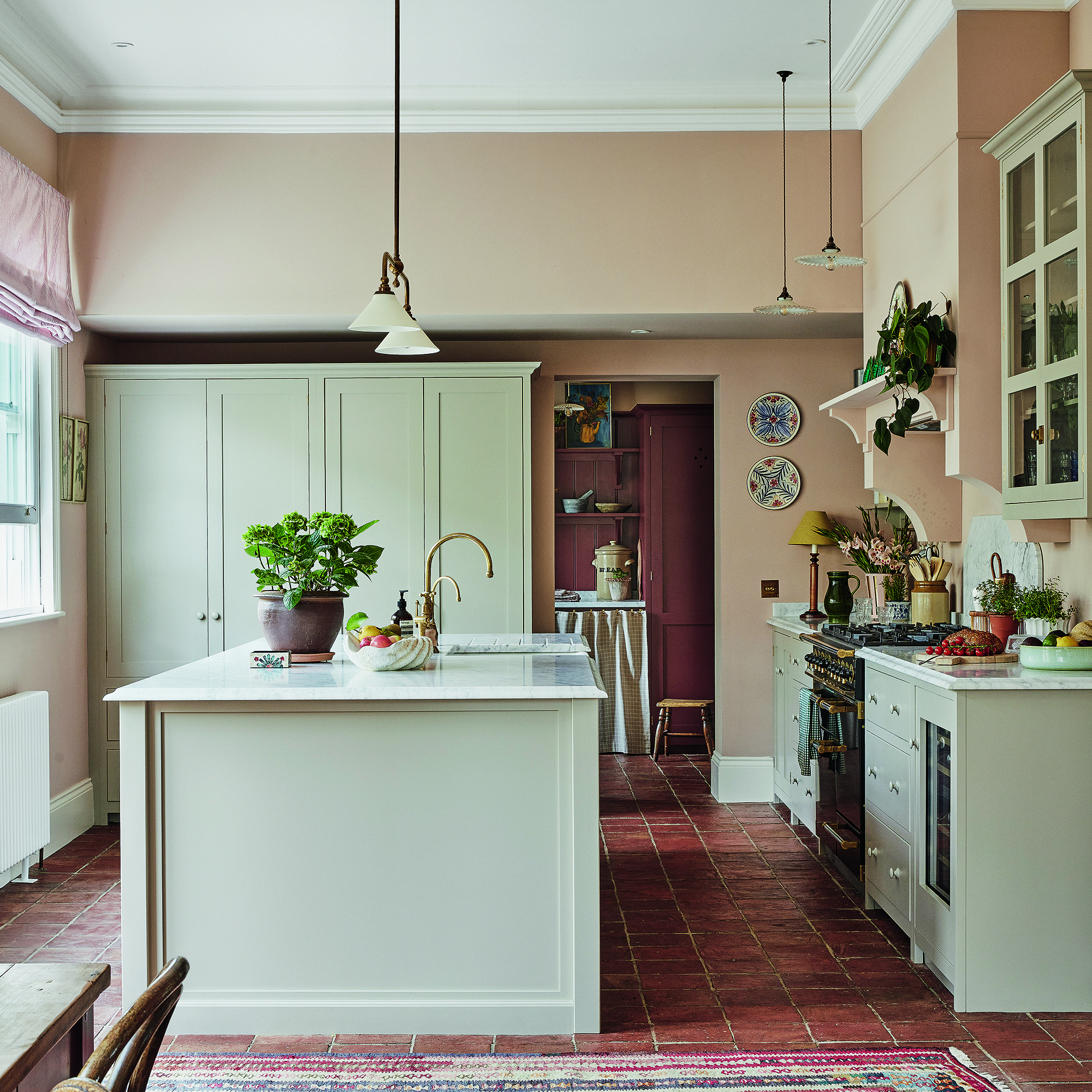
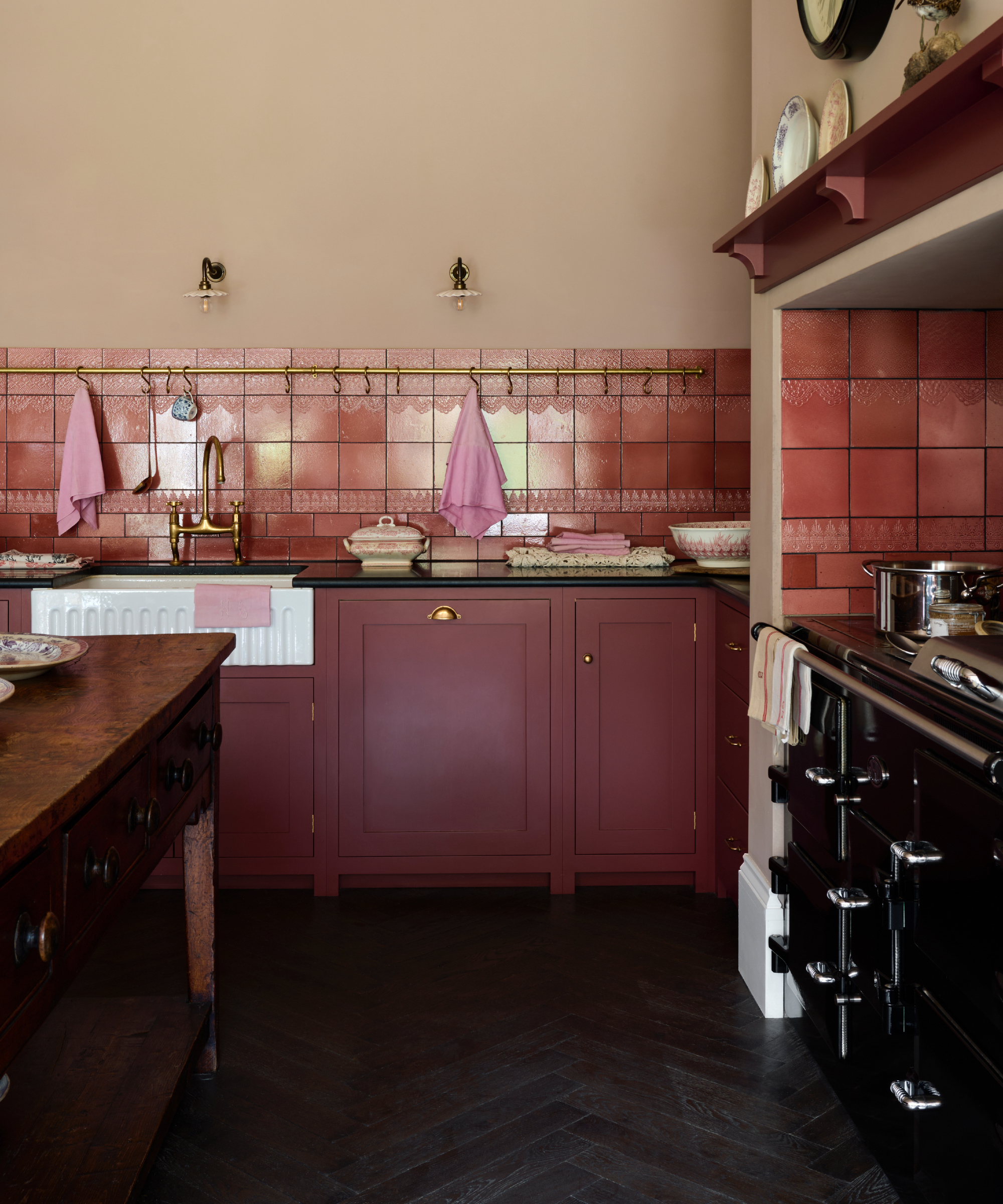
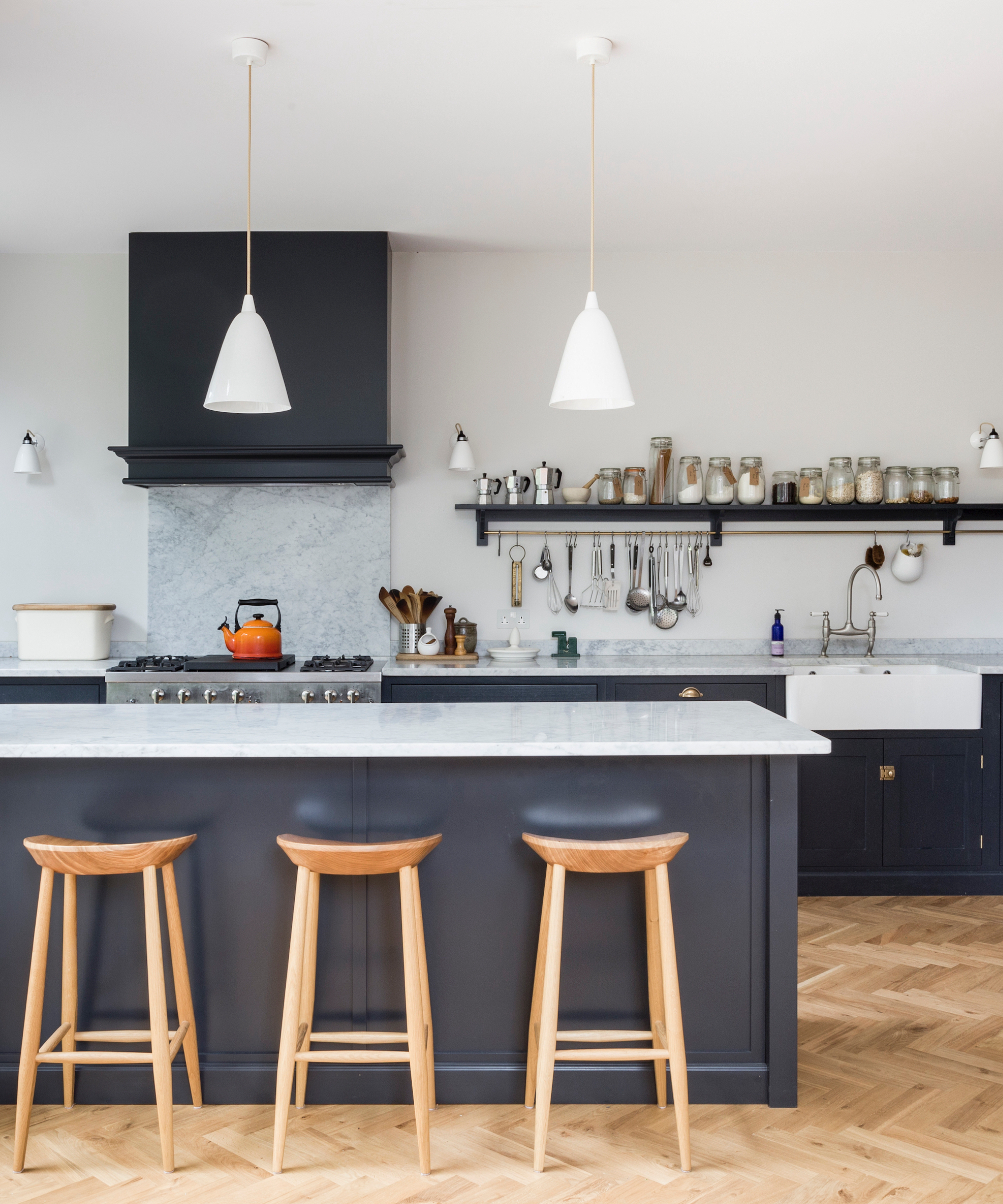
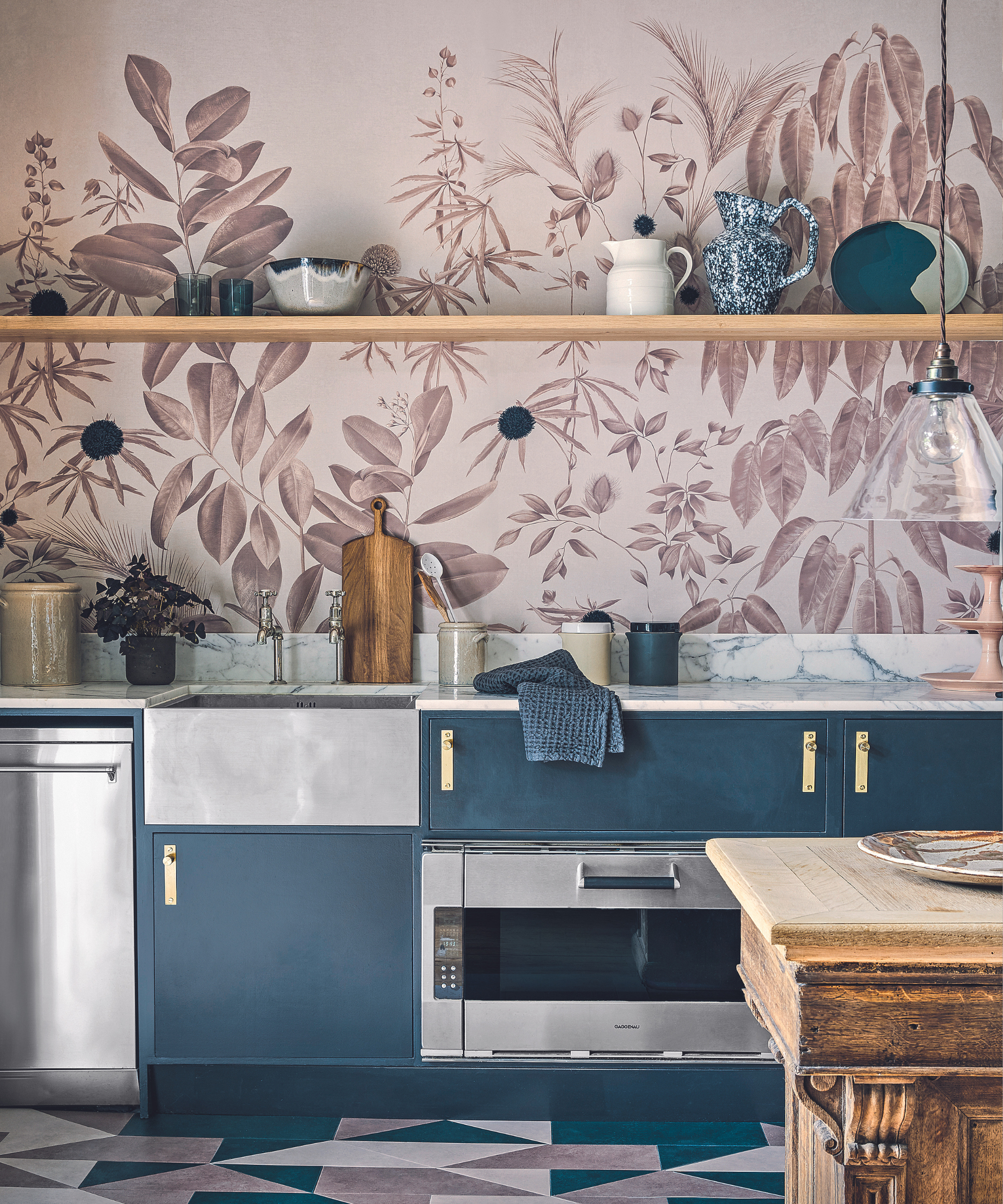
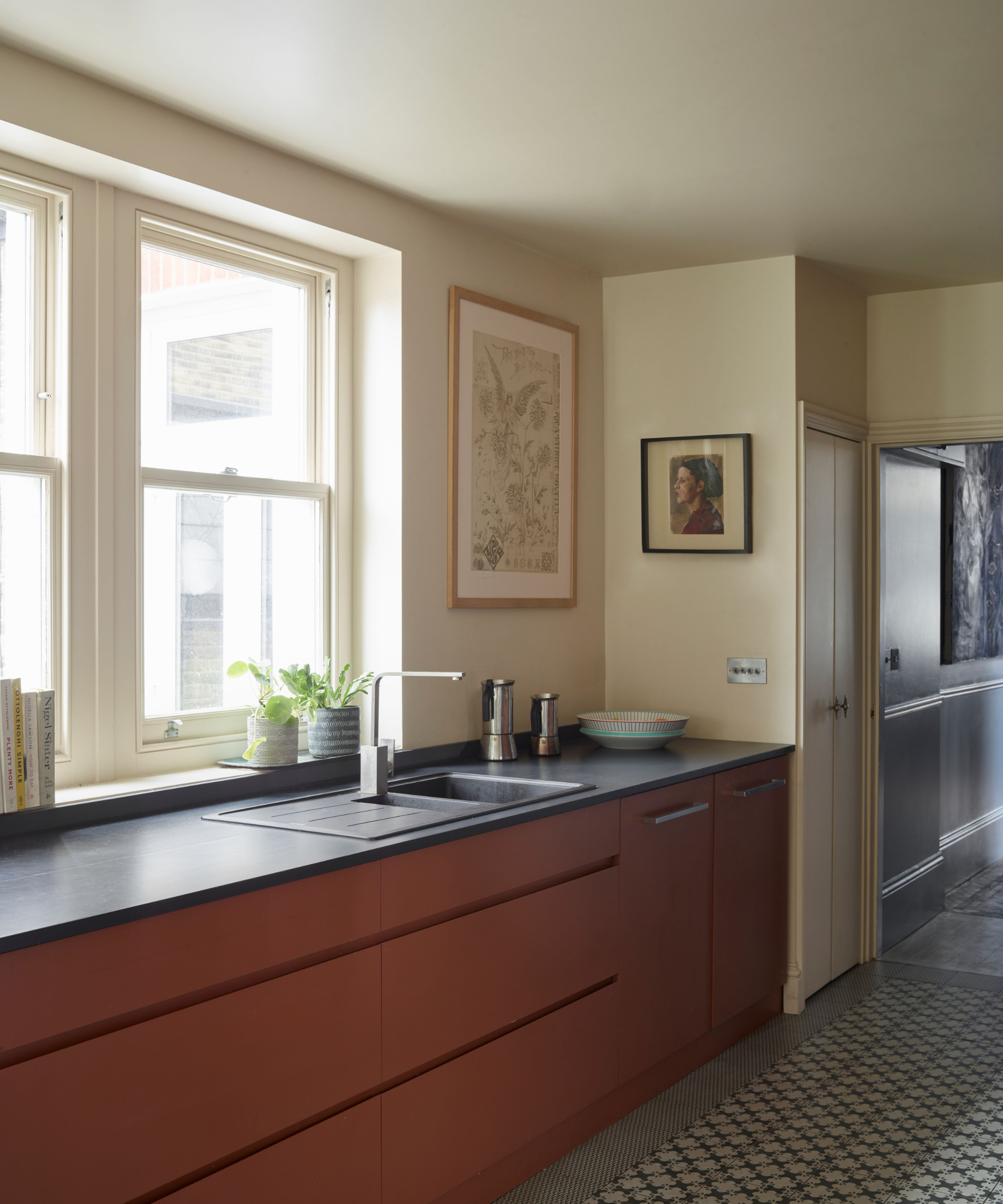
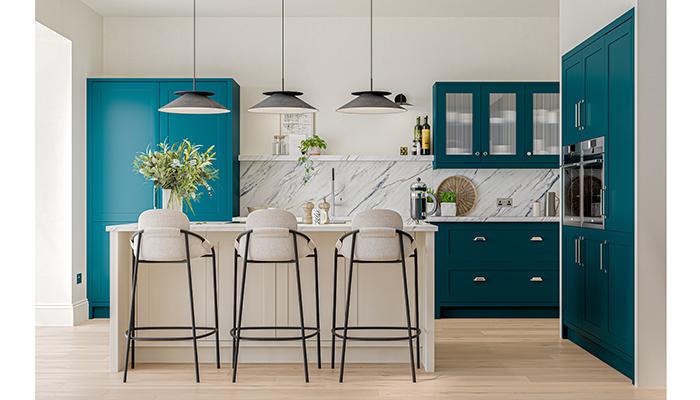
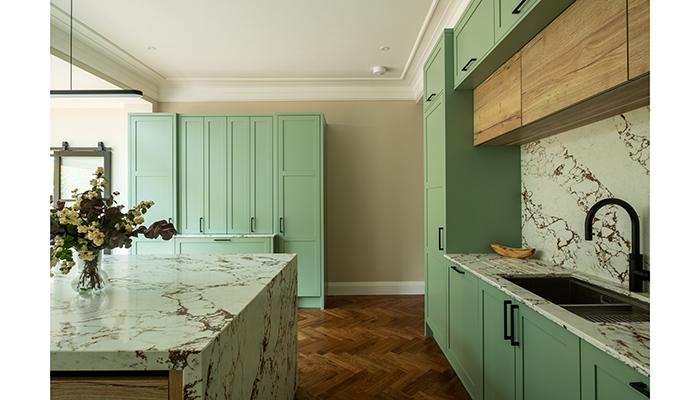
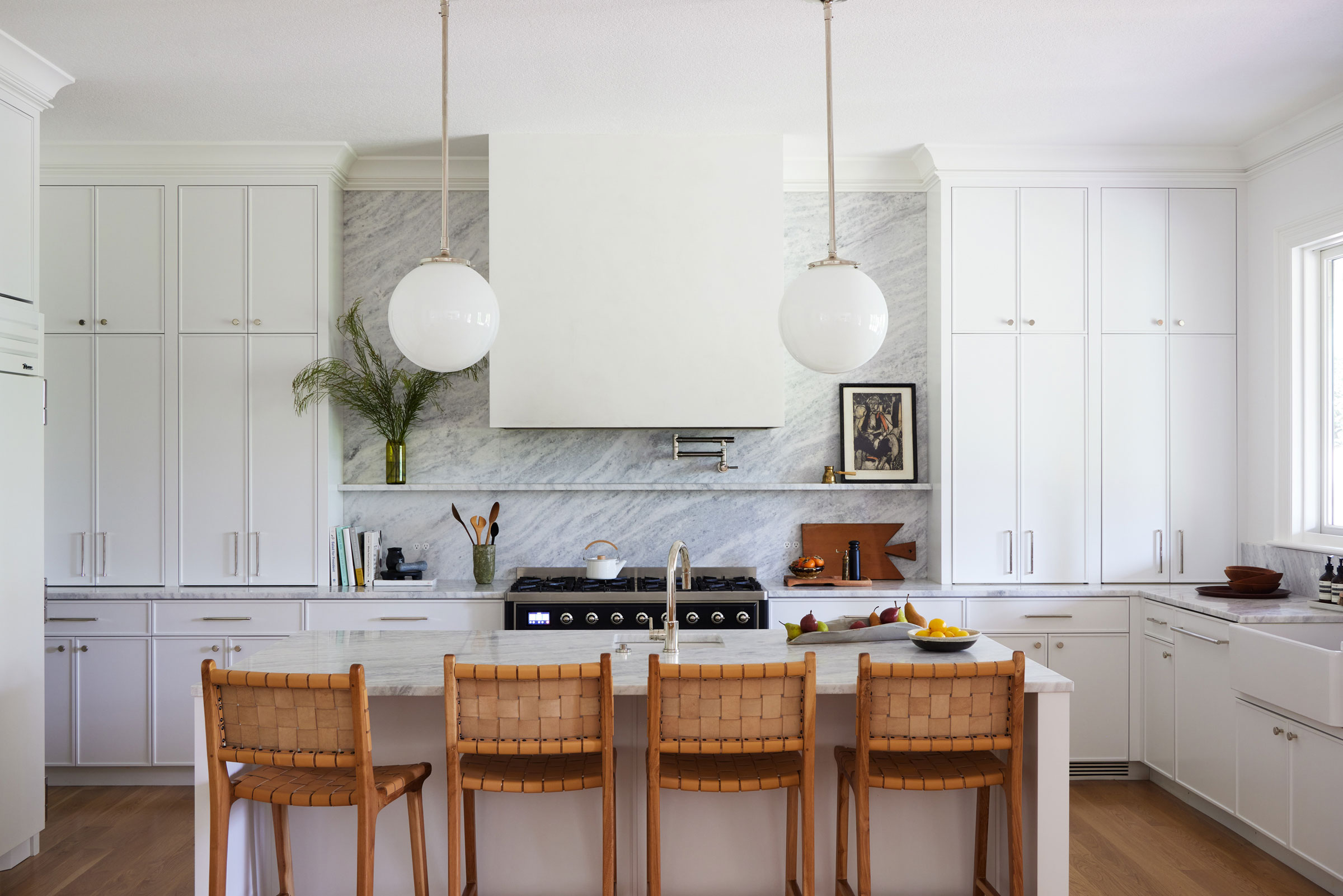
Shaker kitchens are celebrated for their timeless appeal, featuring paneled fronts and recessed centers that seamlessly blend with various kitchen aesthetics, from traditional to contemporary. Despite their classic nature, modern designers are increasingly employing strategic modifications to infuse Shaker cabinetry with a sleek, contemporary sensibility, ensuring they remain relevant in minimalist and modern kitchen designs. This approach highlights how a classic style can be adapted to current design trends, moving beyond the standard intricate moldings that typically enhance a Shaker kitchen's luxurious feel.
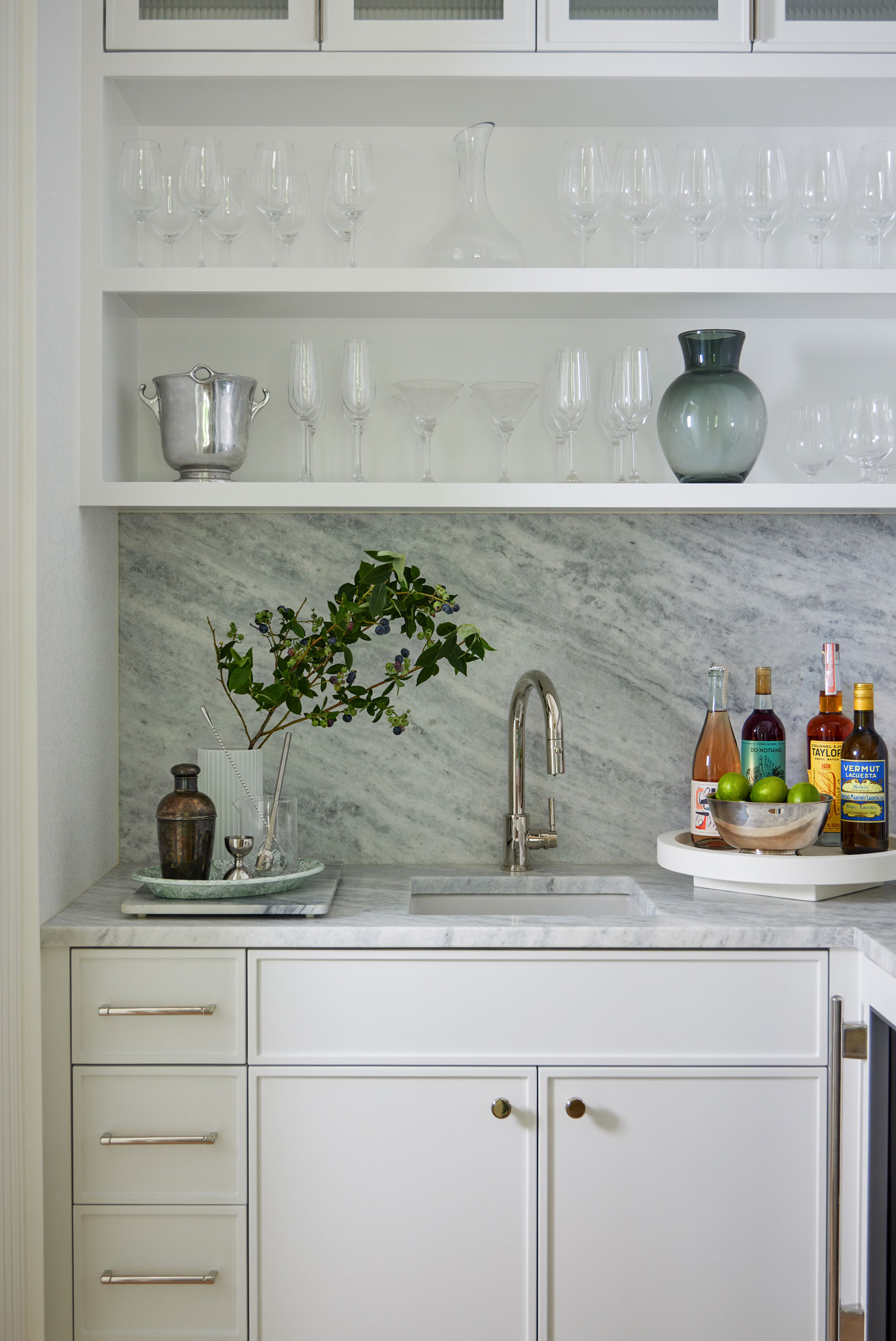
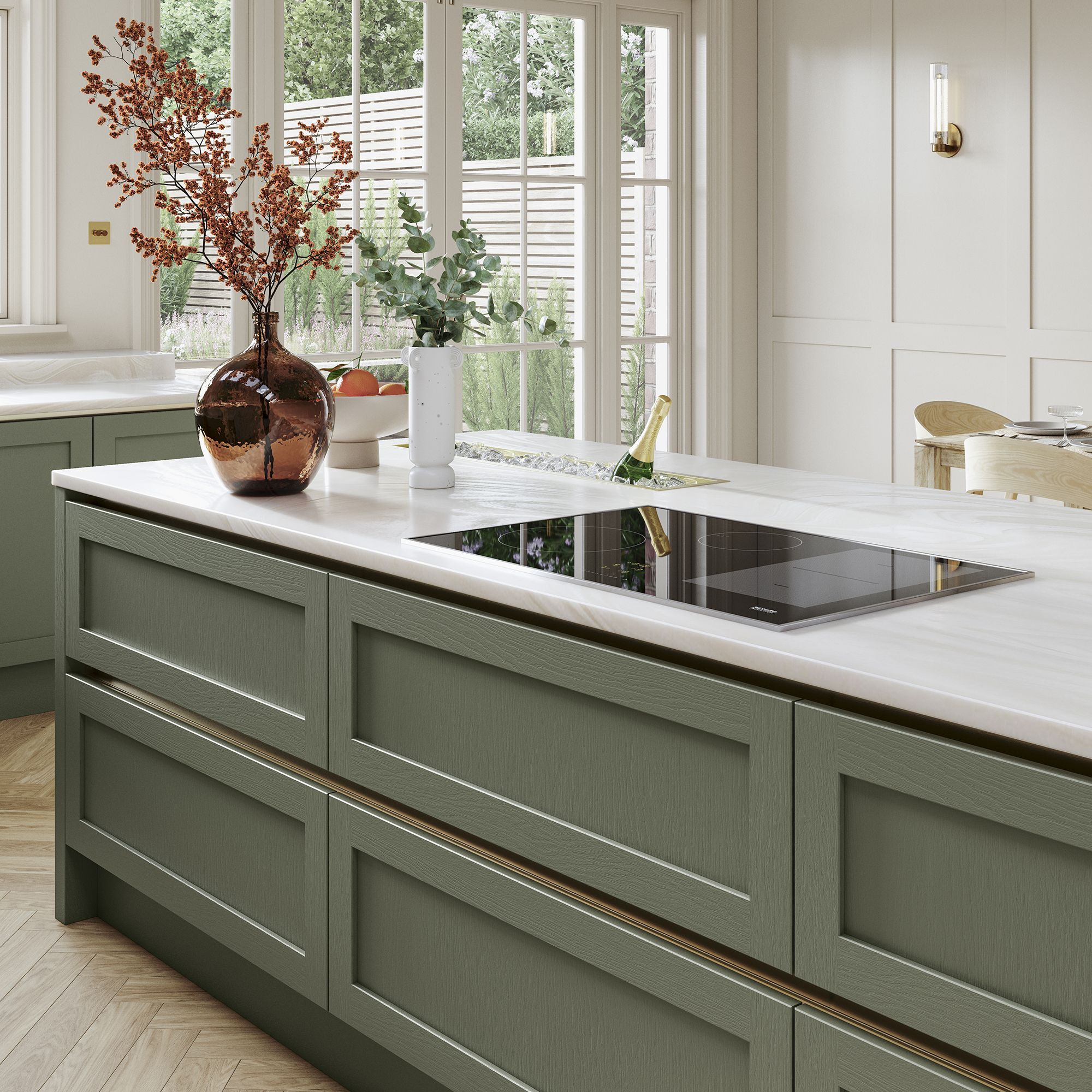
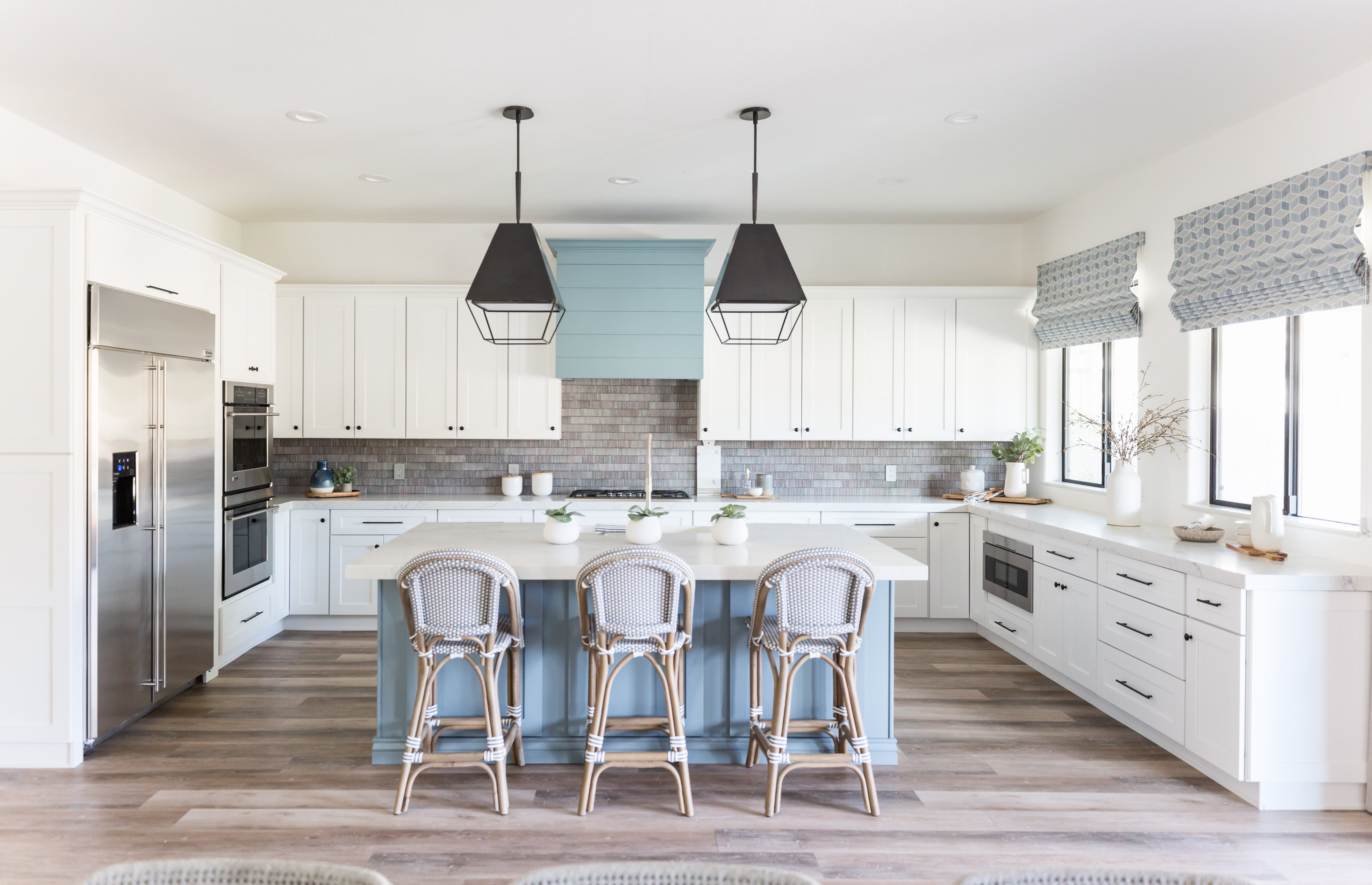
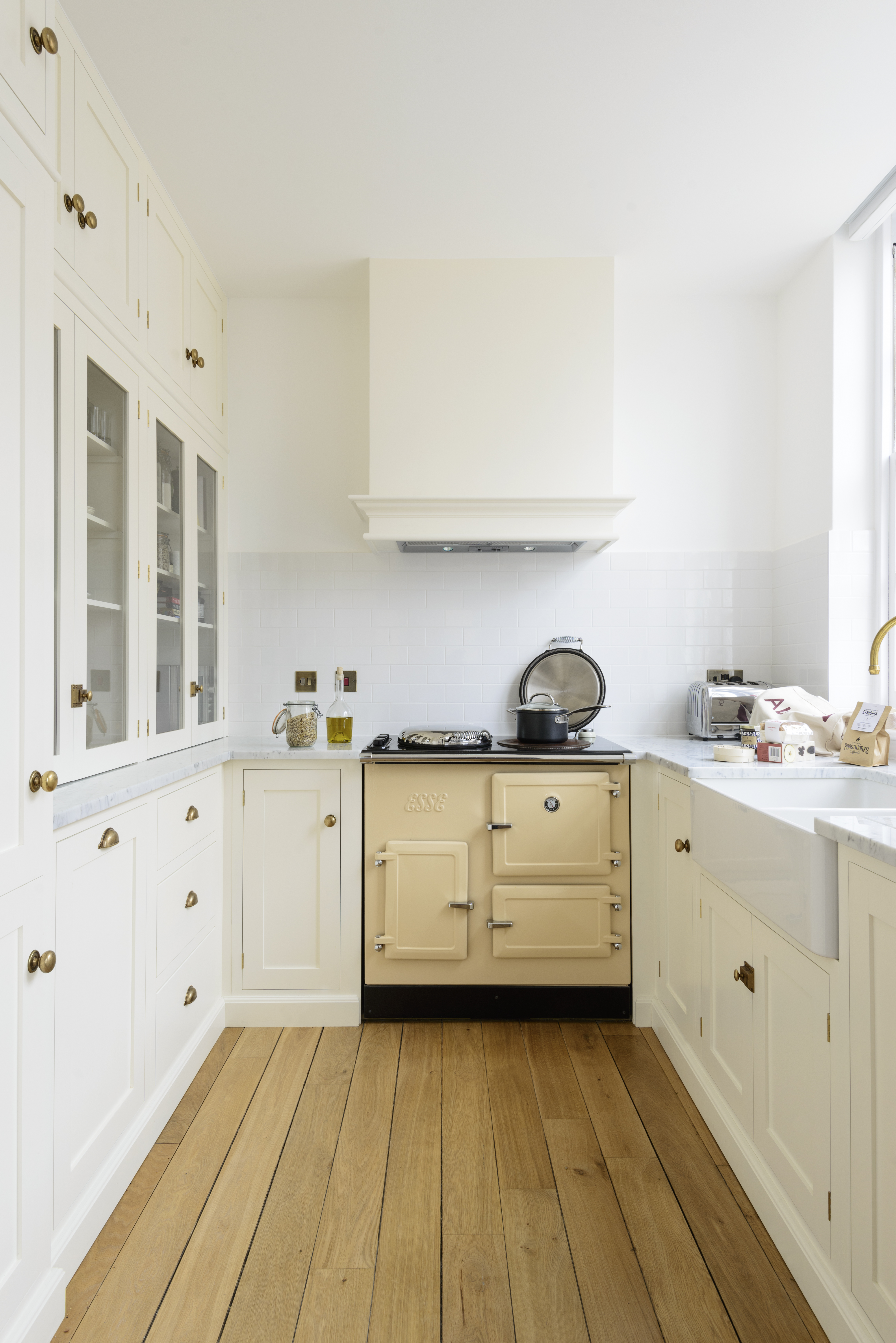
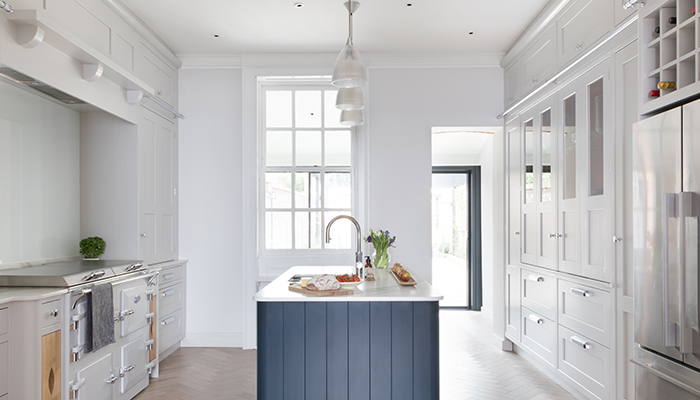
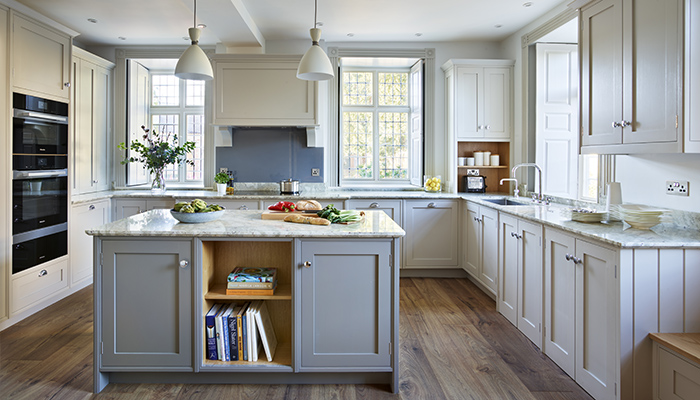
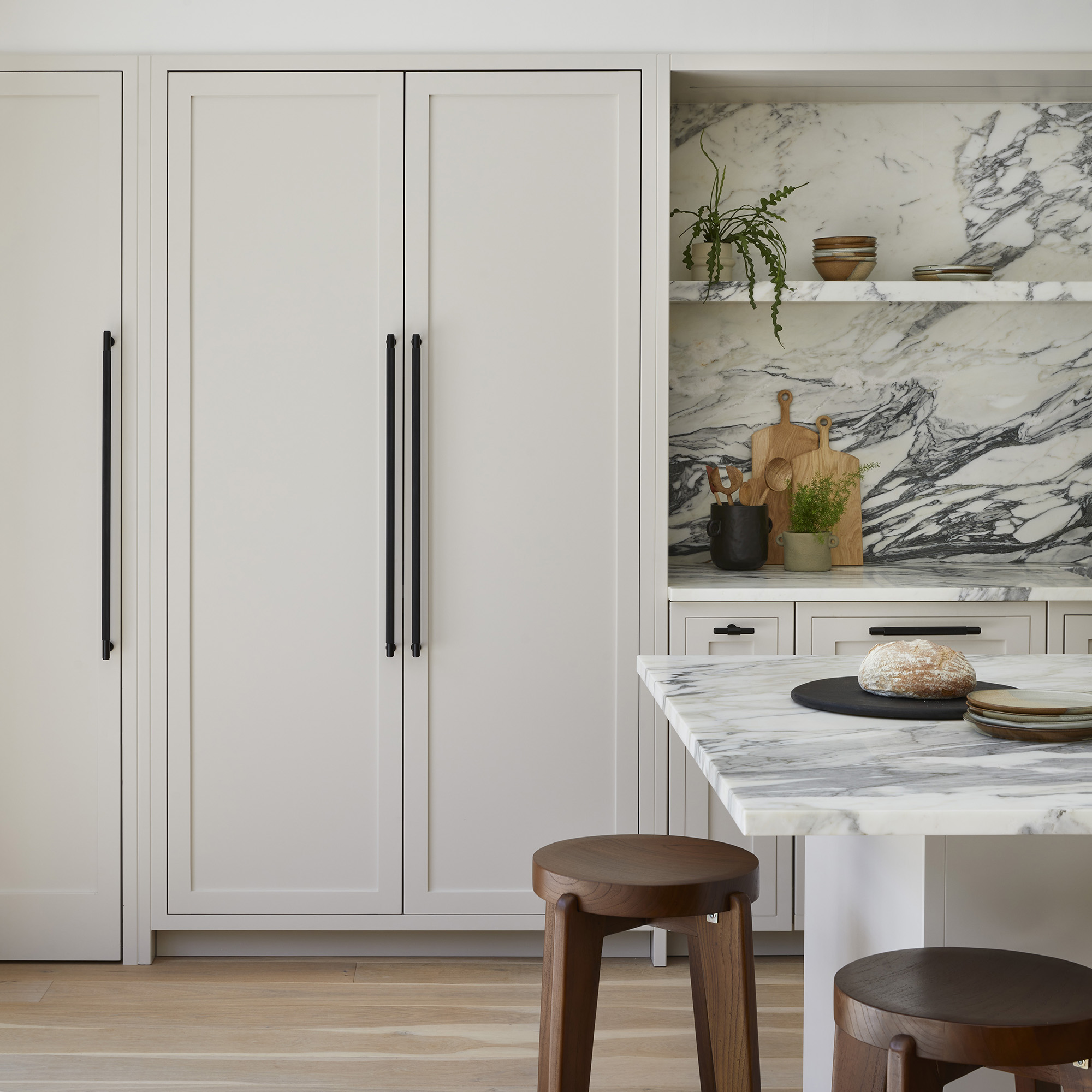
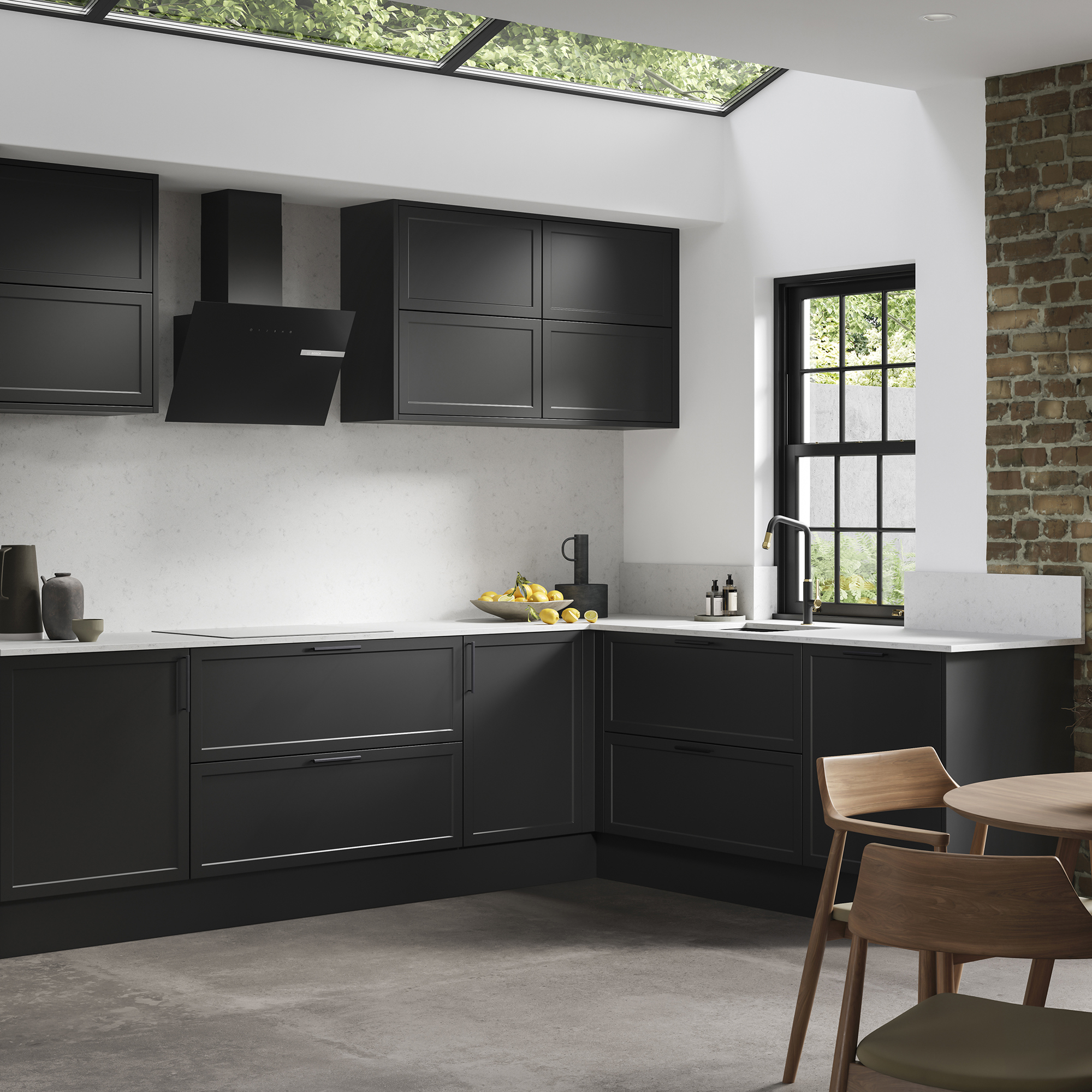
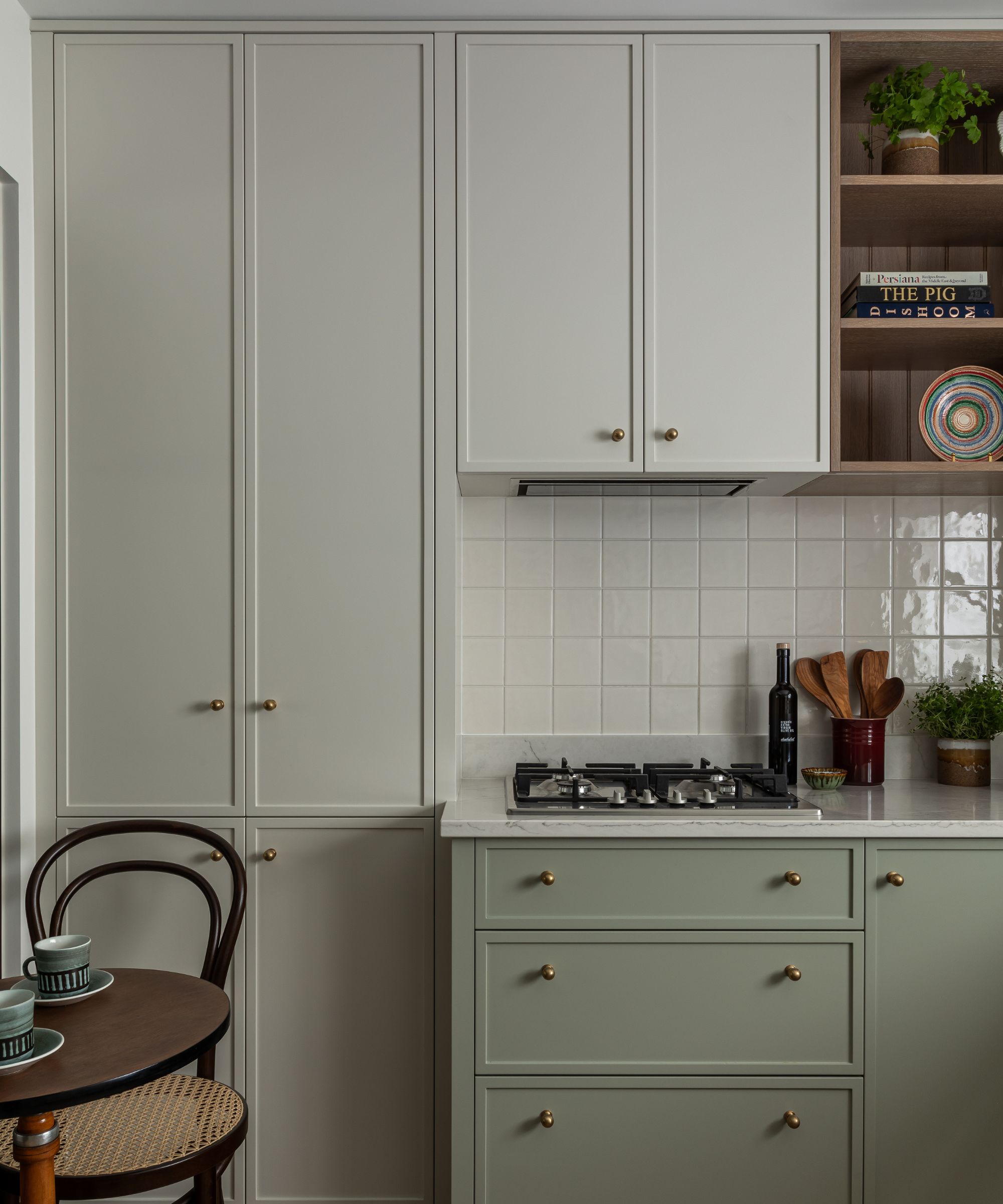
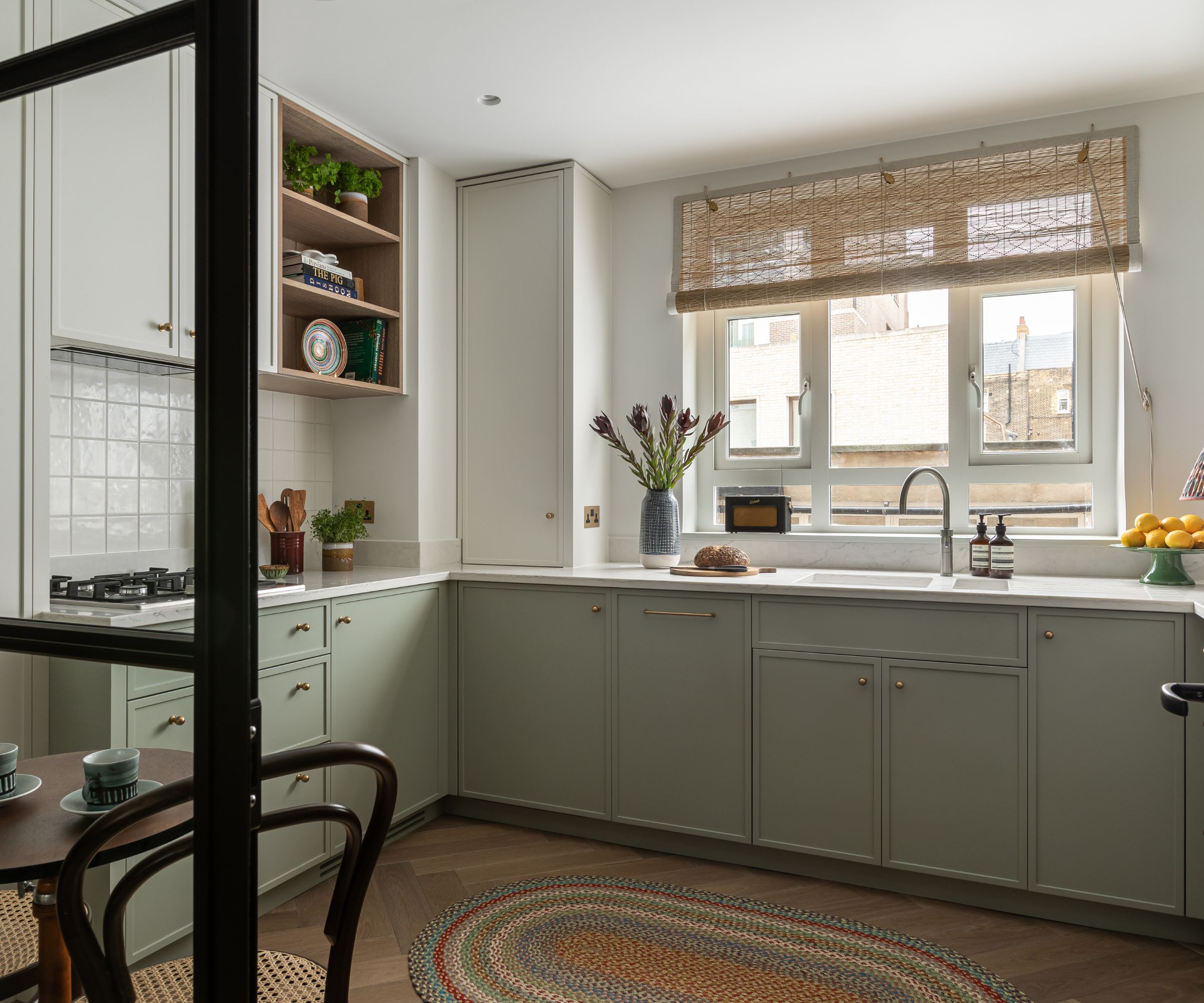
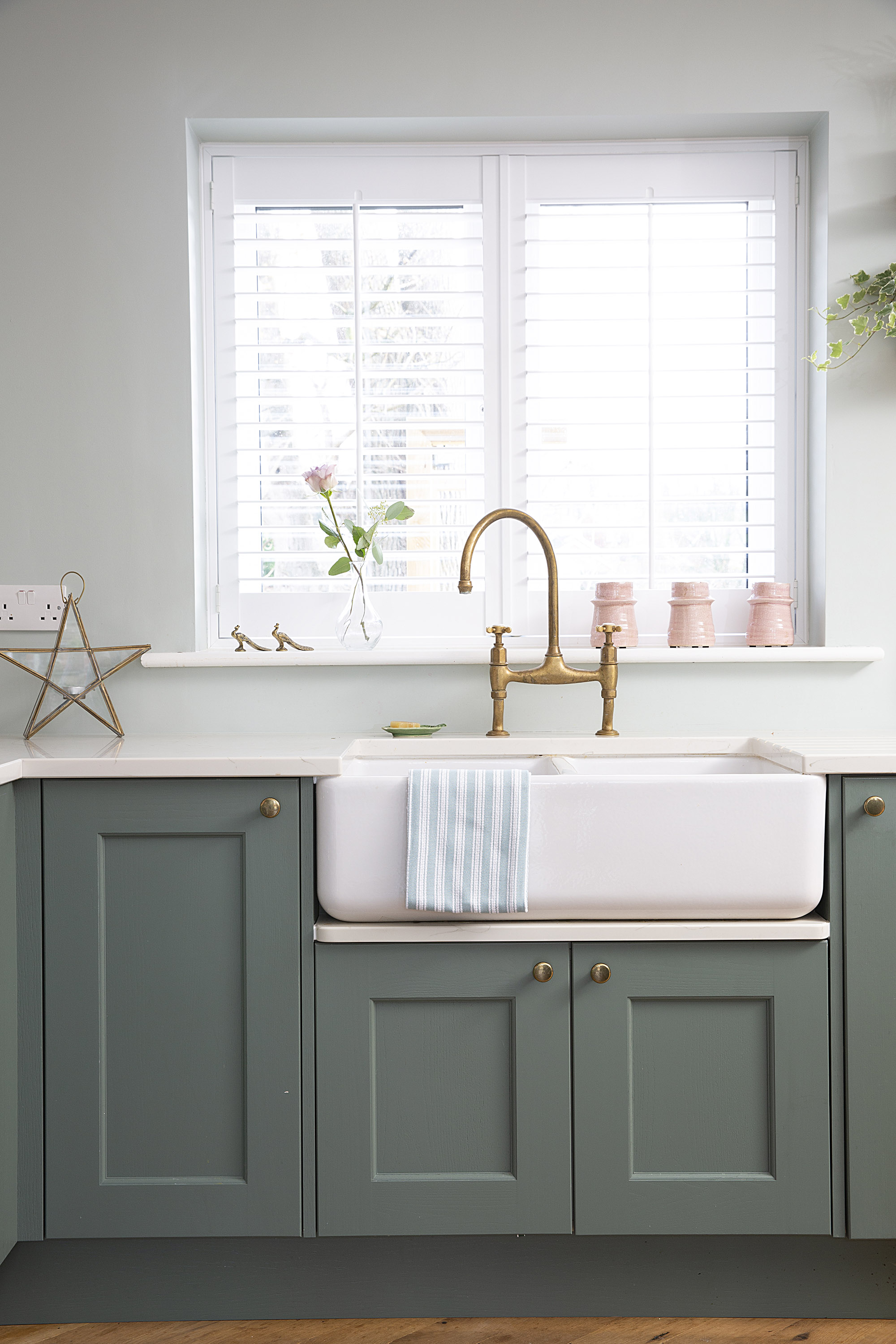
One primary method for modernizing Shaker kitchens involves simplifying the design. Interior designers are opting for less ornate door styles, characterized by what they term 'skinny Shaker' and beveled edges. This simplification reduces visual clutter, aligning with contemporary preferences for understated elegance. The 'skinny Shaker' design, in particular, offers a refined alternative to traditional Shaker doors by featuring significantly slimmer trim detailing, often around 1/2 inch compared to the traditional 2 or 3 inches. This subtle alteration bridges the gap between the flat slab door, commonly found in ultra-modern kitchens, and the more elaborate traditional Shaker, achieving a transitional look that appeals to homeowners seeking a balance between modern and classic styles.
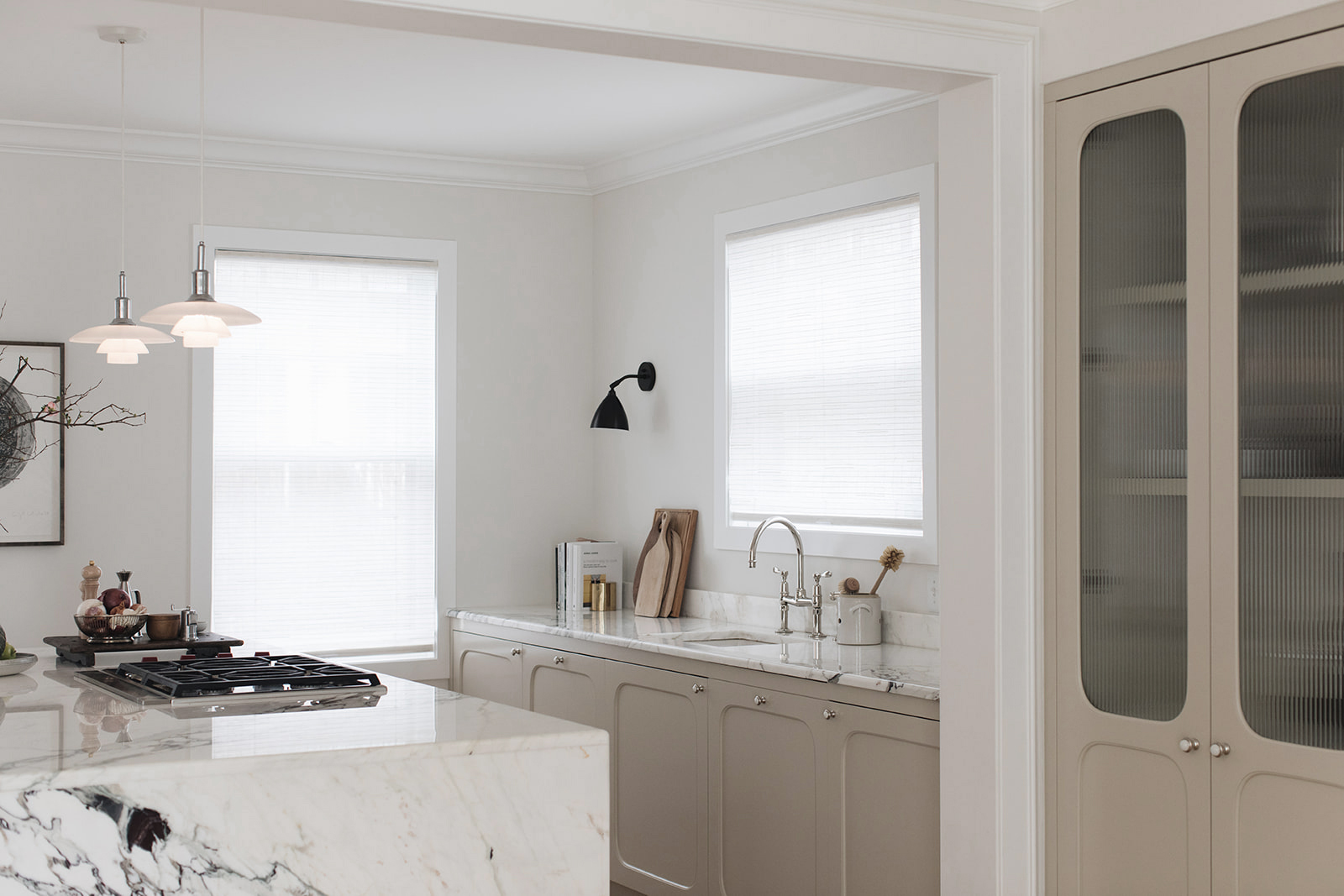
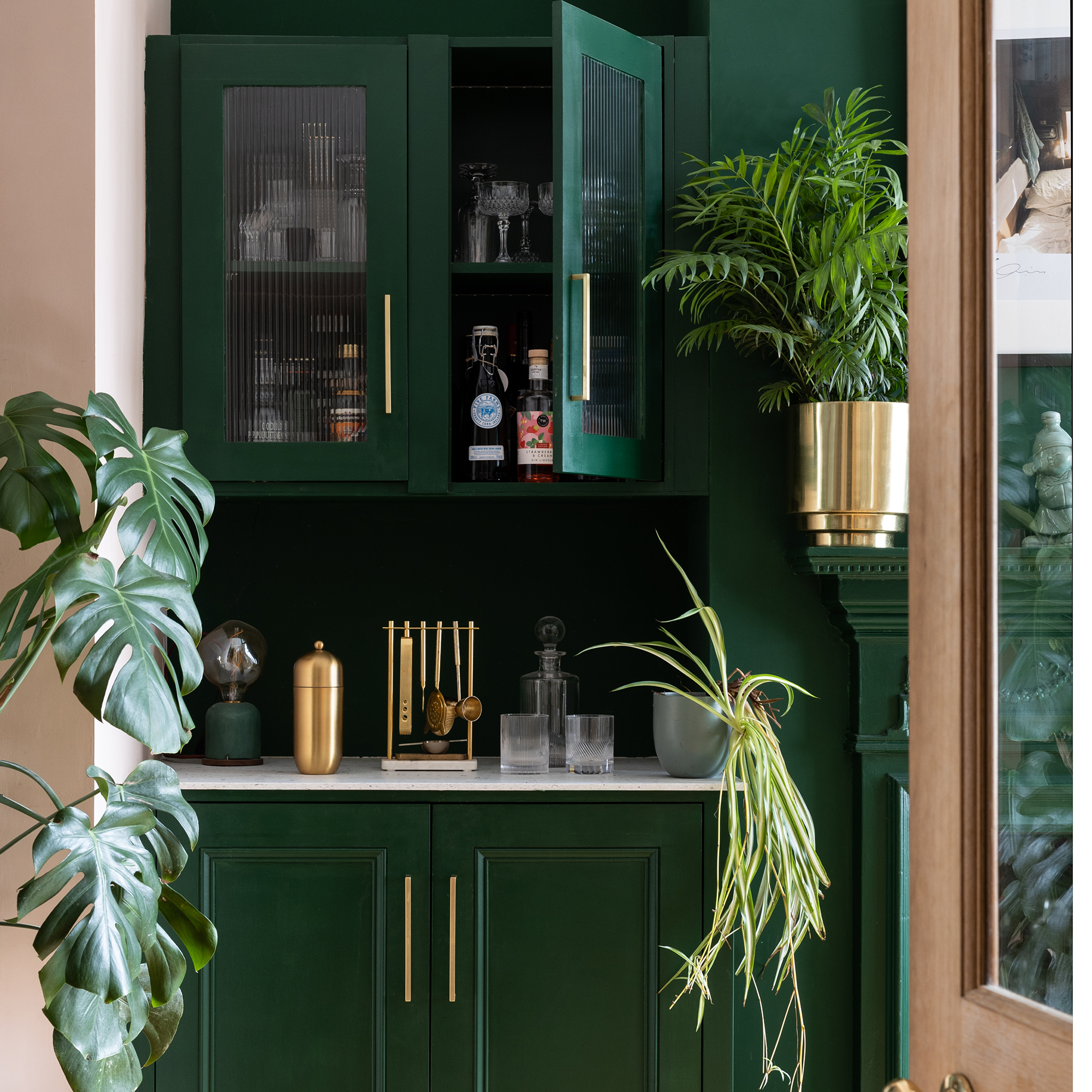
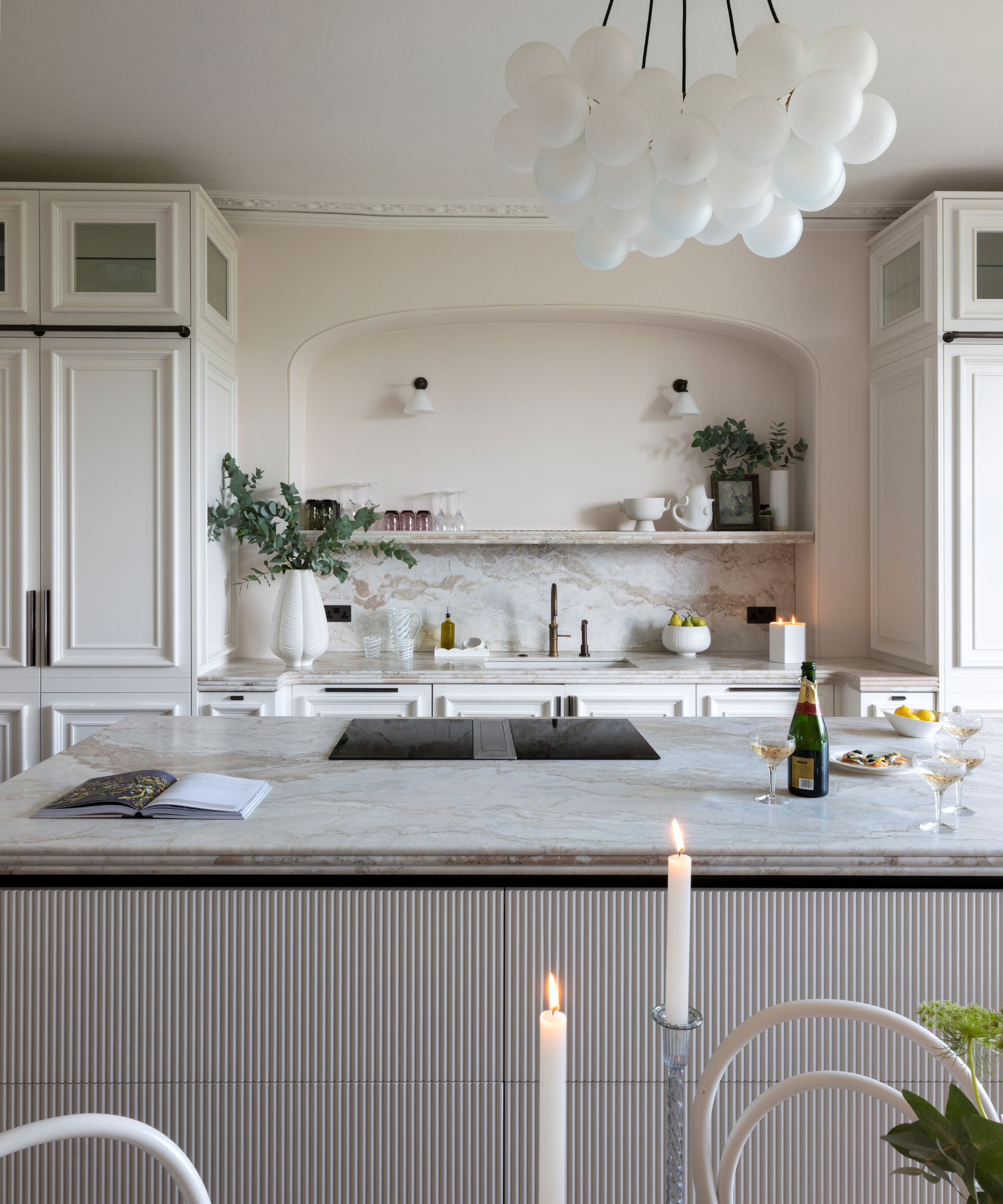
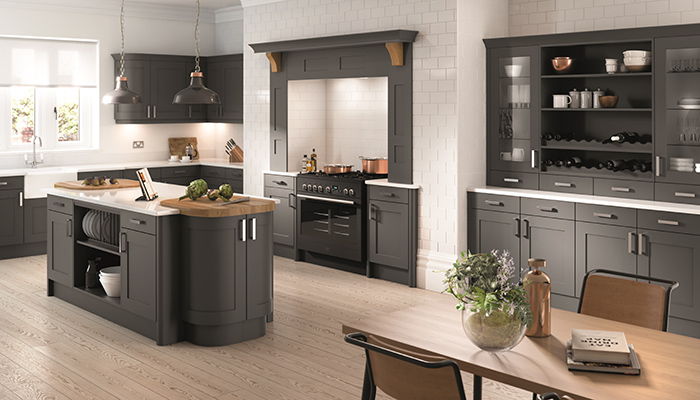
Another significant trend is the incorporation of curved profiles. Modern interior design heavily favors organic curves and playful arches, introducing a sense of fluidity and sophistication. Applying these soft edges to the typically rectilinear Shaker door can soften the kitchen's overall aesthetic, creating a more inviting and visually intriguing atmosphere. This can manifest in curved lower cabinetry or fluted glass insets within the door panels, adding grace and a unique visual element that deviates from conventional sharp angles.
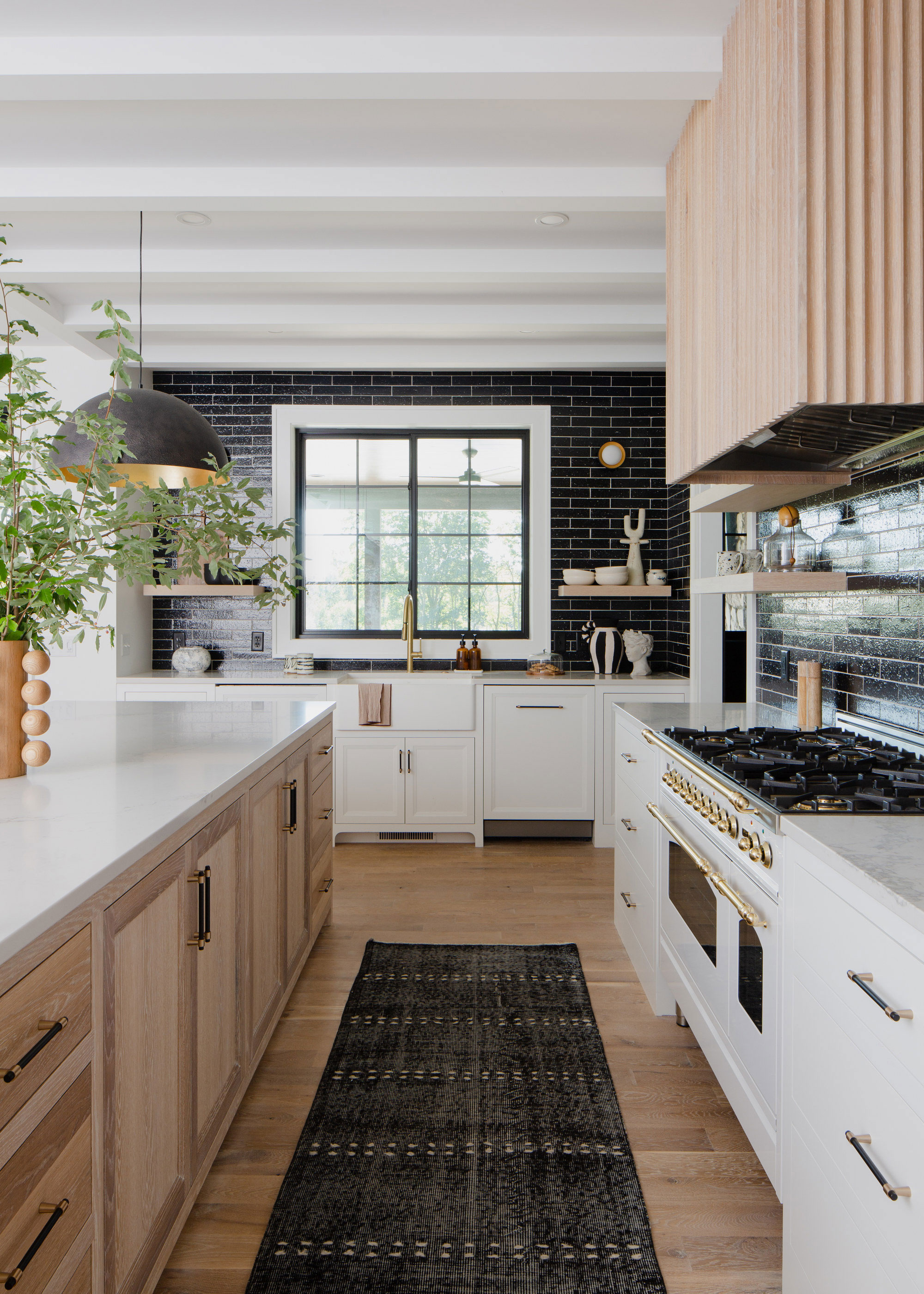
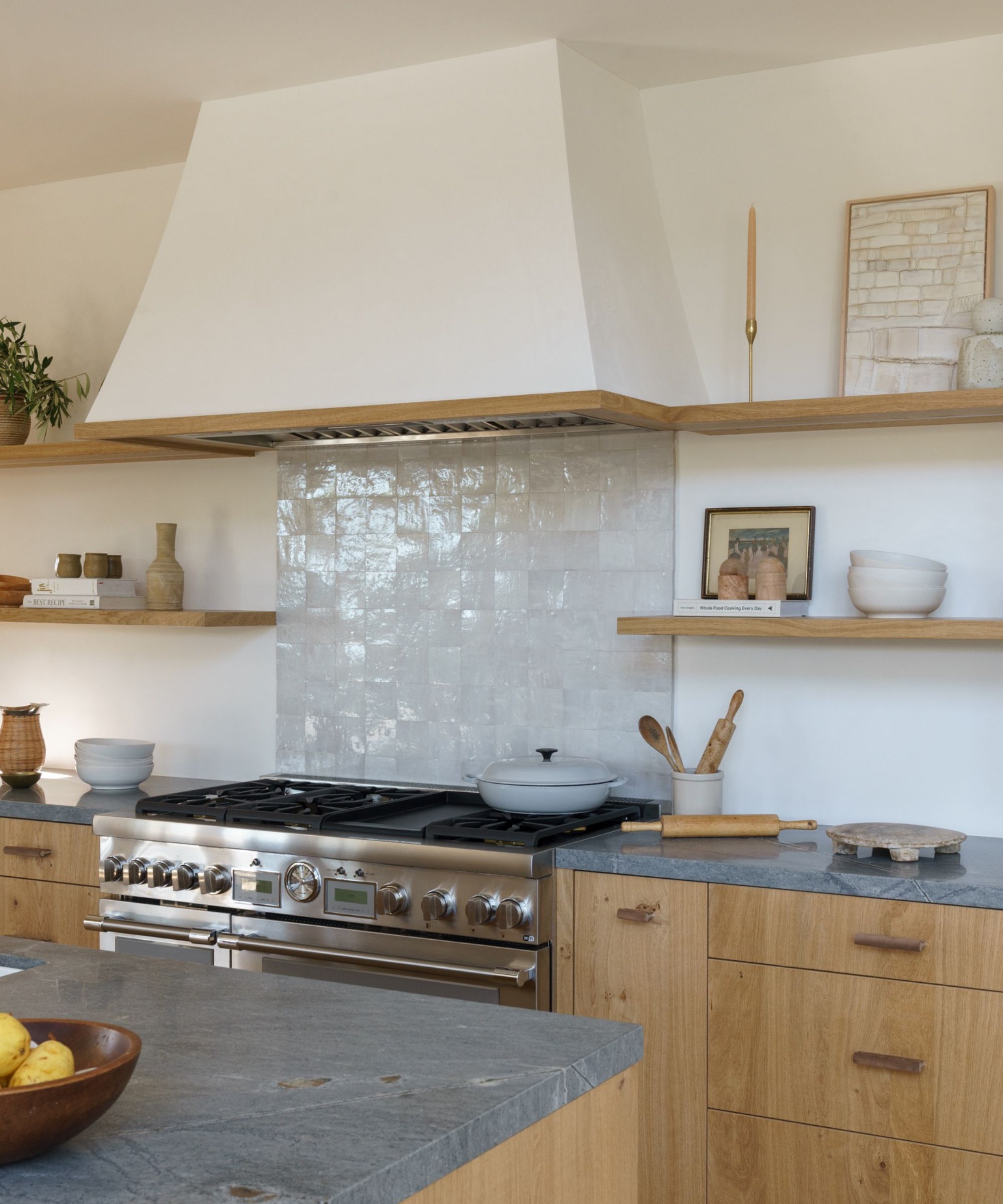
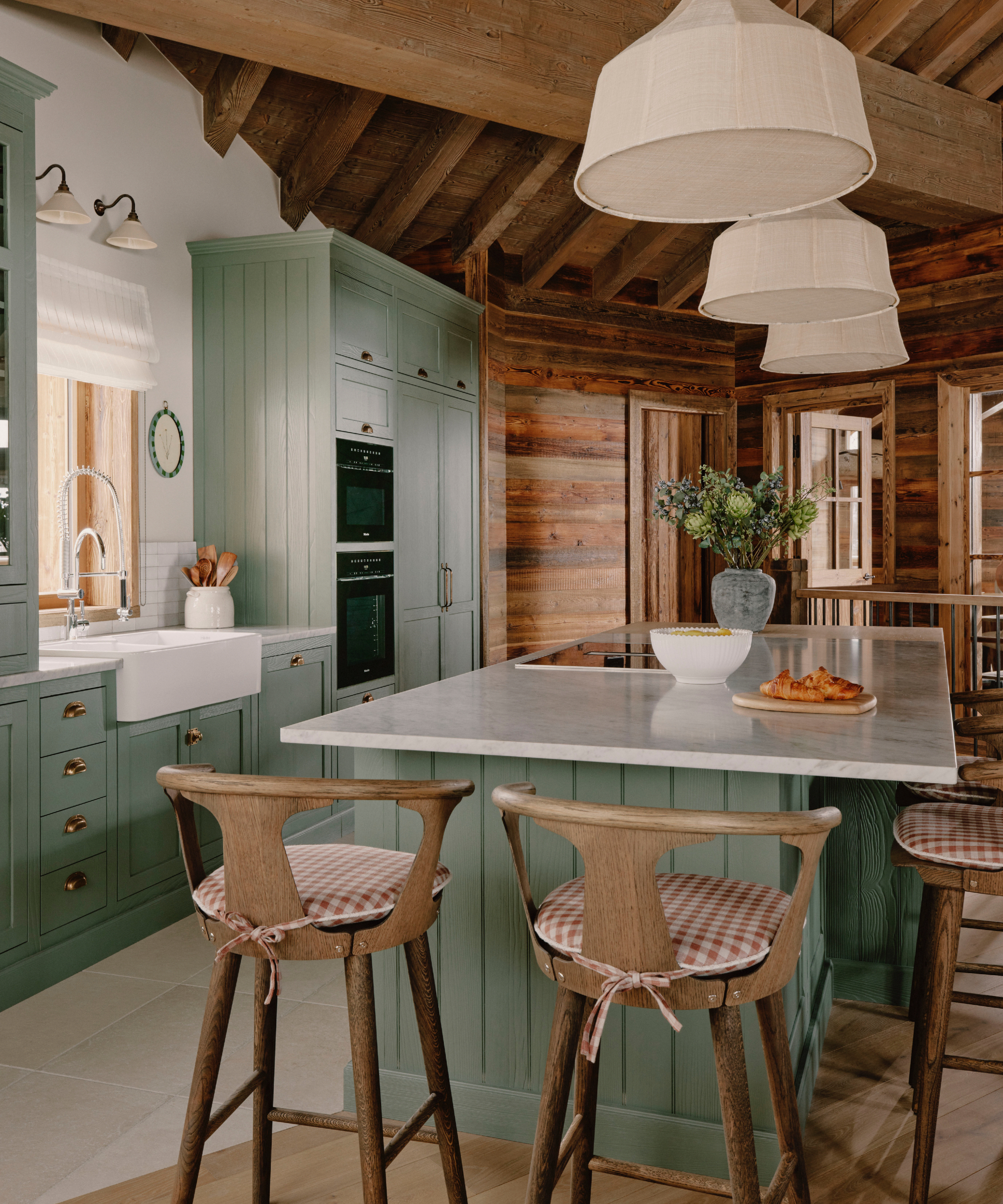
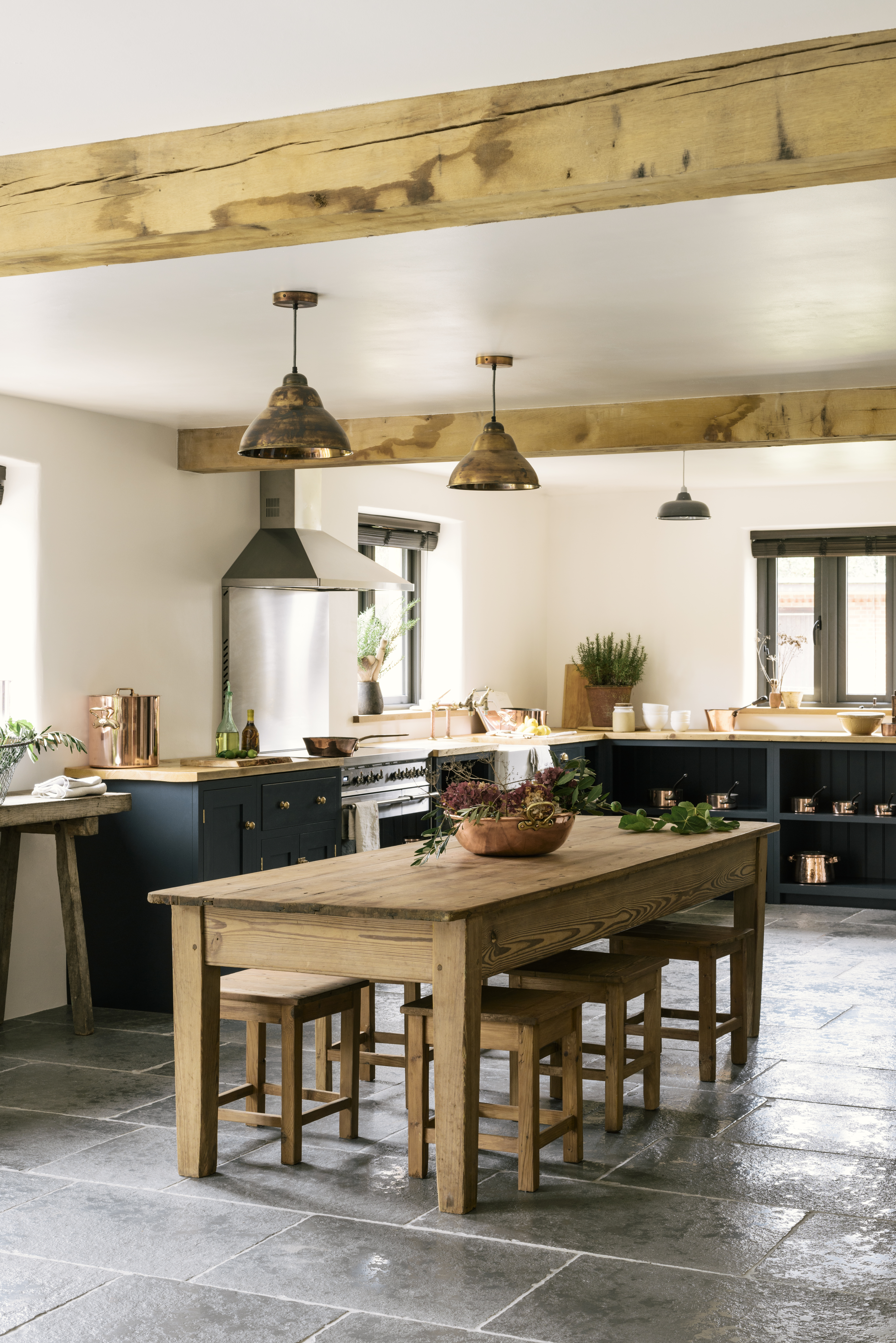
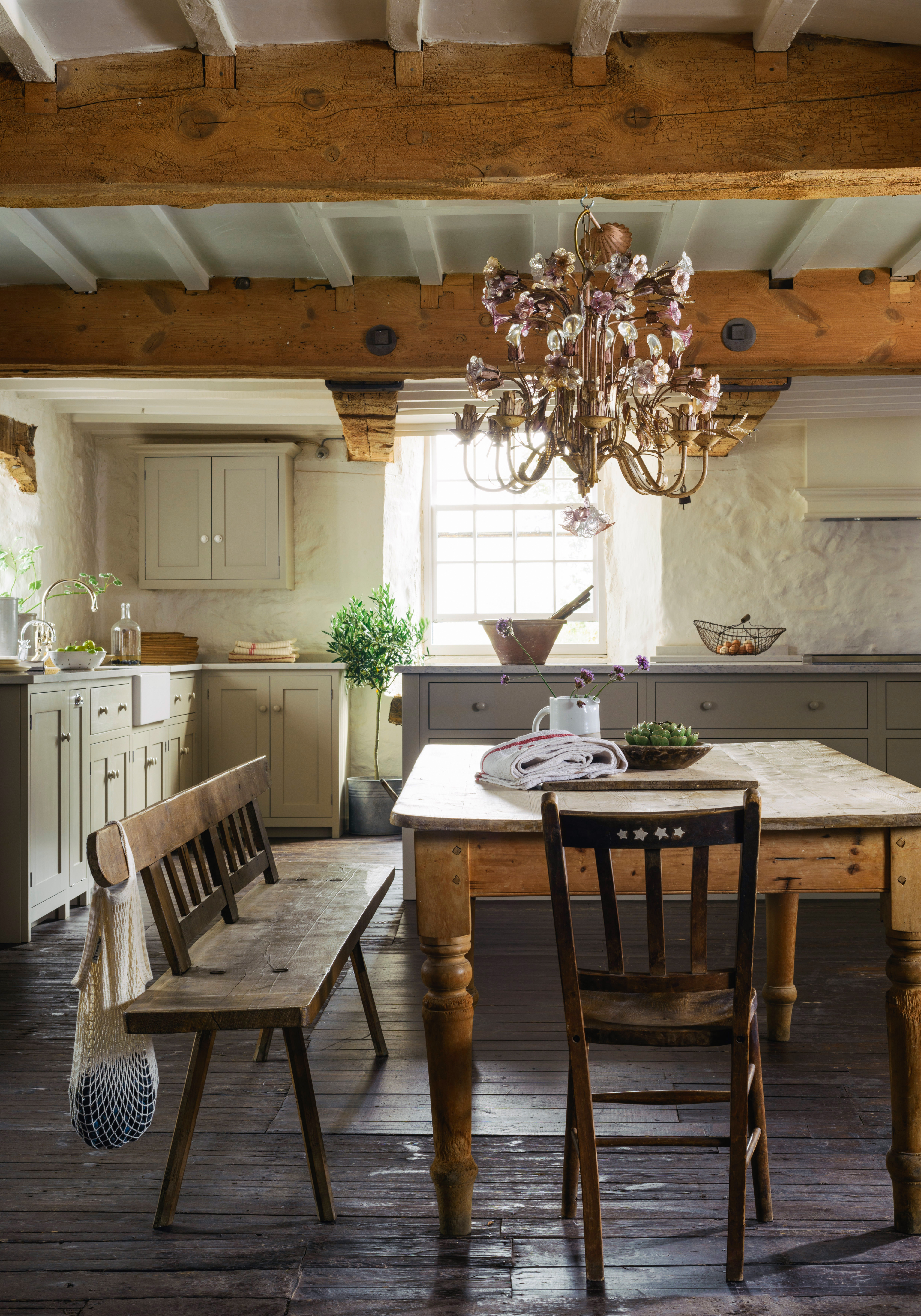
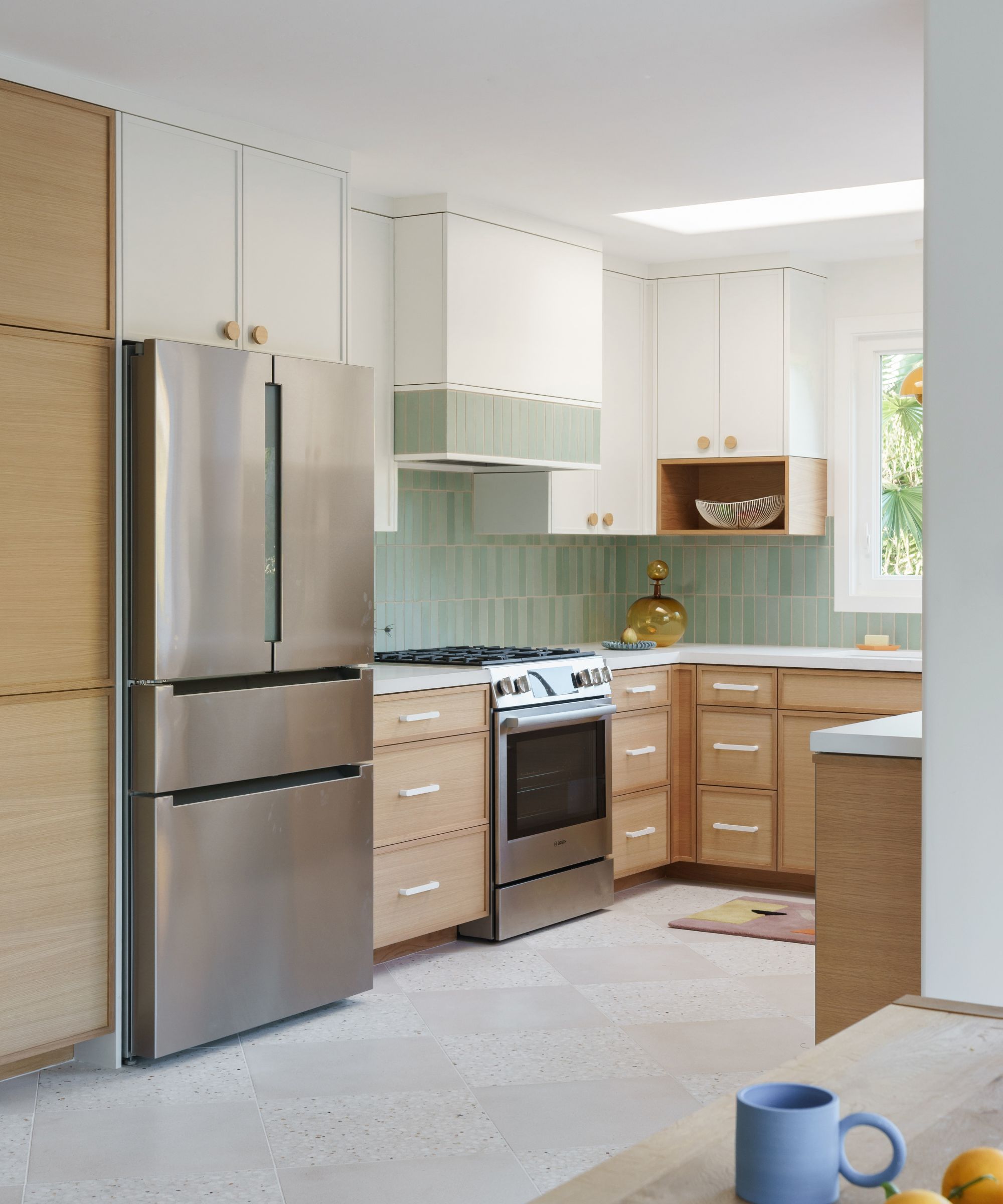
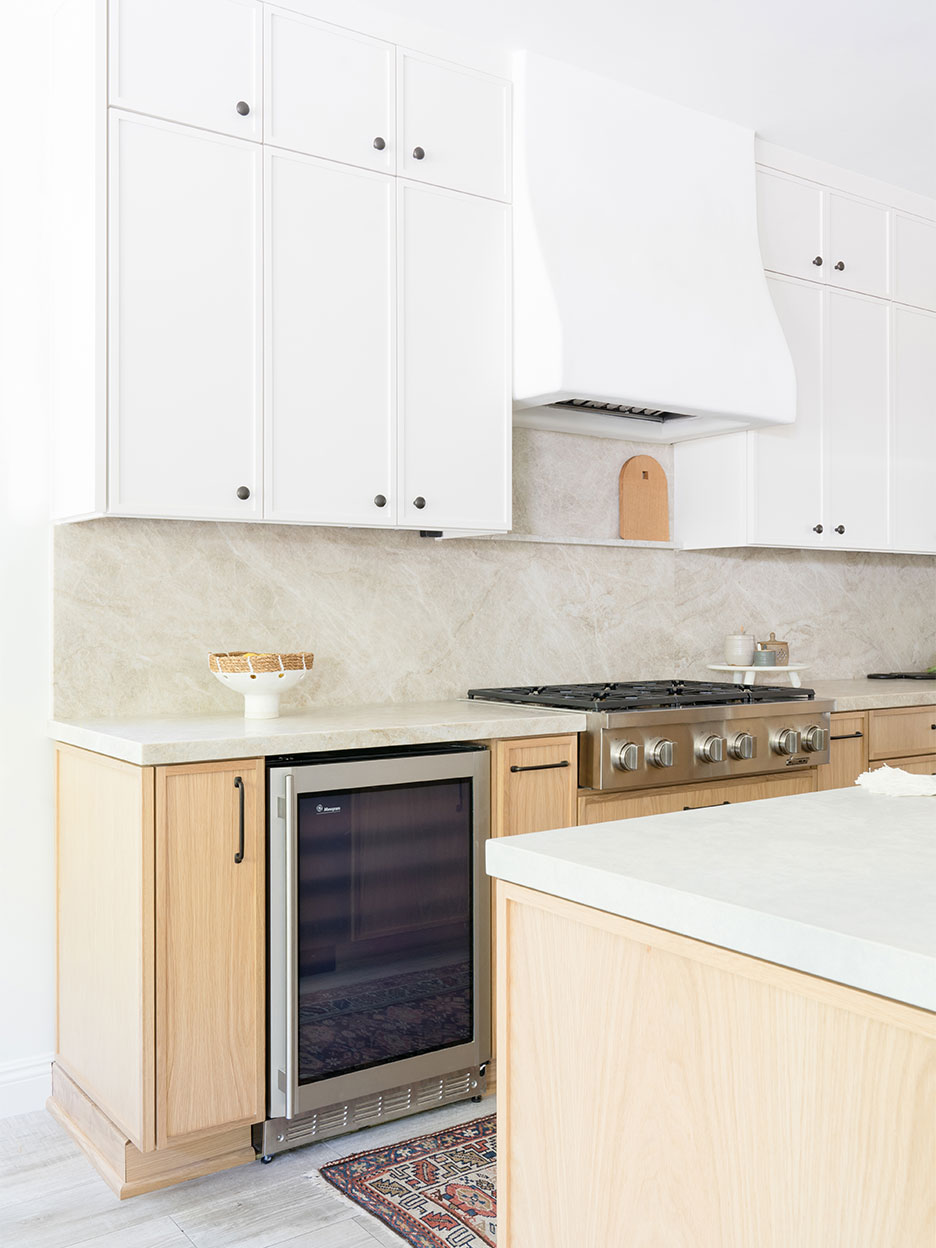
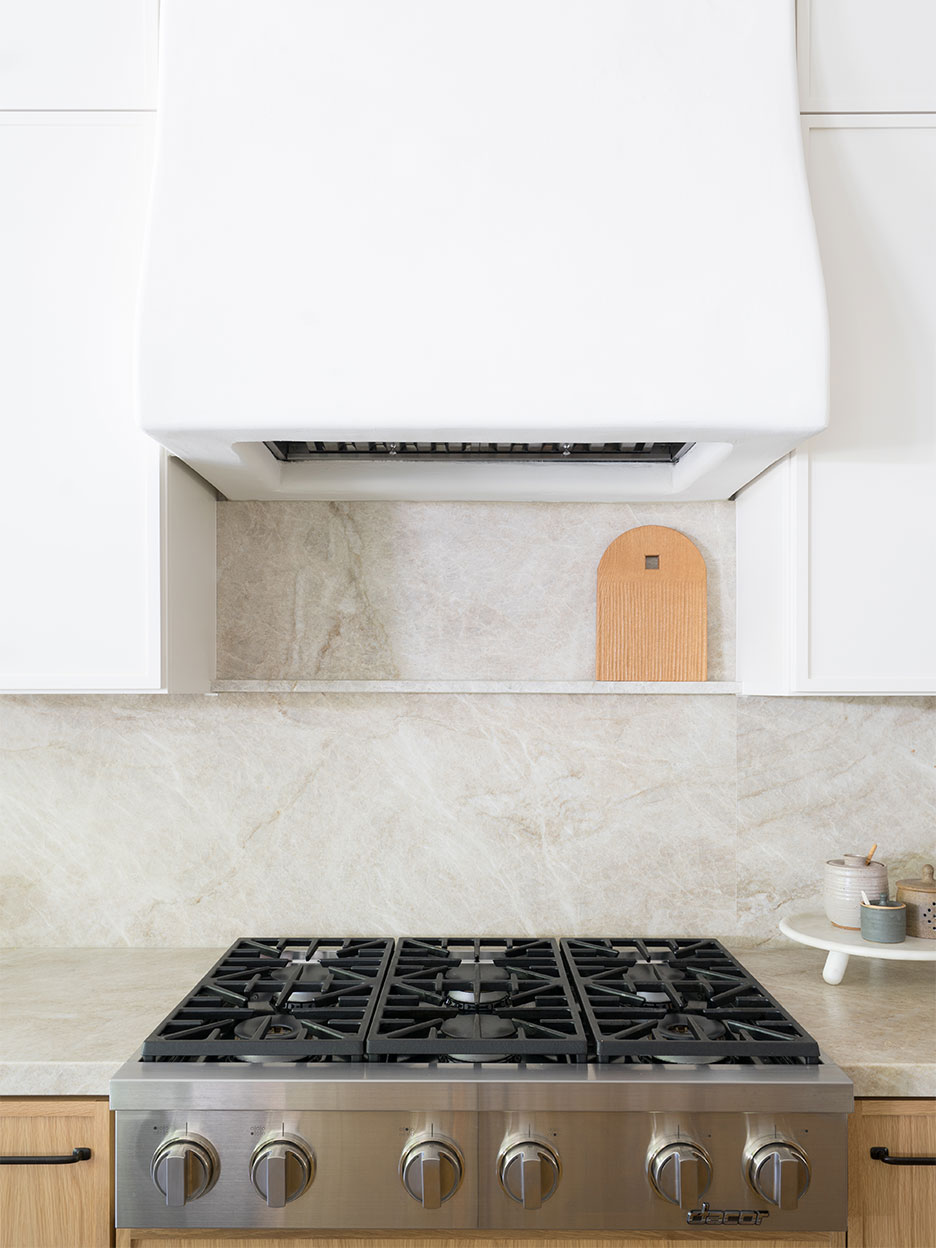
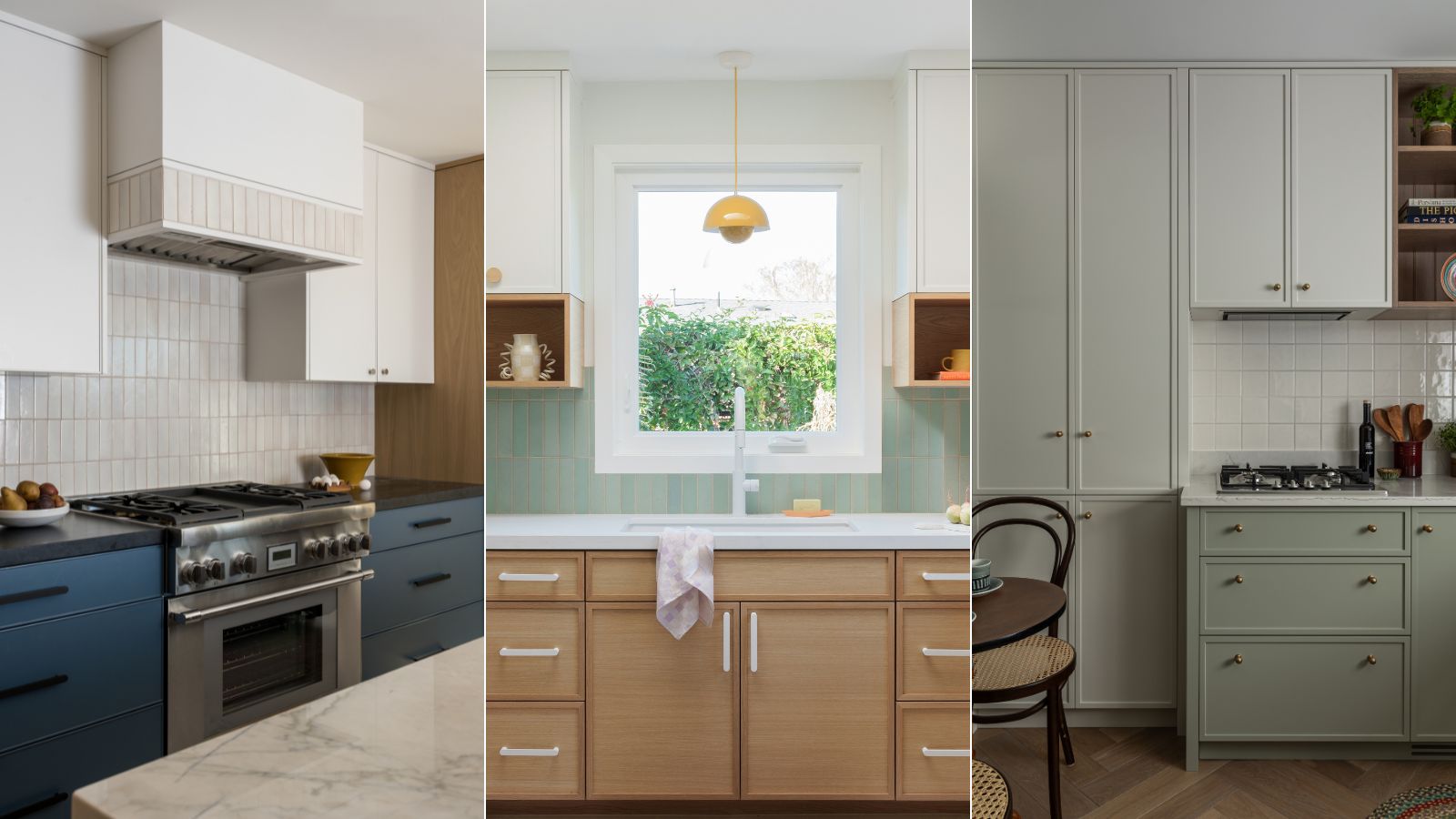
Moreover, the material choice plays a crucial role in modernizing Shaker doors. While wood may not appear as a cutting-edge material at first glance, designers are increasingly utilizing it to define contemporary design, particularly in its raw form. The strategic use of wood, especially with varying grain directions on door panels, can introduce depth, dimension, and movement to a Shaker kitchen. For instance, combining flush inset drawers with triple-stacked Shaker door panels crafted from raw wood can create a rich texture and dynamic visual interest. This approach also allows for design elements like fluting on vent hoods to introduce curvature, contrasting with straight lines and keeping the space light and airy with open shelves.
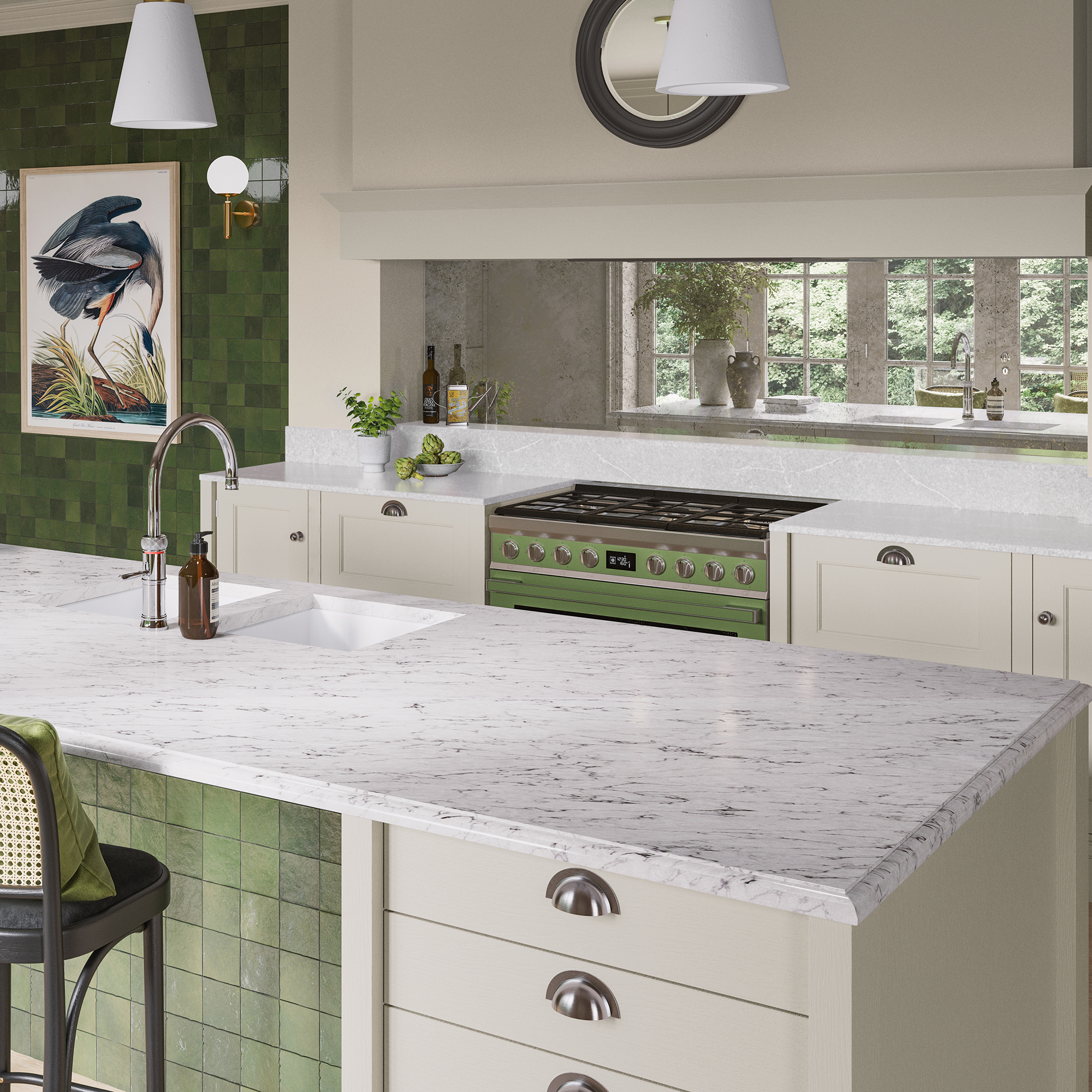
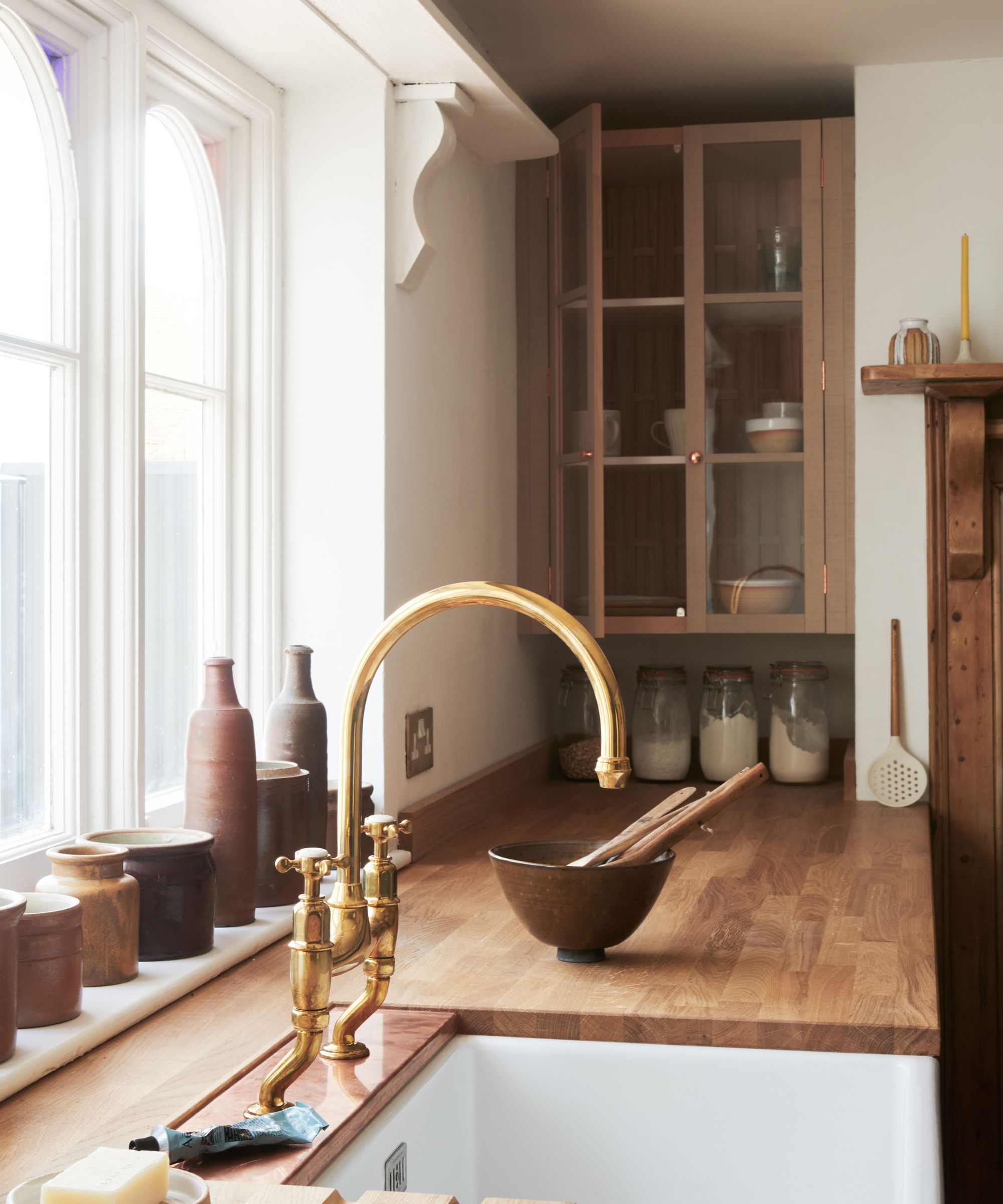
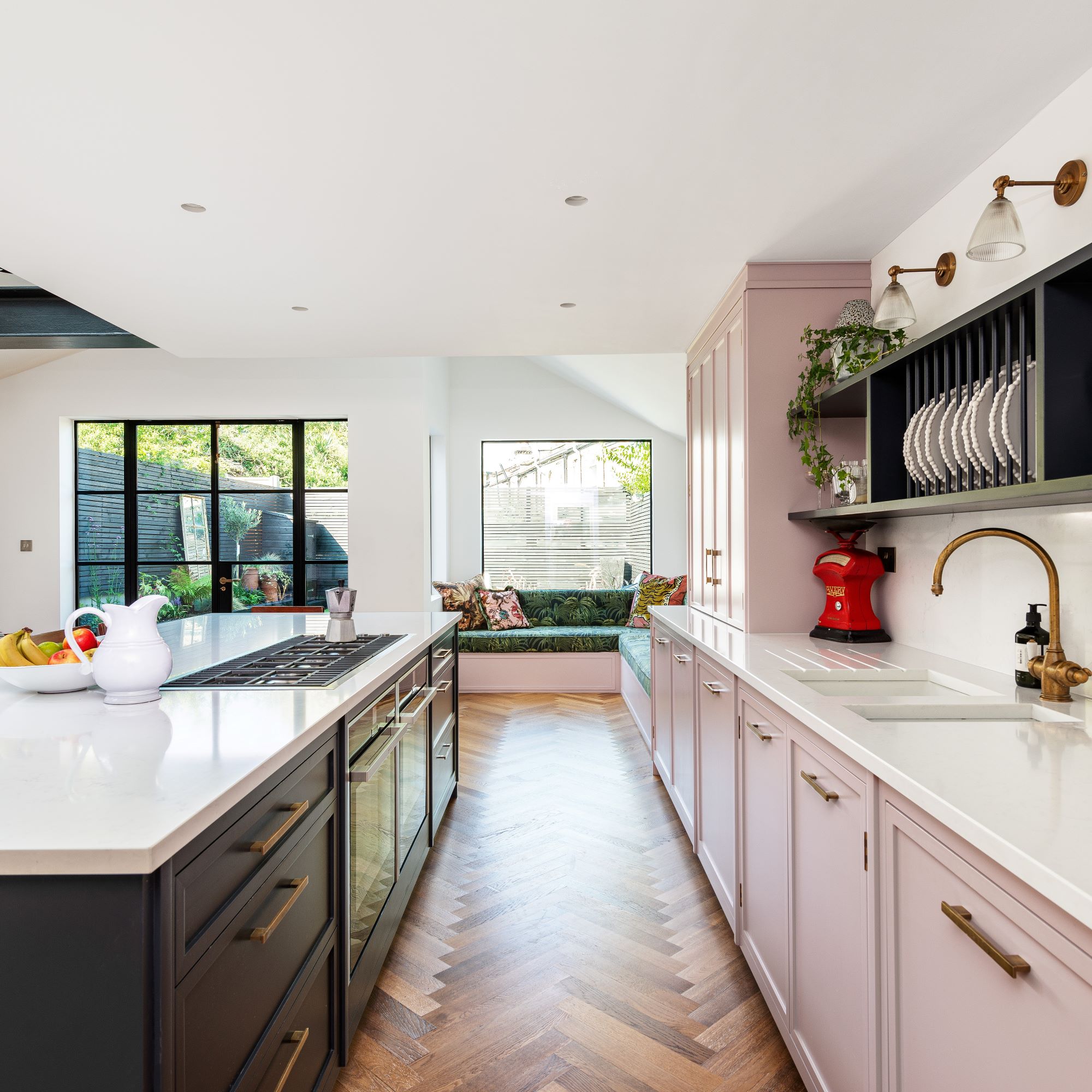
Finally, the integration of metal inserts offers a sophisticated twist to Shaker cabinetry. Contemporary kitchen trends frequently feature Shaker doors with inset materials such as wire meshes, reeded glass, or fluted wood. However, metal inserts, particularly brass, are gaining prominence. These metallic accents, when incorporated into Shaker panels, serve to tie together other metallic elements in the room, adding a luxurious and cohesive finish. This not only enhances the modern appeal but also elevates the perceived value and design intricacy of the kitchen.
#ShakerKitchen #ModernKitchenDesign #CabinetryTrends #InteriorDesign #HomeRenovation #KitchenRemodel #CurvedCabinets #SlimLineShaker #WoodKitchens #ShakerKitchen #ModernKitchenDesign #CabinetryTrends #InteriorDesign #HomeRenovation #KitchenRemodel #CurvedCabinets #SlimLineShaker #WoodKitchens
Há 0 comentários no total
 Ainda não há comentários
Você também pode gostar
How Can I Make a Shaker Kitchen Feel More Modern? 5 Twists to Make This Classic Style Feel Fresh
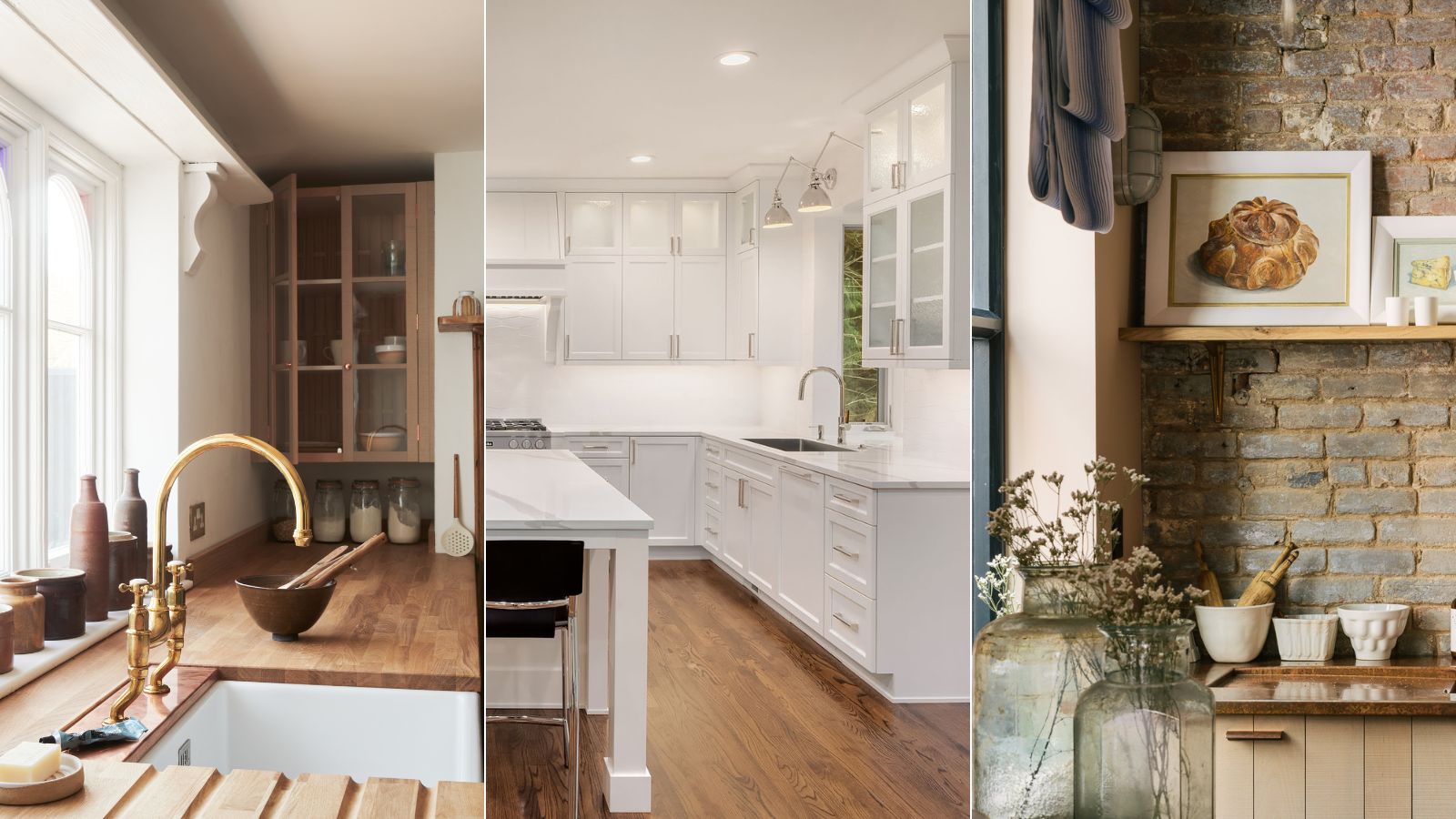
What are the best alternatives to a Shaker kitchen? 5 equally classic styles to try for that old meets new feel

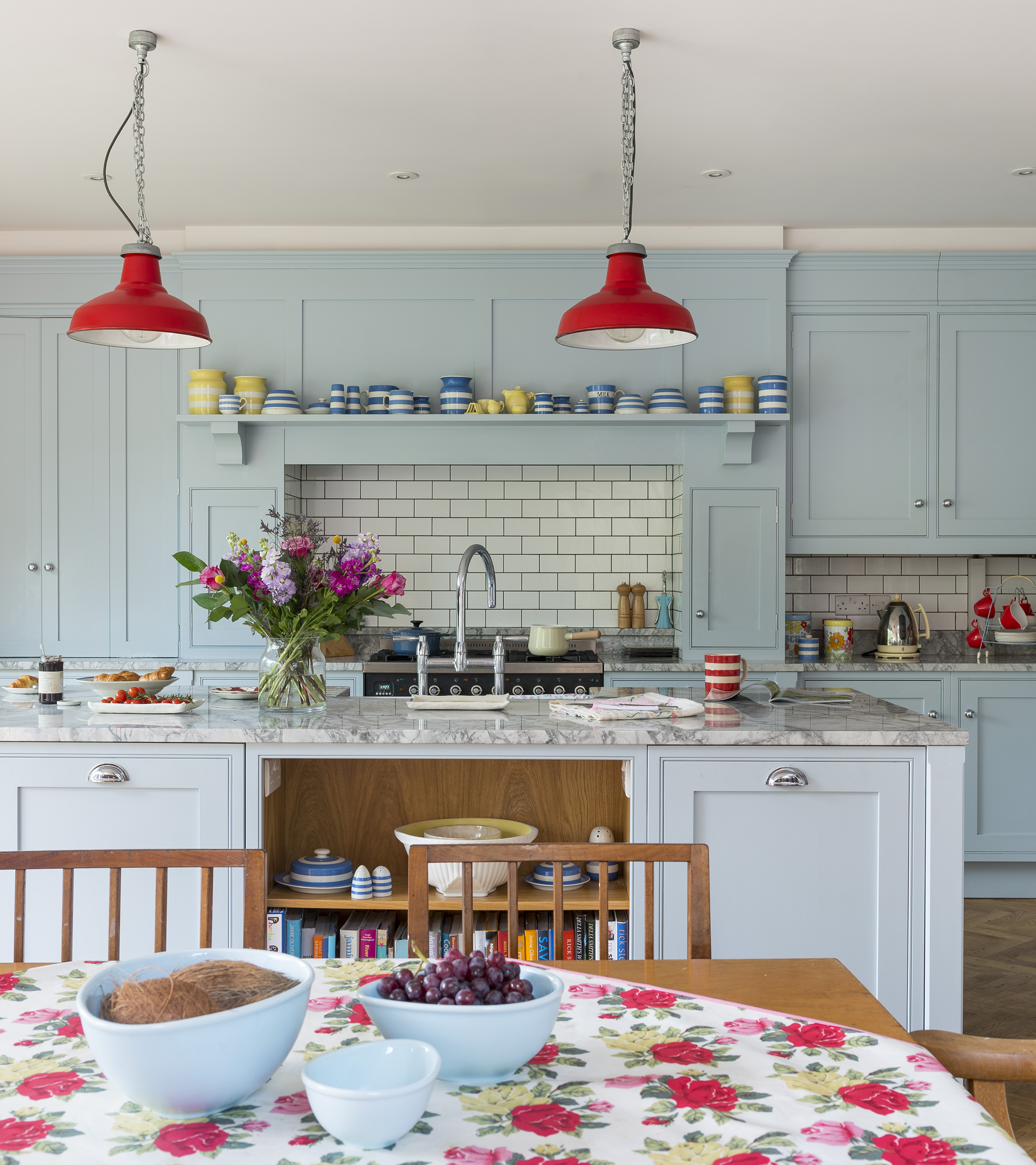
12 Shaker kitchens to persuade you to remodel

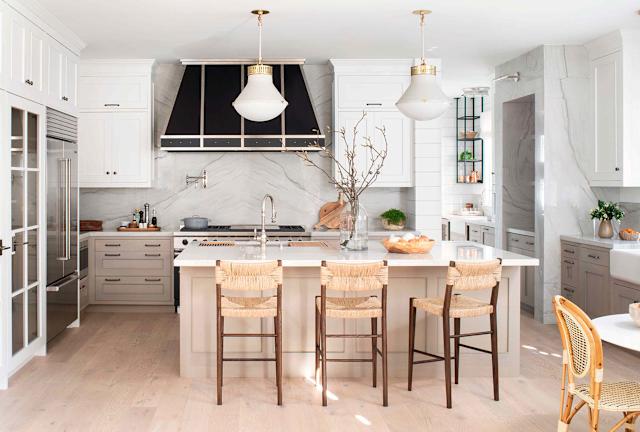
5 Design Updates That Will Instantly Refresh Your Modern Farmhouse Kitchen—No Renovation Required

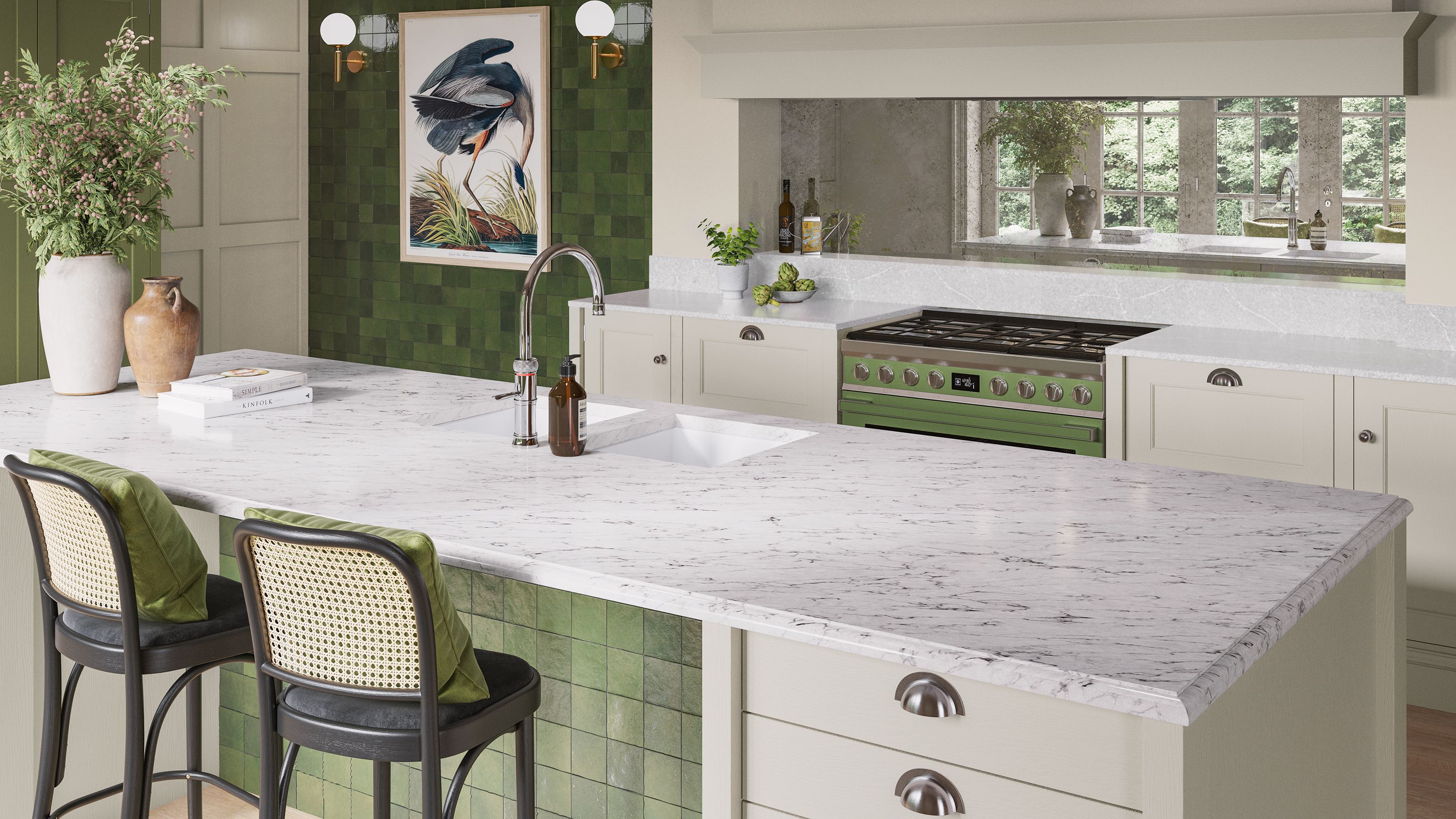
This nostalgic kitchen trend is back and here to stay, according to experts
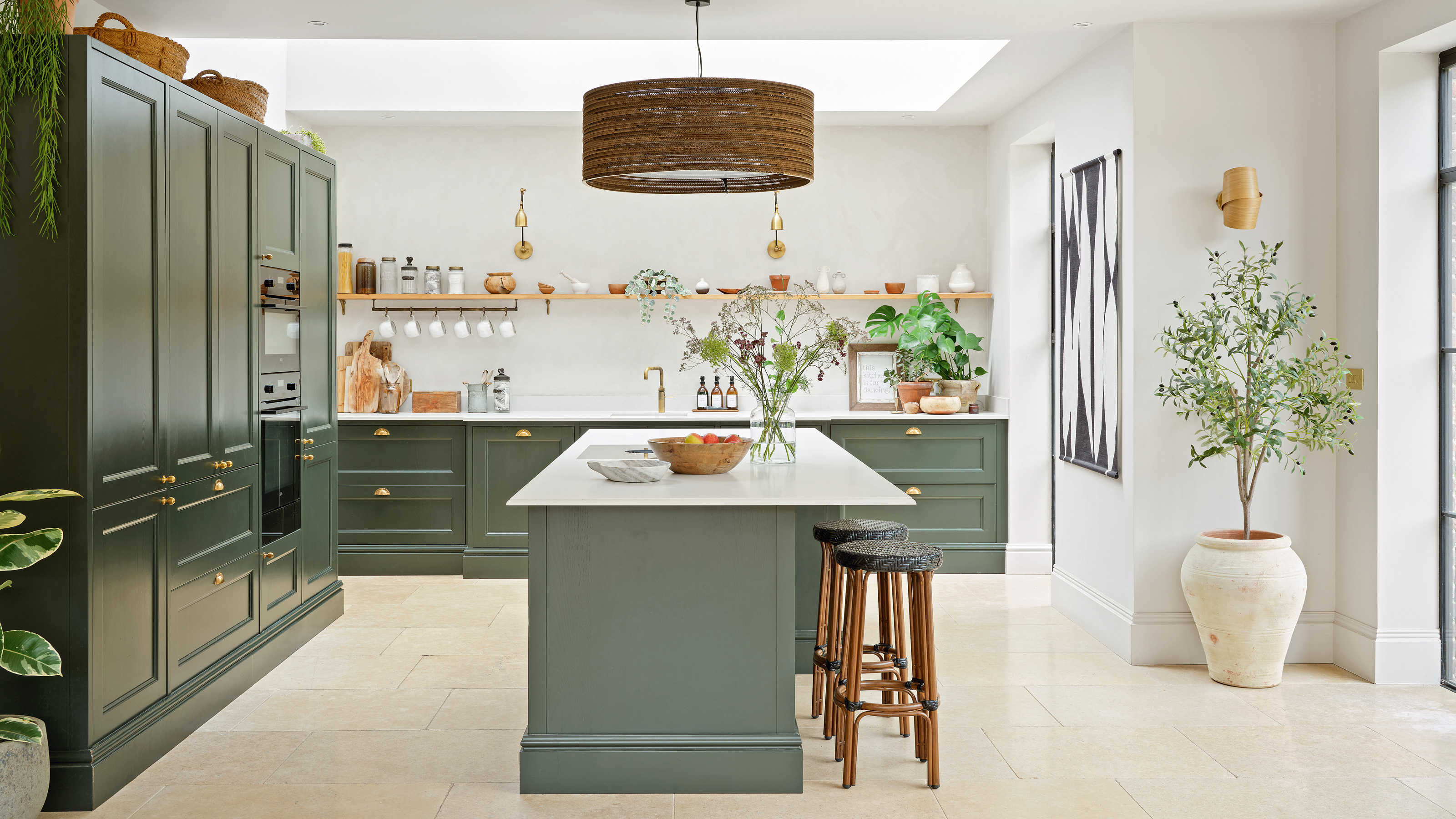
20 Shaker kitchen ideas to make this classic style trendy in 2025
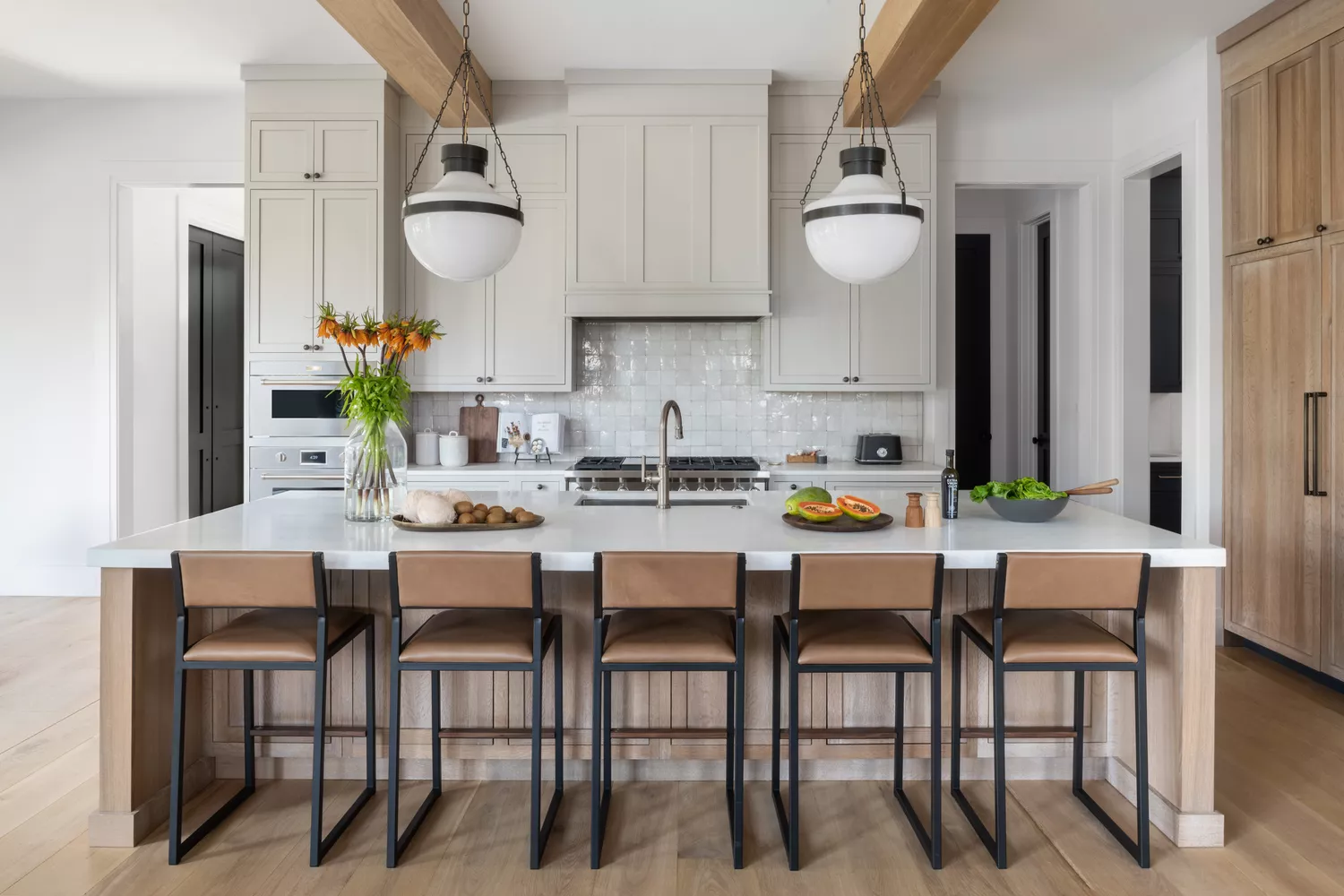
If You're Seeing Shaker Cabinets Everywhere, So Are We—Why Designers Love Them

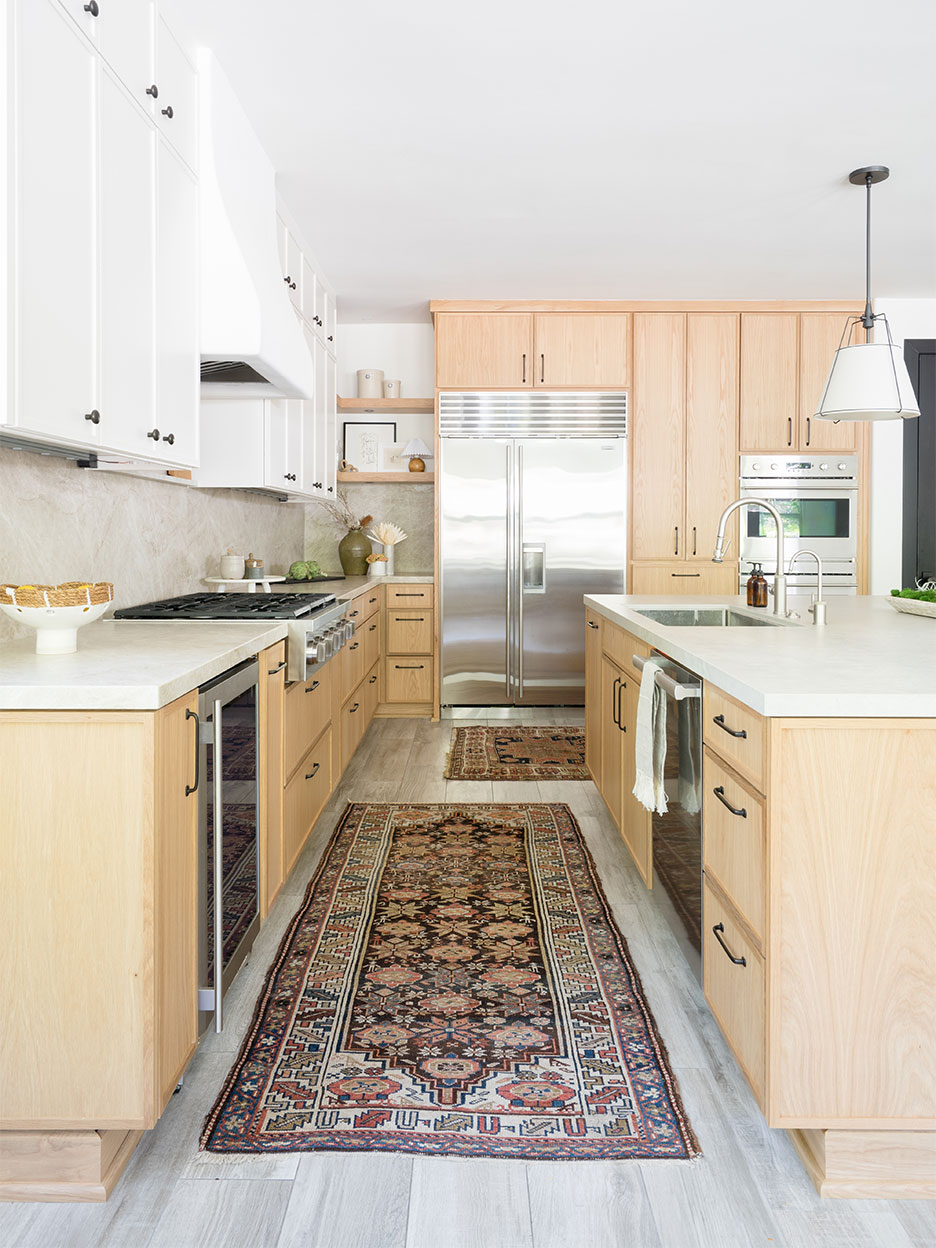
We Found a Contemporary Alternative to Shaker Cabinets in This Kitchen Reno

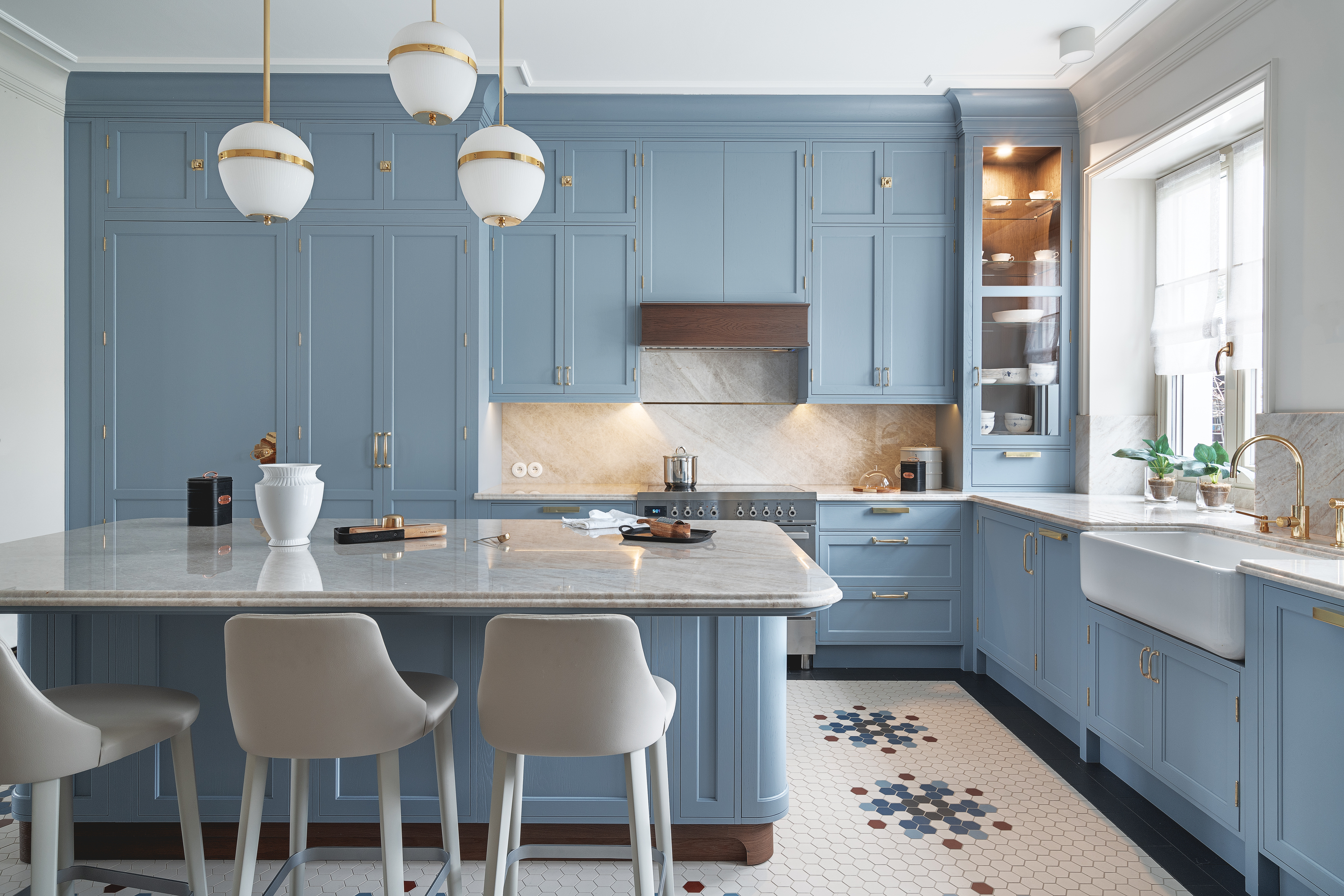
10 Shaker kitchen ideas that prove this classic design can be styled in a brilliantly modern way
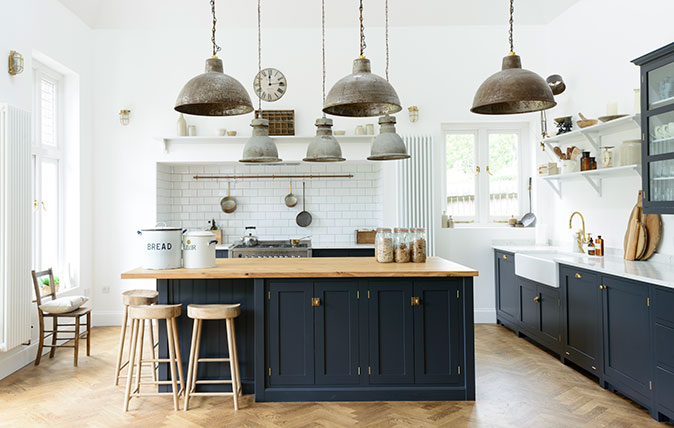
The sitting room transformed into a kitchen-diner perfect for an Arts-and-Crafts house
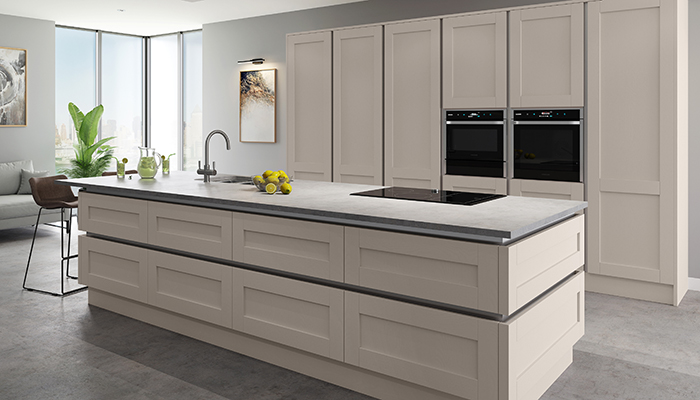
Shaker: The continuing evolution of the style that suits all schemes
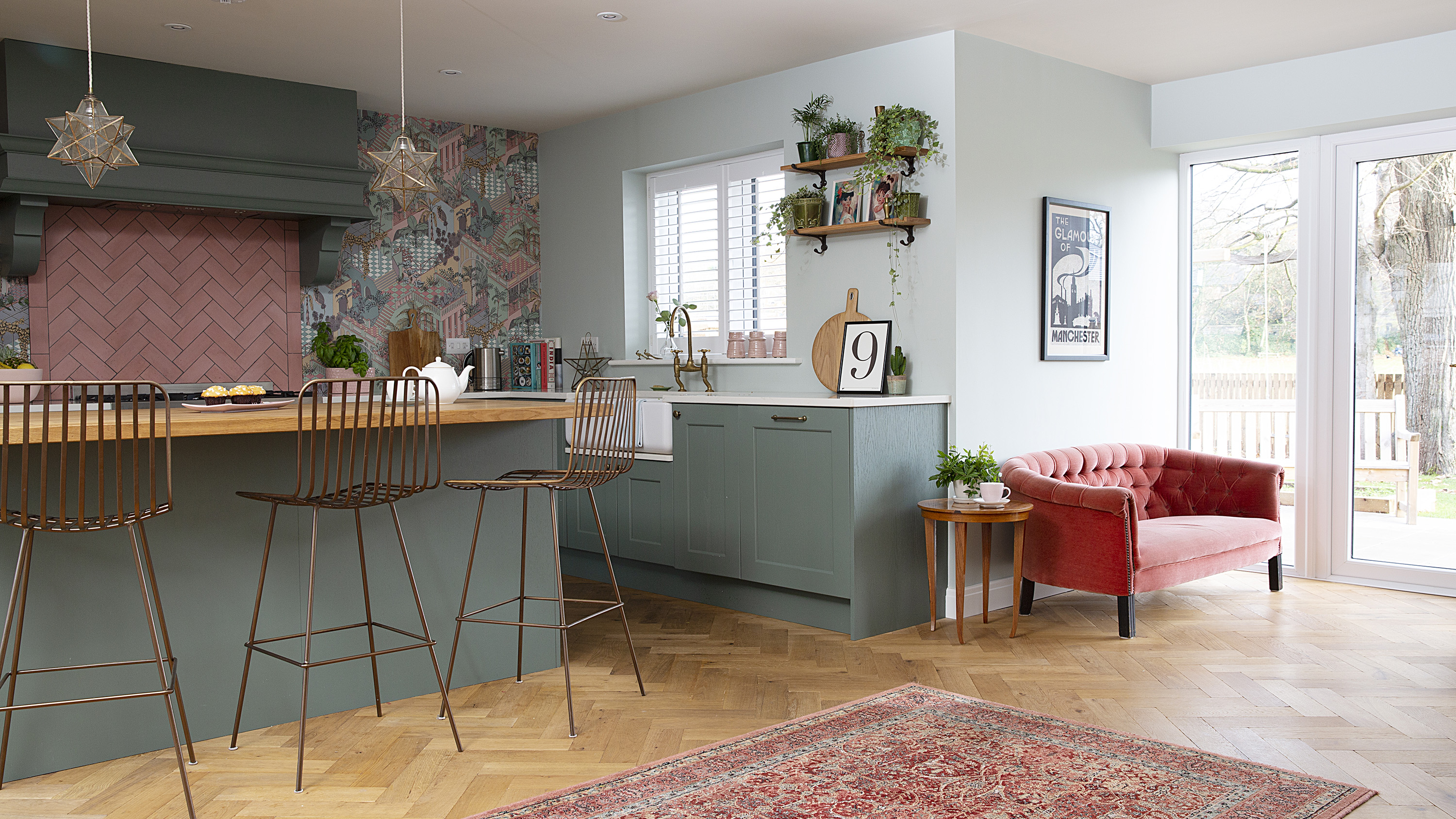
Making over your kitchen? Be inspired...

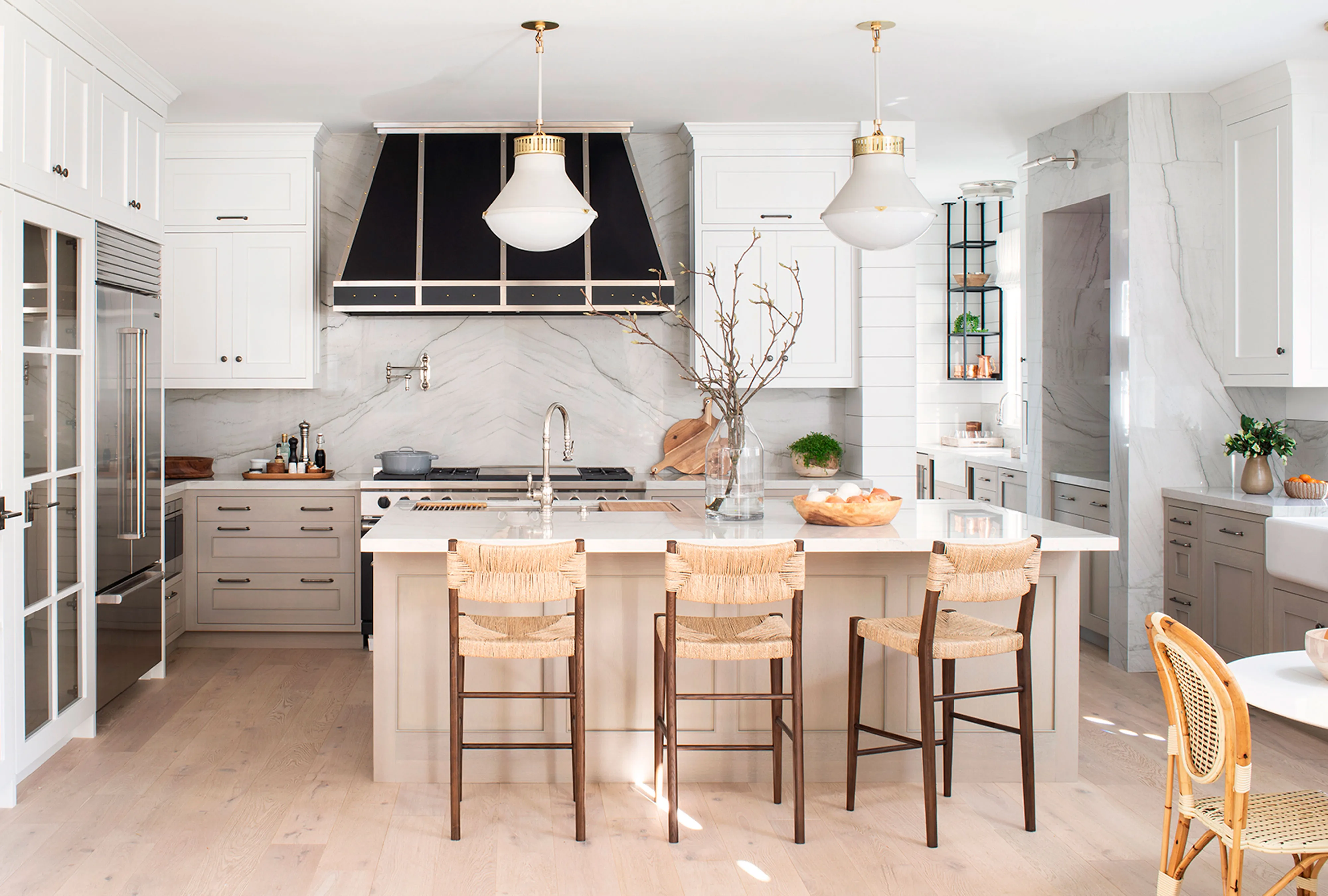
5 Design Updates That Will Instantly Refresh Your Modern Farmhouse Kitchen—No Renovation Required

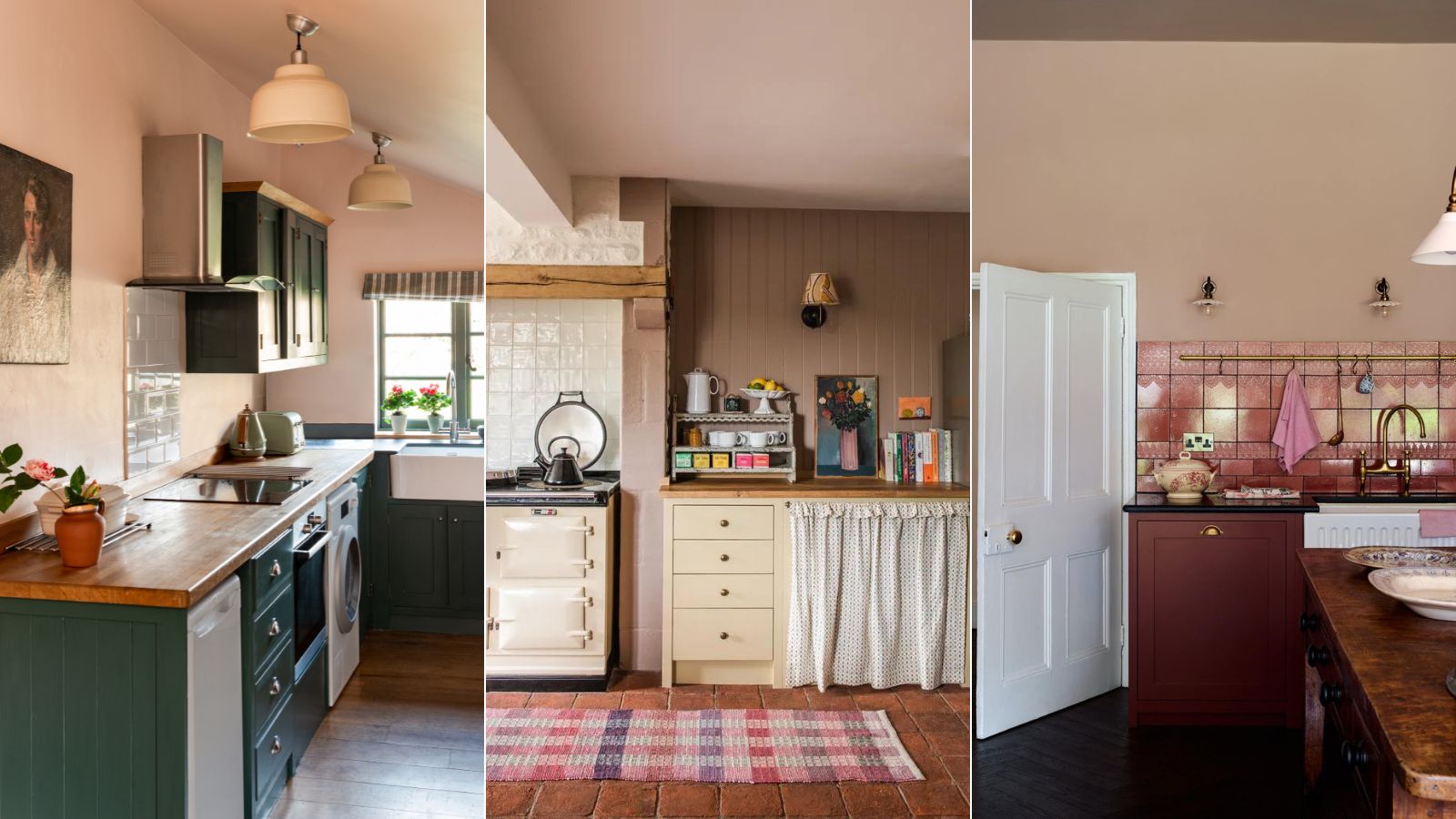
Are Shaker kitchens still on trend? Interior design experts weigh in on whether this classic style is looking dated
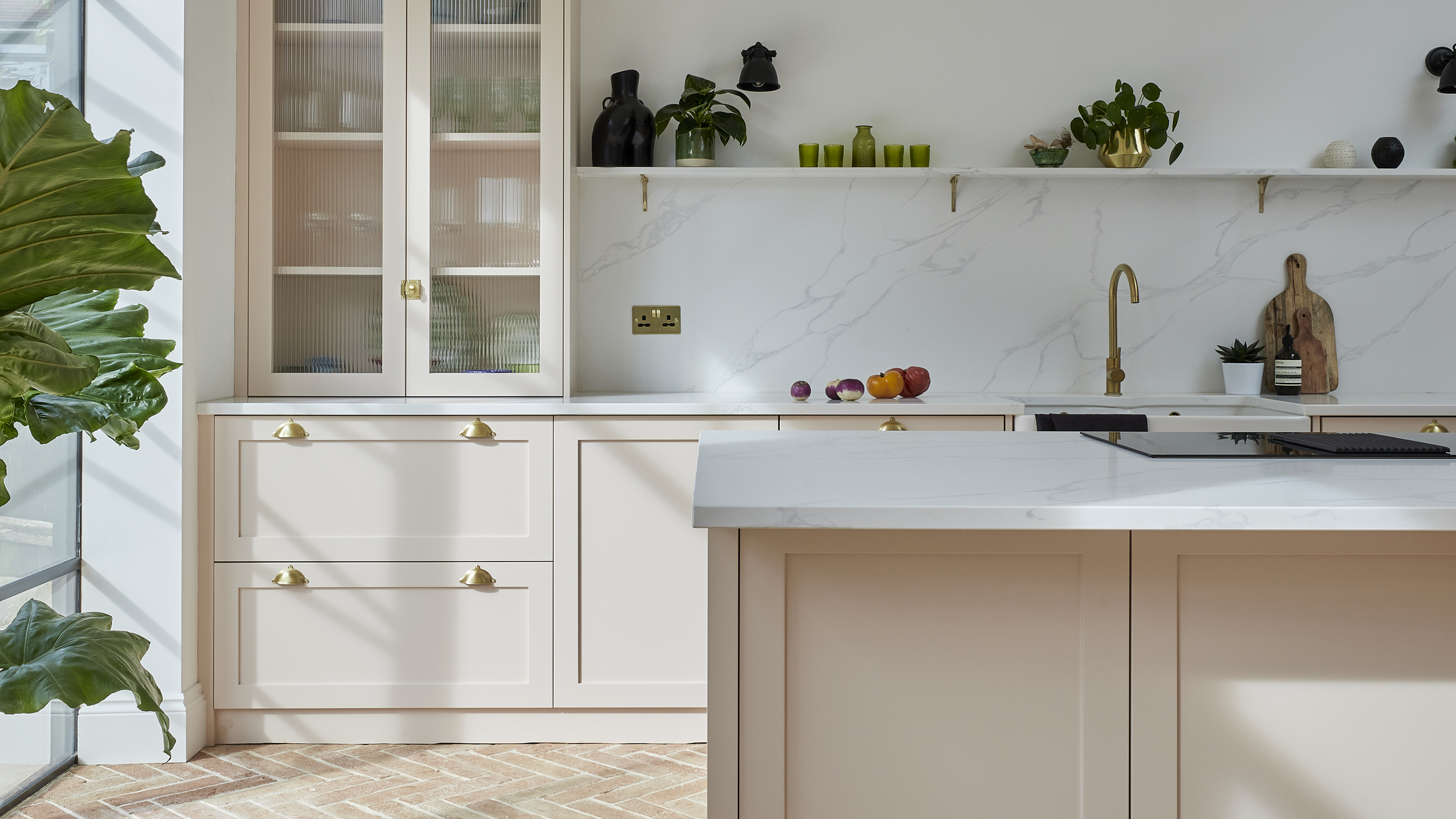
Slim Shaker cabinets are the modern trend for 2025
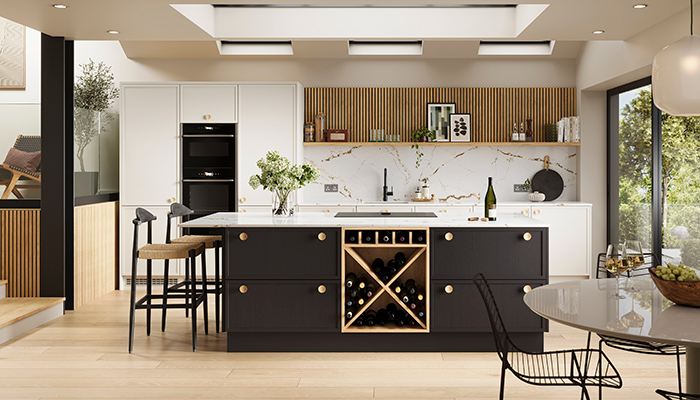
Why skinny Shaker kitchens are now the top choice for style-savvy homeowners
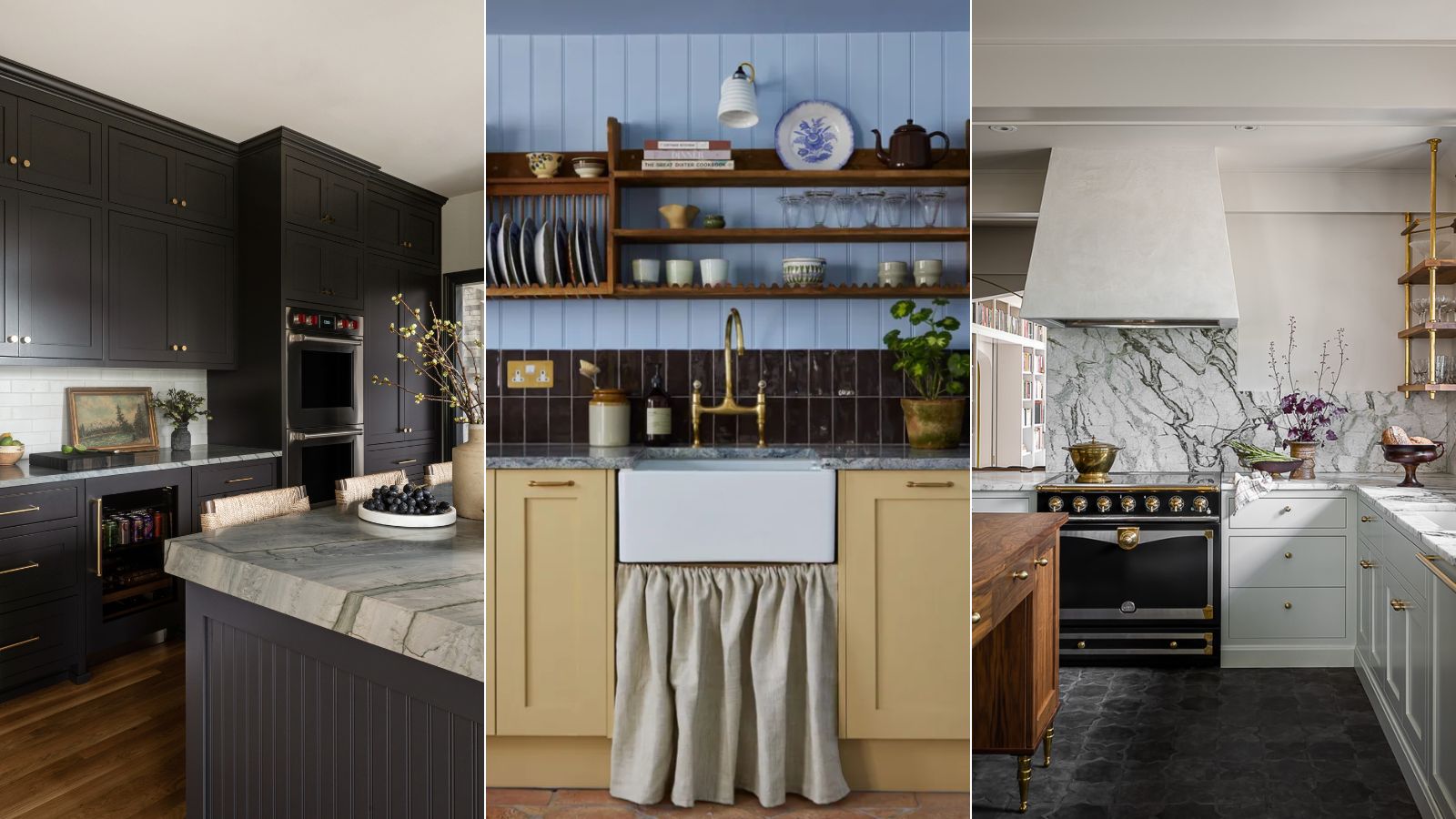
5 ways to update a Shaker kitchen to bring this classic look into 2024, as recommended by designers
What's replacing Shaker kitchens? These are the updated kitchen styles designers have their eyes on
Micro Shaker kitchens are the new 2025 trend giving this timeless design a modern twist – here's everything you need to know
This Retro Kitchen Is a Modern Blast From the Past