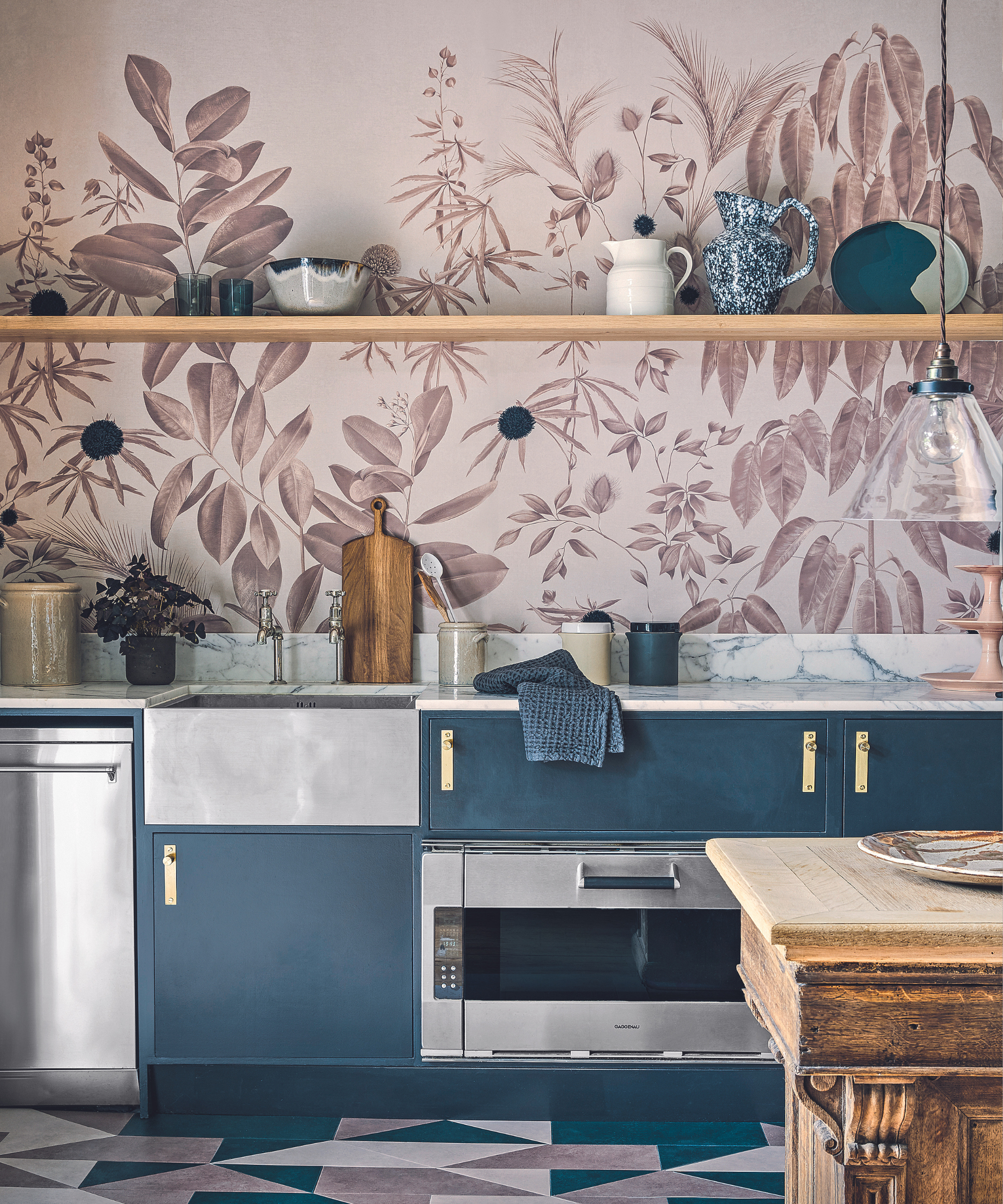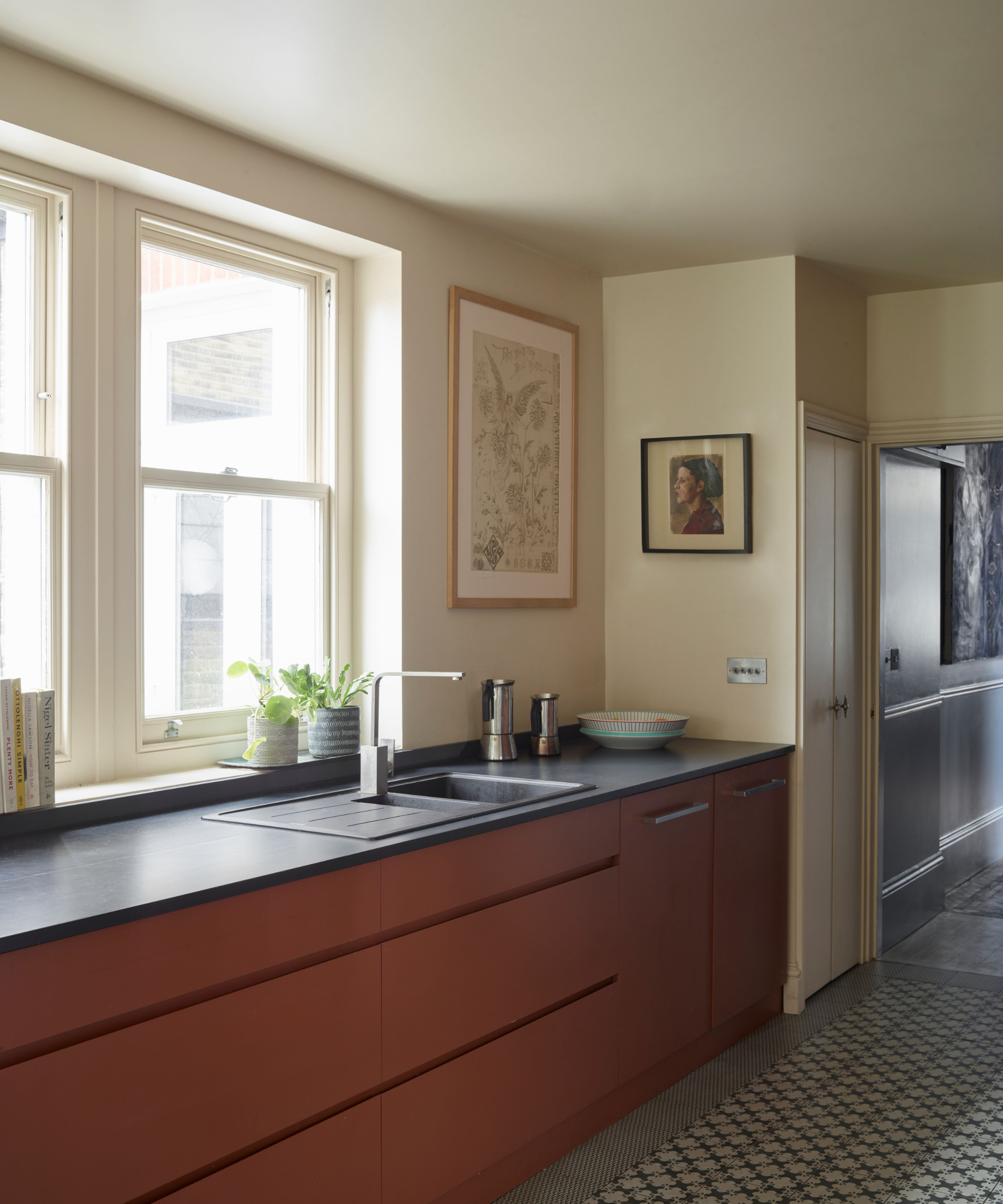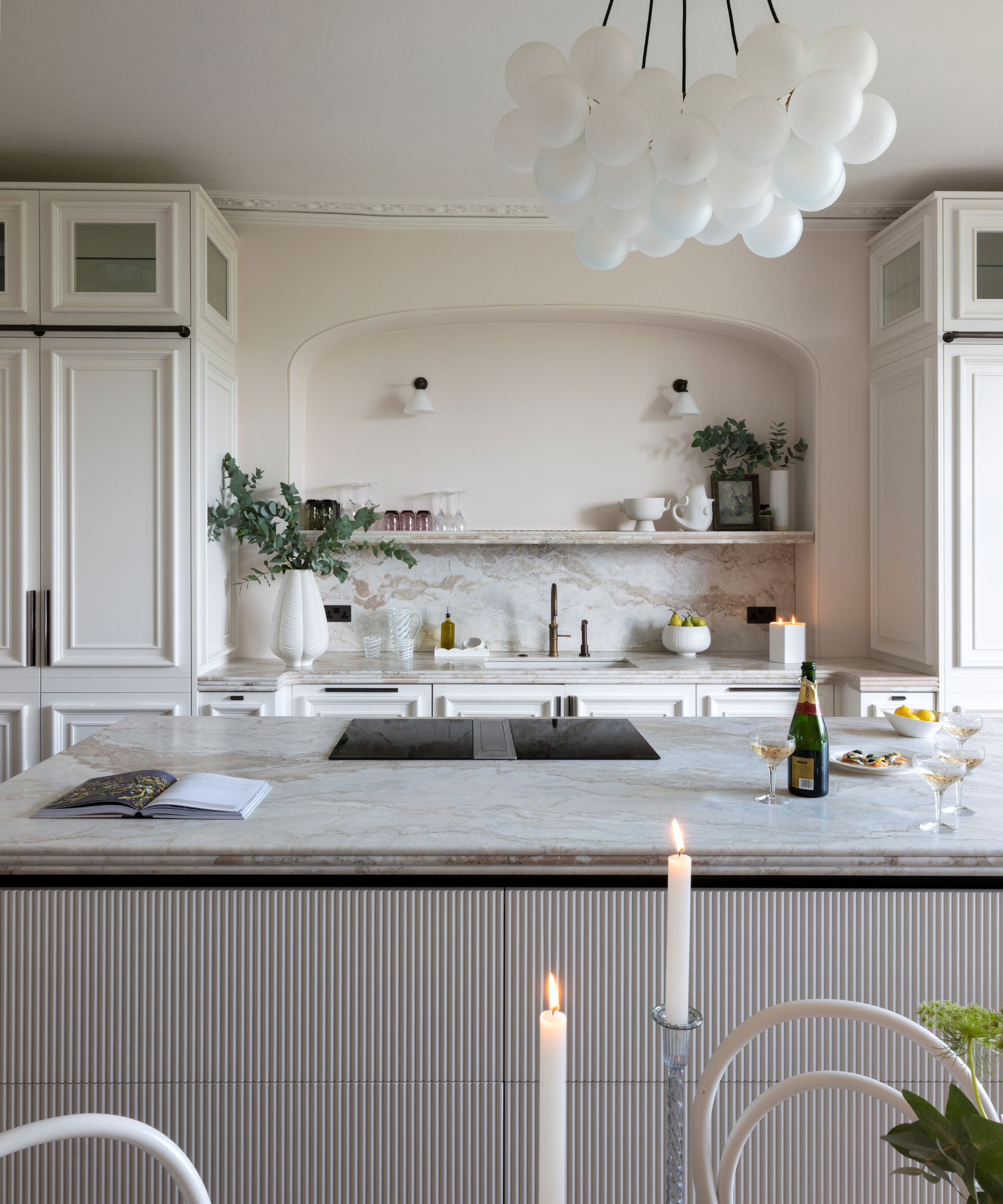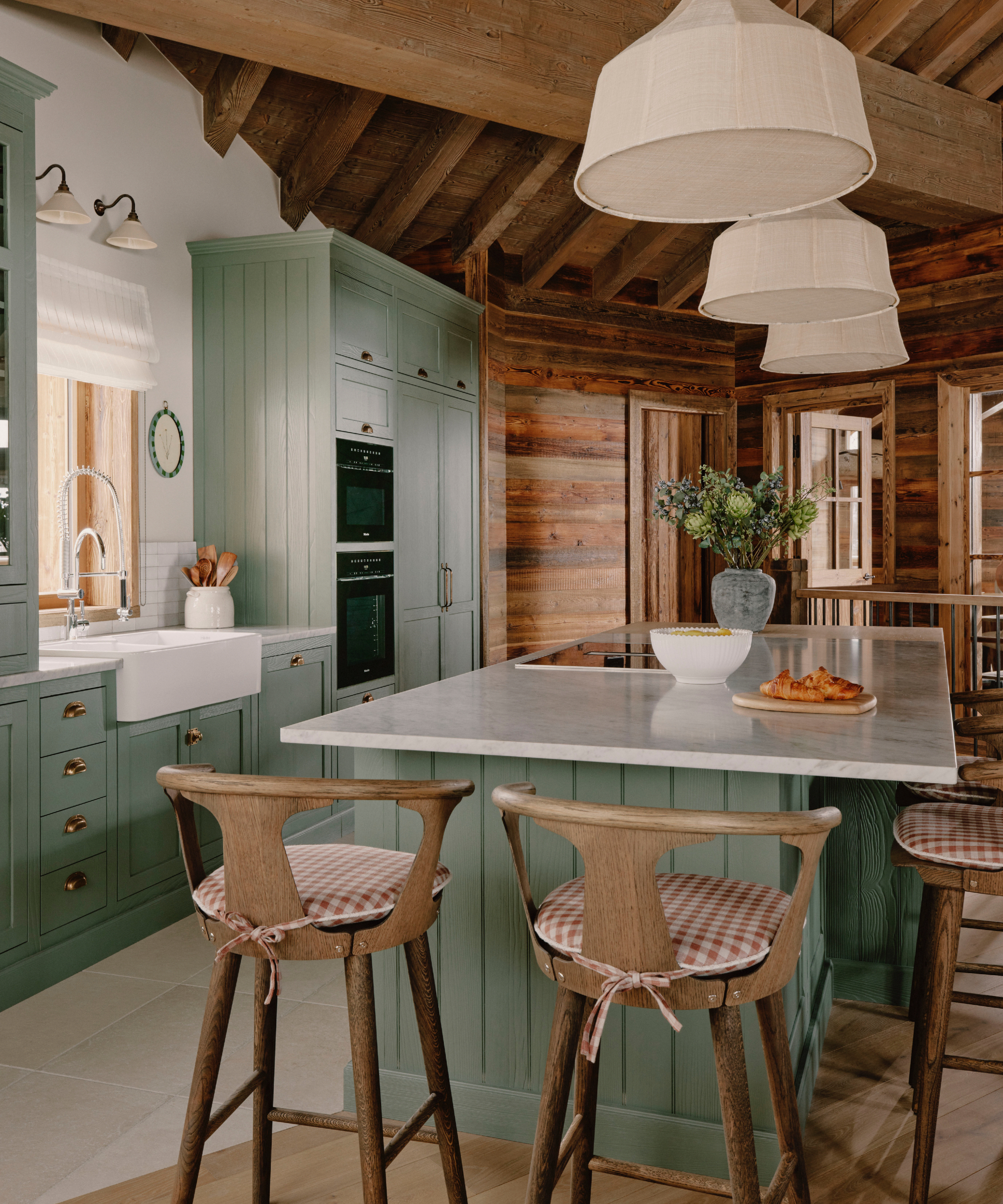
If You're Seeing Shaker Cabinets Everywhere, So Are We—Why Designers Love Them
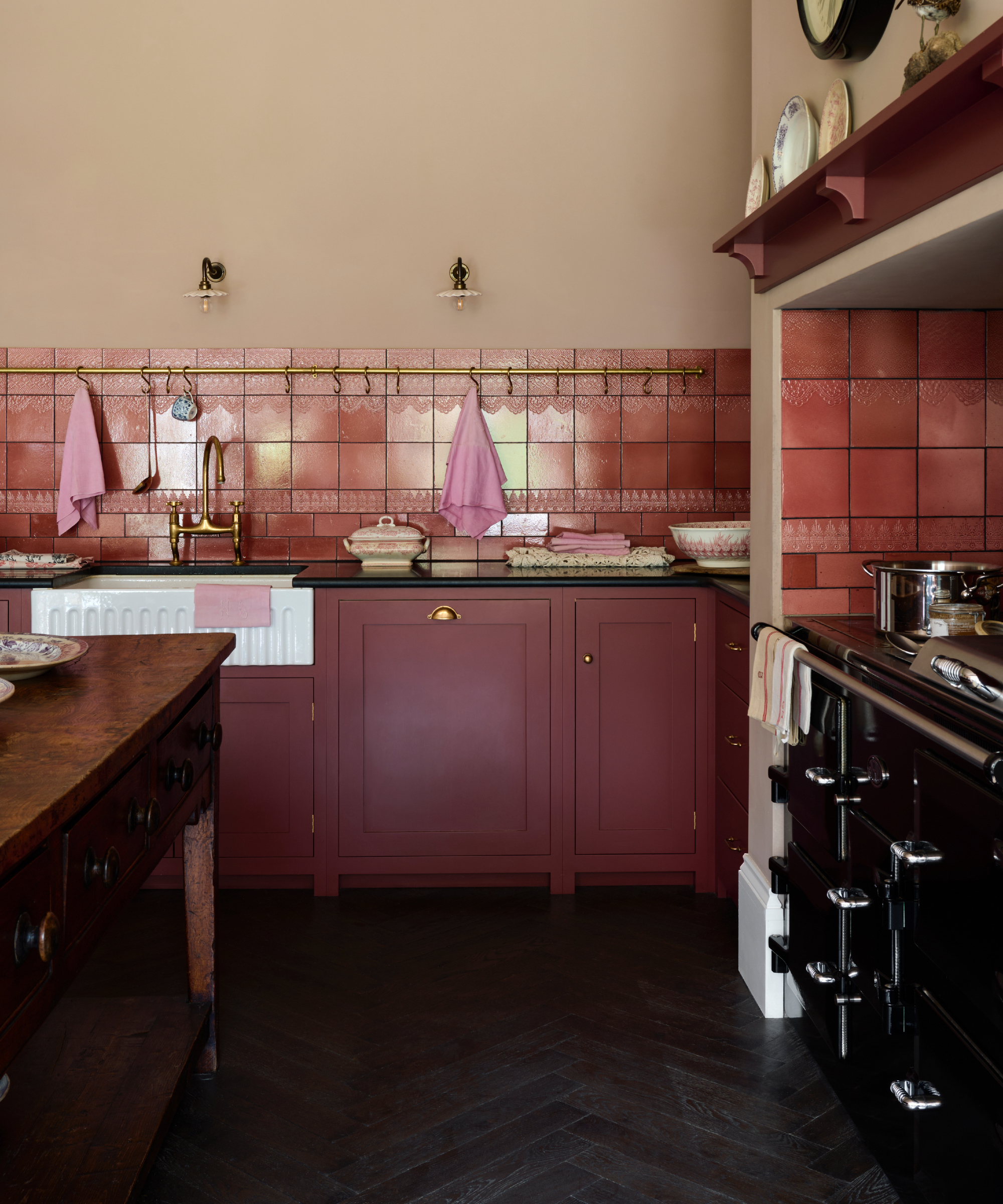
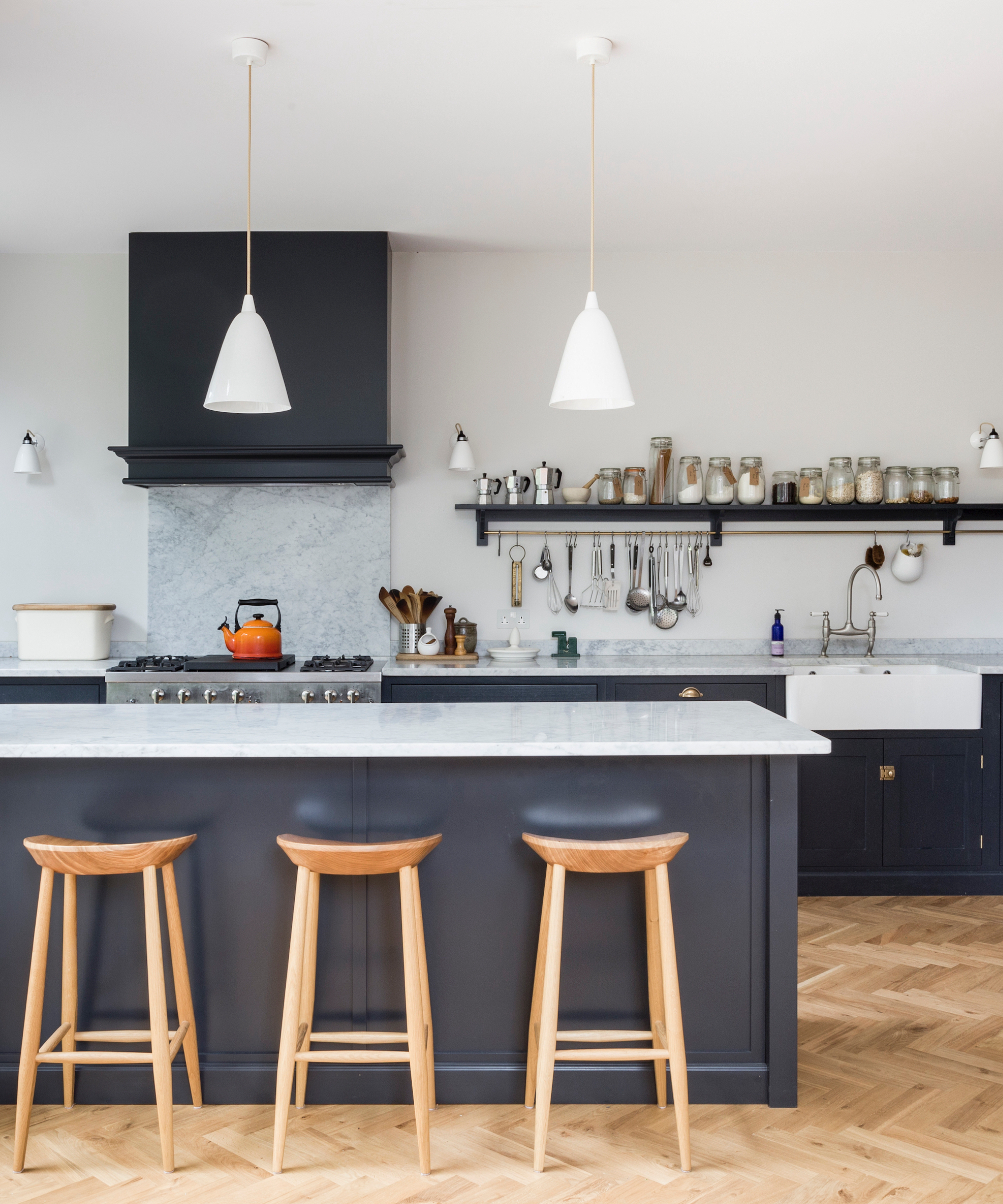
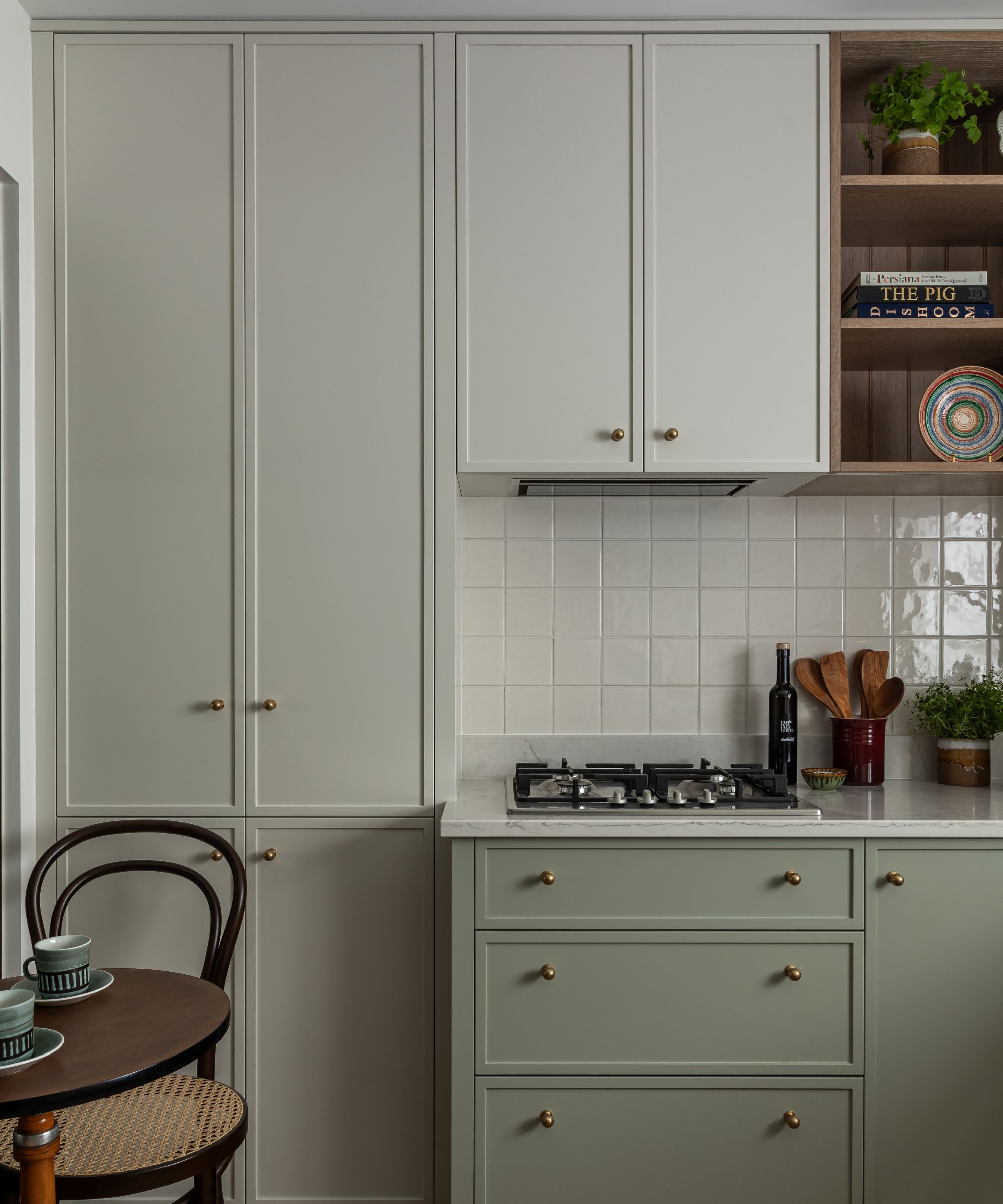
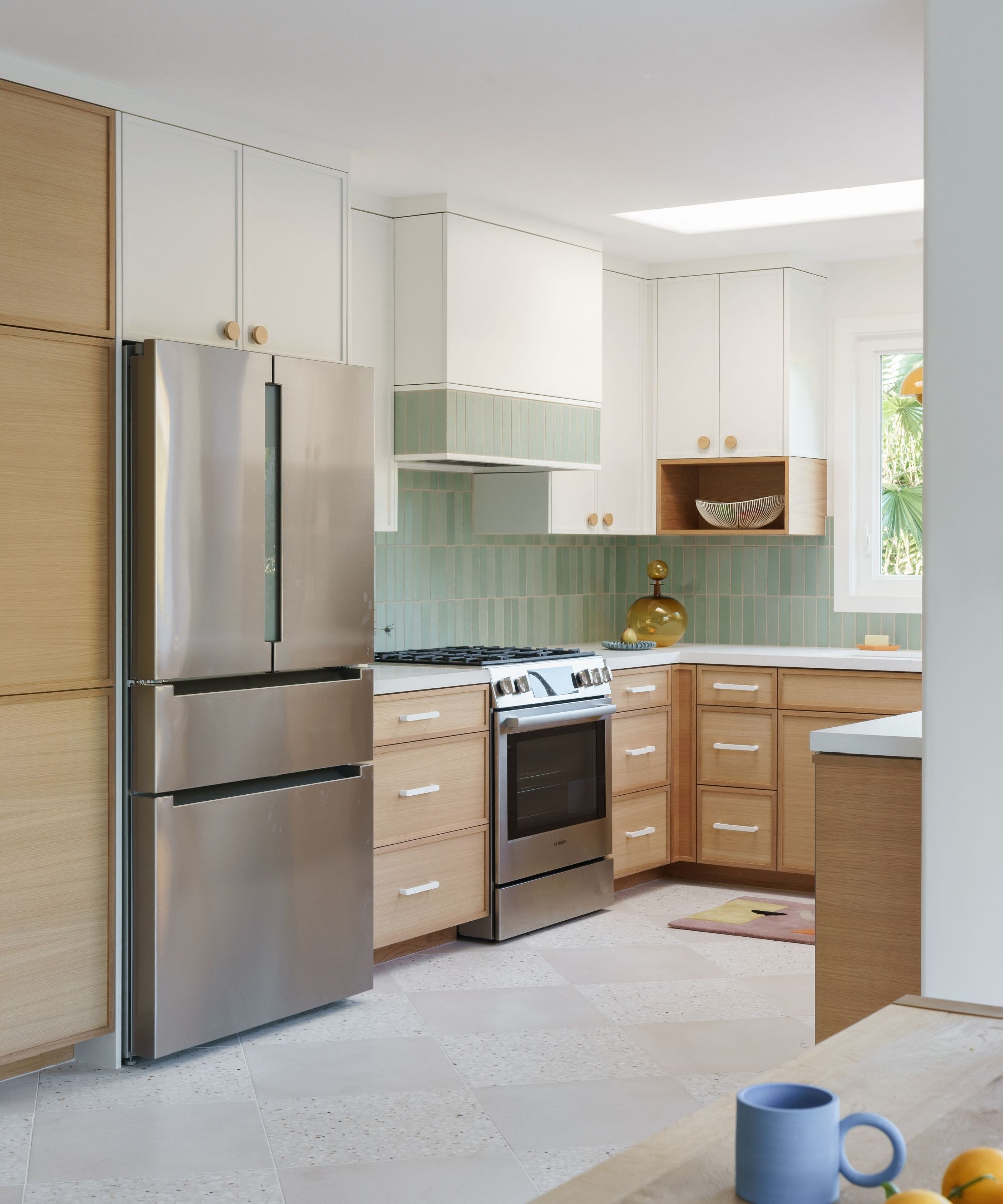
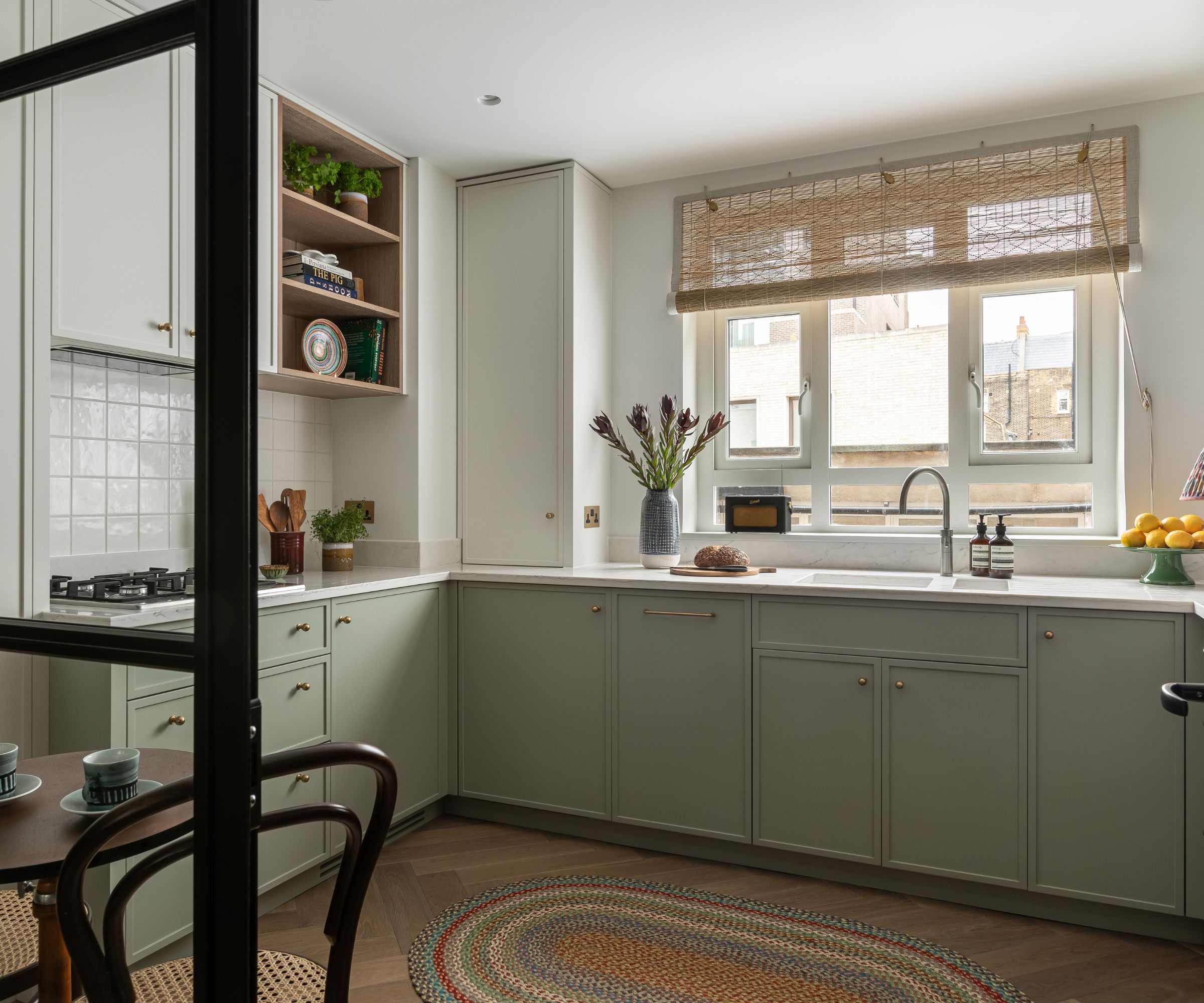
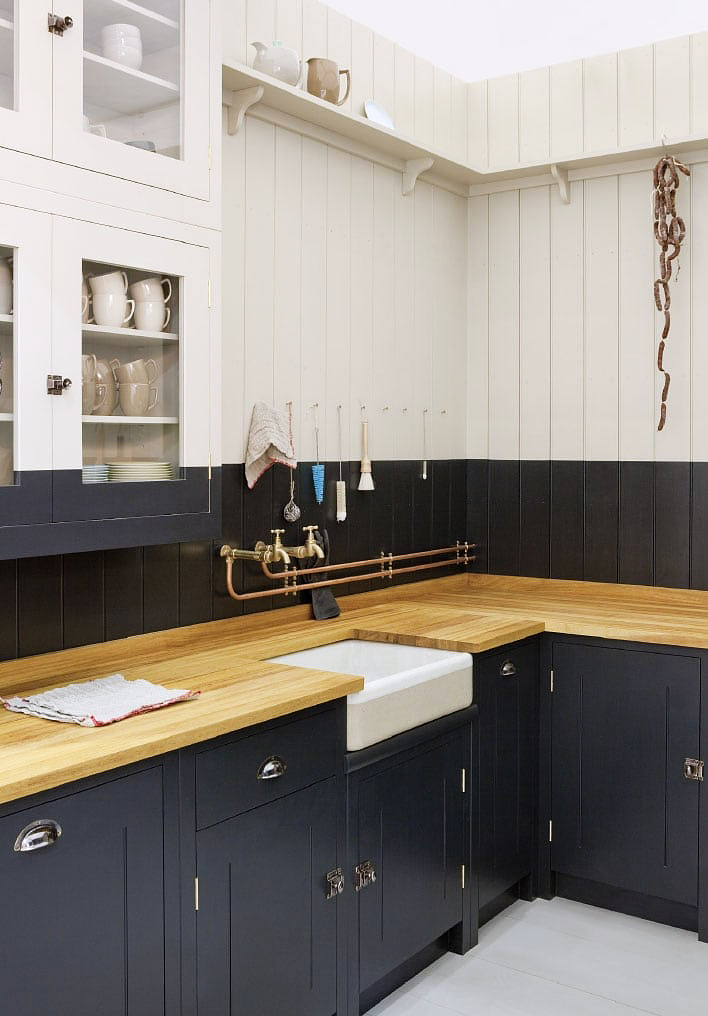
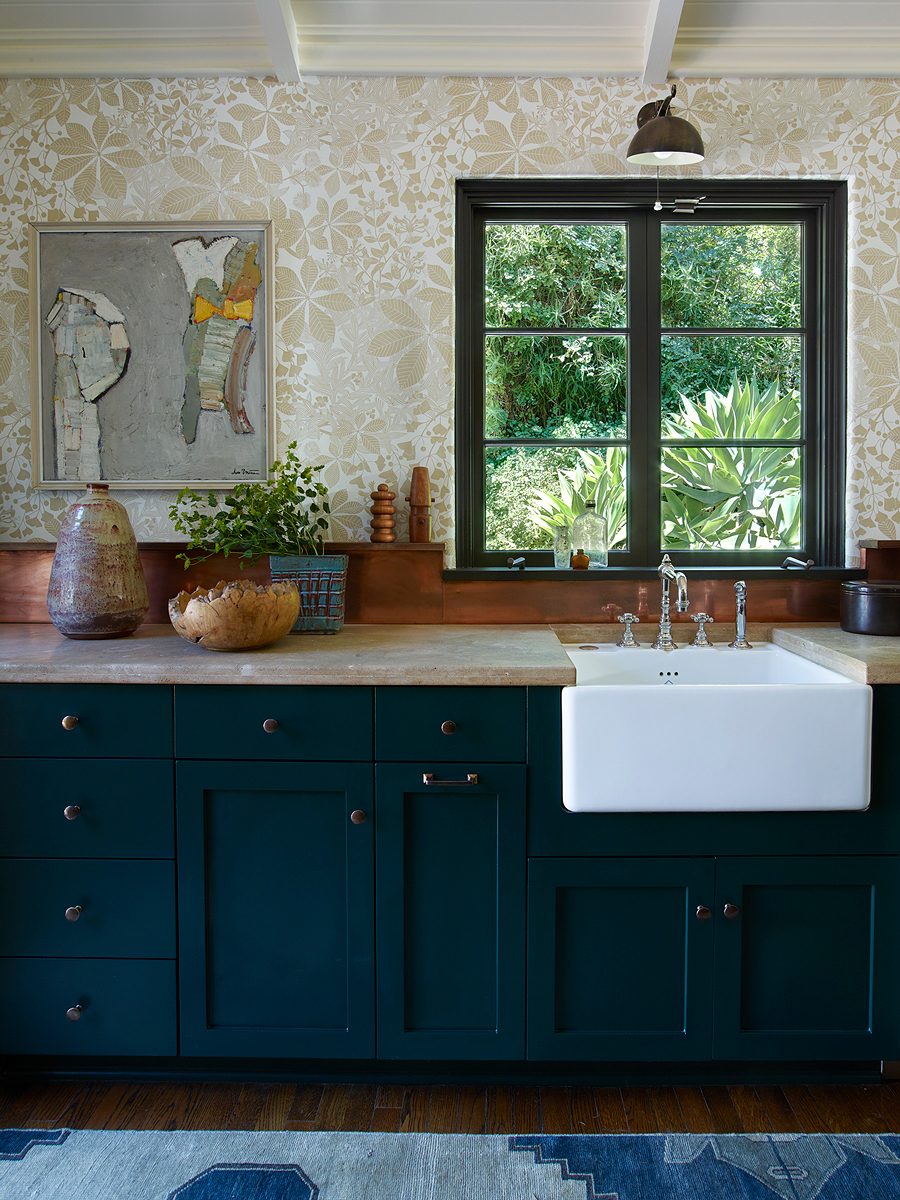
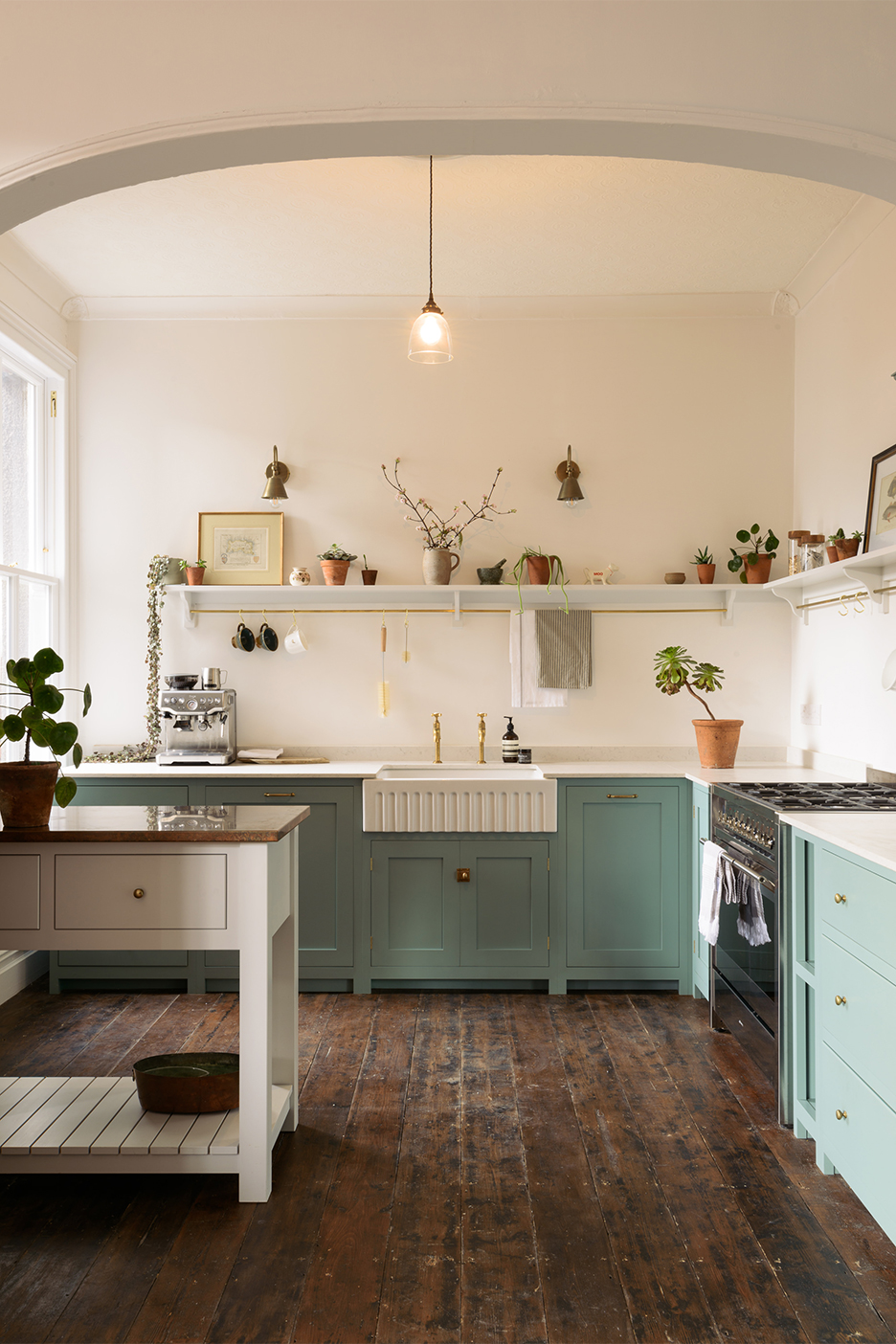
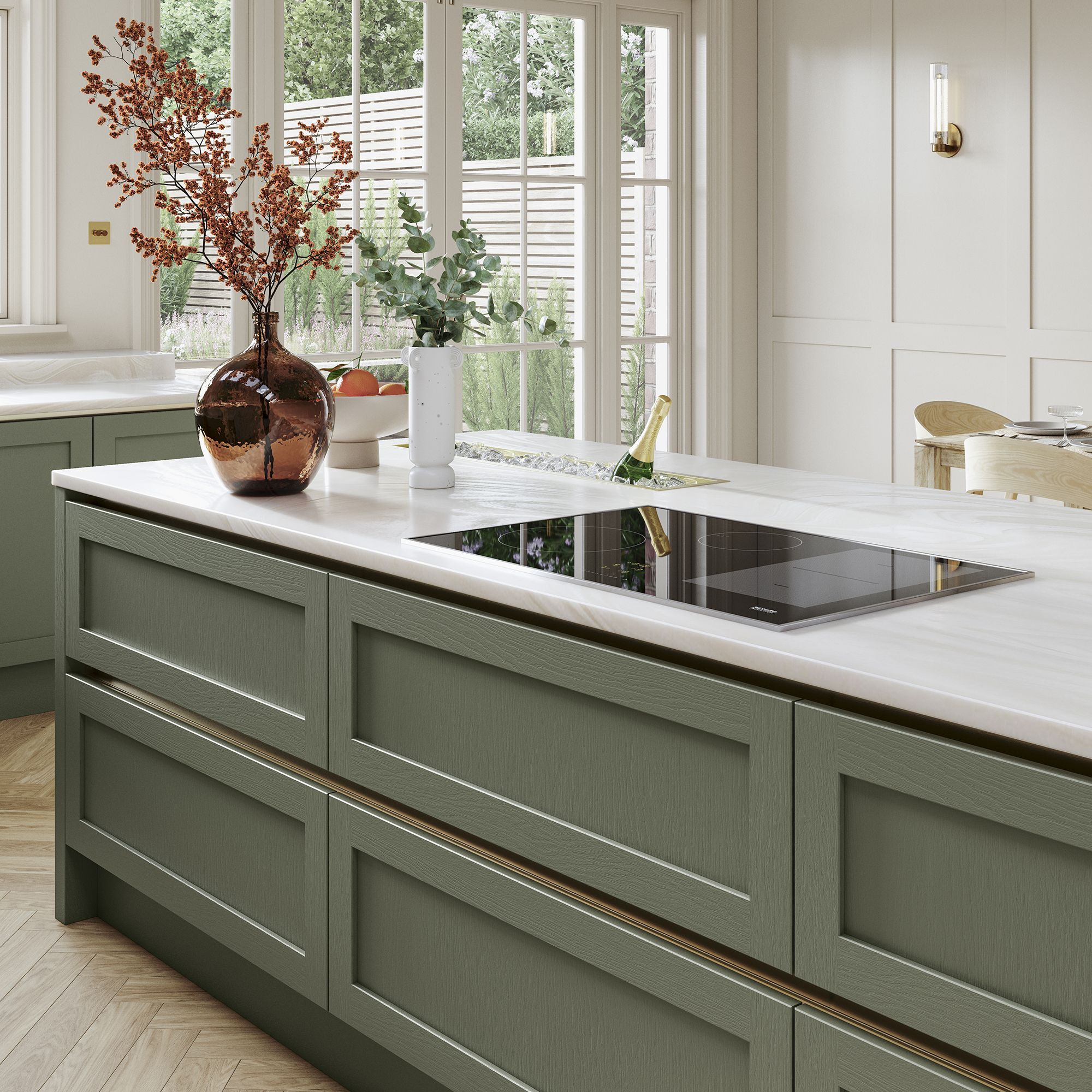
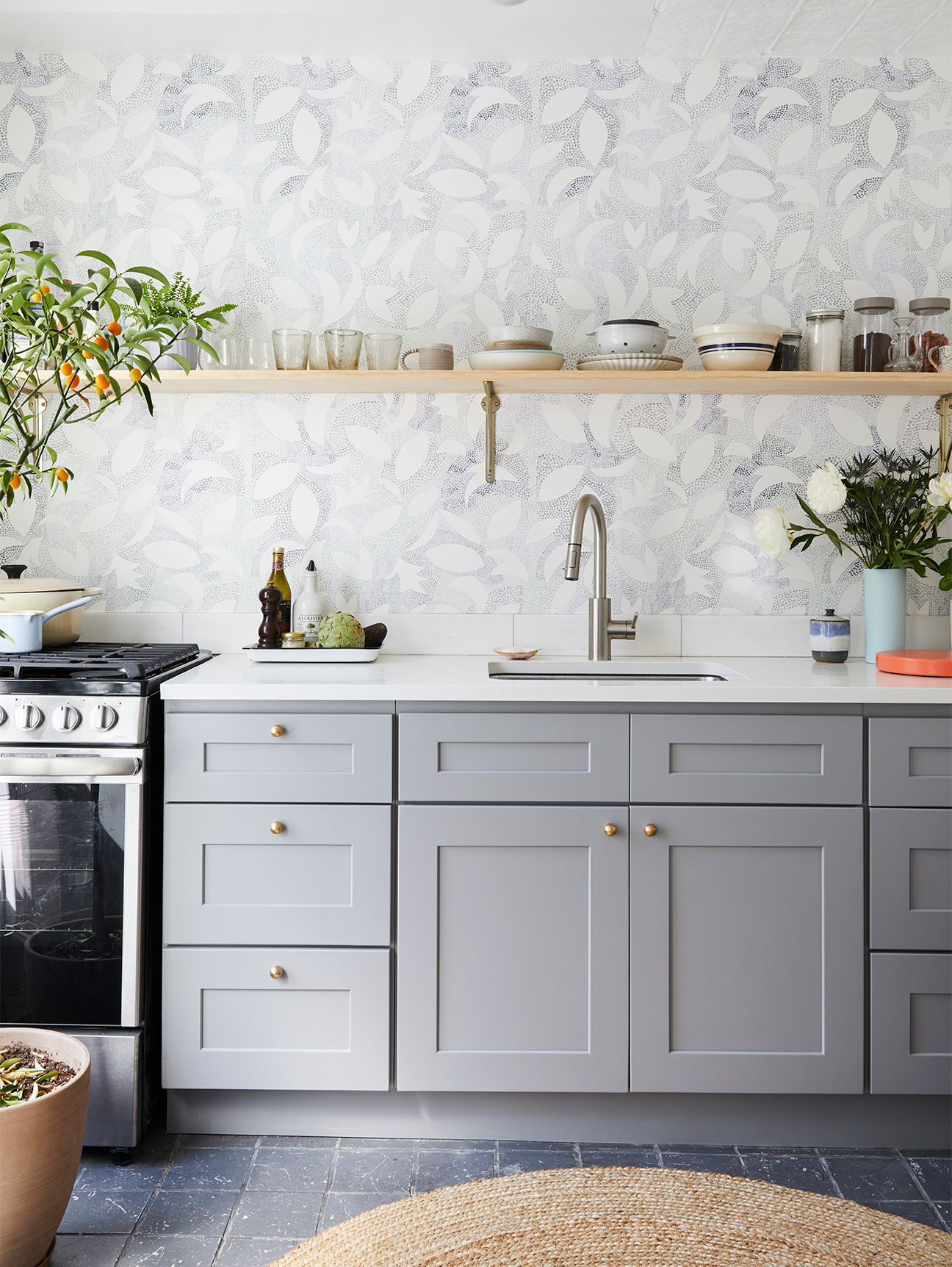
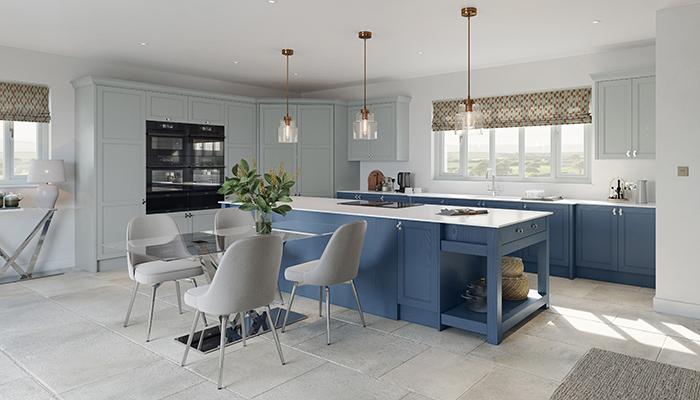
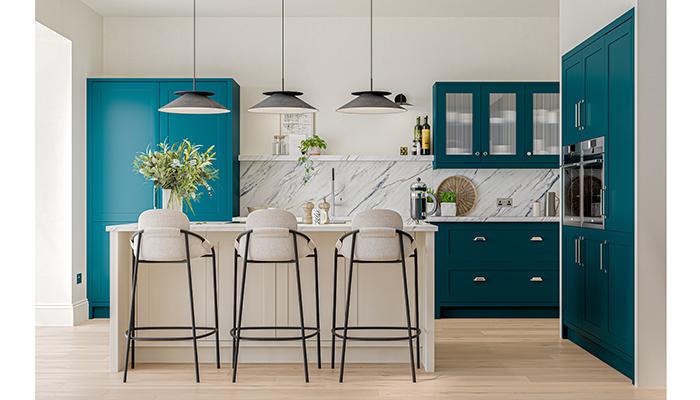
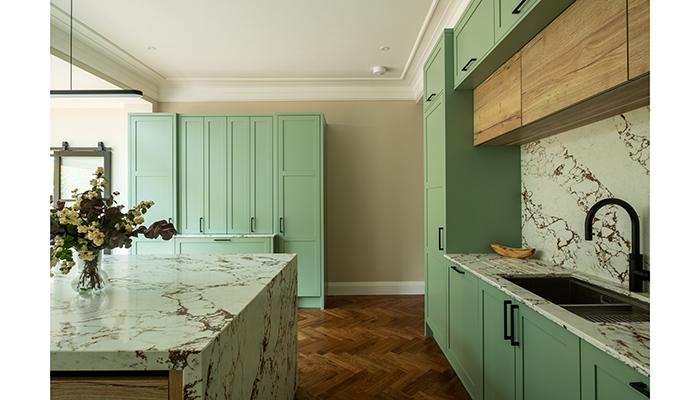
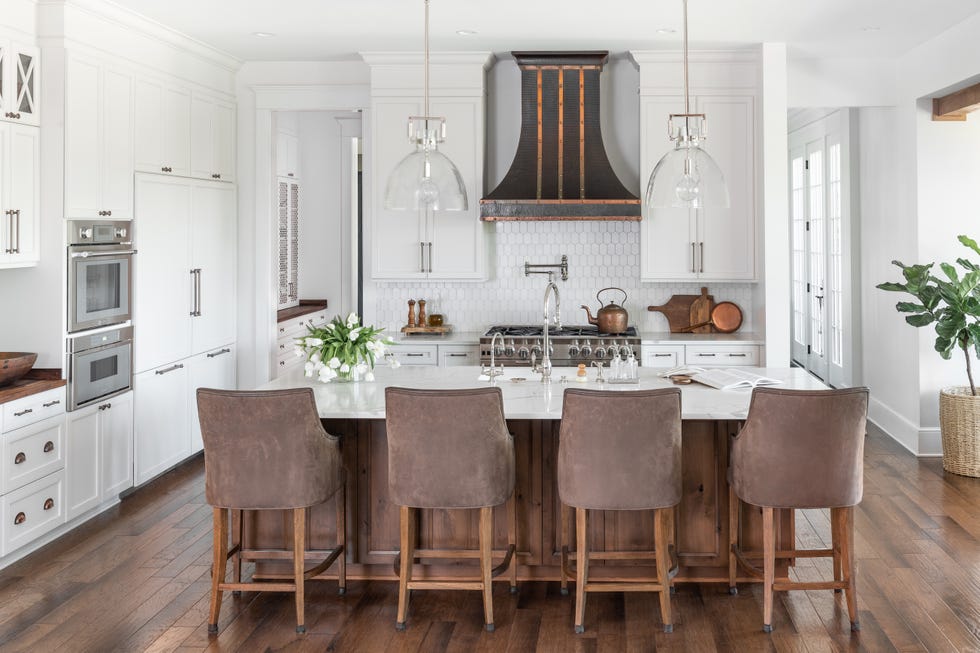
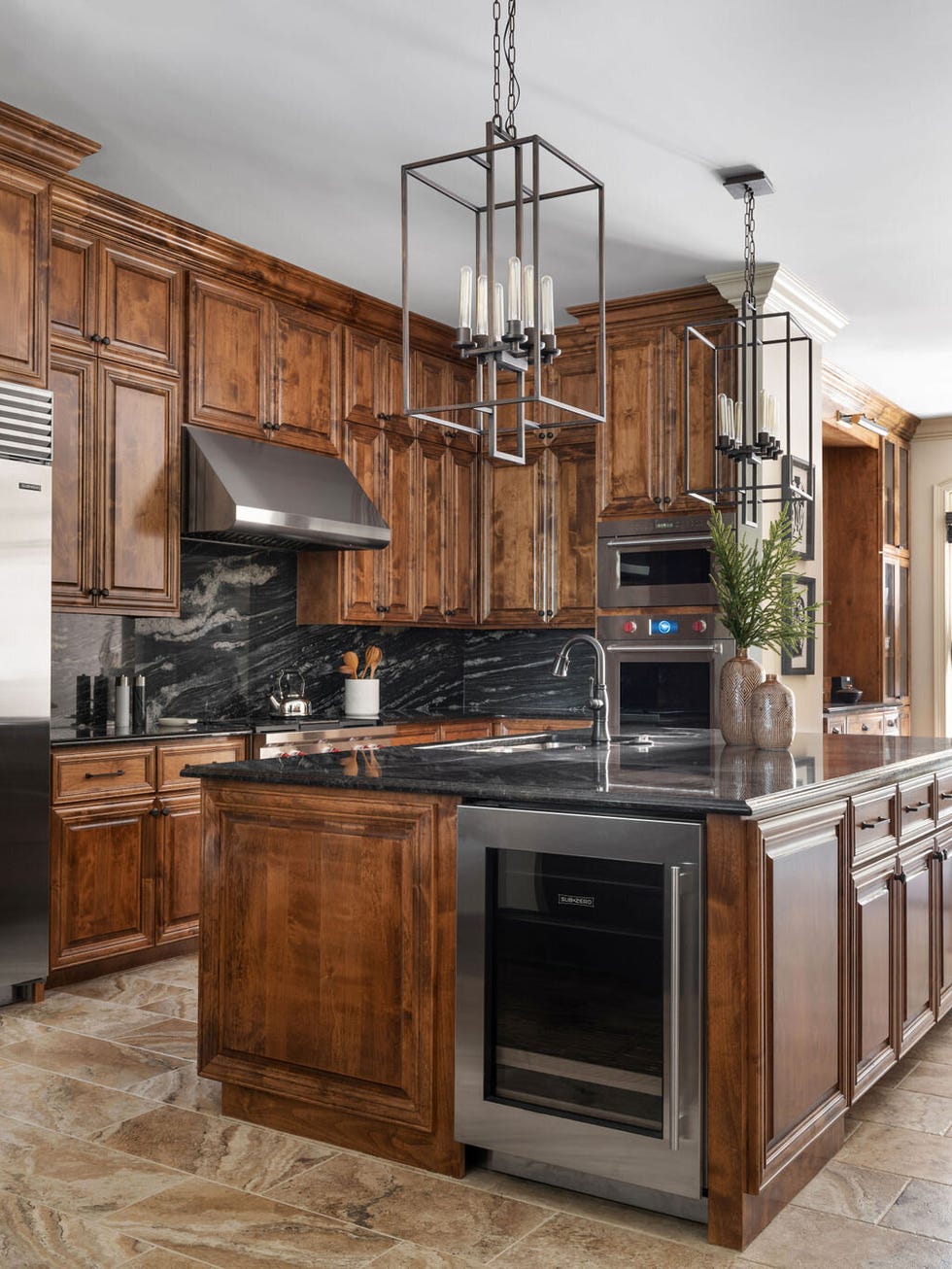
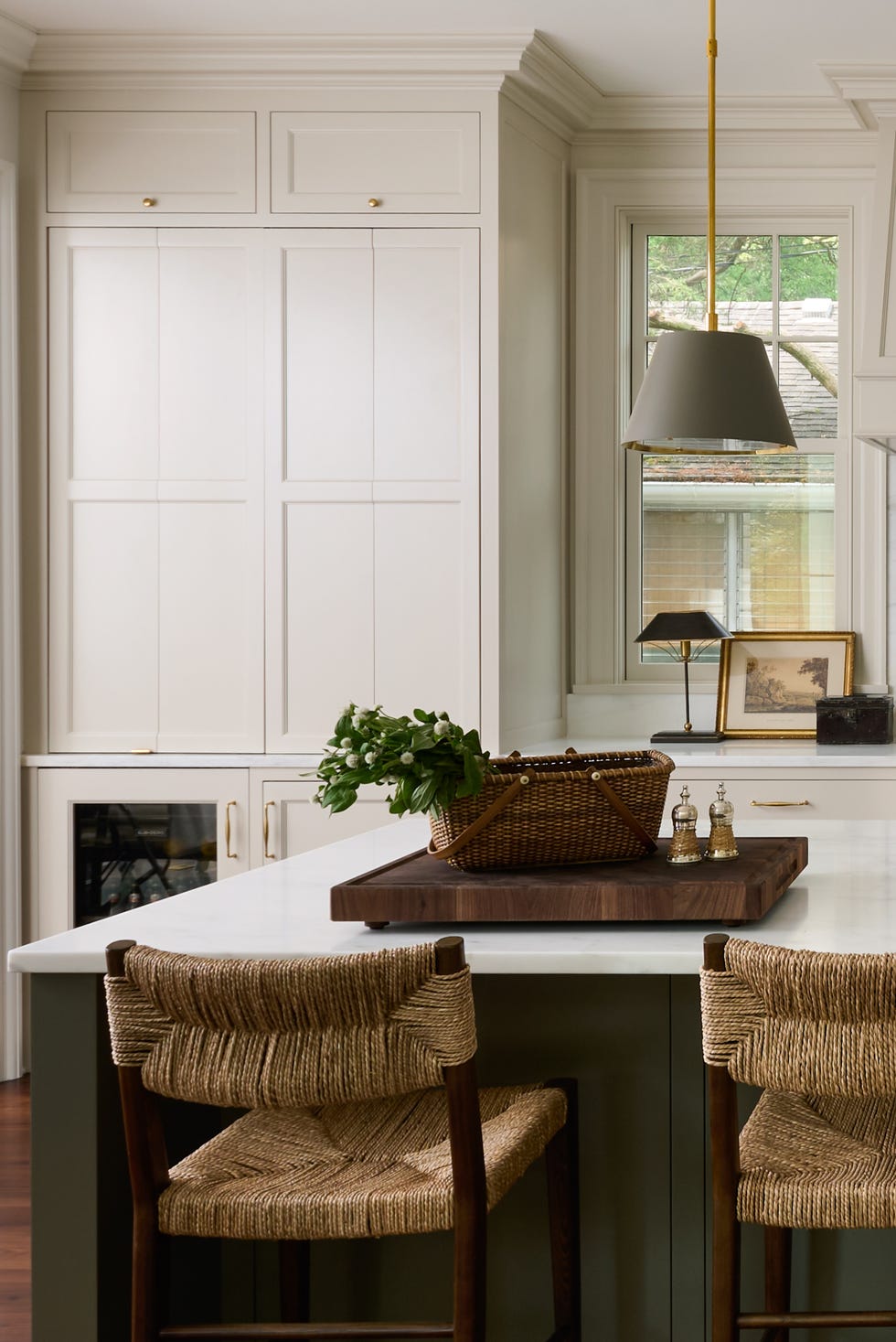

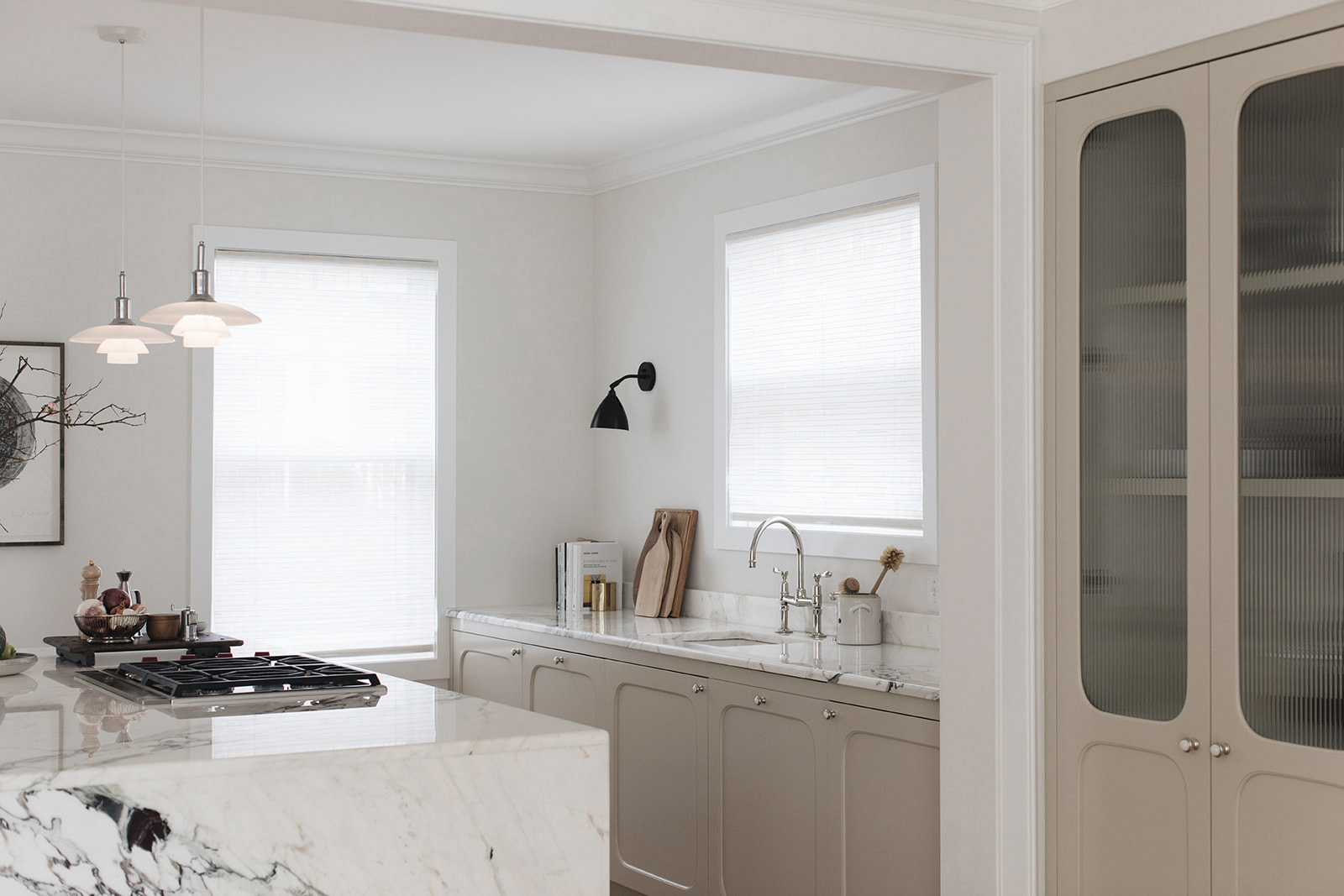
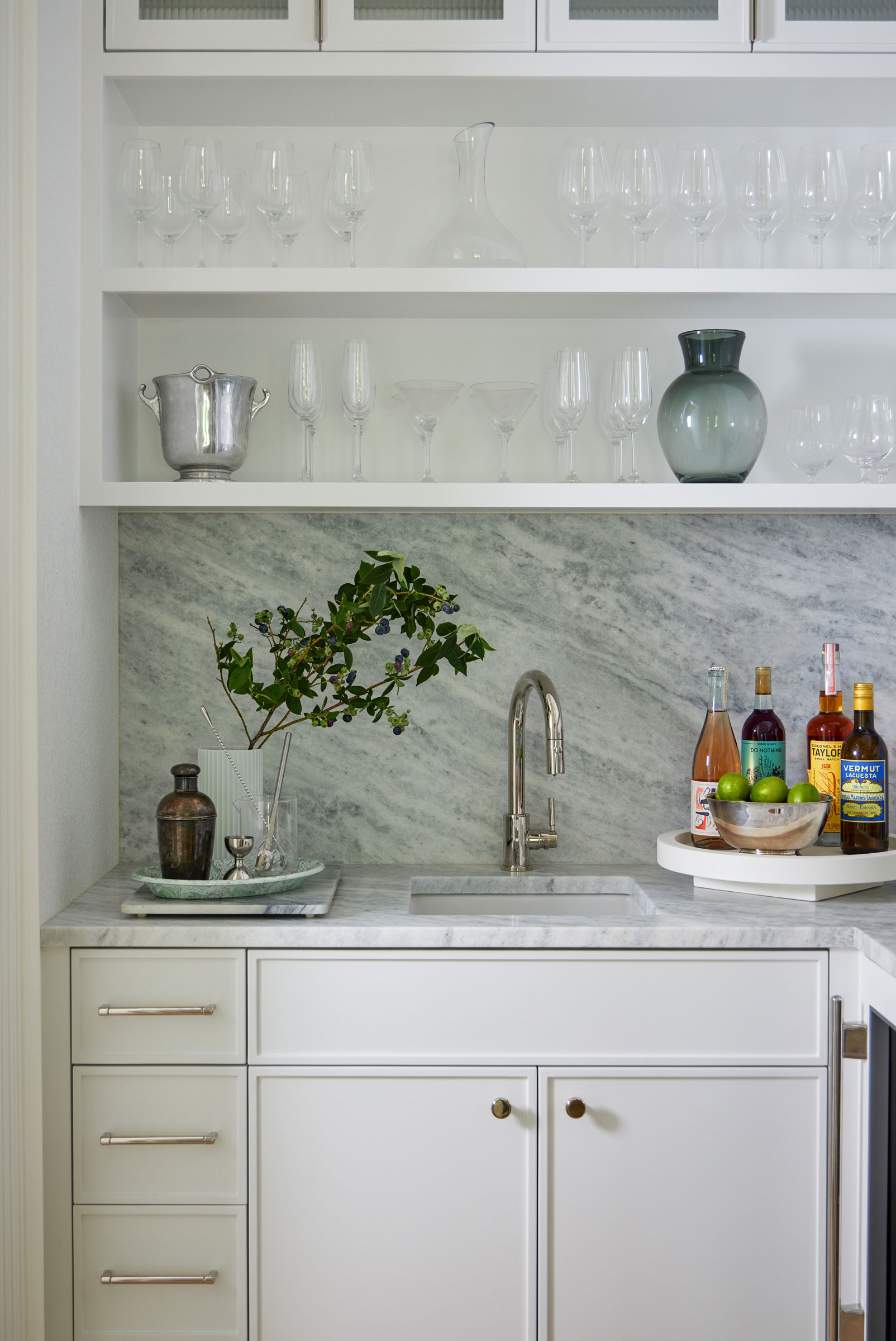
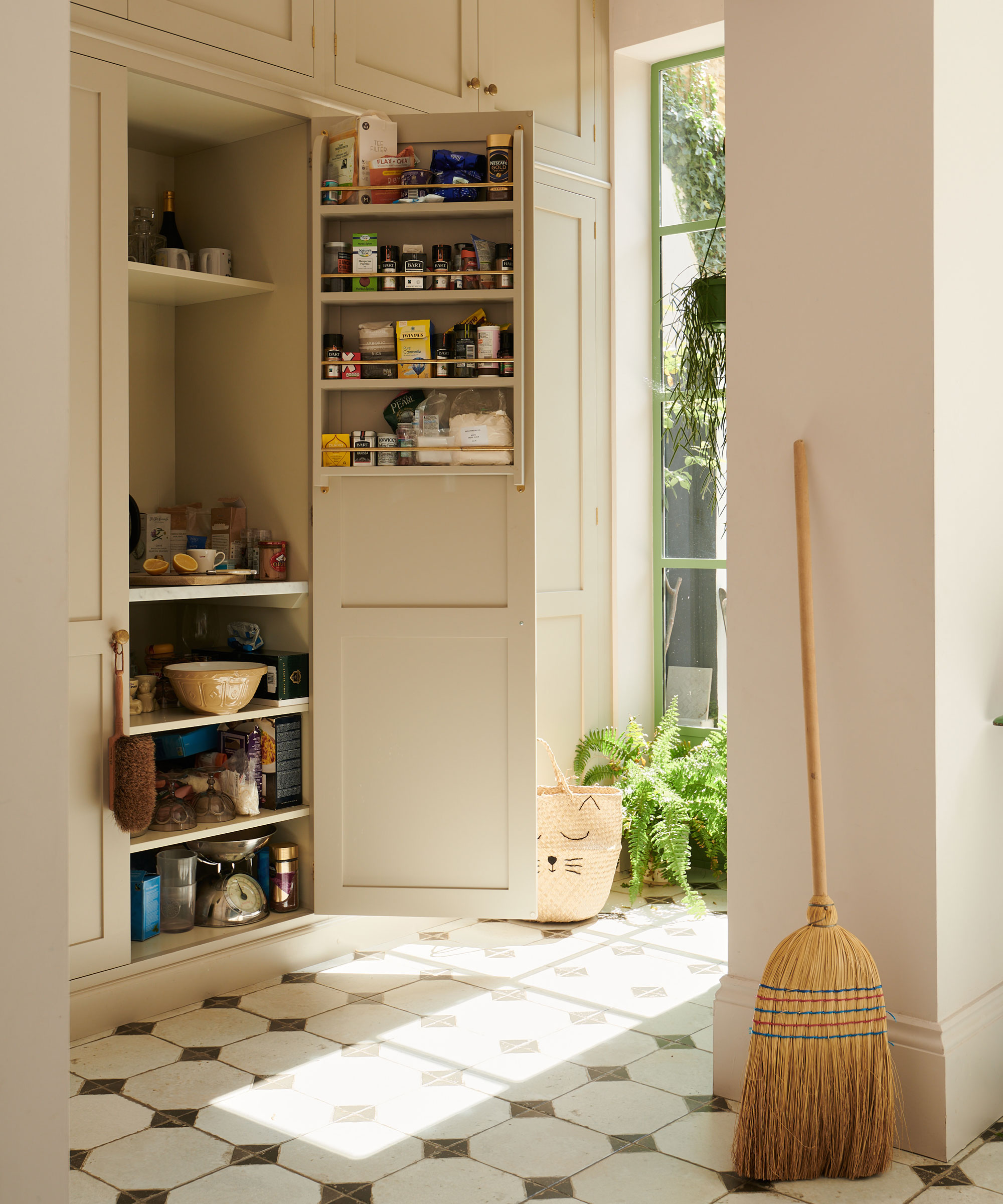
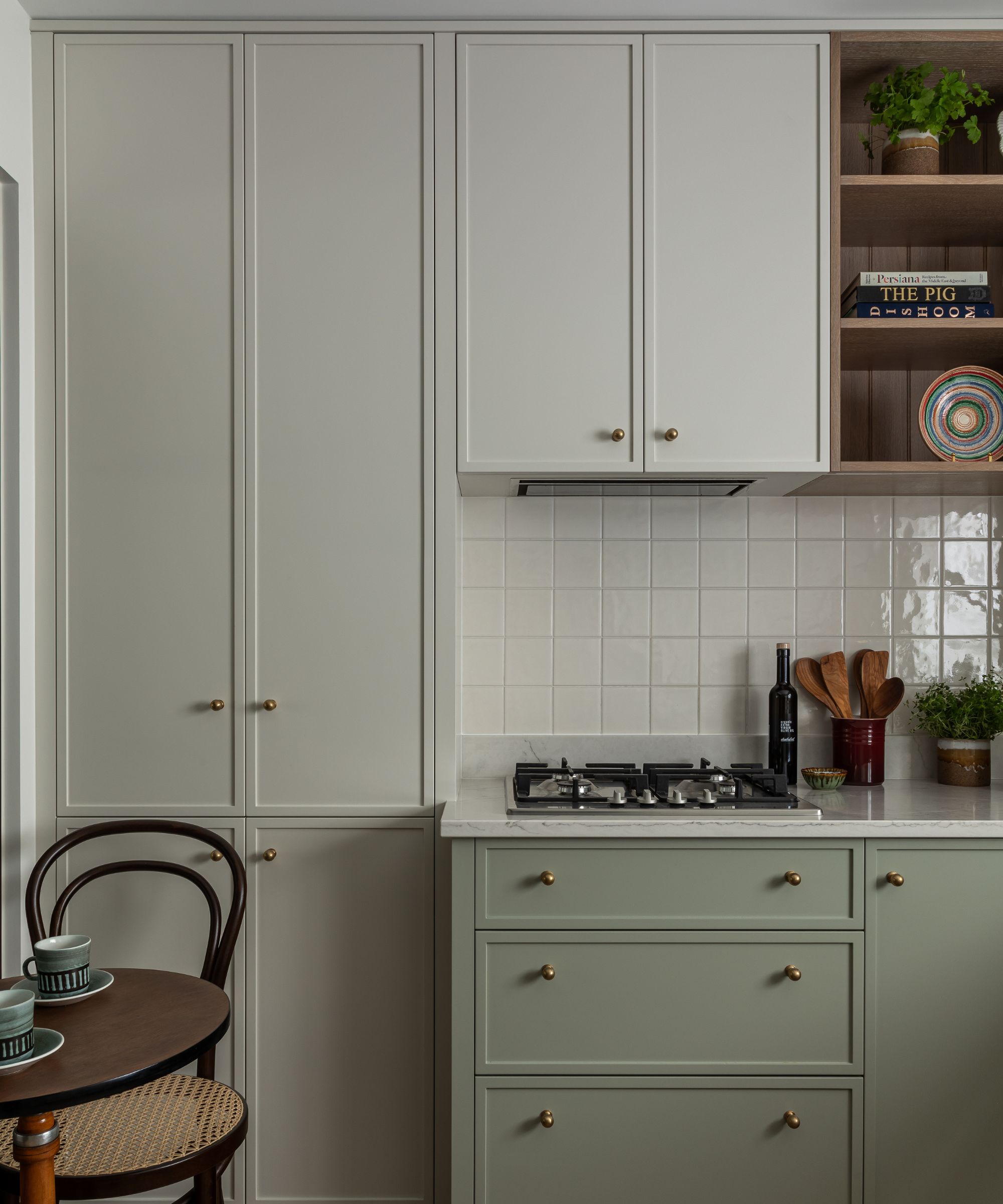
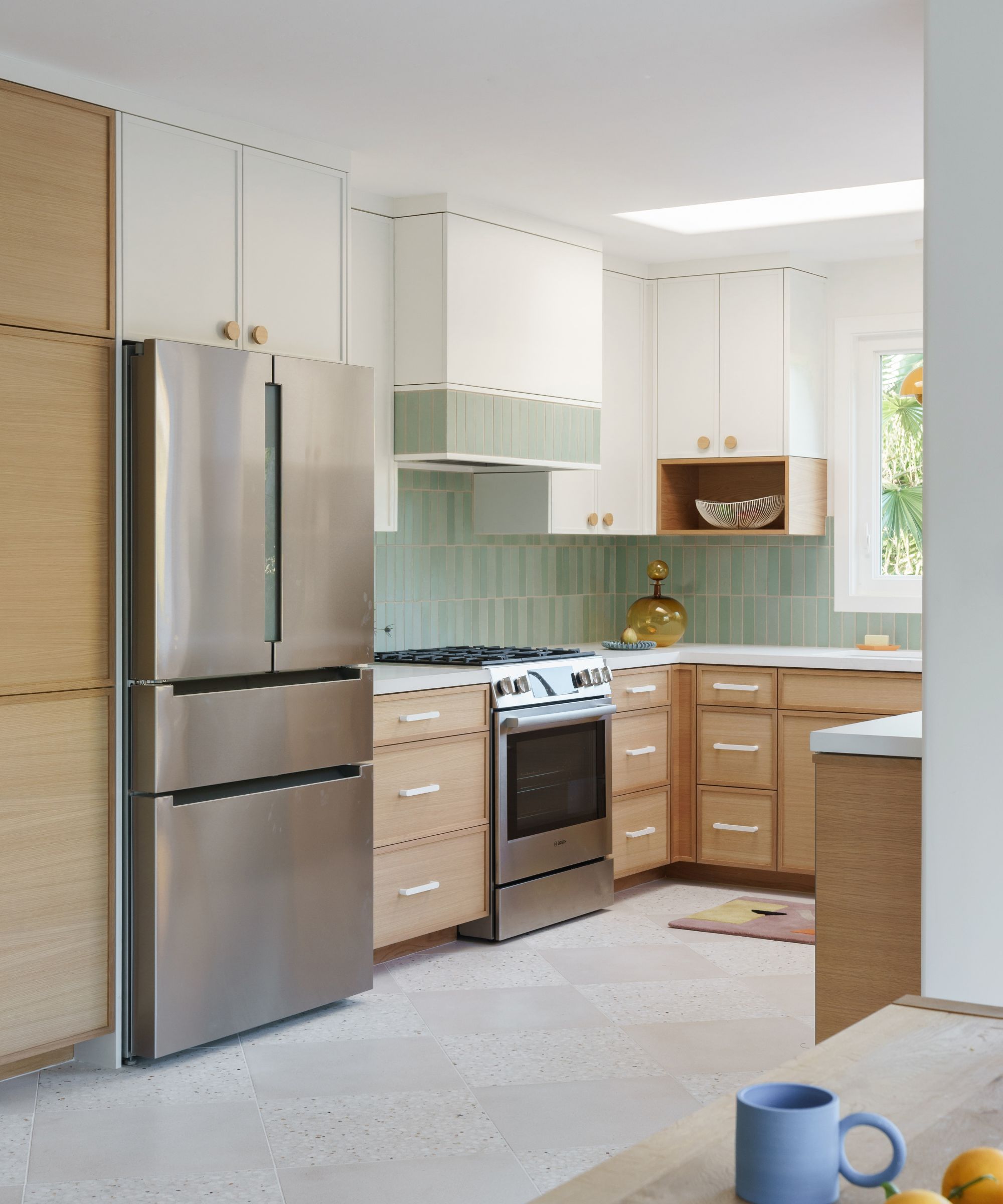
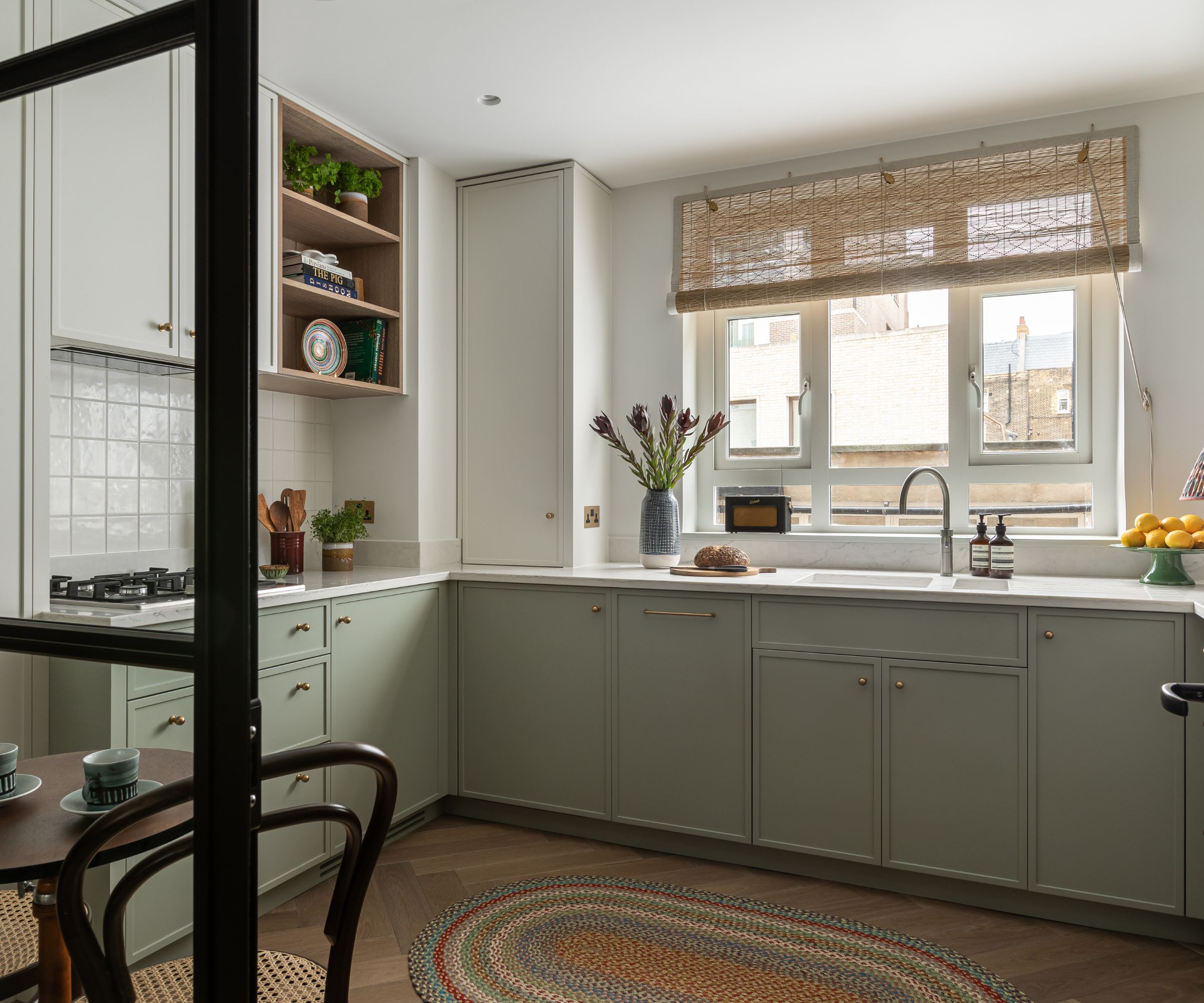
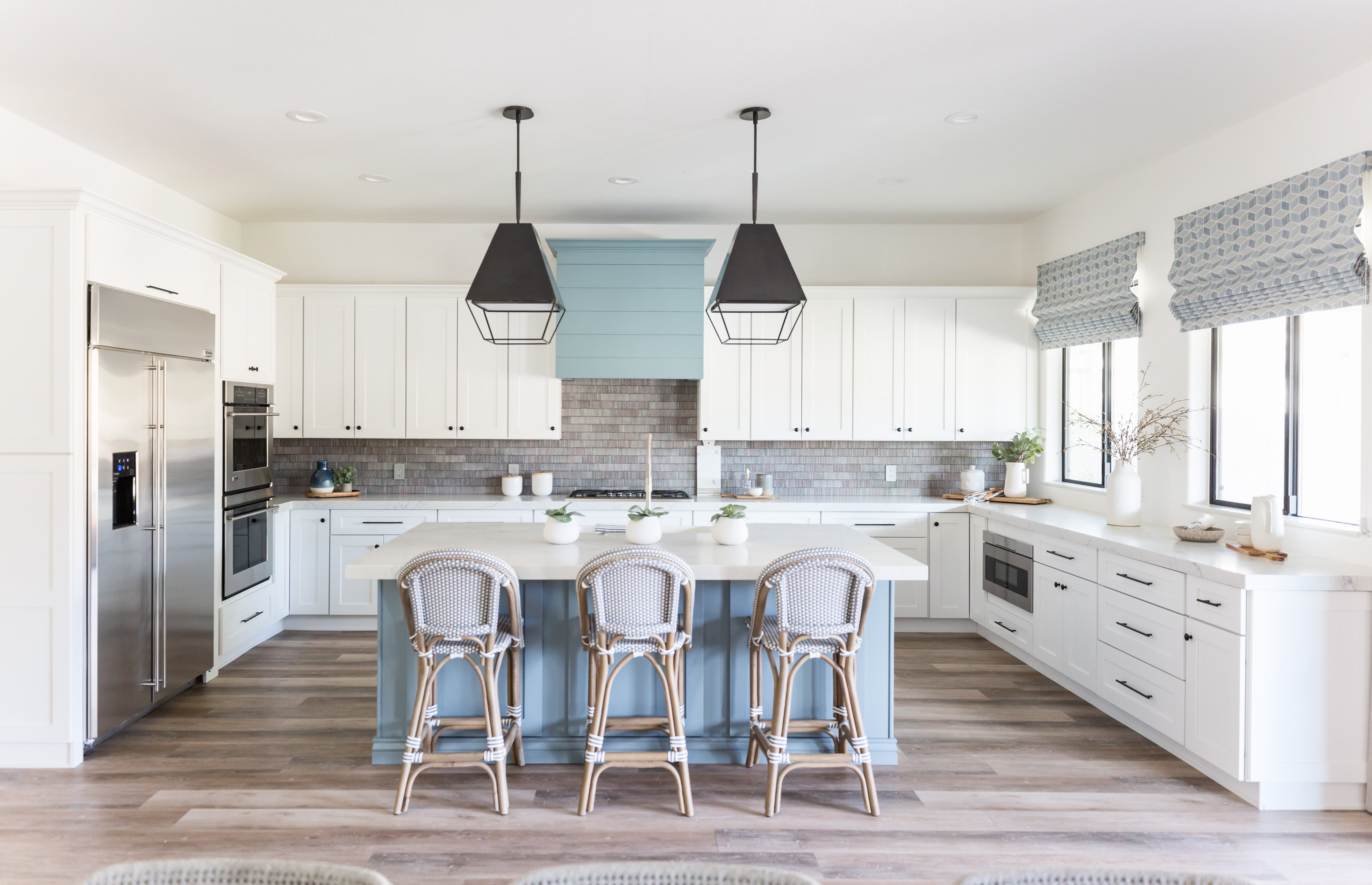
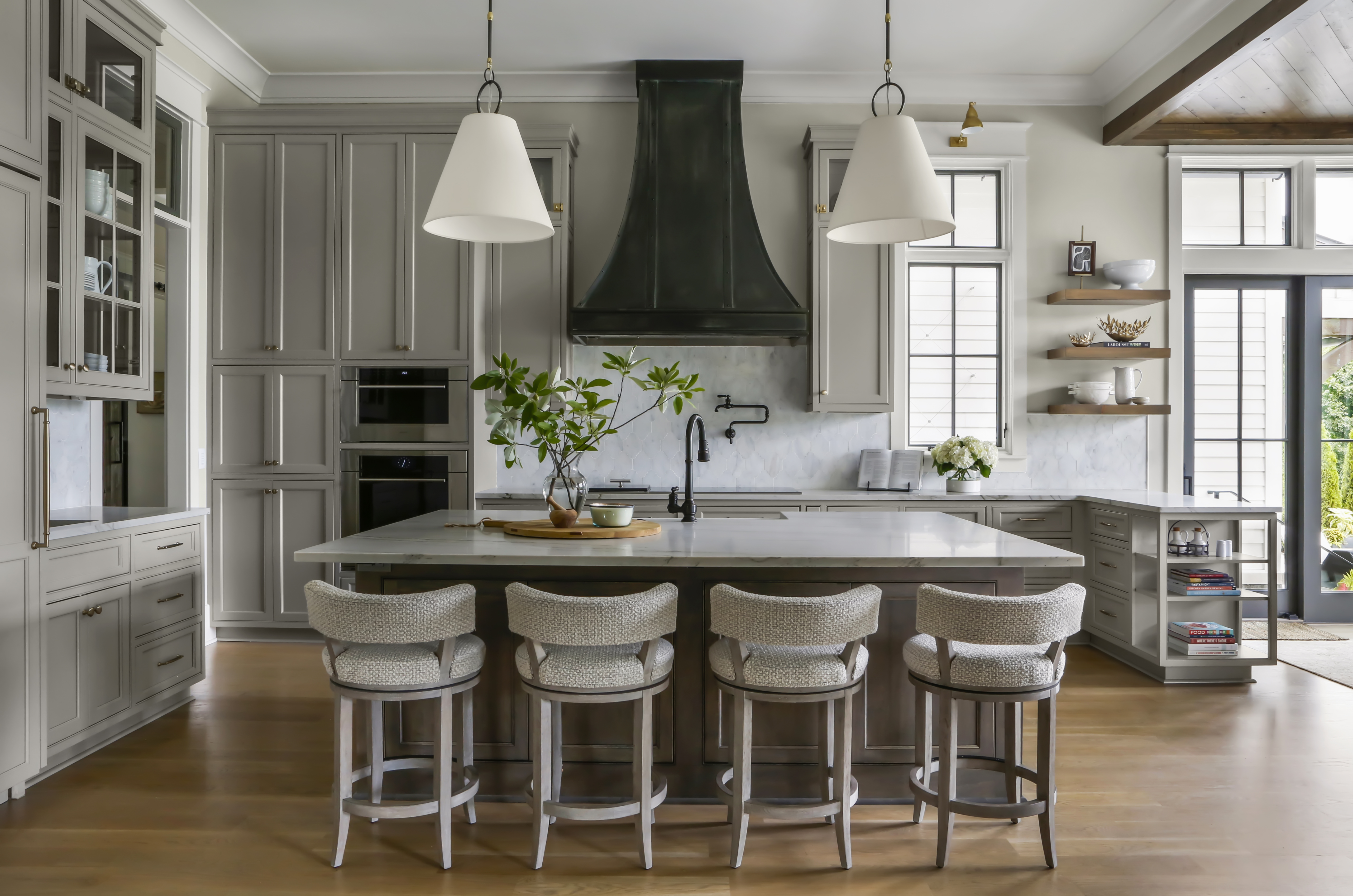
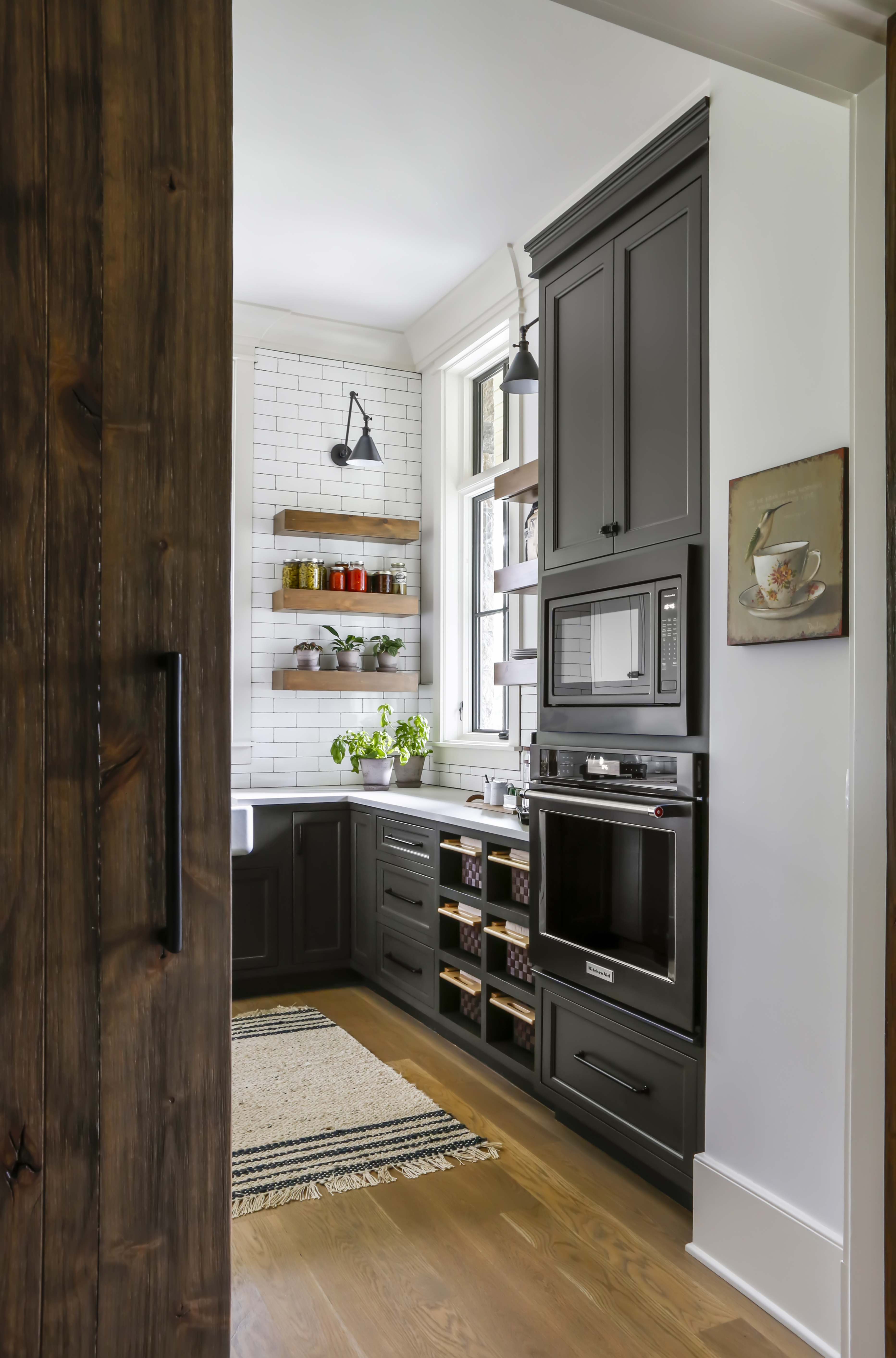
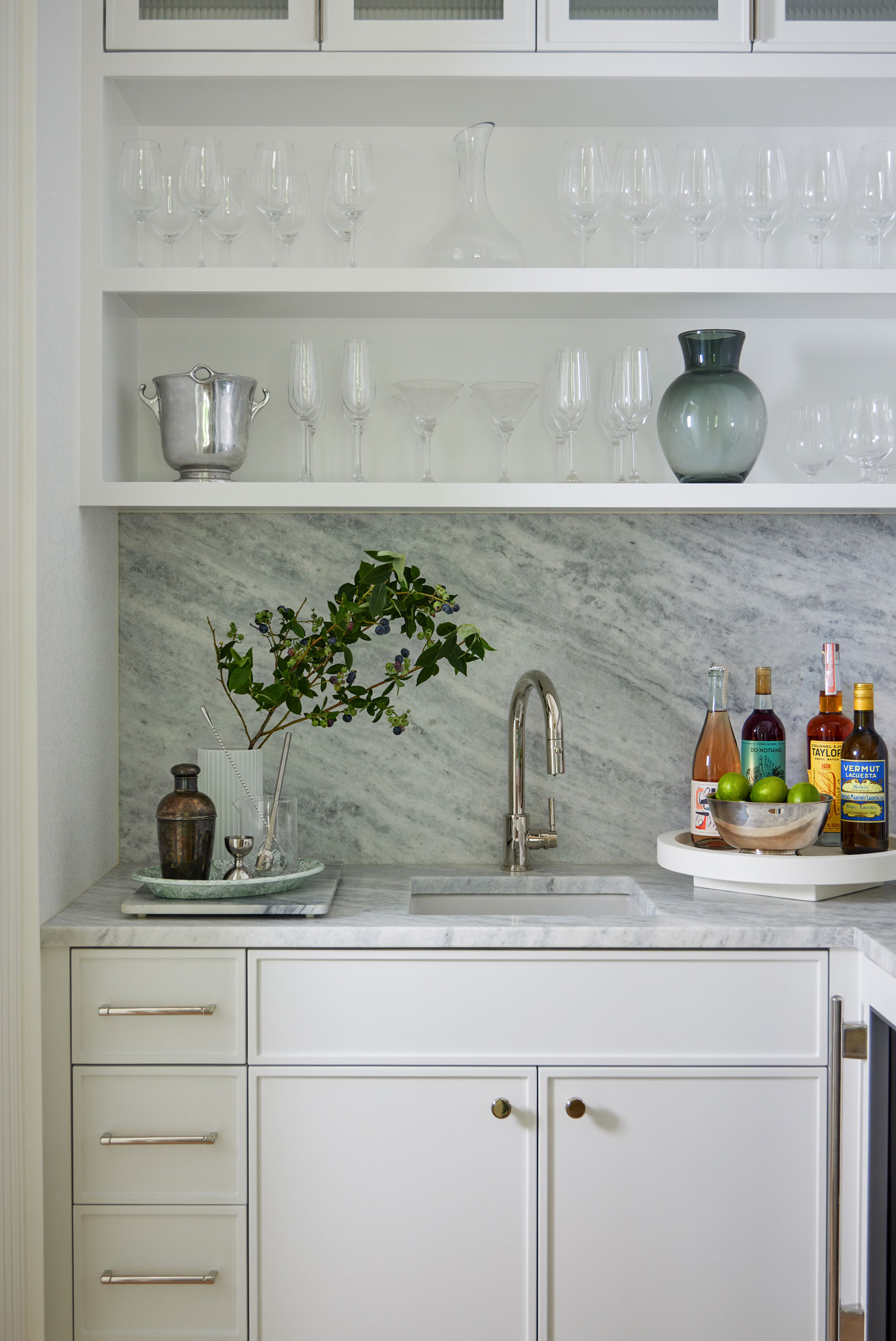
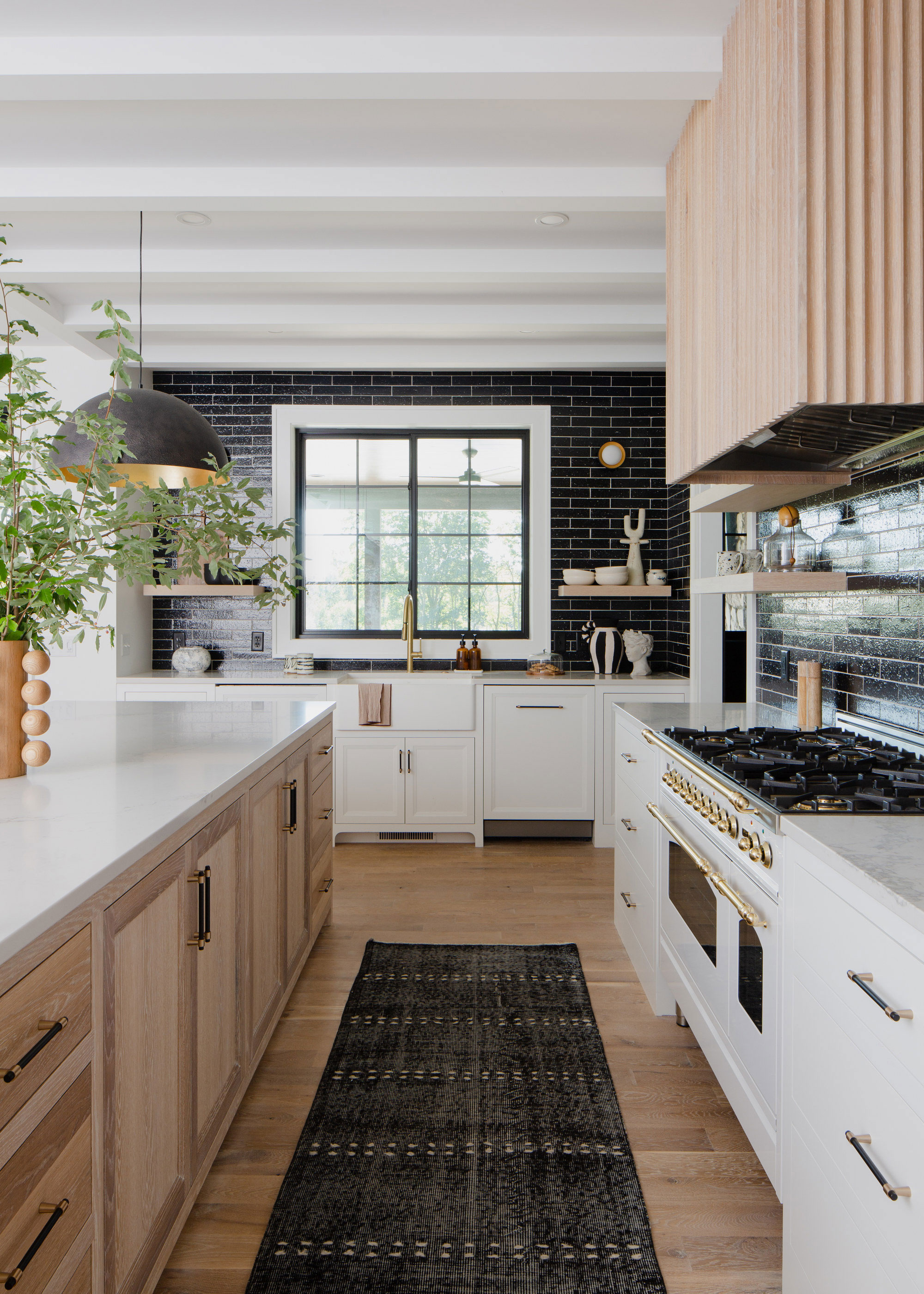
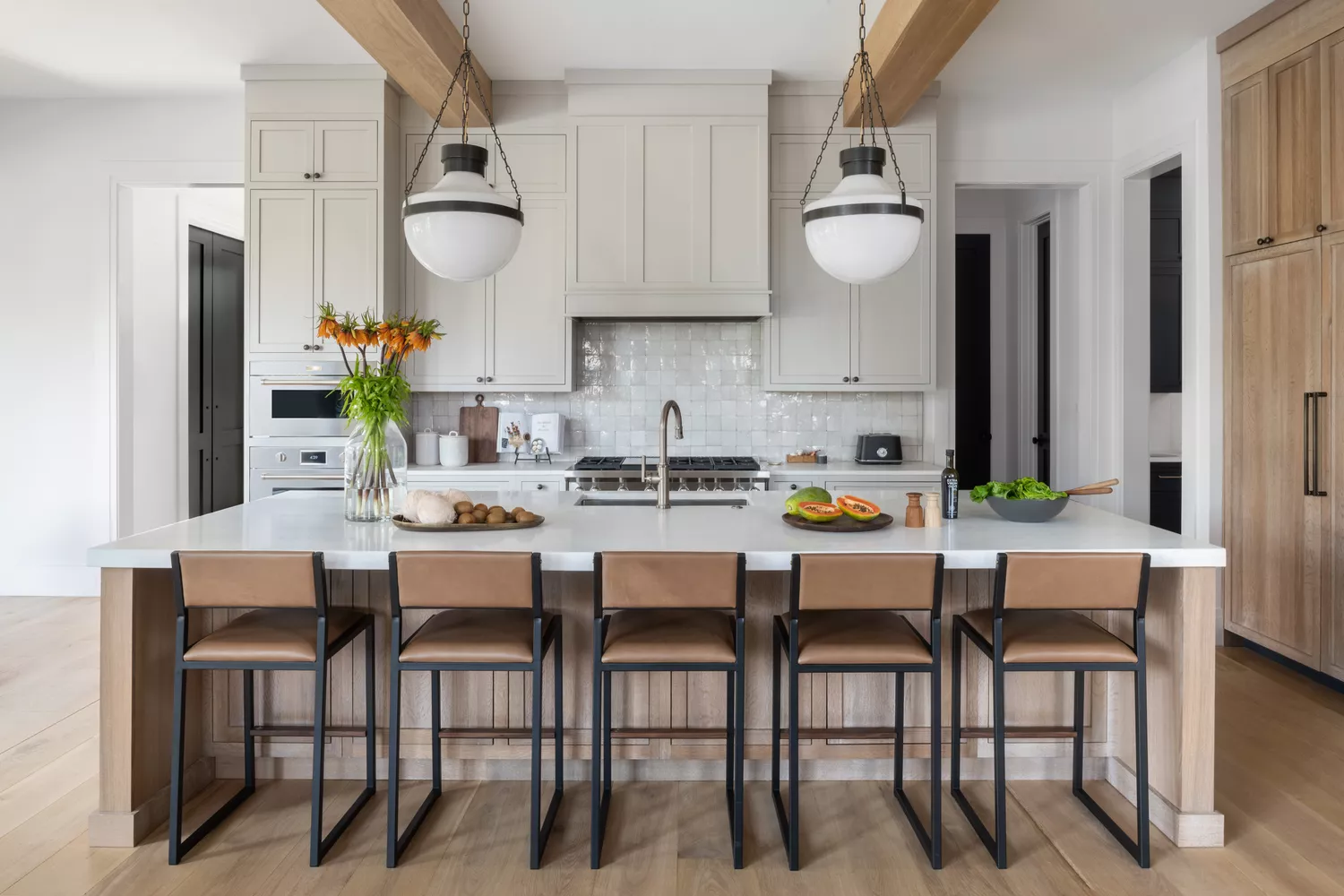
Shaker cabinets are a prominent and enduring cabinetry style, highly valued in both kitchen and bathroom design for their versatility, simplicity, and timeless appeal. Originating from the 18th-century Shaker religious movement, these cabinets embody principles of integrity, craftsmanship, self-reliance, and practicality. Their defining characteristic is a simple raised frame border, typically 2 ¼ to 2 ½ inches wide, surrounding a recessed center panel made of wood or glass. This minimalist design, devoid of intricate ornamentation, allows Shaker cabinets to blend seamlessly with a wide array of interior design aesthetics, ranging from traditional to modern, making them a popular choice for homeowners seeking an elegant and simple look.
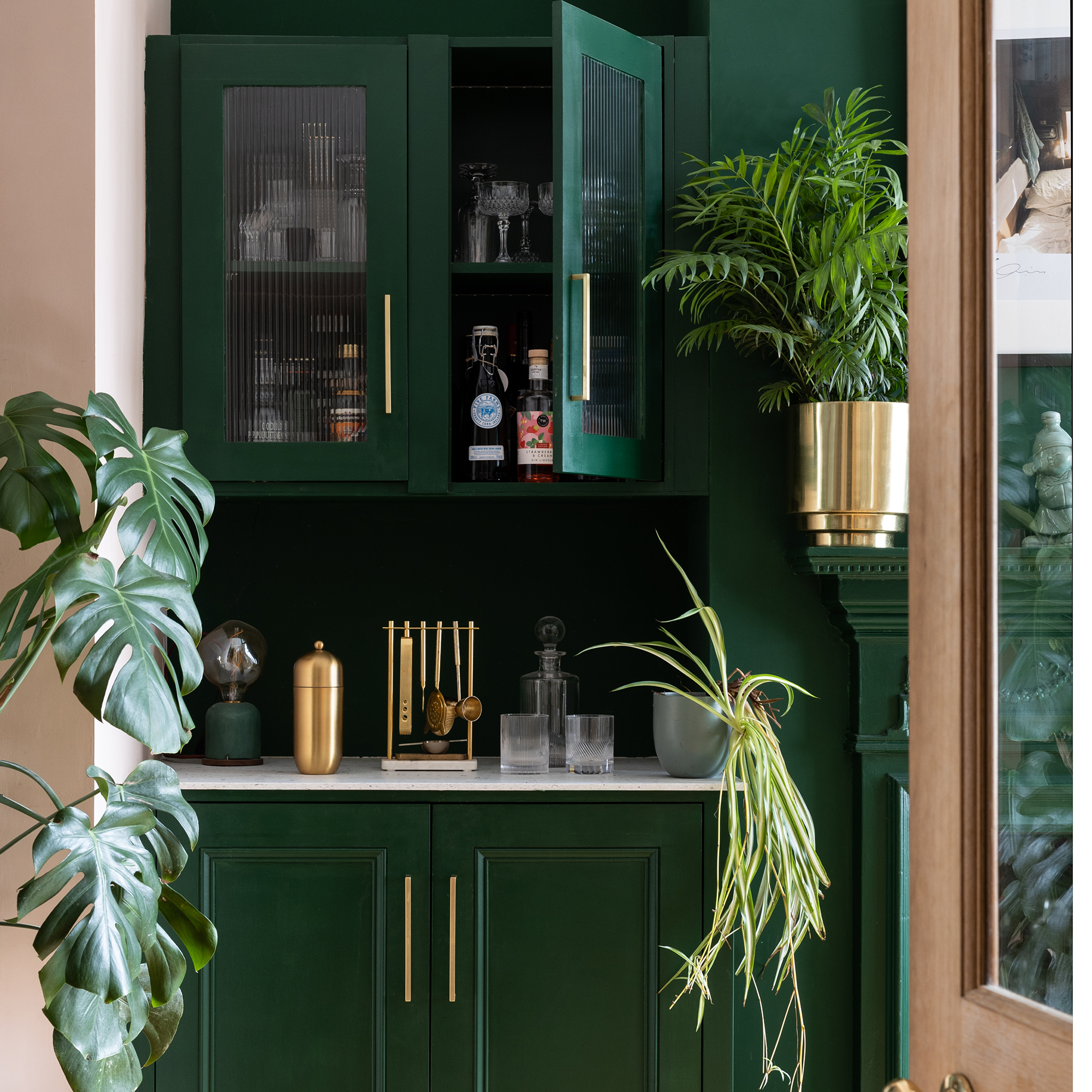
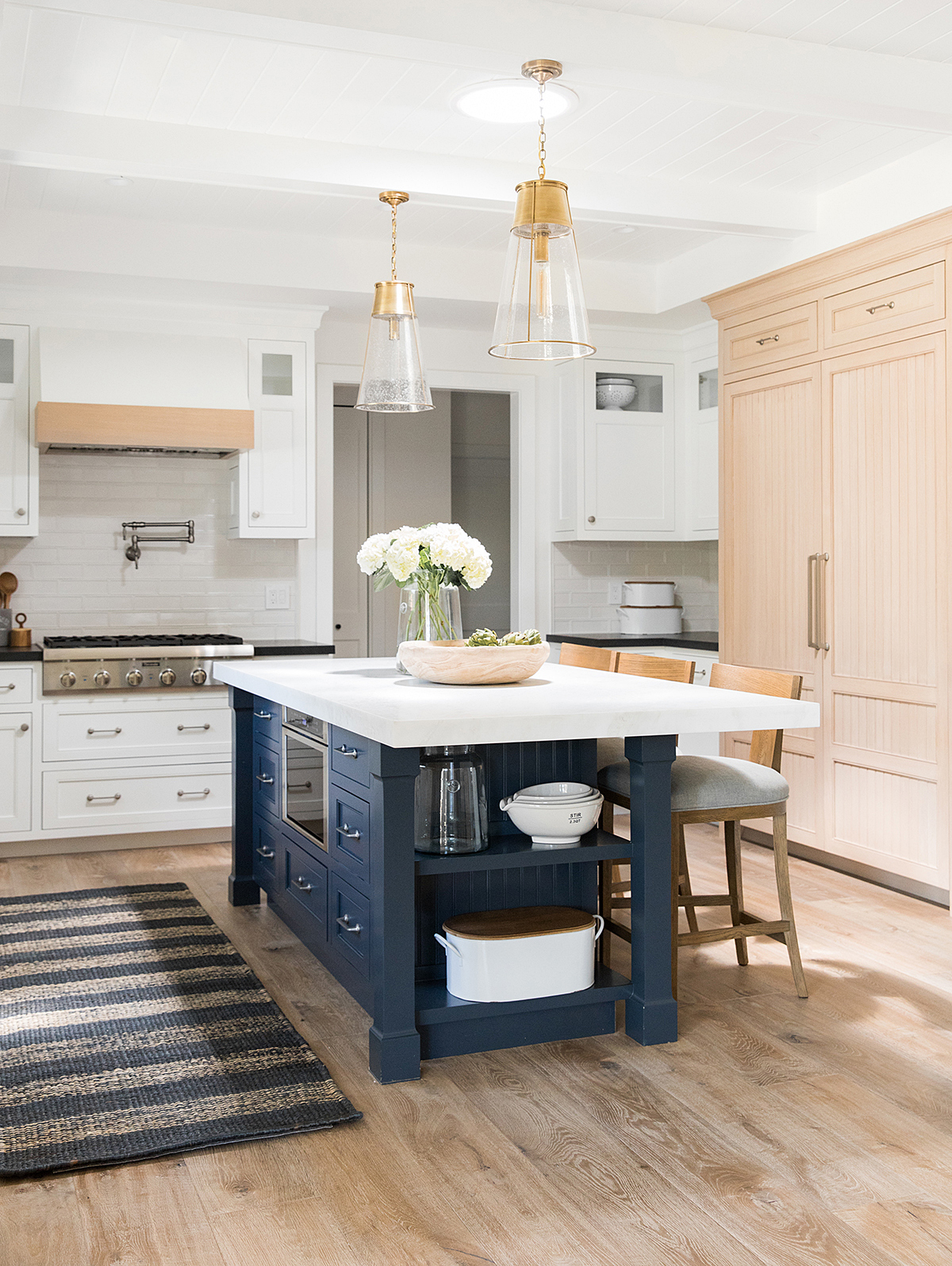
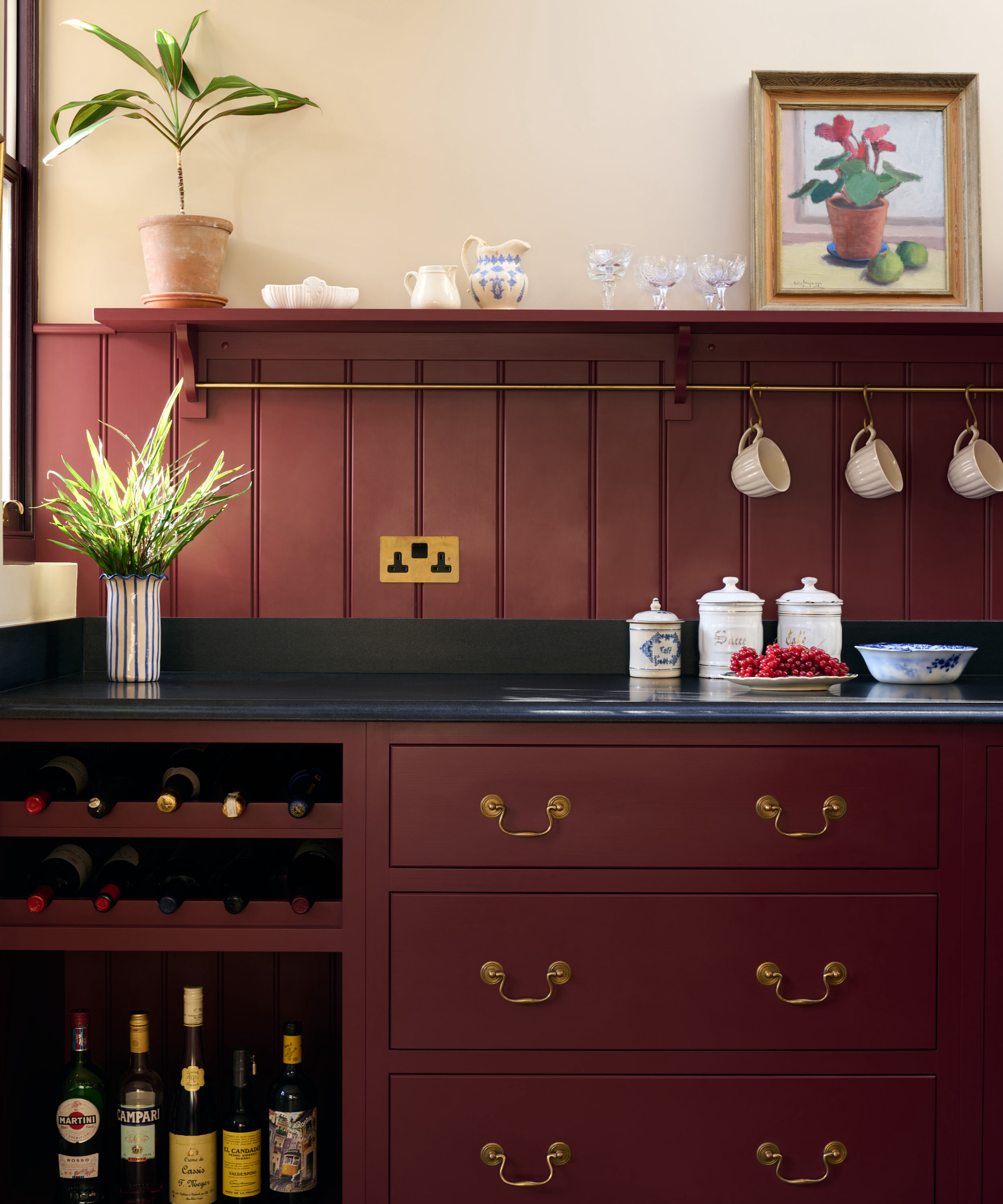
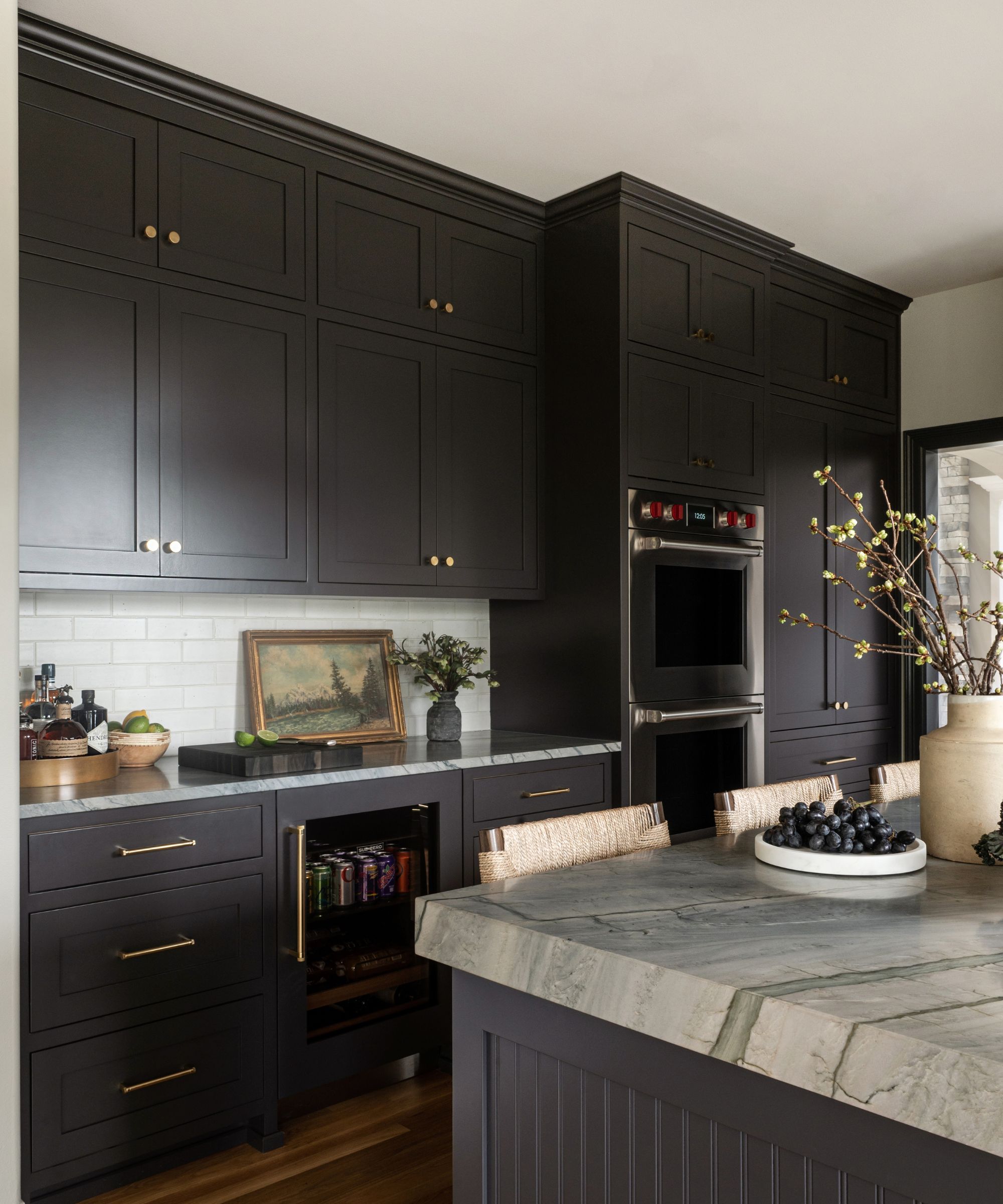
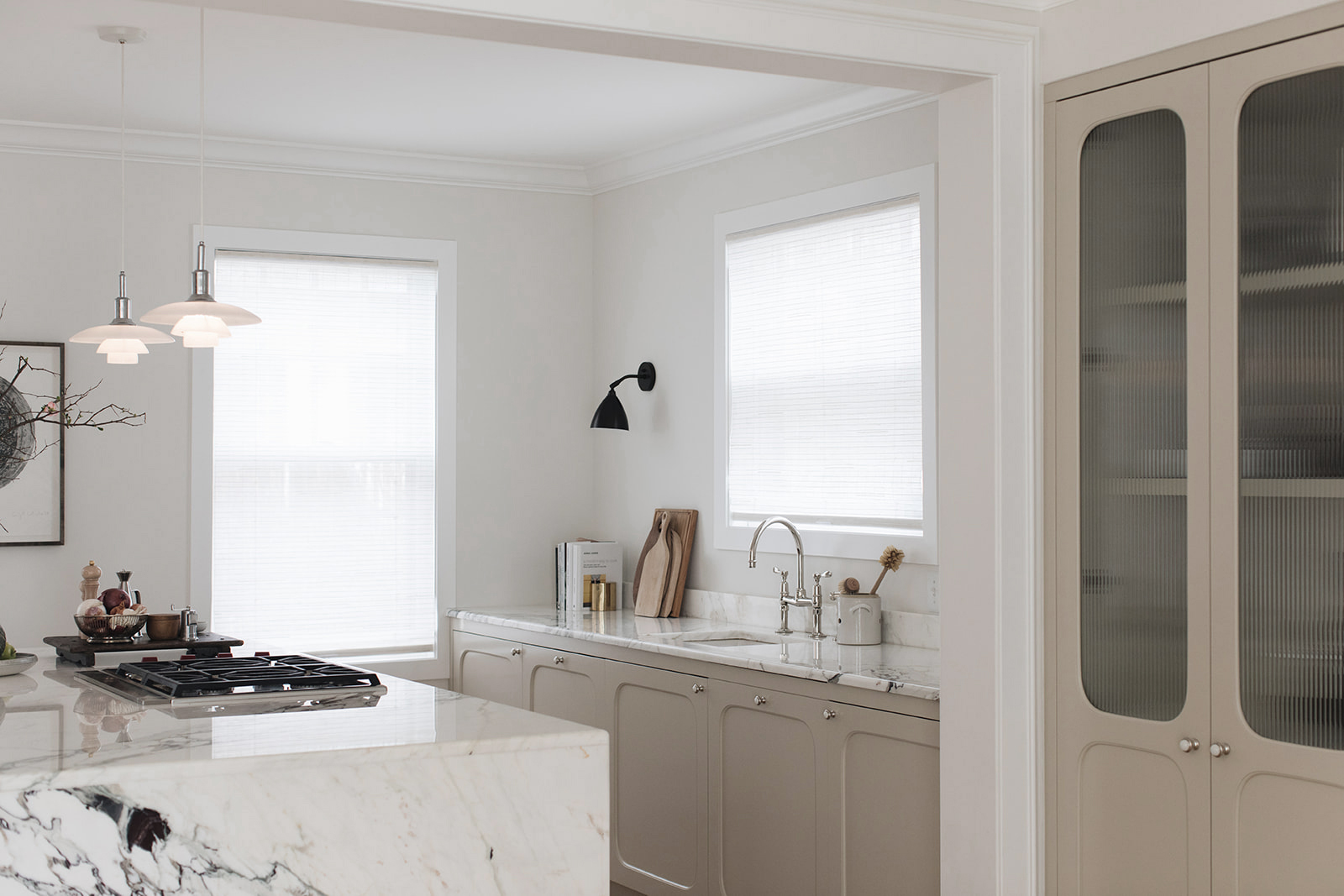
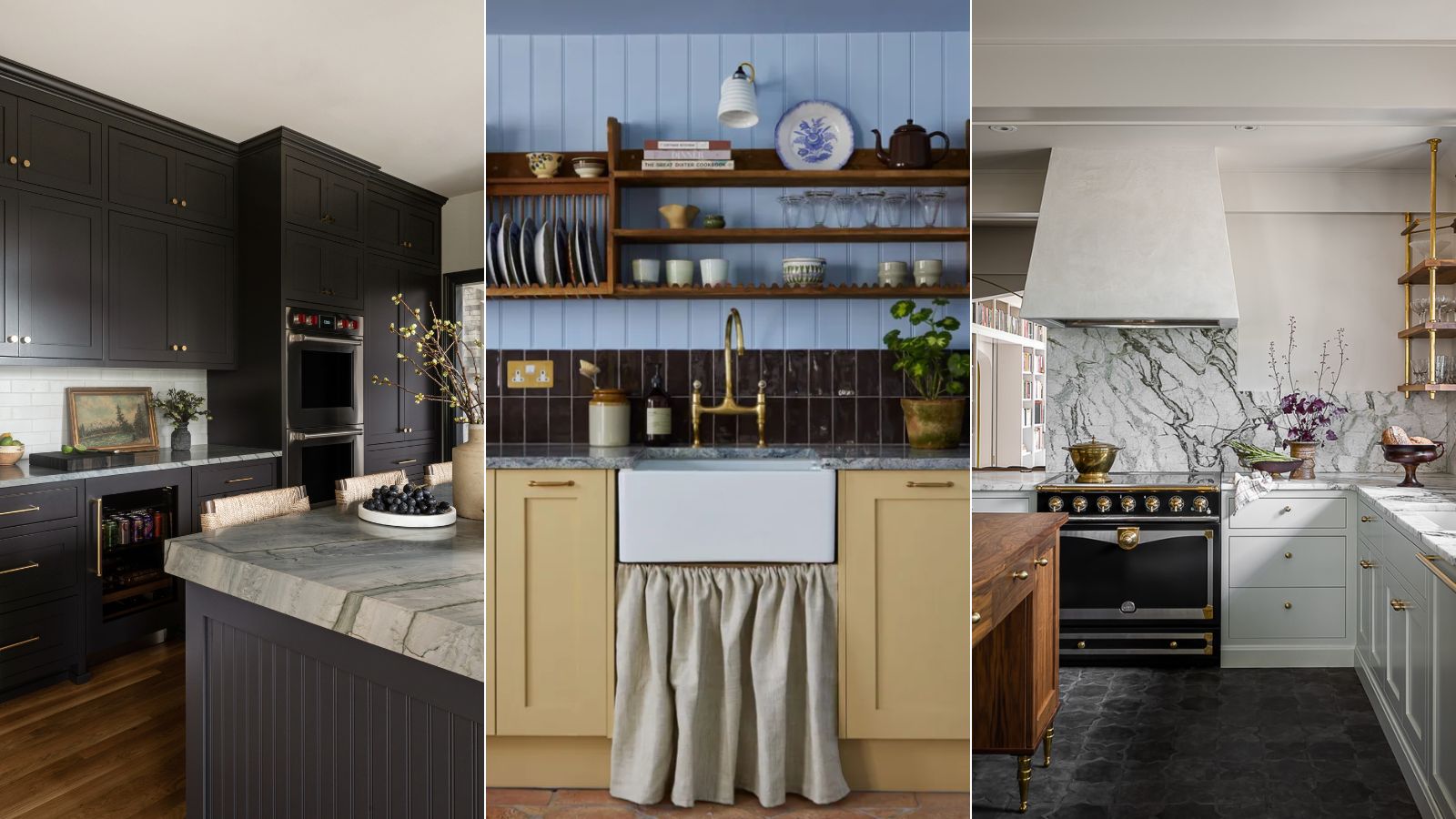
The historical context of Shaker cabinets reveals their foundation in the Shakers' guiding principles, which prioritized functionality and quality. The Shaker community, known for its self-sufficiency, produced furniture and homes reflecting these values, creating a design style that continues to resonate today. Despite their historical roots, Shaker cabinets remain highly relevant and fashionable. Their popularity saw a resurgence with the rise of farmhouse and modern farmhouse design aesthetics, where they are frequently featured. However, their adaptability extends beyond these specific trends, as they can be customized to suit almost any space. For those desiring a contemporary twist on this classic style, designers like Julia Lauve suggest opting for an extra-thin or wide border, or incorporating a slim or double Shaker profile in a rich color, to update the conventional white cabinet farmhouse look.
Considering Shaker cabinets for a home renovation involves evaluating their advantages and disadvantages. On the positive side, their simple design integrates well with numerous styles, offering a timeless aesthetic that is unlikely to fall out of fashion. They are also generally more affordable compared to more elaborately detailed cabinetry styles and are easy to modify and personalize. Conversely, Shaker cabinets require more intricate cleaning due to their framed design compared to simpler, flat-panel styles. Some perceive them as a “builder-grade” option, which can be a point of consideration for homeowners aiming for a highly customized or unique appearance.
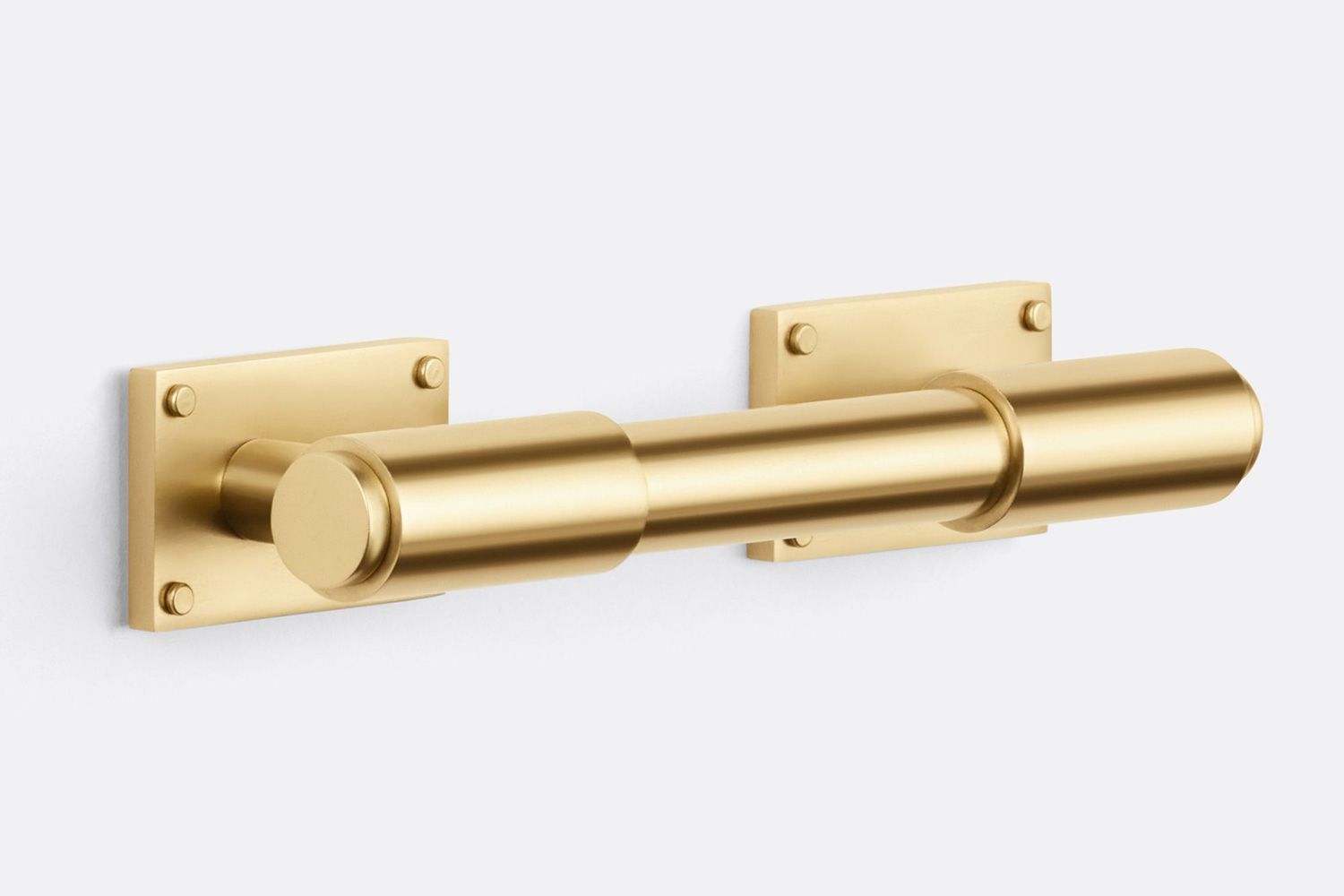
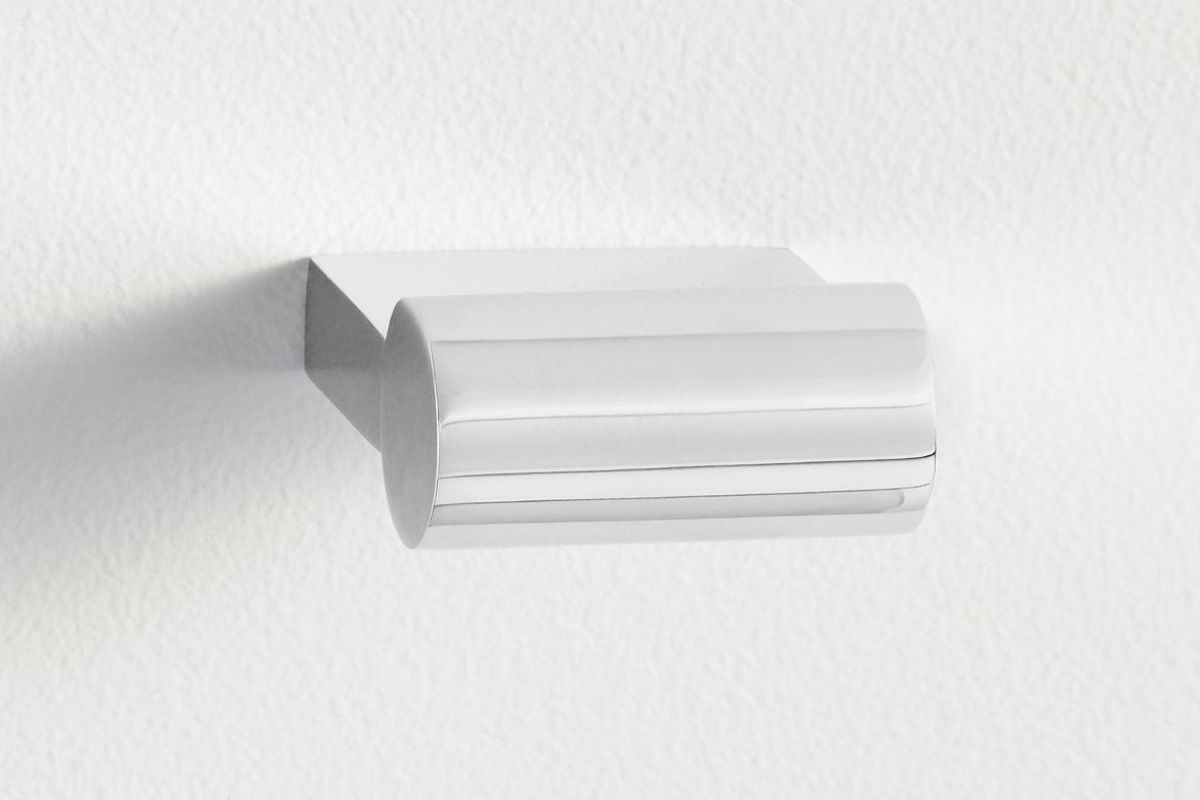
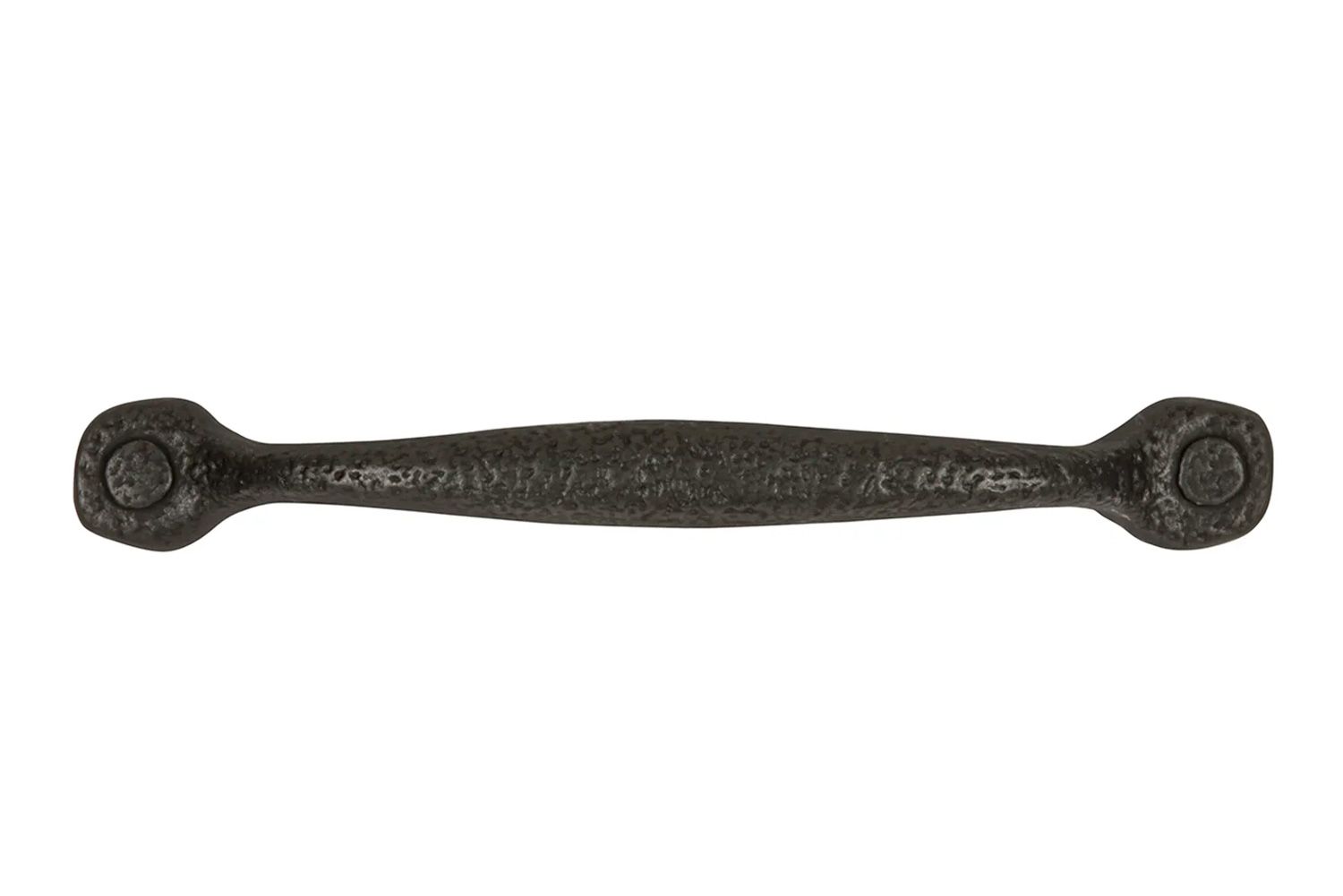
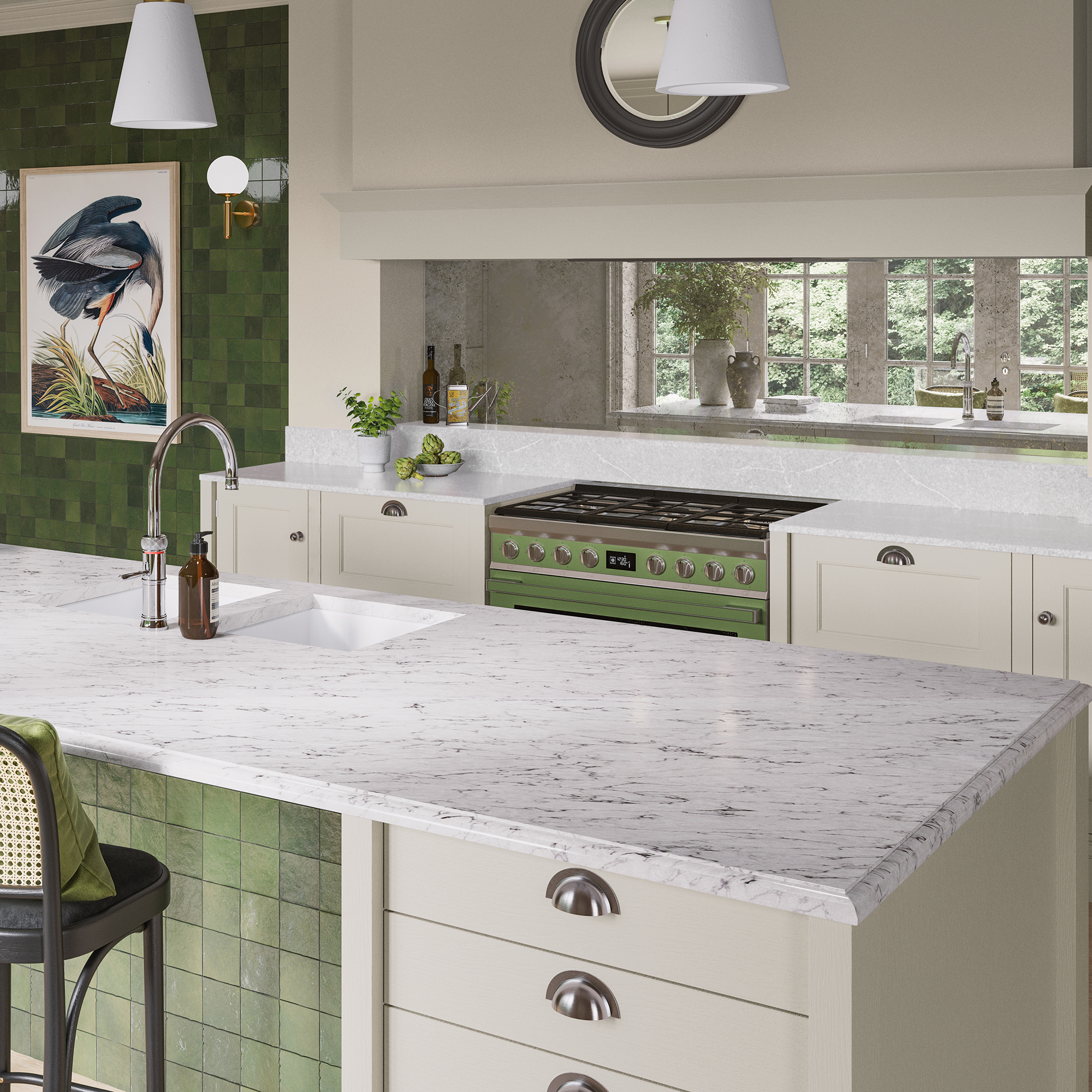
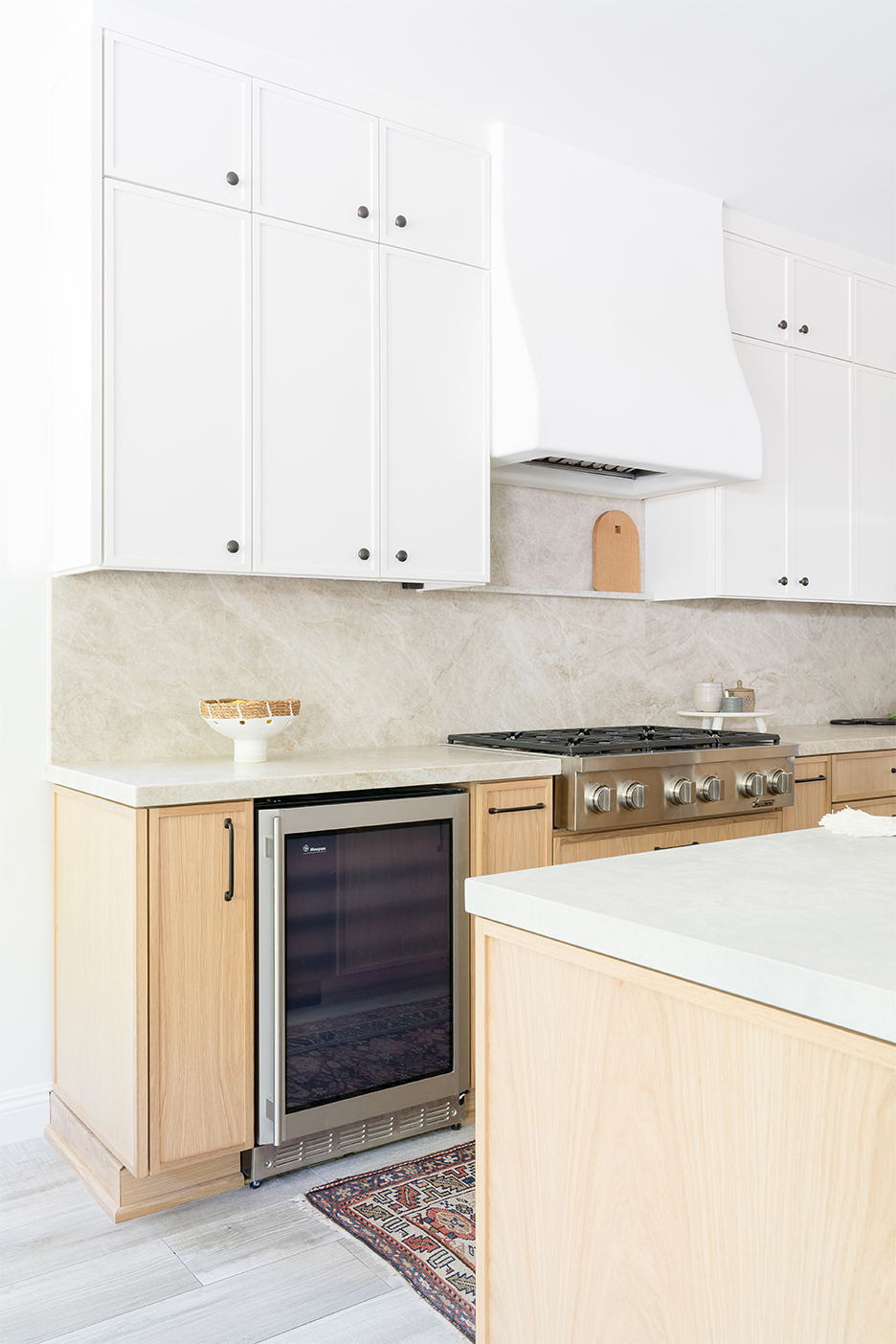
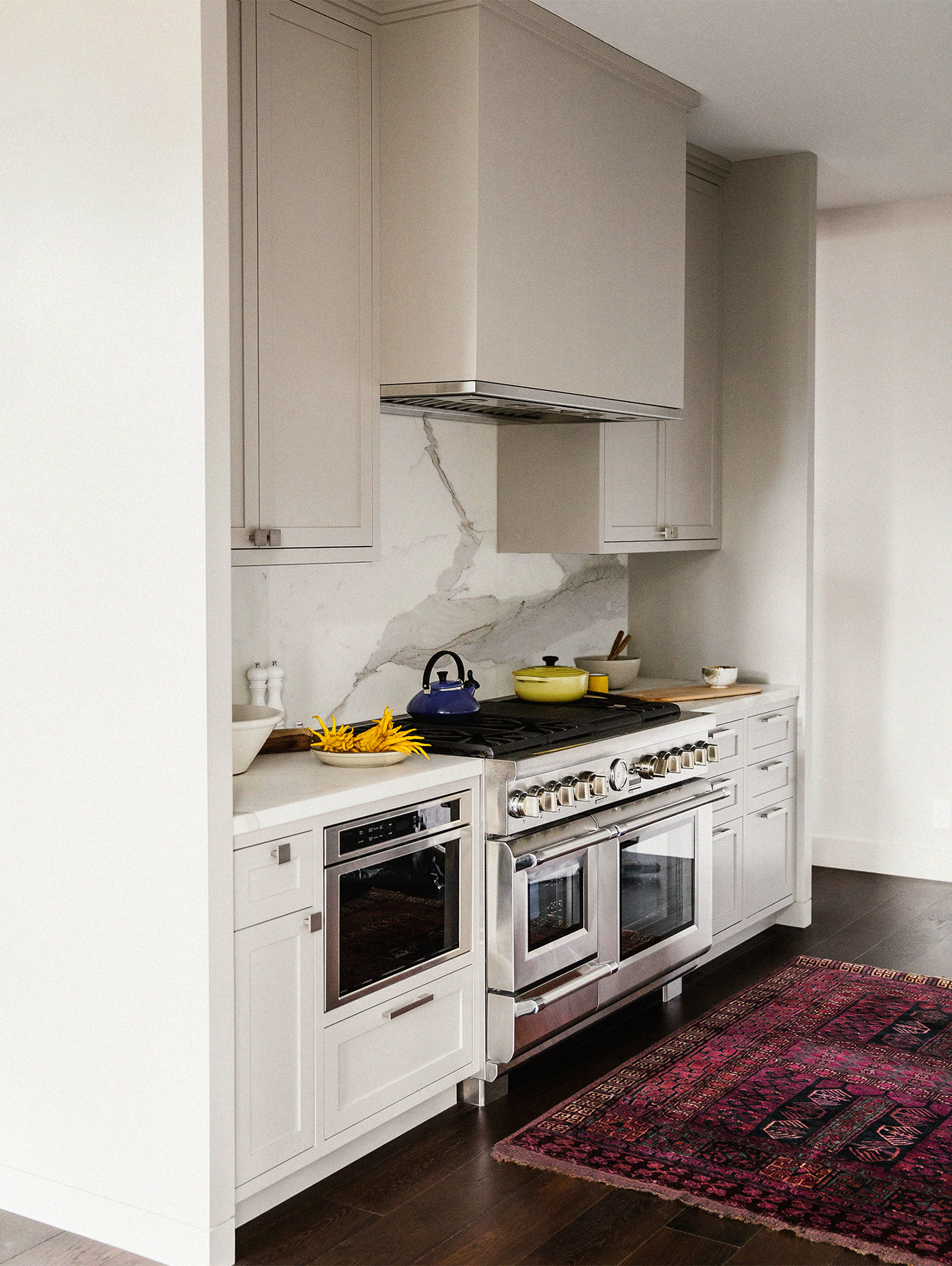
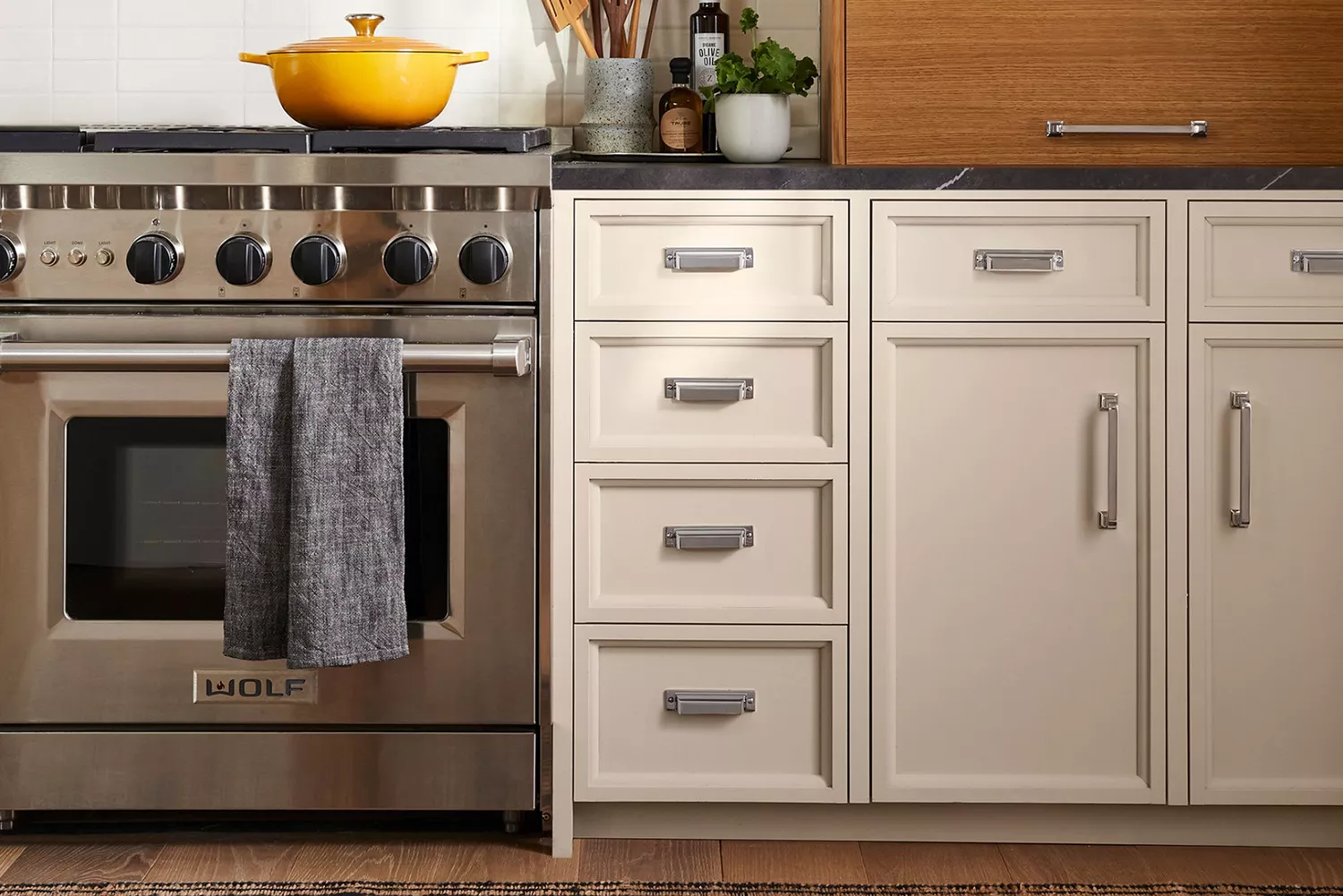
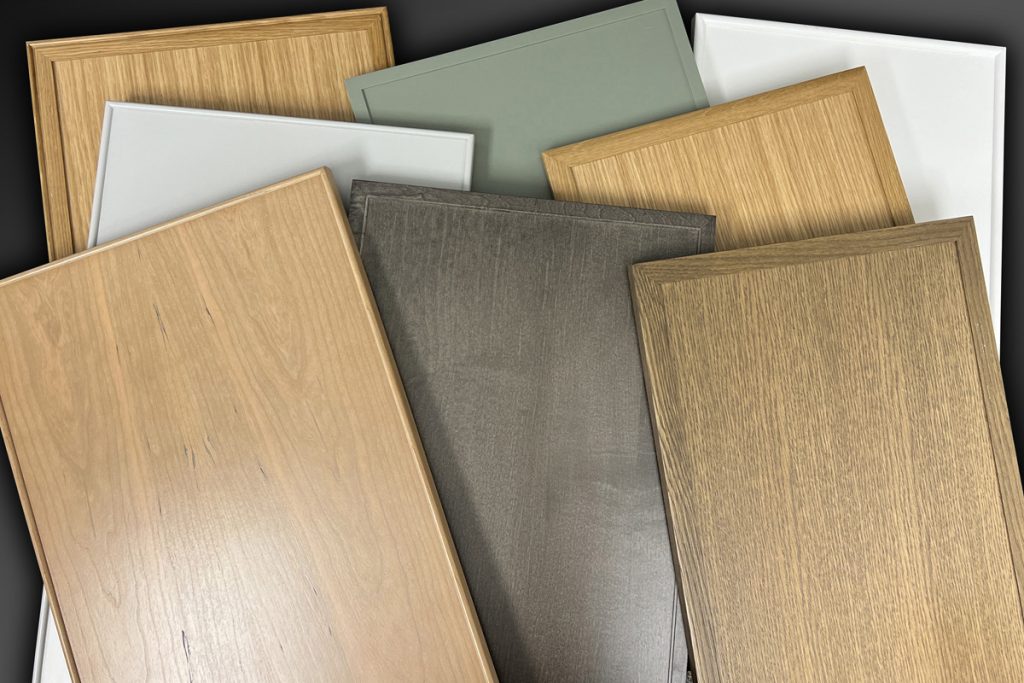
To effectively style Shaker cabinets, design experts offer several recommendations. Andrea Lackie advises against using wood with excessive character, such as prominent knots or heavy grain, as this can detract from the simple elegance of the Shaker style. Additionally, careful selection of cabinet hardware is crucial for elevating the look and combating any perception of them being “builder-grade.” Thoughtfully chosen hardware can personalize the cabinets and allow for future updates as tastes evolve. Another tip for achieving a more elevated and custom appearance is to ensure that the Shaker doors are inset, meaning they are flush with the cabinet frame. While highly versatile, Shaker cabinets are generally not recommended for mid-century modern spaces, where a simple slab door in white or a warm wood stain would be more appropriate.
In terms of cost, Shaker cabinets are typically more expensive than flat or slab cabinets due to the additional craftsmanship involved in their construction, yet they are still considered an affordable option when compared to more ornate designs. Their broad appeal and versatility mean they can add value to a home, making them a neutral and sensible choice for those looking to sell in the near future.
#ShakerCabinets #KitchenDesign #CabinetryStyles #HomeDecor #InteriorDesignTrends #MinimalistDesign #HomeRenovation #DesignTips #ShakerCabinets #KitchenDesign #CabinetryStyles #HomeDecor #InteriorDesignTrends #MinimalistDesign #HomeRenovation #DesignTips
0 comment in total
 No comments yet
You may also like
What's replacing Shaker kitchens? These are the updated kitchen styles designers have their eyes on

If “Less Is More” Is Your Motto, These 9 Shaker-Style Cabinets Are for You
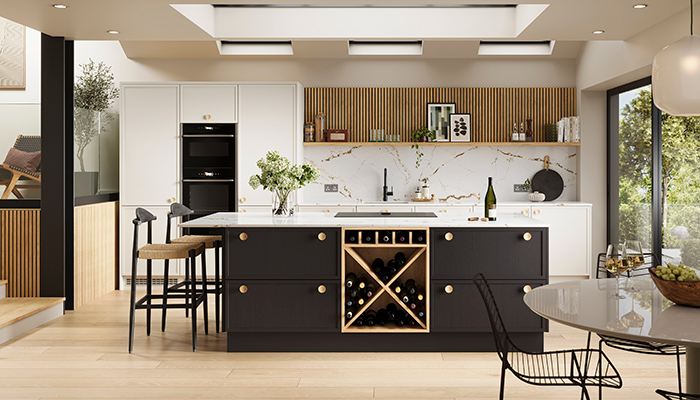
Why skinny Shaker kitchens are now the top choice for style-savvy homeowners
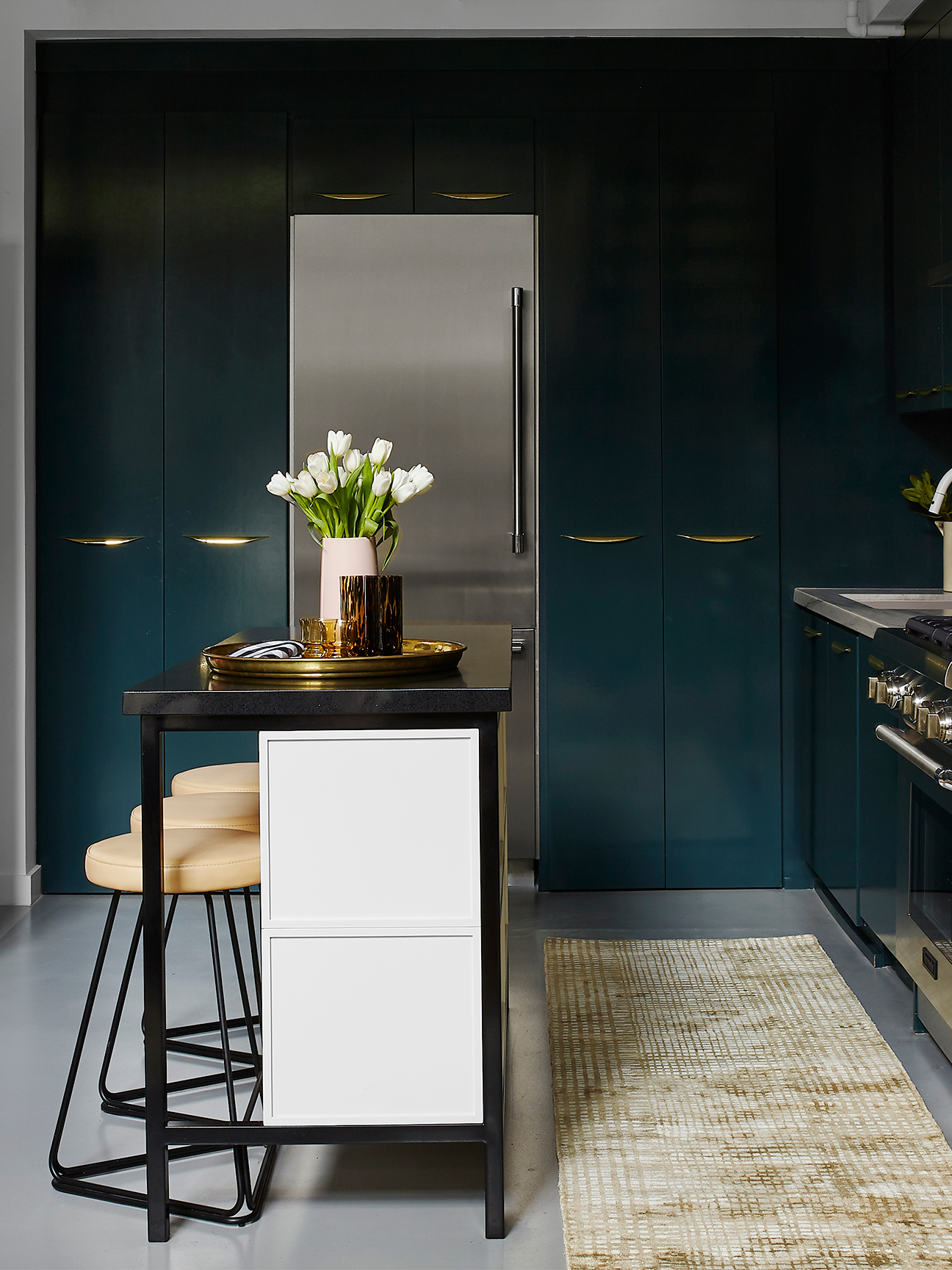
This Type of Kitchen Cabinet Is on the Rise

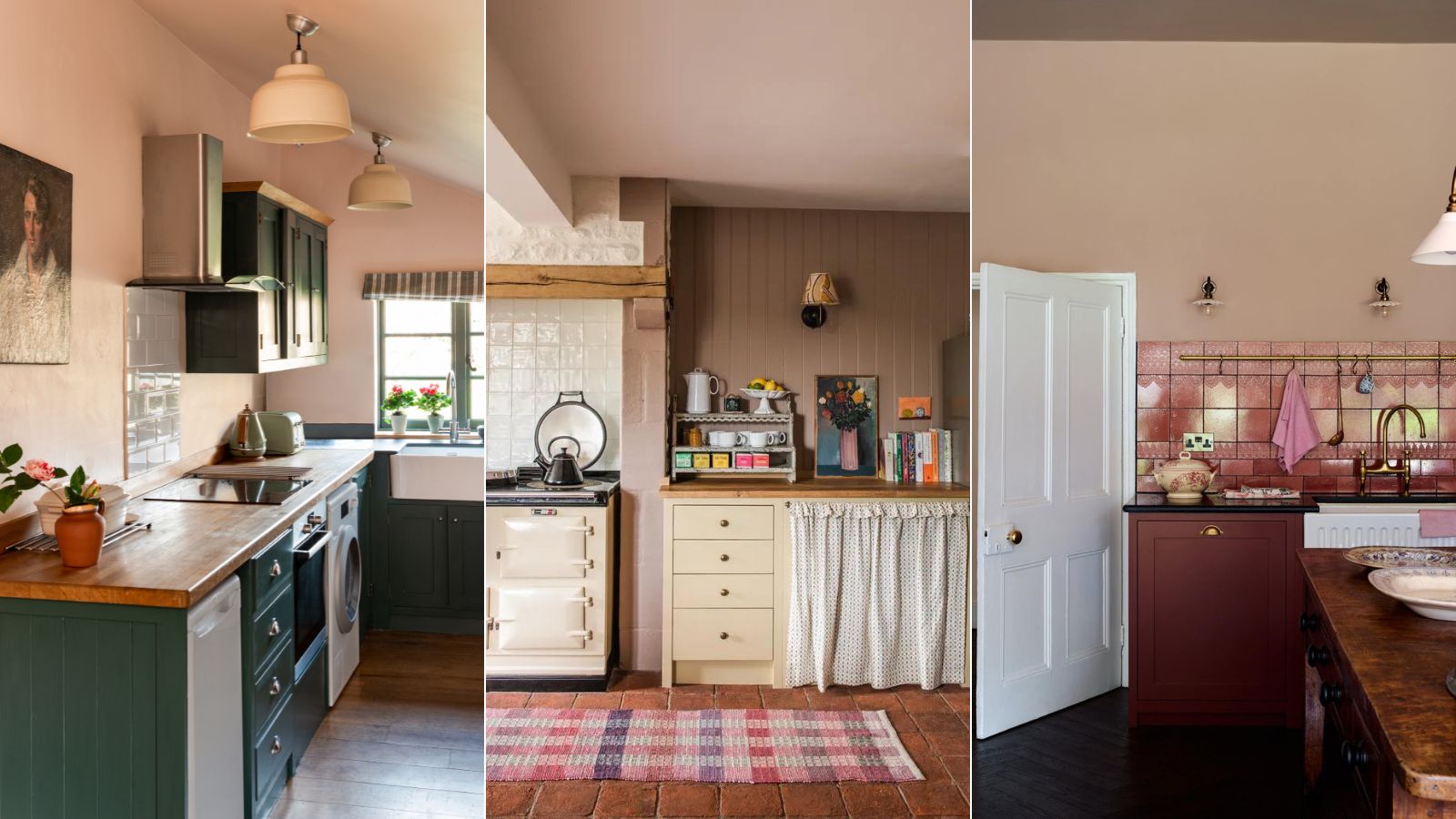
Are Shaker kitchens still on trend? Interior design experts weigh in on whether this classic style is looking dated
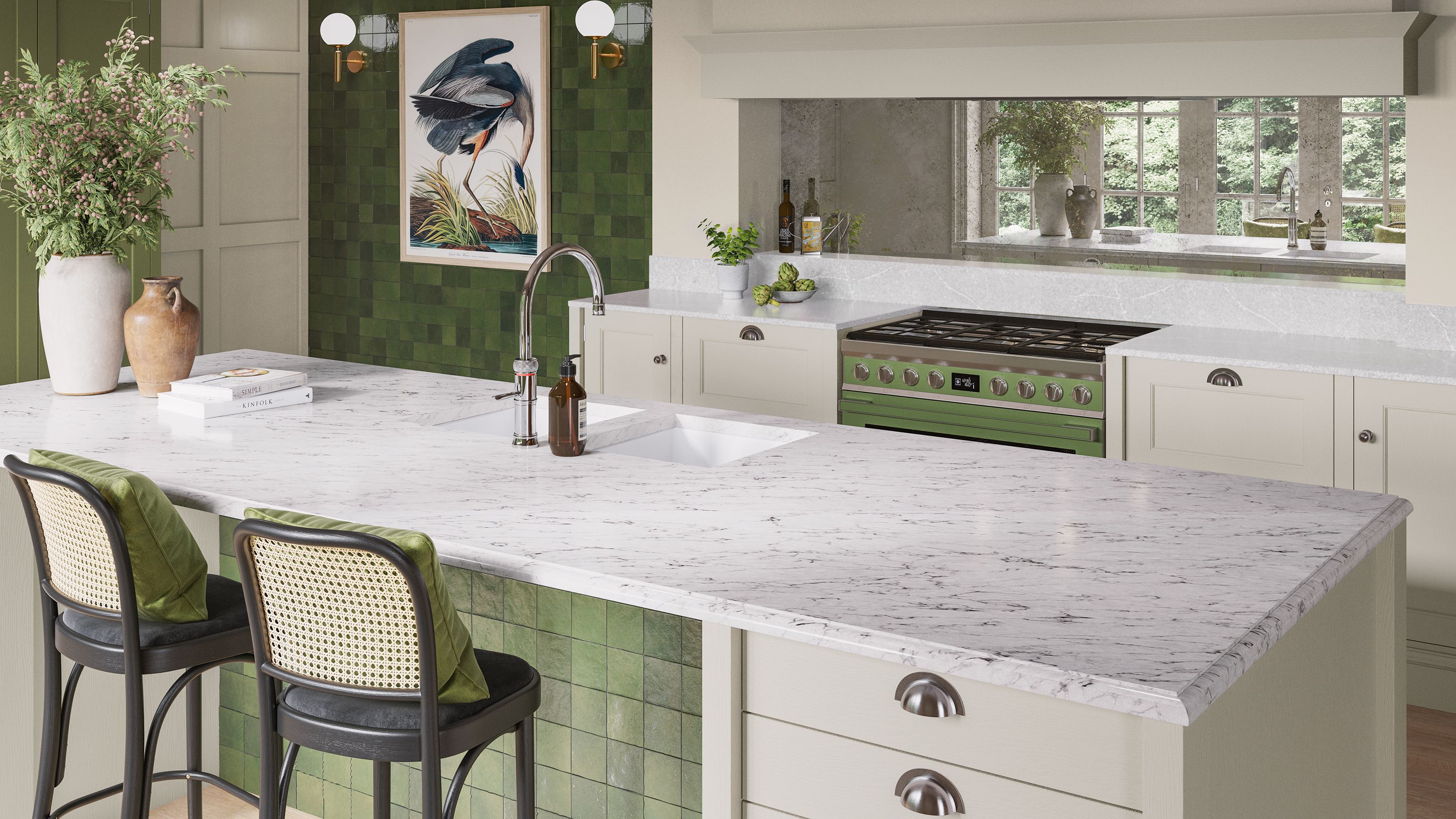
This nostalgic kitchen trend is back and here to stay, according to experts
This Type of Kitchen Cabinet Is on the Rise
Micro Shaker kitchens are the new 2025 trend giving this timeless design a modern twist – here's everything you need to know
New Cabinet Hardware Updates a Kitchen Instantly — Designers Love These Retailers

Here are kitchen cabinet trends for 2021

Designers Reveal the Surprising Kitchen Cabinet Trend That's Taking Over

10 Shaker kitchen ideas that prove this classic design can be styled in a brilliantly modern way

The Cashmere Kitchen Is Taking Over Home Design—Here's Why Designers Love It

7 Designers Predict What Comes After Shaker Cabinets (Which Are Officially Everywhere)
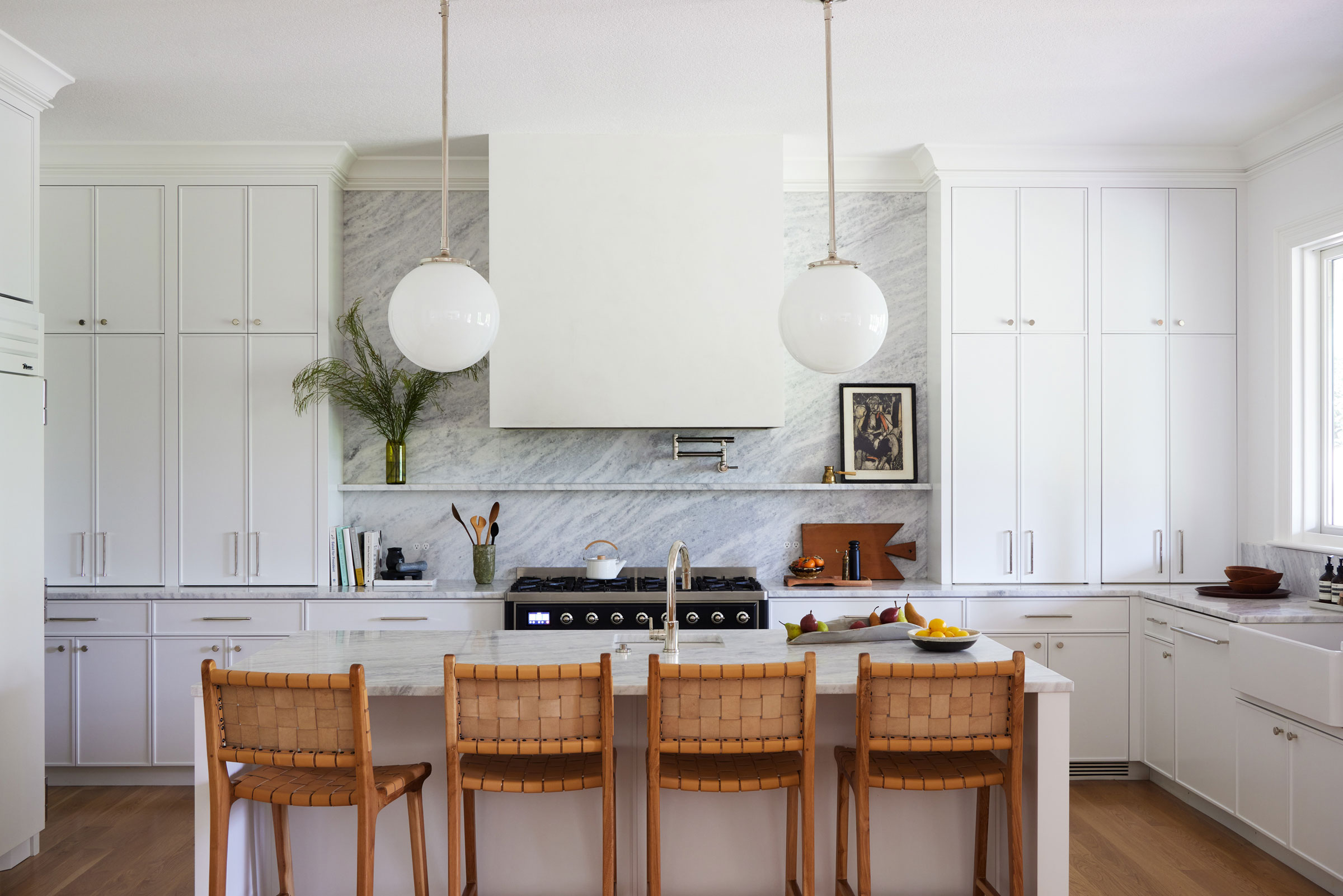
How Can I Make a Shaker Kitchen Feel More Modern? 5 Twists to Make This Classic Style Feel Fresh
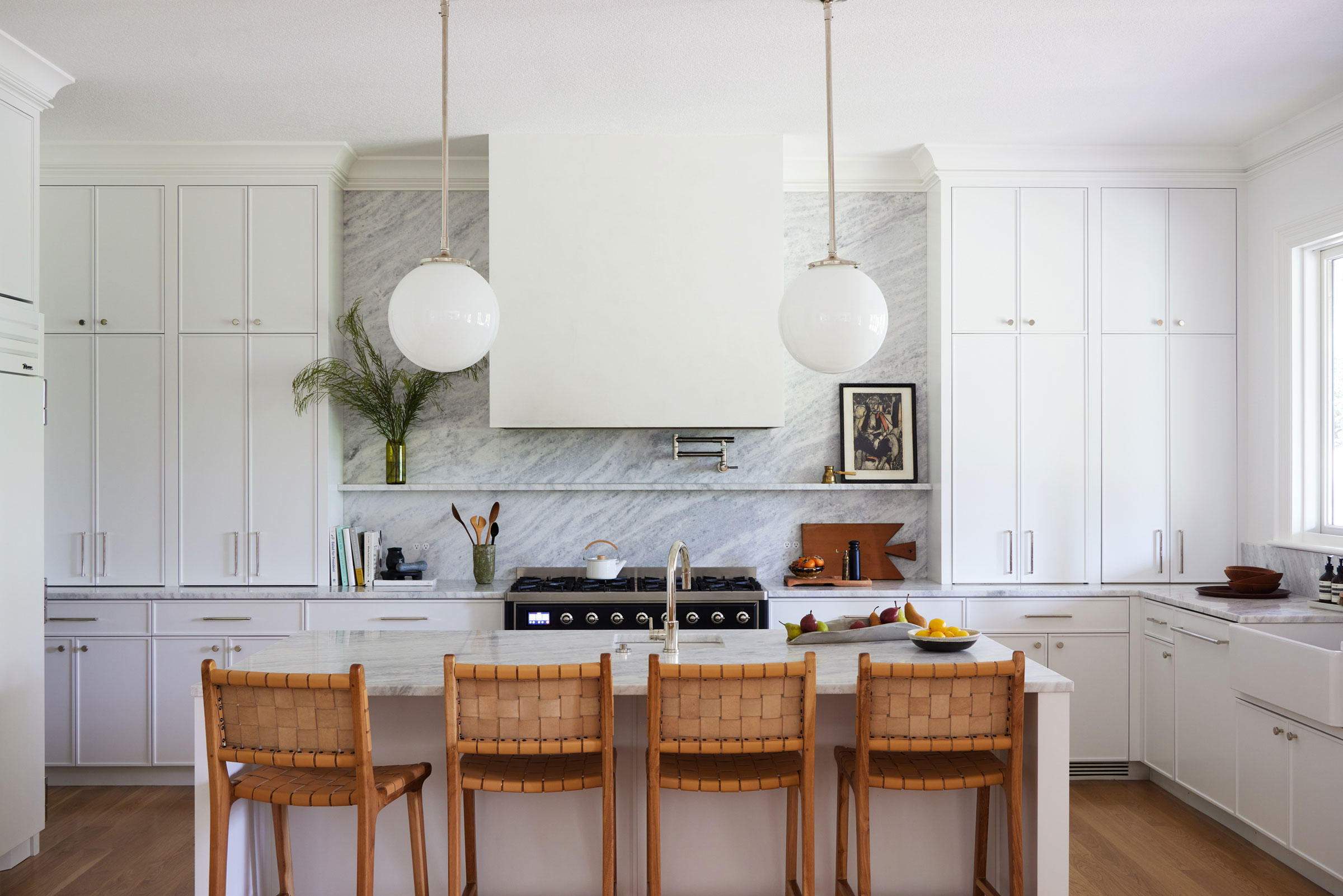
How Can I Make a Shaker Kitchen Feel More Modern? 5 Twists to Make This Classic Style Feel Fresh
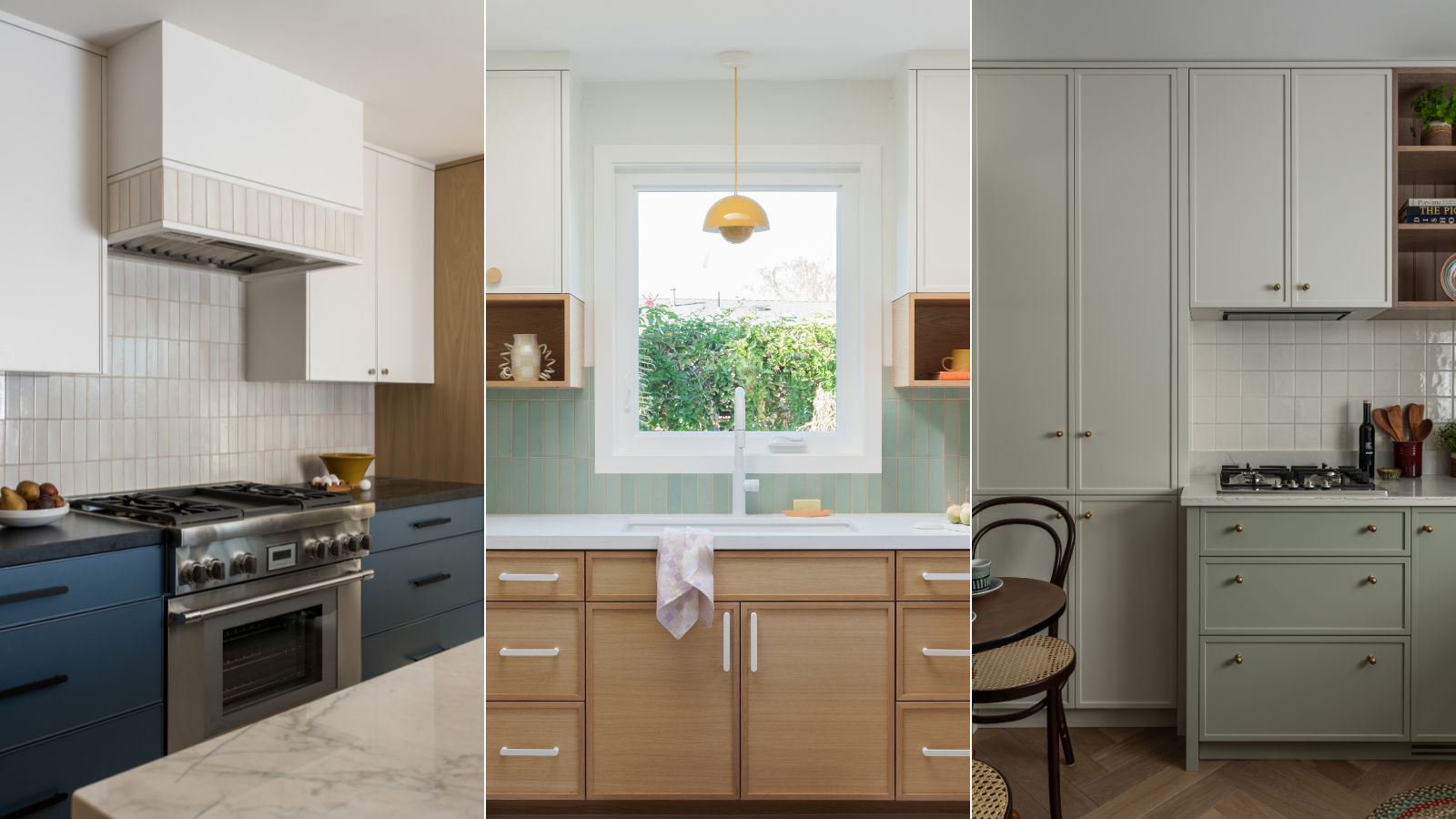
Why you should consider micro Shaker cabinets in 2025
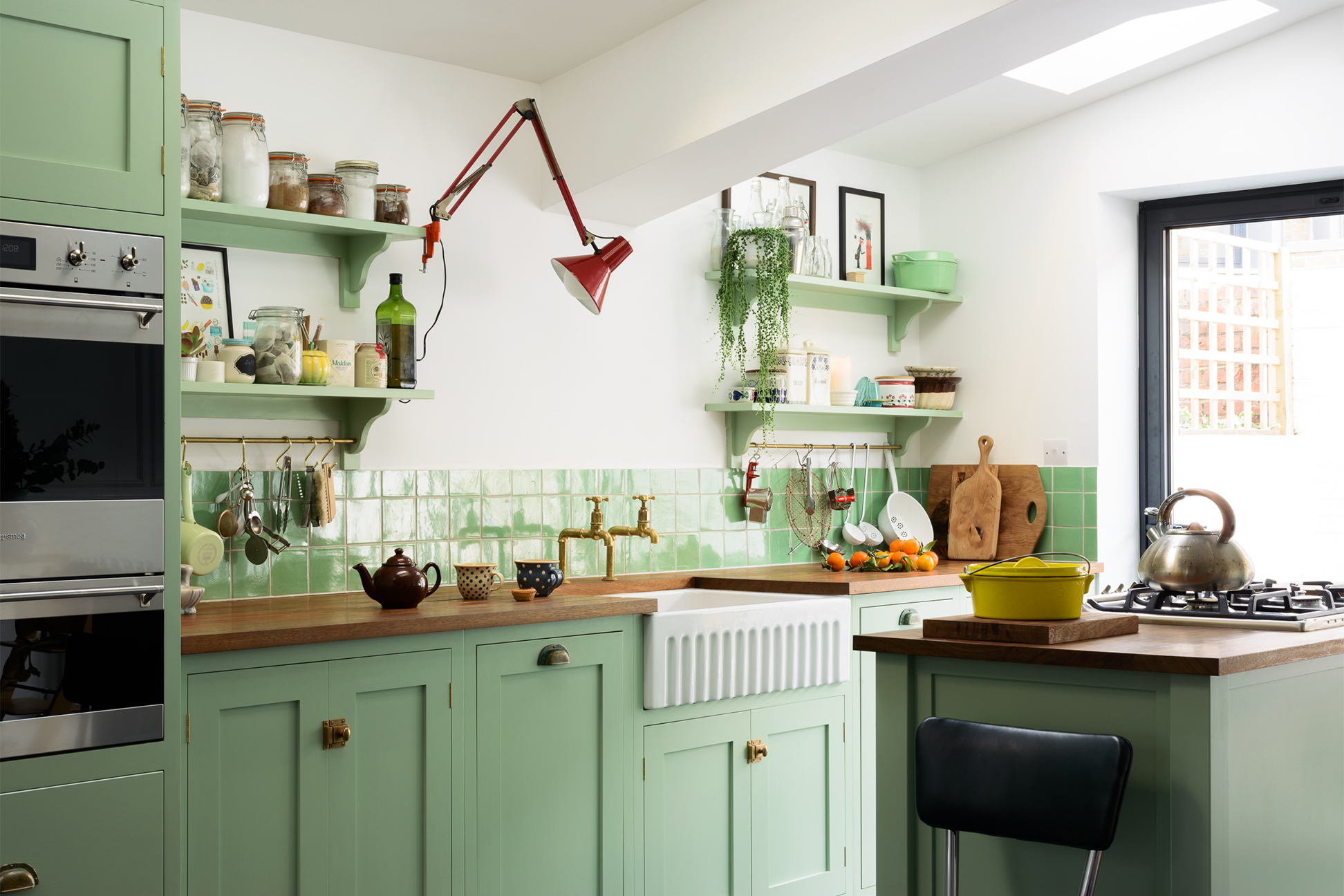
11 Shaker Kitchen Cabinets That Live Up to Their No-Fuss Name

5 ways to update a Shaker kitchen to bring this classic look into 2024, as recommended by designers
Modern Shaker Cabinet Doors