1/8
Find the soul of Morocco in Fez
Fez, one of Morocco's oldest imperial cities, serves as the country's cultural capital and spiritual heart, offering visitors a deep dive into its rich history and vibrant traditions. The city's past is palpably present, particularly within its ancient medina, Fez el Bali. This walled quarter, dating back to the 9th century, is renowned as the world's largest car-free urban area, a labyrinthine space where vehicles are prohibited, preserving its historical essence. Within this medina, visitors encounter a bustling array of shops, food stalls, and traditional riads (houses). Numerous artisans continue to practice their crafts here, providing a unique opportunity to observe the creation of Moroccan treasures, such as fine leather goods and copper pots.
A notable highlight within the medina is the Chaouwara Tannery, believed to be the world's oldest continuously operating tannery. From elevated balconies, observers can witness the intricate process of leather making, from the dyeing of hides in colorful bowls to the various stages of transformation. The work is physically demanding, and the odors are distinct; visitors are often offered mint leaves to mitigate the pungent smells. Navigating the medina's thousands of narrow streets, cobbled alleyways, and unmarked passages can be challenging for newcomers, making the engagement of a local guide highly advisable to fully appreciate the city's ancient charm and complexities.
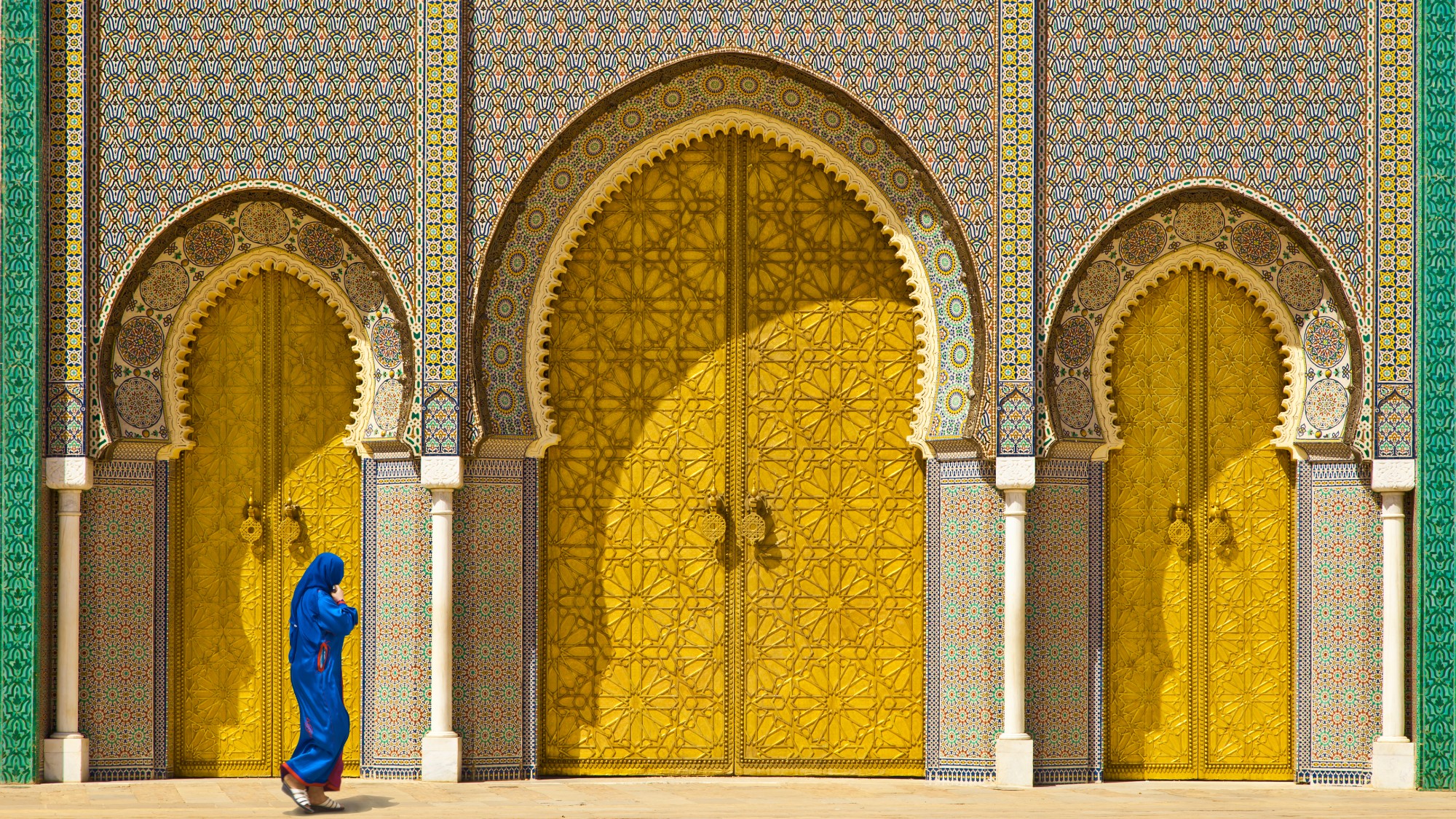
Beyond the medina, Fez offers additional attractions. The Jardin Jnan Sbil provides a serene escape, featuring tranquil pathways and soothing fountains within gardens that were once part of the Royal Palace. While access to the Royal Palace itself is restricted to invitees, its elaborate golden gates and detailed tile work are visible from the exterior. Fez also houses several madrasas, or Islamic schools. Medersa Bou Inania, completed in the 14th century, stands as a prime example of Marinid architecture, featuring complex geometric tile work, stucco carvings, and a green roof. Visitors can explore its courtyard. Another architectural marvel is the Al-Attarine Medersa, known for its intricate Islamic design and its historical proximity to the perfumers' section of the medina.
Moroccan cuisine in Fez reflects a diverse blend of Arab, Berber, Mediterranean, and Andalusian influences, extending far beyond the common perception of just tagine and couscous. Essential dishes to experience include b'stilla, a flaky pastry pie with eggs, almonds, and either pigeon or chicken, and khobz, a bread made from semolina flour. Mint tea is a pervasive cultural element, with establishments like Abdullah Touati's tea stall, operating since 1969, serving unique blends. Dining experiences range from traditional eateries to modern establishments like Nur, which offers a 10-dish tasting menu crafted by Spanish-Moroccan chef Najat Kaanache, utilizing local ingredients. Cooking classes are widely available at various venues, including Nur and Cafe Clock, where participants can learn to prepare classic Moroccan dishes after sourcing ingredients from the medina.
Accommodation in Fez often comes in the form of riads, traditional houses offering world-class hospitality. Dar Seffarine, a 600-year-old house that underwent a seven-year restoration, exemplifies Moorish architecture with its tall columns, elaborate woodwork, and mosaic and marble floors. Palais Amani presents another luxurious option, known for its opulent Moroccan aesthetic. Its tiled courtyard garden, complete with a flower-shaped fountain and fruit trees, serves as a peaceful retreat from the medina's activity. Many riads also offer in-house hammams for body treatments, further enhancing the sense of relaxation and cultural immersion.
#Fez #MoroccoTravel #MedinaOfFez #MoroccanArchitecture #CulturalHeritage #ChaouwaraTannery #MoroccanCuisine #Riads #TravelDestinations #Fez #MoroccoTravel #MedinaOfFez #MoroccanArchitecture #CulturalHeritage #ChaouwaraTannery #MoroccanCuisine #Riads #TravelDestinations
 Ainda não há comentários
Modern Tiles Keep Morocco’s Artisanal Culture Alive


One Moroccan holdover

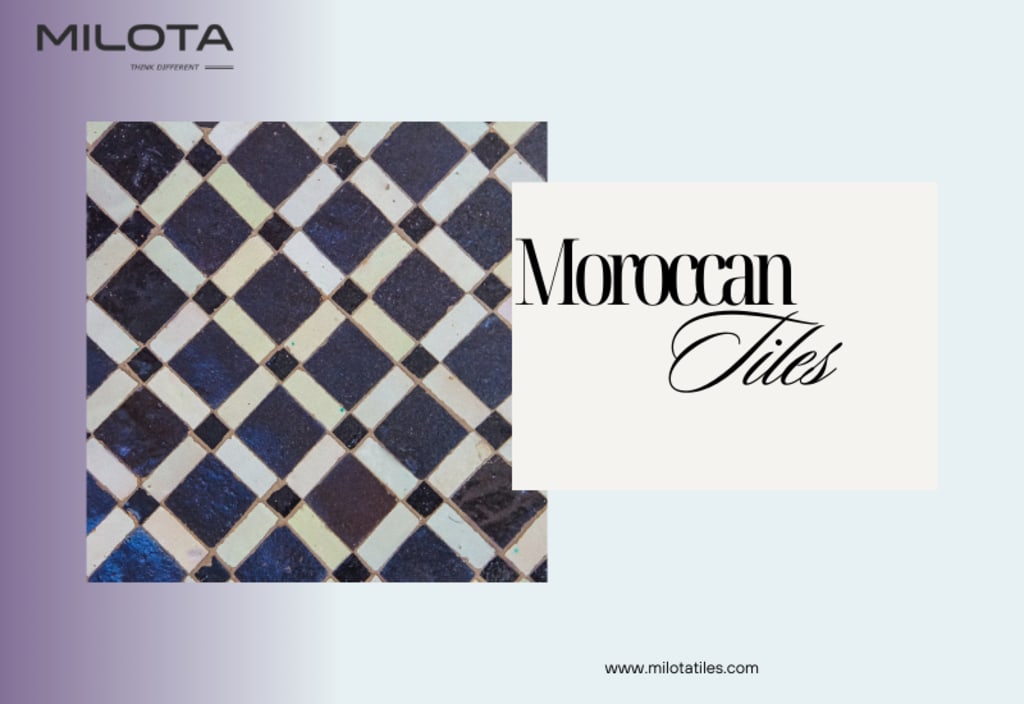
Moroccan Tiles in Global Architecture: A Rising Trend in 2025