Divide & Conquer: NoVA Decor Experts on Making the Room Divider Work
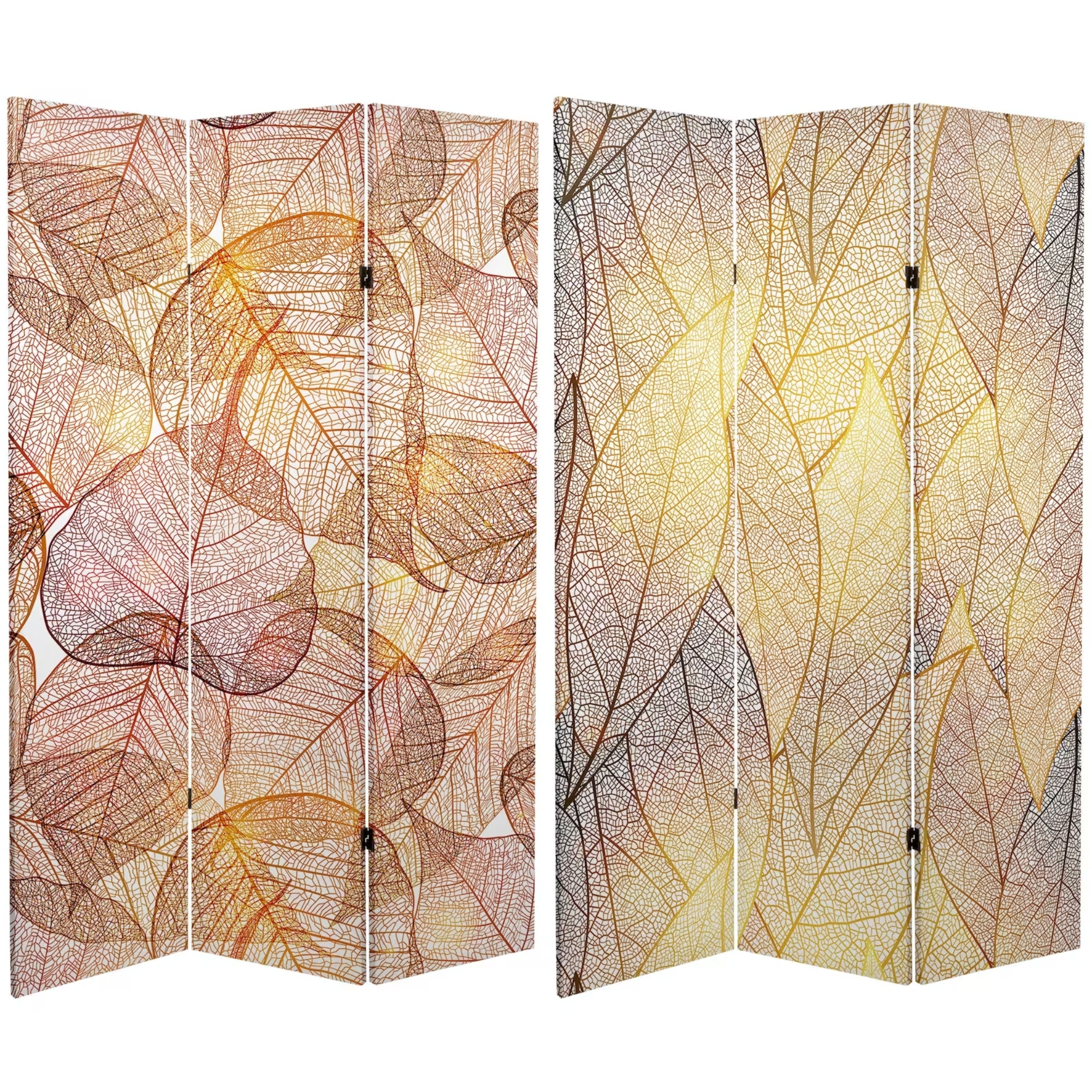
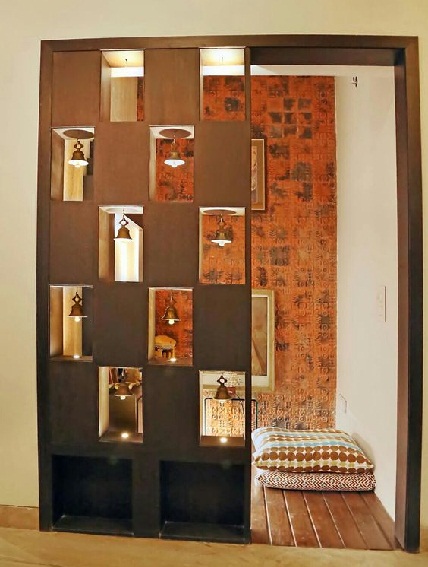
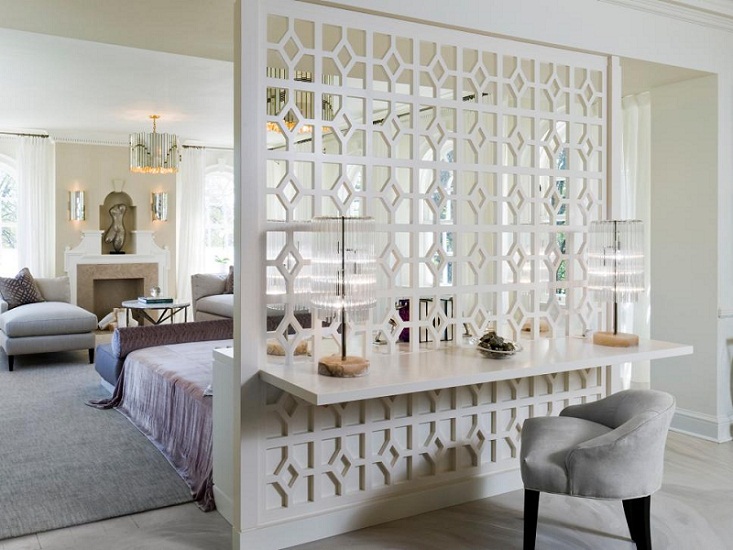
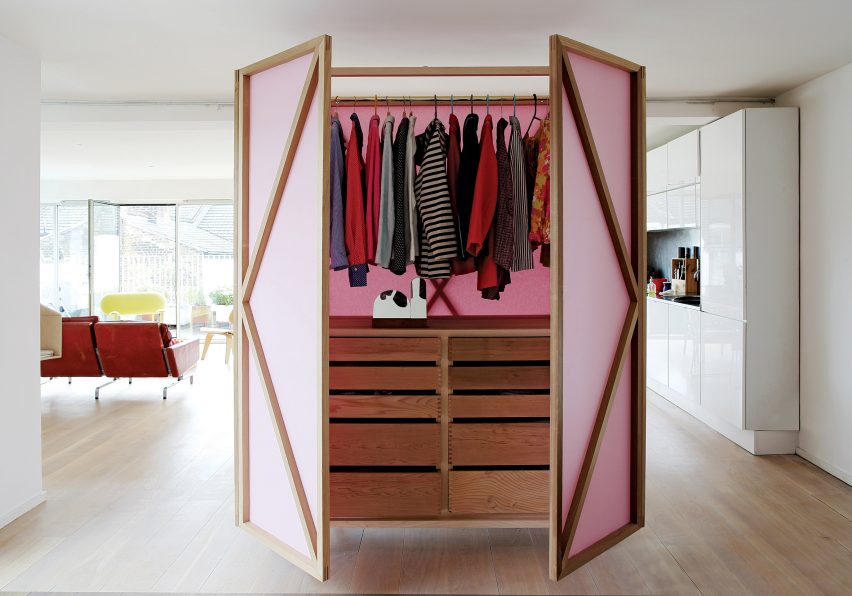
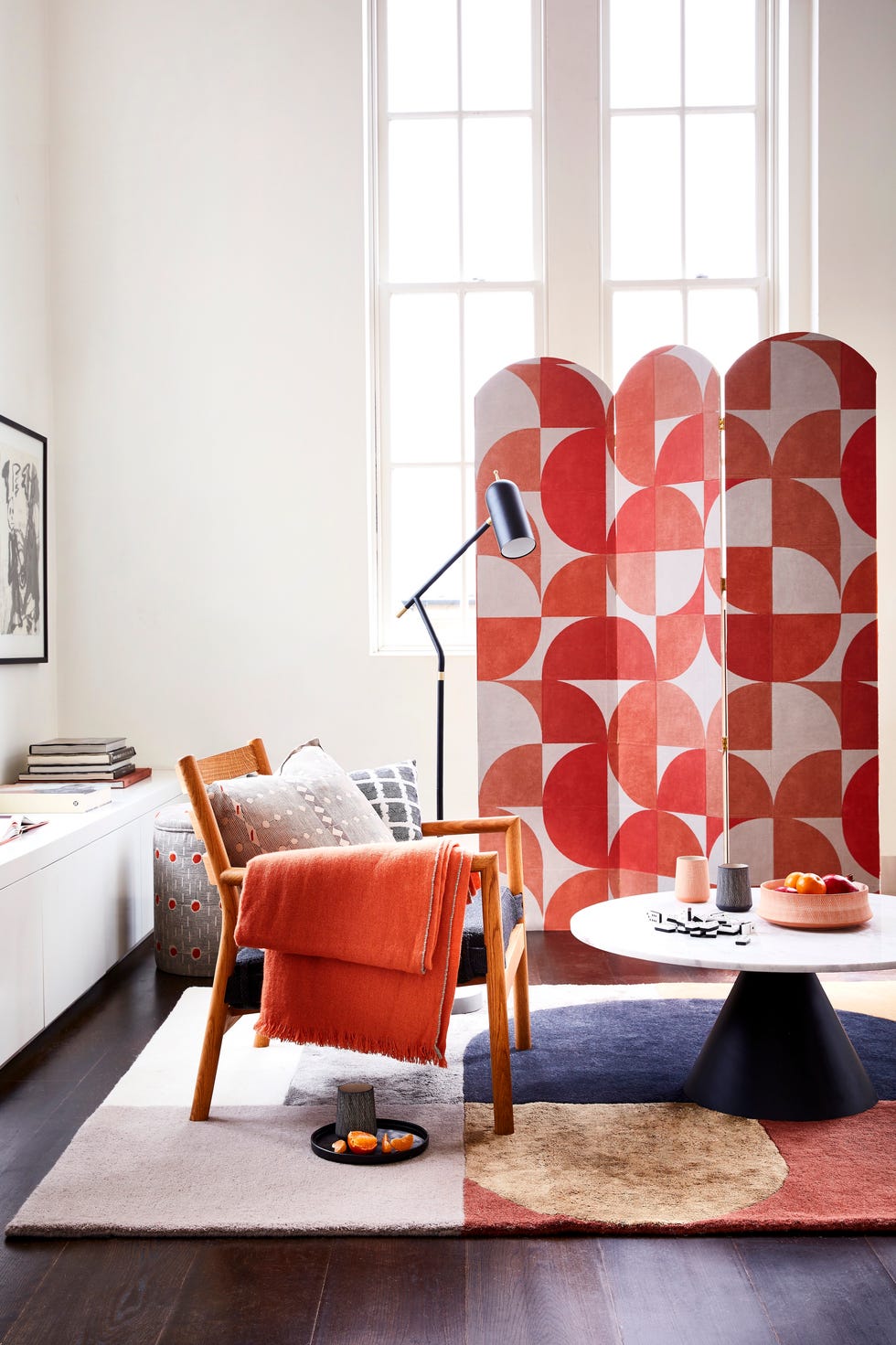
The increasing multifunctionality of homes, driven by changes in daily life, has led to a need for creative space division within existing structures. While traditional homes were designed with distinct rooms for specific purposes, contemporary living often requires a single space to serve multiple functions, such as an office, exercise area, and living room. This article explores various methods for separating spaces effectively, ranging from temporary solutions to more permanent installations, drawing on advice from Northern Virginia's decor experts.
Patti Ayers of Pillows and Pleats emphasizes the importance of careful planning before implementing any room divider. She advises creating a simple, scaled floor plan or using blue painter's tape on the floor to experiment with different configurations. This allows individuals to visualize the divider's placement and assess its impact on the space at different times of the day, considering how changing light might affect shadows and overall aesthetics. This preliminary step ensures that the chosen divider effectively meets functional and aesthetic goals without unforeseen issues.
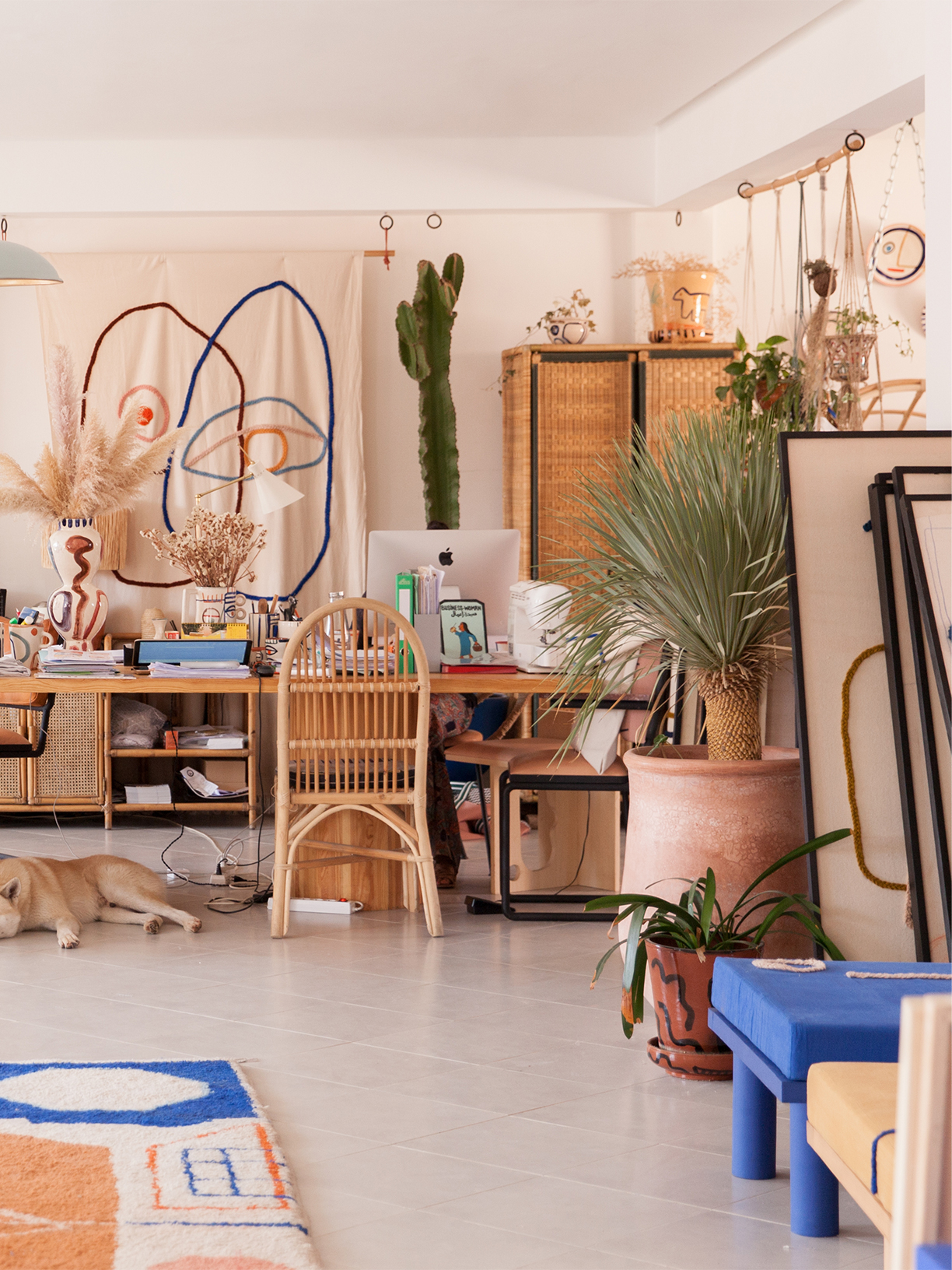
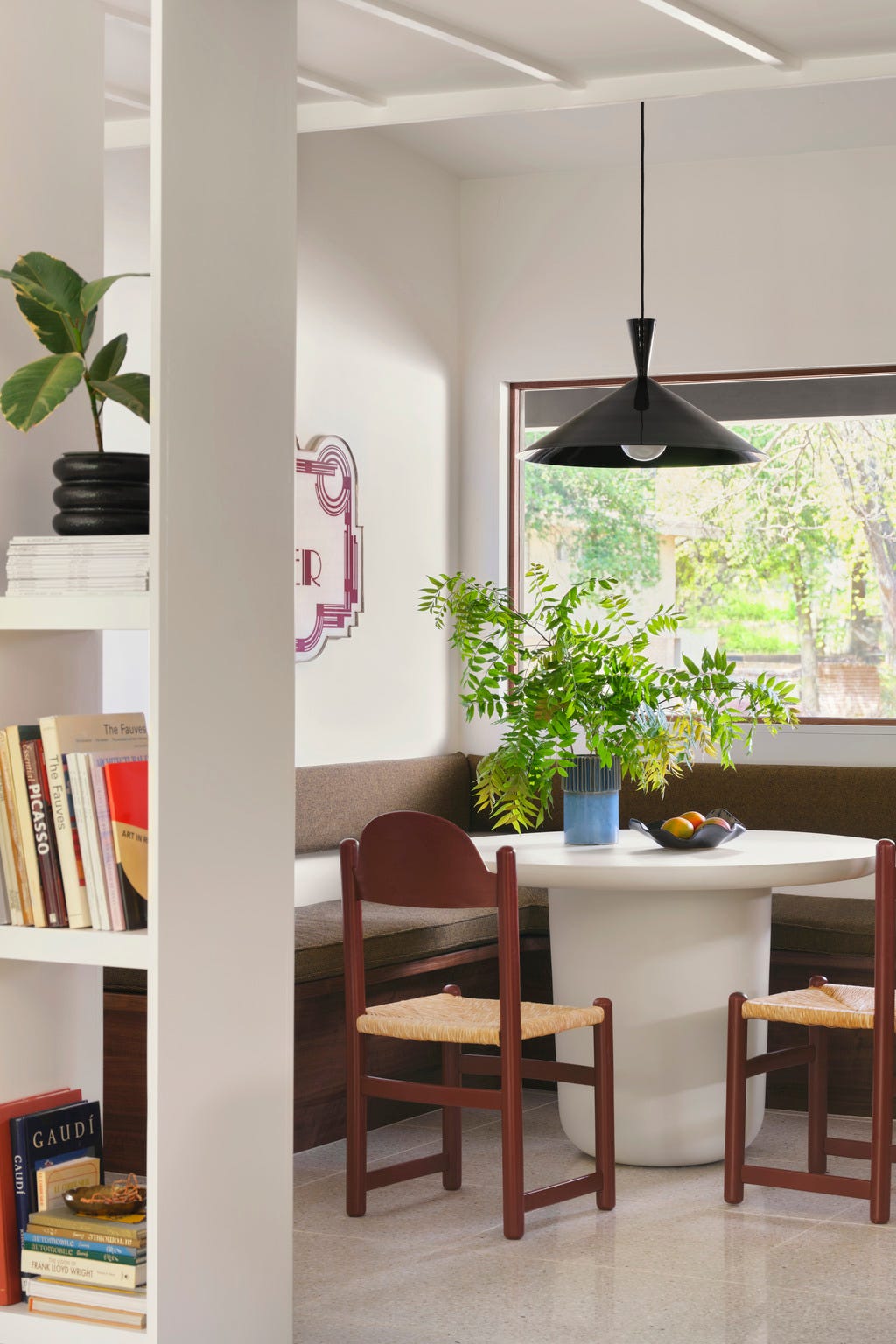
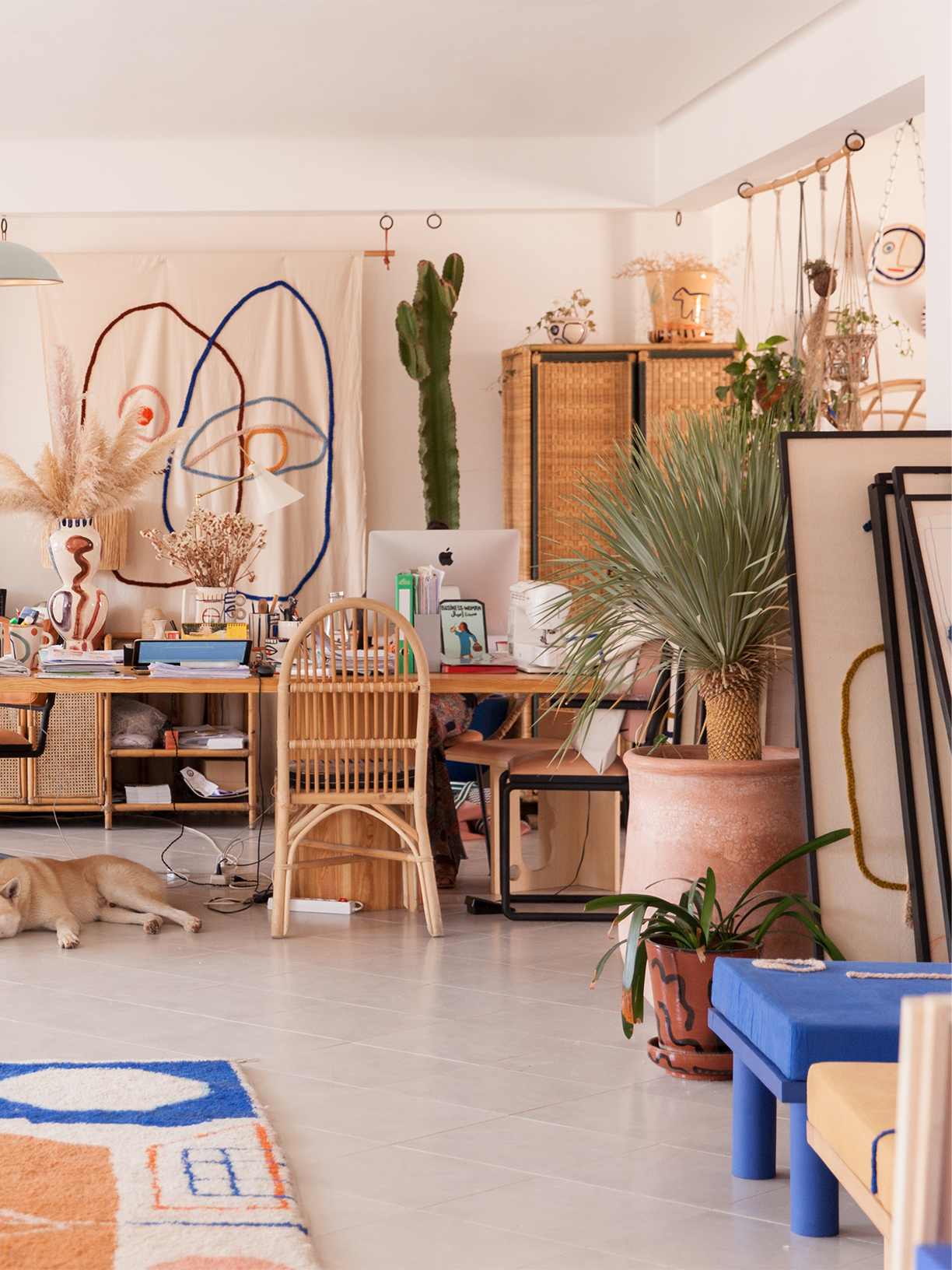
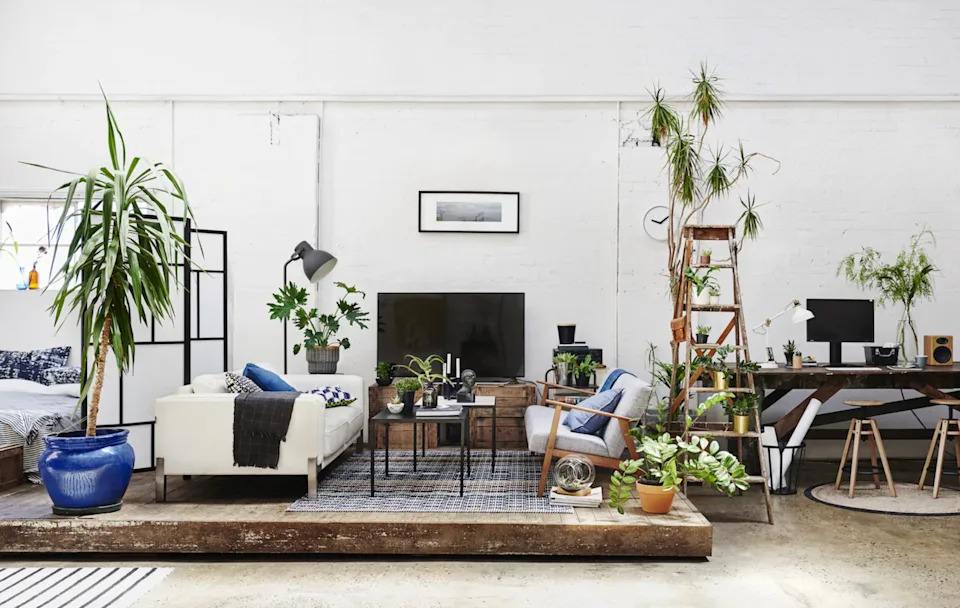
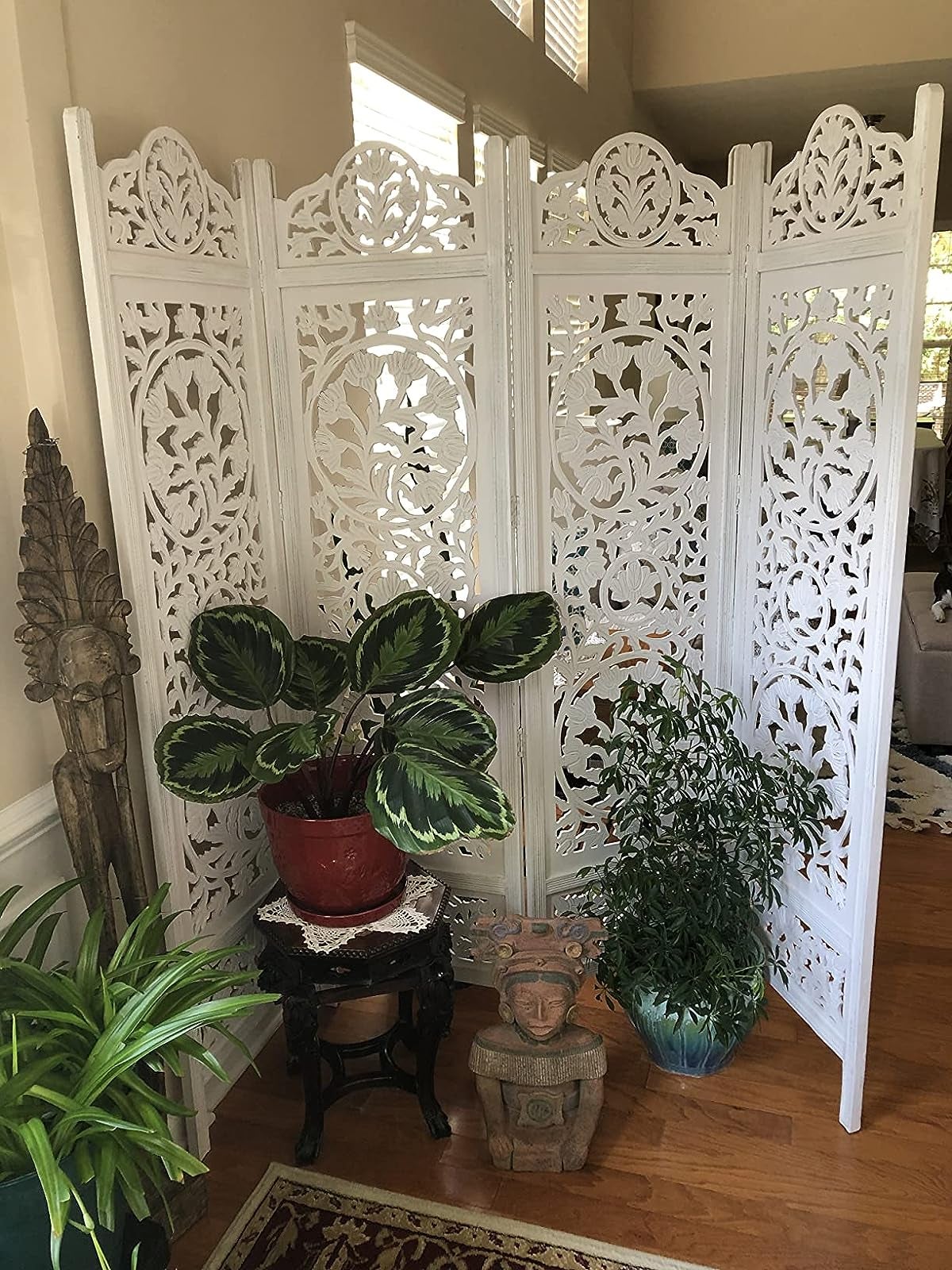
For those seeking minimal involvement and quick solutions to camouflage disorganization, Bill Cupp, owner of Wolf Trap Nursery, suggests using large potted plants. Specific recommendations include Monsteras (split-leaf Philodendron), Birds of Paradise, Cereus Peruvians (Peruvian apple cactus), Canellas, Fiddle-leaf Figs, or China Doll plants. These plants, often available in 10- or 12-inch pots, can create a natural and visually appealing line to separate areas, with decorative pottery further enhancing their integration into the decor.
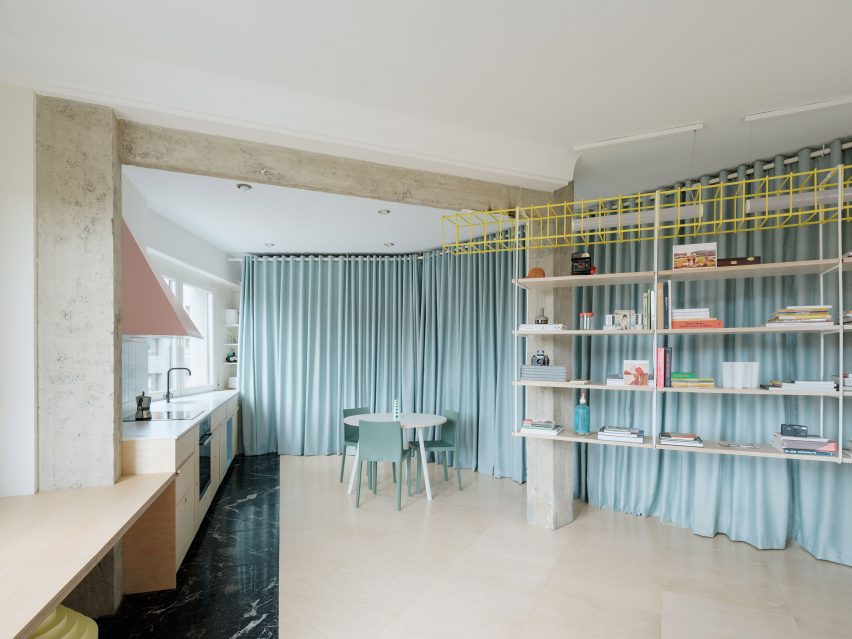
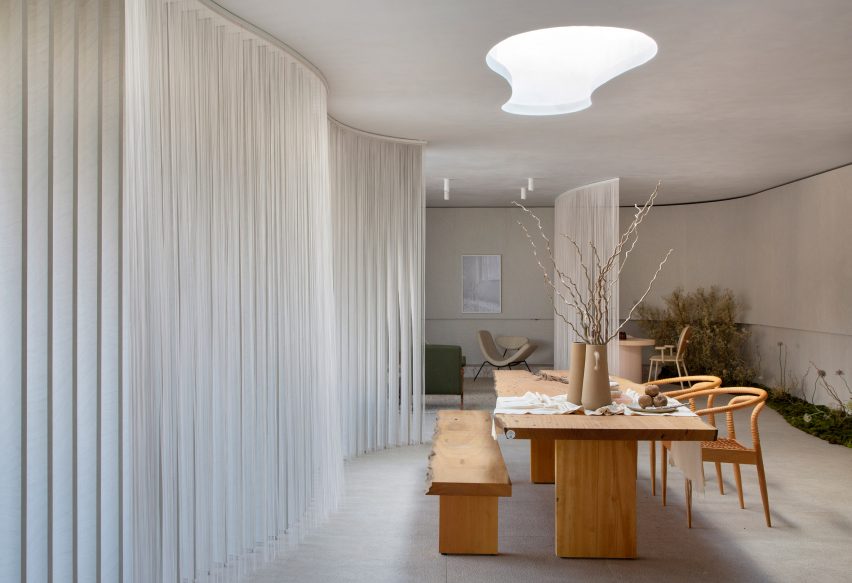
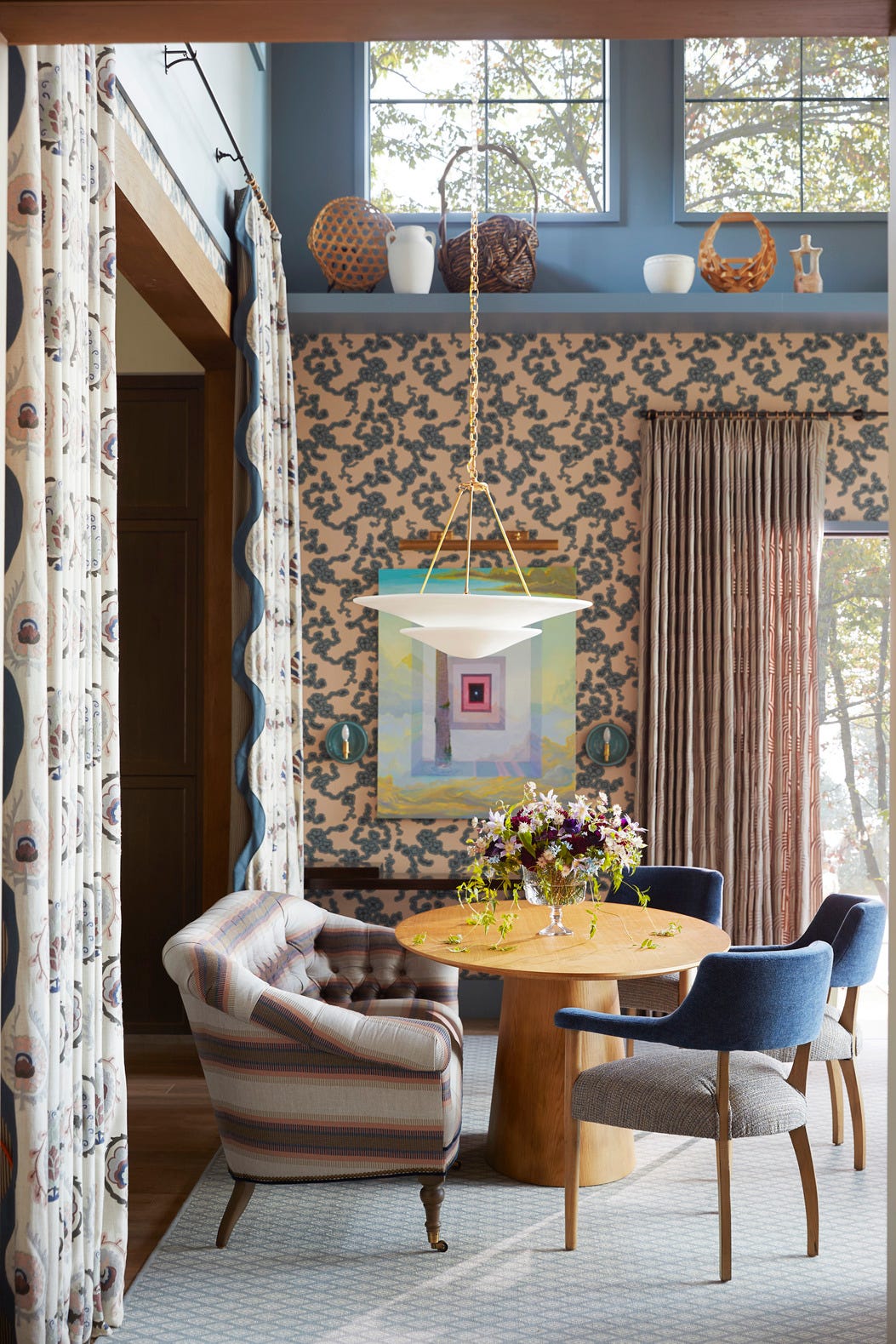
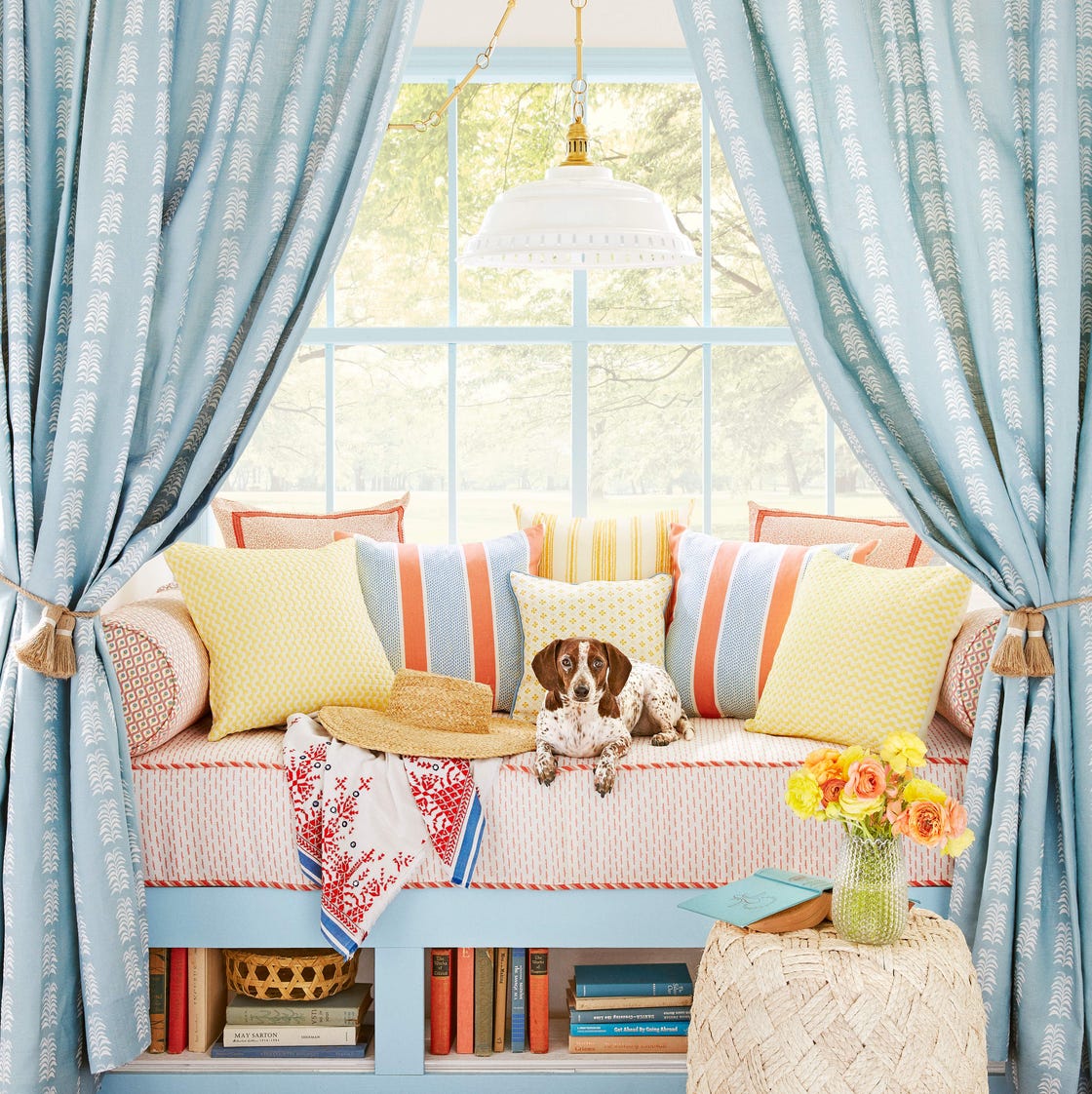
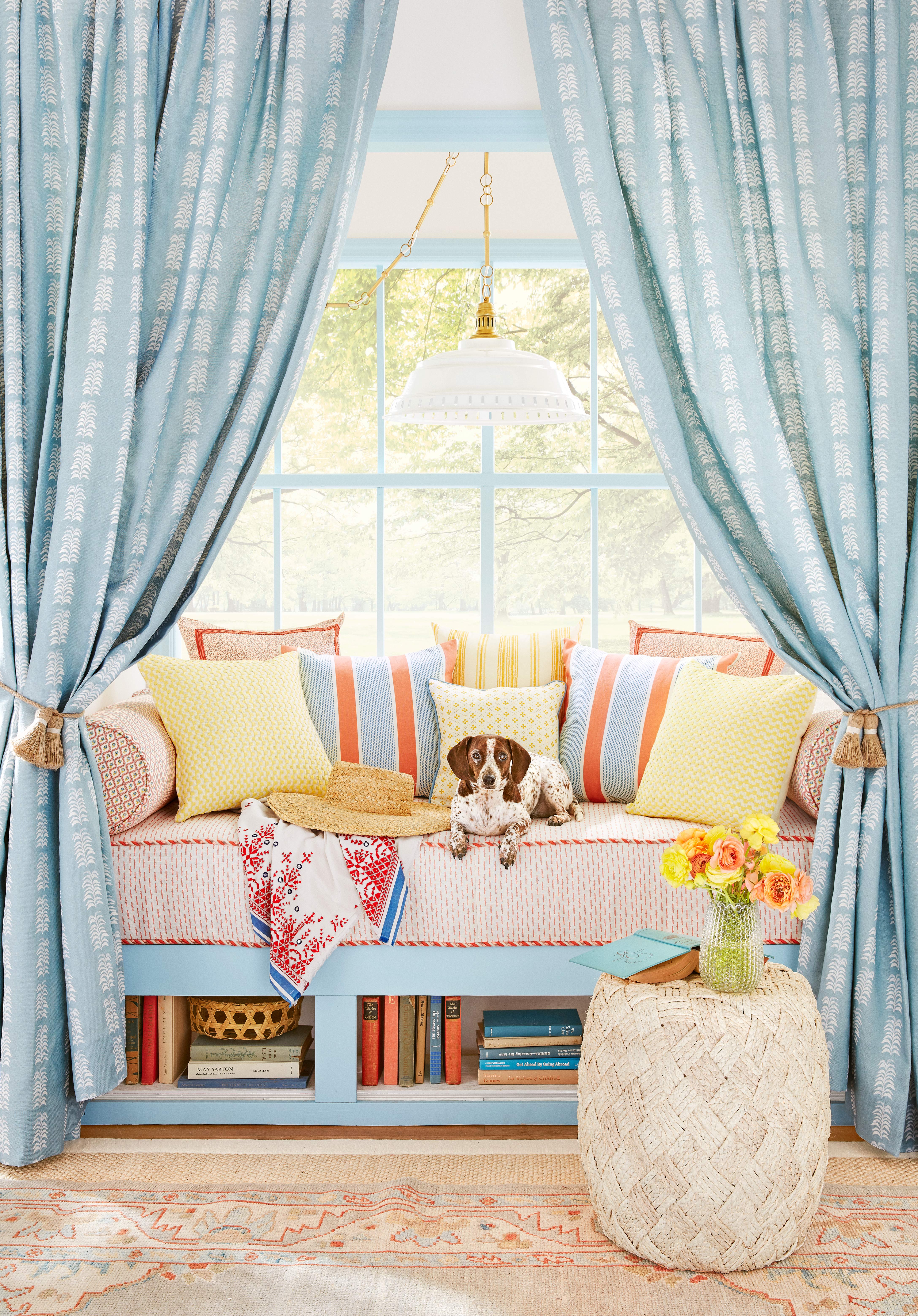
Curtains offer another versatile option for space separation, but fabric choice is crucial. Ayers advises against 100 percent linen for drapes, as it can expand in humidity and shrink in dry conditions, leading to an uneven appearance. Instead, she recommends linen blends, which offer greater stability while maintaining the desired sheer aesthetic. This ensures the drapes hang consistently, regardless of environmental changes.
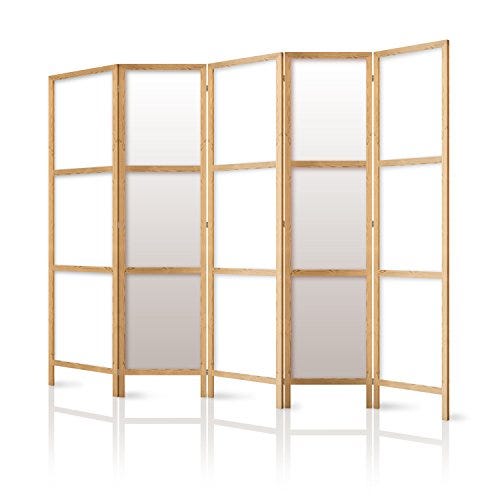
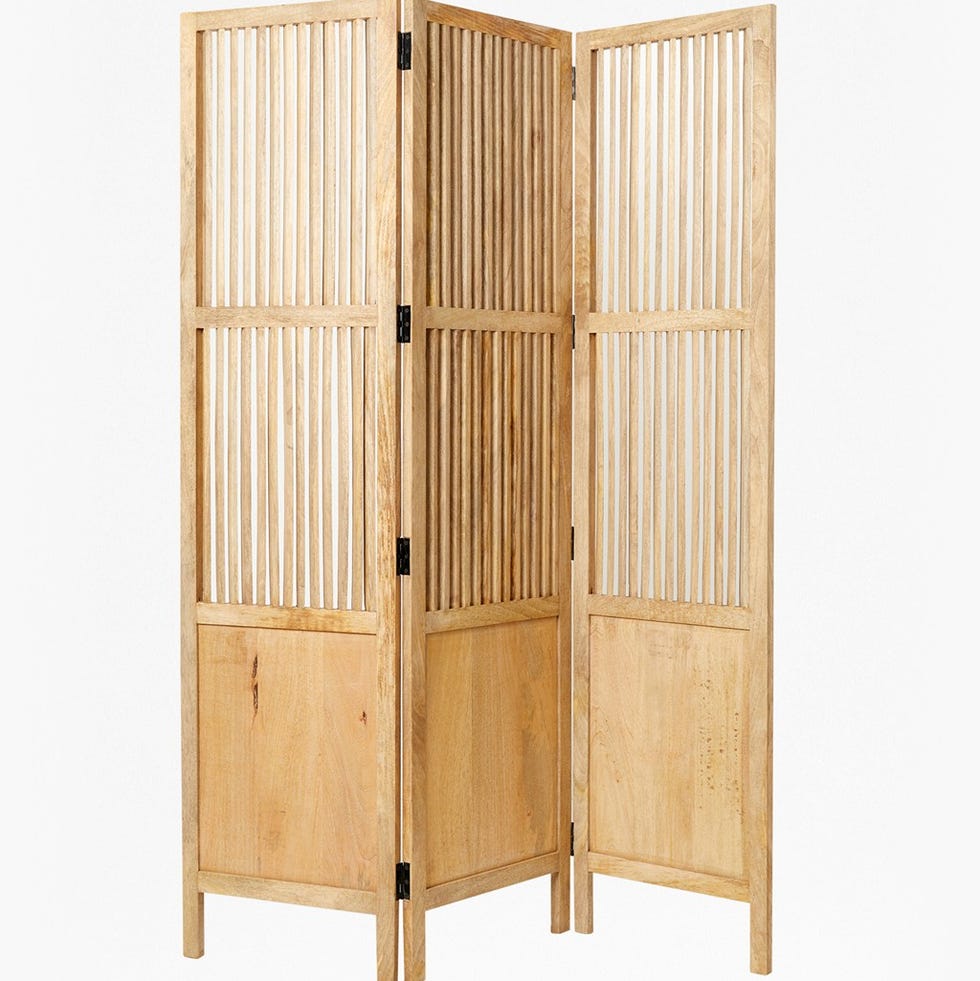
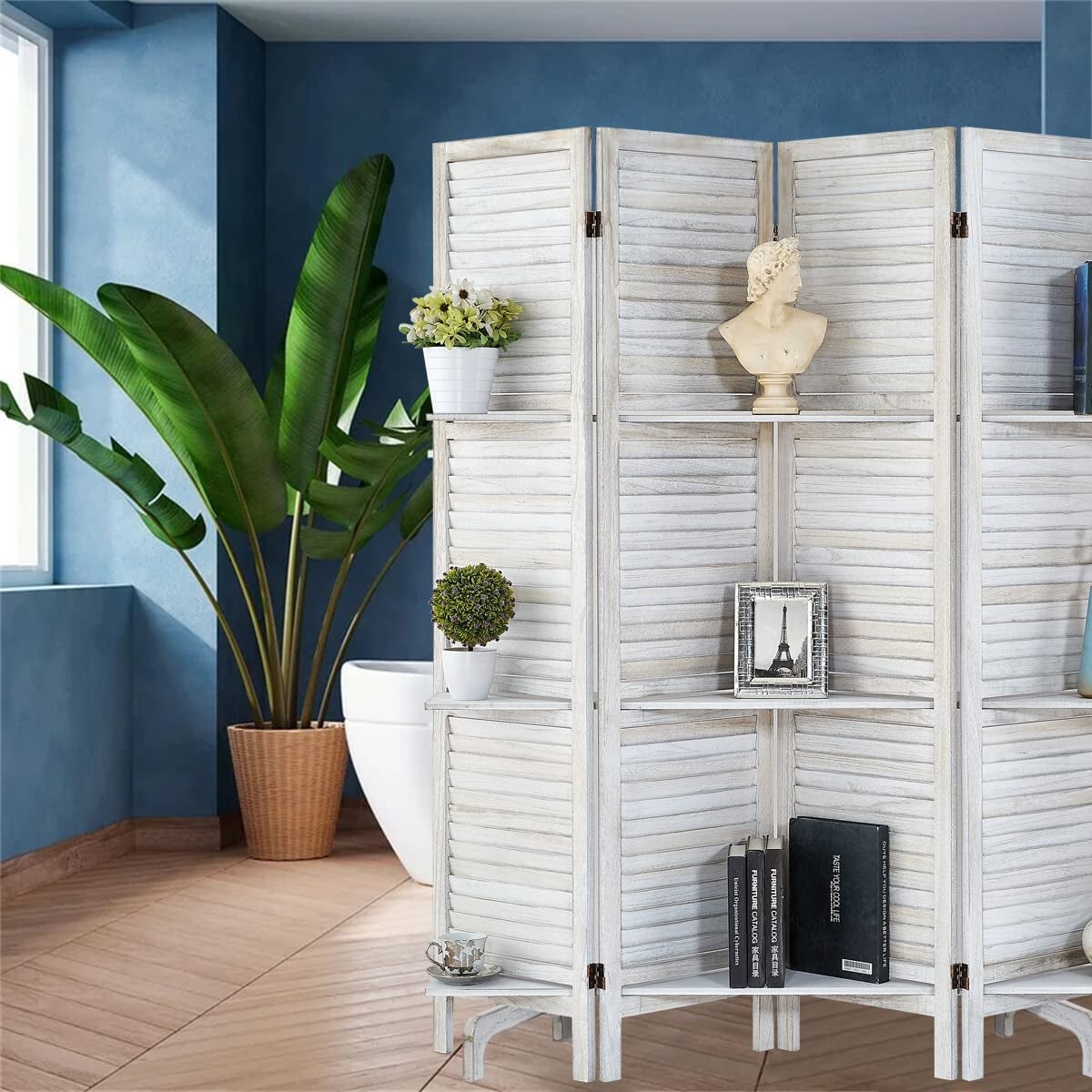
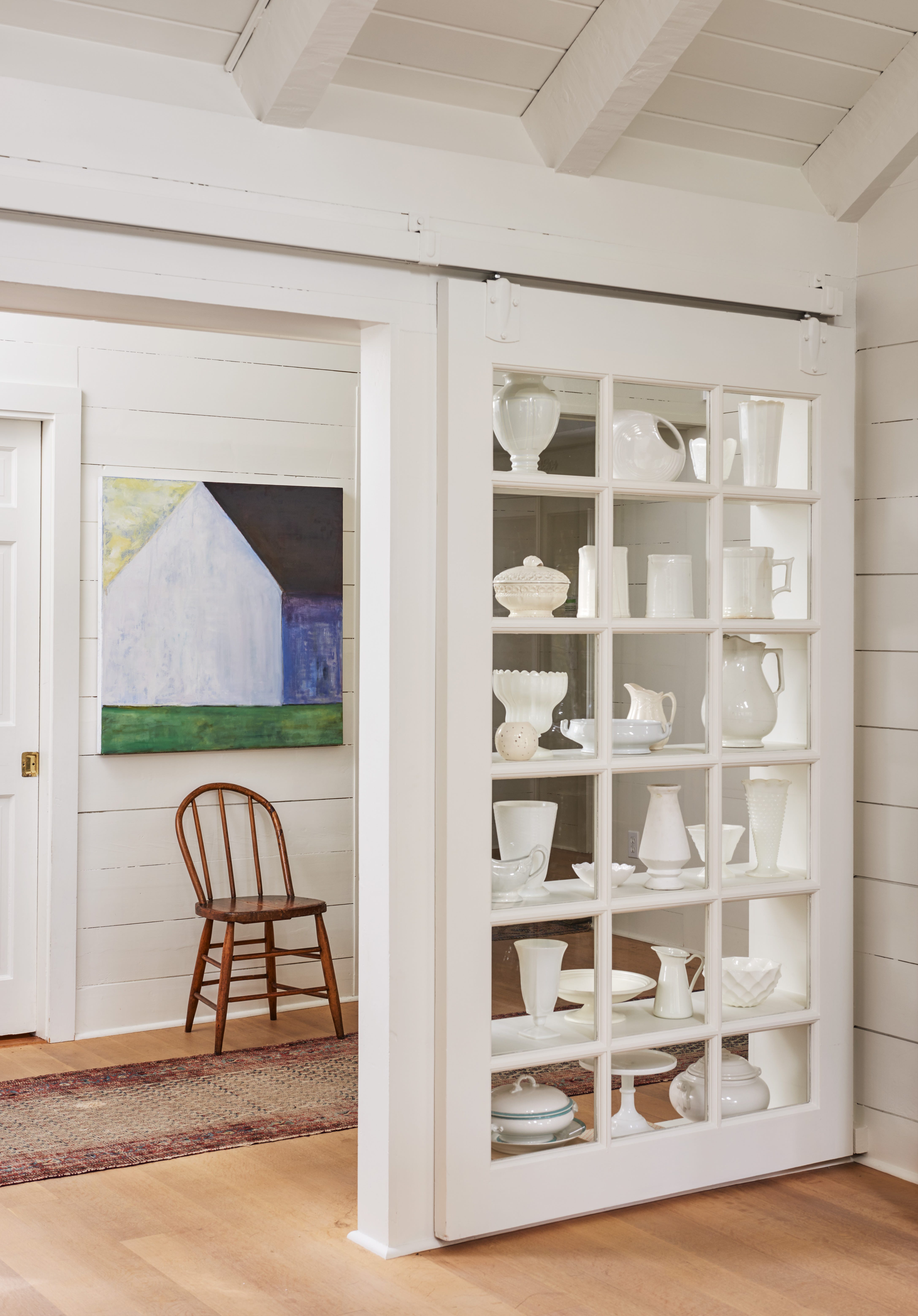
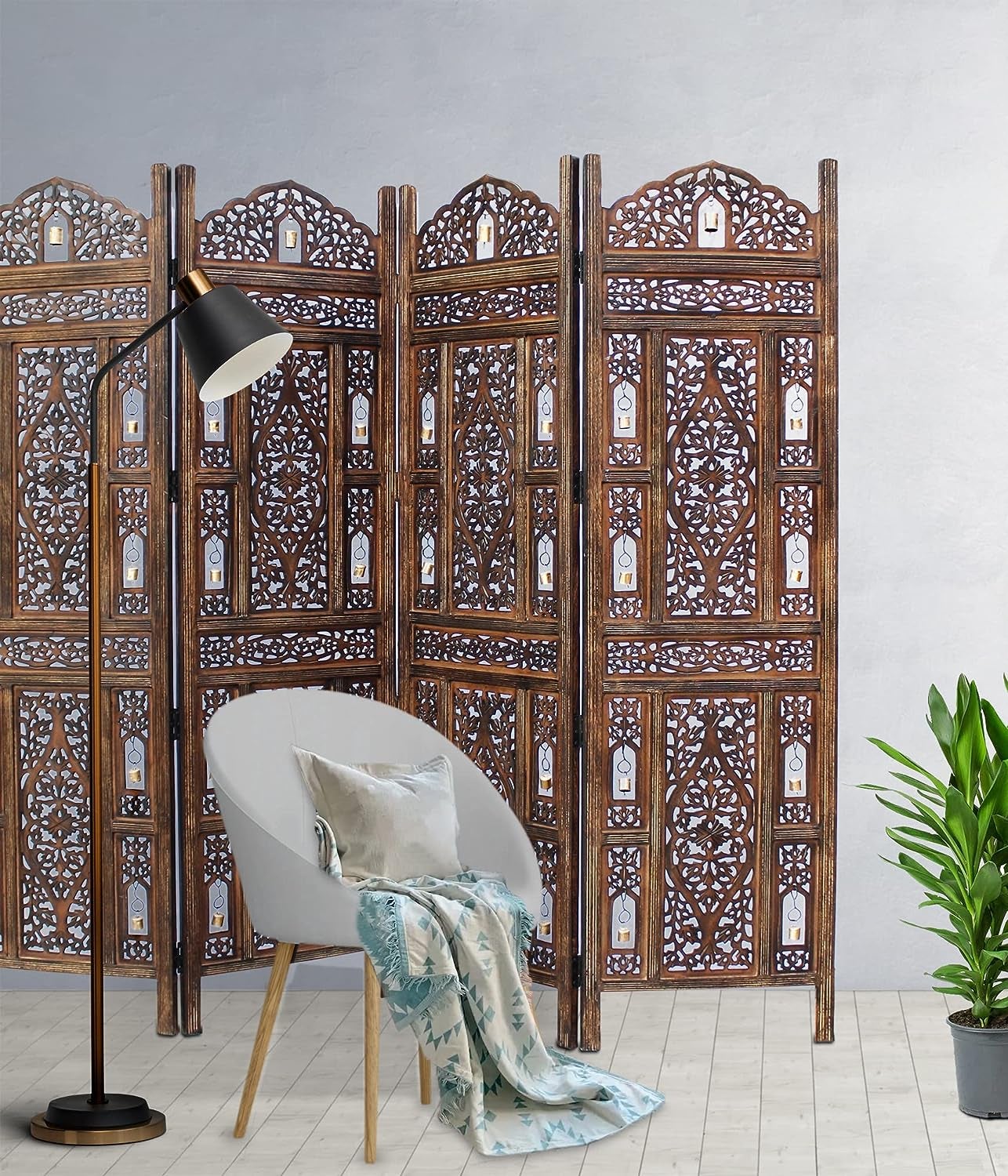
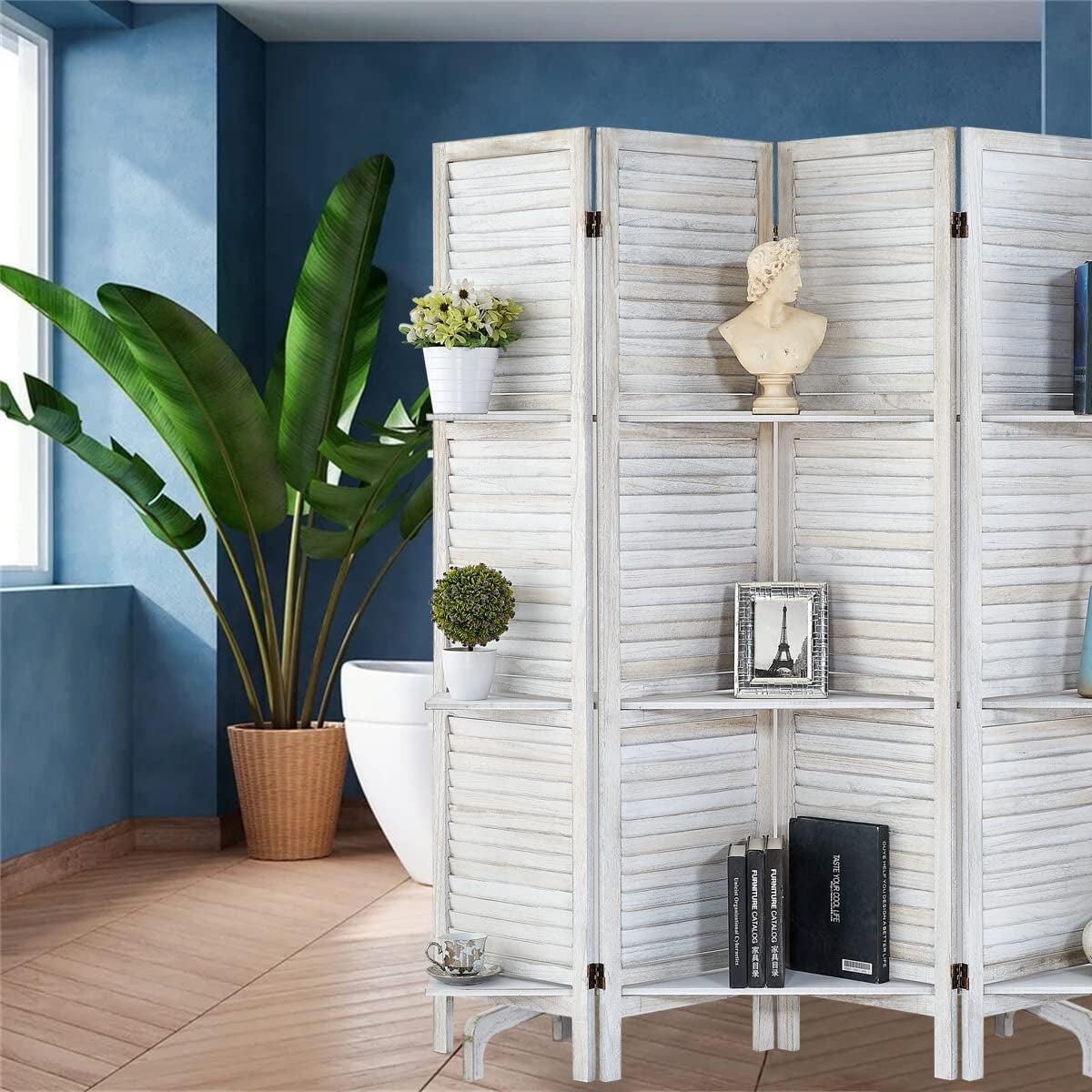
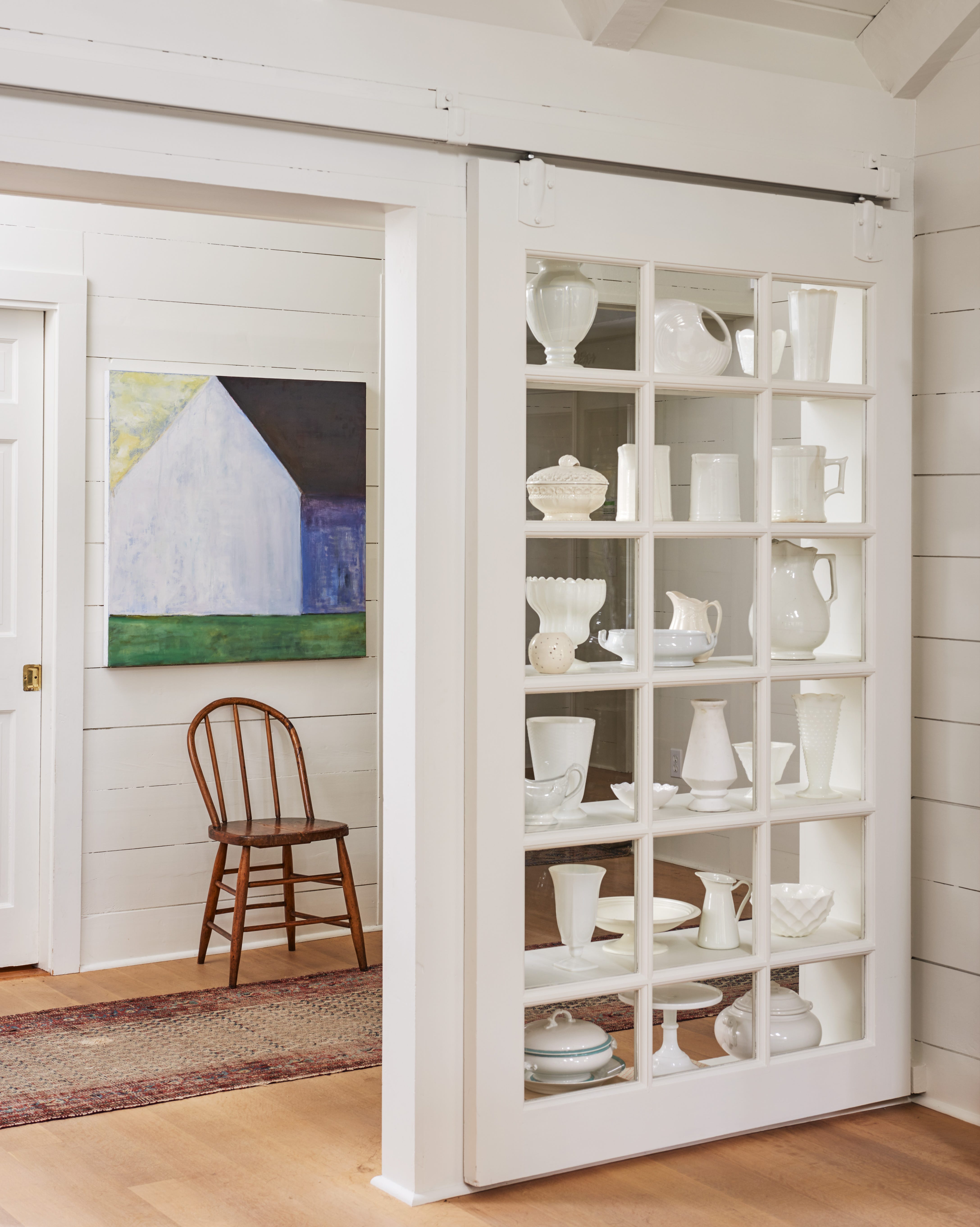
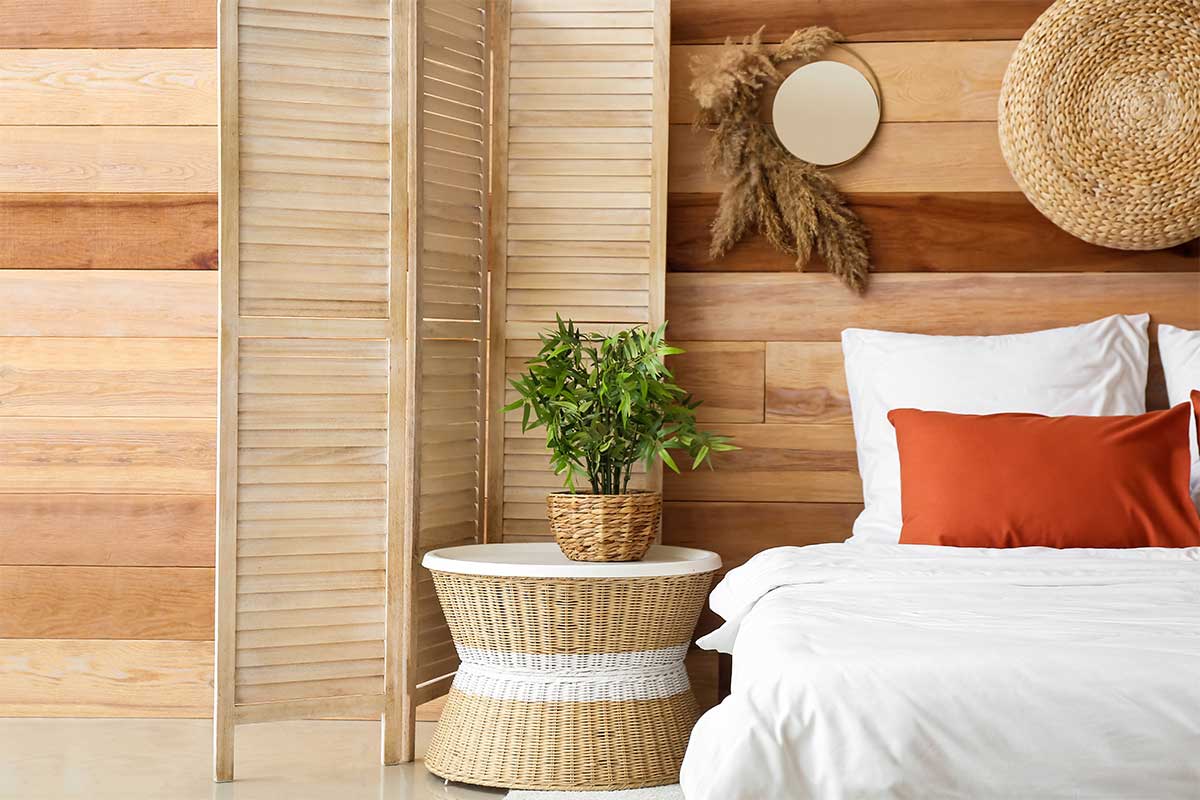
For a more rustic aesthetic and a DIY approach, Maggie's Farm owner Valentina Campbell suggests utilizing architectural salvage. Matching shutters can be hinged together, and with the addition of inexpensive wood feet, they can form a movable folding screen. Mismatched shutters can be arranged patchwork-style, connected with liquid glue or small hinges, to create a large solid panel that can be suspended from the ceiling or installed as a permanent wall. This method not only adds character but can also serve practical purposes, such as creating a privacy screen for an outdoor space.
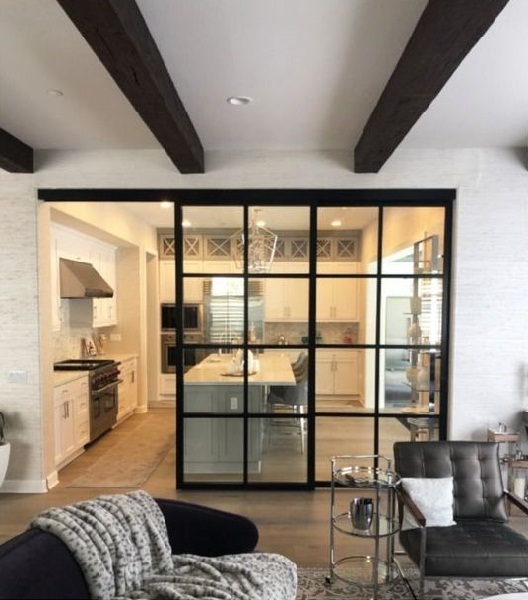
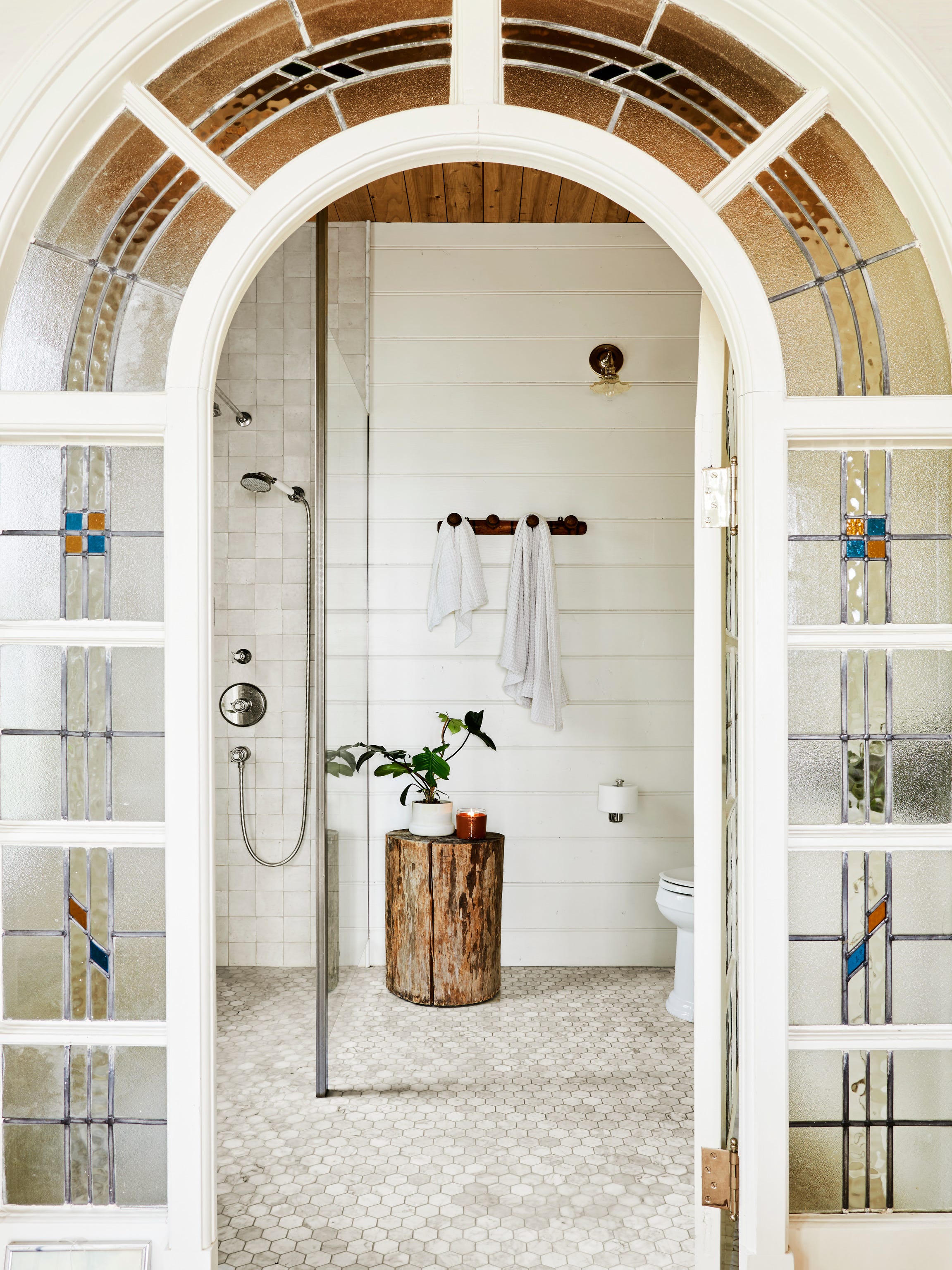
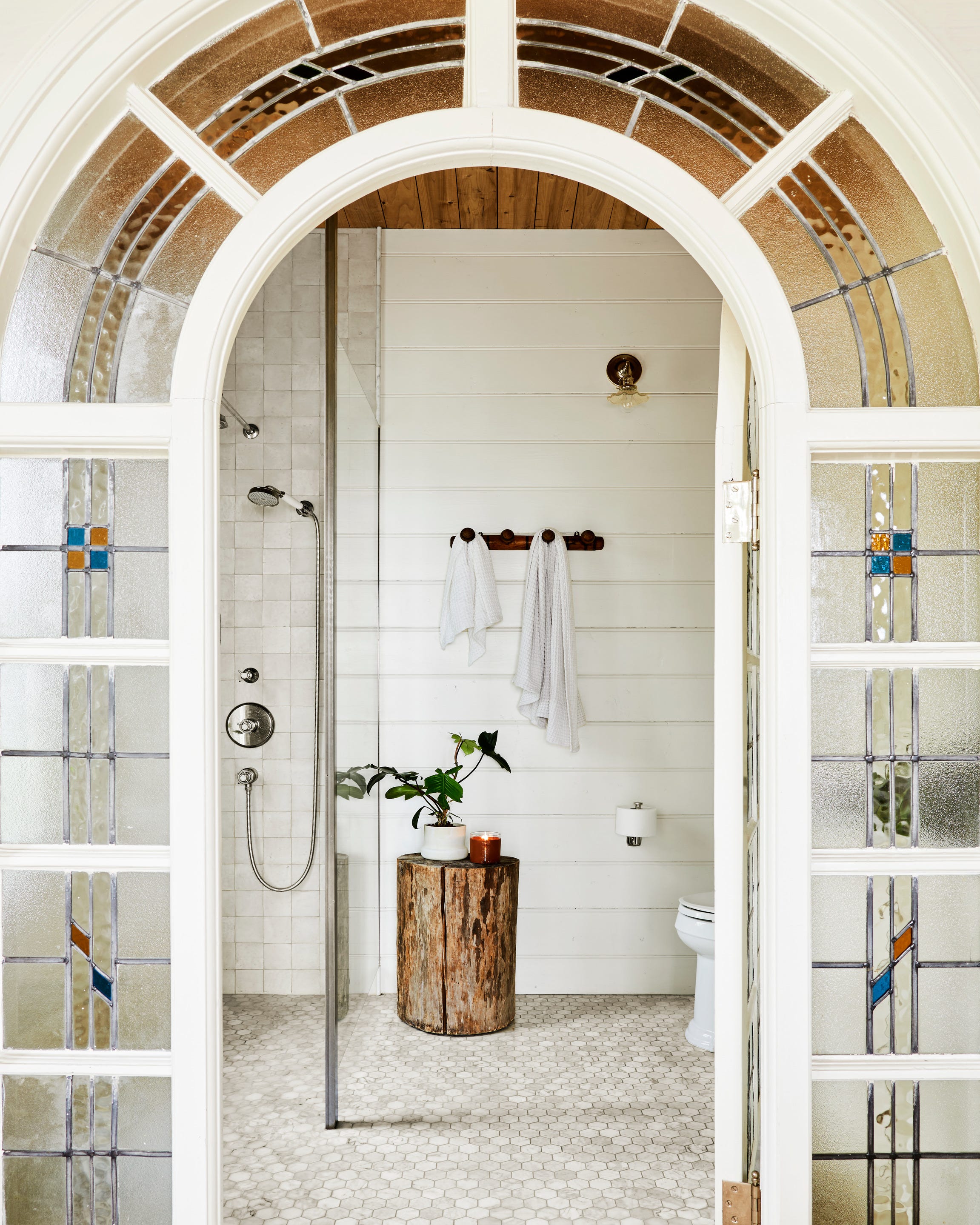
On the more luxurious end, custom-installed stained glass panels provide a beautiful and permanent way to define spaces. While this option can be costly and involves a complex design and installation process, companies like Decorative Glass Solutions in NoVA offer galleries for inspiration. Stained glass panels create a natural visual break, allowing light to filter through while still delineating distinct areas within an open floor plan. These diverse approaches highlight the many ways homeowners can adapt their spaces to better suit their evolving needs and personal styles.
#RoomDividers #HomeDecor #SpaceSeparation #InteriorDesign #DIYDecor #ArchitecturalSalvage #PlantDecor #CustomInstallations #NorthernVirginia #RoomDividers #HomeDecor #SpaceSeparation #InteriorDesign #DIYDecor #ArchitecturalSalvage #PlantDecor #CustomInstallations #NorthernVirginia
Há 0 comentários no total
 Ainda não há comentários
Você também pode gostar
12 Folding Screens That Divide and Conquer Any Room

Ten interiors that use innovative room dividers instead of walls

The Best Room Dividers, According to Interior Designers

We’re Hooked on This Clever Room Divider Idea

The Best Room Dividers on Amazon, According to Hyperenthusiastic Reviewers

10 unique room dividers from Indian and international designers

16 room divider ideas – innovative ways to zone an open plan space

This Is the GENIUS Way Designers Completely Transform a Space—Without a Renovation

These practical and stylish room dividers are high on shoppers' wishlists — if you live in a tiny space, they're fab

These Room Divider Ideas Will Transform Your Home in an Instant
30 Room Dividers So You Can Easily (And Stylishly) Separate Your Space
We Asked the Experts: How Do You Keep Your Kitchen Organized?
These Room Divider Ideas Will Transform Your Home in an Instant
17 of the best room dividers for minimal effort and maximum privacy
The Most Clever Room Divider Ideas
Room divider ideas: 12 stylish ways to divide a room
15 Best Room Divider Designs With Pictures 2023

The best room dividers, according to interior designers
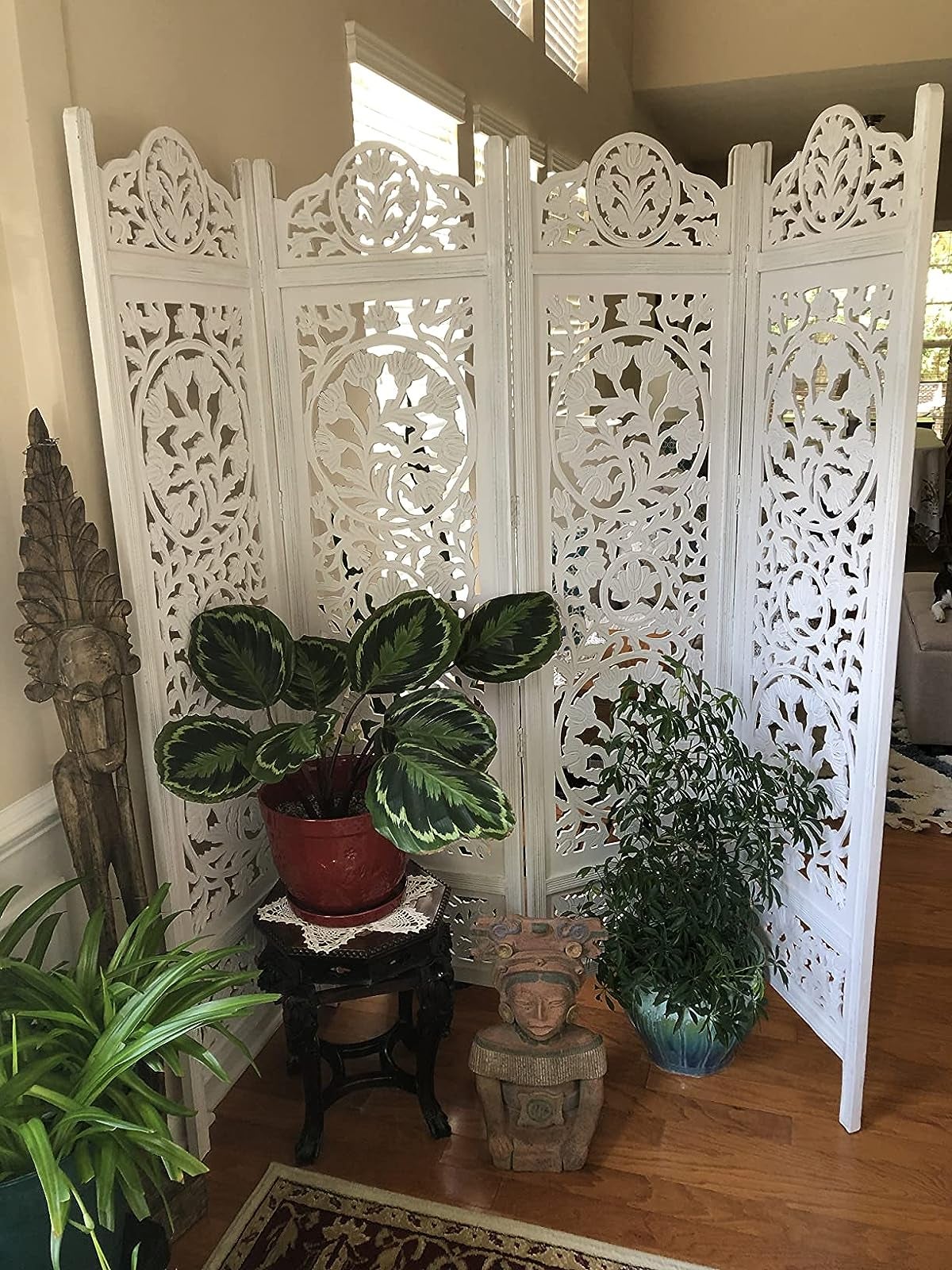
32 Room Dividers So You Can Easily (And Stylishly) Separate Your Space

We’re Hooked on This Clever Room Divider Idea