1/15
Cost Analysis of Mountain Schools in Nepal: Comparison of Earthquake Resistant Features in Rubble Stone Masonry vs. Concrete Block Masonry
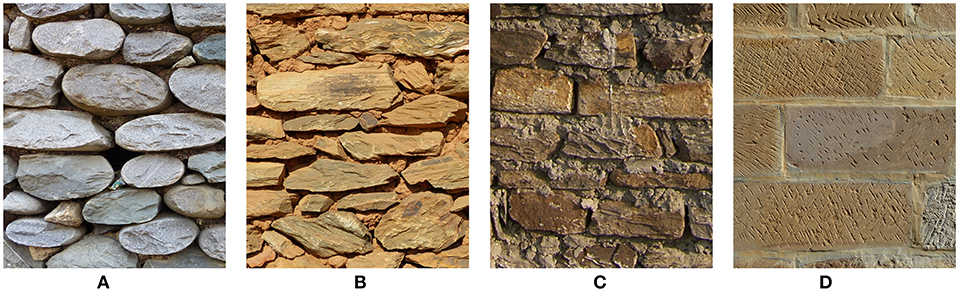
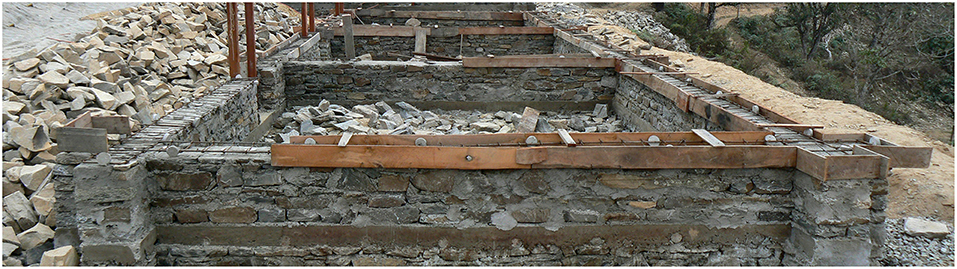
This paper presents a detailed cost analysis of earthquake-resistant school buildings in the Kaski District of Nepal, specifically those constructed by the Smart Shelter Foundation (SSF) between 2007 and 2017. The study compares three primary designs: rubble stone masonry with a wooden roof, and concrete block masonry with either a wooden or a steel trussed roof. The analysis is based on a unique dataset of local building prices collected from 19 different villages, alongside general District Rates, spanning a decade. The cost breakdown is meticulously segmented into five main construction phases—foundation, walls, roof, floor, and finishing—and further categorized into materials, labor, and transportation costs.
The research addresses several key questions, including the impact of materials and construction phases on overall costs, the economic viability of rubble stone versus concrete block masonry, cost implications of alternative foundation, wall, and roofing solutions, the effect of the 2015 Gorkha Earthquakes on construction costs, and the cost difference between traditional unreinforced school buildings and fully reinforced seismic designs. Master designs with consistent dimensions were prepared for fair comparisons, and master estimates were developed considering local contextual factors such as material prices and labor wages. These local rates were then contrasted with the official District Rates to identify discrepancies and general cost distribution patterns.
The study reveals significant fluctuations in market prices, particularly for locally sourced materials, which complicate the detection of consistent patterns for future predictions. No clear similarities were found between local village rates and general District Rates, indicating that official rates often fail to capture micro-level variations like material availability, site accessibility, and local preferences. To aid future estimations, the paper introduces a tool for rapid cost estimation of different school designs. The cost distribution across main construction phases varied significantly over the 10-year period, with the proportion for labor increasing and transportation costs decreasing, possibly due to improved road networks. In 2017, steel roofs emerged as the most economical option across all three construction groups, contrasting with earlier periods where wooden roofs were often cheaper in certain areas.
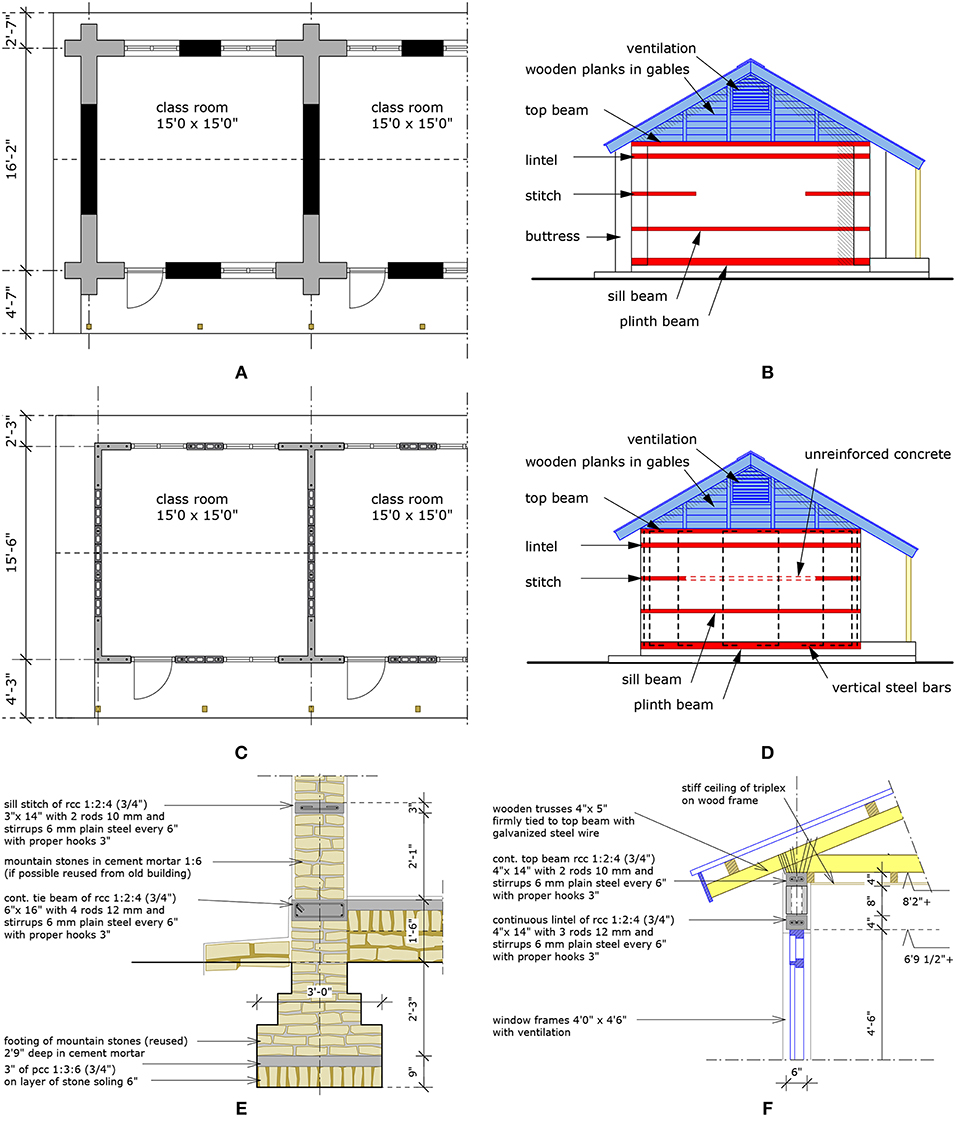
A specific analysis of seismic features indicates that while improving masonry with cement mortar has the most substantial cost impact, incorporating essential seismic elements such as horizontal bands, buttresses, and steel bars is not prohibitively expensive. The cost of adding two continuous horizontal beams, for instance, is a minimal increase, suggesting that financial constraints are not a major barrier to implementing these safety measures in new constructions. The paper also simulates the transformation of a traditional unreinforced building into a fully reinforced school, demonstrating that seismic improvements contribute significantly to the total cost, but non-structural elements like flooring and finishing can be even more costly, primarily due to labor intensity.
The findings suggest that despite some expectations of dramatic price surges after the 2015 Gorkha Earthquakes, the actual increases in Kaski and Gorkha Districts were more moderate, particularly when compared to previous claims of doubling or tripling prices. The paper concludes by providing Bills of Quantity (BoQ) for various school types, offering a practical framework for villagers to compare construction costs based on local prices. It emphasizes that while cost is a major factor, local customs, material availability, and accessibility also play crucial roles in construction choices. The authors advocate for further interdisciplinary research and collaboration to validate and optimize traditional building techniques for seismic resilience, an initiative launched under the name SMARTnet.
#EarthquakeEngineering #CostAnalysis #RubbleStoneMasonry #ConcreteBlockMasonry #SeismicResilience #NepalConstruction #BuildingMaterials #ConstructionManagement #SustainableDesign #EarthquakeEngineering #CostAnalysis #RubbleStoneMasonry #ConcreteBlockMasonry #SeismicResilience #NepalConstruction #BuildingMaterials #ConstructionManagement #SustainableDesign
 Ainda não há comentários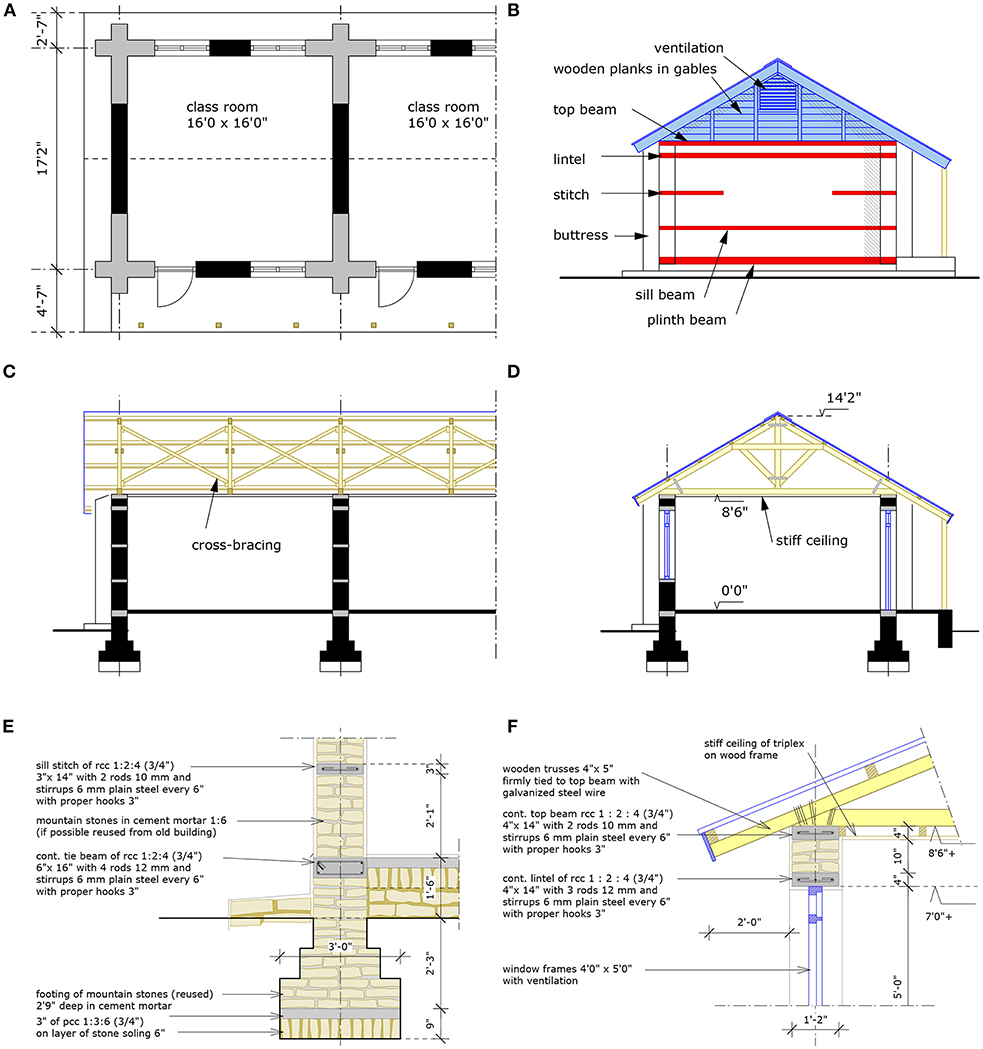
School Buildings in Rubble Stone Masonry With Cement Mortar in Seismic Areas: Literature Review of Seismic Codes, Technical Norms and Practical Manuals
Rubble Stone Masonry Buildings with Cement Mortar: Base Shear Seismic Demand Comparison for Selected Countries Worldwide
Enhancement of Himalayan irregular stone masonry buildings for resilient seismic design
Rubble Stone Masonry Buildings With Cement Mortar: Design Specifications in Seismic and Masonry Codes Worldwide