1/12
A new vision for cork, that is attractive and utilizes contemporary digital designs
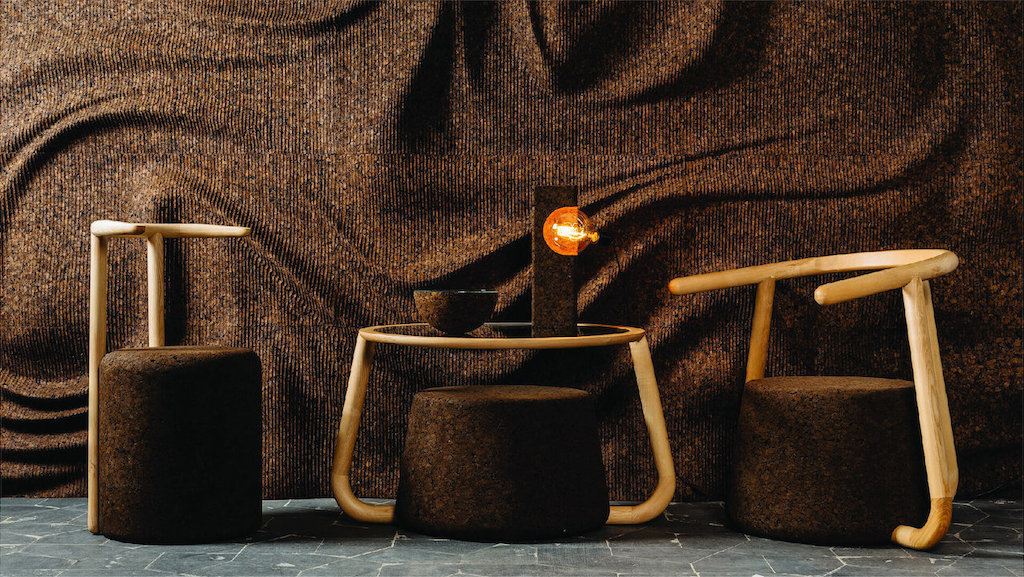
Gencork is redefining the application of cork in design through its integration of high-tech computational design with cork's natural and sustainable attributes. This approach rejuvenates cork's aesthetic and expands its utility, moving beyond traditional uses to contemporary applications in surfaces and interior elements. Cork, known for its hydrophobic, compostable, recyclable, lightweight, elastic, thermal, and acoustic insulation properties, as well as fire resistance, is being presented in a new light.
At the core of Gencork's innovation is the collaboration between Sofalca, a Portuguese cork processor established in 1966, and DIGITALAB, an innovative studio specializing in generative design and digital fabrication. Sofalca, situated near Portugal's cork oak forests, emphasizes environmentally and socially conscious production, utilizing a closed-loop system where biomass from harvesting fuels its manufacturing process, achieving 95% energy self-sufficiency. DIGITALAB, led by Ana Fonseca and Brimet Silva, applies digital technologies across various design disciplines, previously creating cork threads for lighting and furniture. Toni Grilo, an acclaimed designer and art director for Sofalca’s Blackcork brand, also contributes significantly to Gencork’s pattern designs.
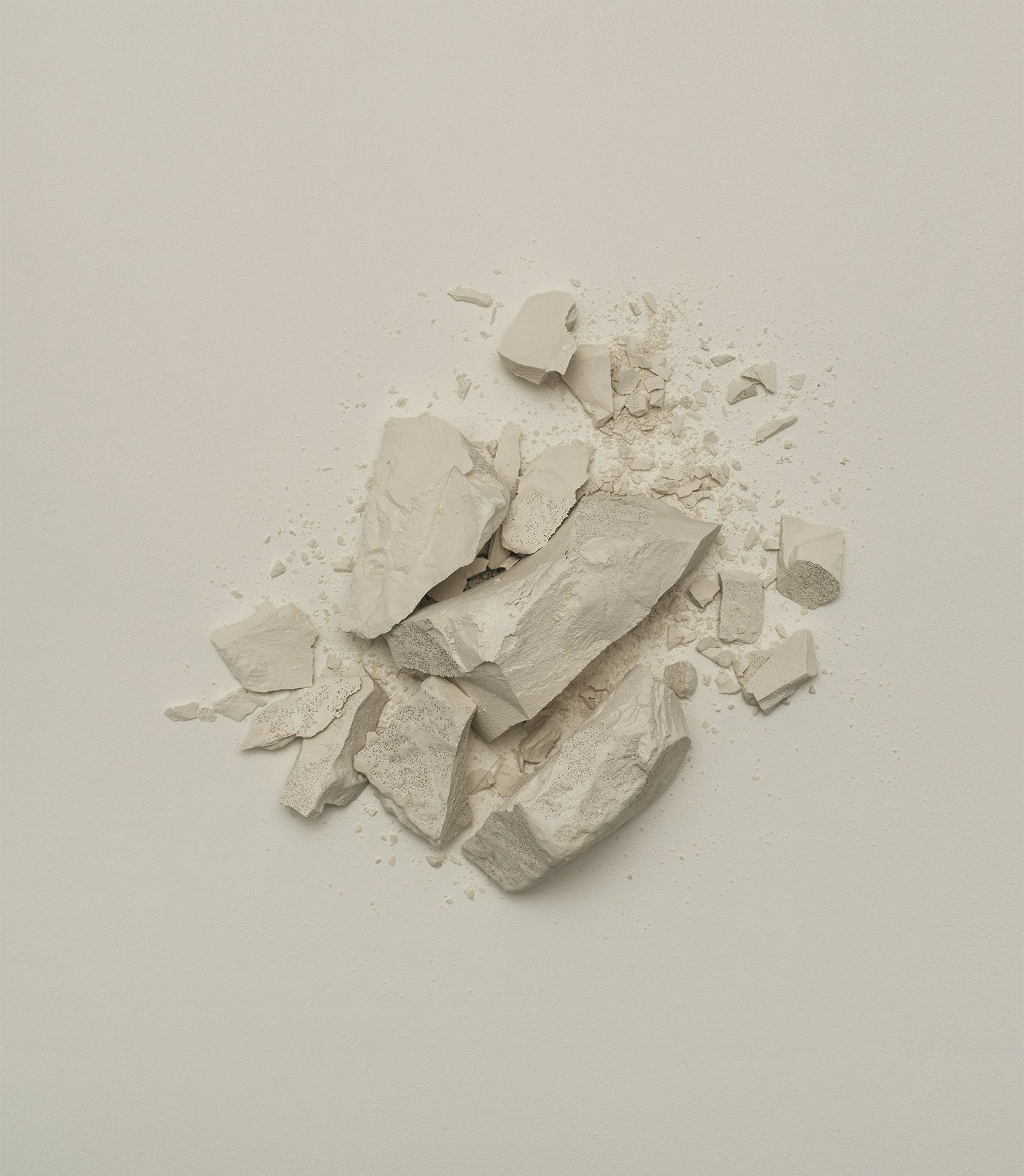
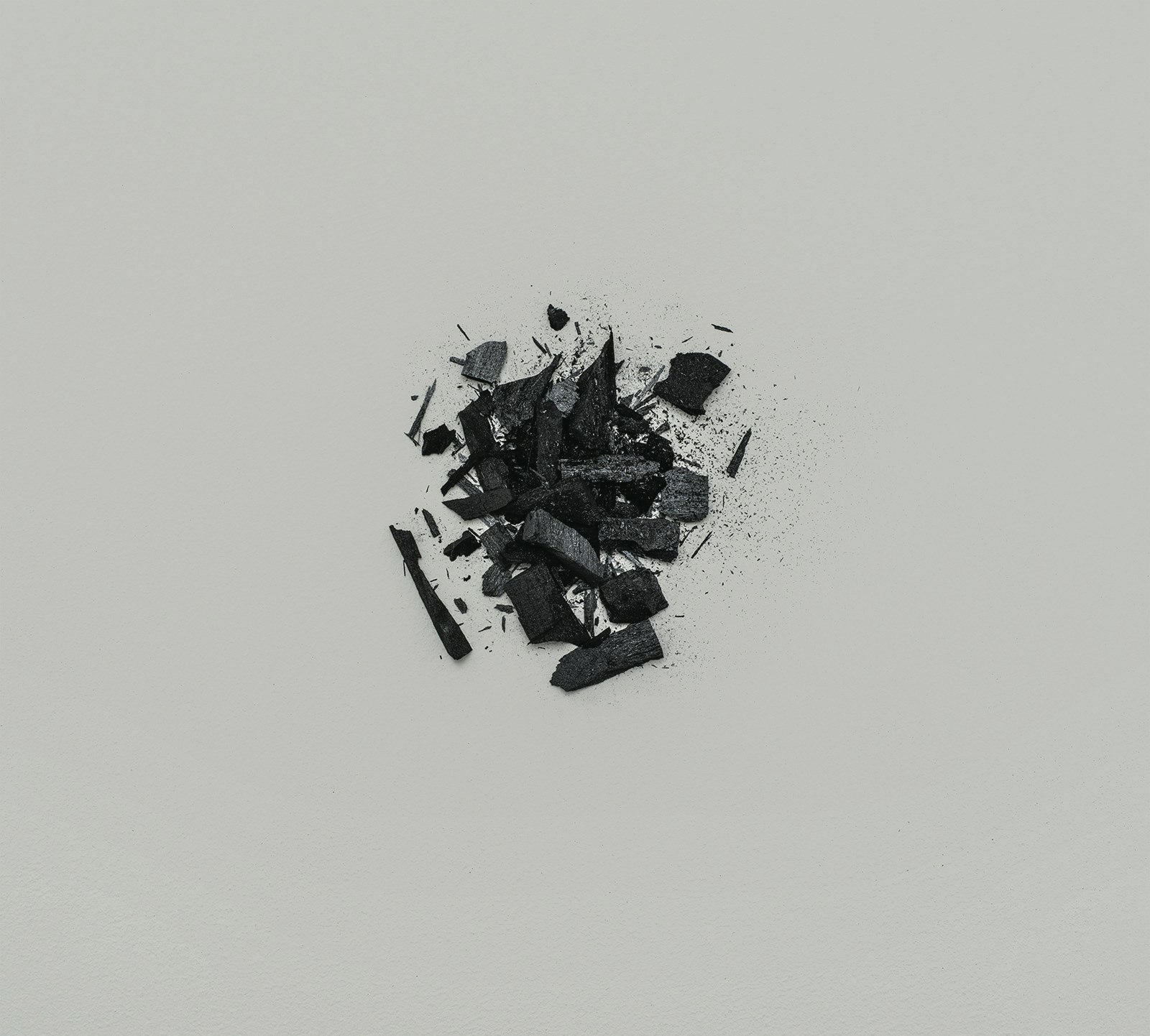
The manufacturing process begins with cork harvested from oak branches, leaving the trees intact. Sofalca processes these branches into pellets, which are then baked in an autoclave. Water vapor injected during this stage causes the pellets to expand and agglomerate into solid blocks, bound solely by cork’s natural resins without added chemicals. These blocks are subsequently cut into panels and precisely milled using CNC technology, guided by computational design principles. Algorithmic scripts enable the creation of a diverse range of shapes and scales, allowing for tailored applications.
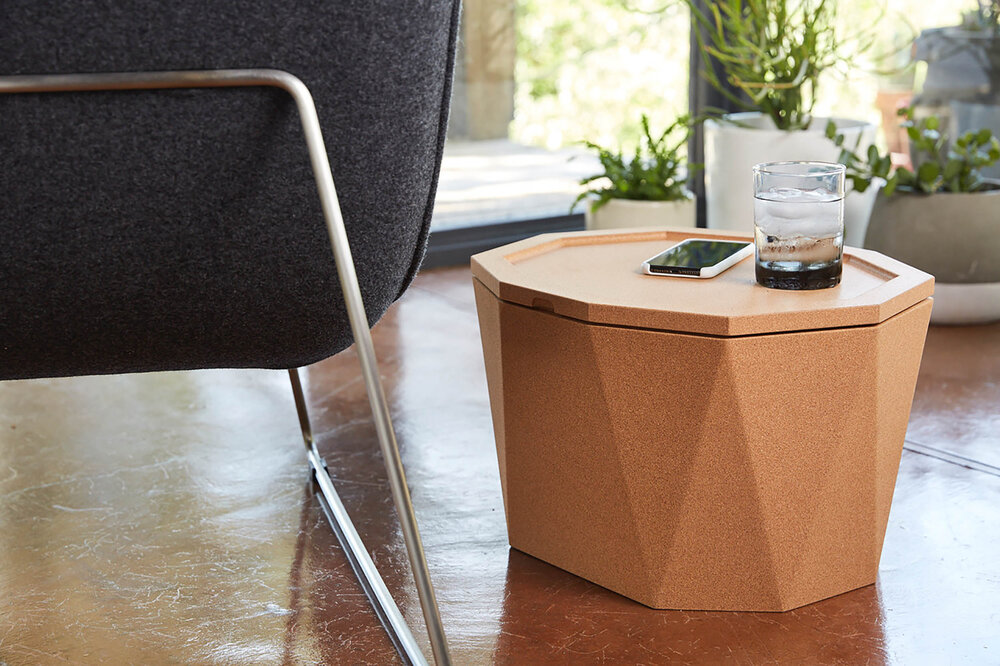
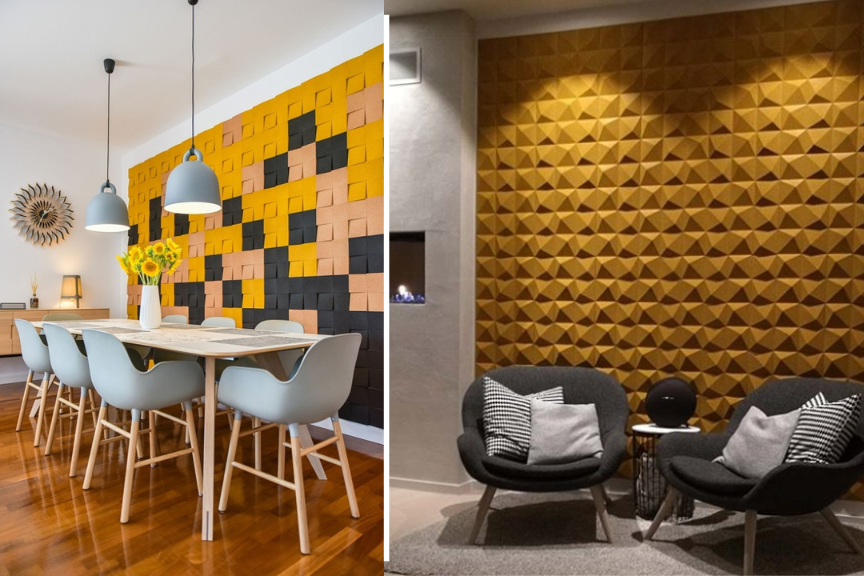
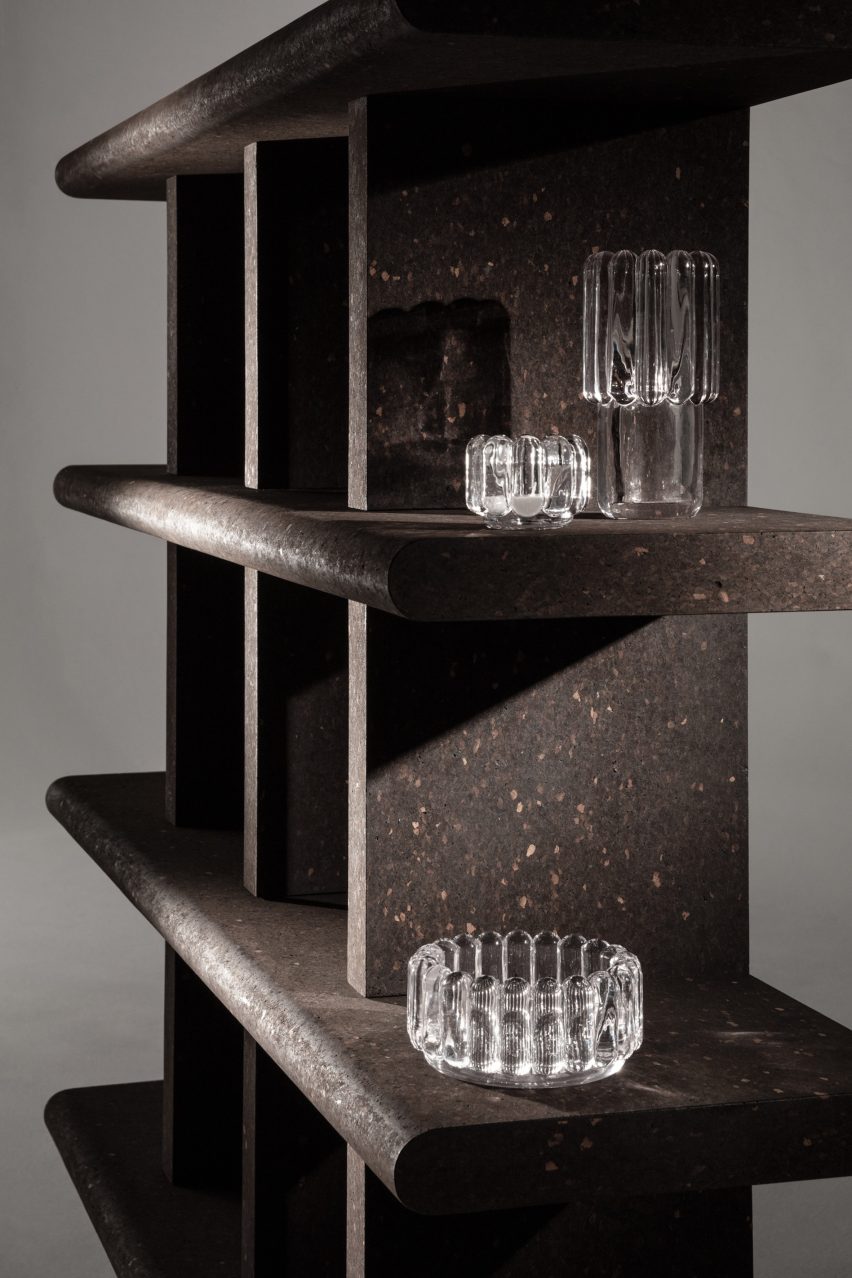
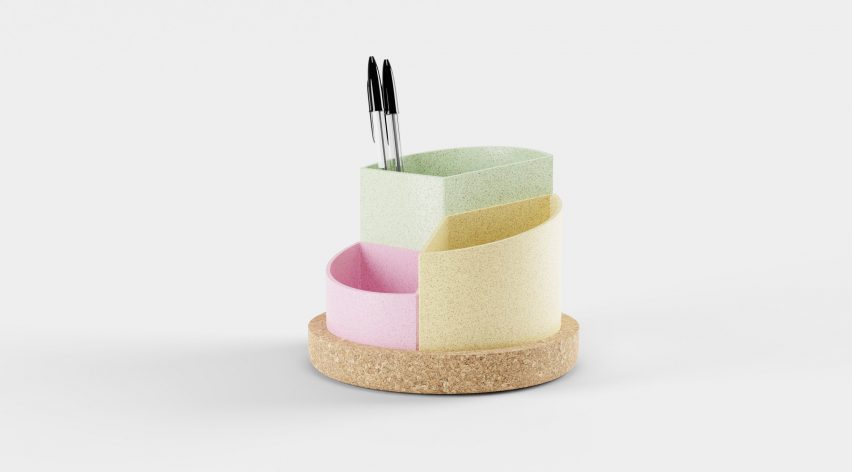
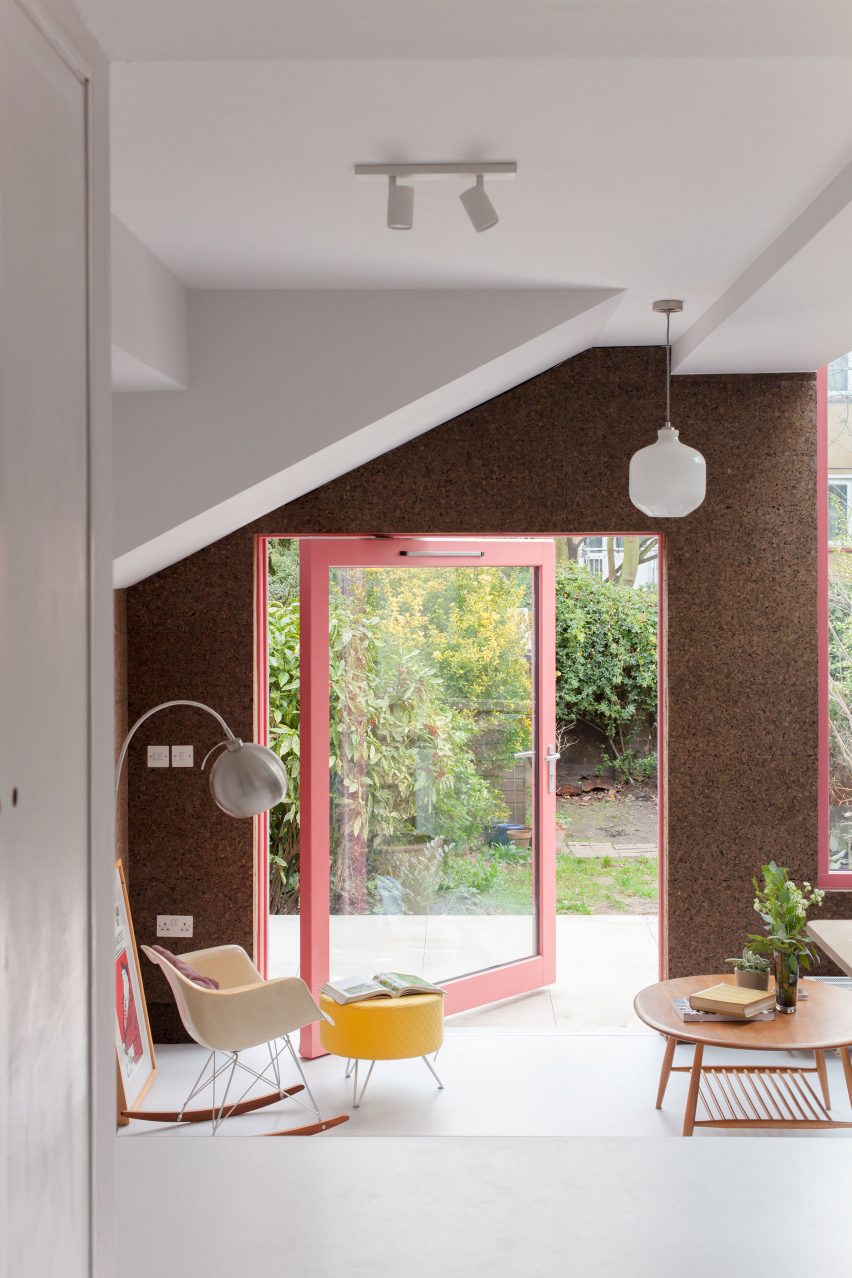
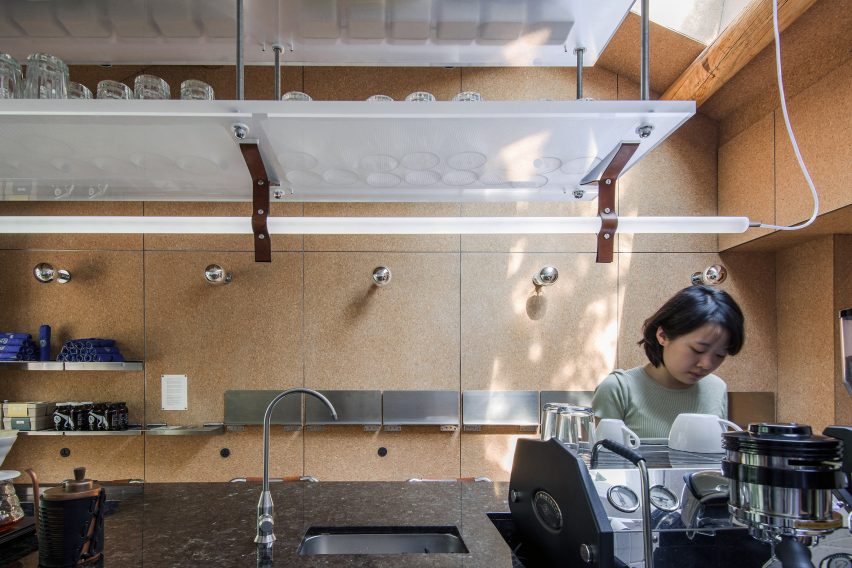
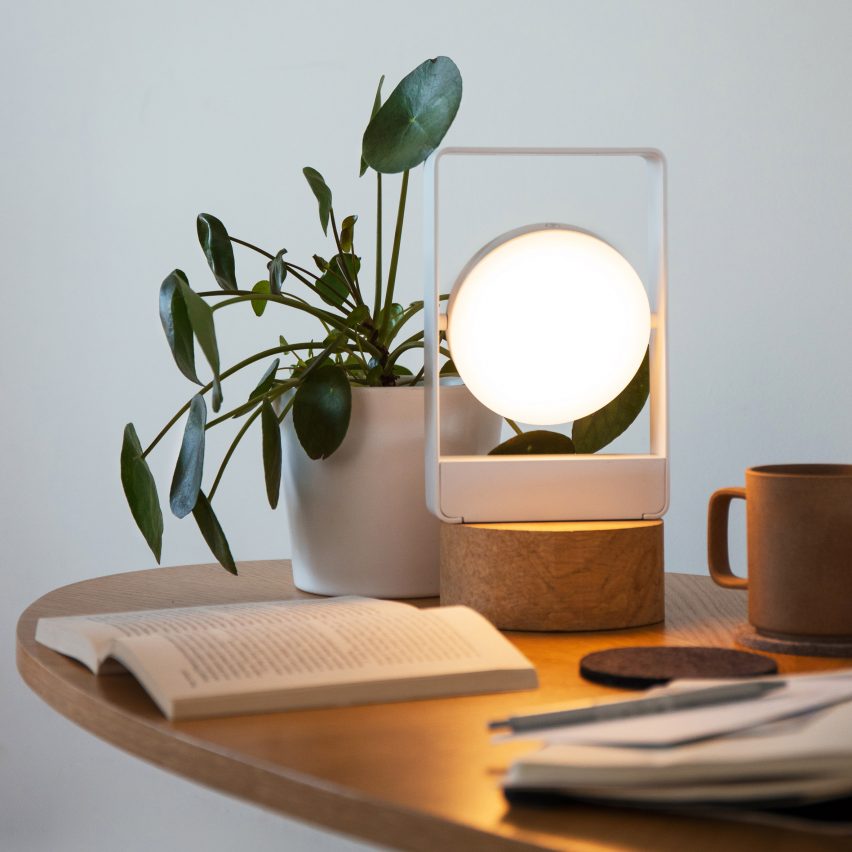
The 2020 Corkllection showcases these advancements, featuring cork tiles, modular cork bricks for wall coverings, a cork table light, and customizable generative wall panels. The autoclaving process imparts a distinctive dark, rich, chocolatey color to the cork. Gencork's designs draw inspiration from nature, mathematics, geometry, and biomimetics, resulting in patterns that range from fluid ripples and swirls to abstract geometric forms reminiscent of origami. The granular texture of the cork maintains a warm, organic feel, even with precise milling, and the 3D panels exhibit a characteristic lined texture.
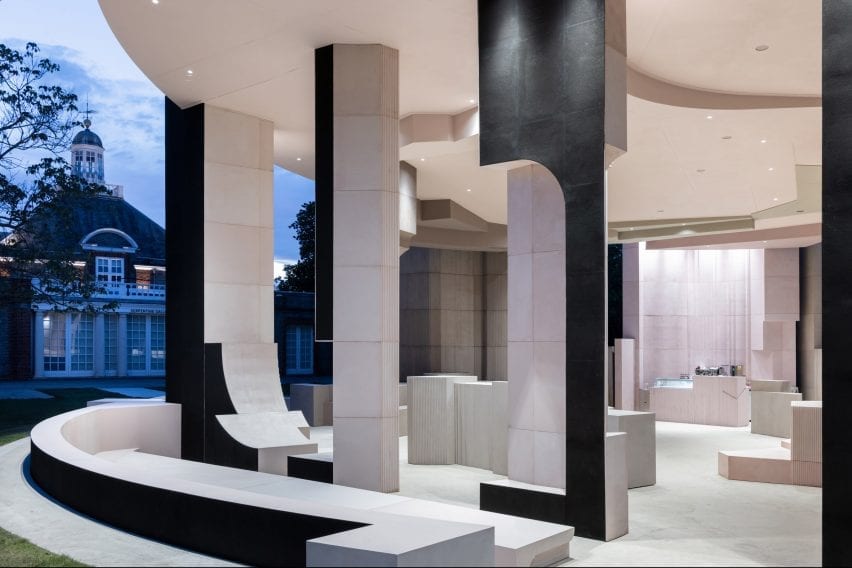
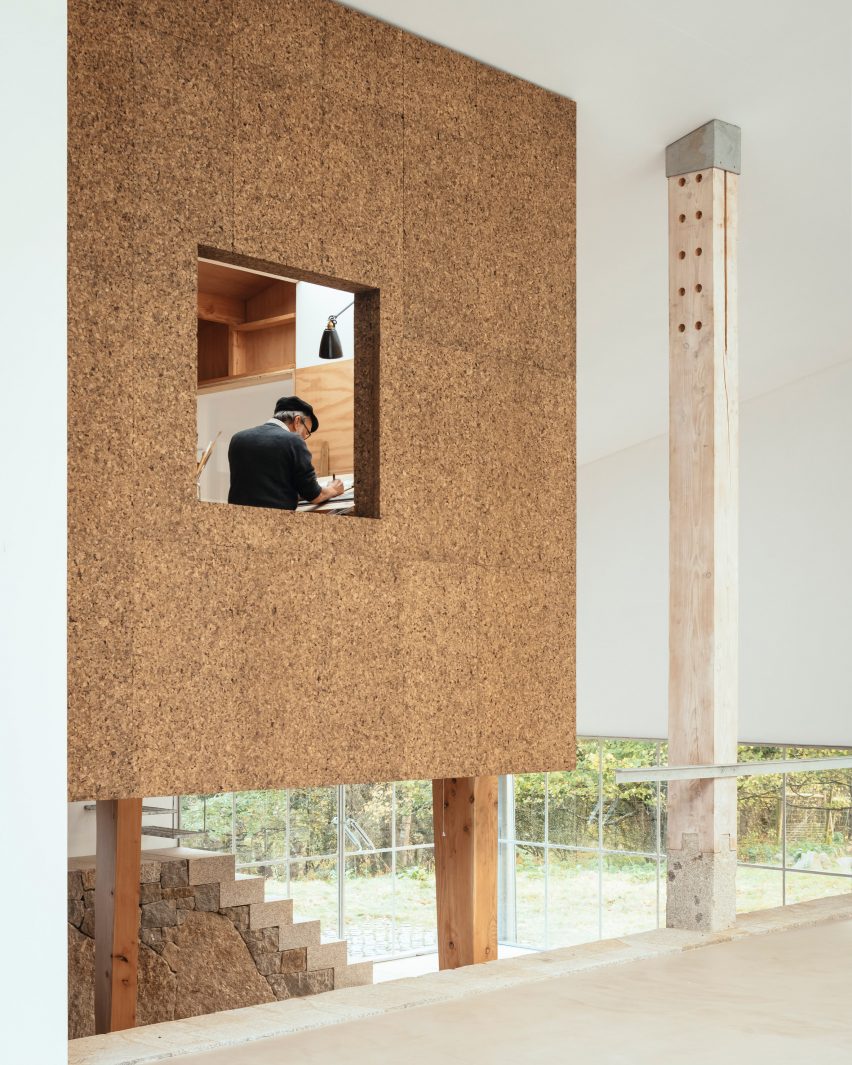
These dynamic patterns allow for the creation of undulating or complex geometric wall surfaces. Corkbricks, available in square or triangular modules, facilitate regular or uniquely irregular 3D installations. Two-dimensional designs include a progressive hexagonal pattern inspired by M.C. Escher, magnetic wave motifs, and op-art grids. Tessellating cork tile designs like Corkunit and Corkarc create complex topographic surfaces, while Corkboard offers a minimal diamond tile with optional shelves for display. The generative designs are functional, enhancing cork’s inherent thermal and acoustic properties. They transform cork from a utilitarian, often concealed material into a prominent feature in contemporary design. Gencork’s approach adds significant value and broadens cork's appeal for both commercial and residential projects, elevating cork wall tiles beyond their traditional perception into an attractive and disruptive design element.
#MaterialsAndSurfaces #InnovationDesign #InnovativeMaterials #SustainableDesign #CorkDesign #GenerativeDesign #DigitalFabrication #InteriorDesign #ComputationalDesign #MaterialsAndSurfaces #InnovationDesign #InnovativeMaterials #SustainableDesign #CorkDesign #GenerativeDesign #DigitalFabrication #InteriorDesign #ComputationalDesign
Há 0 comentários no total
 Ainda não há comentários
Você também pode gostar
Cork Meets Chrome in Studio AHEAD’s Futuristic Furniture Collection
Amorim Cork Composites spotlights the versatility of cork
Outside the box: Bold architecture meets sophisticated style

One of India’s oldest design firms gets a fresh burst of life

A combo of modern elements

Ten interiors with textured cork-covered walls

Wainscoting: the bold update to a traditional design element
Beyond Aesthetics: How Tech is Redefining Interior Design
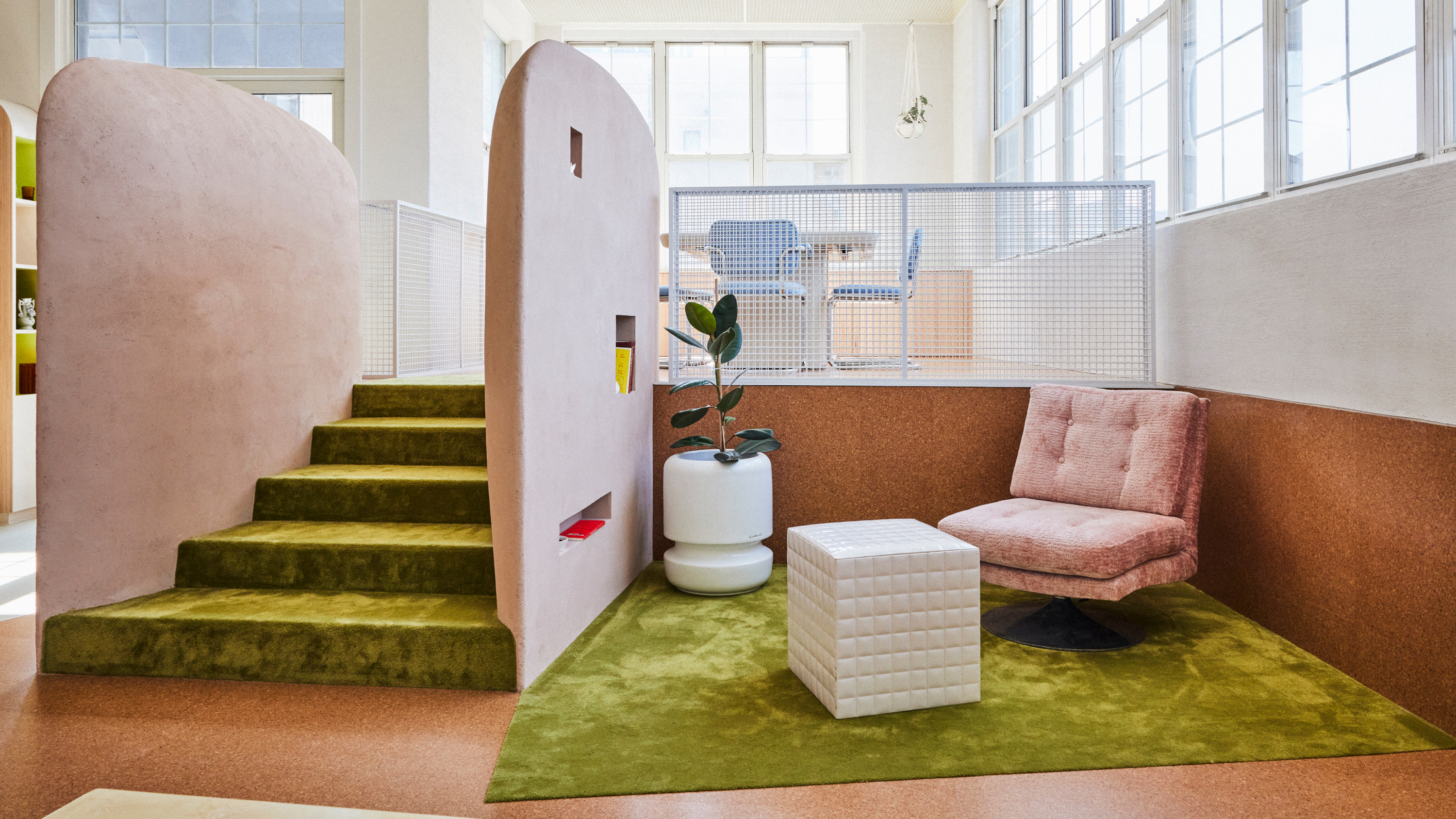
Designers Are Loving Cork for Textured, Planet-Friendly Schemes – These 6 Homes Nail the Look


Animal Crossing: New Horizon’s new Interior Design options look amazing

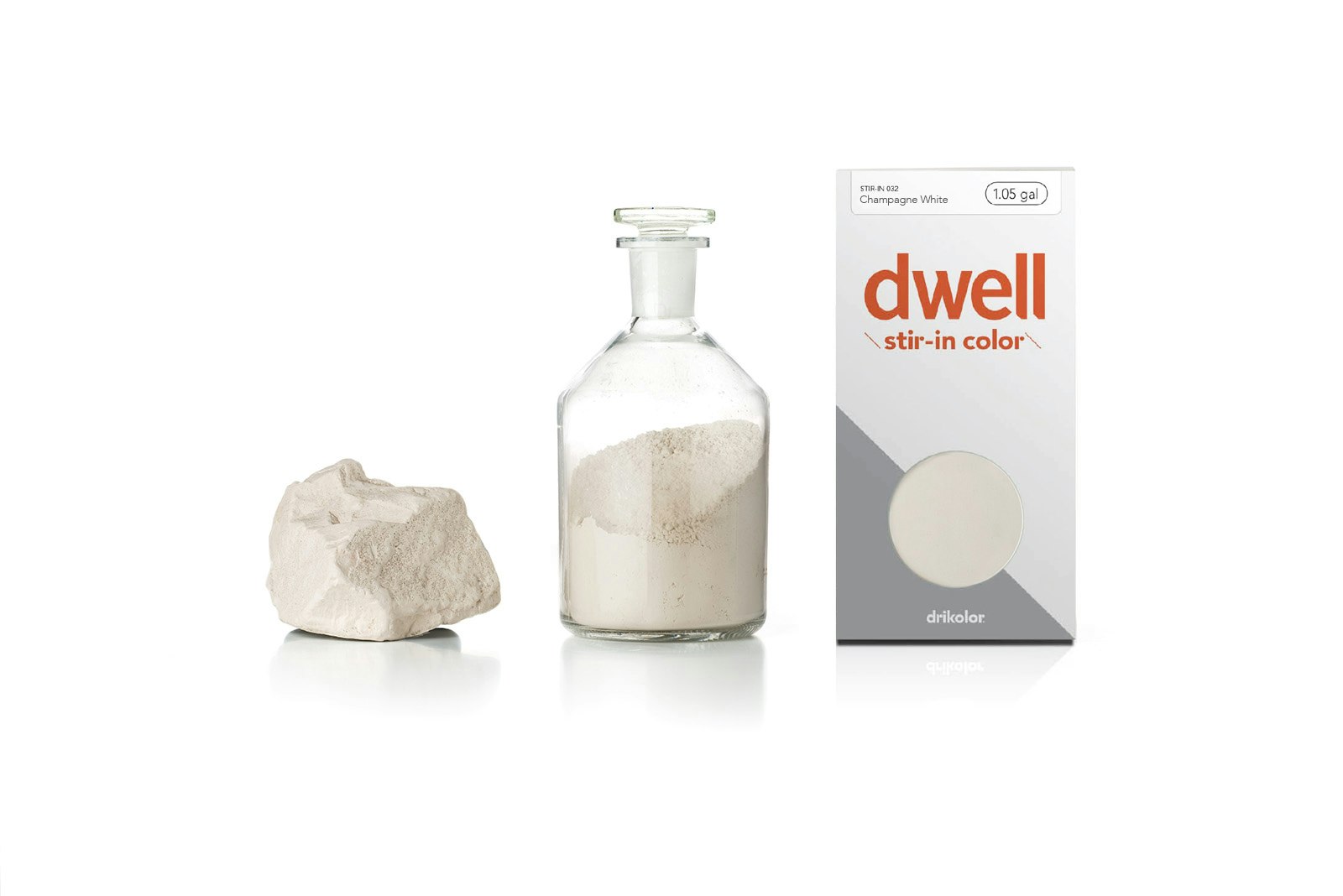
Learn About a Color Company That Creates Modern Interior Paint

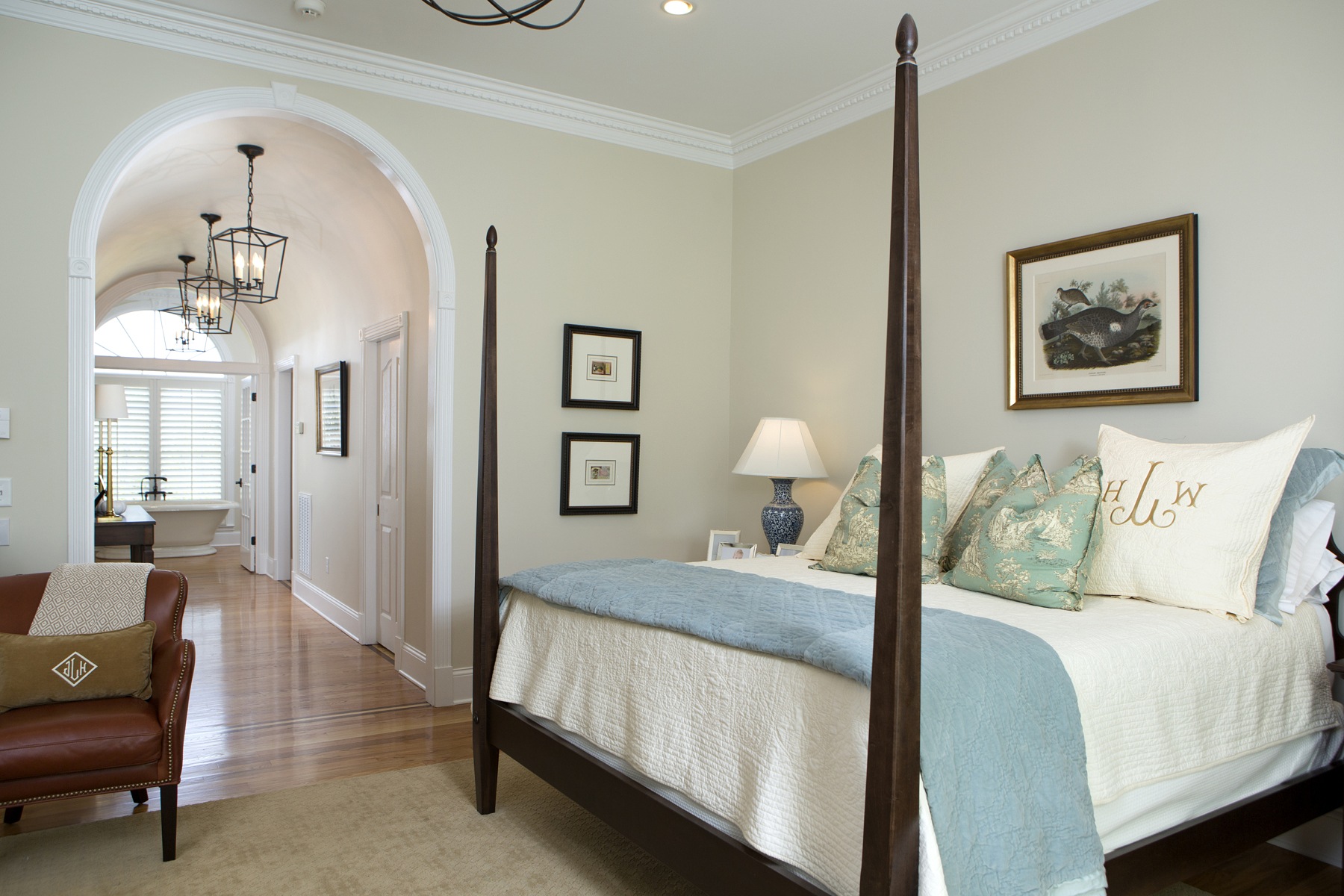
Cookie-Cutter No More: Reimagining Old Designs for a New Millennium

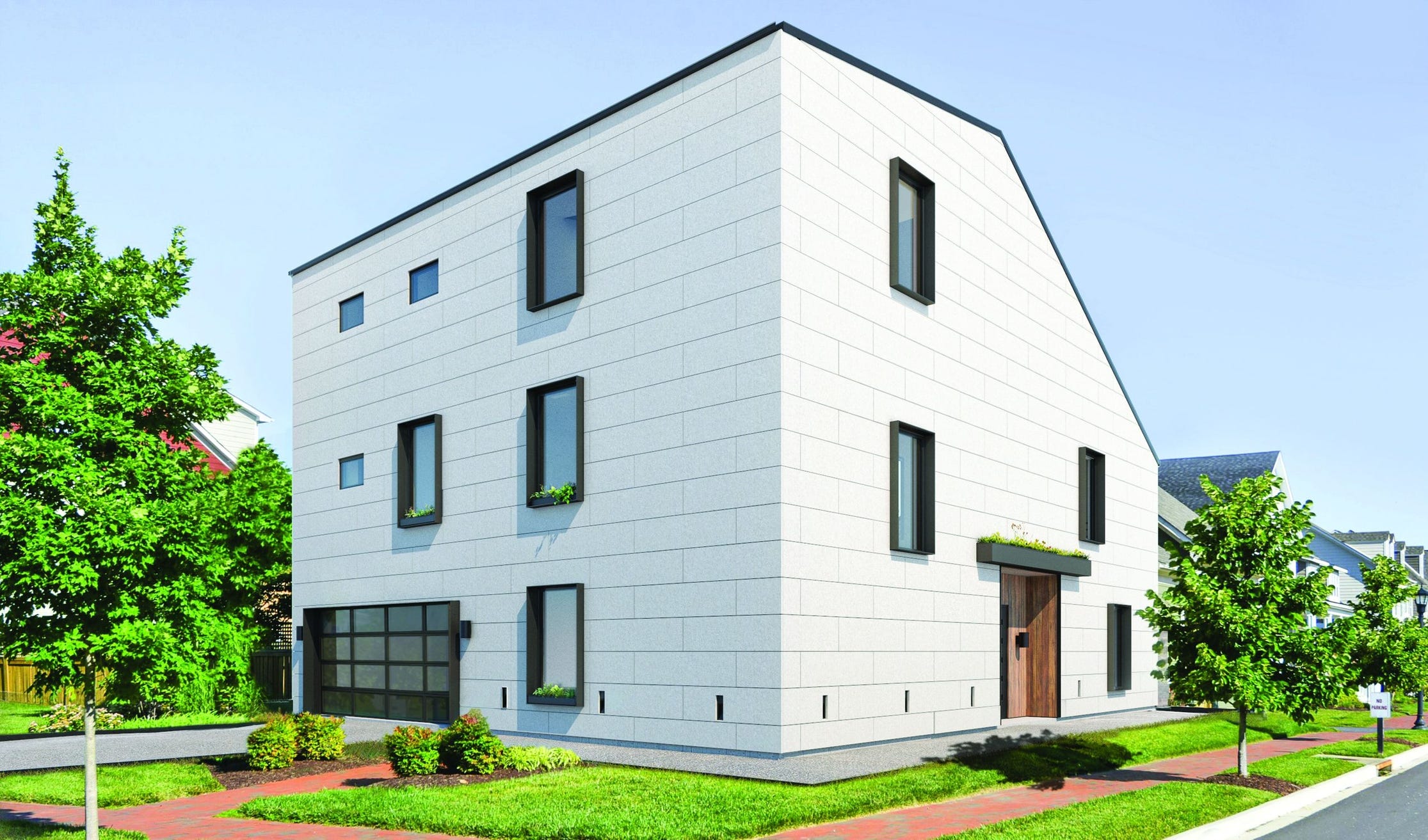
Modern and cool
Art Nouveau
Cuff Studio's Common Ground furniture and lighting collection unites "femininity with some testosterone"
Technicolour textiles by Peter Saville for Kvadrat among new products on Dezeen Showroom
Sustainable Material Spotlight: Cork
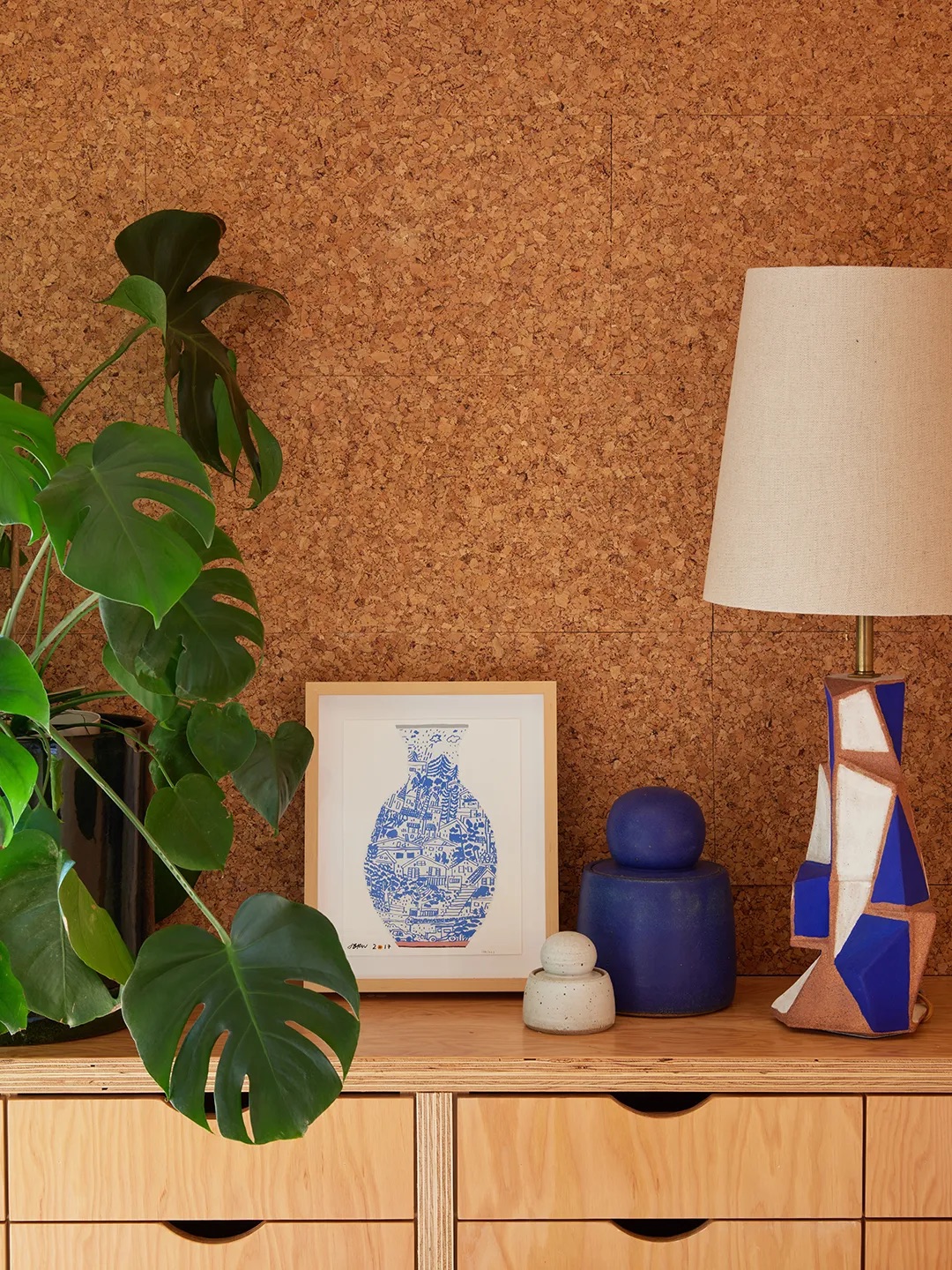
Floors, Walls, Furniture—Cork Has Come a Long Way From Basic Office Pinboards

Steal This Designer's Tricks to Master the Modern Coastal Aesthetic

Restoration Hardware's Latest Decor Gives A Nod To This Major Runway Trend