1/19
9 inspiring living room furniture trends to try in 2025
The living room is a crucial space within any home, serving as a hub for relaxation and entertainment. While interior design trends, including color schemes and decorative styles, are ephemeral, living room furniture represents a more significant and enduring investment. Therefore, making informed choices in furniture is essential for creating a space that is both functional and aesthetically pleasing. Balancing comfort and style is paramount, whether the goal is to enjoy a favorite series or delve into a book. Interior design experts anticipate several key living room furniture trends for 2025, catering to diverse tastes and room configurations.
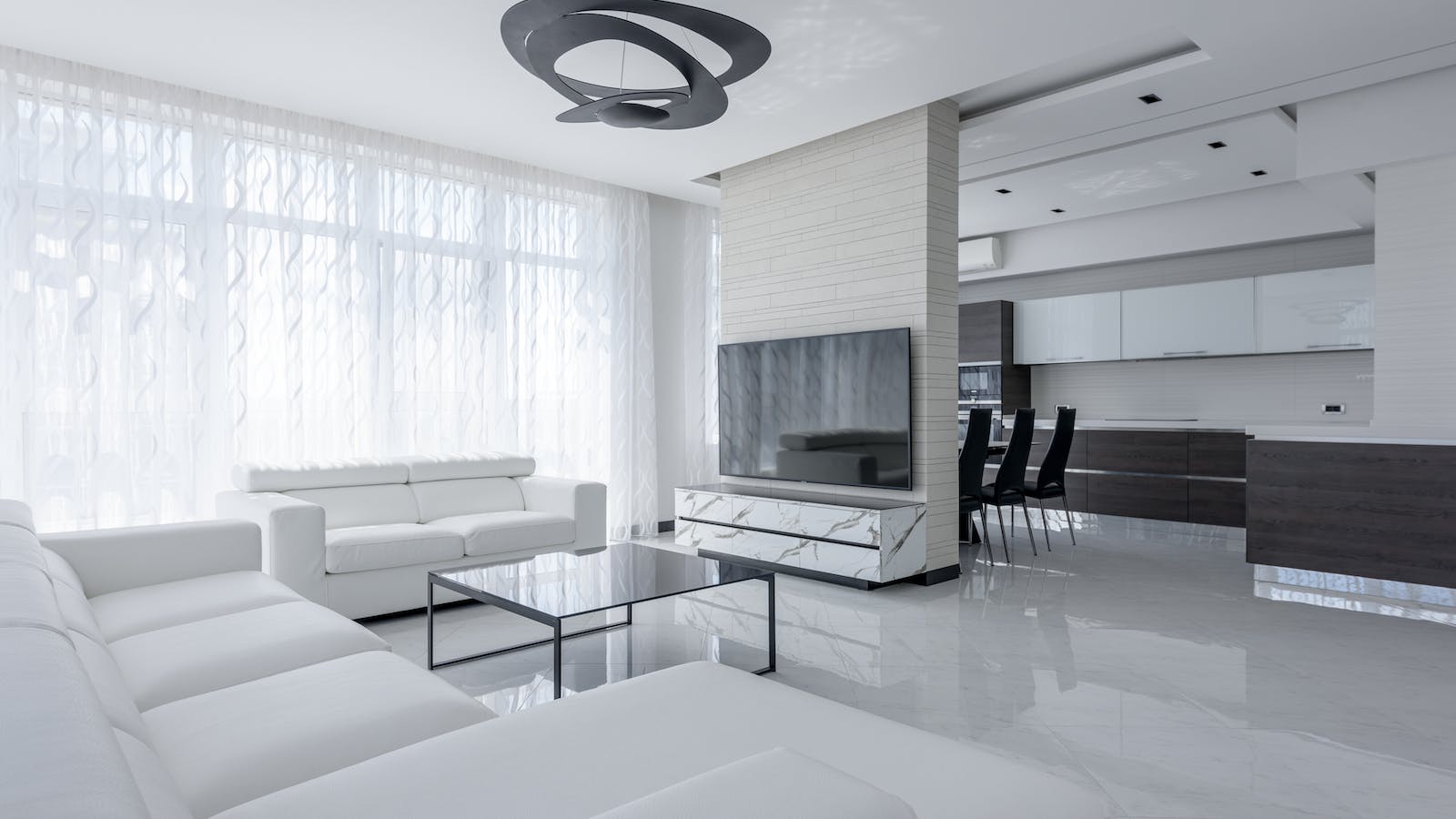
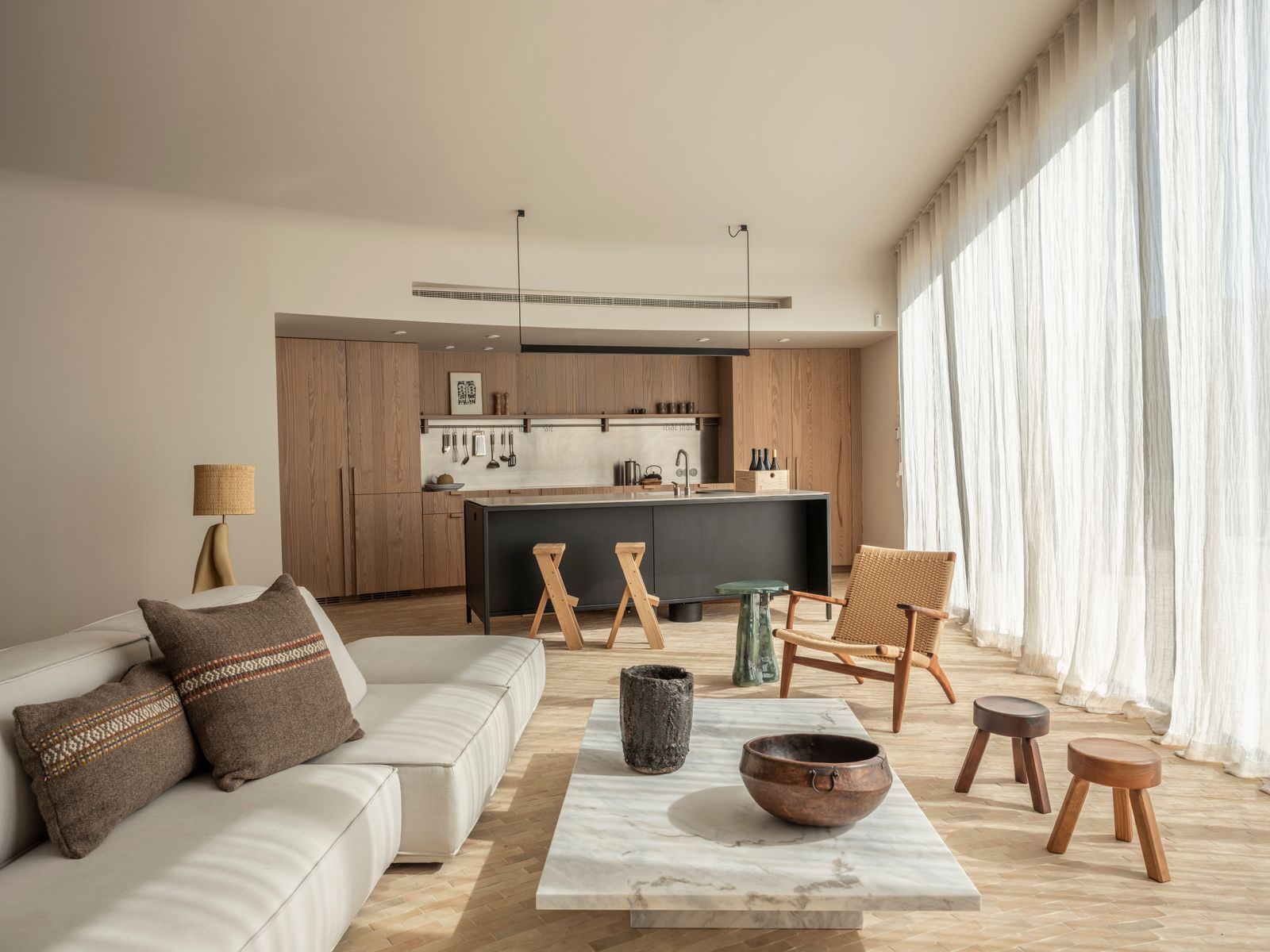
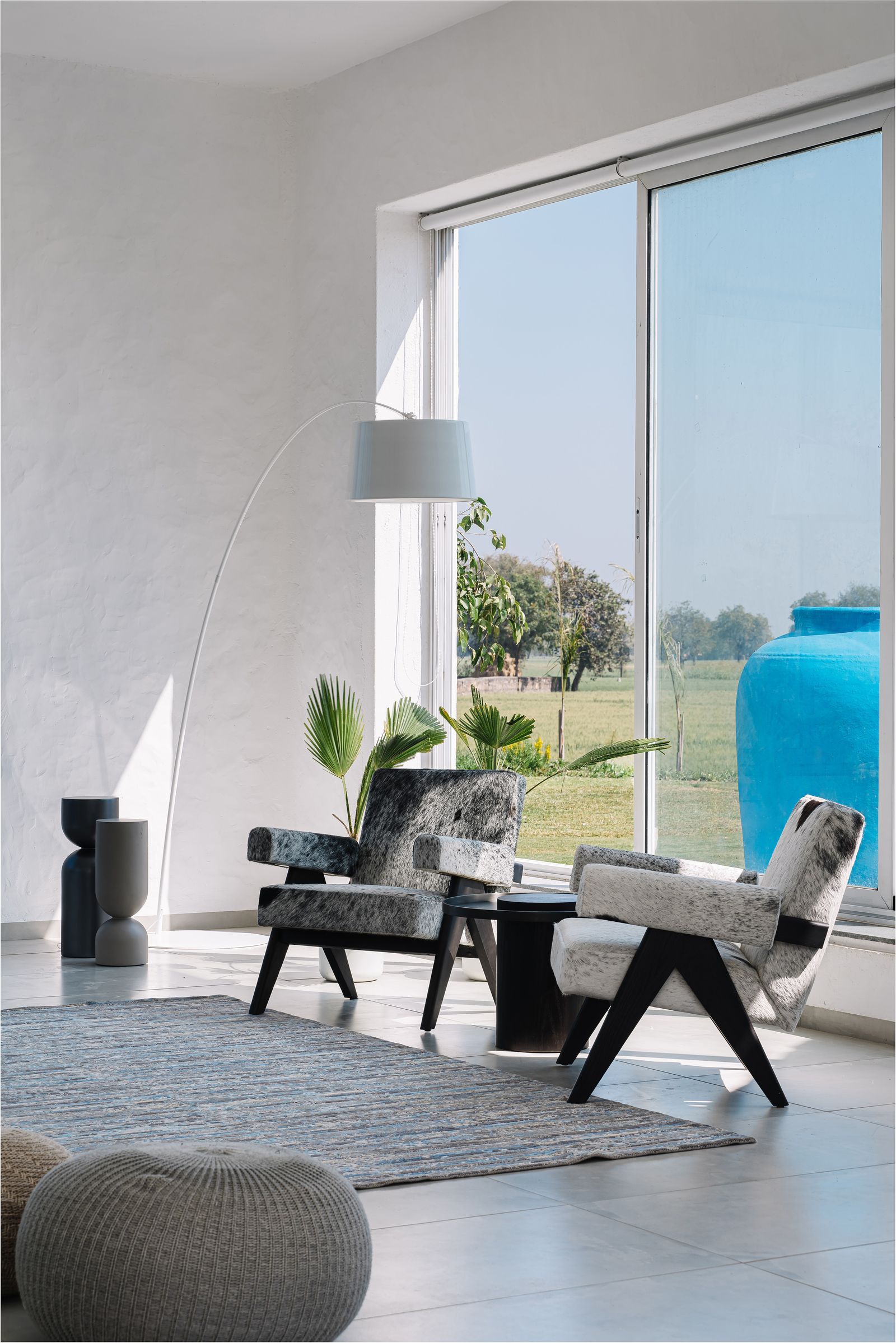
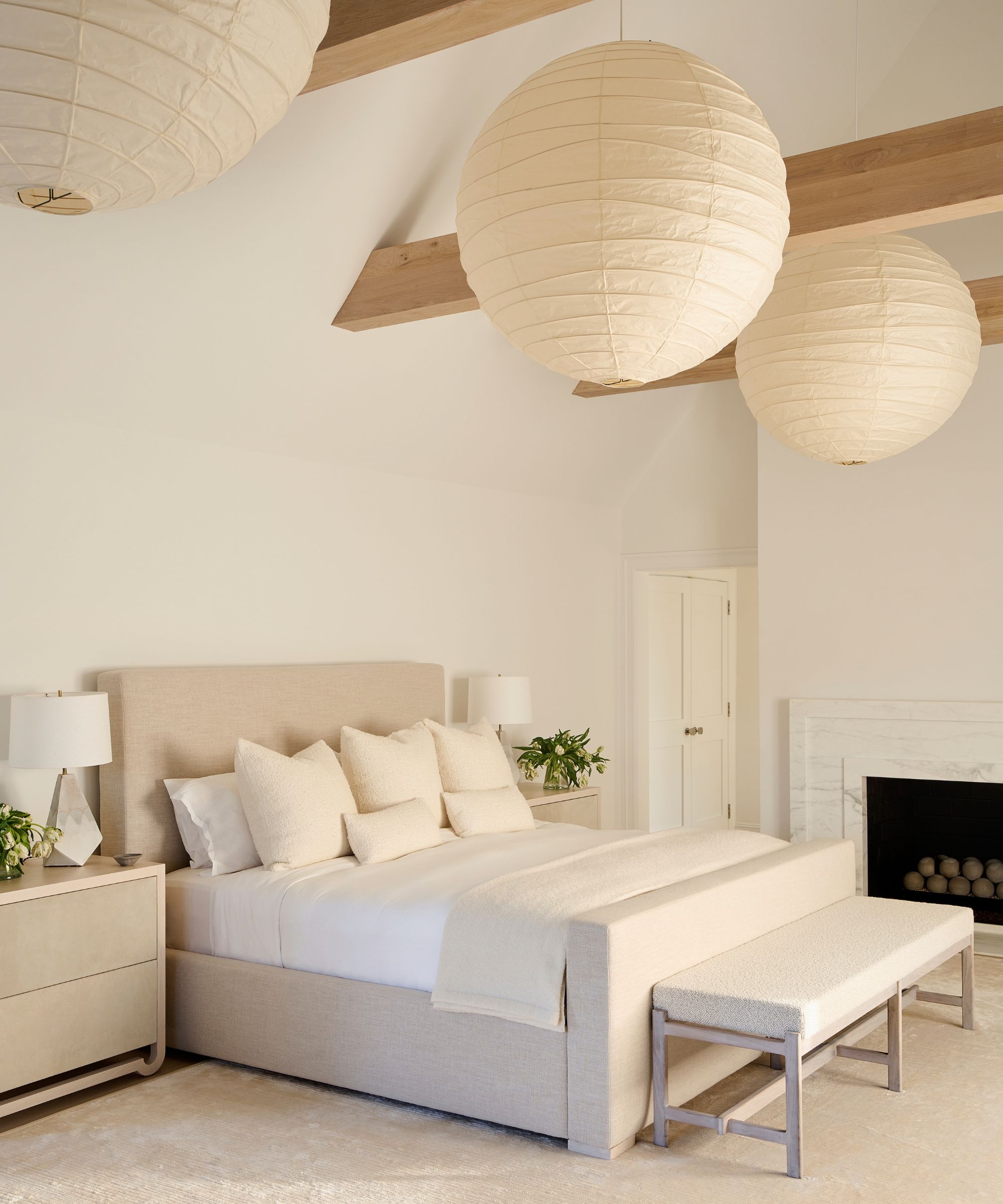
One significant trend is the resurgence of comfort and liveability. Designers like Luis Carmona emphasize the return of functional living spaces, moving away from rooms that prioritized aesthetics over actual use. This translates to incorporating deep sofas and swivel chairs that encourage lounging, and surprisingly, the reintegration of televisions into primary living areas. Once often relegated to media rooms or dens, TVs are reclaiming their spot, either openly displayed, mounted above a fireplace, or cleverly concealed within built-in cabinetry, aligning with the renewed focus on comfort and practical use.
Another prominent trend is the move towards bespoke furniture. Kathy Kuo highlights the growing popularity of custom upholstery for items such as sofas, chaises, and armchairs. This approach allows individuals to create unique pieces tailored to their specific needs in terms of comfort, scale, and functionality, ensuring a perfect fit for their space and lifestyle. While seemingly a splurge, bespoke furniture, if approached with intention, can be a more sustainable and economically sound choice in the long run, crafted to last for many years.
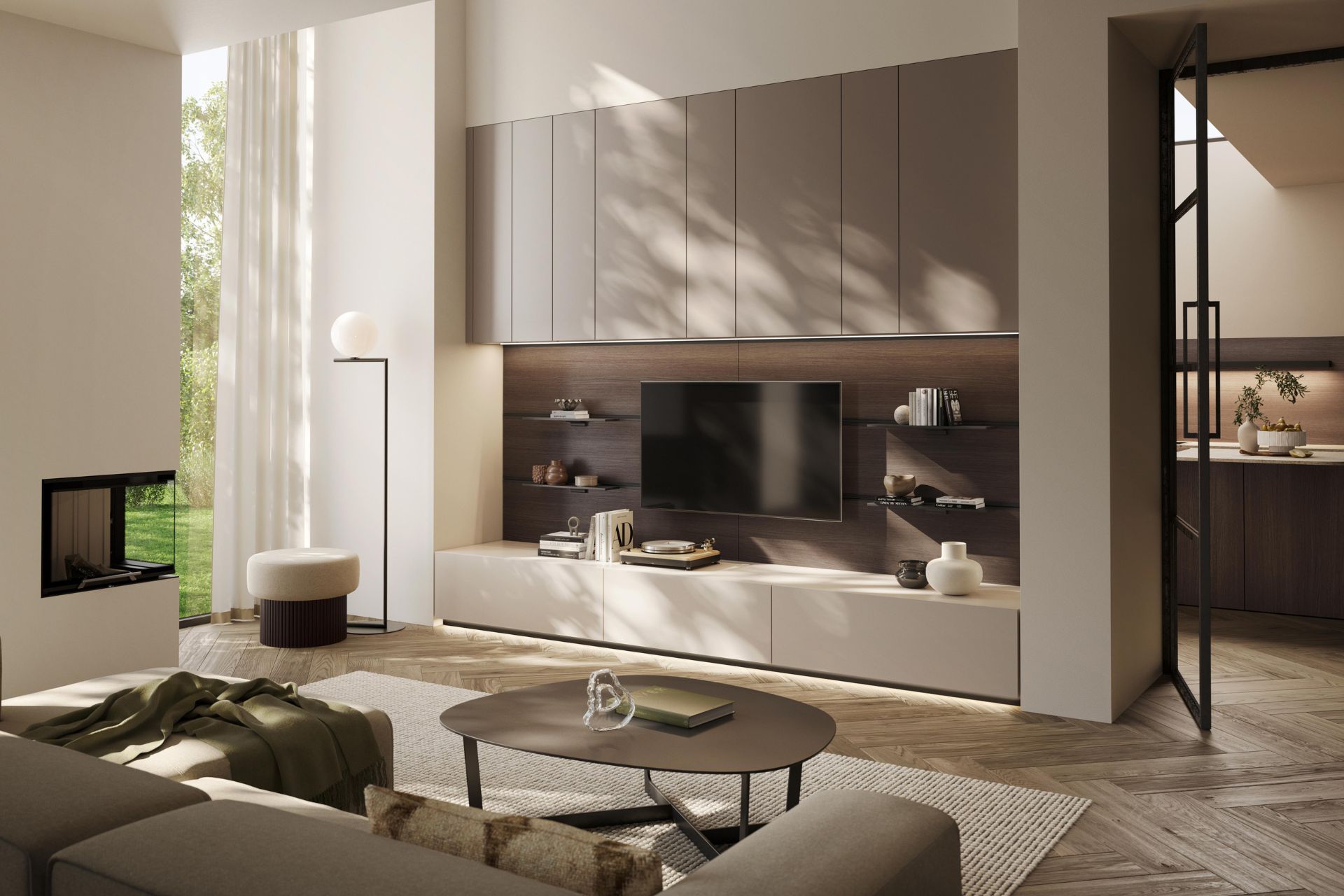
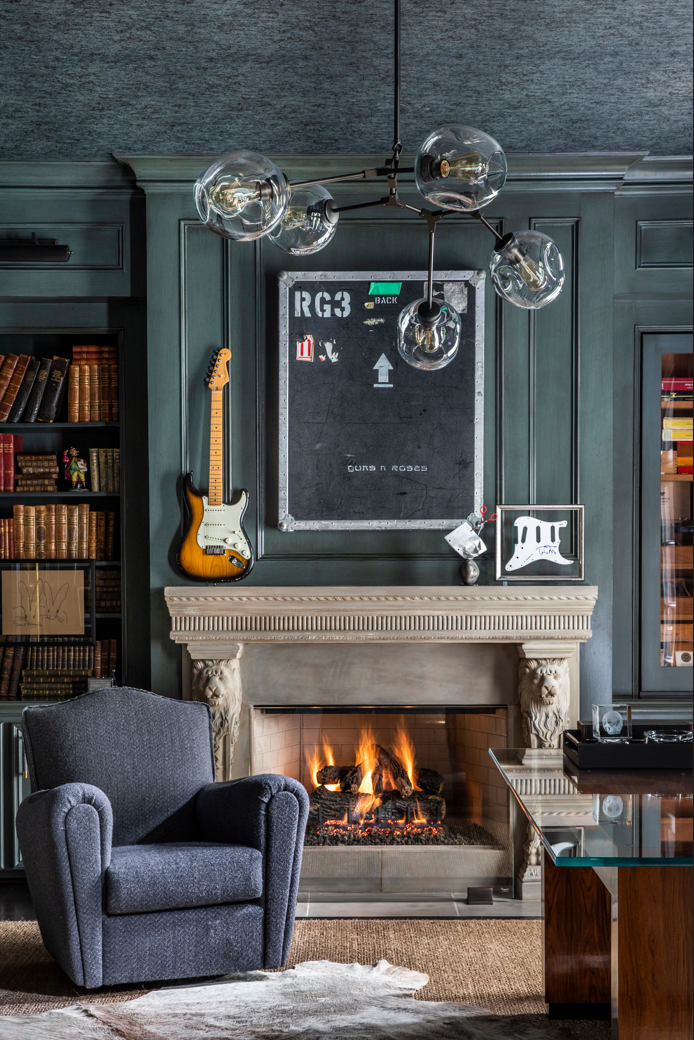
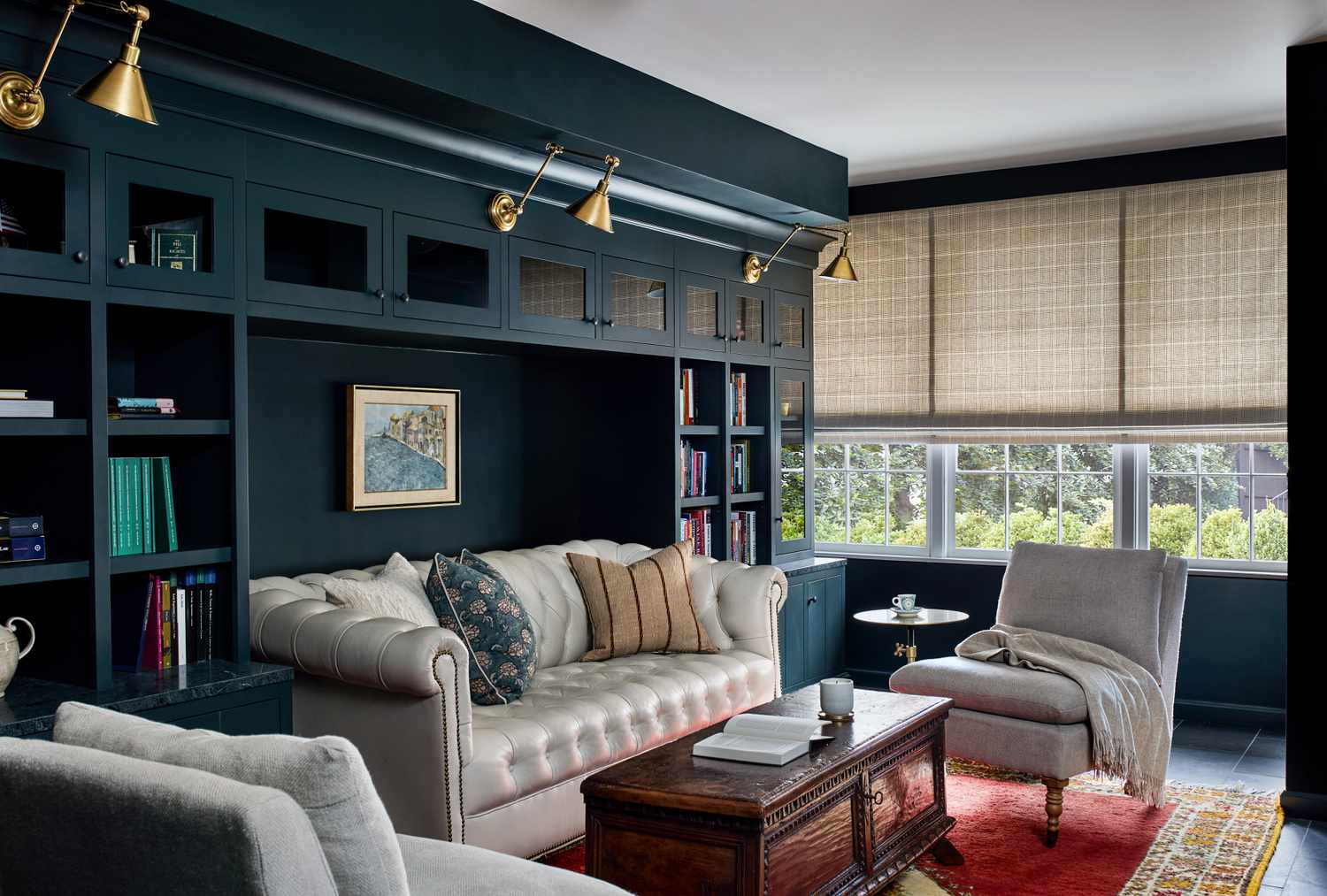
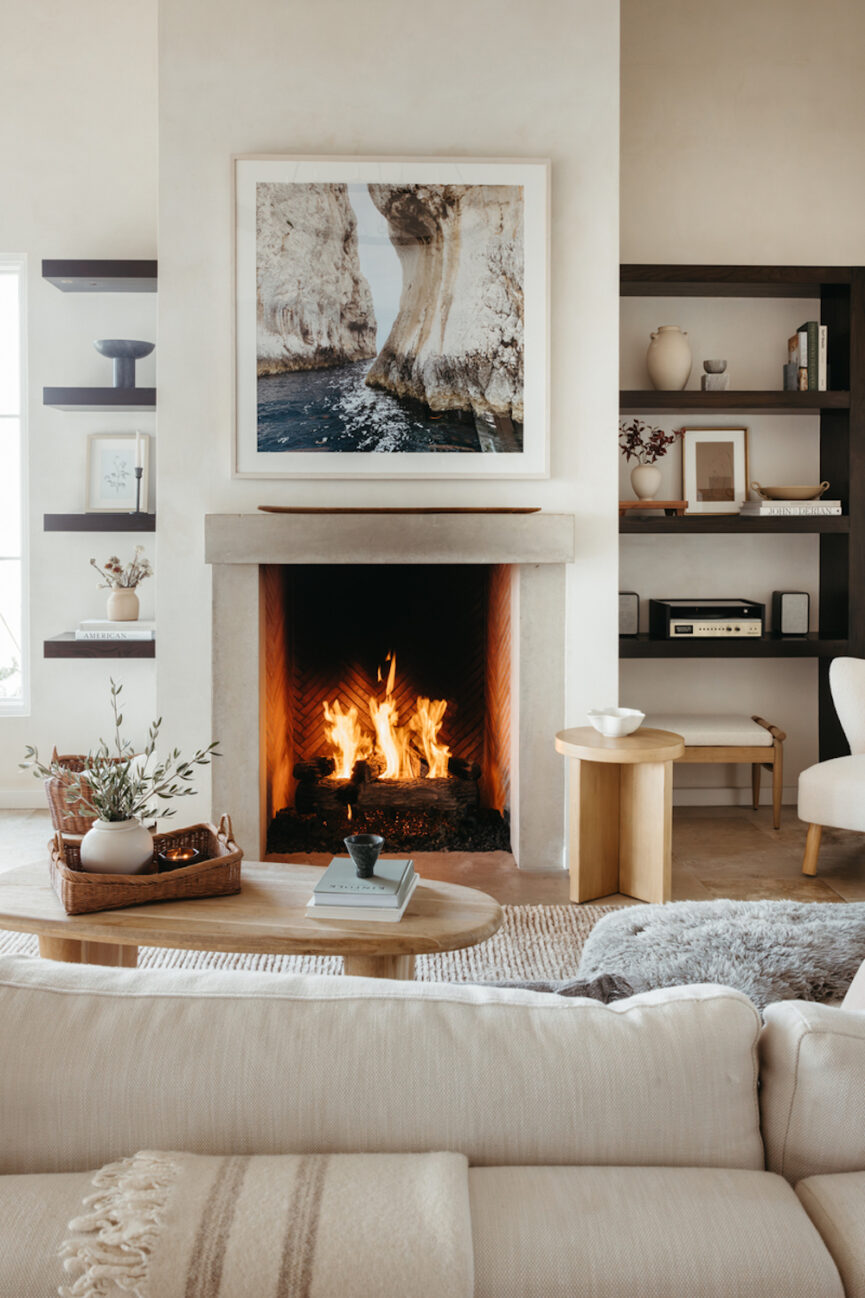
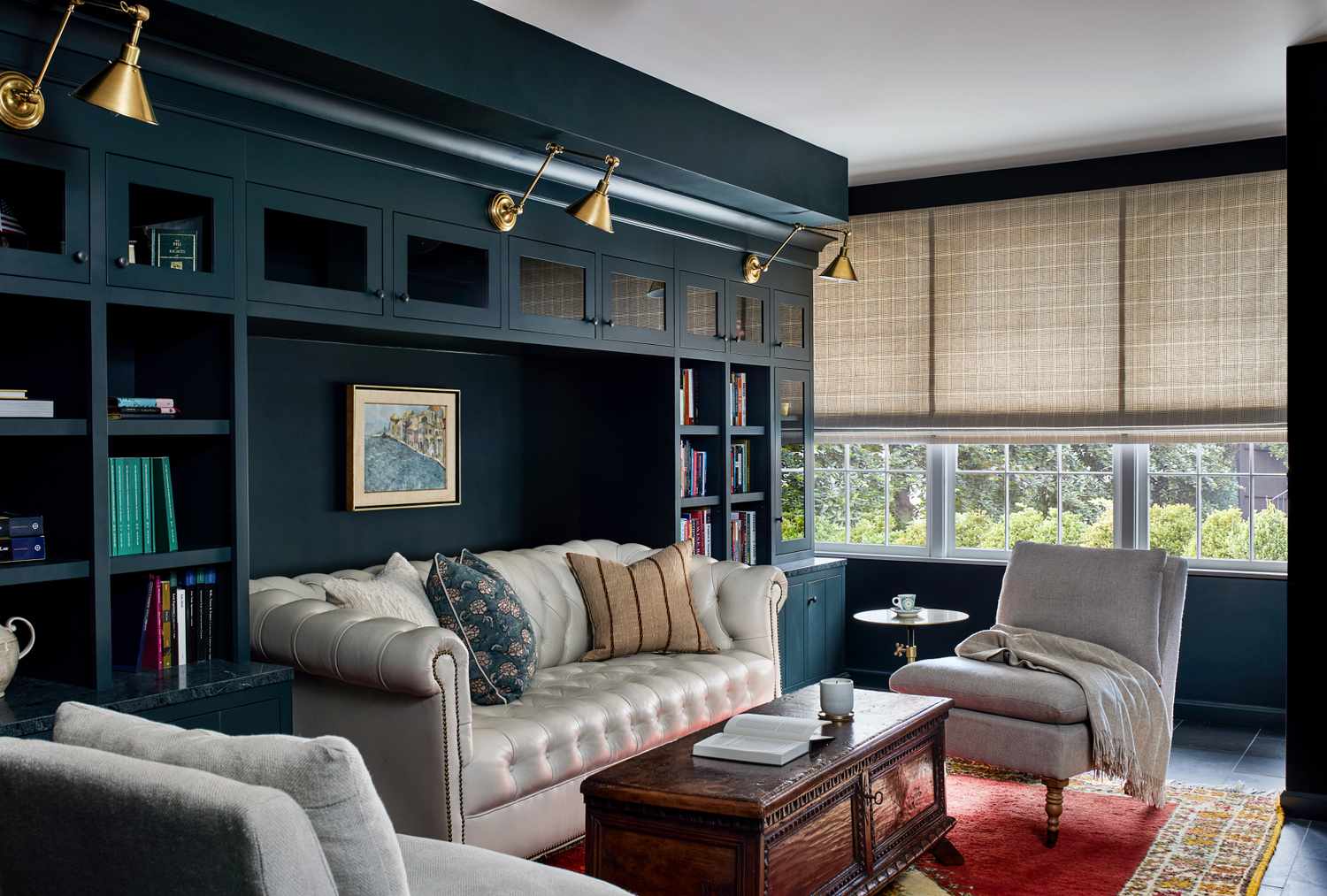
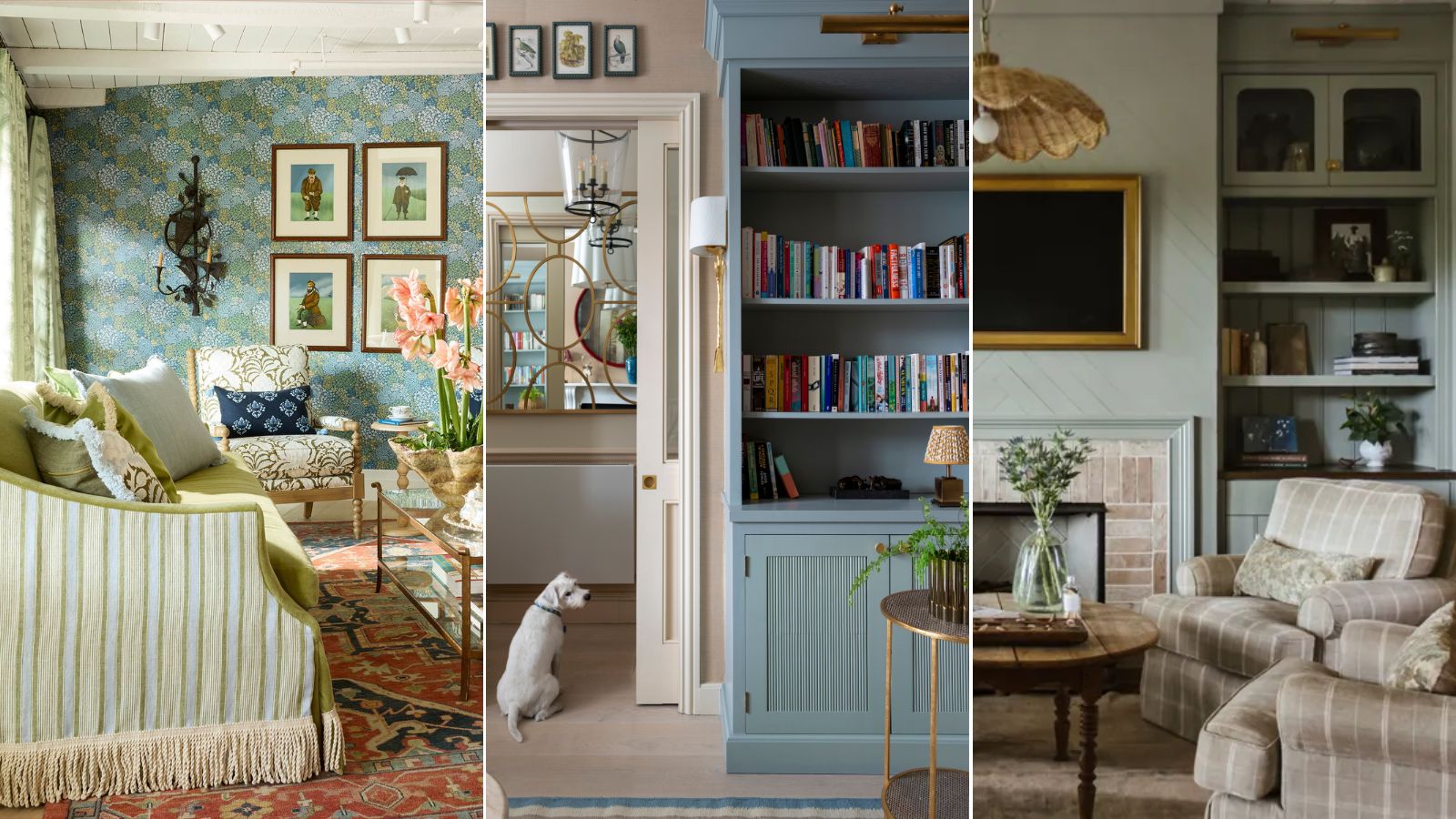
Storage is also evolving from a purely functional element into a prominent design feature. Bo Hellberg points out the trend for large-scale, statement feature walls incorporating shelving. Unlike outdated accent walls, these integrated storage solutions allow for displaying curated collections of books, art, and decor, while closed cabinetry provides discreet storage. This approach seamlessly merges practical storage needs with the overall interior design scheme.
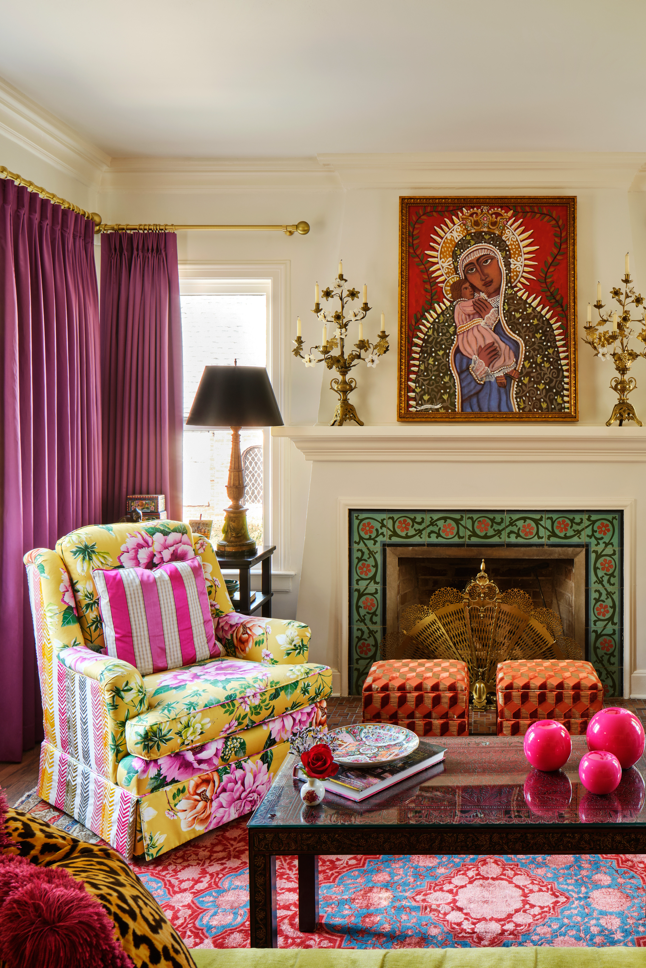
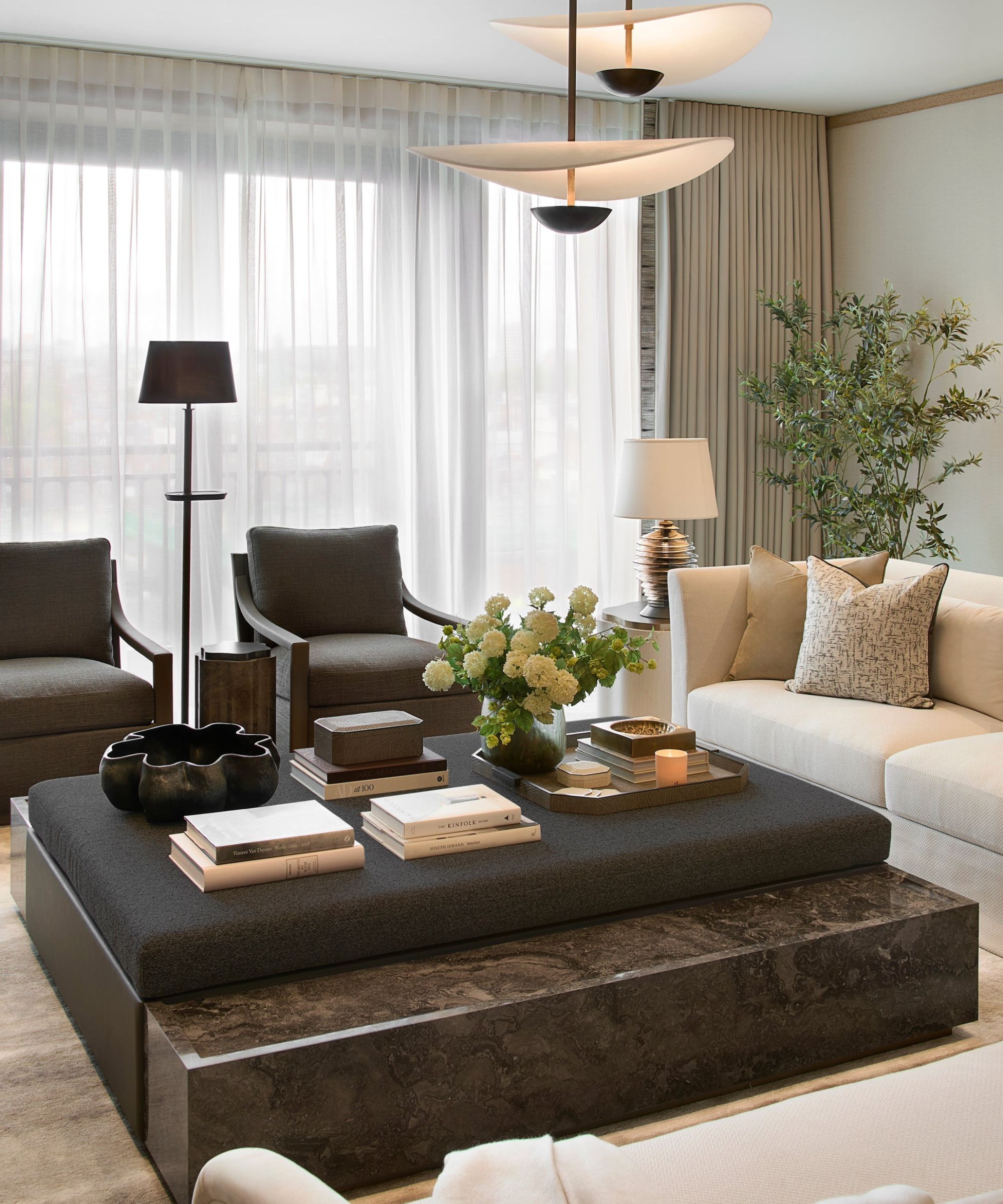
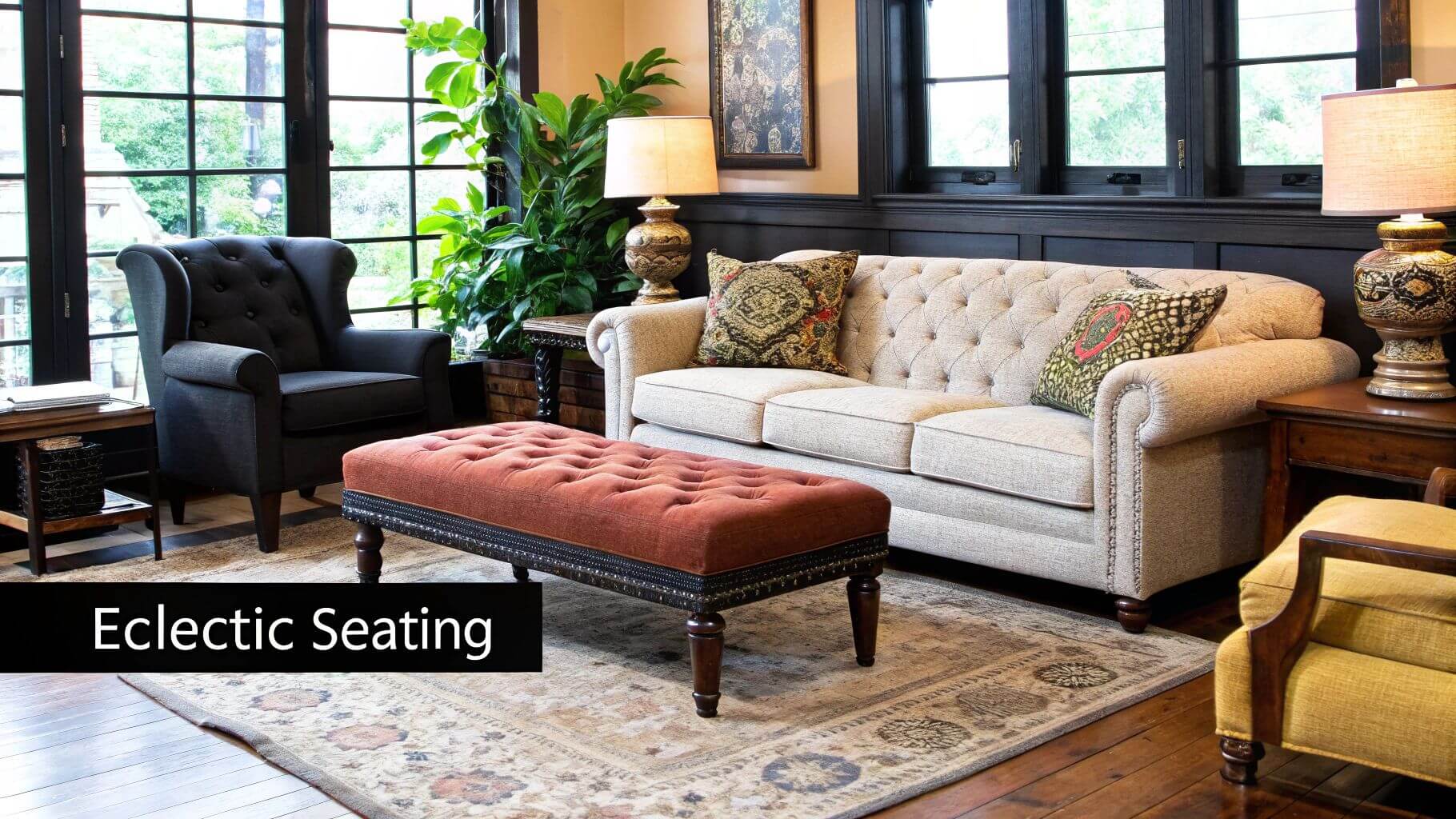
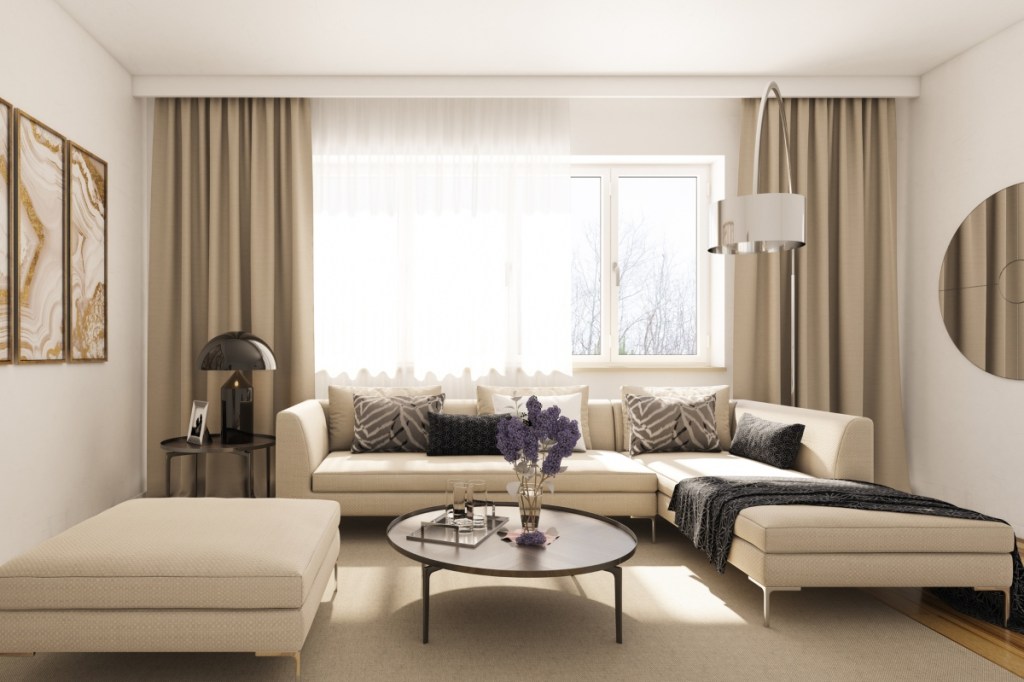
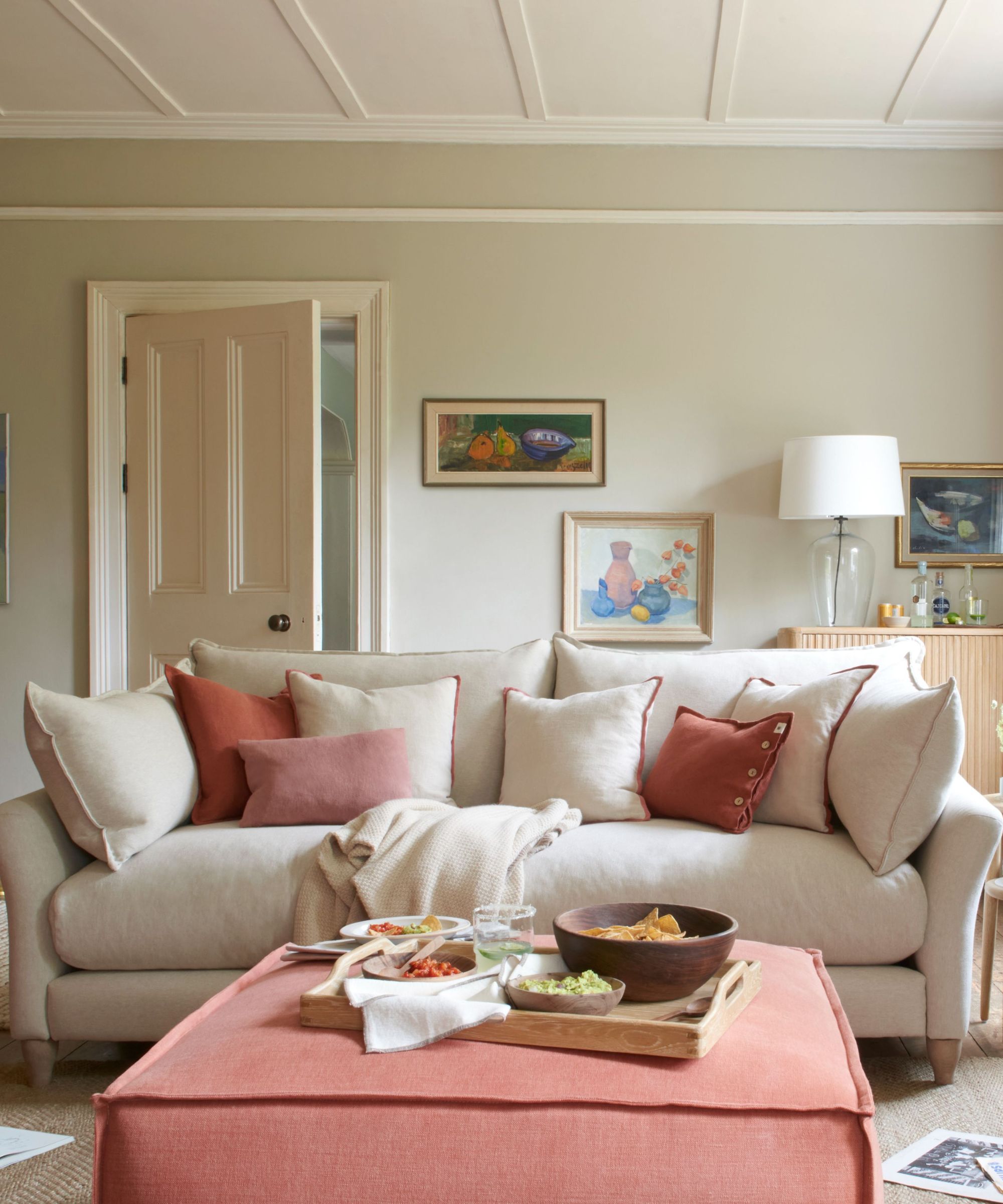
The use of ottomans as coffee tables is gaining traction, offering a softer, more inviting alternative to traditional hard-edged coffee tables. Lucy Uren notes that upholstered ottomans, especially in timeless patterns like stripes, add a touch of coziness, color, and practical versatility to a living room, serving as both a footrest and a surface for drinks or decor. This trend emphasizes comfort and a playful refinement in living space design.
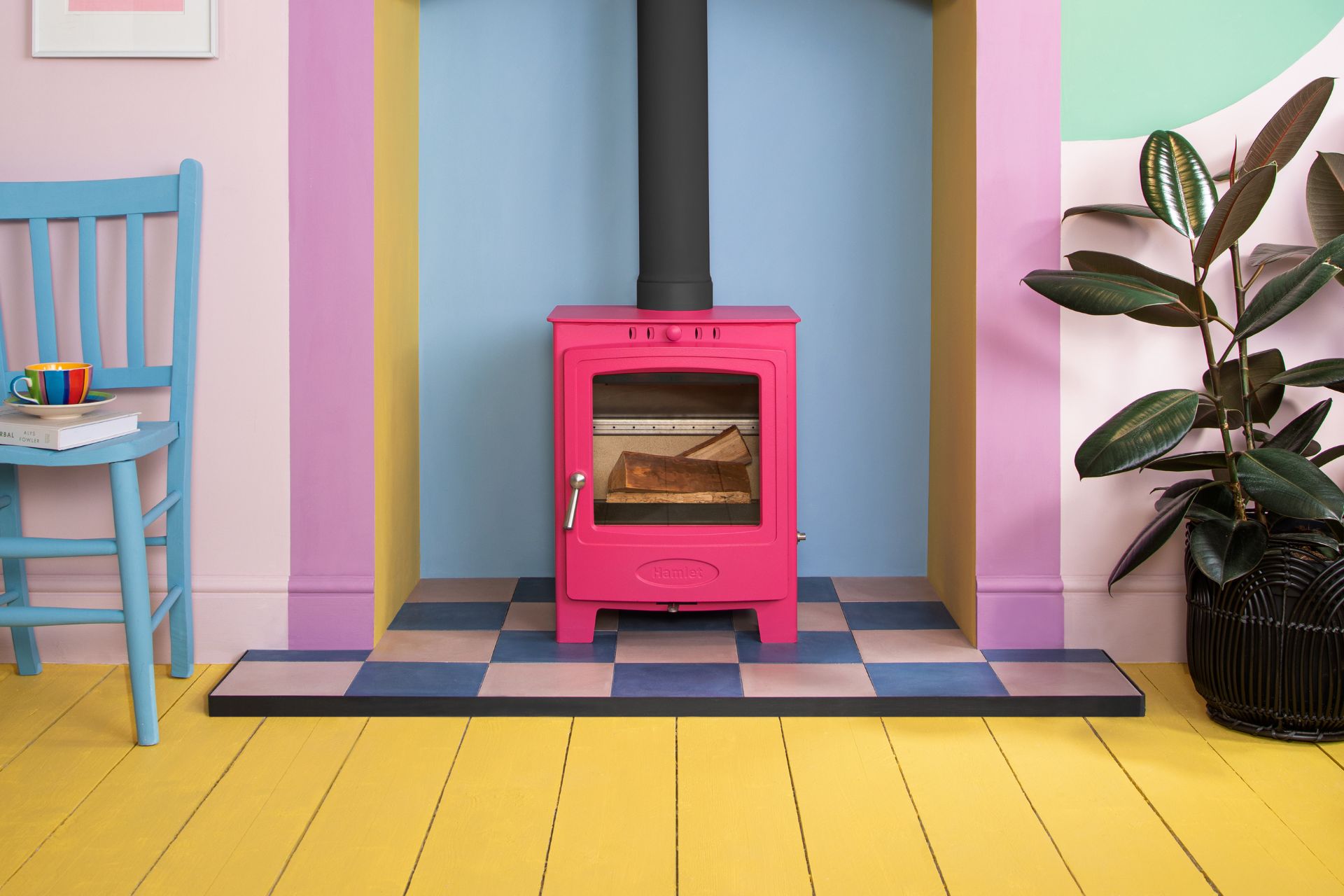
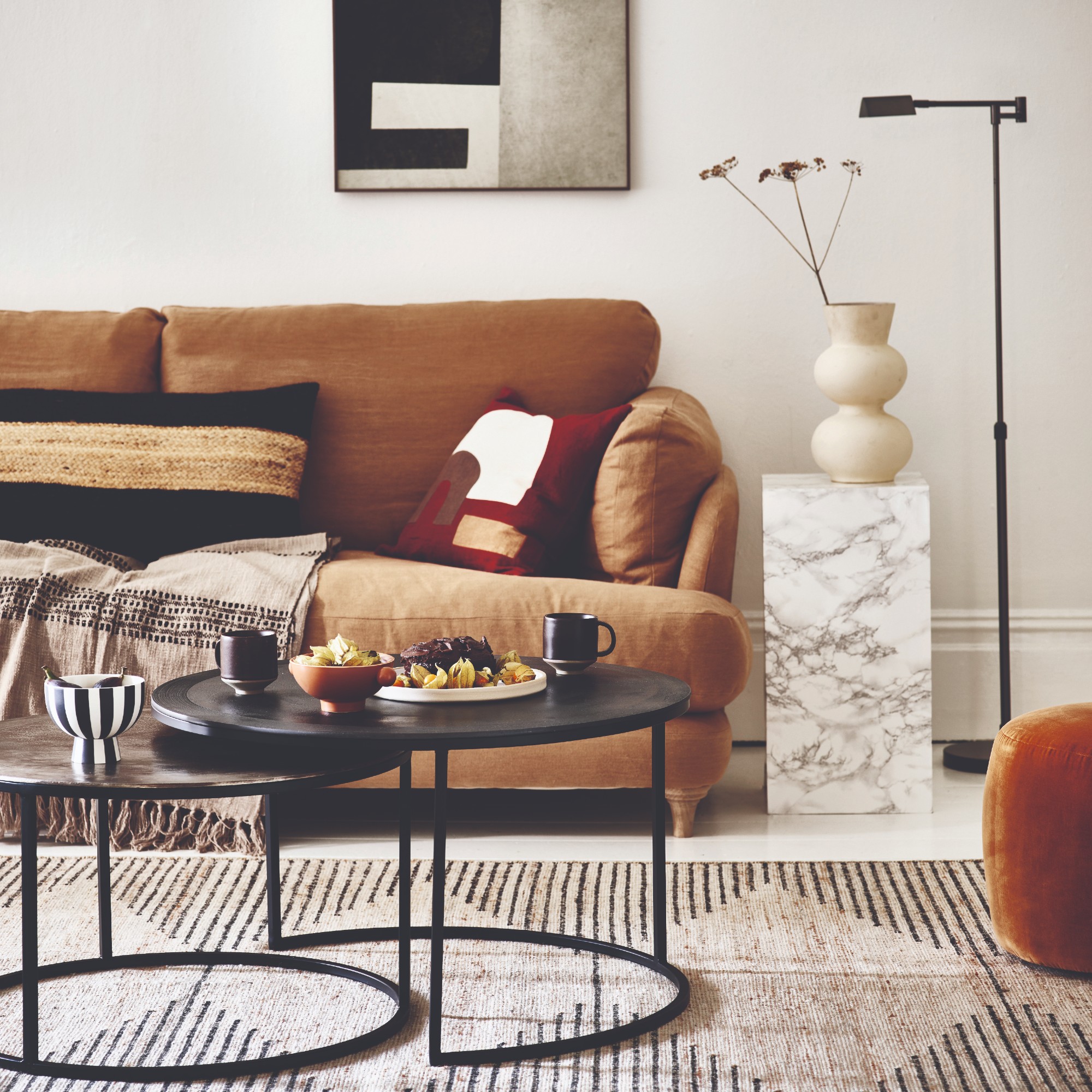
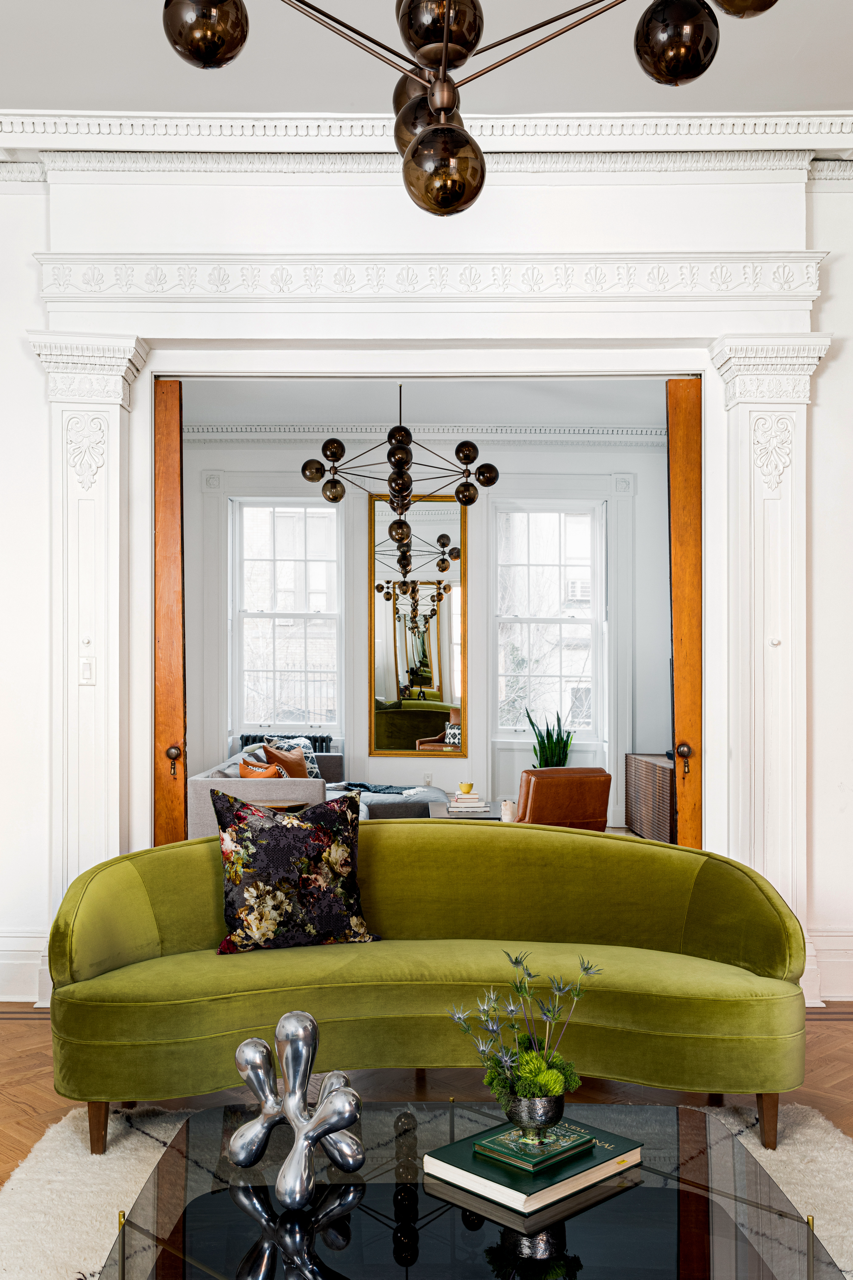
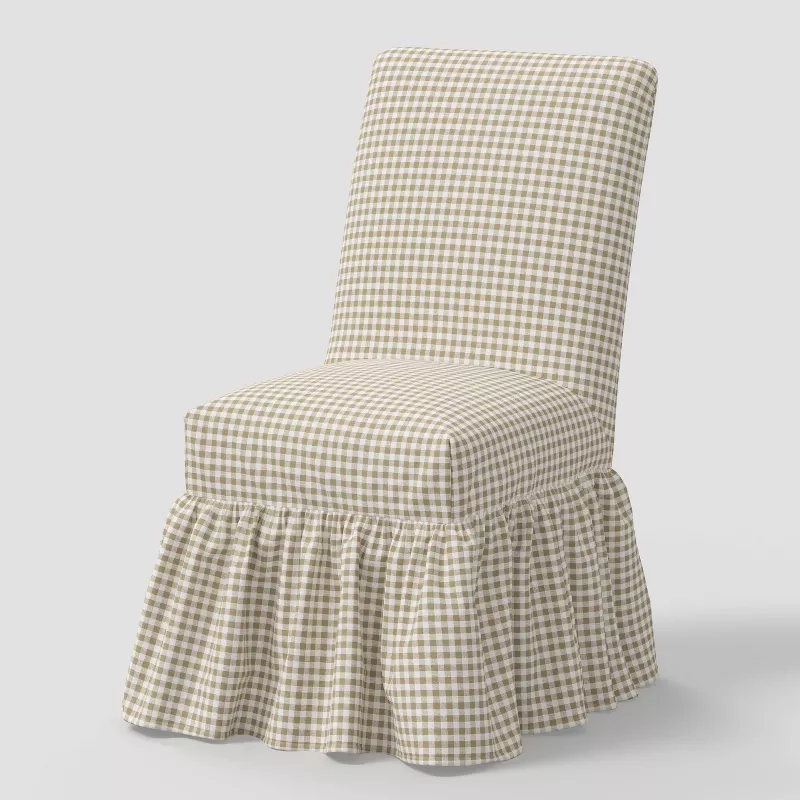
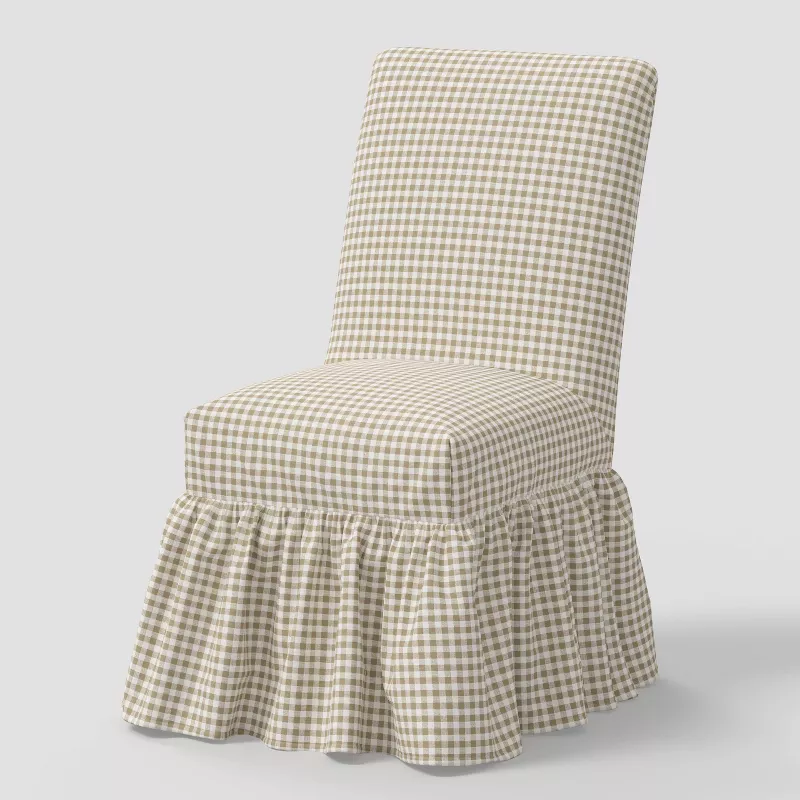
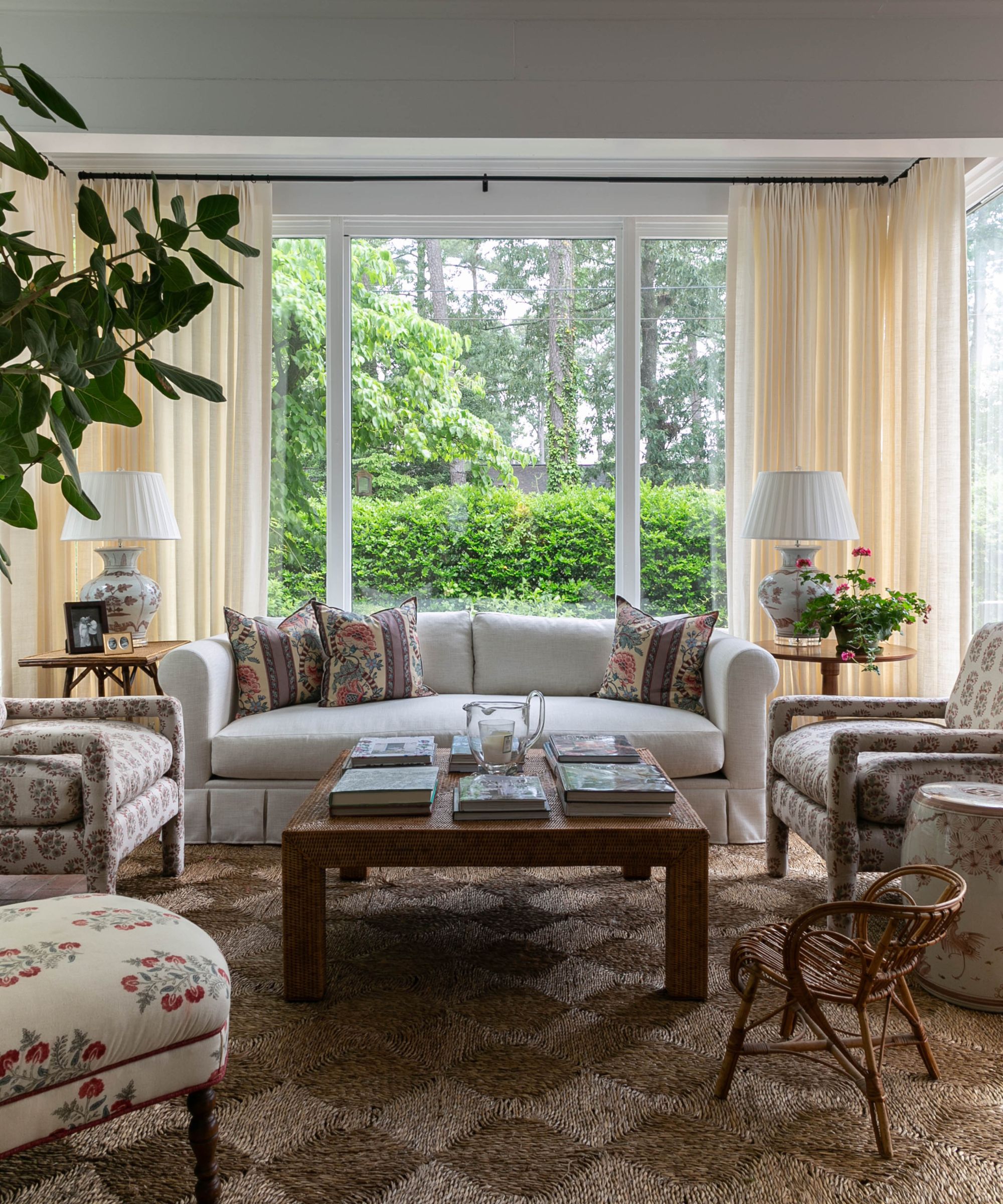
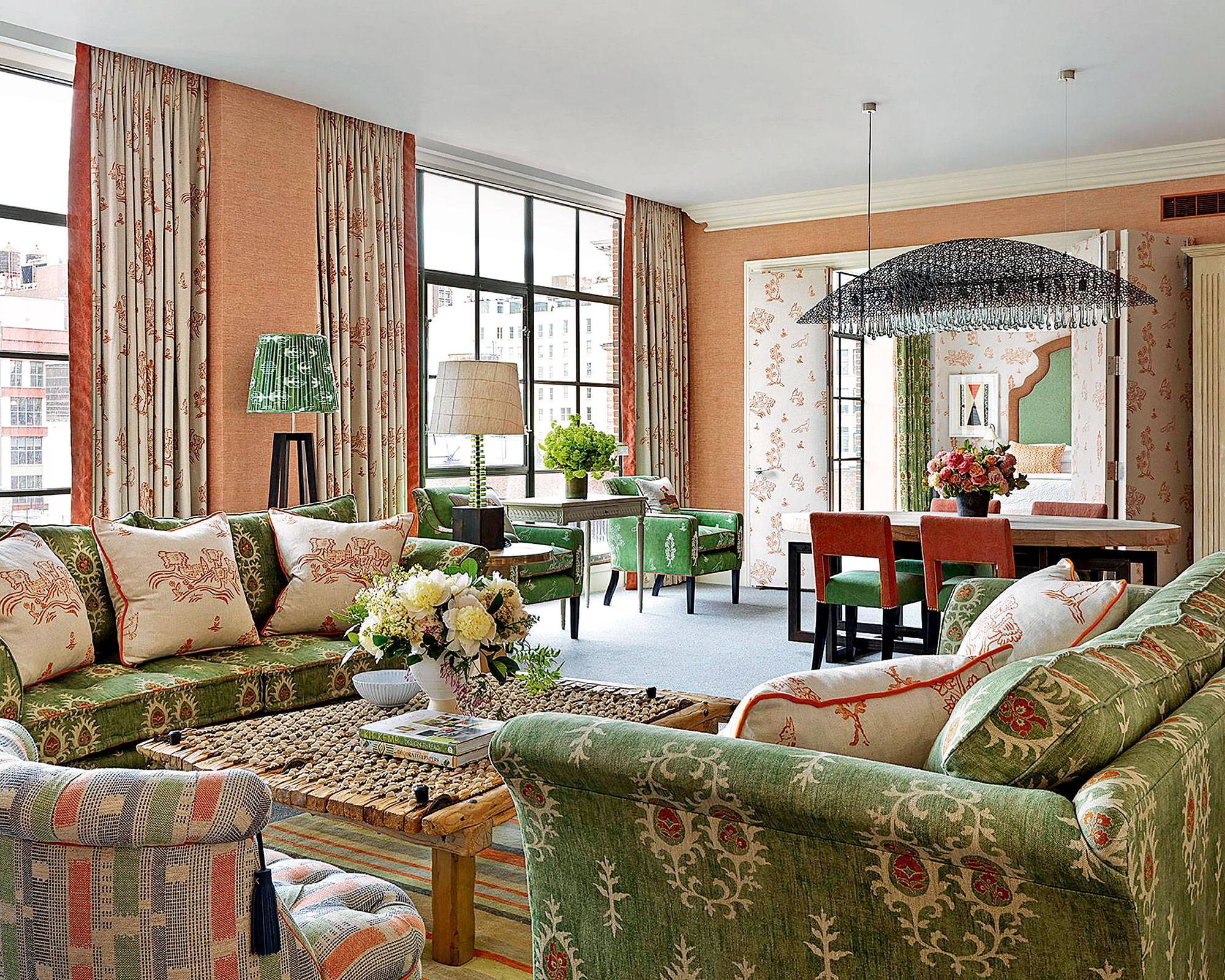
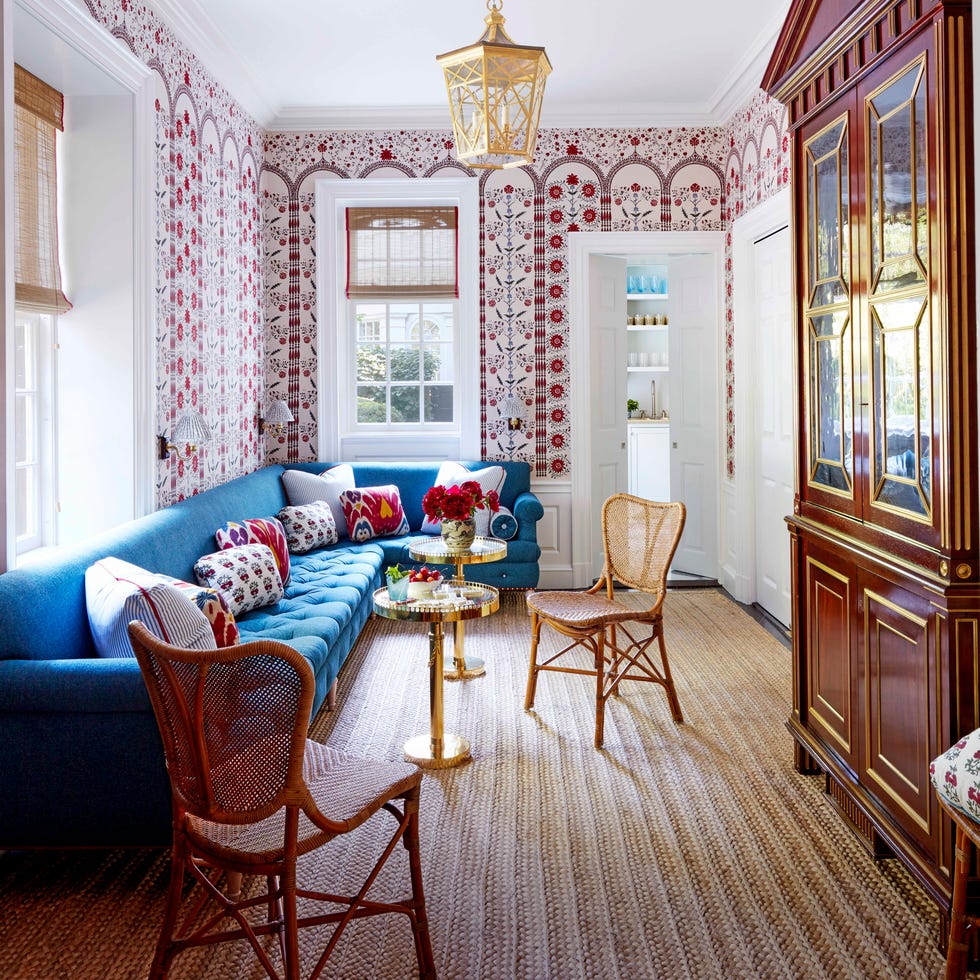
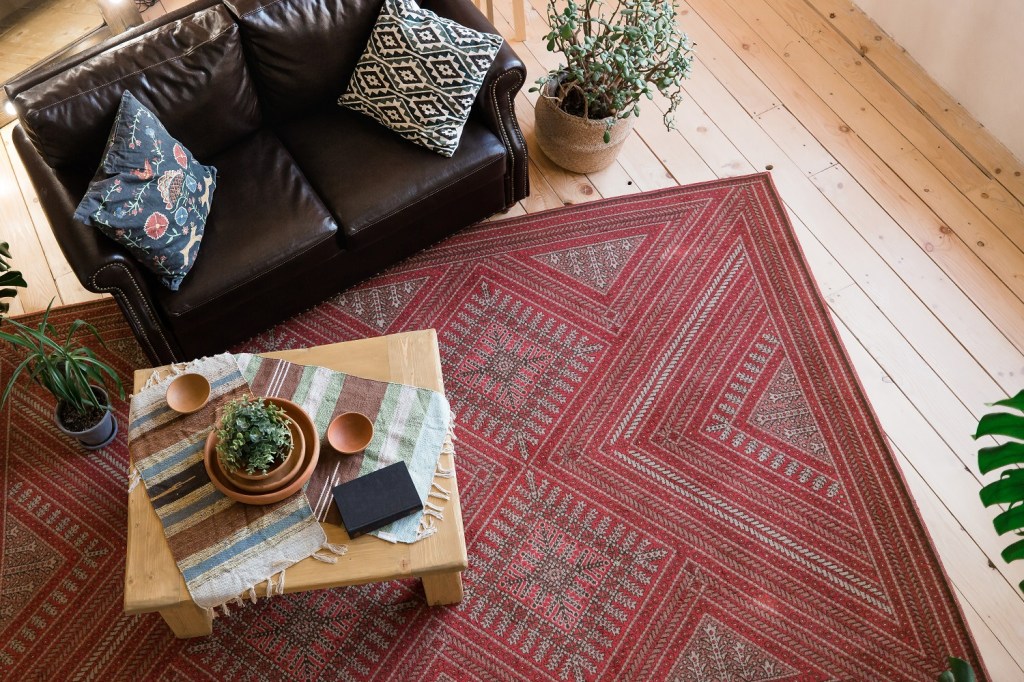
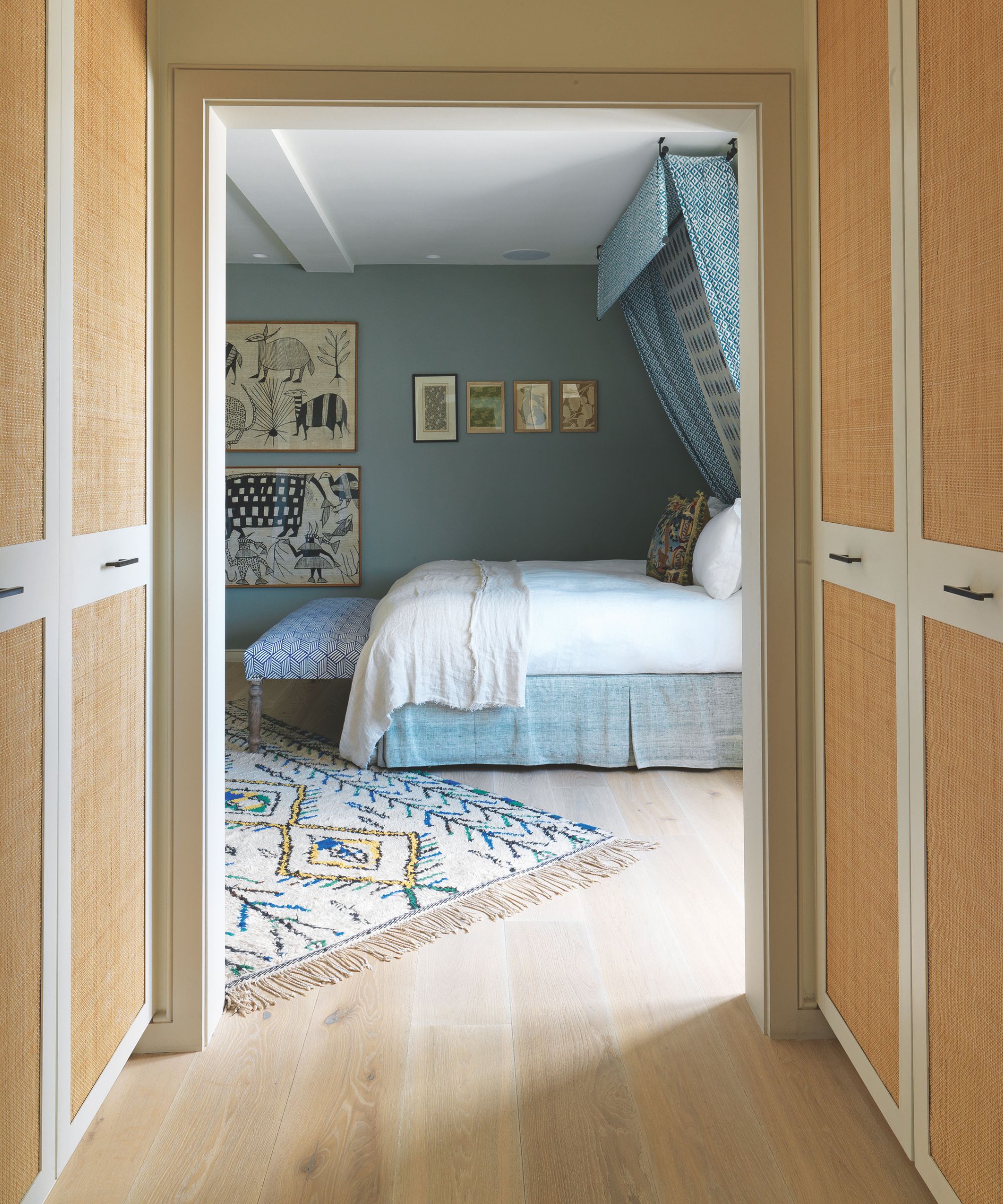
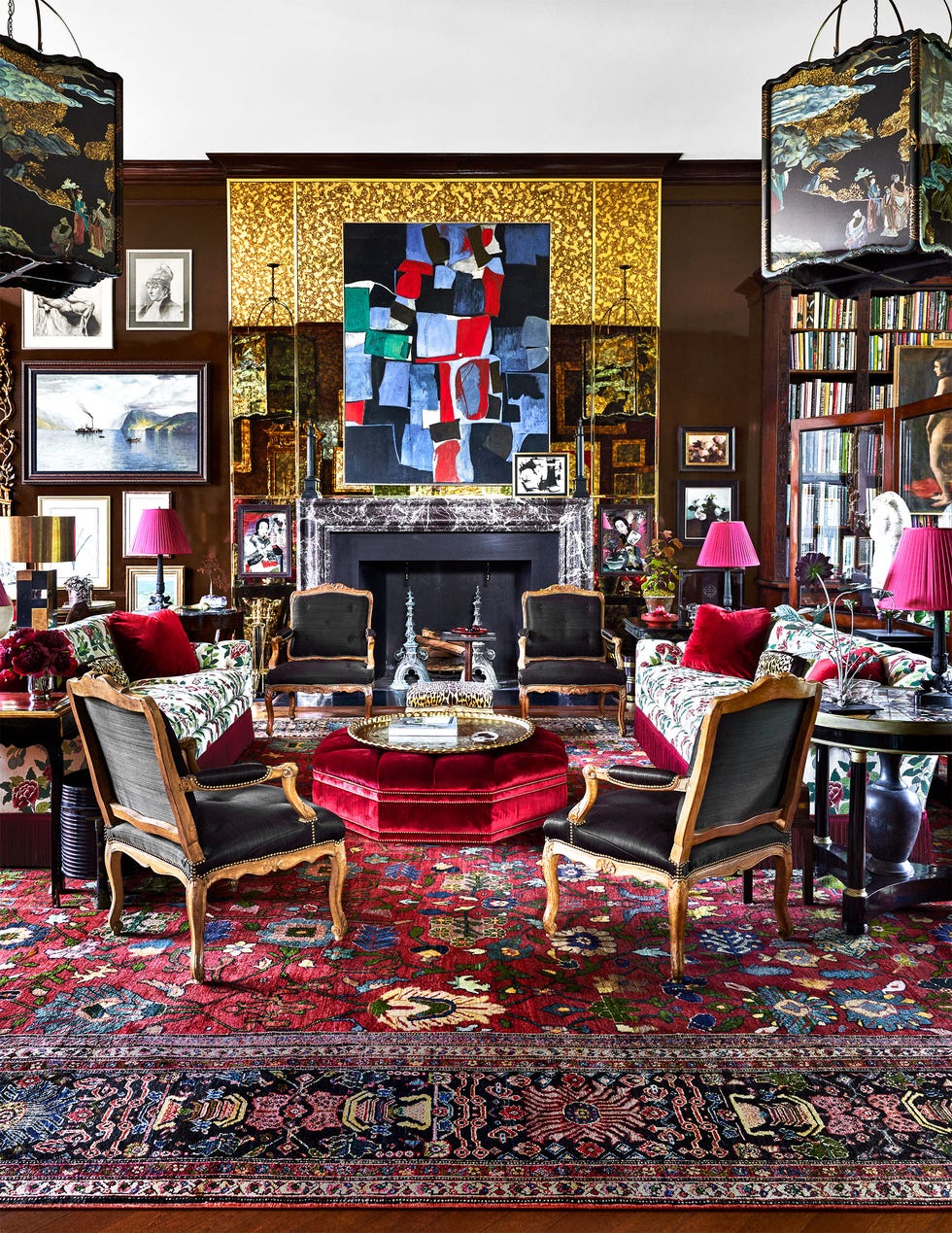
Bolder colors and patterns are making a statement in living room furniture. Designers suggest moving beyond conventional white or gray sofas towards pieces with more visual interest, incorporating vibrant colors, skirted furniture, or patterned upholstery. Emily Brown explains that classic stripes, rich jewel tones like browns, burgundy, blues, and greens, can create a modern yet timeless look. When integrating these bolder elements, it’s advisable to balance them with more subtle, neutral details to prevent overwhelming the space.
Cozy textures are also a key focus, with boucle upholstery maintaining its popularity and corduroy making a comeback. Kelley Mason suggests corduroy as an alternative to boucle, linen, or velvet, offering a versatile material that can be incorporated into ottomans, accent chairs, or sofas. The styling of corduroy can range from maximalist, paired with other large patterned pieces, to modern, combined with sleek rugs and warm woods.
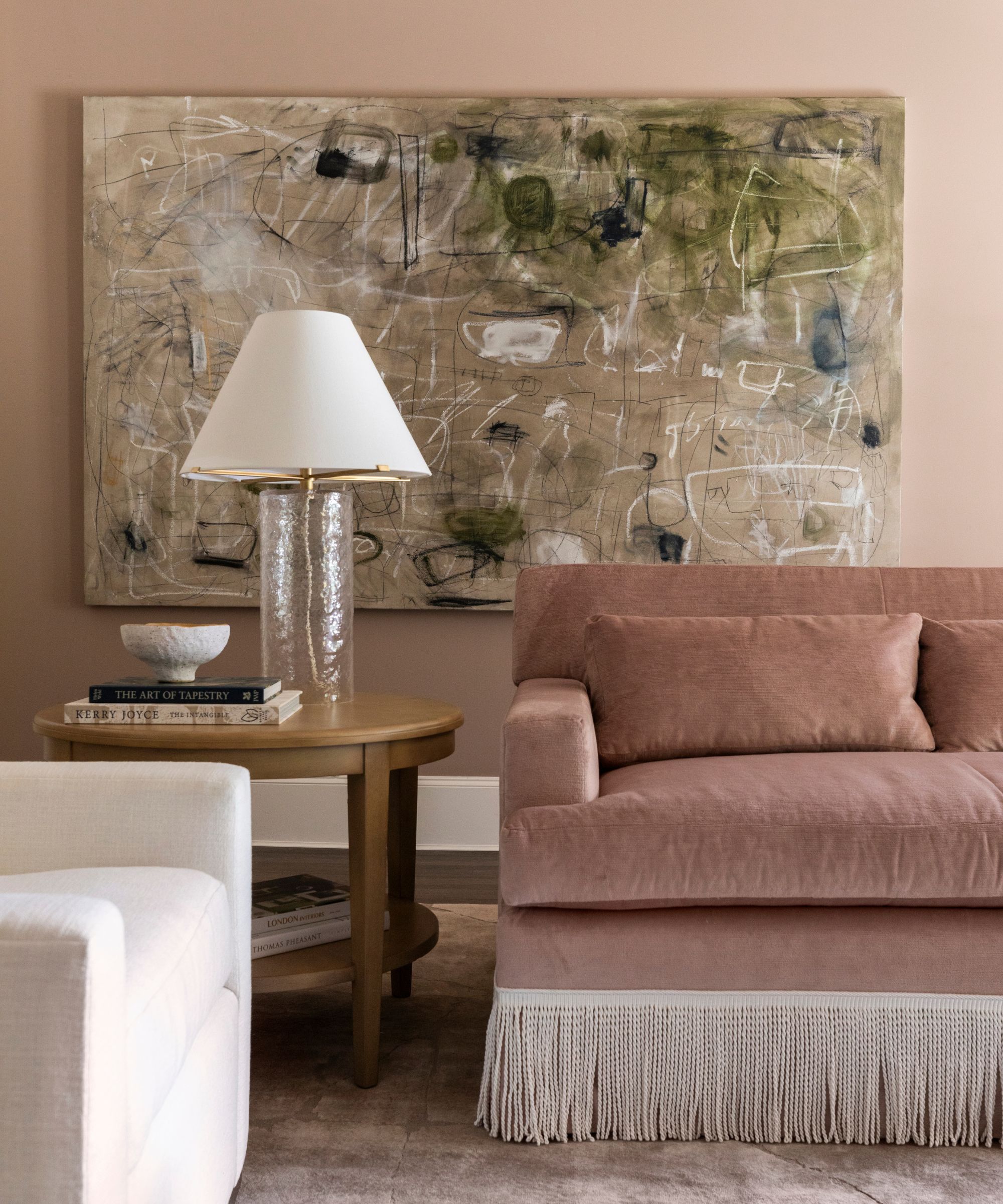
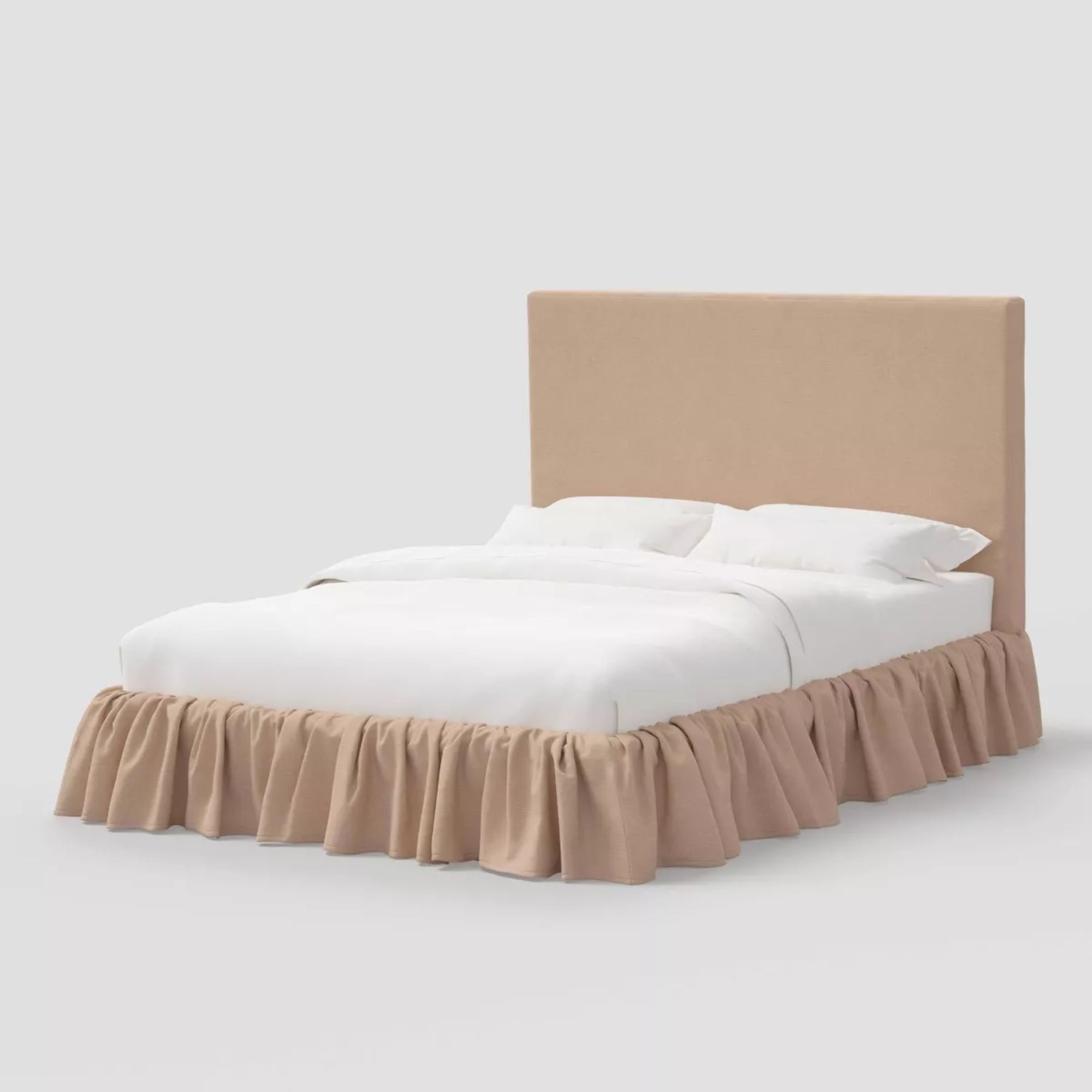
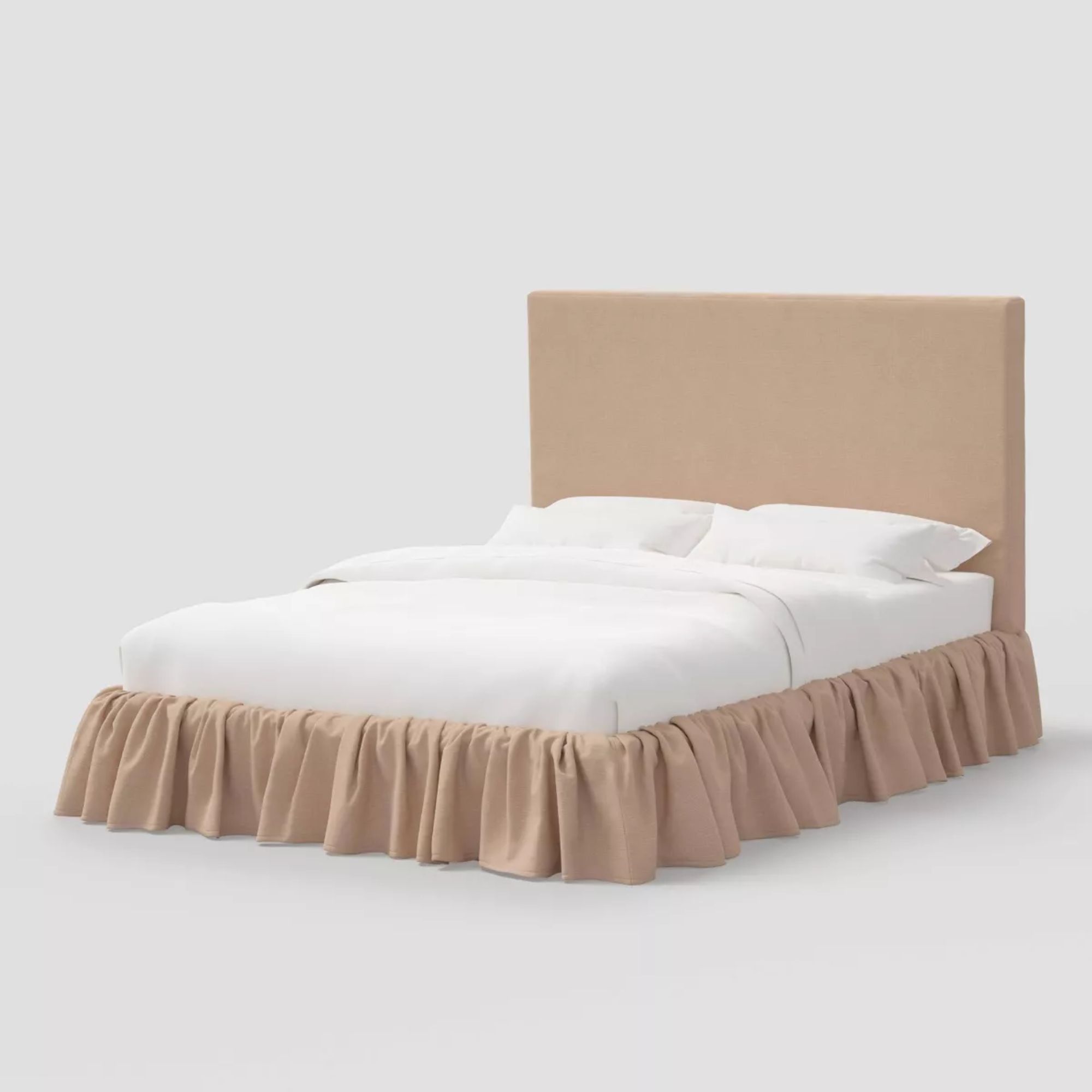
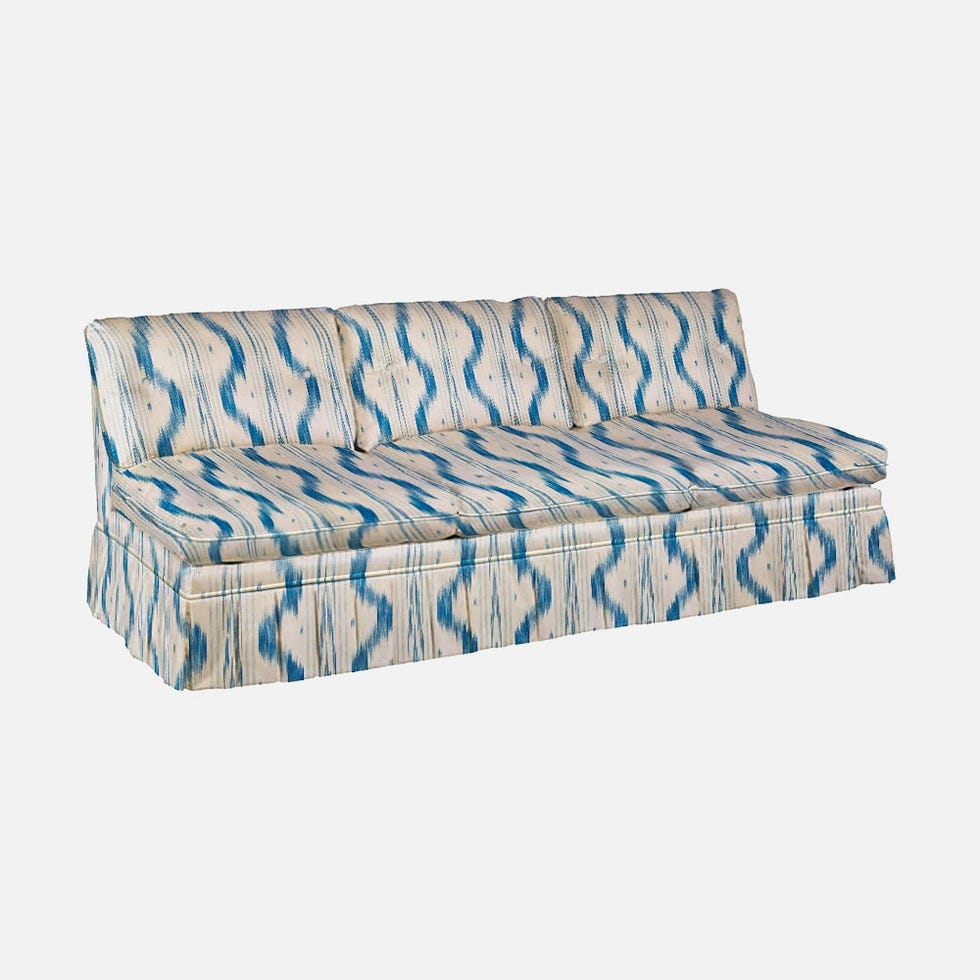
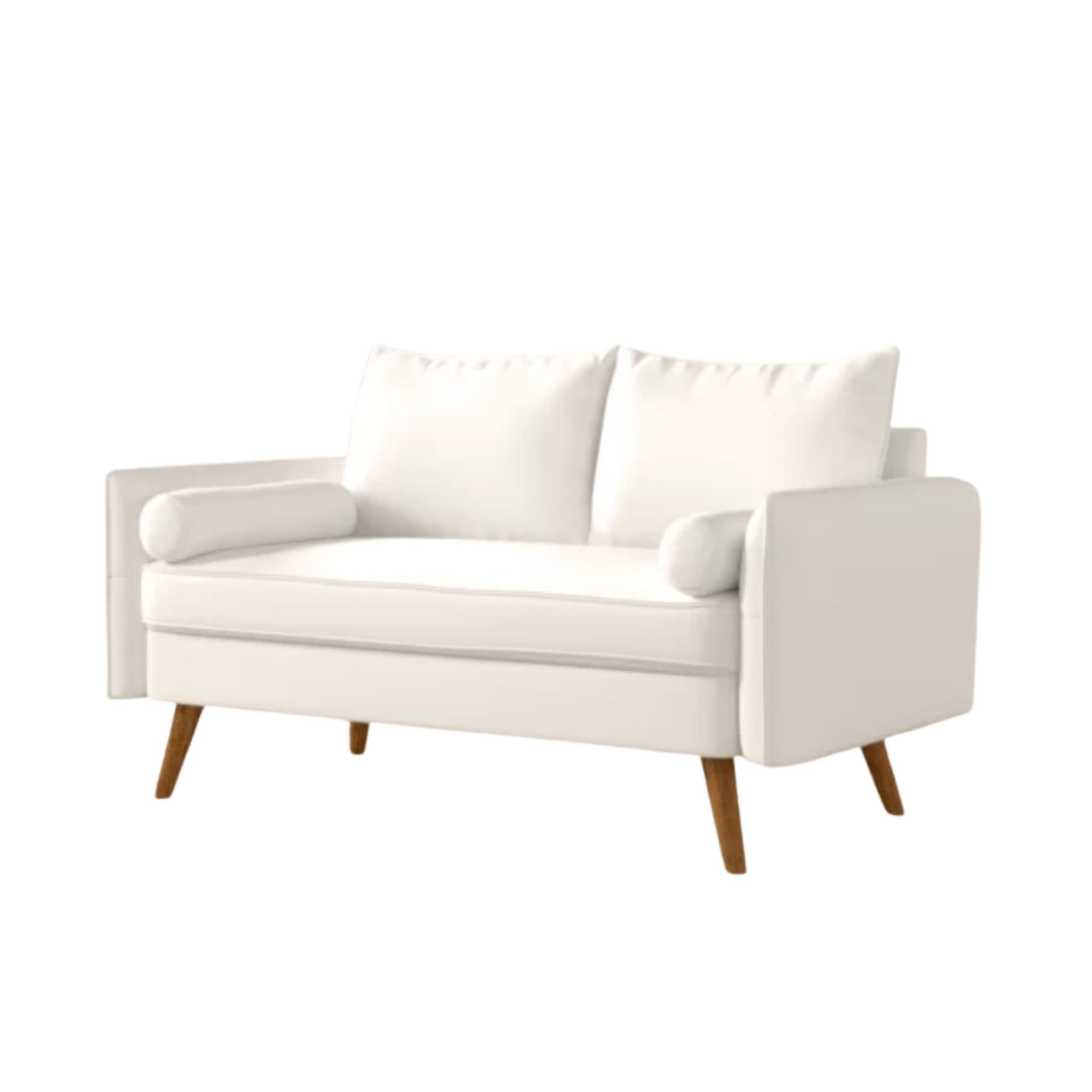
Sofa skirts, once considered dated, are returning to living room designs, driven by a renewed appreciation for timeless aesthetics. Bailey Todd highlights the resurgence of skirted sofas and bench seating, offering a relaxed, inviting look. To avoid a dated appearance, it is recommended to pair these traditional features with more contemporary elements, creating a balanced and contrasting style.
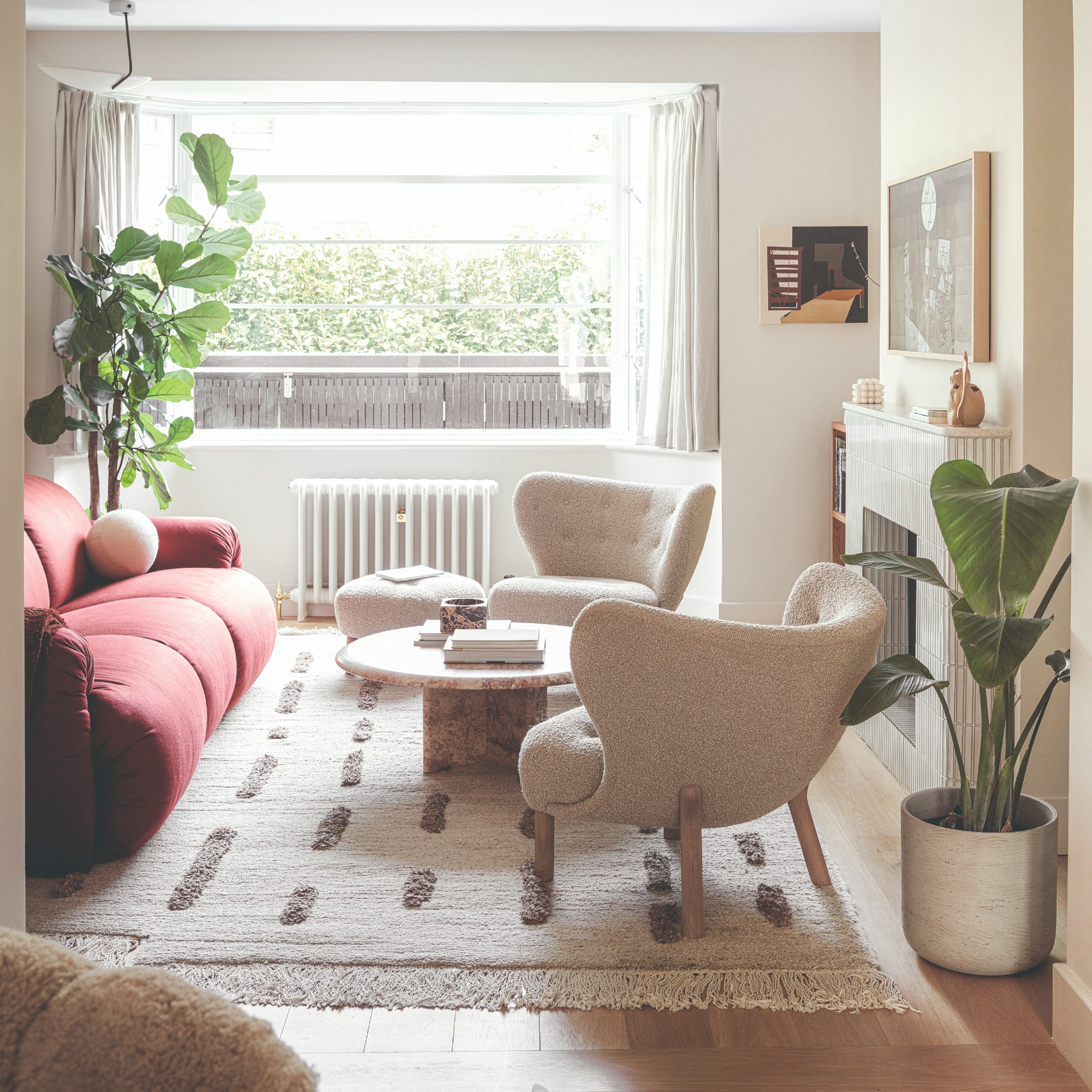
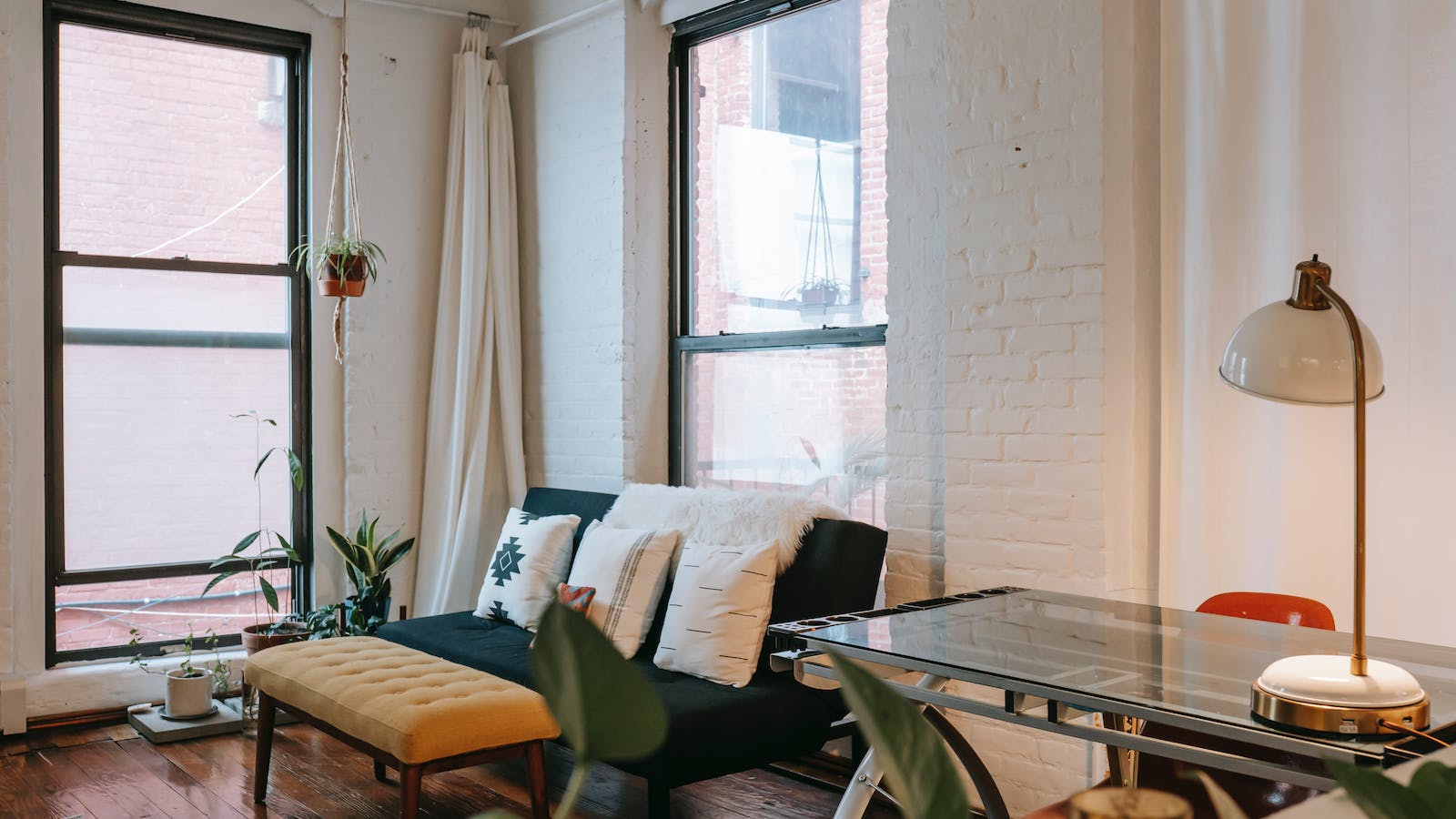
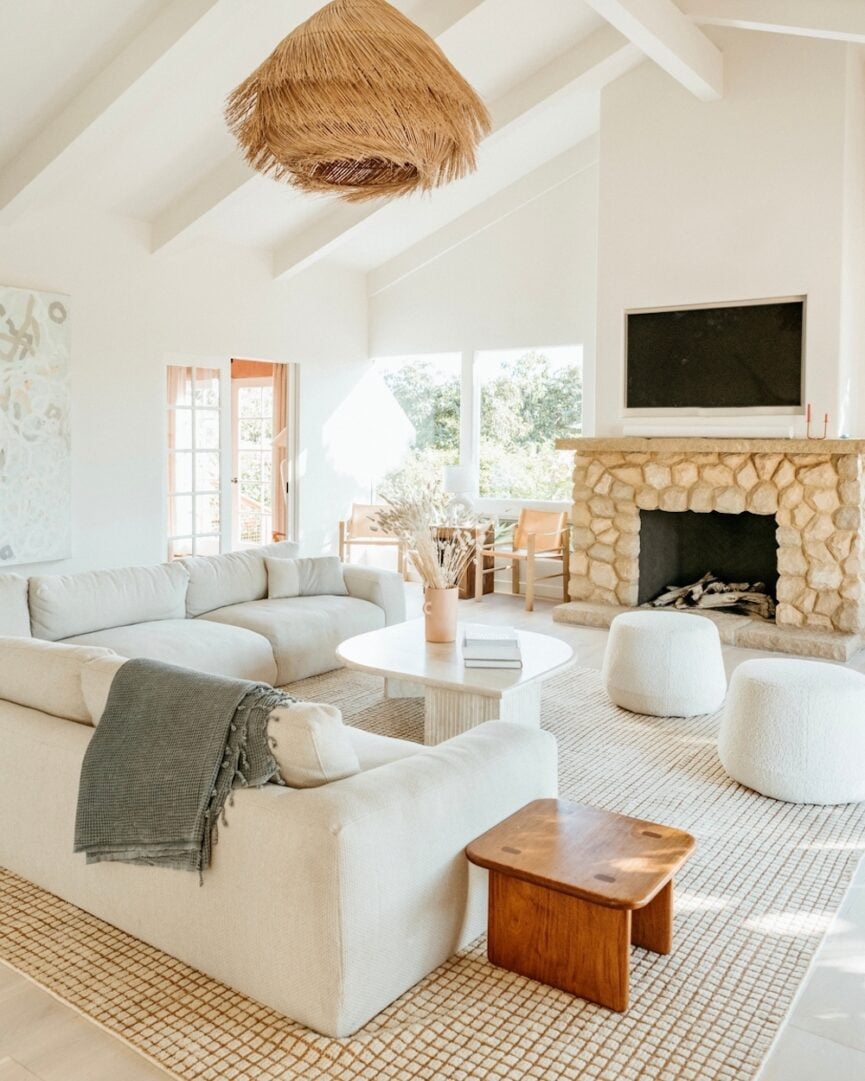
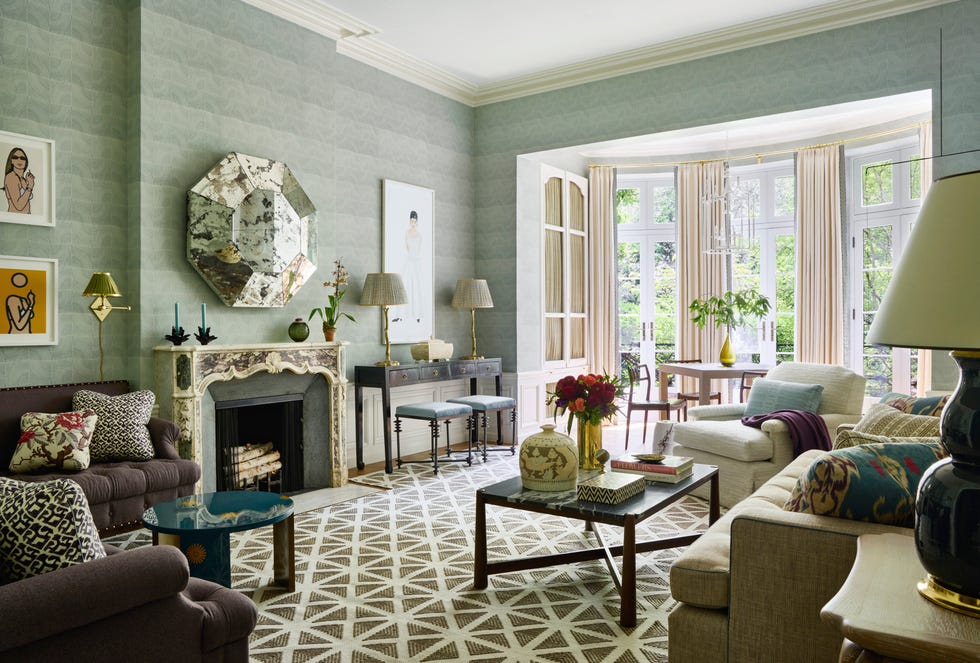
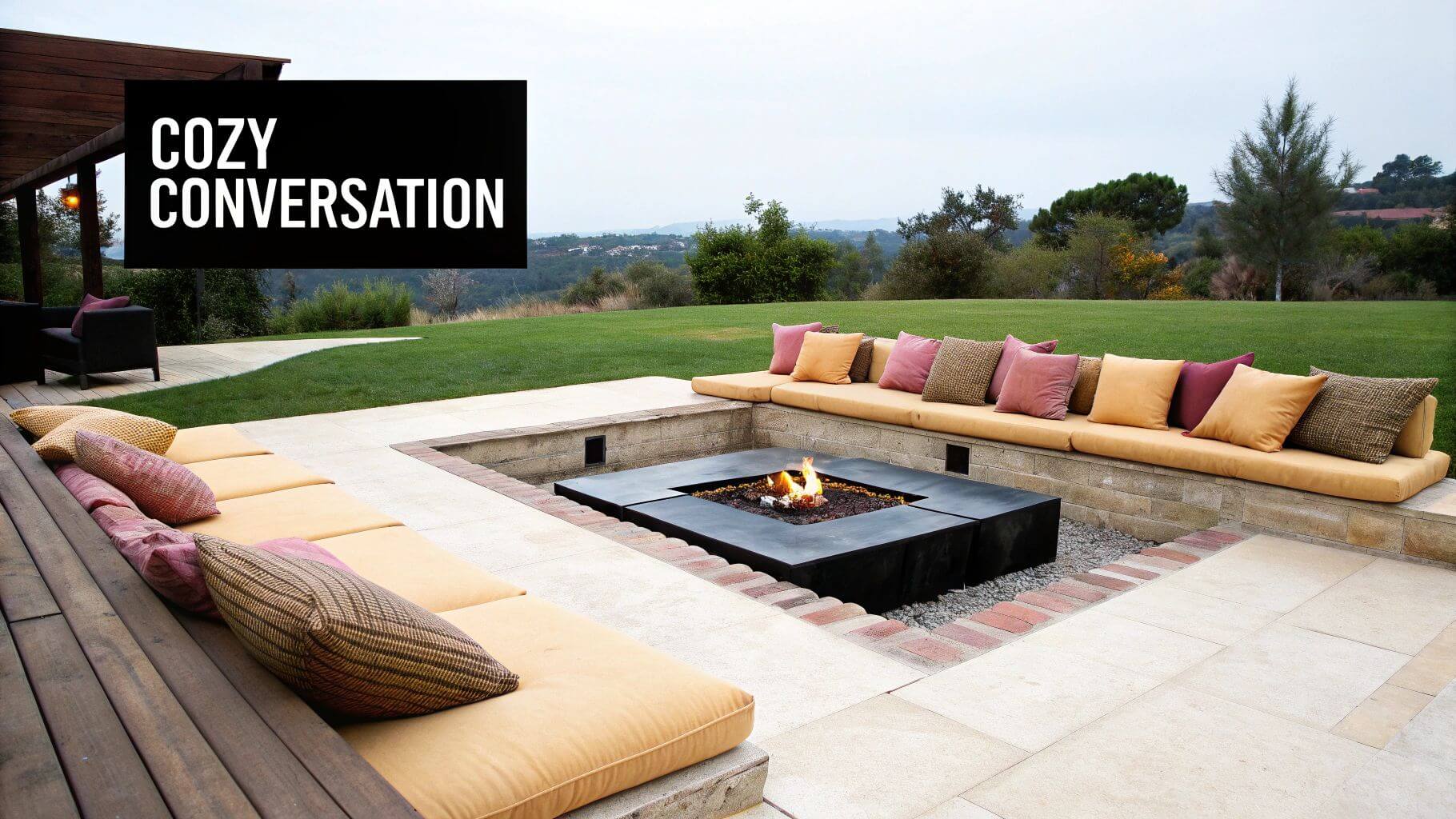
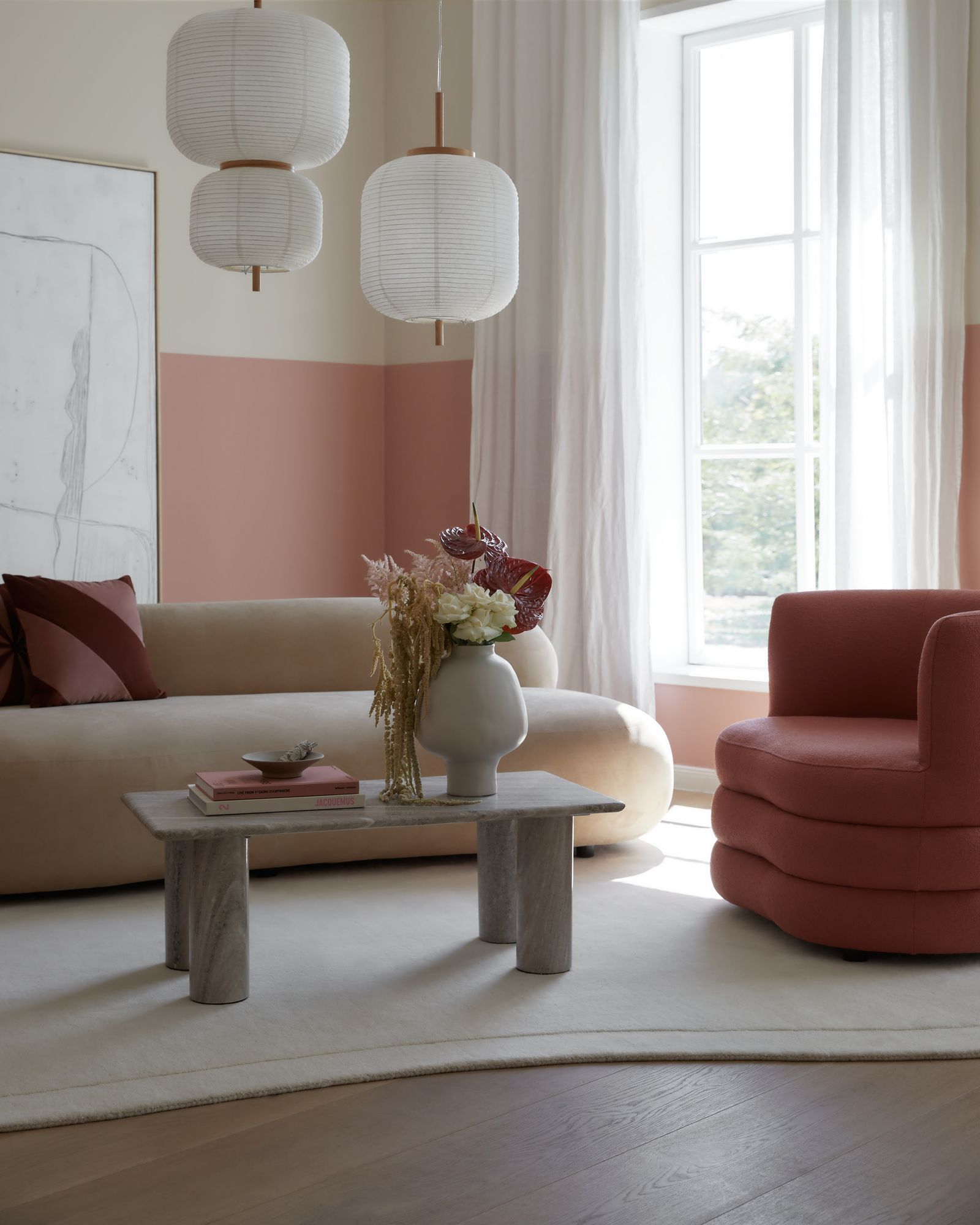
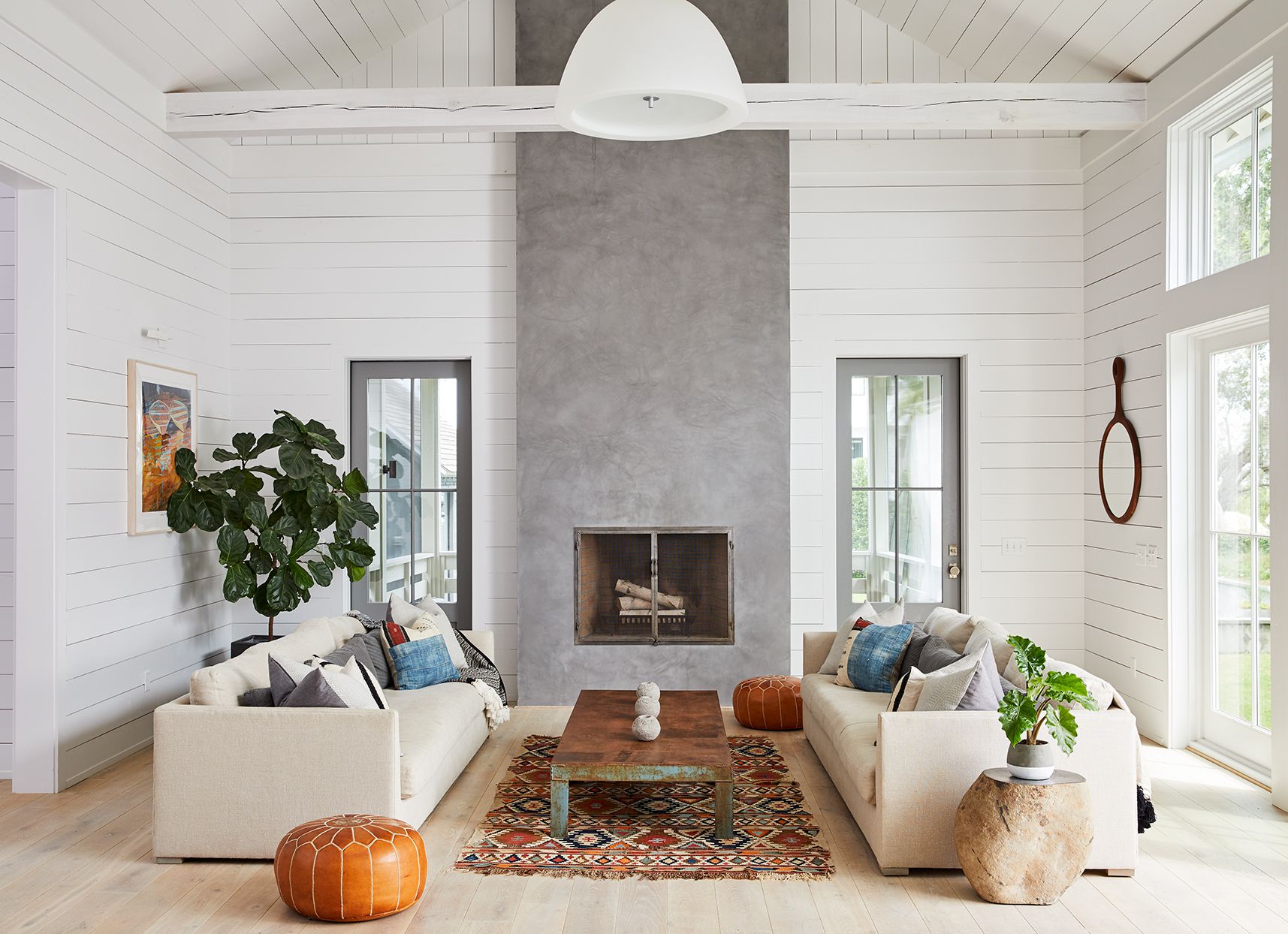
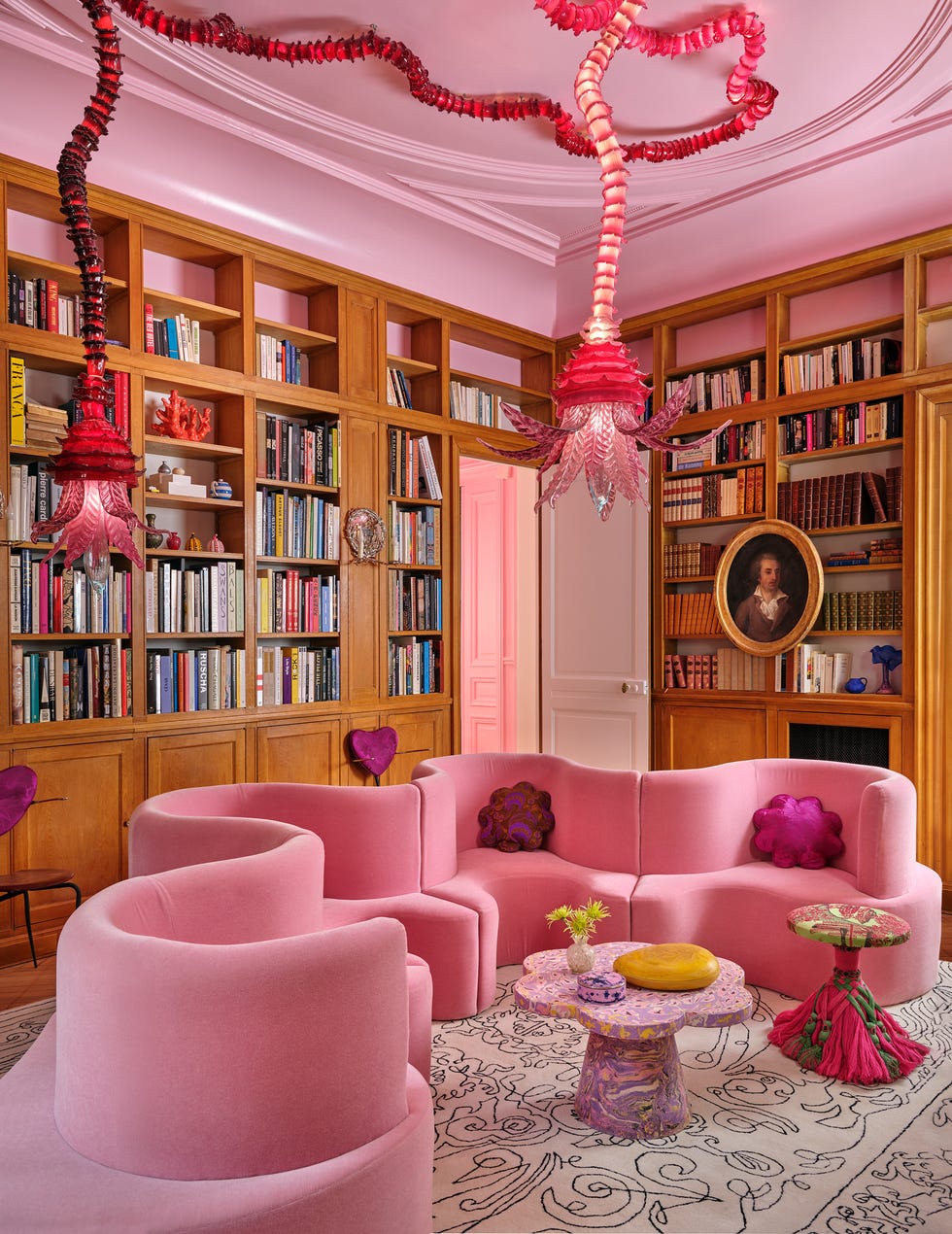
Informal furniture layouts are transforming how living rooms are arranged. Instead of rigid, traditional setups, there's a shift towards more organic and flexible arrangements. Shannon Wollack notes a move away from typical sofa and armchair pairings, favoring curvier shapes and repositioning seating to encourage more intimate conversations. This trend emphasizes designing spaces that cater to individual lifestyles rather than adhering to conventional layouts, incorporating elements like daybeds, chaises, poufs, and ottomans for added flexibility.
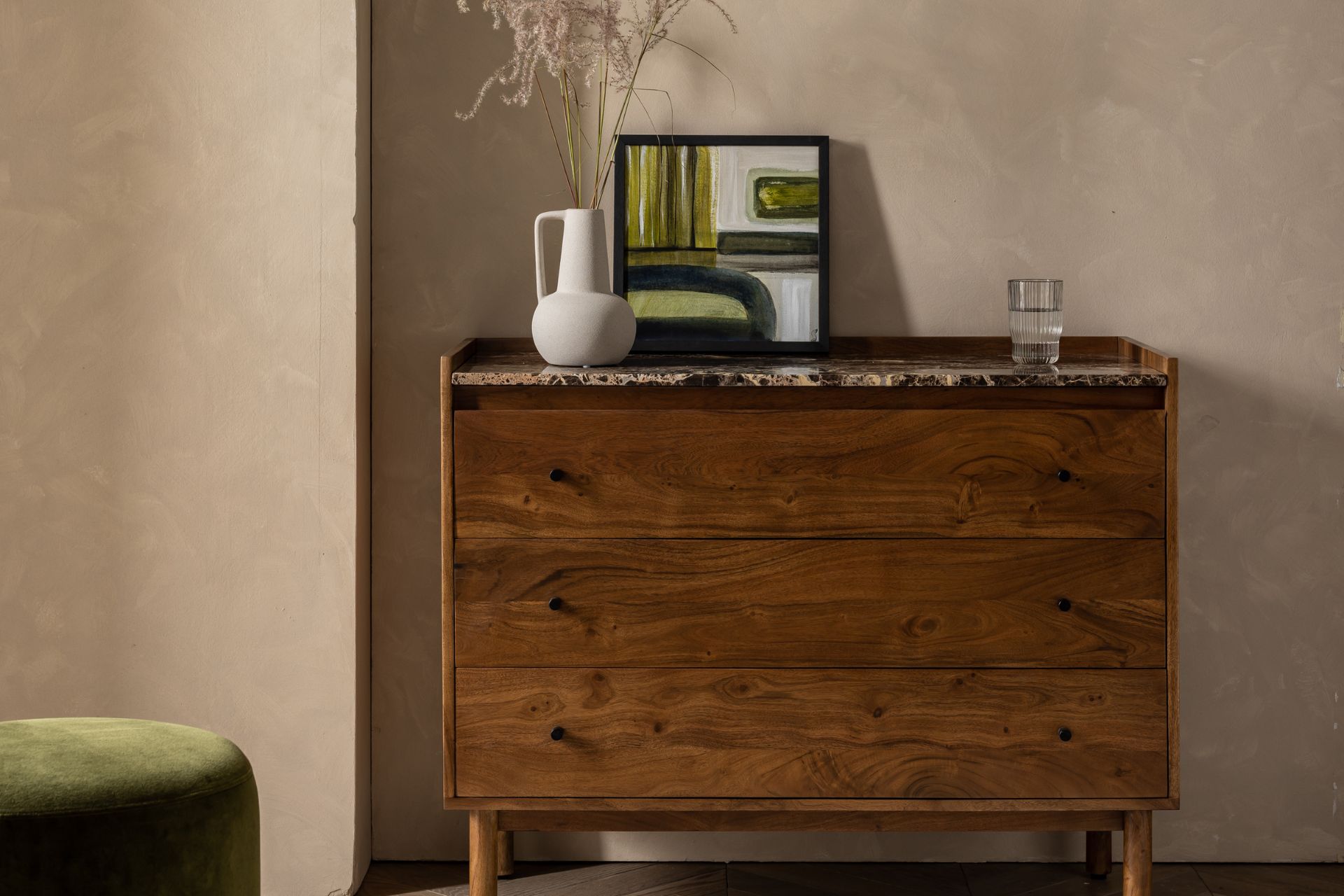
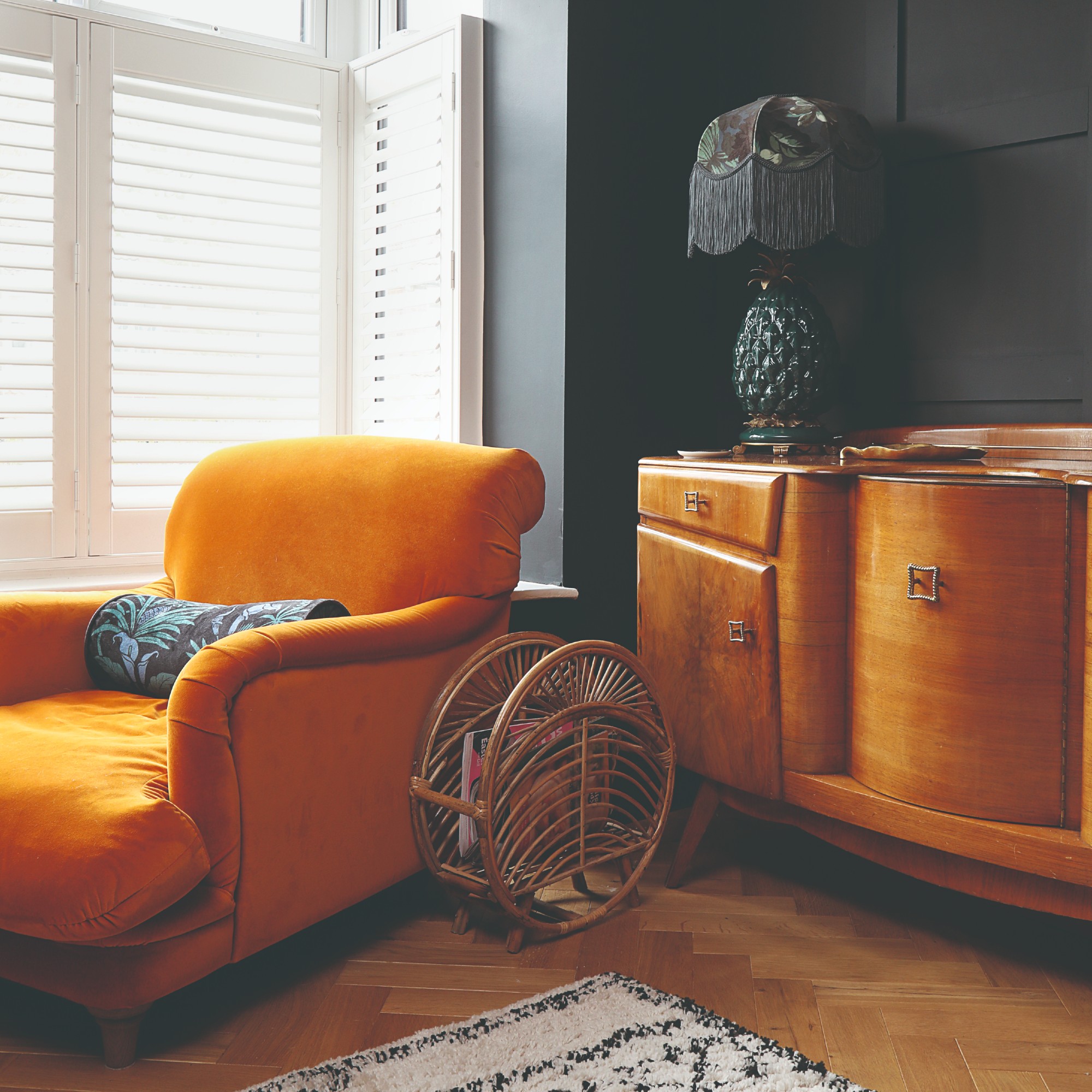
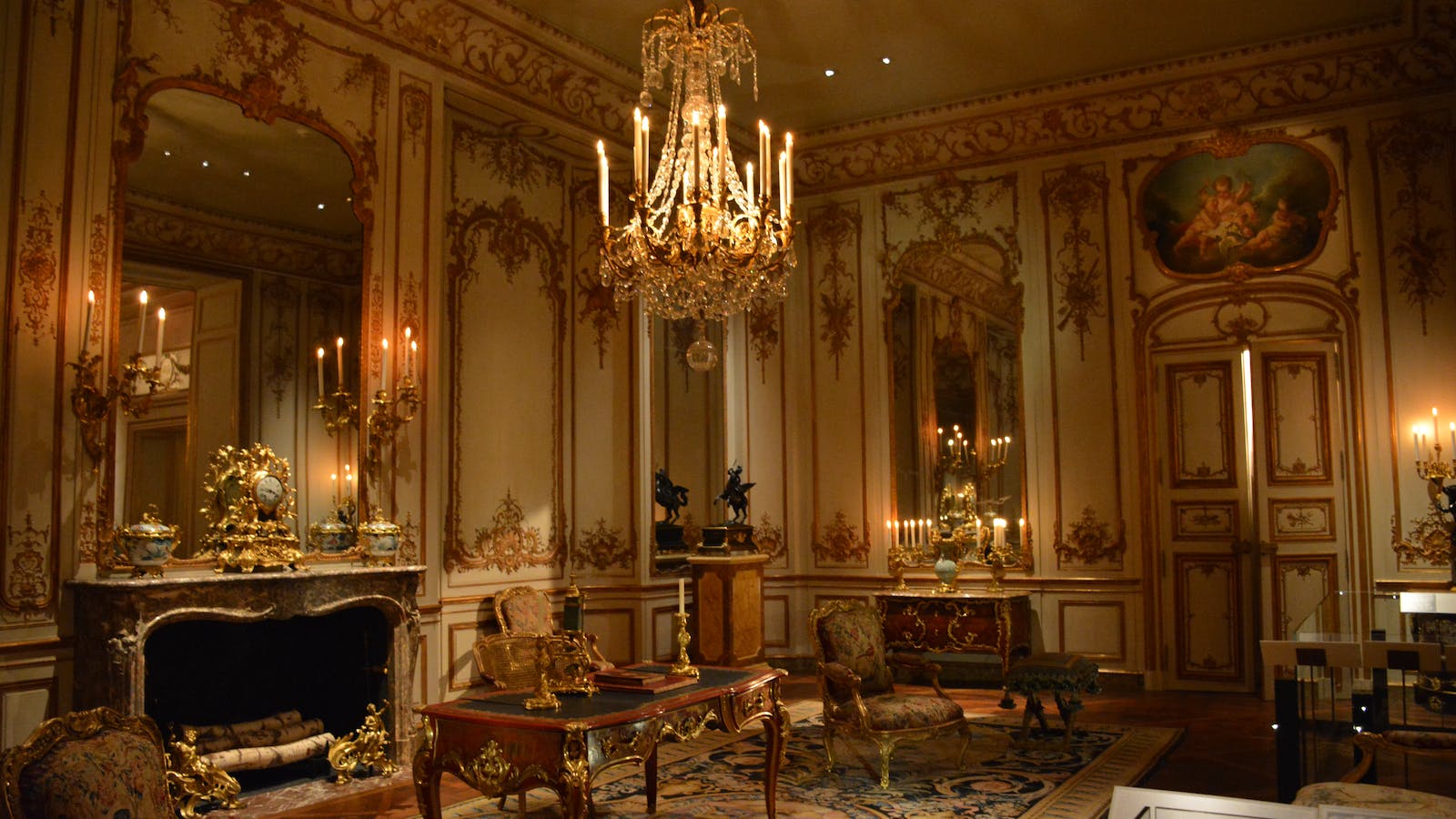
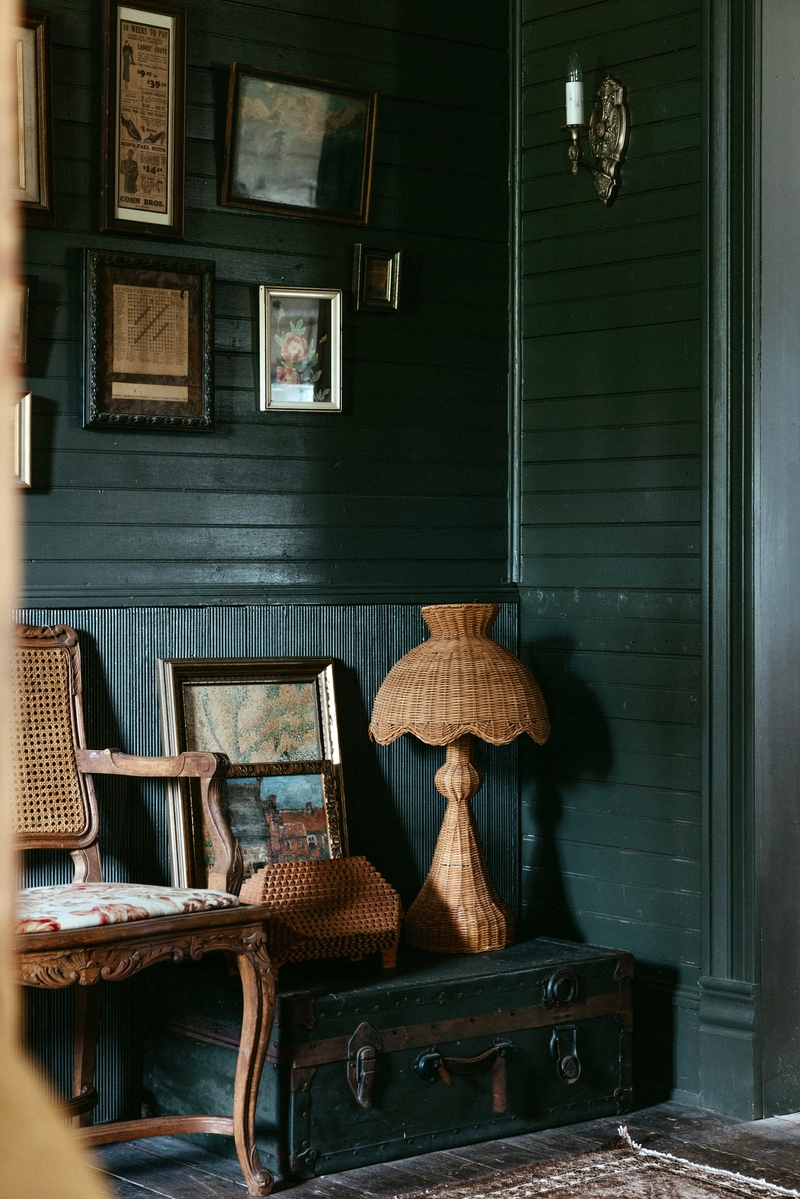
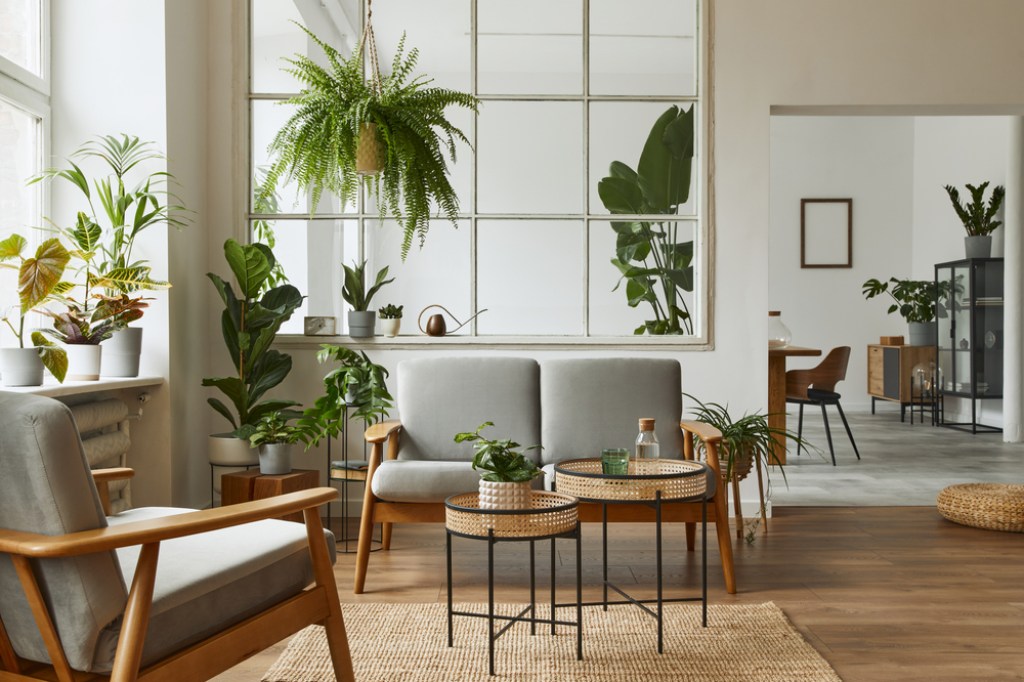
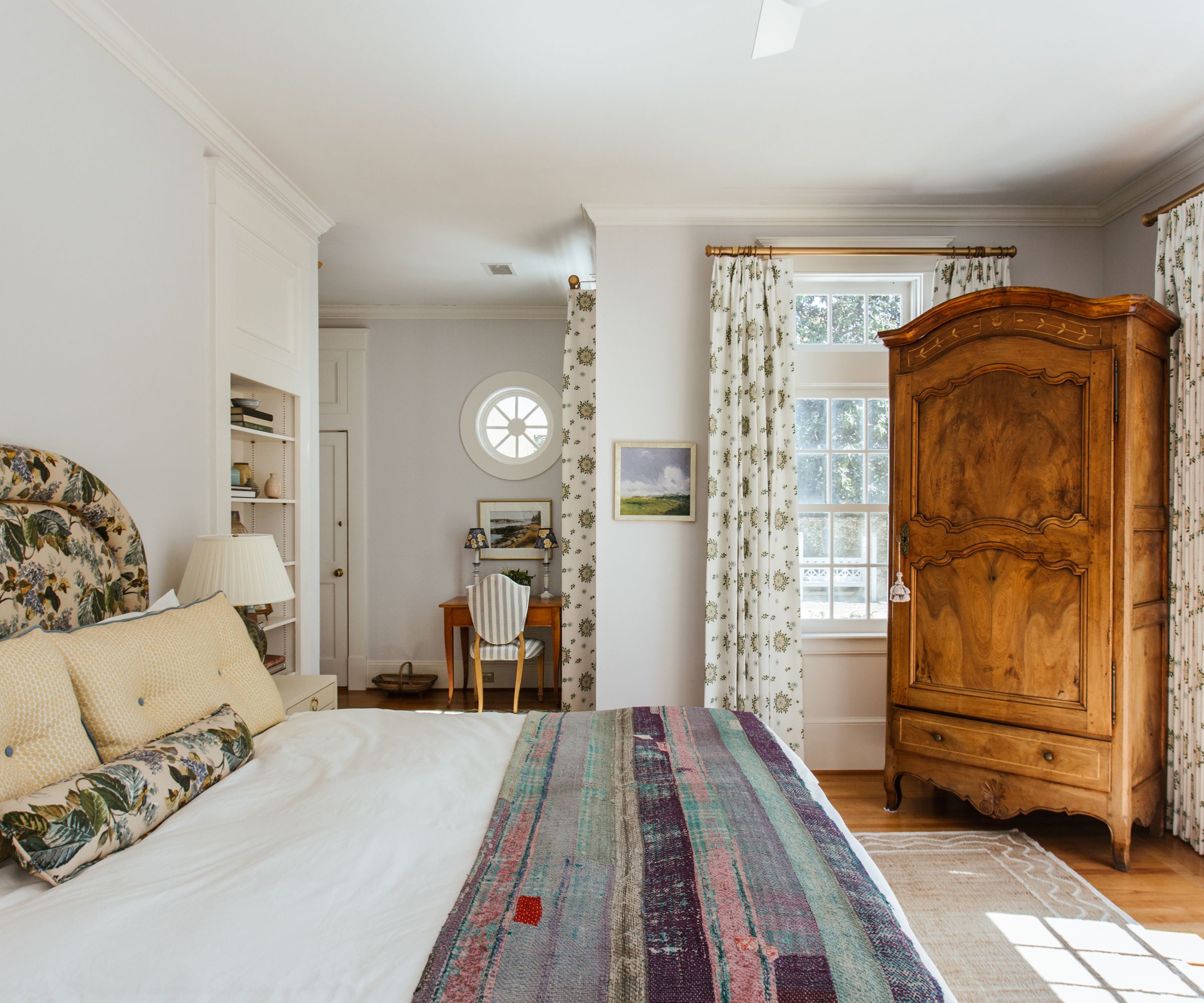
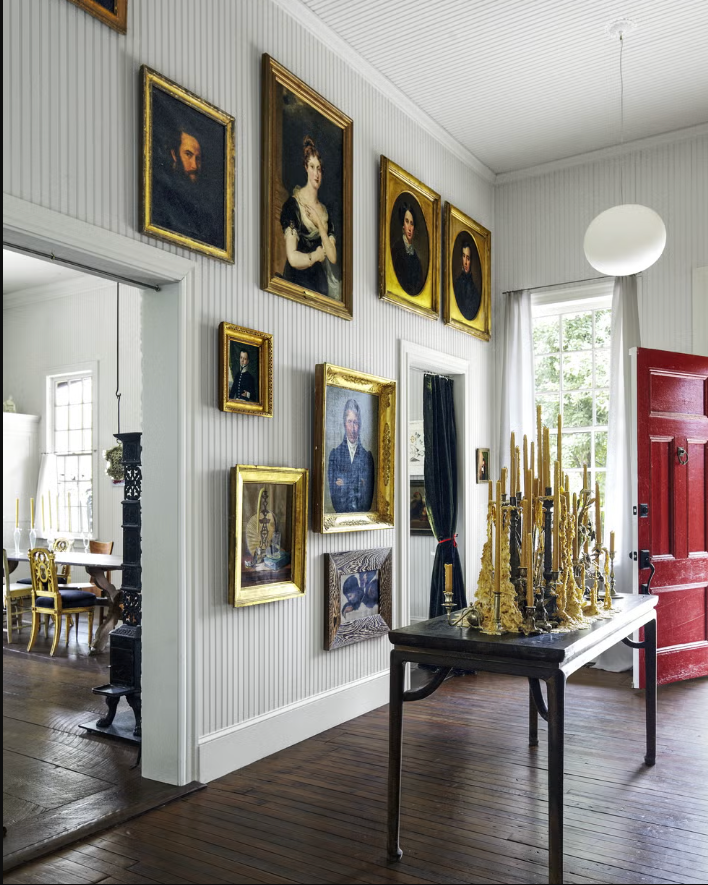
Finally, free-standing cabinets are replacing built-in units in living rooms. This trend aligns with a desire for more characterful and layered interiors. Standalone pieces, such as console tables, bureaus, or tall shelving units, offer unique storage solutions and visual interest, making a room feel more personalized and less static. Free-standing furniture also provides an excellent opportunity to incorporate vintage pieces, contributing to a lived-in and loved aesthetic, allowing for easy relocation or change.
#LivingRoomFurniture #InteriorDesignTrends #ComfortableInteriors #BespokeFurniture #StorageSolutions #OttomanCoffeeTable #BoldColorsPatterns #CozyTextures #SofaSkirts #LivingRoomFurniture #InteriorDesignTrends #ComfortableInteriors #BespokeFurniture #StorageSolutions #OttomanCoffeeTable #BoldColorsPatterns #CozyTextures #SofaSkirts
Há 0 comentários no total
 Ainda não há comentários
Você também pode gostar
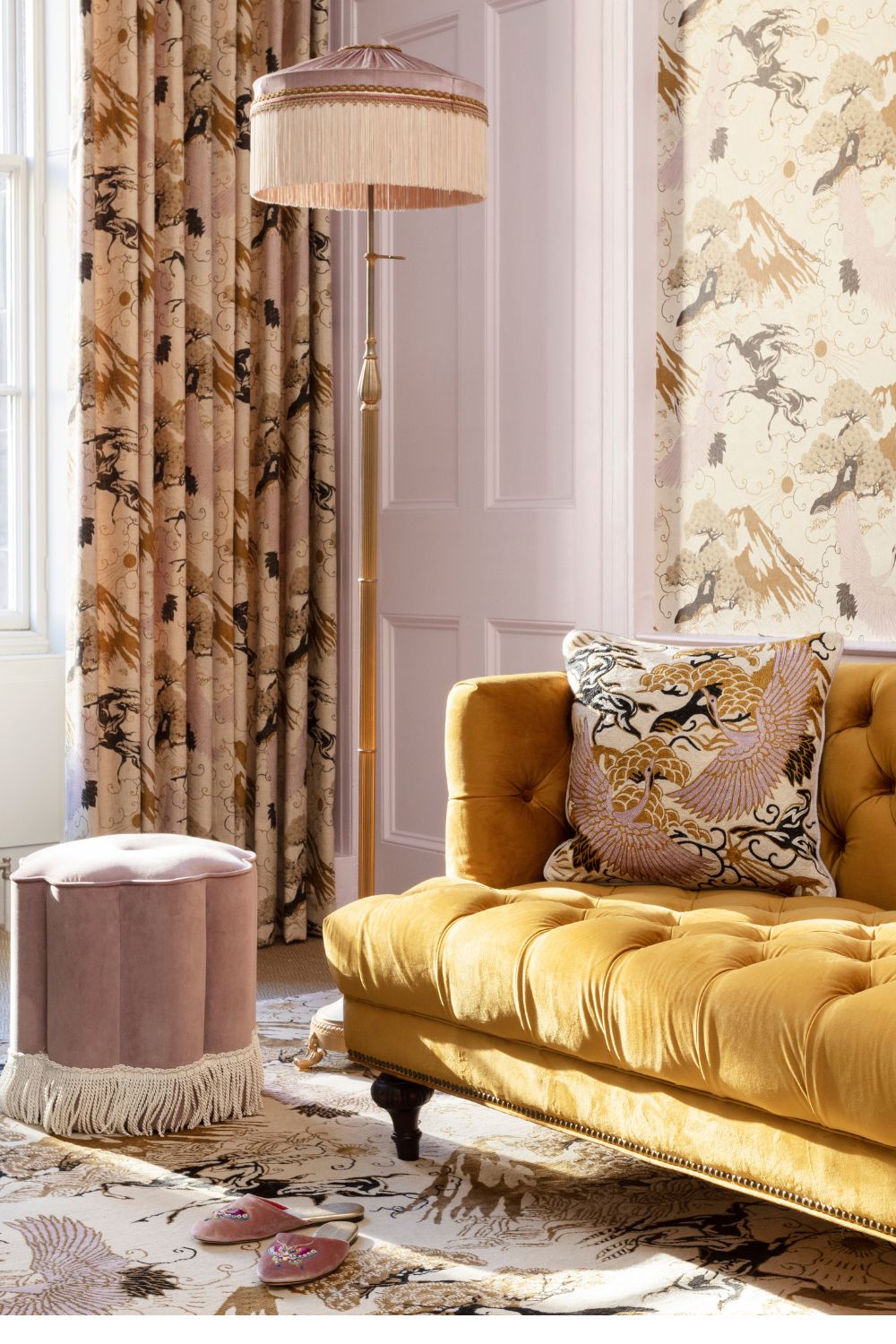
All The Living Room Trends To Look Out For In 2025
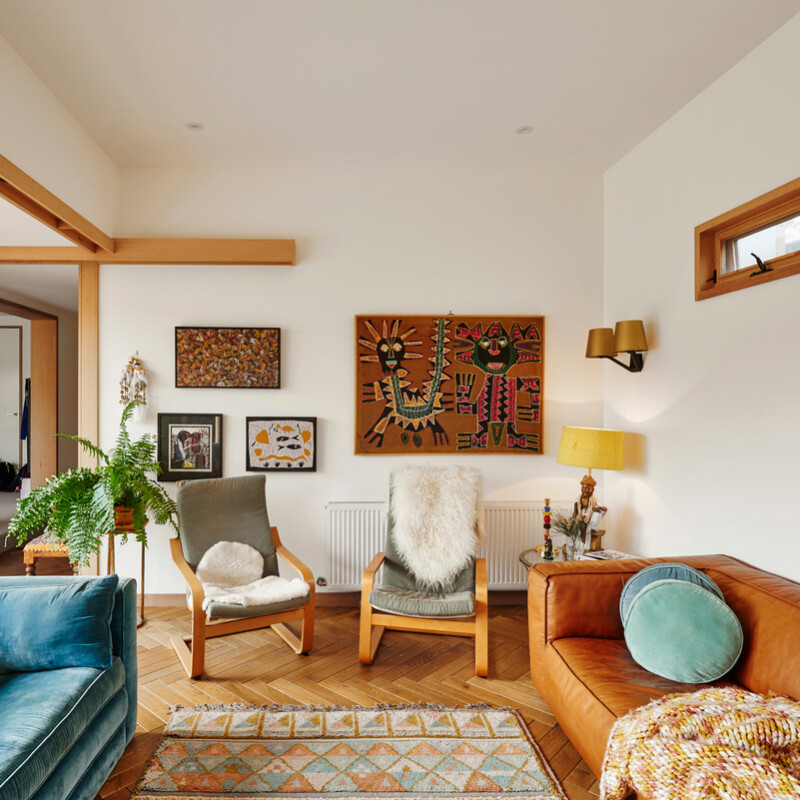
And Now, the Best Living Room Decor Ideas for 2025

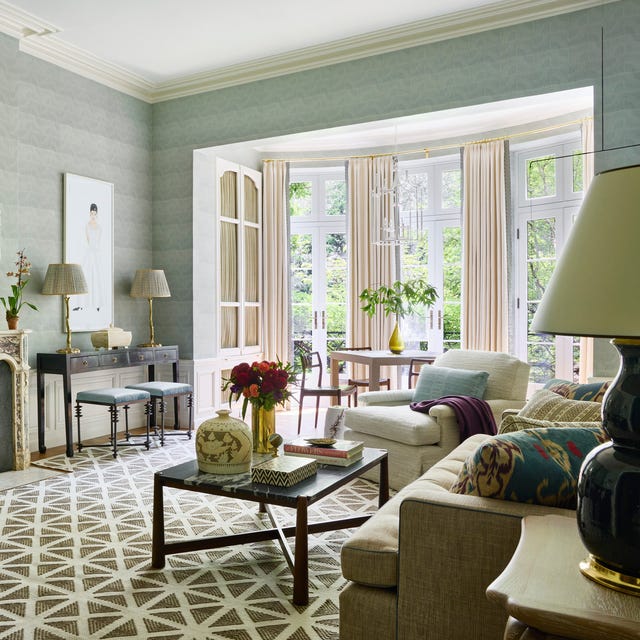
Experts Predict These 6 Living Room Trends Will Be Huge in 2025

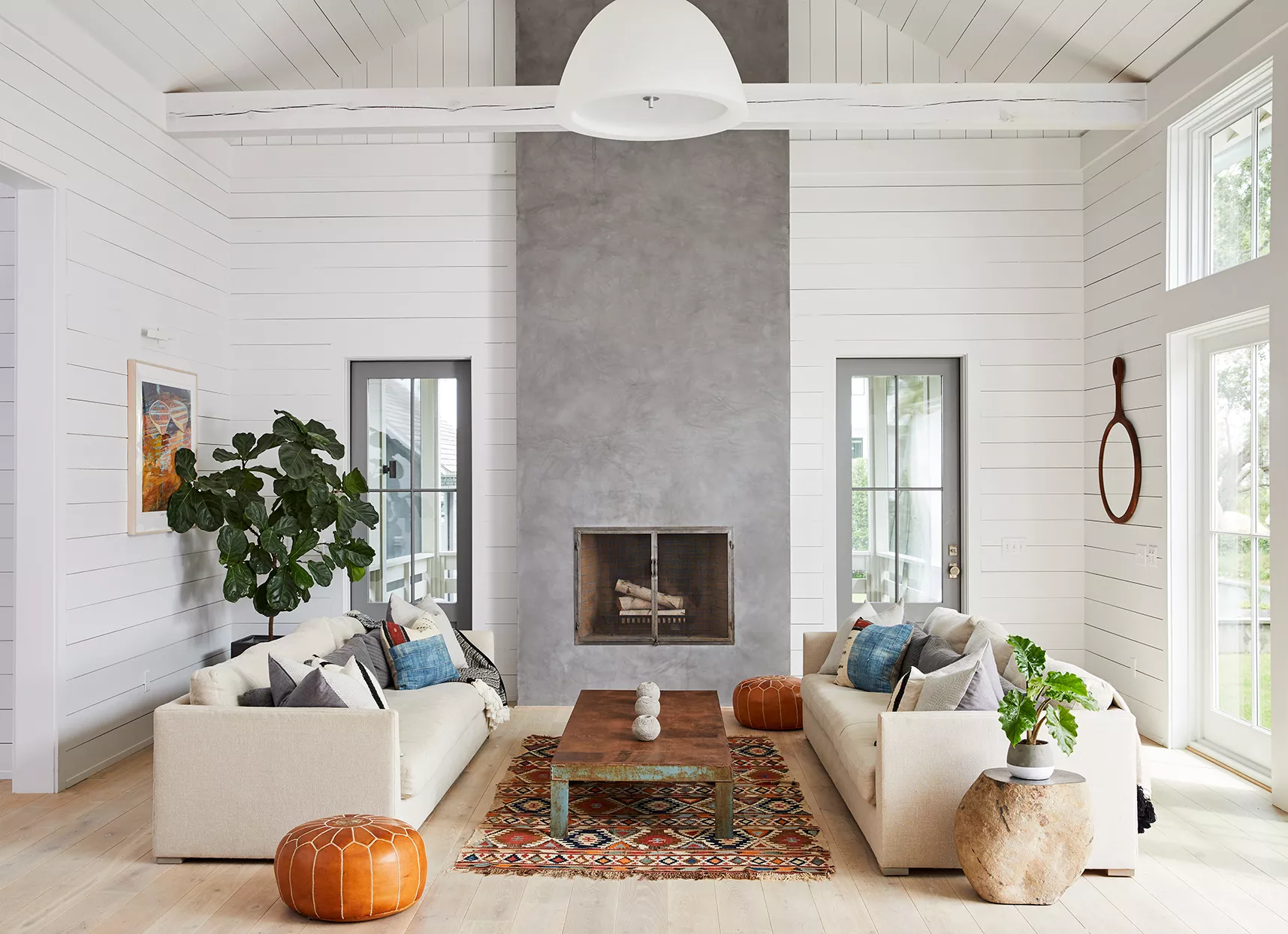
6 Living Room Trends That Will Be Big in 2025, According to Designers

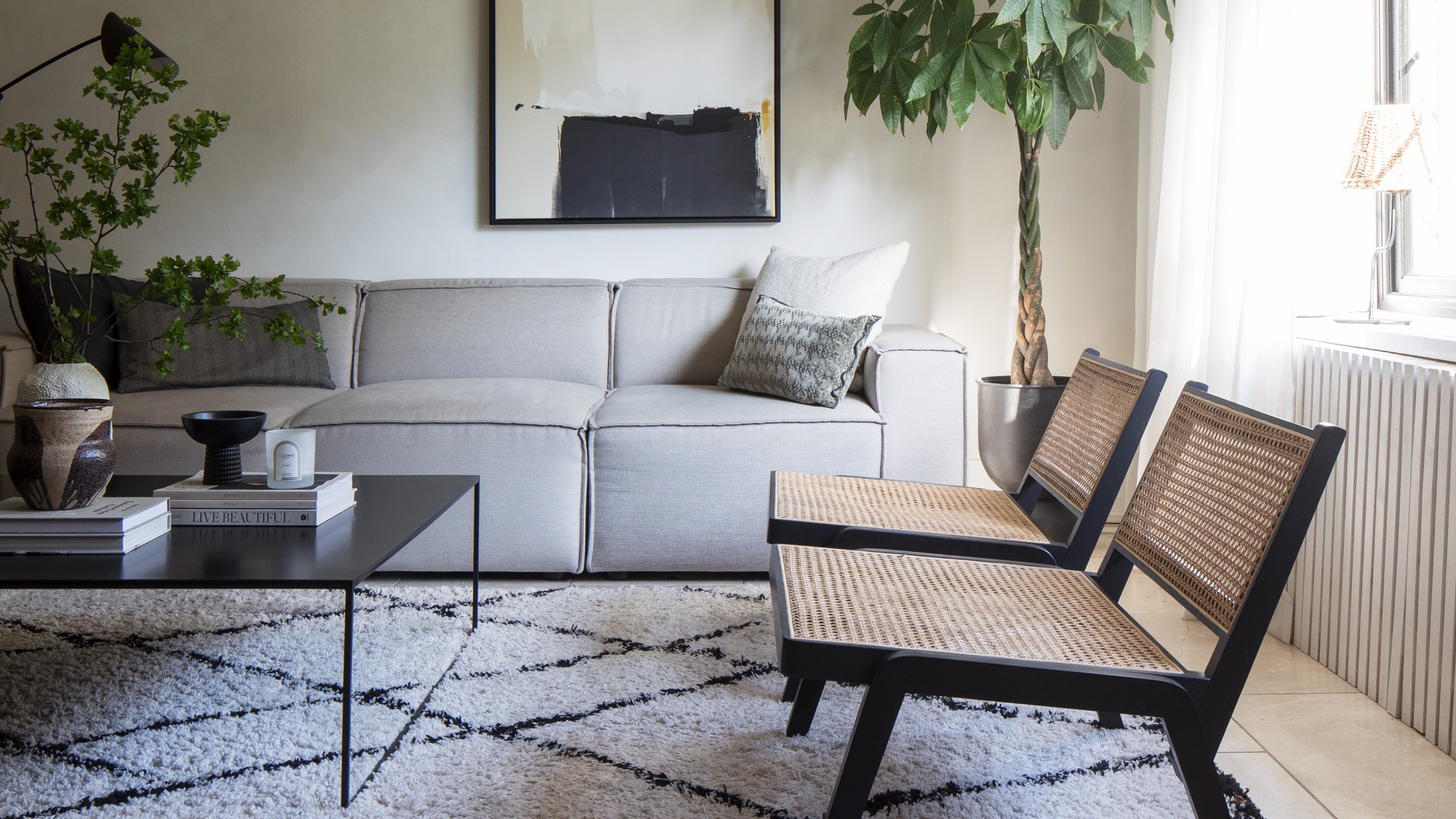
10 living room trends that should be on your radar in 2025 – the fresh styles that will transform your lounge
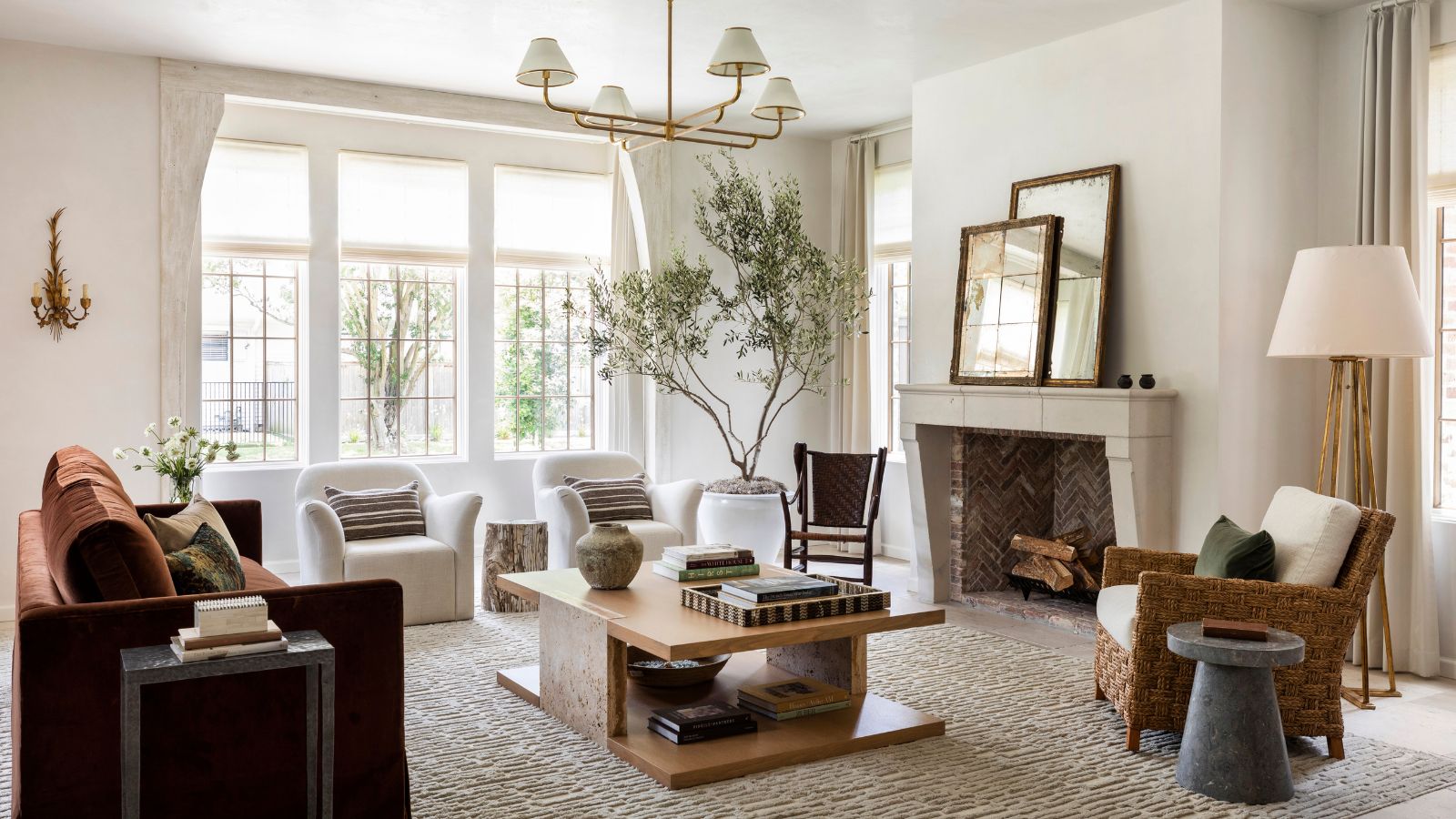
10 furniture trends that designers are loving for 2025
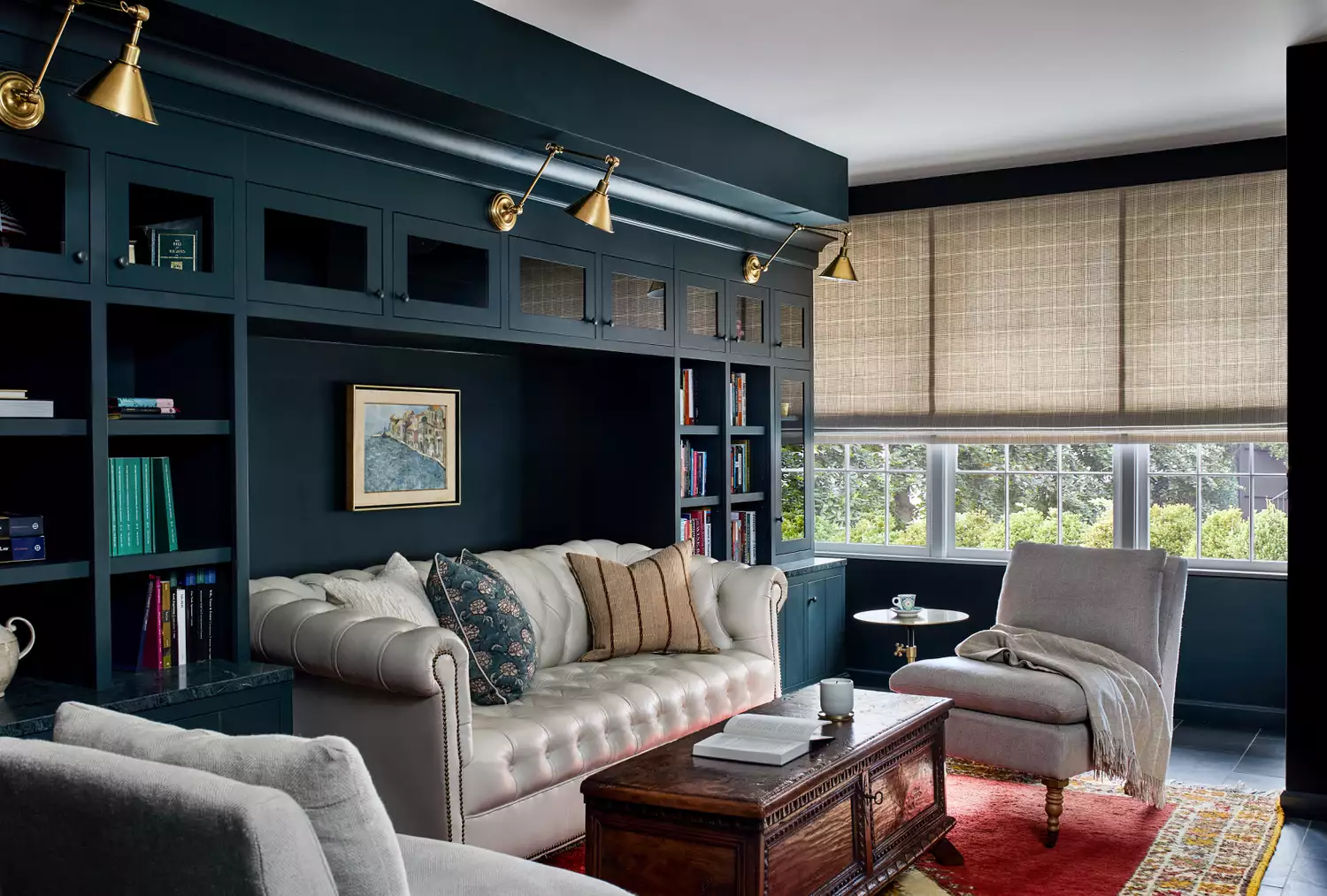
The Biggest Living Room Trends for 2025, According to Interior Designers
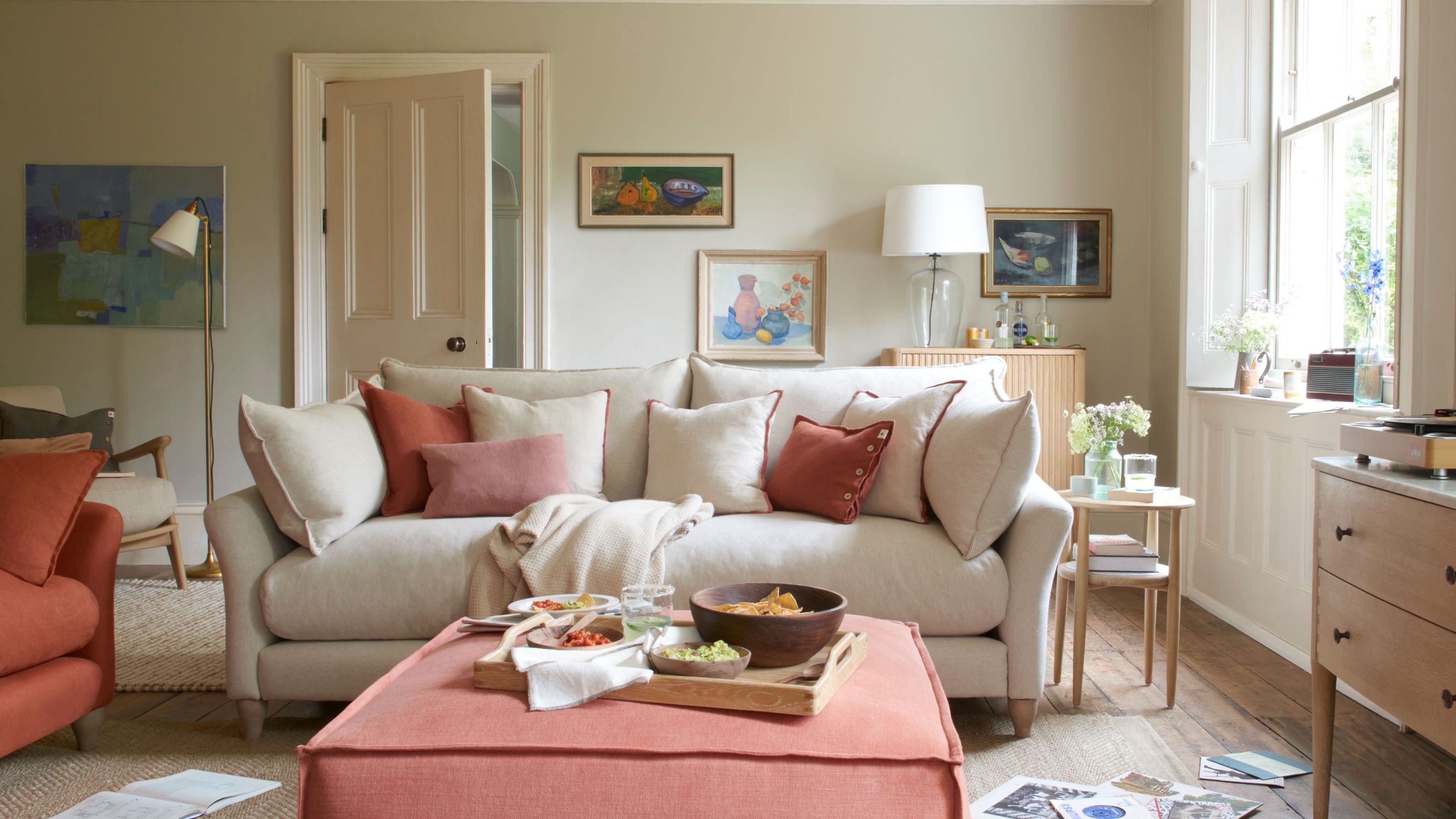
5 small living room trends for 2025 — designs experts love these stunning styles

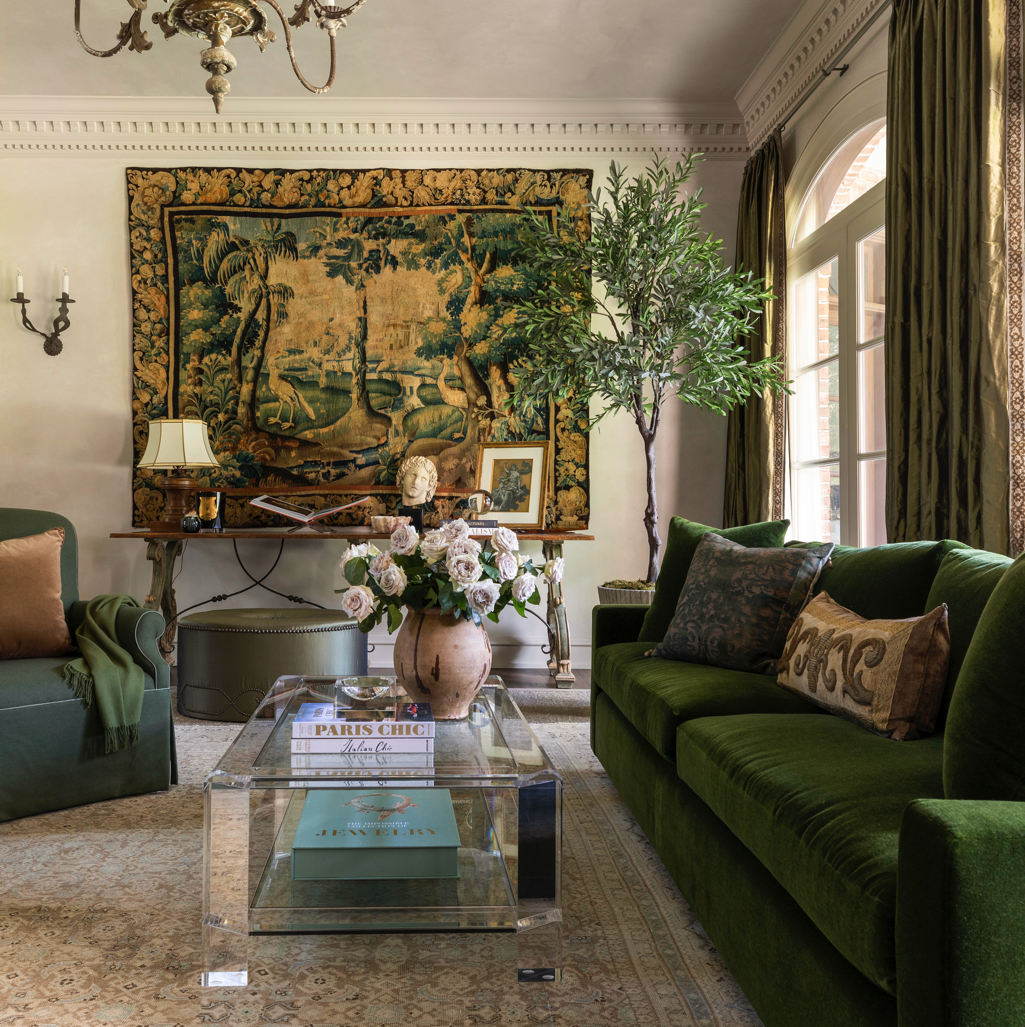
10 Living Room Design Trends You'll See Everywhere in 2025

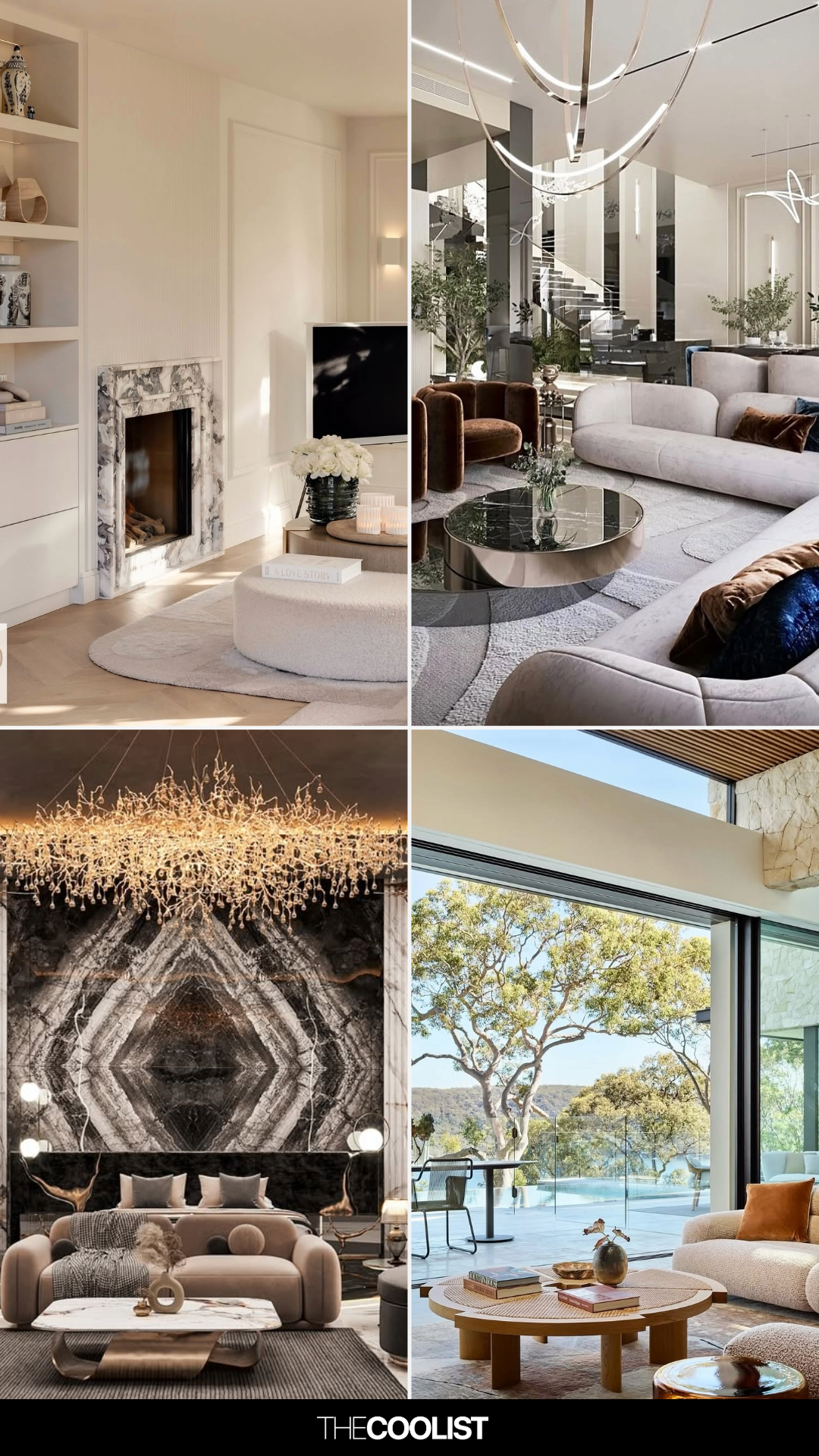
25 Modern Contemporary Living Room Ideas Trending Hard in 2025 (For Good Reason)

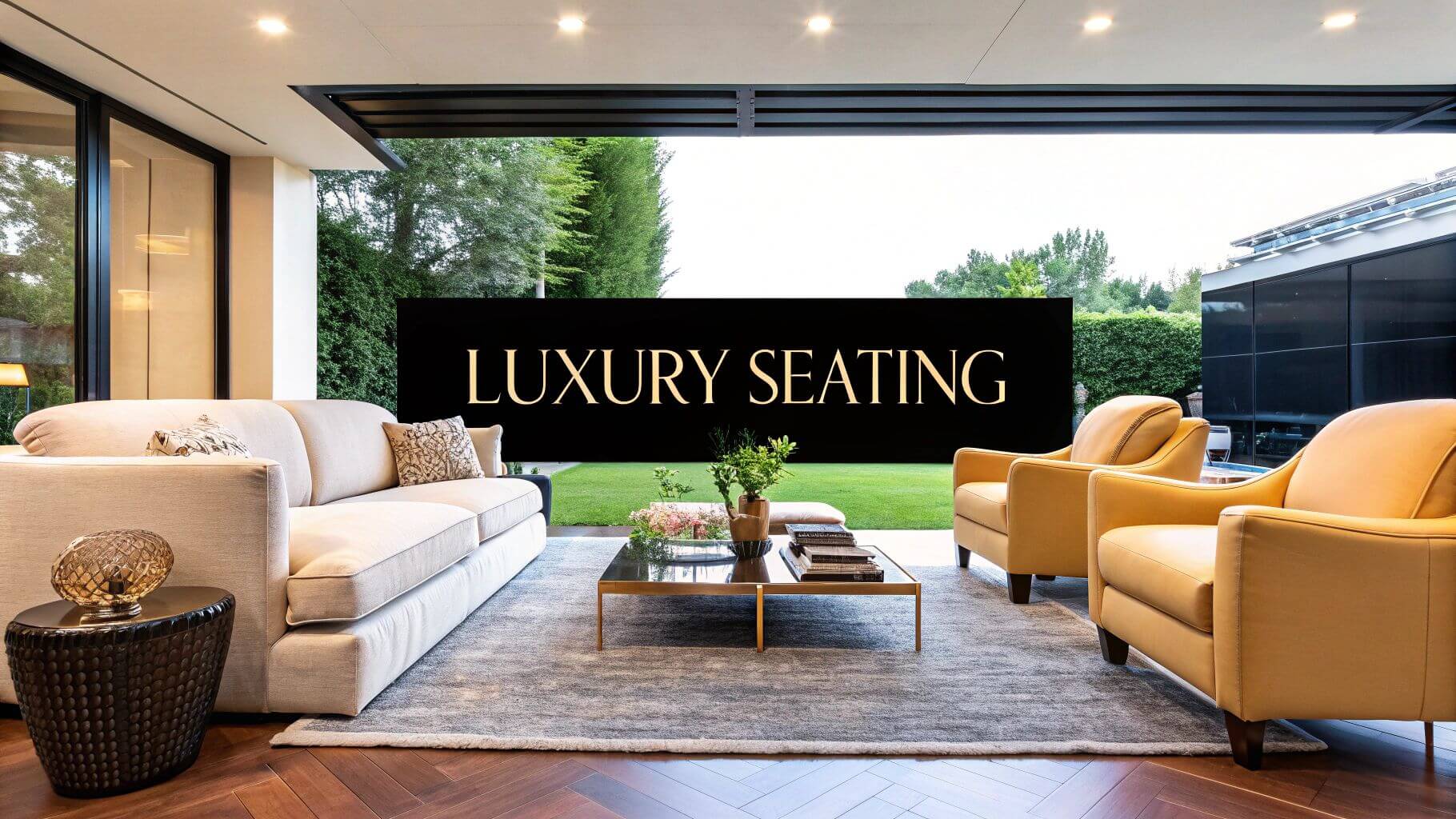
10 Luxury Living Room Seating Ideas for 2025

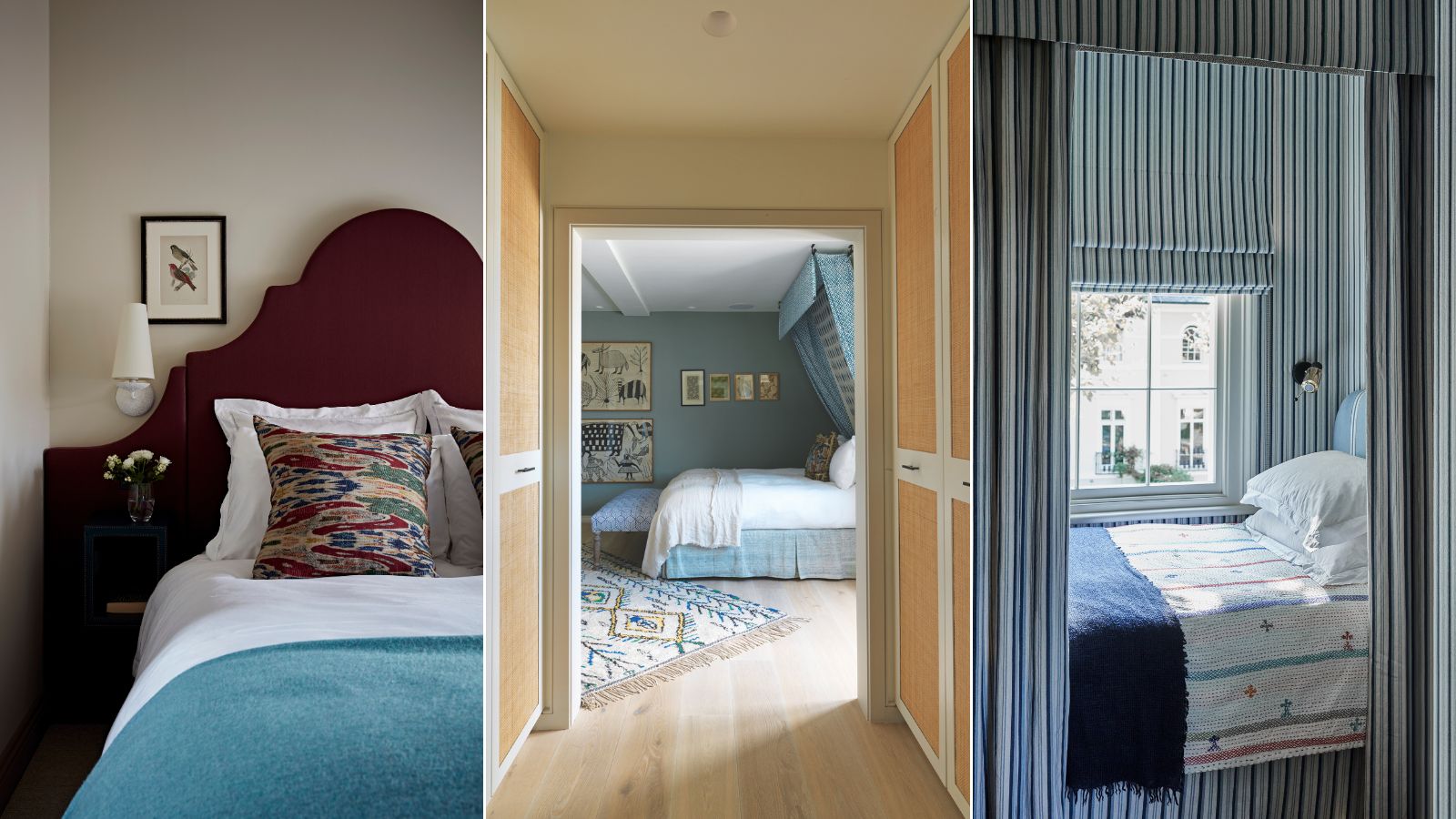
10 designer-approved bedroom furniture trends to take note of in 2025
8 Living Room Decorating Trends Designers Are Most Excited About for 2025

10 furniture trends that designers are loving for 2025 and beyond
2024 home design: 9 gorgeous living room decor ideas the experts swear by
These 5 Furniture Trends Will Dominate 2025

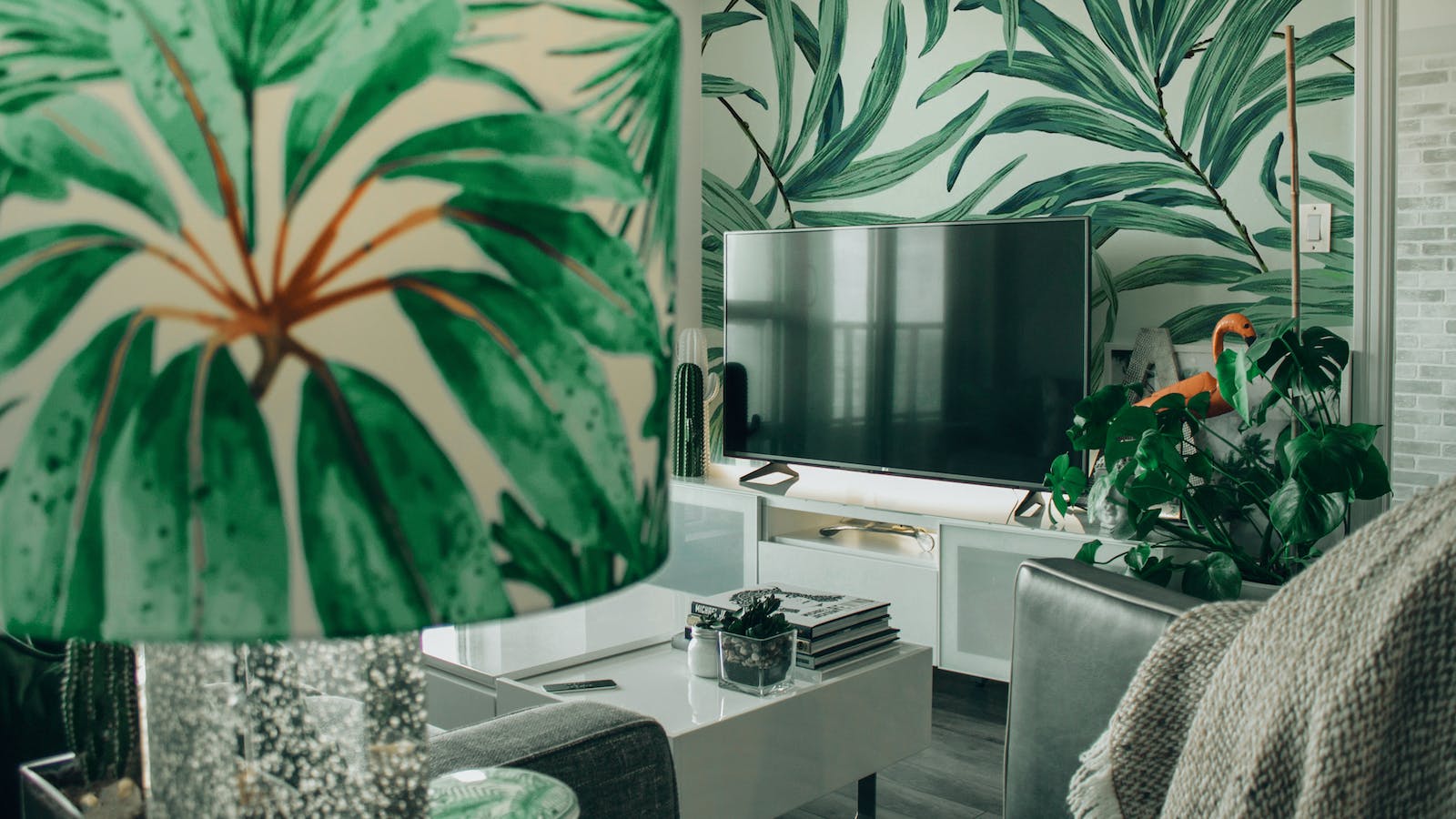
Elevate Your Space: Top Living Room Design Trends for 2025
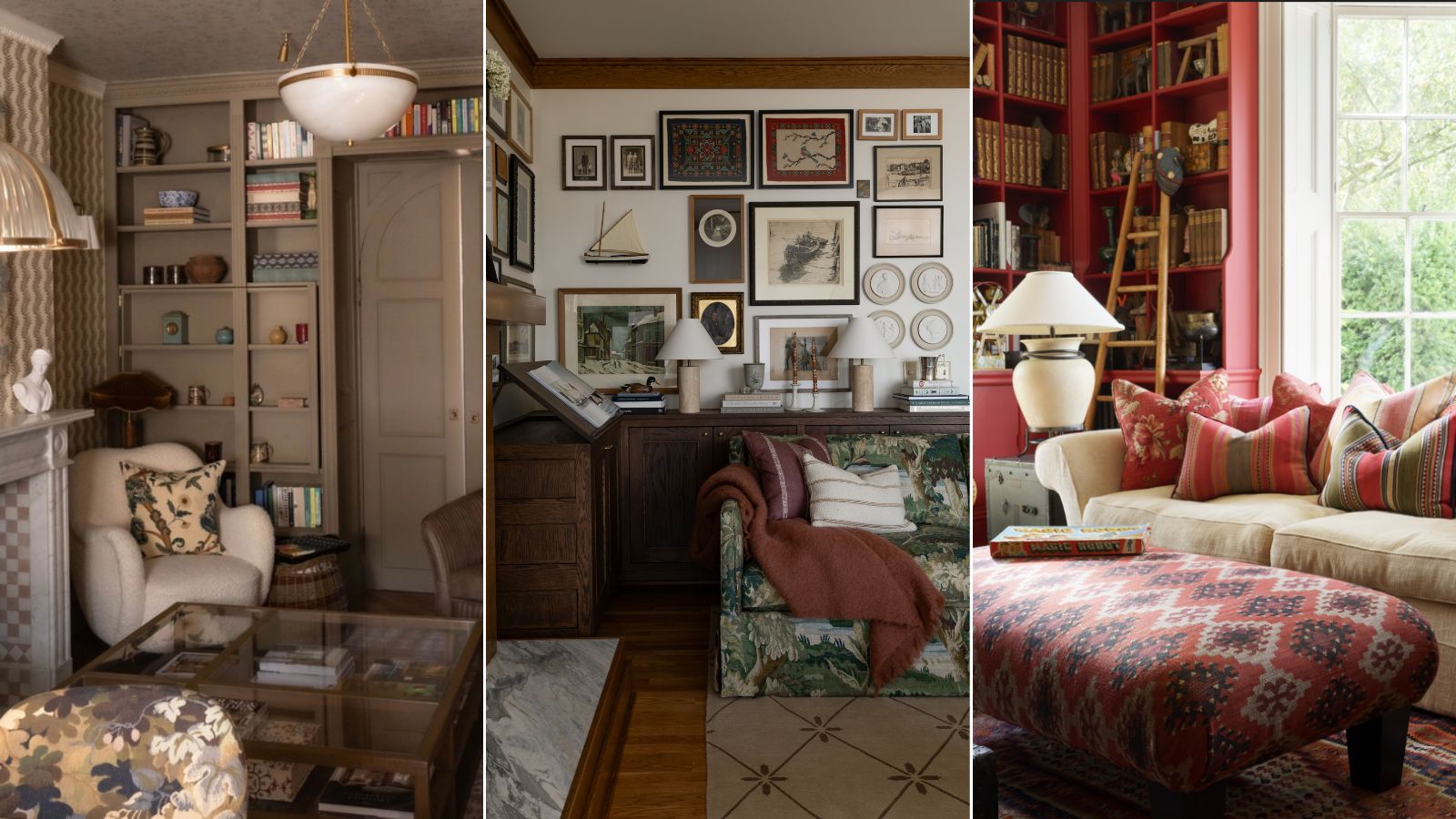
Designers have shared the top 17 living room trends of 2025
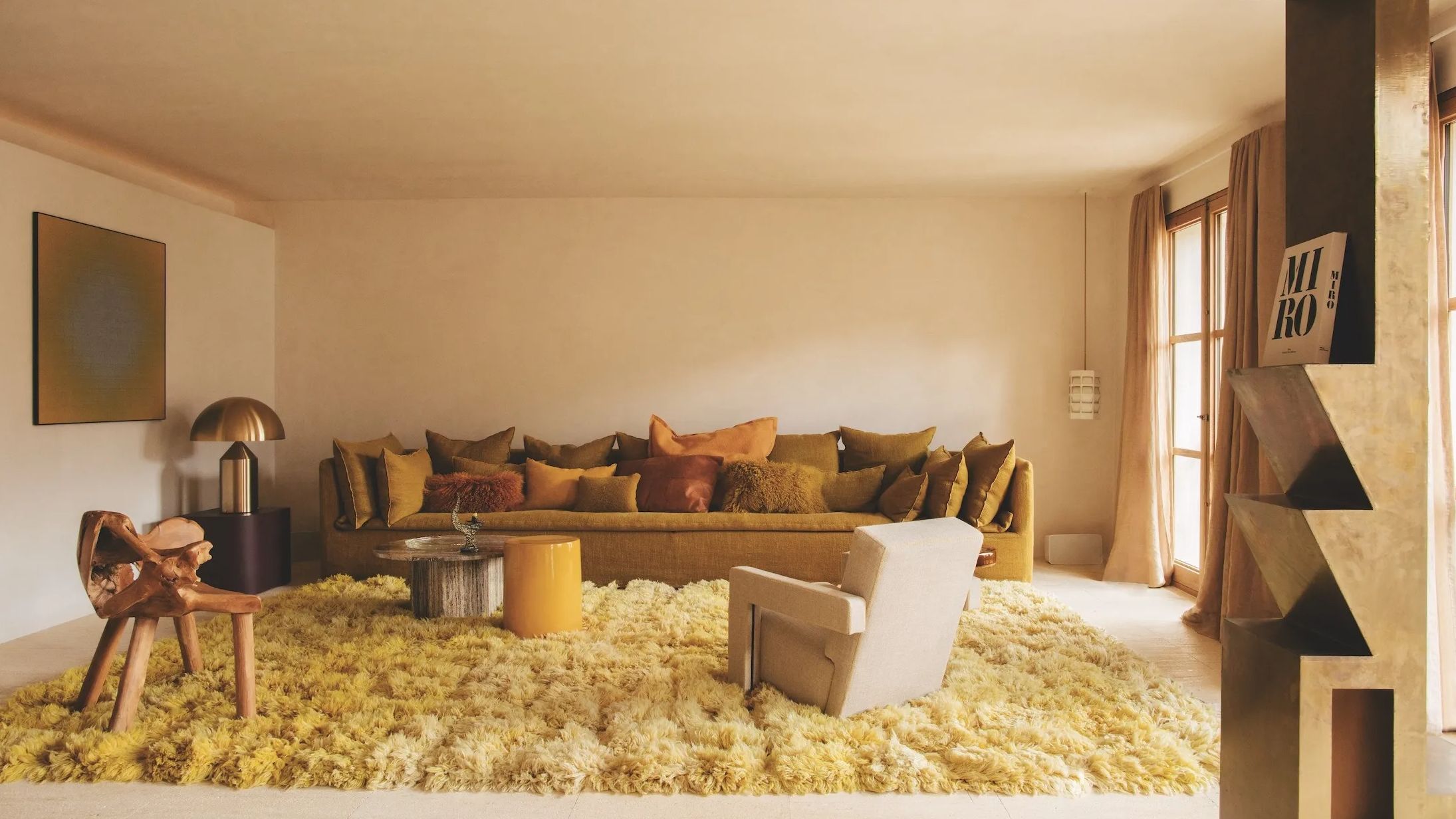
These are the top living room design trends for 2023

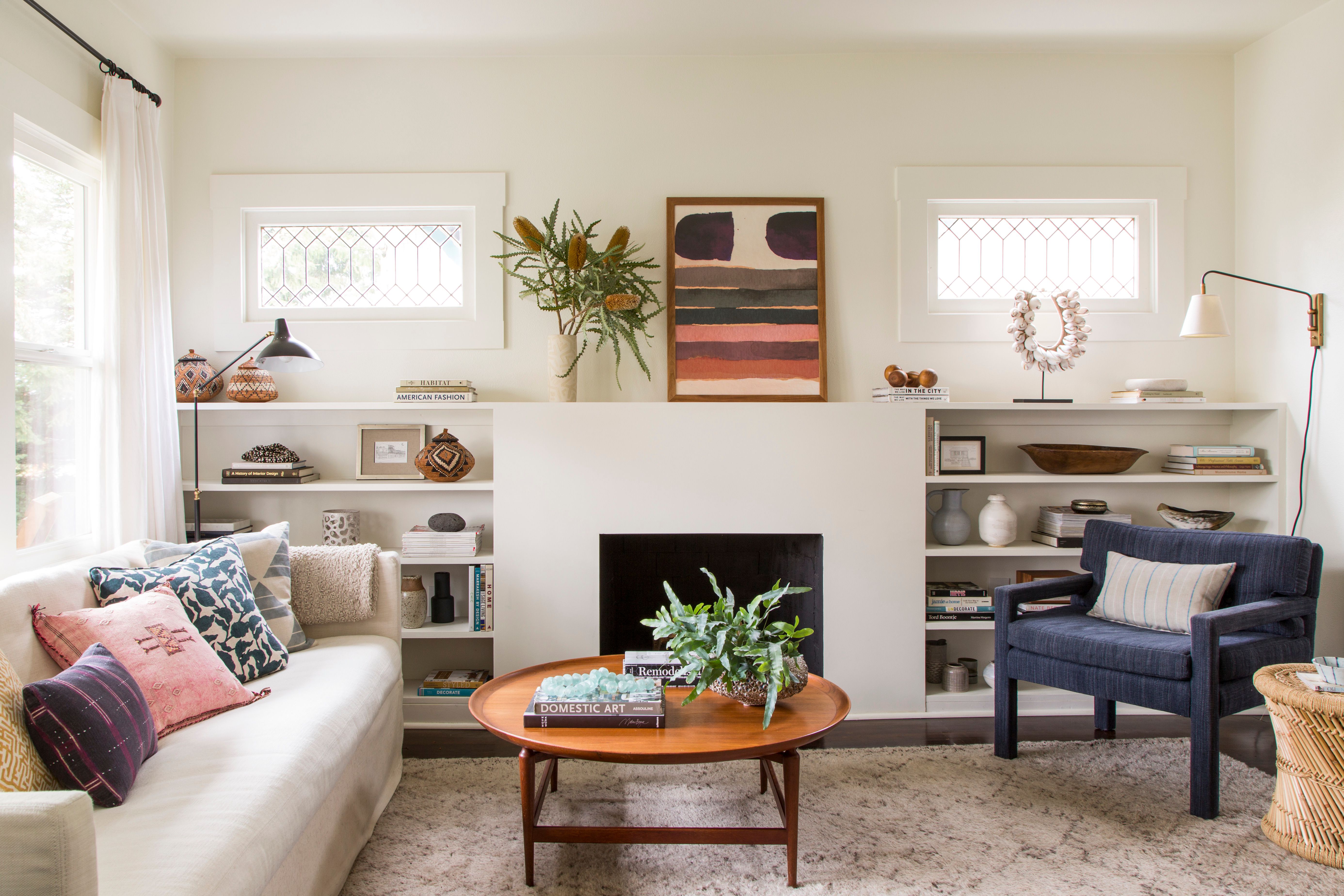
8 Living Room Trends to Try in 2023