1/10
9 Entryway Rug Ideas That Prove How You Use One Can Make or Break Your Space
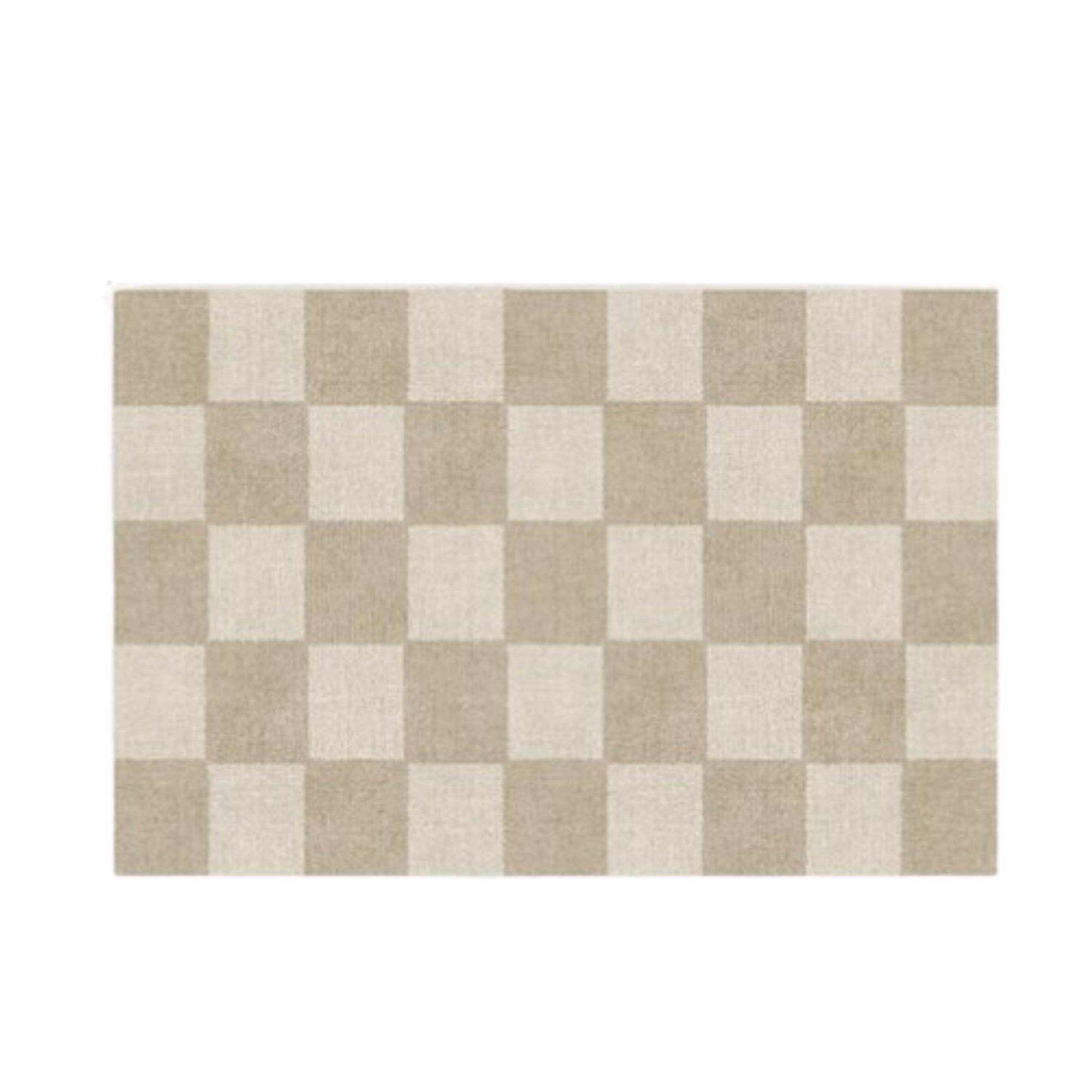
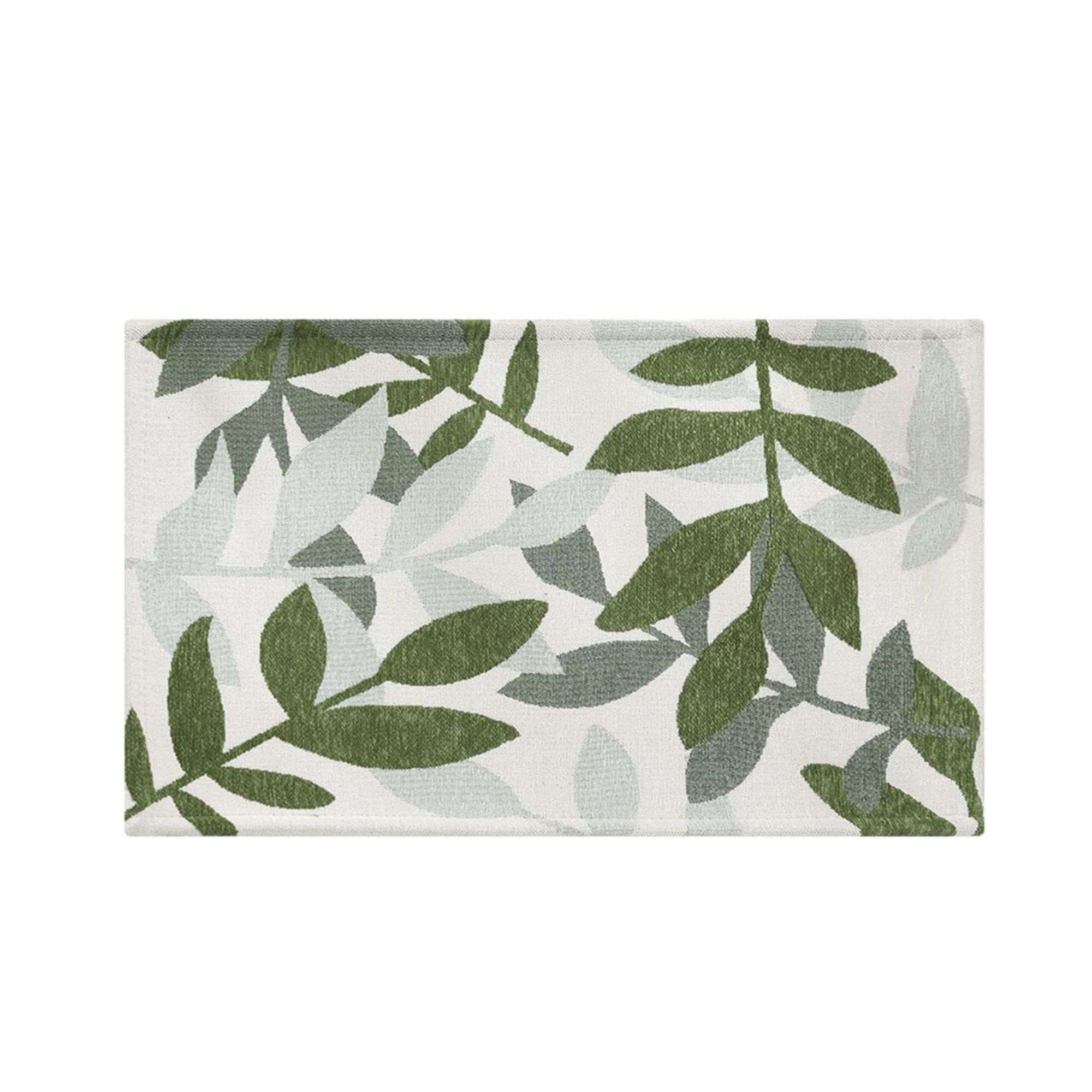
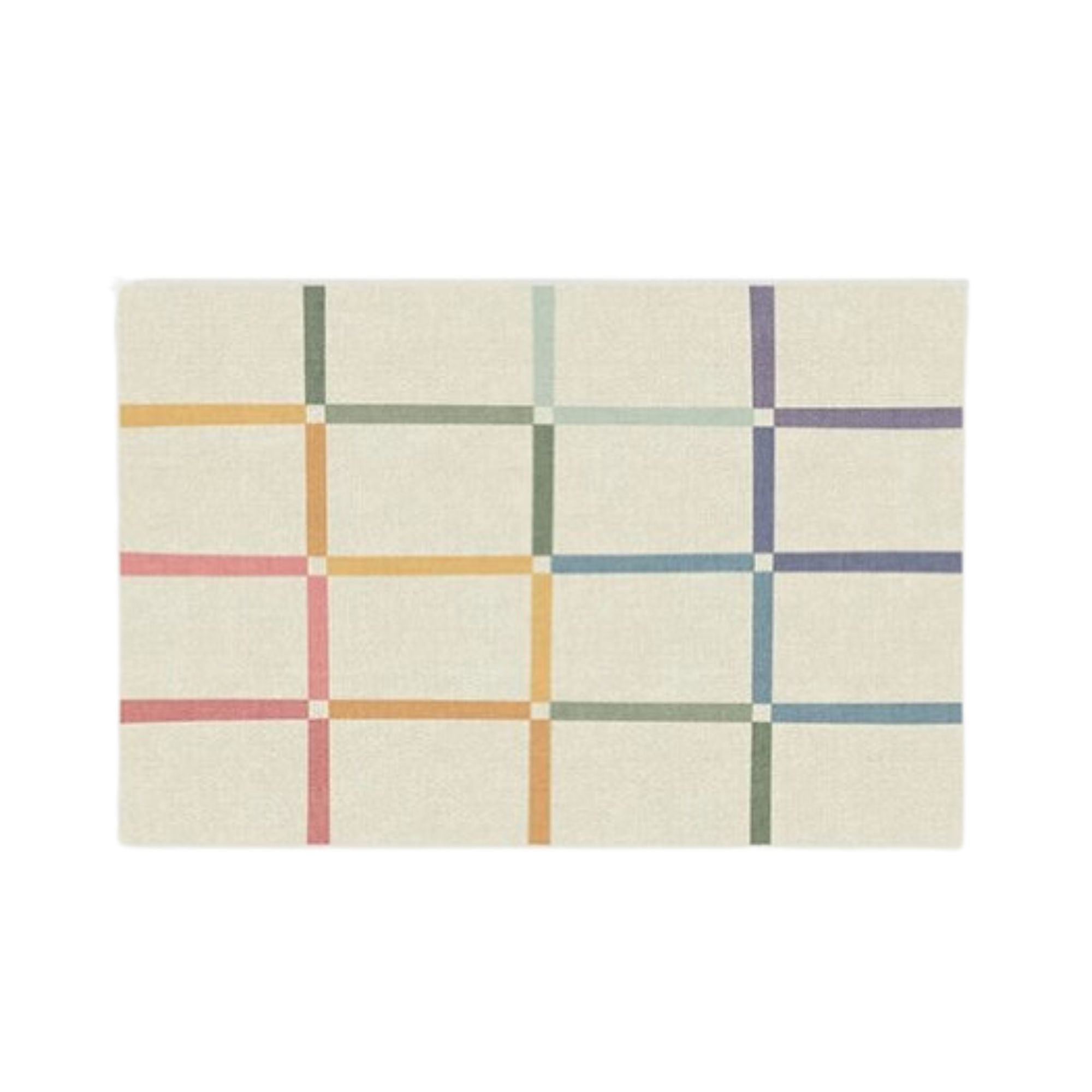
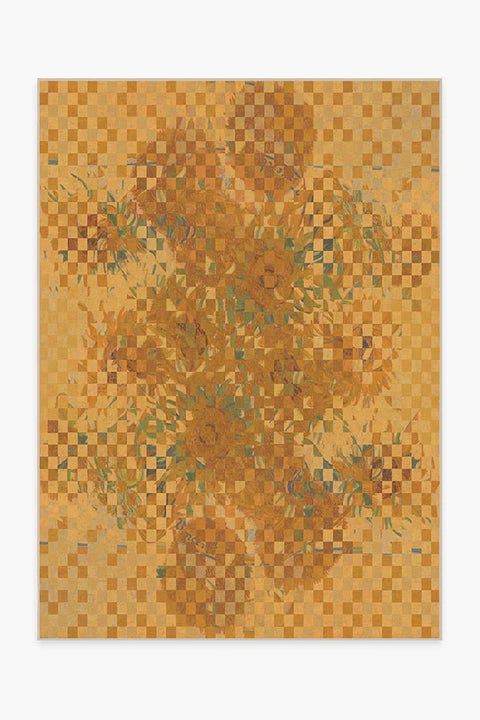
The entryway serves as the initial impression of a home, and the choice of a rug in this space significantly contributes to its overall aesthetic and functionality. Beyond its practical role in preventing dirt and debris from spreading, an entryway rug can elevate the design style and set the tone for the entire house. Designers emphasize that thoughtful selection and placement are crucial for maximizing the impact of an entryway rug.
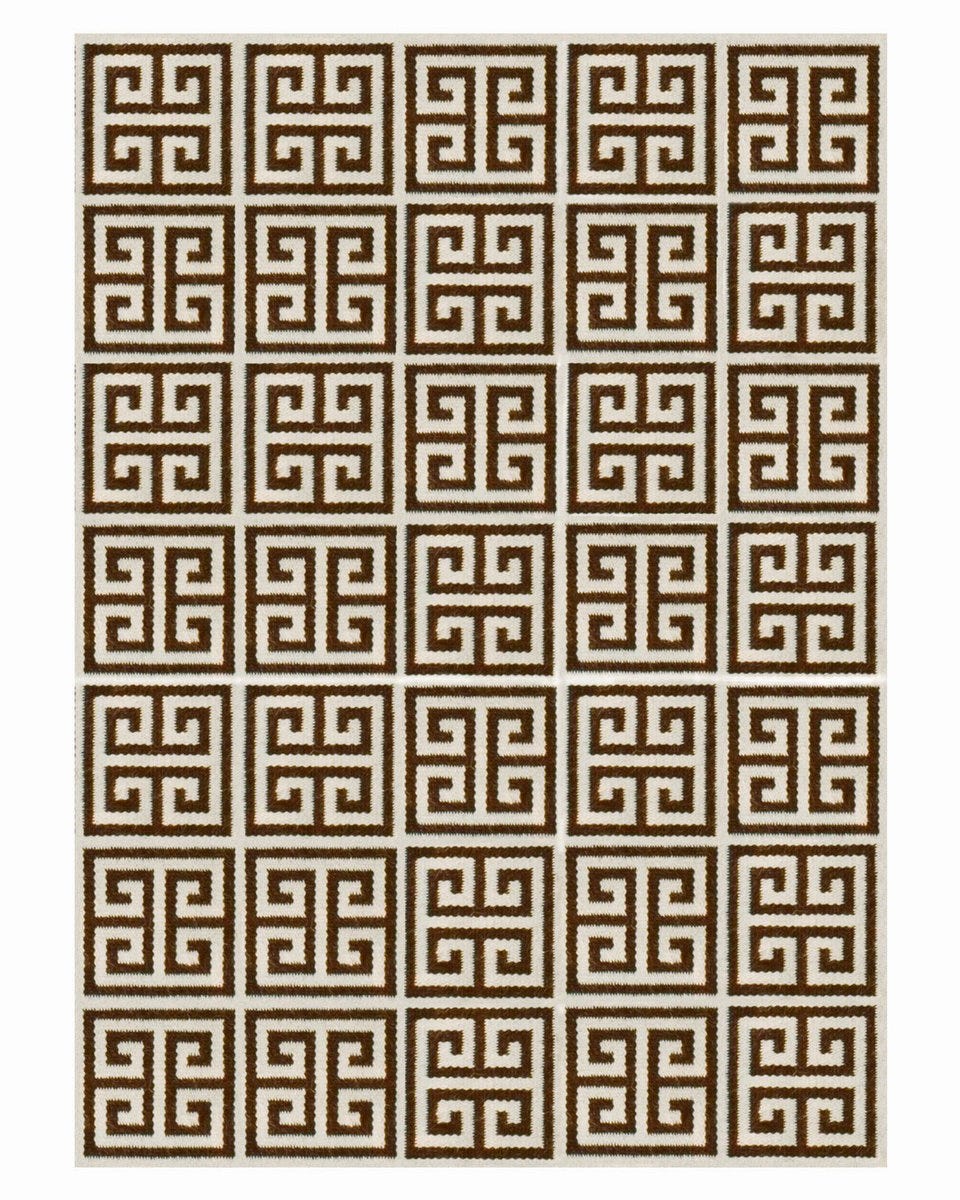
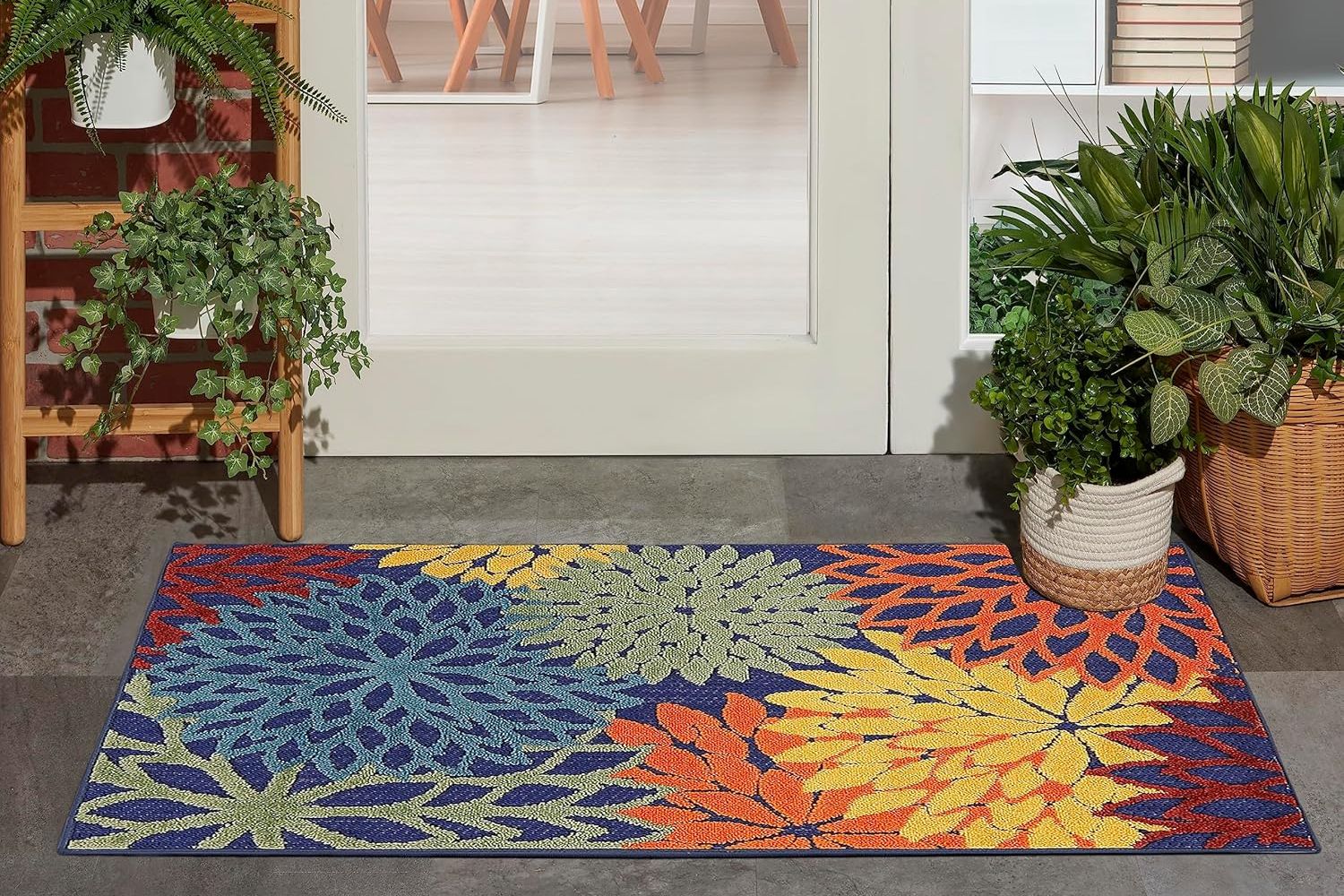
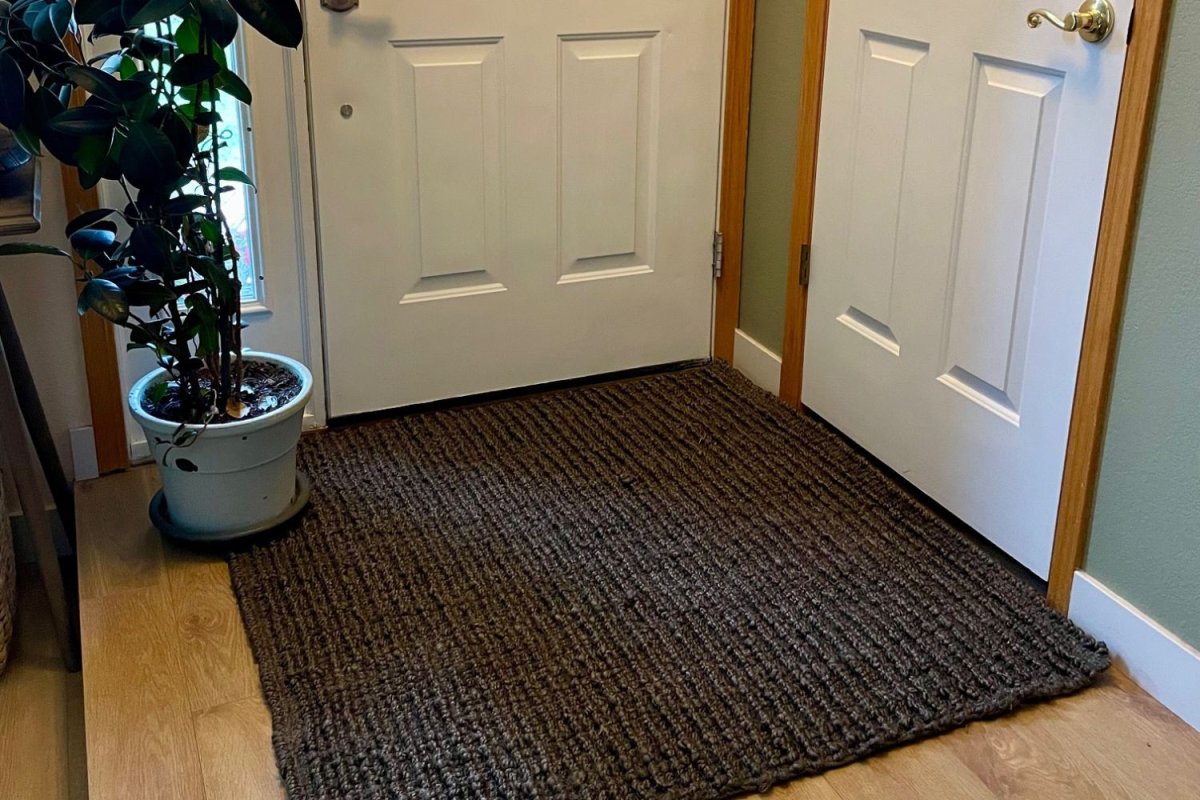
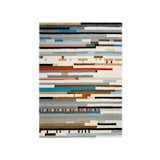
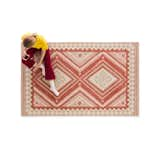
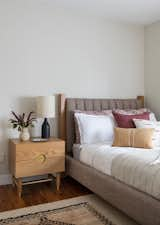
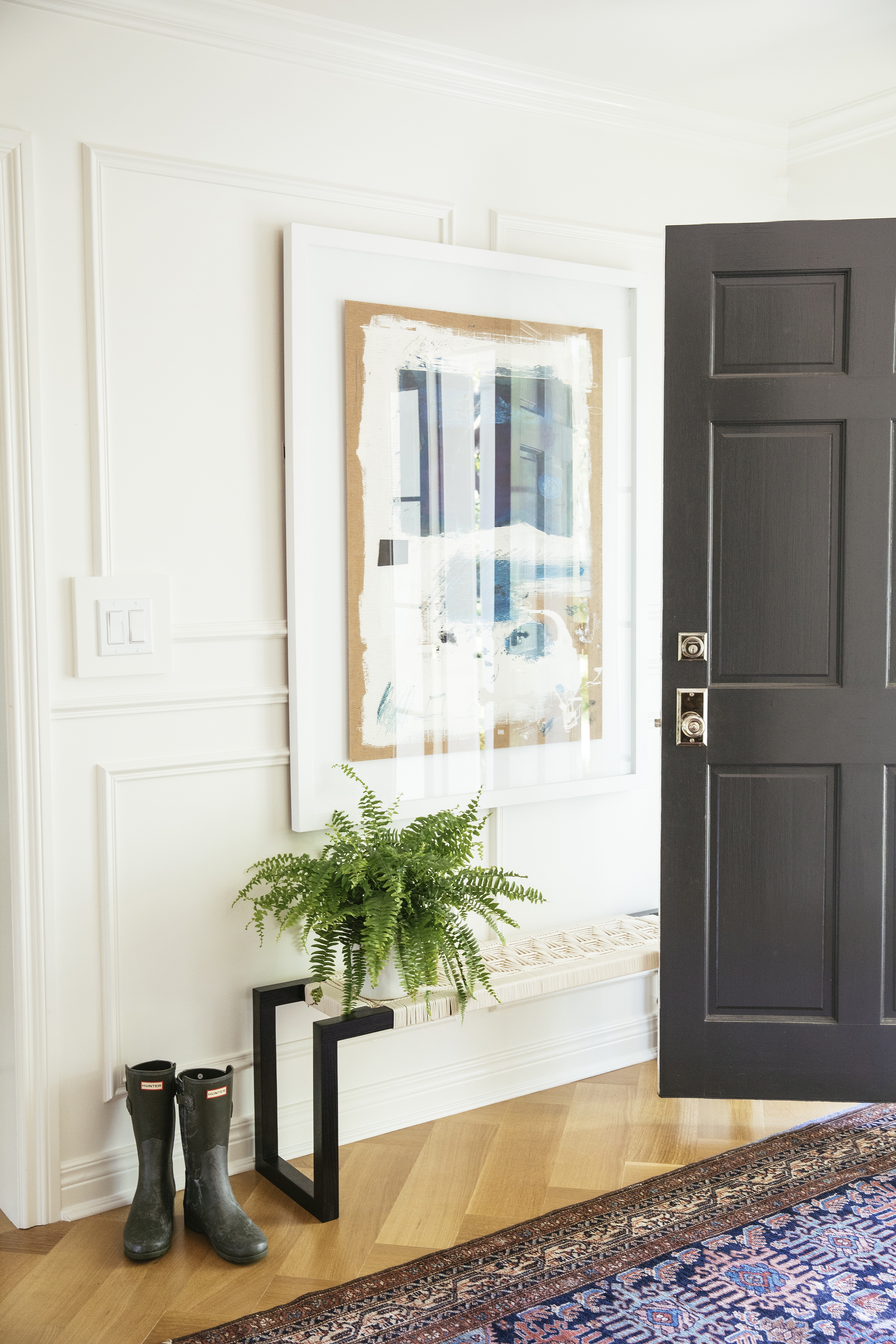
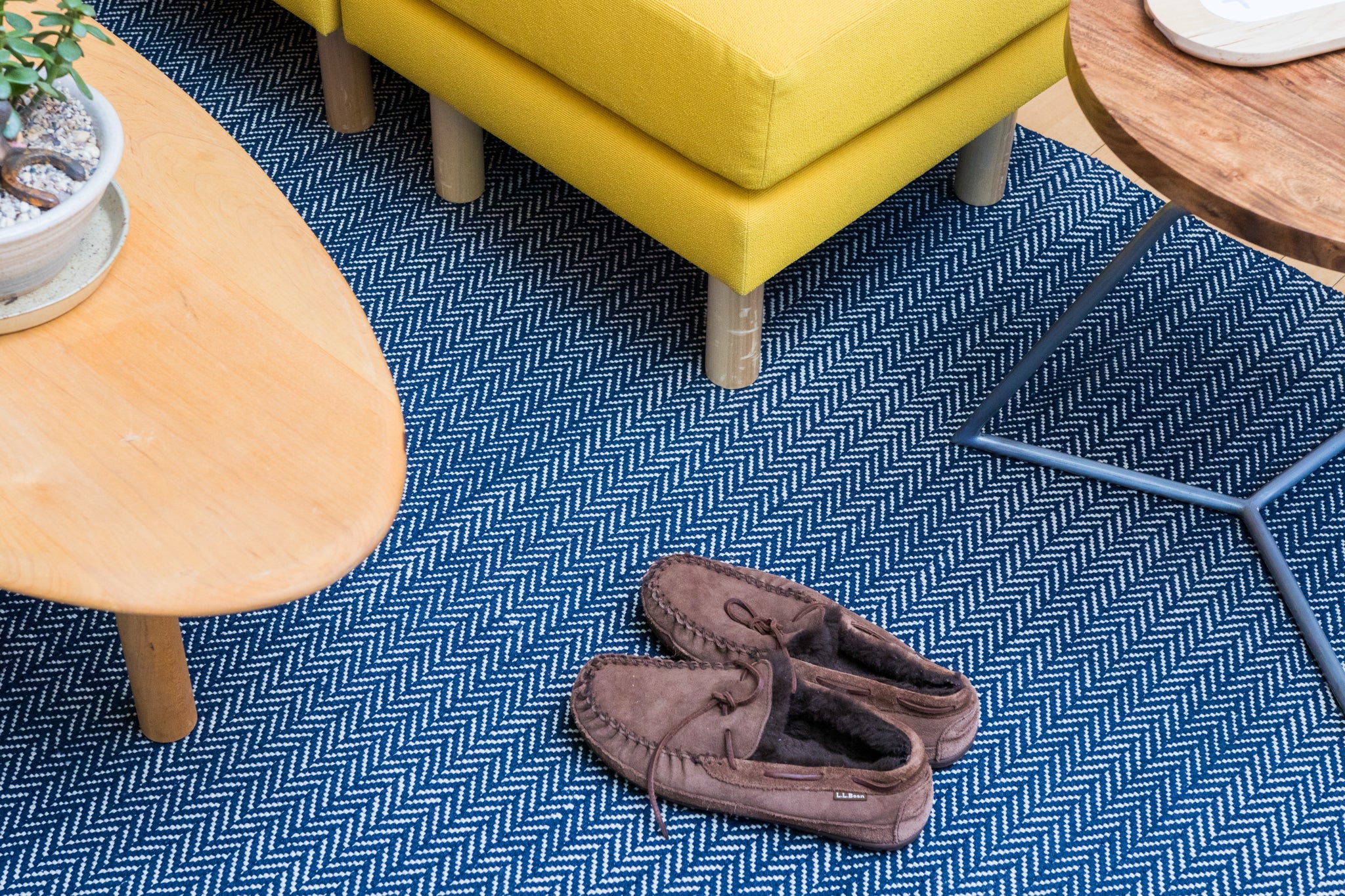
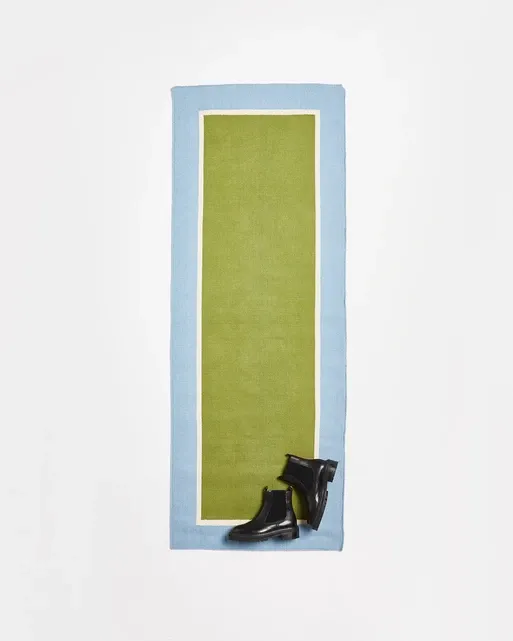
One approach is to create cohesion by drawing inspiration from the existing color palette and design elements of the home. For instance, a striped runner with a blend of blue and green hues can establish the color scheme for a parlor level, with the initial bright blue serving as an energizing visual highlight. Another strategy involves incorporating earthy tones to bridge the transition from the outdoors to the indoors. Rugs with warm, earthy vibes and patterns can enhance coziness and withstand varying weather conditions, particularly when complemented by natural elements like plants and wooden furniture.
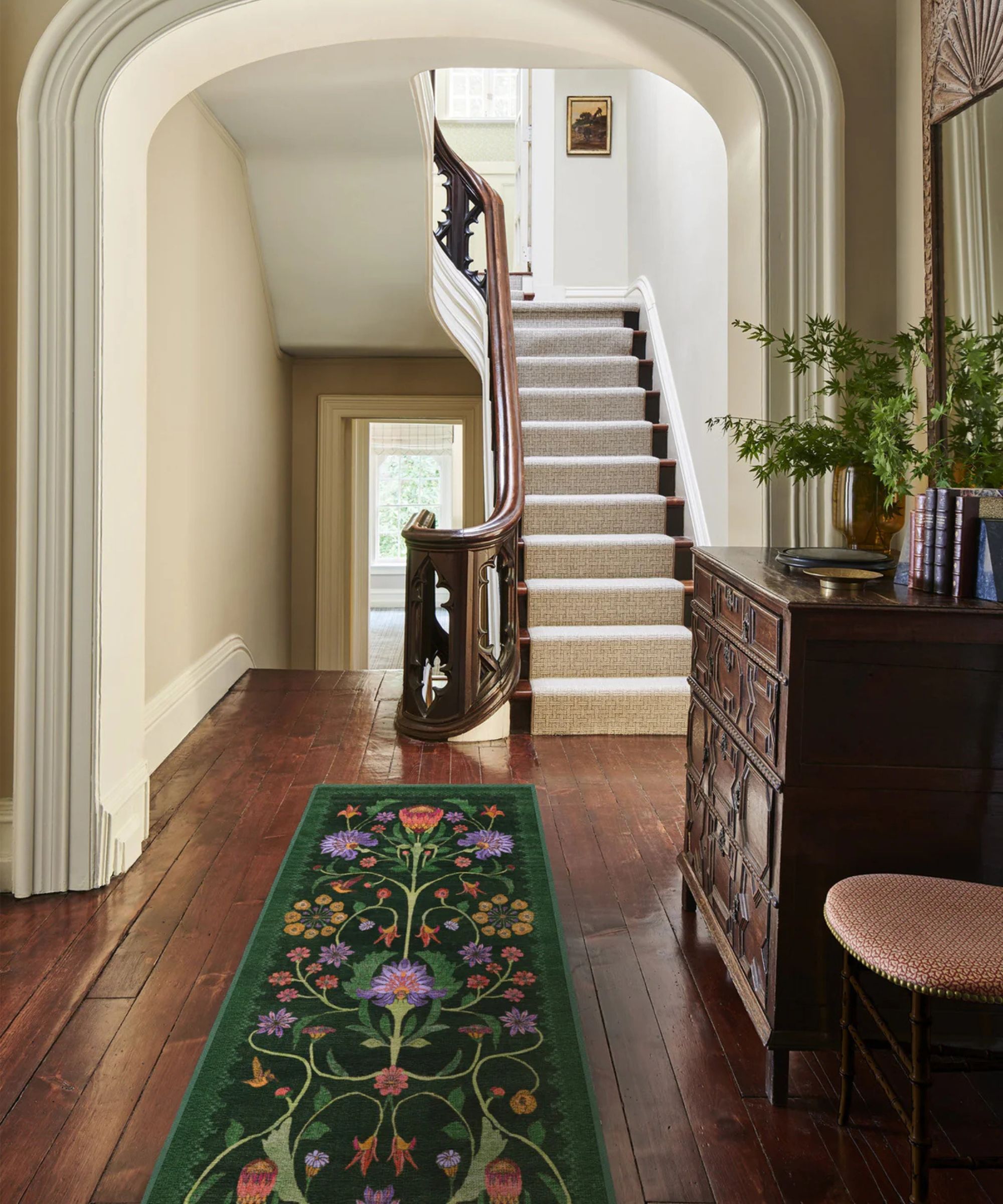
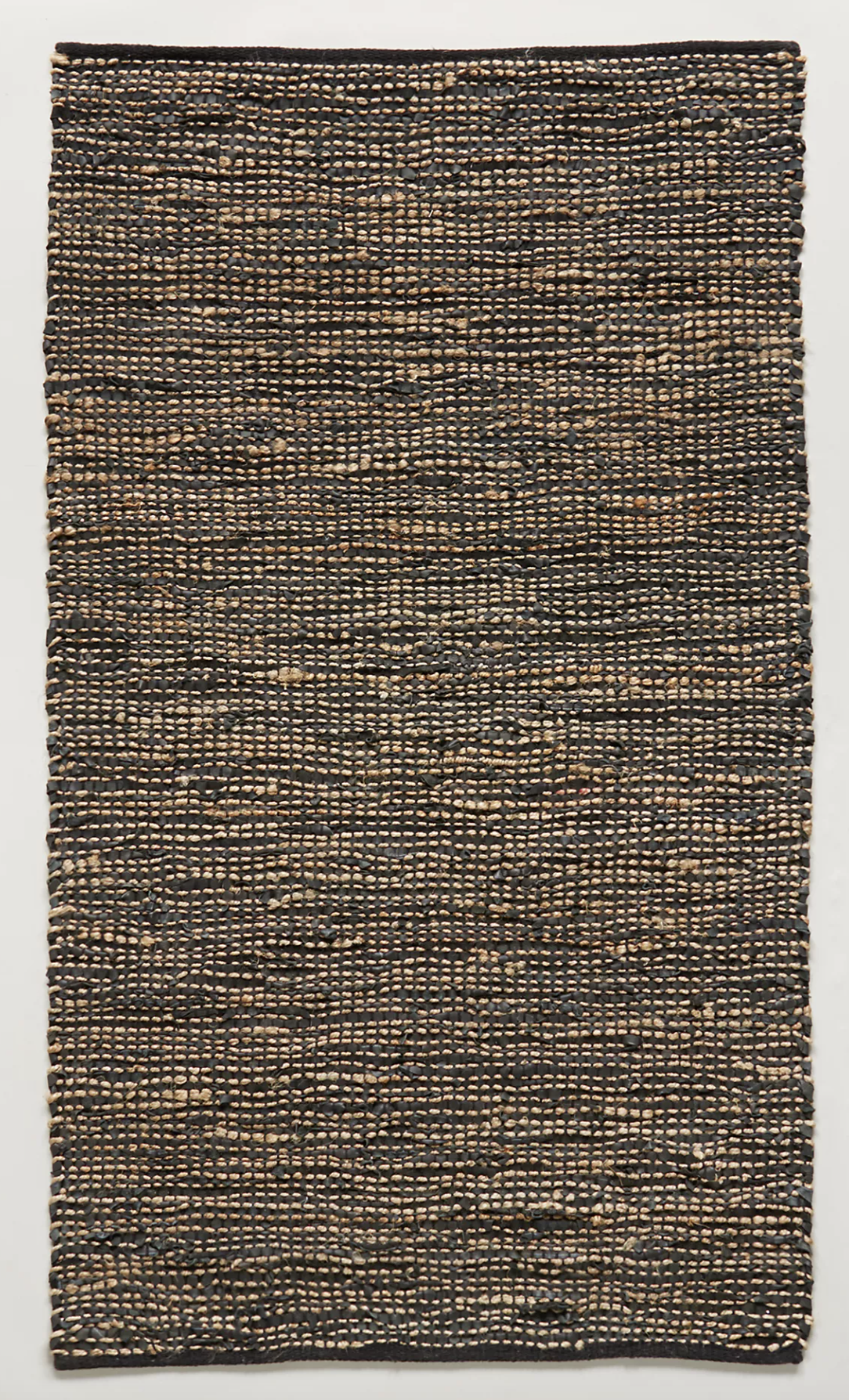
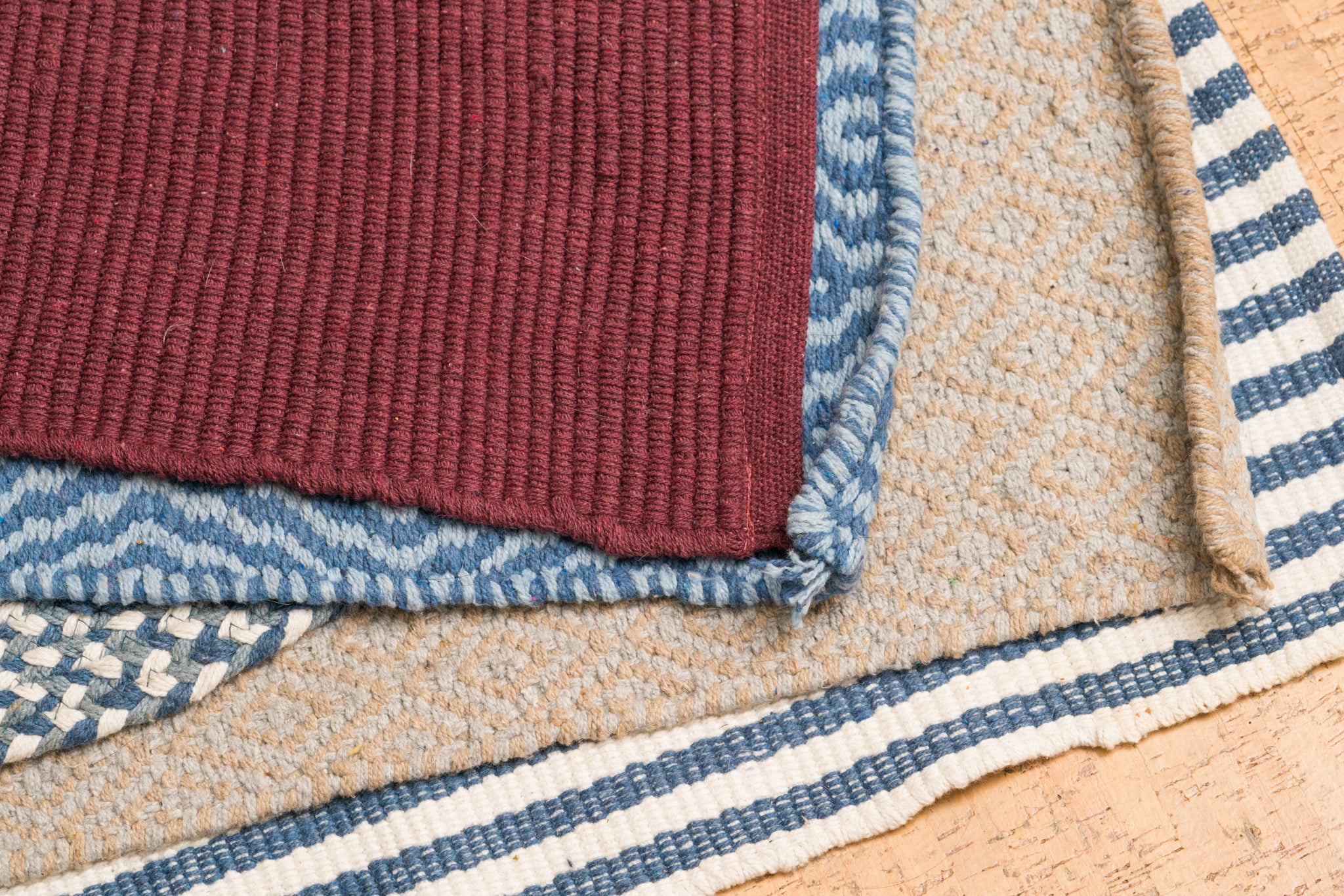
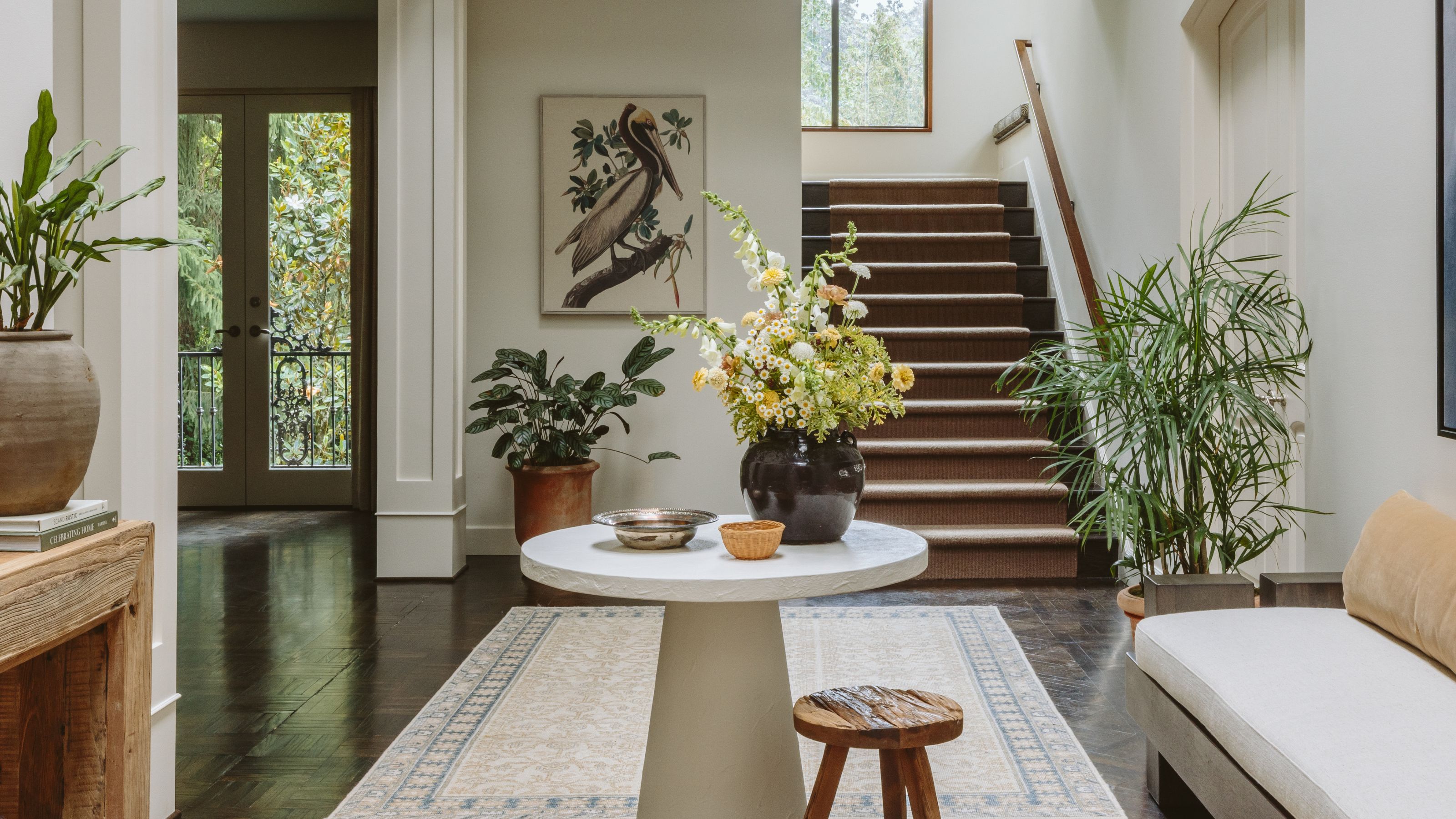
Experimenting with texture is also key, especially when working with neutral color schemes. While neutrals offer a serene backdrop, they can sometimes appear bland without proper tactile variation. Introducing a rug with intricate weaves or patterns, alongside elements like wooden partitions and woven settees, can add visual intrigue and prevent the space from feeling monotonous. Furthermore, the rug can be utilized to accentuate the architectural form of the foyer. For long, slim entryways, a runner can visually extend the space, creating an illusion of a grander entrance.
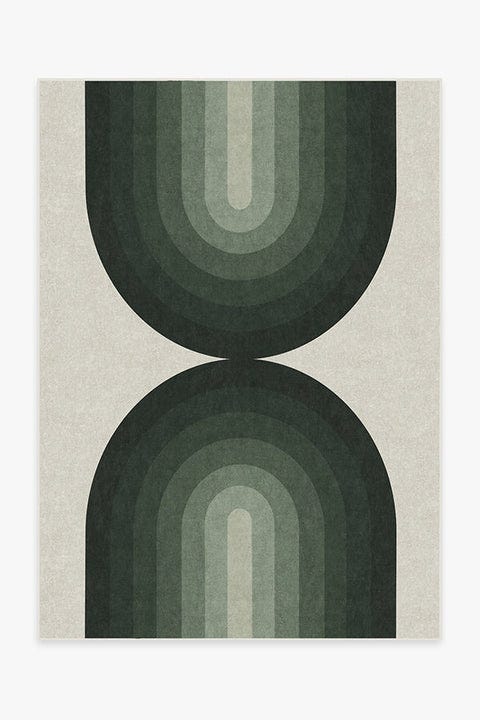
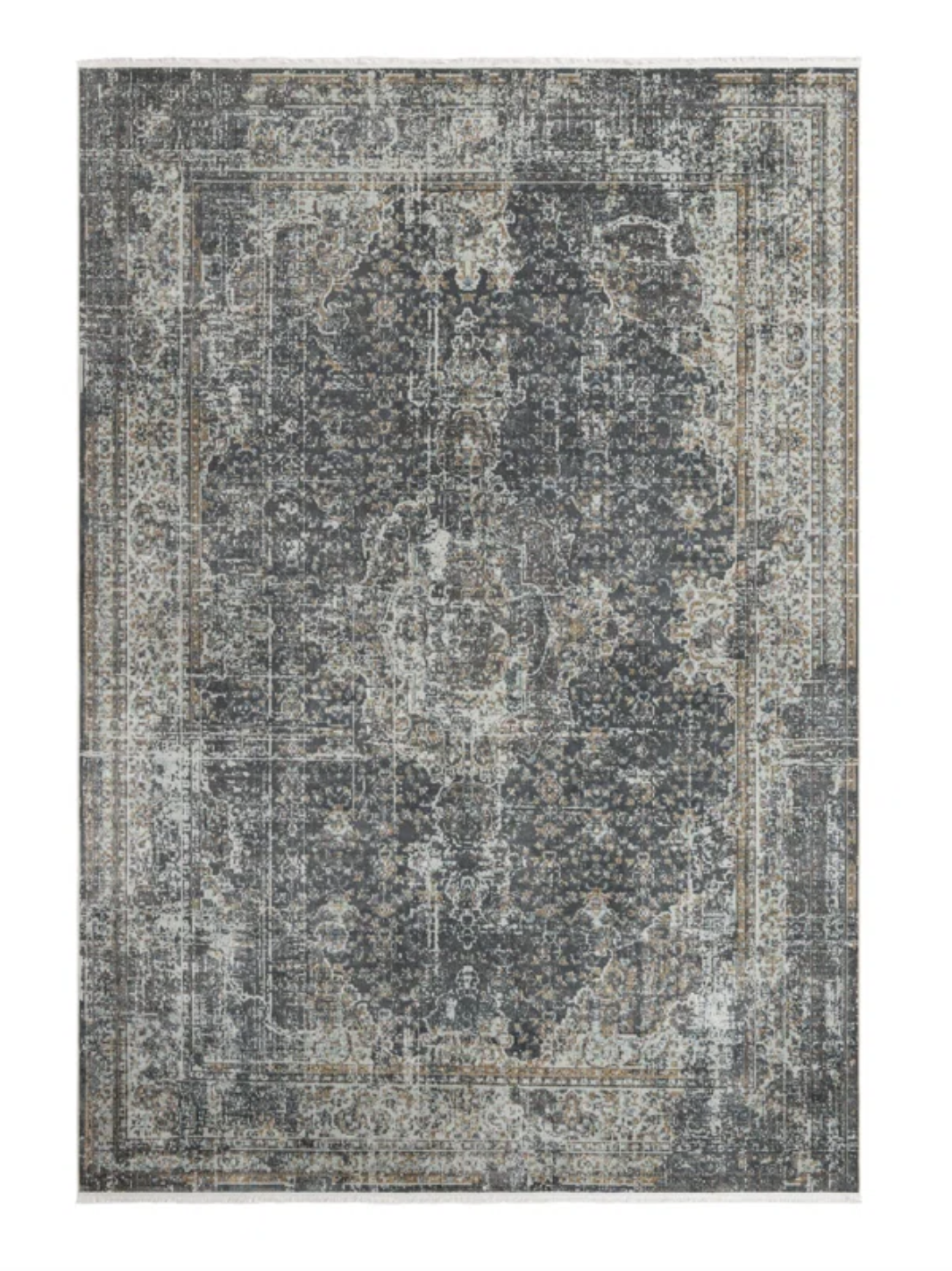
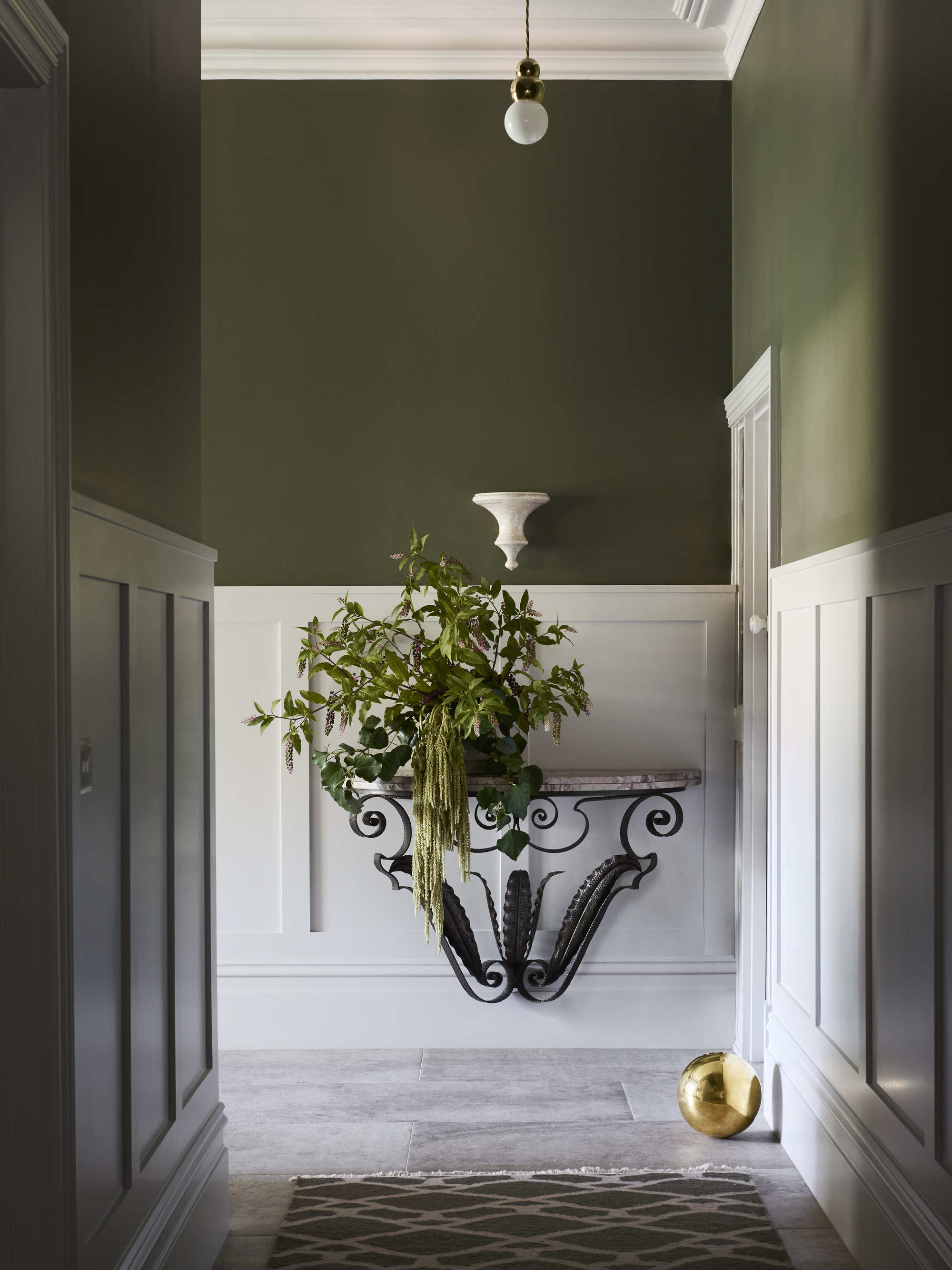
Achieving balance is paramount when selecting an entryway rug, especially in spaces with vibrant patterns or colors on the walls. In such cases, a woven runner can act as a grounding element, offering natural texture without overwhelming the existing decor. Coordinating the rug with the room's color story can create a harmonious and traditional look, such as a blue rug complementing blue accent stairs and tiles. Layering rugs is another creative option, where a wider runner is placed over a larger area rug, ensuring the color palette is carefully considered to avoid a lopsided appearance. Alternatively, placing two rugs side by side can be effective for longer foyers or hallways, particularly for showcasing vintage pieces.
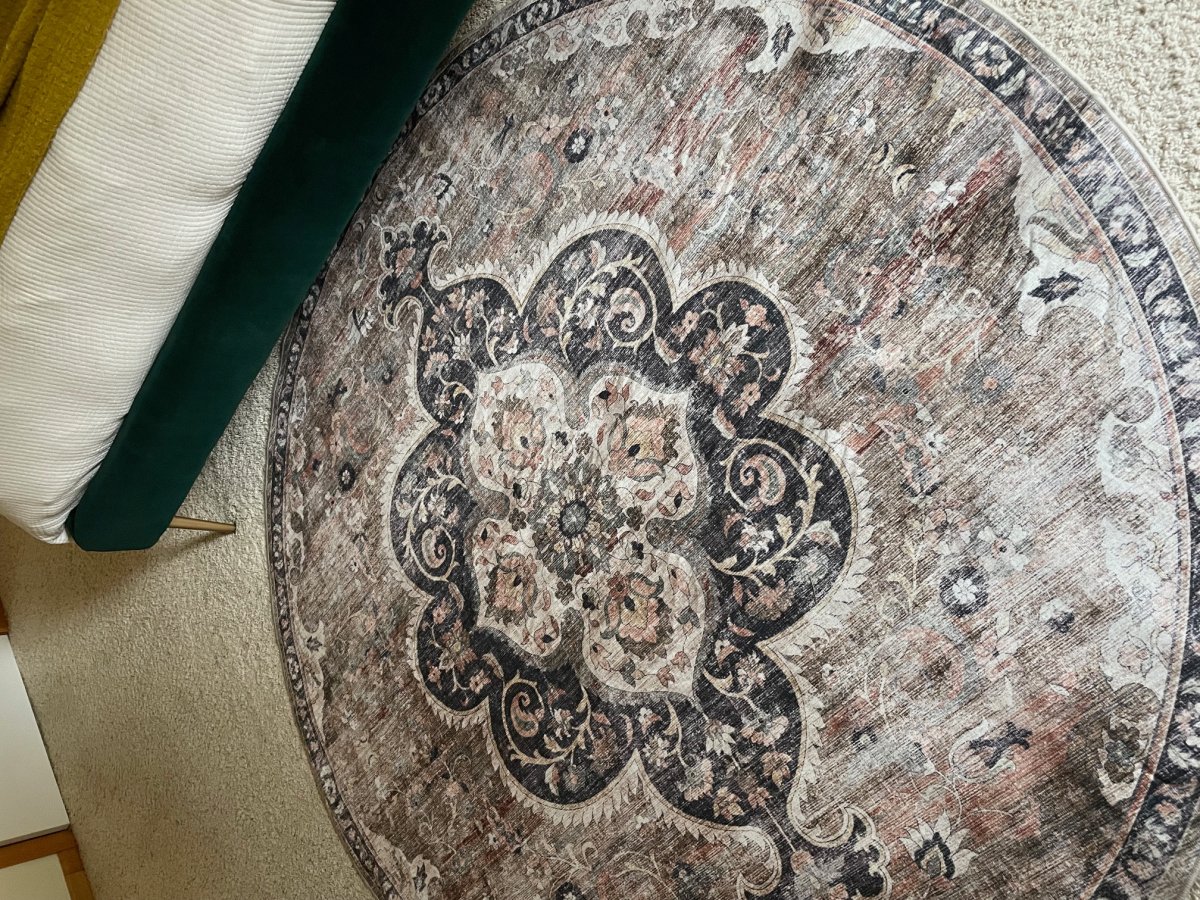
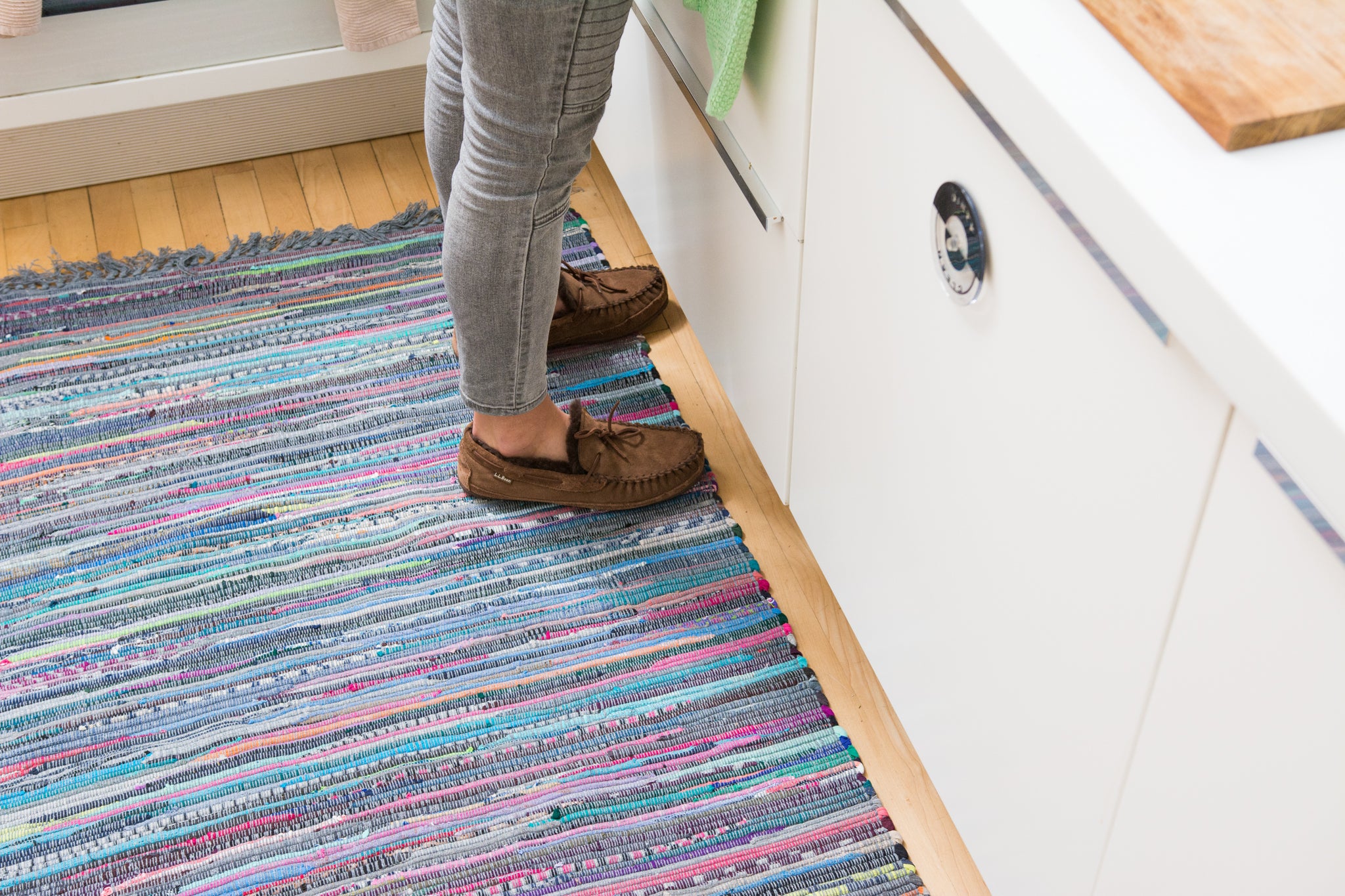
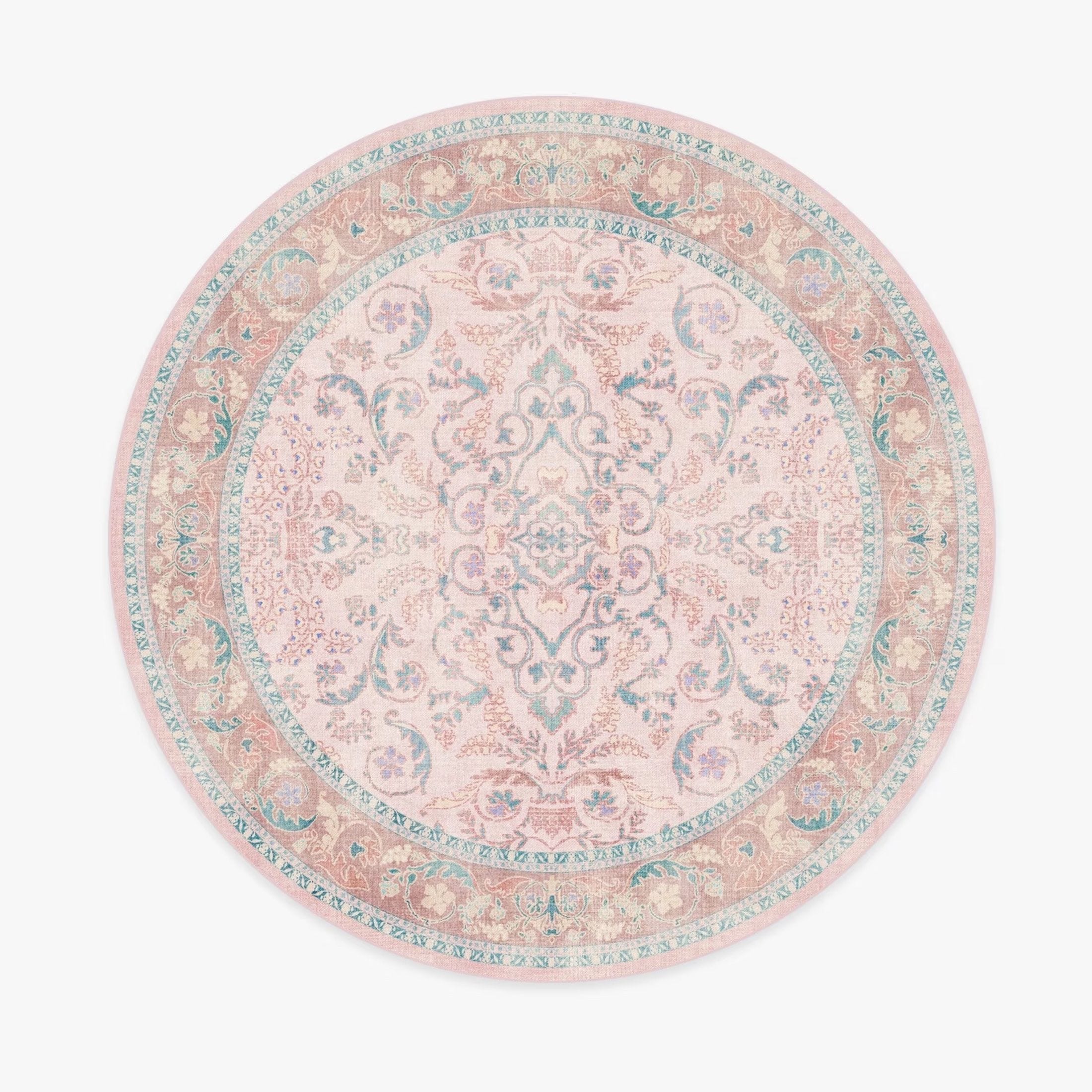
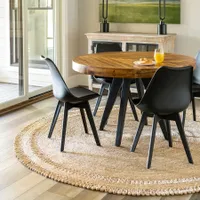
Finally, designers suggest unconventional materials like cowhide rugs for their durability, ease of cleaning, and unique texture. A round cowhide rug can anchor an entryway table and delineate the foyer from other areas of the house. Regardless of the style, the fit of the rug is paramount. The rug should be conducive to the entryway's layout, whether it's a long runner for a galley-style space or a small mat for a compact area. Considering pile thickness and ease of maintenance, such as machine-washable options, further contributes to a functional and aesthetically pleasing entryway.
#EntrywayRugs #HomeDecor #InteriorDesign #RugSelection #DesignTips #TexturalElements #ColorCoordination #LayeringRugs #FoyerDesign #EntrywayRugs #HomeDecor #InteriorDesign #RugSelection #DesignTips #TexturalElements #ColorCoordination #LayeringRugs #FoyerDesign
Há 0 comentários no total
 Ainda não há comentários
Você também pode gostar
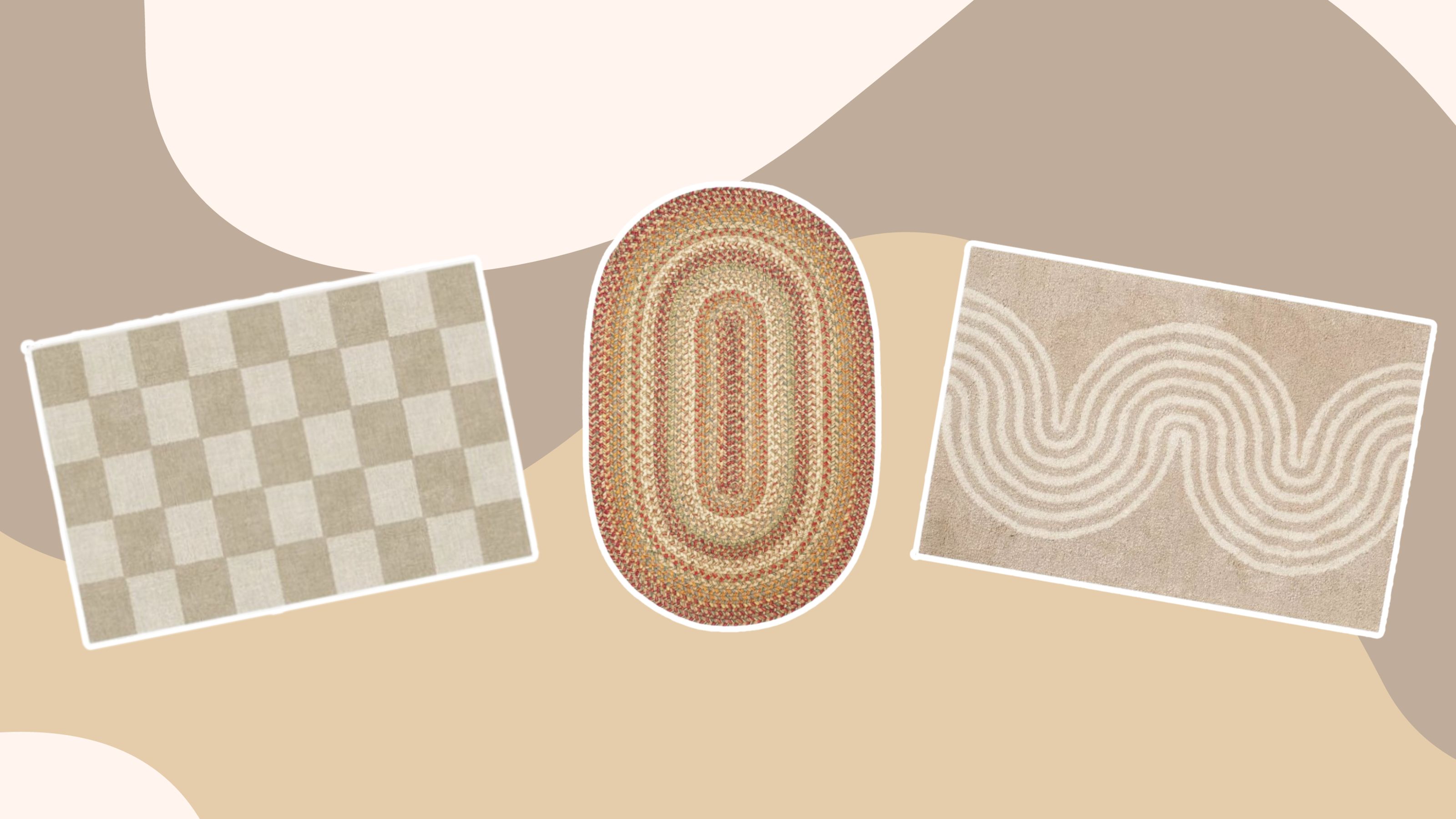
9 small entryway rugs that are soft and stylish

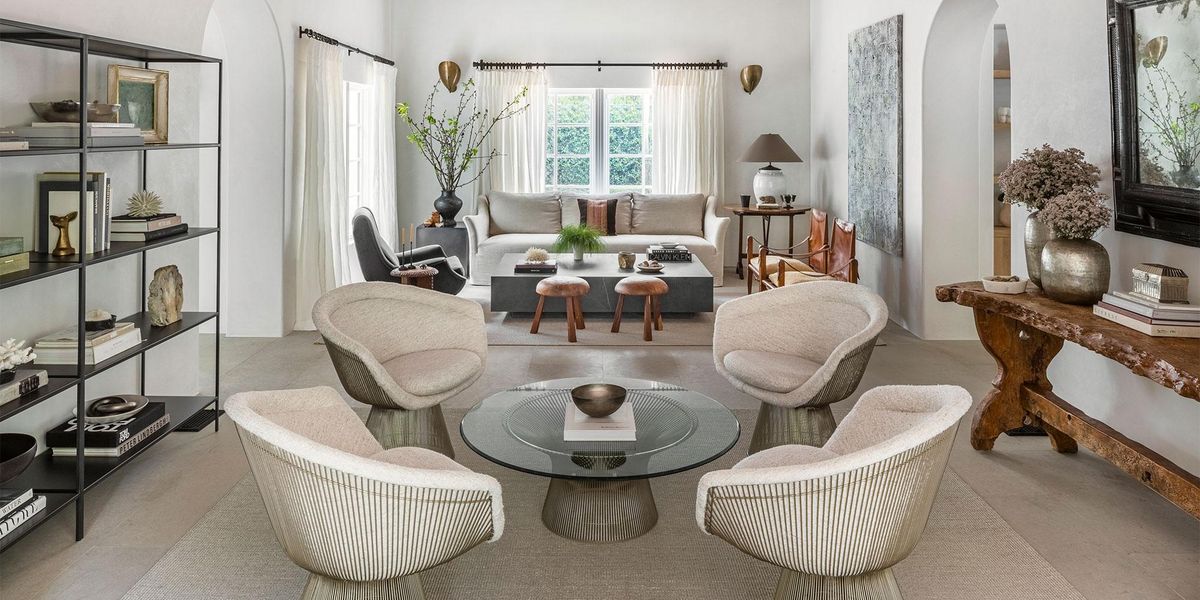
Found: A Creative New Way to Utilize Rugs
How to Pick the Perfect Rug for Your Space

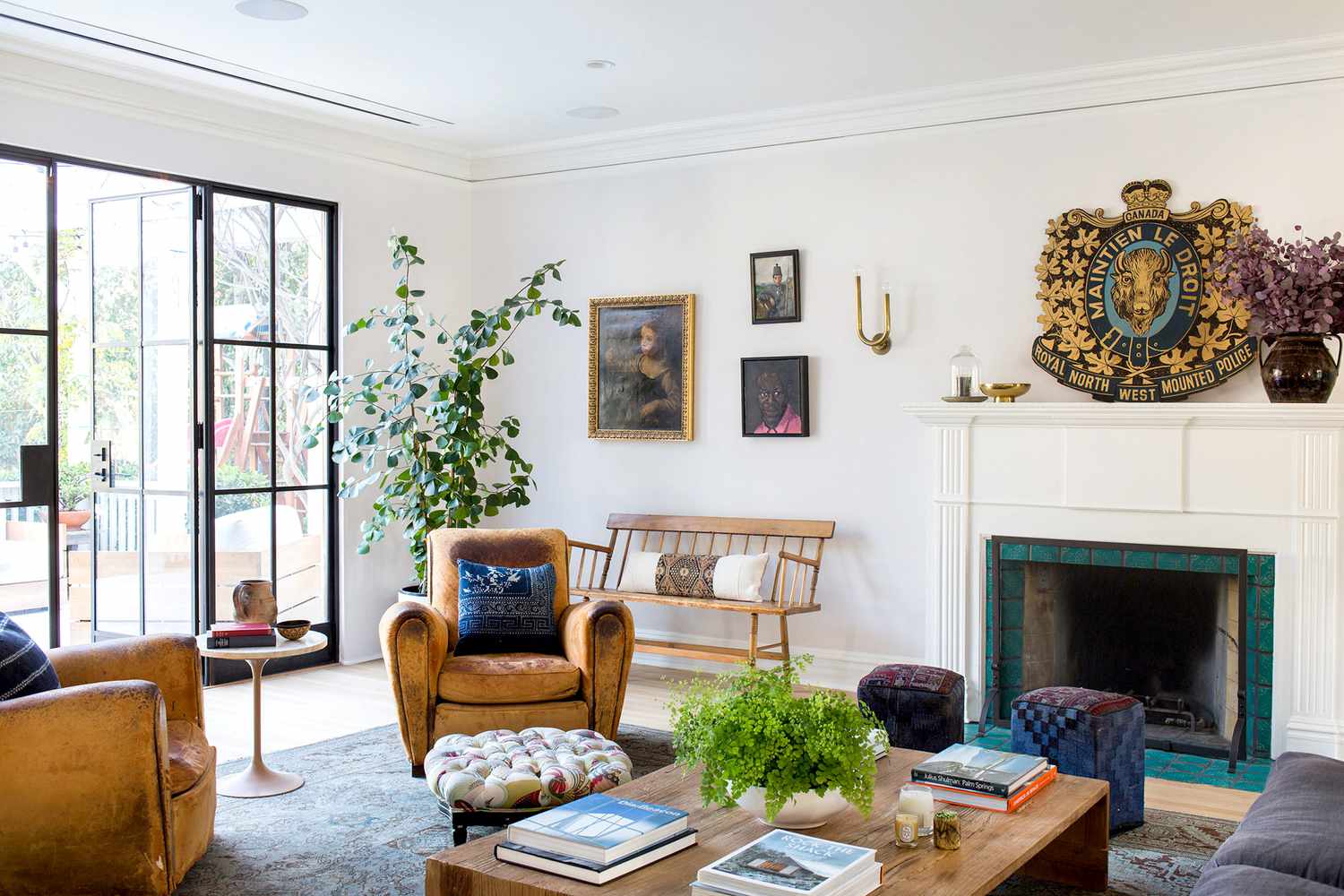
How to Decorate a Living Room From Start to Finish, According to Interior Designers

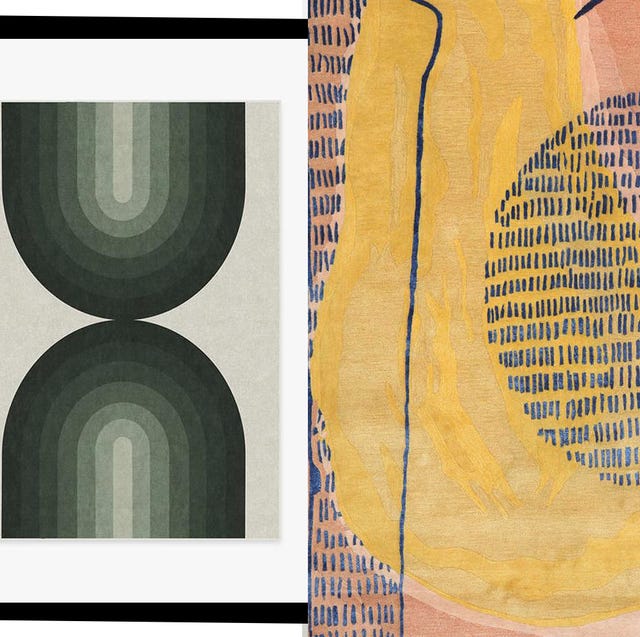
12 Of The Best Rugs To Take Even The Smallest Home From Empty To Chic In No Time At All

The Versatile Rug That Will Transform Your Home
Should All of Your Furniture Legs Be on the Rug? Designers Say There's a Right Answer

Our homes editor's favourite rugs to update any space


Room Feel Snug? It Might Be Your Rug. | Reviews by Wirecutter
10 Patterned Rugs Worth Designing a Whole Room Around

How Much Should You Spend on an Area Rug?
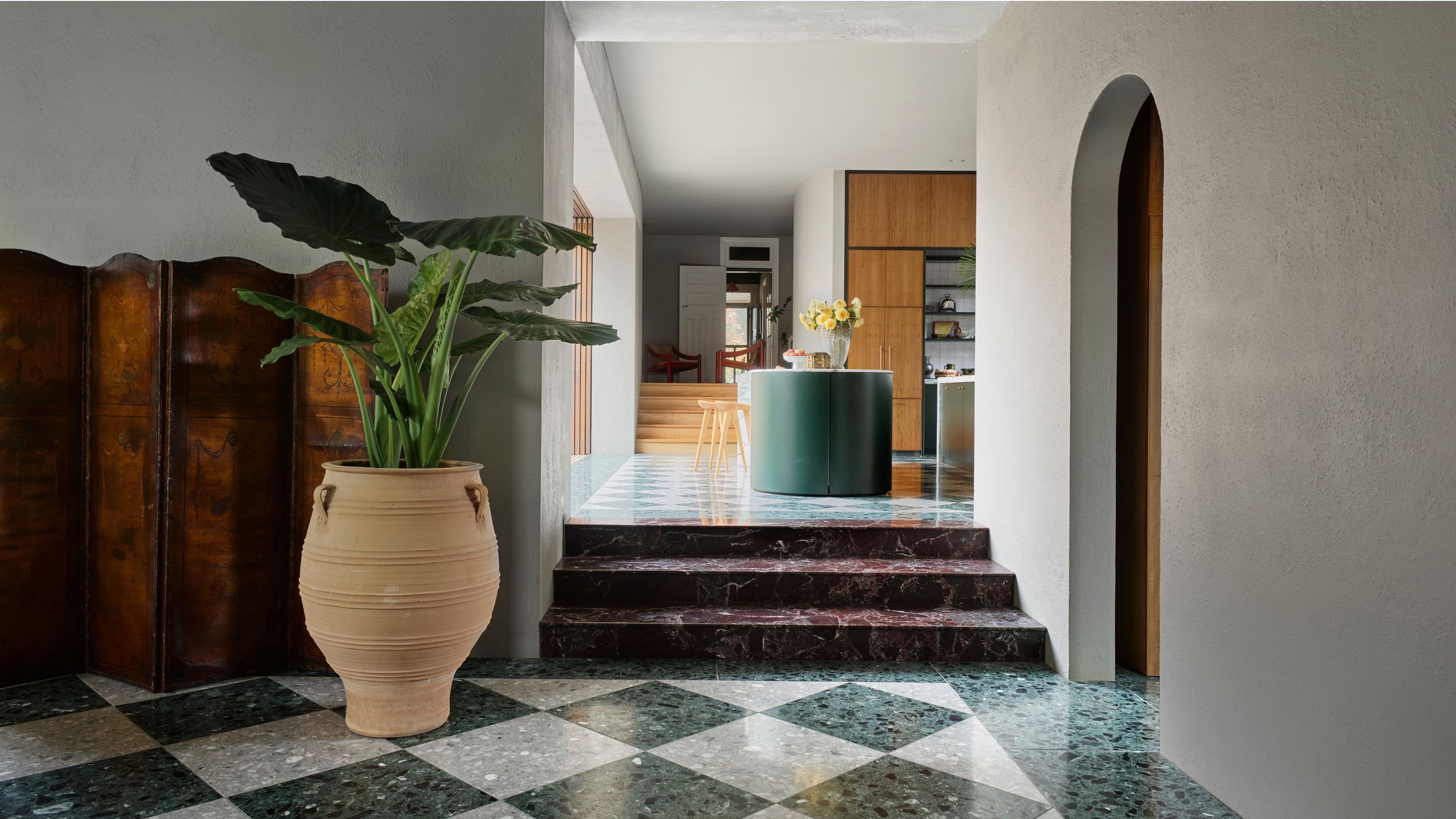
10 Entryway Flooring Ideas That Set the Scene For a Truly Stylish Home
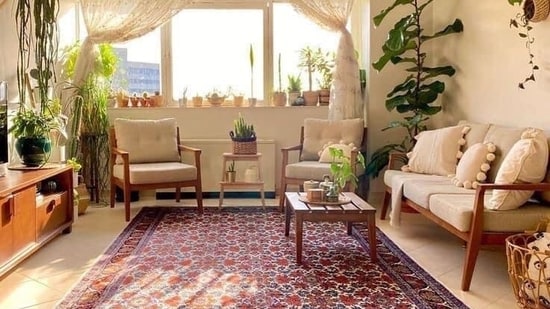
Home decor tips to choose perfect rug for your room's centerpiece | Hindustan Times

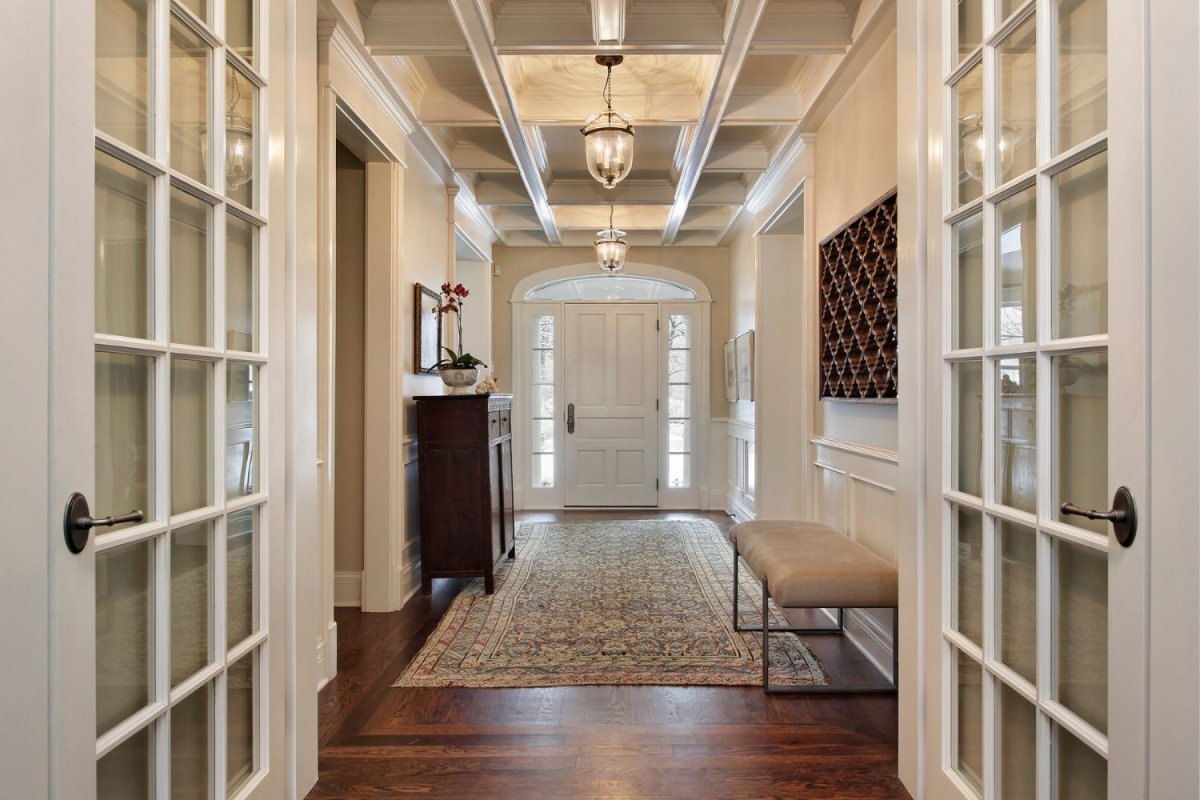
The Best Entryway Rugs of 2025


5 things designers whose entryways are ready for fall have - easy tweaks to see you through the season
'They're not for every room' – designers say they'll never use a round rug in these 5 spaces, and neither should you
I look at rugs day in, day out as a Room Decor Editor – these are the 9 best places to buy a rug I always go back to

6 things to never put in an entryway, according to interior designers

Our Favorite Rugs For Every Room
6 Things in Your Living Room That Instantly Give Designers the Ick