Which Bathroom Stall Is the Cleanest? These People Think They Have It Figured Out.
The article explores a common belief among many public restroom users that the first stall is often the cleanest due to being less frequently used. This 'first-stall' theory is based on the idea that people tend to avoid the initial stall and opt for those further inside, thereby leaving the first one relatively untouched. The author initially had not encountered this theory but found that a significant number of individuals, including some of Slate's editorial staff, adhere to it. These 'first-stall devotees' often learned this perceived 'life hack' from various sources, such as germophobic parents, teen magazines, or even math classroom posters.
The article highlights varying degrees of adherence to this theory. Some users, like Leigh, consistently choose the first stall unless it is visibly unsanitary. Others, such as Slate writer Christina Cauterucci, follow the advice strictly but make exceptions for visibly dirty stalls, handicap-accessible stalls, or if they prefer a buffer space between themselves and another occupant. This preference for a buffer often leads individuals to walk further to find a more isolated stall. Even those who are less rigid in their application of the rule, like former Slate writer Ruth Graham, still choose the first stall more than half the time, finding satisfaction in what they perceive as a 'secret trick' rather than a fear of germs.
The validity of the 'first-stall' claim is discussed, referencing research on human behavior in public spaces. Psychologists describe a 'centrality preference,' which suggests that people tend to choose middle options when presented with similar choices. A 1995 study analyzing toilet paper usage in a public restroom supported this, finding that middle stalls had significantly higher usage than end stalls. However, other research indicates that women, in particular, may gravitate towards stalls farther from the door, possibly seeking more privacy. This inclination towards privacy, especially given the common gaps in U.S. bathroom stall doors, is considered a significant factor supporting the idea that front stalls are less preferred. Philip Tierno, a professor of pathology at NYU, corroborates that people subconsciously avoid front stalls for more secluded sections of the bathroom.
The article also touches upon men's perspectives on public restroom behavior. The male friends interviewed by the author expressed surprise that people even consider such factors, generally not being concerned with germs or foot traffic in stalls. While some mentioned a preference for convenience or stalls near a wall for privacy, they largely dismissed the 'first-stall' theory for men's restrooms, noting that stalls inherently offer a high level of privacy. The overall consensus from the discussion suggests that if cleanliness is a primary concern, particularly in women's restrooms, the first stall might indeed be the least germy option. The author playfully acknowledges that by publicizing this 'secret,' the first-stall club's exclusivity and perceived cleanliness might diminish, as more people become aware of and potentially adopt the strategy.
#BathroomEtiquette #PublicRestroom #Cleanliness #BehavioralPsychology #SocialNorms #Hygiene #UrbanMyths #PrivacyConcerns #BathroomEtiquette #PublicRestroom #Cleanliness #BehavioralPsychology #SocialNorms #Hygiene #UrbanMyths #PrivacyConcerns
Há 0 comentários no total
 Ainda não há comentários
Você também pode gostar
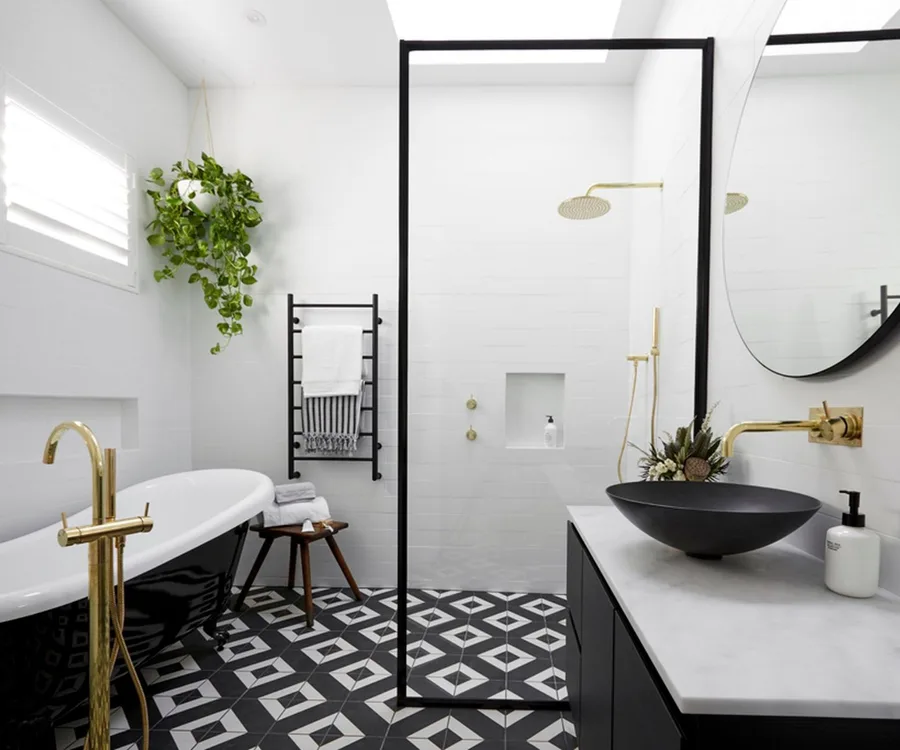
22 of the best bathrooms ever seen on The Block

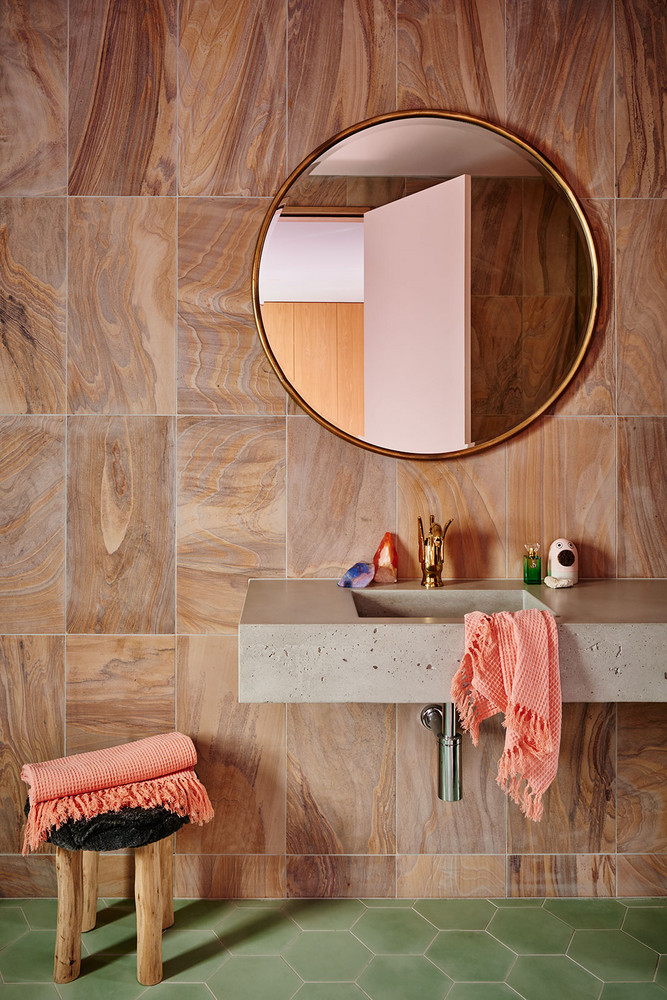
15 of the Best Bathrooms We Saw All Year

Choosing the best bathroom storage and cabinets
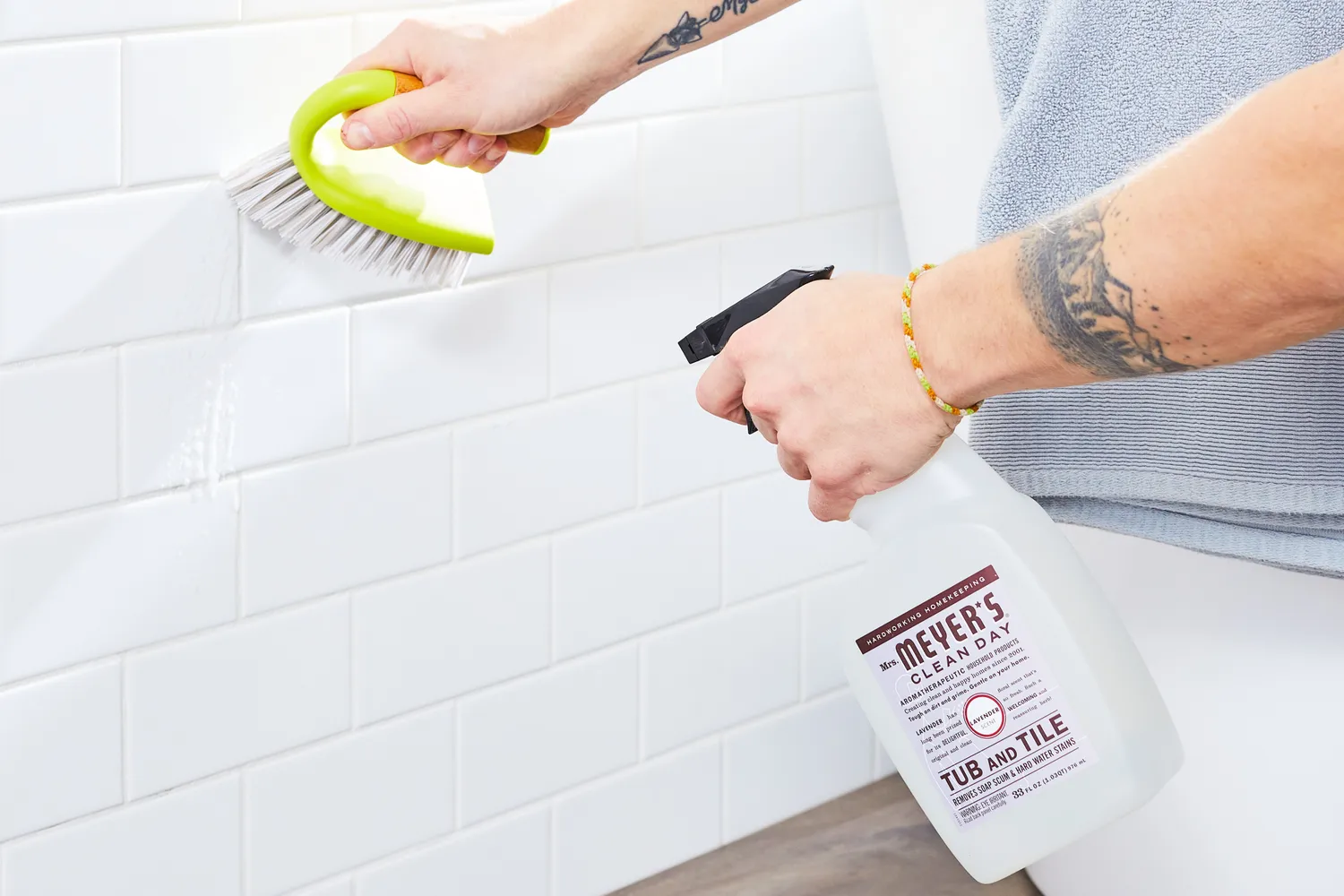
Want a Super Clean Bathroom? Here Are the 8 Best Bathtub Cleaners to Get the Job Done

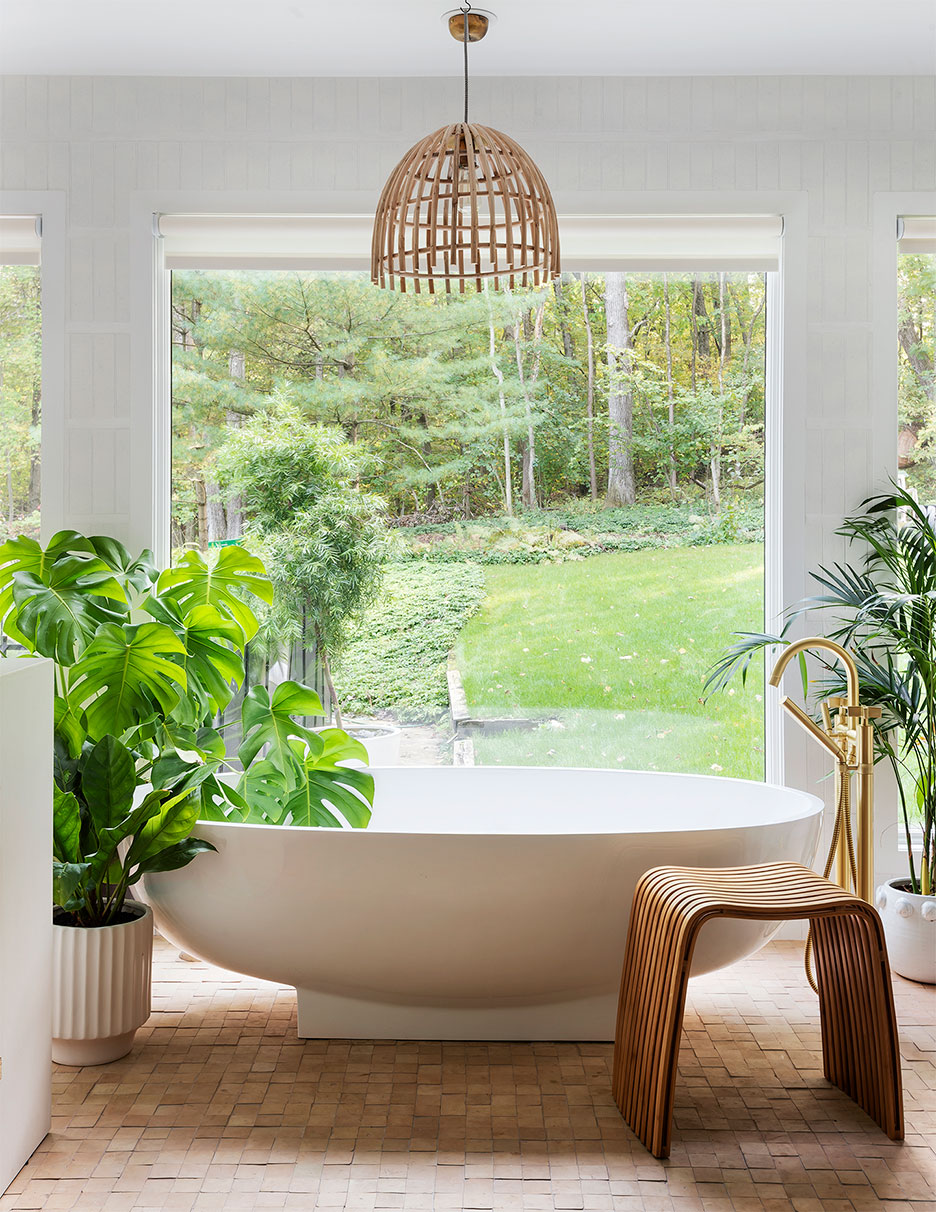
7 Designers Weigh in on the Best Tile for Bathroom Floors
After 25 Years of Testing Toilets, These Are My Top Picks for Every Bathroom


8 of the Best Bathrooms Seen on The Block
The Most Convenient Location for a Laundry Room, According to Experts

We Tested 10 Tile Cleaners to Find the Best One

8 of the Best Bathrooms Seen on The Block

Our Favorite Bathrooms
The Best Shower Tile To Use In Your Bathroom, According To A Design Expert

Which Bathroom Stall Is the Cleanest? These People Think They Have It Figured Out.

All Toilets

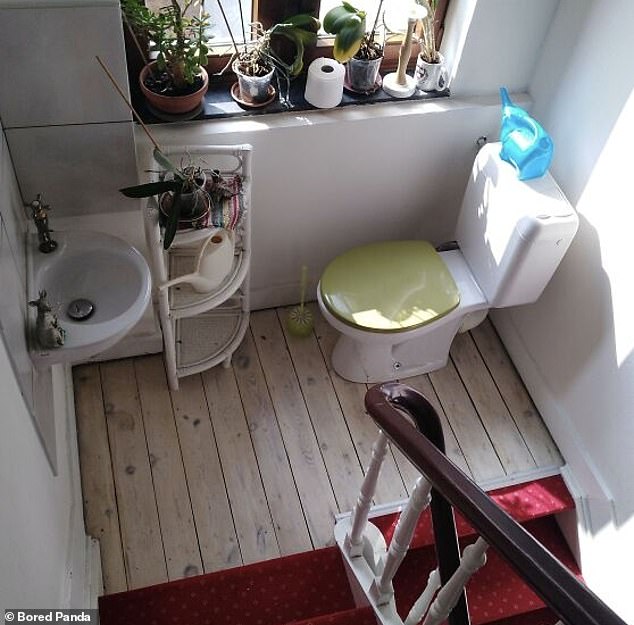
Loo-k at that! People share the worst bathroom design fails - including one toilet on a staircase
Who Says Your Bathrooms Have to Look the Same?
The Best Bathroom Cleaners for Different Surfaces
The best bathroom storage to buy in 2021
The Best Shower Tile Cleaner for a Sparkling Shower, Tested
Make Your Bathroom Shine and Smell Great With Our Favorite Shower Tile Cleaners