1/13
Choosing the best bathroom storage and cabinets
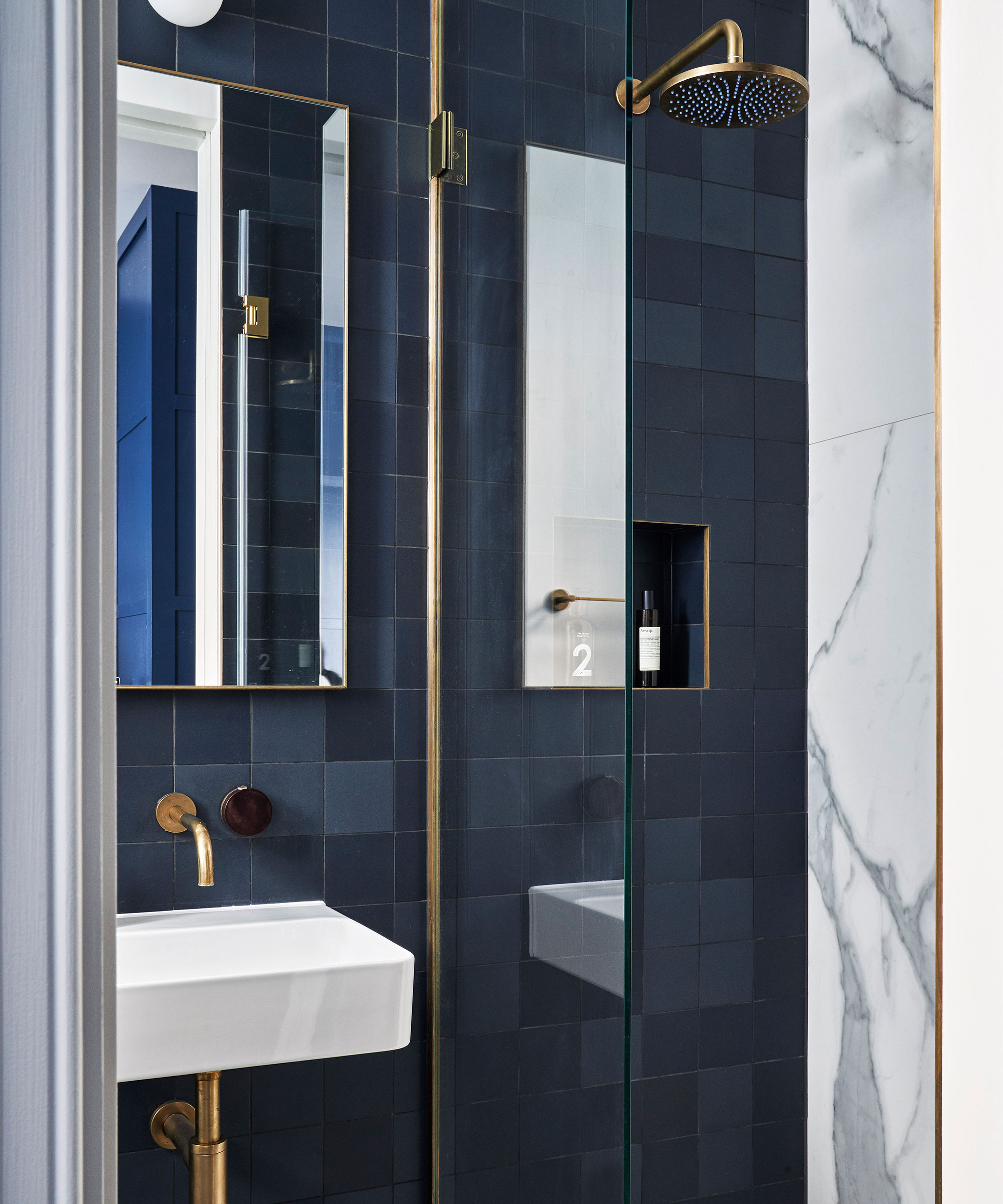
This article offers comprehensive guidance on selecting optimal bathroom storage and cabinets, emphasizing the importance of maximizing space in various bathroom sizes, from spacious shower rooms to compact en suites. The content is structured to assist homeowners in planning their bathroom storage, identifying reliable brands, understanding construction quality, and exploring diverse storage ideas.
The planning section advises readers to consider their specific storage needs, the frequency of item use, and whether items should be hidden or displayed. It also highlights essential storage considerations for towels, toilet rolls, toothbrushes, and toothpaste. The article acknowledges that effective storage solutions, including freestanding cabinets, wall shelves, baskets, and hanging shower caddies, can be retrofitted even if initial planning wasn't possible.
A significant portion of the article focuses on evaluating bathroom furniture brands based on customer ratings for quality and durability. A survey conducted in June 2023 involved 6,833 participants who rated 12 leading bathroom brands. The top-performing brands achieved four stars for both quality and durability, while many well-known brands received three stars, and the lowest-performing scored two. The survey data includes sample sizes for each brand, clarifying the basis of these ratings.
Guidance on choosing high-quality bathroom furniture covers key construction aspects. It details three types of joins for units: wooden dowels glued into holes (weakest), wooden dowels secured with screws, and wooden dowels secured with metal studs and cams (strongest). Pre-built units are generally considered sturdier than flat-pack alternatives due to expert assembly. Material choice is also crucial, with solid wood units being more durable than MDF and chipboard, and thicker materials generally indicating better quality.
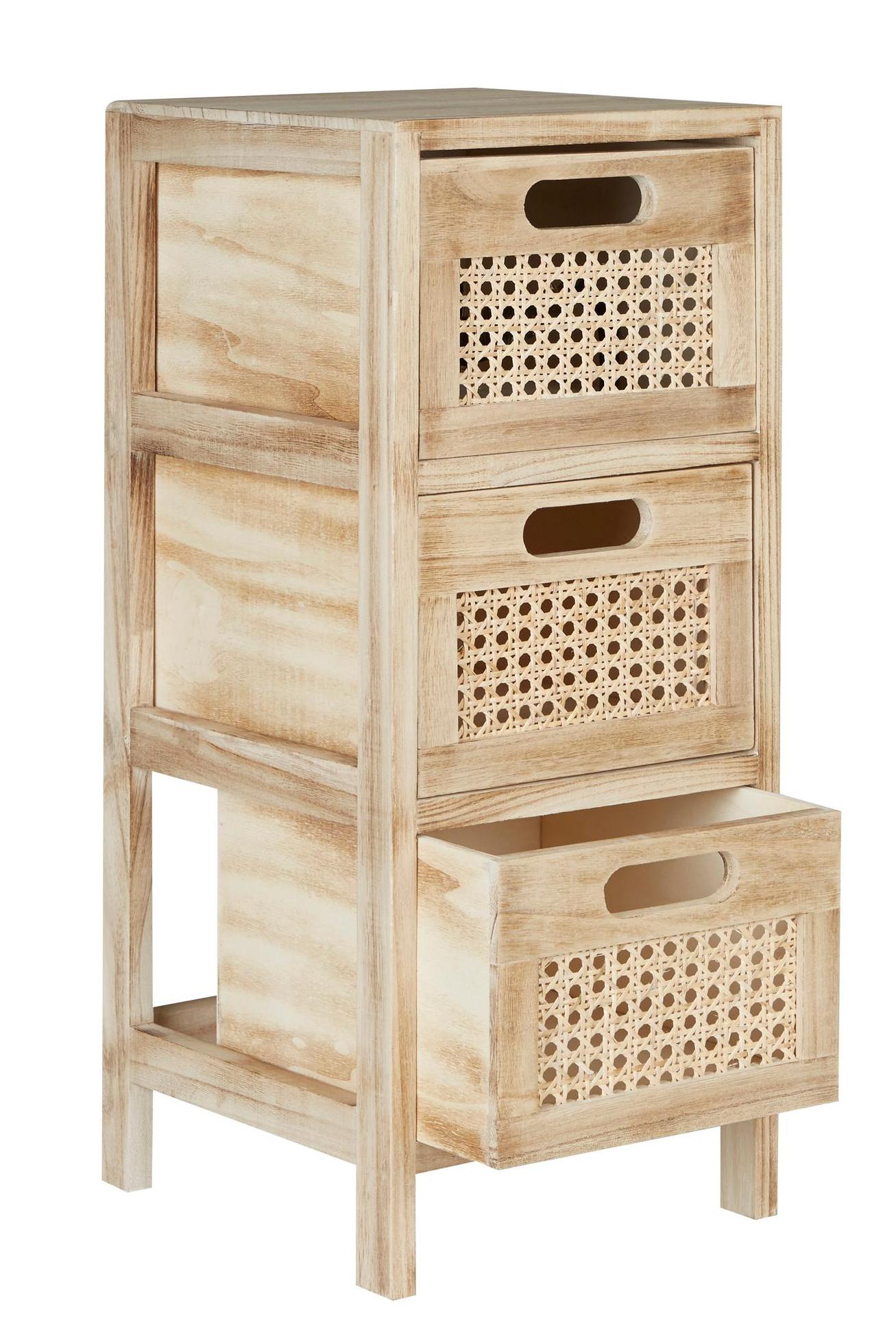
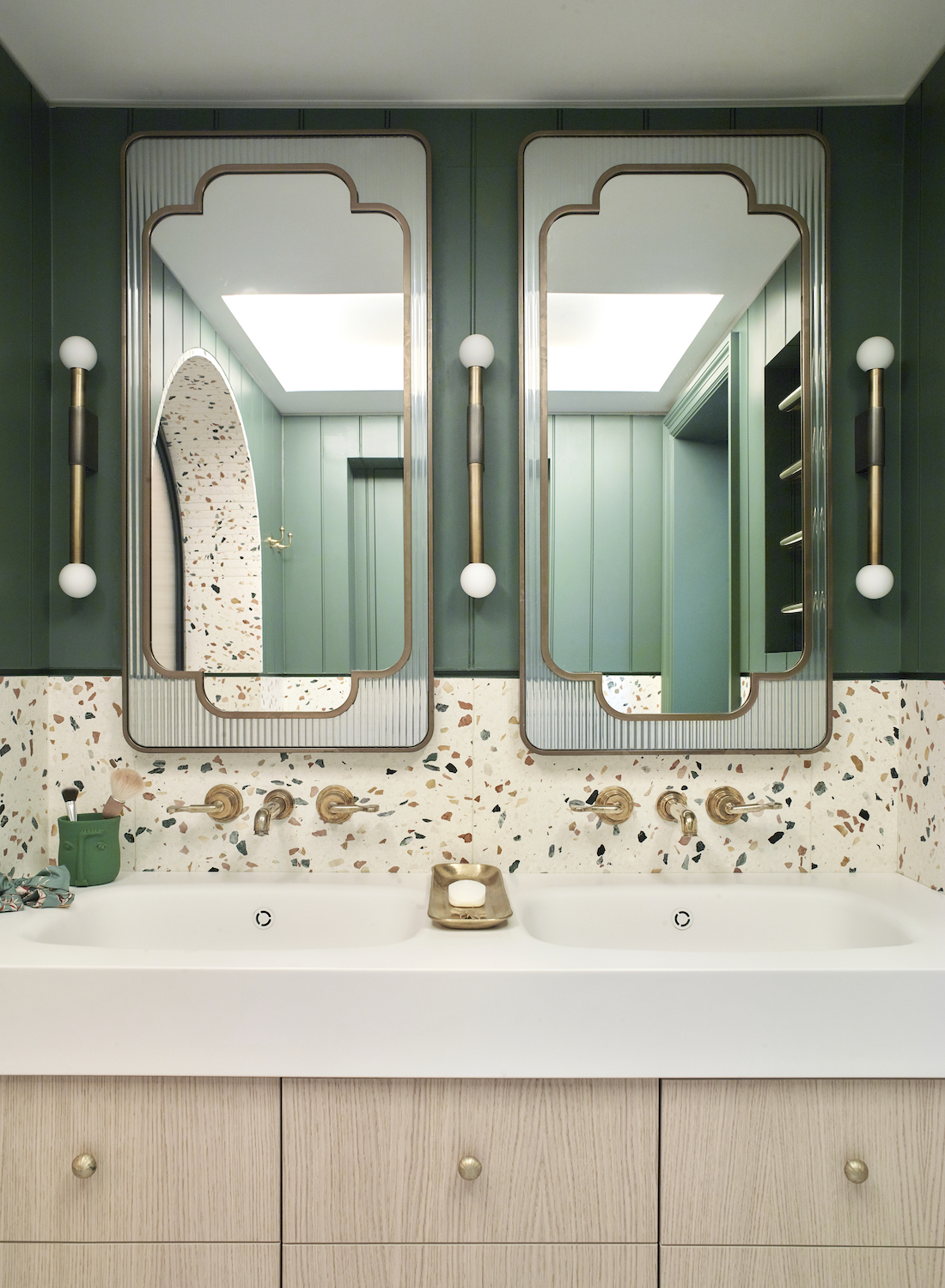
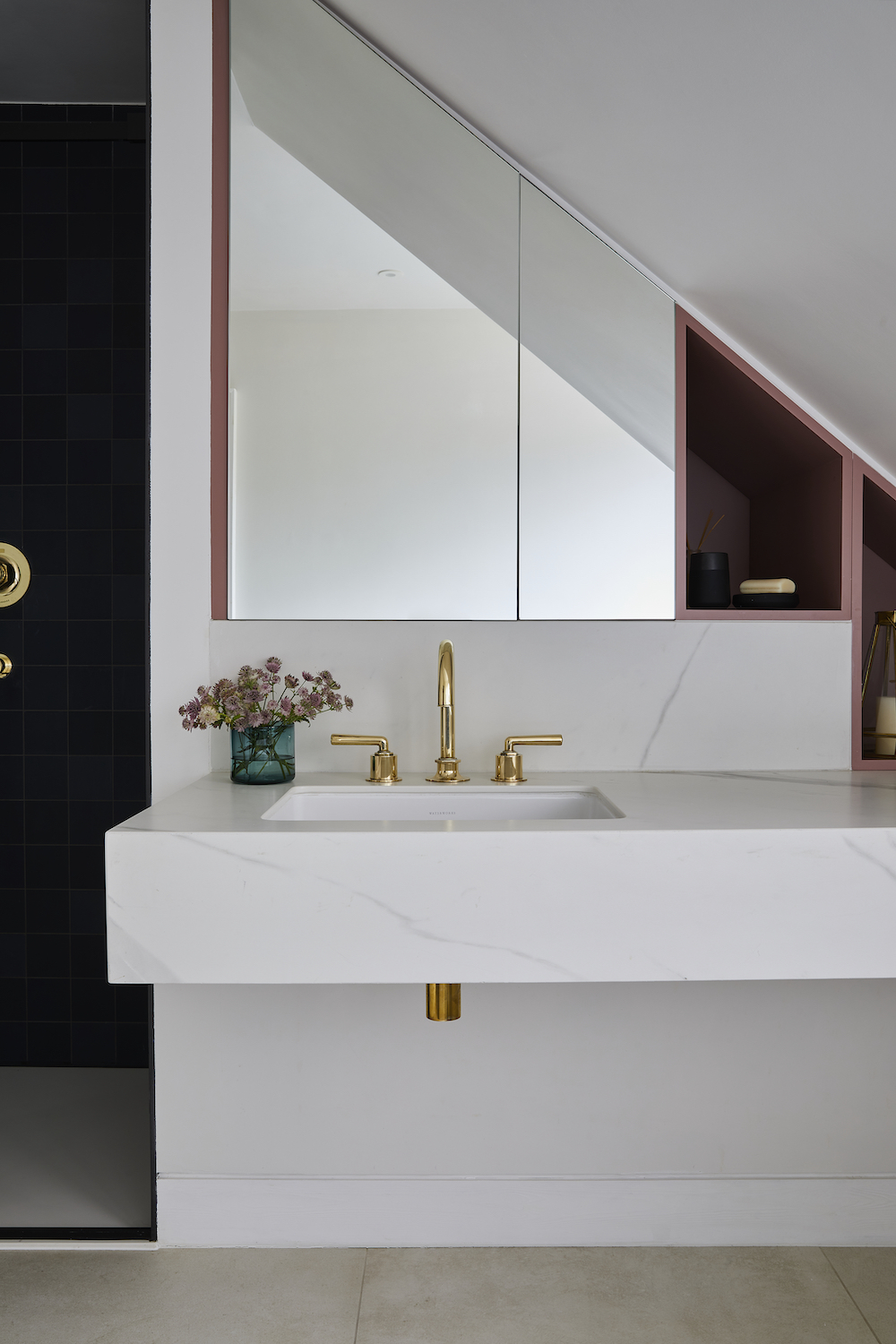
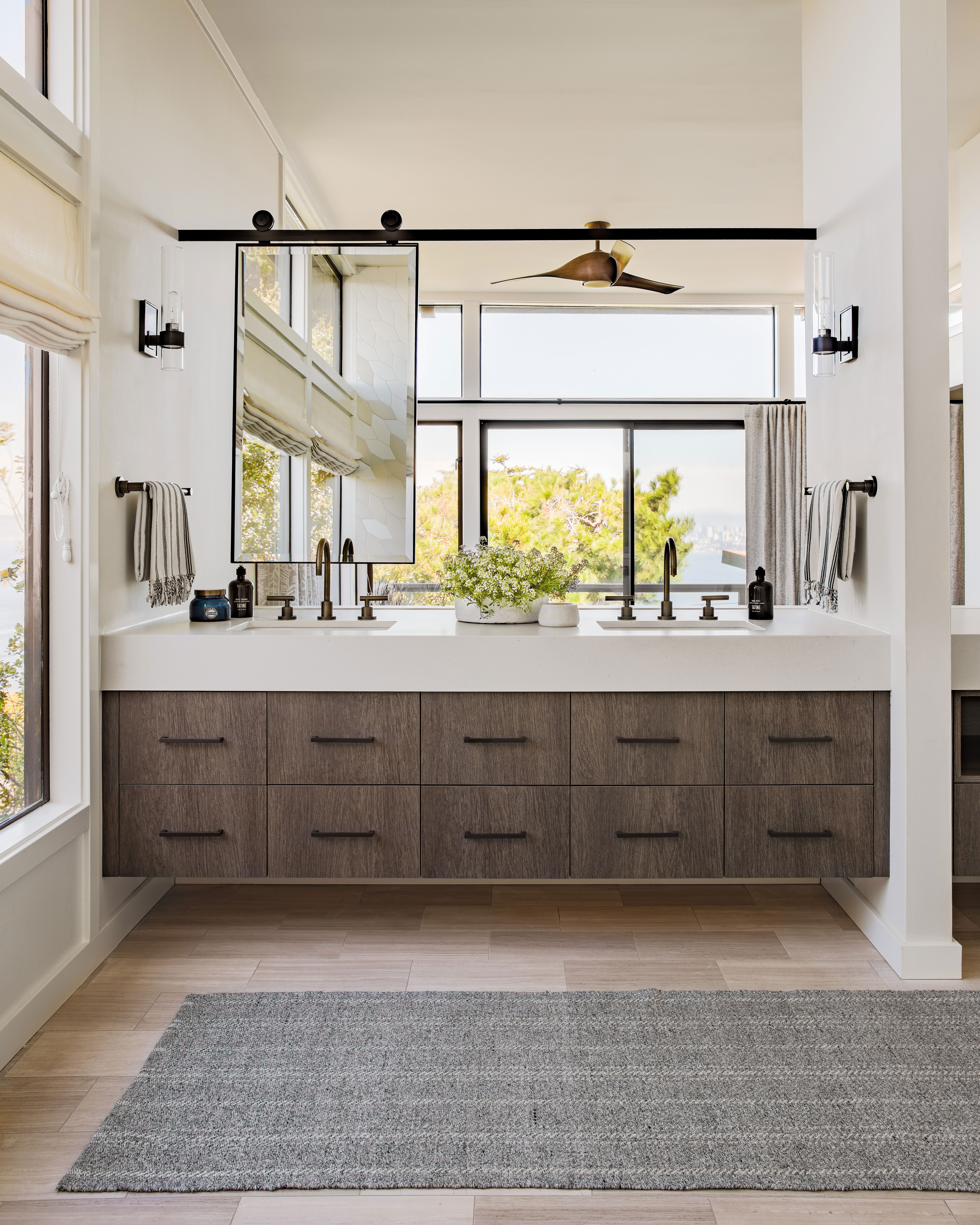
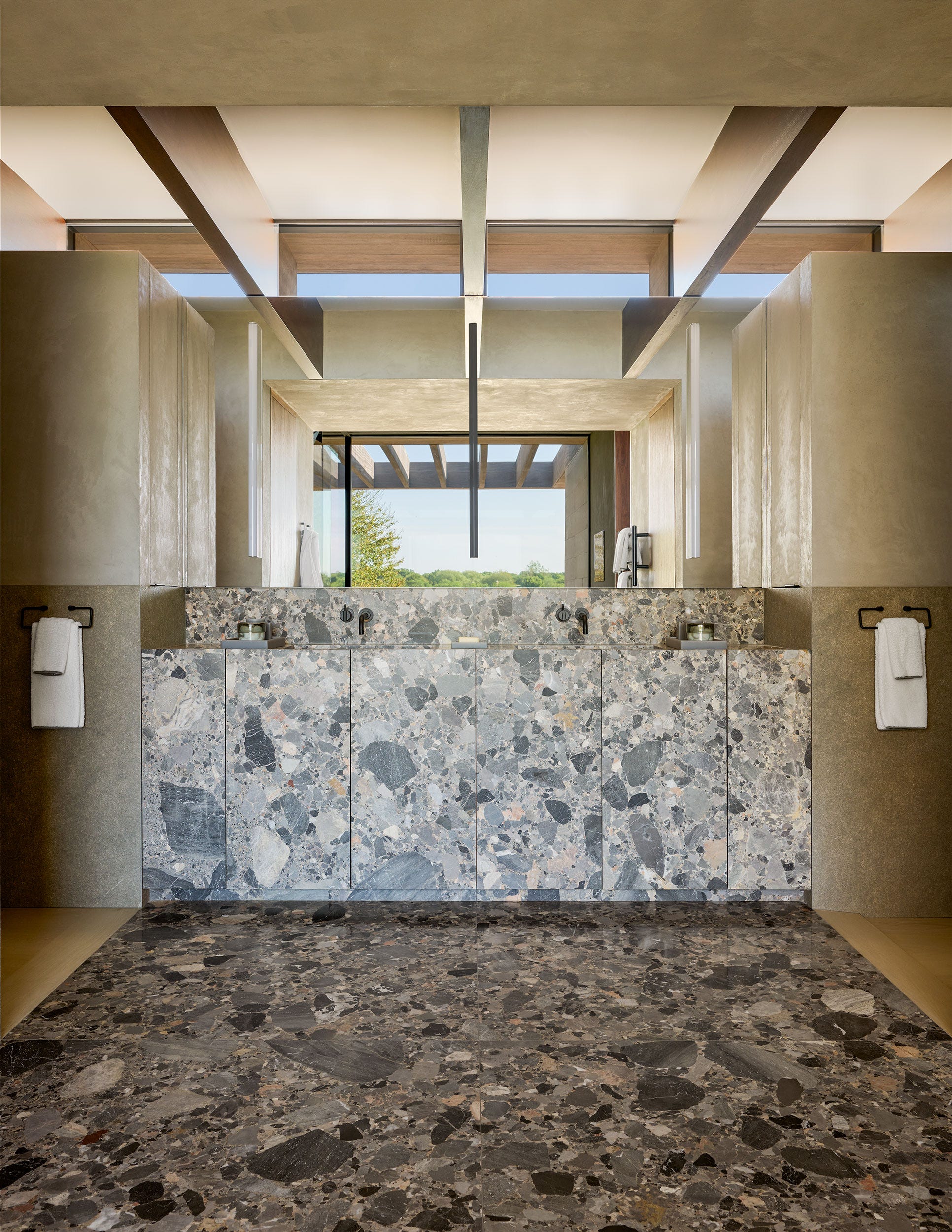
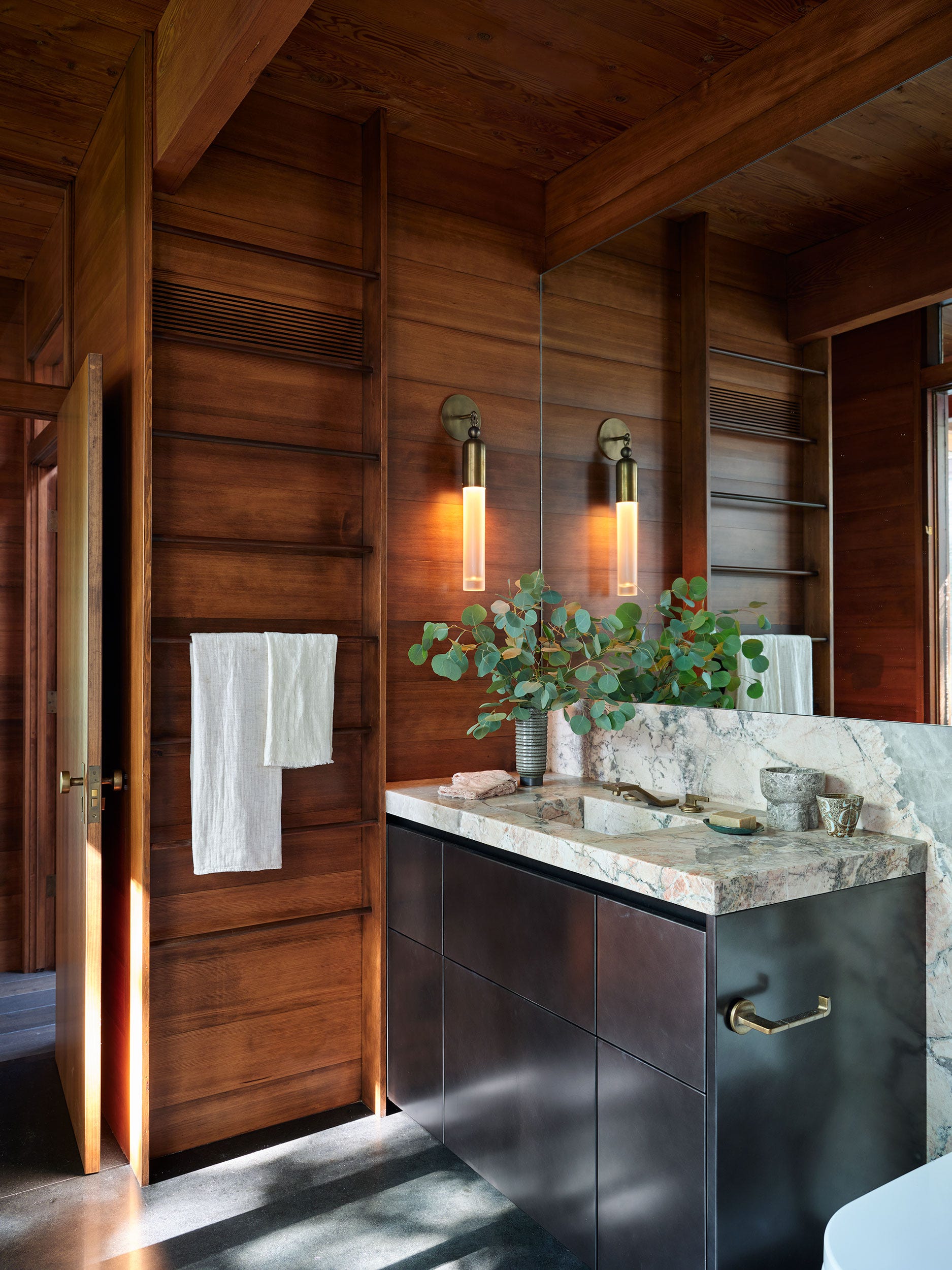
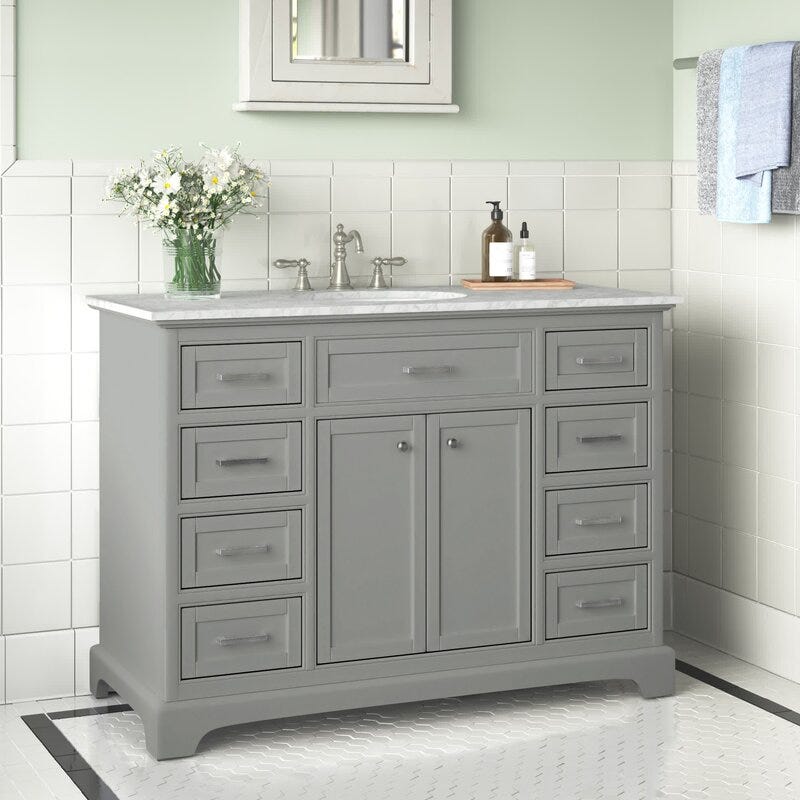
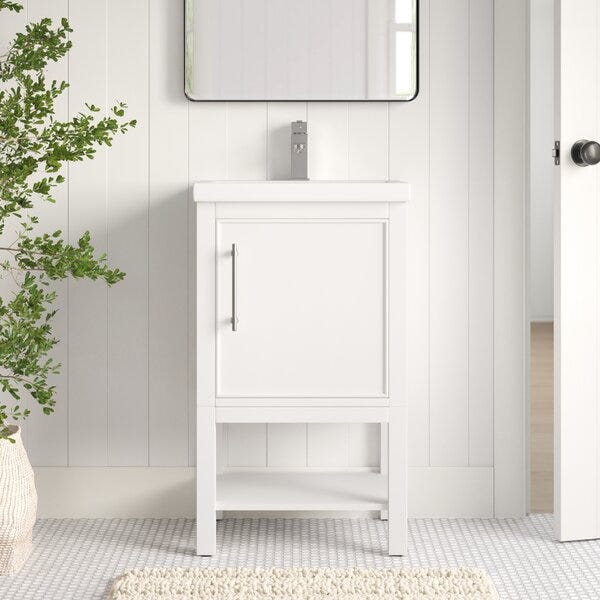
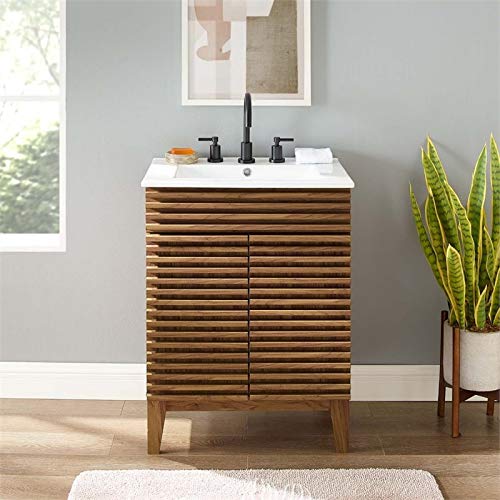
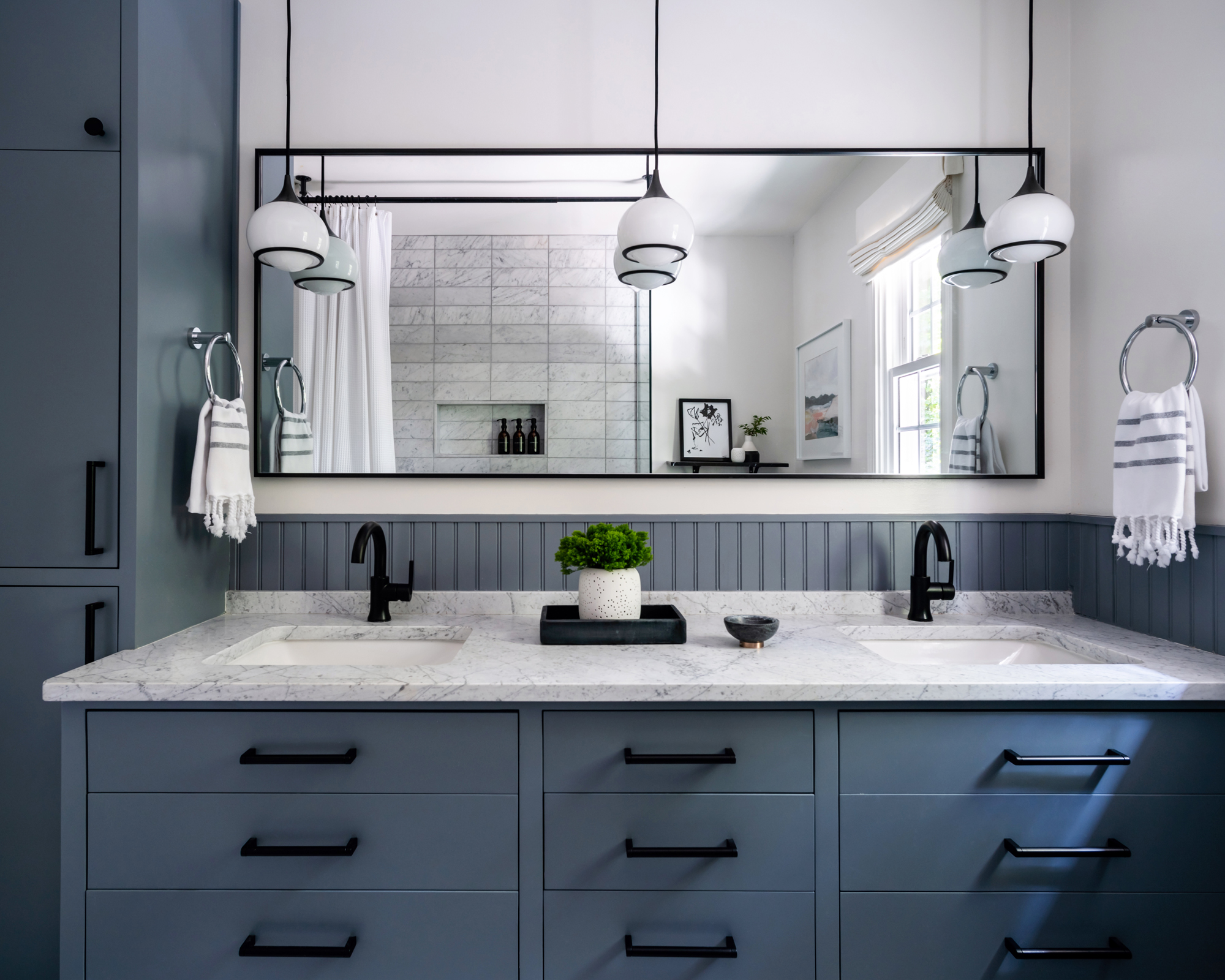
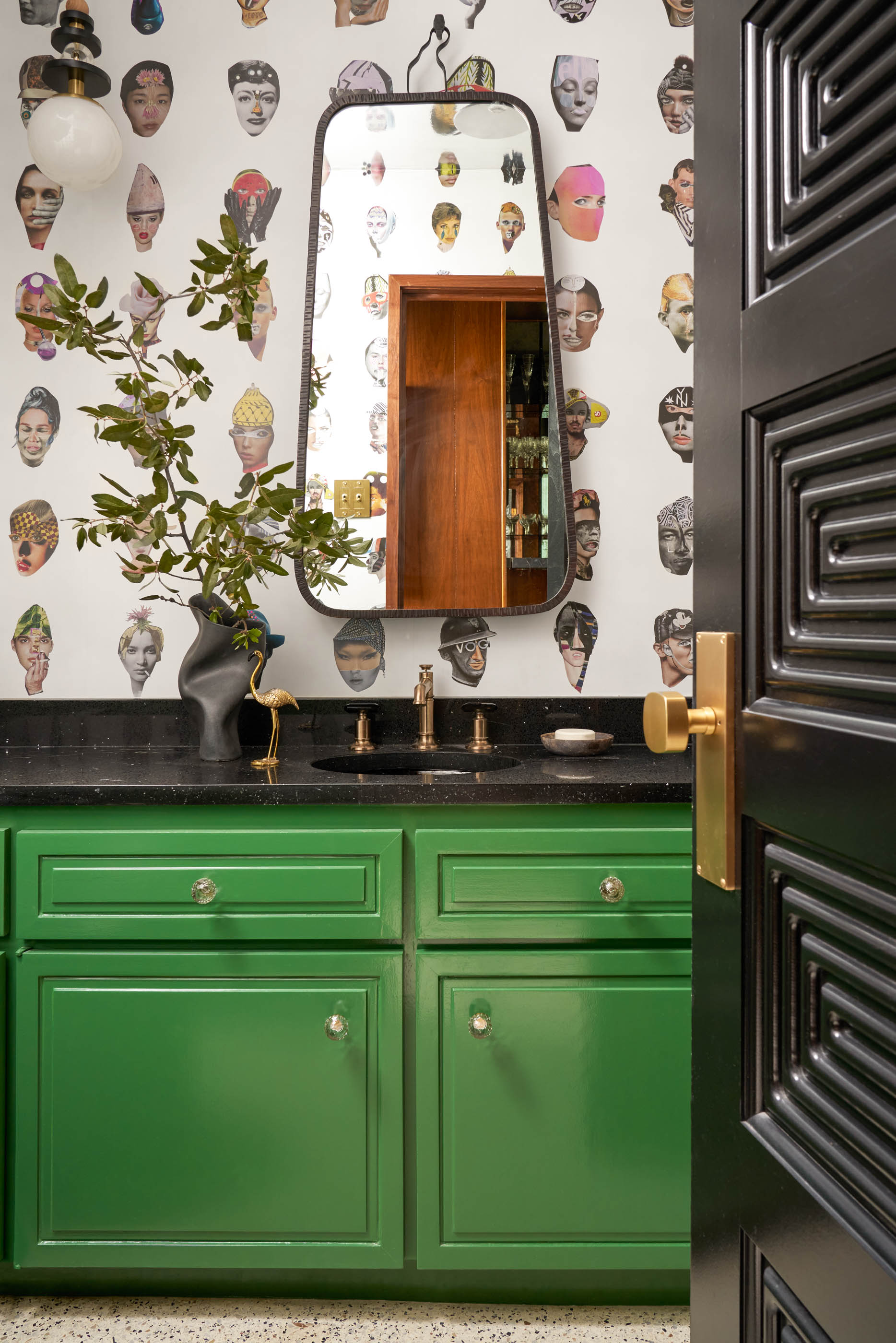
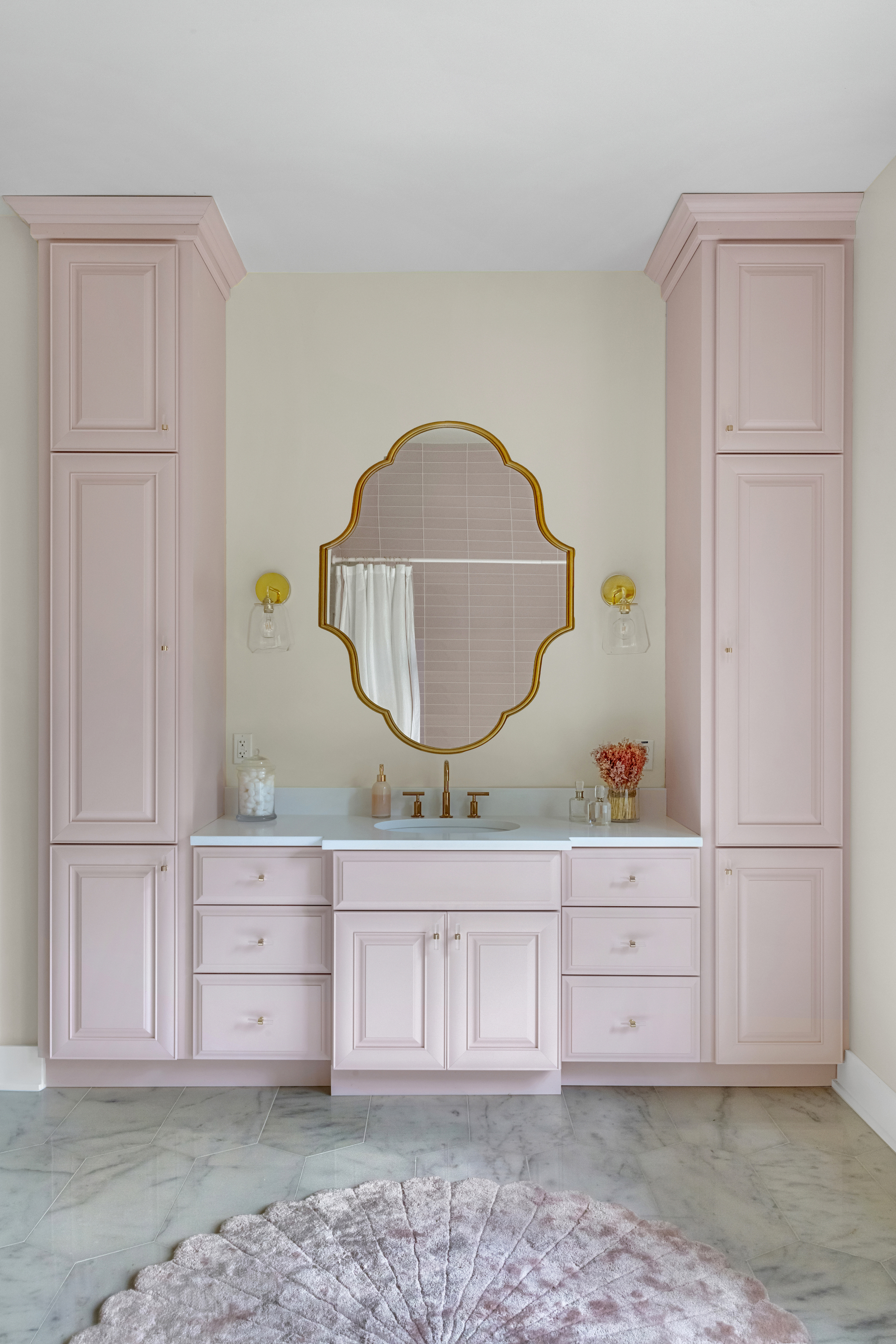
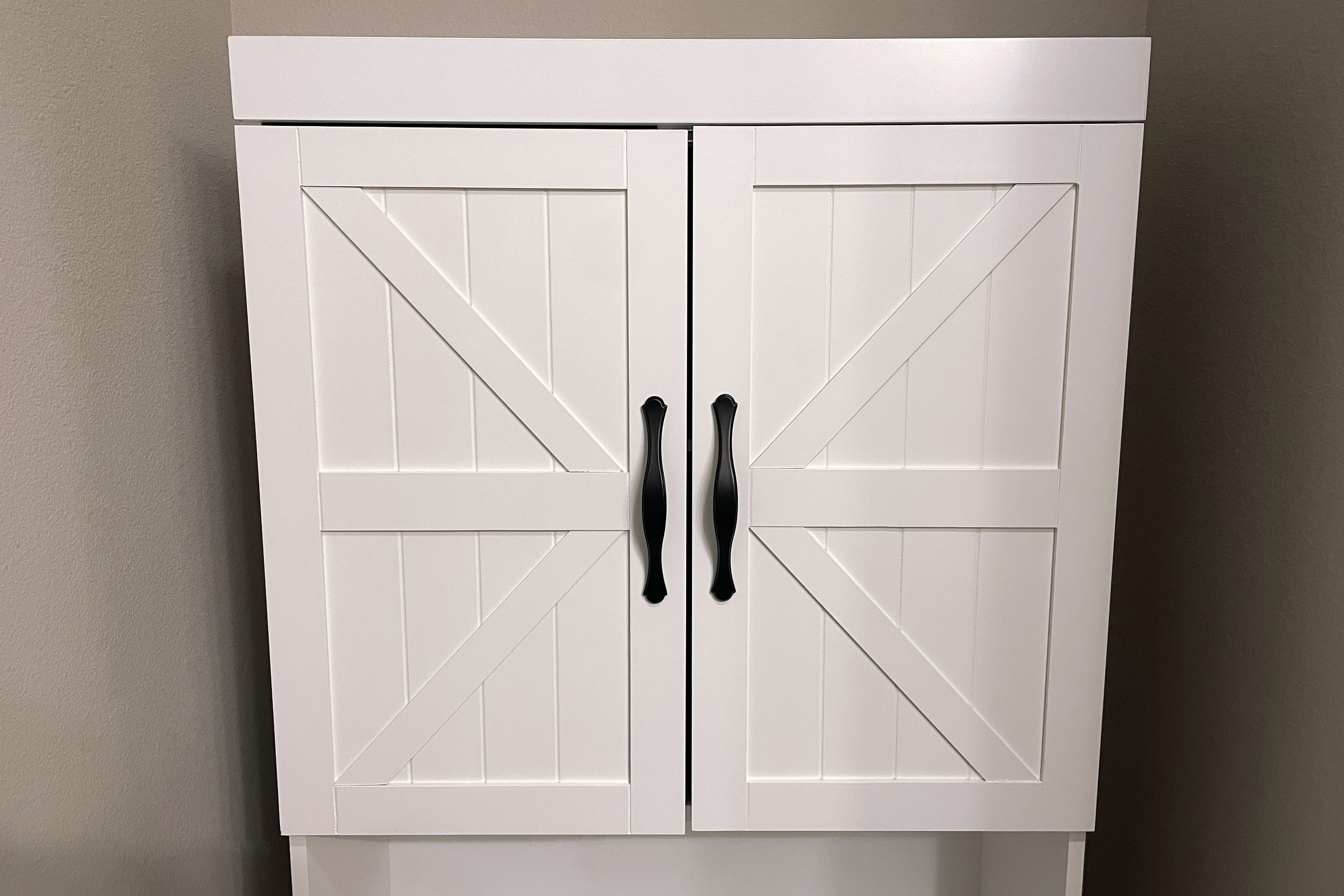
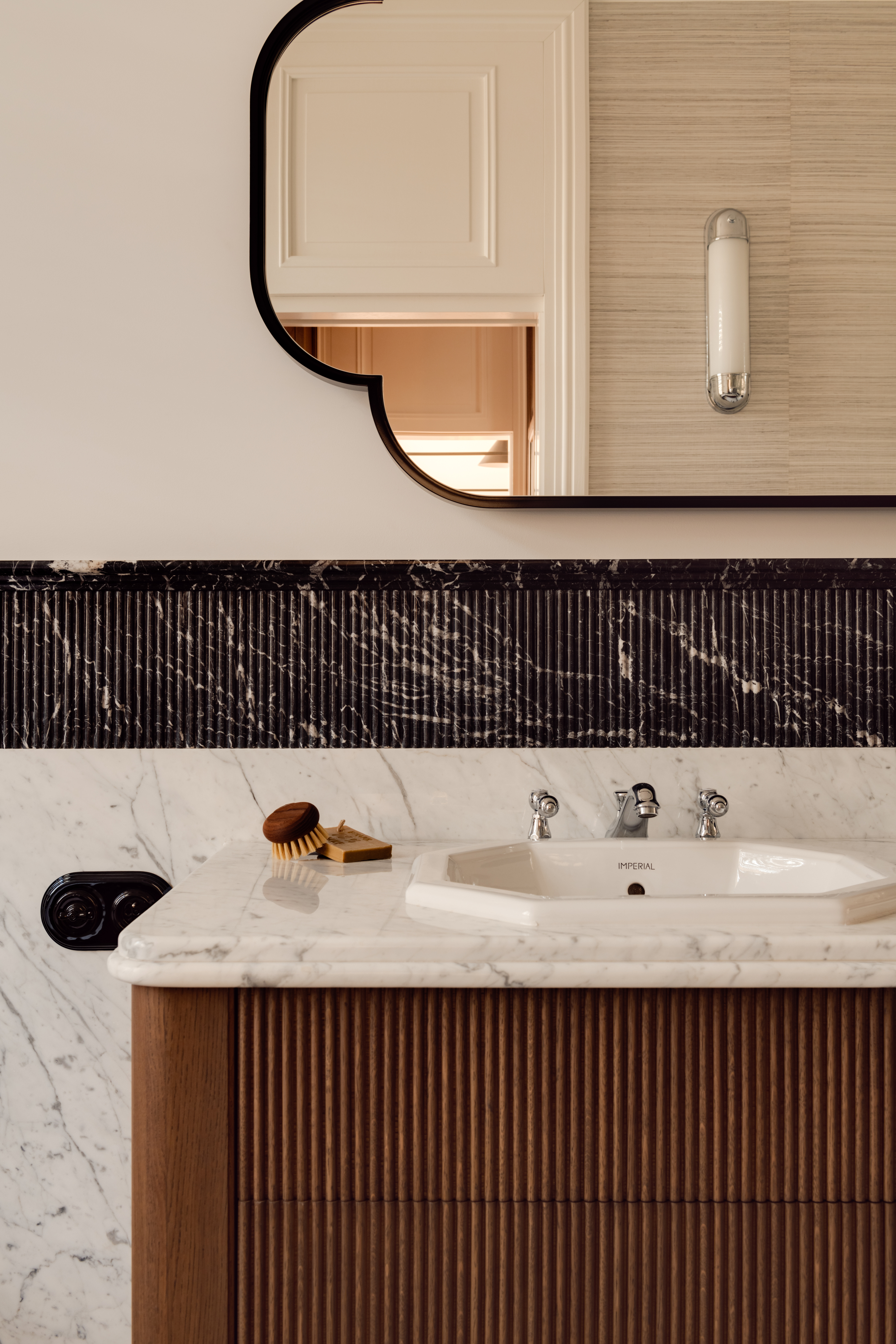
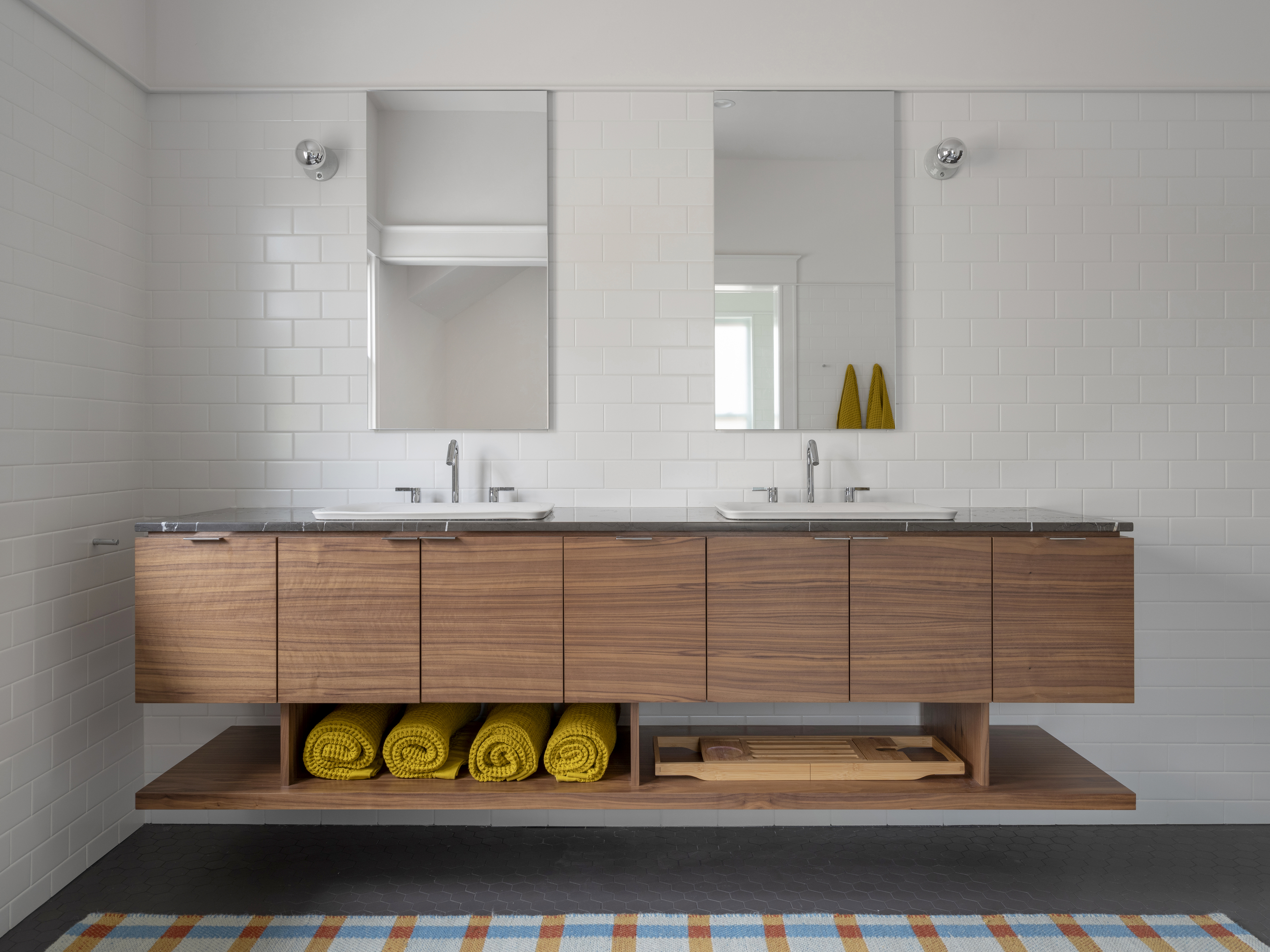
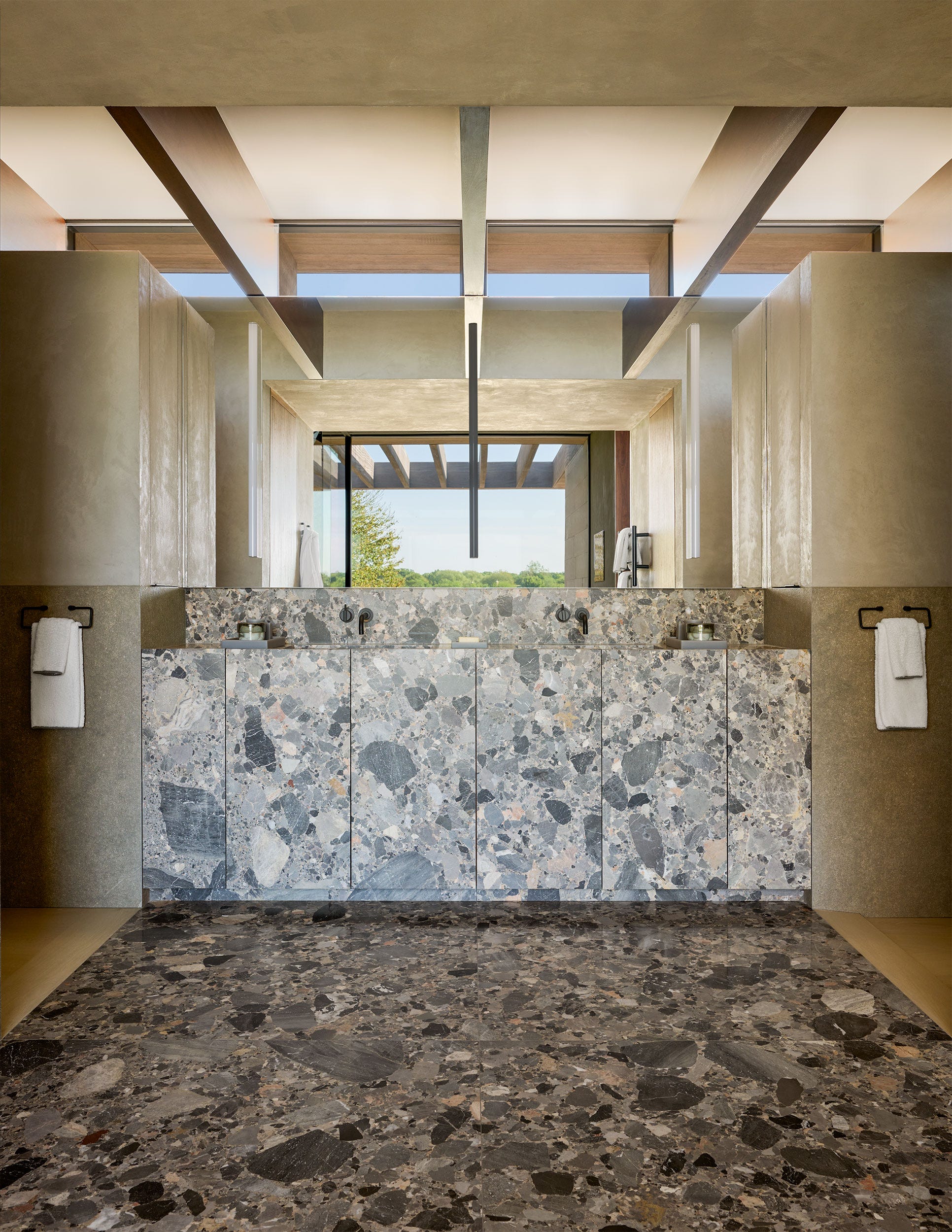
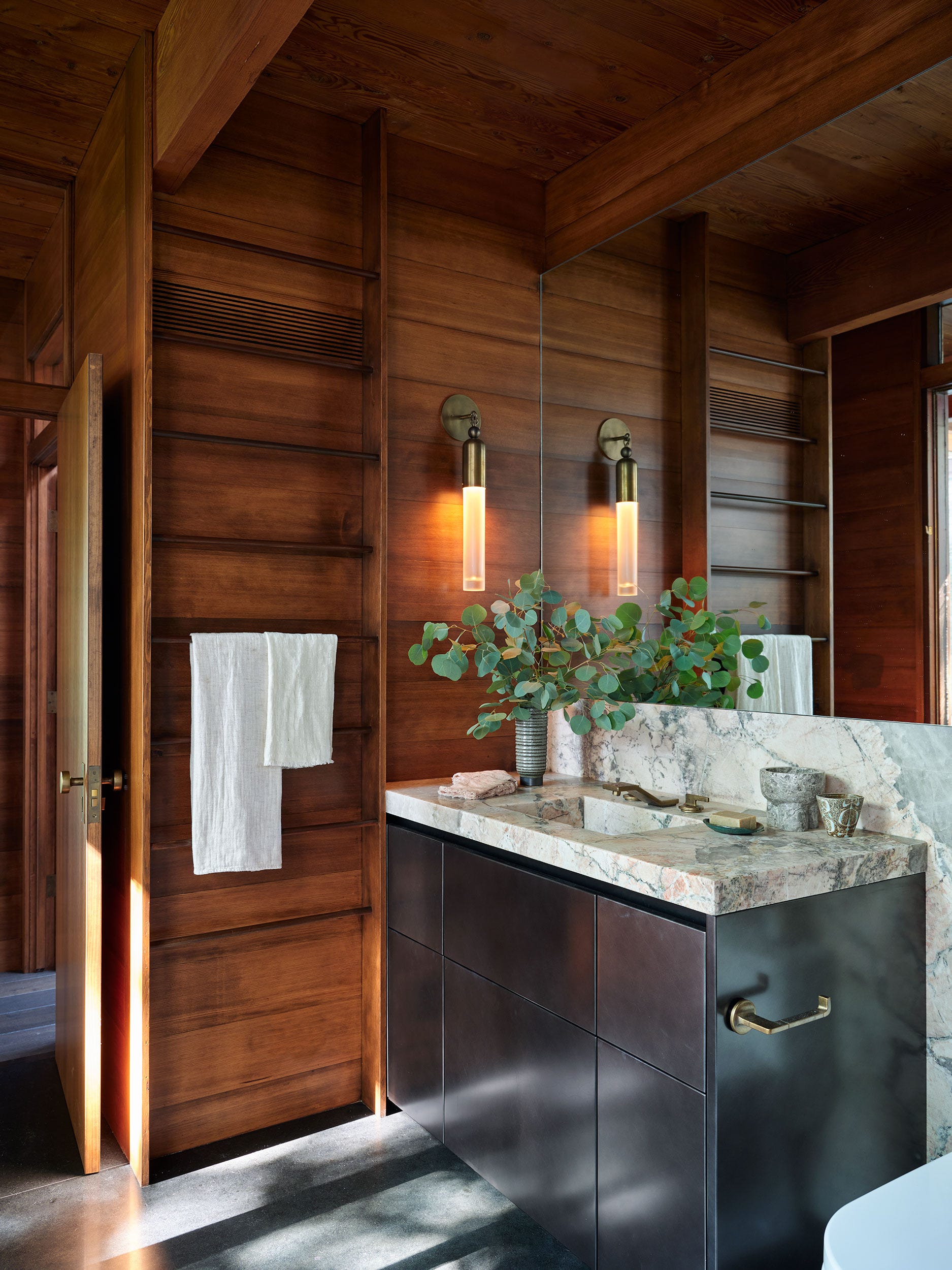
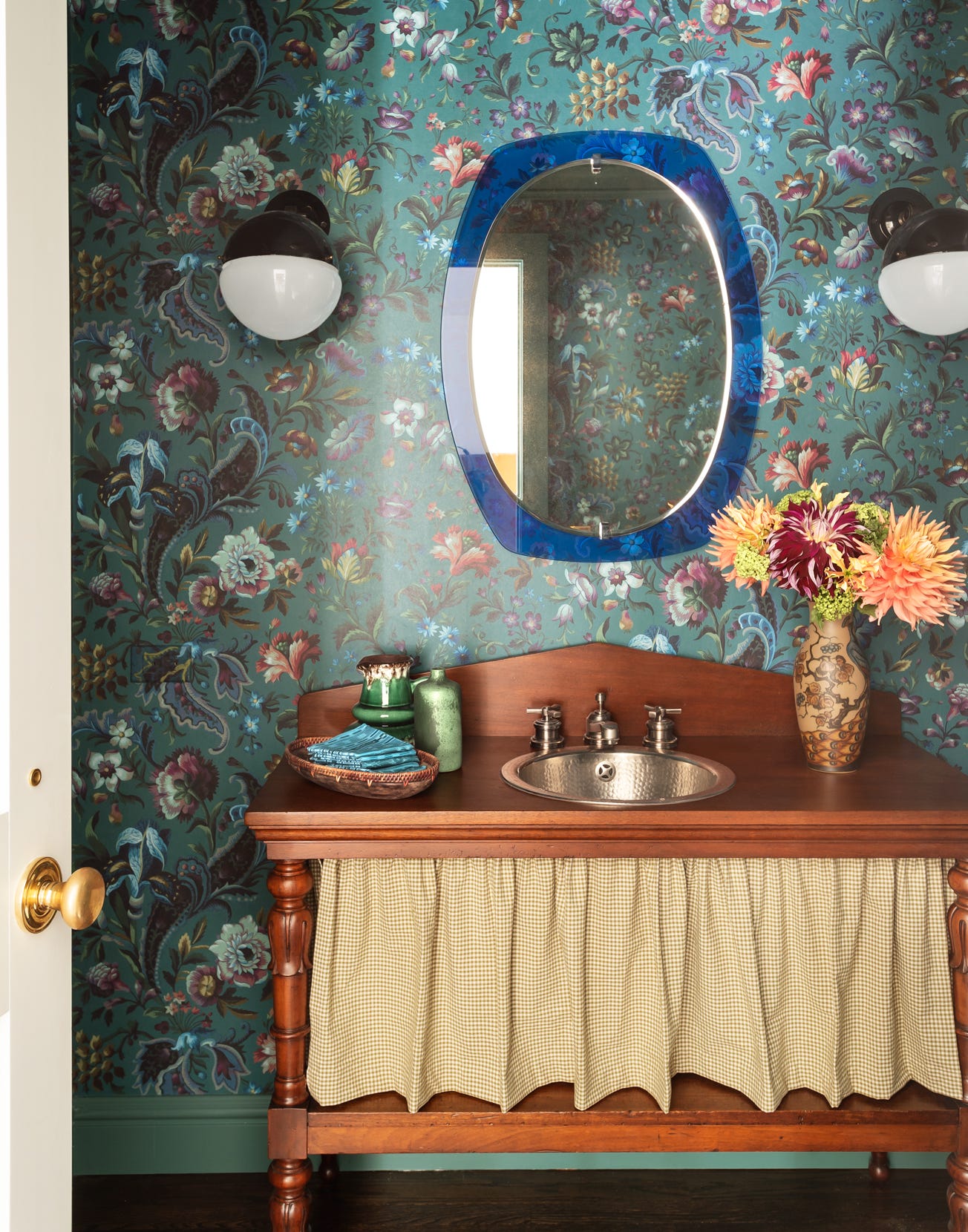
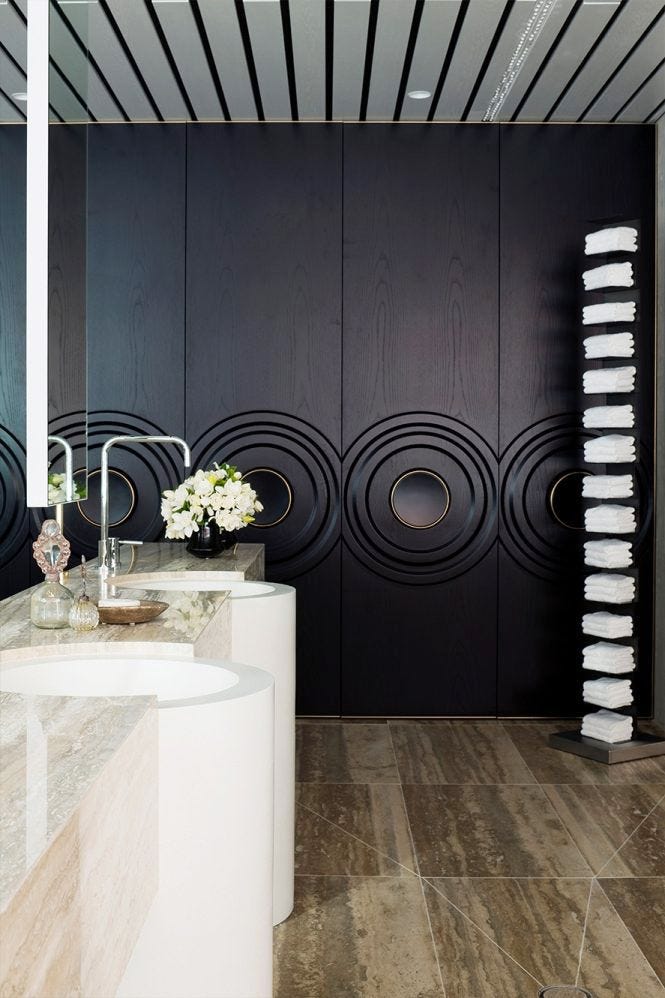
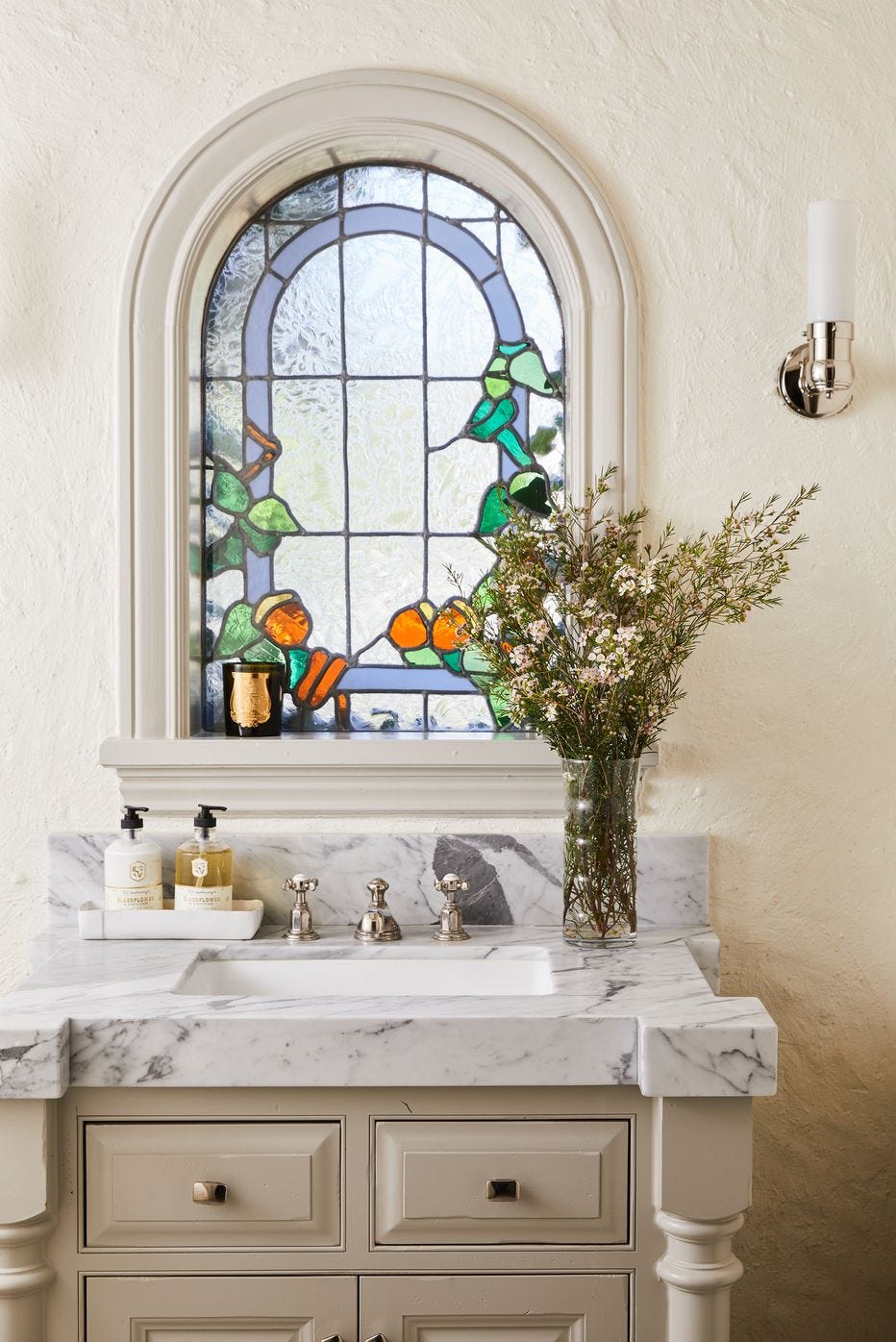
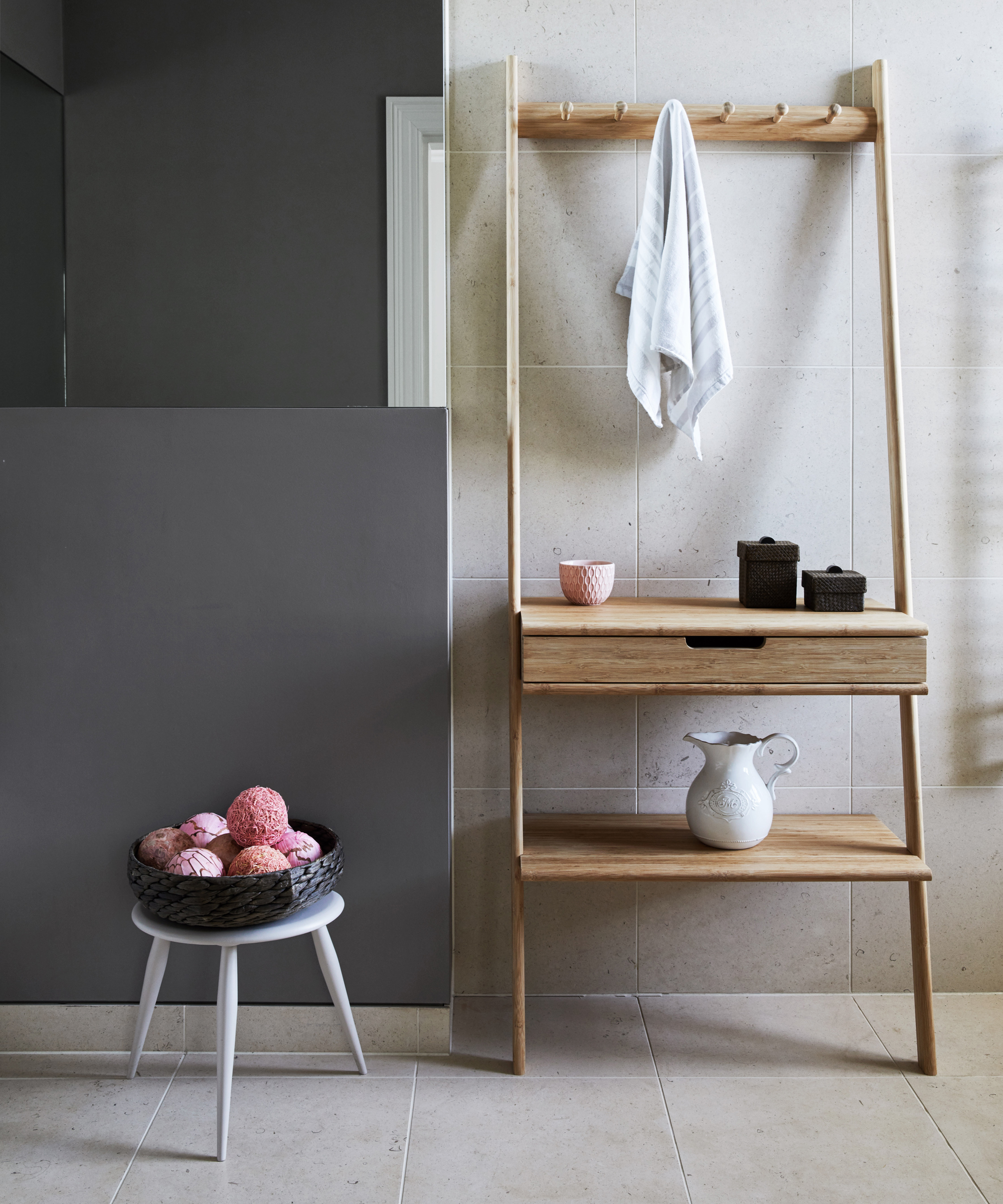
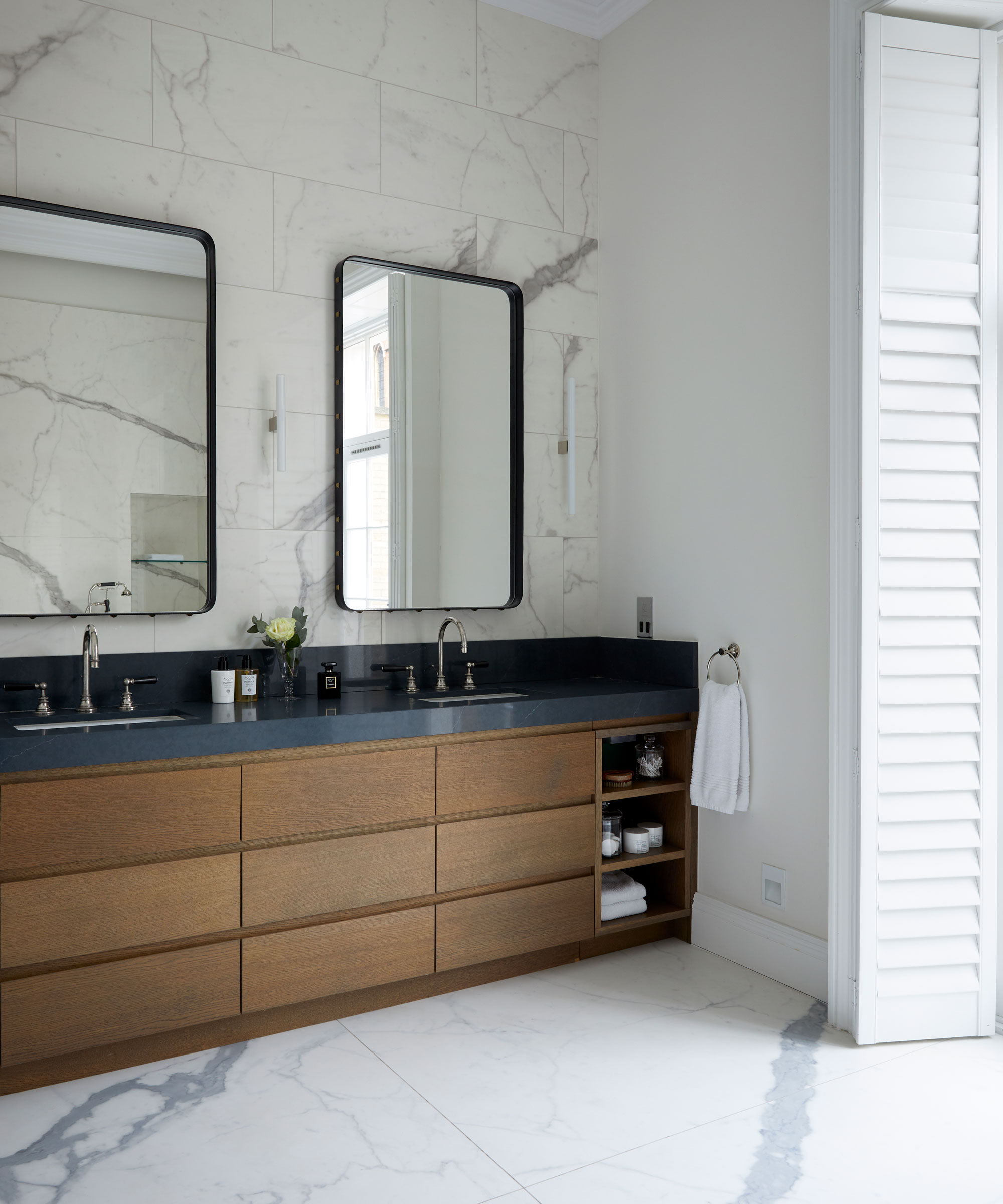
The article then delves into the debate between built-in and freestanding storage. Built-in options, such as vanity units, are praised for maximizing space and providing a sleek finish, with fewer gaps for dust. Double vanity units are suggested for larger bathrooms, while combination units are ideal for smaller spaces, concealing pipework but potentially complicating access for plumbing issues. Freestanding furniture is presented as a more affordable and flexible alternative, with options like tall cabinets, drawer units, and ladder shelving. It advises securing freestanding units to walls for safety and ensuring that any furniture, especially upcycled pieces, is suitable for humid bathroom environments.
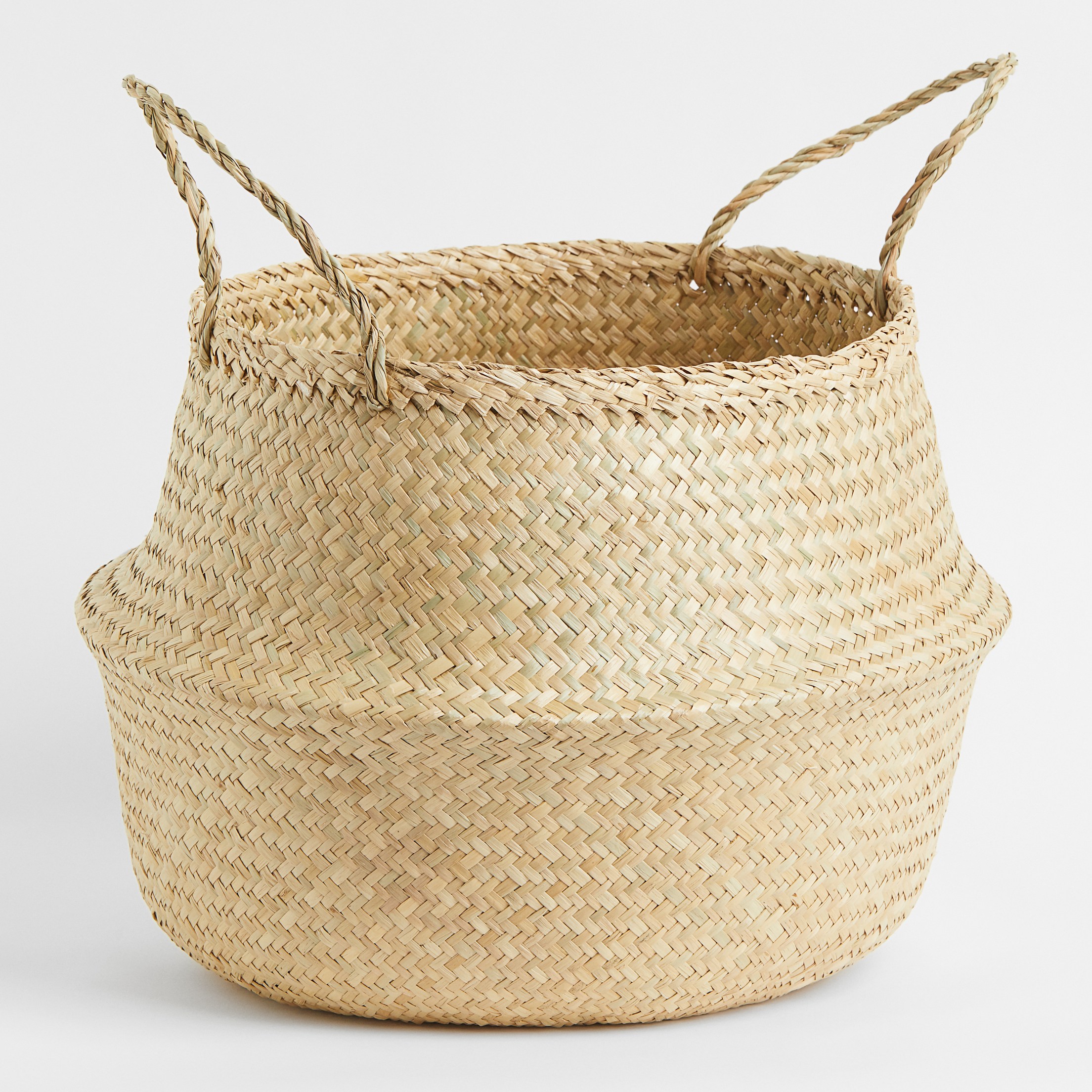
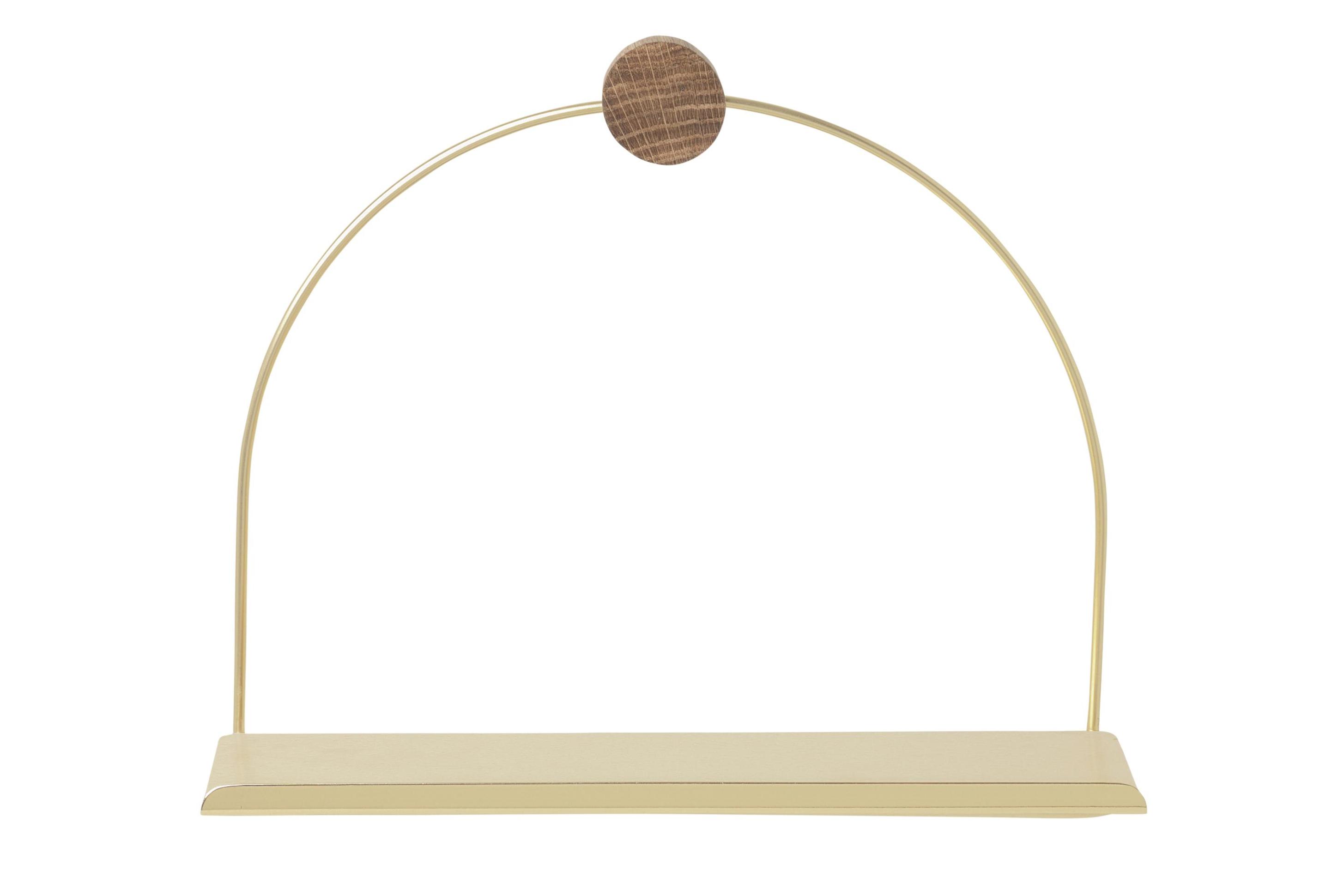
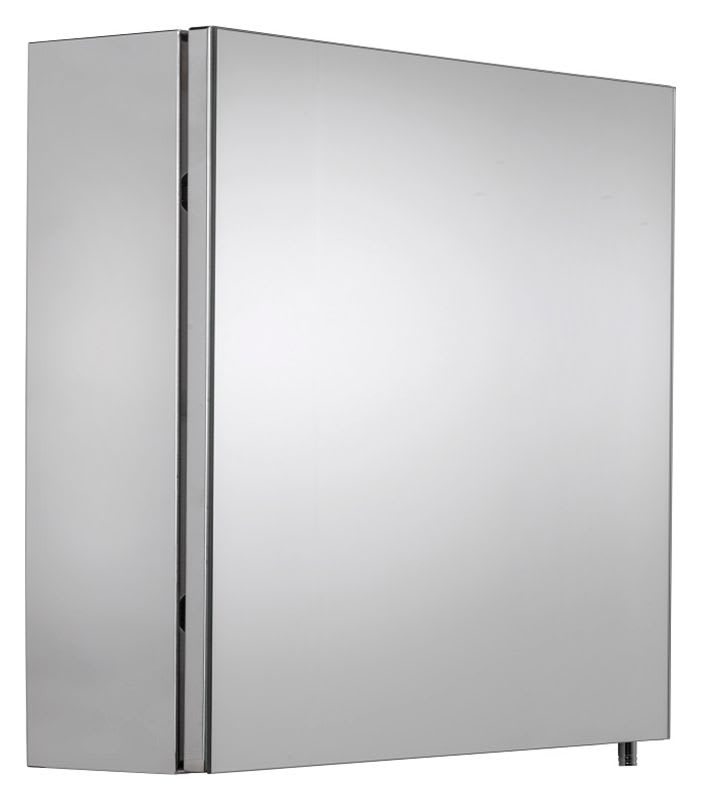
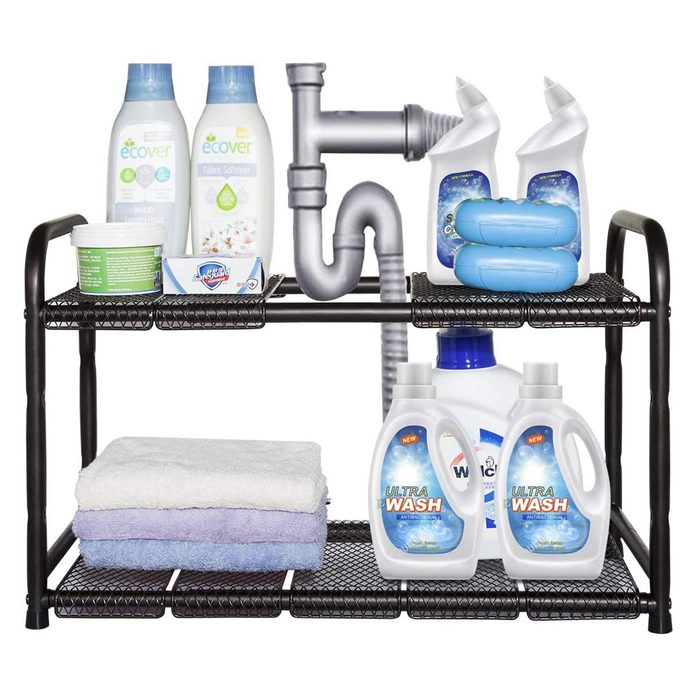
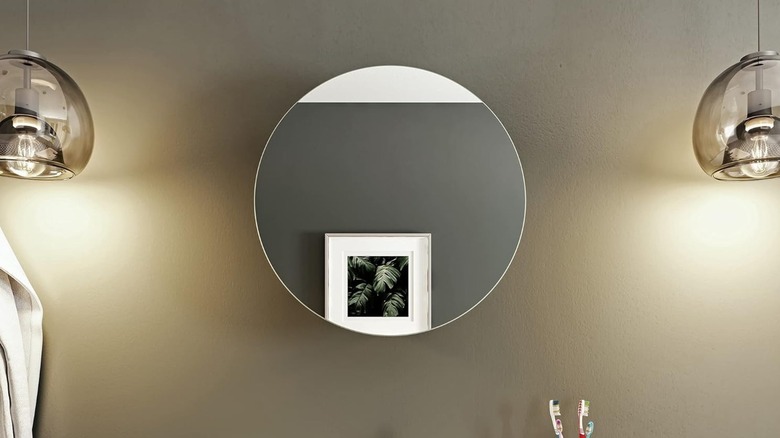
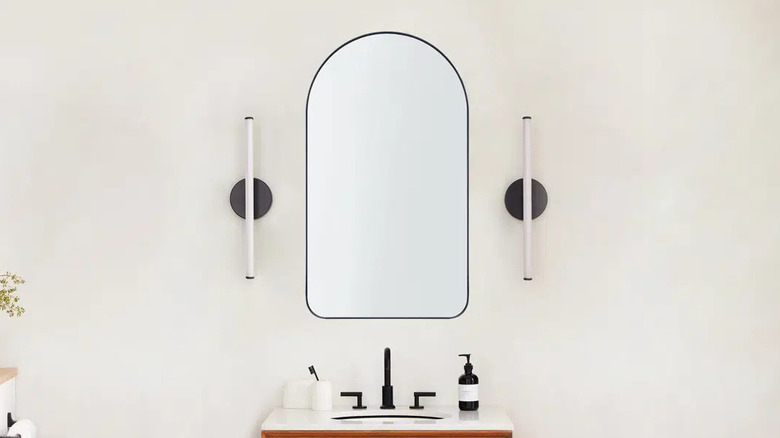
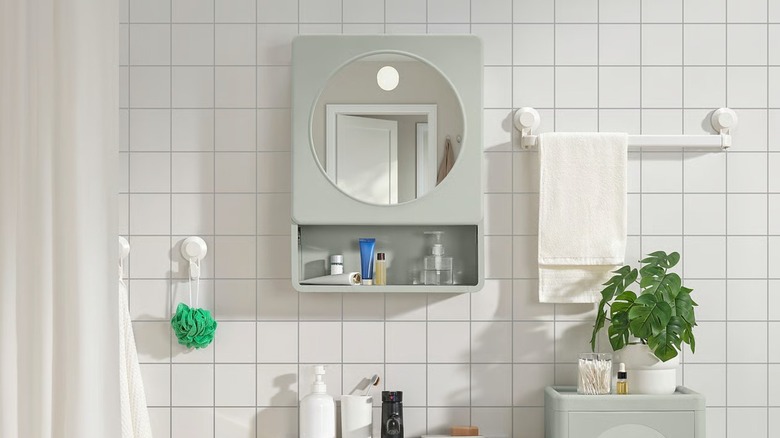
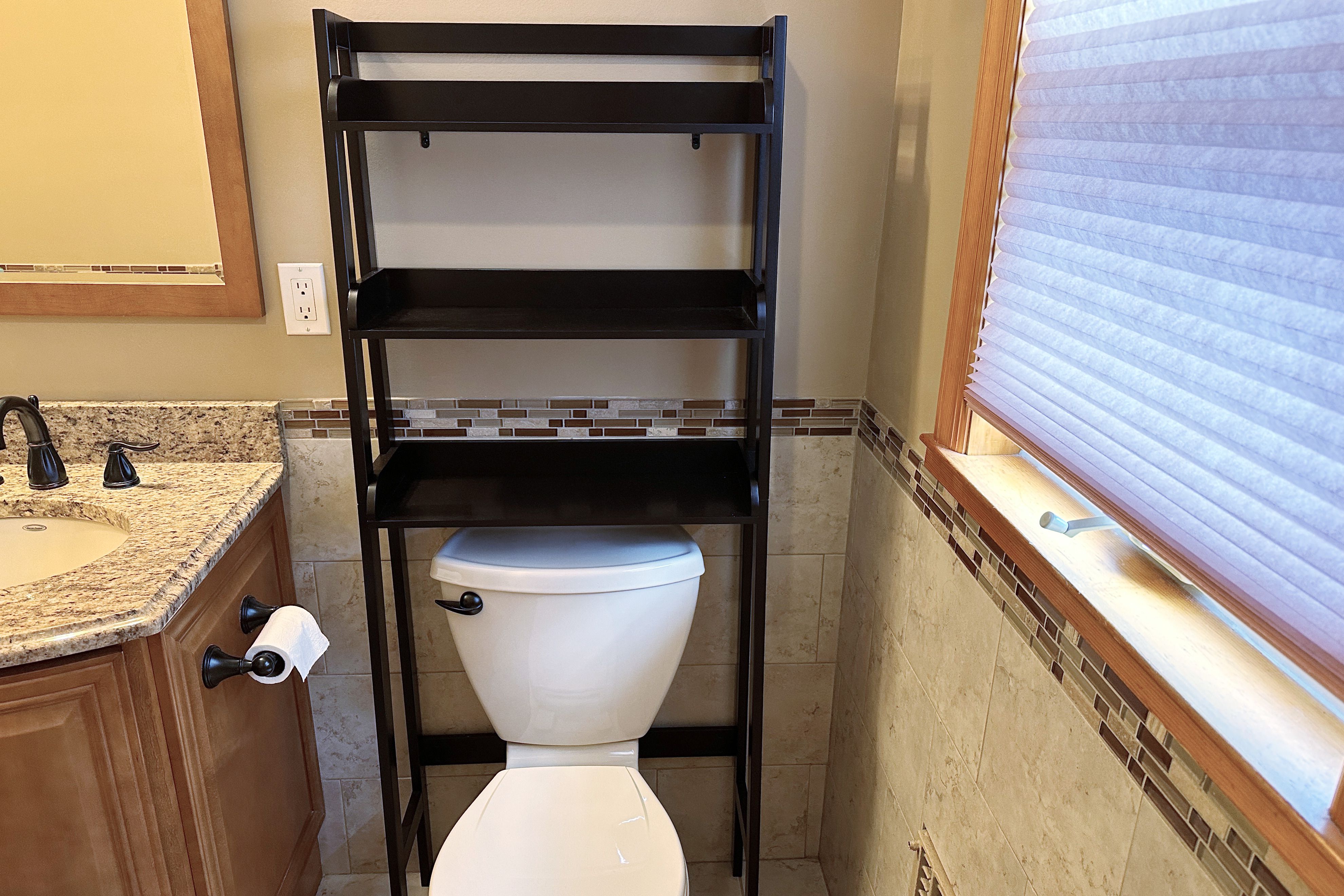
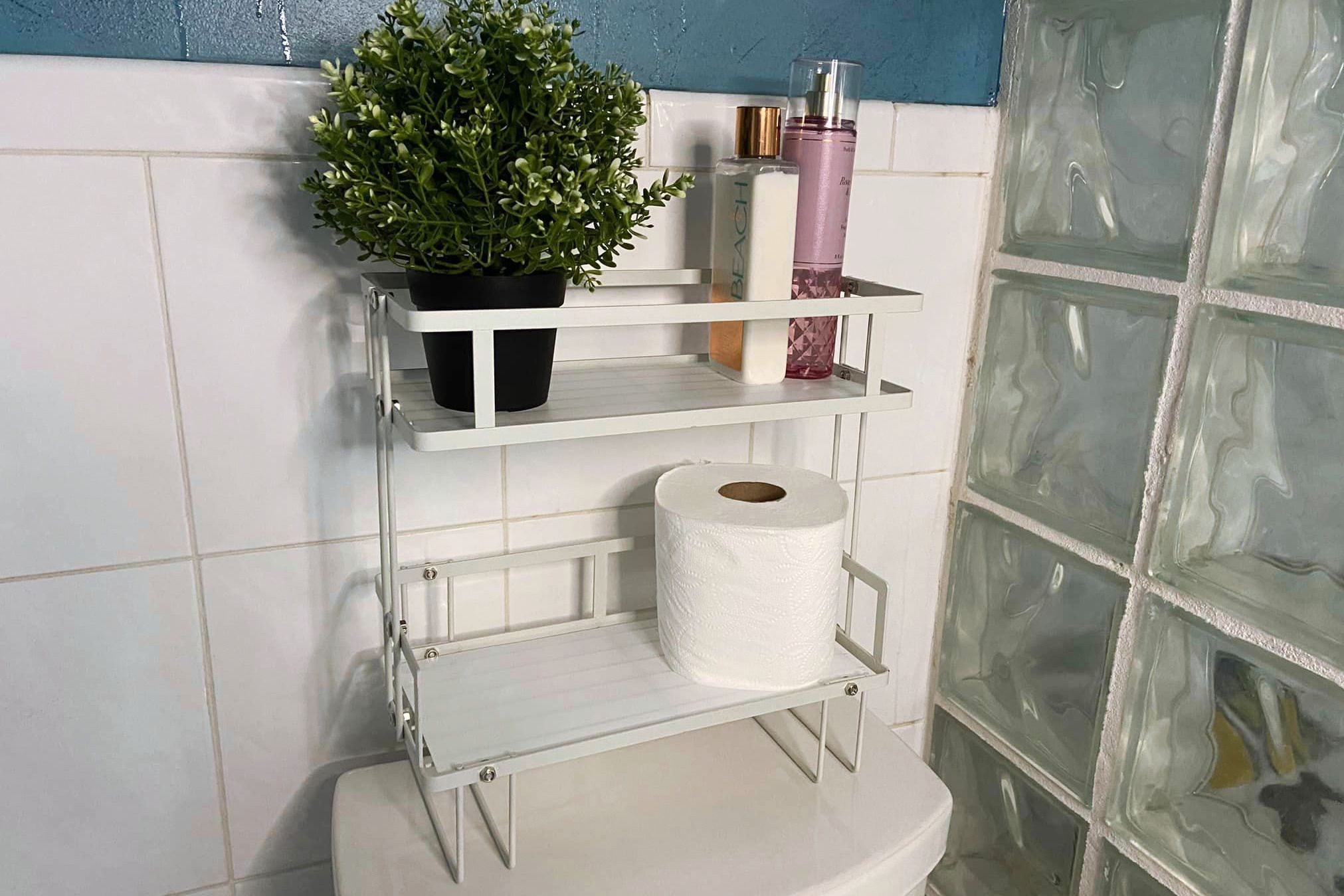

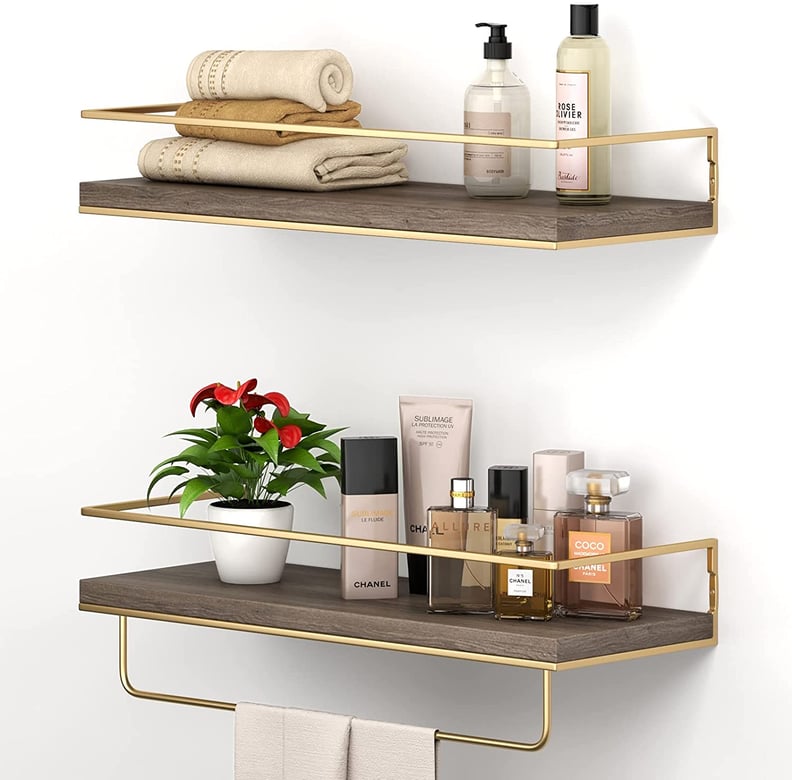
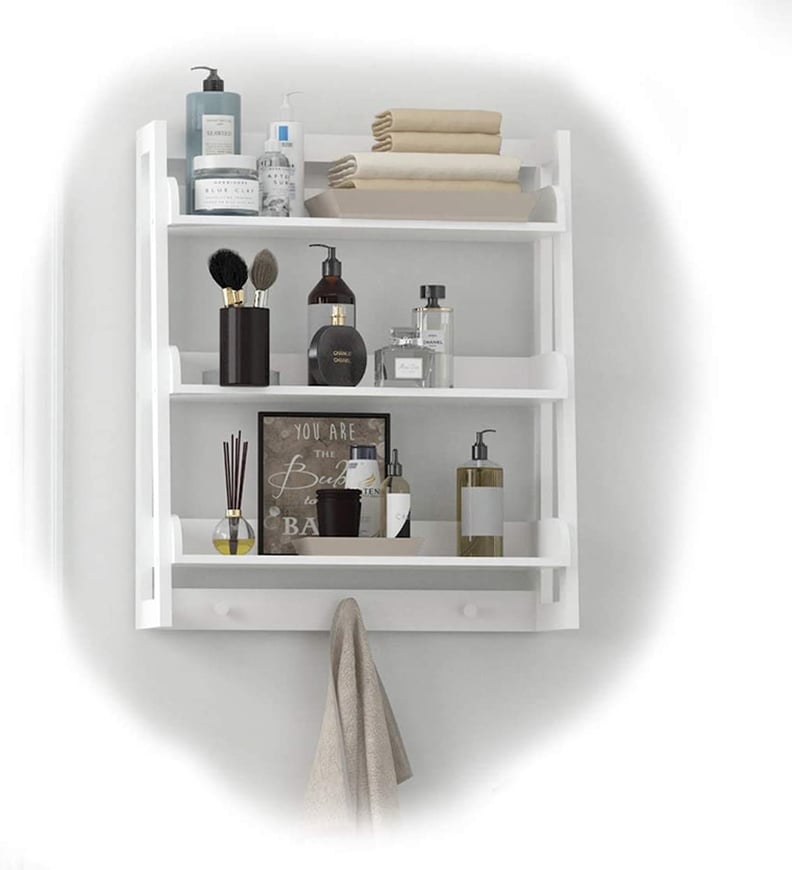
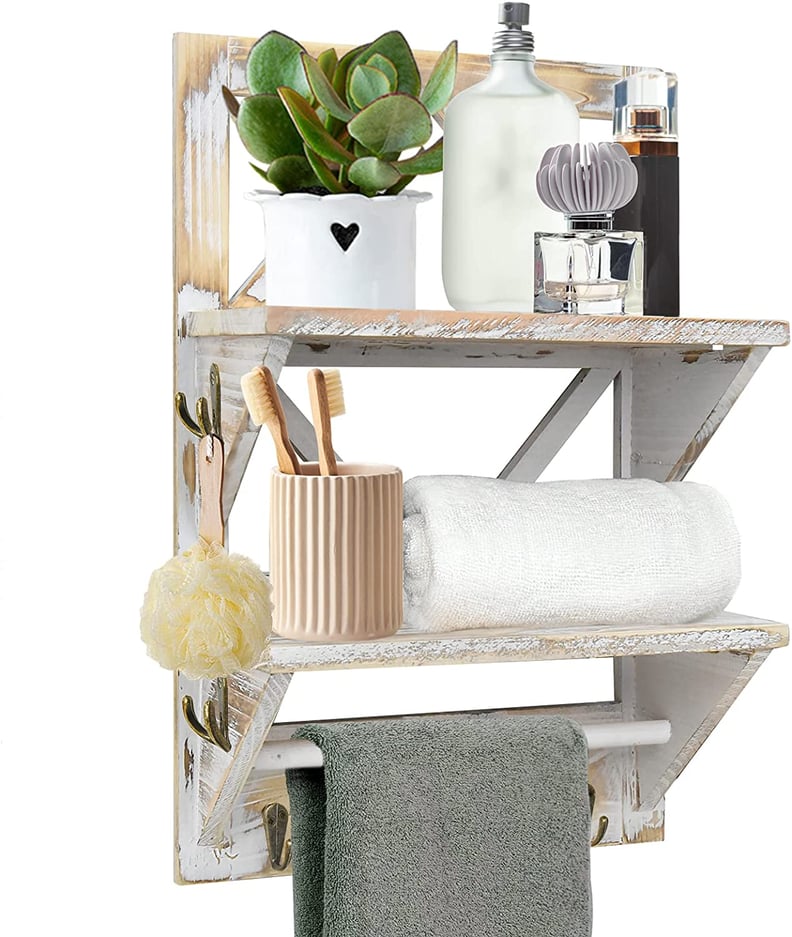
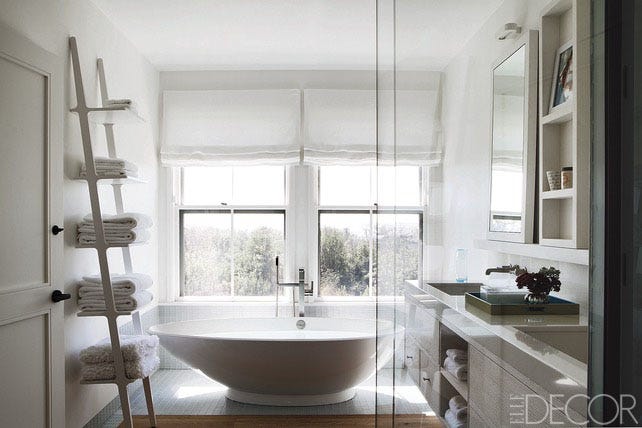
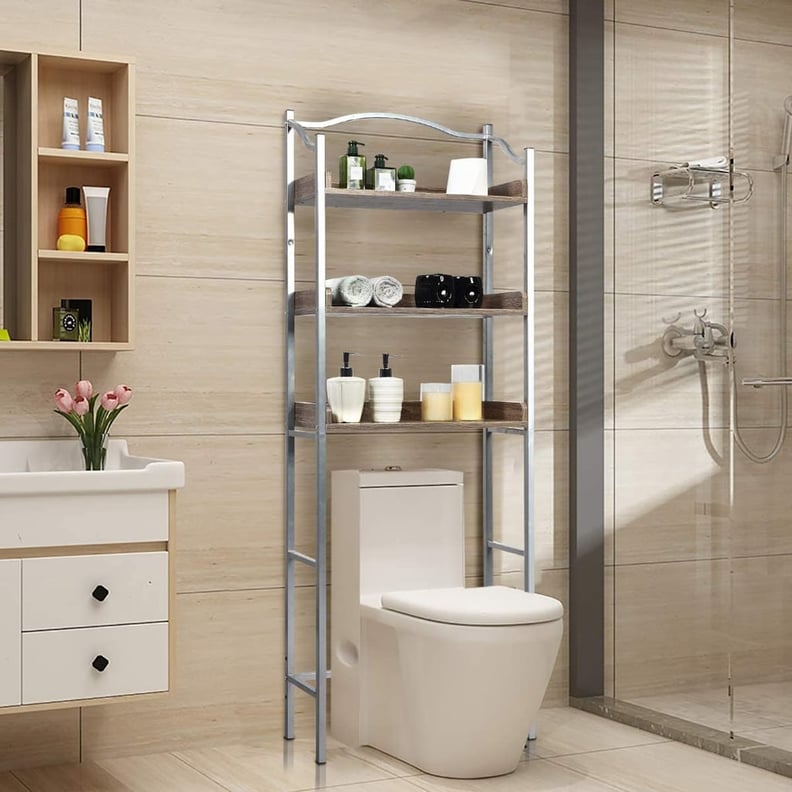
Several specific storage ideas are explored. Tall bathroom cabinets, or tallboys, are recommended for utilizing vertical space, with tips on accessibility and options like mirrored fronts for smaller rooms. Bathroom mirror cabinets are highlighted for combining storage with enhanced aesthetics and modern features like motion-sensor lights and internet connectivity, though potential technical issues with smart mirrors are noted. Under-sink storage solutions include freestanding cupboards or wire racks, and the article suggests utilizing space above the toilet with freestanding units or floating shelves, while cautioning about the "toilet plume." Towel storage options for both damp and clean towels are discussed, including wall hooks, racks, heated rails, ladder shelves, floating shelves, and baskets. Finally, toilet roll storage solutions such as wall-mounted holders, freestanding holders, slimline cabinets, and novelty designs are presented, with emphasis on keeping rolls dry and accessible.
#BathroomStorage #BathroomCabinets #HomeImprovement #InteriorDesign #FurnitureSelection #SpaceMaximization #ProductReview #DIYHome #BathroomStorage #BathroomCabinets #HomeImprovement #InteriorDesign #FurnitureSelection #SpaceMaximization #ProductReview #DIYHome
0 comment in total
 No comments yet
You may also like
The best bathroom storage to buy in 2021
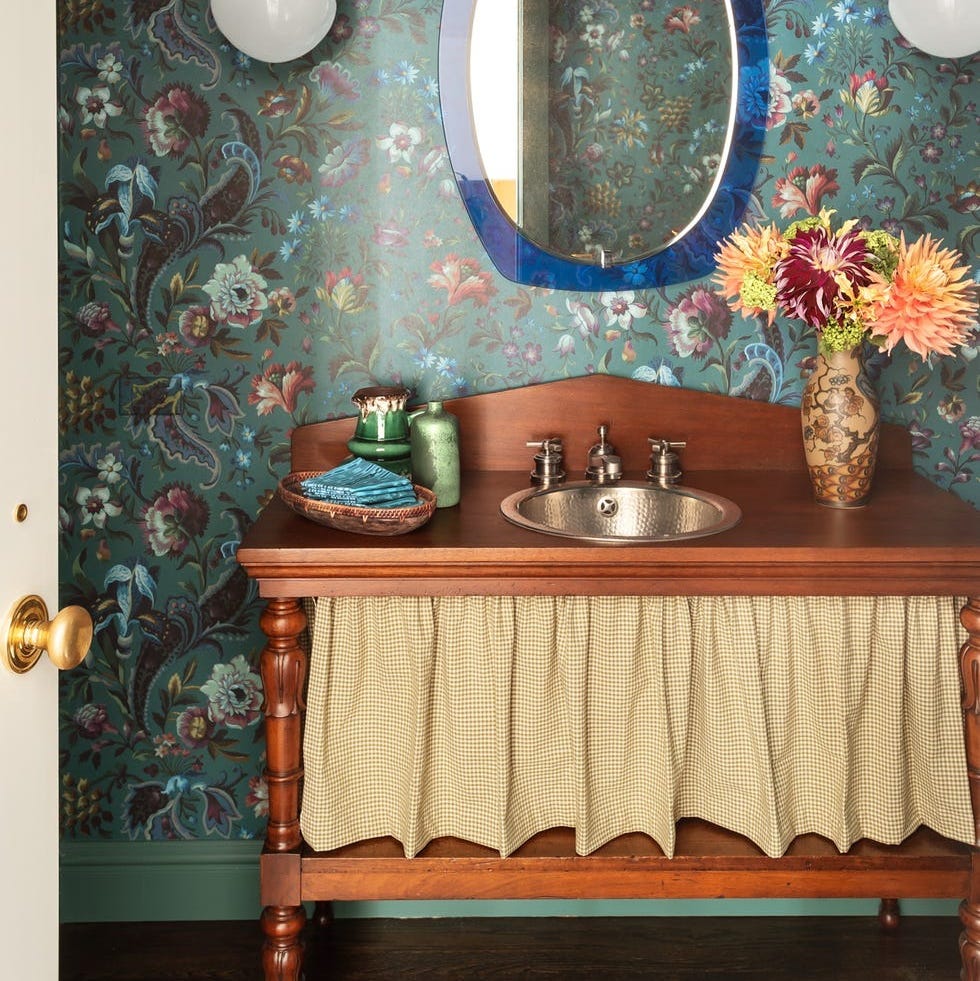
26 Bathroom Cabinet Ideas You Have to Try Right Now
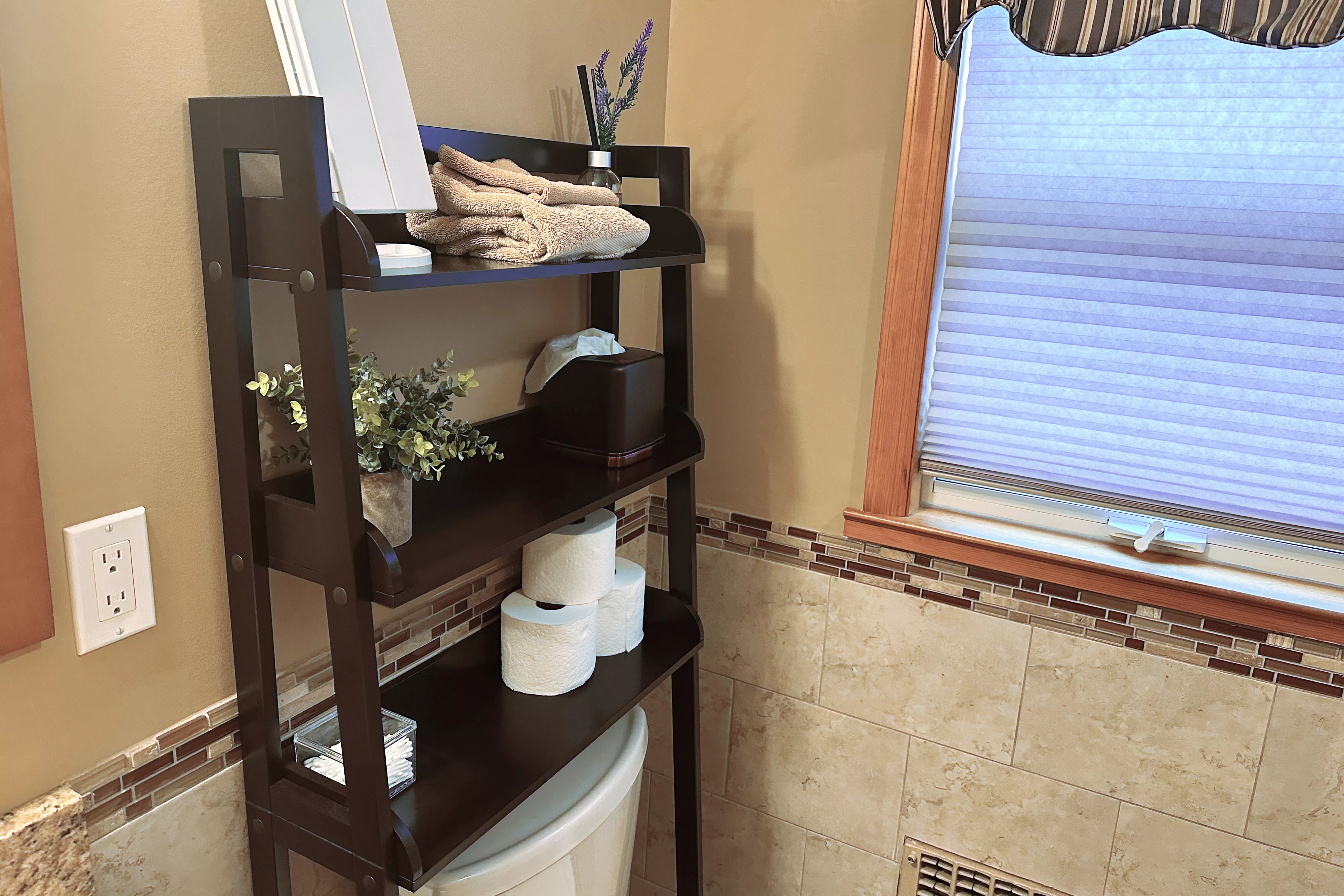
We Tested Over-the-Toilet Storage in Our Own Homes for Two Weeks—Here Are the Ones We Recommend

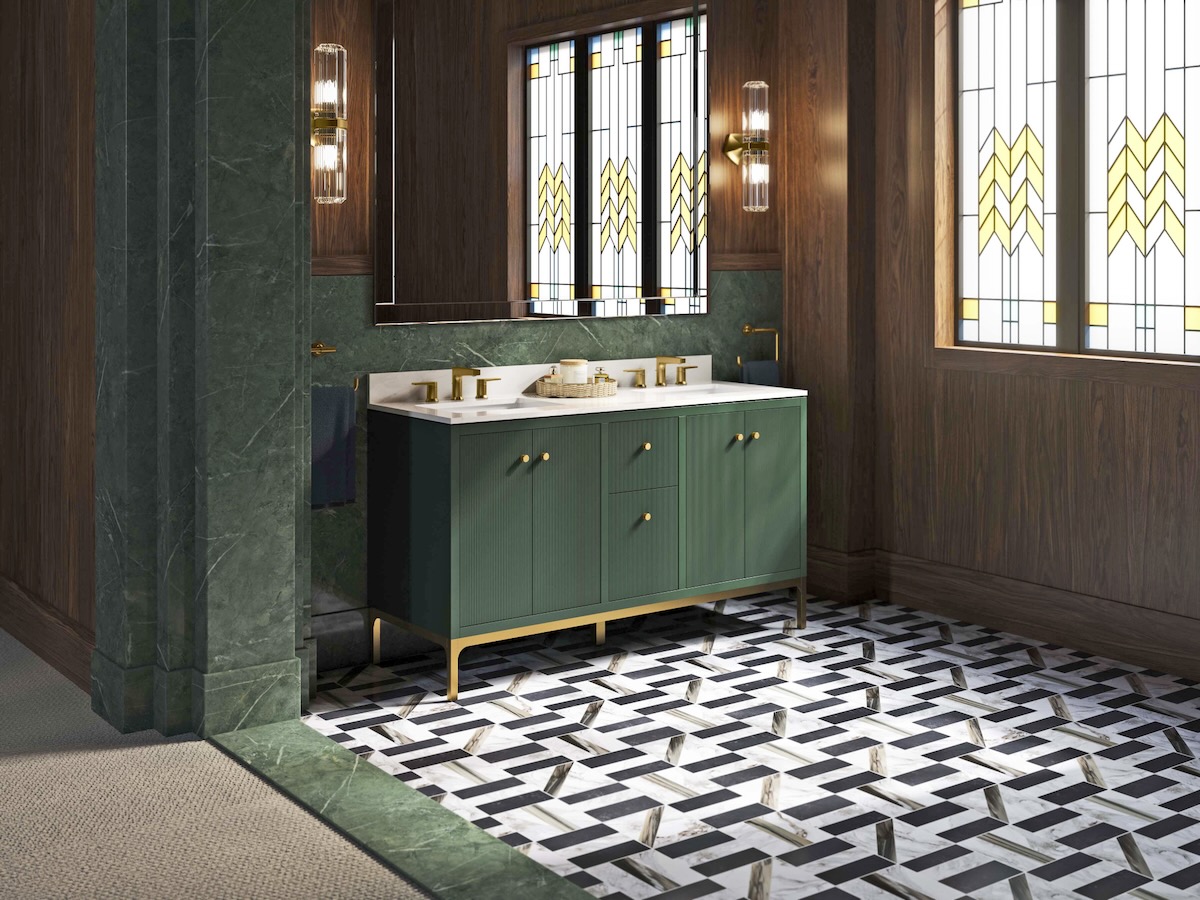
Bathroom Storage: Natural Order


Bathroom Cabinets & Storage
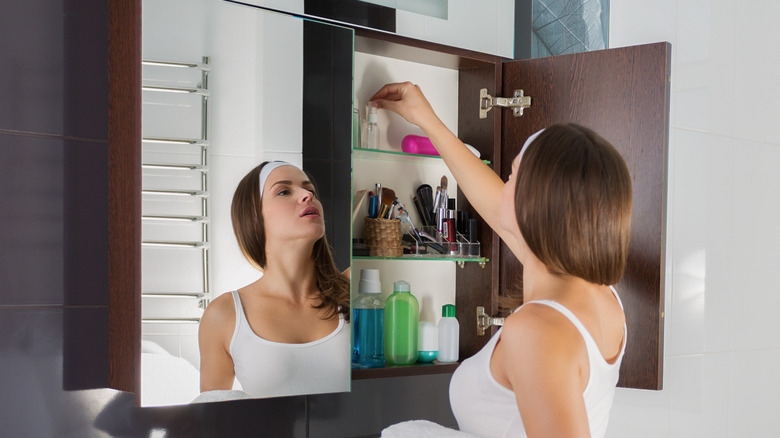
16 Of The Best Medicine Cabinets For Both Style And Storage
The 6 Best Medicine Cabinets for a Clutter-Free Bathroom
31 Bathroom Storage Ideas That Are Serious Game Changers

Bathroom Cabinet Organizers: 10 Smart Ideas for Storage

10 Bathroom Storage Cabinets That Make Organizing Your Space Simple

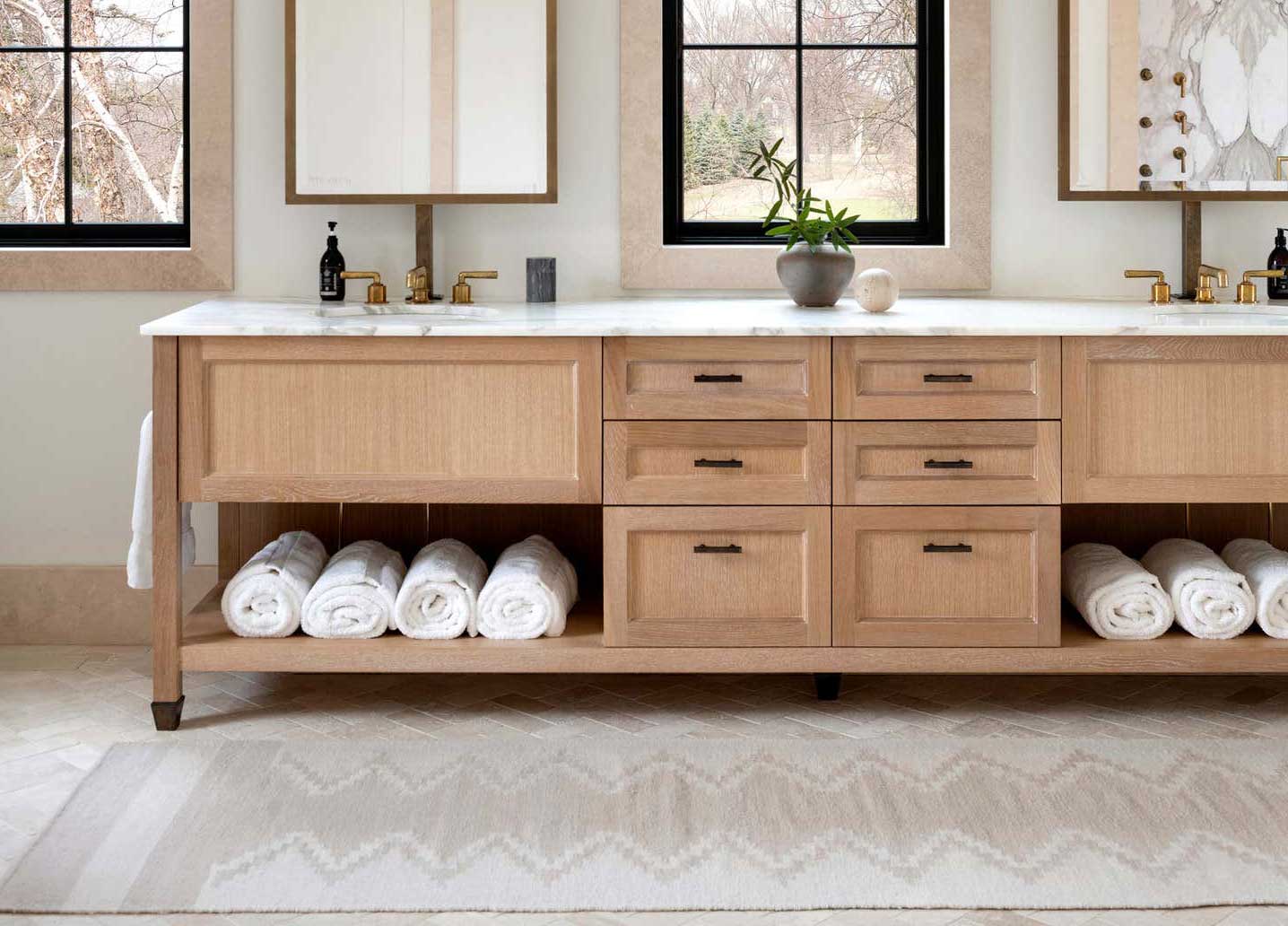
10 tricks for organizing bathroom cabinets that the best declutterers always use

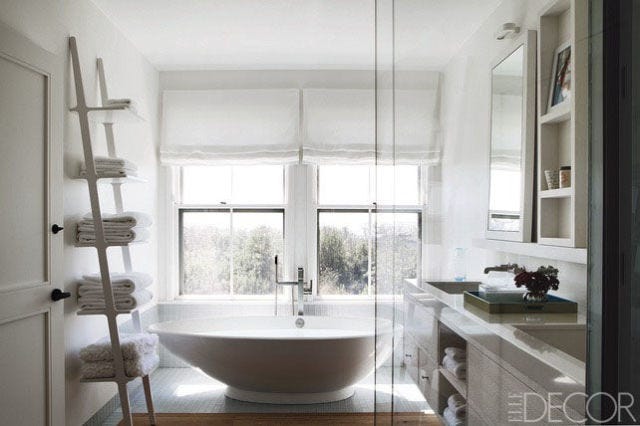
20 Bathroom Shelves That Will Make You Want To Go Home And Organize

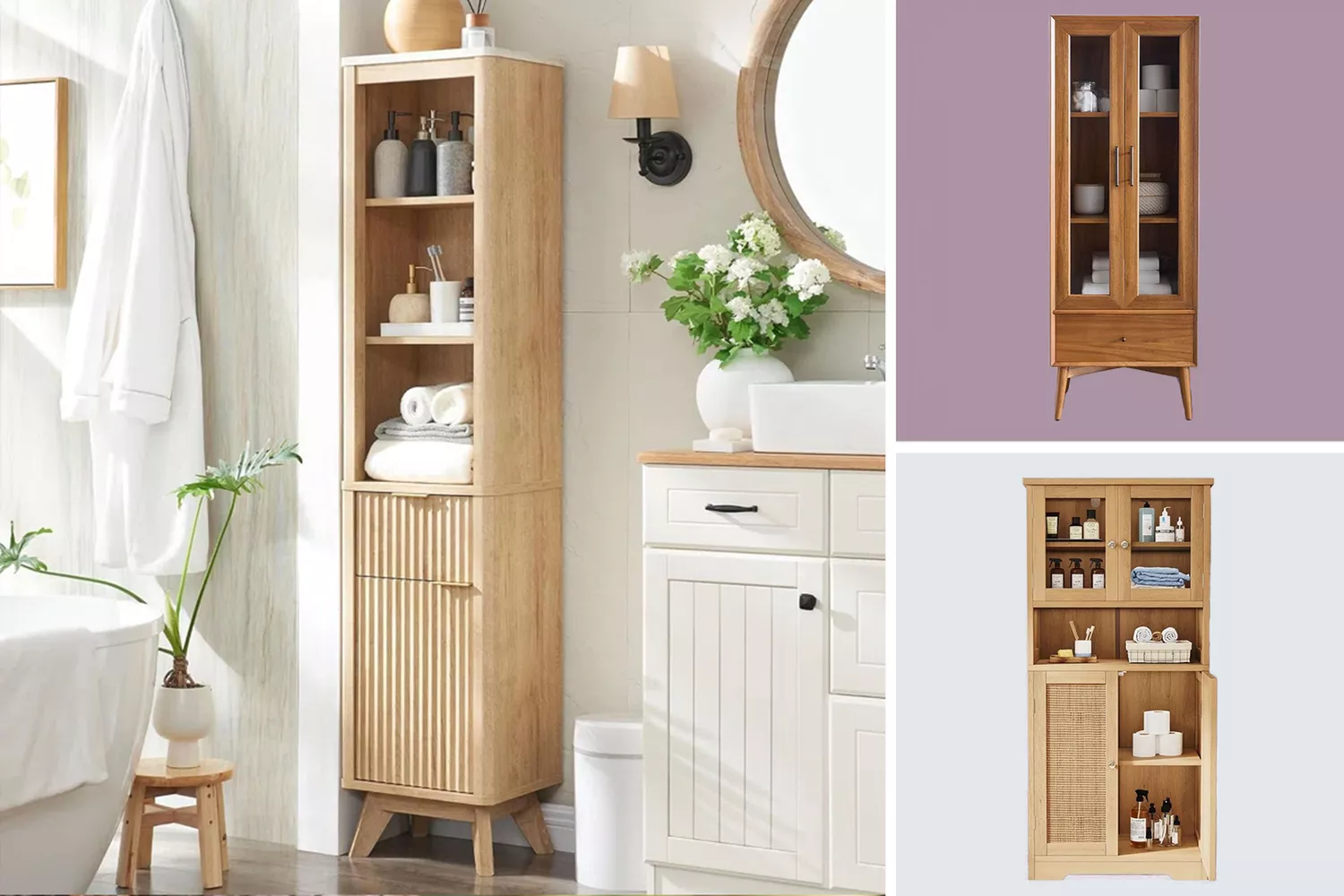
10 Bathroom Storage Cabinets That Make Organizing Your Space Simple

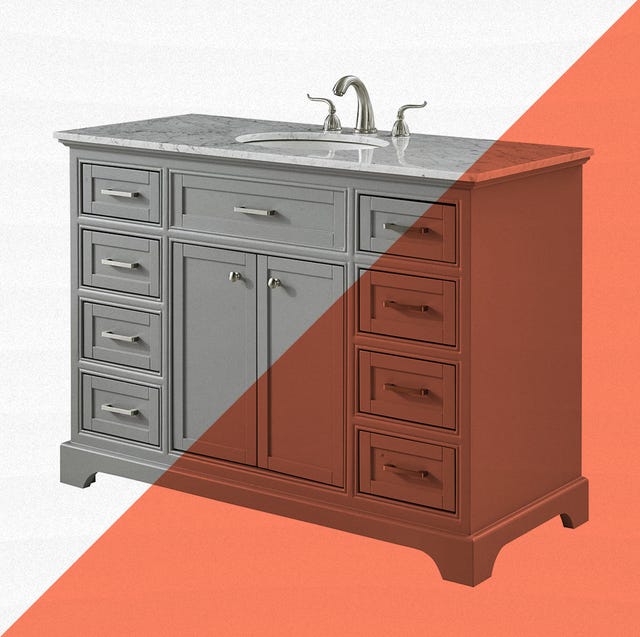
Transform Your Bathroom's Style and Storage Capacity with These Bathroom Vanities
11 Bathroom Shelves That Prove Storage Can Be Both Functional and Chic
Bathroom storage ideas – 19 solutions to keep your space neat, tidy and organized

Bathroom cabinet ideas - 10 ways to maximize space and style in the smallest room
Bathroom cabinet ideas – 10 smart designs that are practical and pretty
20 Bathroom Cabinet Ideas You Have to Try Right Now
Small Bathrooms Need Smarter Storage: These 5 Over-the-Toilet Options We Tested Deliver