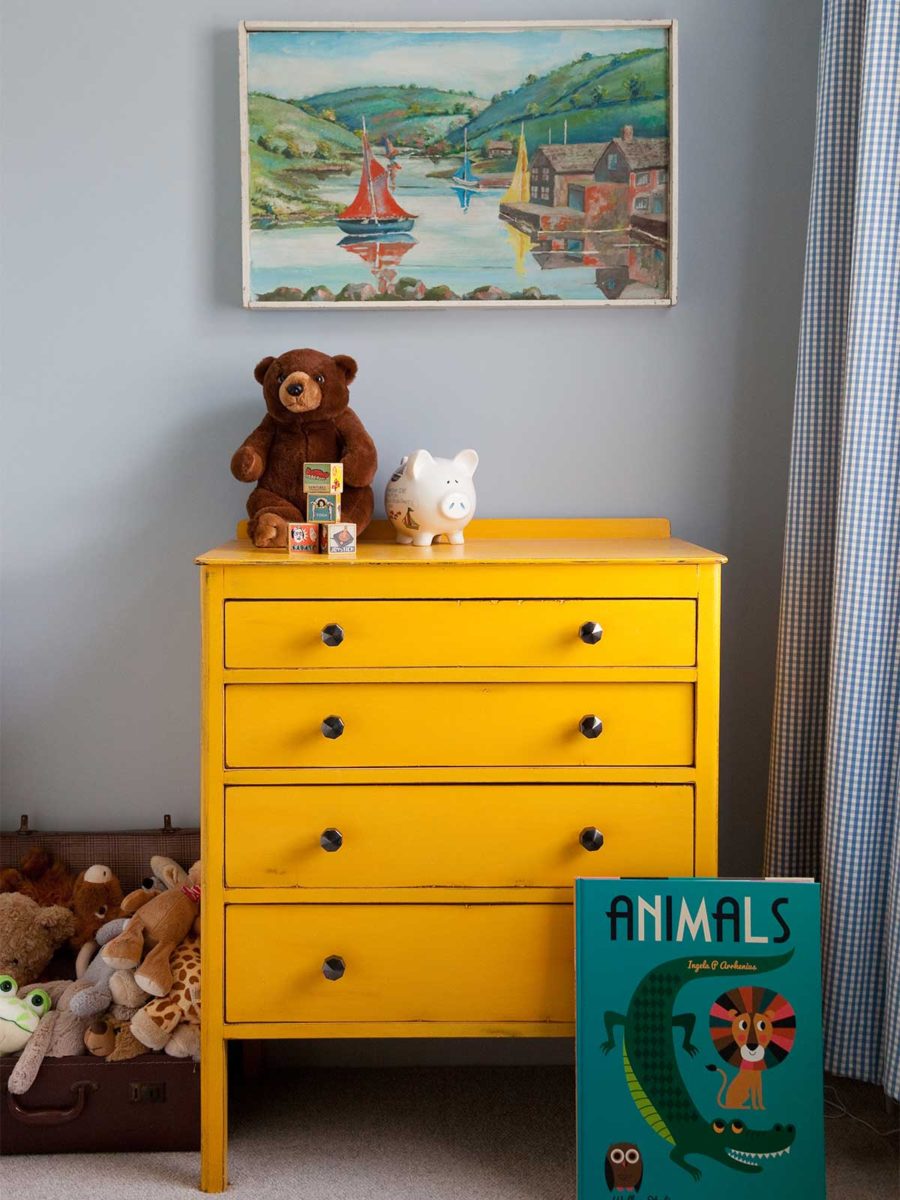
Make the Most of Shared Kid's Rooms with These Smart Ideas
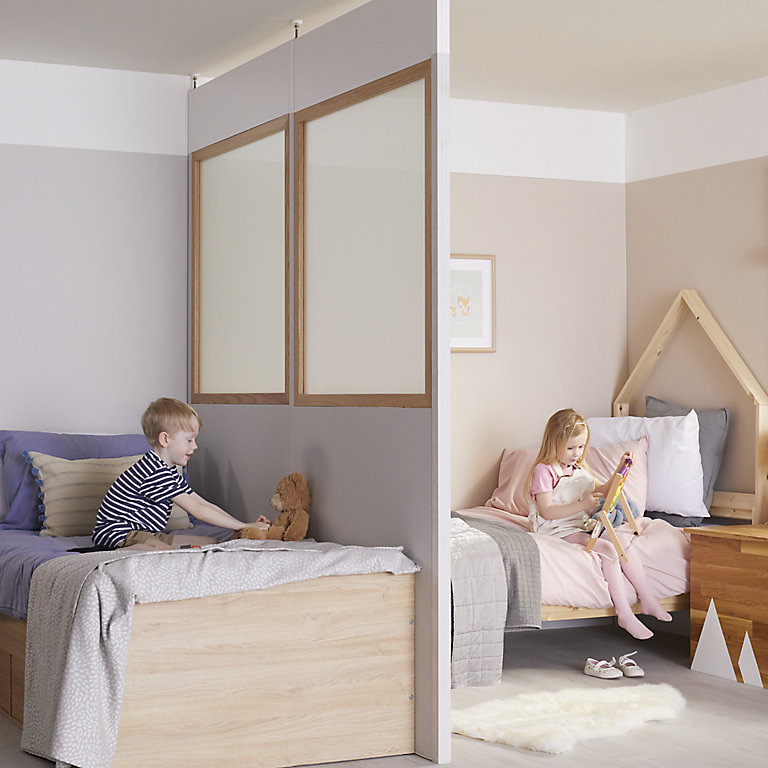
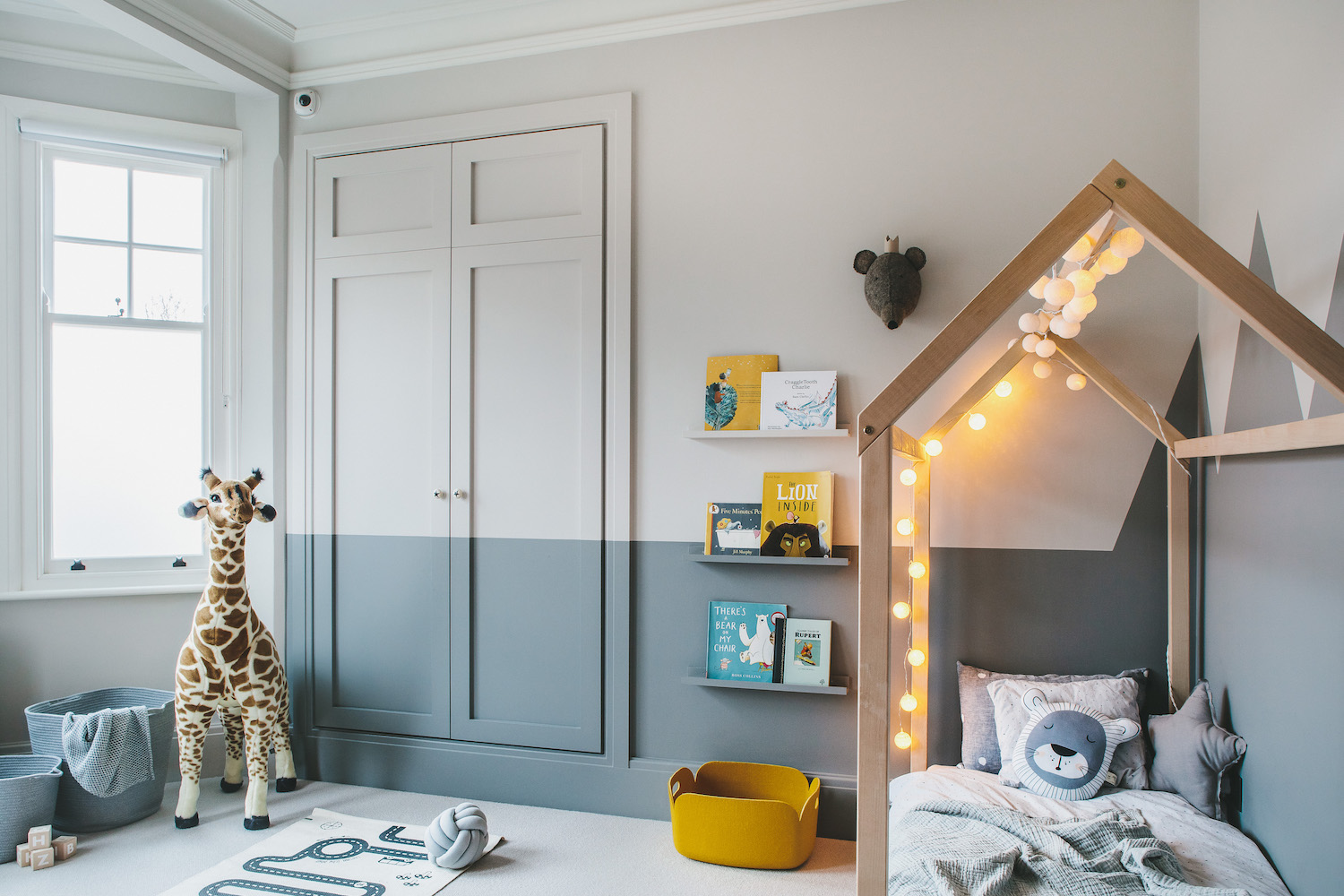
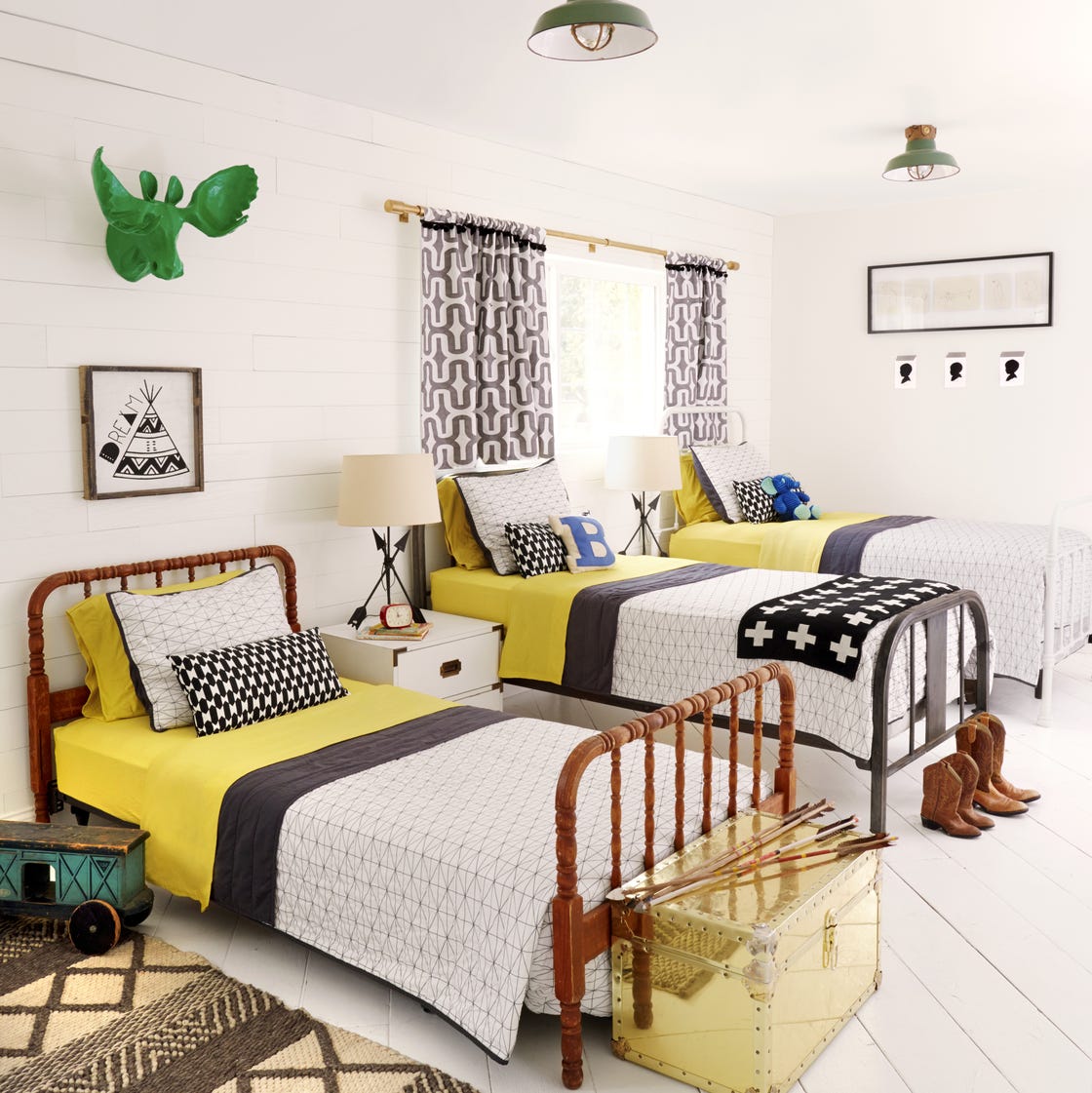
Shared bedrooms for children require thoughtful planning to create spaces that are both functional and inspiring. The article presents 19 distinct design ideas catering to various ages, preferences, and spatial constraints, emphasizing versatility and personal expression. Key design principles include creating timeless aesthetics, maximizing space through innovative bed arrangements, and incorporating elements that allow for individualization.
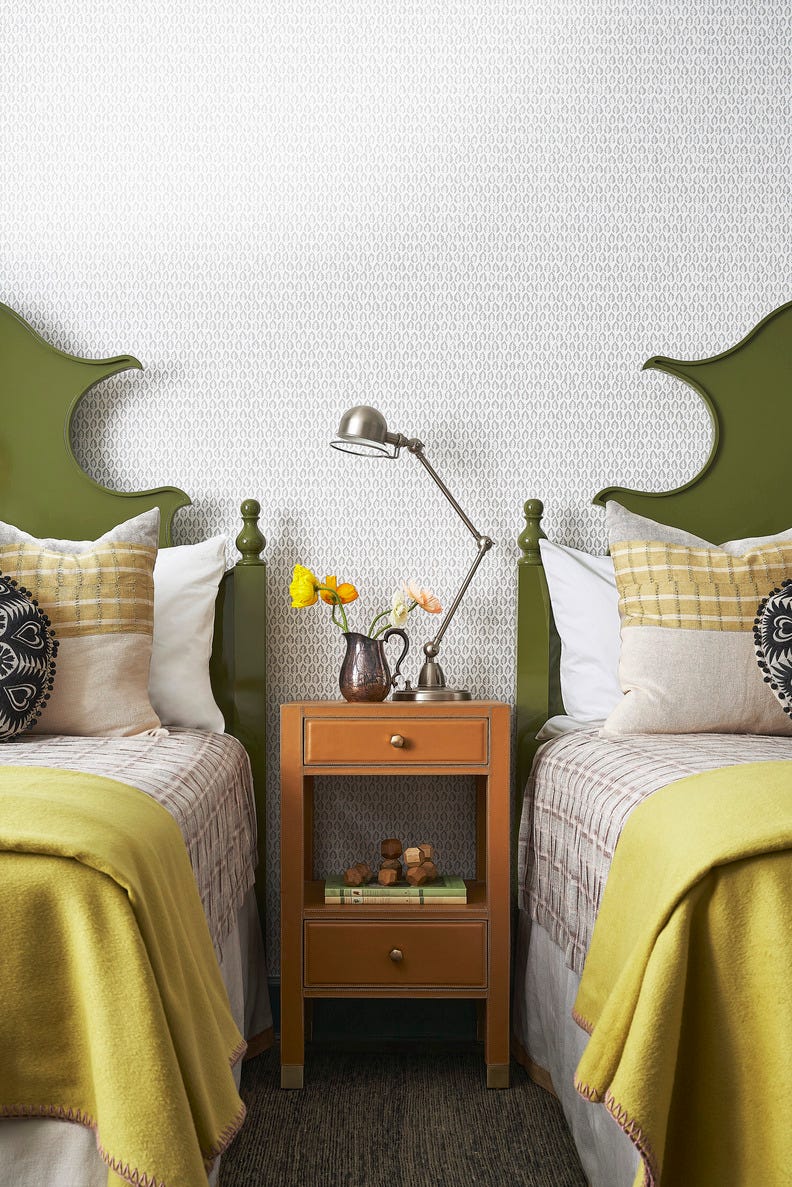
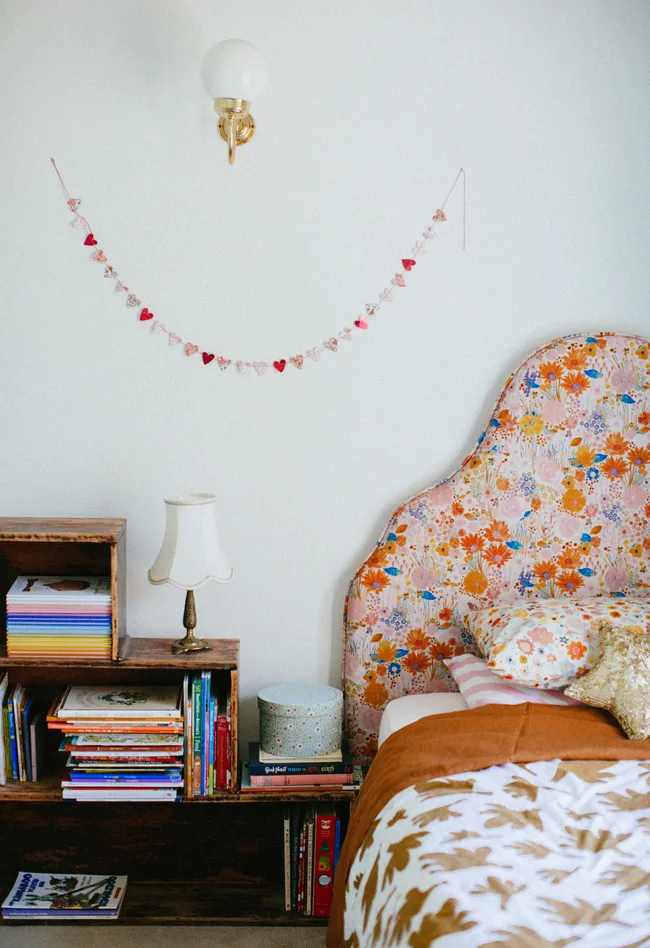
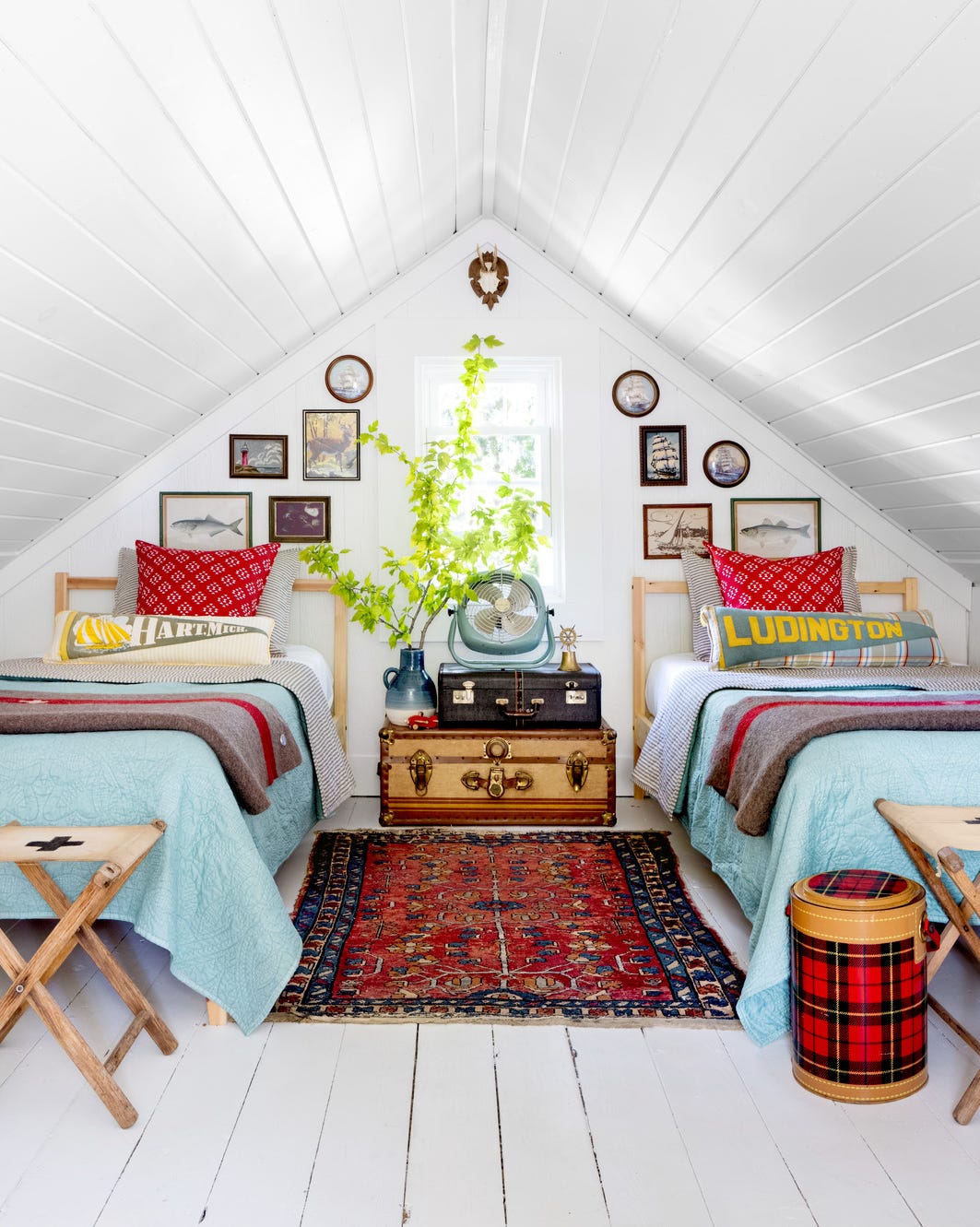
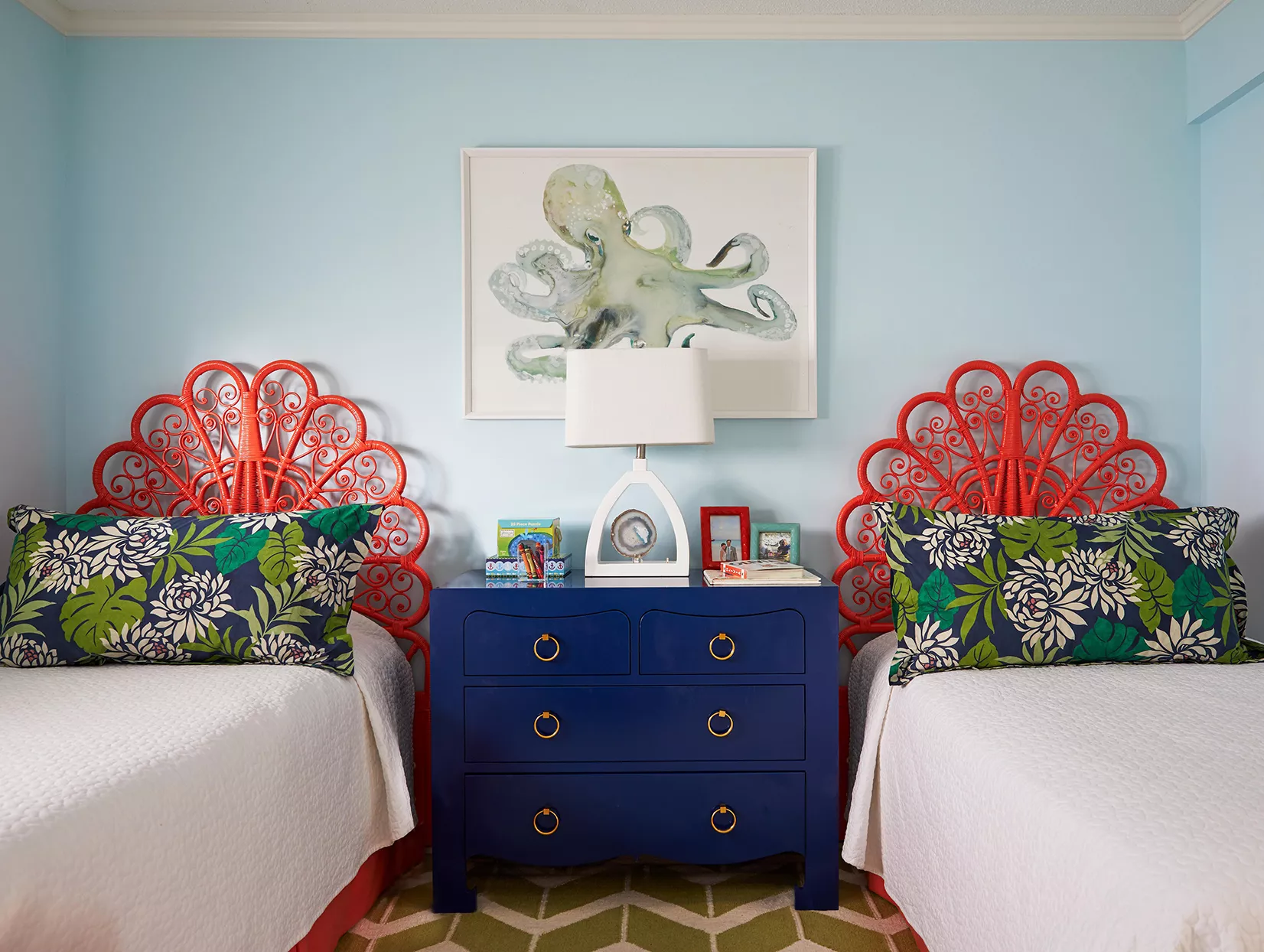
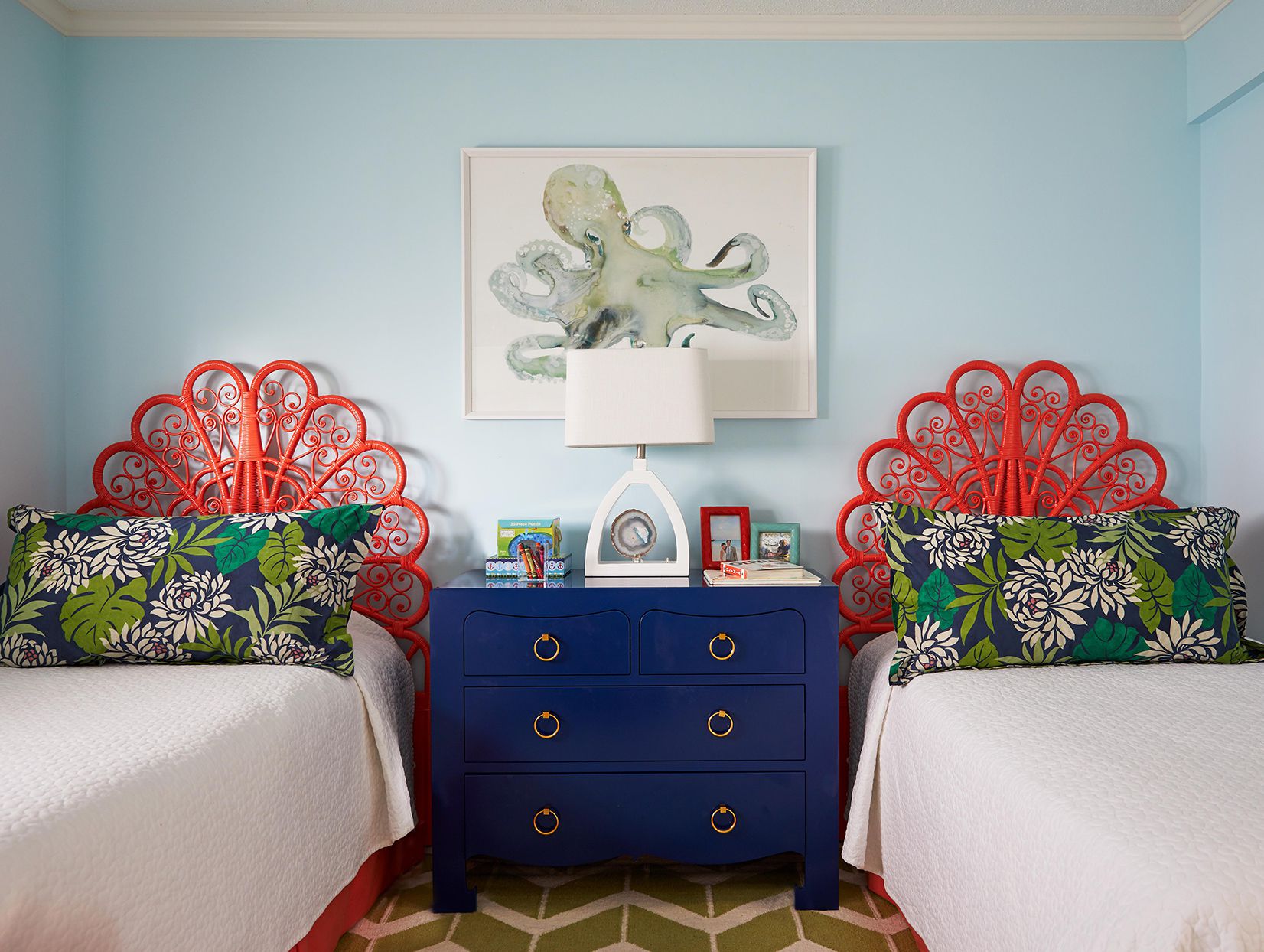
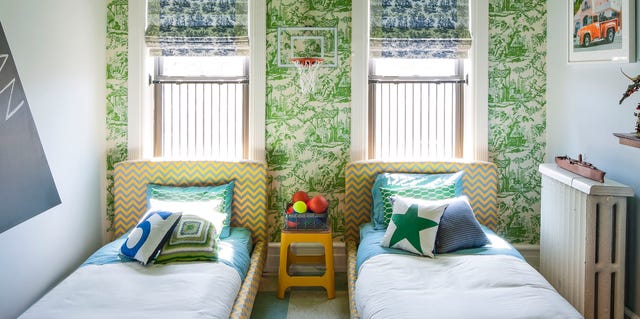
For younger children, themes that encourage imagination and play are highlighted. For example, a "Shore Fun" room utilizes symmetry with two unique beds and a shared dresser, while matching bedding minimizes visual clutter. A "Voyage to Style" room features beds suspended by ropes and hand-painted fish canvases, offering a subtle nautical theme that can evolve with the children. "Pink for Two, Please" suggests a social butterfly's dream with twin beds and ample storage, complemented by a Victorian-style nightstand and DIY art display.
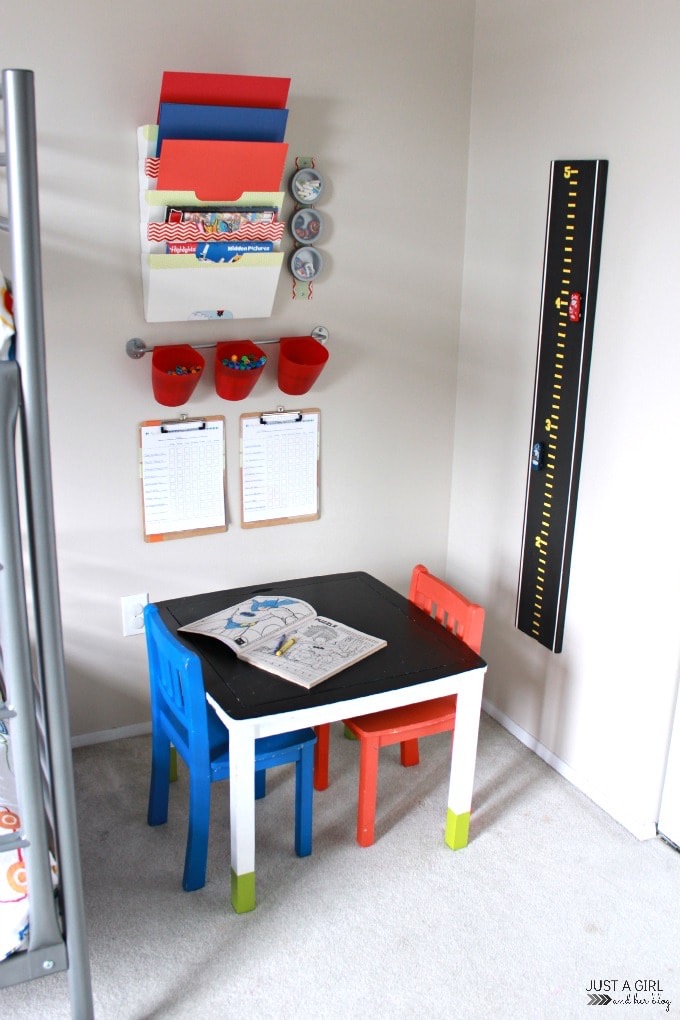
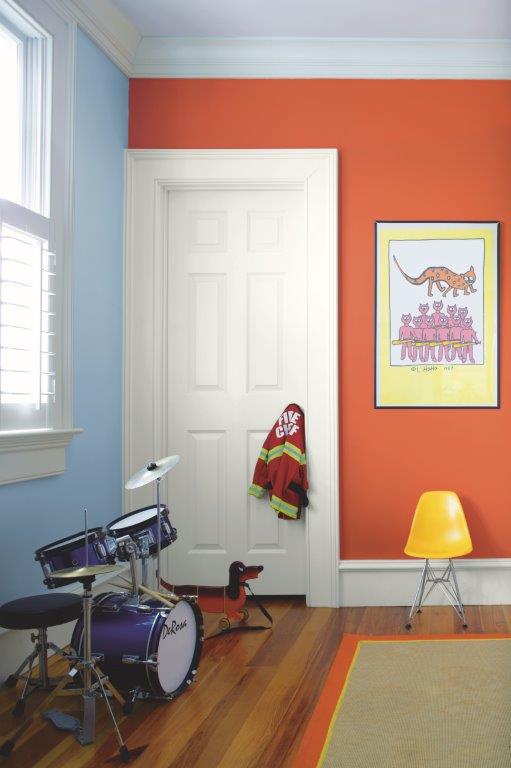
Addressing the unique needs of tweens, the article advises using bold colors, avoiding rigid themes, incorporating their input, and providing cozy hangout areas. An example showcases painted loft beds, graphic rugs, and bright walls, with a dedicated corner for after-school activities like percussion. For a brother and sister sharing a room, neutral walls are recommended to accommodate different styles, allowing personalization through accessories like pillows and rugs. The importance of providing individual space for learning and storage is underscored in the "Sophisticated Tastes" section, which suggests a large partner desk and floor-to-ceiling bookcases for books and trophies within a blue and white color scheme.
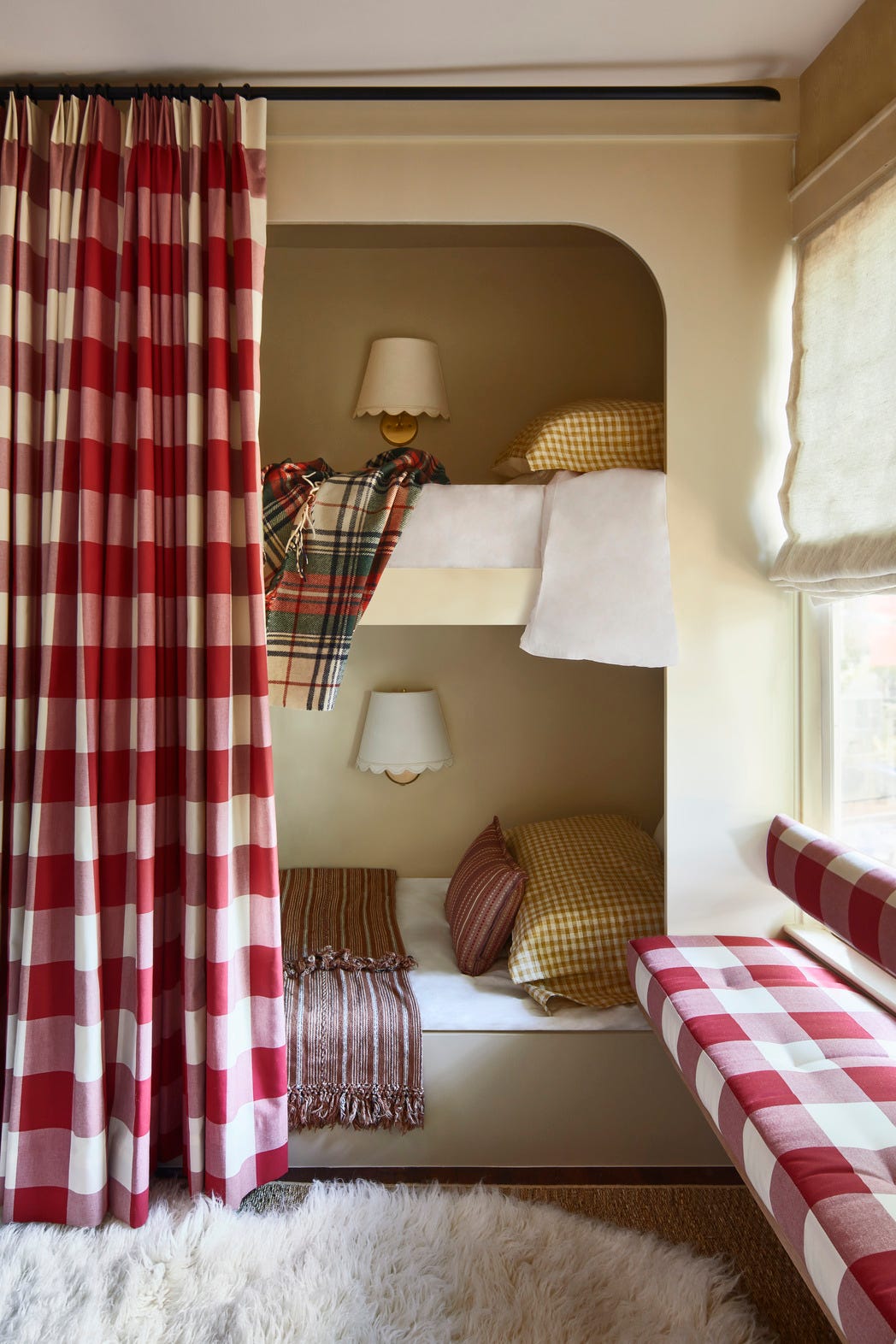
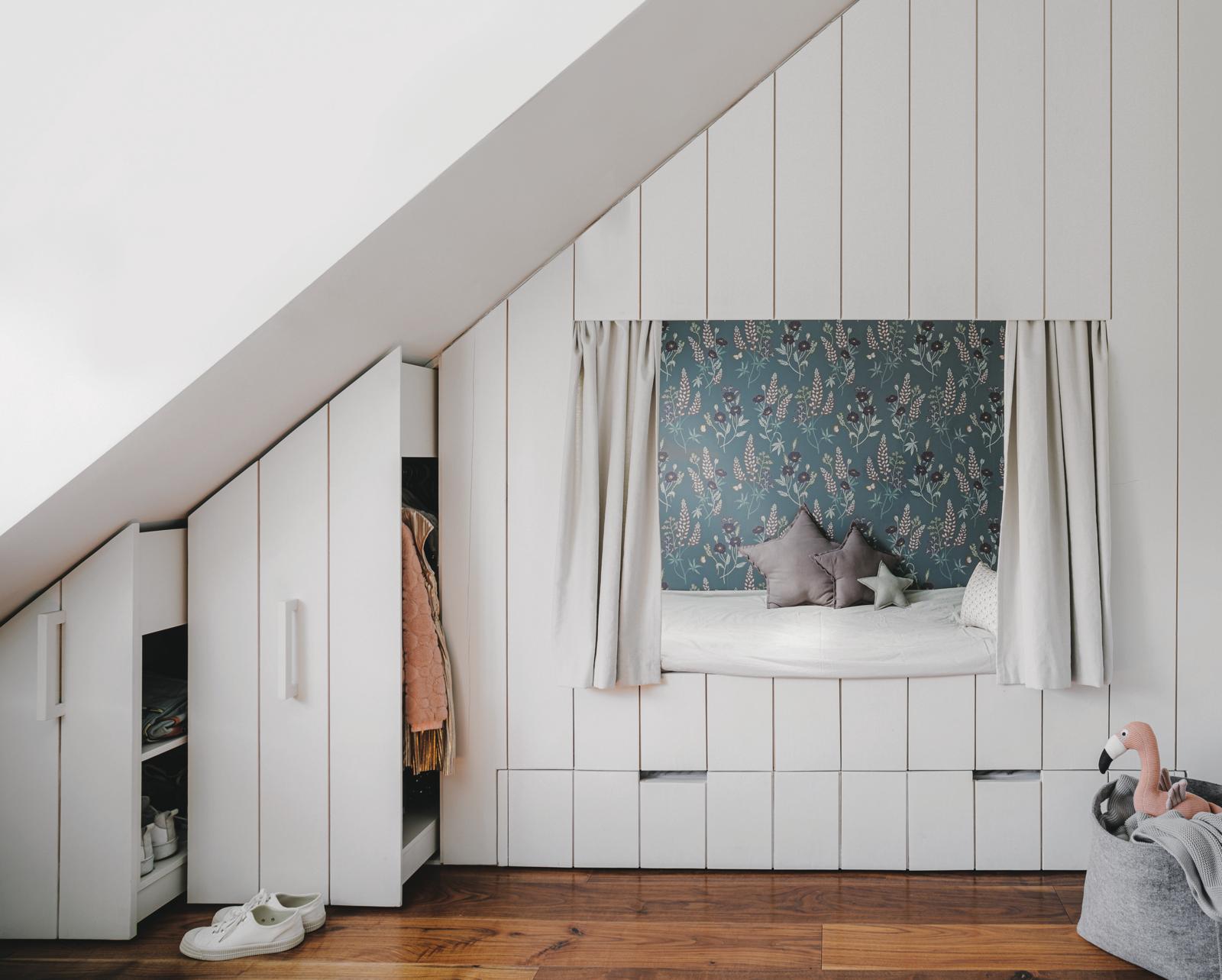
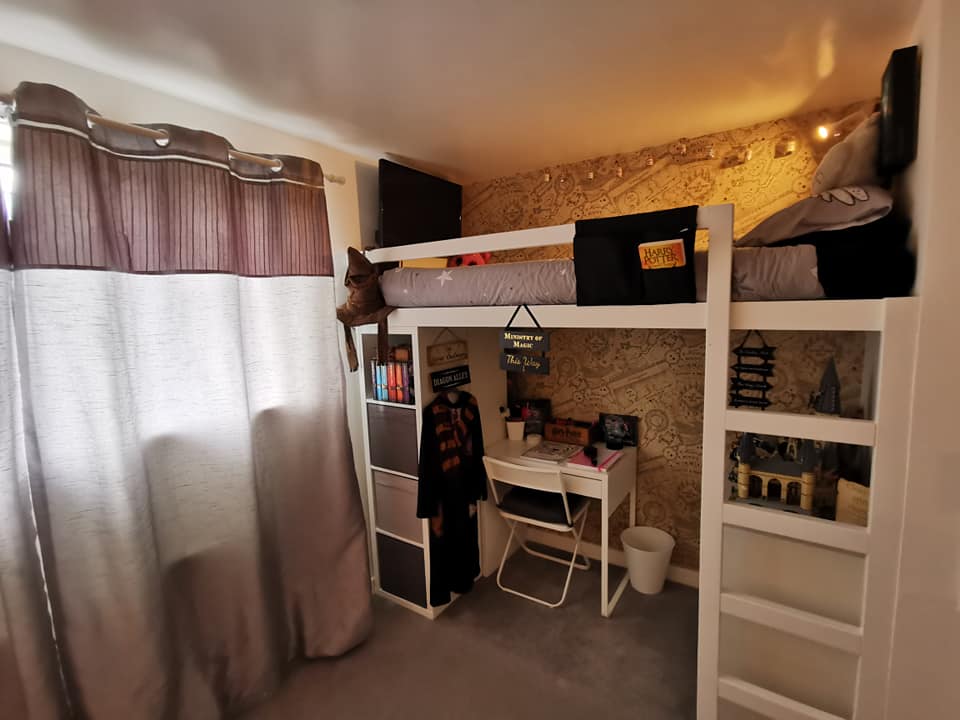
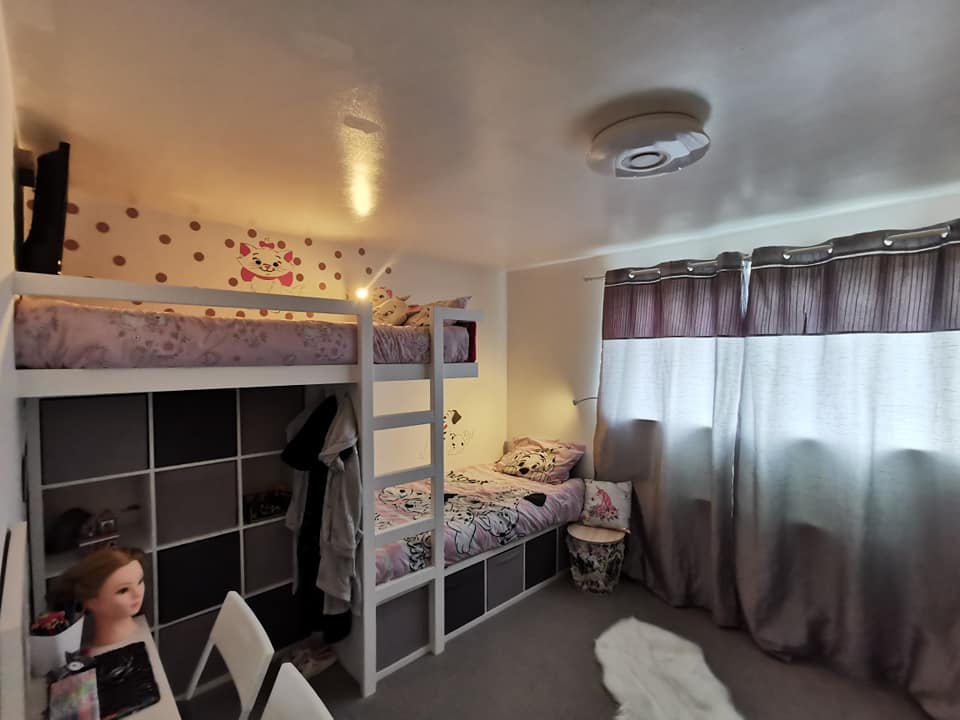
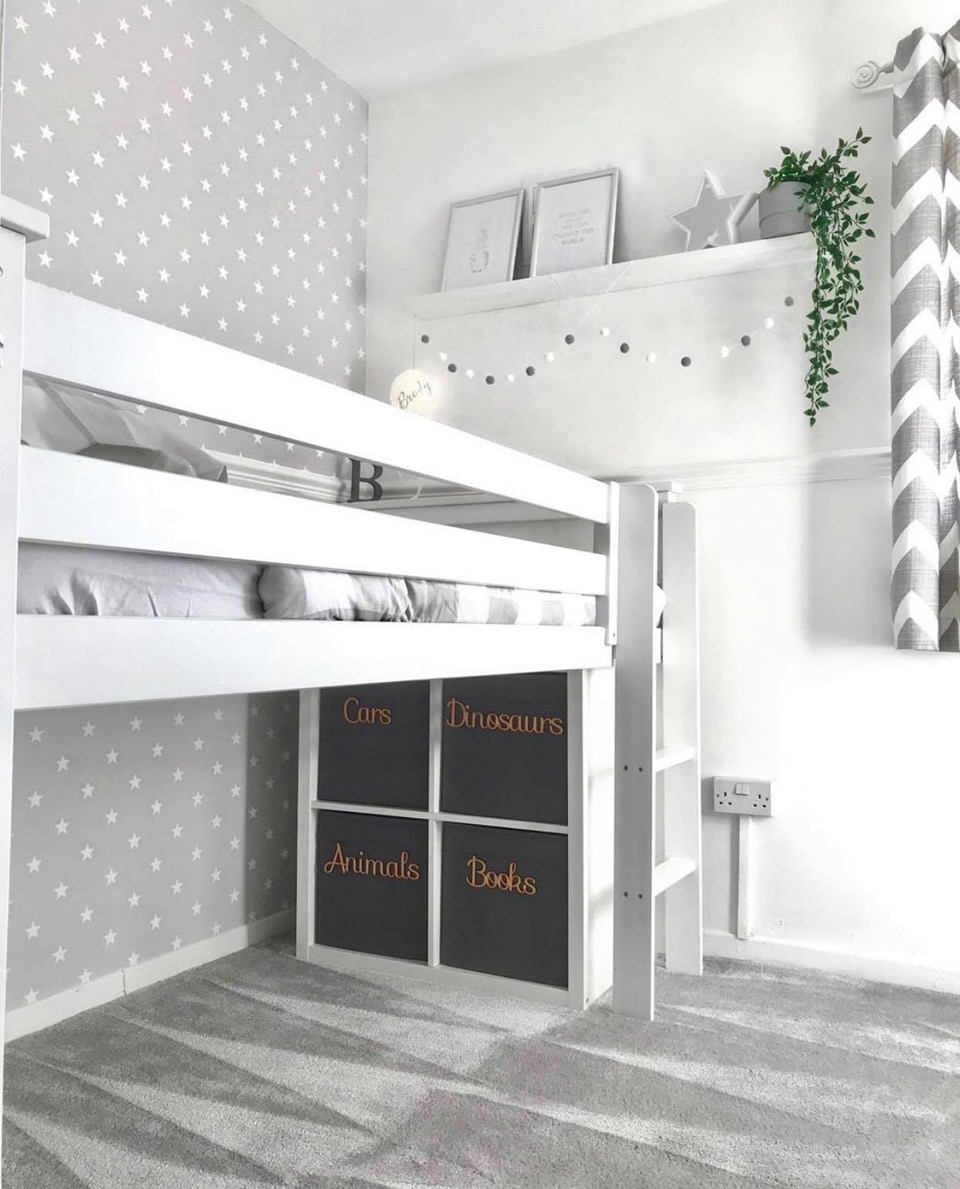
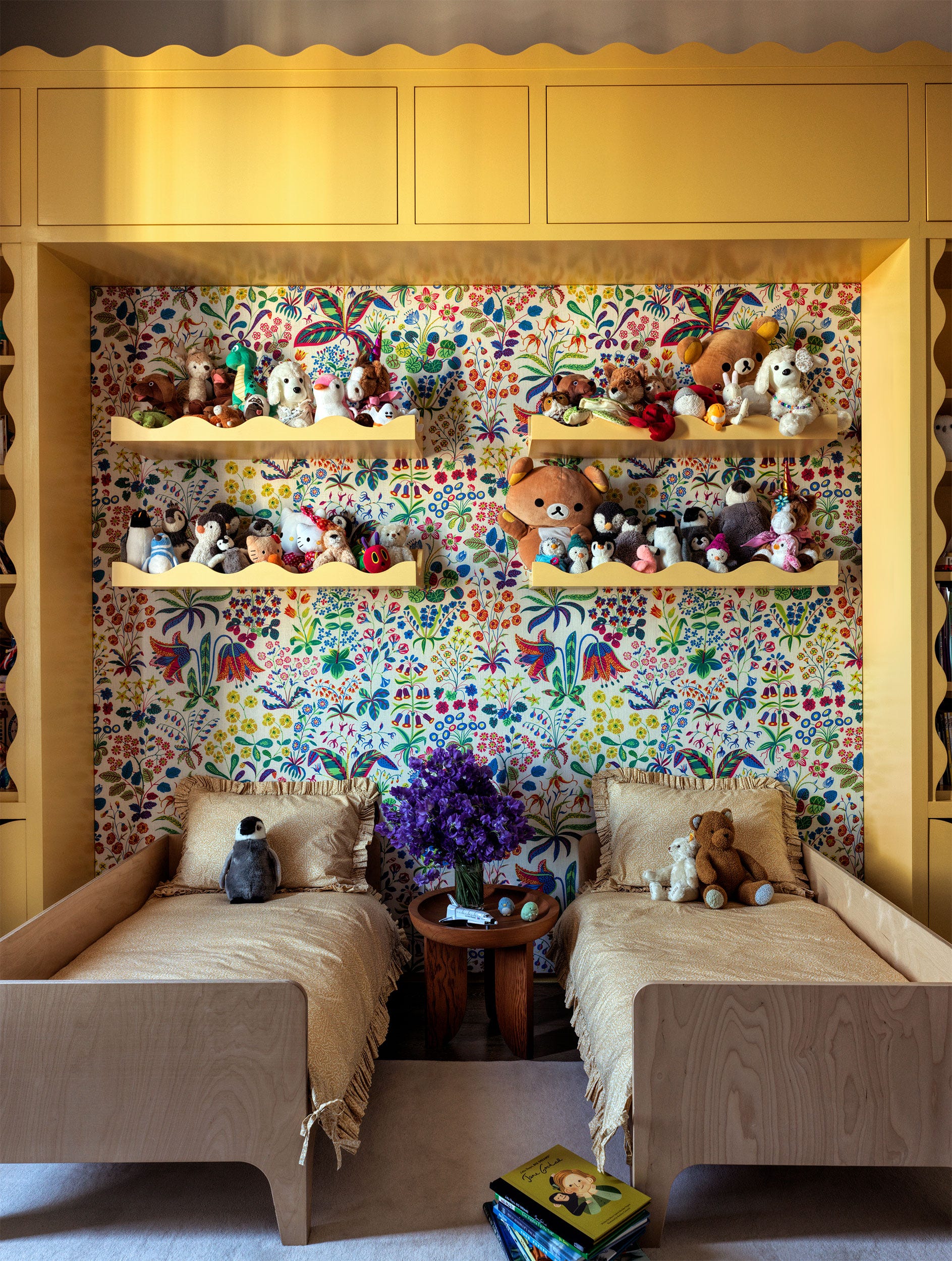
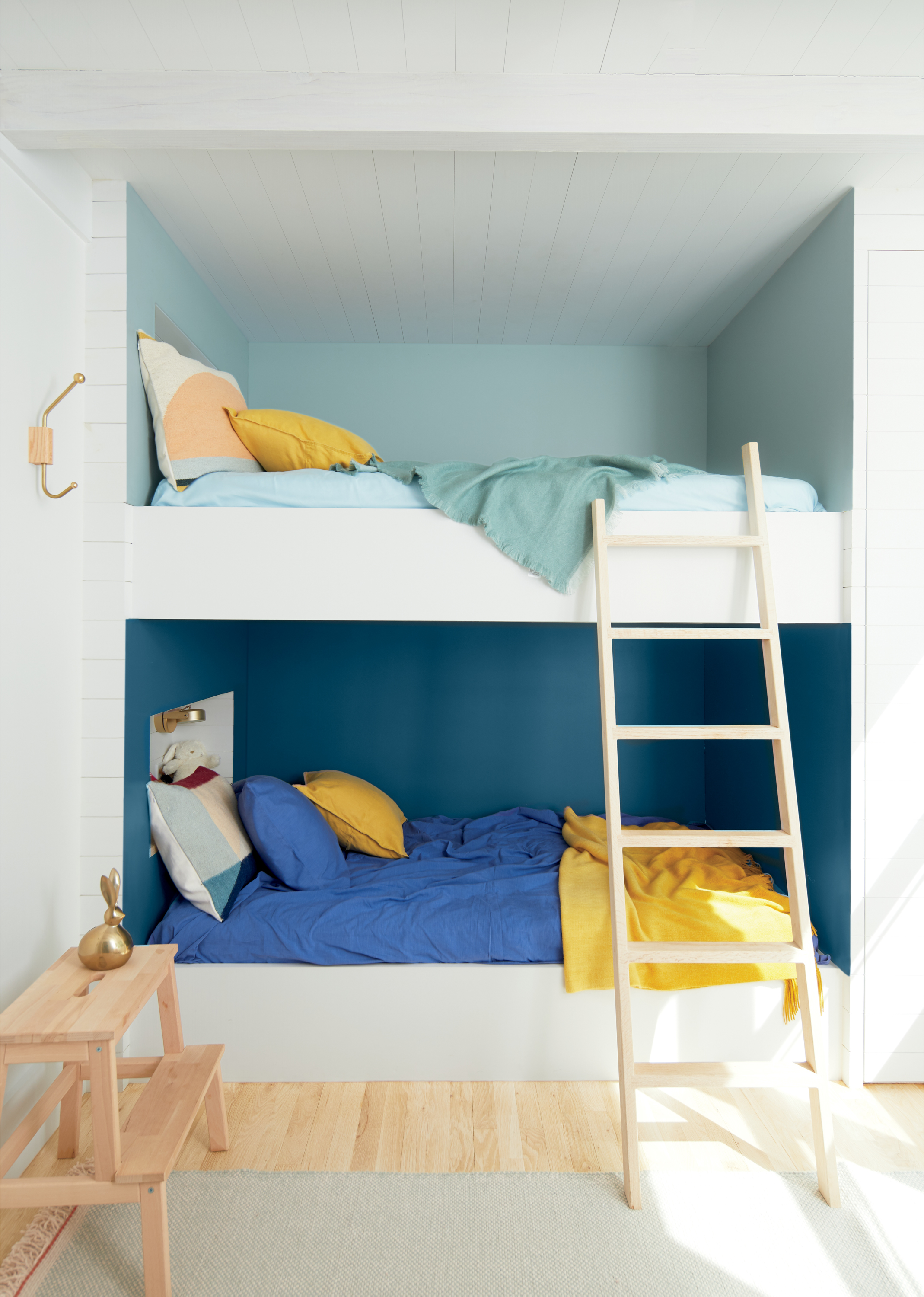
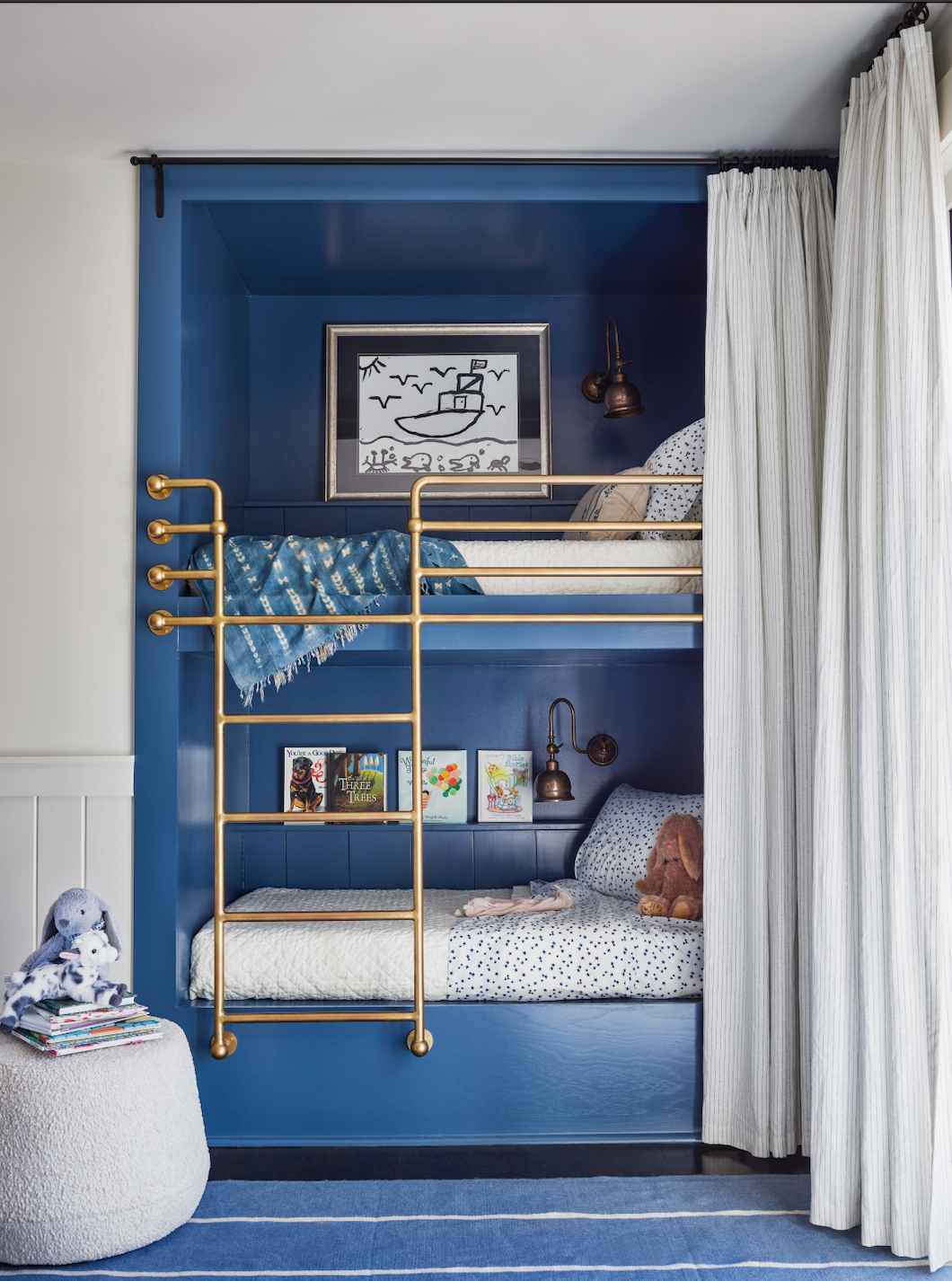
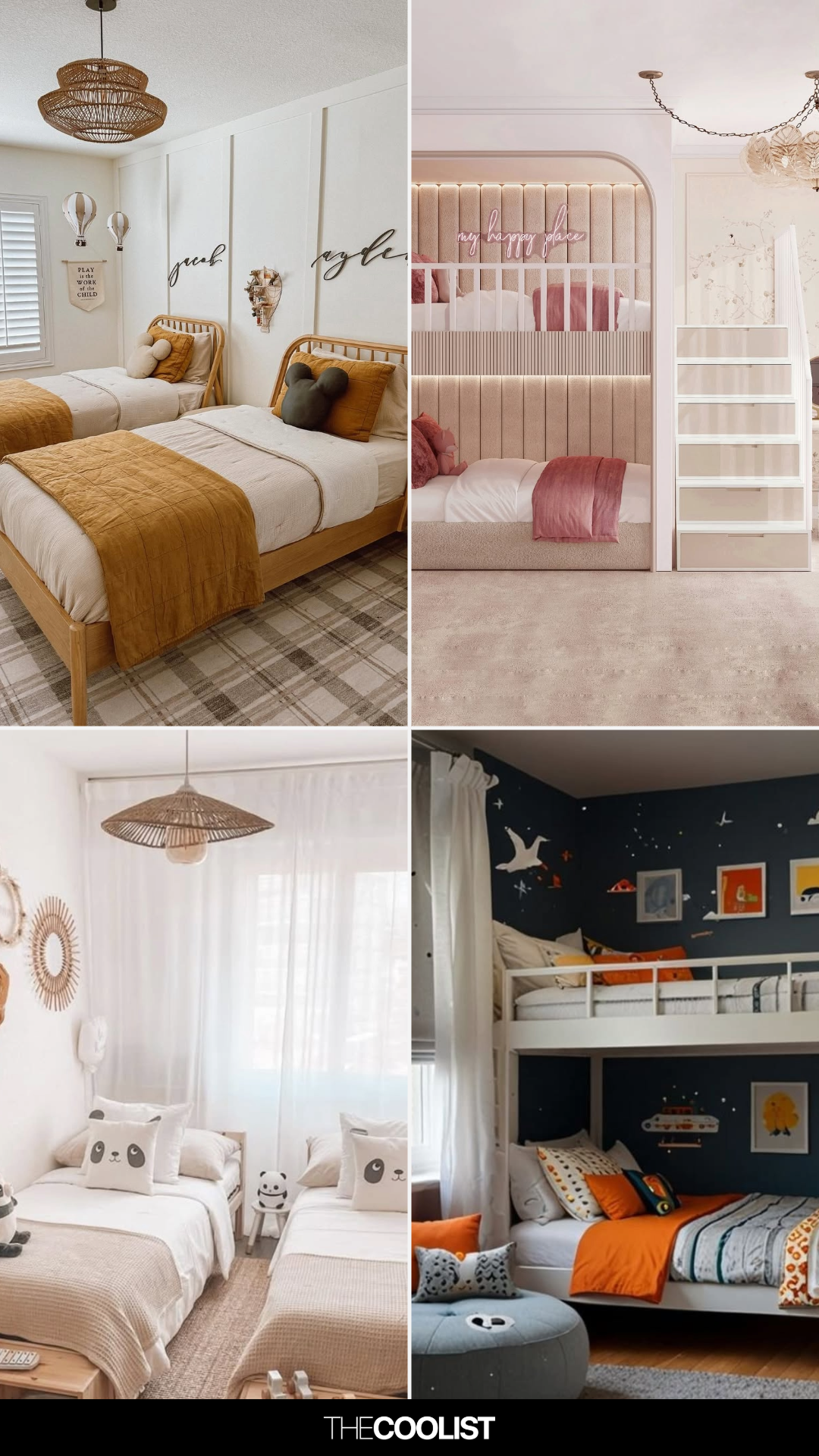
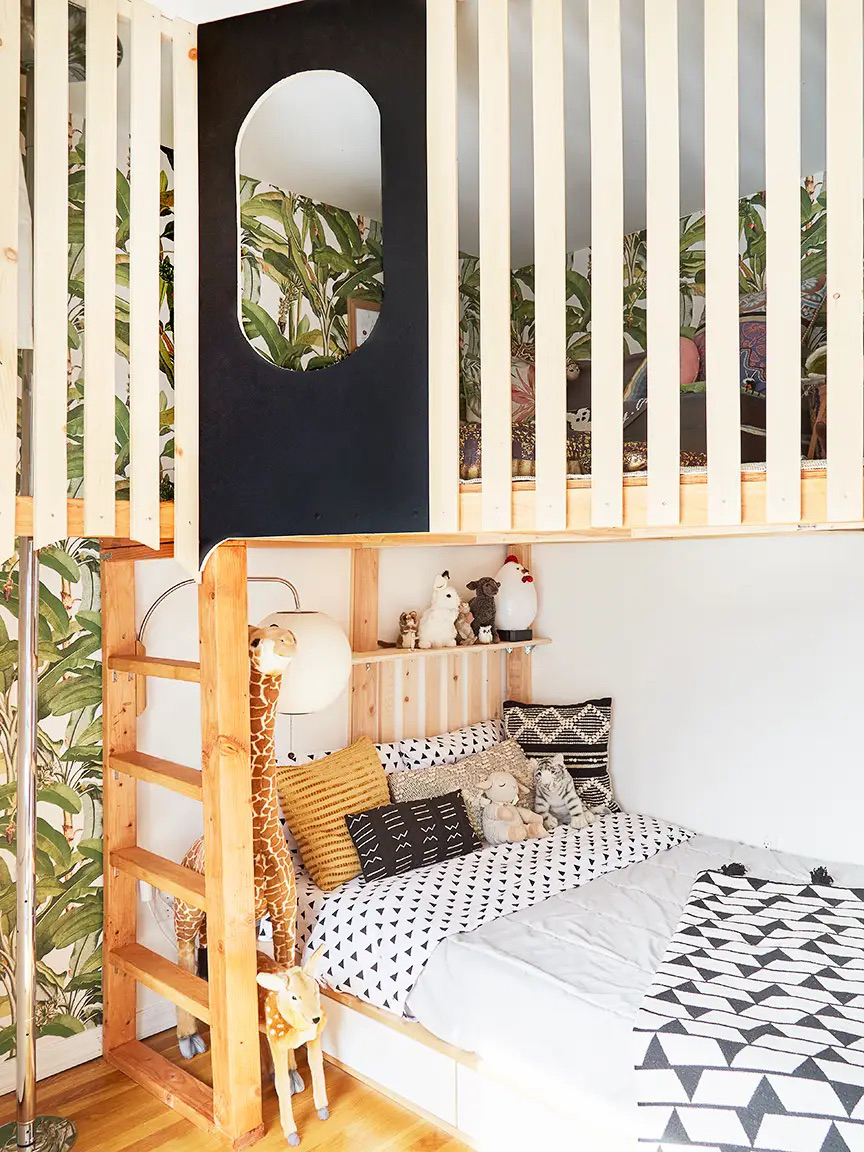
Space-saving solutions are a recurring theme. Loft beds are frequently mentioned as a way to utilize vertical space, freeing up floor area for desks, chairs, and reading nooks. The "New Heights" concept details custom bunk beds with full-size beds at the base and additional twin beds above, complete with individual side tables and pullout drawers for storage. The "Social Zone" idea features two bunk beds along the walls, leaving central floor space for activities and using baskets for toy organization. "Built-In Beds" emphasize corner placement for maximum utility and shared storage solutions.
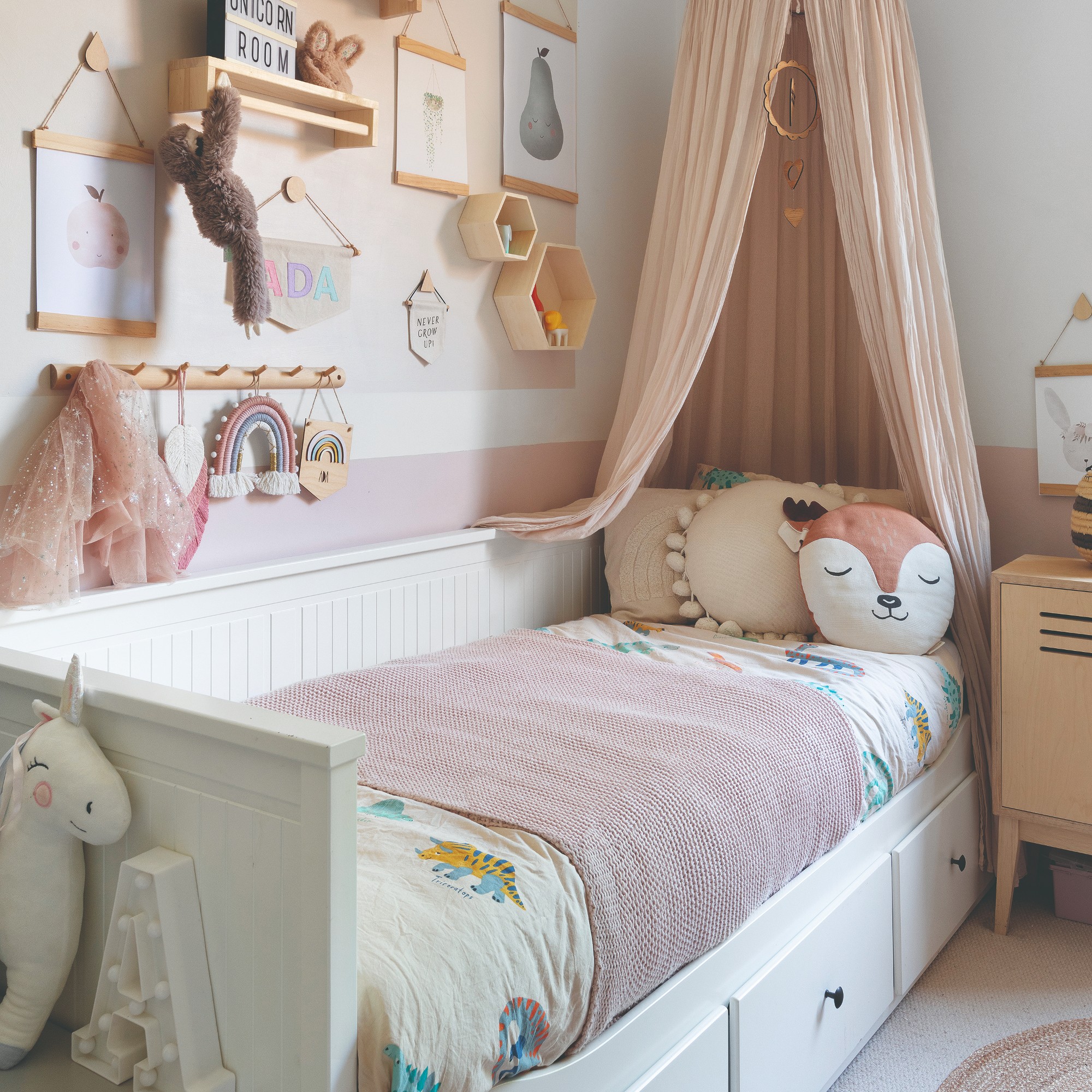
Personalization and individuality within a shared space are crucial. Despite sharing a room, children should have opportunities to express their unique personalities. This is achieved through personalized blankets, individual storage solutions, and allowing them to choose accessories. The "Great Divide" concept illustrates how an area rug can serve as a natural dividing line, with linens and accent pillows in colors inspired by the rug for each bed. Vintage accents, such as painted picture frames and scroll wall art, can add charm. The article concludes by offering creative bunk bed arrangements, such as perpendicular placement, to add visual interest and functionality, ensuring ample storage with modular units and cubbyholes.
Overall, the article offers practical and aesthetic guidance for designing shared children's bedrooms, focusing on creating spaces that foster imagination, provide individual comfort, and adapt to evolving needs as children grow from early childhood through their tween years. The suggestions emphasize smart storage, engaging decor, and collaborative design processes to ensure the room is cherished by its occupants.
#SharedBedrooms #KidsRoomIdeas #TweenRoomDecor #BunkBeds #SpaceSavingSolutions #KidsRoomStorage #BedroomDesign #ChildrensFurniture #NauticalTheme #SharedBedrooms #KidsRoomIdeas #TweenRoomDecor #BunkBeds #SpaceSavingSolutions #KidsRoomStorage #BedroomDesign #ChildrensFurniture #NauticalTheme
Há 0 comentários no total
 Ainda não há comentários
Você também pode gostar
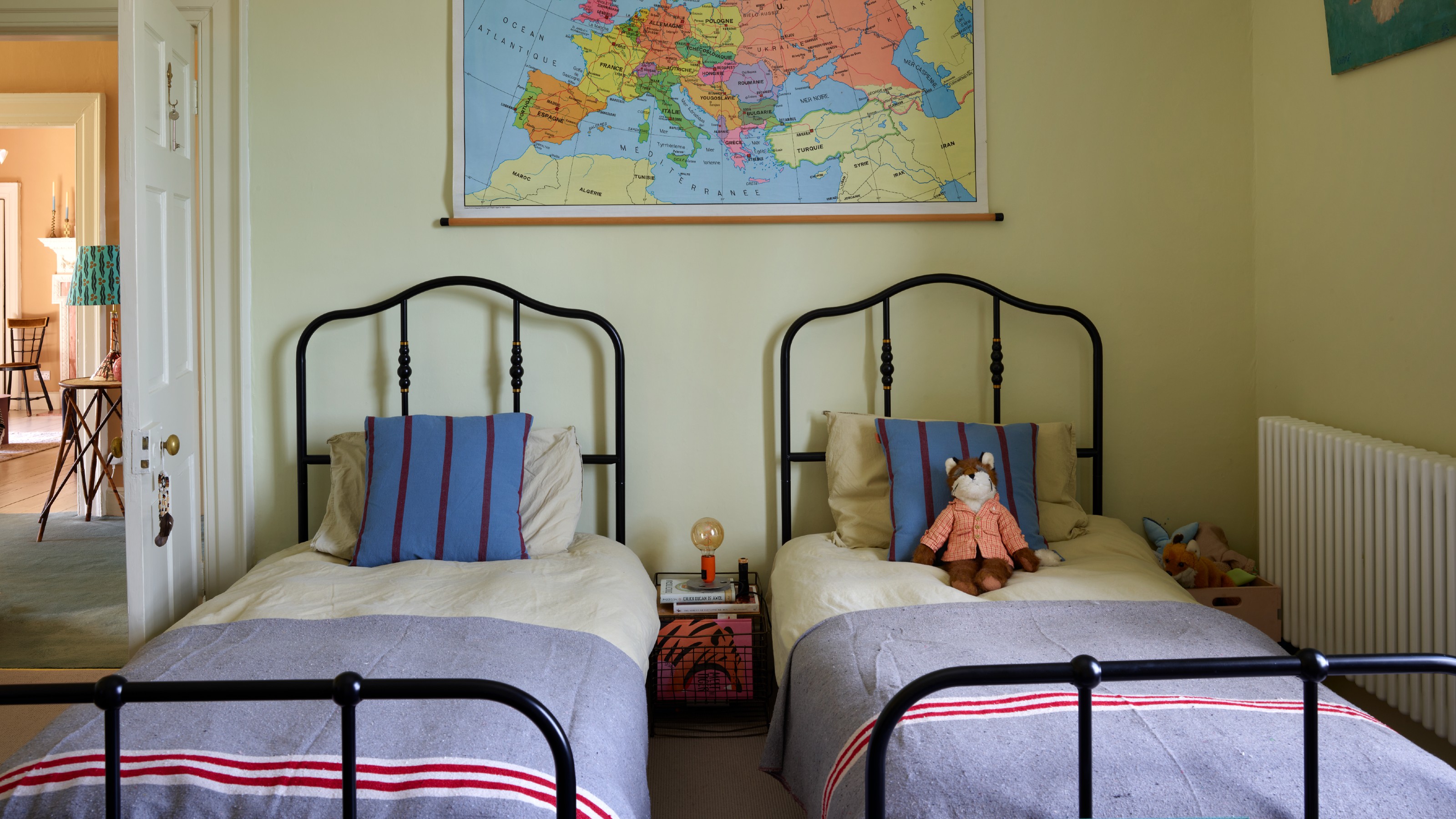
21 clever shared bedroom ideas that ensure your kids’ space is divided fairly and reflects both personalities
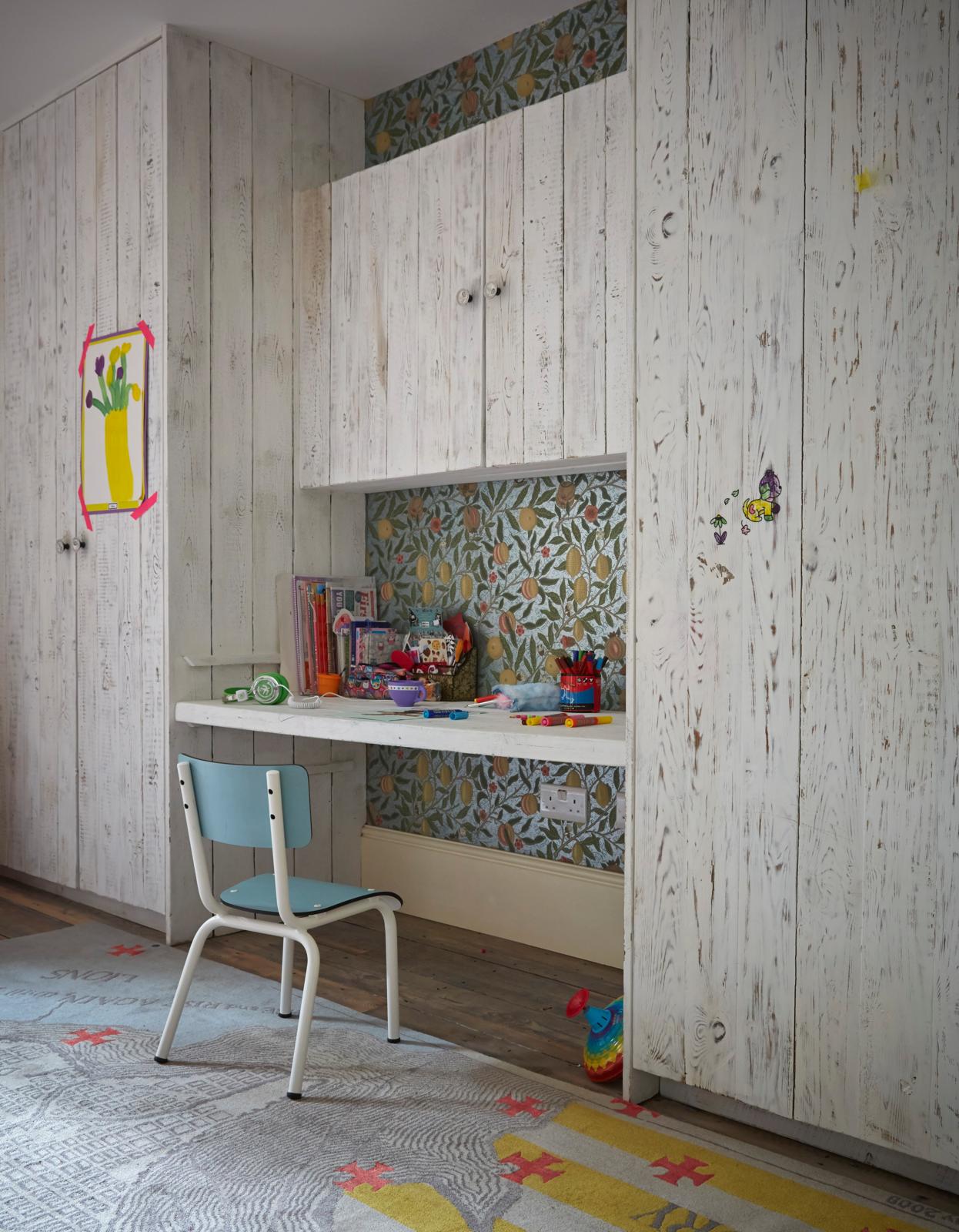
10 kids' closet ideas - decor experts provide the most stylish and simple ways to stay organised

These Stylish Kids’ Rooms Will Make You Want Another Go at Childhood
42 Whimsical Playroom Ideas Designed for Hours of Endless Fun

Savvy tips to give kids own space when they share room WITHOUT breaking the bank

How to Let Your 4-Year-Old Design Her Own Bedroom (and Like the Results)

Small Shared Bedroom Ideas That Add Storage and Style
70 Kids' Bedroom Ideas That Are Anything But Child's Play

The 70 Coolest Kids' Room Ideas Filled With Imaginative Details

How to Design a Kids Room You Won’t Have to Totally Revamp Next Year
Stylish Kids' Room Ideas That Will Show Off Their Personalities

Must-have kids bedroom ideas for little ones, ‘tweens, and teens

28 Kid Shared Bedroom Ideas Parents Are Using to Win the Room Wars
10 Creative Kids’ Closet Ideas (and Only Some Are for Storing Clothes)
A Stylist’s Guide to Creating a Kid-Friendly Living Room
Playroom ideas – 25 fun yet stylish designs that kids of all ages will love
10 magical kids’ rooms with clever style ideas to steal

Parents whose kids share box room show clever ways they give them their own area

From a Cosmic Mural to a Magical Forest Bed, These 13 Kids’ Room Ideas Stoke the Imagination

4 Kids’ Bedroom Ideas Even Your Child Will Think Are Cool