Yes, You Need to Degrease Your Kitchen Ceiling (Even If You Don’t Think It’s Dirty!)
Airborne grease particles are a common byproduct of cooking that often settle on kitchen ceilings, leading to a yellowish or gray buildup. While range hoods and over-the-range microwaves with exhaust fans capture some grease, they don't eliminate it all, causing an accumulation that can make the kitchen appear dirty and affect its freshness. Although many regularly clean appliances, countertops, and cabinets, kitchen ceilings are frequently overlooked. This guide outlines four effective methods to degrease and deep-clean kitchen ceilings, ensuring a fresh and clean cooking environment.
Before initiating any cleaning, it is crucial to consider the ceiling's material and texture. Smooth, painted drywall ceilings are generally easier to clean, while textured or popcorn ceilings might present more challenges due to their crevices. For both types, it is essential to avoid harsh scrubbing or excessive moisture to prevent damage. If the ceiling is made of wood, only wood-safe cleaning products should be used. To protect the surrounding area, tarps or sheets should cover the kitchen. When cleaning popcorn ceilings, protective gear such as a dust mask, safety goggles, and gloves are recommended. For homes built before 1990, testing for asbestos before cleaning is advisable.
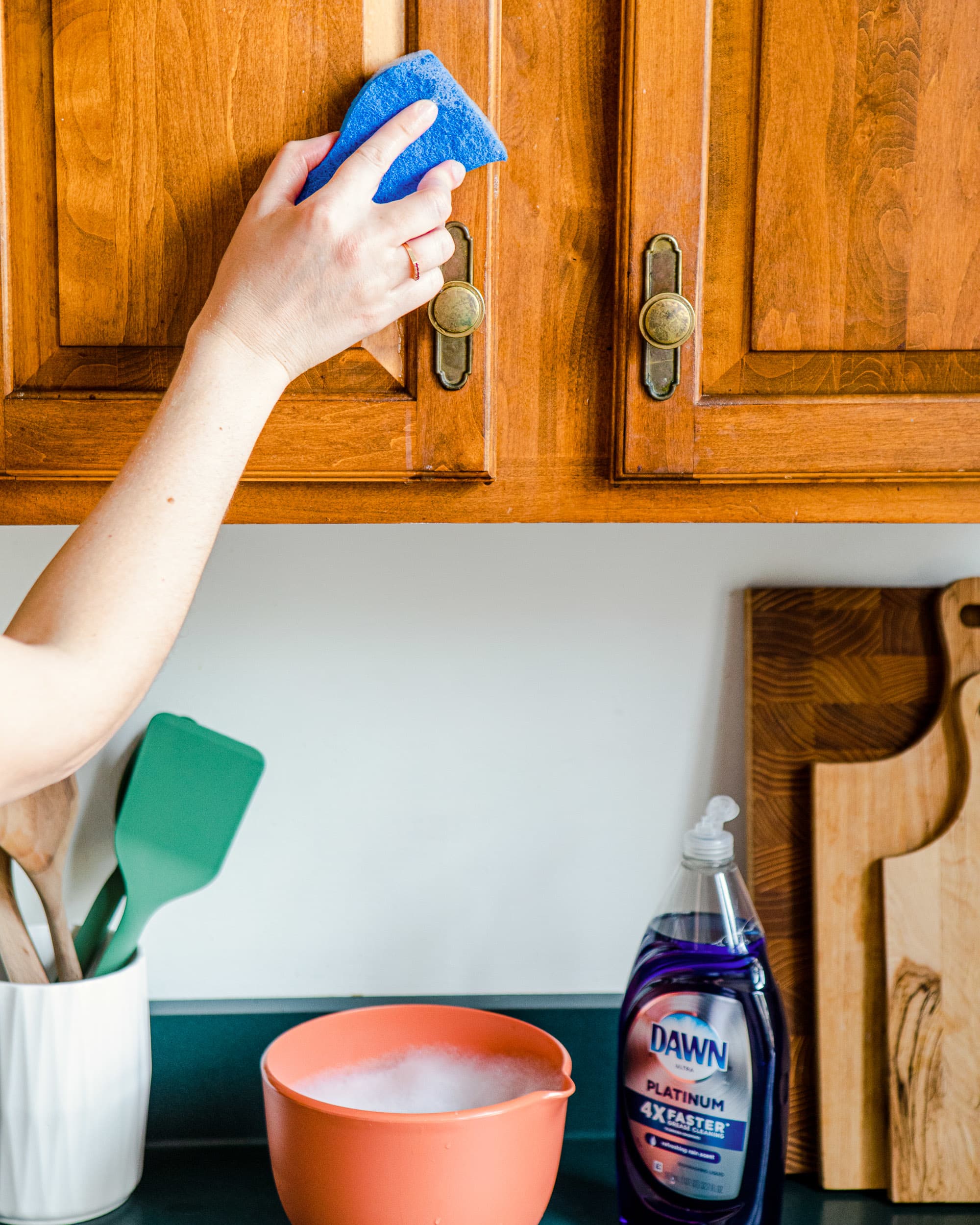
The first method involves using dish soap, particularly a grease-fighting formula. This is an affordable and generally safe option for most ceiling materials, though a patch test in an inconspicuous area is always recommended. The process begins with dusting the ceiling using a microfiber cloth or a vacuum with a soft brush attachment, especially for popcorn ceilings. Next, a cleaning solution is prepared by mixing warm water with several drops of dish soap. A soft cloth or sponge dipped in this solution is then used to gently wipe the ceiling in circular motions. Stubborn stains can be addressed with a soft-bristle toothbrush, ensuring not to apply excessive pressure or moisture. Afterward, soap residue is removed with a clean cloth dipped in plain water, and the ceiling is dried with a clean, dry cloth before allowing it to air-dry completely.
The second method utilizes vinegar, a natural and powerful solution for grease, mold, and mildew. However, vinegar should be avoided on textured ceilings like popcorn. Similar to the first method, dusting the ceiling with a microfiber cloth or lint roller is the initial step. A solution of one part diluted vinegar and one part water is prepared; for tougher buildup, undiluted vinegar can be used. This mixture is applied to the ceiling with a microfiber cloth or sponge, or lightly sprayed if using a spray bottle, avoiding saturation. A soft-bristled brush can be used for gentle scrubbing. The area is then rinsed with a clean cloth dipped in plain water and wiped again with a dry cloth for complete drying.
The third cleaning approach incorporates baking soda, known for its gentle yet effective grease-removing properties and mild abrasive texture. After dusting the ceiling to remove debris, a solution is made by mixing 2 tablespoons of baking soda with 2 cups of warm water. For more stubborn stains, a thick paste of baking soda and a tablespoon or two of water can be prepared. The solution or paste is applied with a soft cloth or sponge, allowed to soak for 5 to 10 minutes, and then gently rubbed for smooth ceilings or dabbed for textured ones. Residual baking soda is removed with a clean, damp cloth, and the ceiling is dried with a clean cloth, followed by air-drying.
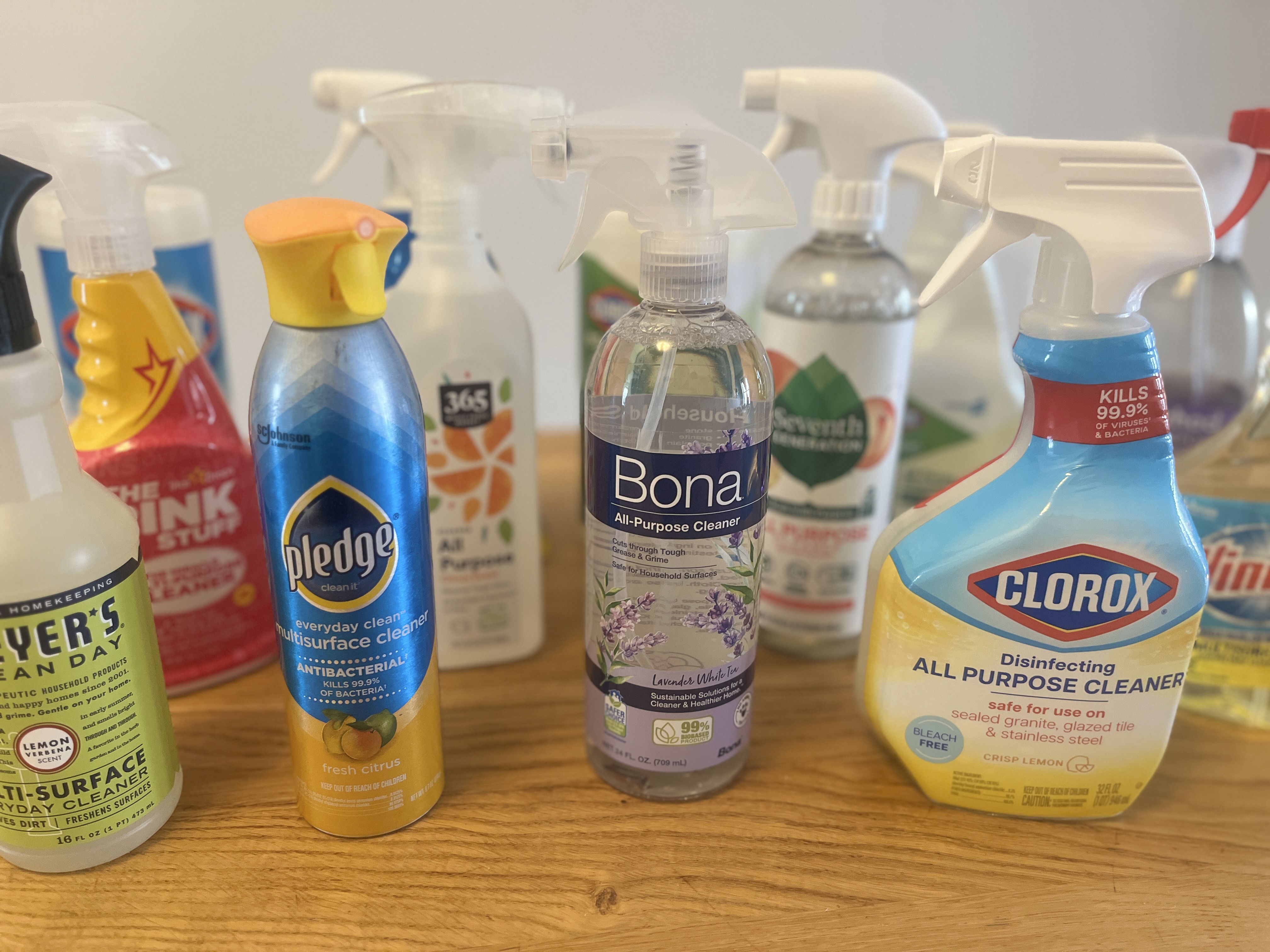
Finally, for those preferring not to use DIY solutions, commercial degreasers offer an alternative. Proper ventilation in the kitchen is crucial when using these products. The process starts with dusting the ceiling. The commercial degreaser is then applied according to its instructions, ensuring it is suitable for the ceiling's material. Grease stains are gently scrubbed away with a cloth, sponge, or soft-bristled brush. The degreaser is rinsed off with a damp cloth, and the ceiling is dried completely with a clean cloth before resuming kitchen activities. Each method emphasizes careful application and proper drying to maintain the integrity of the ceiling while achieving a clean, grease-free finish.
#KitchenCleaning #GreaseRemoval #CeilingCleaning #HomeMaintenance #DIYCleaning #HousekeepingTips #NaturalCleaners #KitchenCare #KitchenCleaning #GreaseRemoval #CeilingCleaning #HomeMaintenance #DIYCleaning #HousekeepingTips #NaturalCleaners #KitchenCare
0 komentarzy łącznie
 Brak komentarzy jeszcze
Możesz również polubić

Yes, You Should Absolutely Paint Your Ceiling

Should Your Kitchen Floors Be Darker Than Your Cabinets?
You're cleaning your bathroom floor wrong, experts warn – here's how to get it right


The Right Paint Finish Can Actually Help Your Home Look Cleaner—Here's How


When you should and shouldn't paint your ceiling, according to interior designers


Trend Alert: Here’s How To Perfect The Painted Ceiling Look

The best way to clean baseboards – pro tips for dusty, greasy, and painted surfaces

6 Mistakes That Are Making Your Kitchen Tiles Look Cheap and Not Elevated — And What You Can Do Instead

Why Your Bathroom Desperately Needs Cleaning Now

What you need to know before painting your home's ceiling - with one surprise twist

5 Best Ceiling Paints


6 painting mistakes that are making your walls look 'dirtier' – and what you should be doing instead


So You Want to Paint Your Ceiling? Read This First


You Should Seriously Consider Painting Your Ceiling Pink—Here's Why


Should You Put Wallpaper on the Ceiling? Here’s What Designers Recommend
How to repair a wall or ceiling


Should you paint your ceiling a different colour to the walls? Experts explain why everyone should consider it
I Just Discovered a Brilliant 2-Minute Cabinet Cleaning Trick (It Was Hiding in My Pantry!)

When designing a room, don’t overlook your ceiling


Remember ceiling when decorating rooms