Tiny tiles make a big comeback with personalized style
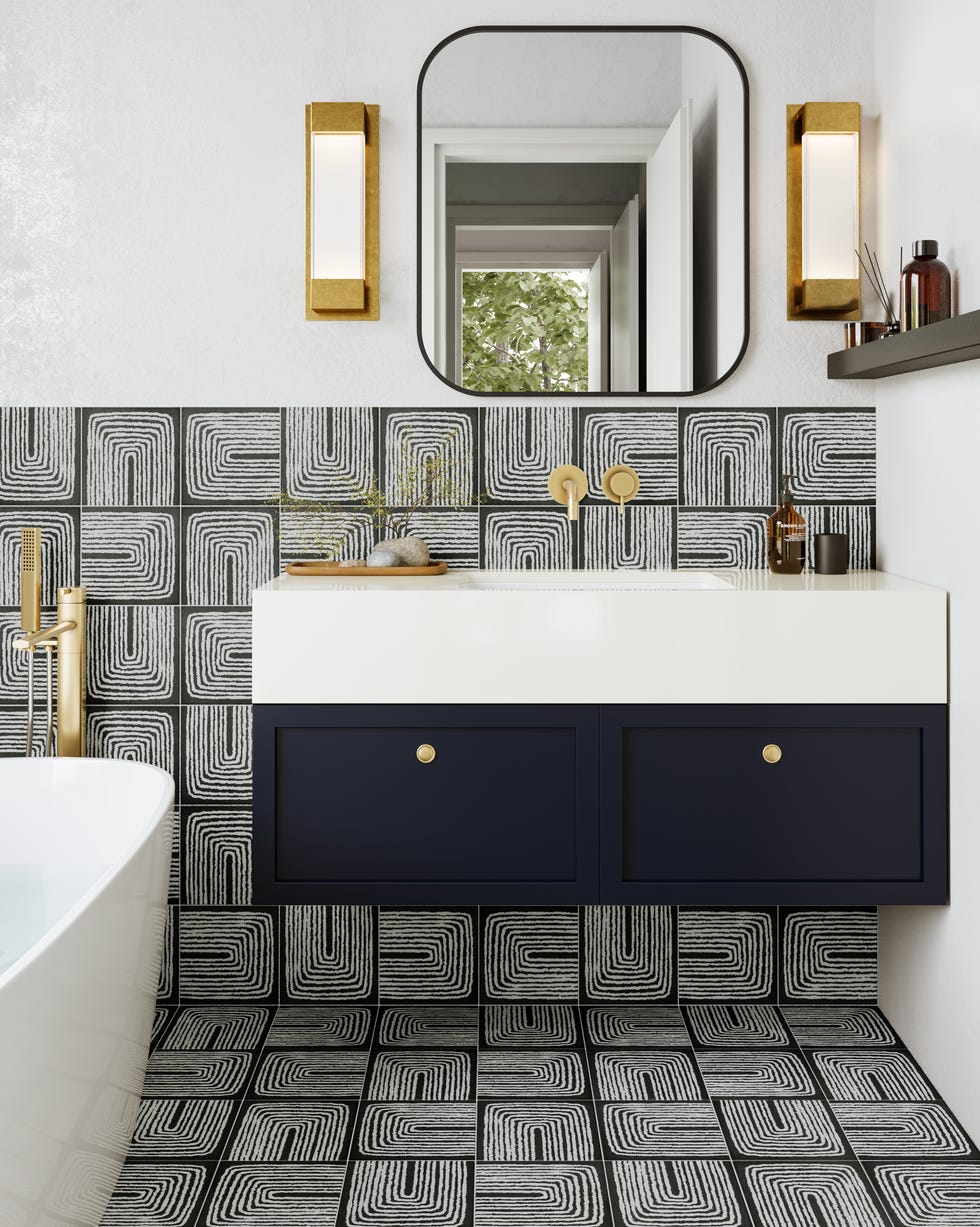
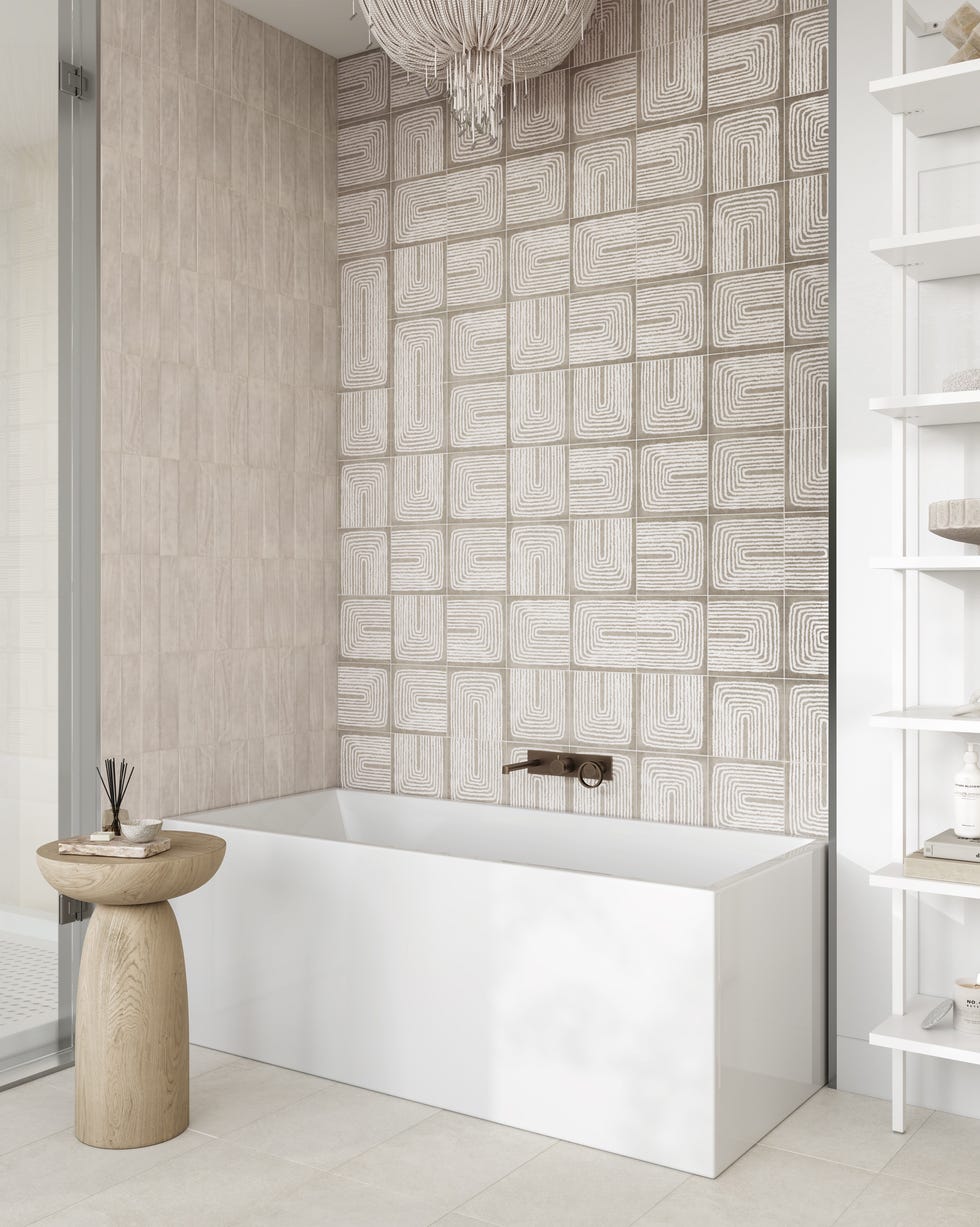
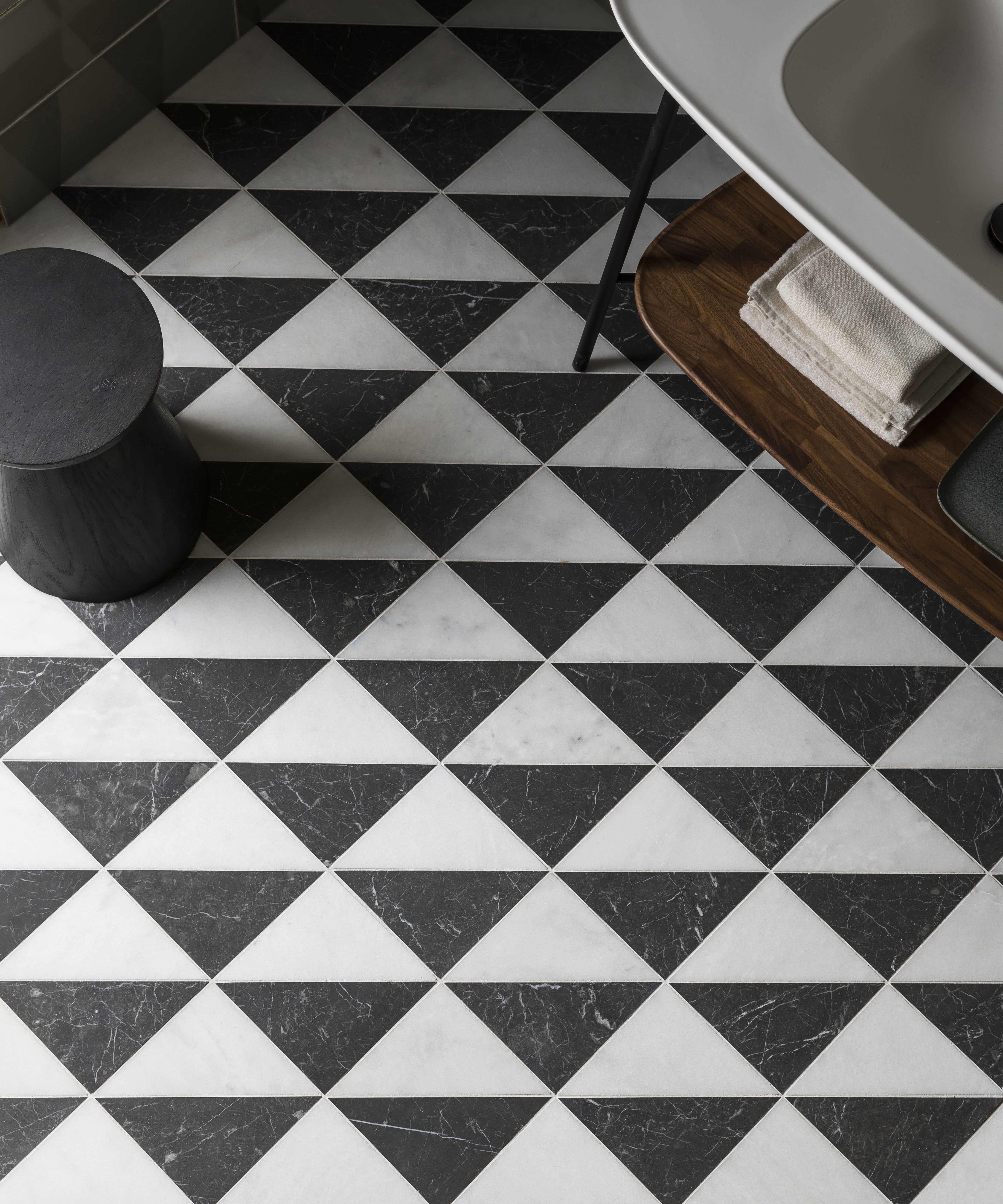
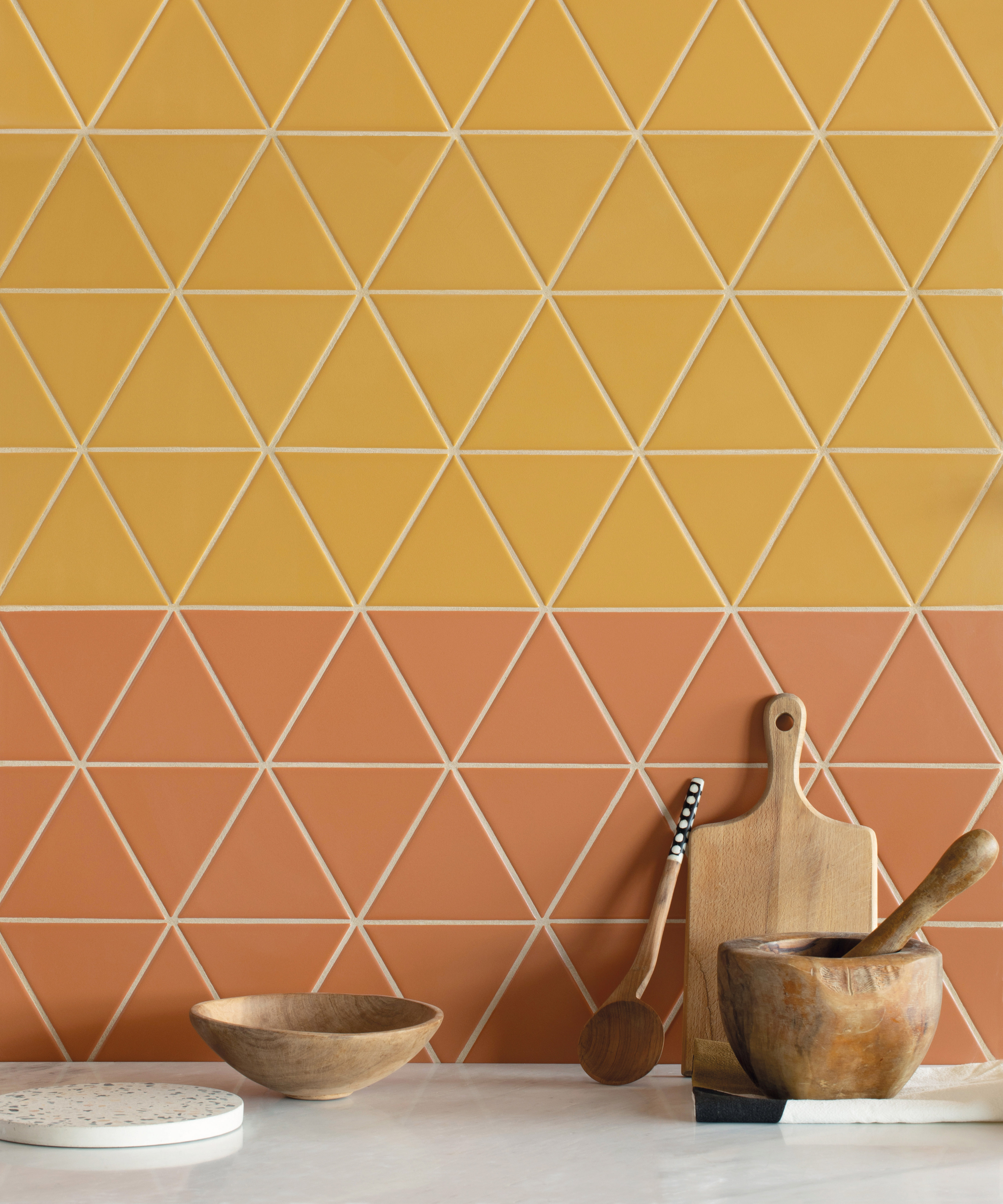
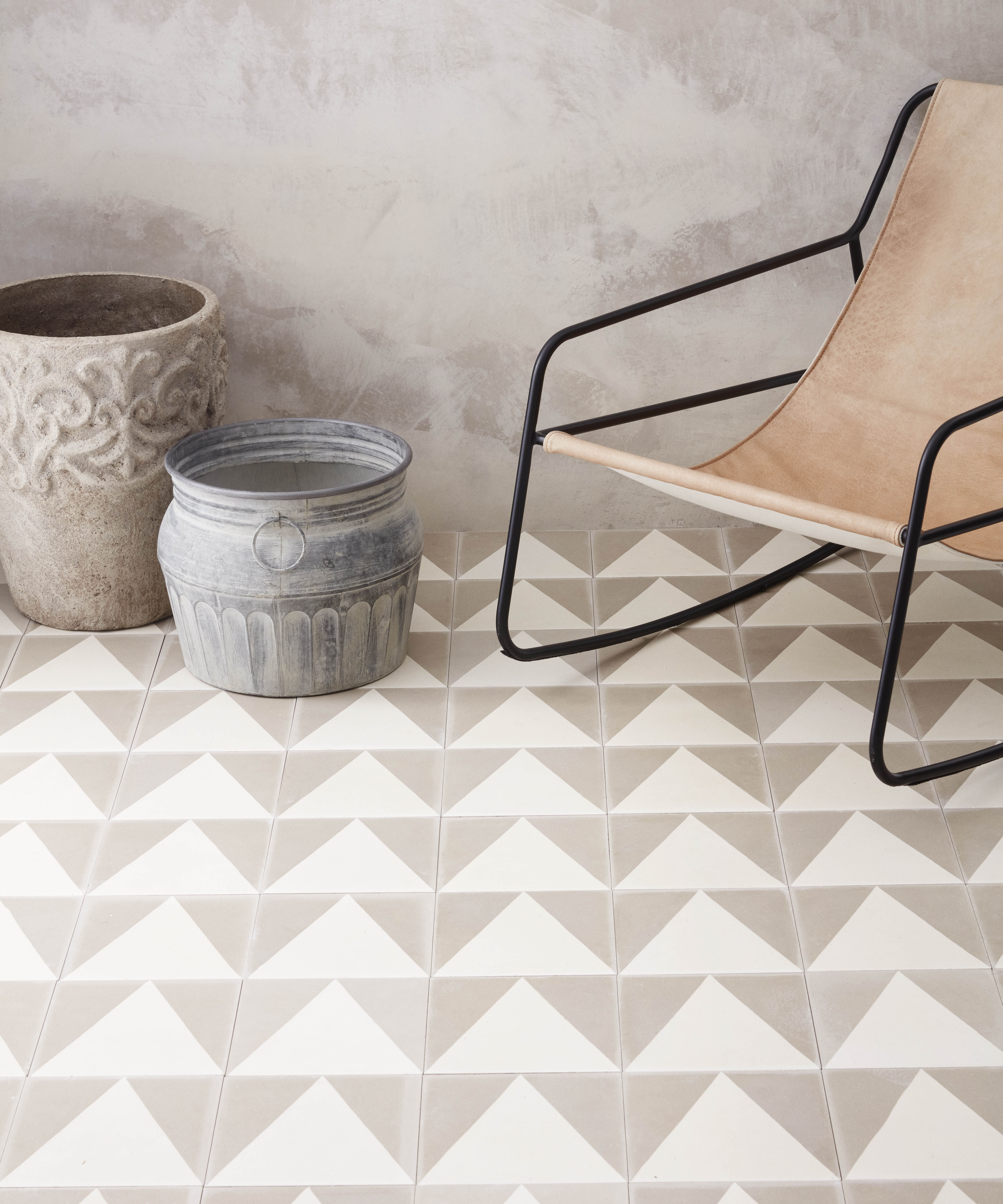
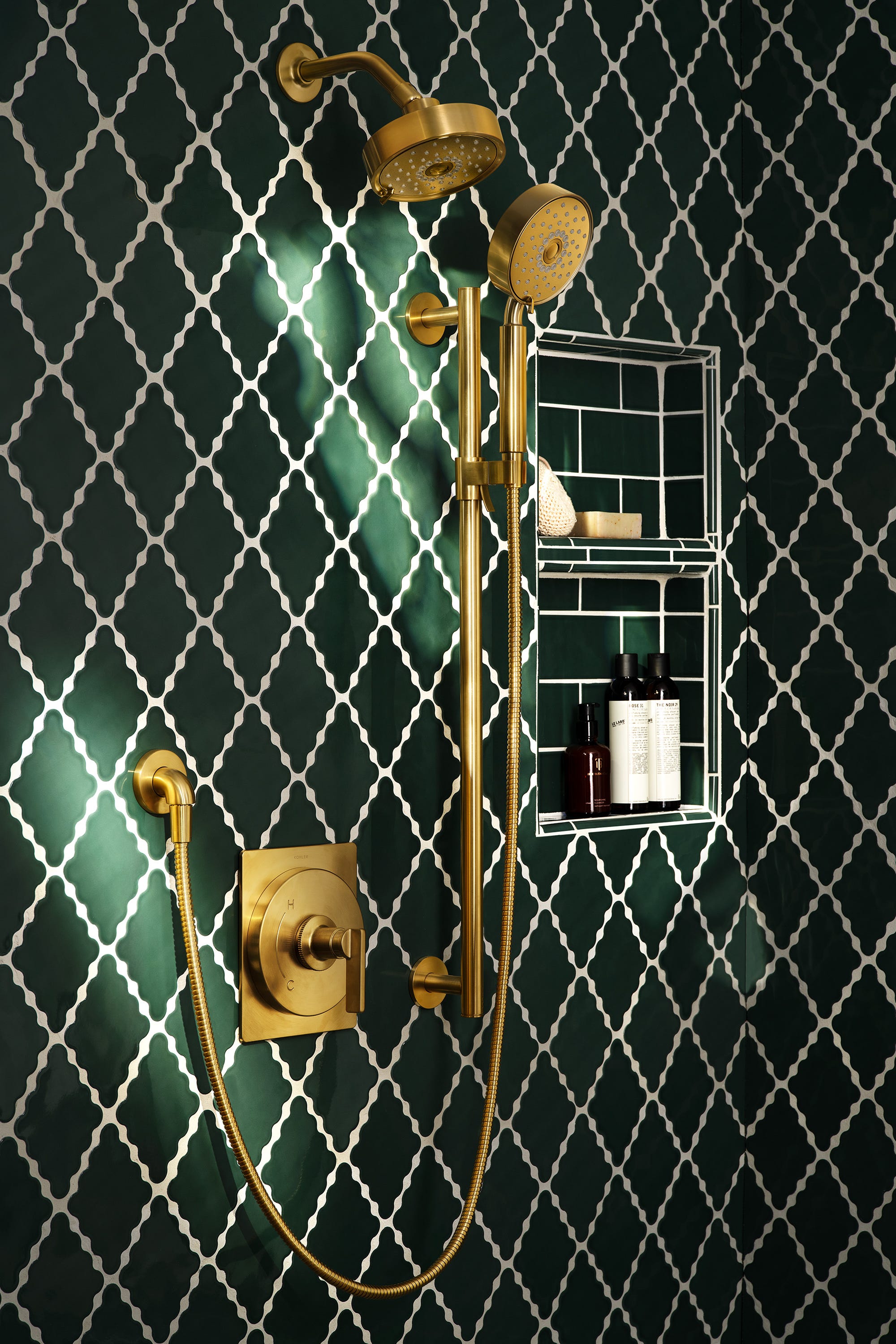
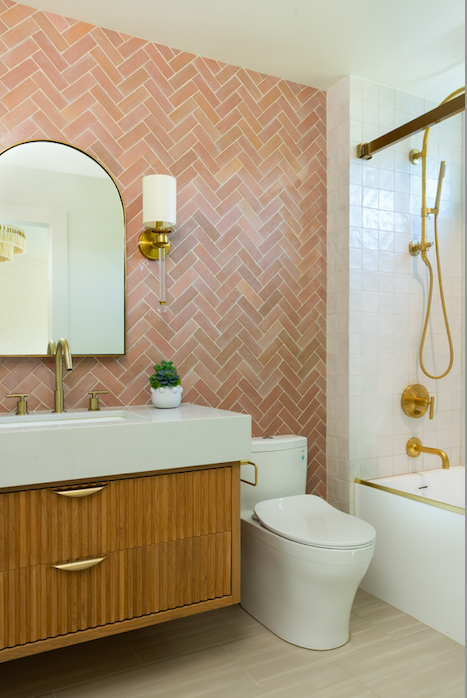
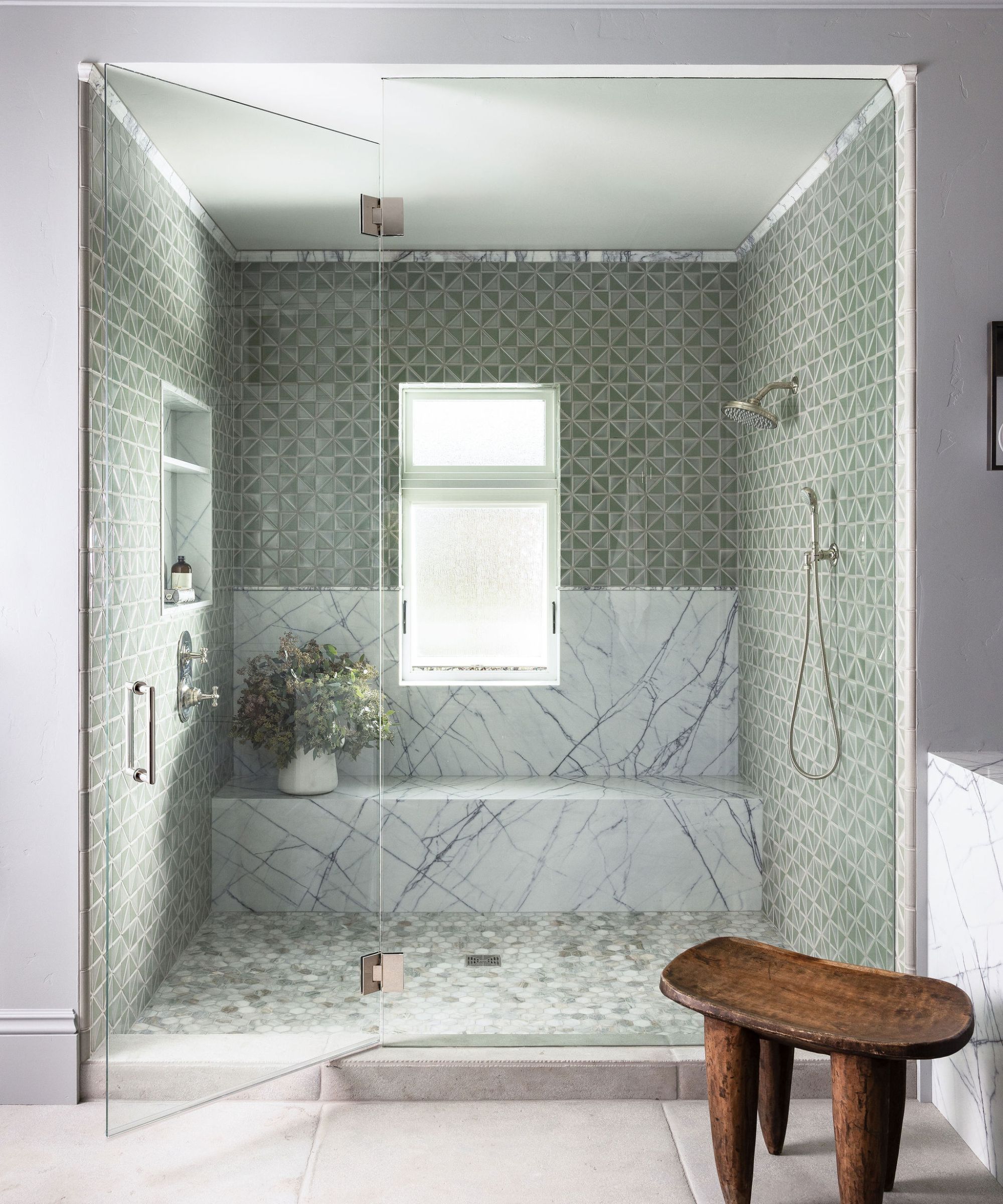
Small mosaic tiles, once cherished for their old-fashioned charm, are experiencing a significant resurgence among homeowners seeking unique and expressive flooring. These tiny tiles, ranging from miniature hexagons to small squares, are making a substantial return to interior design.
Keith Bieneman, owner of Heritage Tile, highlights the adaptability and timelessness of mosaics, noting their versatility across various period styles and applications. The aesthetic appeal of intricately tiled floors has been significantly amplified by social media platforms, particularly Instagram accounts like @ihavethisthingwithfloors, which curate striking floor patterns from around the globe. This online visibility has inspired homeowners to integrate bespoke, vintage-inspired tile designs into their personal living spaces.
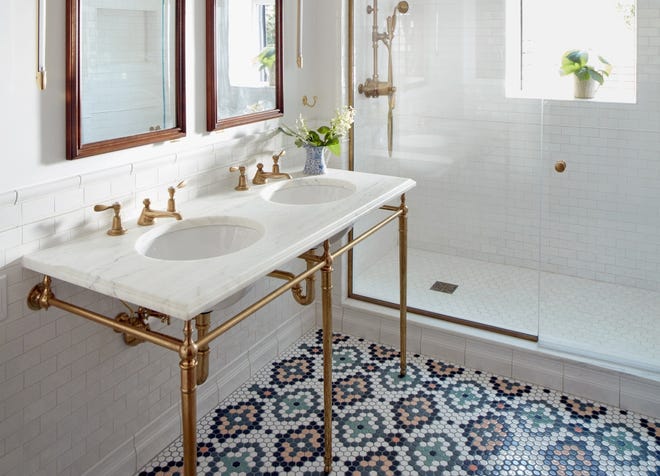
Mosaic tile first gained widespread popularity in the United States in the late 1800s, driven by the advent of indoor plumbing and the Victorian era's emphasis on sanitary surfaces. Initially, porcelain flooring was imported, but American manufacturers soon began producing smaller, unglazed porcelain tiles. Designs such as basket weave, penny-round, and hex patterns became ubiquitous in homes. Commercial establishments adopted more decorative mosaics as architectural styles transitioned through the Arts and Crafts, Art Nouveau, and Art Deco periods. Tile production reached its peak in the 1920s before the Great Depression led to the closure of many factories.
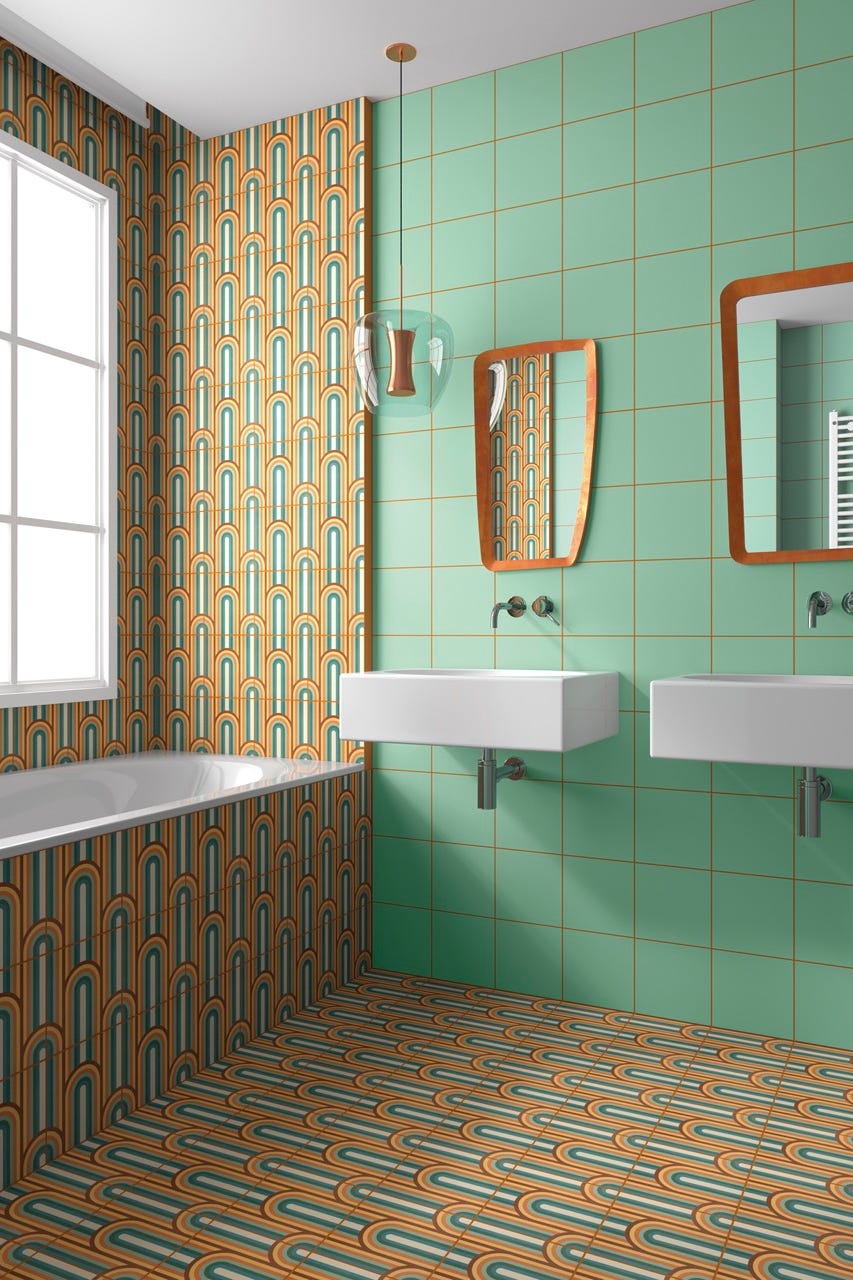
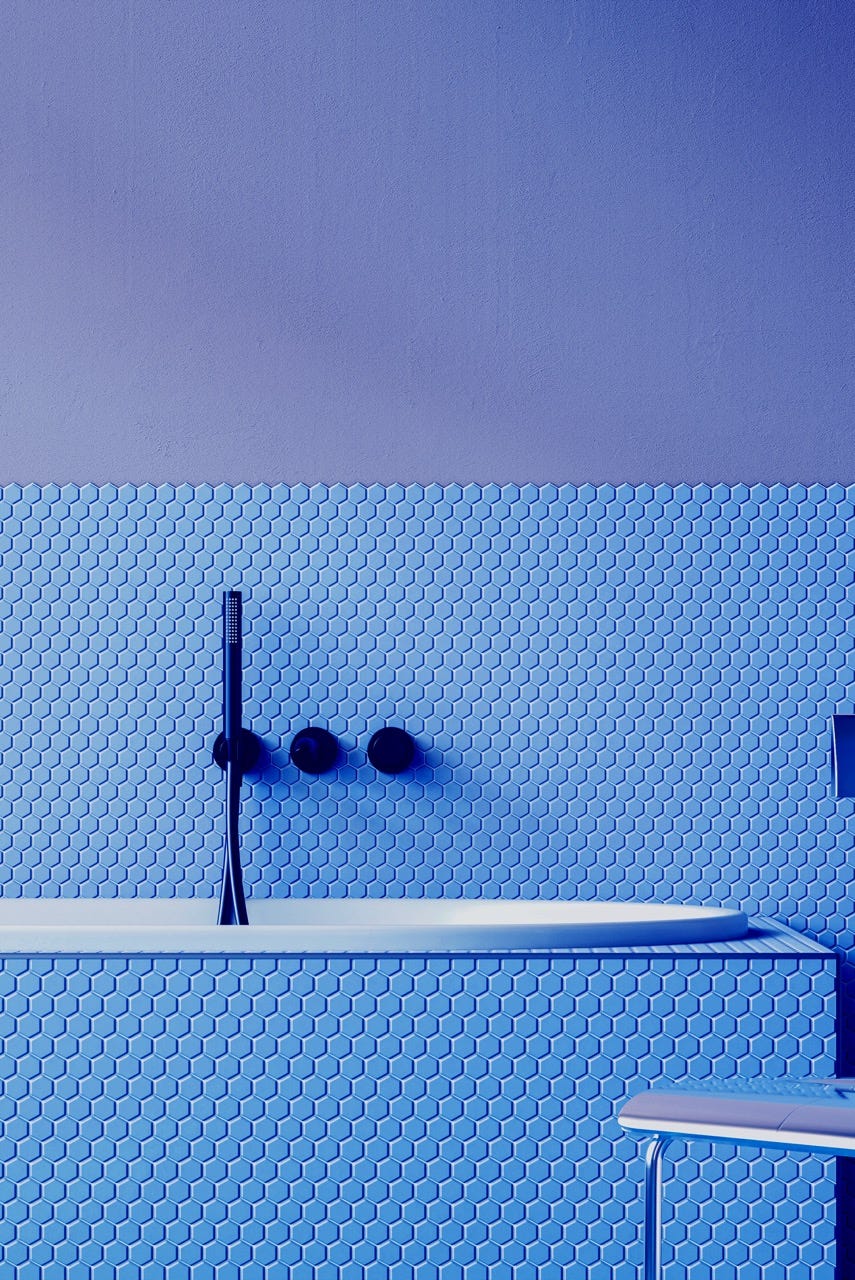
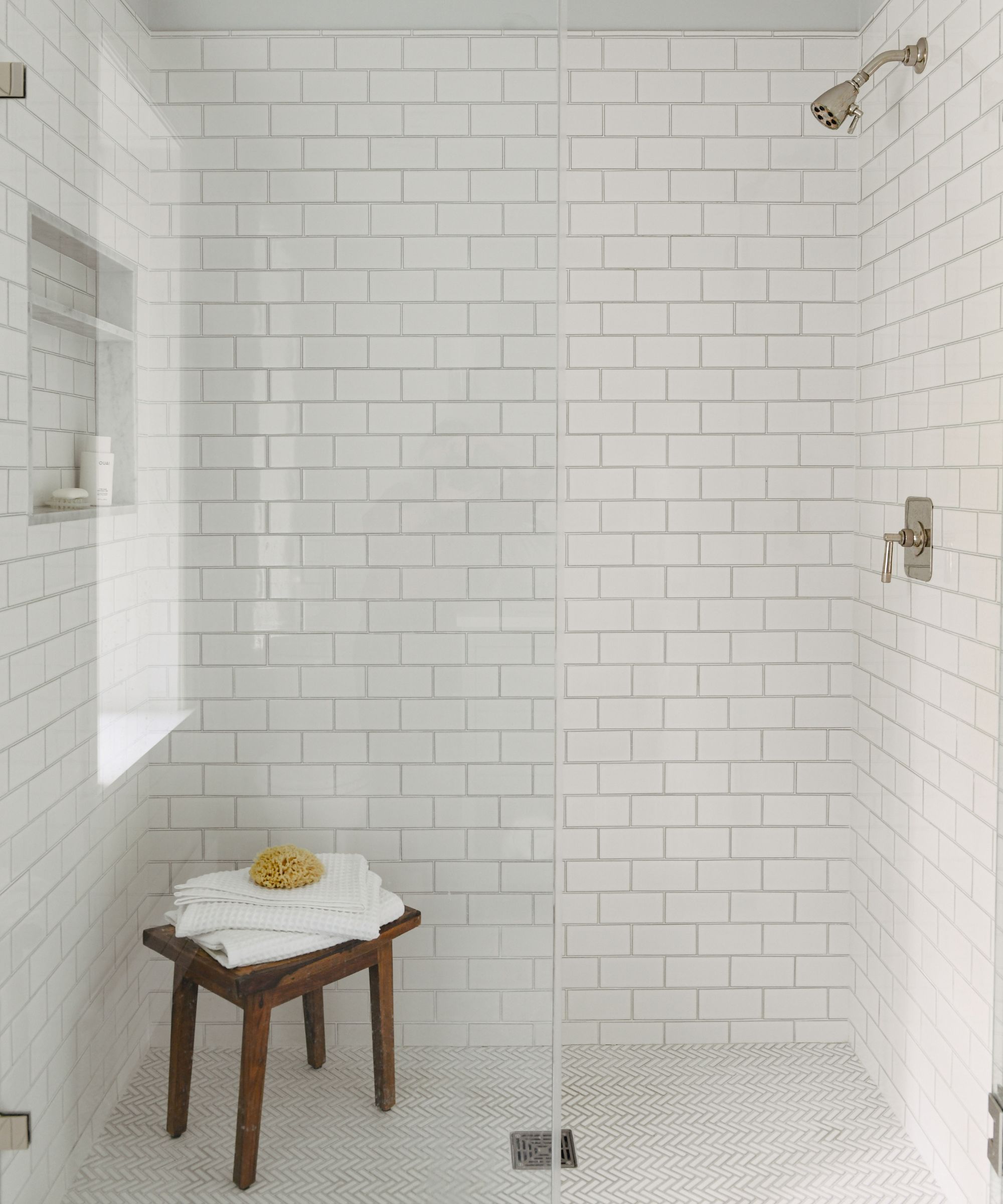
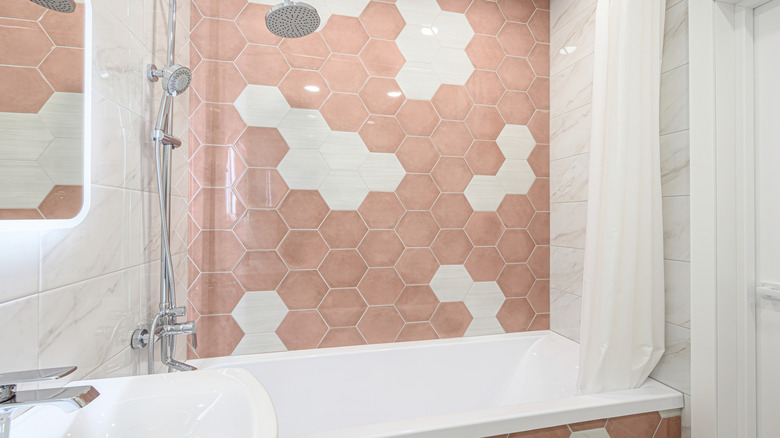
Contemporary mosaic tile installations often blend traditional aesthetics with modern elements. Erin Oliver, vice president of American Restoration Tile, observes a trend toward using historical materials in fresh ways, such as employing flat hex tiles in modern color combinations like blues and grays instead of classic black and white. Designers like Jessica Helgerson and Allison Tick have utilized hex tiles in vibrant hues or custom patterns to complement the historical character of homes.
Beyond patterns and colors, mosaic tiles are also being used for personalized expression through typography. This trend, initially seen in hotels and restaurants with old-timey signage, has extended to residential design. Homeowners are incorporating words, monograms, or salutations into their tile work. While a personalized message like 'hello' can add whimsy to an entry, highly personalized elements like initials might impact resale value. Oliver suggests using house numbers in tile designs as a practical and less committal way to personalize a home.
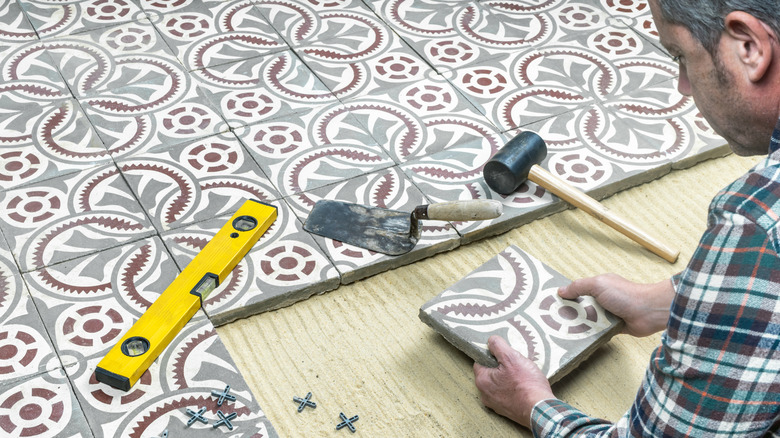
When considering mosaic tile installation, several factors are important. Historical reproduction tiles, typically flat and flush with the grout, are available from companies like American Restoration Tile and Heritage Tile, costing between $25 and $30 per square foot, including design services. Mass-produced porcelain mosaics are generally more affordable, though they may have limited pattern and color options and beveled edges that result in a raised surface. For an authentic historical look, flat tile is recommended. Many companies offer online tools for custom design and color selection. Some homeowners prefer DIY approaches for minor customizations, such as swapping out individual tiles for different colors, a service some companies also provide at no extra cost, as pricing is often based on pattern complexity rather than color changes.
Unglazed porcelain mosaic floors are remarkably durable and low-maintenance. Their imperviousness to water, stains, and temperature changes makes them ideal for high-traffic areas. Existing vintage porcelain mosaics can often be repaired, as replacement tiles in correct sizes and colors are frequently available due to historical standardization in tile production. The natural patina that develops over time on these floors serves as a protective layer, contributing to their longevity and enduring appeal.
#TinyTiles #MosaicTiles #HomeDecor #InteriorDesign #Flooring #VintageStyle #ArchitecturalTrends #DIYHome #TinyTiles #MosaicTiles #HomeDecor #InteriorDesign #Flooring #VintageStyle #ArchitecturalTrends #DIYHome
0 komentarzy łącznie
 Brak komentarzy jeszcze
Możesz również polubić
The New Tile Trend Causing a Scene This Season
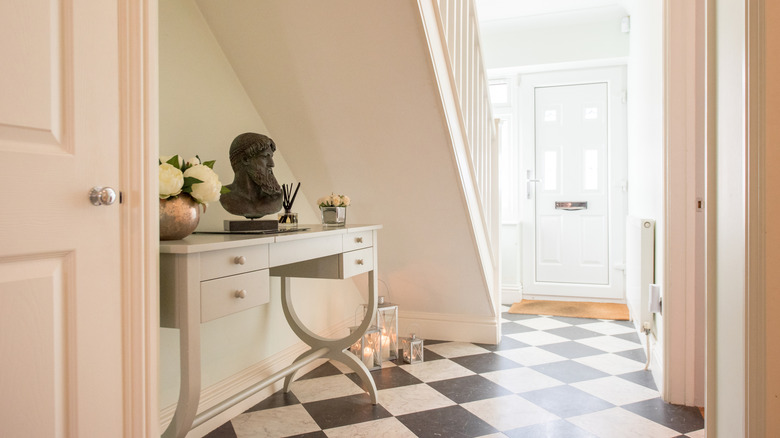
Tile Trends That Will Be Dominating In 2025
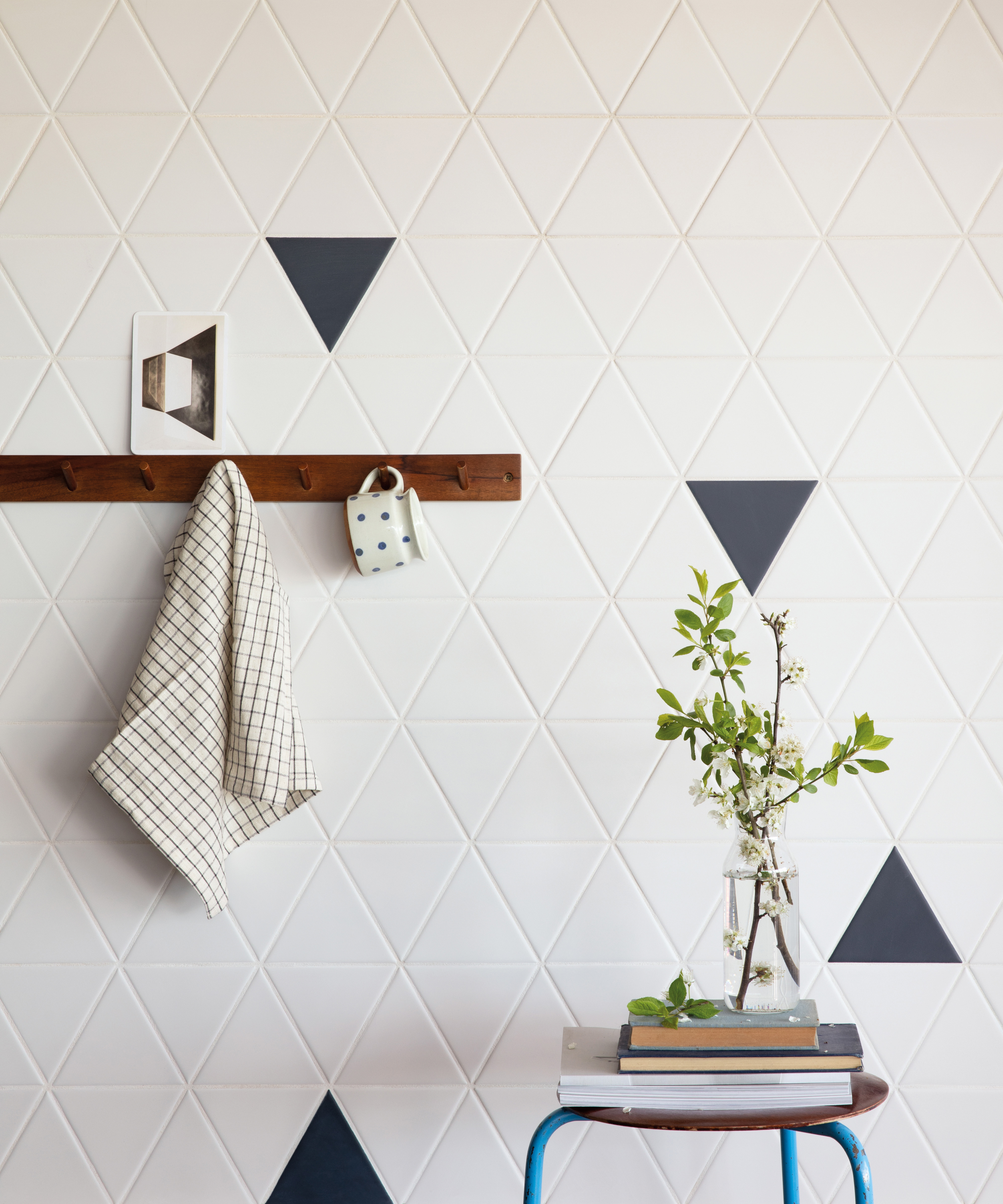
Triangular tiles are our next big trend prediction – get ahead of the crowd with expert tips for styling this new shape

Patterns on paper and tile: Visually compelling designs lead the way in wallcoverings

Decorative Tiles Are Back, Bigger and Better Than Ever
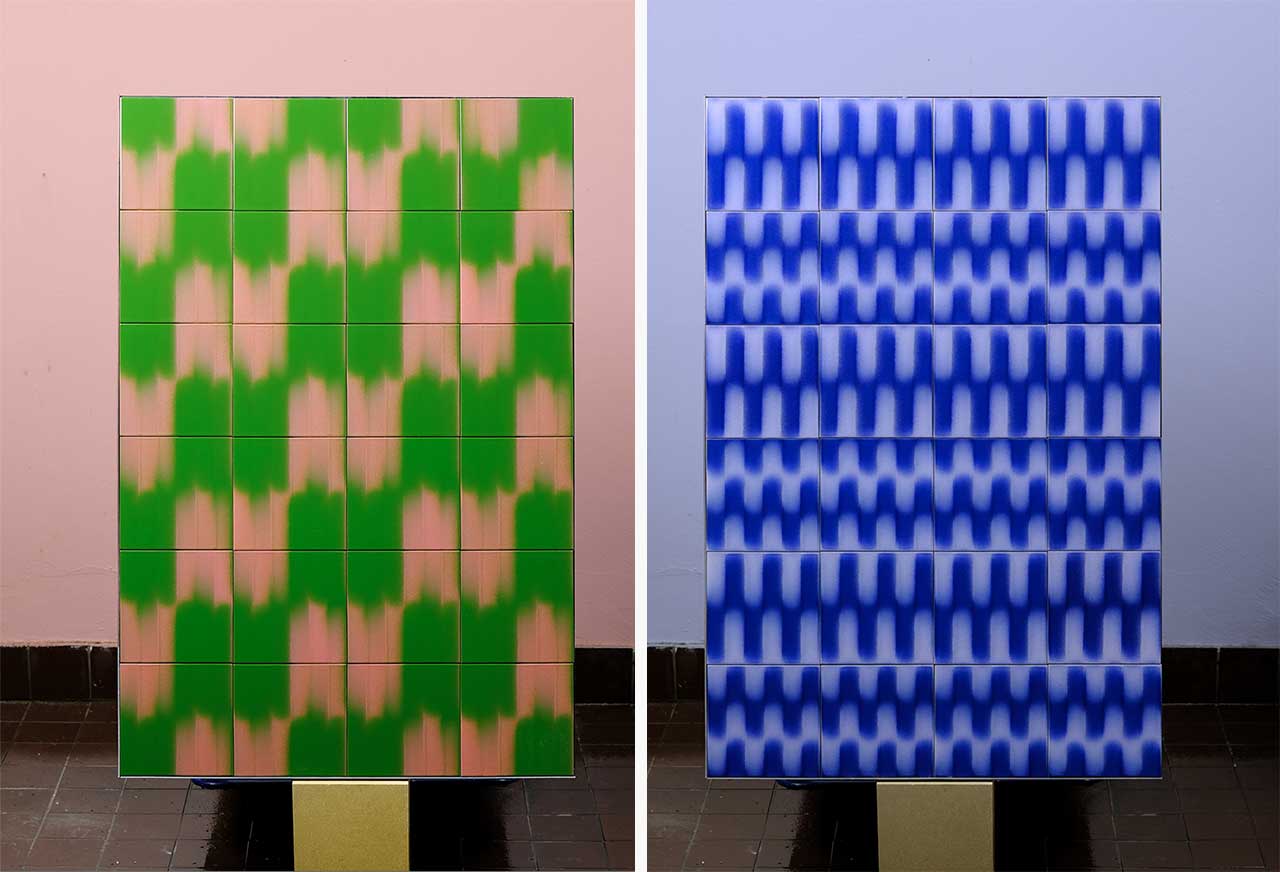
Colorful, Trippy Tiles Made on a Custom-Built Machine

Tiles take inspiration from fashion
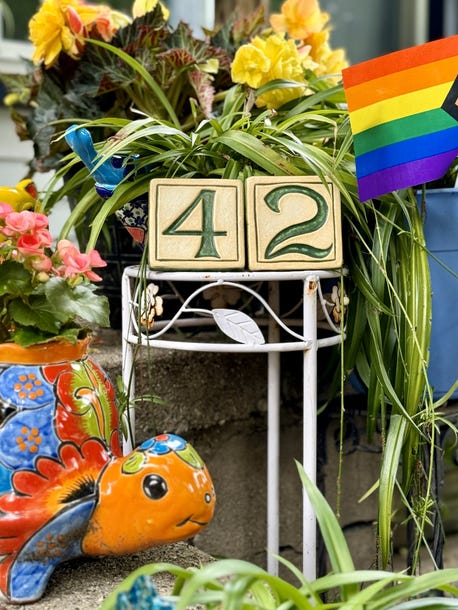
Homestyle: Terrific tiles
This New Collection Puts a Graphic Spin on Tile

These Fresh-Faced Tile Designs Reimagine Retro-Mod and Geometric Motifs

Tile Is BACK—and More Creative and Fun Than Ever, According to Experts

Designers Are Ditching "Flat Painted Walls" for THIS Unexpected Trend
This Vintage Tile Pattern Is Popping Up Everywhere—and It’s Easy to Love

The New Horizons of Decorated Ceramic Tiles
Tile Trends 2025 — Every Design-Forward Look to Have on Your Radar

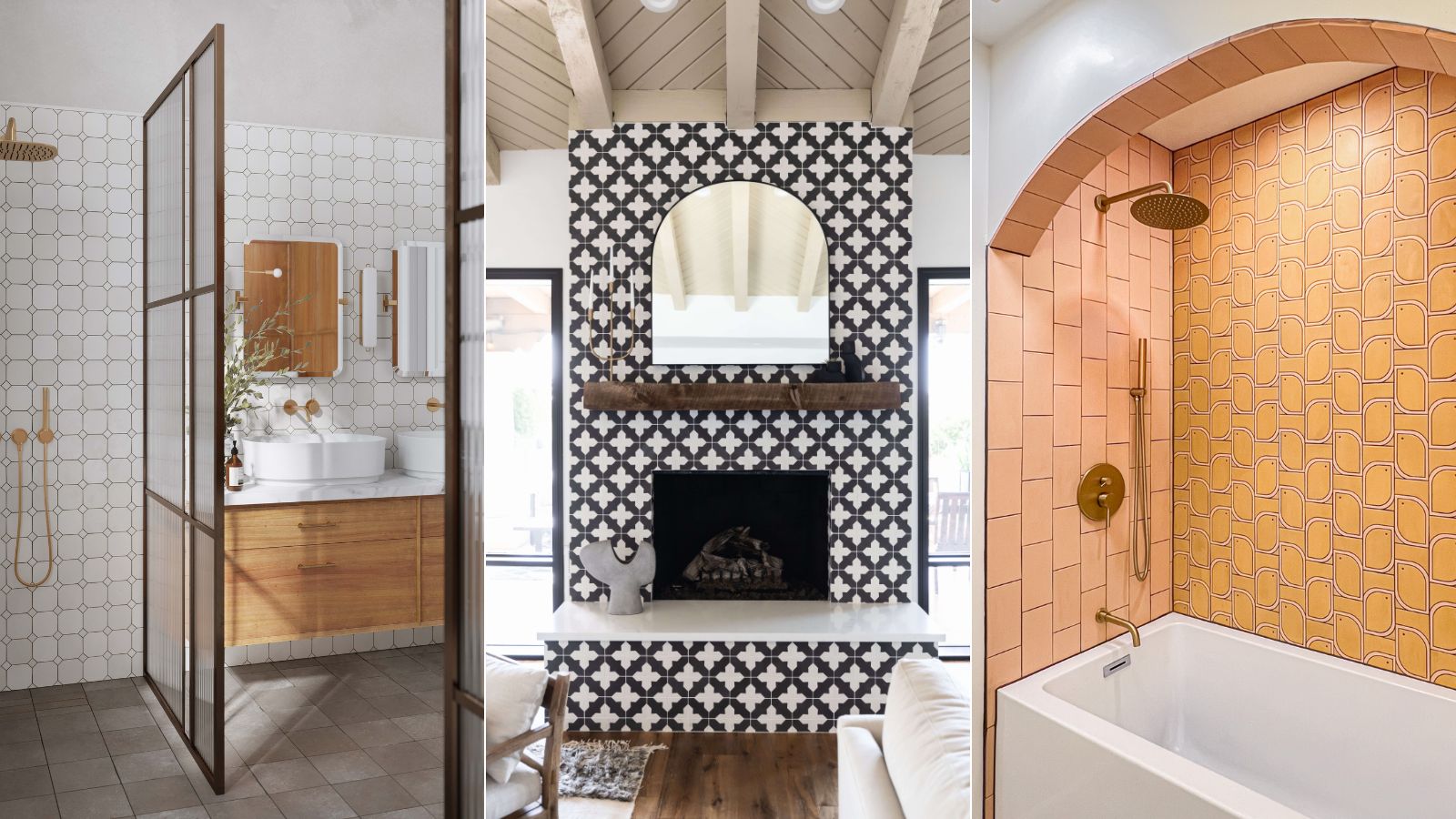
Decorator's Address Book: 12 interior designers on the best places to shop for tiles
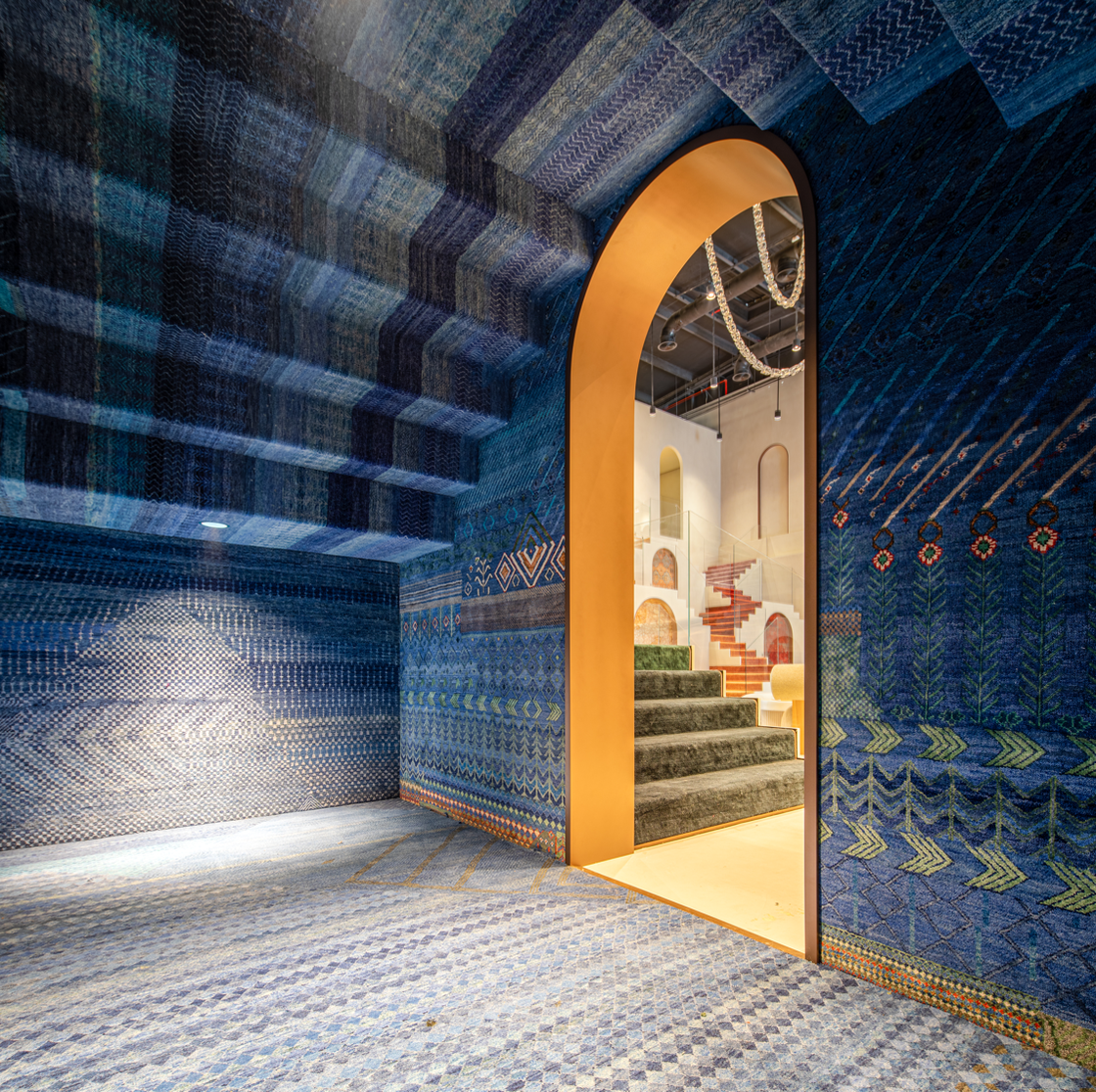
This Surprising NEW Trend Is Replacing Accent Walls
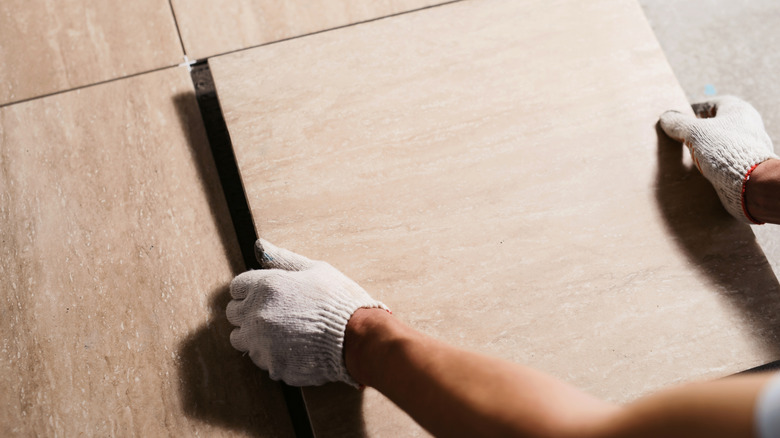
10 Tile Trends You'll Be Seeing More Of In 2026

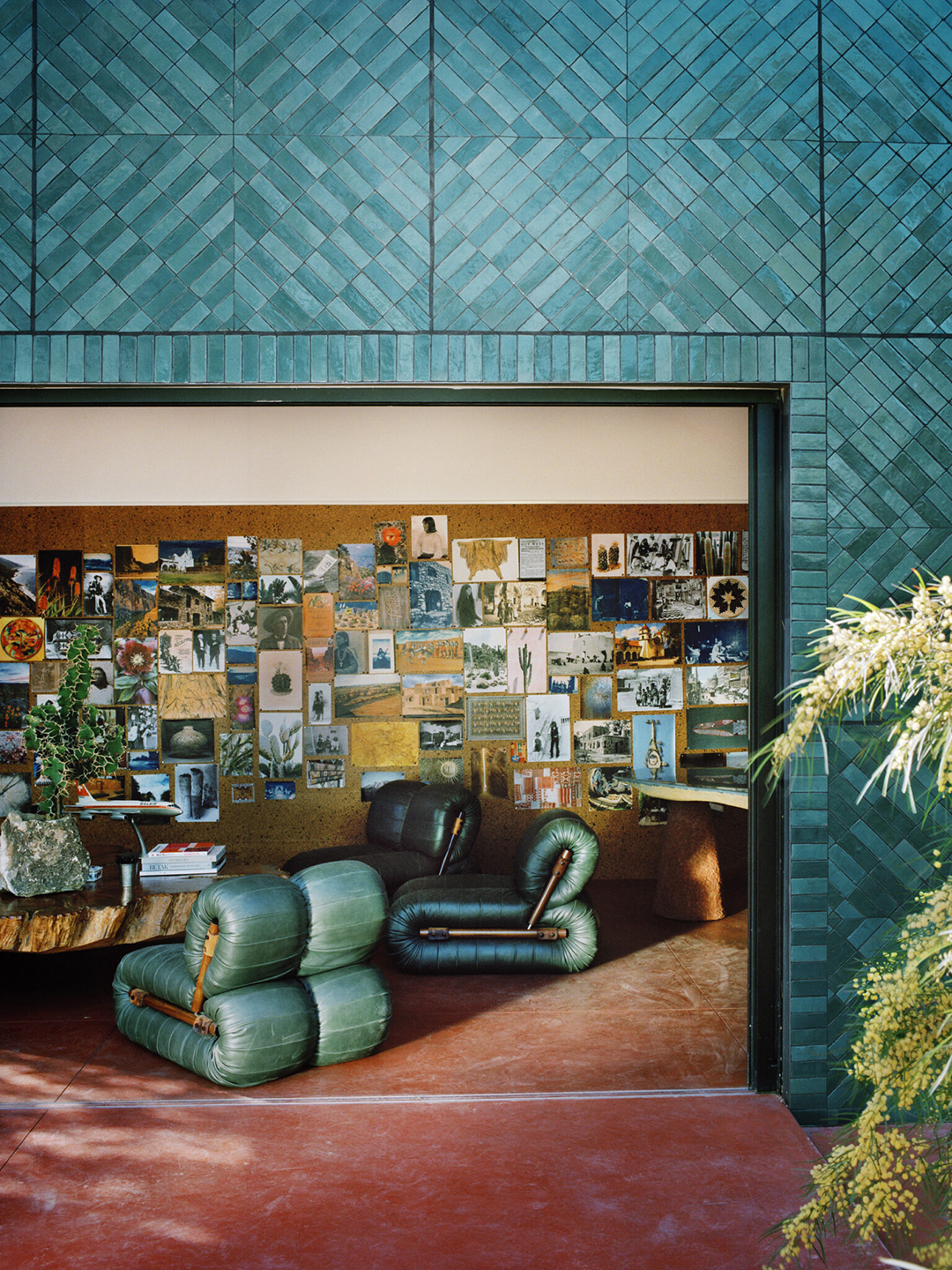
8 Times Tile Brought Architectural Charm to an Otherwise Regular Exterior

The Decades Old Tile Trend That Is Popping Back Up In Bathrooms