1/10
This Secret to this Hampton Home's Magical Atmosphere? Neutrals that Dance with the Light
This article highlights the design philosophy and execution of Rose Uniacke in redesigning a 1929 neo-Federalist cottage in the Hamptons. The project aimed to relax the formal structure of the residence while integrating it with the wild, oceanfront environment. Uniacke drew inspiration from traditional Japanese and Chinese art concepts like _ma_ and _xu_, emphasizing the beauty of empty space, to create an atmosphere that is both sophisticated and serene.
The design process faced a unique challenge as Uniacke, based in London, could not visit the property due to Covid travel restrictions. She relied on photographs and videos, virtually navigating the space to understand its essence and envision the necessary changes. The objective was to respect the classical architecture's refinement and symmetry without making the home feel overly formal, and to incorporate the sea's influence without resorting to typical beach-house aesthetics.
Uniacke employed traditional decorating tools such as color, fabric, and objects, while also incorporating more intangible elements like empty space, natural light, and the interplay between diverse items. For instance, a 2,225-year-old Han dynasty pot was paired with a 1940s Frits Henningsen wingback chair in the study, showcasing a dialogue between ancient and modern, and between gentle curves and unique textures. The house's structure, often one room deep, allowed natural light to penetrate from multiple directions, a feature Uniacke capitalized on.
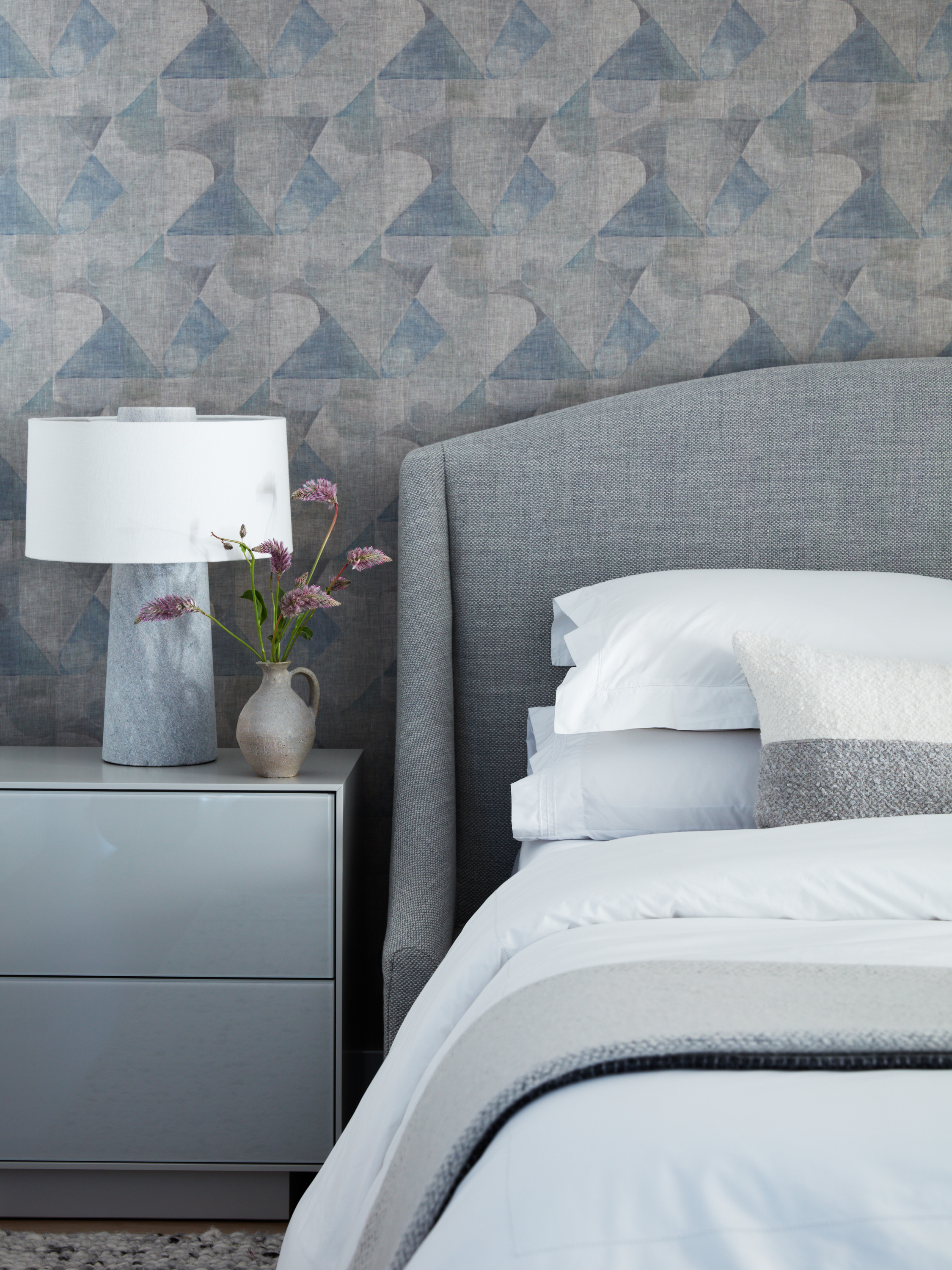
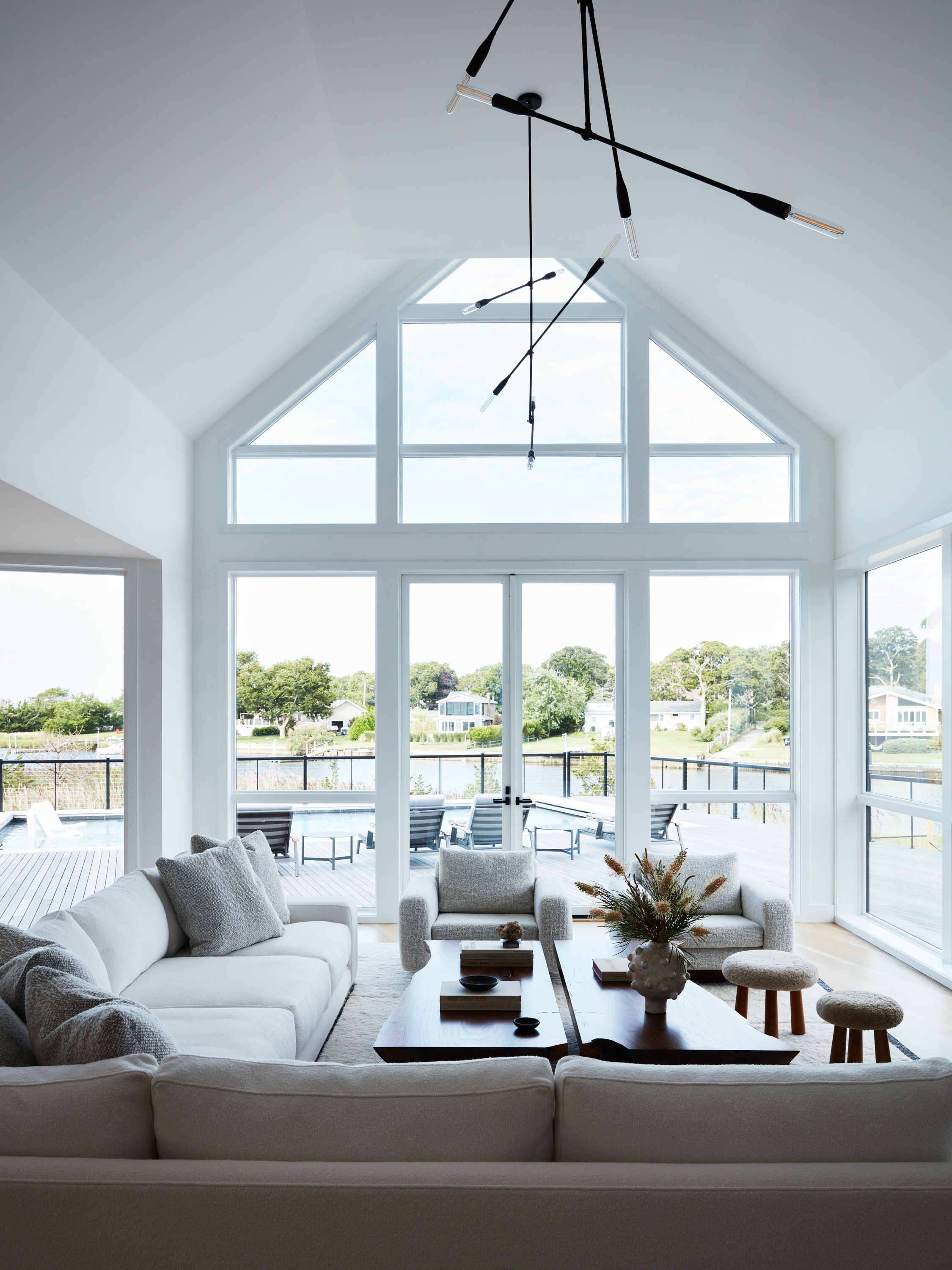
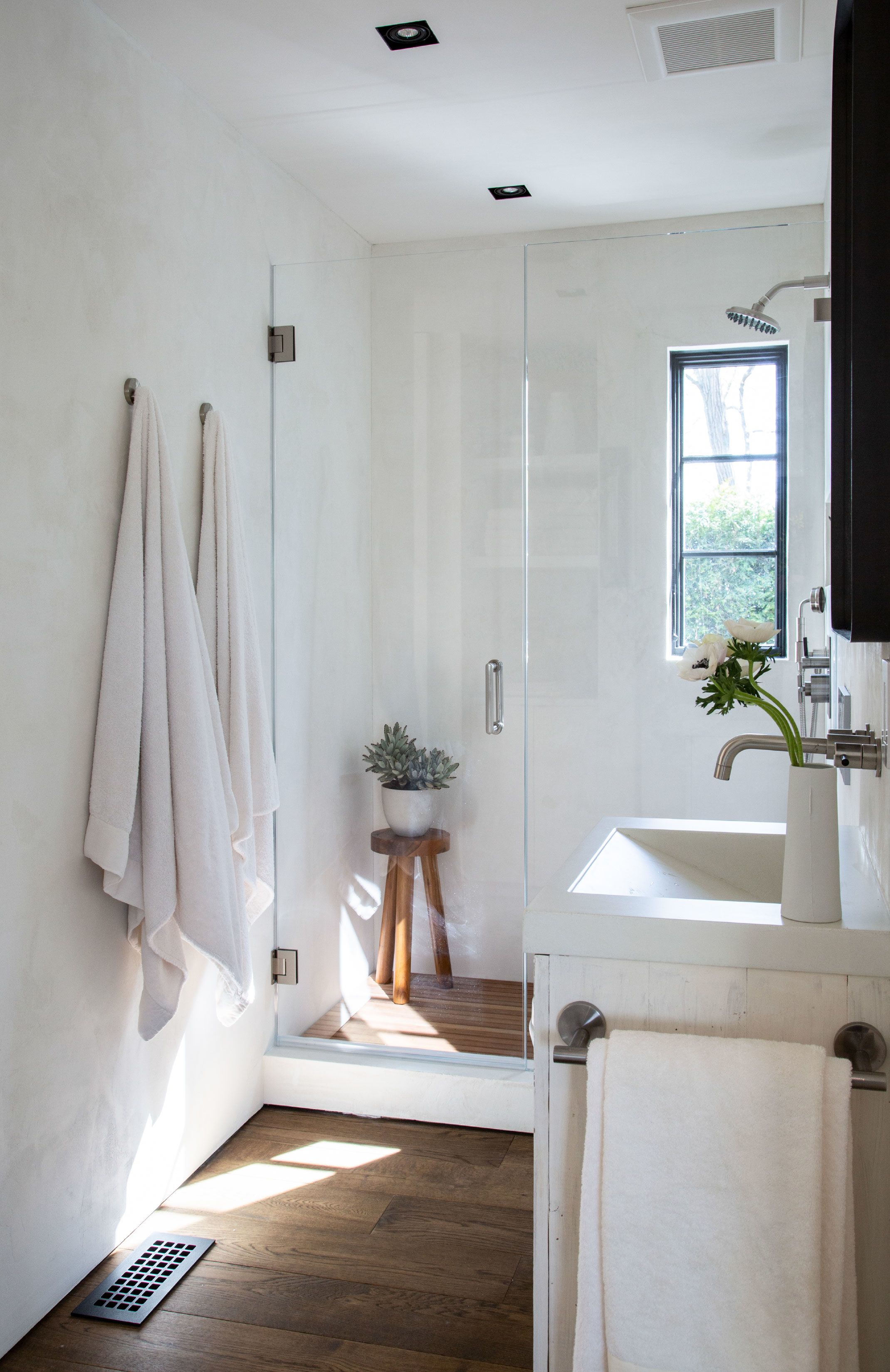
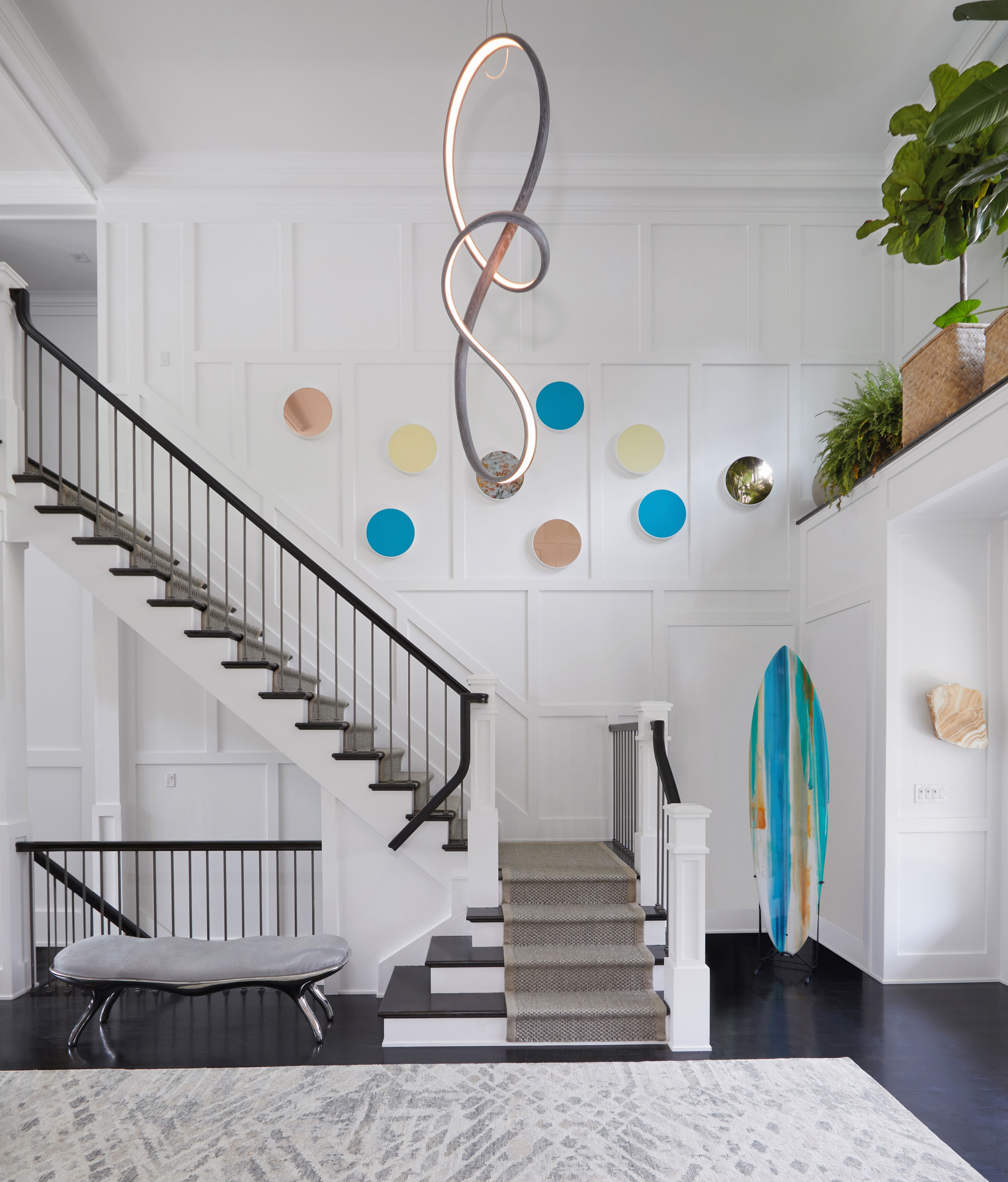
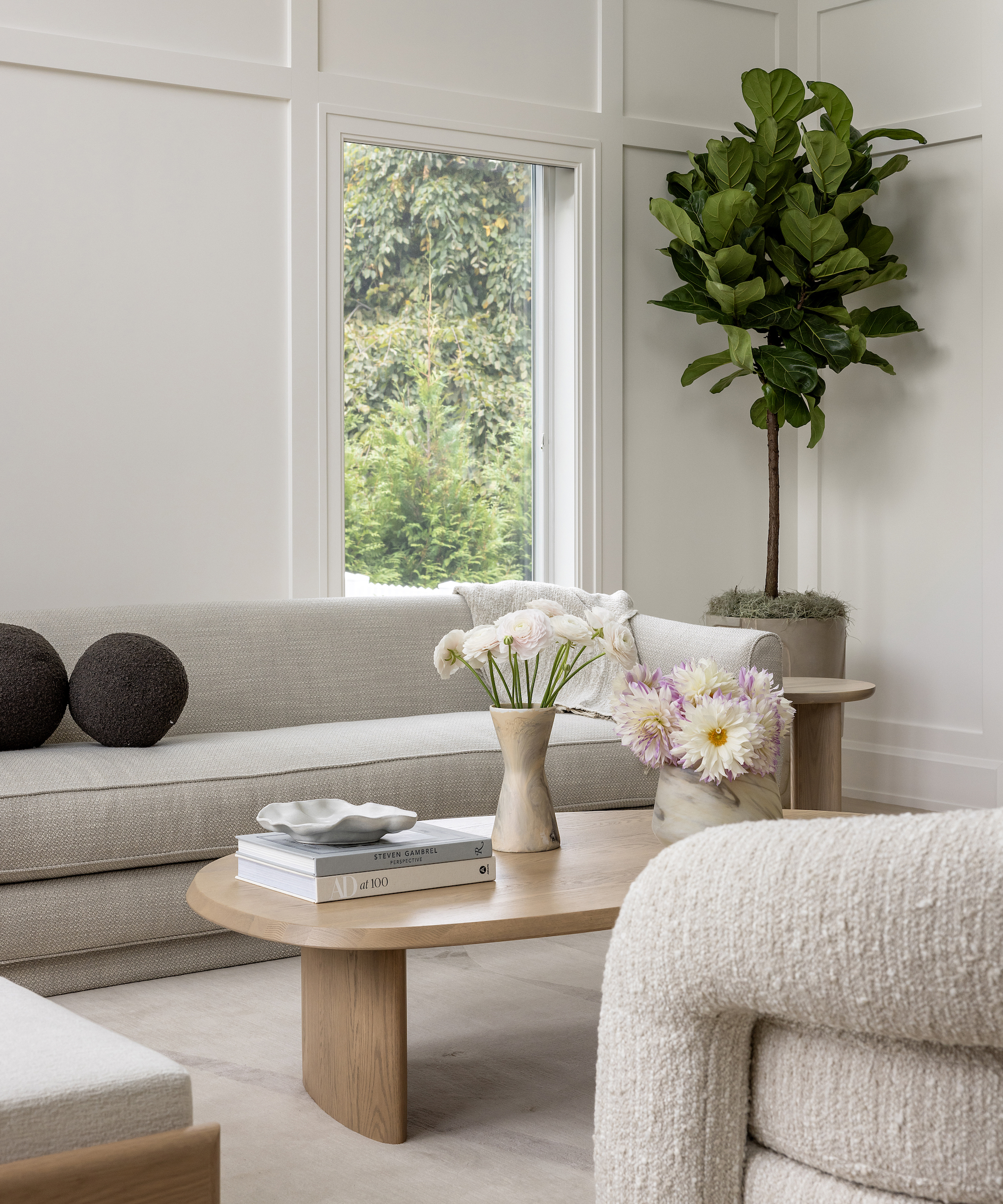
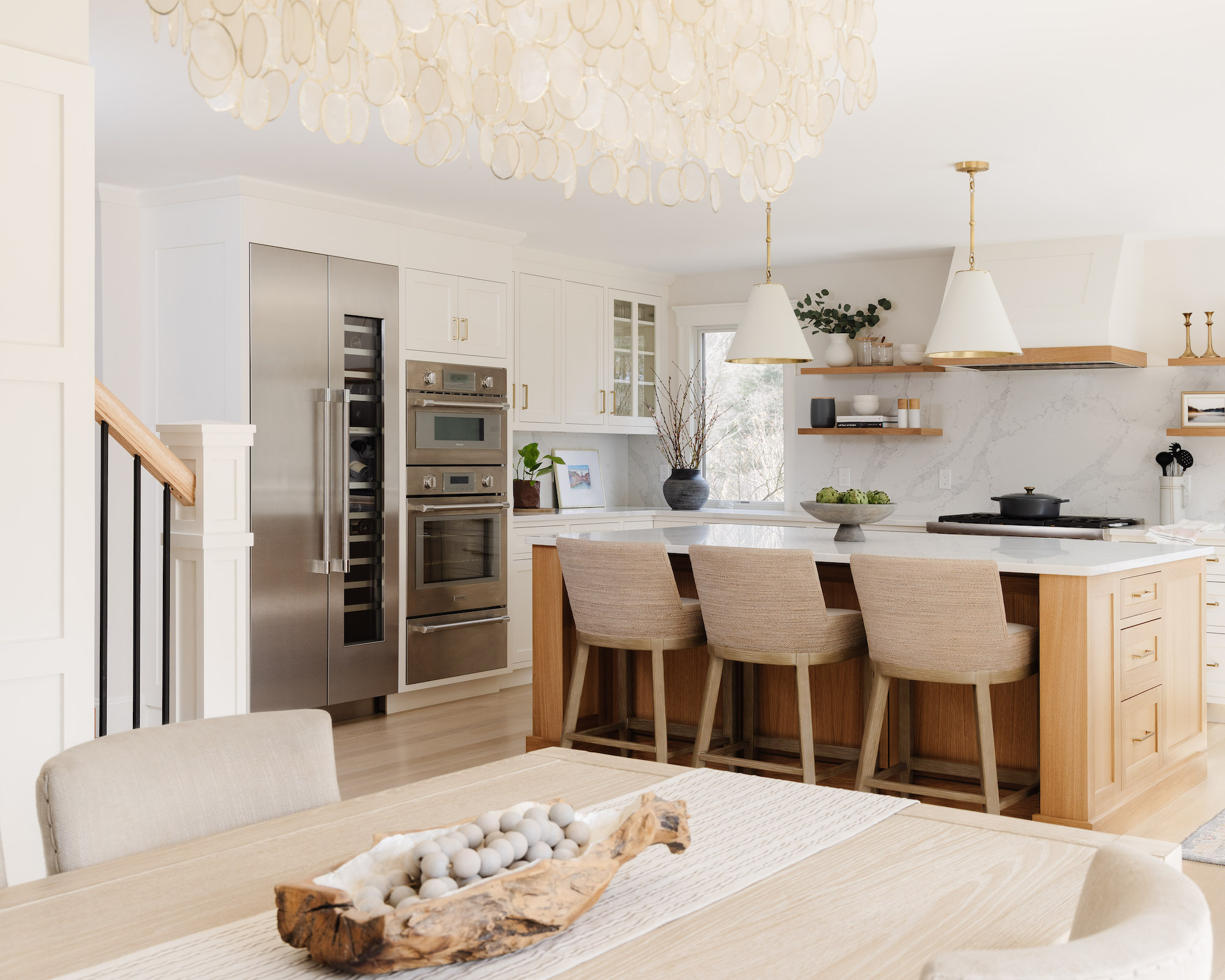
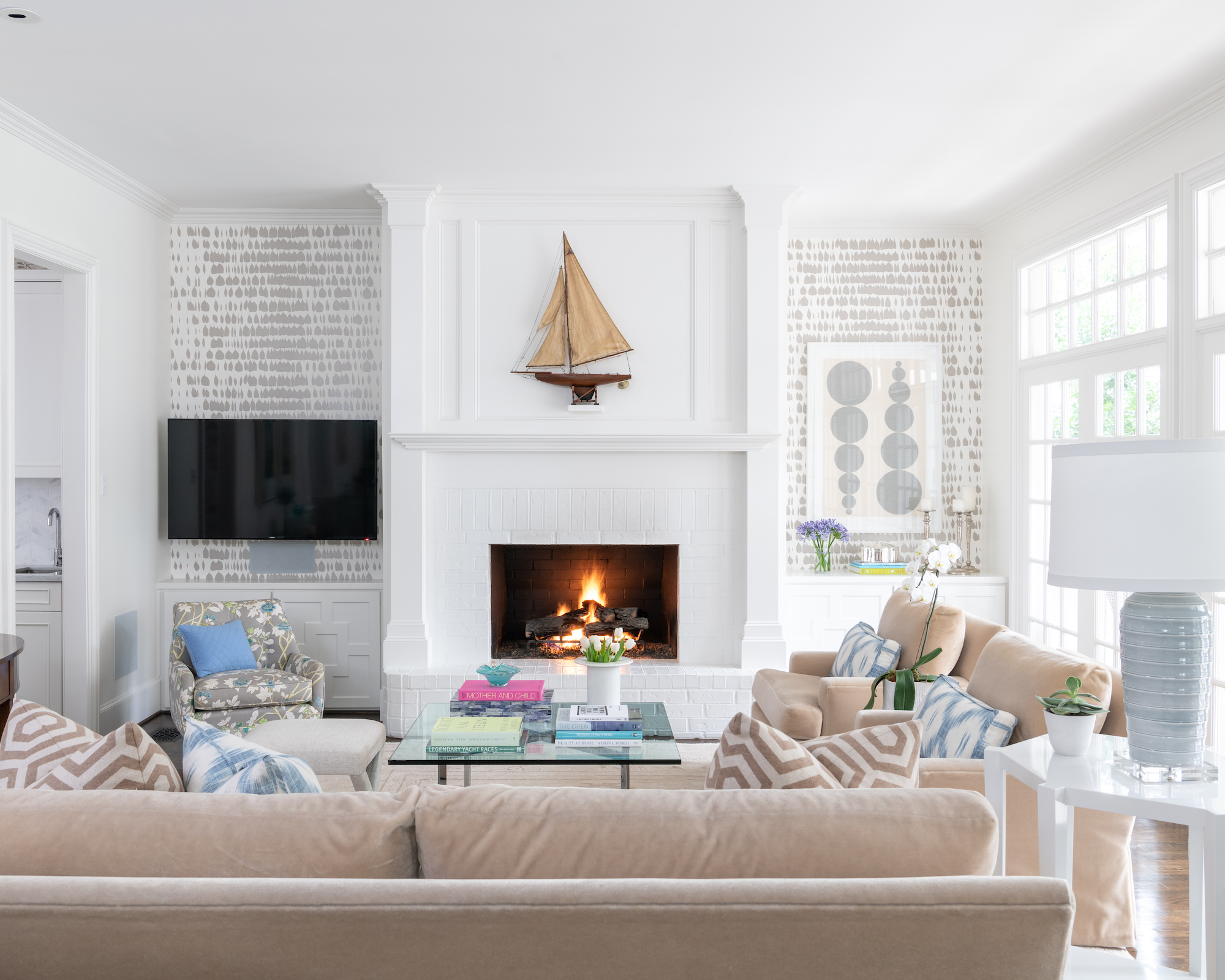
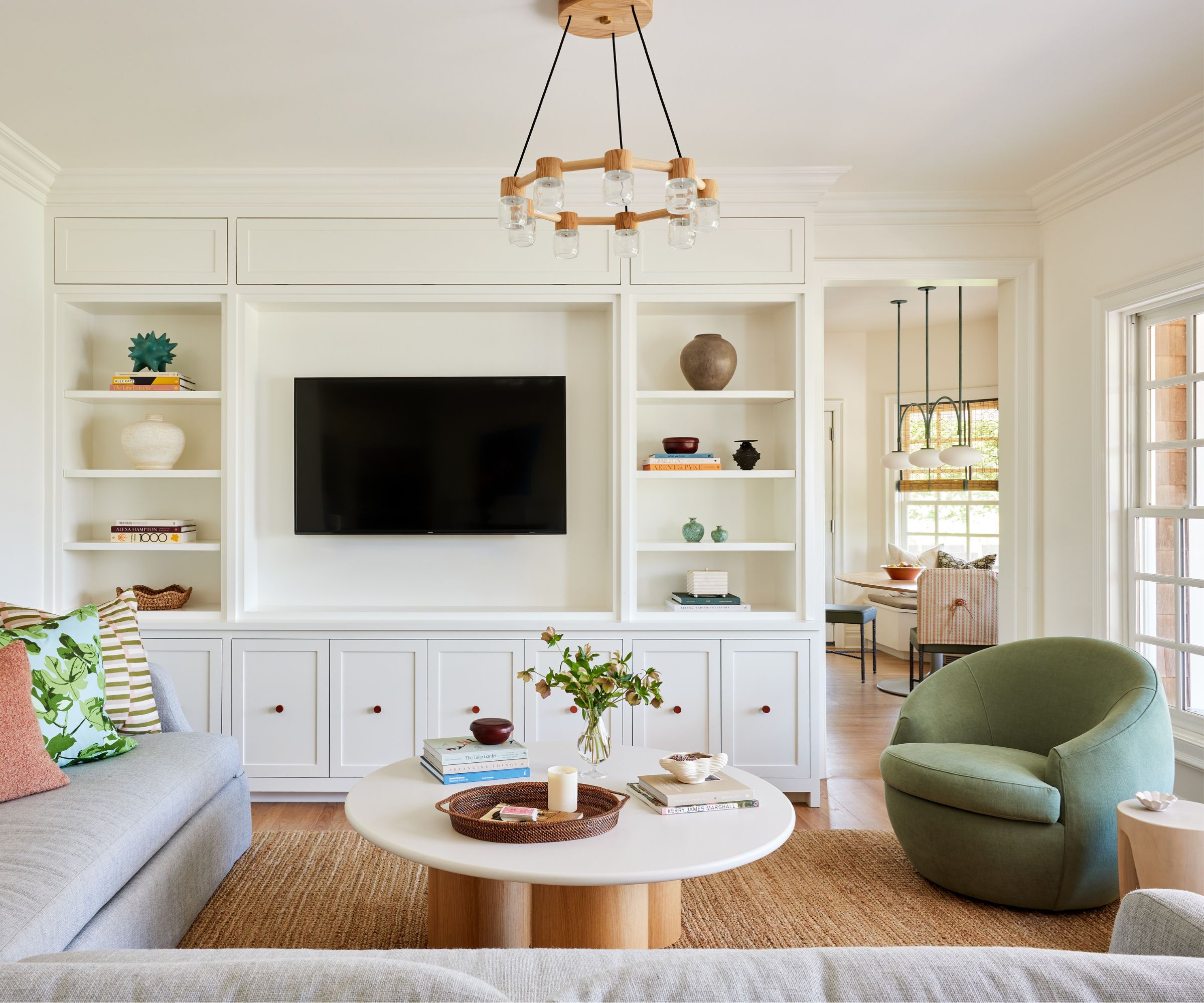
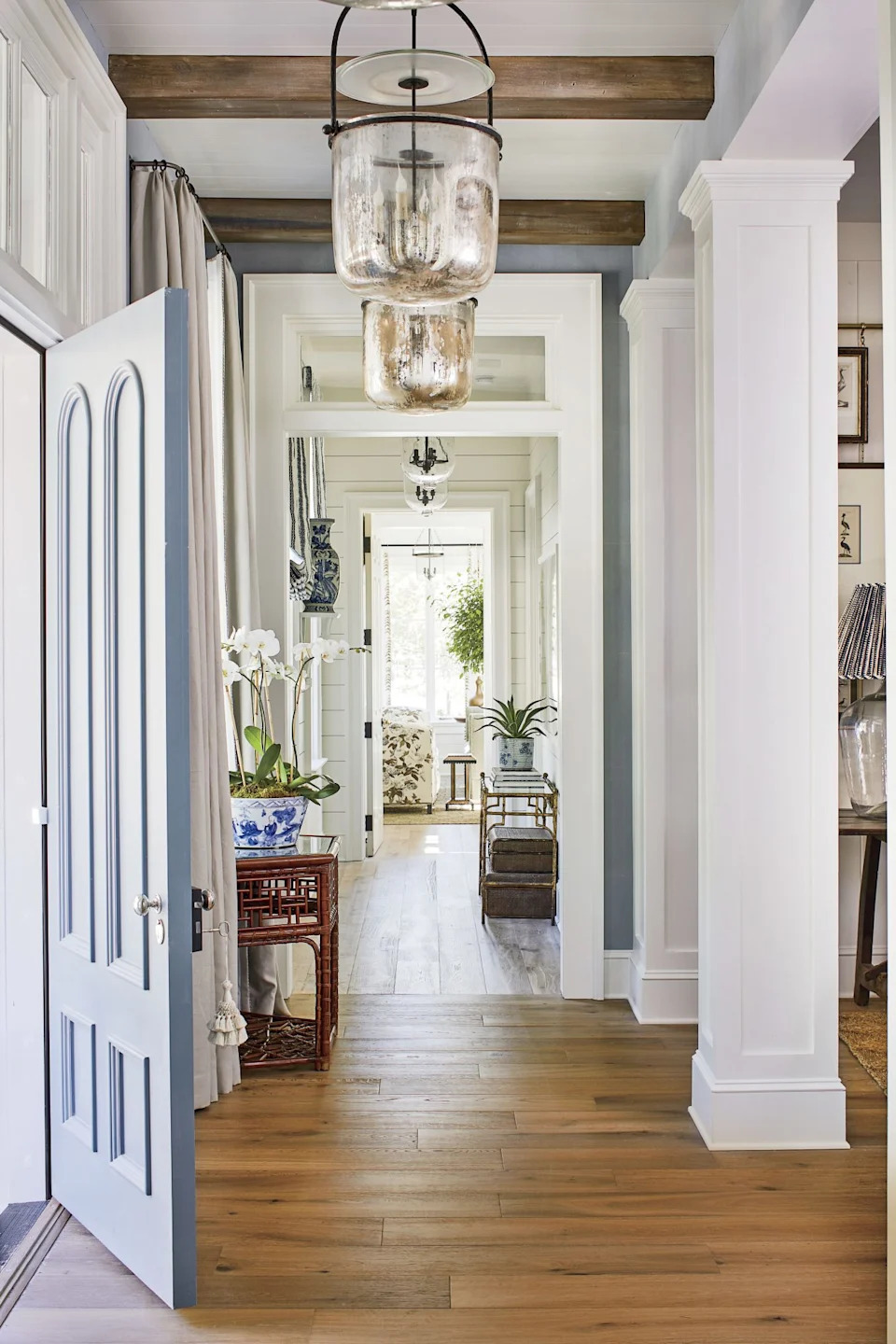
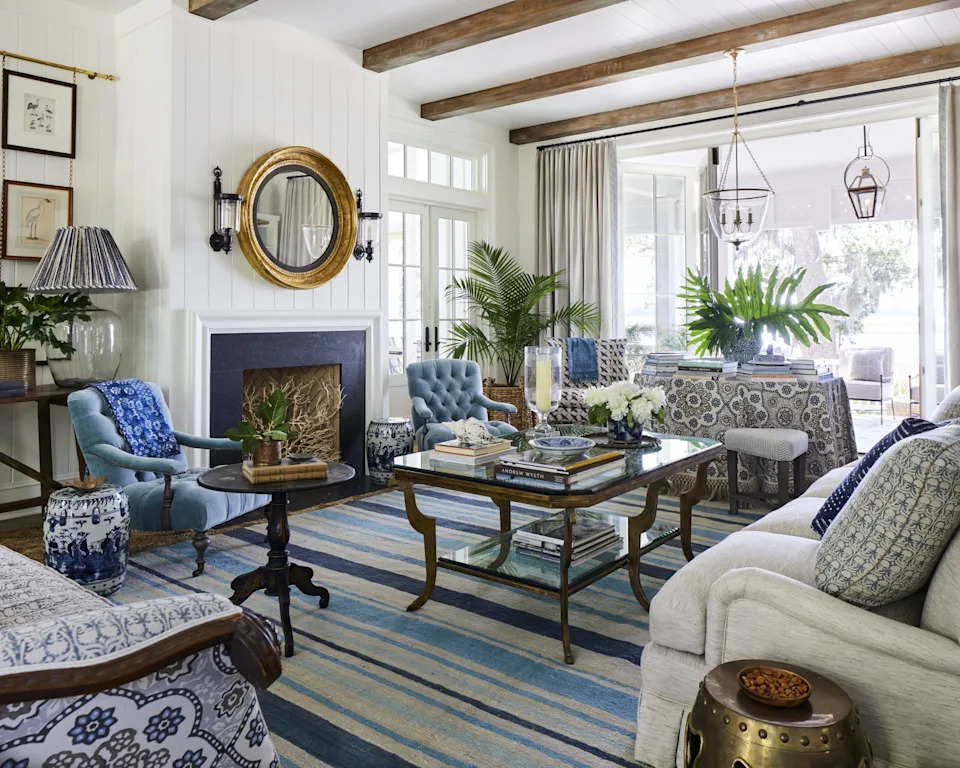

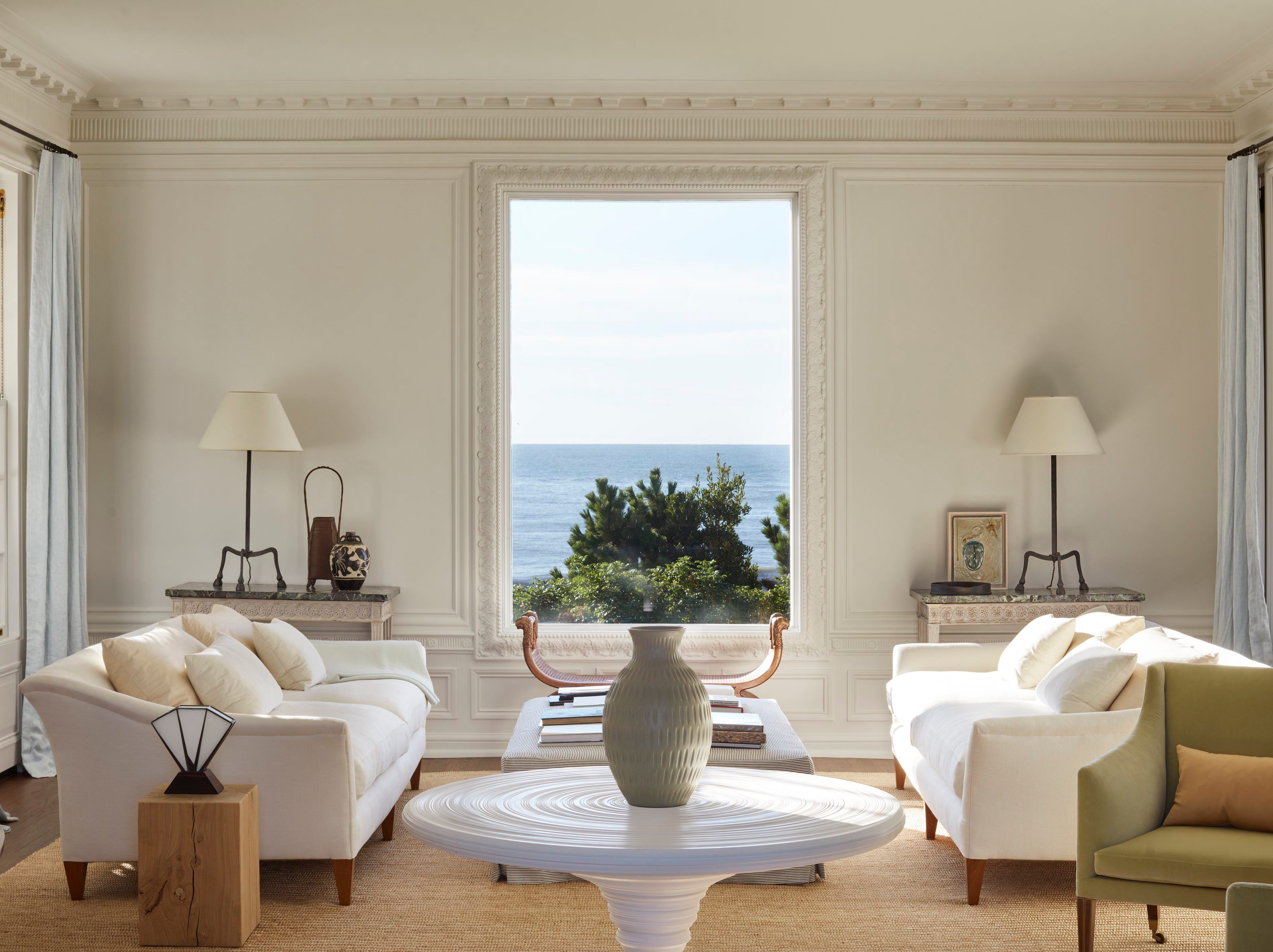
To enhance the play of light, Uniacke opted for a nearly monochromatic palette in each space, allowing subtle shifts in illumination throughout the day to define the rooms. The drawing room, for example, features pale blue walls, trim, and curtains, creating an enveloping feel that highlights the architecture's bones. Soft beach-glass greens and sandy browns provide gentle contrasts. The dining room is adorned with dusky pinks, while the billiard room is enveloped in deeper evening hues like honeyed russets and sepia tones. She collaborated with a local color expert to ensure precise color application.
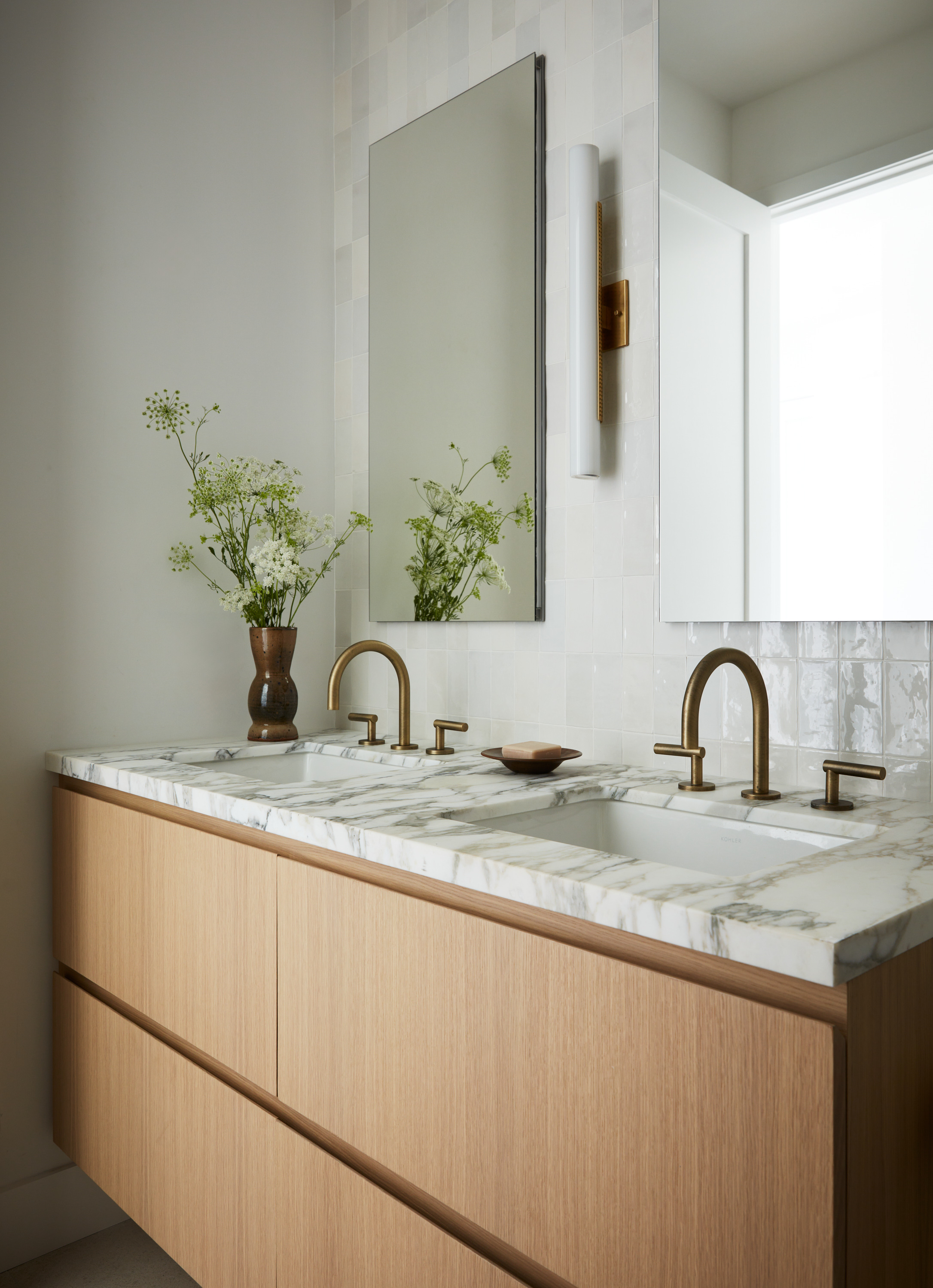
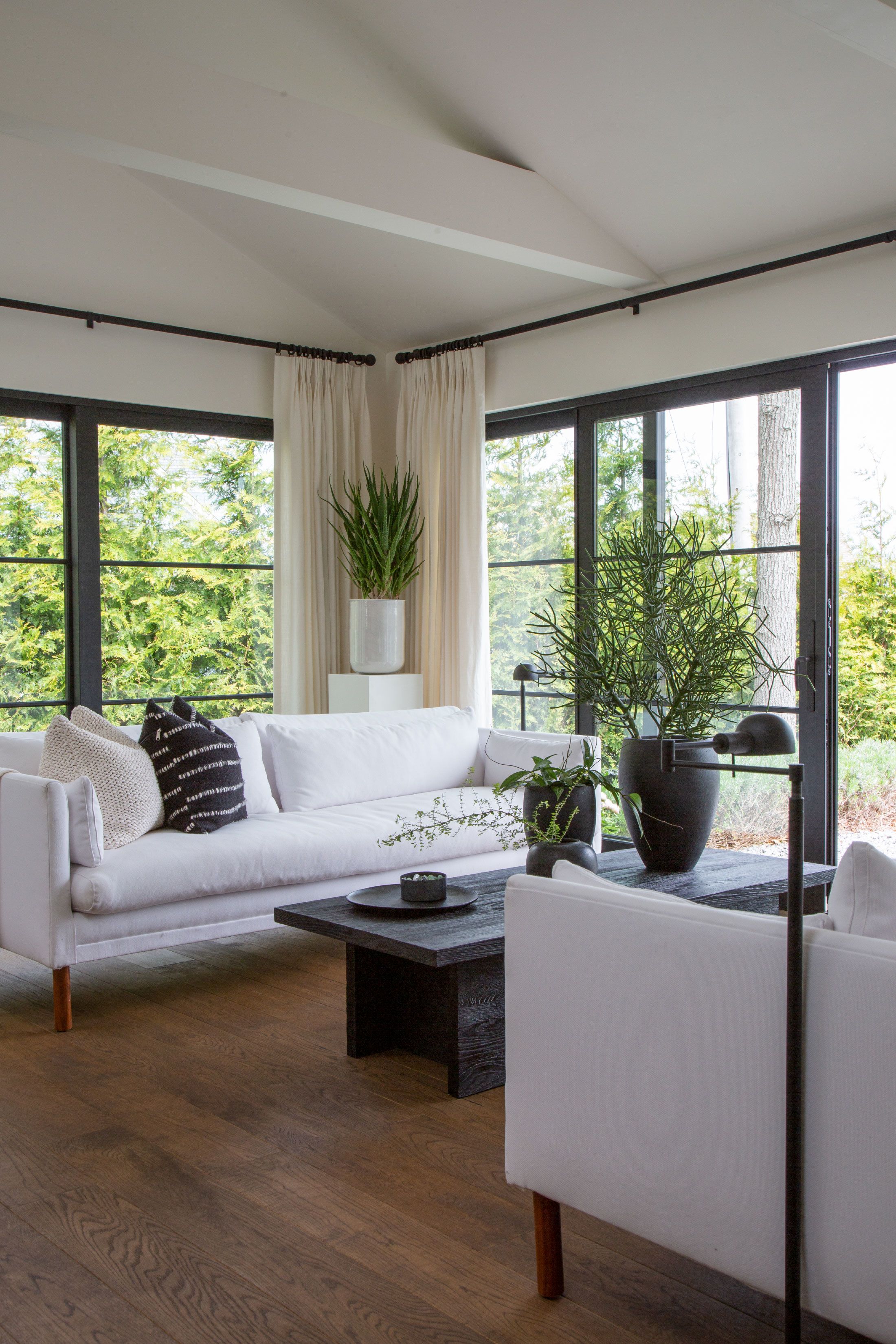
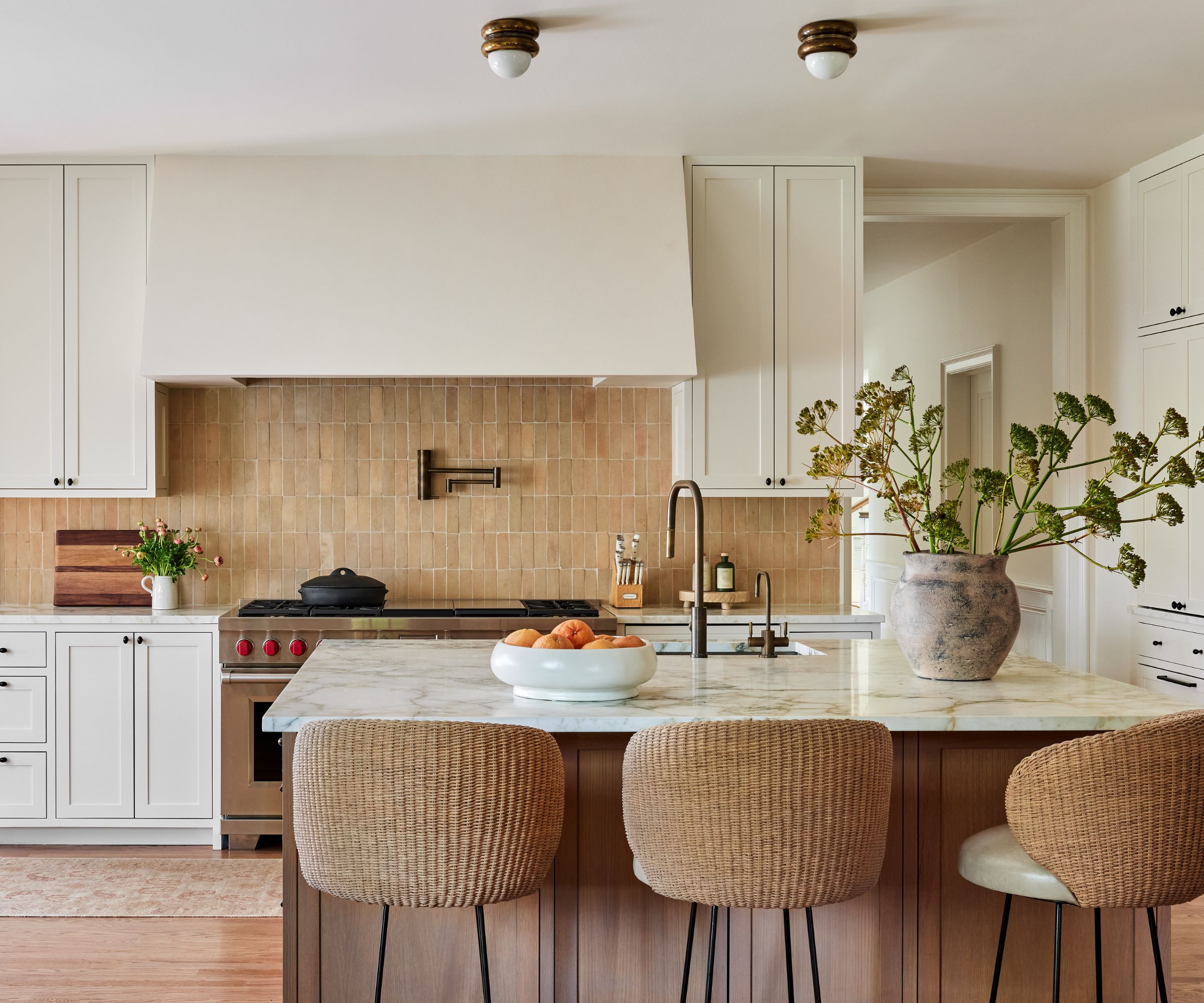
Uniacke also introduced a "thread of black" through ink calligraphy drawings and furnishings made from iron, stone, and leather. These elements add definition and a sense of groundedness to the ethereal palettes. The design emphasizes texture and form, using lush velvets, wools, and silks in the billiard room, contrasting them with a rough Mughal-period red sandstone basin and a jute rug. In the dining room, slender-fluted columns are echoed by the rhythmic folds of linen curtains, and the geometric rigor of Chippendale chairs is balanced by a free-form Napoleon III chandelier. Materials like wooden tables, jute rugs, raffia lampshades, and stone tables were chosen to evoke the surrounding coastal landscape.
The home serves as a platform for the owners' museum-quality art collection, including a painting by Saburo Murakami and an original Tiffany glass lamp. Despite these valuable pieces, the house maintains a relaxed and effortless ambiance, where even the most exquisite objects feel elemental. Uniacke’s philosophy of restraint is evident, with empty space itself treated as a valuable element, proving that significant volume does not necessitate clutter to be impactful. This approach transforms the Hamptons cottage into a harmonious blend of historical elegance, natural beauty, and artful simplicity.
#RoseUniacke #HamptonsDesign #NeoFederalistCottage #NeutralPalette #AsianArtInfluence #InteriorDesign #CoastalLiving #ArchitecturalRenovation #LuxuryHomes #RoseUniacke #HamptonsDesign #NeoFederalistCottage #NeutralPalette #AsianArtInfluence #InteriorDesign #CoastalLiving #ArchitecturalRenovation #LuxuryHomes
0 komentarzy łącznie
 Brak komentarzy jeszcze
Możesz również polubić
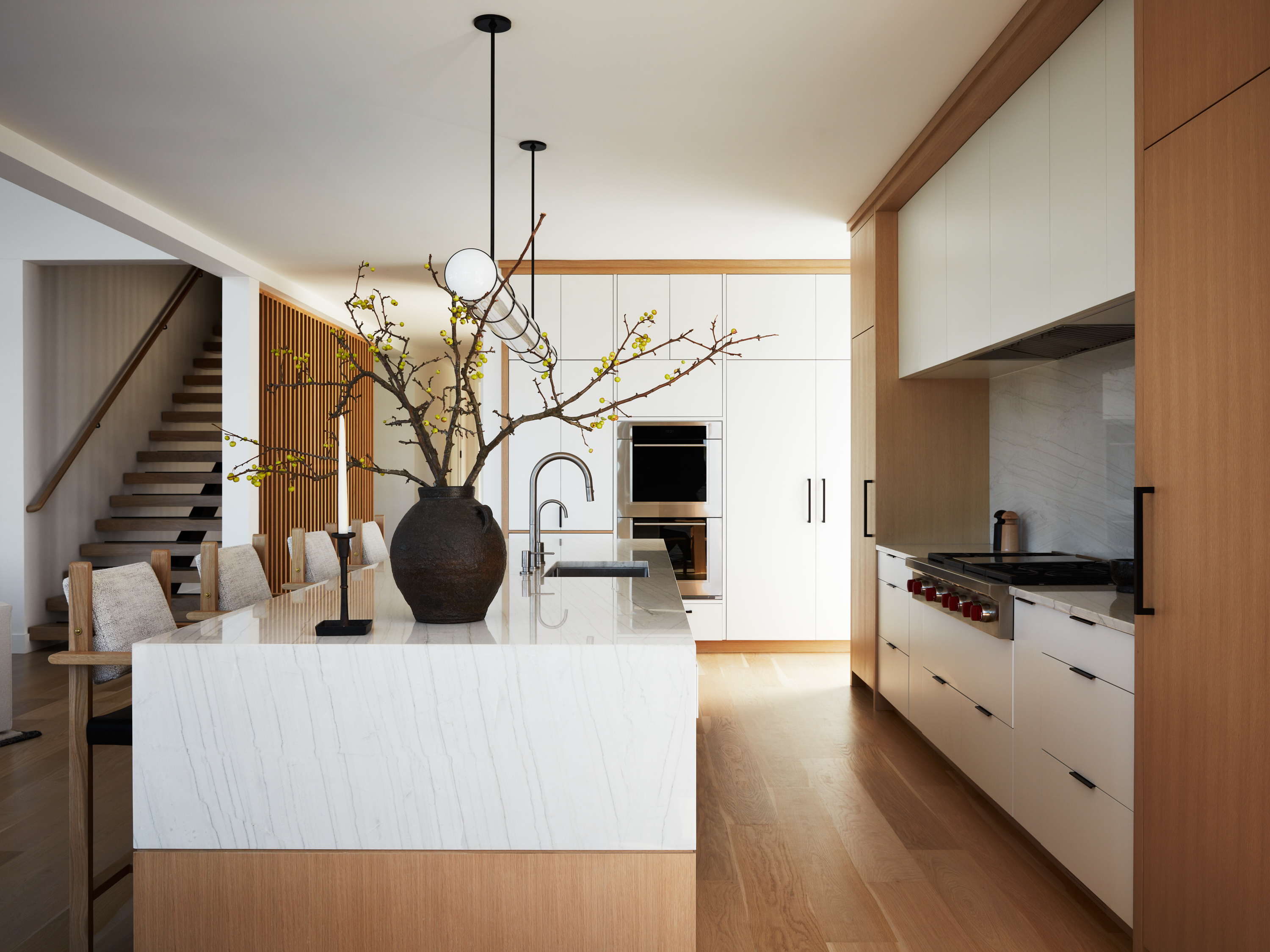
This Hamptons Beach House is a Masterclass in Calm, Coastal Decor - Here are 5 Lessons to Take Away

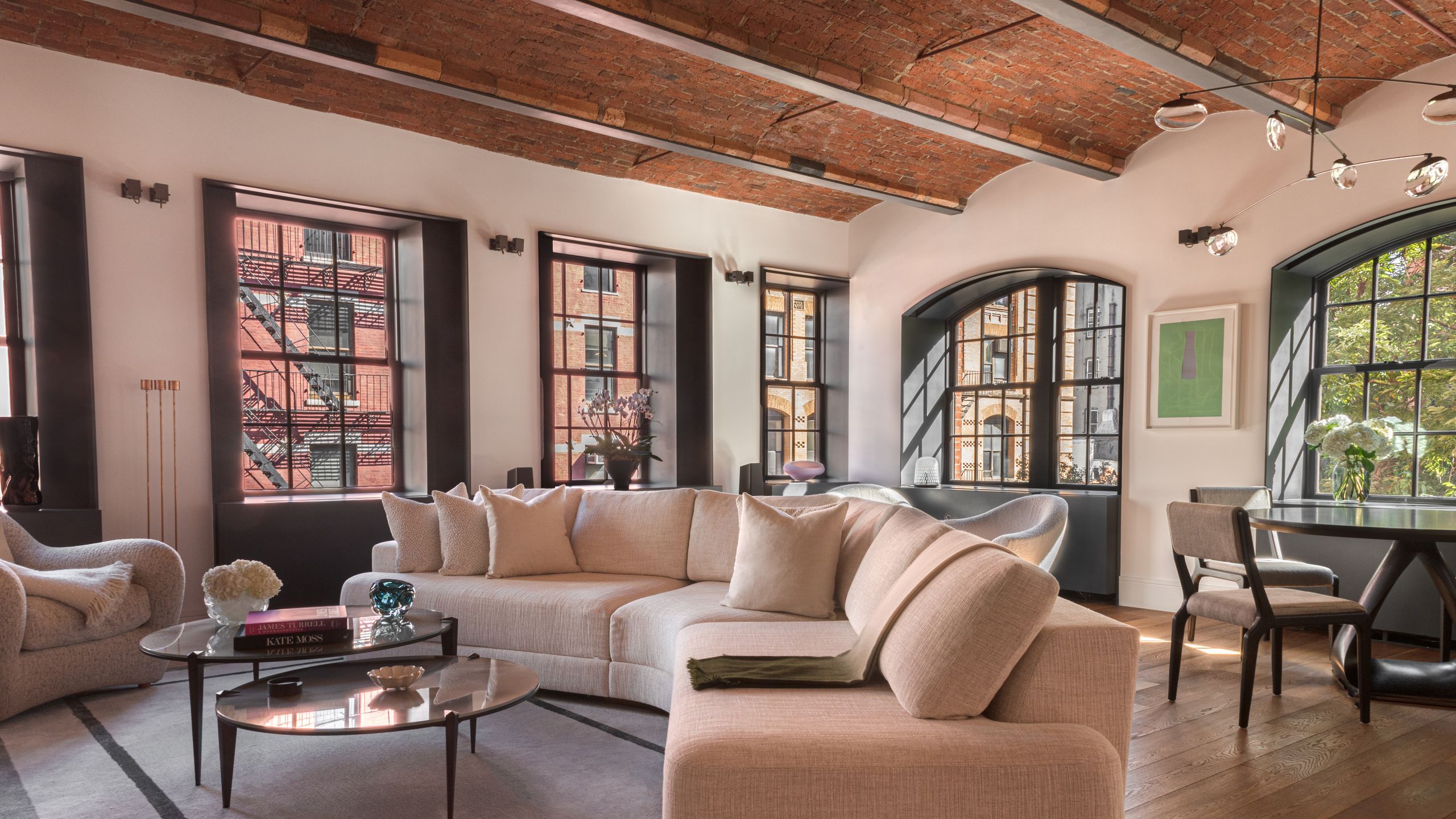
This Raw Manhattan Apartment Is Now a Cosy Cocoon, Thanks to the Transformative Power of Light
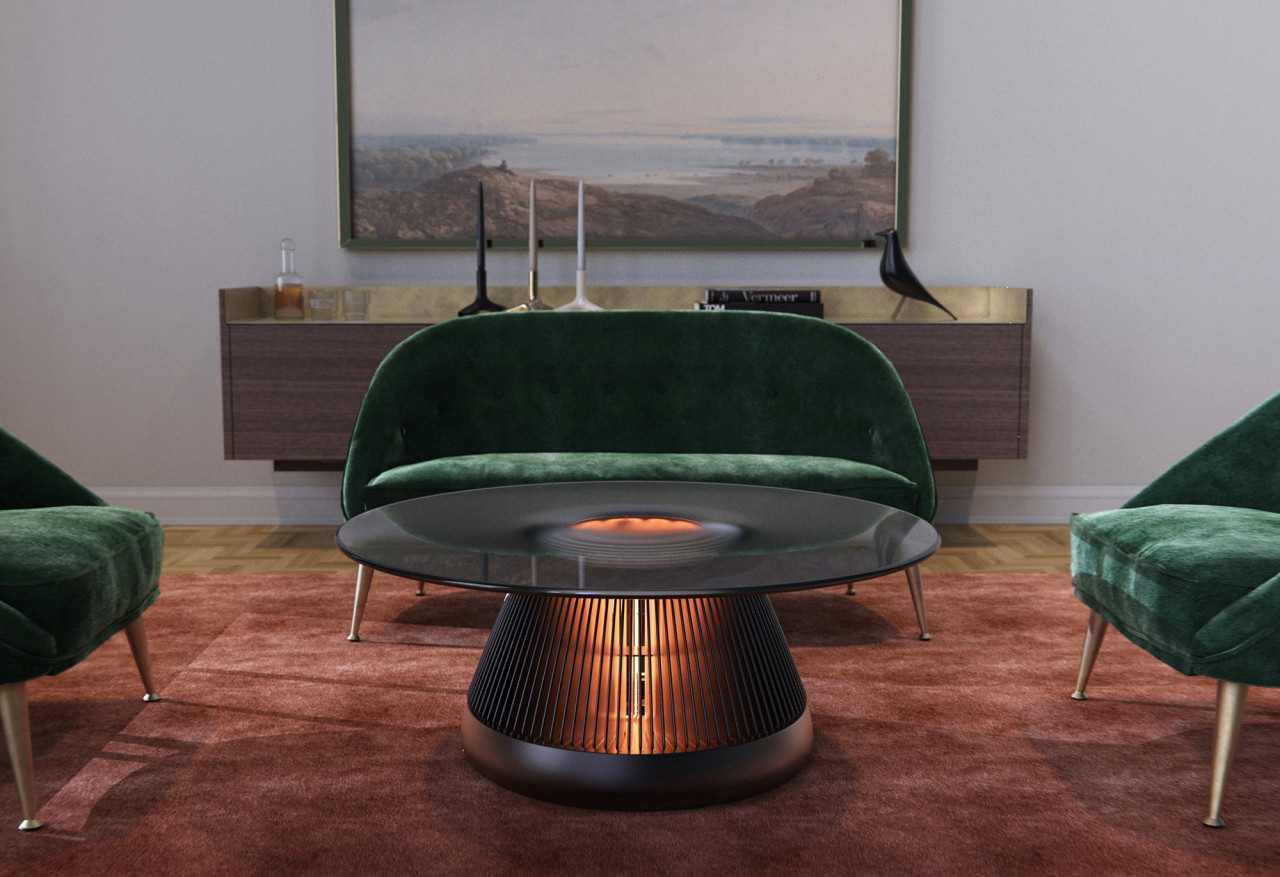
The Hearth Warmly Enlivens the Home With a Twist

Naomi Watts' 'quiet luxury' living room is the new way to do cozy
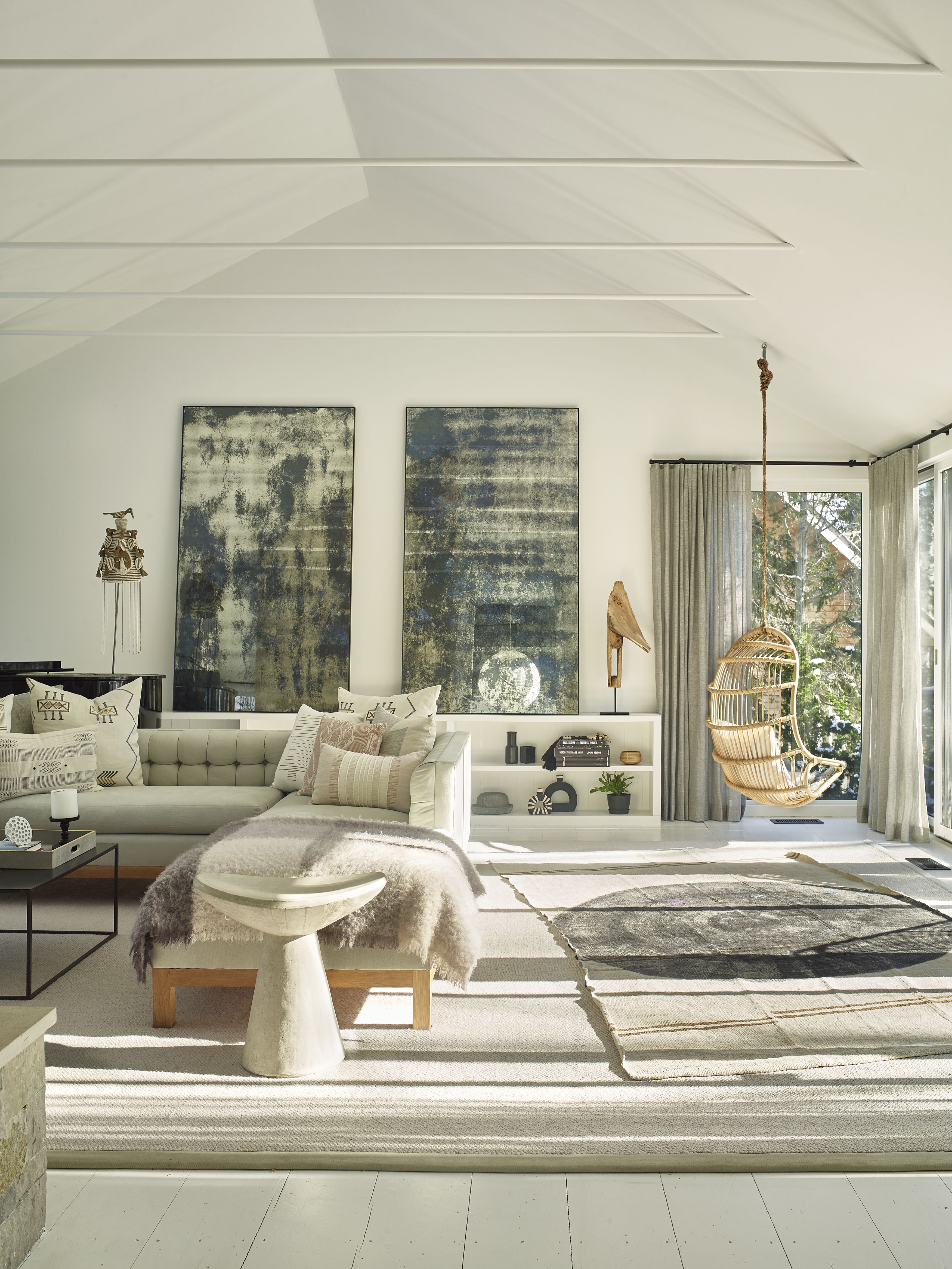
‘Quiet Luxury’ Interior Design Is Booming Loud and Clear in the Hamptons
How to brighten any room in your home — 5 tips from a lighting expert

Why Wealthy Homeowners Are Putting Crystals Under Their Floors

Inside Hollyoaks star Tamara Wall’s amazing home with neon lights, fresh flowers and huge kitchen

These Ambiance-Setting Lamps Are the Secret to Creating a Cozy Atmosphere In Any Home

What Is Transitional Style? Designers Share Why They Love It and How to Get the Look

Finders/Makers: 8 Hudson Valley Lighting Gurus

35 Neutral Living Room Ideas That Go WAY Beyond the Pale

hudson valley lighting group shines coziness indoors with warm finishes
This designer reimagined a traditional Southampton home into a 'Hamptons Au Naturel vibe'

At Home: with Amanda Swaringen of Carolina Design Associates

Homestyle: Lighting the way
10 Neutral Room Ideas That Are Calming, Sophisticated — And Full of Decorative Interest
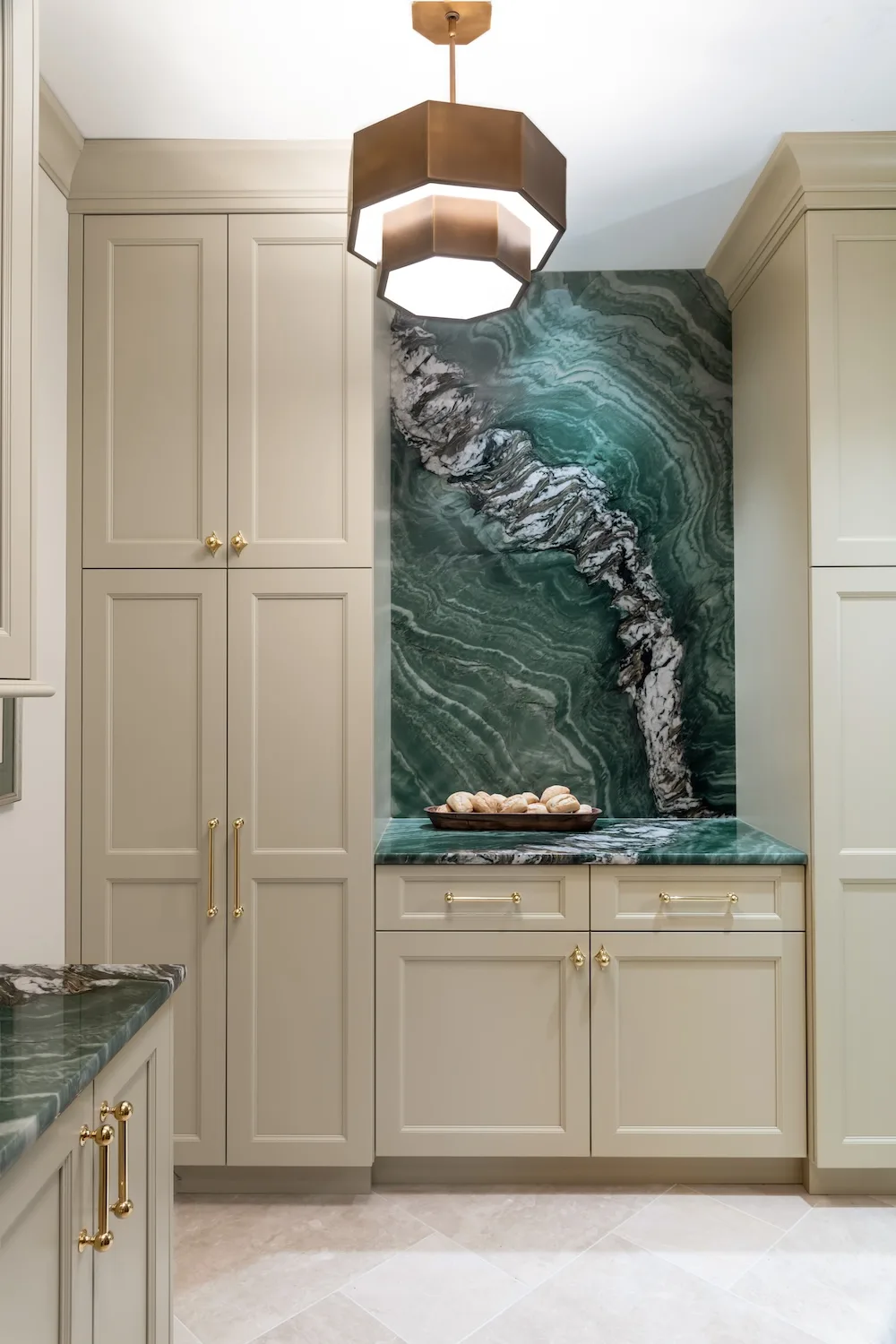
See how this South County residence was reimagined with unique and tailored lighting fixtures

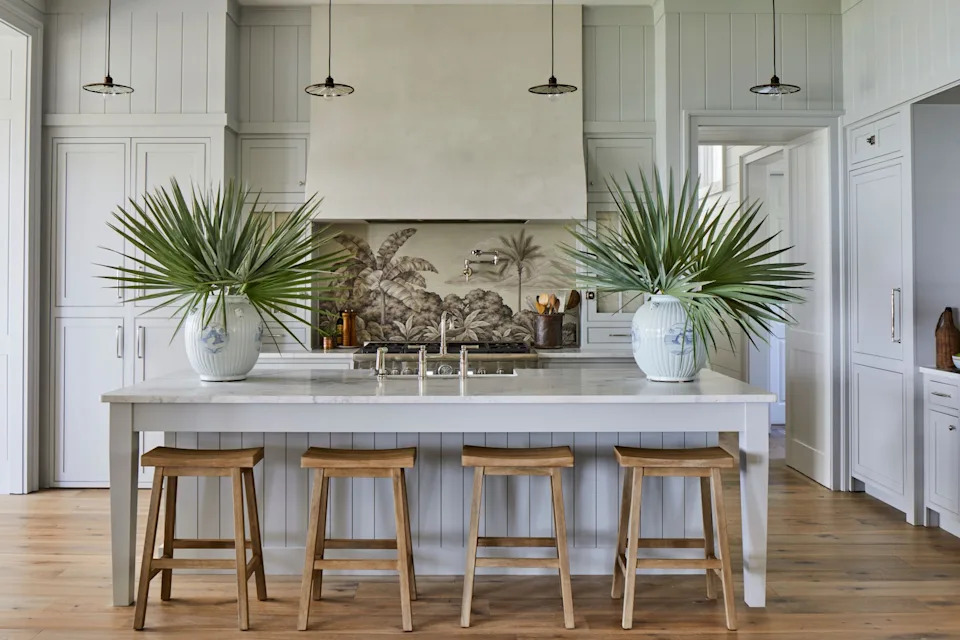
See How Neutral Paint Colors Transformed Our Idea House
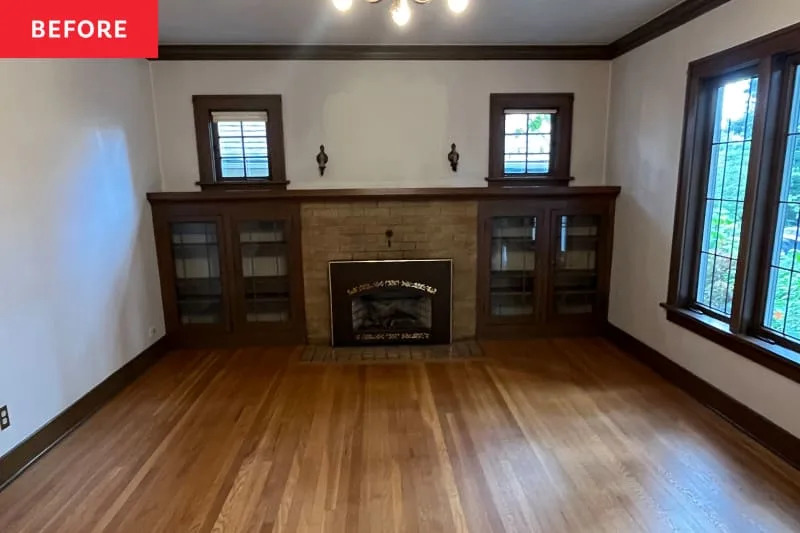
See How a Stager Transformed a “Dark” Craftsman Parlor (It’s So Much Brighter!)