1/5
This Cleaning Powder Was Invented in the 1880s. It Still Keeps My Kitchen Gear Looking New. | Reviews by Wirecutter
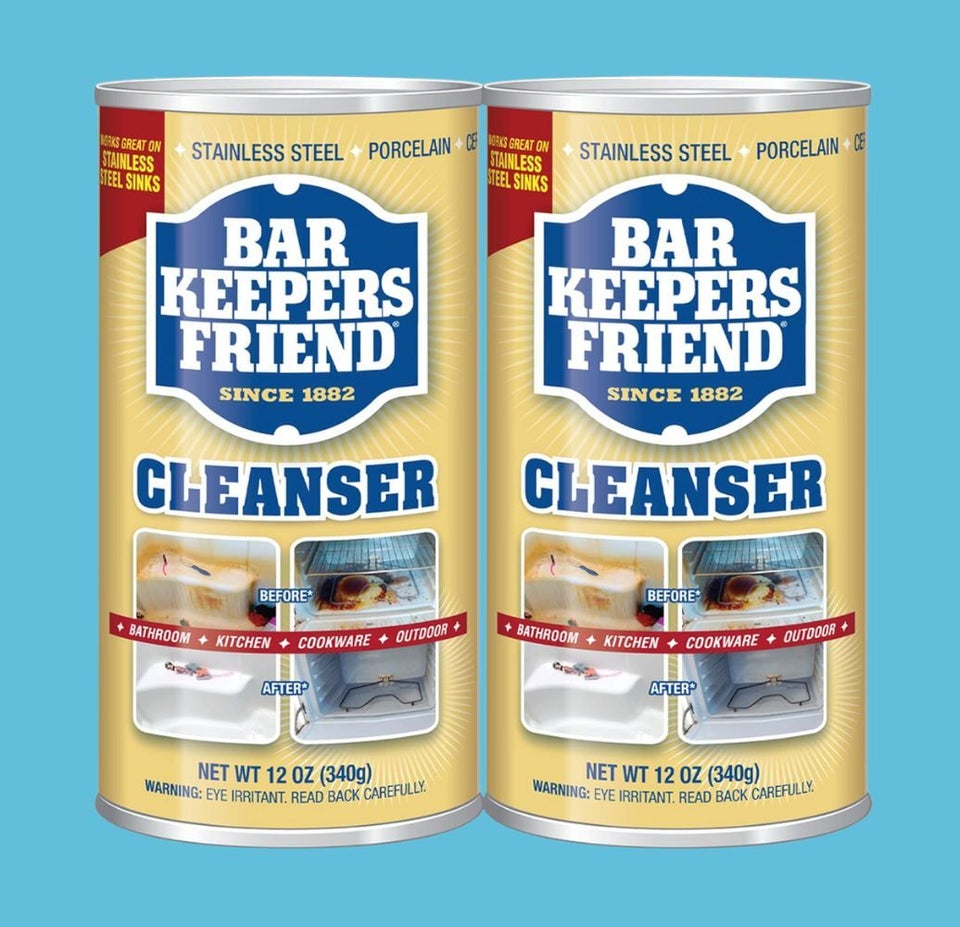
The author shares a personal anecdote about discovering Bar Keepers Friend (BKF) for cleaning stainless steel cookware. Initially, after receiving two All-Clad skillets as a wedding gift, the author was meticulous about their upkeep. However, over time, these skillets, like any frequently used kitchen item, developed a patina, including yellow discoloration, baked-on oil, and scorch marks that conventional scrub pads couldn't remove. A friend's recommendation led the author to BKF, a mildly abrasive cleaning powder invented in the 1880s, which proved highly effective in restoring the original shine of the cookware.
The article highlights the key ingredient in Bar Keepers Friend: oxalic acid, a compound found naturally in many fruits and vegetables. This acid is responsible for its efficacy in shining metal and removing rust. While other abrasive cleaners like baking soda are useful for stained pots and pans, BKF is recommended for tougher cleaning tasks such as oven cleaning and removing seasoning from baking sheets. The cleaning process typically involves sprinkling the powder on a wet surface, gently rubbing with a wet sponge or cloth, and then rinsing or wiping it off within a minute to prevent discoloration or surface scratching. The author admits to occasionally deviating from the one-minute rule for heavily soiled pans, noting that high-quality stainless steel cookware has withstood longer scrubbing without damage.
A comparison test conducted by Wirecutter's team demonstrated BKF's superior performance over baking soda in removing baked-on oil and scorch marks from a stainless steel pan. While baking soda could remove some stains and scratches, it failed to eliminate the yellow patina caused by high heat, whereas BKF successfully restored the pan's original silver color. The article provides examples of BKF's restorative power, including a Le Creuset omelet pan found abandoned and a porcelain farmhouse sink and circa-1930s porcelain-tile bathroom floor in a 1924 cabin, all of which were brought back to a nearly new condition.
Despite its effectiveness, the article emphasizes that Bar Keepers Friend is not a universal cleaner. It should not be used on delicate surfaces such as marble, wood, cast iron, nonstick pans, or painted surfaces, as it can cause scratching or damage. The company also advises against using it on skin or for internal use, such as cleaning false teeth, due to the oxalic acid content, which can cause irritation. The cleaning process, especially for heavily stained items, can be labor-intensive, requiring significant scrubbing. The author describes a 15-minute scrubbing session to clean a neglected skillet, acknowledging that such extensive scrubbing might introduce minor scratches but ultimately preserves the item's functionality and character. The article concludes by reinforcing the product's long-term value, comparing the durability of the All-Clad skillets, the author's marriage, and the benefits of proper care in ensuring longevity for all three.
#BarKeepersFriend #CleaningProducts #KitchenMaintenance #StainlessSteel #CookwareCare #HomeCleaning #OxalicAcid #CleaningTips #BarKeepersFriend #CleaningProducts #KitchenMaintenance #StainlessSteel #CookwareCare #HomeCleaning #OxalicAcid #CleaningTips
0 komentarzy łącznie
 Brak komentarzy jeszcze
Możesz również polubić
These Old-School Cleaning Products Still Work Like Magic
35 Cleaning Products To Keep Your Home And Car Looking Fresh All Fall Long
I deep clean my entire kitchen using just one fabulous tool – it's efficient, affordable and toxin-free

Does Laundry Detergent Expire?
8 Cleaning Products That Our Editors Grab Again and Again

The 10 Best Kitchen Sponges 2025, Tested by an Editor

18 Wirecutter-Approved Cleaning Supplies to Tackle Almost Any Mess

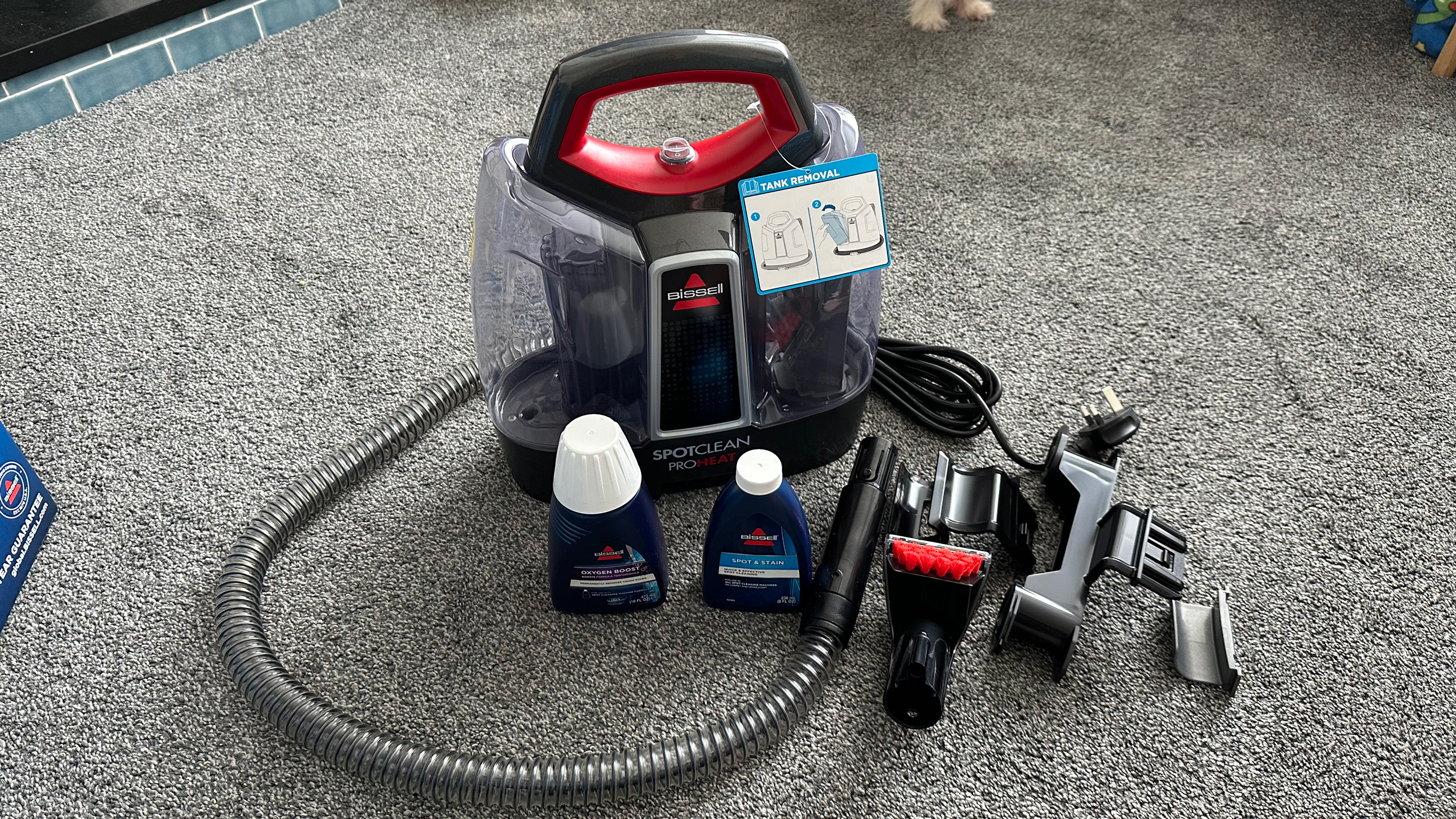
This spot cleaner has saved me hundreds – it's a game-changer for cleaning and so satisfying to use

Nine of My Favorite Products for Cleaning the Kitchen

The $2.15 Woolworths product that transformed dirty, mouldy grout back to bright white
The 22 Best Cleaning Products for Your Home That Basically Do the Work for You

10 best stain removers for clothes, tried and tested on heavy stains

9 Ways to Use That 'Pink Stuff' You've Seen on TikTok

This bacteria-busting kitchen storage solution instantly tidied up my small sink area – it's chic and clever

Your guide to safer cleaning products
The Best Natural Countertop Cleaners To Wipe Away Spills And Splatters

The Stylish Cleaning Products House Beautiful Editors Love

The very best cleaning products of 2025, tested for spring cleaning
16 Things In Your Kitchen You NEED To Clean More Often, According To Experts
This Five-Inch Electric Brush Destroyed the Mold and Grime in My Rental