1/4
Purple Blooms Are Turning Heads In Southeast Minnesota, But There's More To The Story
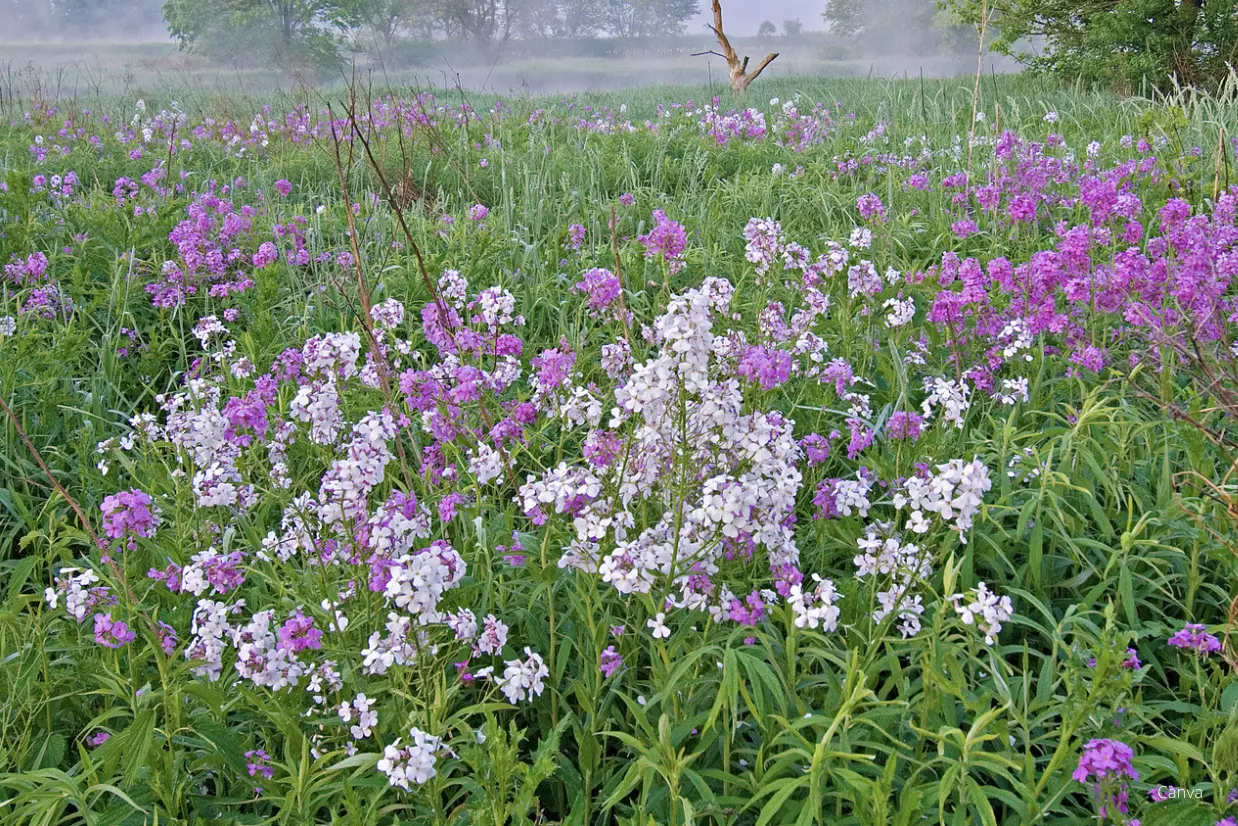
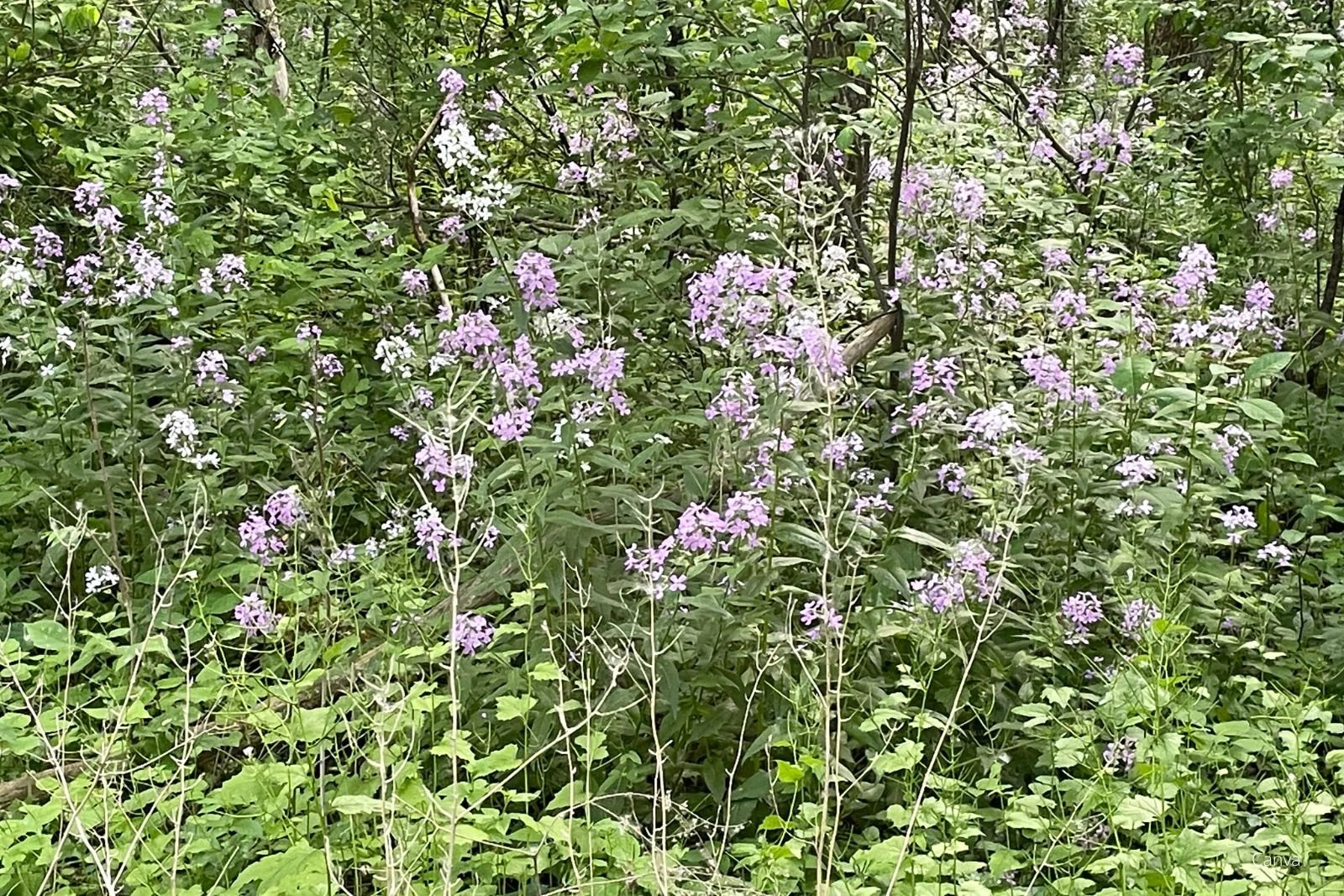
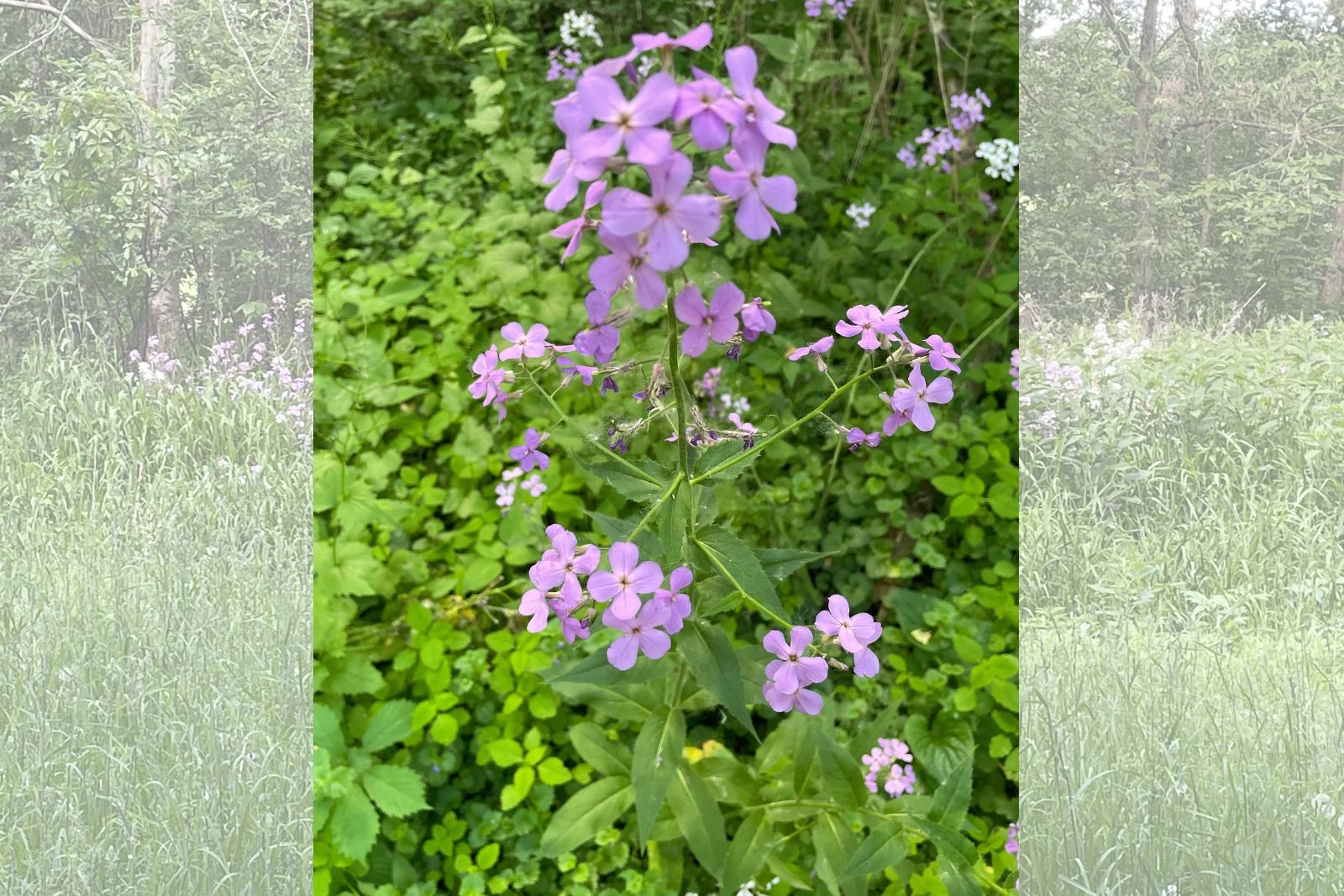
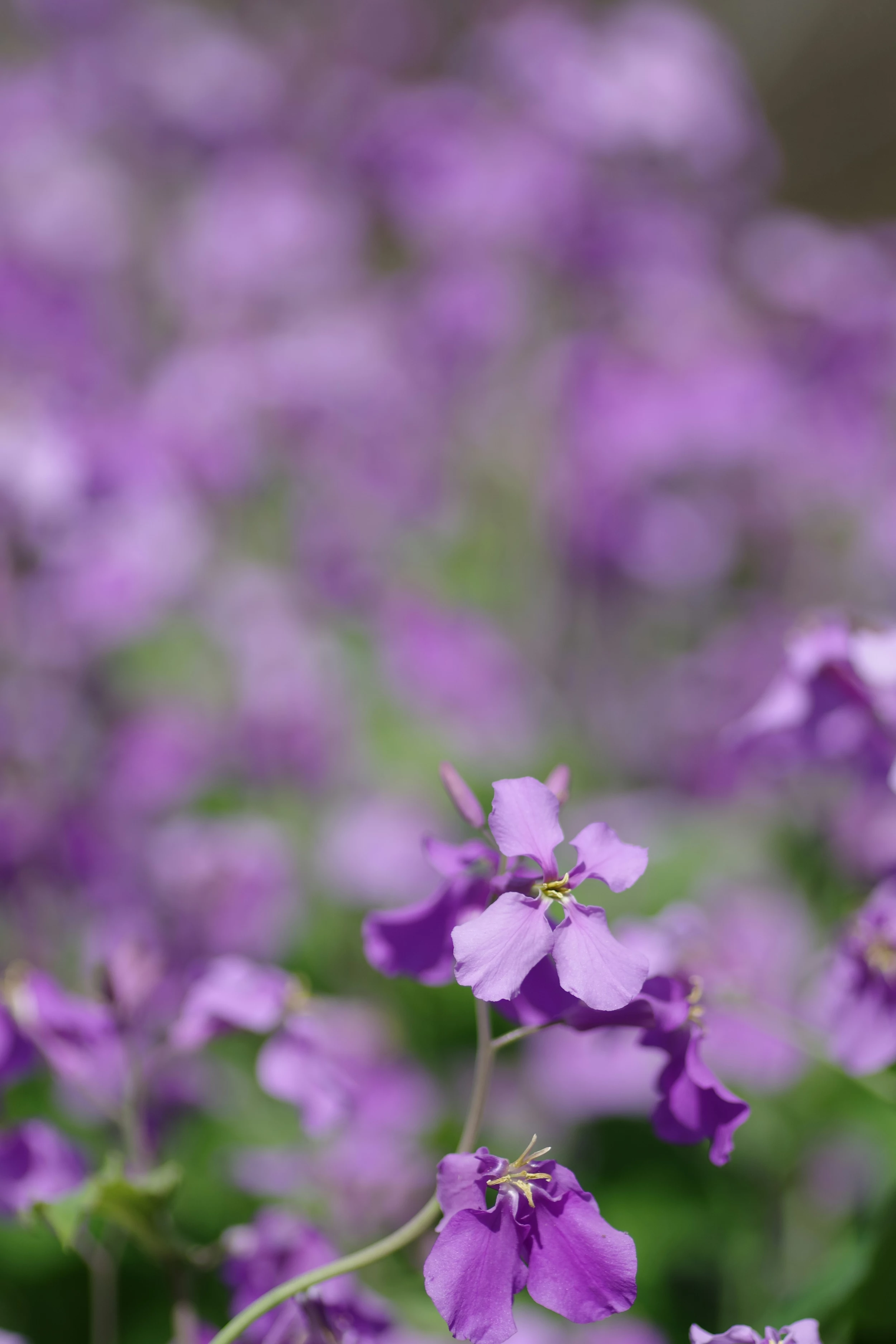
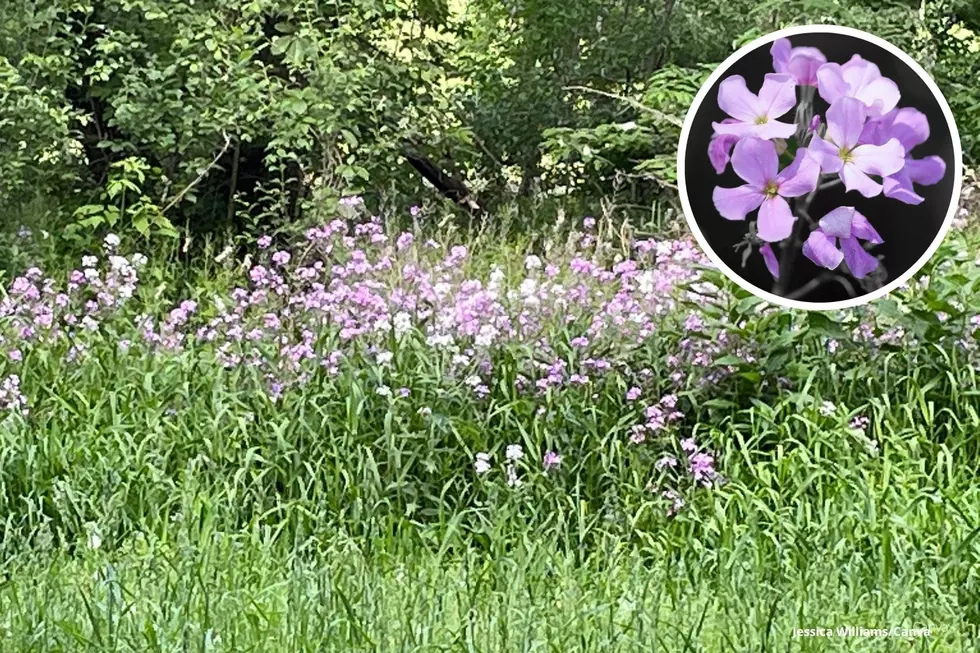
Across Southeast Minnesota, ditches and yards are filled with vibrant purple flowers, often mistaken for phlox. However, these widespread blooms are actually Dame's Rocket (Hesperis matronalis), a species that, despite its beauty, is considered invasive. The flowers, characterized by their four petals and pleasant scent, appear in various shades of purple and sometimes white. A key distinguishing feature from phlox is the number of petals: Dame's Rocket has four, while phlox has five.
The article delves into the common misconception surrounding these flowers, noting that many people incorrectly identify them as phlox. This misidentification is significant because, unlike phlox, Dame's Rocket is not native and can pose environmental problems. The plant is prolific and can rapidly colonize disturbed soils, outcompeting native vegetation and disrupting local ecosystems. This rapid spread has led to its classification as an invasive species in regions like Wisconsin, where it is known to cause significant environmental or economic harm.
Dame's Rocket has numerous common names, including damask-violet, dame's-violet, dames-wort, dame's gilliflower, night-scented gilliflower, queen's gilliflower, rogue's gilliflower, summer lilac, sweet rocket, mother-of-the-evening, Good & Plenties, and winter gilliflower. The plant belongs to the mustard family and is easily recognizable by its four rounded petals and alternate leaves. While some online forums might suggest it is not invasive, official sources like the Minnesota Board of Water and Soil Resources and the Wisconsin Department of Natural Resources confirm its invasive status.
The implications of Dame's Rocket's invasive nature extend beyond aesthetic concerns. Its ability to spread quickly means it can displace native plants crucial for local wildlife, alter soil composition, and reduce biodiversity. For homeowners, planting Dame's Rocket, or even allowing it to grow unchecked, can contribute to its further spread and negatively impact local plant communities. The information presented highlights the importance of accurate plant identification and understanding the ecological consequences of introduced species, even those with attractive qualities.
#InvasiveSpecies #MinnesotaFlora #DameRocket #EnvironmentalConcerns #PlantIdentification #MinnesotaDepartmentOfNaturalResources #WildlifeEcosystems #InvasiveSpecies #MinnesotaFlora #DameRocket #EnvironmentalConcerns #PlantIdentification #MinnesotaDepartmentOfNaturalResources #WildlifeEcosystems
0 komentarzy łącznie
 Brak komentarzy jeszcze
Możesz również polubić
We Now Know What The Purple Flowers Are in Minnesota Ditches

This surprising color trend is having a comeback

Tradescantia Mundula Fairy Wings - A Rare Beauty That Radiates the Amethyst Glow


Flower Arrangements Are Reaching New Heights (Published 2024)


10 Spots in Minnesota to Enjoy Spring Flowers

Zooey Deschanel Says Green Pumpkins are the New Orange


Enhancing the power of a flower

The Purple Flower That Boosts Soil But May Be More Hassle Than It's Worth

Thursd Floral Trend Color Palette 2025 - Aurora Glow

Step Aside, Florals—Shells Are the "It" Decor Motif of This Spring

![Beautiful Flower Garden Photos From Mom’s Gardens [GALLERY]](https://gstatic.ideal.house/news/images/null/15784e94842e4737a8f115b0a60b3d75.webp)
Beautiful Flower Garden Photos From Mom’s Gardens [GALLERY]

New Glowing Plants Emit Ambient Light From Their Leaves

Do You Know the Name of This Purple Minnesota Wildflower?


Habitat: A Pop of Color in Manayunk

3form’s Ivory Flora Collection Launches a Fresh Take on Biophilia
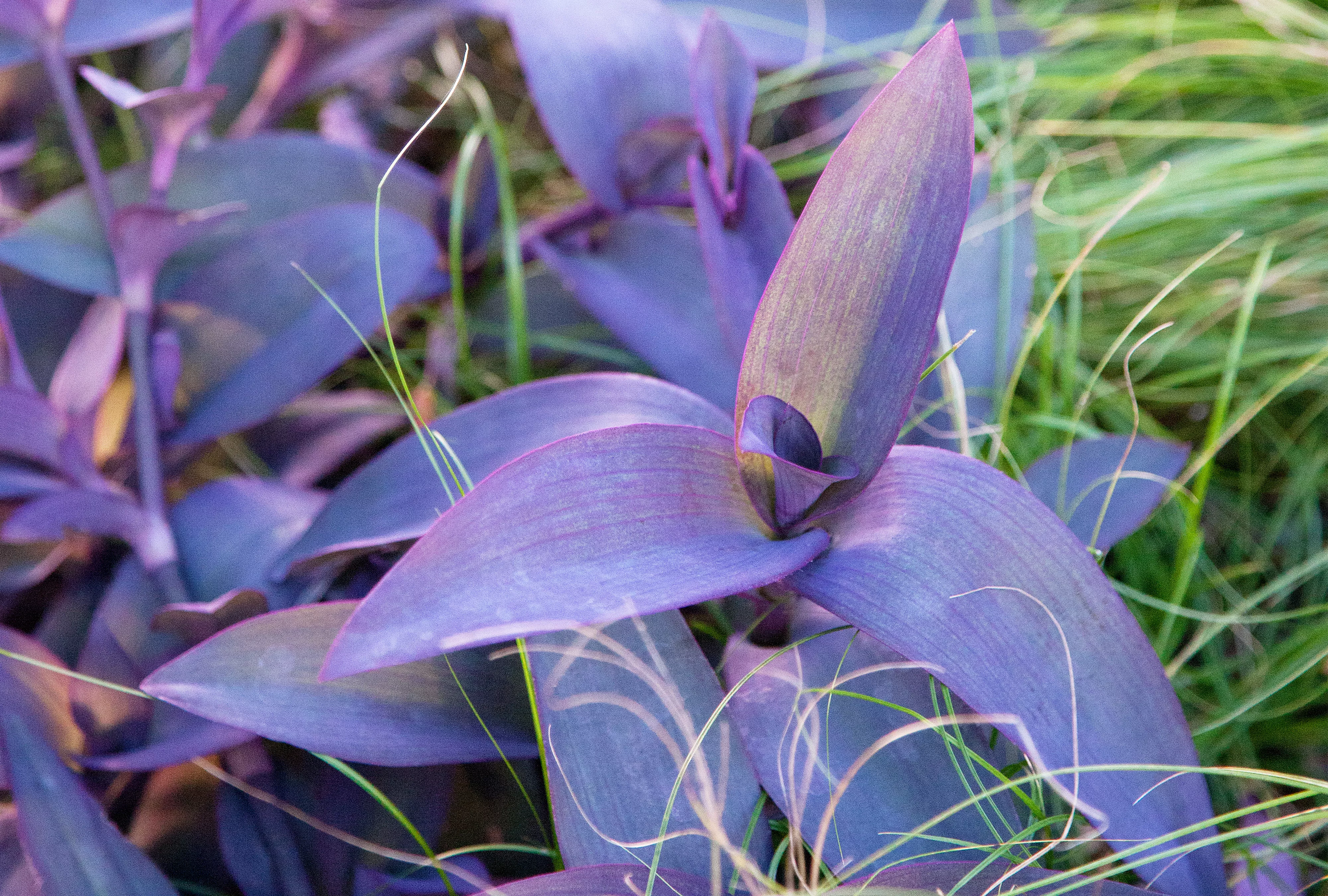
15 Purple Plants with Leaves that Stay Perpetually Purple
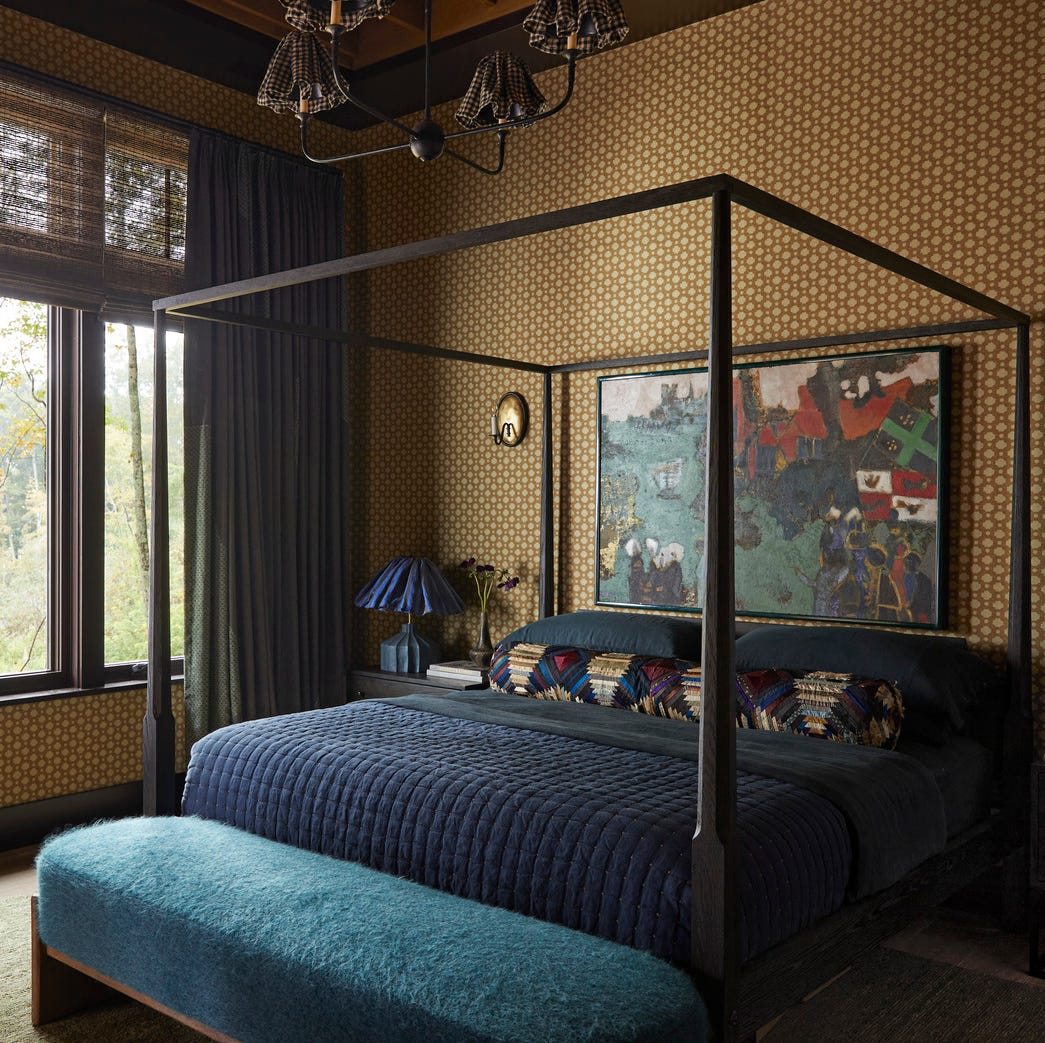
This Very "Controversial" Color Is About To Be Everywhere Again


Once overrun with florals, this ex-farmhouse has had a major glow-up


Bud Vases Are in Full Bloom